Wood Bunk Beds
Upgrade your bedroom with a versatile and space-saving solution - these wood bunk beds. Perfect for maximizing floor space in kids' rooms, guest rooms, or vacation homes, these bunk beds offer a stylish and practical sleeping arrangement. Crafted from high-quality wood, these bunk beds are sturdy, durable, and designed to provide a comfortable and secure place to rest. With various finishes and styles available, you can find the perfect wood bunk bed to complement your decor while providing a cozy spot for a good night's sleep.
Sort
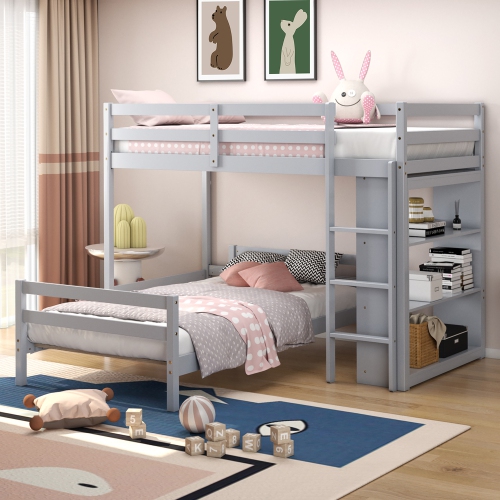
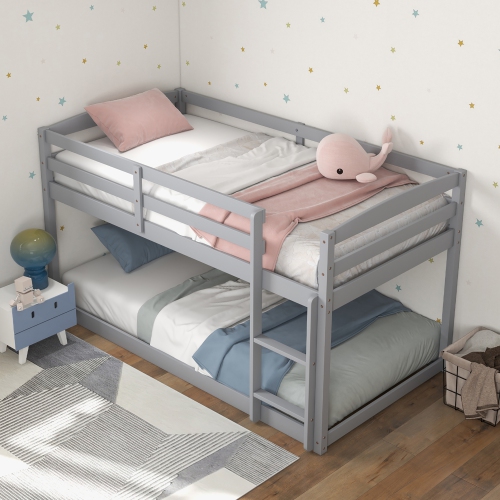
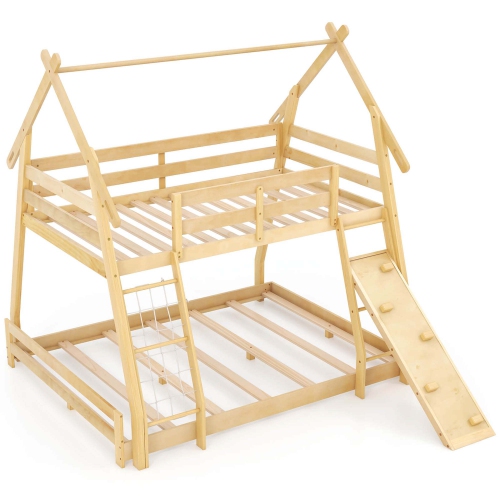
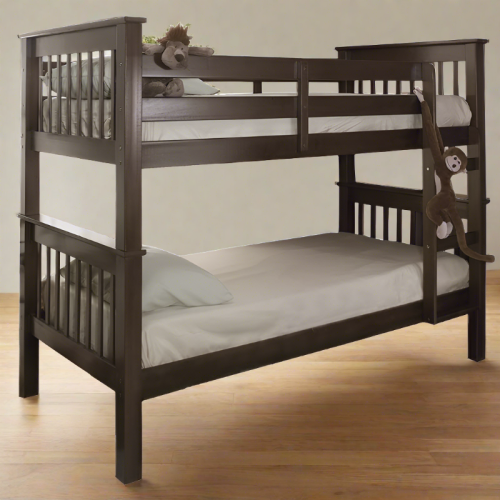


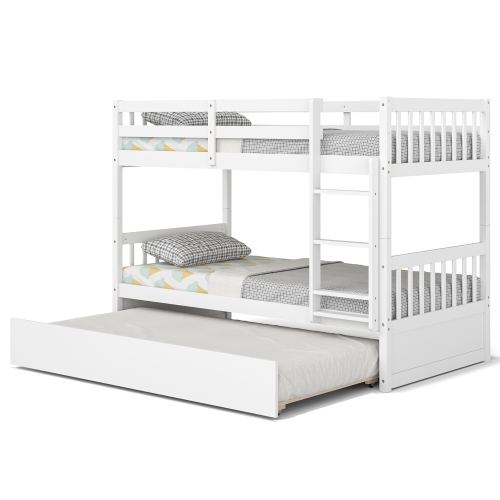
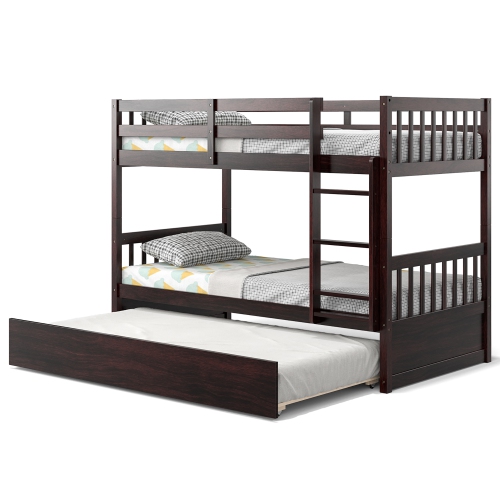
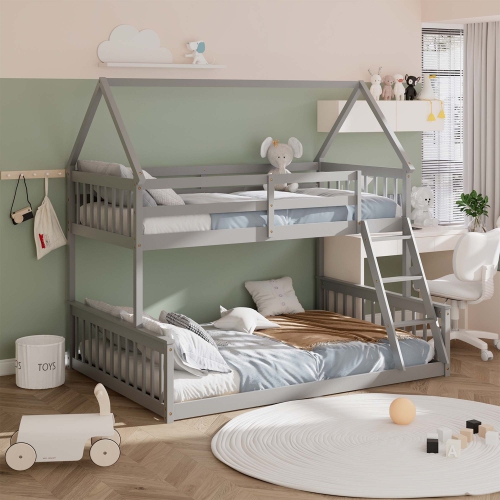
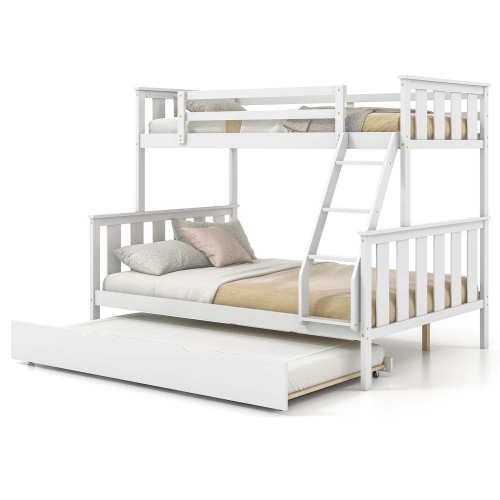

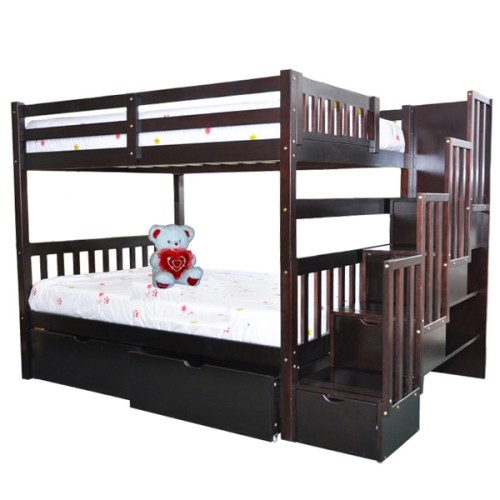
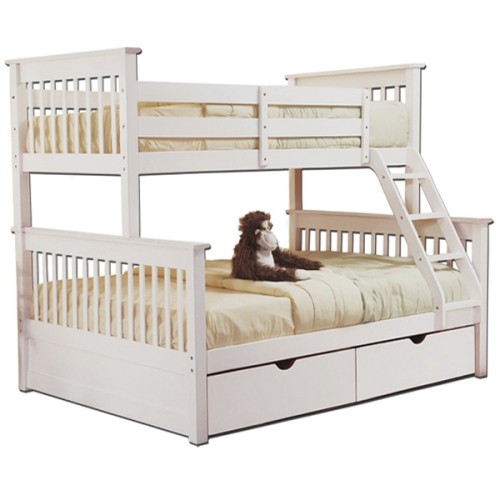
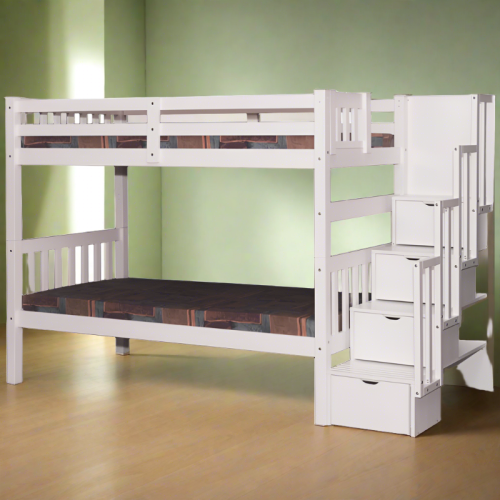
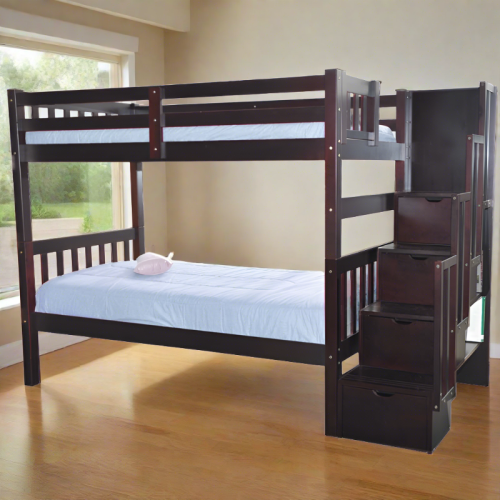
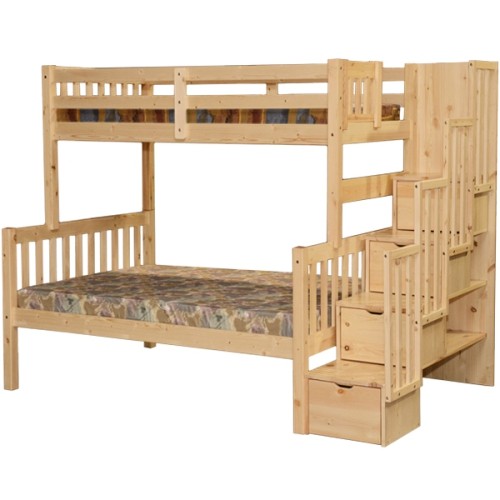
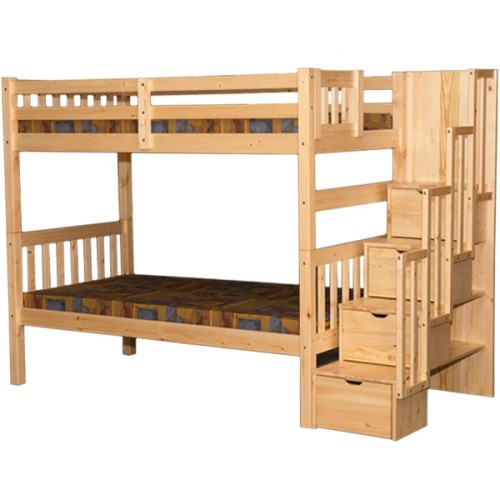
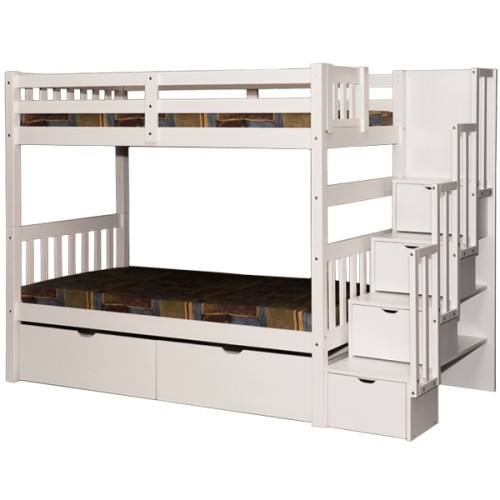
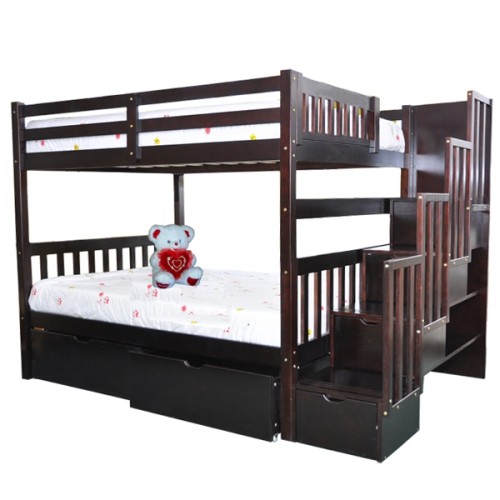
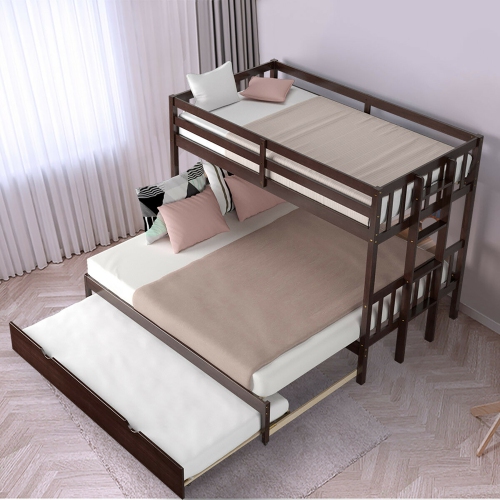
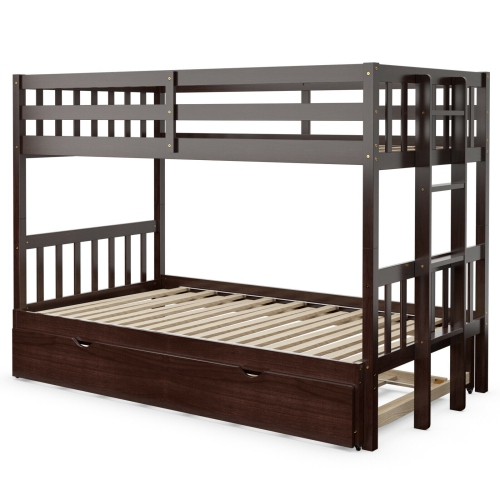
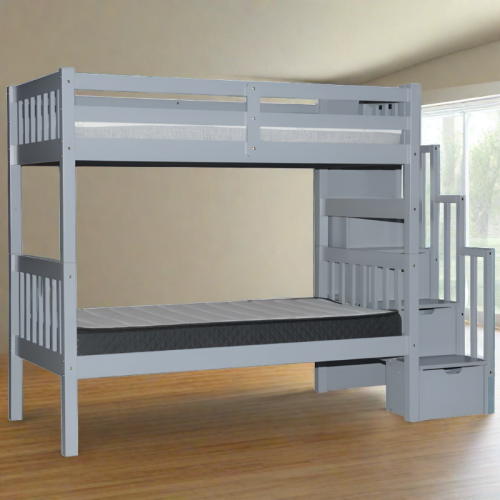
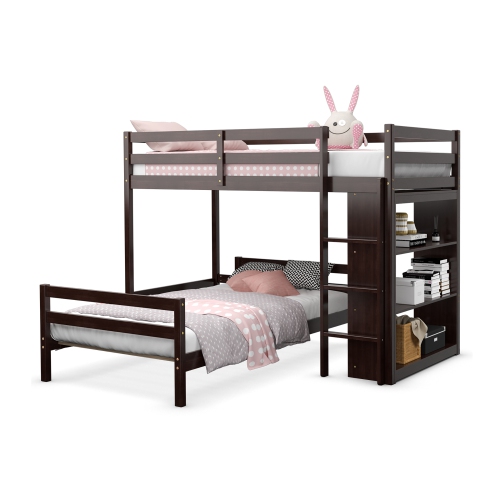

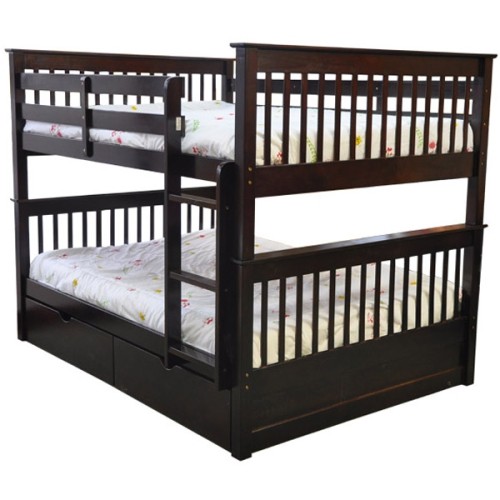
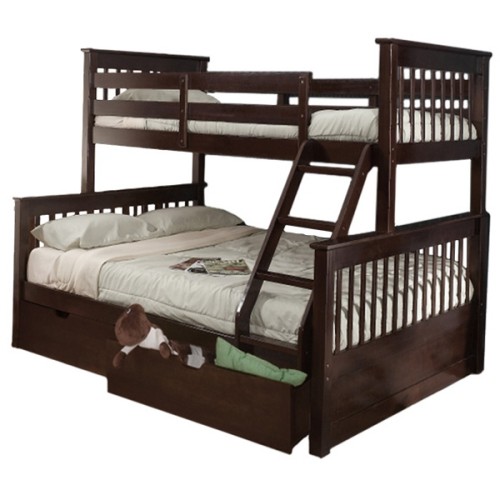
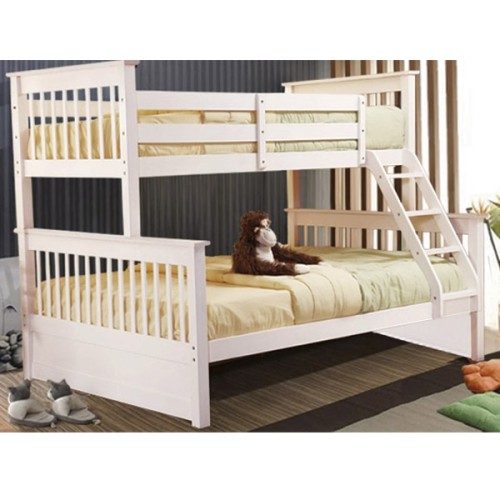
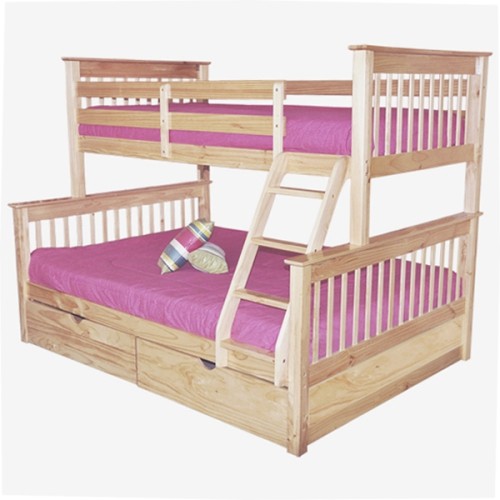


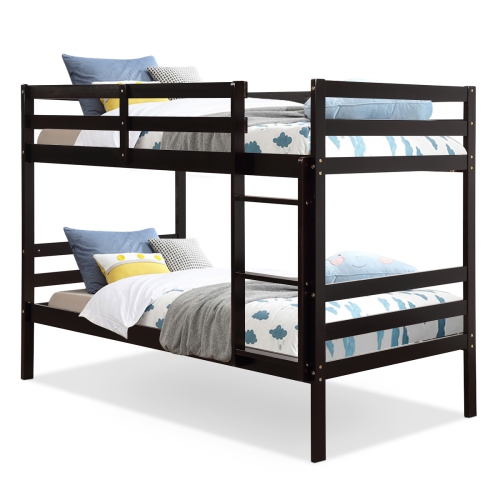
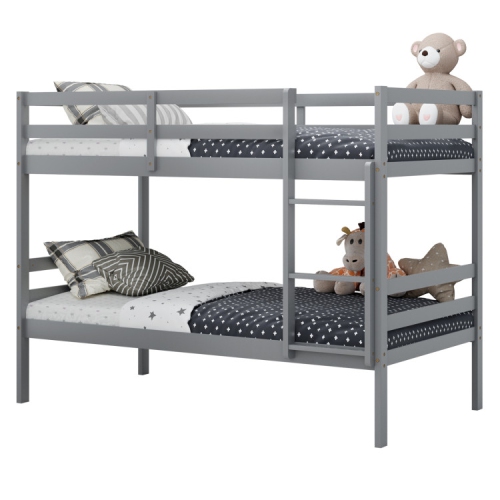


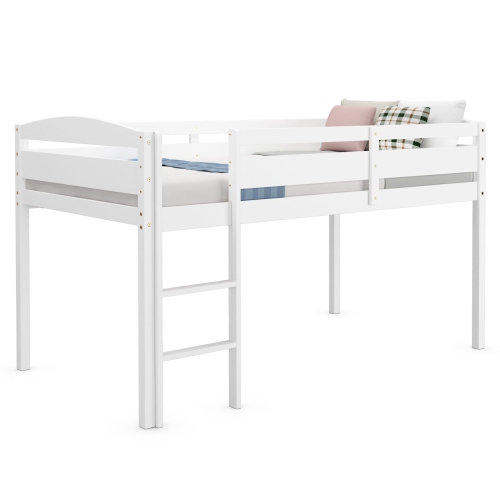
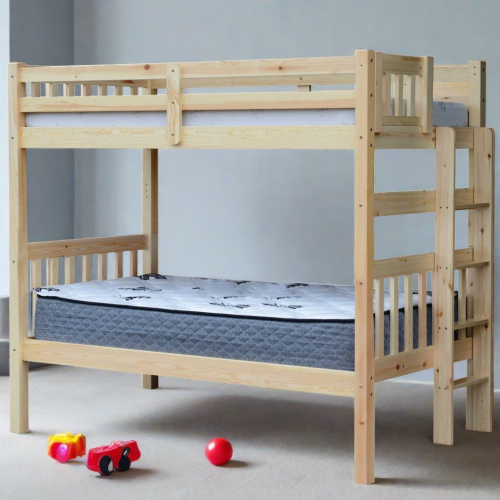
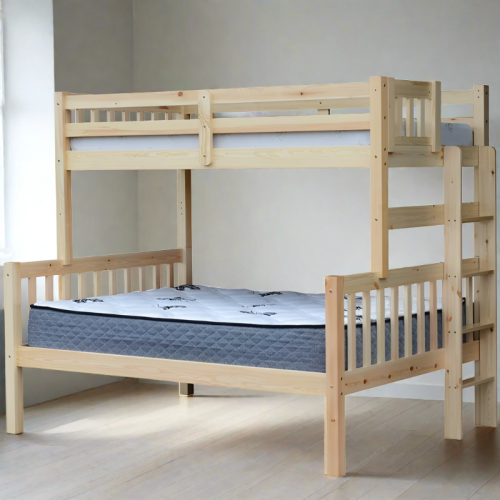
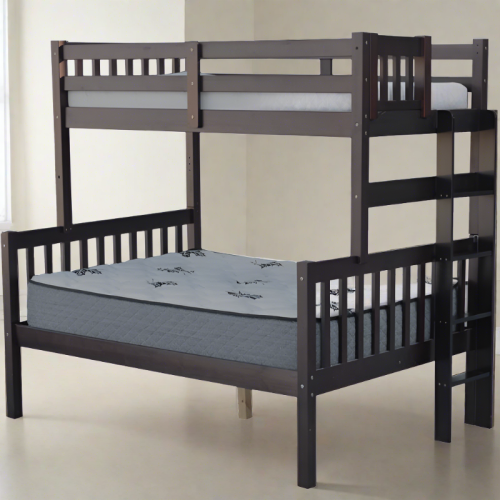
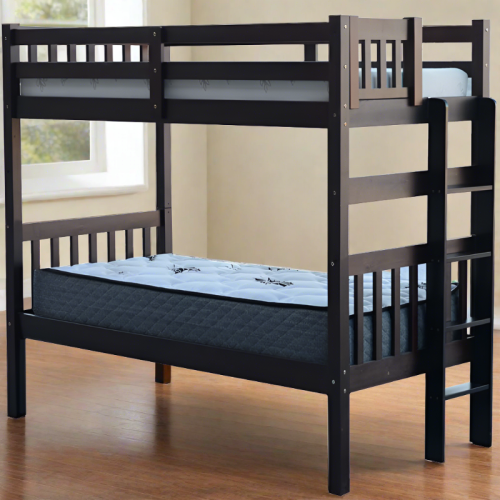
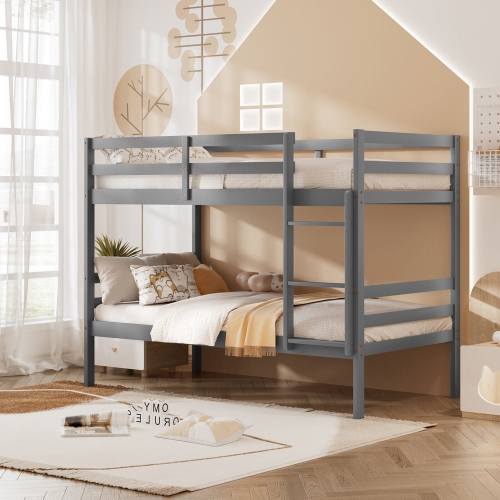
How stacked sleeping space adapts to changing room needs
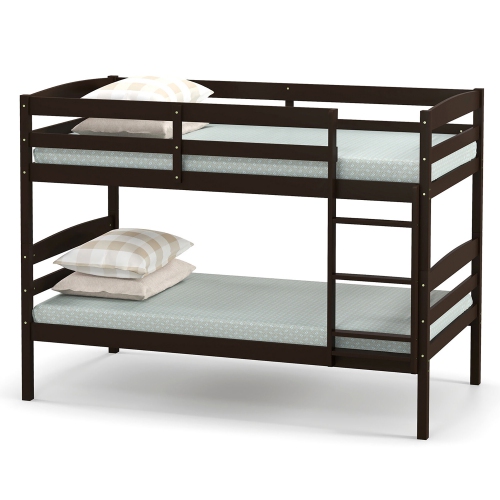
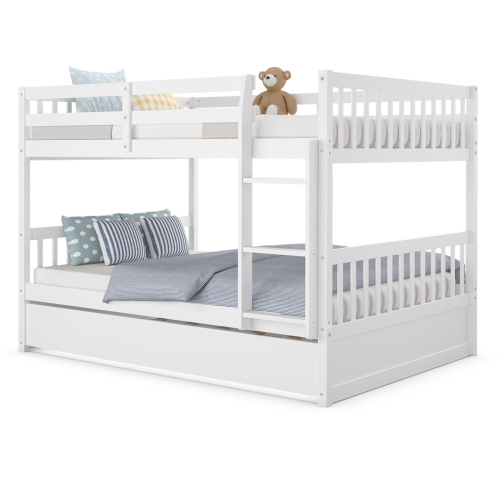
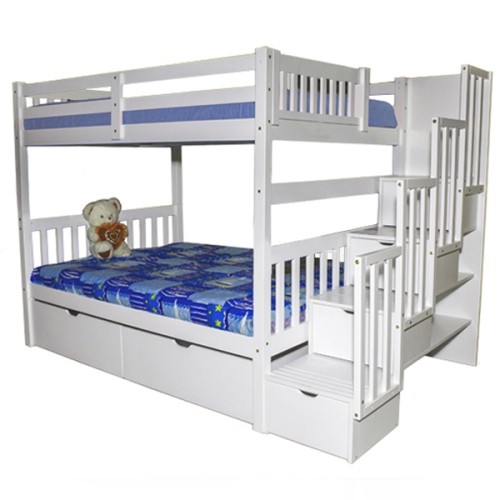
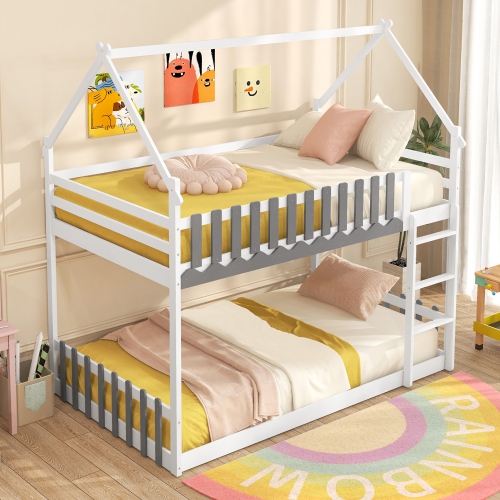
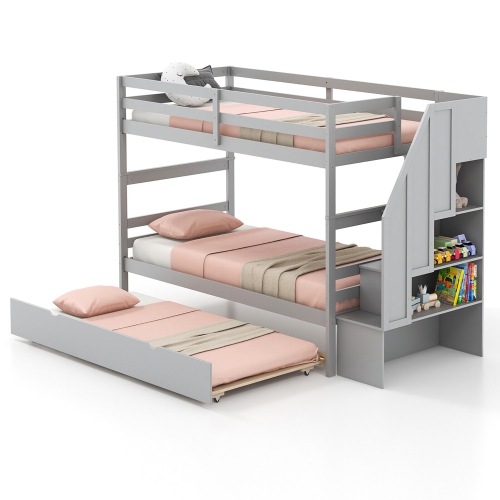
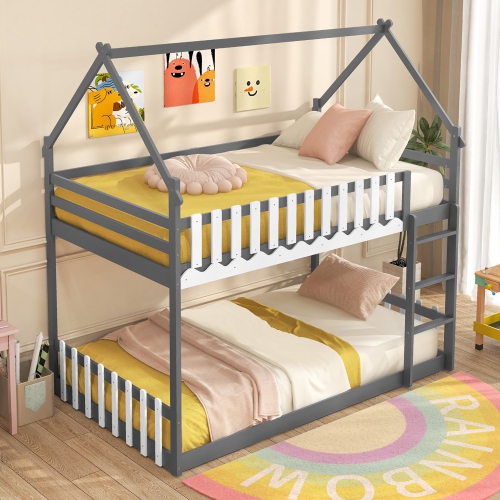
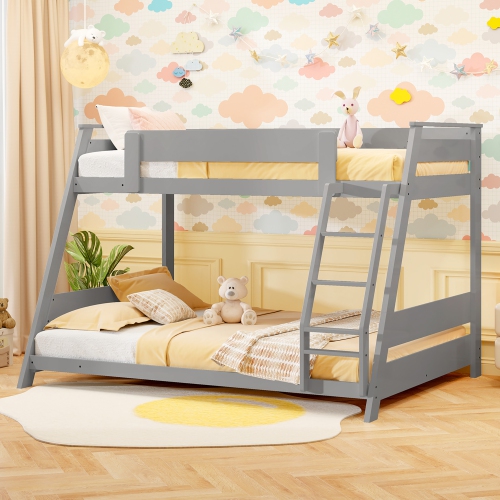
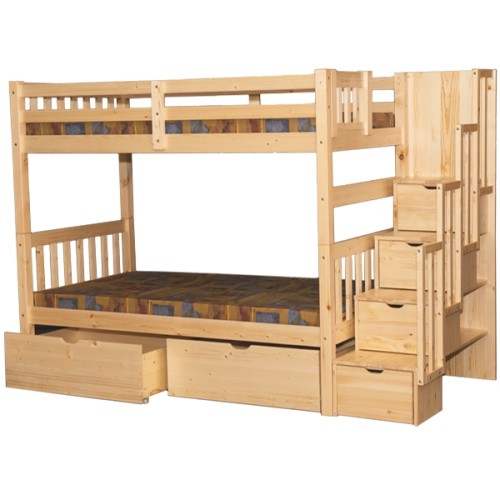
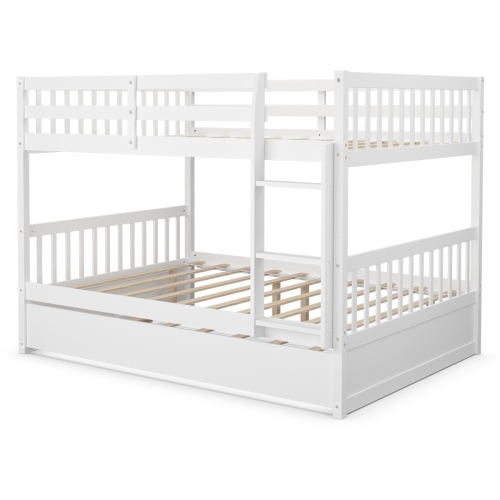
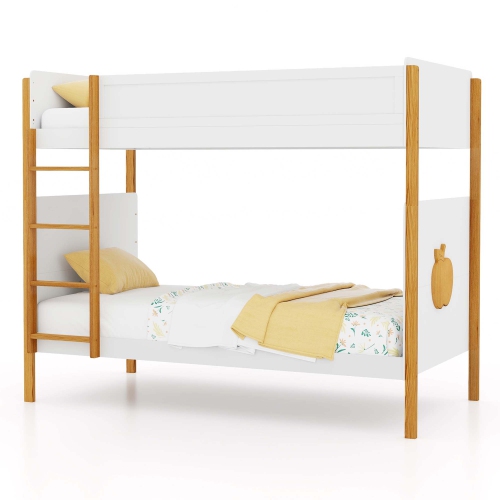
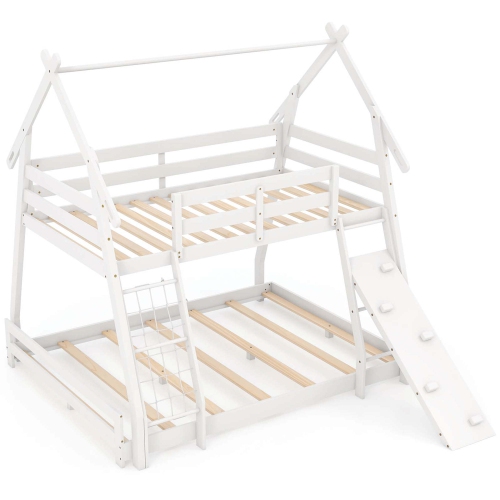
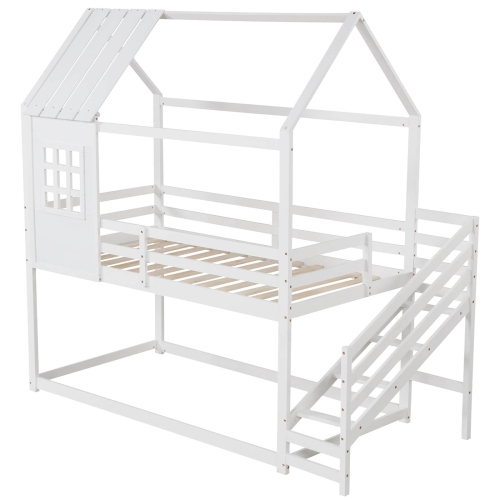
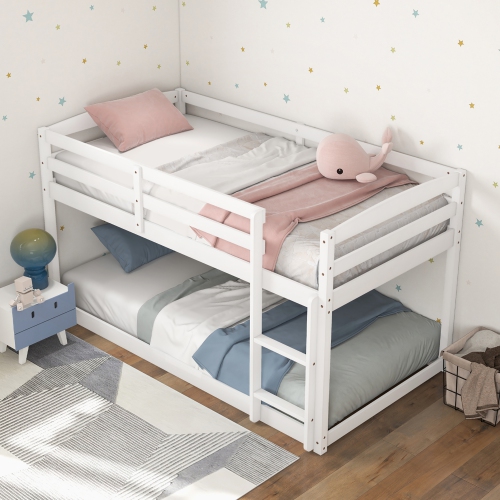
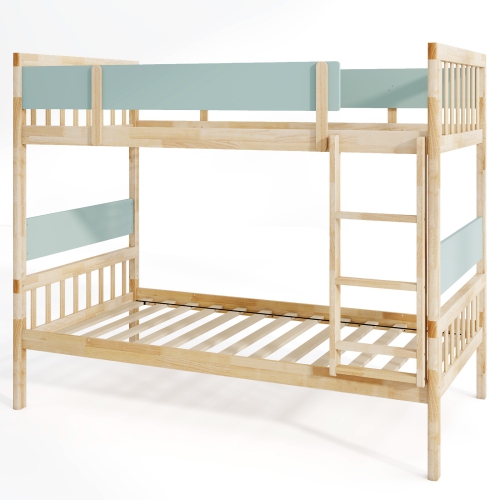
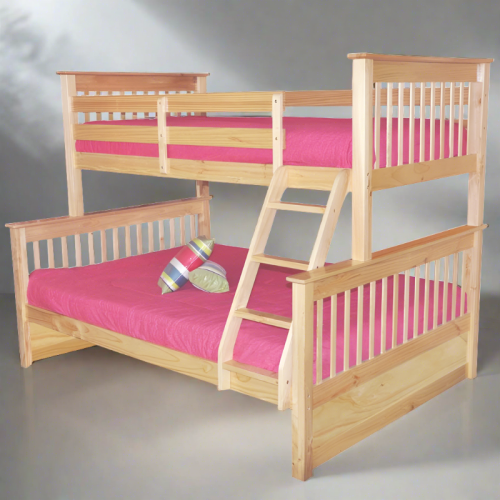
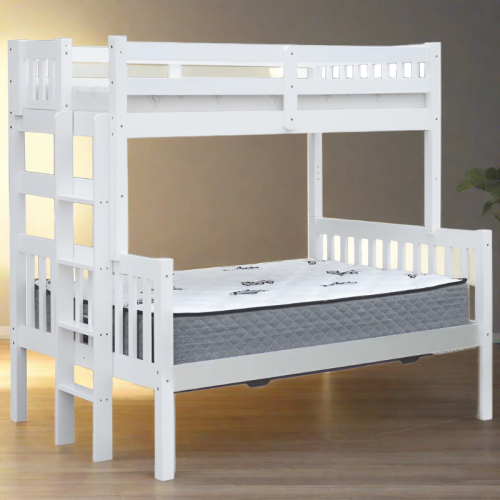
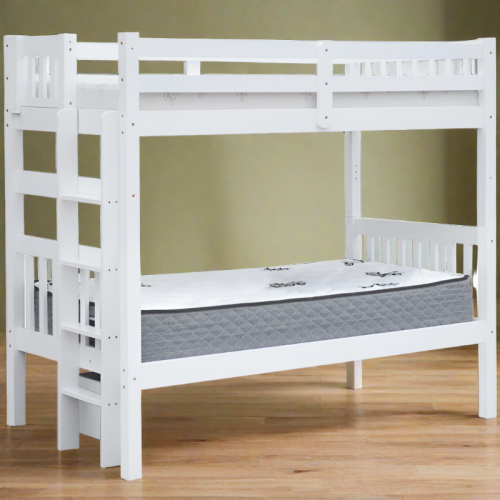
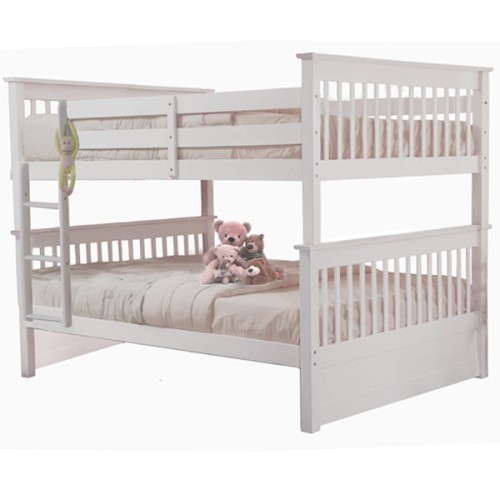
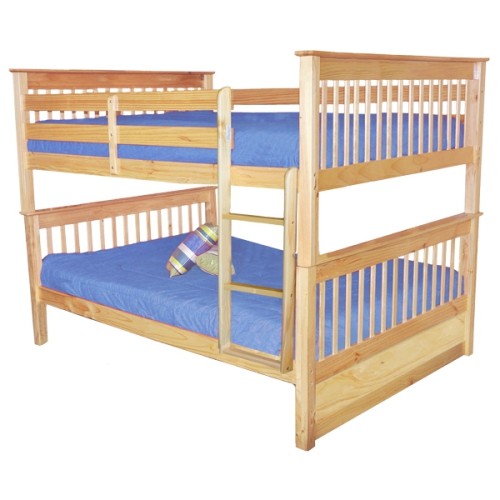
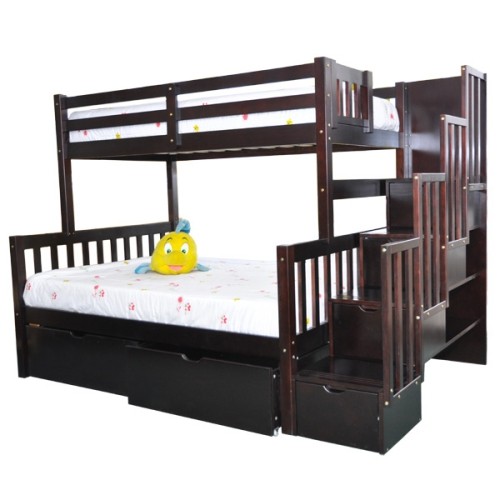
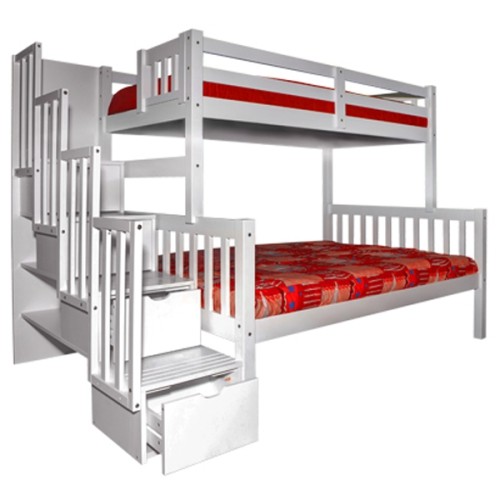
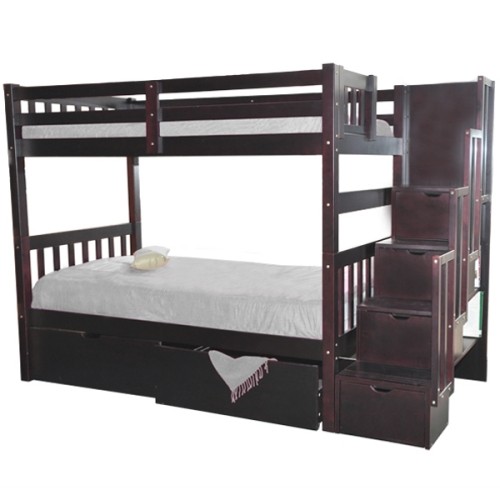
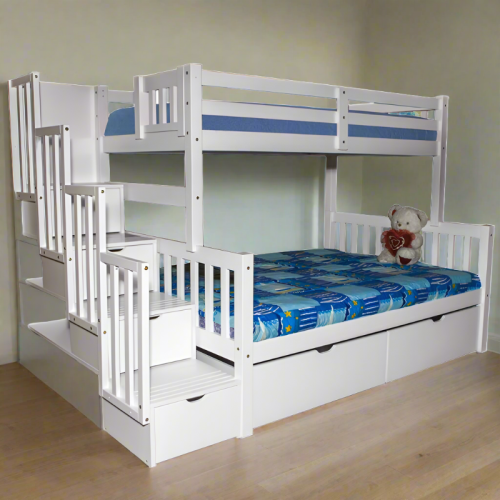
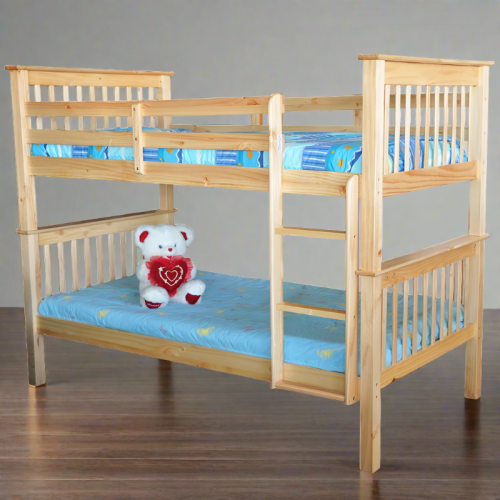
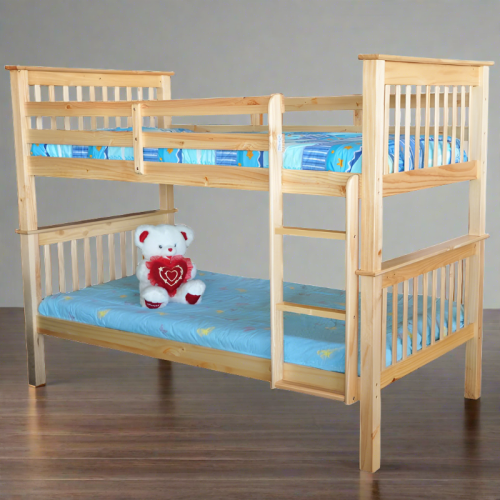
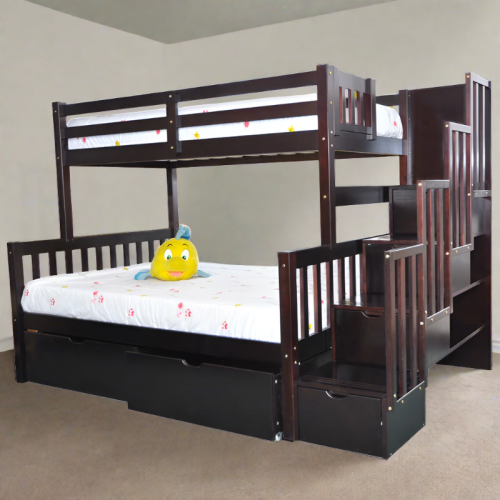
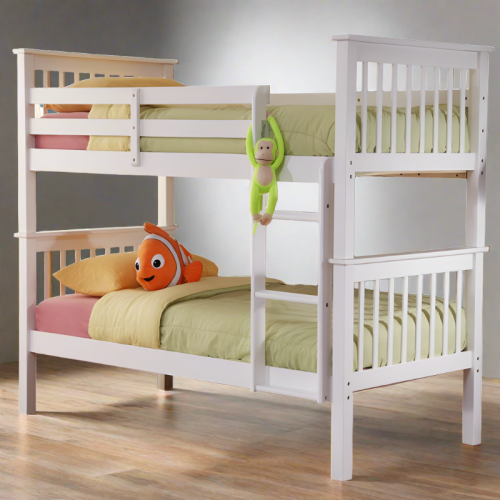
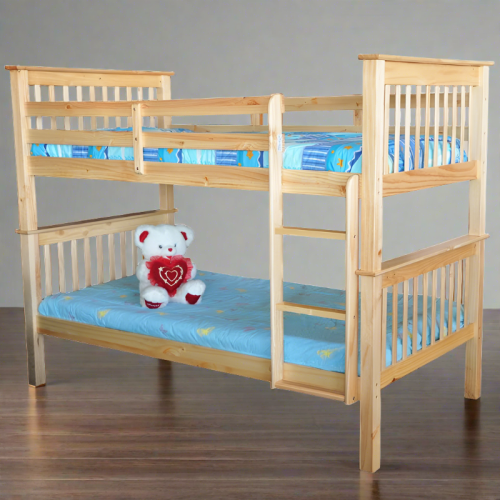
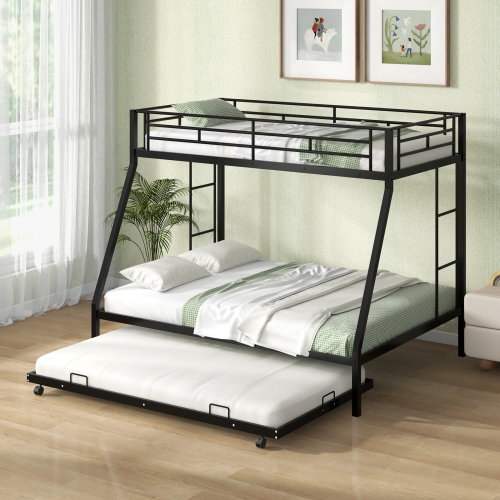
Wood bunk beds are a practical way to make better use of a shared bedroom, guest room, cottage, or compact sleeping area while adding the familiar warmth of a wood frame. By stacking two beds vertically, they leave more open floor space for play, study, storage, or a small seating area, which can make a noticeable difference in rooms where every square foot matters. Wood bunk beds are available in several configurations to suit different sleepers and room layouts. A twin-over-twin design places two single mattresses one above the other and is a popular choice for siblings or visiting children. A twin-over-full arrangement combines a single bed on top with a wider double bed below, giving an older child, teenager, or adult more room to stretch out. Some frames can be separated into two standalone beds, which adds flexibility as children grow or as a room’s purpose changes. Solid pine, rubberwood, and other hardwood constructions can provide a sturdy, substantial feel, while the finish and wood grain bring a classic look that works with colourful children’s rooms, neutral guest spaces, and rustic or modern décor. When comparing options, measure the room carefully, including ceiling height, doorways, windows, vents, and the space needed to climb safely onto the upper bunk. Leave enough clearance above the top mattress for comfortable movement, and check the manufacturer’s recommended mattress thickness so the guardrails remain appropriately positioned. Mattress dimensions should also match the frame precisely; most bunk beds use standard twin or full mattresses, but the product specifications should always be reviewed before purchasing bedding. A wooden bunk bed can be a thoughtful gift for a growing family moving into a new home, preparing a shared bedroom, or creating a more welcoming guest room, particularly when the design can adapt to changing needs over time.
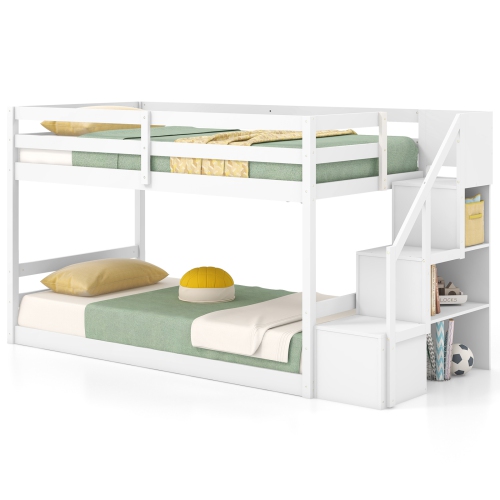
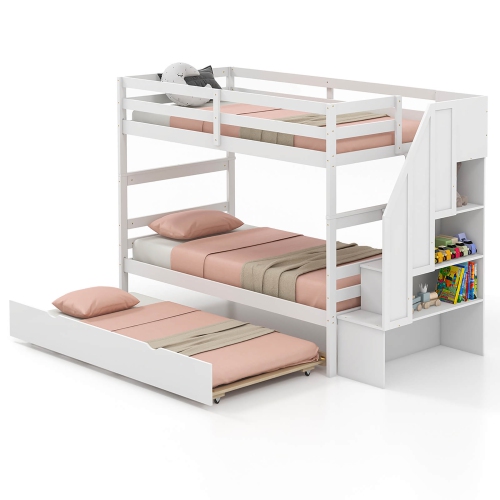
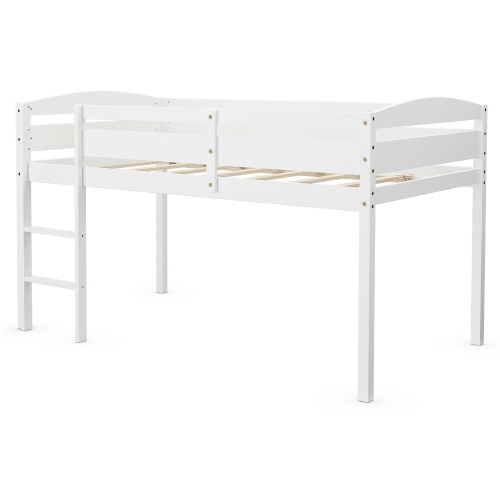
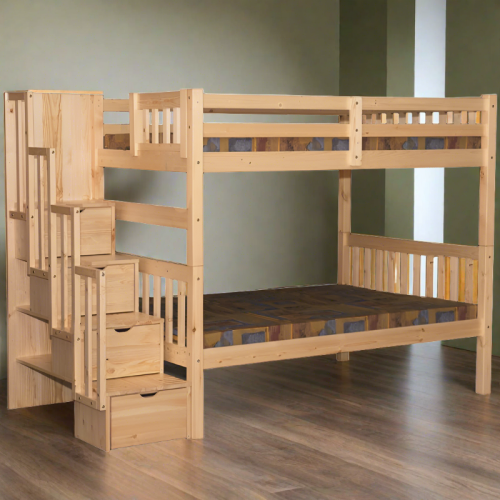
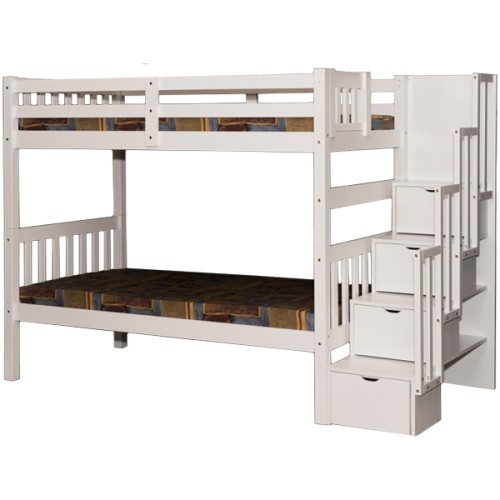
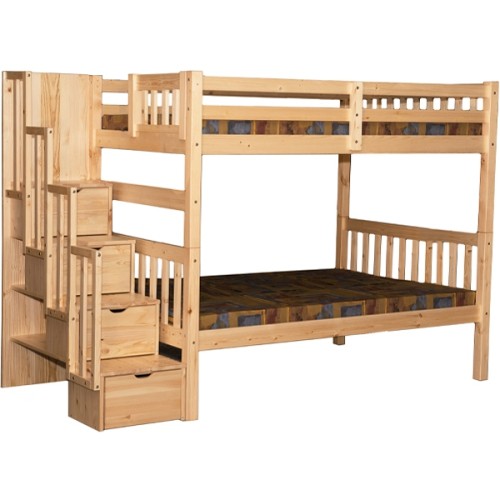
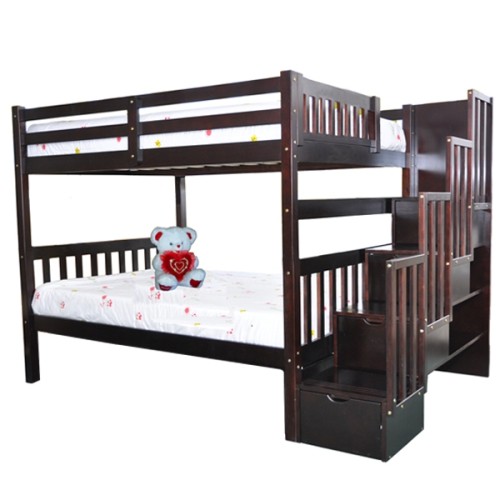
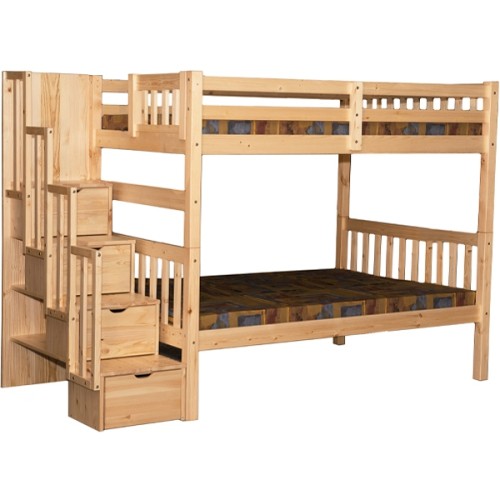
The structure and access features are important considerations when choosing wood bunk beds. Look for a frame with secure joinery, strong slats, stable support posts, and guardrails that help reduce the risk of rolling from the upper bunk during sleep. The ladder may be vertical to conserve floor space or angled to offer a more gradual climb; think about where it will sit in relation to walls, dressers, doors, and walking paths. Some designs use a built-in staircase instead of a traditional ladder, making access more comfortable and adding useful drawers for clothing, bedding, books, or toys. Stair storage can be especially helpful in a shared bedroom, where small items tend to collect around the beds and open floor space is limited. Check the listed weight capacity for each sleeping surface and make sure it reflects the intended users, including the mattress and bedding. Capacity can vary considerably between children’s frames and heavier-duty designs, so it is important not to assume that every bunk bed is suitable for adults simply because the mattress size fits. Follow the assembly instructions closely, use the recommended hardware, and periodically check bolts and connections after the bed has been in use, particularly if children climb, move, or play around the frame. The upper bunk is generally best suited to sleepers who can safely use the ladder and follow household safety rules, while younger children may be more comfortable on the lower level. For rooms with lower ceilings, compact layouts, or younger sleepers, Low Bunk Beds can provide a shorter profile and easier access. Consider how the room is used throughout the day as well as at night: a ladder that works well beside a wall may be inconvenient near a desk, and a wide lower bunk may limit access to drawers or closets. These practical details can help a wood bunk bed feel integrated into the room rather than crowded into it.
A wood bunk bed can support different routines as children grow, accommodate overnight visitors during the cooler months, or create a comfortable sleeping arrangement in a vacation property where space is at a premium. In a child’s room, the lower bunk can become a cosy reading spot with soft pillows during the day, while the upper bunk provides a private sleep space at night. In a guest room, a twin-over-full model can welcome one person or a small family without requiring multiple beds to occupy the entire room. Neutral wood finishes can be paired with patterned quilts, solid-colour sheets, wall art, or woven accents, making it easy to refresh the room as preferences change. Before choosing a frame, consider the ages and heights of the sleepers, whether the room may need to accommodate adults, and how long you expect the furniture to serve the household. A convertible design may be useful for a child who will eventually move into a separate bedroom, while built-in drawers can reduce the need for a separate dresser. Think about delivery and assembly as well: taller or heavier wood frames may require two people to move and assemble, and the completed bed should be positioned on a level surface with adequate room around the ladder and exits. Use appropriately sized mattresses, fitted sheets that stay secure, and bedding that does not interfere with guardrails or ladder access. Keep the area around the bed clear of cords, loose furniture, and objects that could create a tripping hazard. With the right size, layout, weight rating, and access design, wood bunk beds can bring dependable sleeping space and a welcoming sense of order to a busy household, whether they are used every night in a shared bedroom or kept ready for friends and family who stay over.
The structure and access features are important considerations when choosing wood bunk beds. Look for a frame with secure joinery, strong slats, stable support posts, and guardrails that help reduce the risk of rolling from the upper bunk during sleep. The ladder may be vertical to conserve floor space or angled to offer a more gradual climb; think about where it will sit in relation to walls, dressers, doors, and walking paths. Some designs use a built-in staircase instead of a traditional ladder, making access more comfortable and adding useful drawers for clothing, bedding, books, or toys. Stair storage can be especially helpful in a shared bedroom, where small items tend to collect around the beds and open floor space is limited. Check the listed weight capacity for each sleeping surface and make sure it reflects the intended users, including the mattress and bedding. Capacity can vary considerably between children’s frames and heavier-duty designs, so it is important not to assume that every bunk bed is suitable for adults simply because the mattress size fits. Follow the assembly instructions closely, use the recommended hardware, and periodically check bolts and connections after the bed has been in use, particularly if children climb, move, or play around the frame. The upper bunk is generally best suited to sleepers who can safely use the ladder and follow household safety rules, while younger children may be more comfortable on the lower level. For rooms with lower ceilings, compact layouts, or younger sleepers, Low Bunk Beds can provide a shorter profile and easier access. Consider how the room is used throughout the day as well as at night: a ladder that works well beside a wall may be inconvenient near a desk, and a wide lower bunk may limit access to drawers or closets. These practical details can help a wood bunk bed feel integrated into the room rather than crowded into it.
A wood bunk bed can support different routines as children grow, accommodate overnight visitors during the cooler months, or create a comfortable sleeping arrangement in a vacation property where space is at a premium. In a child’s room, the lower bunk can become a cosy reading spot with soft pillows during the day, while the upper bunk provides a private sleep space at night. In a guest room, a twin-over-full model can welcome one person or a small family without requiring multiple beds to occupy the entire room. Neutral wood finishes can be paired with patterned quilts, solid-colour sheets, wall art, or woven accents, making it easy to refresh the room as preferences change. Before choosing a frame, consider the ages and heights of the sleepers, whether the room may need to accommodate adults, and how long you expect the furniture to serve the household. A convertible design may be useful for a child who will eventually move into a separate bedroom, while built-in drawers can reduce the need for a separate dresser. Think about delivery and assembly as well: taller or heavier wood frames may require two people to move and assemble, and the completed bed should be positioned on a level surface with adequate room around the ladder and exits. Use appropriately sized mattresses, fitted sheets that stay secure, and bedding that does not interfere with guardrails or ladder access. Keep the area around the bed clear of cords, loose furniture, and objects that could create a tripping hazard. With the right size, layout, weight rating, and access design, wood bunk beds can bring dependable sleeping space and a welcoming sense of order to a busy household, whether they are used every night in a shared bedroom or kept ready for friends and family who stay over.
Top selling and popular products
-
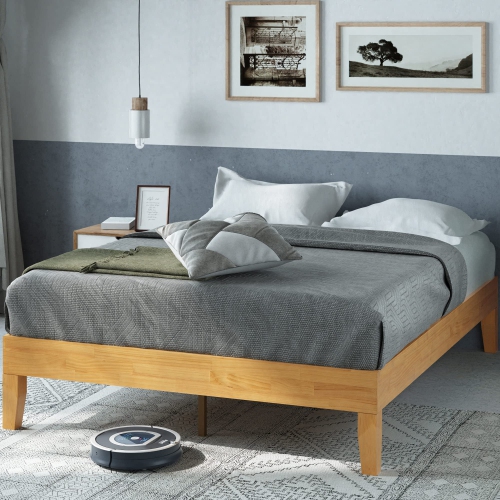 Your price for this item is $493.52
 -
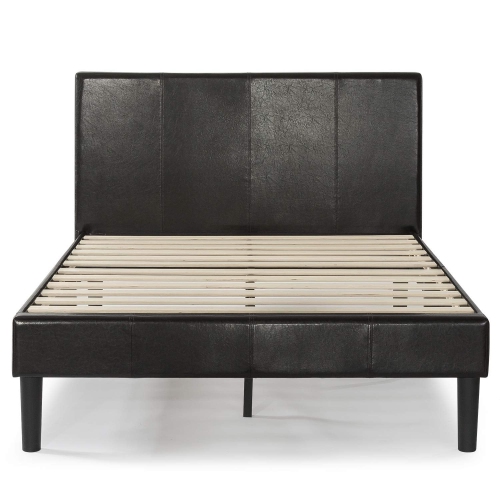 Your price for this item is $611.85
 -
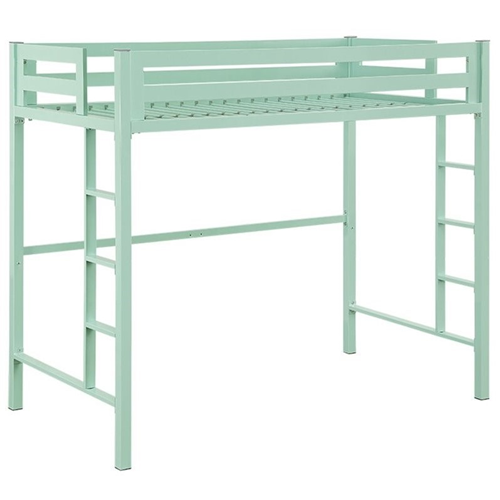 Your price for this item is $824.18
 -
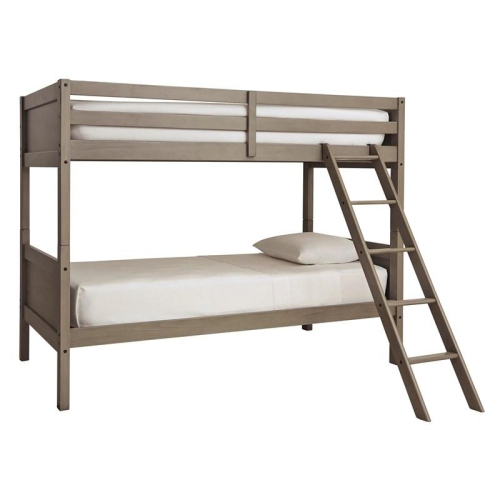 Your price for this item is $799.99
 -
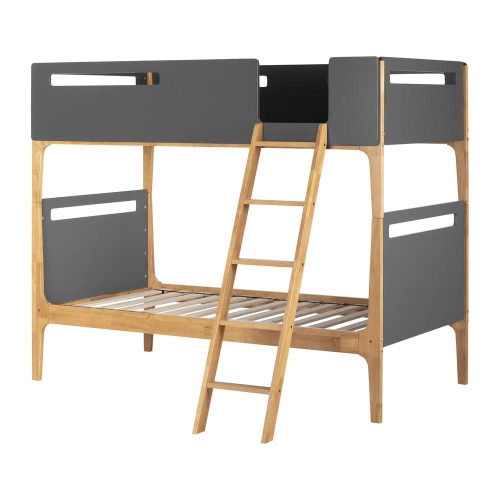 Your price for this item is $985.42
 -
 Your price for this item is $157.99
 -
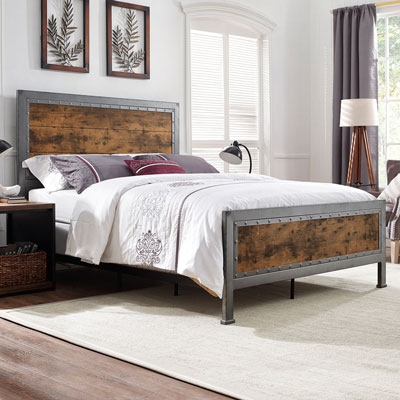 Your price for this item is $862.99
 -
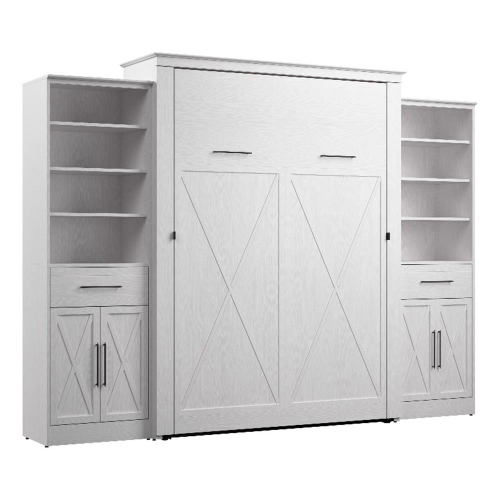 Your price for this item is $3519.99
Discover more categories related to Wood Bunk Beds
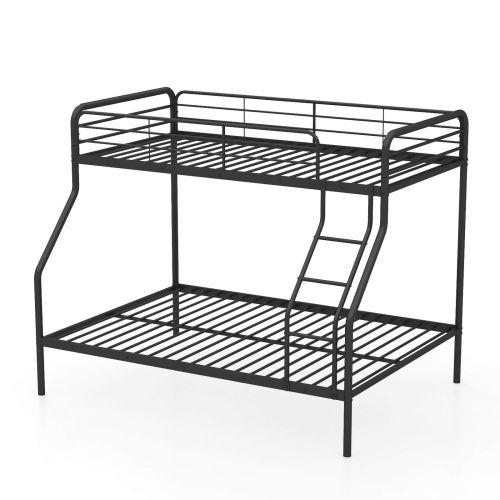
Top Collections:
Pokemon Centers, Kindle Devices, Best Budget Office Chairs, Apple iPhones 16, Best Laptops for Writers, iPhone 15 Apple, Canon G7X Cameras, Refurbished Apple Laptops, Alarm Clock, Motorola Razr Phones
Some products may be subject to Environmental Handling Fees
(EHF) depending on your province.
Learn more about EHFs.