Sturdy Bunk Beds
Looking to maximize space and create a cozy sleeping arrangement for your little ones? Our collection of sturdy bunk beds offers a practical solution without compromising on style. These versatile pieces are perfect for shared bedrooms or frequent sleepovers, providing a comfortable and secure sleeping area for your children. With a range of designs and finishes to choose from, you can find the perfect bunk bed to suit your needs and complement your decor seamlessly. Explore our selection today and elevate your kids' bedroom with these durable and space-saving bunk beds.
Sort
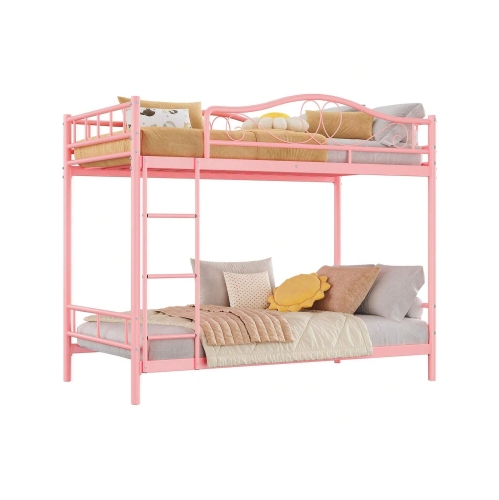

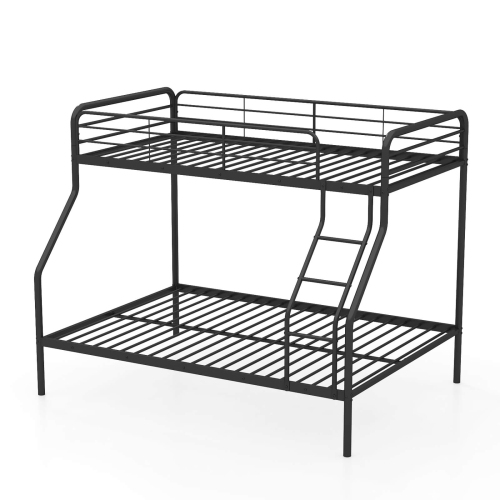
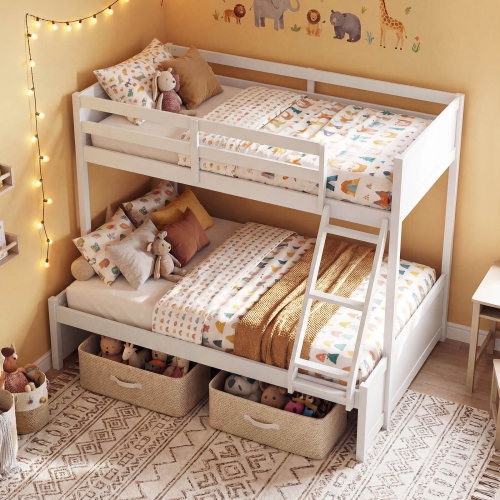
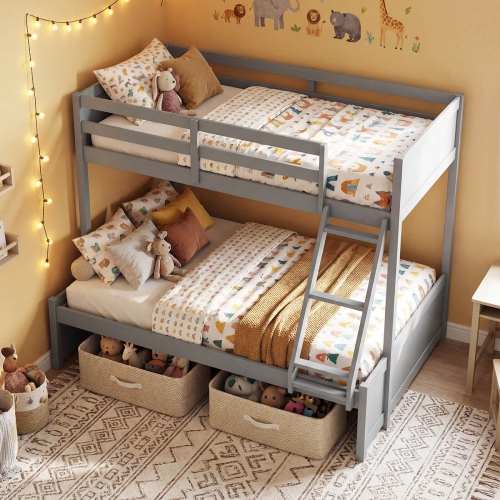
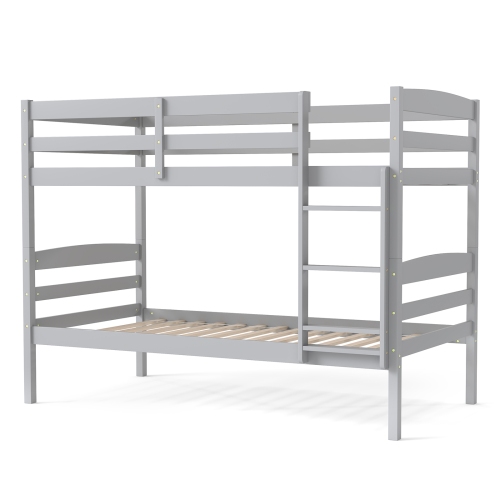
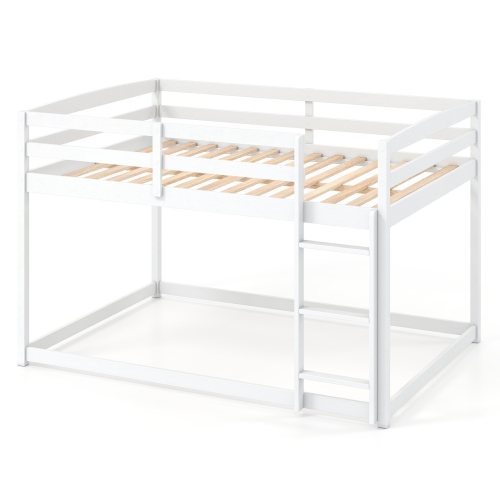
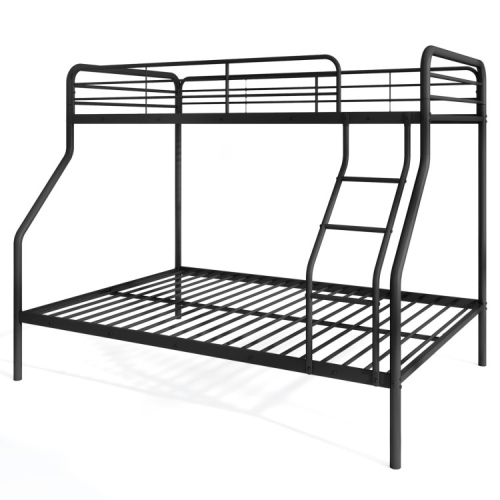

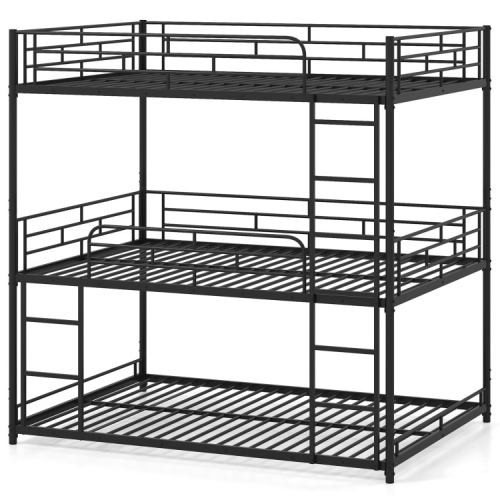


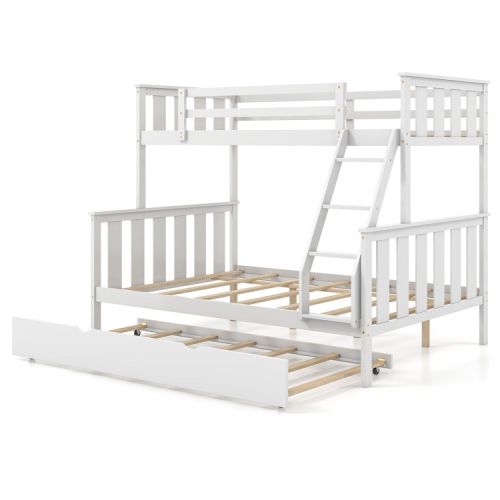
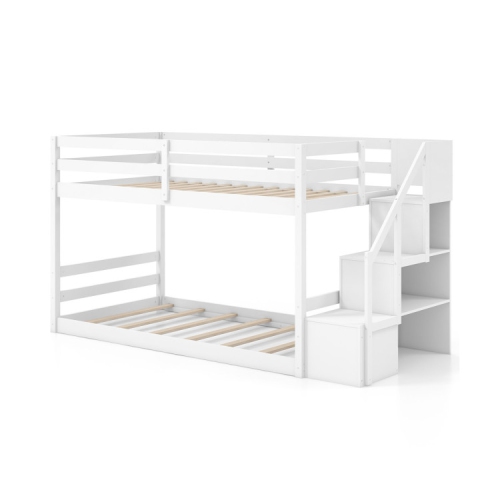
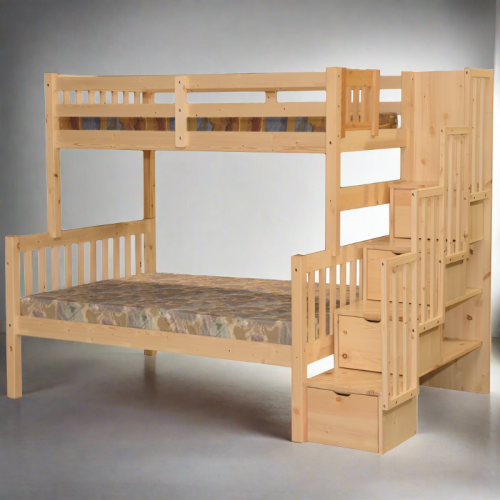
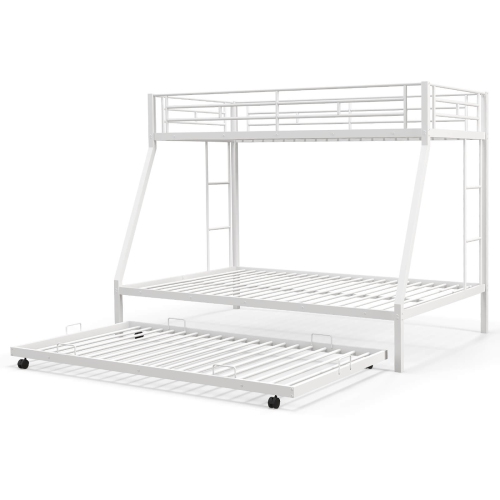
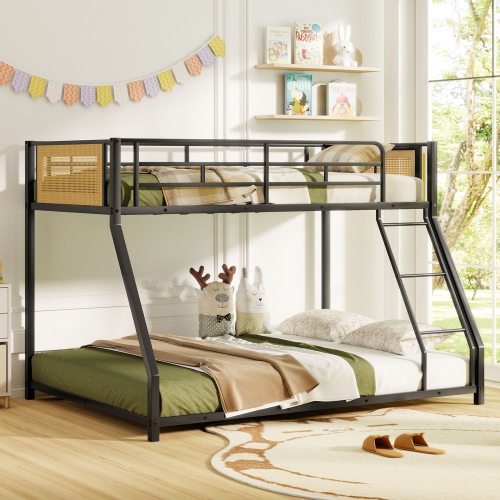
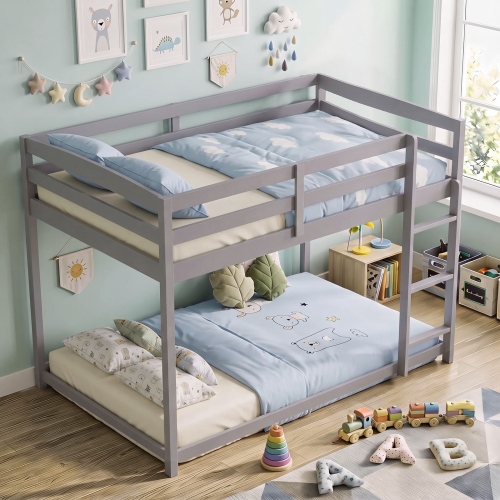
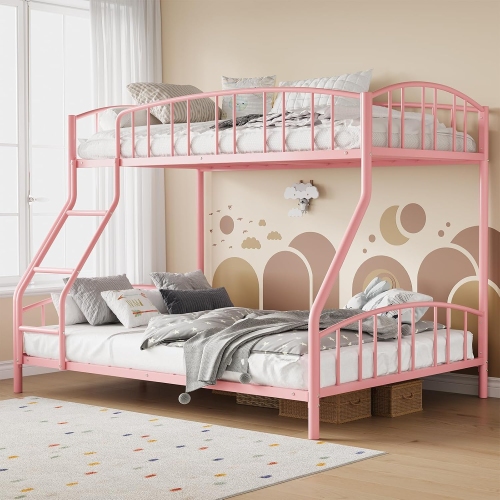
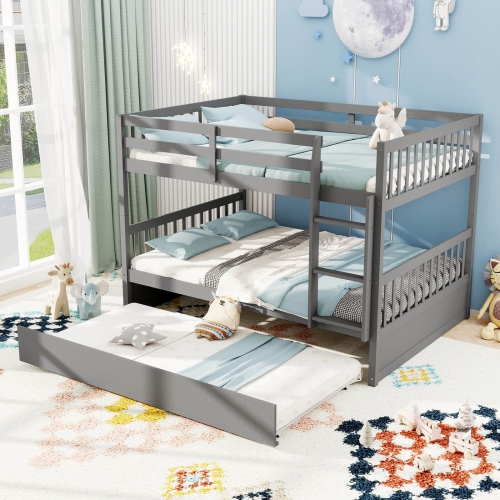
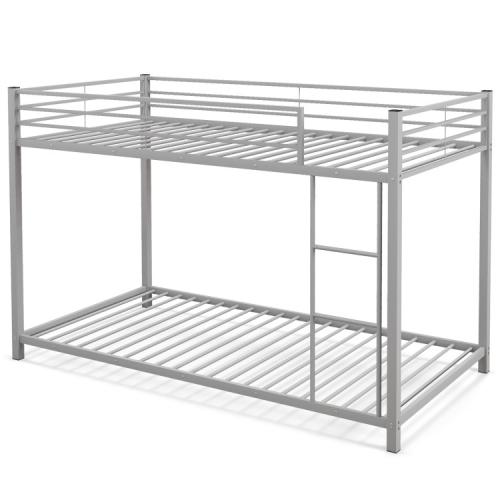
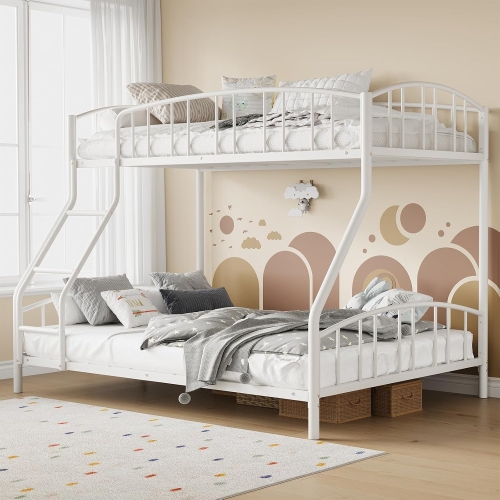
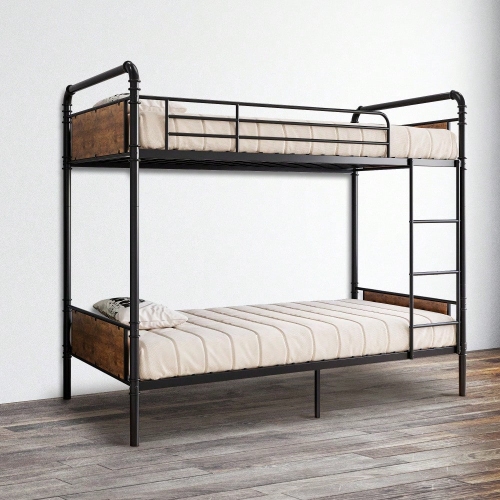
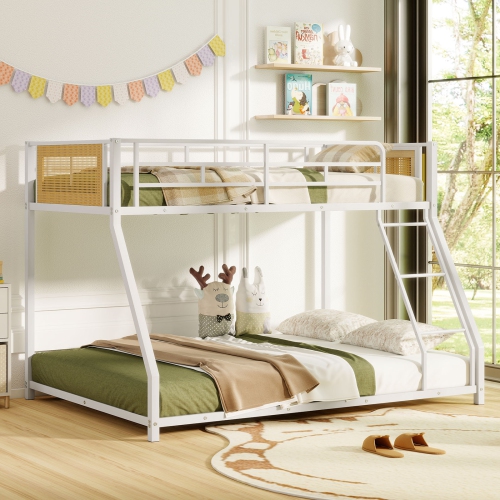
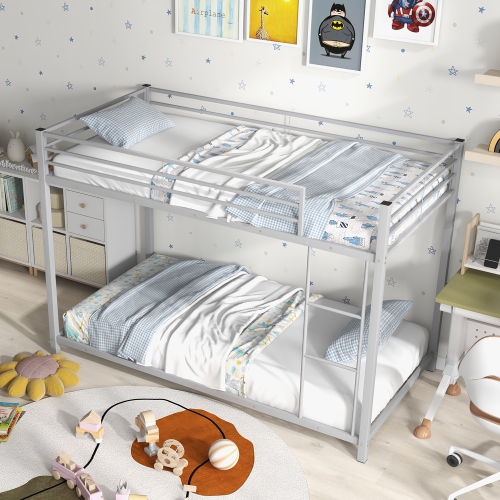
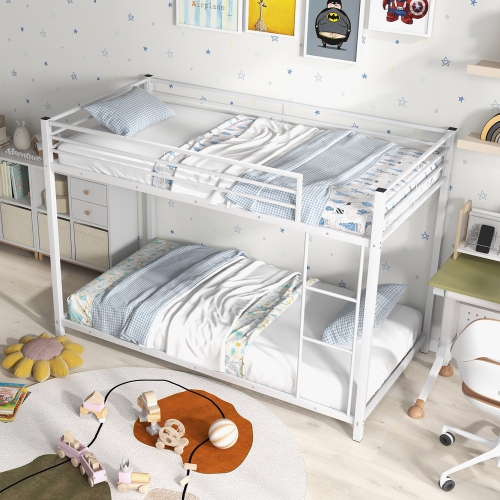
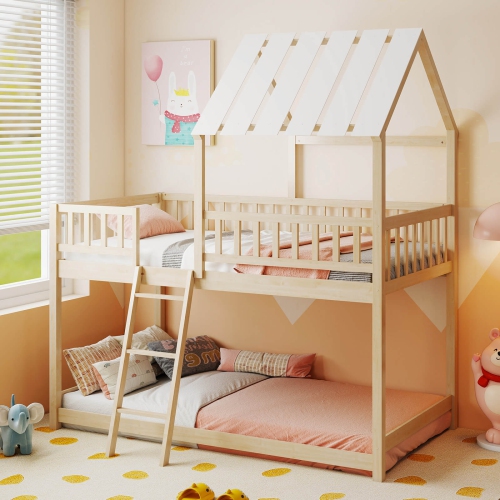
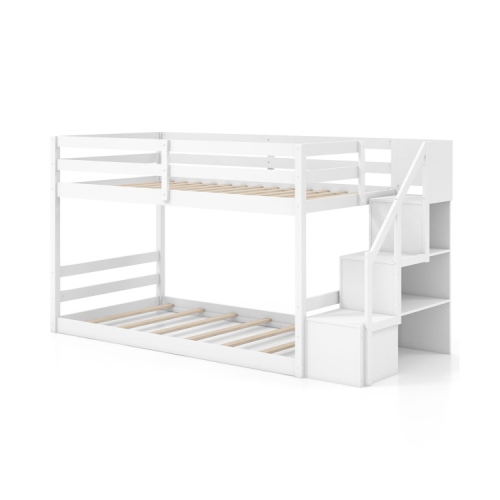

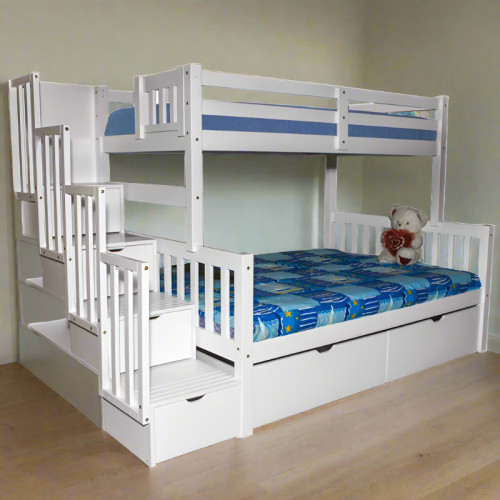
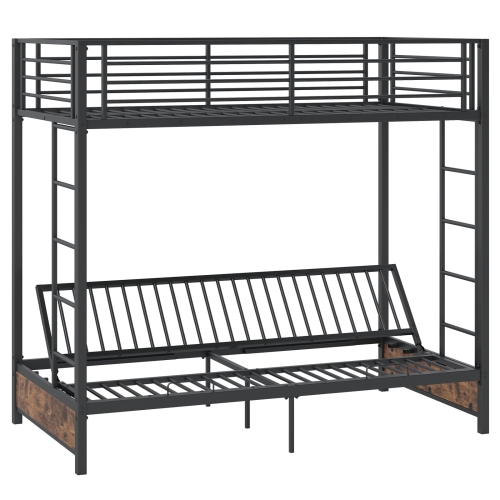
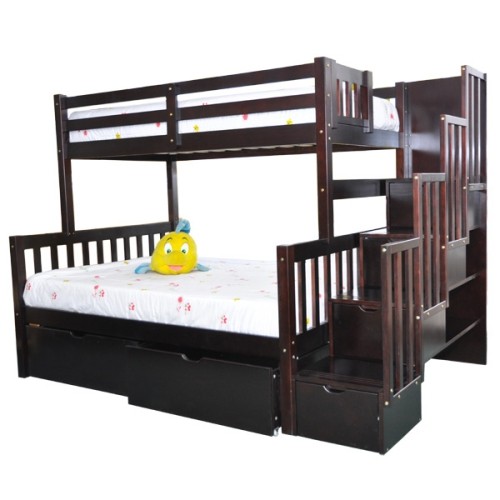
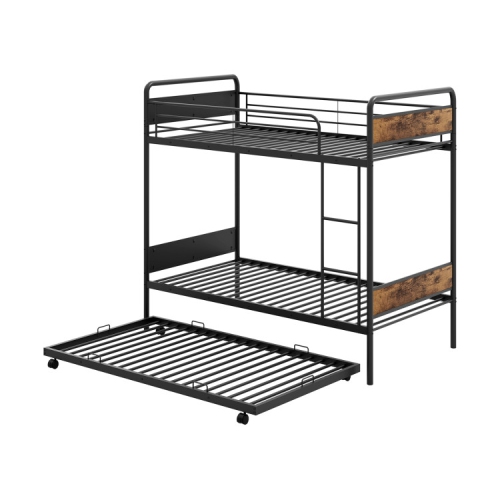


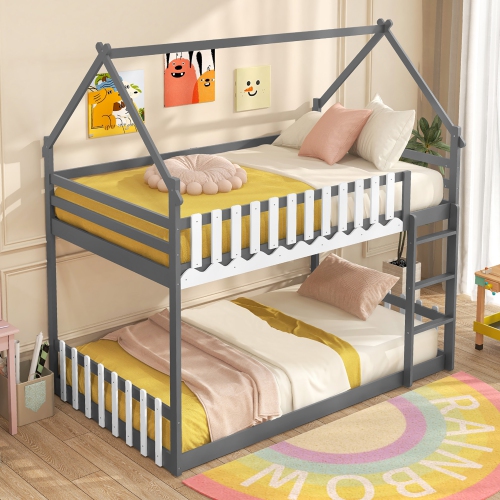
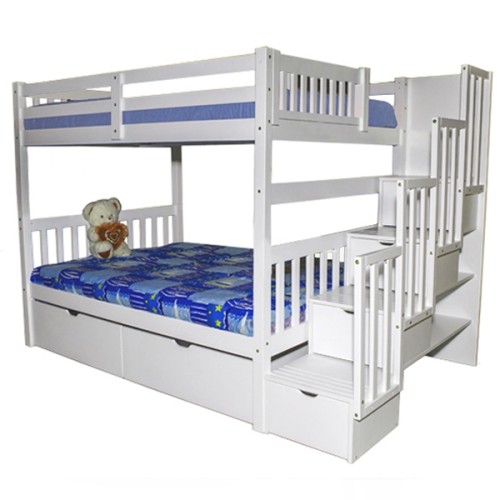
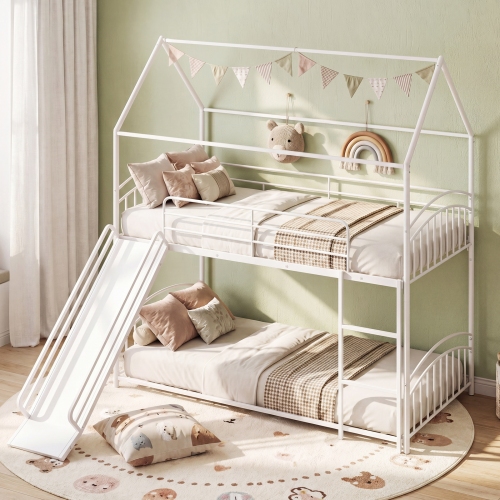
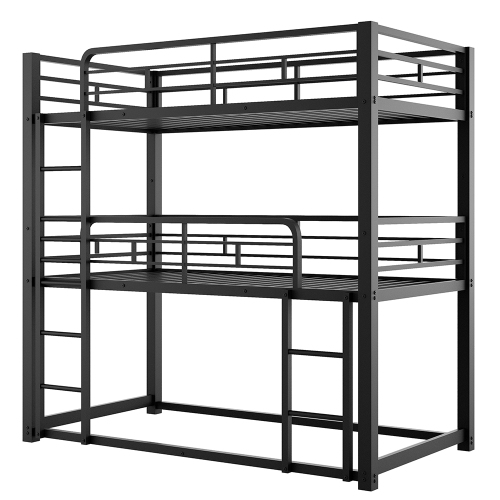


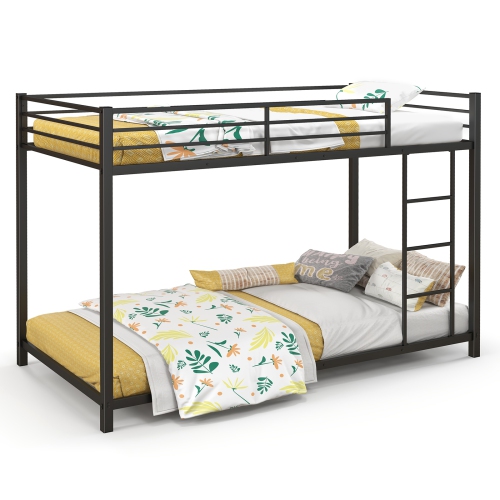
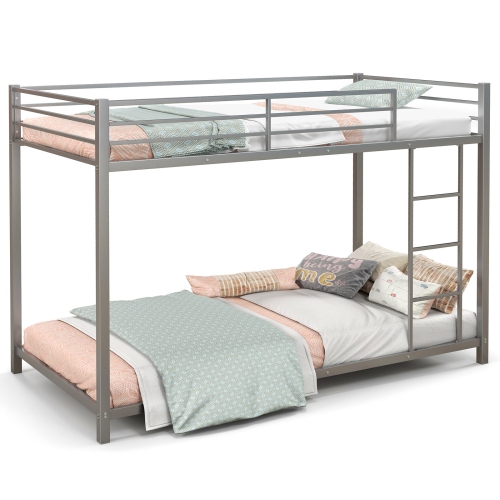
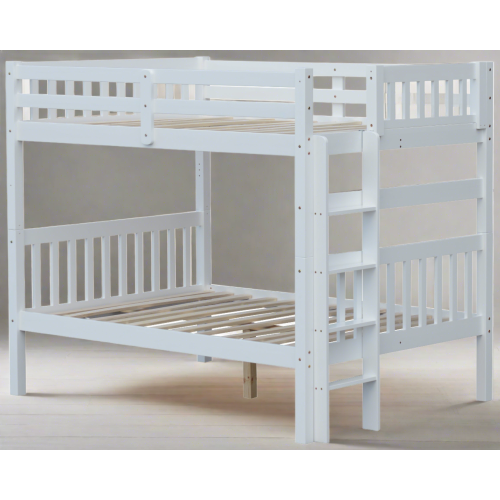
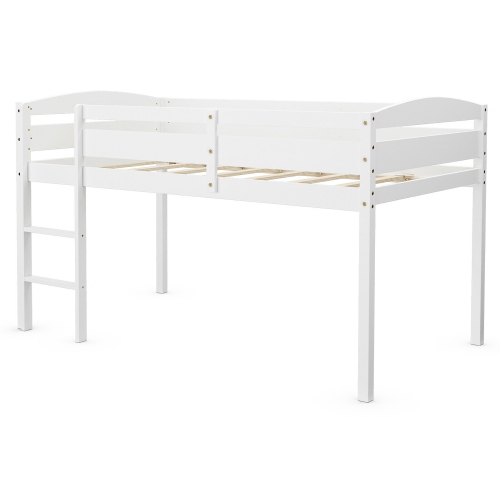
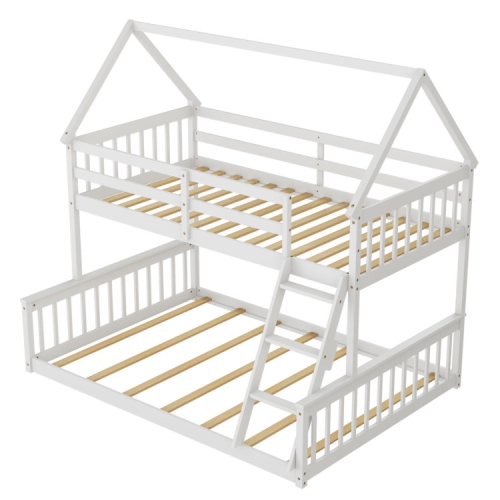
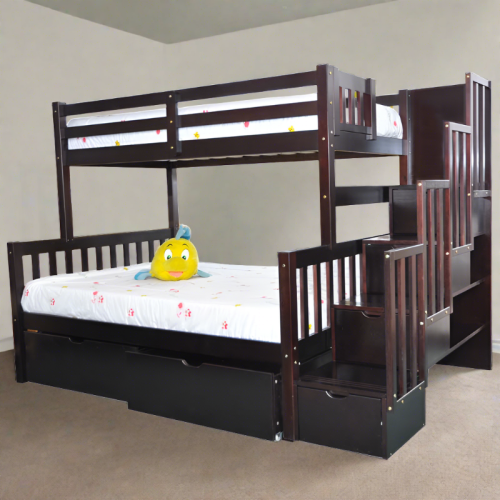
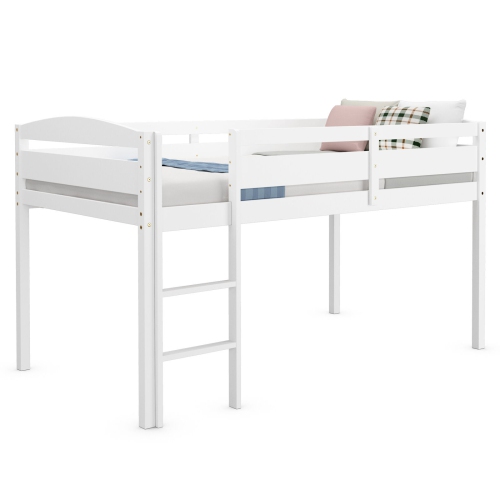
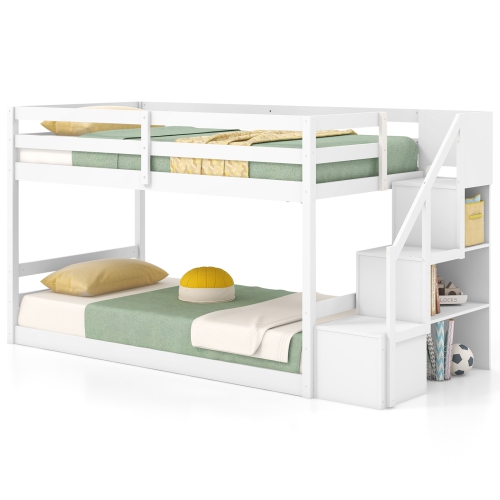
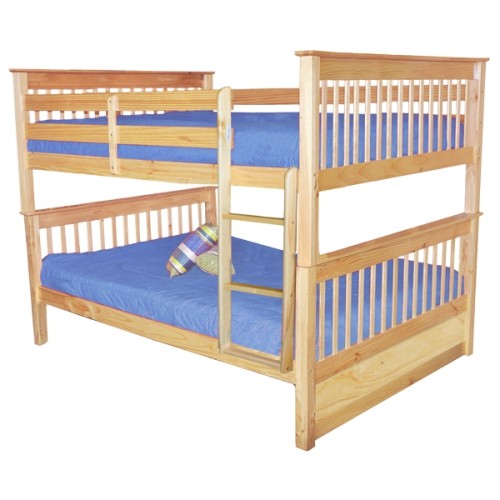
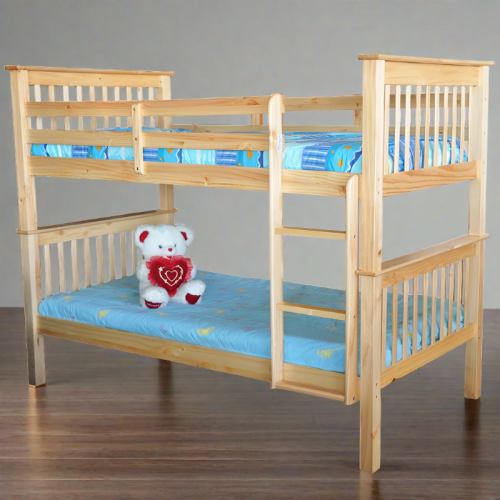
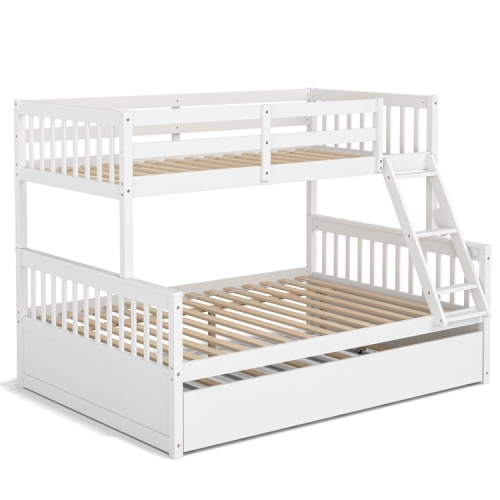

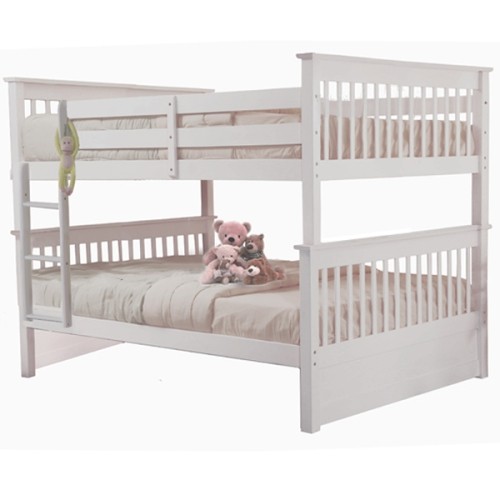
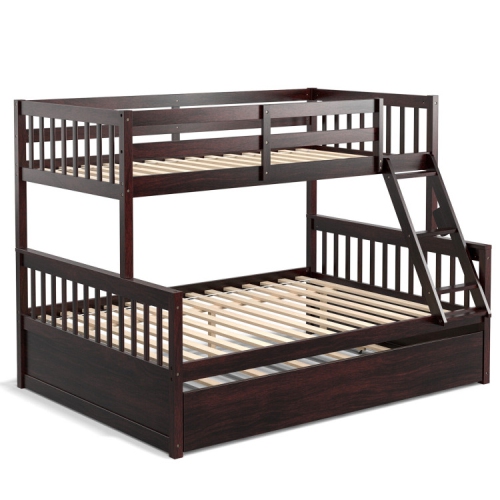
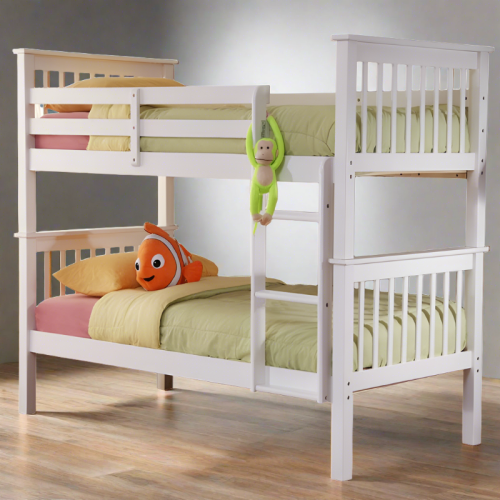
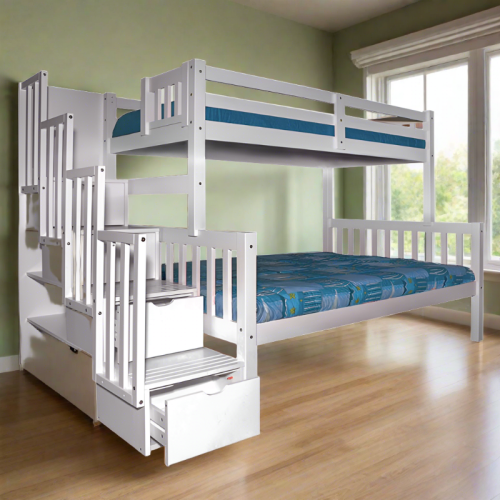

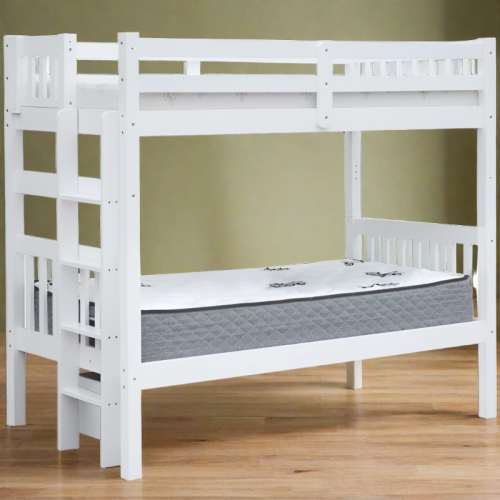
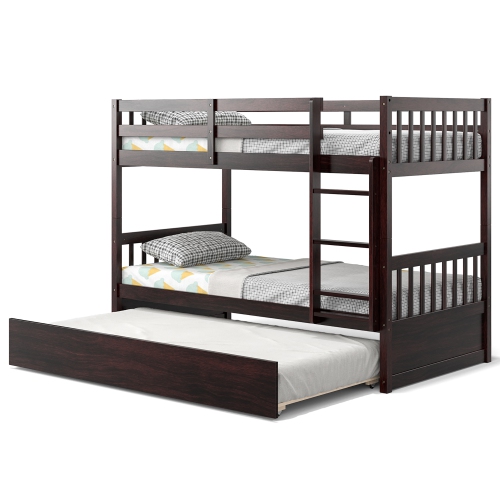
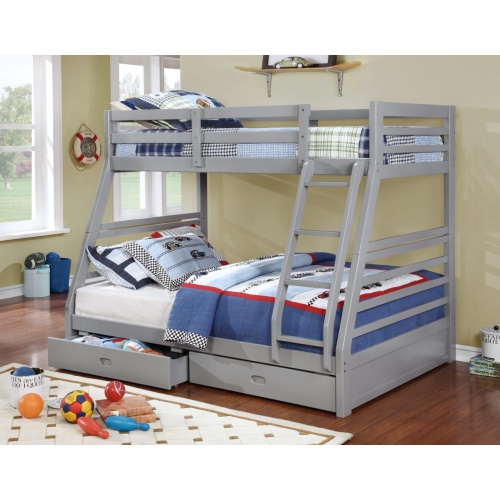
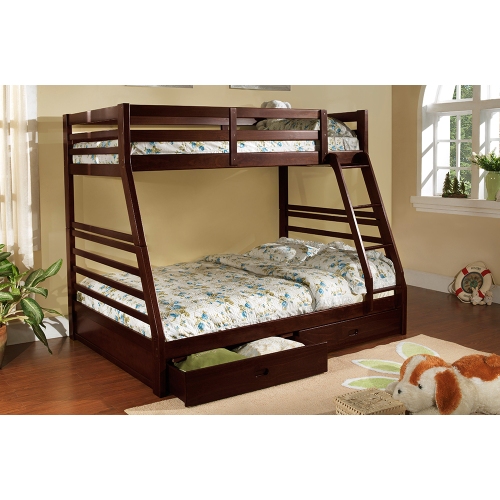
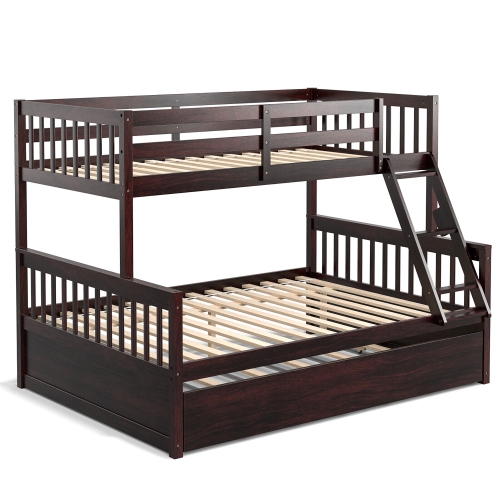
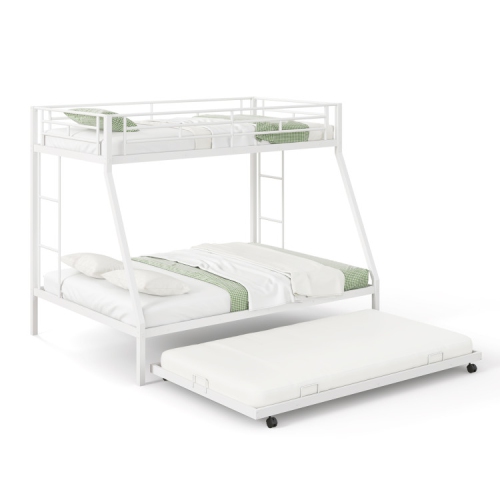
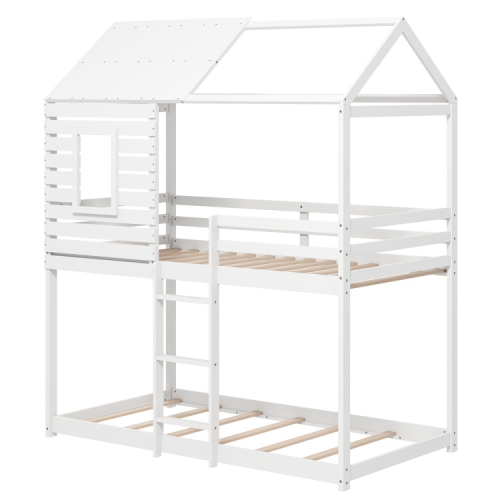
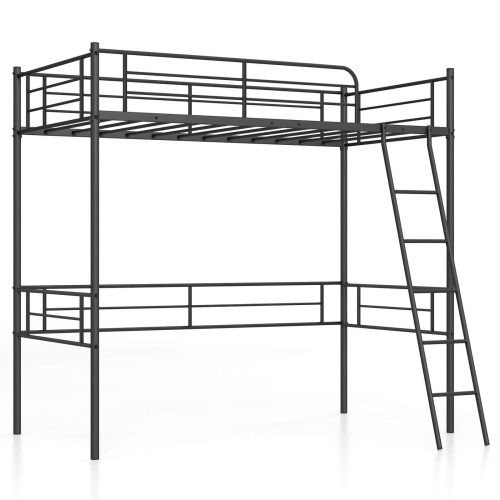
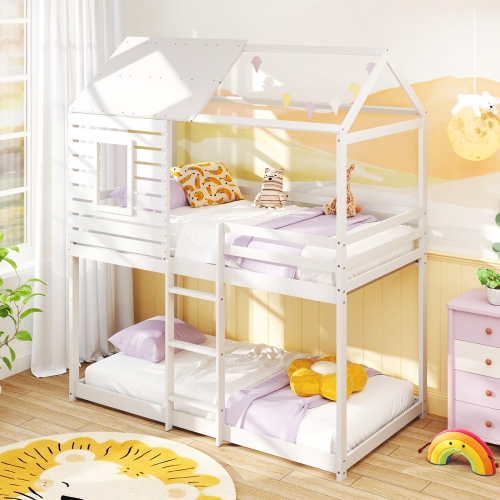
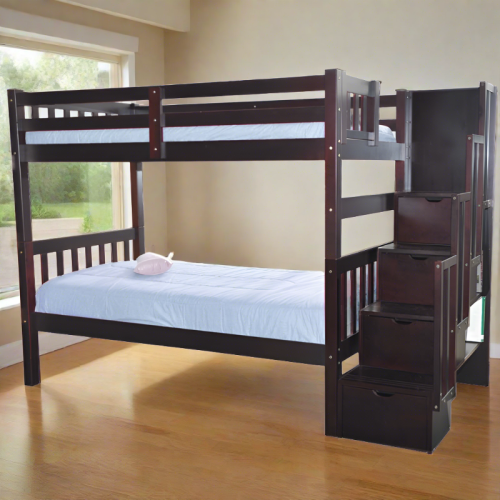
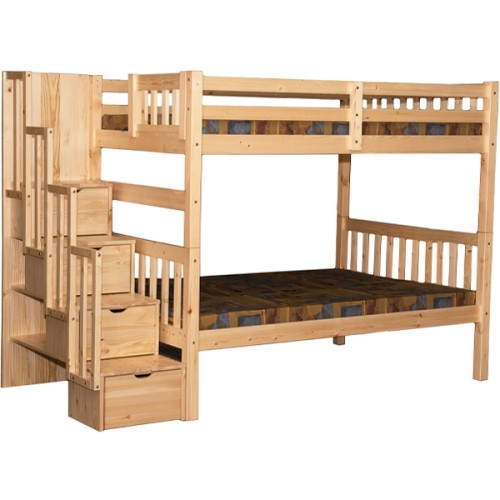
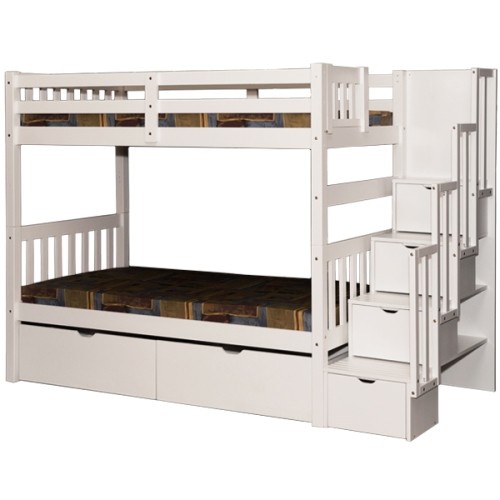
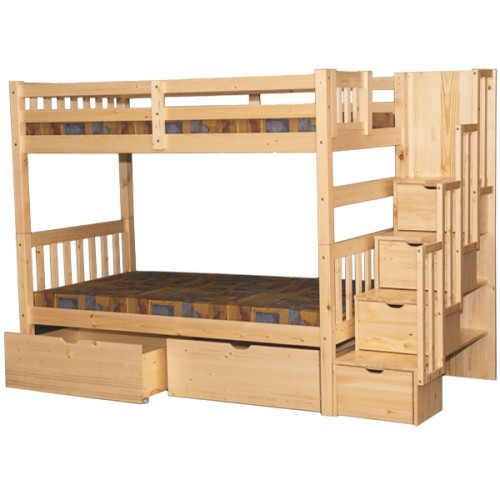
Bunk bed safety takes more than a strong frame
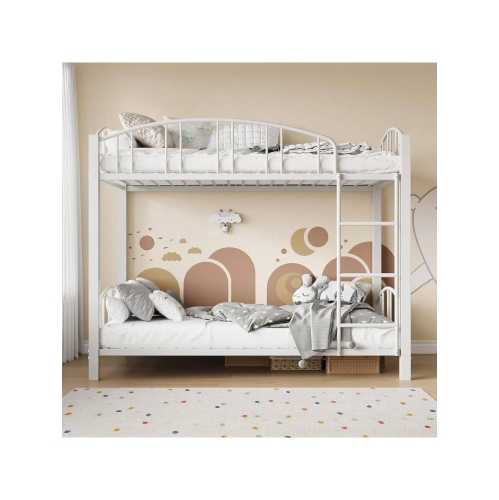
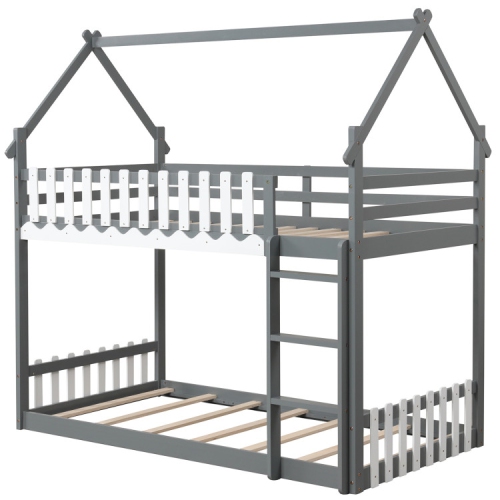
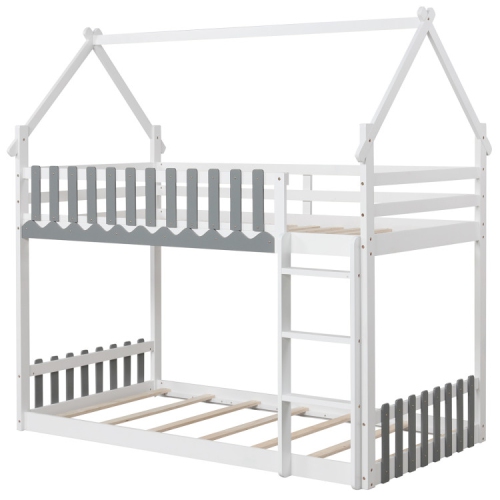
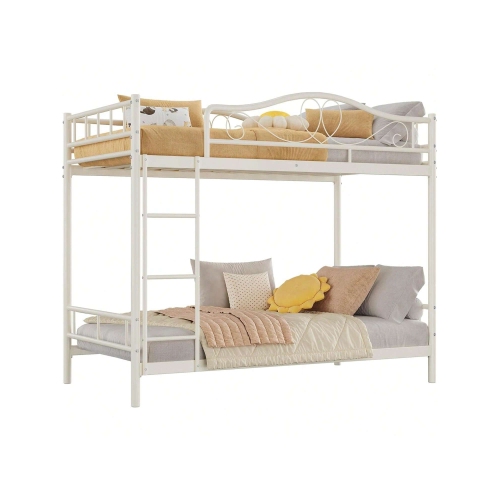
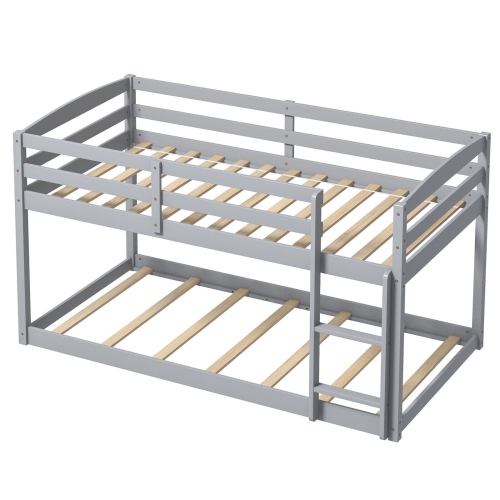
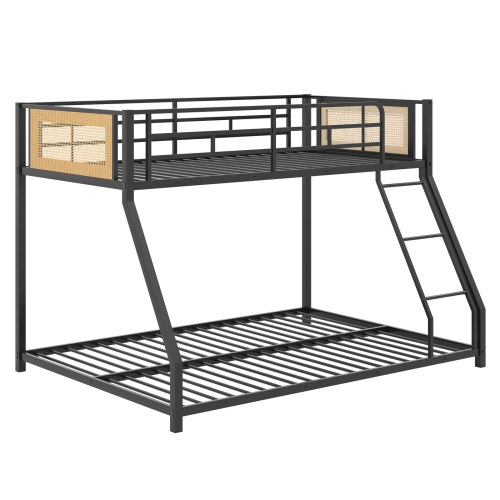
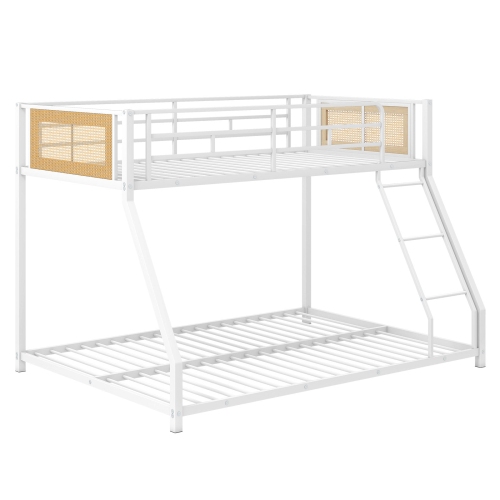
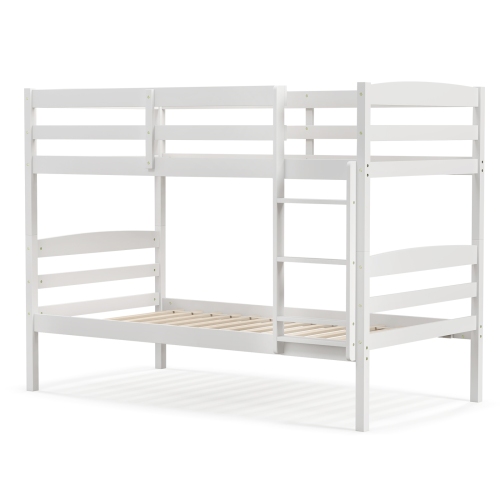
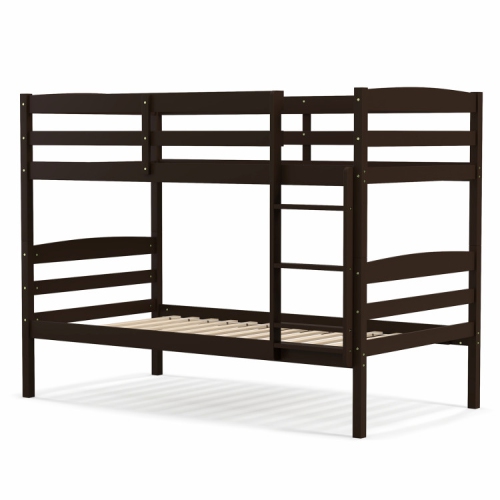
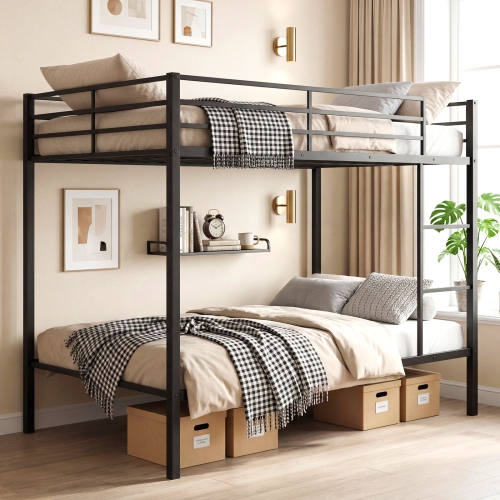
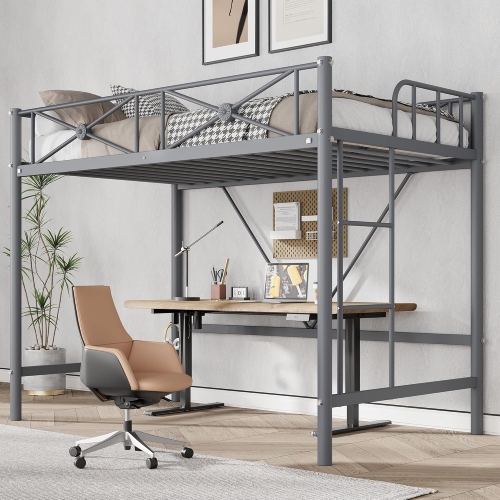
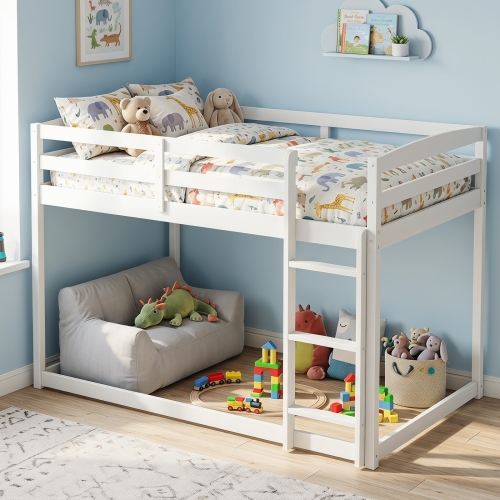
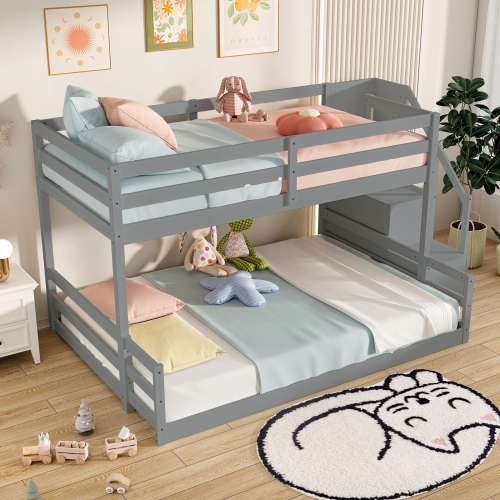
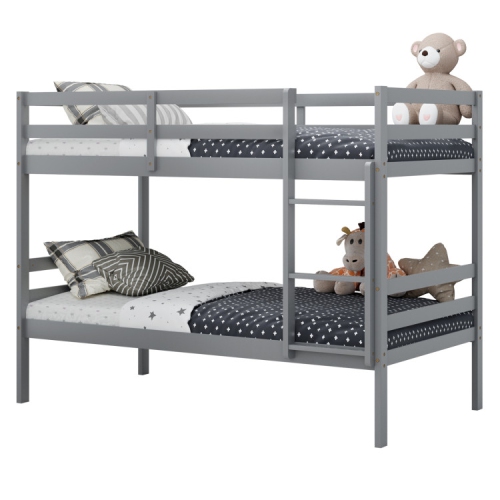
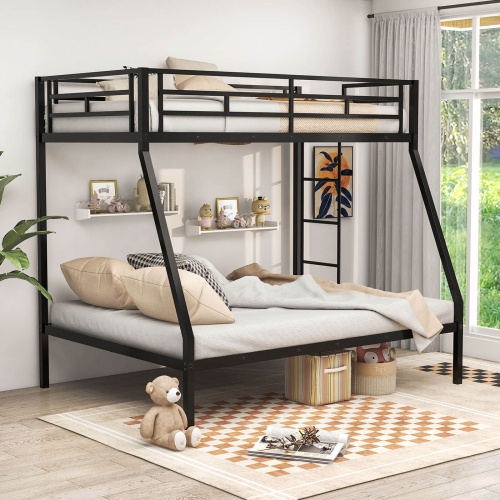
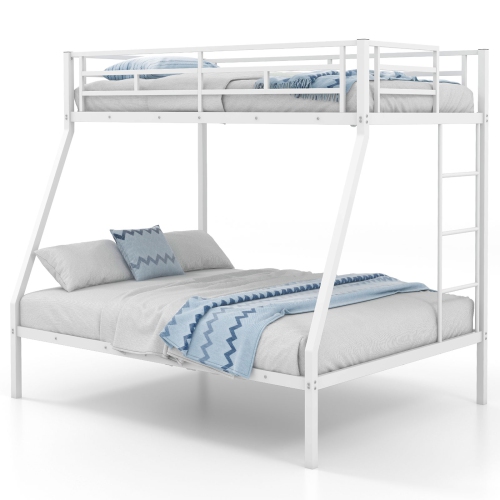
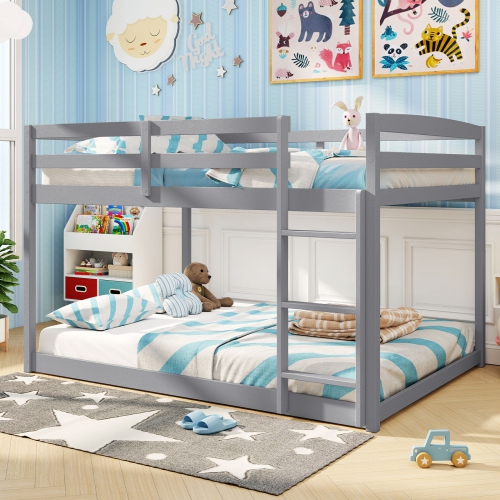
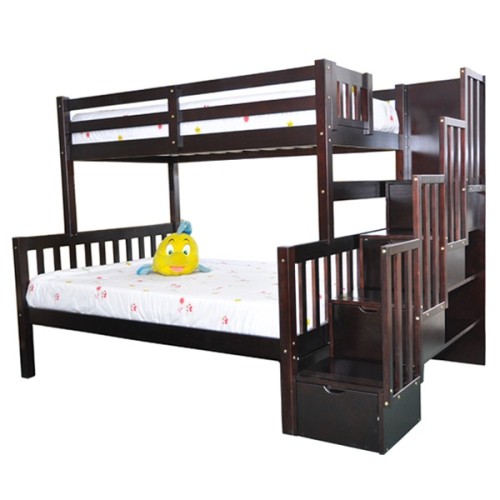
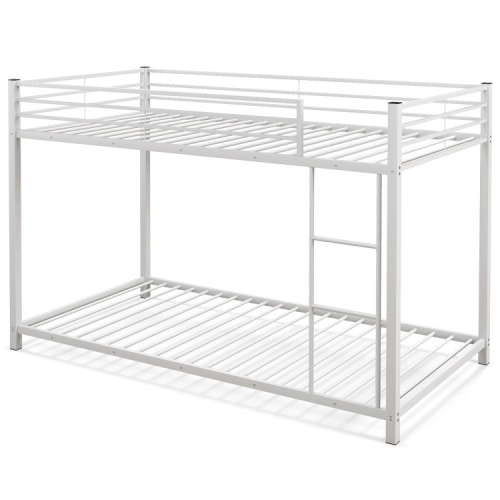
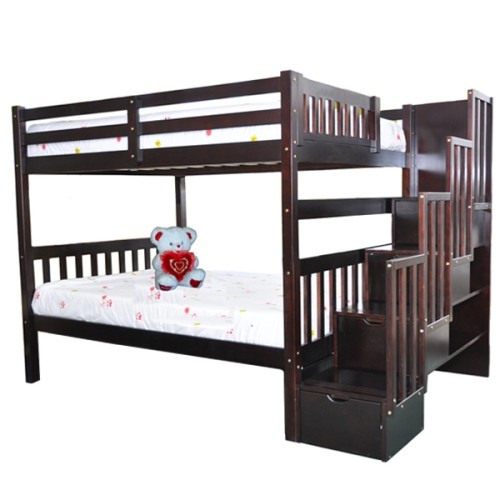
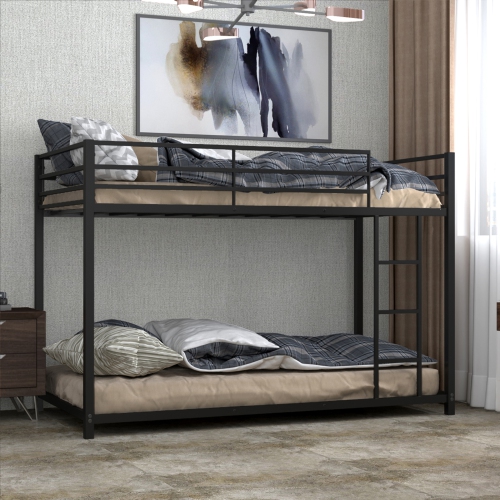
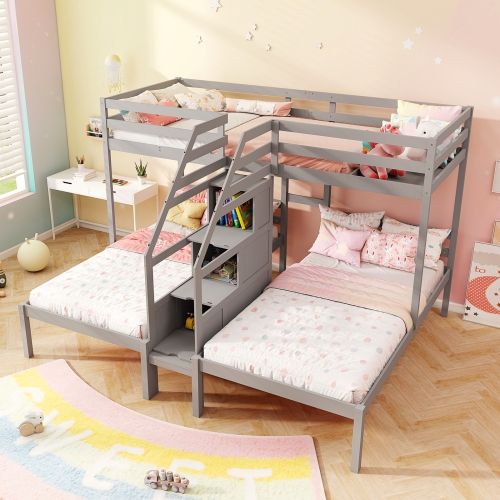
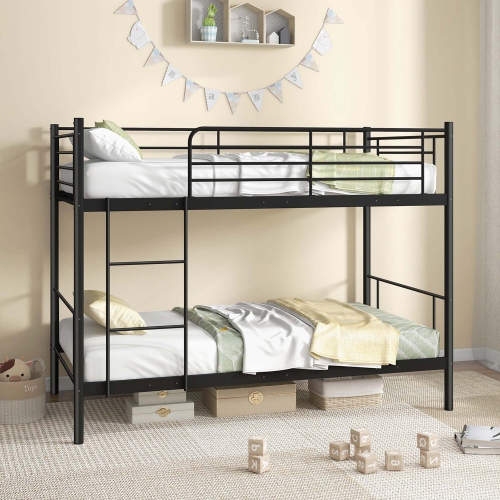
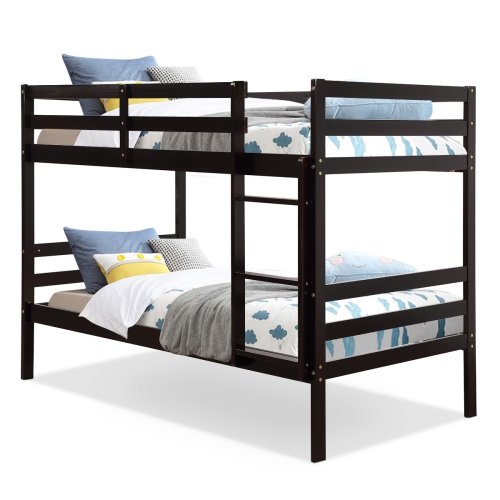
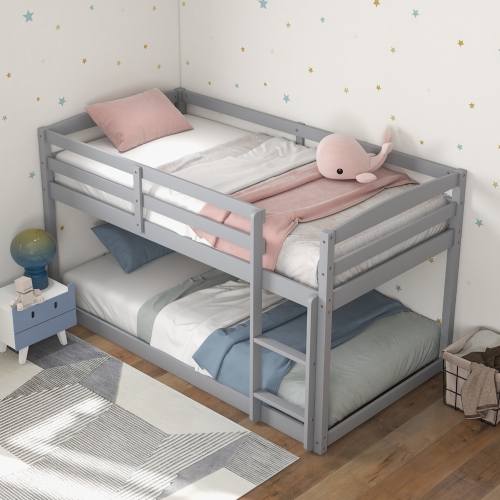
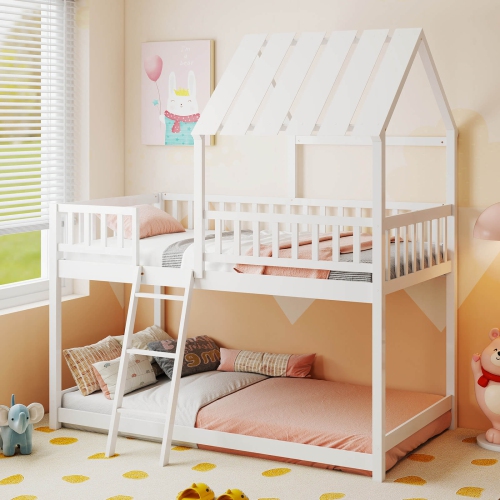
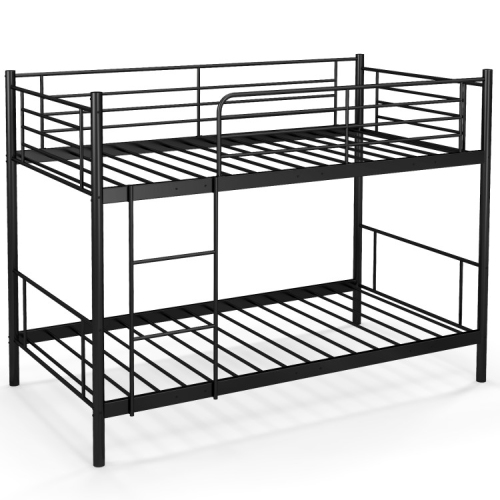
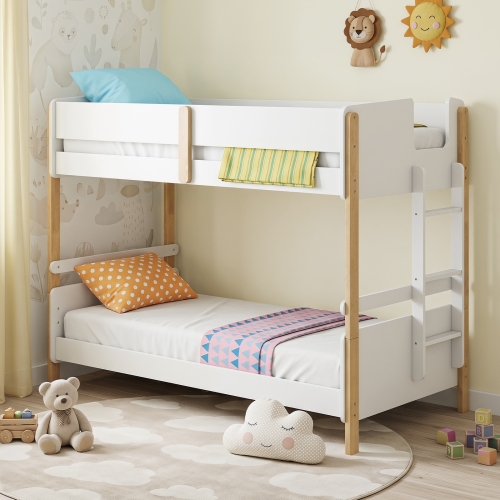
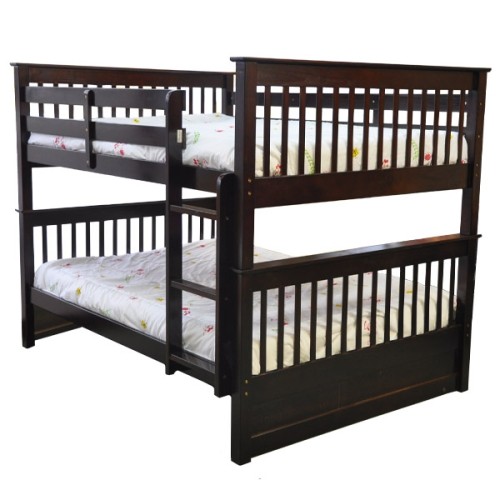
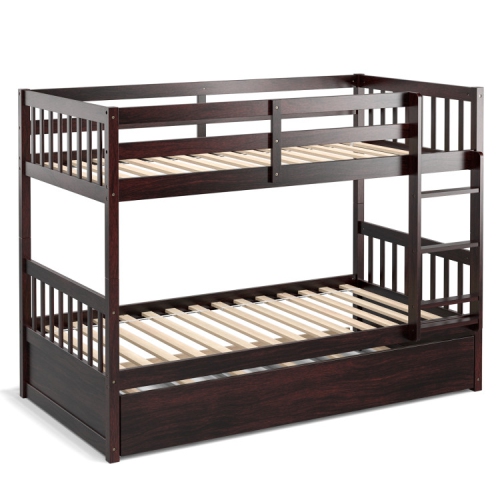
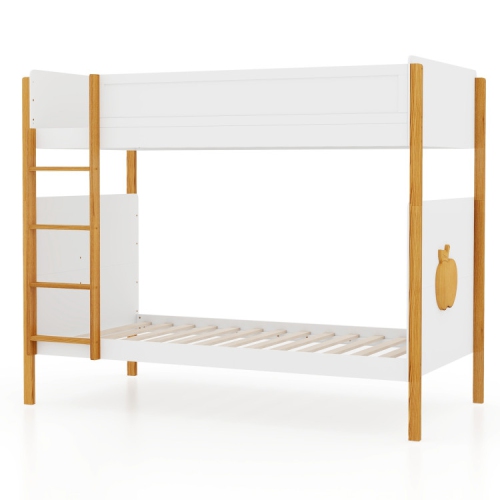
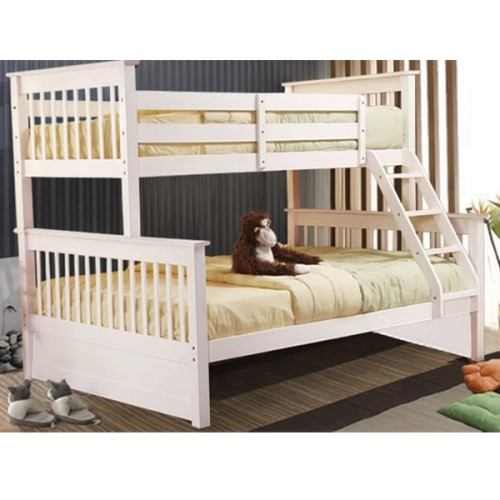
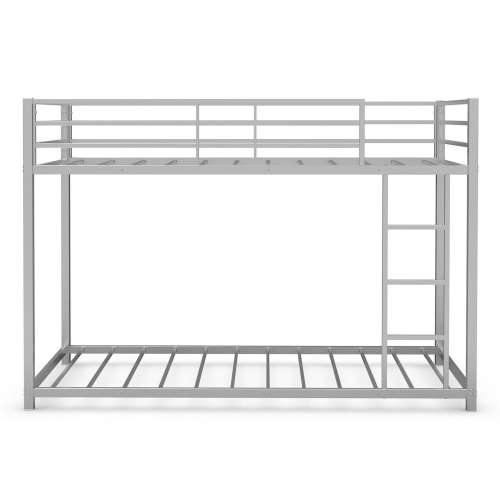
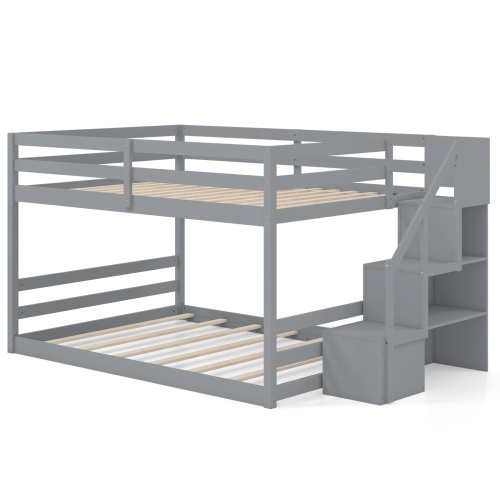
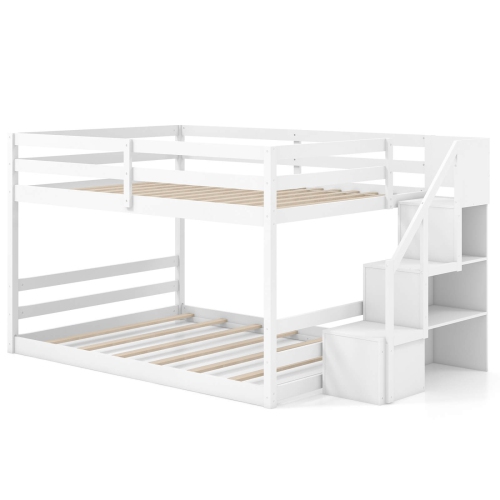
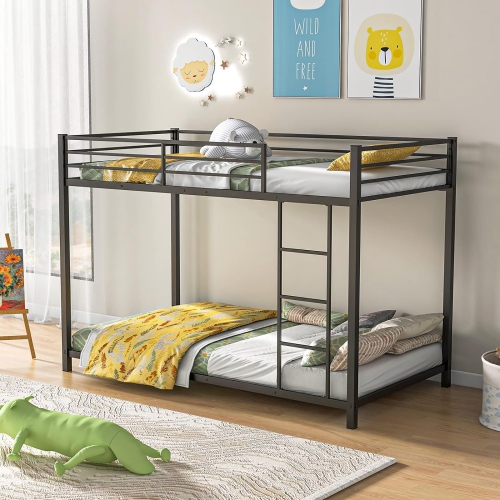
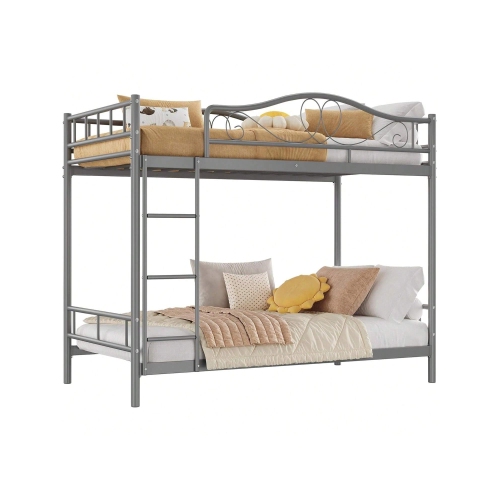
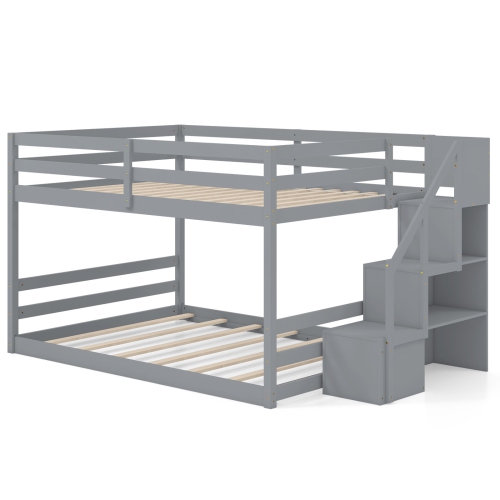
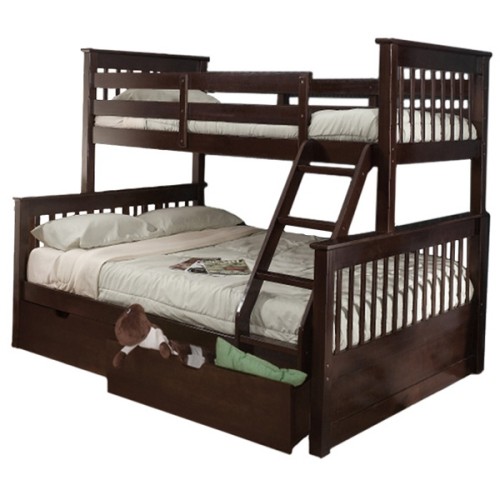
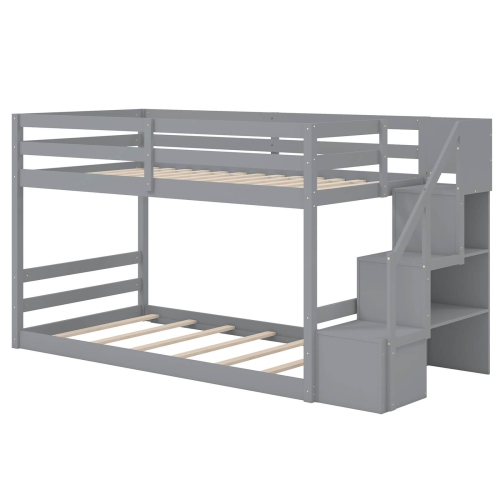
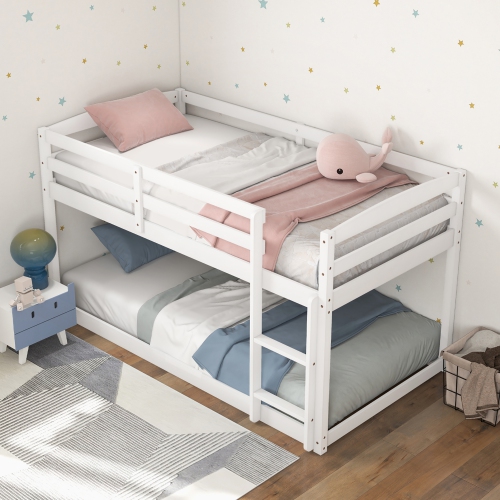
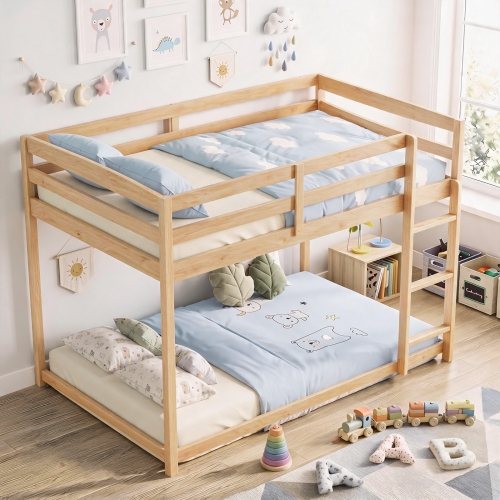
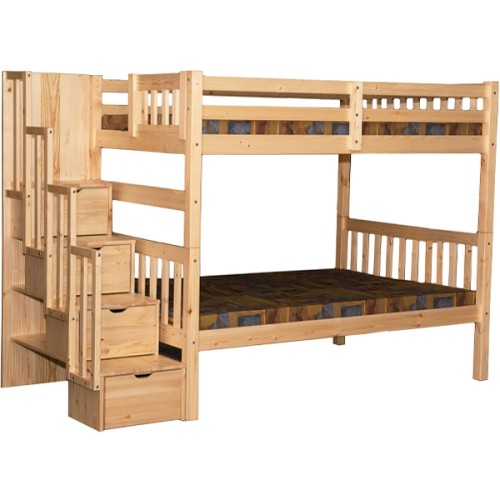
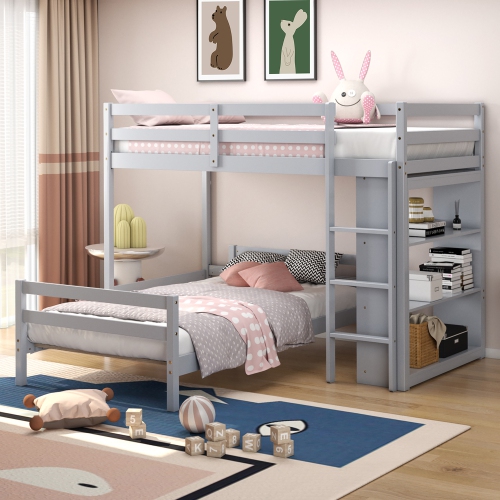
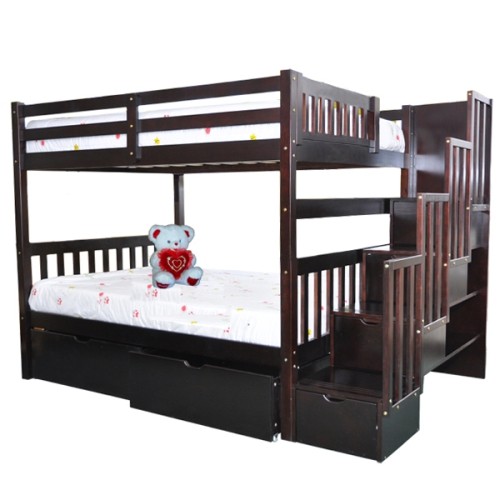
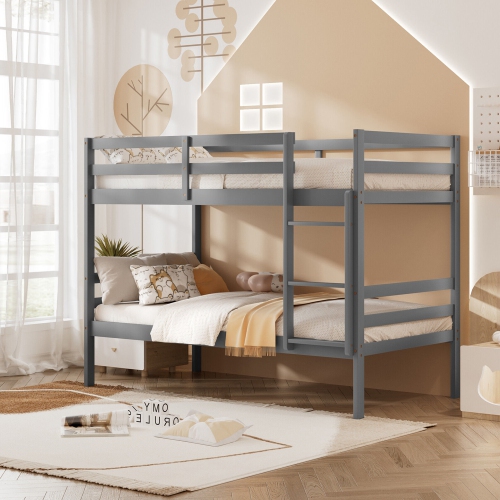
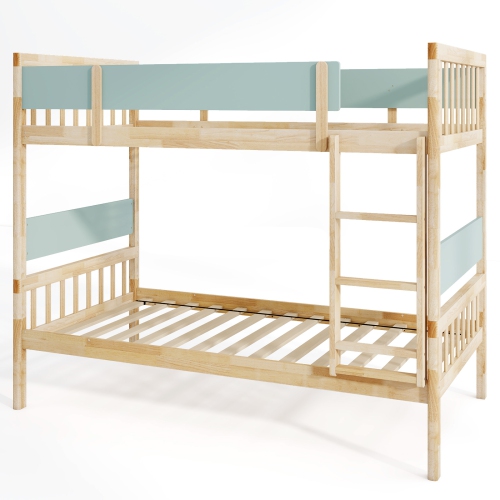
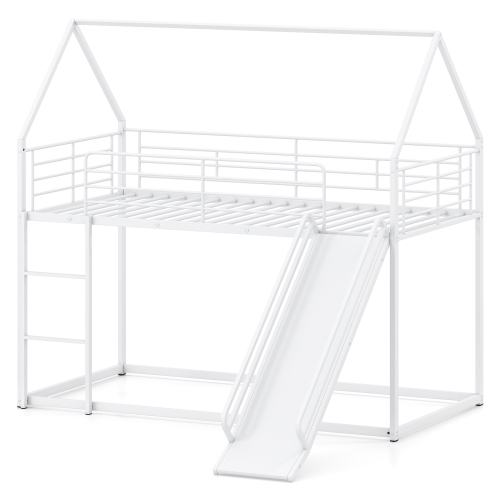
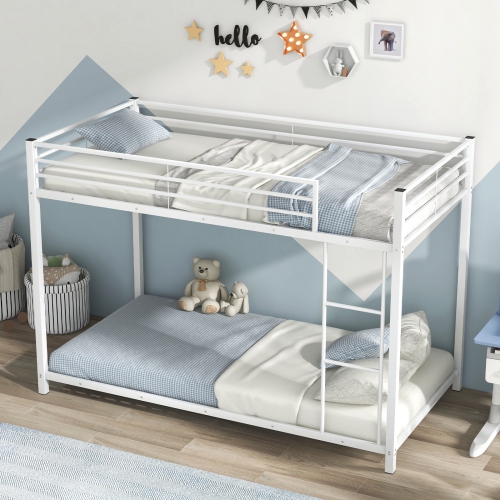
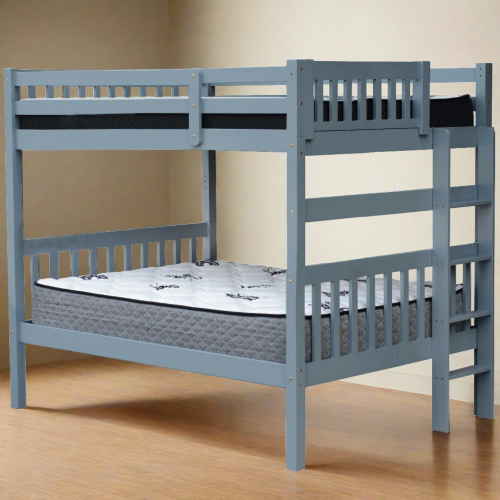
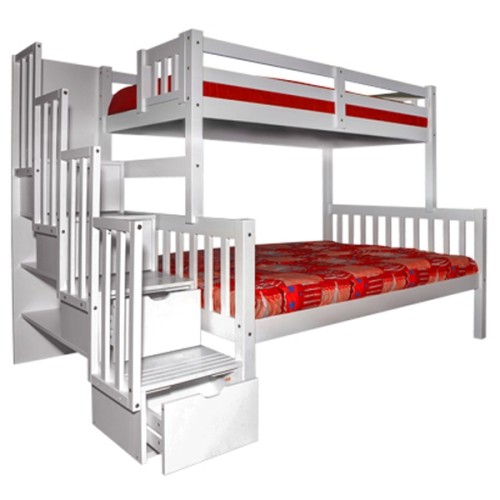
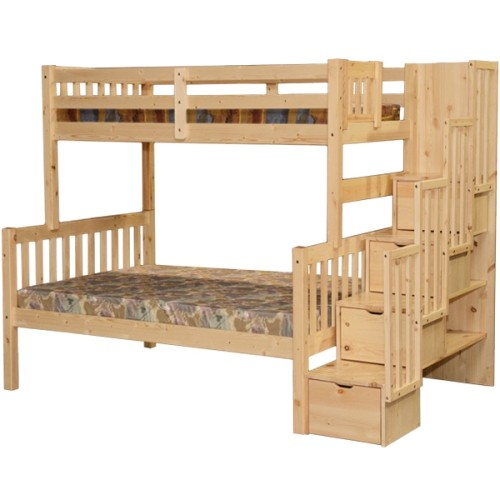
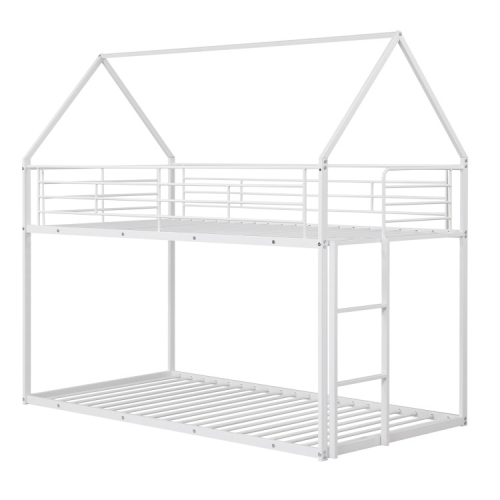
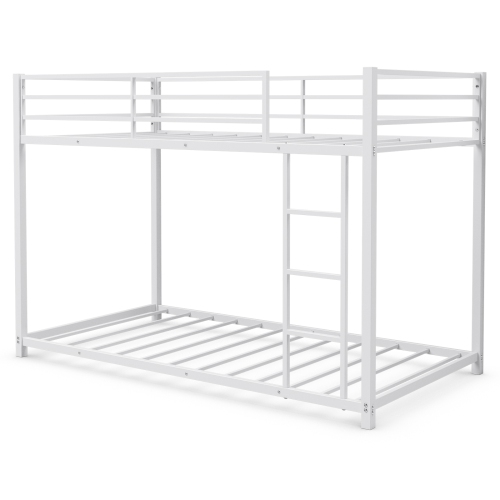
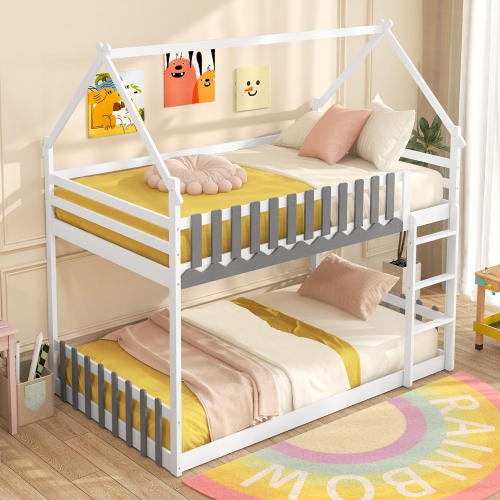
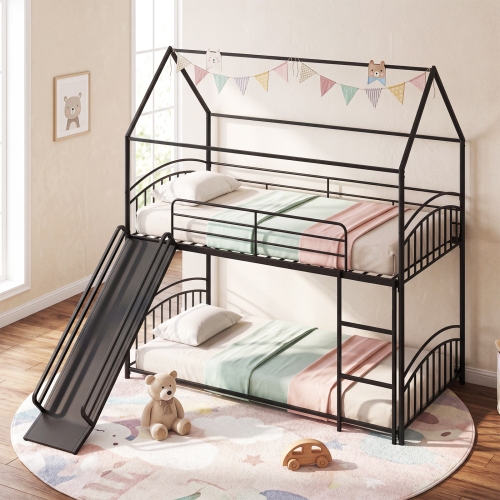
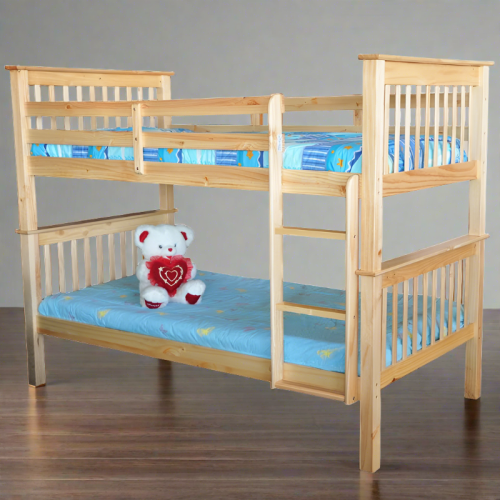
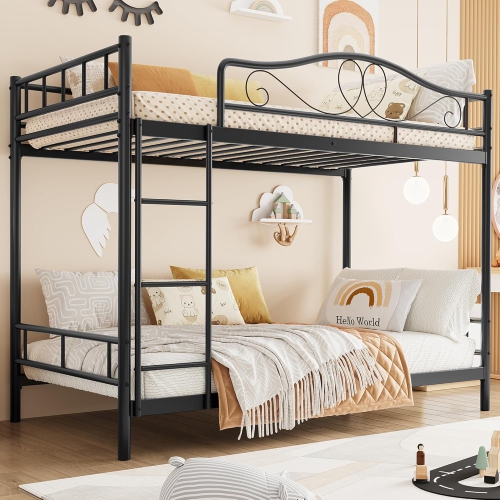
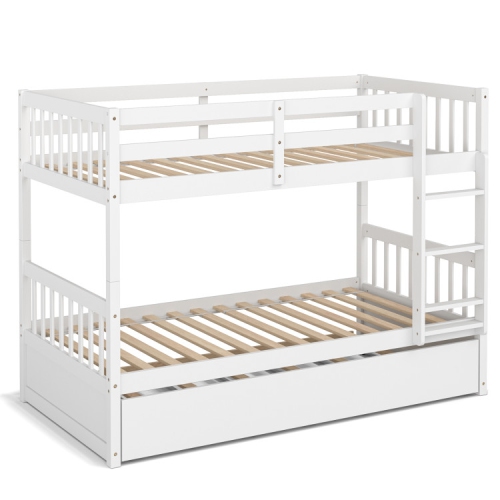
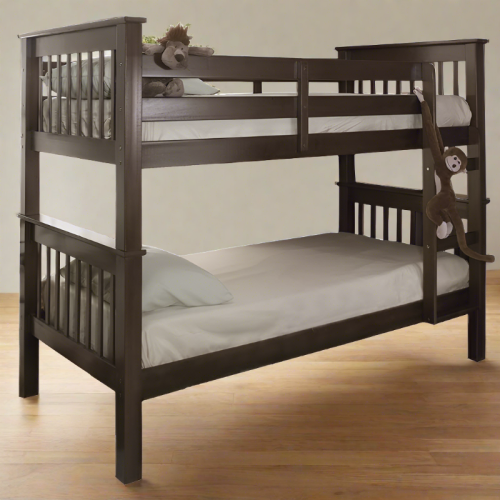
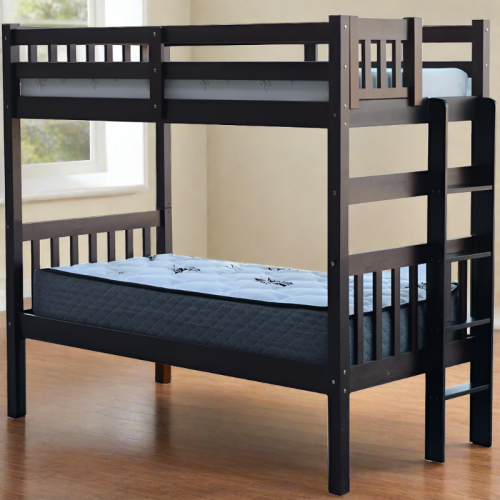
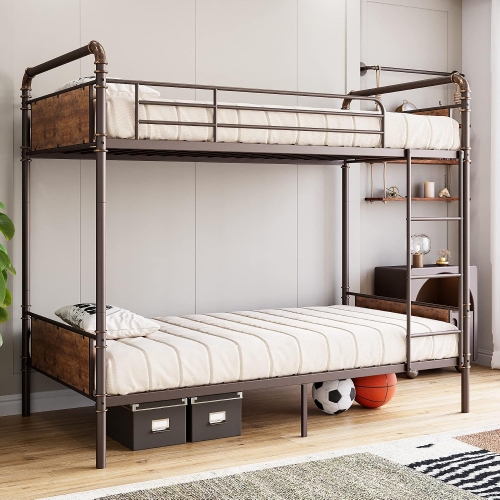
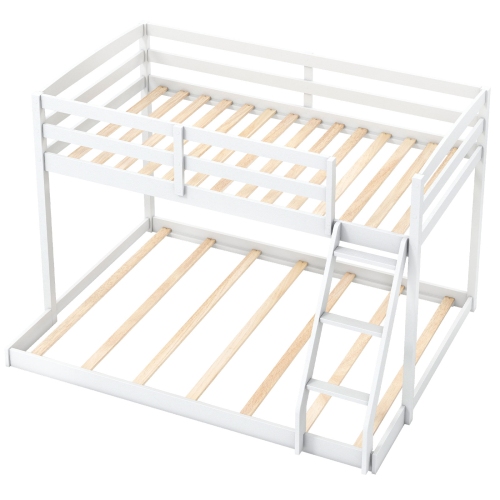
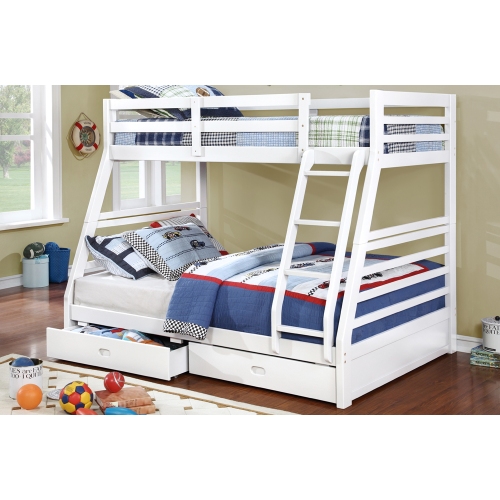
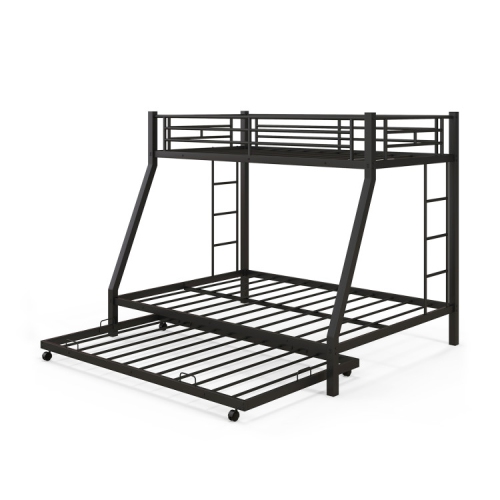
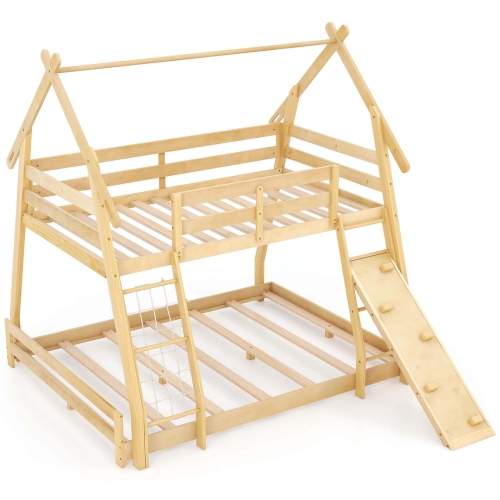
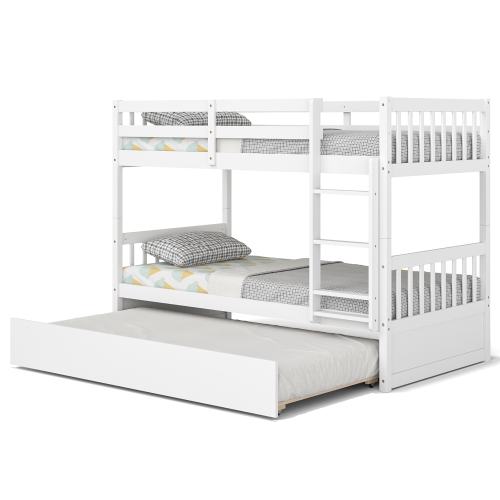
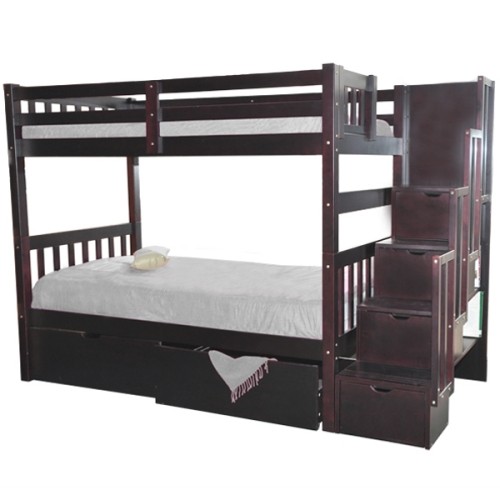
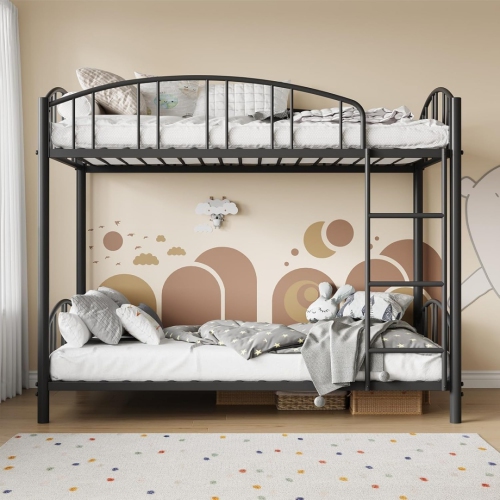
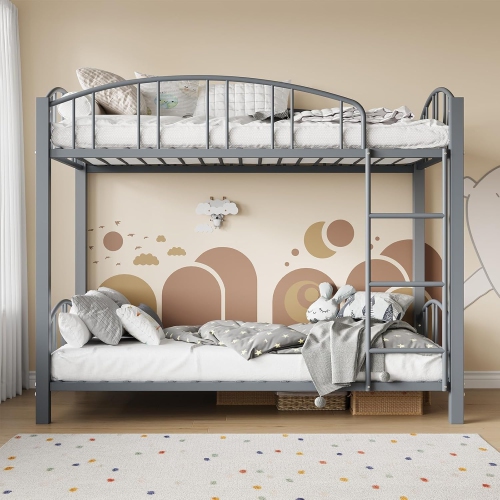
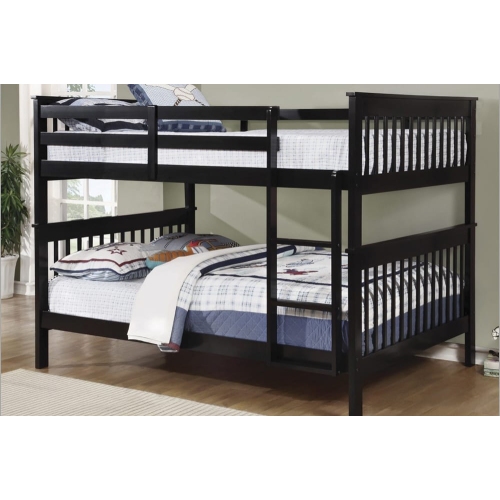
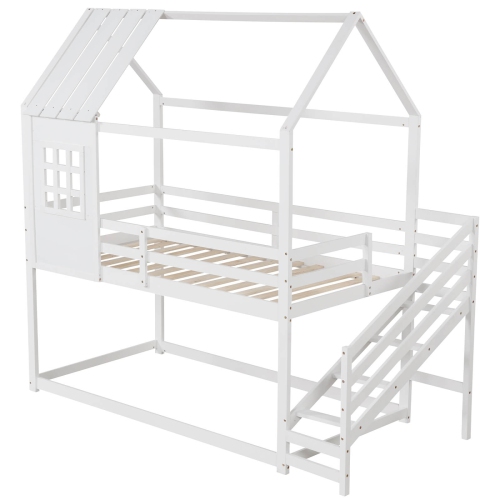
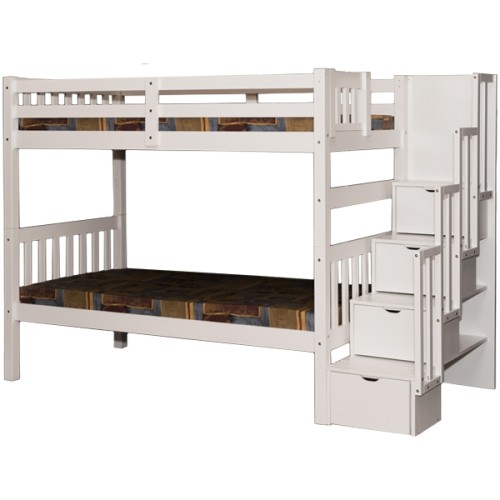
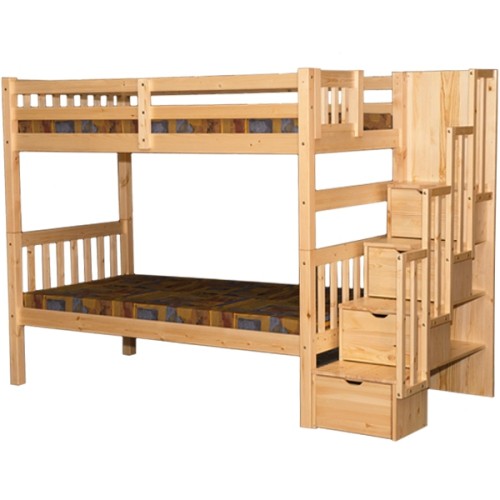
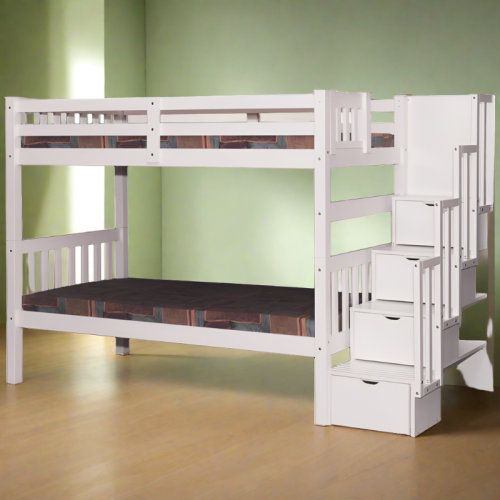
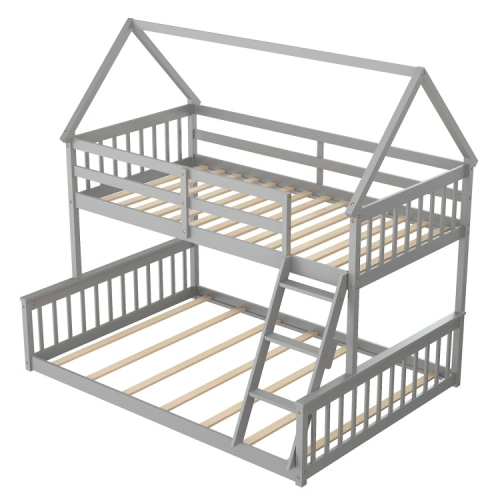
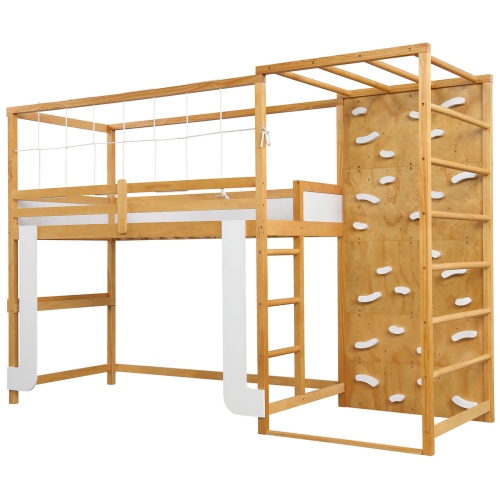
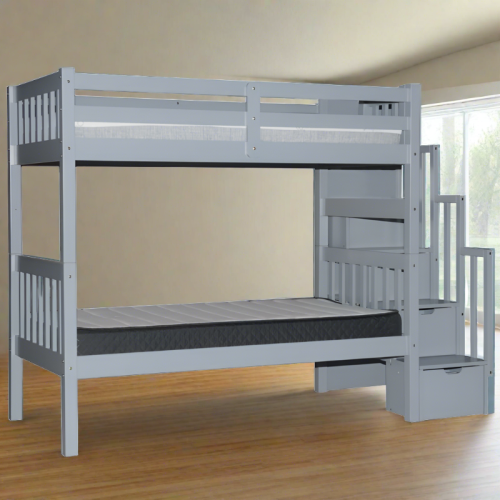
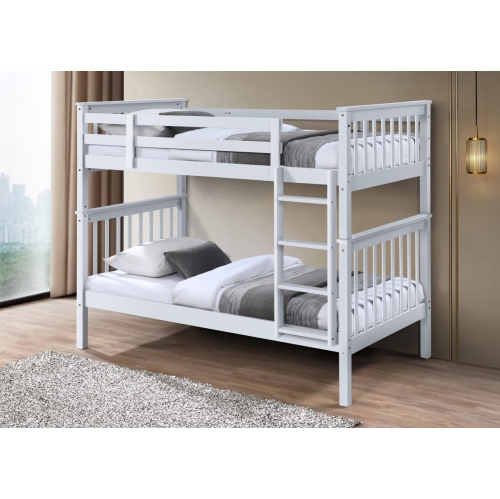
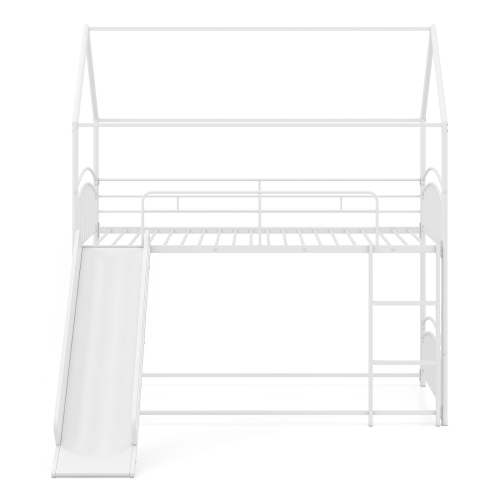
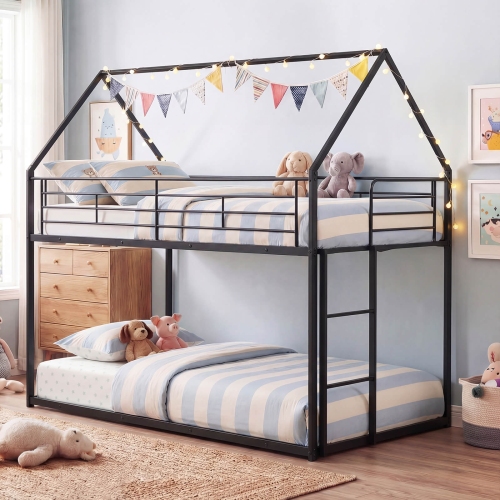
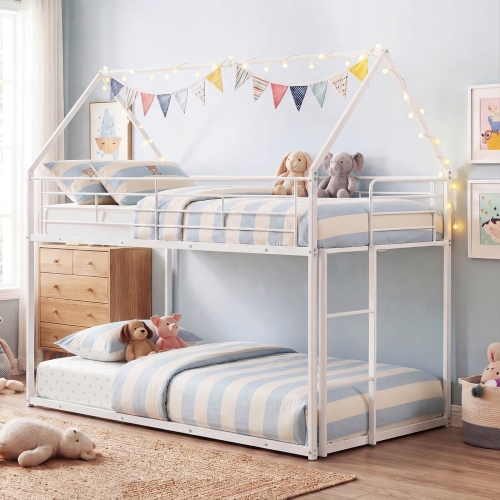
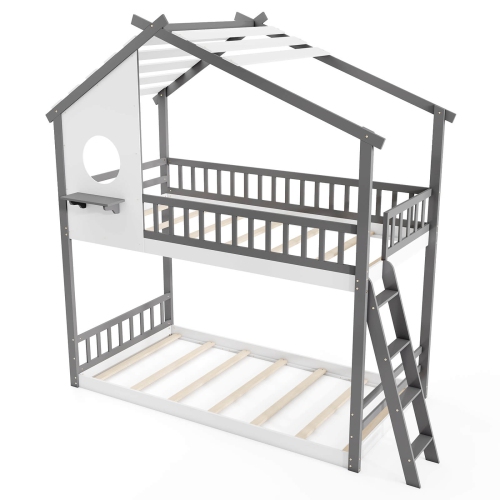
Sturdy bunk beds combine a stable frame, secure connections, well-supported sleeping surfaces, and protective features suited to their intended users. Their stacked design creates two sleeping spaces within a shared footprint, leaving more floor area for a desk, a reading chair, or children’s everyday activities. That makes them a practical option for siblings sharing a bedroom, families furnishing a guest room, or households making better use of a compact space. Strength comes from the complete construction rather than one material or a heavy-looking frame. Solid wood bunk beds can bring substantial posts, warm grain patterns, and a traditional furniture feel, while metal bunk beds often have slimmer profiles and a more open appearance. Some designs combine solid wood, engineered wood, and metal components, with each material serving a different structural or finishing purpose. In any construction, the quality of the joints, hardware, mattress supports, and connections between the upper and lower sections matters. Slats or support platforms need to be installed in the specified positions, and any required centre supports must remain in place. Reinforced connections and securely fitted components can help limit movement, but a bed’s suitability should always be based on its stated specifications rather than appearance alone. Weight capacity is especially important: the upper and lower bunks may have different limits, and a combined capacity does not mean that either sleeping surface can carry the entire amount. Whether a limit includes the mattress and bedding depends on how the manufacturer defines it. For teens, adults, or a caregiver who may sit on the lower bed during a bedtime story, the relevant rating needs to accommodate that intended use. A sturdy frame is only one part of the picture; the mattress size, access arrangement, guardrails, and assembly requirements also need to work together. Clear specifications make it easier to distinguish a bed suited to young children from one designed to accommodate larger sleepers.
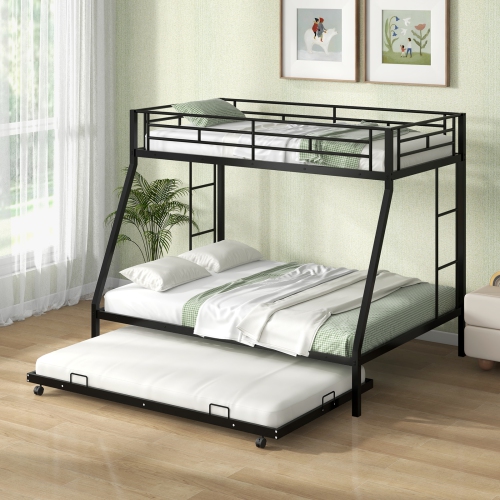
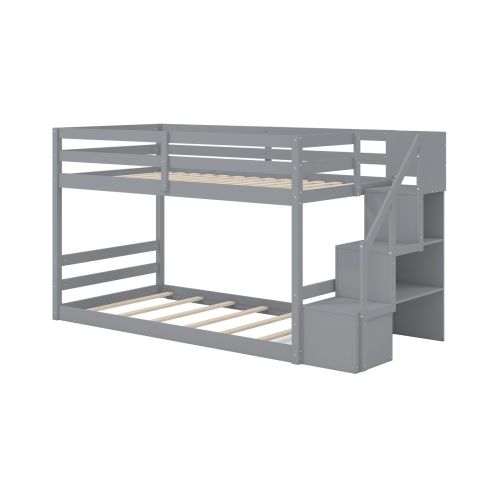
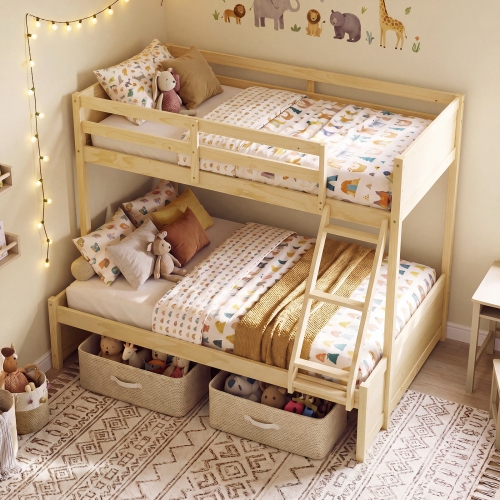
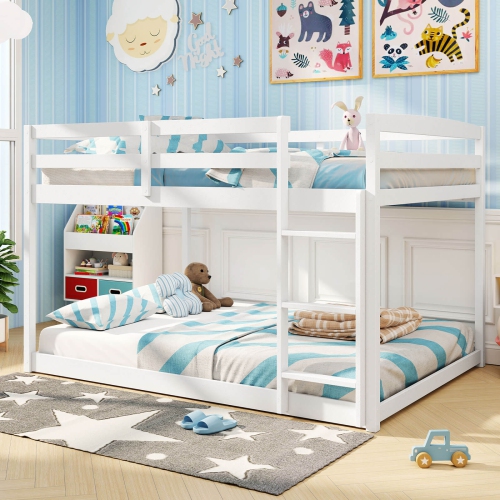
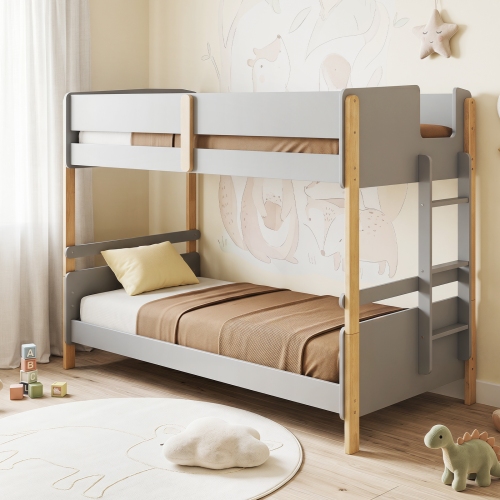
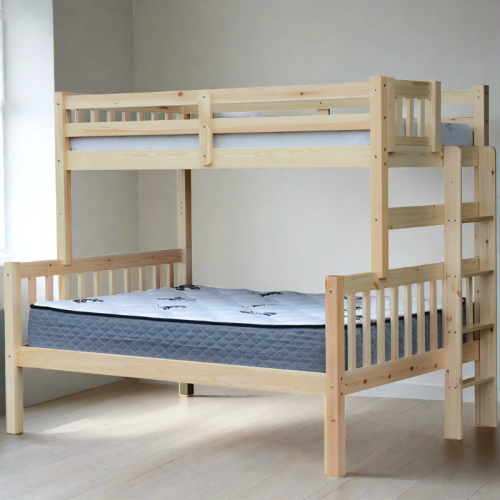
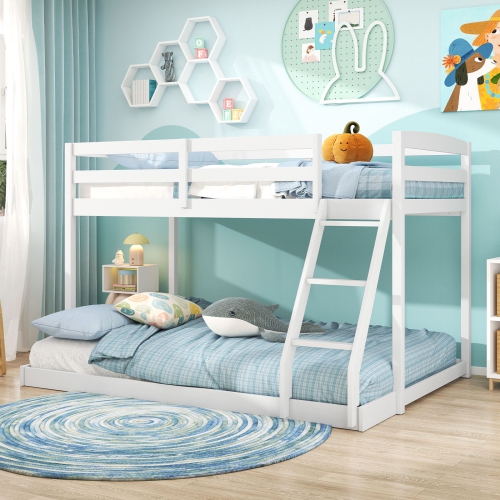
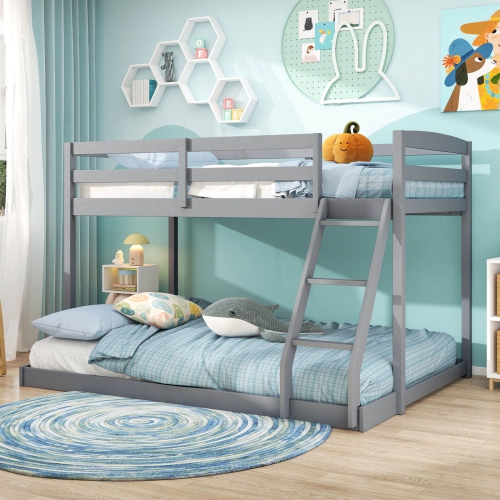
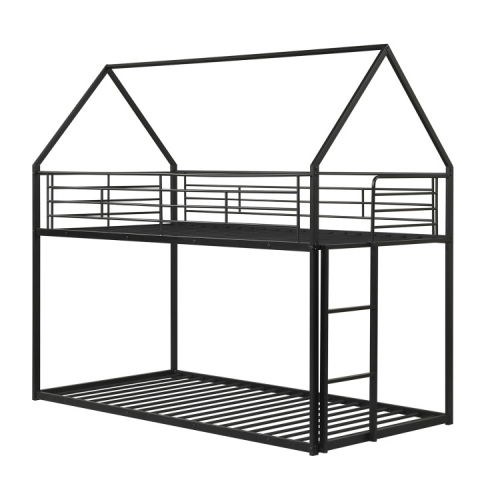
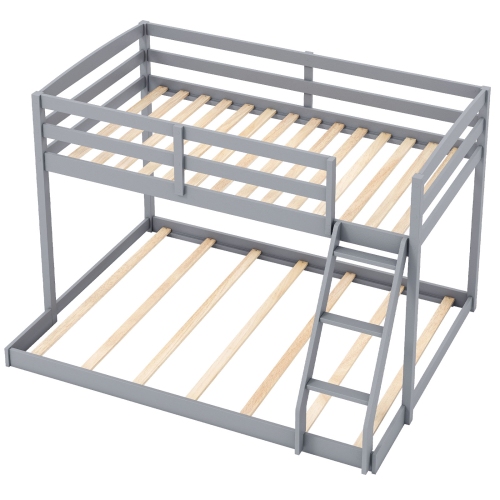
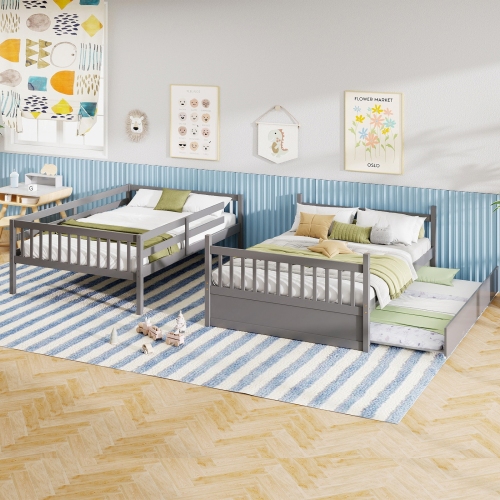
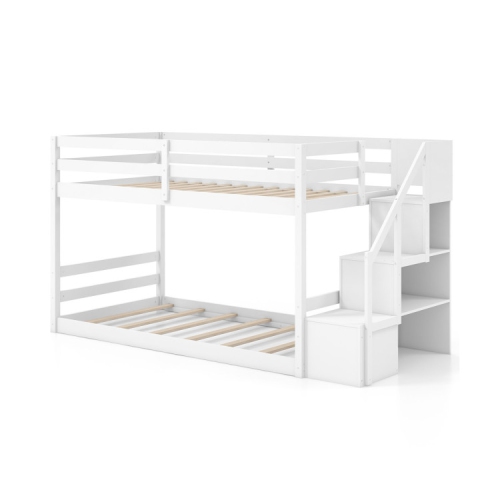
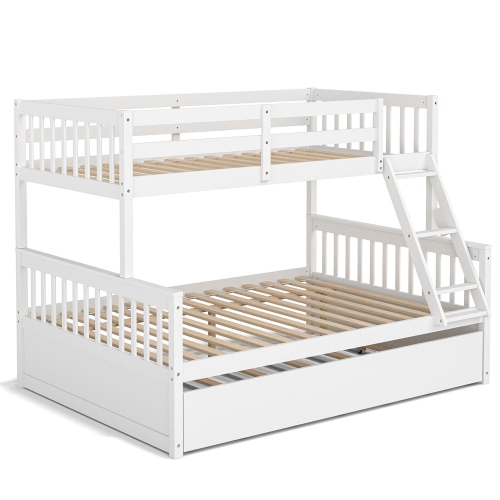
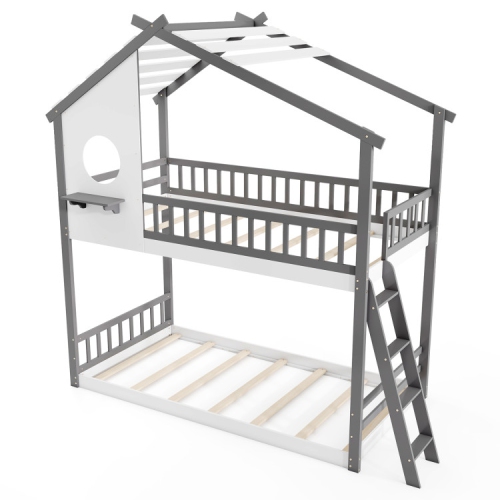
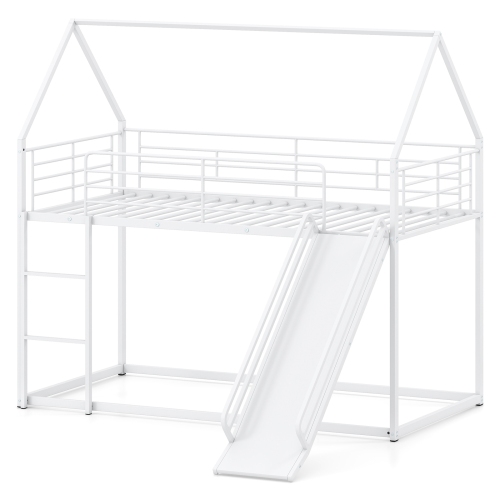
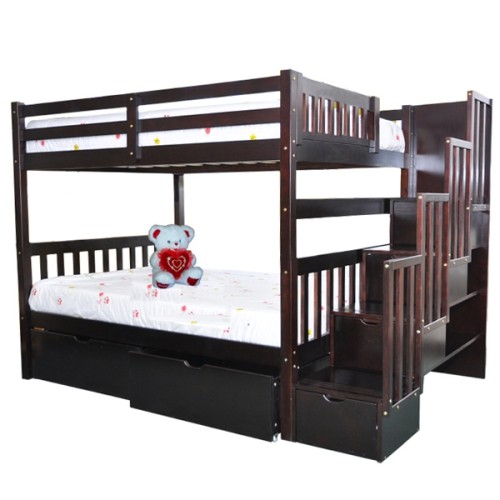
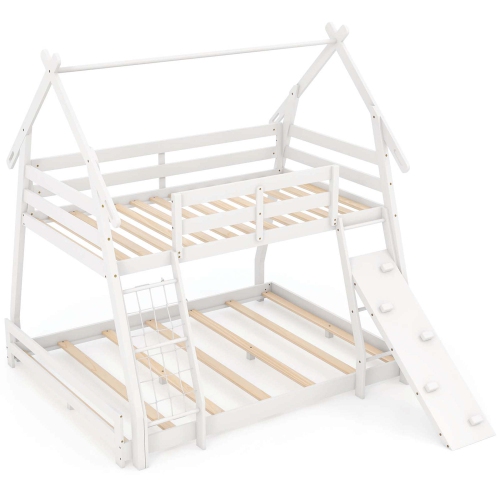
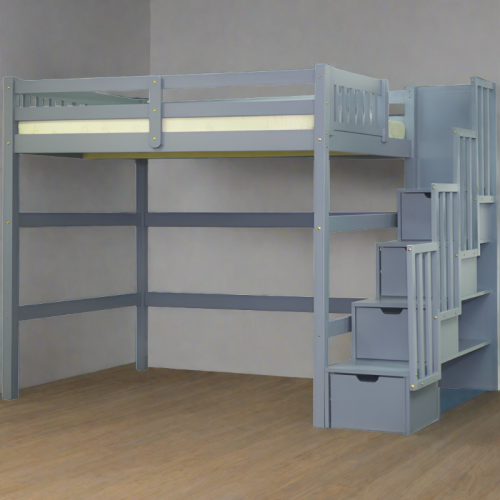
The right bunk bed configuration depends on both the sleepers and the room around them. Twin-over-twin layouts provide similarly sized sleeping areas, while twin-over-full layouts give the lower sleeper a wider mattress without requiring two separate bed frames. Full-over-full designs can offer additional sleeping width, provided the frame ratings and room dimensions suit the intended users. Some bunk beds separate into individual beds, which can be useful when siblings eventually move into different rooms, but this feature should be confirmed rather than assumed. Low-profile bunks may suit rooms where overall height is a concern, although a lower design does not remove the need for appropriate guardrails or age restrictions. Children younger than six should not use the upper bunk, and older children need to be able to climb safely and follow the bed’s use instructions. For any upper sleeper, ceiling clearance should allow comfortable sitting without placing their head close to the ceiling or nearby fixtures. A ceiling fan needs particular attention because its moving blades must remain safely away from both the bed and the access route. Floor space matters just as much as height. An angled ladder extends beyond the frame, a staircase occupies additional space, and drawers need room to open without blocking a doorway or walkway. Stair treads and handholds can provide a different climbing experience from ladder rungs, but neither arrangement replaces age-appropriate use and supervision. Mattress dimensions and thickness must match the requirements for each bunk, especially the upper one, where an overly thick mattress can reduce the effective height of the guardrails. Mattress toppers can change that height too. Guardrails must be fitted in every required position, including along the wall-facing side where specified. Positioning the bed near windows, accessible blind cords, or other hanging cords introduces hazards that a strong frame cannot address. A well-planned layout keeps the sleeping area, climbing route, and surrounding floor clear.
Everyday durability also depends on correct assembly and regular care. Bunk beds contain multiple connected sections, so the frame should be assembled with the supplied hardware and the tools and methods specified by the manufacturer. Parts that look similar may have different roles, and substituting screws or leaving out a brace can affect how the structure performs. Once assembled, the bed should sit level and stable on suitable flooring, with any specified anchoring or additional supports installed as directed. Periodic checks are particularly useful after a move, after separating a convertible design, or when new movement or noise appears. Loose fittings, cracked components, bent supports, or damaged ladder attachments are reasons to stop using the affected bed until the issue has been assessed and corrected according to the manufacturer’s instructions. Squeaks should not be dismissed as purely cosmetic, since they may indicate a connection that needs attention. Cleaning is generally straightforward when it follows the finish-care directions: a soft cloth can remove dust, spills should be addressed promptly, and abrasive cleaners can damage painted, coated, or wood surfaces. Keeping bedding tidy helps prevent loose fabric from obstructing ladder rungs or hanging into the access area. Bunk beds are intended for sleeping rather than jumping or rough play, and bags, ropes, or hanging accessories should not be attached to the frame. Alongside these practical details, the finish and shape influence how comfortably the bed fits into a shared room. Light colours can soften the visual presence of a large frame, wood tones can coordinate with dressers and shelving, and darker metal finishes can suit a simpler bedroom scheme. Integrated storage may reduce the need for extra furniture, while an open lower area can make it easier to reach bedding and clean beneath the frame. For households comparing stacked sleeping arrangements with separate bed frames, the Sturdy Beds collection provides a broader starting point for planning sleeping spaces around comfort, fit, and everyday use.
Top selling and popular products
-
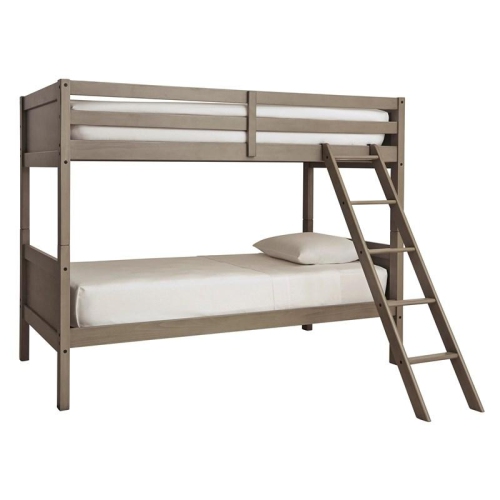 Your price for this item is $799.99
-
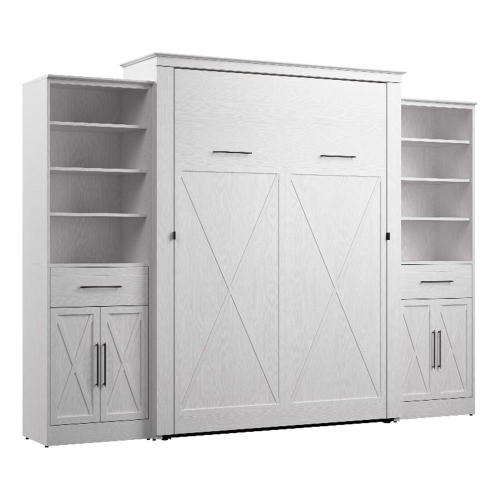 Your price for this item is $3519.99
-
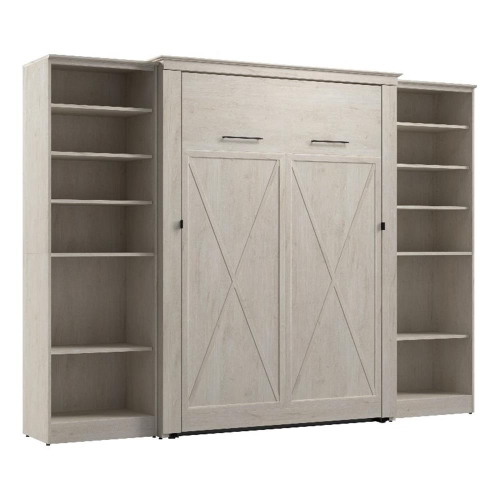 Your price for this item is $3099.99
-
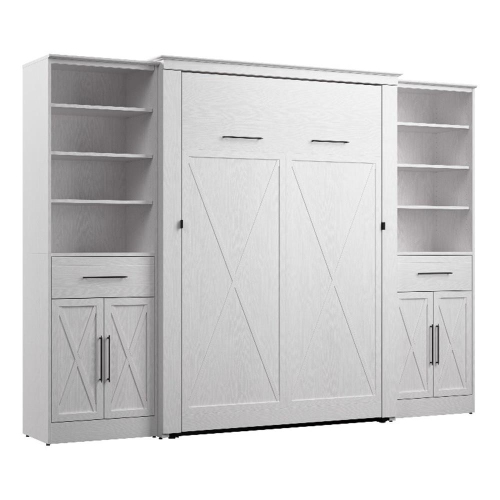 Your price for this item is $3349.99
-
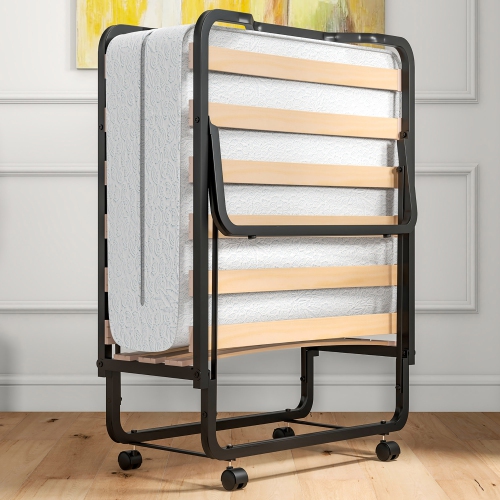 Your price for this item is $235.99
-
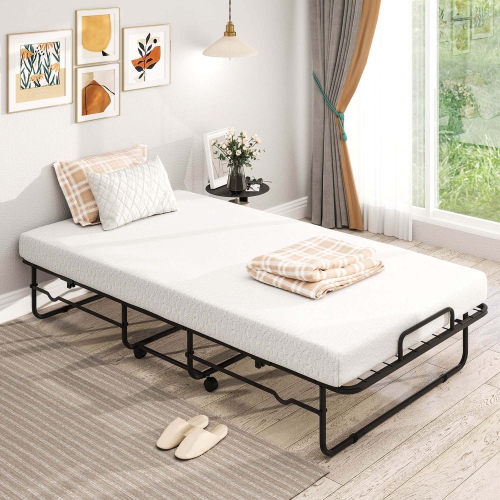 Your price for this item is $243.99
-
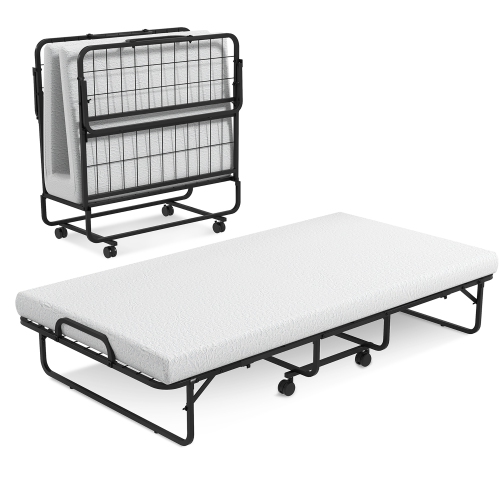 Your price for this item is $233.99
-
 Your price for this item is $364.99
Discover more categories related to Sturdy Bunk Beds
Top Collections:
Best Black Friday Deals This Year, Best Black Friday Deals On Electronics, Kindle Devices, Best Black Friday Deals On Apple Products, Best Budget Office Chairs, Best Cameras for Sports Photography, Dyson Airwrap, Canon G7X Cameras, Best Laptops for Writers, Samsung Galaxy Phones
Some products may be subject to Environmental Handling Fees
(EHF) depending on your province.
Learn more about EHFs.