Wood Burning Fire Pit
Transform your outdoor space into a cozy haven with wood-burning fire pits. Perfect for gathering with friends and family on cool evenings, these fire pits add warmth and ambiance to almost any backyard or patio. Here are some great options available.
Sort

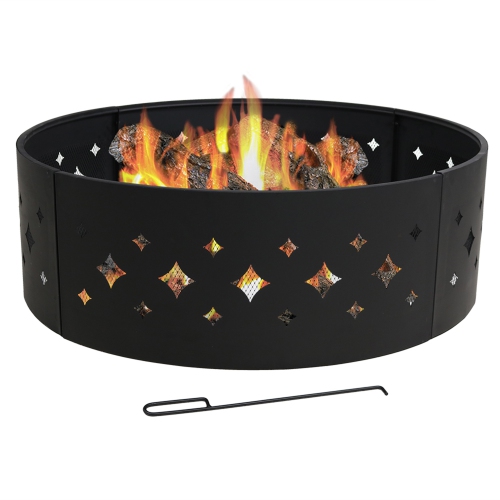
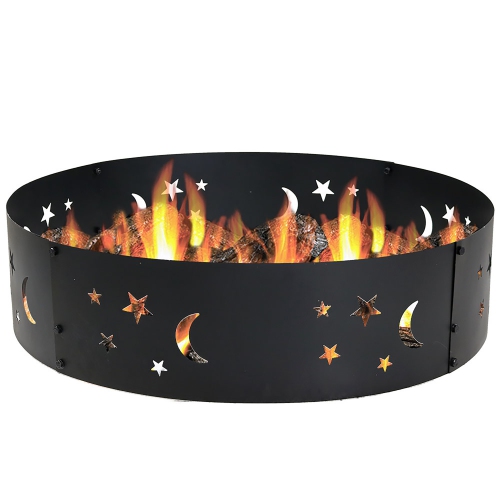

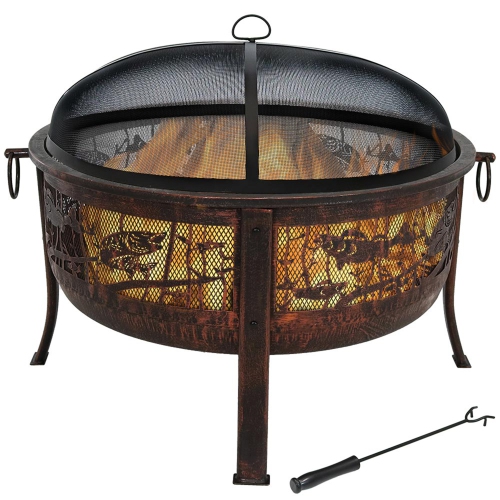
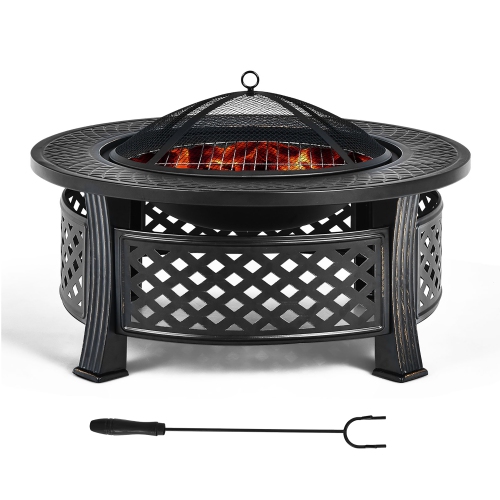
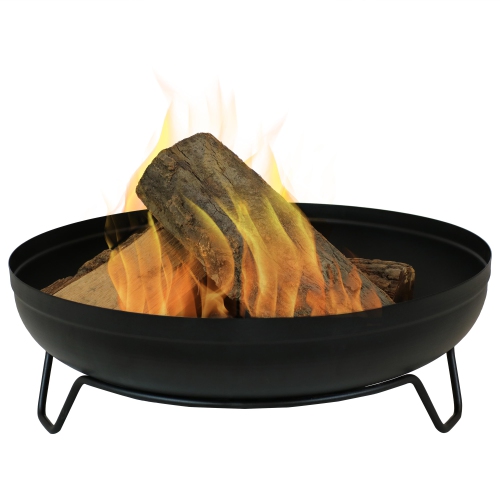
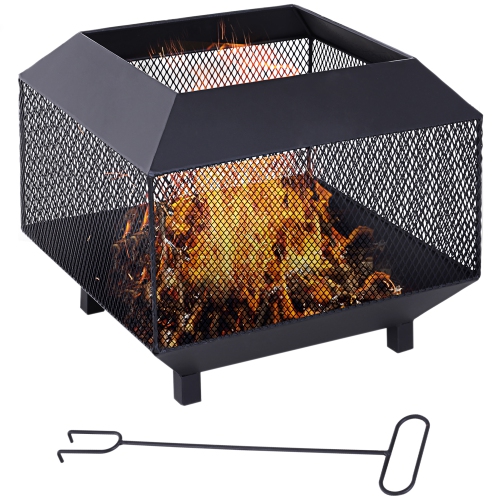
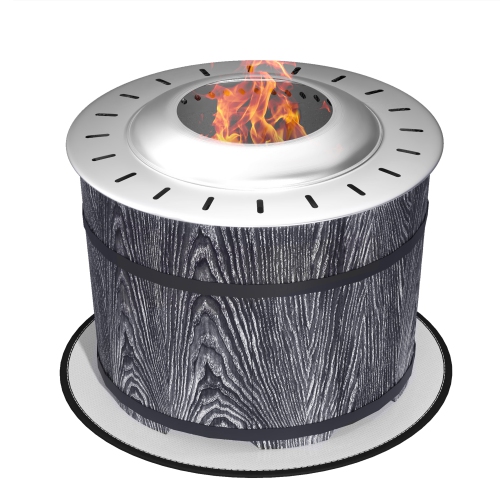
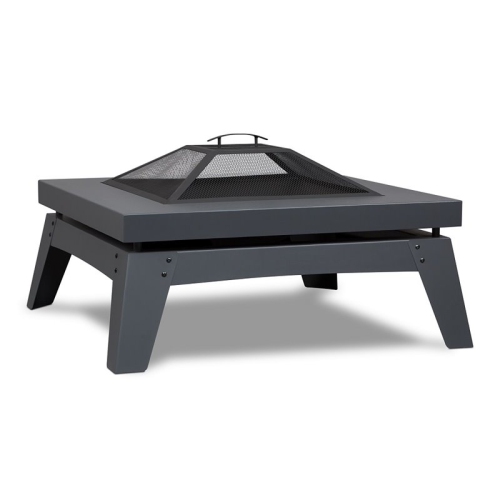
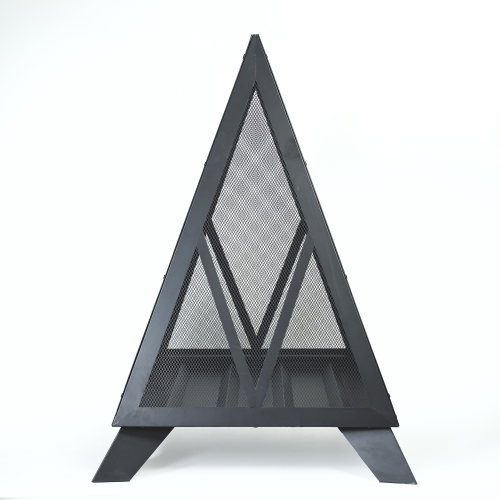
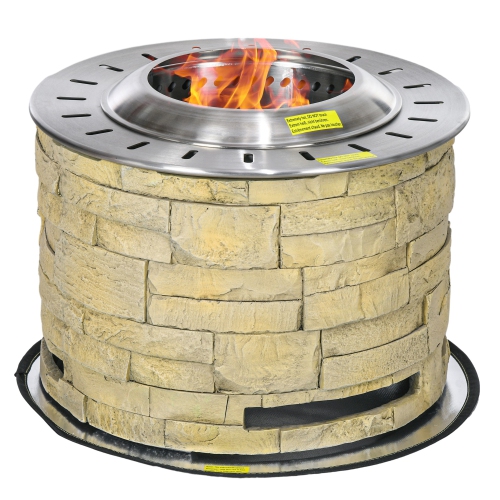
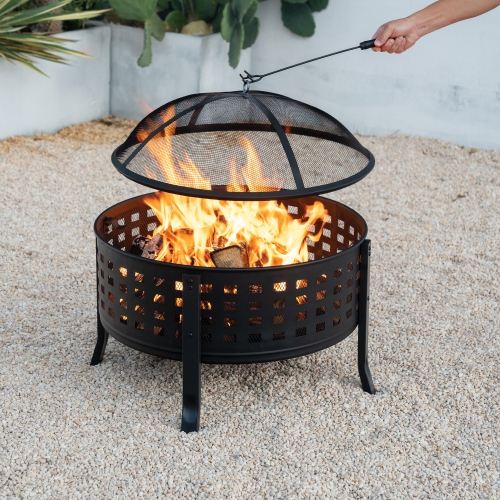
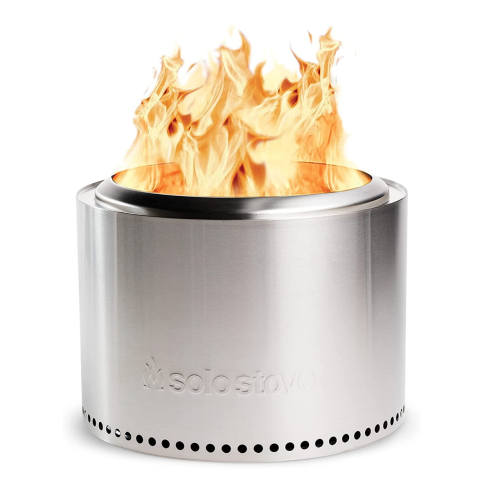
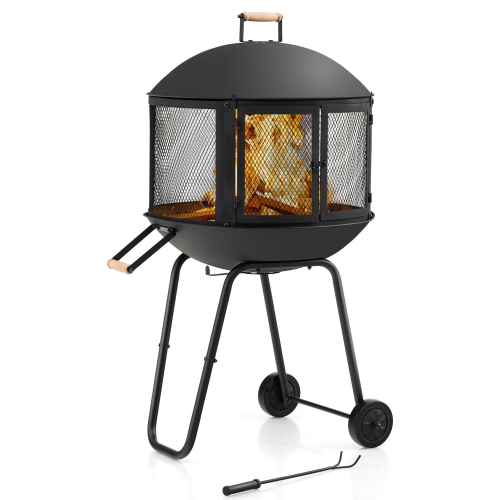
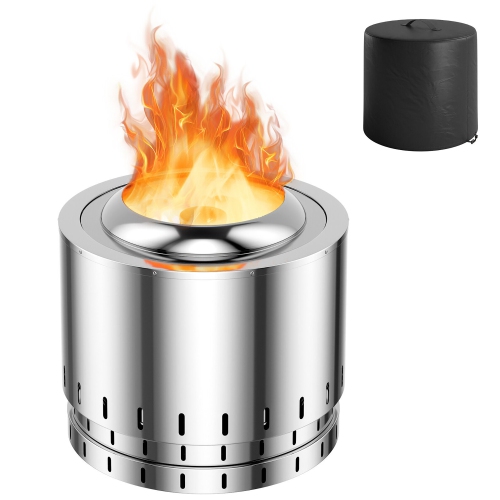
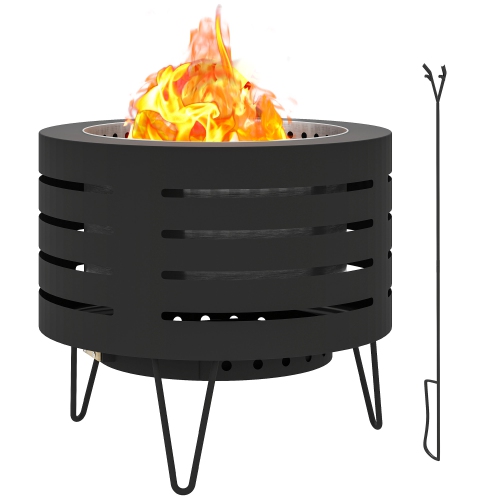
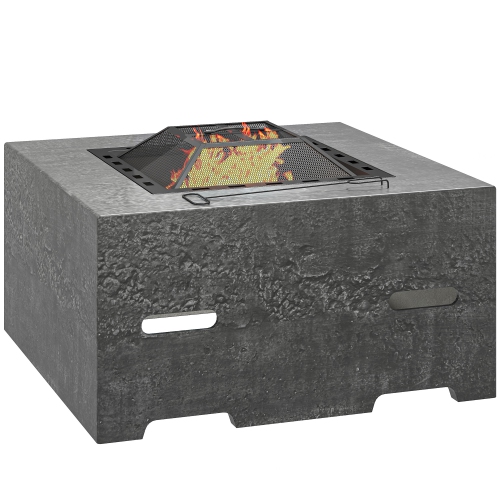
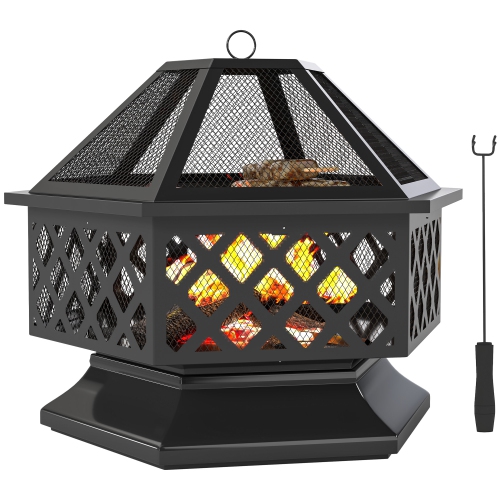
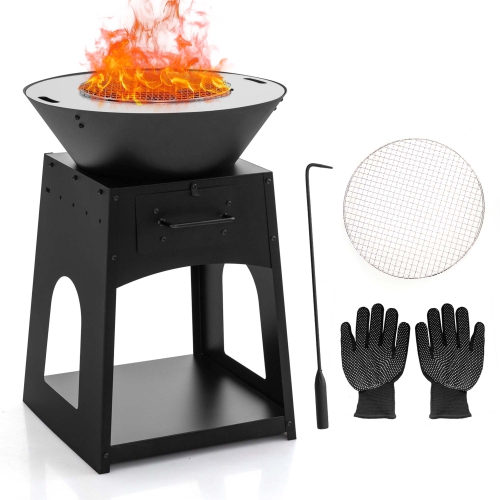
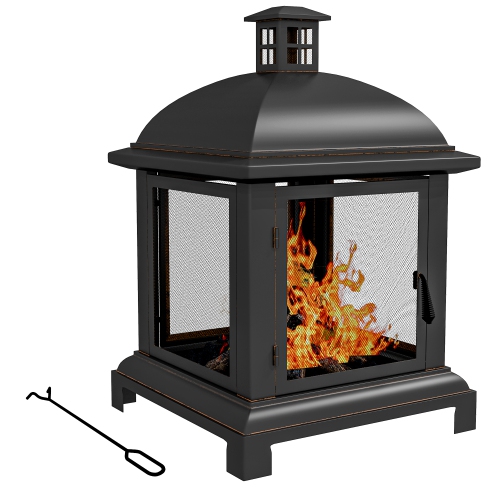
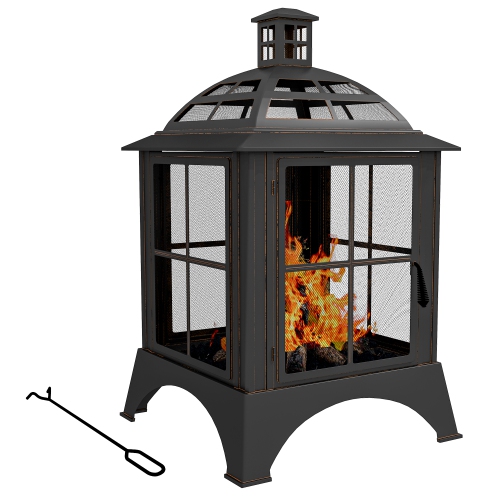




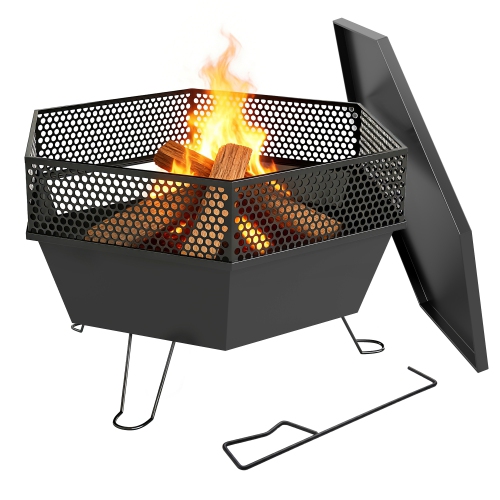
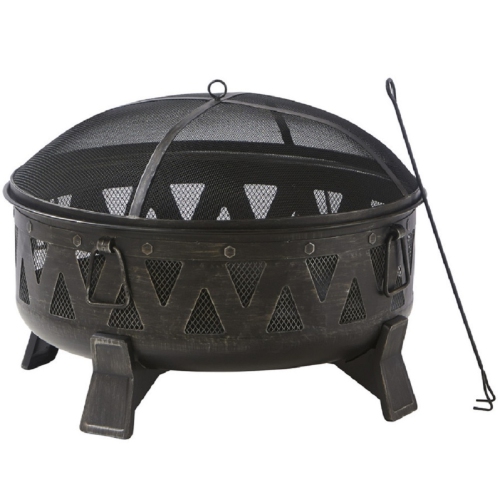
Campfire charm comes with a hands-on ritual
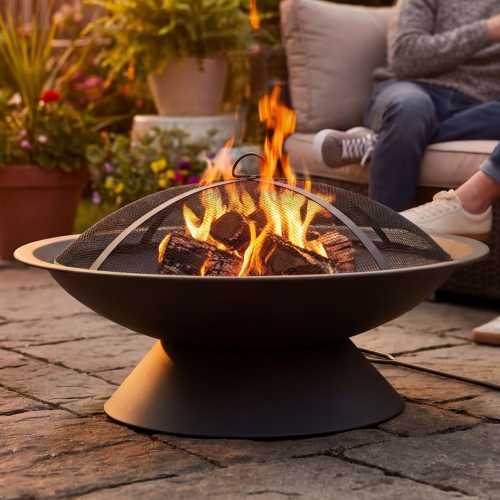
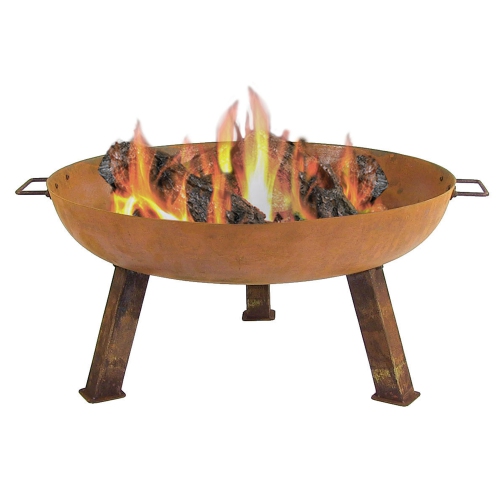
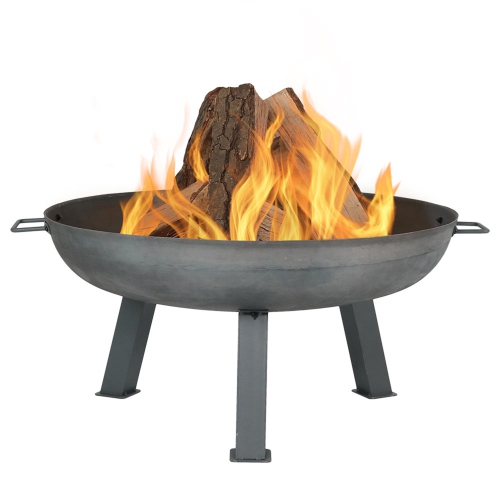
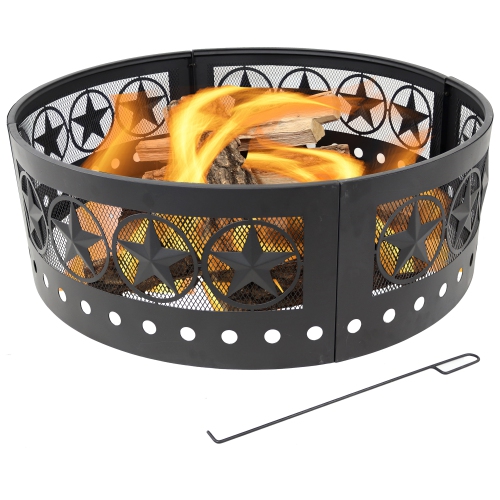
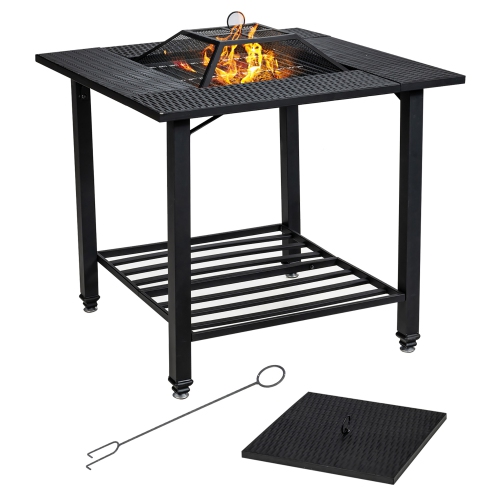
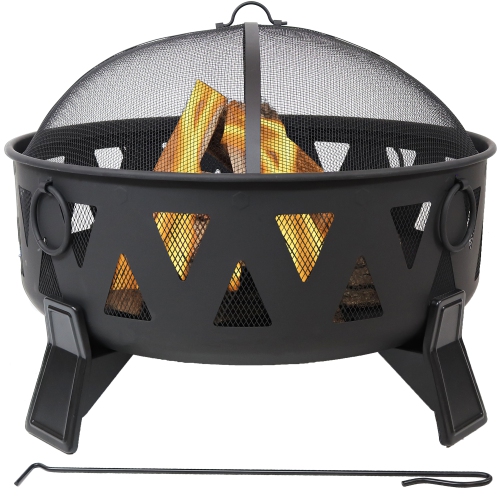
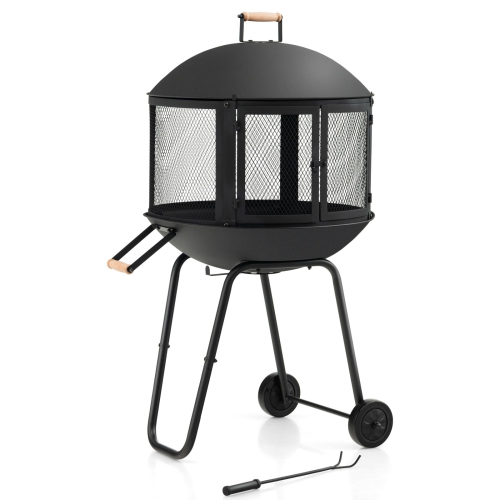
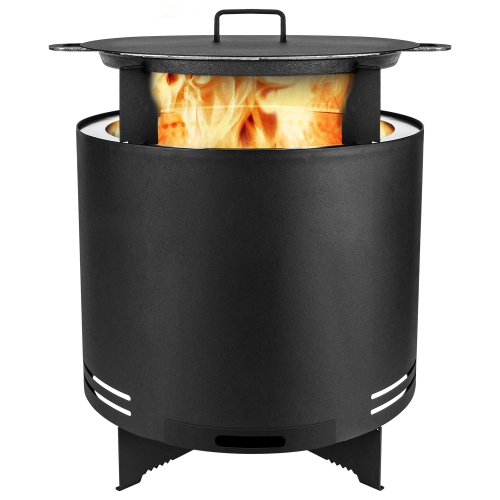
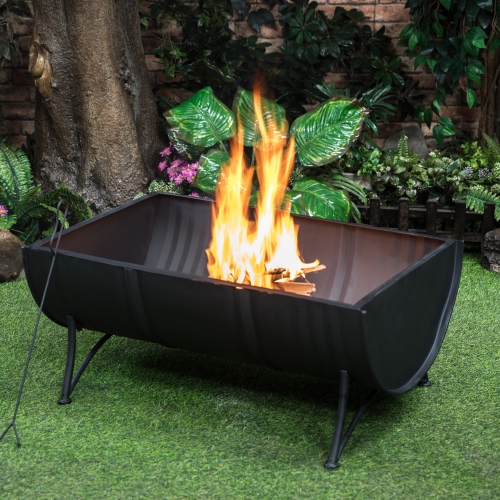
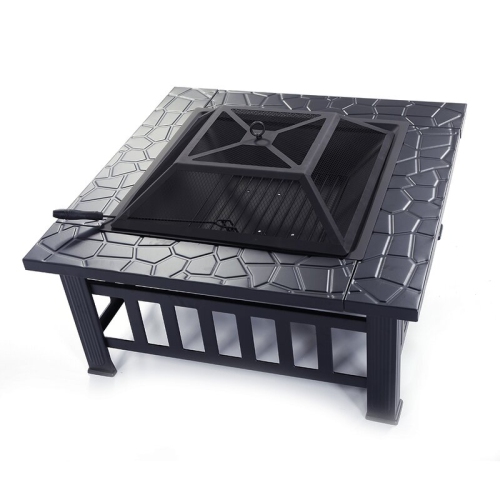
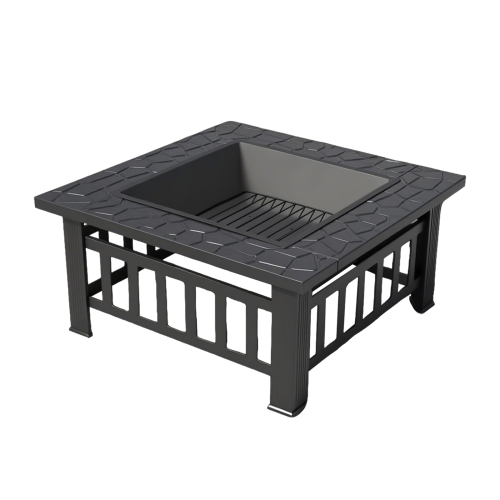
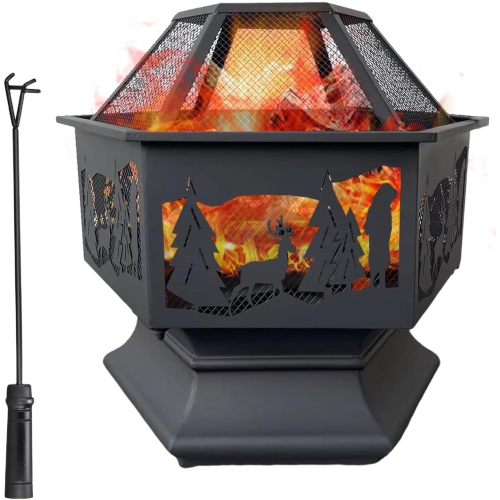
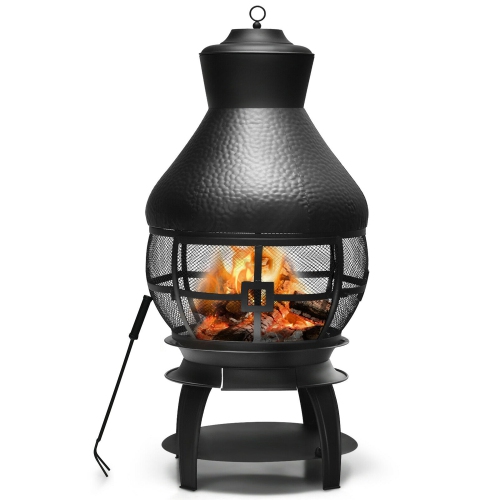
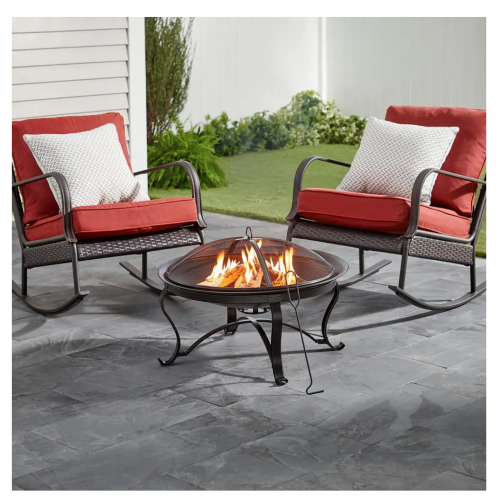
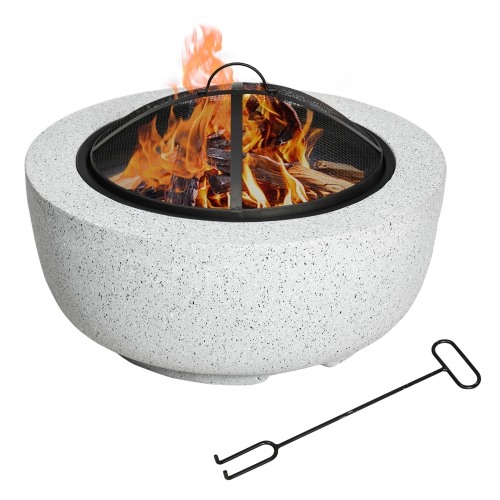
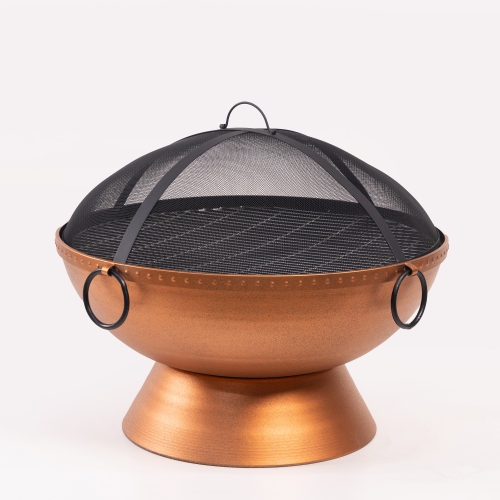
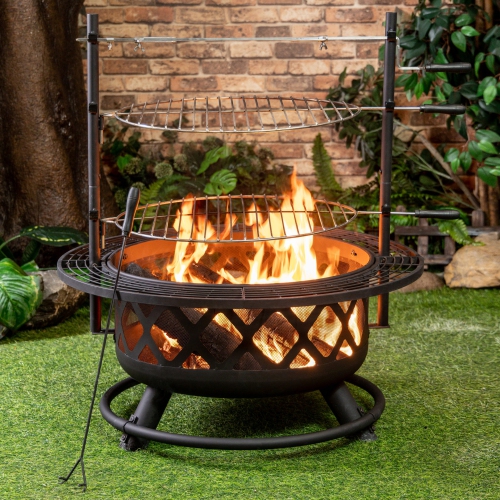
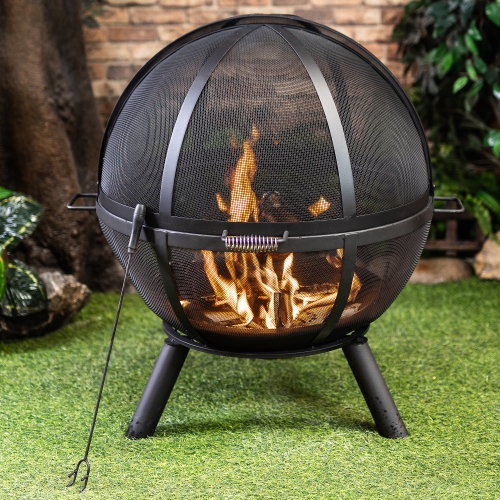
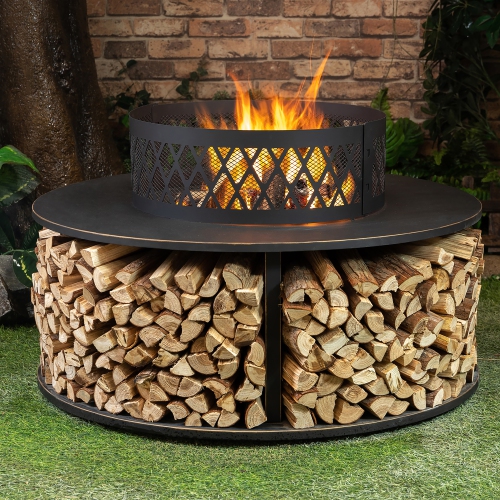
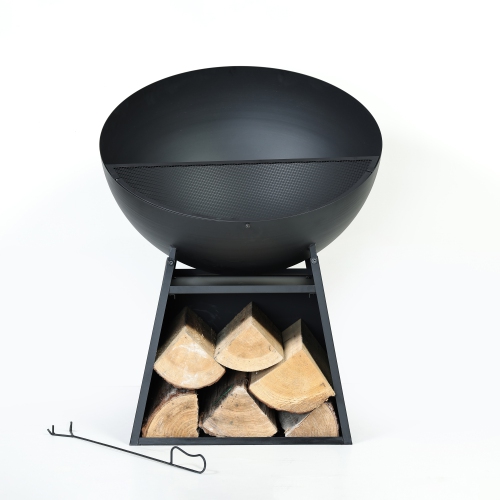
A wood-burning fire pit is an outdoor fireplace that holds burning logs in a purpose-built bowl or chamber, creating an open-air gathering spot with radiant heat, flickering light, and the familiar crackle of a campfire. Unlike a gas fire pit, it uses firewood rather than a propane cylinder or natural gas connection, so the experience includes arranging logs, tending the flames, and clearing away ash once everything has cooled. That hands-on character appeals to people who enjoy lingering over conversation in the backyard, hosting relaxed outdoor gatherings, or bringing a campfire atmosphere to a permitted campsite. The basic shapes range from shallow, open bowls that make the flames visible from several seats to deeper chambers that contain the fuel bed behind taller sides. Raised designs place the bowl on legs or a supporting base, while some portable styles have folding components or carrying handles for transport when completely cold. A compact footprint can be useful where storage is limited, but the fire pit still needs a suitable outdoor location with all required clearances; a smaller bowl does not make a balcony or tight courtyard safe for a wood fire. Larger designs may accommodate longer logs and a wider seating arrangement, though their weight and ash capacity can make cleanup more involved. For shoppers comparing wood-burning designs with other types of Outdoor Firepits, the main distinction is the fuel and the attention it requires. Wood produces real embers, ash, and smoke, and the fire cannot be switched off with a control knob. A wood-burning fire pit is therefore a good match for someone who enjoys tending a contained fire and has the space, time, and permission to use it properly. It can also make a thoughtful housewarming or cottage gift when the recipient’s property, local rules, and preferences are already known.
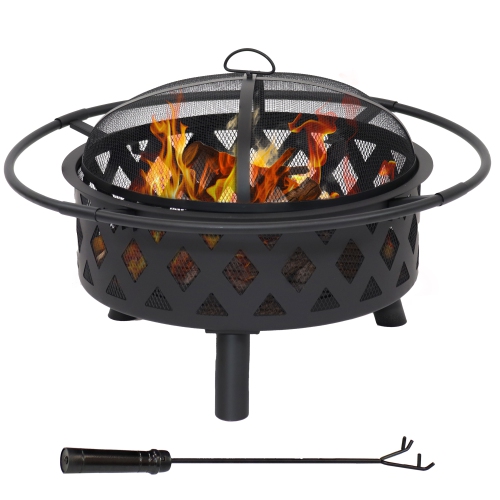
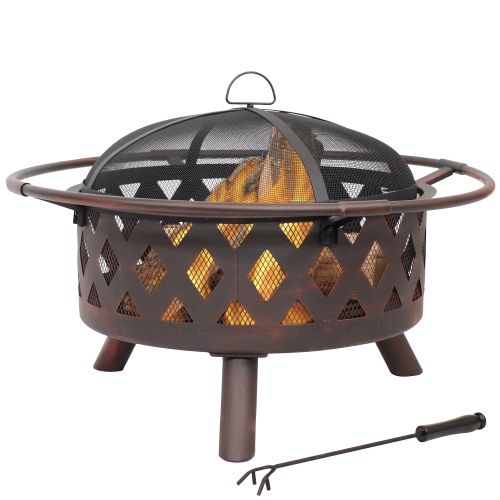
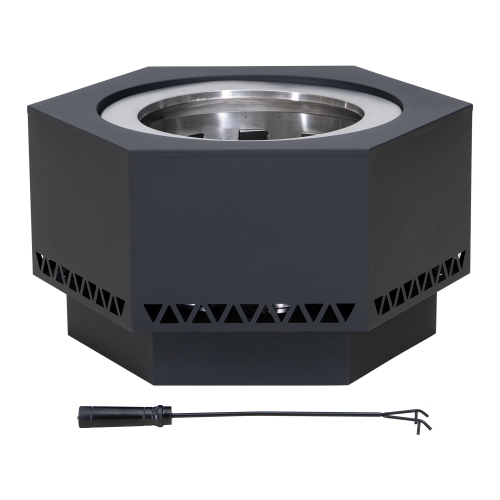
Materials and construction influence how a wood-burning fire pit looks, handles heat, and stands up to repeated use. Steel is common because it can be formed into many shapes, from simple round bowls to squared frames with broad edges. Its weight depends on the thickness and overall design, so two similarly sized fire pits can feel very different when moved. Powder-coated or painted steel needs a finish intended for the temperatures involved, and exposed areas can develop rust if the coating wears away. Stainless steel offers corrosion resistance rather than a guarantee against staining or discolouration; heat tinting and surface marks can be part of normal use. Cast iron is generally heavy and retains heat after the flames have subsided, making it better suited to a location where frequent lifting is unnecessary. Stone-look surrounds can provide a substantial appearance, but the outer finish does not necessarily indicate the material of the inner fire bowl. Bowl depth, leg stability, secure joints, and accessible ash removal are worth considering alongside appearance. A spark screen helps reduce escaping sparks without eliminating the need for clearance and supervision, while a properly fitted lid or cover serves a different purpose and should be used only as directed. Some double-wall designs draw air through vents to support secondary combustion, which can reduce visible smoke once the fire is established and fuel is loaded correctly. “Smokeless” does not mean smoke-free, particularly during lighting or when burning damp wood. For seating layouts, measure the fire pit’s full outside dimensions rather than just its burning area, then allow the manufacturer’s required separation from chairs and nearby structures. A broad rim may occupy more space than expected, and it should not be treated as a cool tabletop while a fire is burning. If cooking is part of the appeal, choose a design expressly intended for that use, with compatible food-contact grates and clear instructions. An open fire bowl is not automatically a barbecue.
Everyday use is most enjoyable when placement, fuel storage, and cleanup fit naturally into the outdoor space. A wood-burning fire pit belongs outdoors in an open area, never inside a garage, tent, gazebo, or other enclosed or partly enclosed space where smoke and carbon monoxide can accumulate. Local bylaws, property restrictions, and fire bans determine whether and when a wood fire is permitted, including at campsites. Set the unit on a stable, level, noncombustible surface approved by its manufacturer, and follow the specified clearances from buildings, fences, trees, furniture, and overhead obstructions. Stone, brick, or concrete may be suitable, but their ability to withstand concentrated heat still matters; legs alone do not make a fire pit safe for a wooden or composite deck. Keep a suitable means of extinguishing the fire close by, supervise it continuously, and leave clear walking space so nobody has to squeeze between a chair and the hot bowl. Children and pets need a boundary well beyond surfaces that can burn skin. Dry, seasoned firewood sized for the chamber is easier to manage than oversized logs that project above the rim. Hardwoods such as maple and oak can provide a steady coal bed, while damp wood tends to smoulder and create more smoke. Burn only fuel permitted by the manufacturer, not painted or pressure-treated timber, rubbish, or accelerants such as petrol. Keep stored logs away from sparks and leave air vents unobstructed when loading the fire. After use, extinguish the fire according to the instructions and confirm that embers are fully out before leaving it unattended. Ash can conceal heat long after the flames disappear; use a metal container with a lid for removal and keep it away from combustible materials. Once the fire pit is completely cold, clearing accumulated ash, checking fasteners, and protecting it from standing moisture help preserve its condition. A fitted cover and dry storage for removable accessories make the next gathering easier to prepare, without leaving cleanup until the moment guests arrive.
Materials and construction influence how a wood-burning fire pit looks, handles heat, and stands up to repeated use. Steel is common because it can be formed into many shapes, from simple round bowls to squared frames with broad edges. Its weight depends on the thickness and overall design, so two similarly sized fire pits can feel very different when moved. Powder-coated or painted steel needs a finish intended for the temperatures involved, and exposed areas can develop rust if the coating wears away. Stainless steel offers corrosion resistance rather than a guarantee against staining or discolouration; heat tinting and surface marks can be part of normal use. Cast iron is generally heavy and retains heat after the flames have subsided, making it better suited to a location where frequent lifting is unnecessary. Stone-look surrounds can provide a substantial appearance, but the outer finish does not necessarily indicate the material of the inner fire bowl. Bowl depth, leg stability, secure joints, and accessible ash removal are worth considering alongside appearance. A spark screen helps reduce escaping sparks without eliminating the need for clearance and supervision, while a properly fitted lid or cover serves a different purpose and should be used only as directed. Some double-wall designs draw air through vents to support secondary combustion, which can reduce visible smoke once the fire is established and fuel is loaded correctly. “Smokeless” does not mean smoke-free, particularly during lighting or when burning damp wood. For seating layouts, measure the fire pit’s full outside dimensions rather than just its burning area, then allow the manufacturer’s required separation from chairs and nearby structures. A broad rim may occupy more space than expected, and it should not be treated as a cool tabletop while a fire is burning. If cooking is part of the appeal, choose a design expressly intended for that use, with compatible food-contact grates and clear instructions. An open fire bowl is not automatically a barbecue.
Everyday use is most enjoyable when placement, fuel storage, and cleanup fit naturally into the outdoor space. A wood-burning fire pit belongs outdoors in an open area, never inside a garage, tent, gazebo, or other enclosed or partly enclosed space where smoke and carbon monoxide can accumulate. Local bylaws, property restrictions, and fire bans determine whether and when a wood fire is permitted, including at campsites. Set the unit on a stable, level, noncombustible surface approved by its manufacturer, and follow the specified clearances from buildings, fences, trees, furniture, and overhead obstructions. Stone, brick, or concrete may be suitable, but their ability to withstand concentrated heat still matters; legs alone do not make a fire pit safe for a wooden or composite deck. Keep a suitable means of extinguishing the fire close by, supervise it continuously, and leave clear walking space so nobody has to squeeze between a chair and the hot bowl. Children and pets need a boundary well beyond surfaces that can burn skin. Dry, seasoned firewood sized for the chamber is easier to manage than oversized logs that project above the rim. Hardwoods such as maple and oak can provide a steady coal bed, while damp wood tends to smoulder and create more smoke. Burn only fuel permitted by the manufacturer, not painted or pressure-treated timber, rubbish, or accelerants such as petrol. Keep stored logs away from sparks and leave air vents unobstructed when loading the fire. After use, extinguish the fire according to the instructions and confirm that embers are fully out before leaving it unattended. Ash can conceal heat long after the flames disappear; use a metal container with a lid for removal and keep it away from combustible materials. Once the fire pit is completely cold, clearing accumulated ash, checking fasteners, and protecting it from standing moisture help preserve its condition. A fitted cover and dry storage for removable accessories make the next gathering easier to prepare, without leaving cleanup until the moment guests arrive.
Top selling and popular products
-
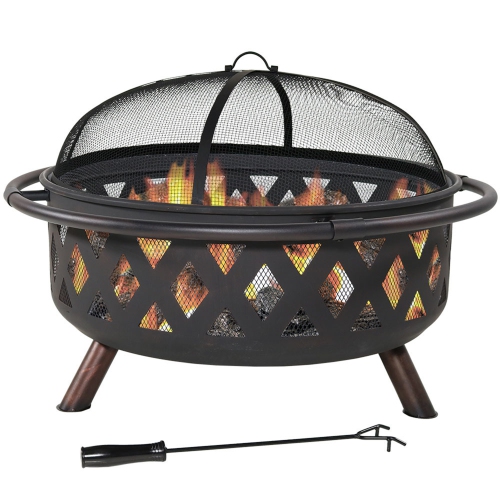 Your price for this item is $282.45
 -
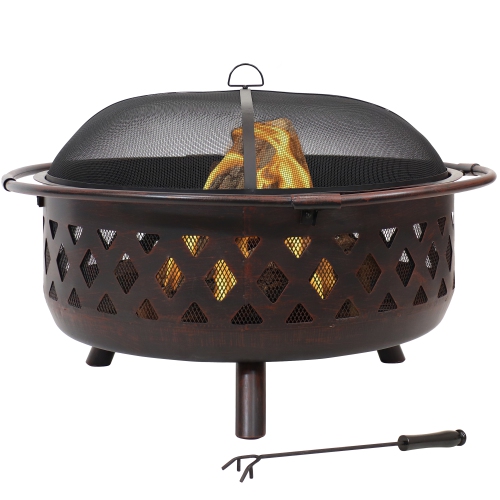 Your price for this item is $282.45
 -
 Your price for this item is $236.45
 -
 Your price for this item is $236.45
 -
 Your price for this item is $199.99
 -
 Your price for this item is $266.99
 -
 Your price for this item is $222.99
 -
 Your price for this item is $199.99
Discover more categories related to Wood Burning Fire Pit
Top Collections:
Pokemon Centers, Kindle Devices, Best Budget Office Chairs, Apple iPhones 16, Best Laptops for Writers, iPhone 15 Apple, Canon G7X Cameras, Refurbished Apple Laptops, Alarm Clock, Motorola Razr Phones
Some products may be subject to Environmental Handling Fees
(EHF) depending on your province.
Learn more about EHFs.