Wood Coat Racks
Looking to add a touch of functionality and style to your entryway or hallway? Wood coat racks are the perfect solution. With their timeless appeal and natural beauty, wood coat racks effortlessly blend into almost any home decor, providing a practical storage solution for your coats, hats, scarves, and more. Here are some great options available.
Sort

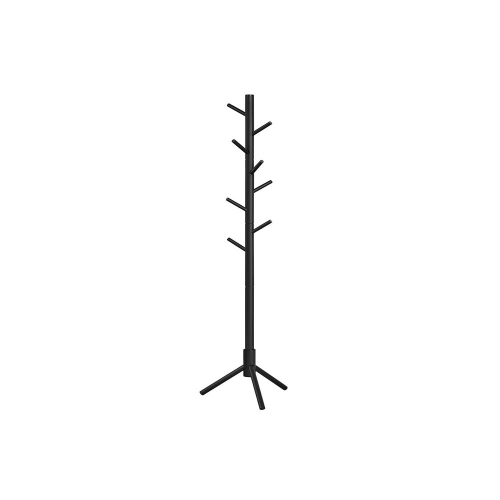
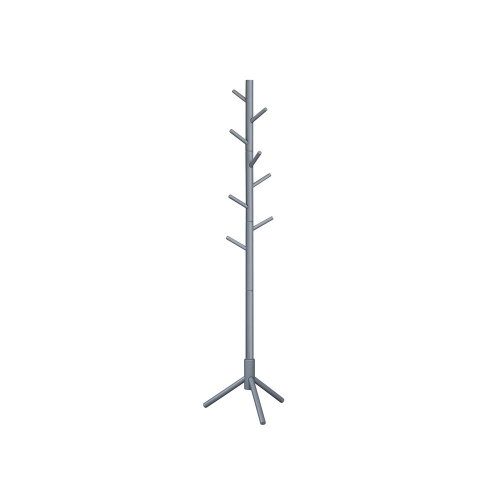
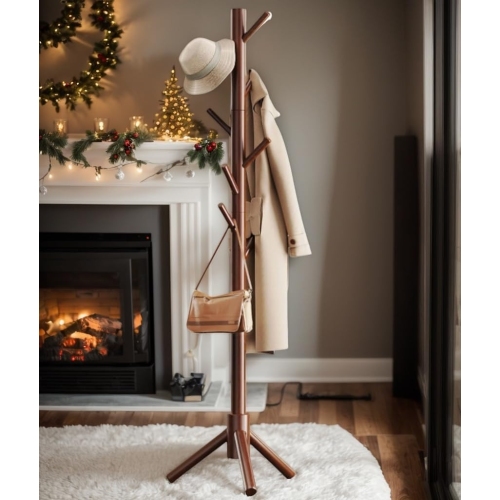
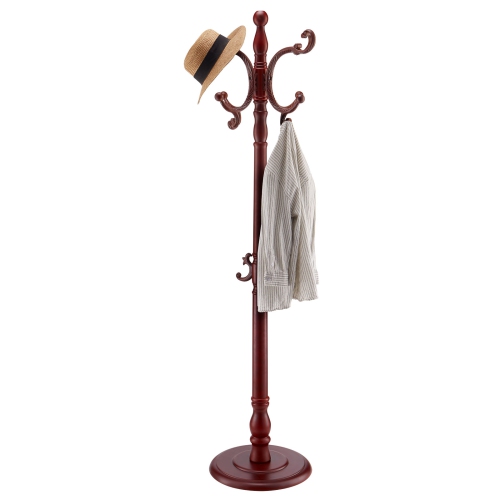
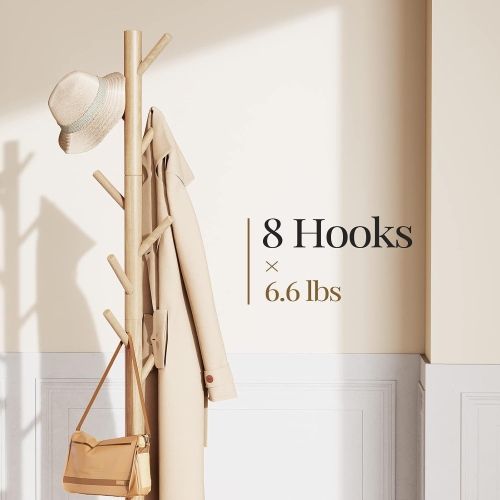
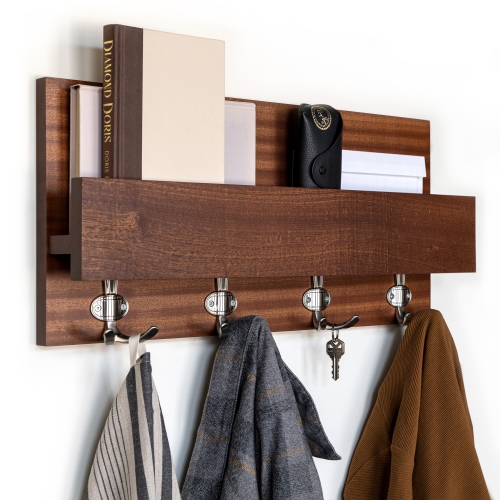

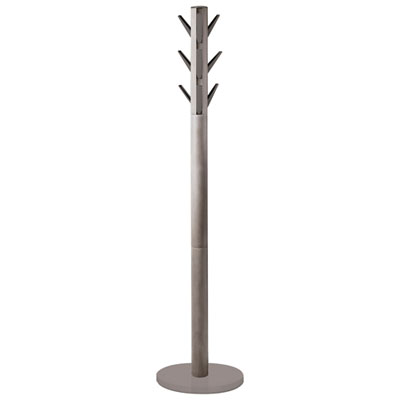
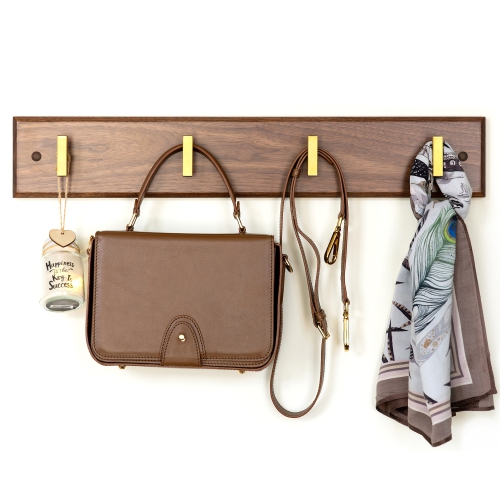
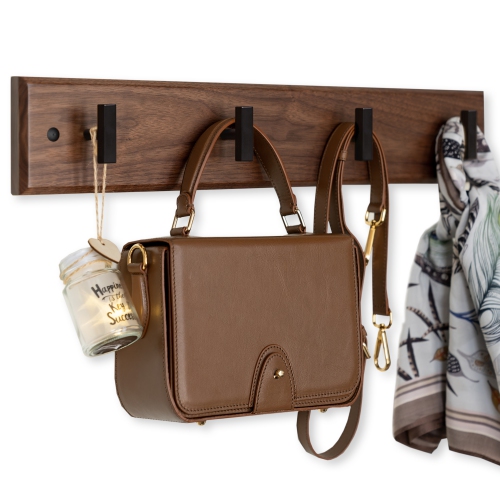
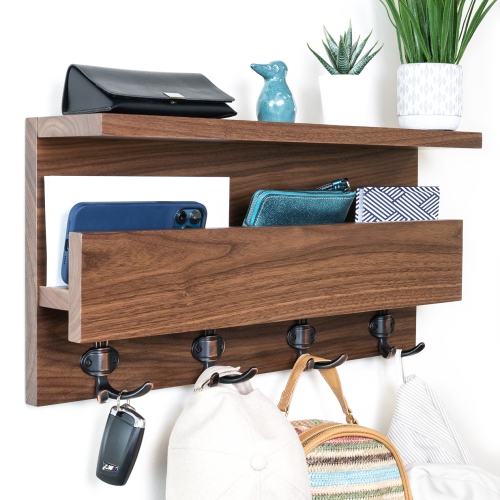
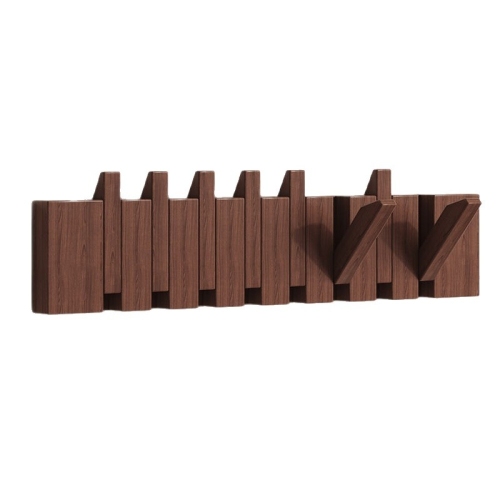
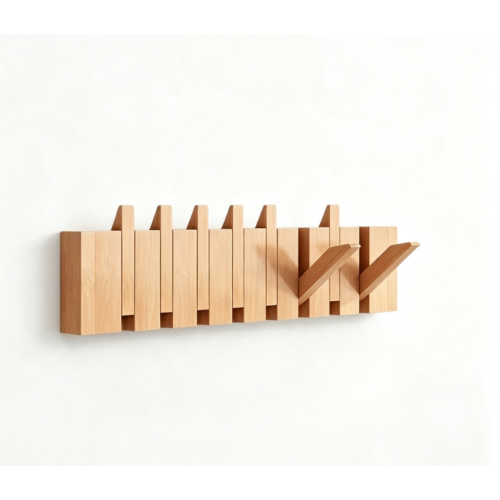
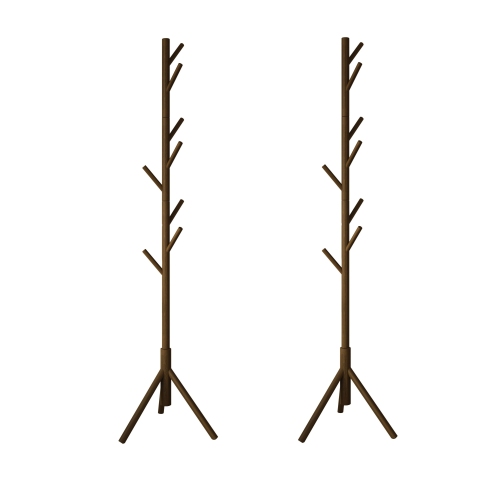
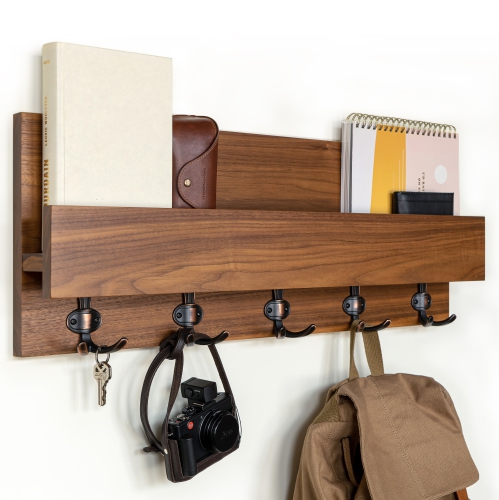
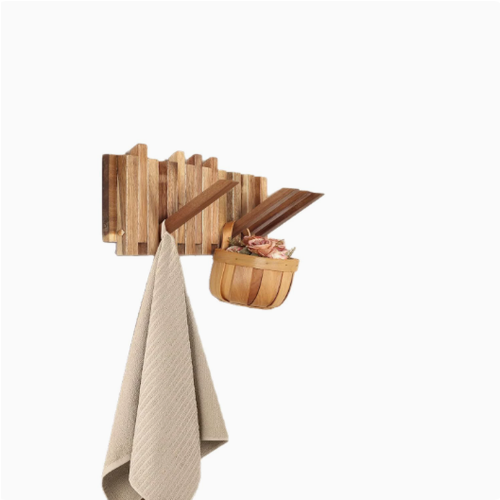
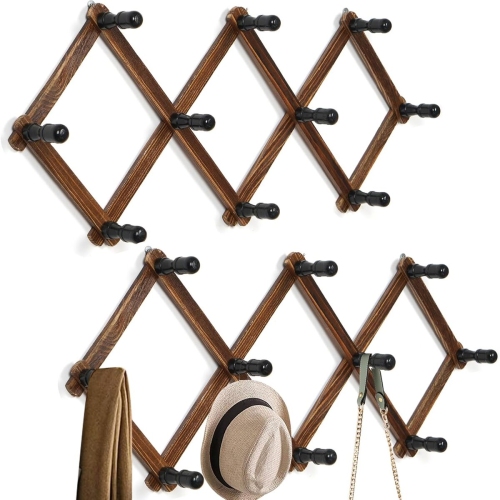
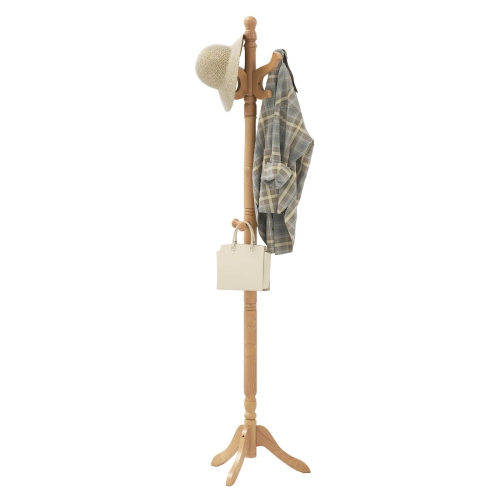
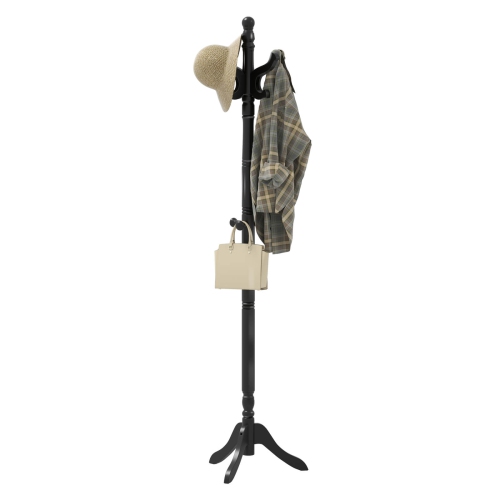
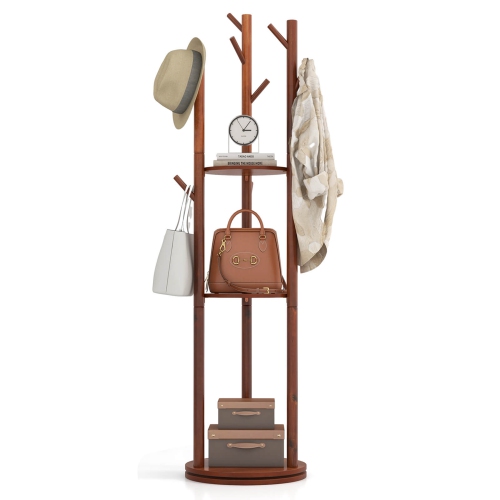
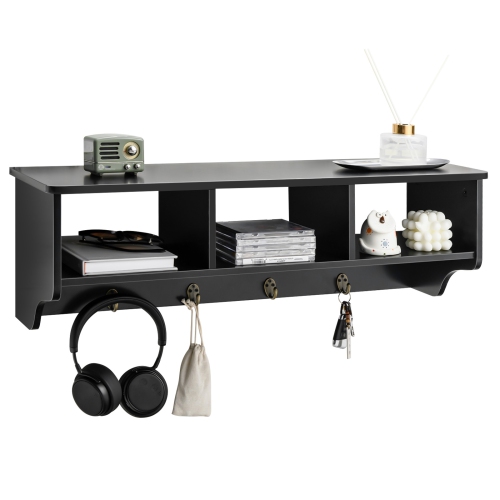
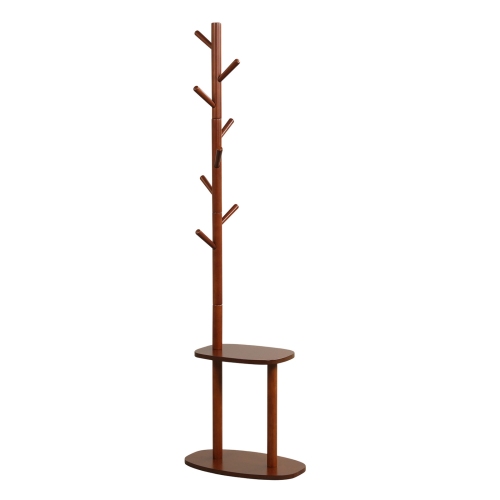
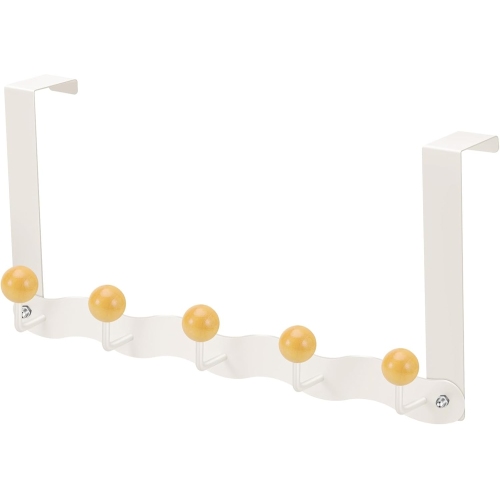
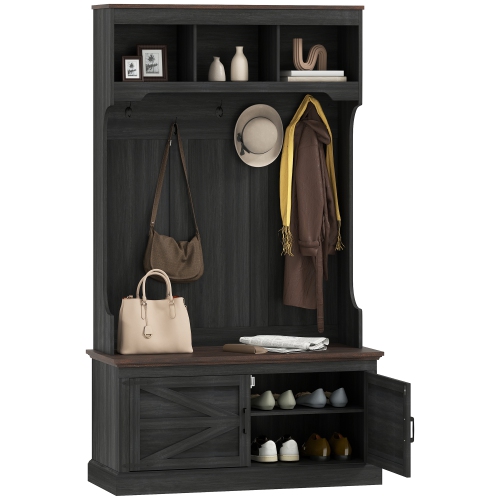

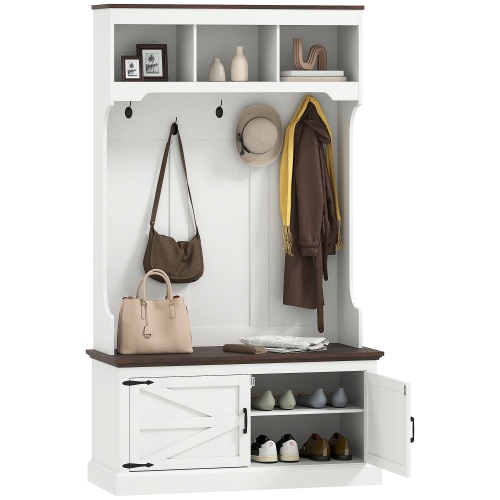
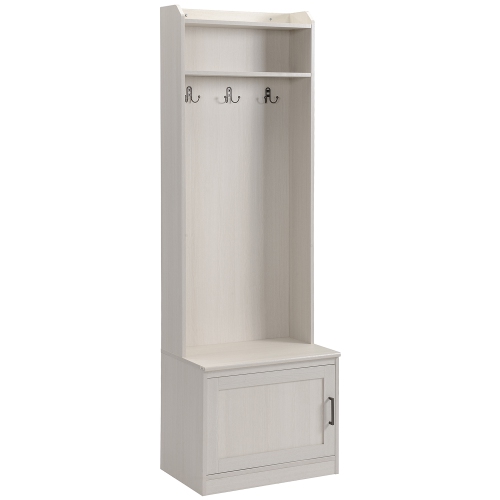
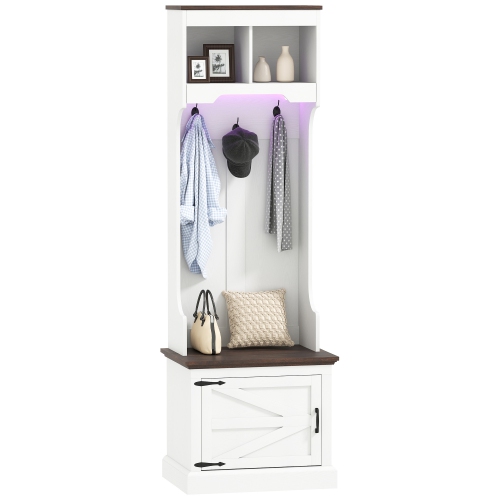
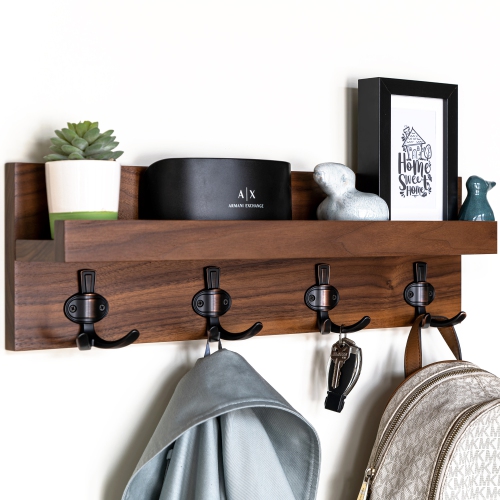
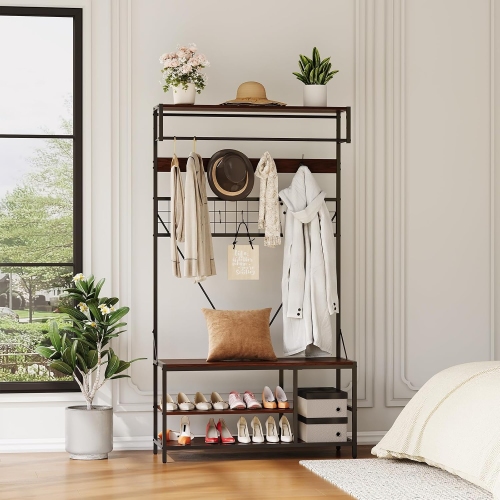
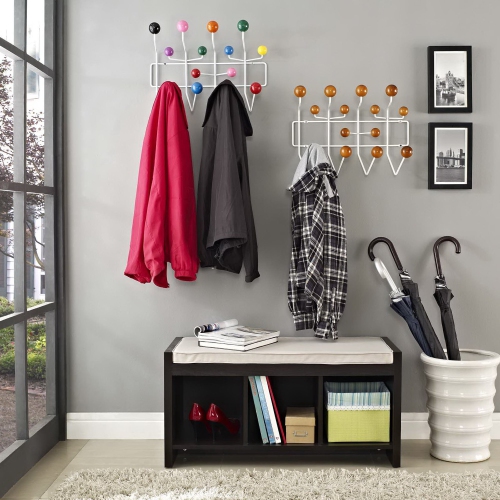
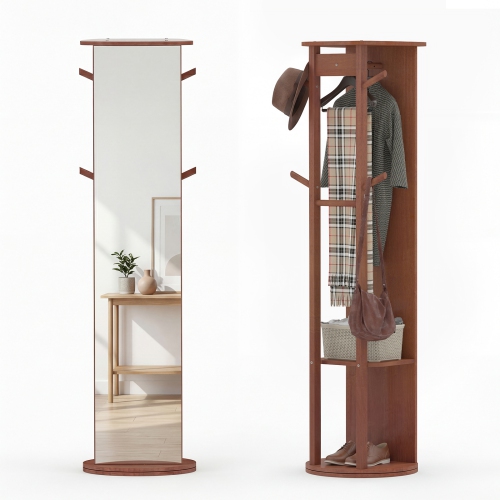
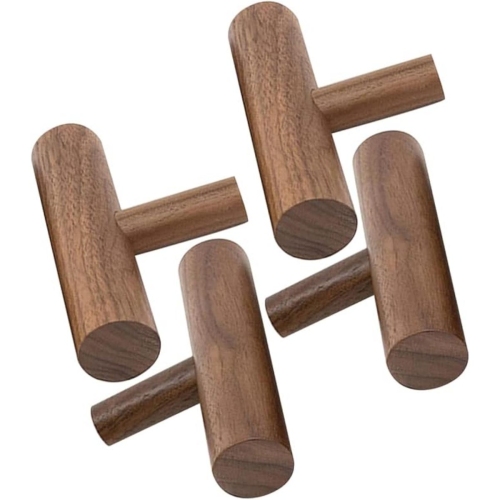
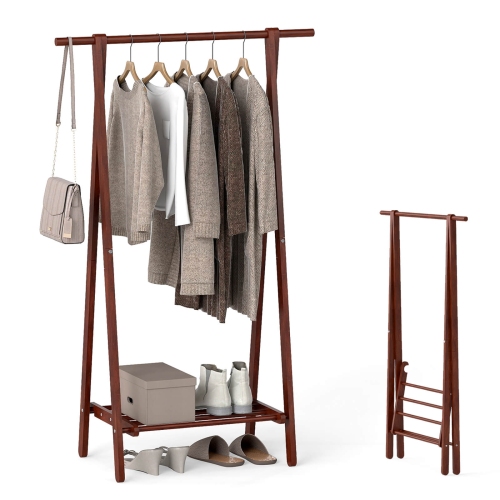
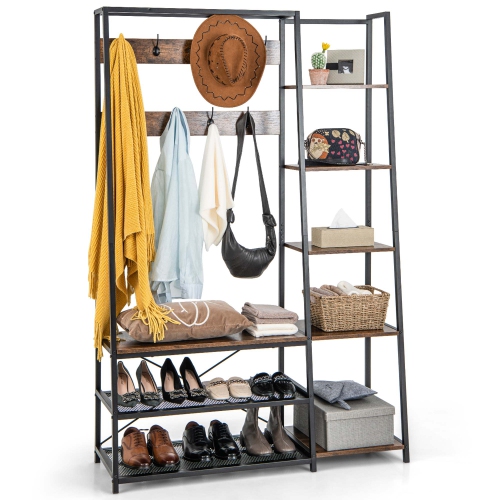
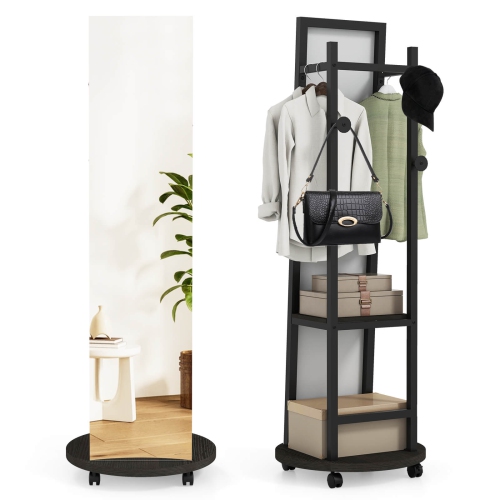
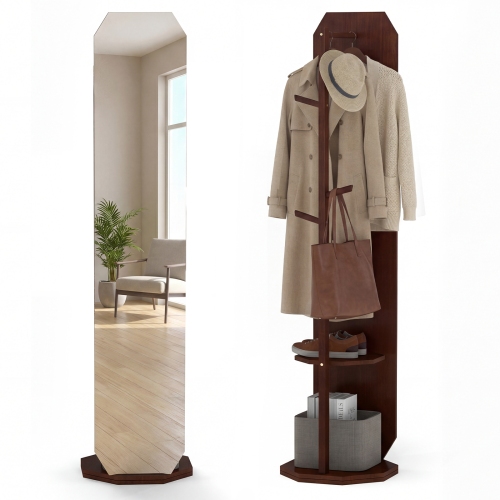
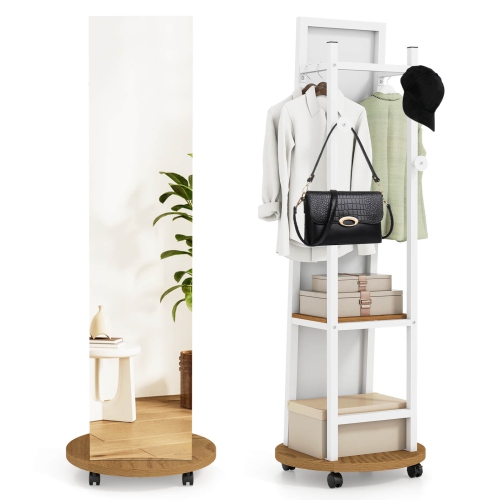
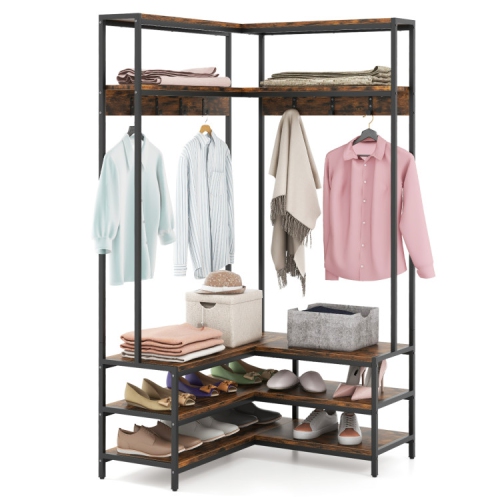
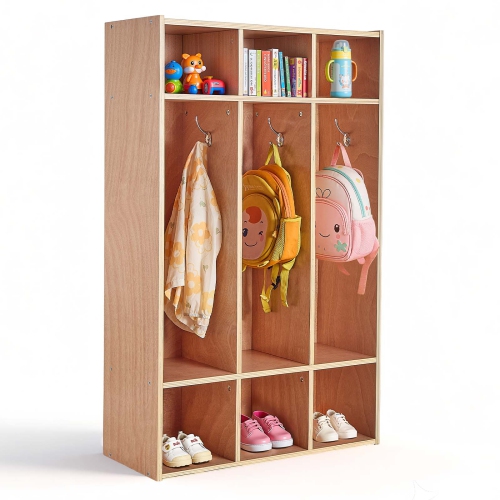
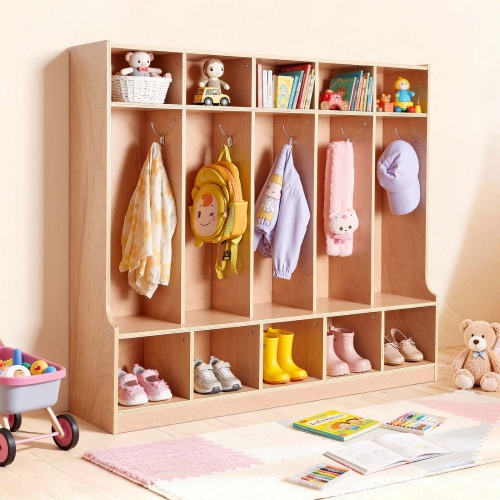
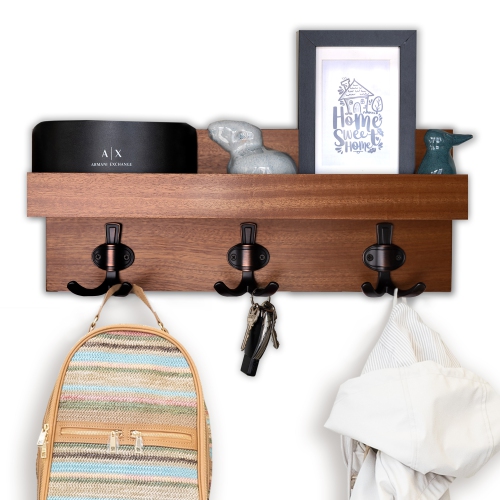
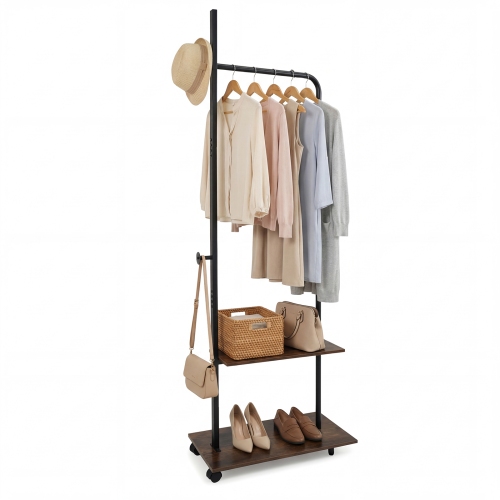
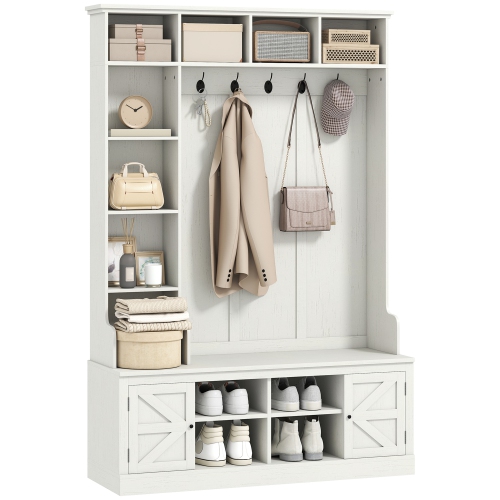
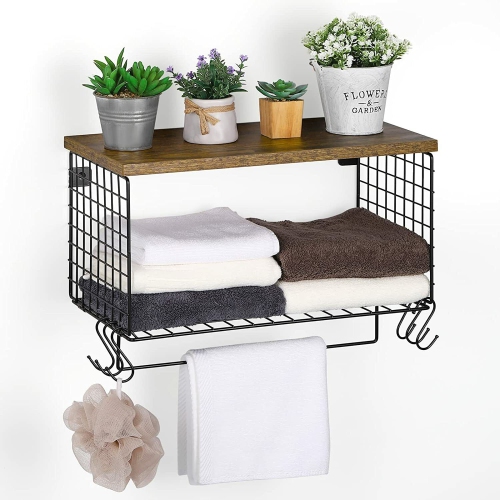
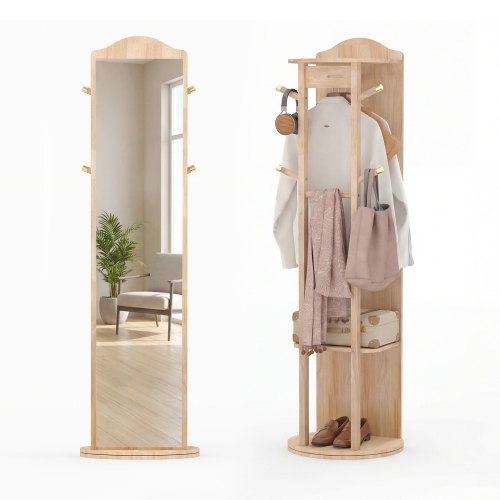
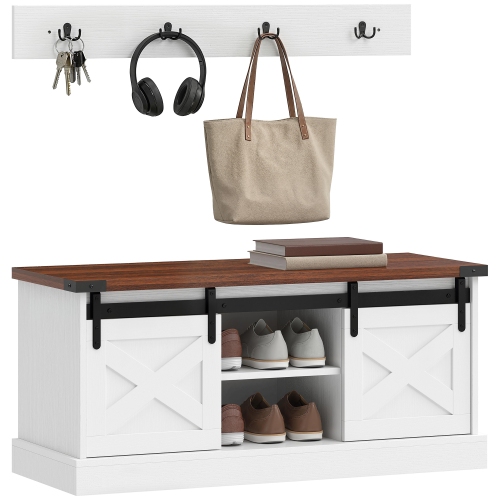

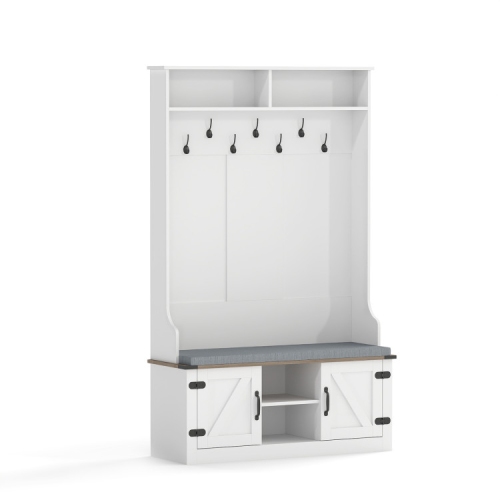
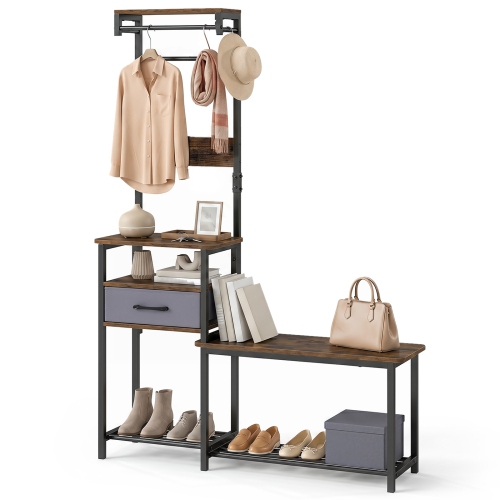
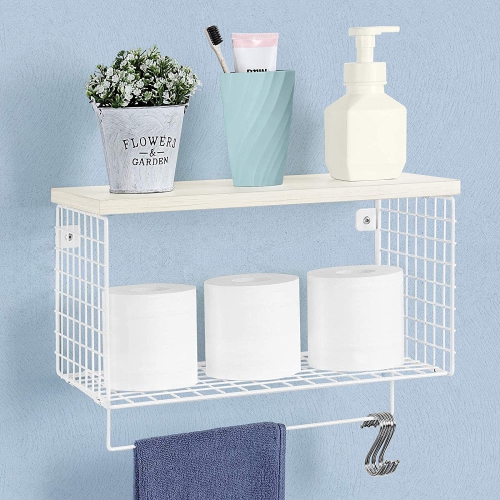
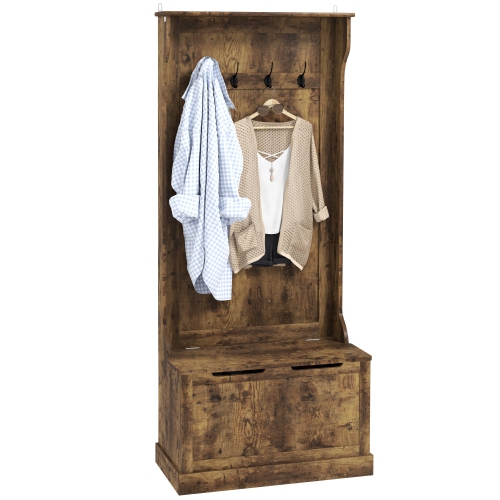
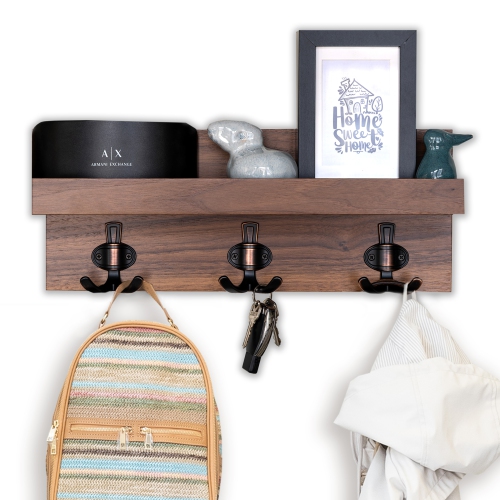
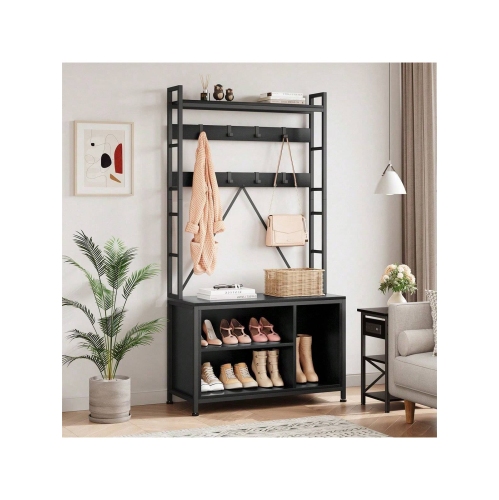
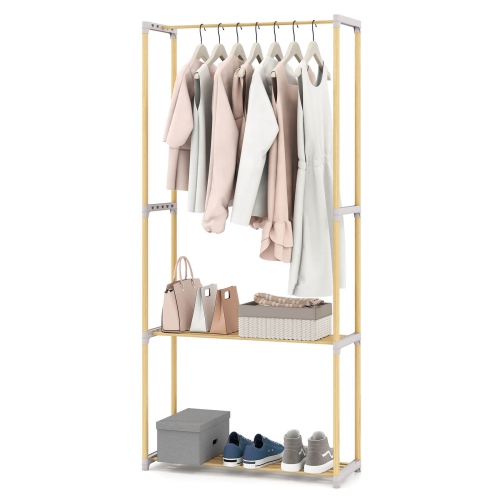
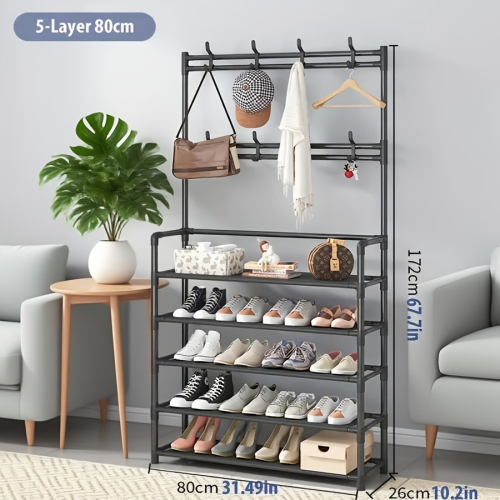
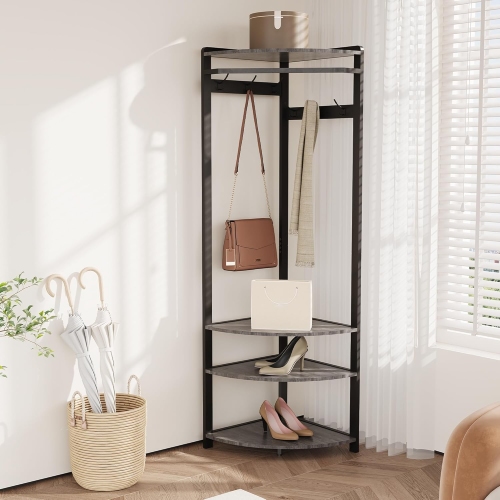
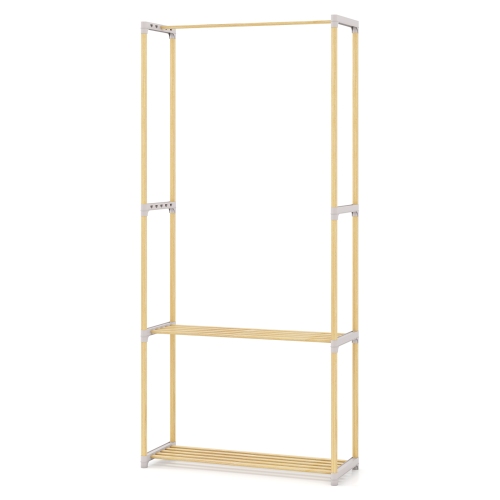
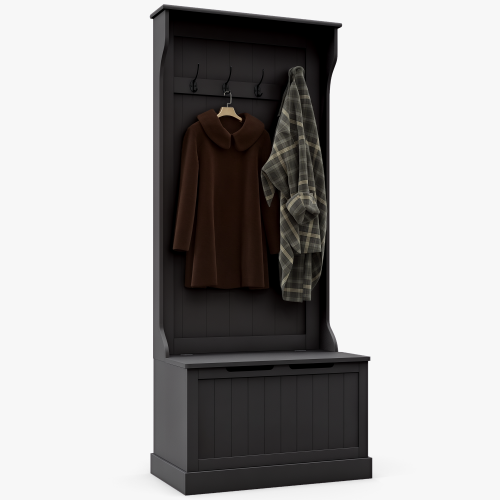
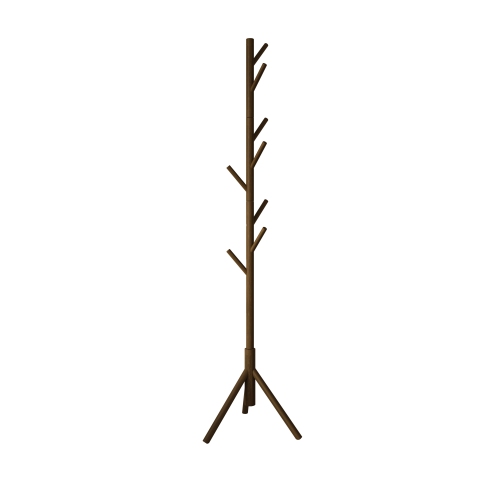
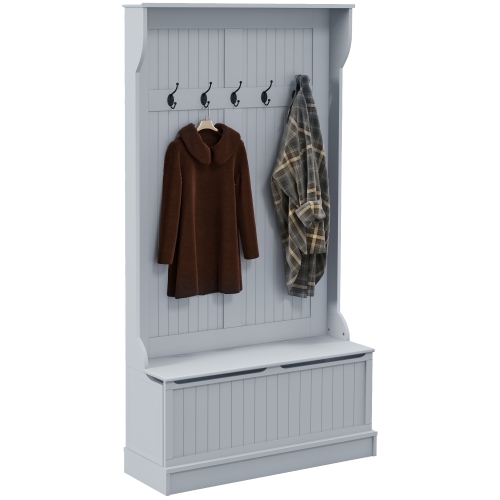
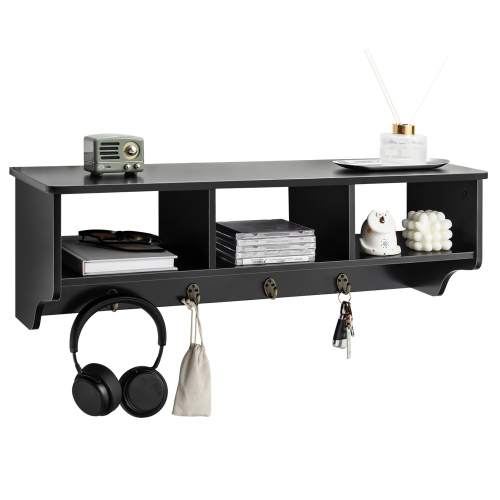
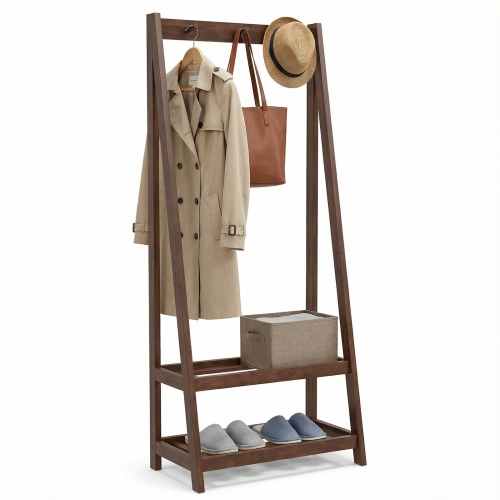
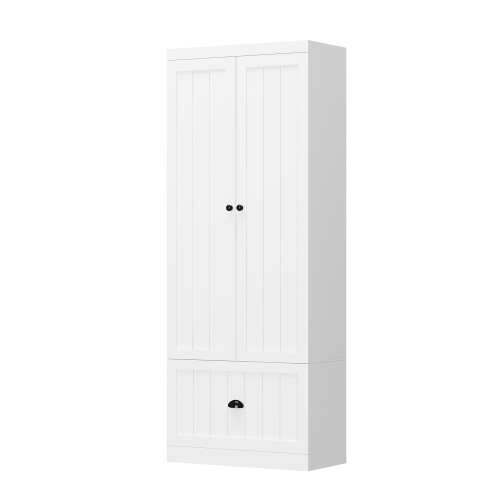
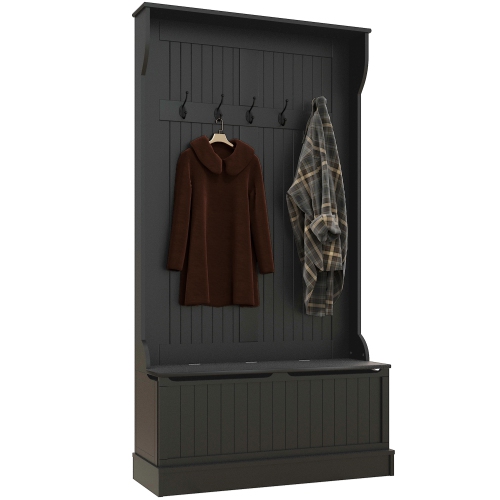
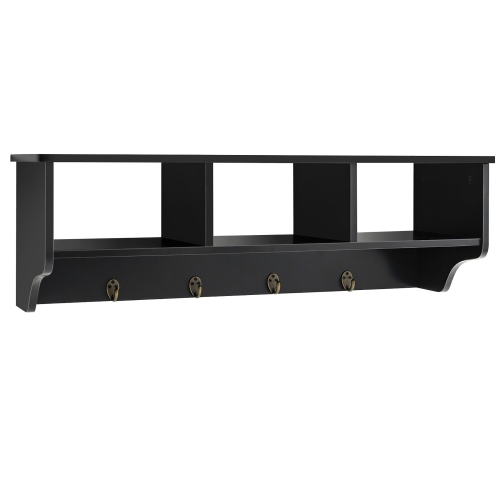
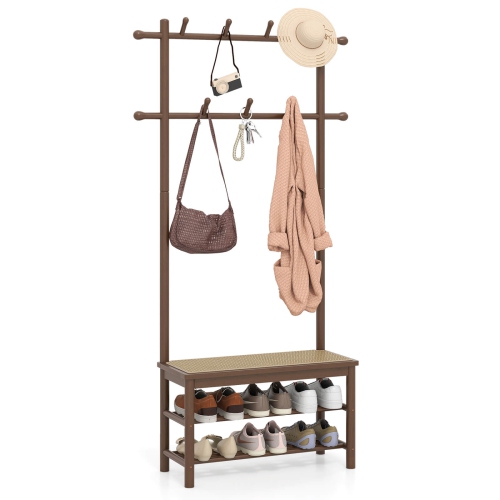
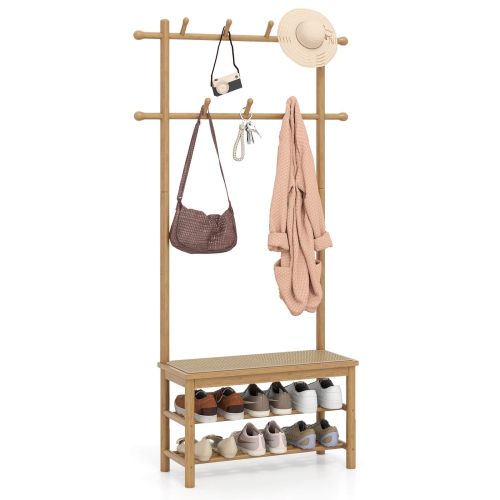
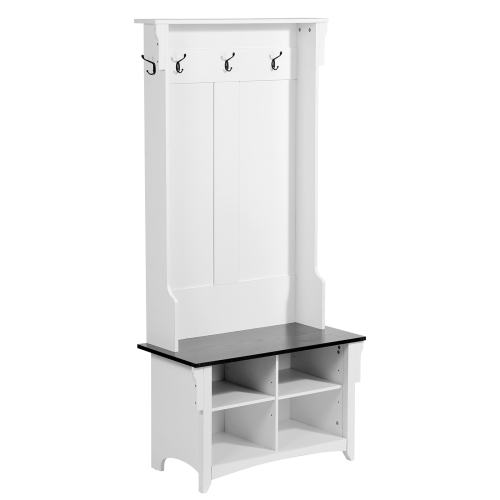

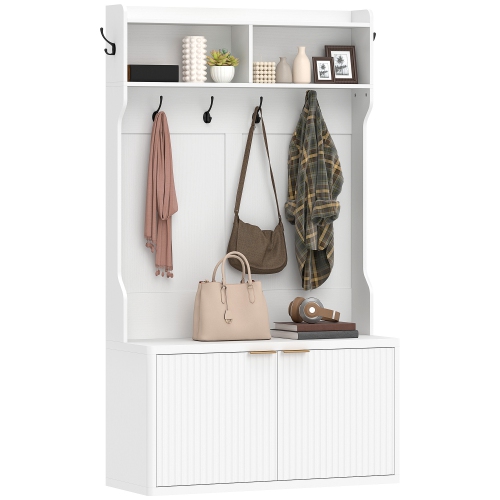
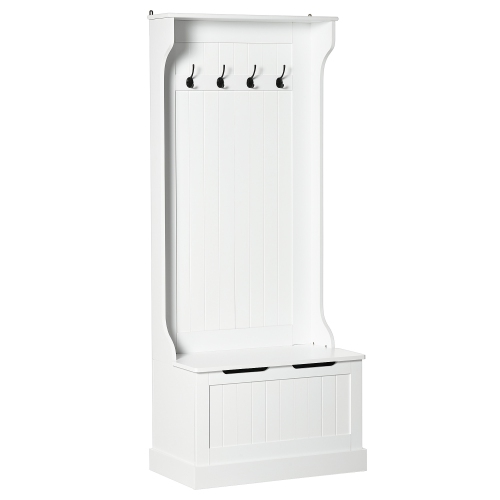
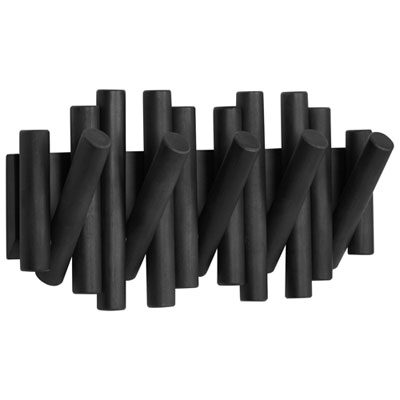
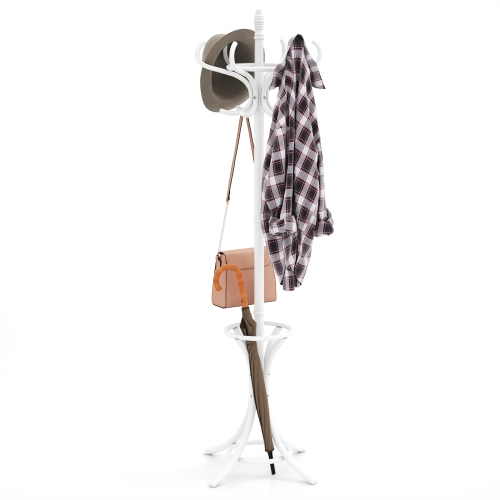
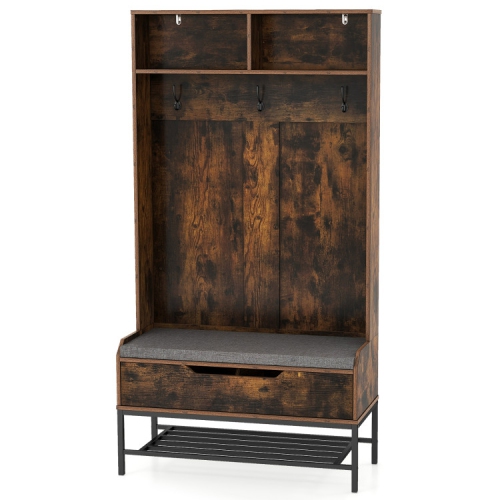
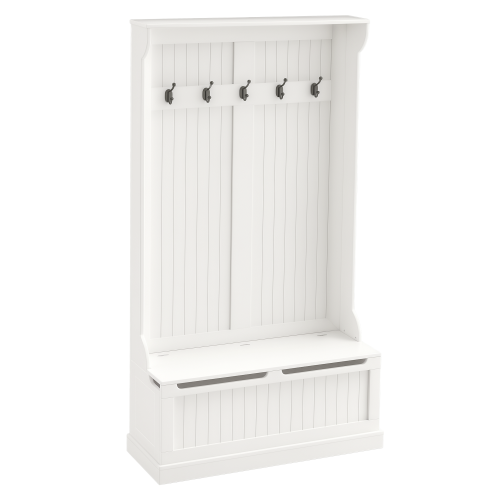
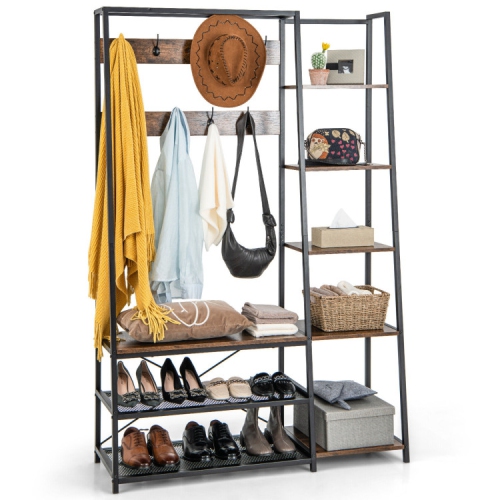
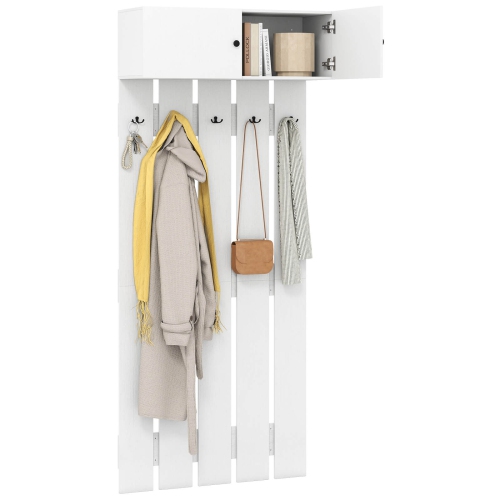
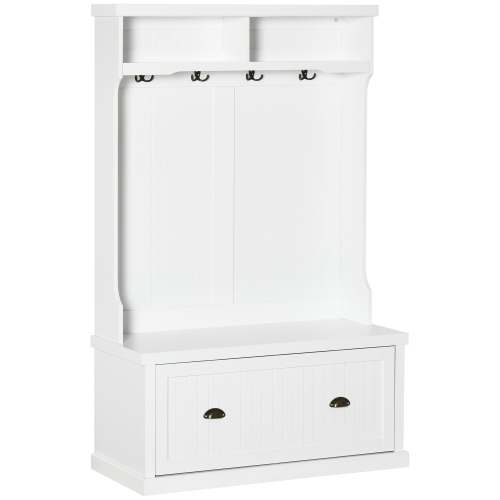
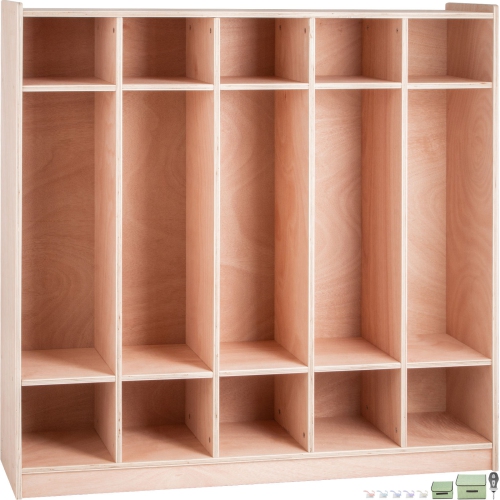
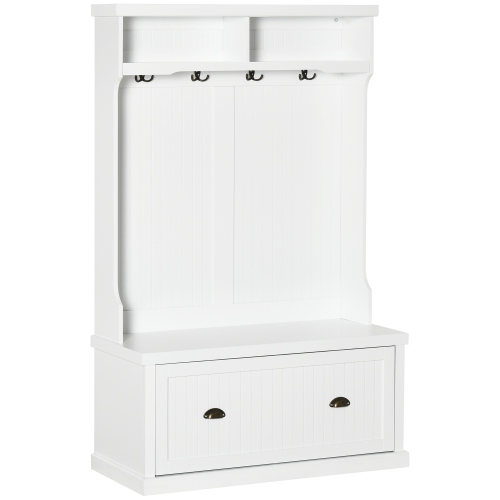
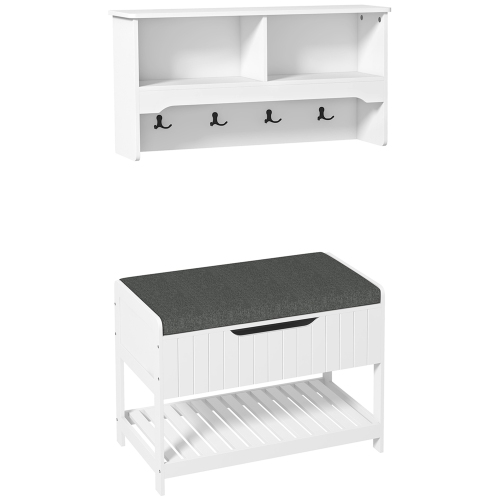
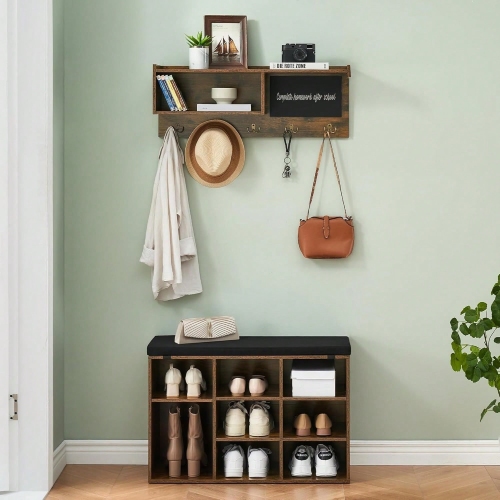
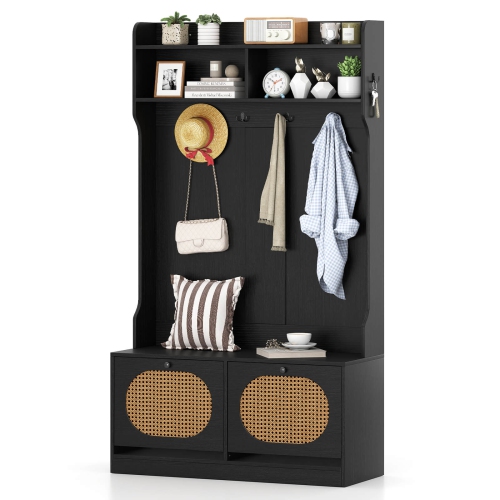
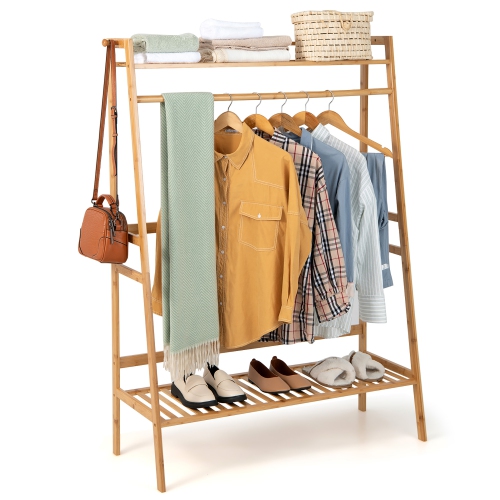
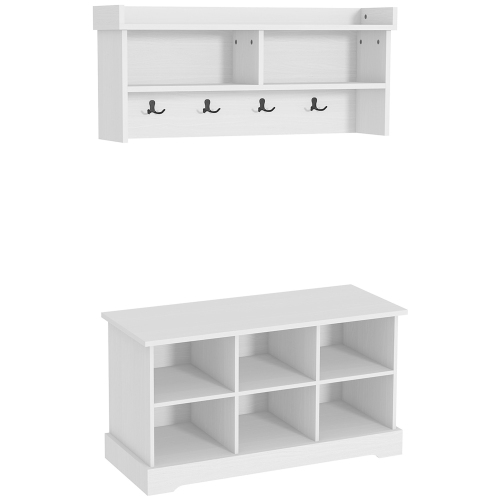
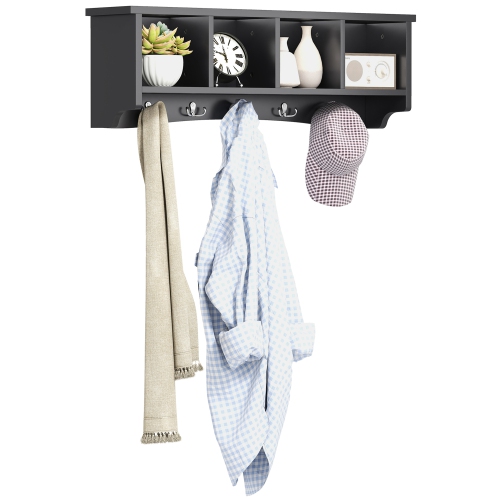
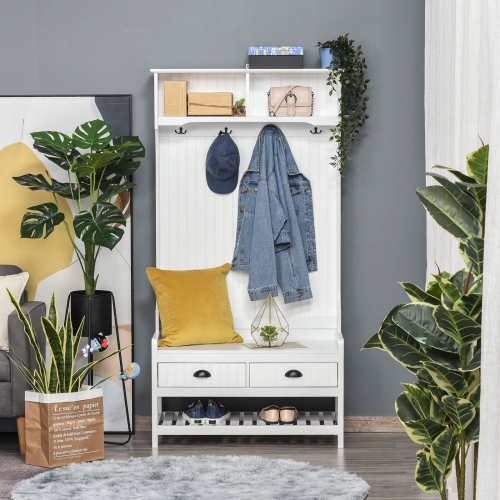
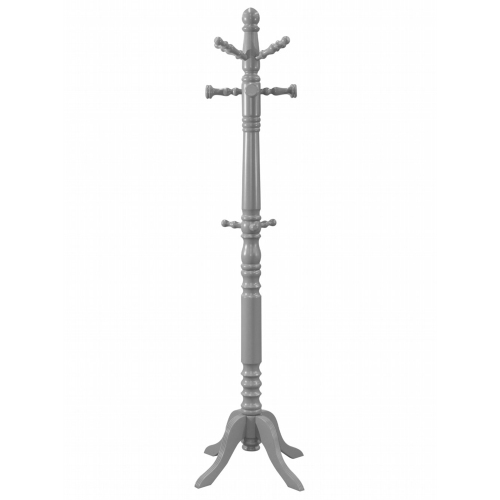
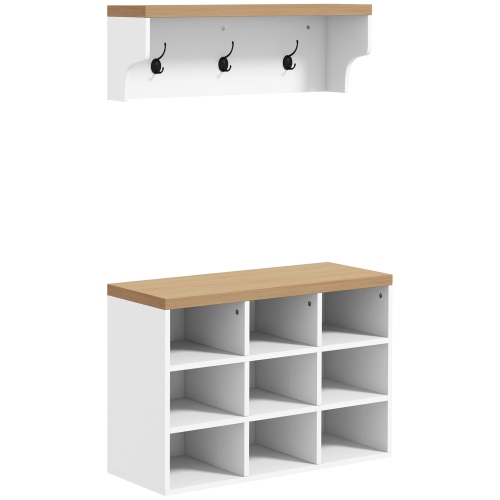
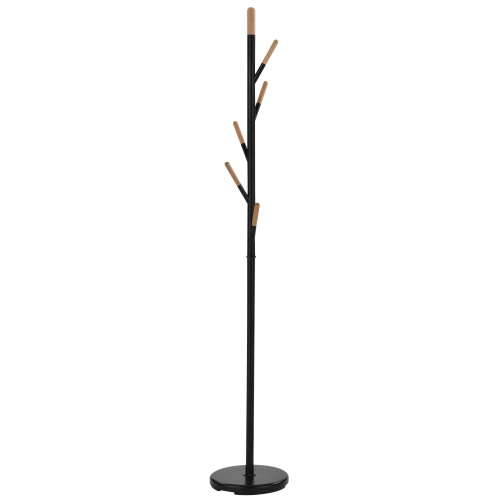
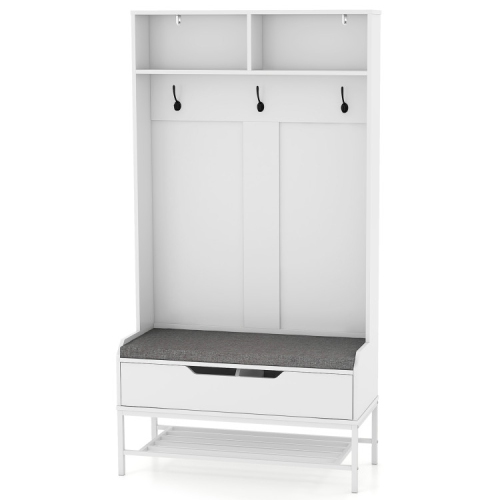
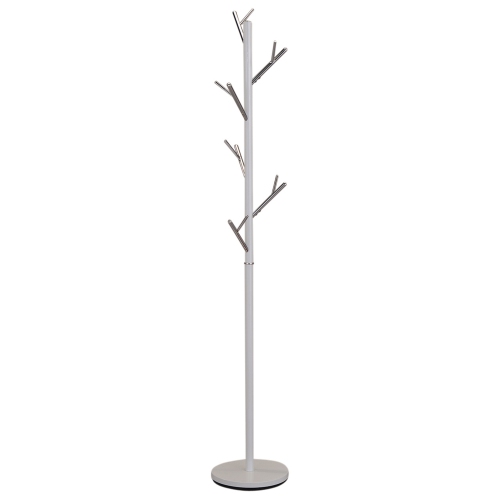
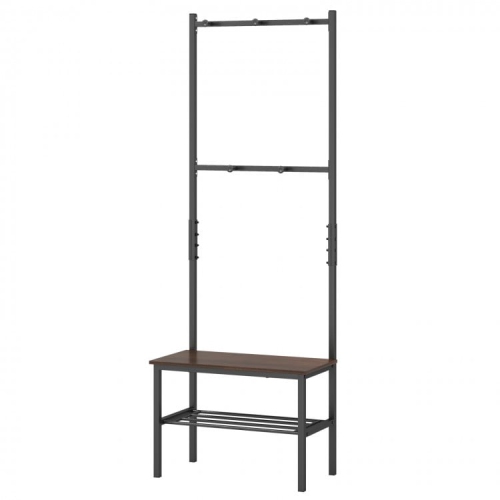
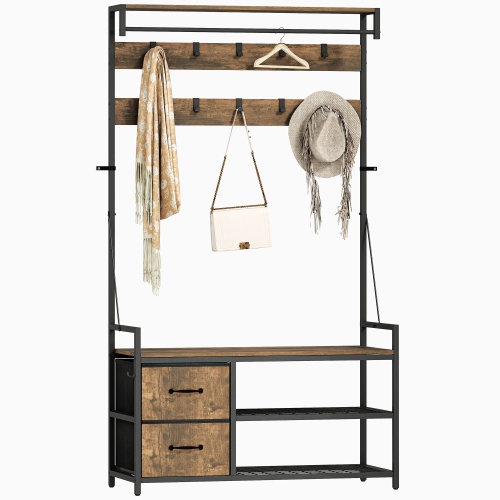
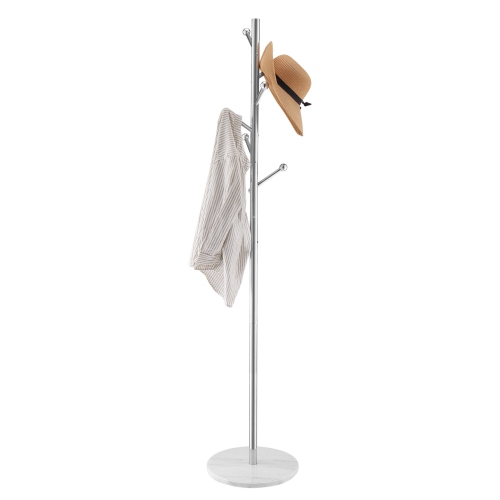
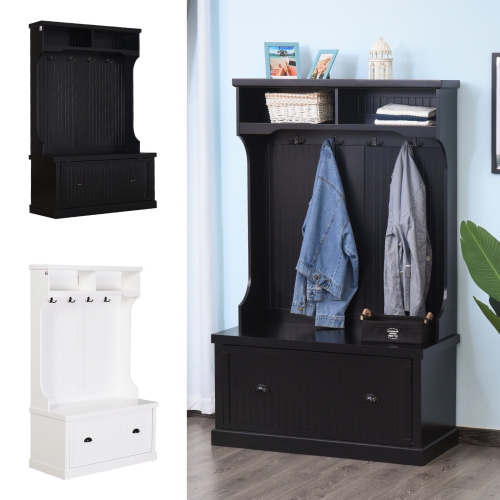
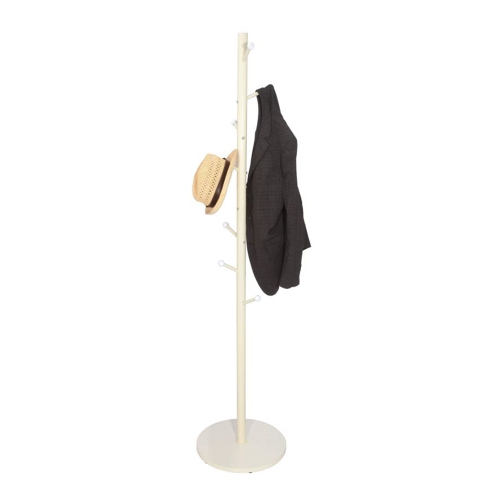

Everyday hanging space with the character of wood
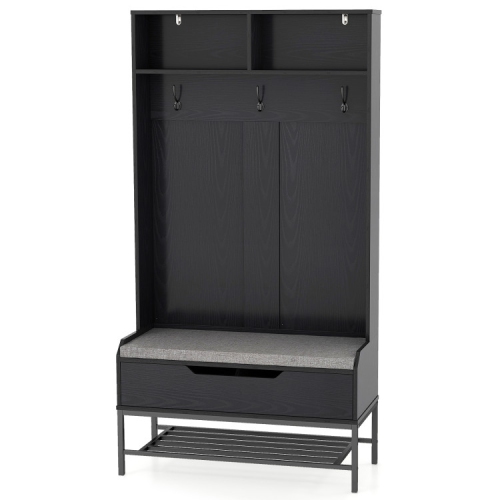
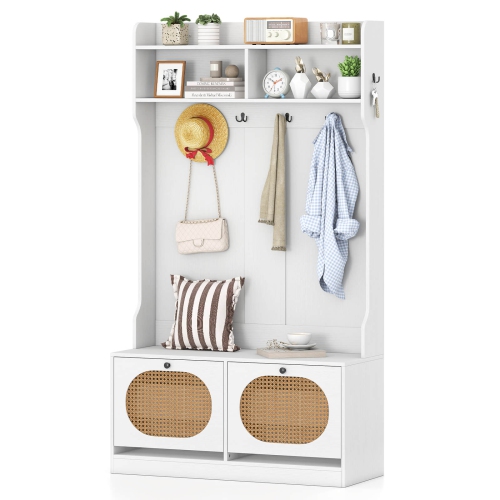
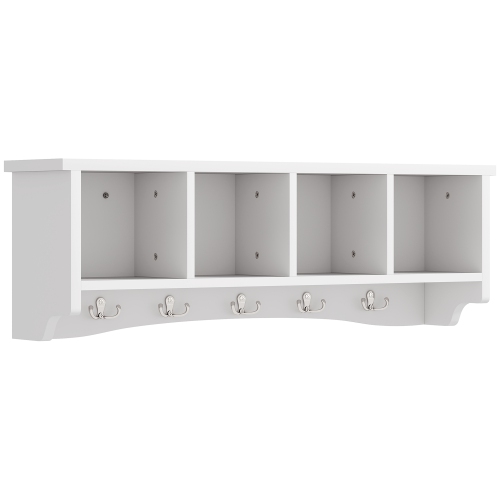
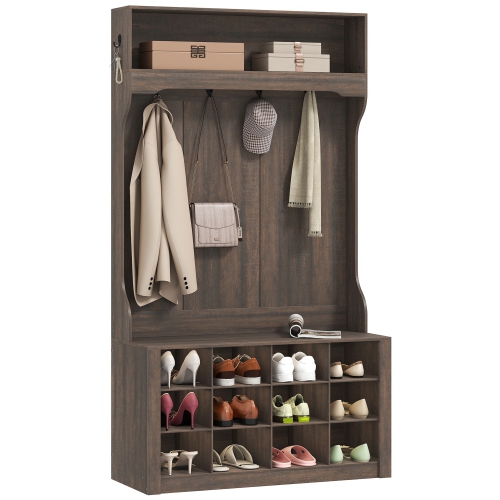
Wood coat racks are furniture and wall-mounted storage pieces designed to hold coats, hats, scarves, bags, and other everyday belongings on hooks or pegs. Their appeal is straightforward: they give frequently used clothing a place to land while bringing the grain, colour, and texture of wood into a room. The main styles include freestanding coat trees, horizontal wall racks, folding-hook designs, and larger entryway units that combine hanging space with shelving or a bench. A freestanding wooden coat rack typically has a central post with branches or hooks at different heights, making it useful beside a front door, in a bedroom, or near a home office. Wall-mounted versions keep the floor clear and can range from a simple timber rail with pegs to a wider panel with metal hooks and a shelf above. Piano-style racks have individual wooden sections that fold outward for hanging and sit close to the backing when not in use. Larger hall trees bring several functions together, creating a place to hang a jacket, set down a bag, and sit while putting on shoes. Material and finish affect both the appearance and the feel of these pieces. Pine often has visible knots and a lighter, more casual character, while walnut is associated with deeper brown tones and pronounced grain. Rubberwood, oak, and mango wood offer other grain patterns and colour variations, depending on the finish. Solid wood, wood veneer, and engineered wood construction are distinct options, so the material description matters more than appearance alone. Stained finishes can emphasize grain, painted surfaces create a more uniform colour, and clear finishes let the wood remain the main visual feature. Rounded wooden pegs can suit a softer, understated interior, while dark metal hooks against a wood backing create a stronger contrast. These differences make wooden coat racks adaptable to spaces ranging from a compact apartment entrance to a busy family hallway.
The best fit depends on how people move through the space and what they need to hang. In a narrow entrance, the rack’s depth matters just as much as its width: a shallow backboard can still project noticeably once several coats and shoulder bags are hanging from it. Door swings, nearby cupboards, light switches, and the route between rooms all affect placement. For entrances where keeping the floor open is a priority, Wall Coat Racks offer a useful category to explore alongside freestanding designs. Mounting height influences everyday comfort, especially in homes where adults and children share the same storage area. Lower hooks give younger users a reachable place for their belongings, while upper hooks can accommodate longer garments without letting them brush the floor or a bench below. Hook spacing also makes a practical difference. Closely arranged pegs may hold several light accessories neatly, but bulky jackets need more room to avoid overlapping. A rounded hook with a generous curve can support a garment’s hanging loop, while a deeper hook may be better suited to a bag strap. Both the hook shape and the stated weight limit deserve attention, particularly when backpacks or work bags are involved. Freestanding racks need a stable base and enough clearance around their branches; a compact footprint does not necessarily mean a rack will remain balanced with weight concentrated on one side. Wall-mounted racks rely on suitable fasteners and a secure connection to the wall, with installation requirements varying by wall material and rack design. Manufacturer instructions should determine the mounting method and load limits. Integrated shelves provide a landing spot for hats or small baskets, while a lower shelf can separate shoes from the walking area. On bench-style units, the seating capacity and hanging capacity are separate specifications. A well-proportioned rack supports the household’s routine without turning the doorway into an obstacle course.
Durability comes from the construction, hardware, finish, and the way the rack is used, rather than from wood species alone. Firm joints, securely attached hooks, smooth edges, and a stable frame are especially important on a piece that is handled repeatedly throughout the day. A smooth peg or hook helps prevent delicate linings and hanging loops from catching, while adequate space between hooks reduces the need to pull one garment out from beneath several others. In shared homes, assigning different hook heights or sections to different people can make the rack easier to use without adding more furniture. The same approach works in a bedroom, where a wooden coat tree can hold a robe, cardigan, and frequently used bag, or in a guest room where visitors need somewhere convenient for their belongings. Care is usually simple, although the finish should always determine the cleaning method. A soft, dry cloth removes dust from rails, pegs, and shelves; when the manufacturer permits damp cleaning, a lightly moistened cloth followed by drying helps avoid leaving water on the surface. Abrasive pads and harsh cleaners can damage finishes, and prolonged moisture may mark wood or affect joints and engineered components. Direct sunlight and placement close to a strong heat source can also alter colour or contribute to movement in wood over time. Occasional checks for loose screws or hooks help keep frequently used racks secure, with adjustments made according to the assembly instructions. Removable baskets can keep small accessories contained on shelves without crowding the hanging area. For someone furnishing a first apartment or settling into a new home, a wooden coat rack can also make a thoughtful housewarming gift when its dimensions and style suit the space. A compact peg rail suits a small entrance, while a freestanding design offers flexibility where wall mounting is not practical. The lasting value is in that everyday usefulness: a familiar place for the jacket worn most often, the bag needed before leaving, and the belongings that otherwise collect on chairs.
Top selling and popular products
-
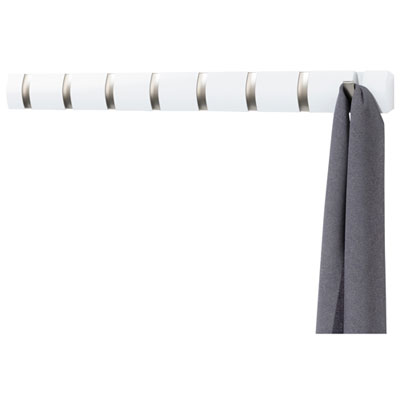 Your price for this item is $59.99
-
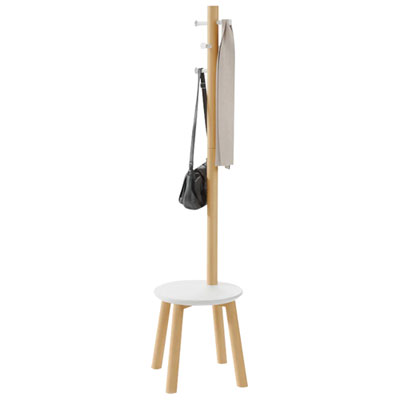 Your price for this item is $119.98
-
 Your price for this item is $265.05
-
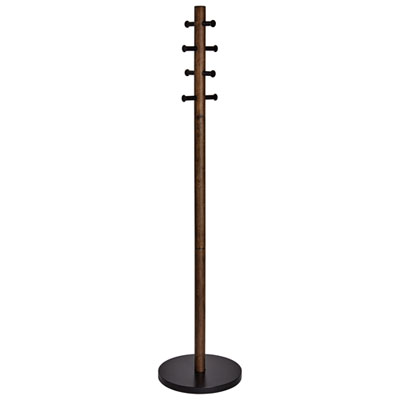 Your price for this item is $144.98
-
 Your price for this item is $75.9
-
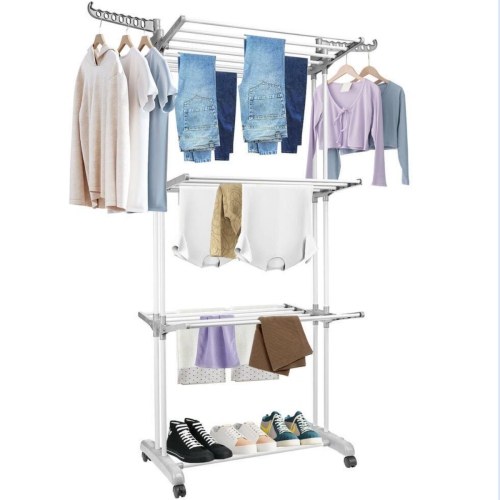 Your price for this item is $49.99
-
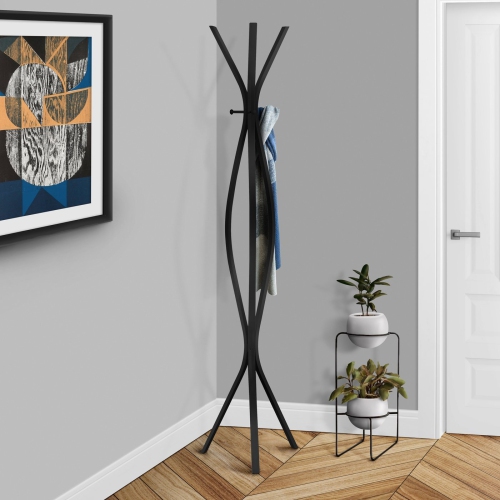 Your price for this item is $69.97
-
 Your price for this item is $99.99
Discover more categories related to Wood Coat Racks
Top Collections:
Best Black Friday Deals This Year, Best Black Friday Deals On Electronics, Kindle Devices, Pokemon Centers, Best Black Friday Deals On Apple Products, Best Cameras for Sports Photography, Dyson Airwrap, Pokémon 30th Celebration Cards, Apple iPhone 17 Pro, Canon G7X Cameras
Some products may be subject to Environmental Handling Fees
(EHF) depending on your province.
Learn more about EHFs.