Wood Patio Dining Tables
Enhance your outdoor dining experience with wood patio dining tables. Crafted from durable and weather-resistant materials, these stylish tables are designed to withstand the elements while adding a touch of natural beauty to your backyard or patio. Whether you're hosting a casual brunch or enjoying an intimate dinner under the stars, wood patio dining tables provide the perfect setting for gathering with family and friends. Here are some great options available.
Sort

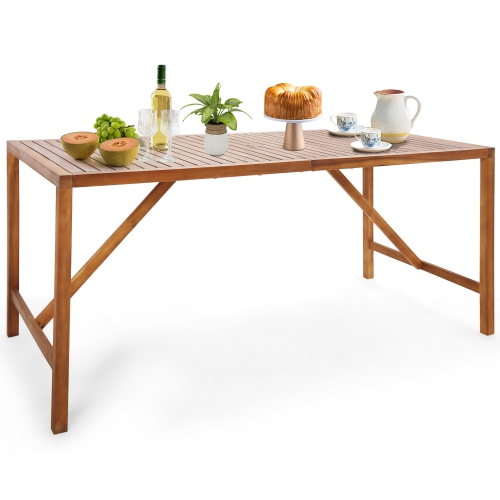

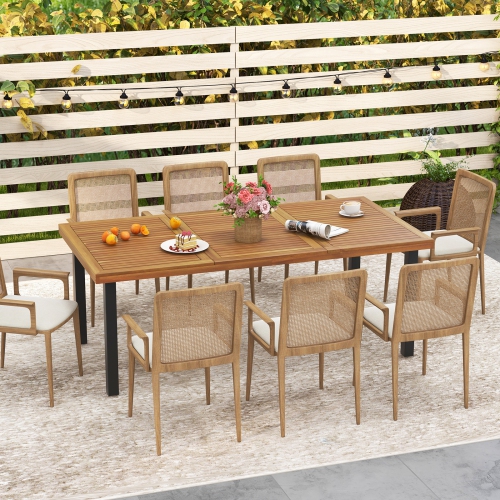
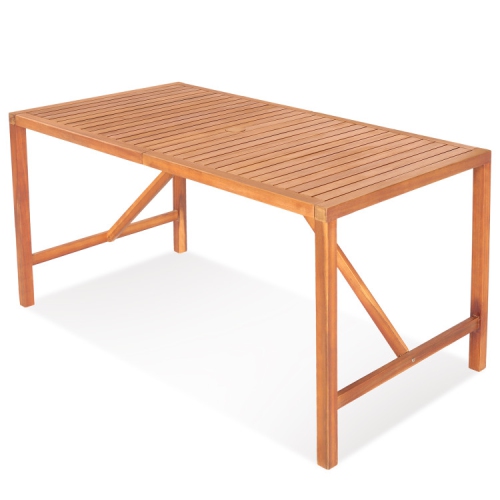
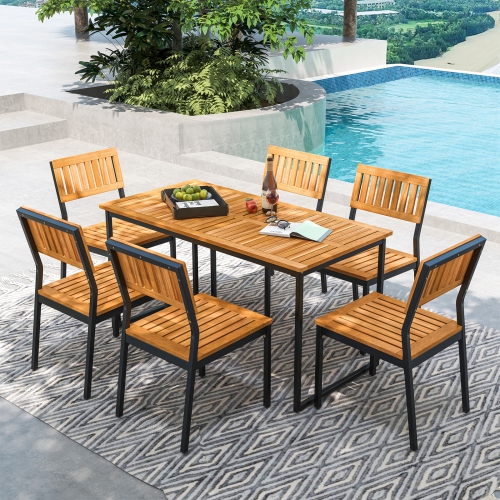
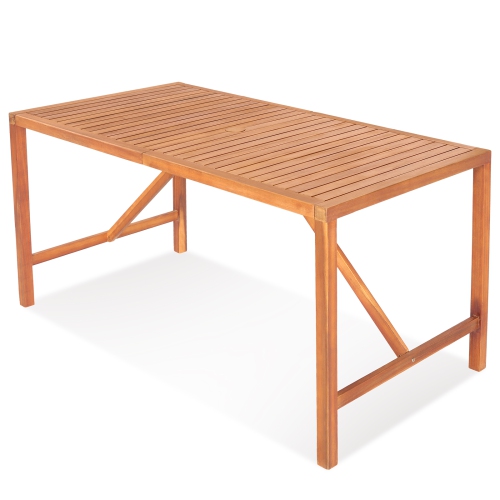
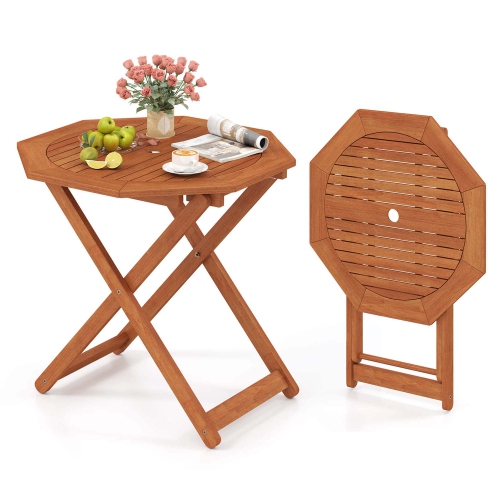
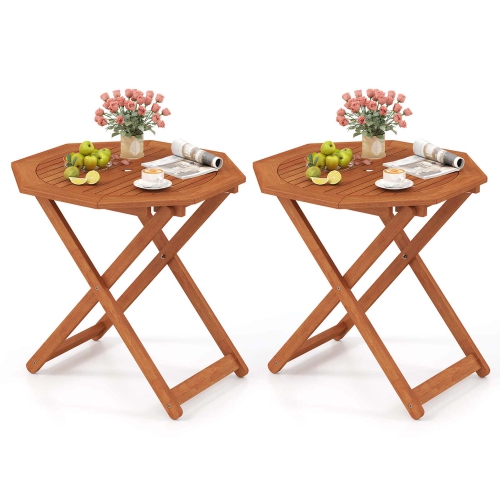
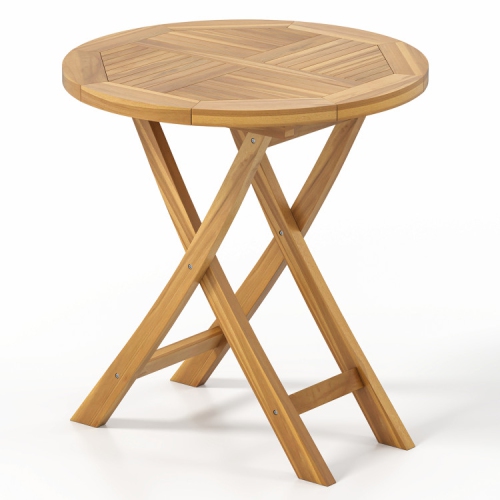
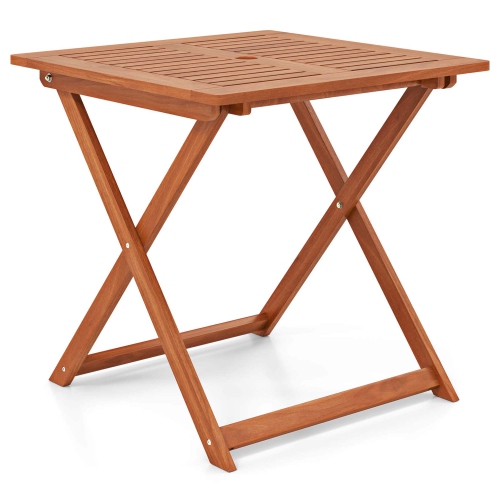
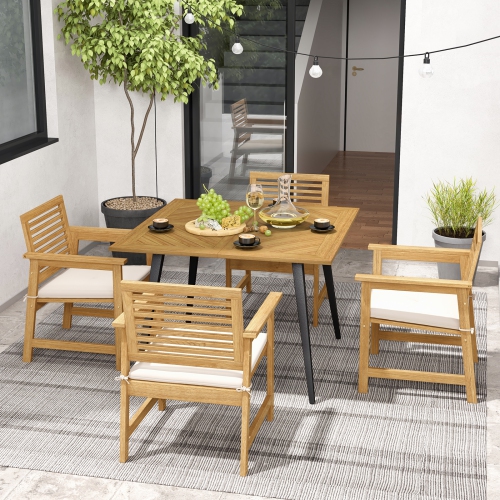
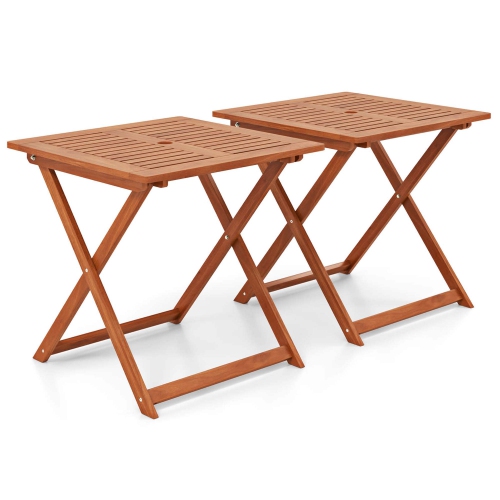
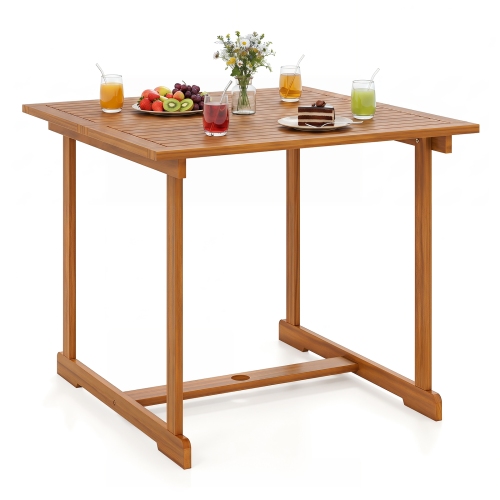
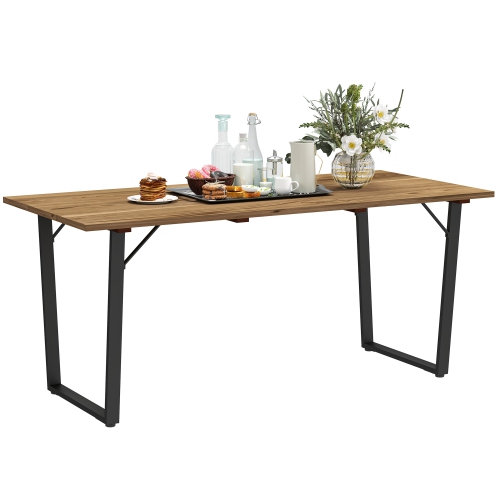
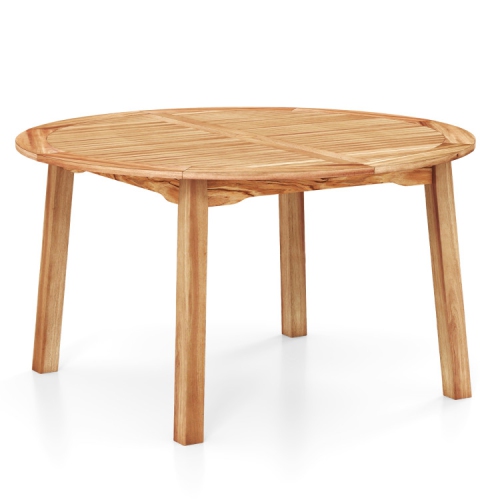
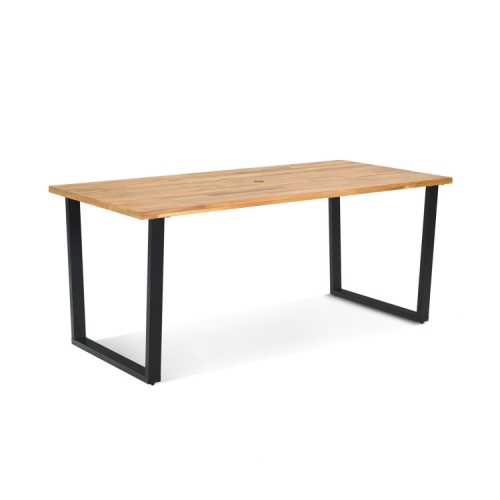

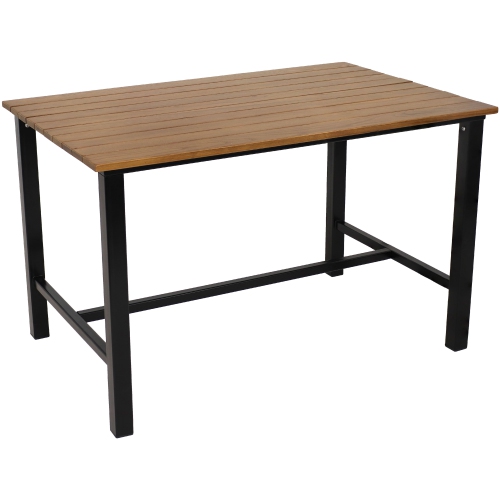
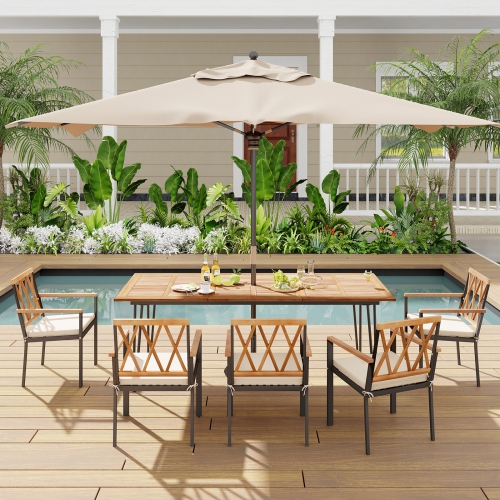
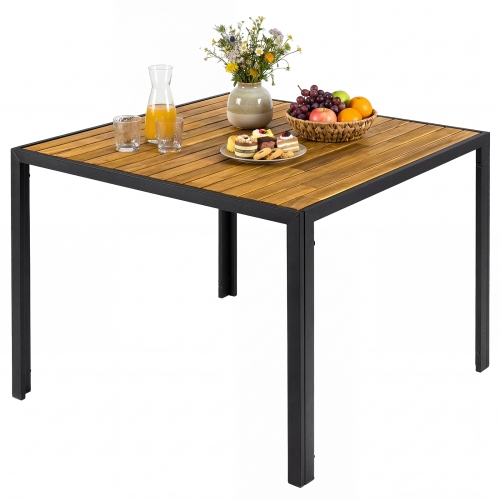
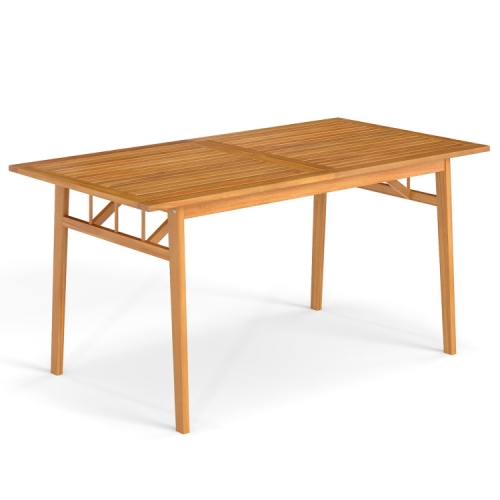
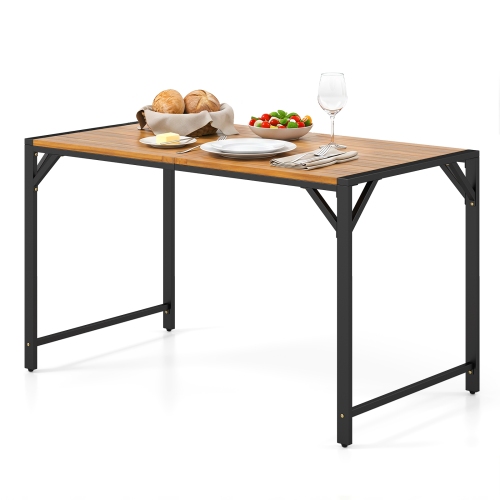
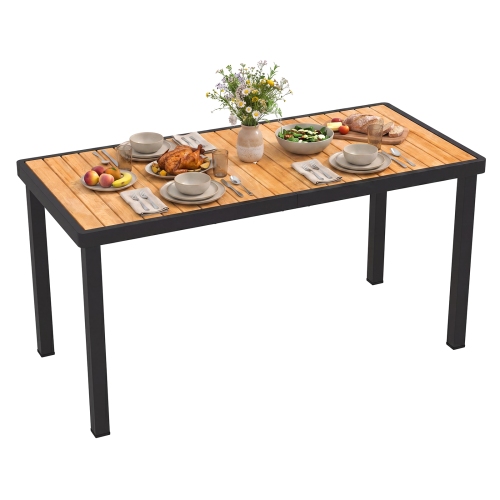
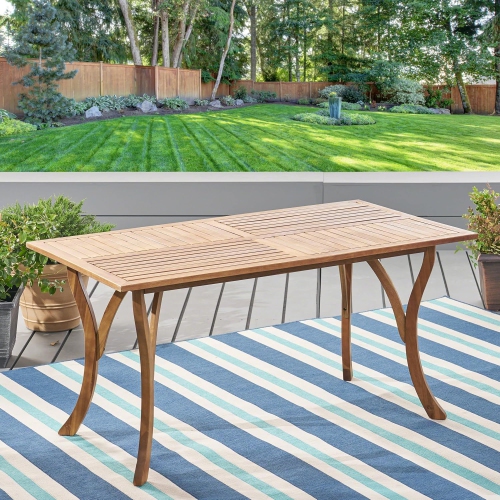
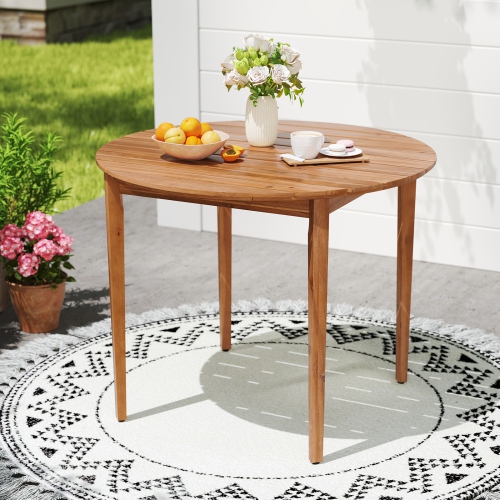

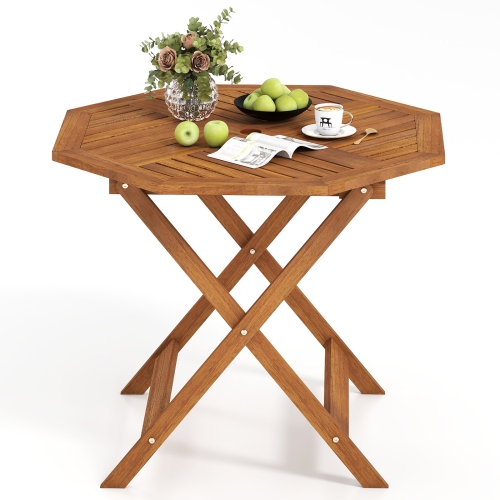
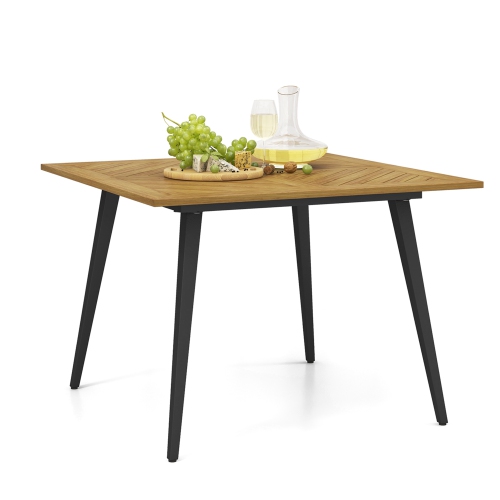
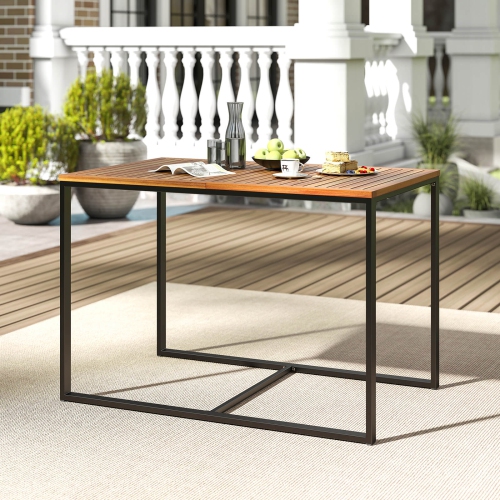

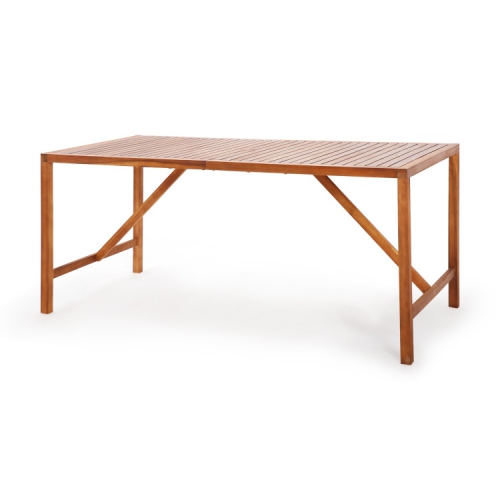


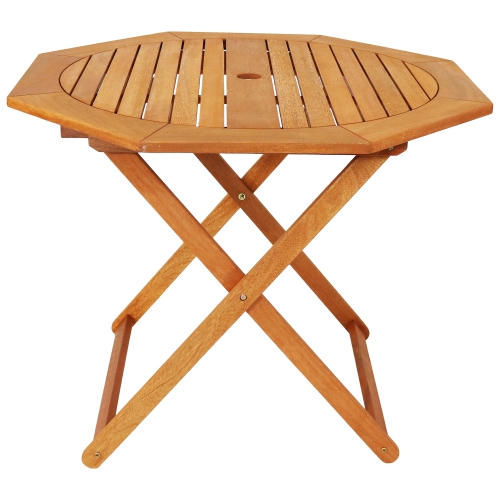
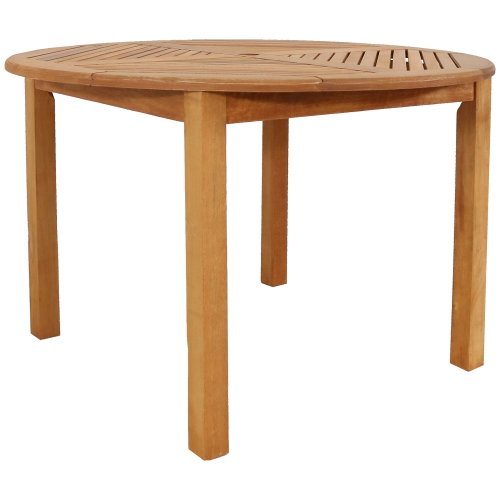
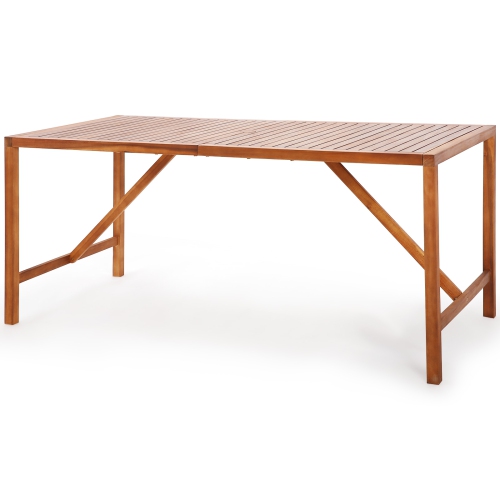
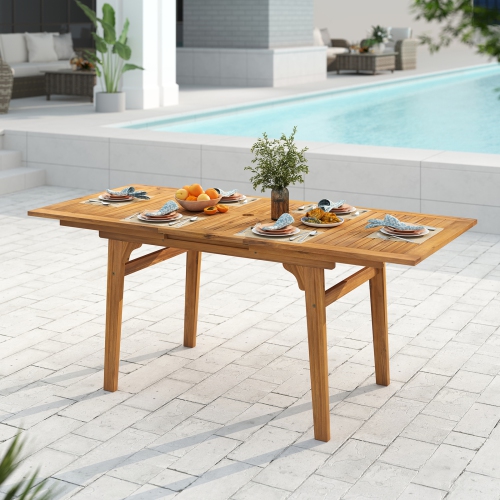
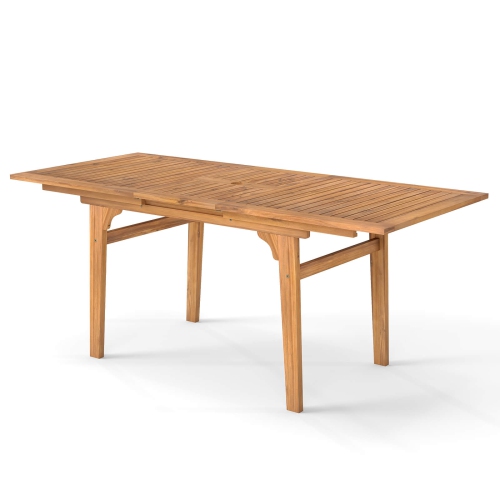
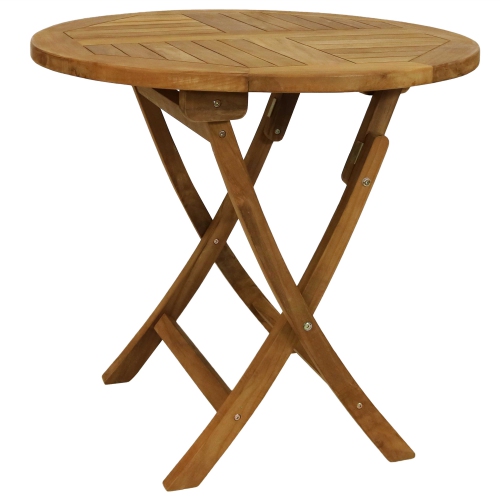
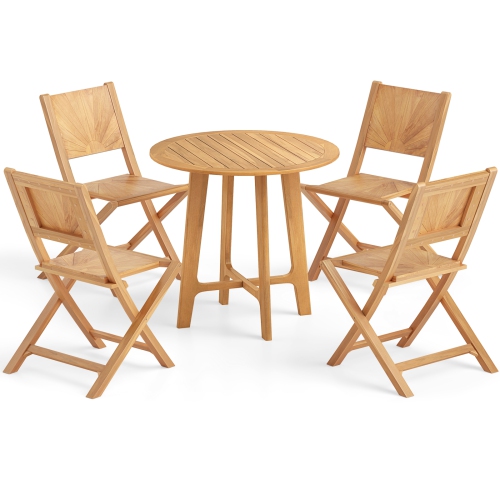
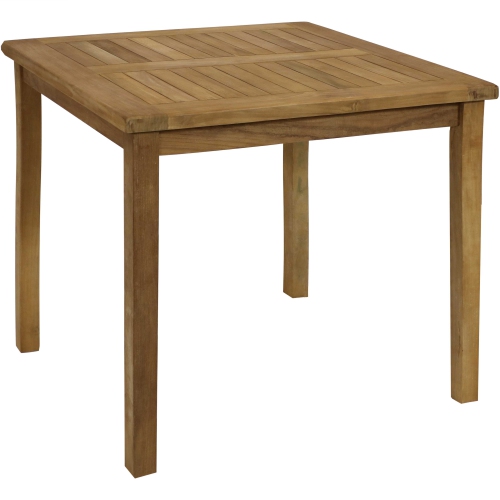
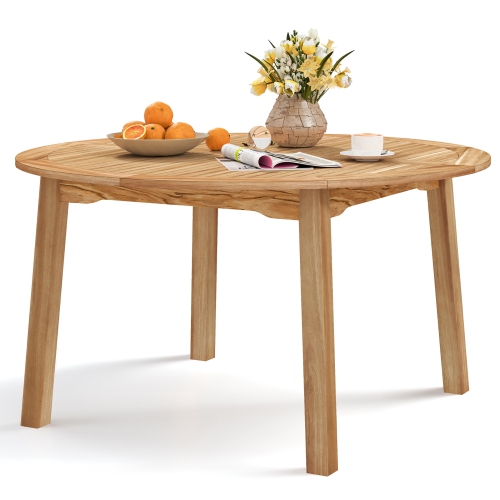


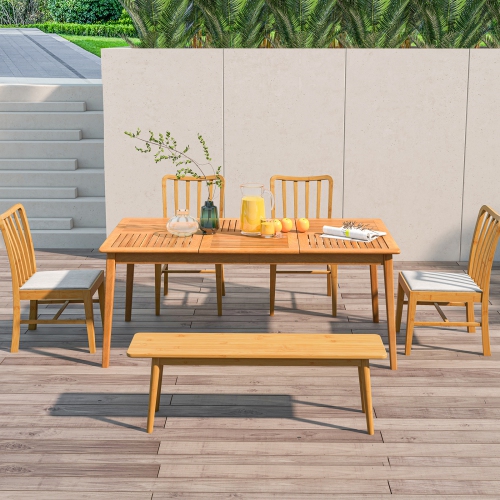
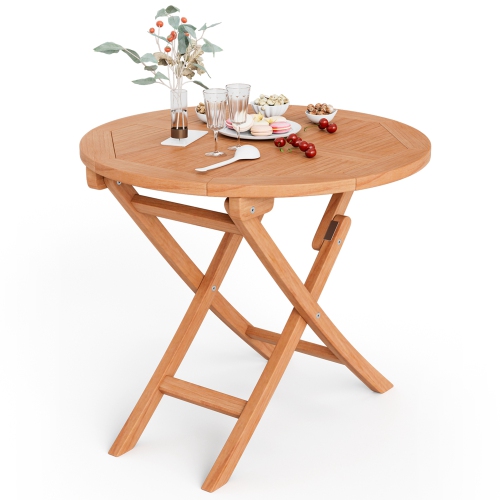
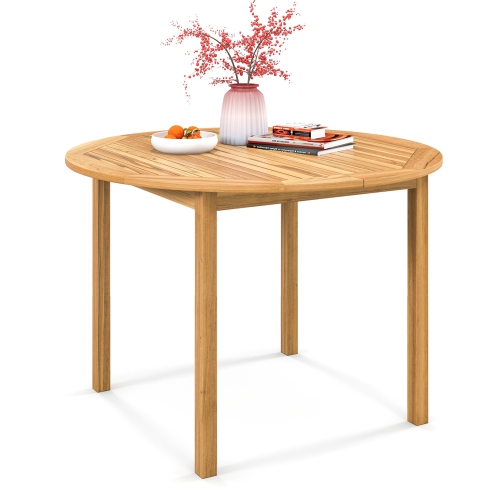
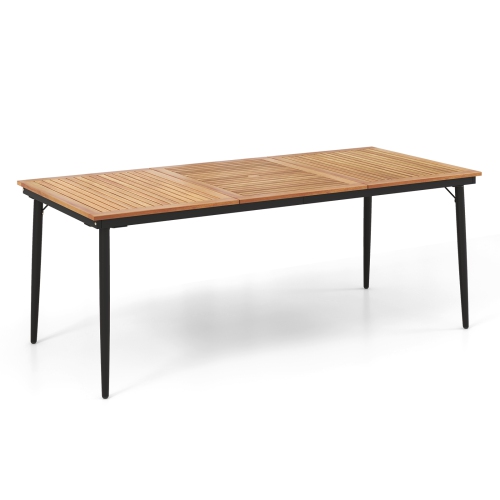
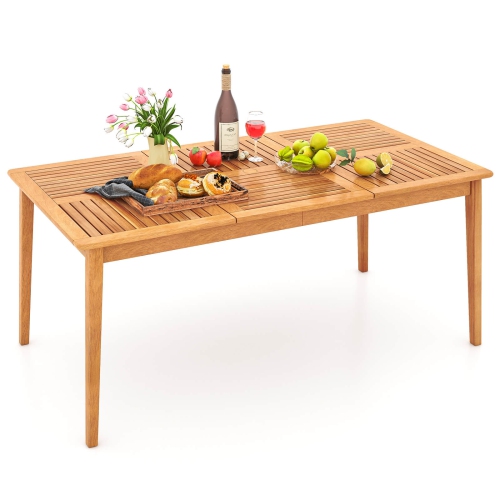
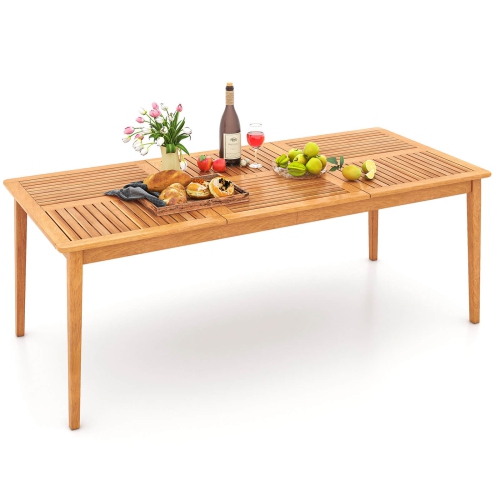
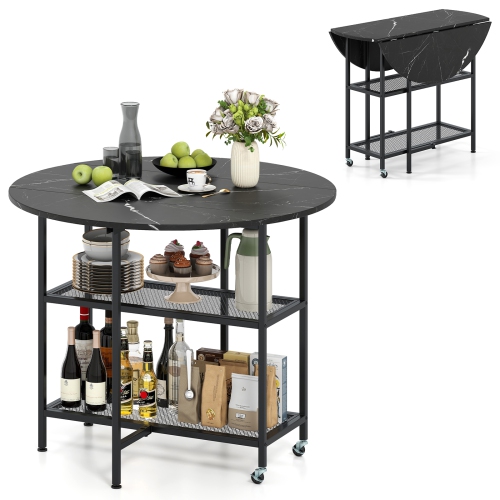
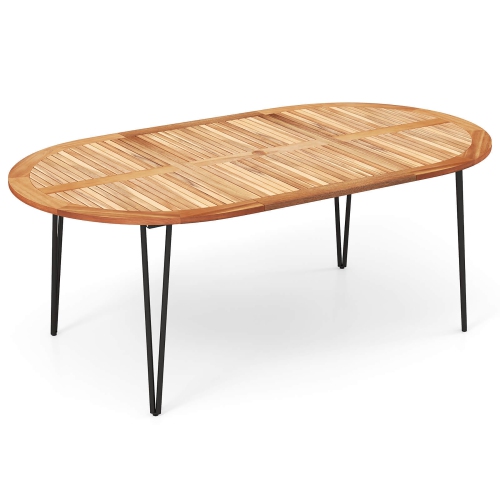
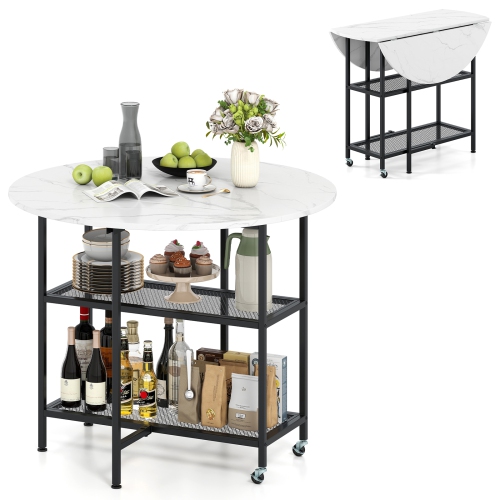
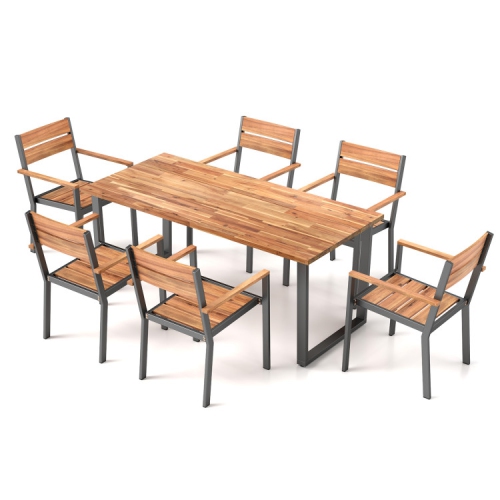
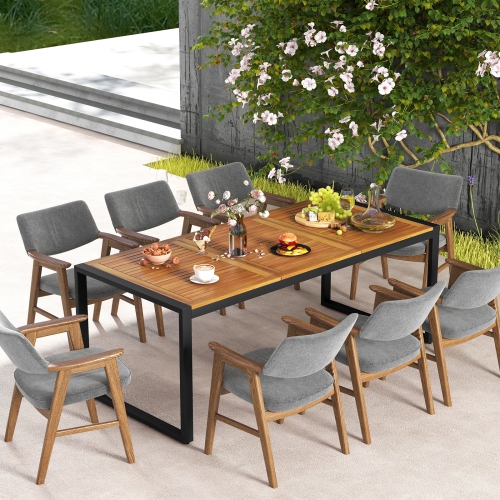
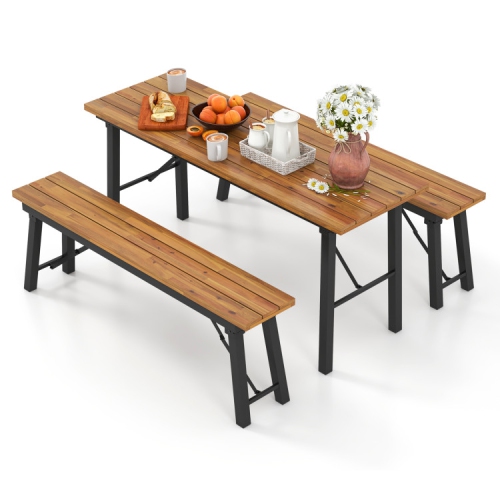
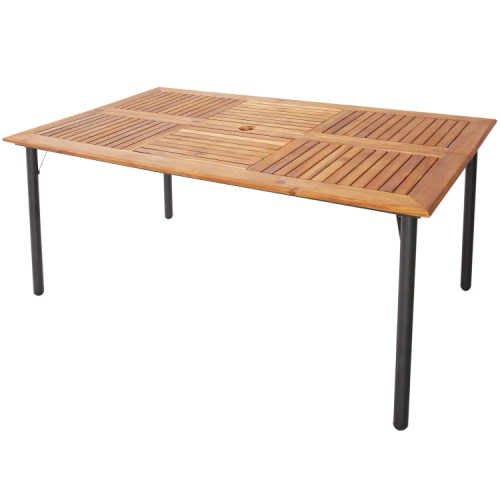
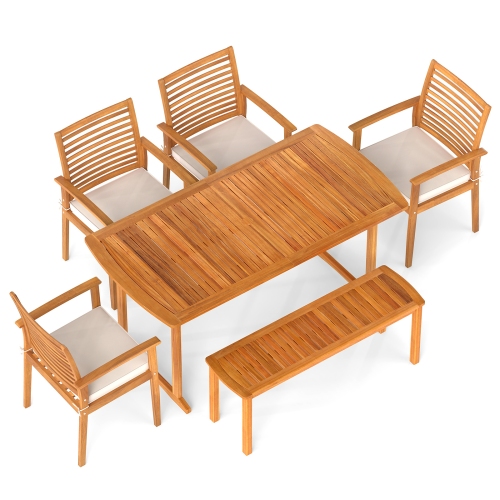
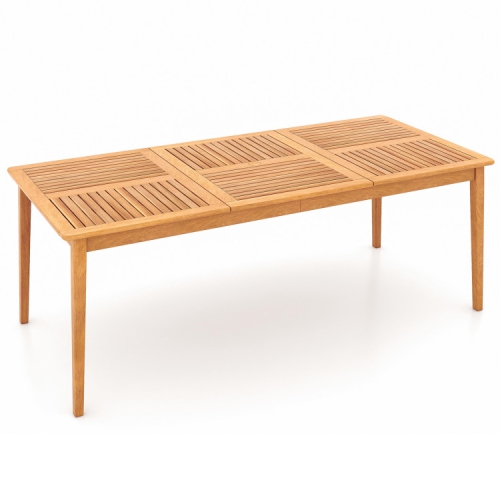
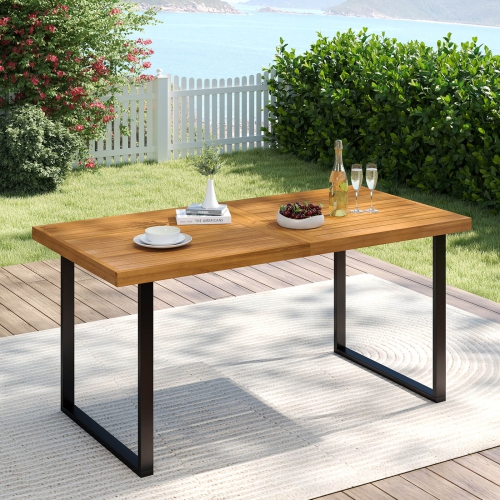
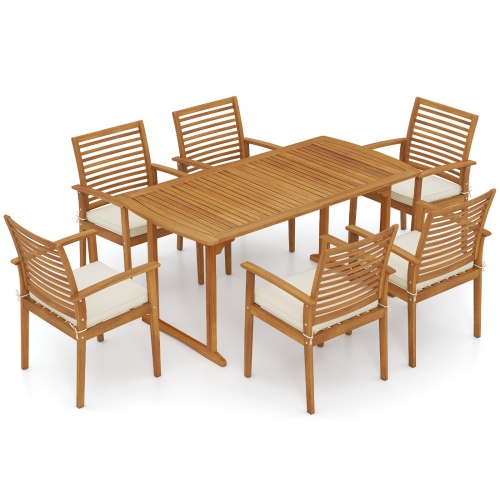
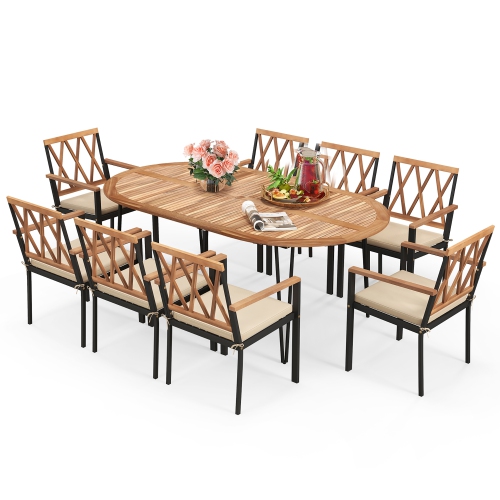
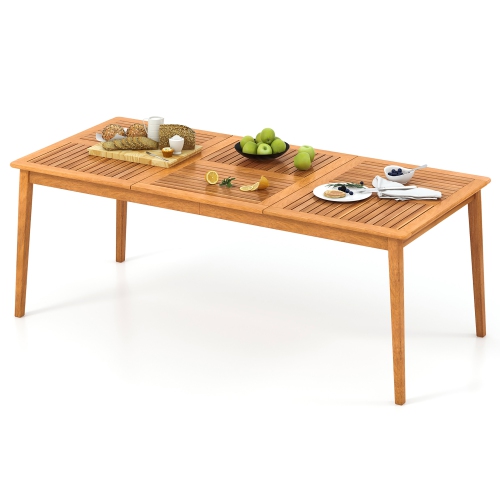
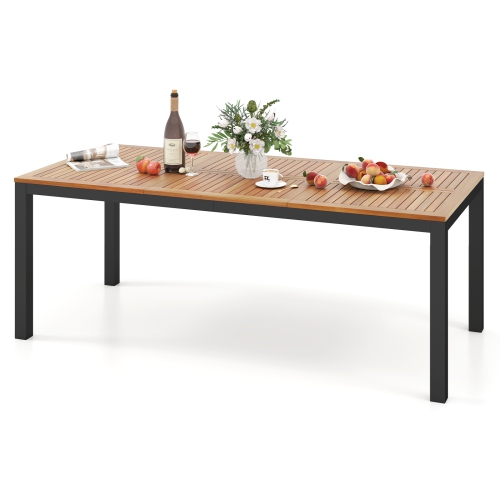
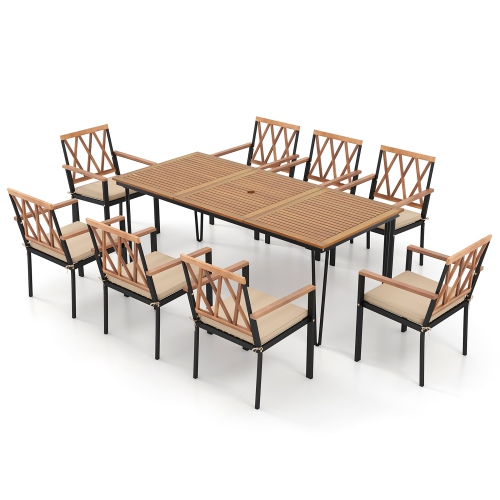
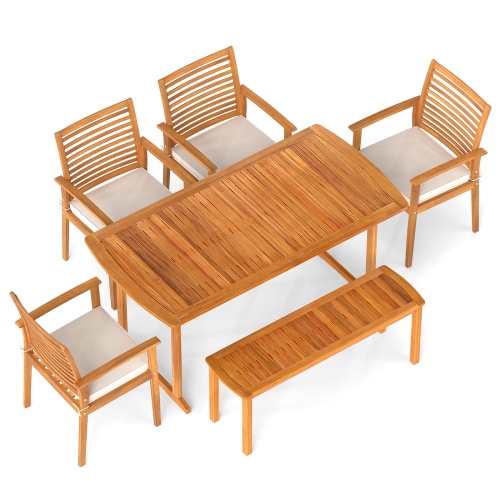
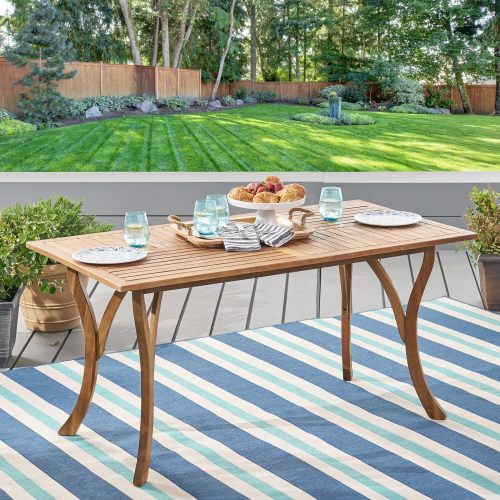
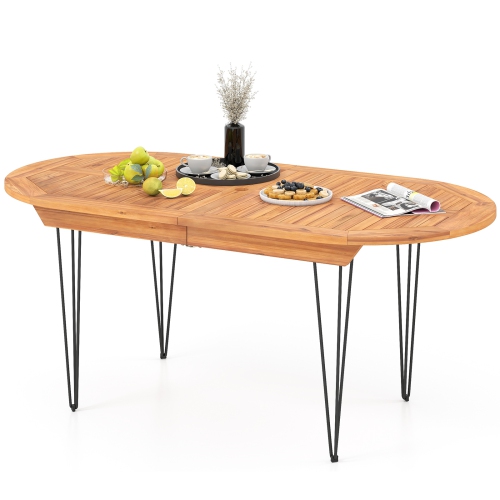

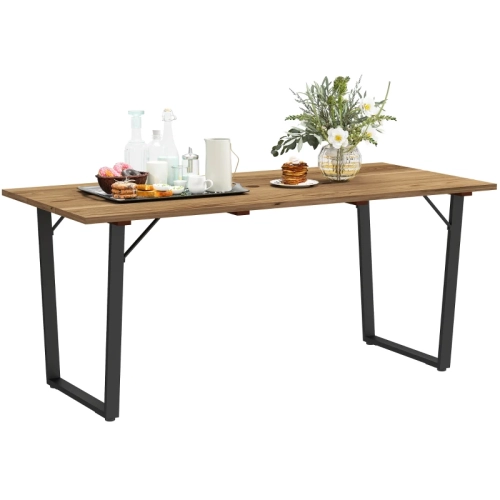
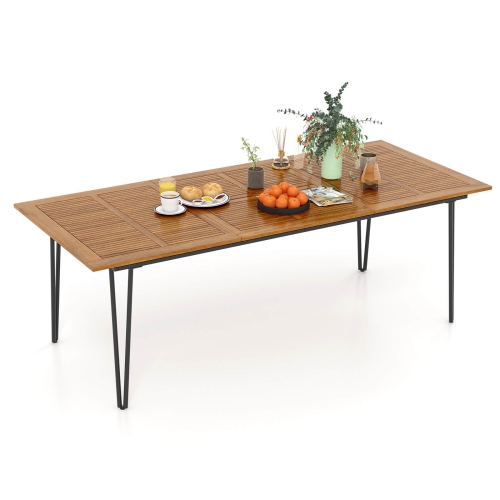
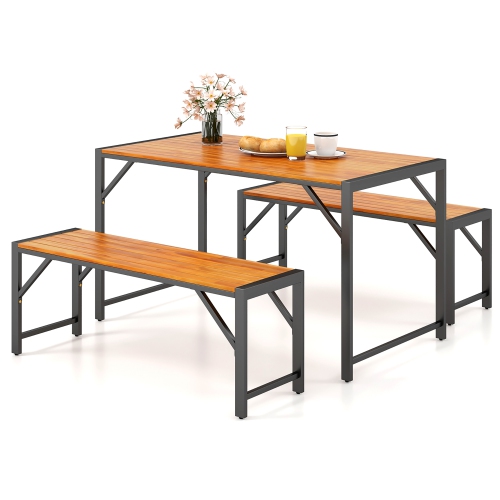
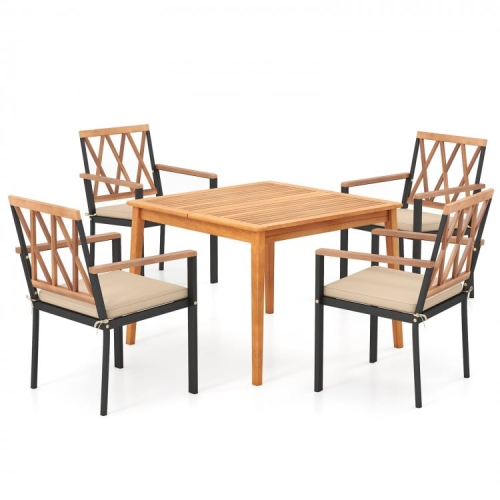
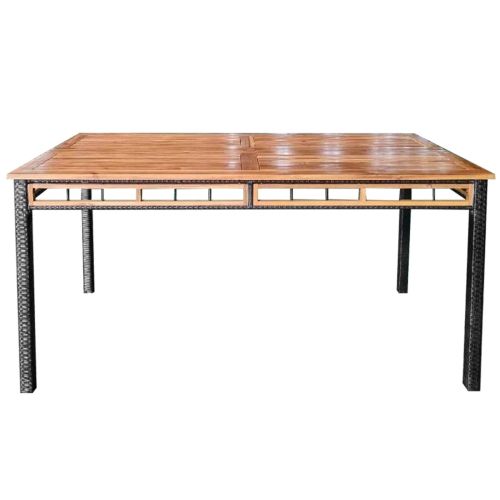
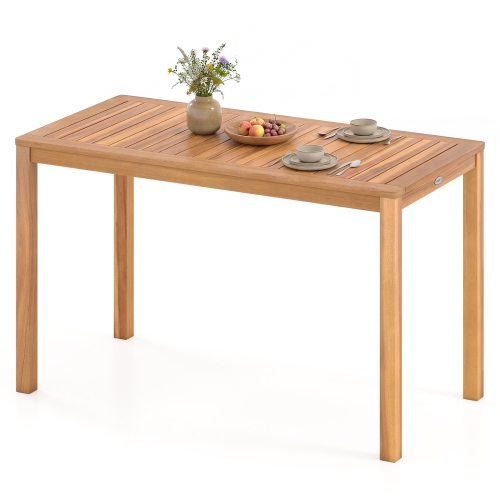
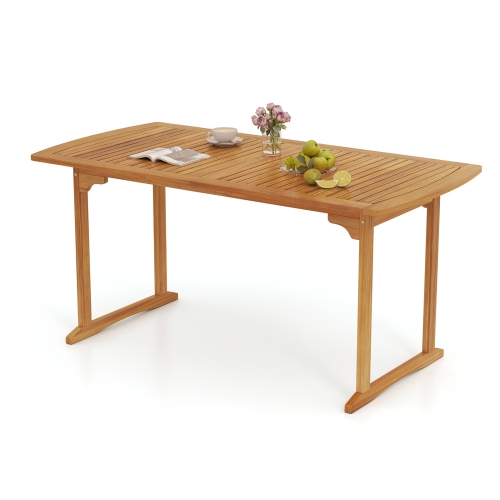
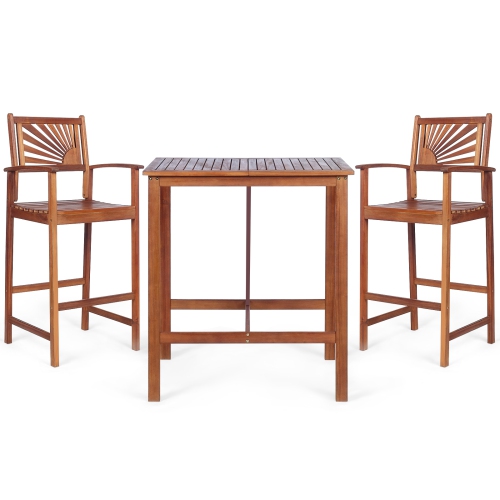
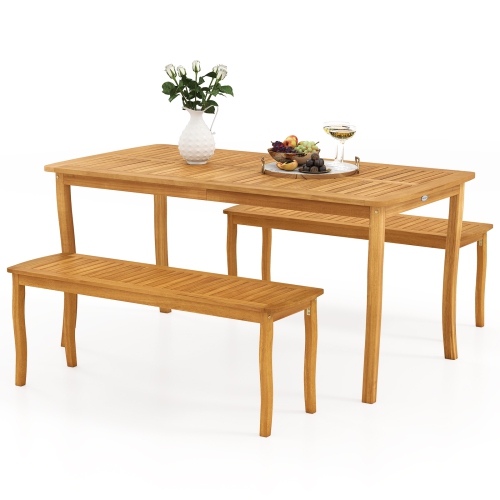
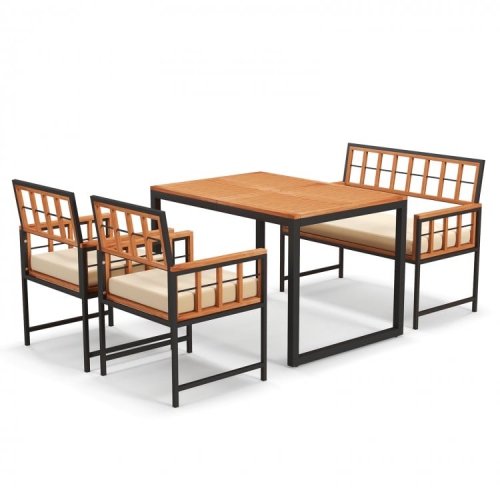
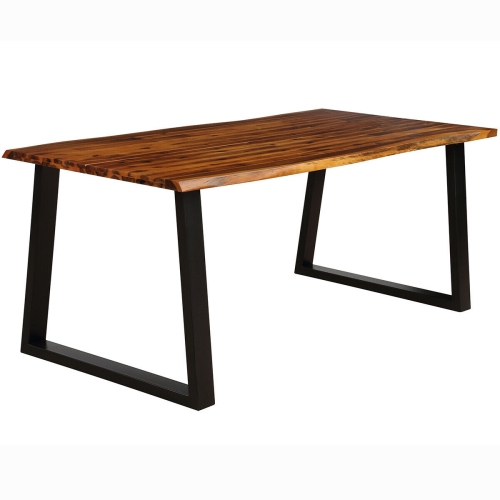
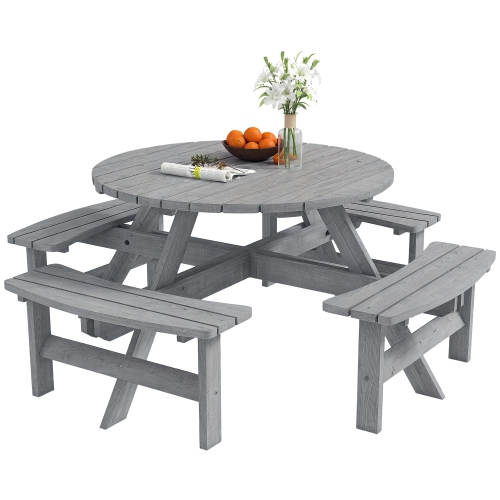
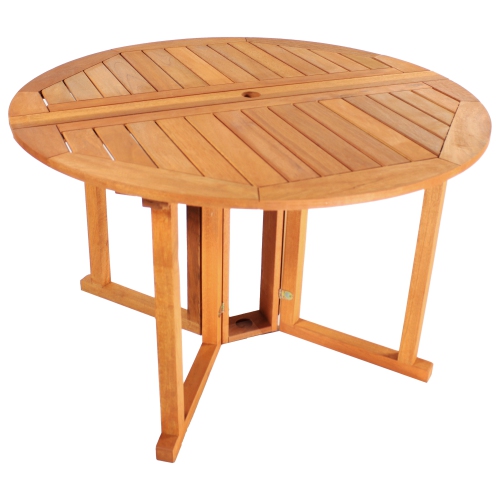
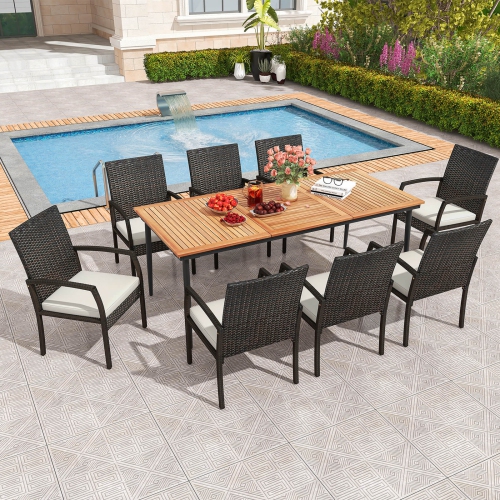
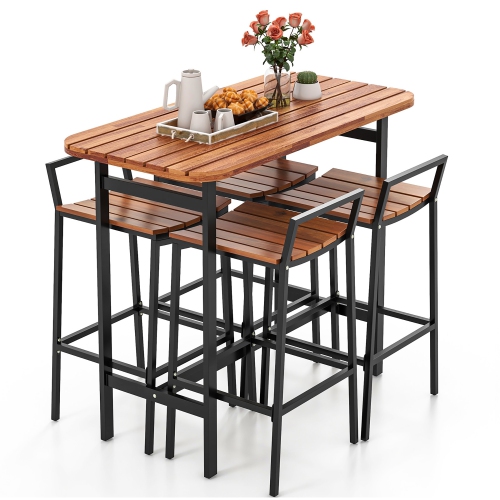
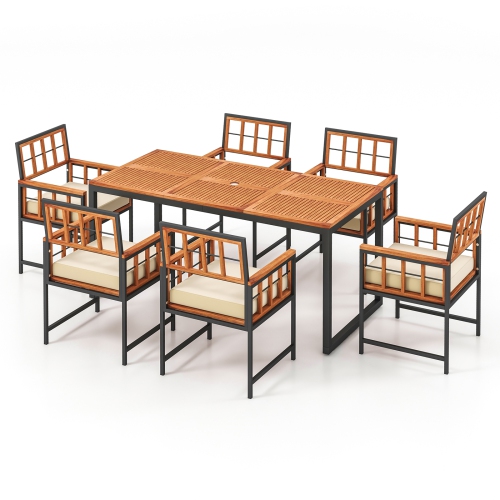
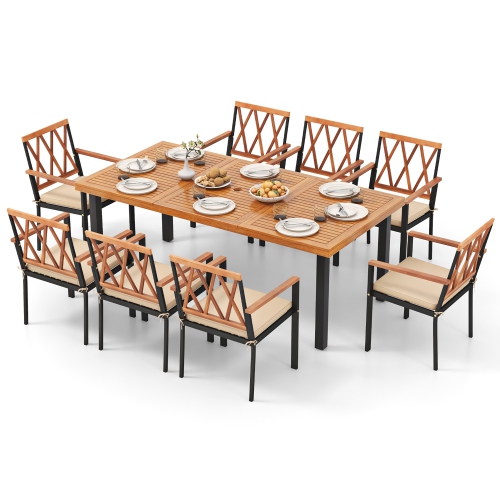

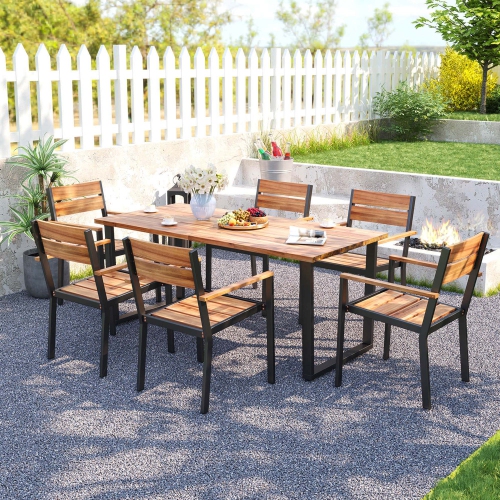

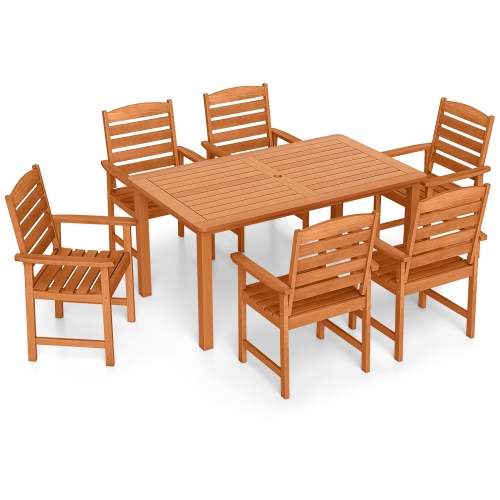
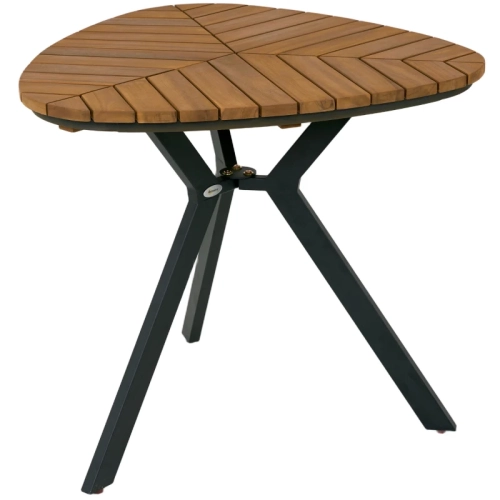
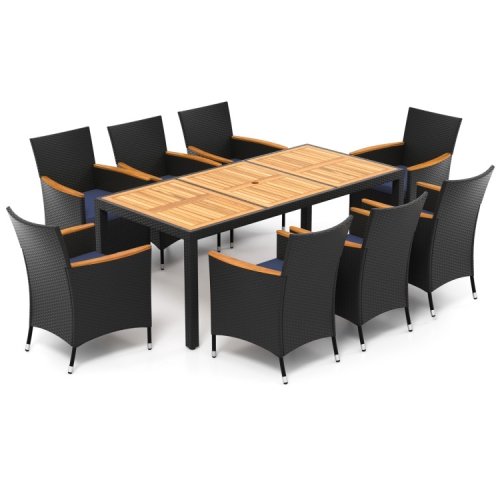
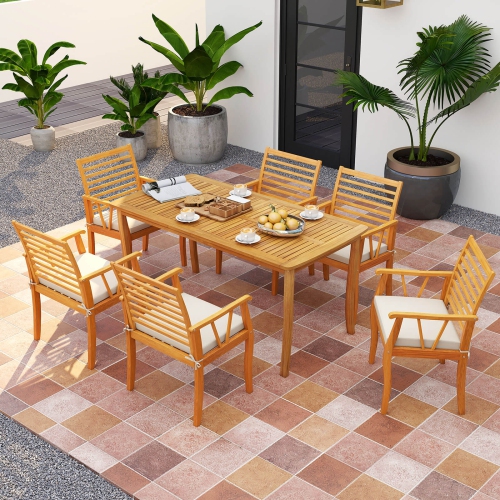
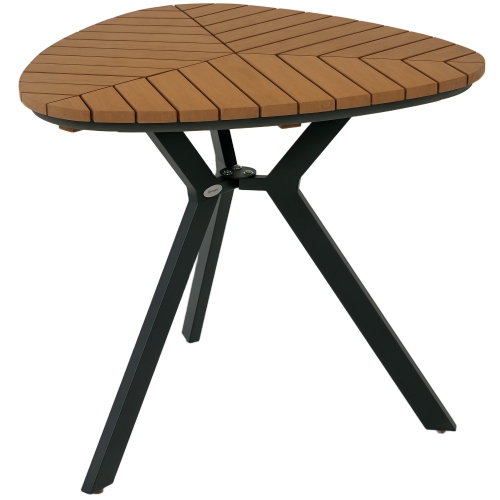
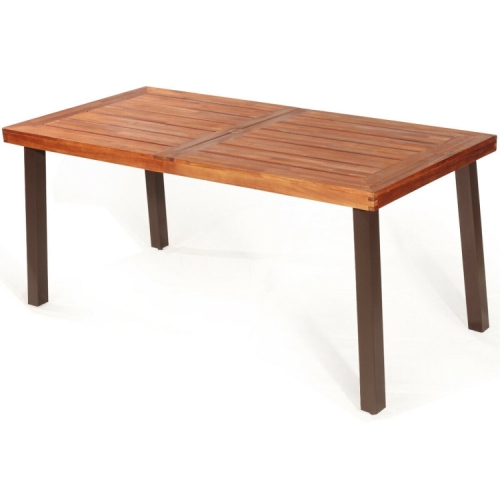
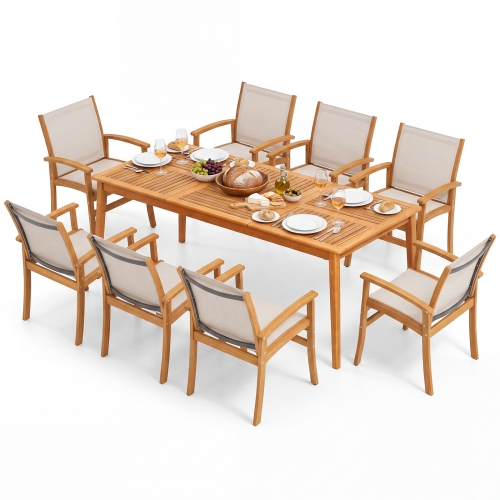
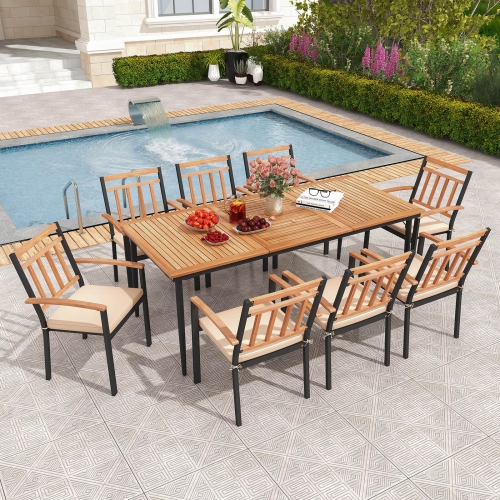
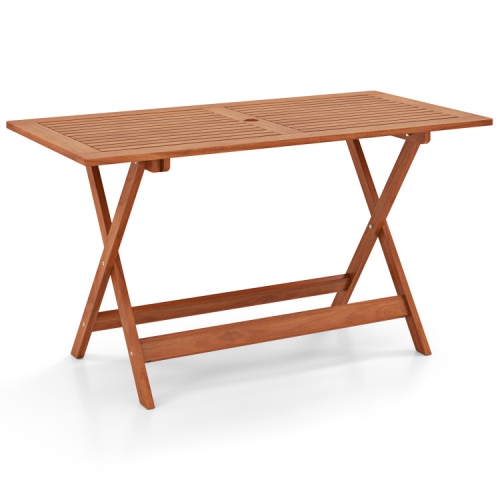
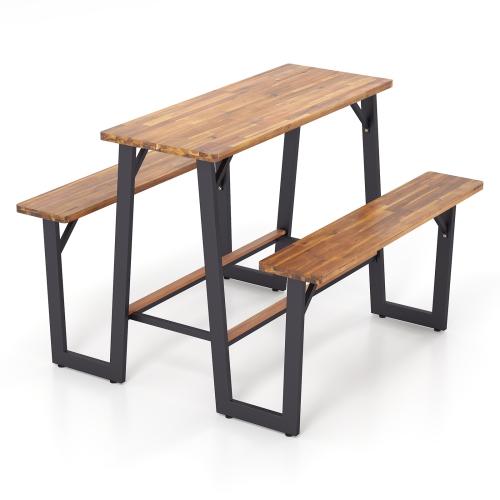
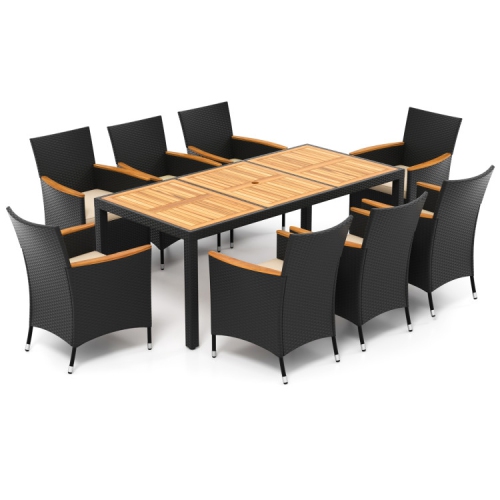

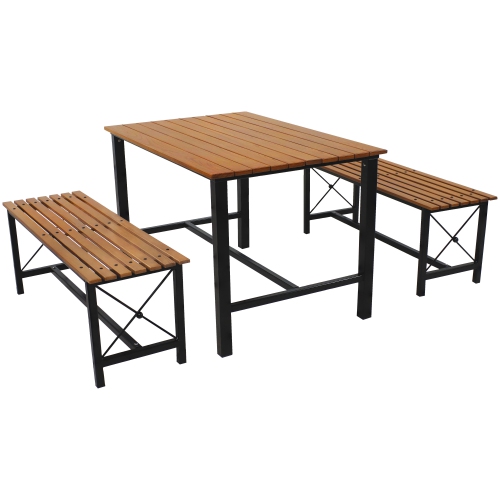
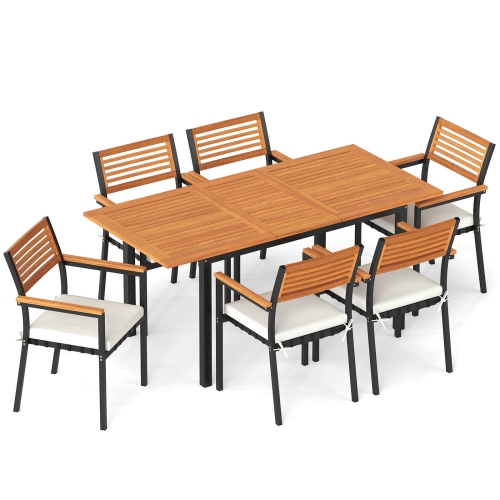
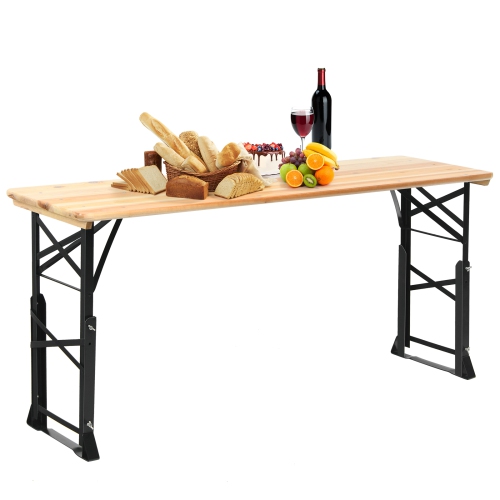
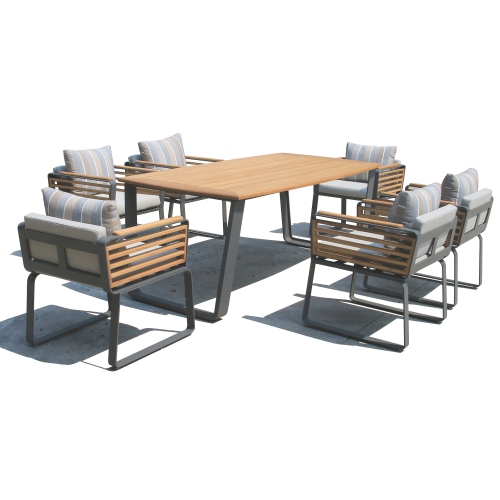
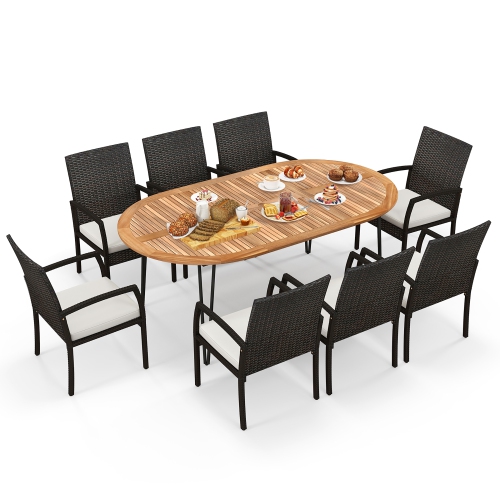
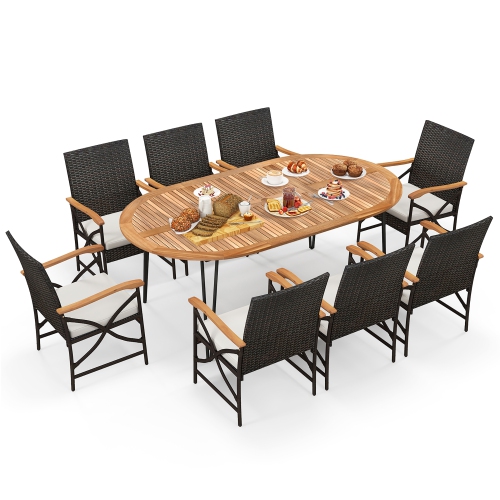
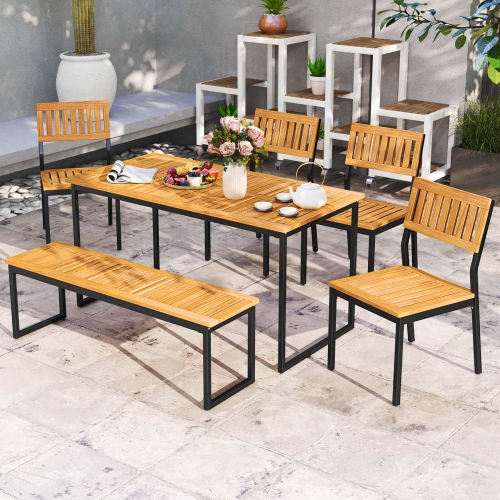
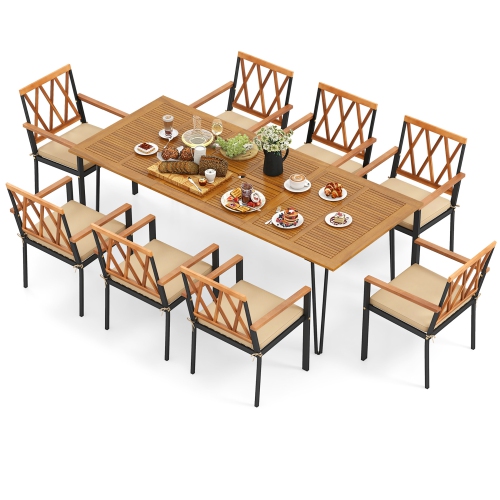
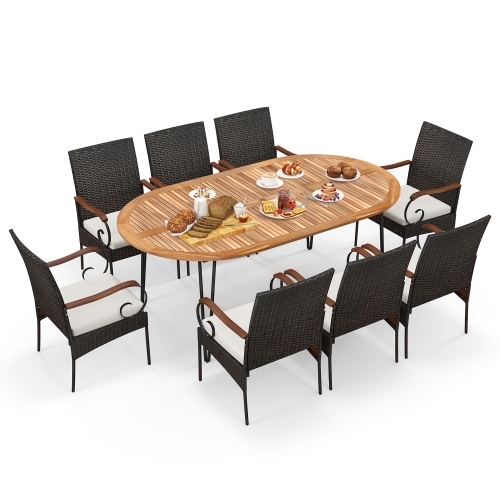
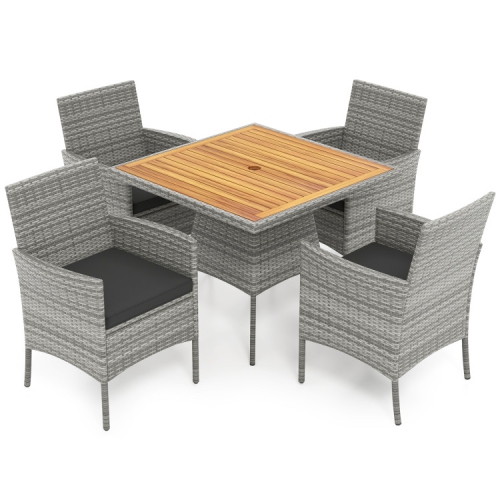
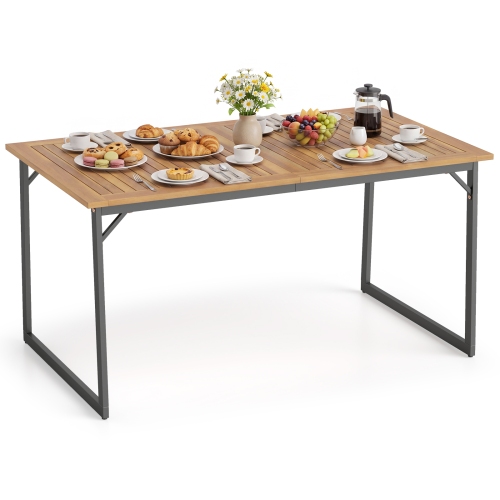
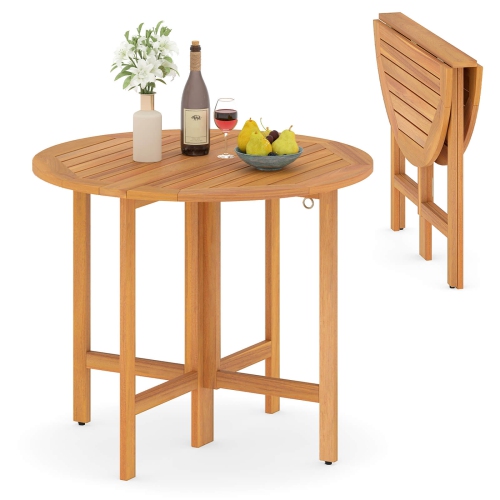
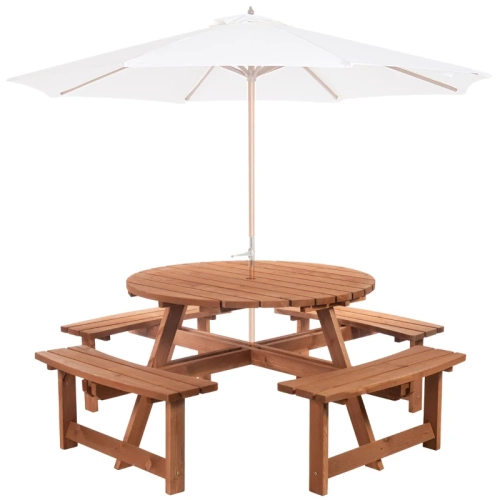
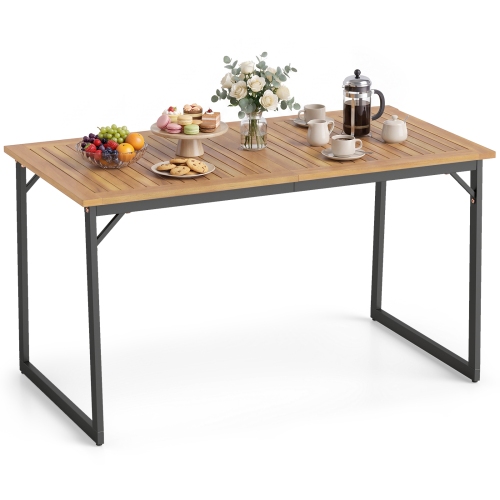
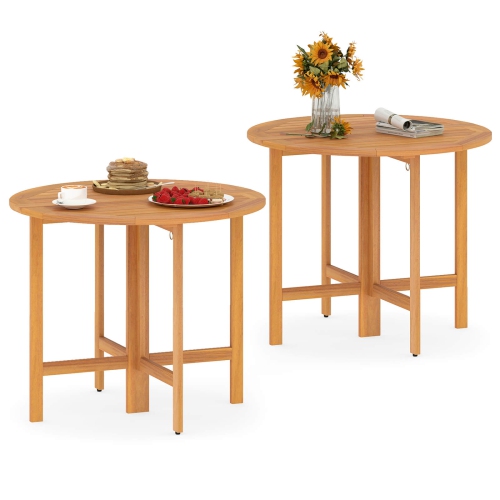
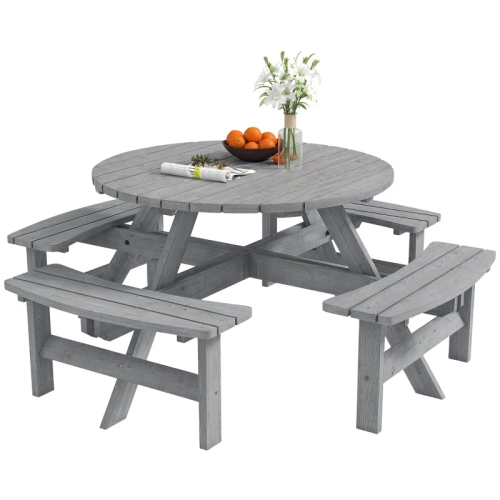
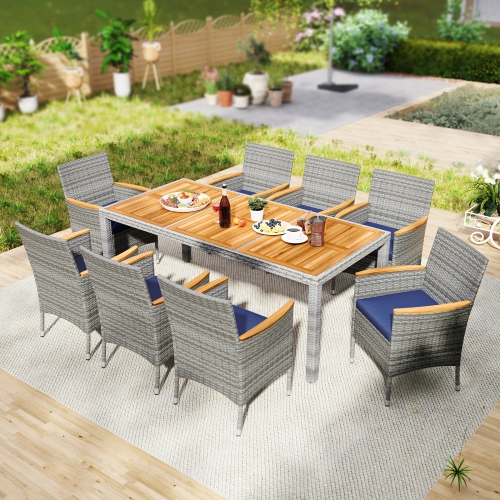
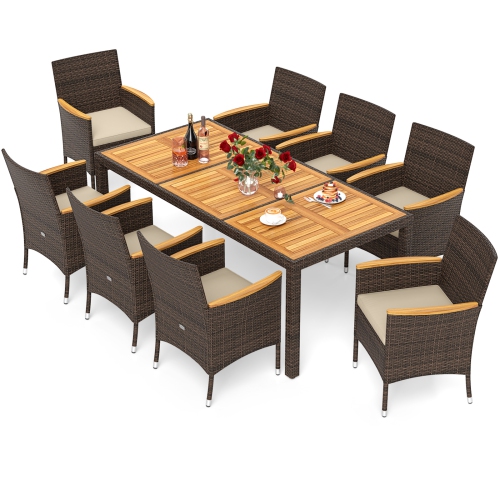
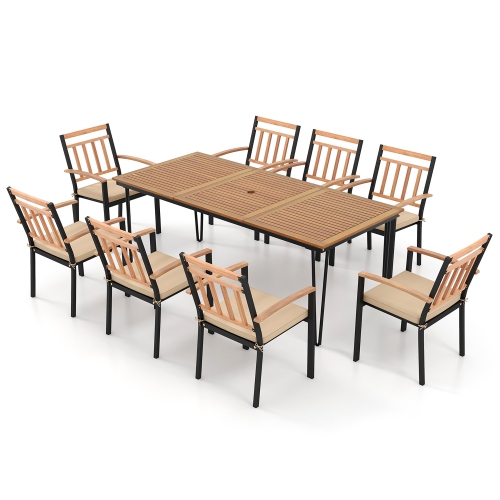

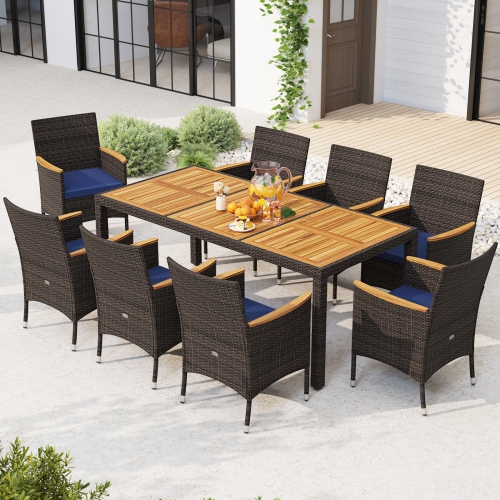
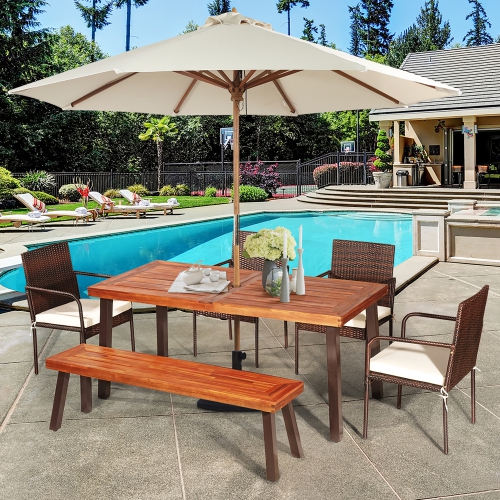
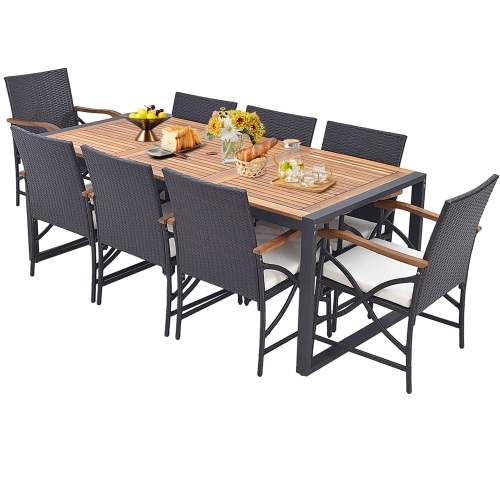
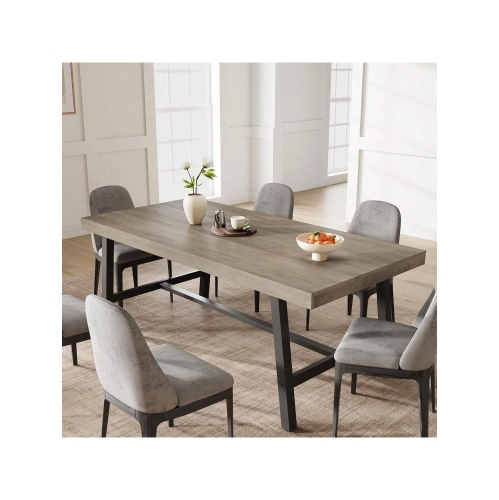
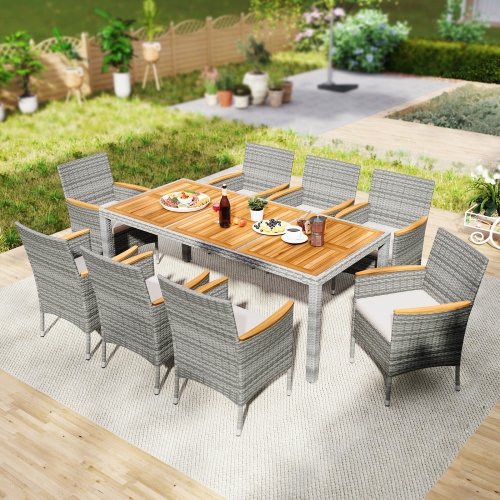
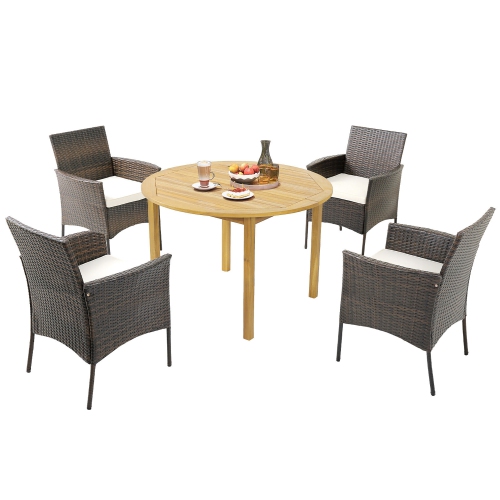
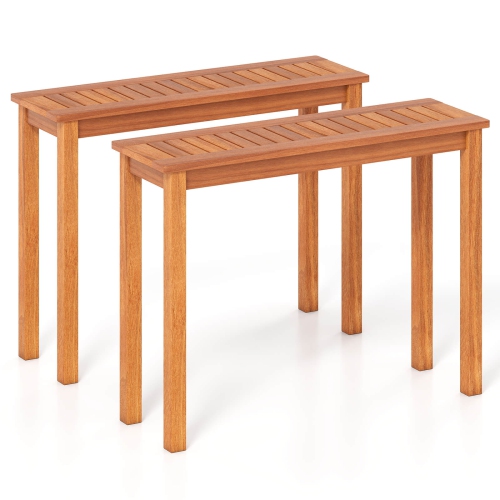
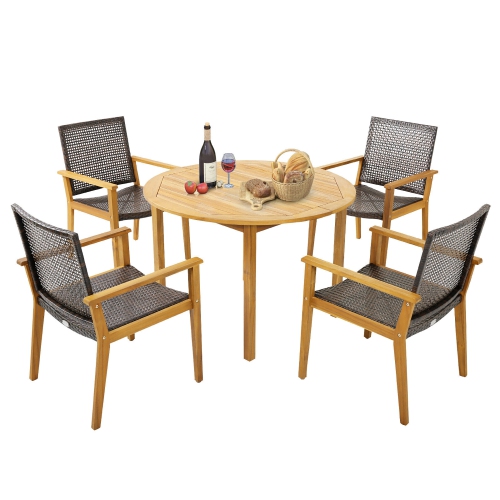
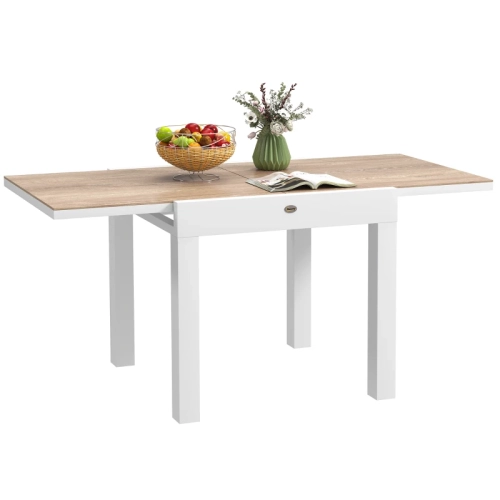
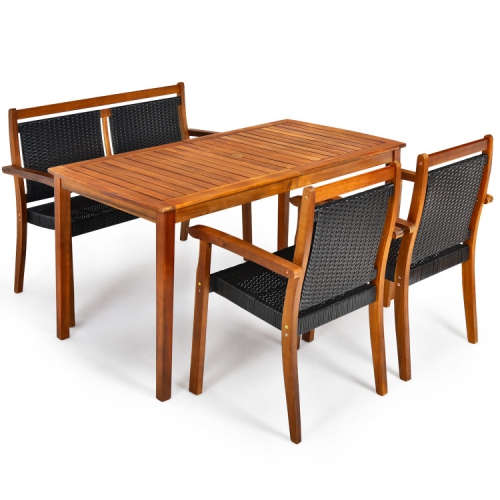

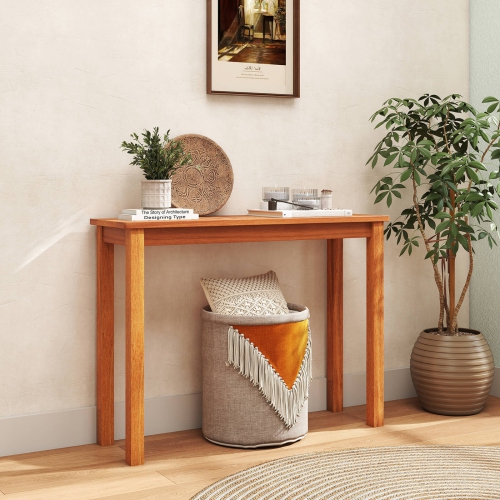
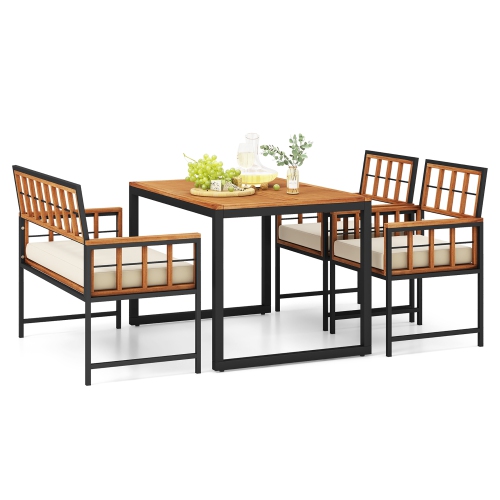
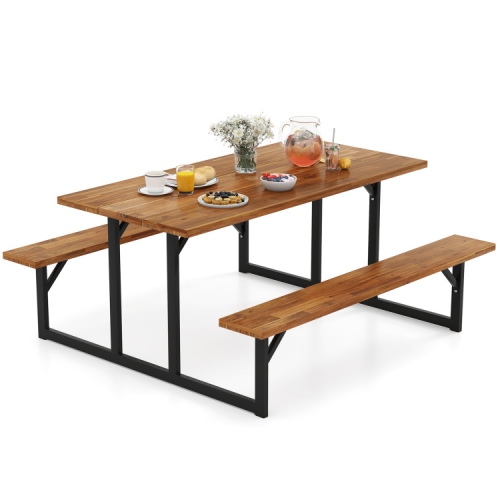

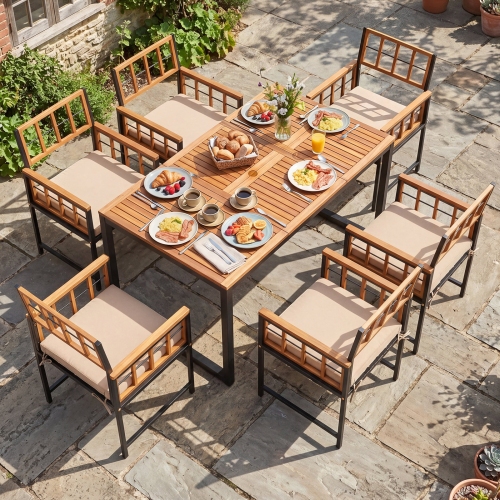

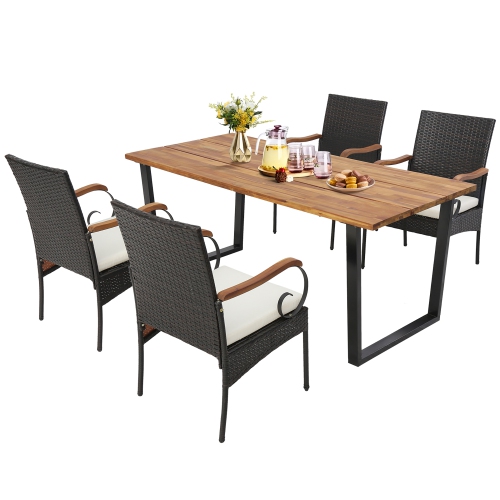
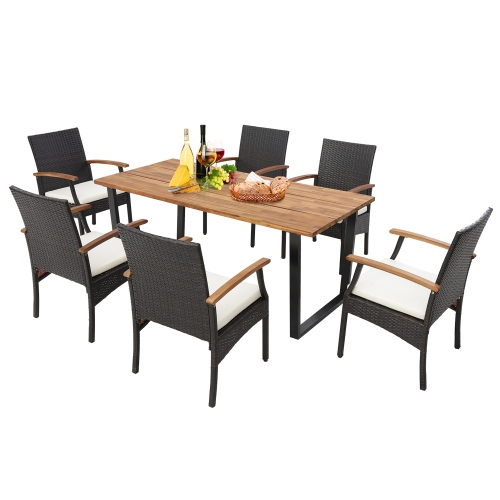
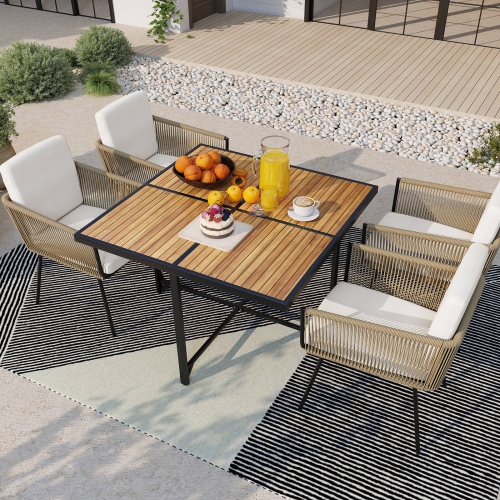
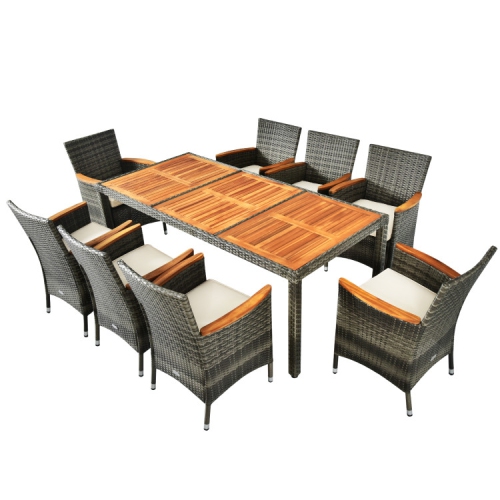

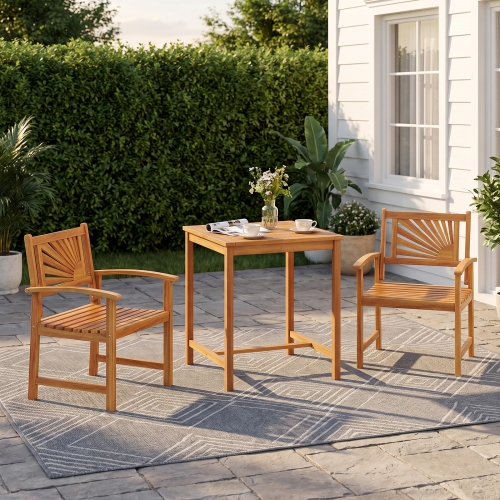

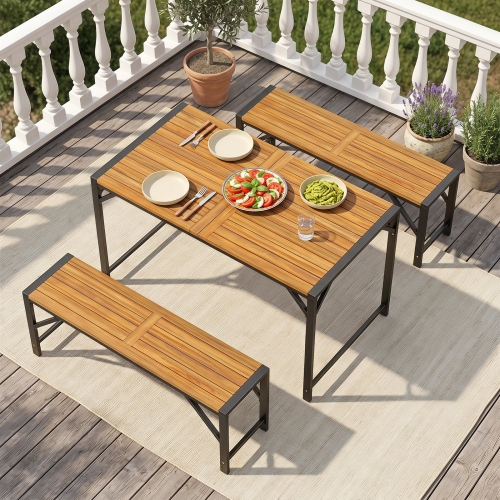
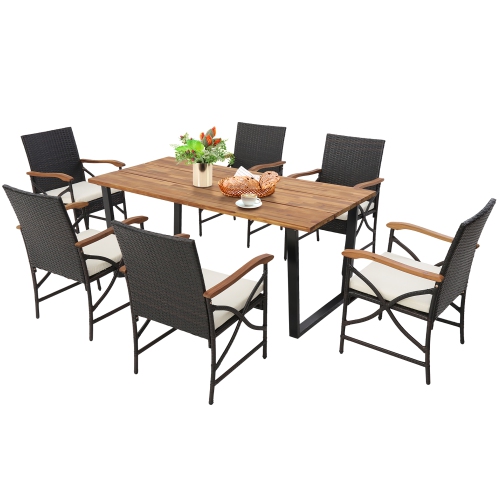
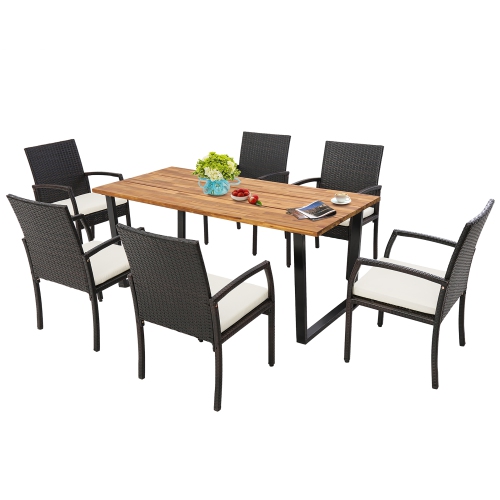
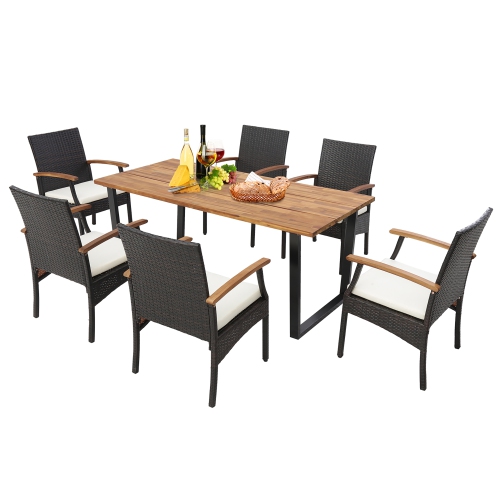
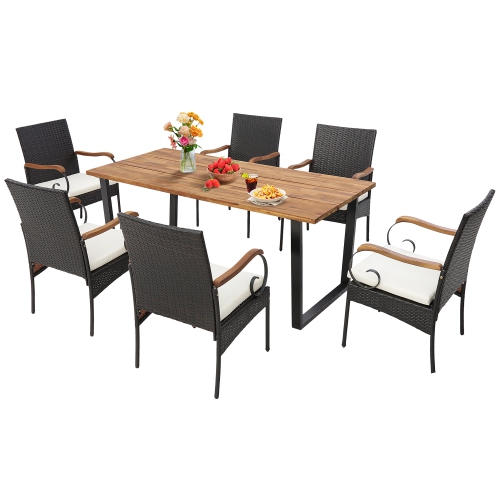
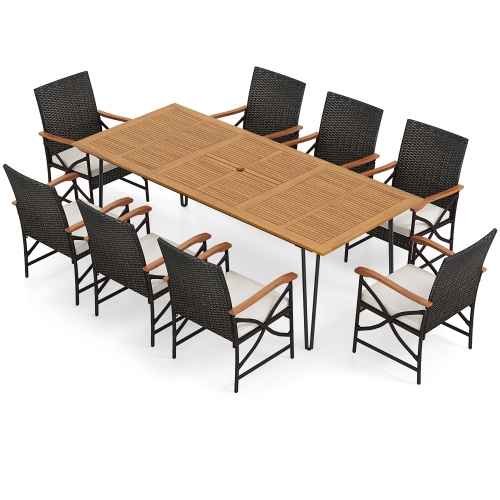
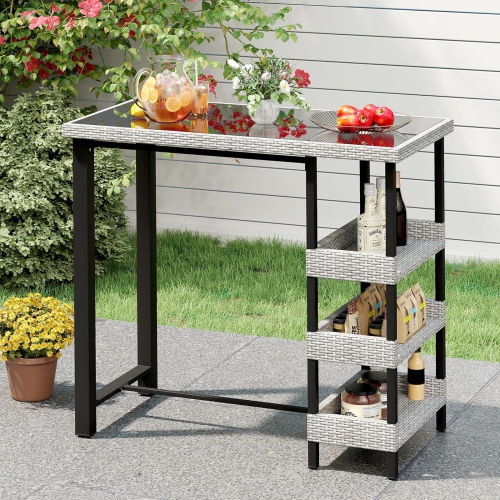

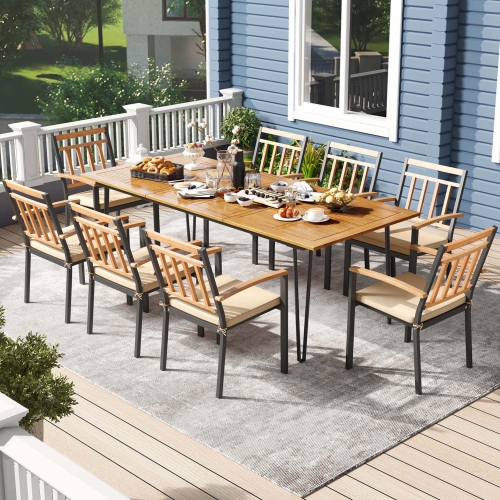
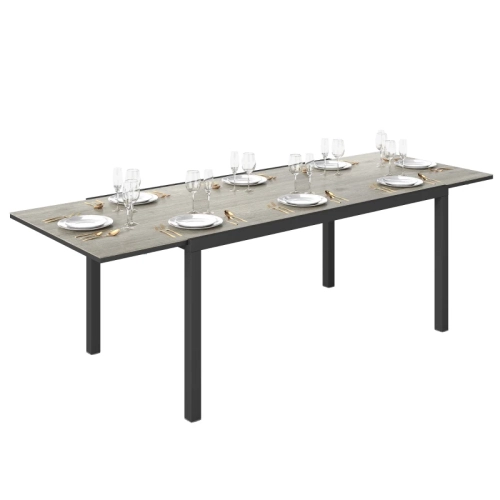
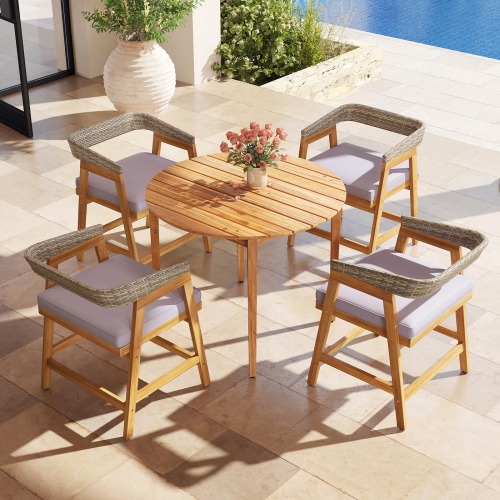
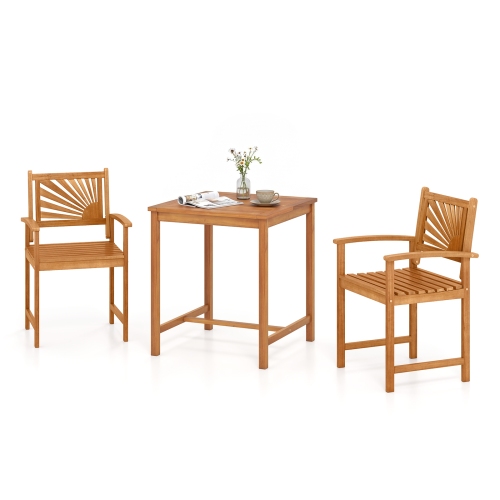
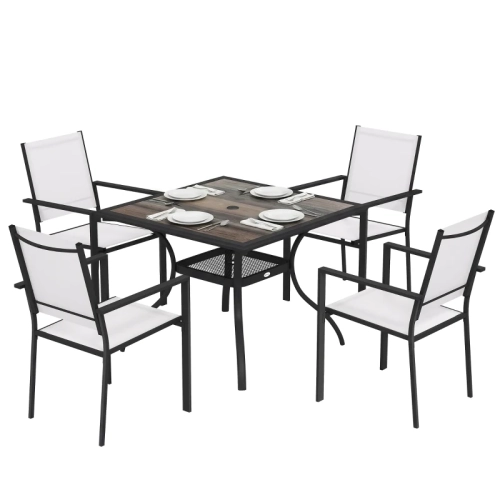
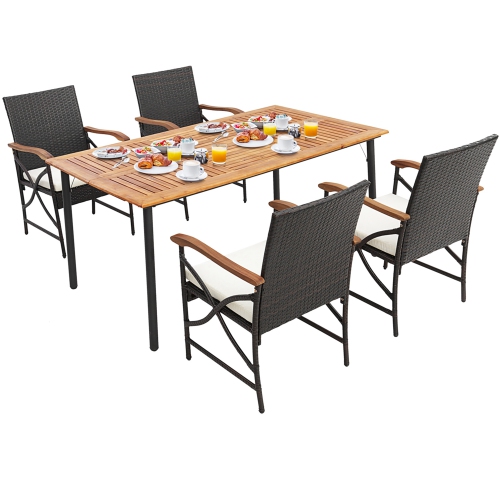
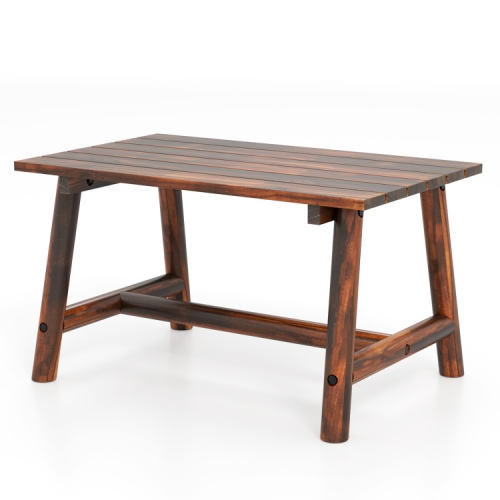

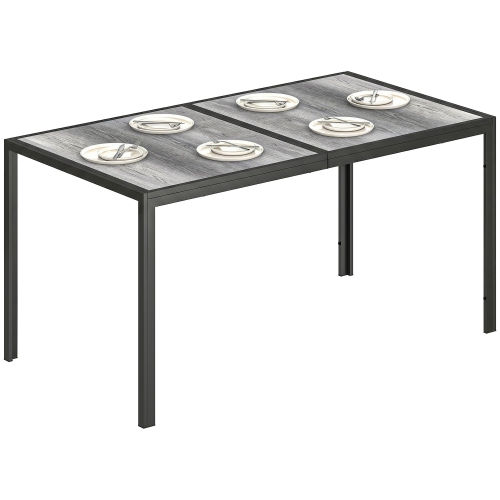


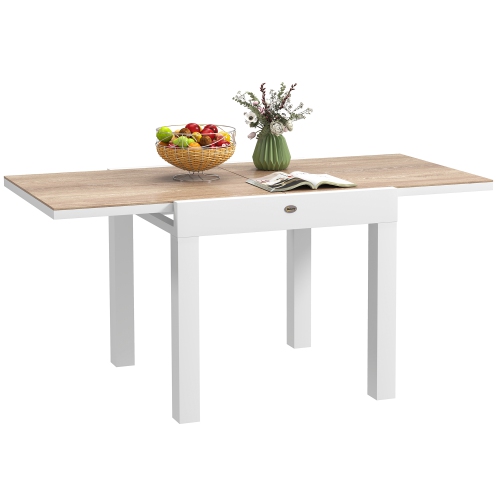
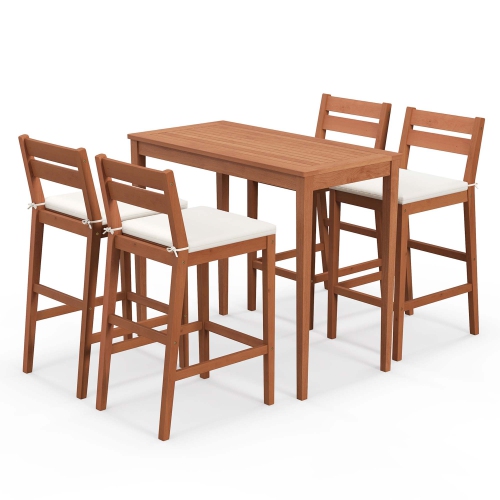
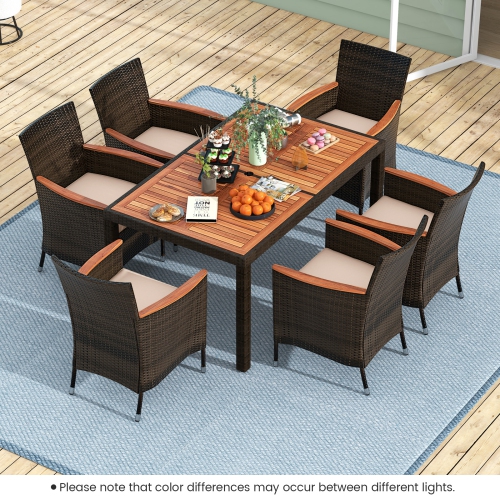

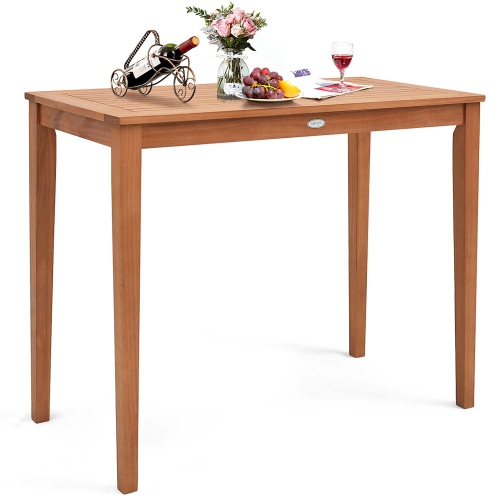
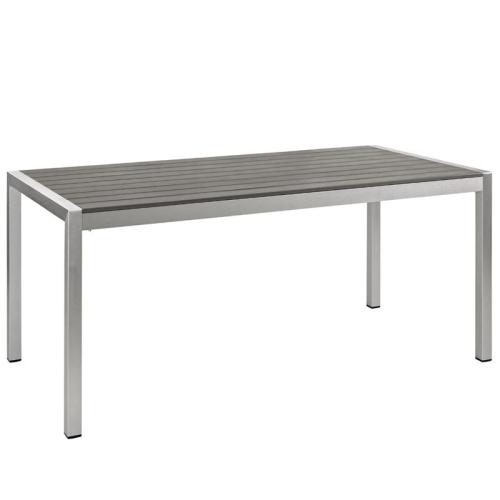


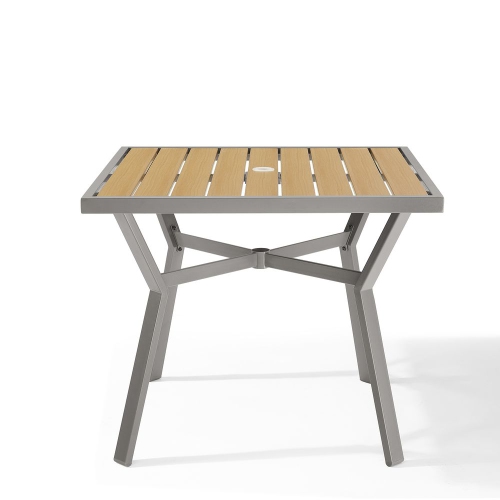
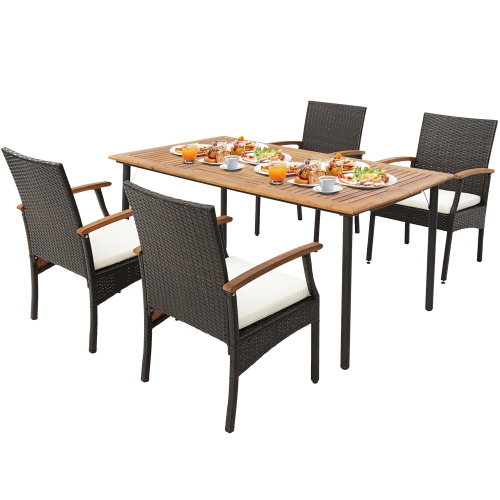
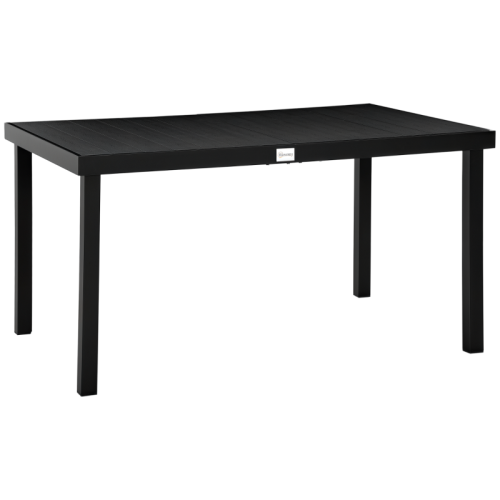
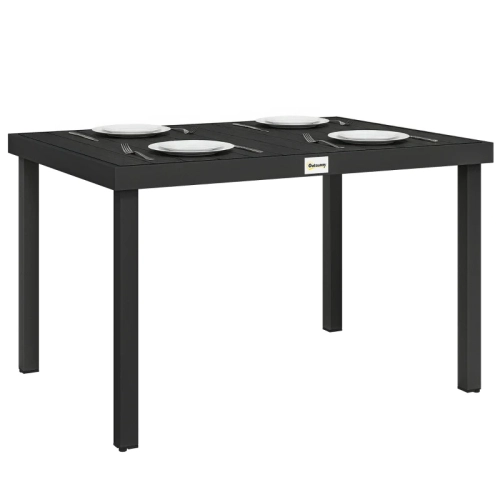
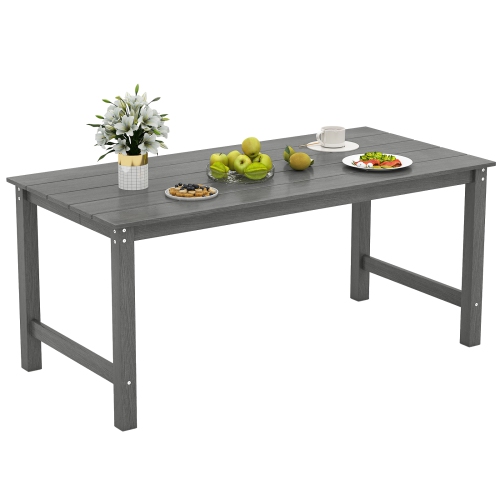
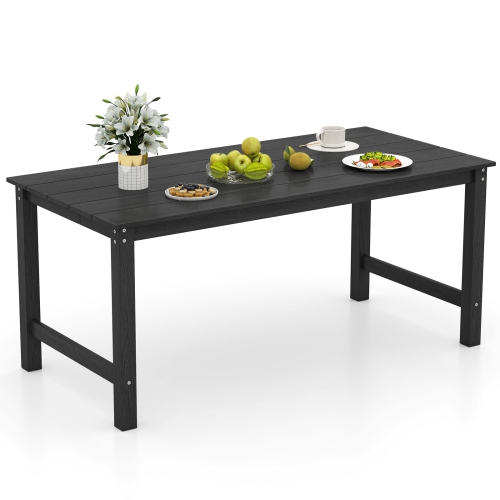
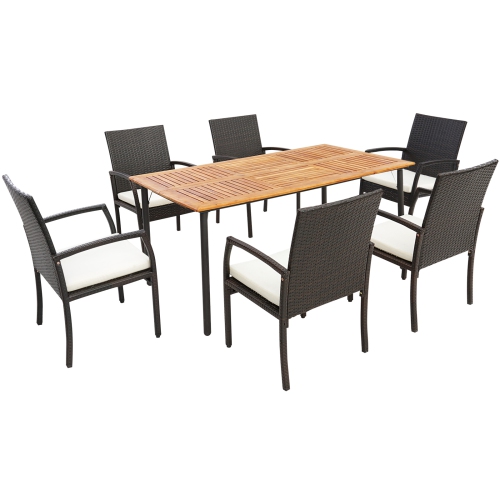
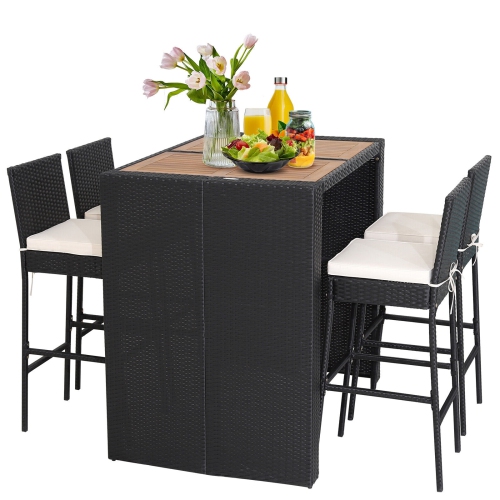

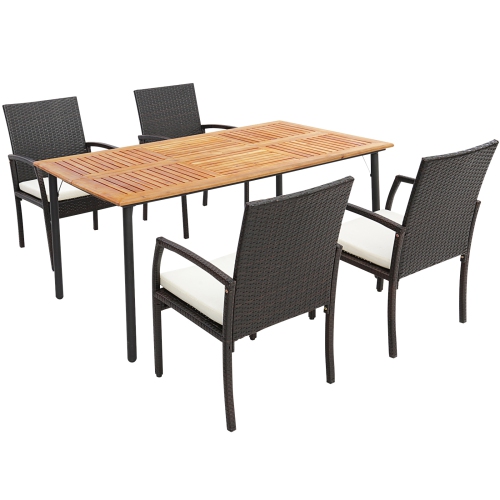

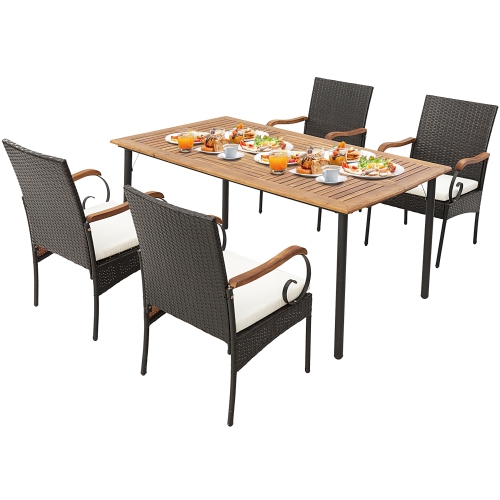

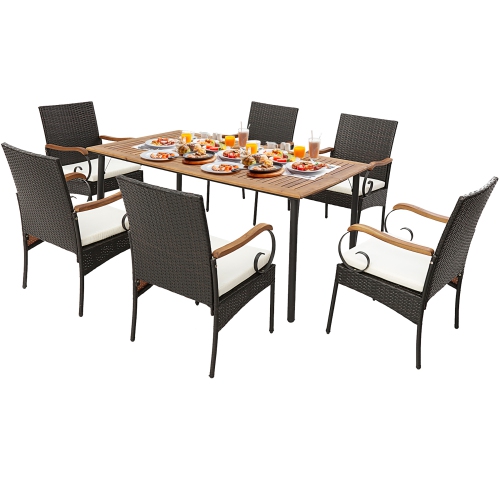
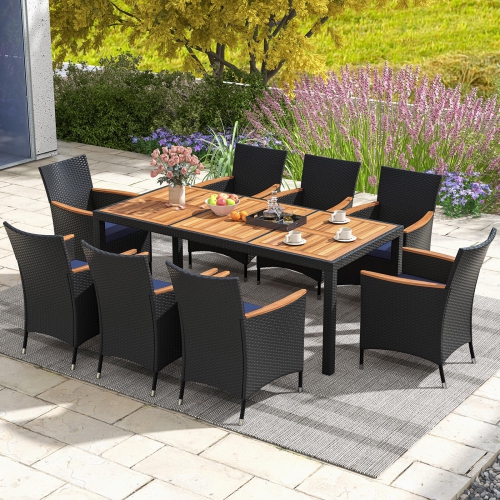
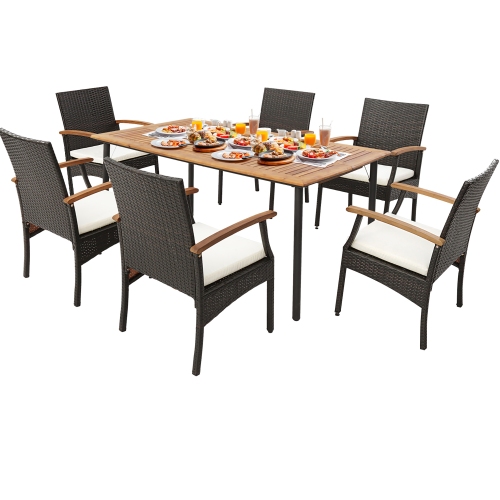

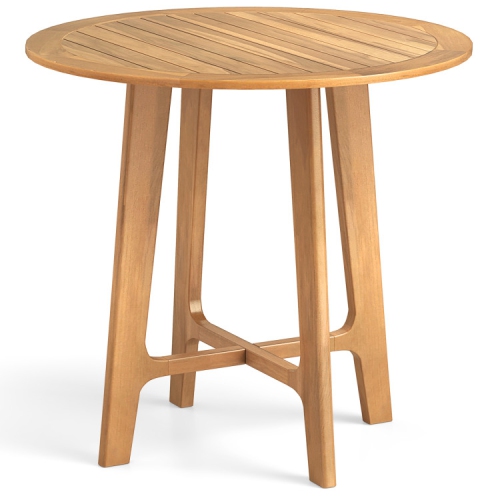
The warmth of wood meets outdoor dining demands
Wood patio dining tables give outdoor meals a comfortable, familiar setting, whether that means breakfast on a small balcony, a family supper on the deck, or a long lunch with friends. Their appeal comes from the grain, colour variation, and texture of real wood: a tabletop can feel relaxed beside woven chairs or more structured when paired with a dark metal base. Outdoor suitability depends on the wood species, construction, finish, and exposure, rather than appearance alone. Teak is valued for its naturally occurring oils and resistance to moisture and decay, although its golden-brown colour typically fades towards silver-grey when left untreated outdoors. Acacia is a dense hardwood with distinctive grain and warm tones; its performance varies with the species and finish, and it benefits from appropriate protection against prolonged moisture and drying. Eucalyptus is another hardwood used in outdoor furniture, generally requiring regular finish maintenance to help limit moisture absorption and surface checking. Cedar is lighter in weight and naturally resistant to decay, but its softer surface can dent more readily than denser hardwoods. No wood is entirely weatherproof or maintenance-free. A table intended for outdoor use should have suitable joinery, exterior-rated finishes where applicable, and hardware that resists corrosion. Solid wood can expand and contract as moisture levels change, so small gaps between tabletop slats often serve a practical purpose by allowing drainage and movement. Closely fitted boards create a different look, but their construction still needs to accommodate that movement. A wood-look surface is not necessarily solid wood, and indoor wood furniture should not be assumed suitable for an uncovered patio. For households that use an outdoor table for meals, board games, and occasional laptop time, a smooth, stable surface is especially useful. Families may appreciate rounded corners and easy-to-wipe finishes, while frequent hosts may prefer a generous tabletop with room for shared dishes without crowding place settings.
The most comfortable size is determined by the space around the table as much as the tabletop itself. A compact round table can make conversation easy on a smaller patio, while a square design works well for a few regular diners in a balanced seating arrangement. Rectangular wood patio dining tables often suit longer decks and larger gatherings, providing a clear centre for serving platters. Oval tops offer similar length with curved ends that may make it easier to move past corners. Within the broader category of Patio Dining Tables, wood brings visible grain and natural colour variation that can complement stone paving, painted railings, and upholstered seating. When considering dimensions, allow roughly 60 cm of tabletop edge per person as a starting point, with more room for wide chairs or relaxed seating. A rectangular table around 180 cm long may accommodate six diners, but leg placement, tabletop depth, and chair width can change the practical seating capacity. Leave enough space to pull chairs out without catching a railing, planter, or doorway; about 90 cm between the table edge and an obstruction is a useful starting point, with additional clearance where people need to walk behind occupied chairs. On a balcony, a full-size paper or cardboard outline can make the footprint easier to judge before committing to a shape. Table height matters, too. Many dining-height tables sit approximately 71 to 76 cm above the ground, but the clearance beneath the apron determines whether chair arms slide underneath comfortably. Trestle and pedestal bases can reduce corner-leg interference, although broad supports may still affect foot room. Extension leaves are useful for households that host occasionally, provided the expanded table still leaves workable circulation space. Benches can tuck away neatly, but diners need enough room to get in and out. If an umbrella is part of the setup, the tabletop opening, pole diameter, and base clearance all need to work together; an umbrella hole alone does not provide secure support.
Care has a direct effect on how a wood patio dining table looks and performs over time. A covered porch generally exposes wood to less direct rain and sunlight than an open deck, but wind-driven moisture and humidity can still reach the surface. Gentle cleaning with a soft cloth or brush and a manufacturer-approved cleaning solution helps remove food residue and dirt without stripping the finish. Where mild soap and water are permitted, the surface should be rinsed gently and allowed to dry fully. Pressure washing, abrasive pads, and harsh cleaners can roughen fibres or damage protective coatings. Spills are best wiped up promptly, particularly wine, oil, and sauces that may leave marks on unfinished or worn areas. Trivets protect against hot serving dishes, while placemats can reduce everyday scuffs; wet mats and tablecloths should not remain against the wood for extended periods. Oiling, staining, and sealing are not interchangeable treatments, and the right approach depends on the species and existing finish. Some tables are designed to develop a weathered patina, while others require a maintained coating to retain their intended protection. Applying a new treatment over an incompatible finish can lead to uneven colour or poor adhesion, so the care directions matter more than a fixed maintenance schedule. A well-fitting, breathable cover helps limit exposure when the table is not in use, provided the wood is dry before covering and air can circulate underneath. Standing water should not be allowed to collect on the cover or around the feet. For freezing conditions or extended periods without use, dry, sheltered storage can reduce repeated soaking and freezing where practical. Folding legs or removable components may simplify storage, but connections should be reassembled and tightened as directed. Occasional checks for loose fasteners, rough edges, and deeper splits help distinguish normal surface ageing from damage that needs attention. With suitable care, a wood table can remain a dependable setting for everyday outdoor meals and unhurried gatherings.
Top selling and popular products
-
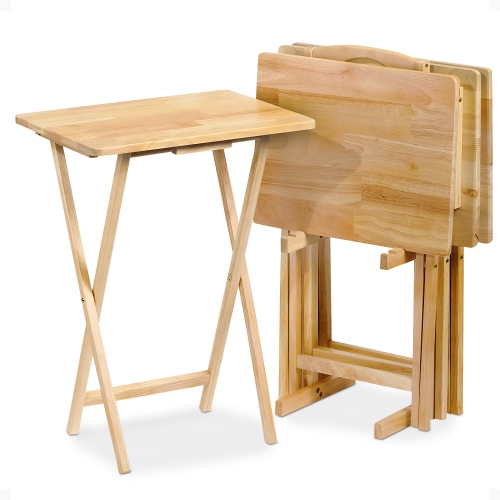 Your price for this item is $172.99
-
 Your price for this item is $121.99
-
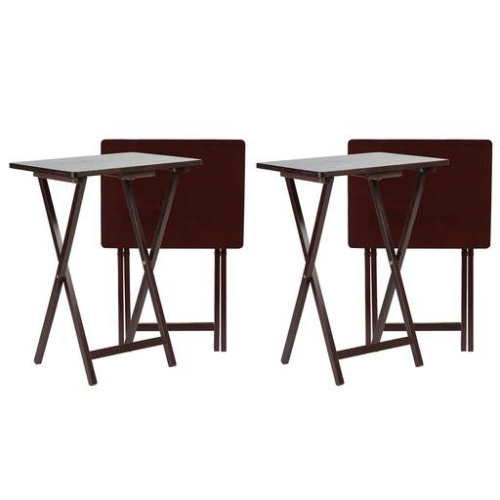 Your price for this item is $224.99
-
 Your price for this item is $149
-
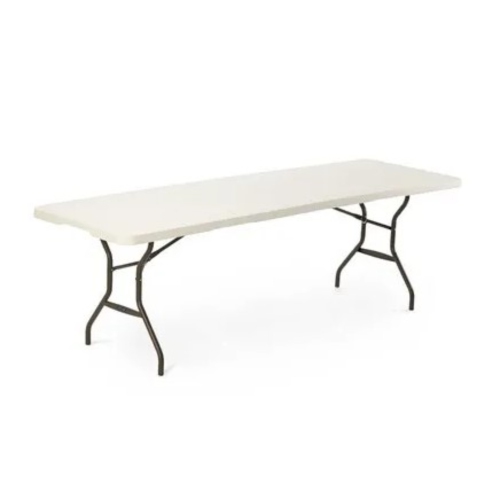 Your price for this item is $279.99
-
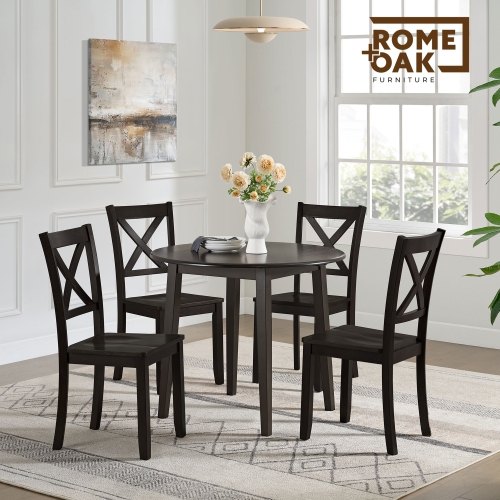 Your price for this item is $386.99
-
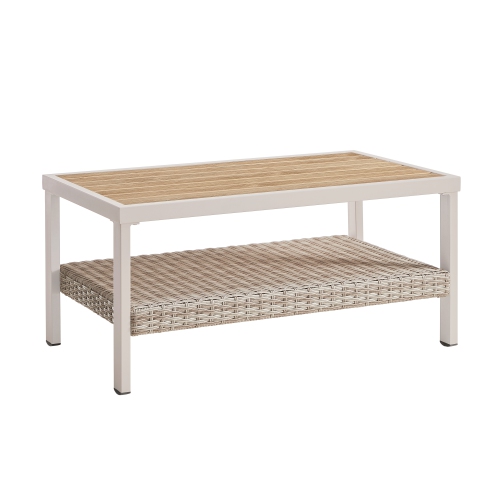 Your price for this item is $499.95
-
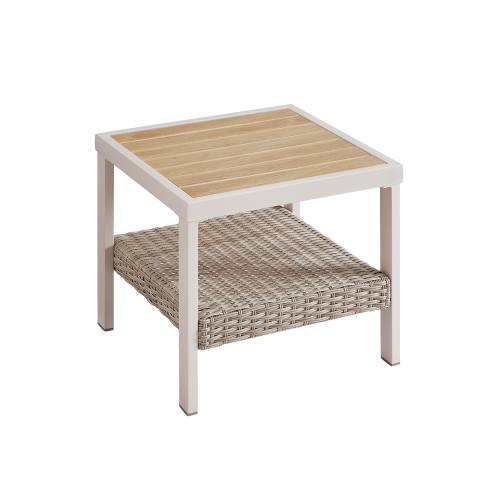 Your price for this item is $379.95
Discover more categories related to Wood Patio Dining Tables
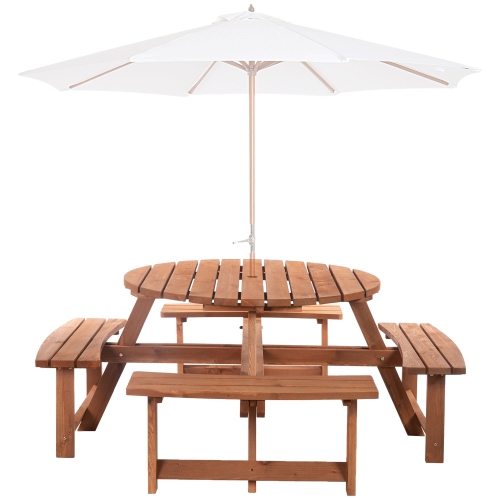
Top Collections:
Best Black Friday Deals This Year, Best Black Friday Deals On Electronics, Kindle Devices, Pokemon Centers, Best Black Friday Deals On Apple Products, Best Cameras for Sports Photography, Dyson Airwrap, Pokémon 30th Celebration Cards, Apple iPhone 17 Pro, Canon G7X Cameras
Some products may be subject to Environmental Handling Fees
(EHF) depending on your province.
Learn more about EHFs.