Wood Planters
Transform your outdoor or indoor spaces into lush, green havens with our selection of wood planters. Perfect for adding a touch of nature to any setting, these planters are designed to complement a variety of styles, from rustic charm to modern elegance. Whether you're looking to create a cozy balcony garden or accentuate your patio with vibrant blooms, wood planters offer the versatility and aesthetic appeal you need. Explore our collection and discover the ideal planter to showcase your favorite plants while enhancing your décor.
Sort
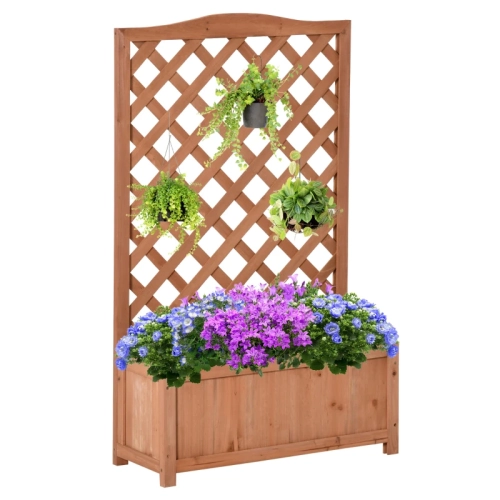
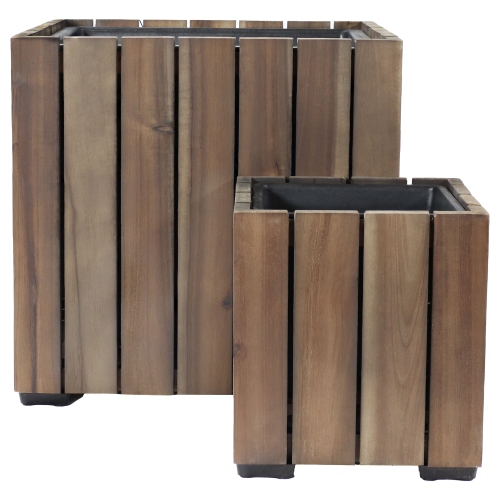
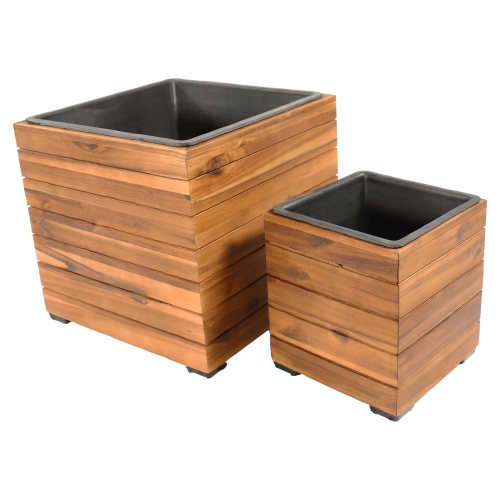
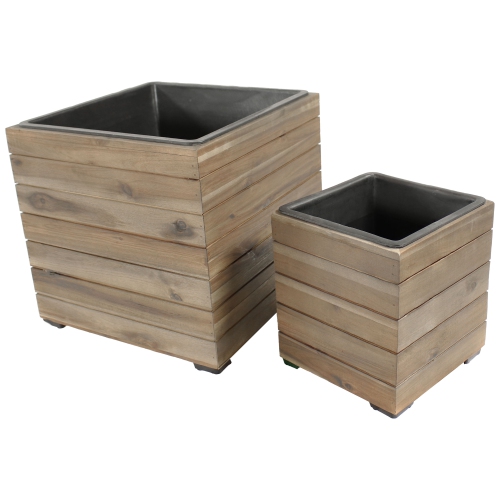
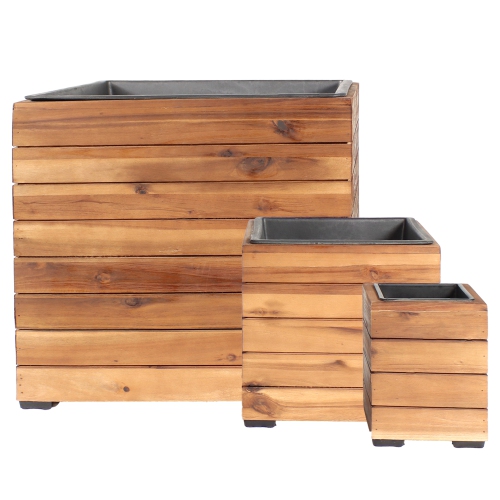
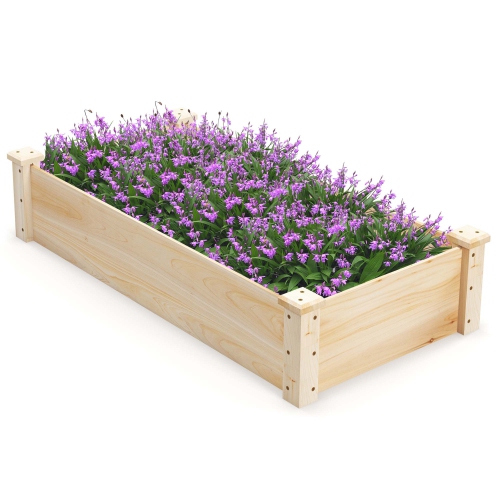
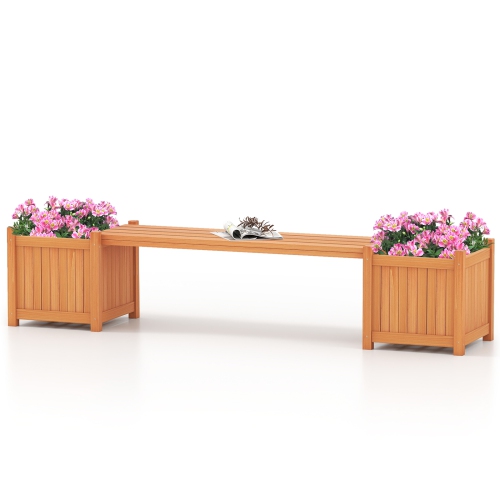
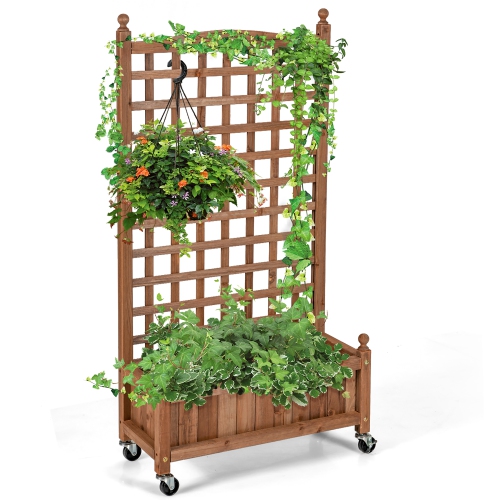

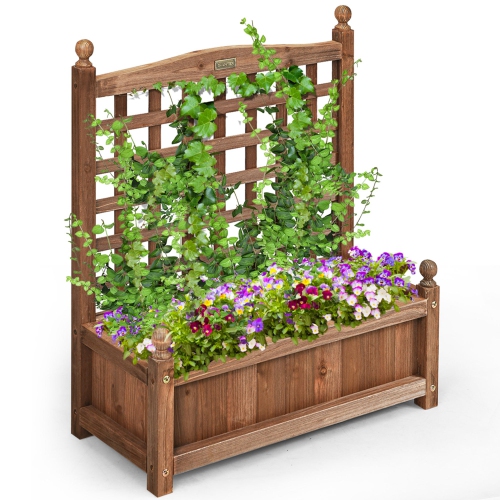

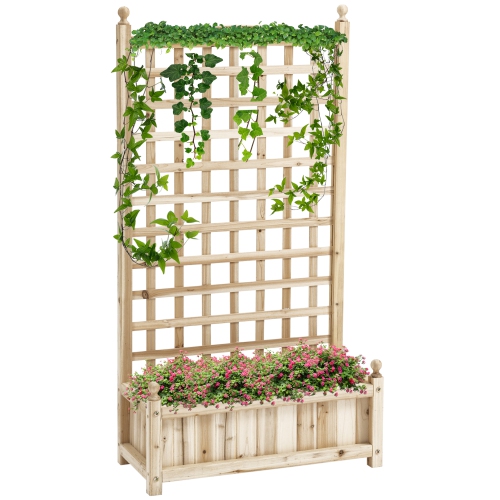
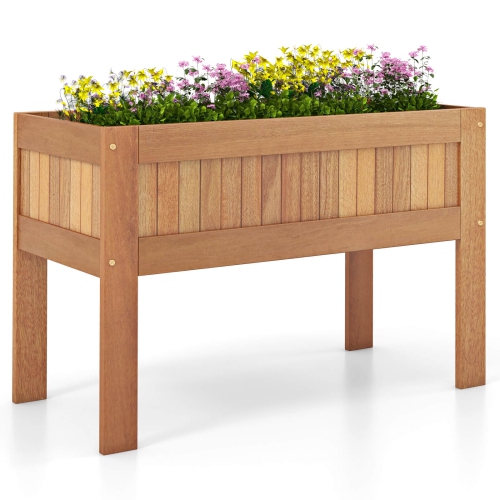
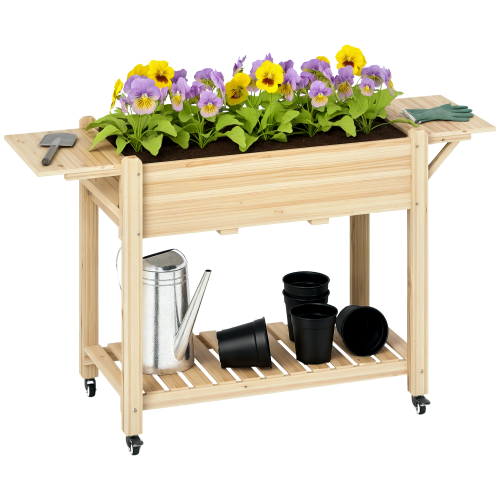
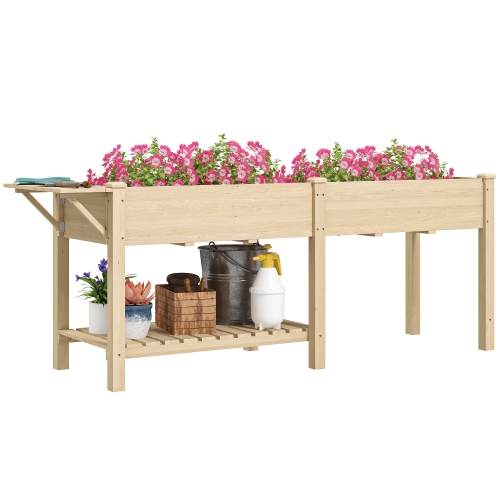
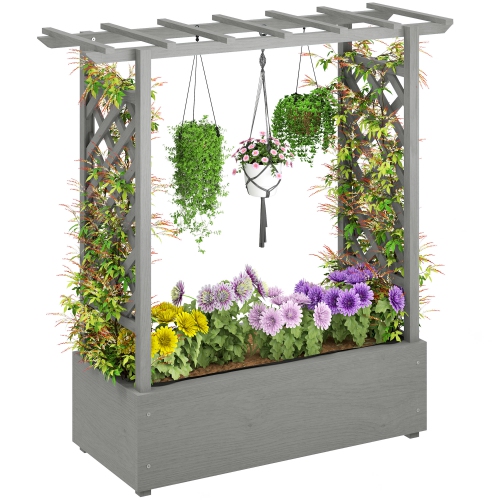
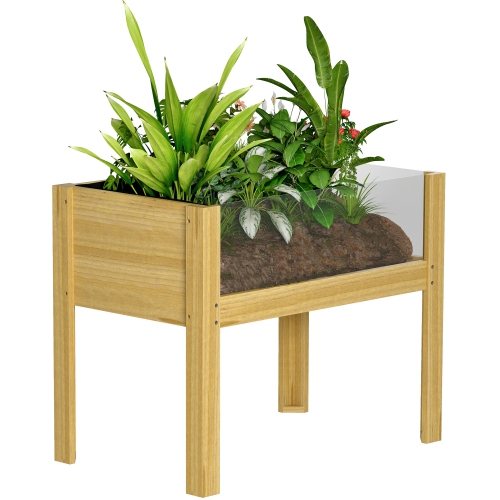
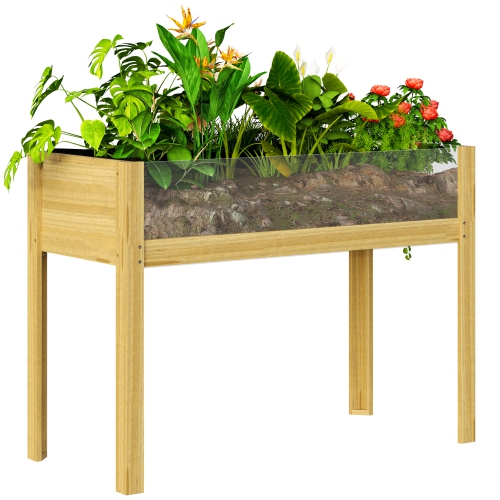
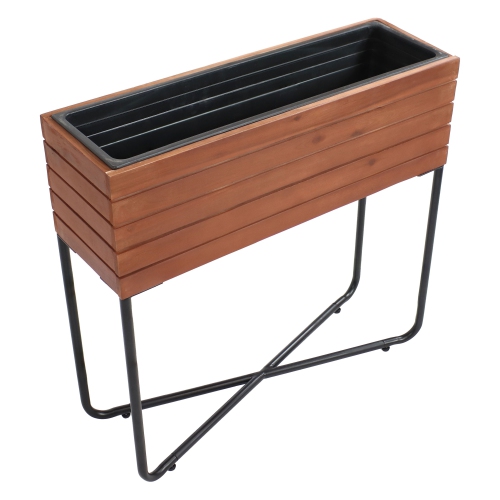
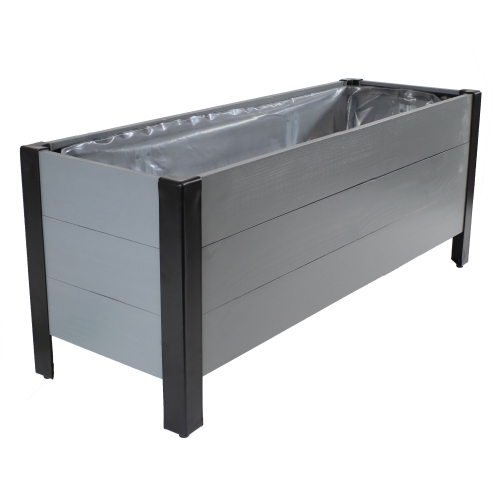
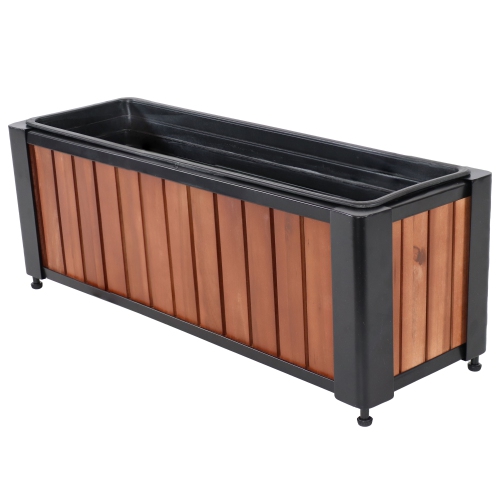
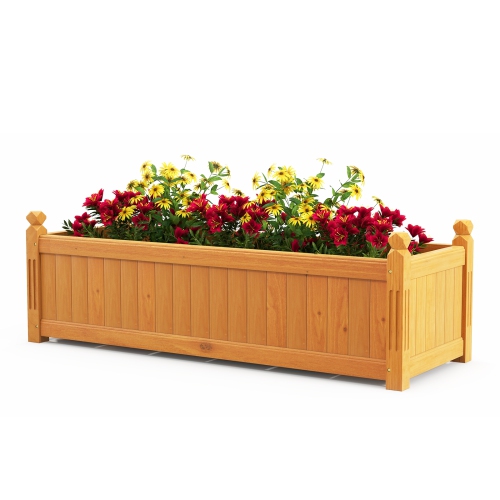
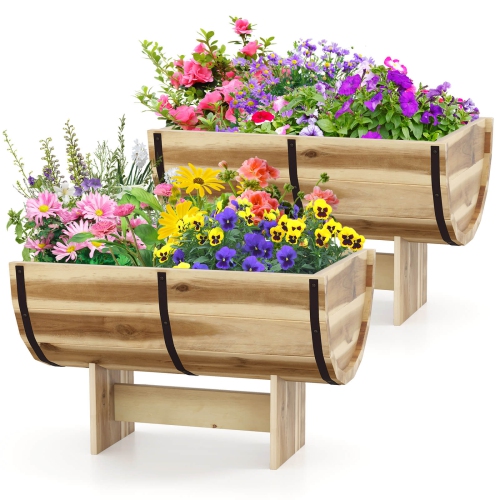
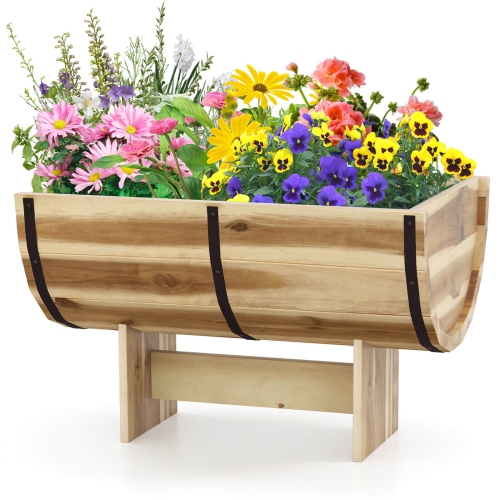
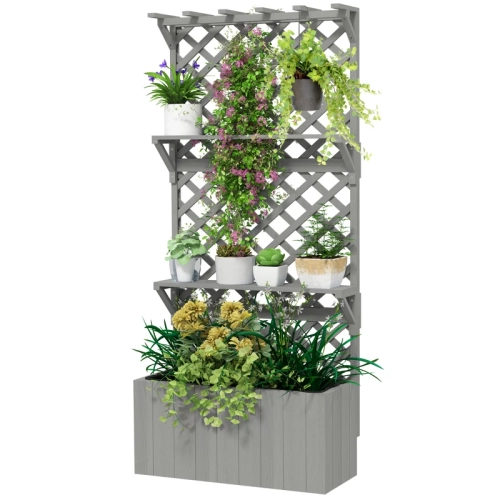
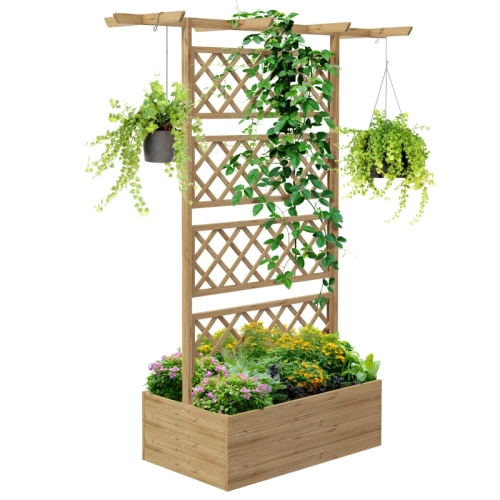
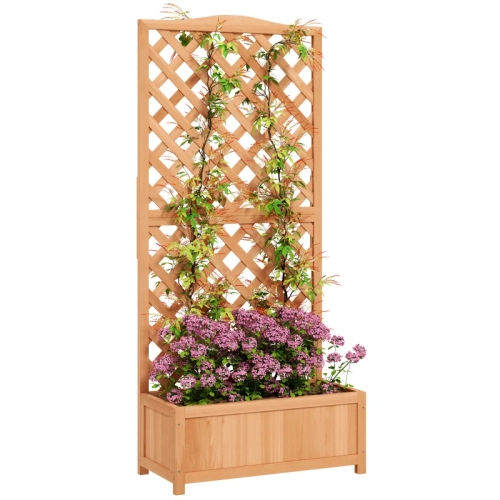
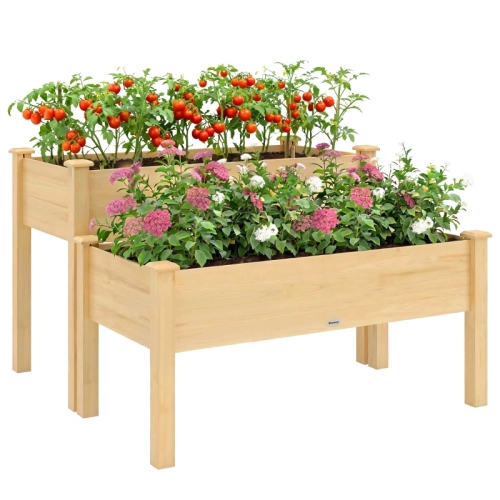
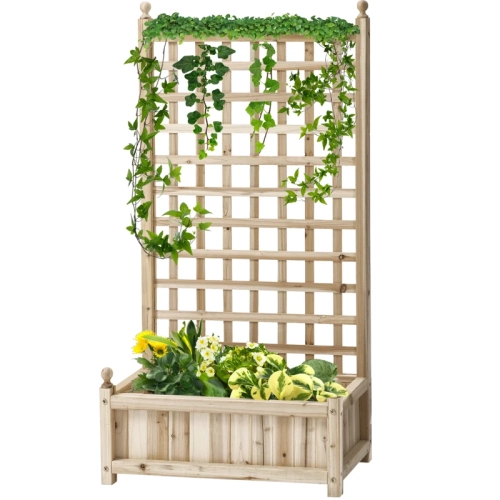
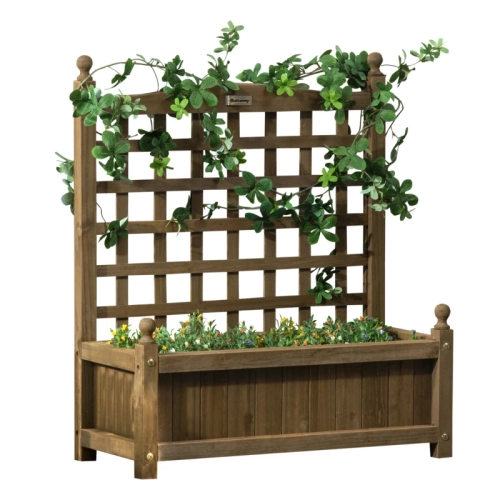
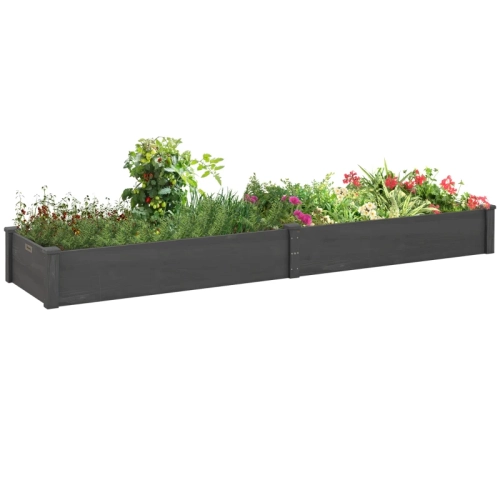
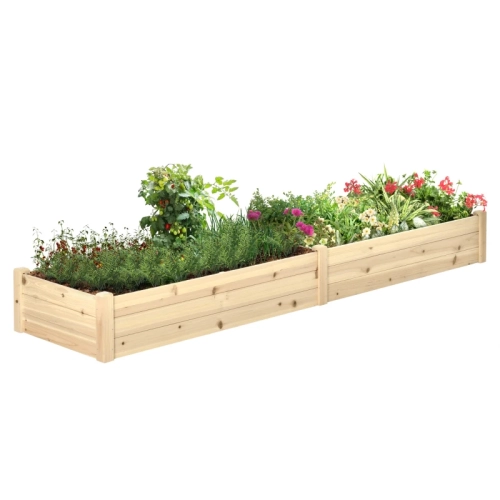
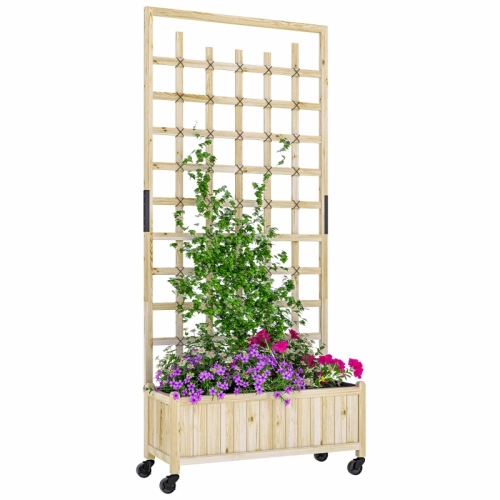
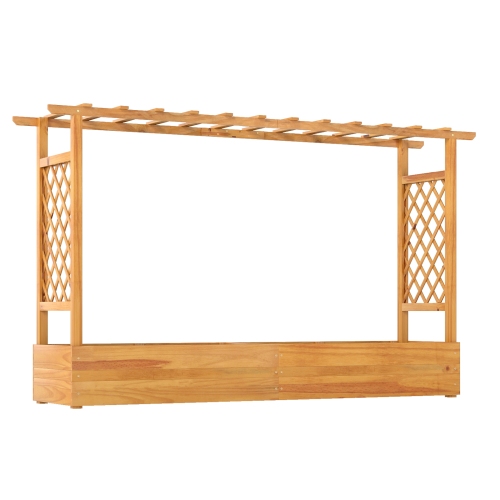
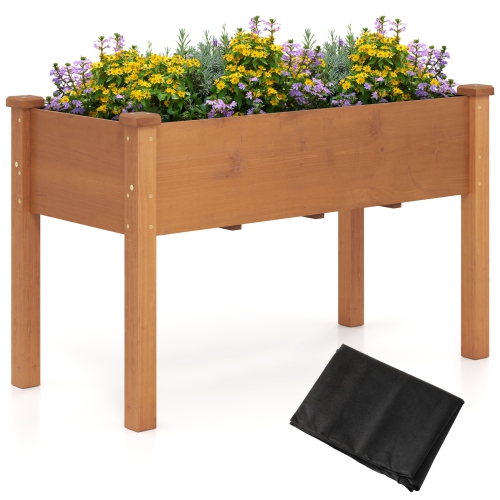
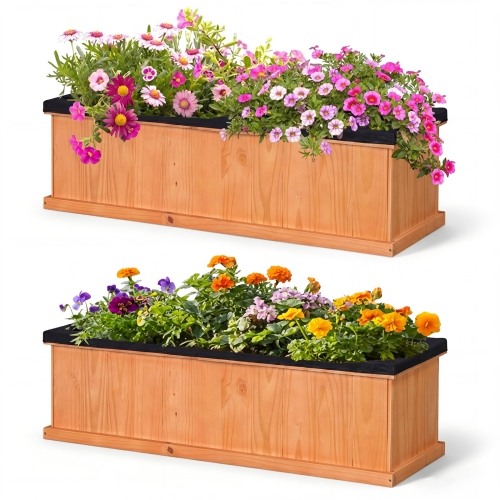
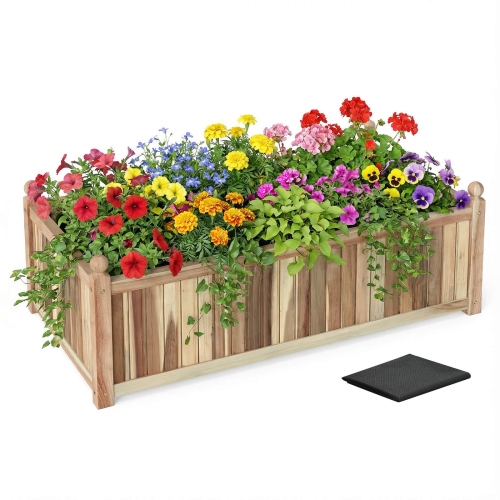
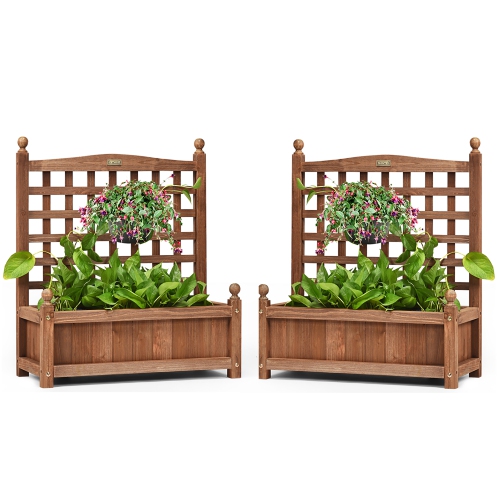
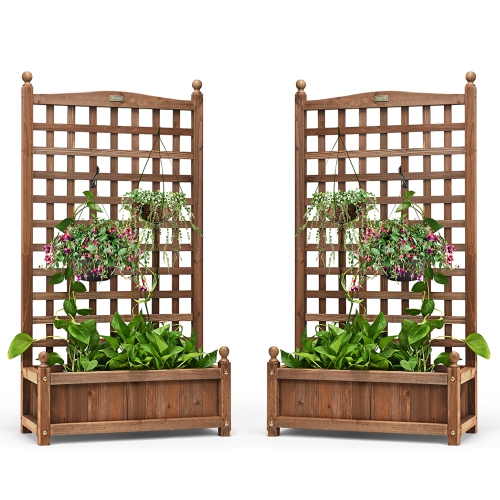
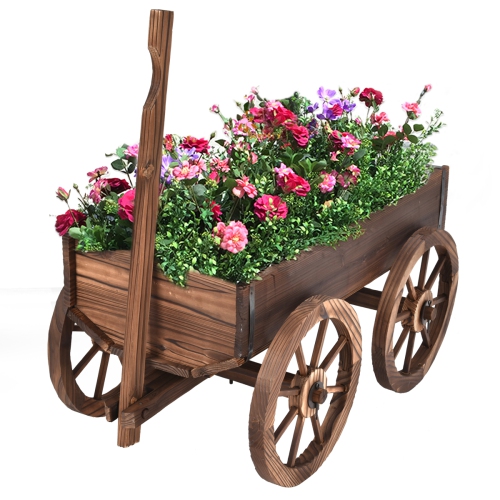
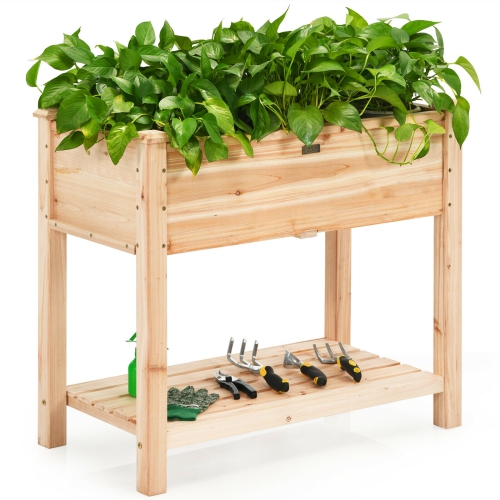
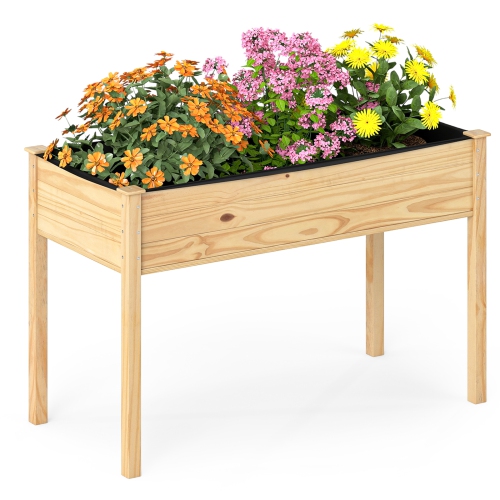
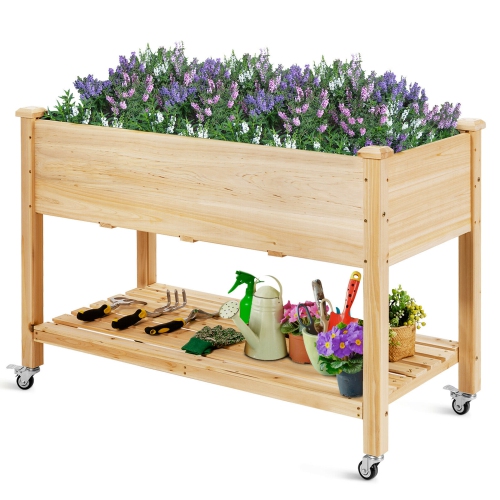


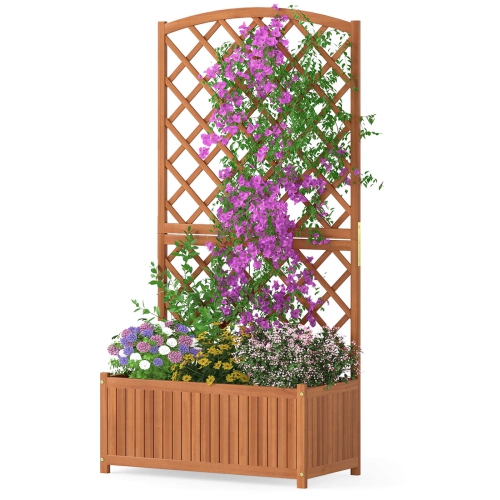
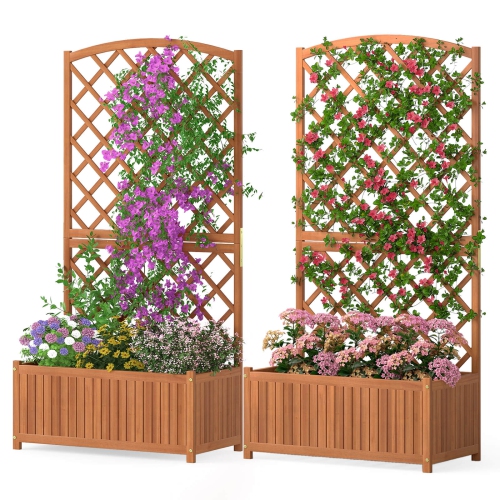
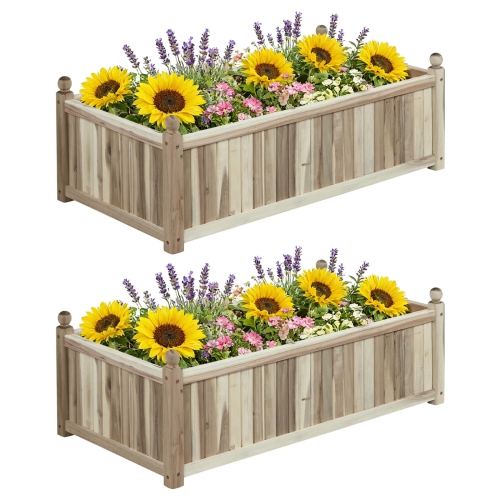
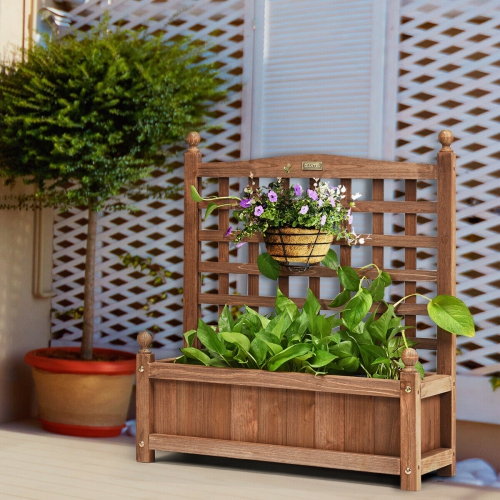
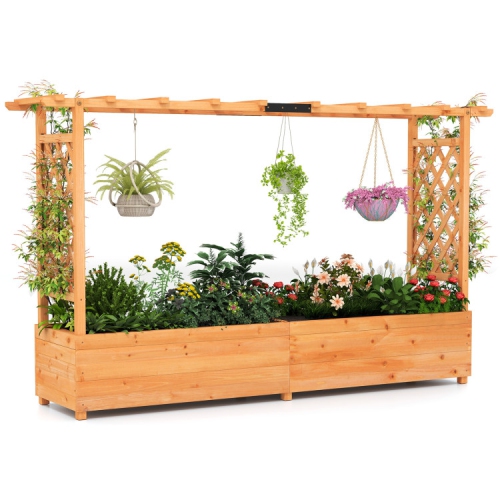
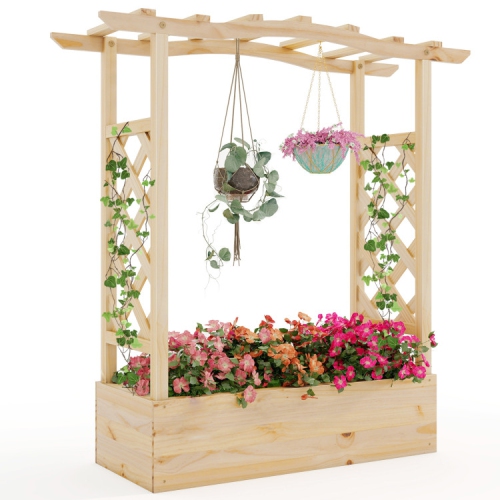
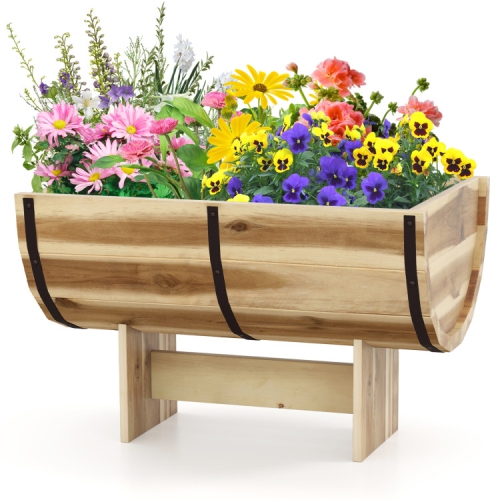
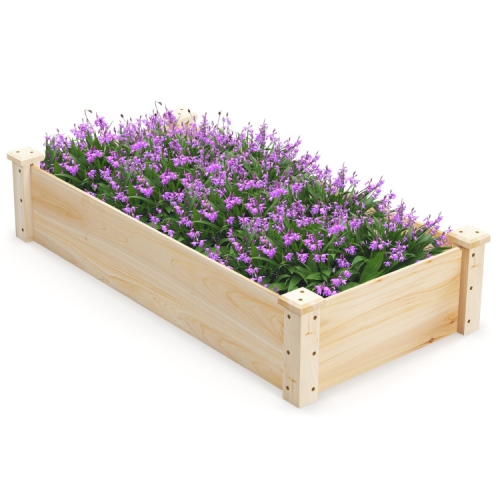
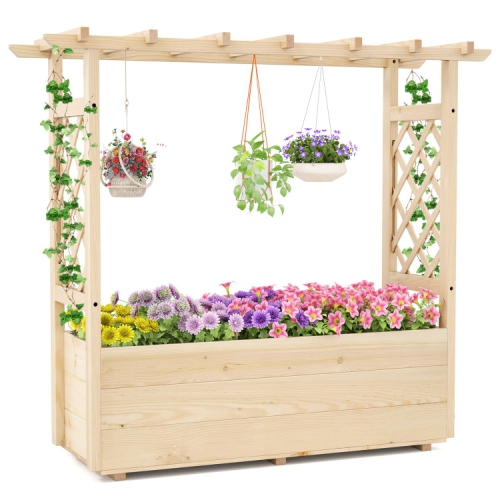
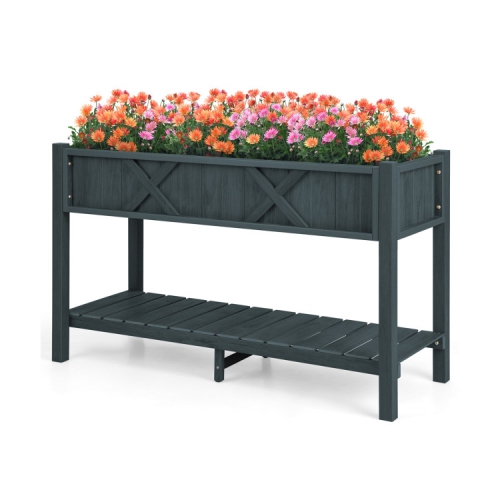
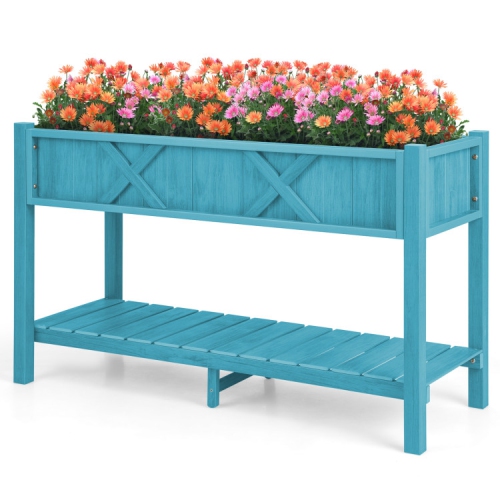
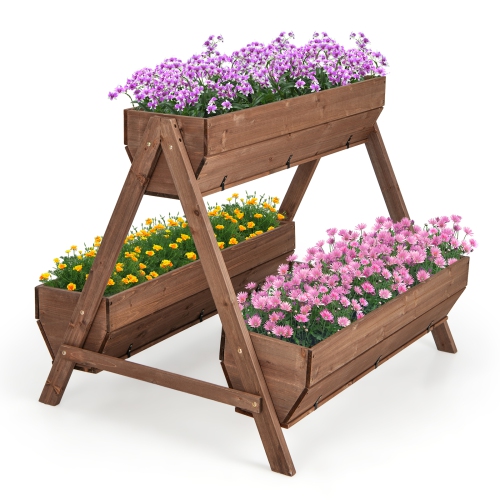
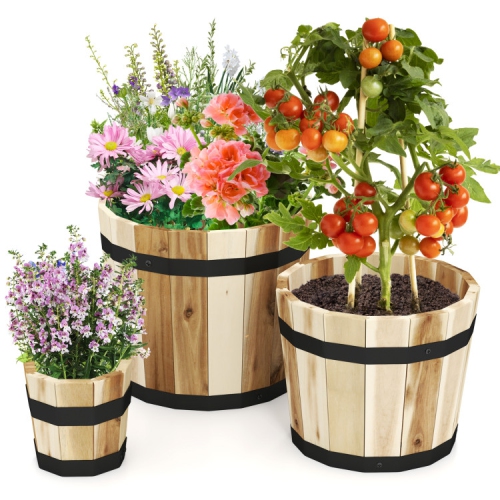
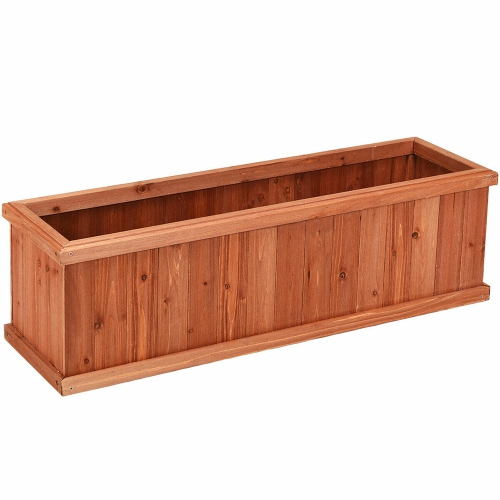
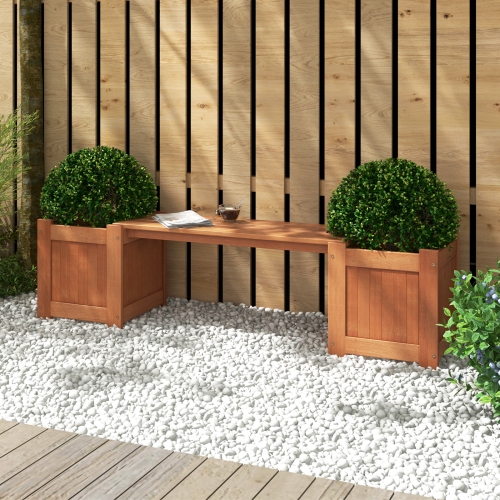
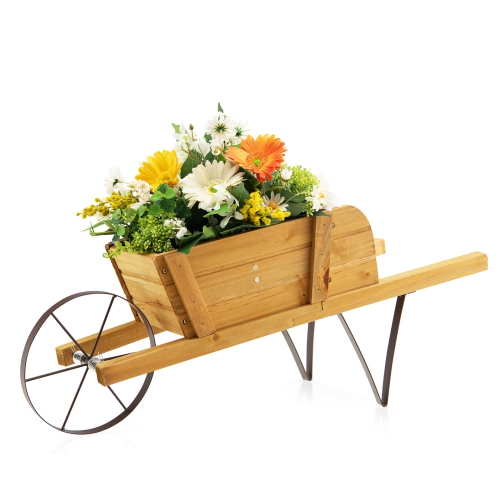
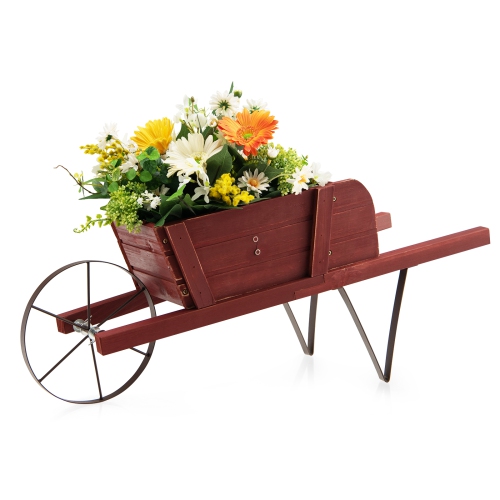
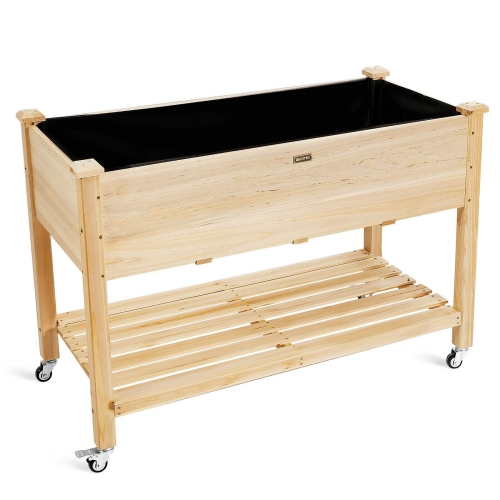
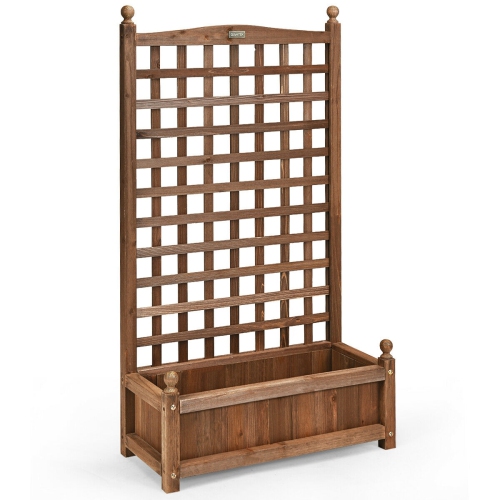
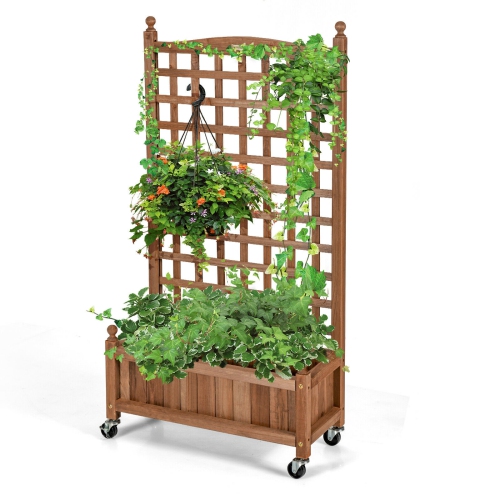
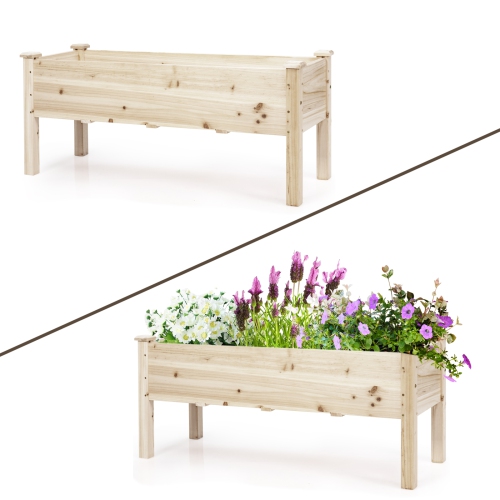
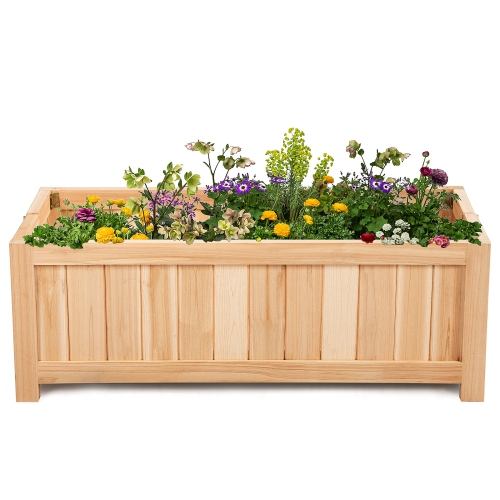
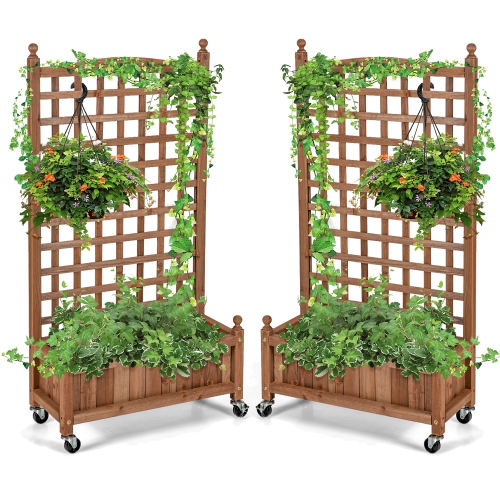
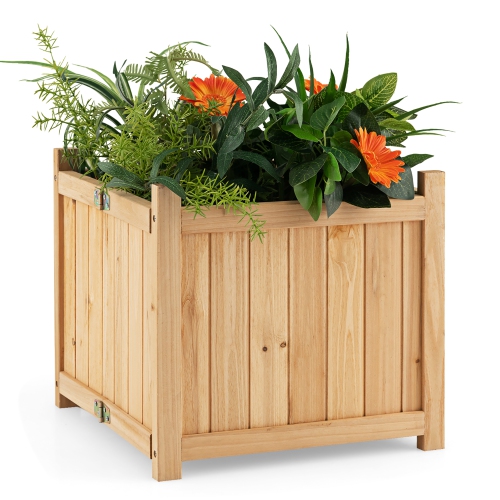
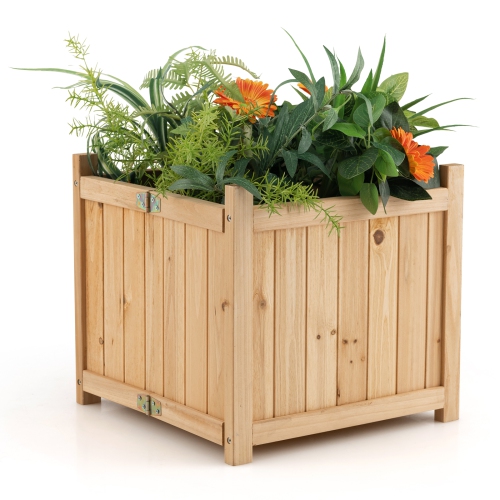
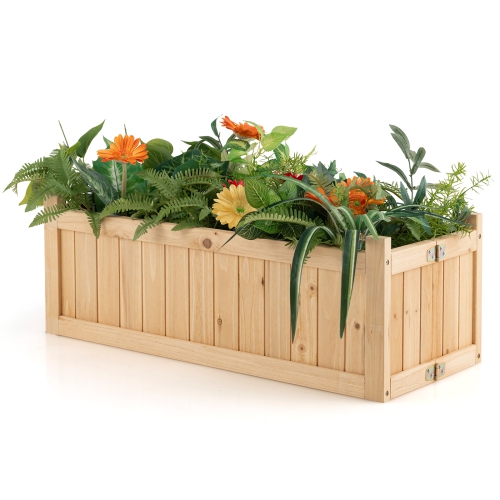
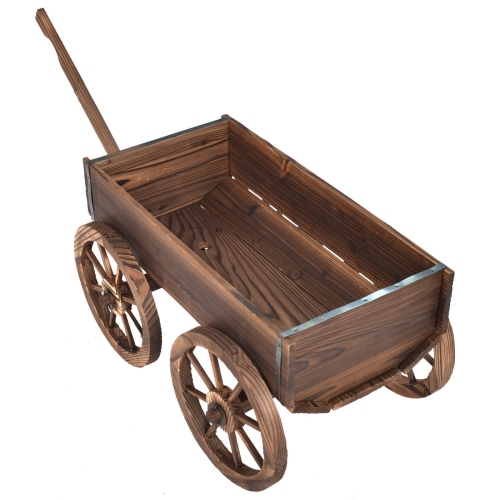
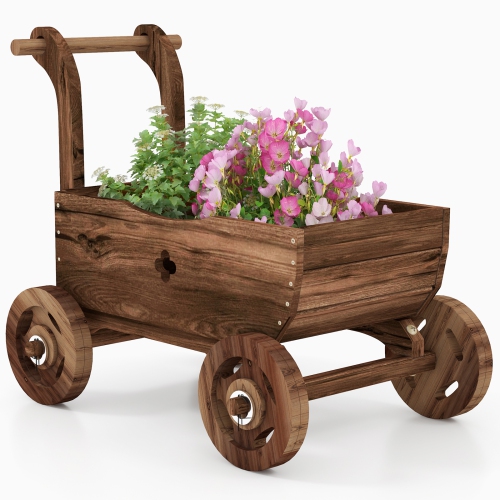

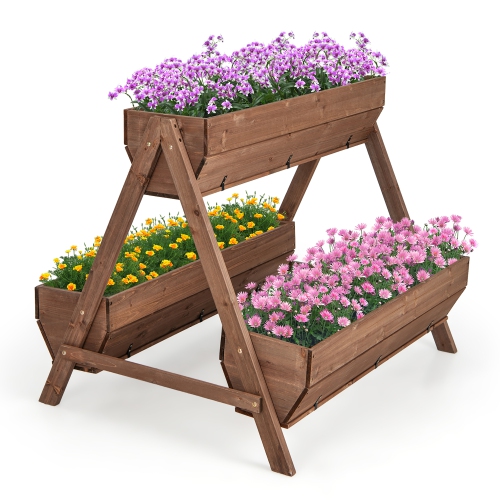
Warm, versatile ways to display plants indoors and out
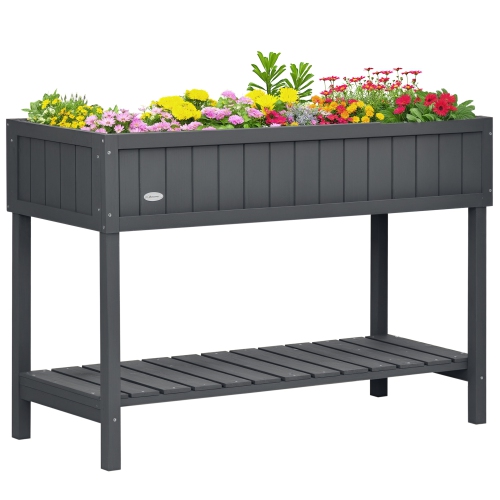
Wood planters bring warmth, texture, and a more finished look to spaces that might otherwise feel a little bare. Their natural grain can soften the appearance of a balcony, patio, porch, entryway, deck, or sunroom, while their structure makes it easier to create an intentional arrangement of flowers, herbs, greenery, or small ornamental plants. A wooden planter can be used to frame a doorway, define the edge of an outdoor seating area, add height to a garden display, or bring a touch of the outdoors inside. They are also useful for renters and apartment dwellers who want to garden without committing to a permanent garden bed. During the warmer part of the year, a planter filled with colourful blooms can make a small outdoor space feel inviting; as the weather cools, it can be refreshed with leafy plants, ornamental grasses, or arrangements that complement the changing surroundings. Indoors, a well-placed planter can add character to a bright kitchen, home office, hallway, or living room, although it is important to choose plants and containers suited to the available light and room conditions. Wood planters can make thoughtful gifts for new homeowners, enthusiastic gardeners, hosts, or anyone who enjoys adding personal touches to their home. They are especially appealing when paired with gardening gloves, hand tools, seeds, or a favourite plant, creating a practical gift that can become part of someone’s daily routine.
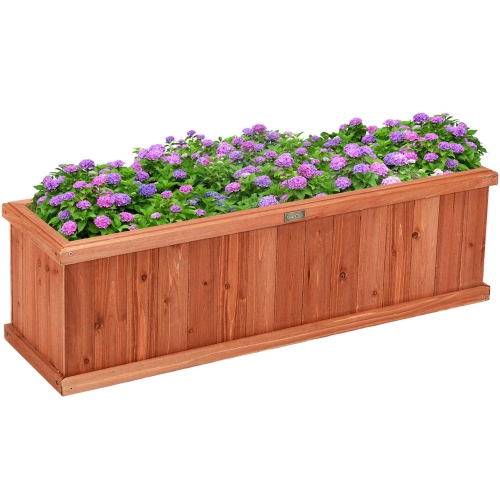
When choosing a wood planter, start by considering where it will be used and how much room is available. Measure the intended area carefully, including the space needed to walk around it, open a door, move outdoor furniture, or tend to the plants comfortably. A narrow planter can work well along a railing or beside a doorway, while a wider design may be better suited to a deck or spacious patio where it can serve as a focal point. Height also matters: raised planters can make planting and watering easier, reduce the need to bend, and help bring greenery closer to eye level, while lower containers can sit neatly on steps, tables, shelves, or windowsills. Think about the mature size of the plants as well as their appearance when first planted. A container that looks roomy at the garden centre may feel crowded once roots develop and foliage spreads. Drainage is another important consideration. Look for a design with drainage holes or room for a suitable liner, and use a potting mix intended for containers rather than ordinary garden soil, which can become heavy and compacted. A saucer, tray, or waterproof barrier can help protect indoor surfaces, balconies, and finished flooring from moisture. If the planter will remain outside, check how its construction and finish are intended to handle exposure to rain, sunlight, and changing temperatures. Placing it on feet or a raised base can improve airflow underneath and help prevent water from collecting beneath the container. The type of wood, joinery, interior lining, and surface finish can all affect the planter’s appearance and care requirements, so it is worth reviewing the product details before making a selection. For a coordinated display, consider using planters in complementary shapes or sizes, but vary the heights and plant textures so the arrangement feels layered rather than repetitive. Those looking for a longer, streamlined container for a railing, walkway, or patio edge can also explore Wood Rectangular Planters.
The plants placed inside a wood planter should suit both the container and the amount of attention available. Herbs such as basil, parsley, mint, and rosemary are convenient for kitchens and sunny balconies, while leafy houseplants can bring a relaxed, natural feeling to rooms with bright indirect light. For outdoor displays, combine plants with similar watering and light needs to make care simpler. A mix of upright plants, trailing foliage, and low-growing flowers can create the full, dimensional effect often seen in larger gardens, even when working with a modest footprint. Leave enough space between plants for air circulation and remember that foliage may expand considerably as it grows. Water slowly until moisture reaches the lower part of the container, then allow excess water to drain rather than letting the roots sit in a puddle. During the cooler months, growth may slow and watering needs may change, particularly indoors where heating can dry the air while plants receive less light. Move containers away from strong drafts, heaters, and areas where freezing temperatures could damage the planter or its contents. If a planter is being used outside, choose a location that matches its weight and stability, especially on elevated balconies or exposed decks where wind can be a concern. A simple arrangement of two or three wood planters can make an entry feel welcoming, while a single large container can anchor a quiet corner beside a chair or outdoor table. With thoughtful sizing, suitable drainage, and plants selected for the setting, wood planters offer a versatile way to shape a space and enjoy a little greenery through changing seasons.
When choosing a wood planter, start by considering where it will be used and how much room is available. Measure the intended area carefully, including the space needed to walk around it, open a door, move outdoor furniture, or tend to the plants comfortably. A narrow planter can work well along a railing or beside a doorway, while a wider design may be better suited to a deck or spacious patio where it can serve as a focal point. Height also matters: raised planters can make planting and watering easier, reduce the need to bend, and help bring greenery closer to eye level, while lower containers can sit neatly on steps, tables, shelves, or windowsills. Think about the mature size of the plants as well as their appearance when first planted. A container that looks roomy at the garden centre may feel crowded once roots develop and foliage spreads. Drainage is another important consideration. Look for a design with drainage holes or room for a suitable liner, and use a potting mix intended for containers rather than ordinary garden soil, which can become heavy and compacted. A saucer, tray, or waterproof barrier can help protect indoor surfaces, balconies, and finished flooring from moisture. If the planter will remain outside, check how its construction and finish are intended to handle exposure to rain, sunlight, and changing temperatures. Placing it on feet or a raised base can improve airflow underneath and help prevent water from collecting beneath the container. The type of wood, joinery, interior lining, and surface finish can all affect the planter’s appearance and care requirements, so it is worth reviewing the product details before making a selection. For a coordinated display, consider using planters in complementary shapes or sizes, but vary the heights and plant textures so the arrangement feels layered rather than repetitive. Those looking for a longer, streamlined container for a railing, walkway, or patio edge can also explore Wood Rectangular Planters.
The plants placed inside a wood planter should suit both the container and the amount of attention available. Herbs such as basil, parsley, mint, and rosemary are convenient for kitchens and sunny balconies, while leafy houseplants can bring a relaxed, natural feeling to rooms with bright indirect light. For outdoor displays, combine plants with similar watering and light needs to make care simpler. A mix of upright plants, trailing foliage, and low-growing flowers can create the full, dimensional effect often seen in larger gardens, even when working with a modest footprint. Leave enough space between plants for air circulation and remember that foliage may expand considerably as it grows. Water slowly until moisture reaches the lower part of the container, then allow excess water to drain rather than letting the roots sit in a puddle. During the cooler months, growth may slow and watering needs may change, particularly indoors where heating can dry the air while plants receive less light. Move containers away from strong drafts, heaters, and areas where freezing temperatures could damage the planter or its contents. If a planter is being used outside, choose a location that matches its weight and stability, especially on elevated balconies or exposed decks where wind can be a concern. A simple arrangement of two or three wood planters can make an entry feel welcoming, while a single large container can anchor a quiet corner beside a chair or outdoor table. With thoughtful sizing, suitable drainage, and plants selected for the setting, wood planters offer a versatile way to shape a space and enjoy a little greenery through changing seasons.
Top selling and popular products
-
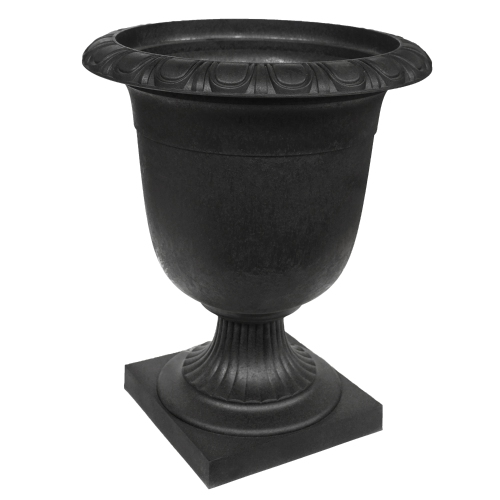 Your price for this item is $69.99
 -
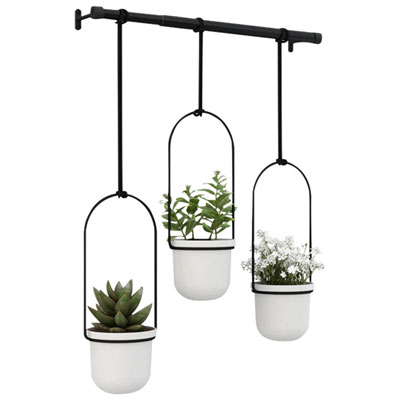 Your price for this item is $54.98
 -
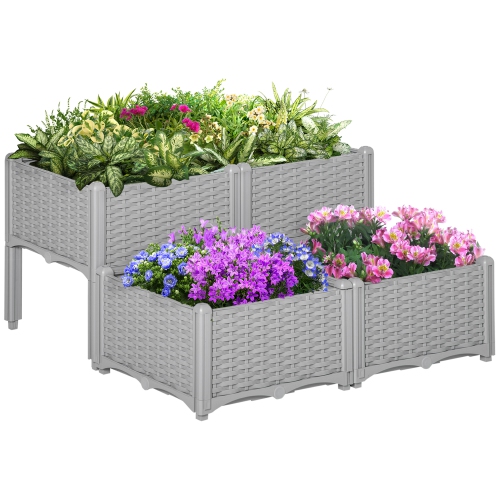 Your price for this item is $89.99
 -
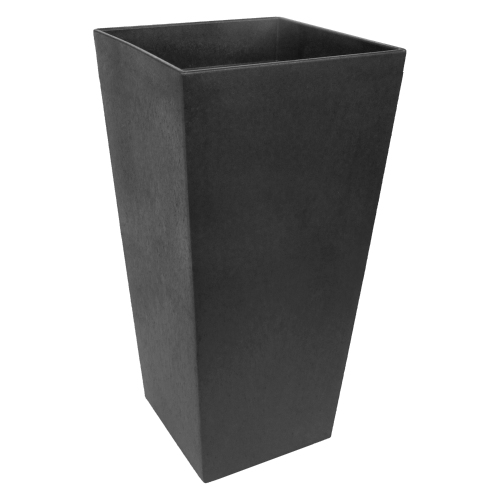 Your price for this item is $79.99
 -
 Your price for this item is $104.99
 -
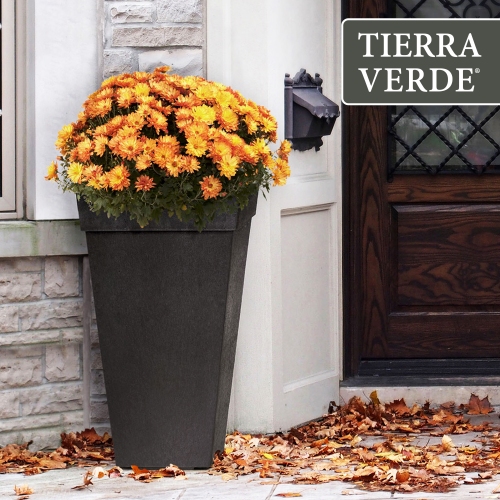 Your price for this item is $141.99
 -
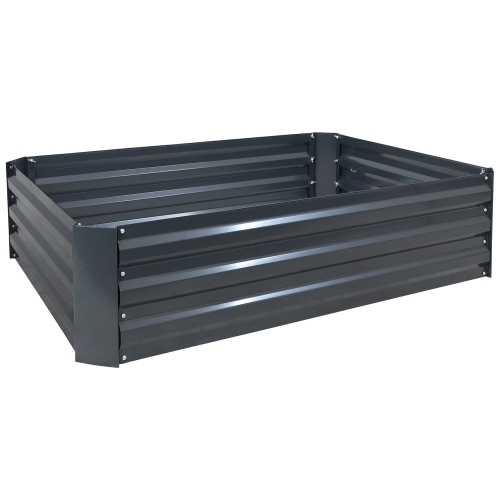 Your price for this item is $117.75
 -
 Your price for this item is $117.75
Discover more categories related to Wood Planters
Top Collections:
Pokemon Centers, Kindle Devices, Best Budget Office Chairs, Apple iPhones 16, Best Laptops for Writers, iPhone 15 Apple, Canon G7X Cameras, Refurbished Apple Laptops, Alarm Clock, Motorola Razr Phones
Some products may be subject to Environmental Handling Fees
(EHF) depending on your province.
Learn more about EHFs.