Wood Side Tables With Drawer
A wooden side table with a drawer is a great way to add storage space to your room without taking up too much floor space. These drawers can hold your remotes, magazines, and other items that you want out of sight. The table itself can be used as a surface for your laptop or tablet, or as an extra place to set down your drink while you work on your computer. Here are some of our favorites.
Sort
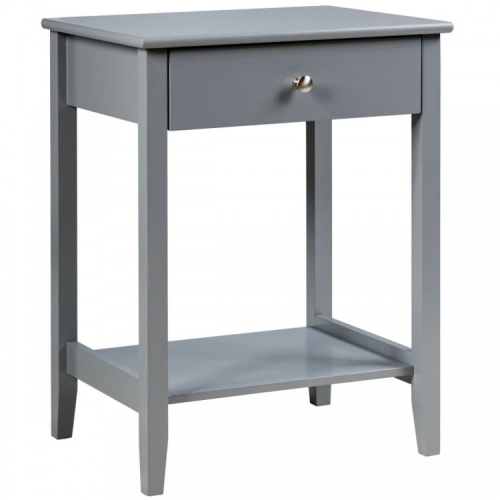


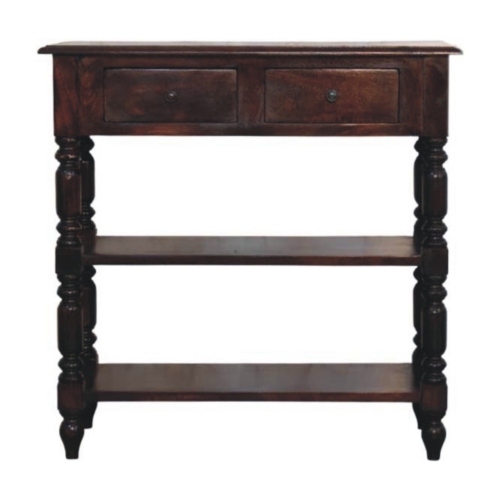
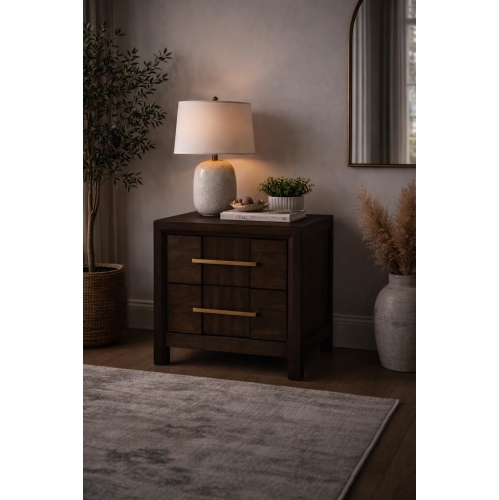
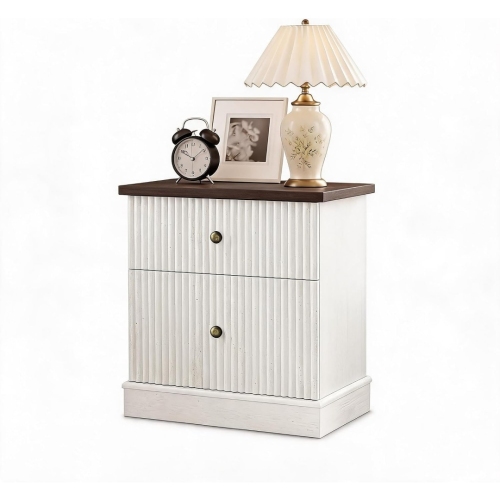
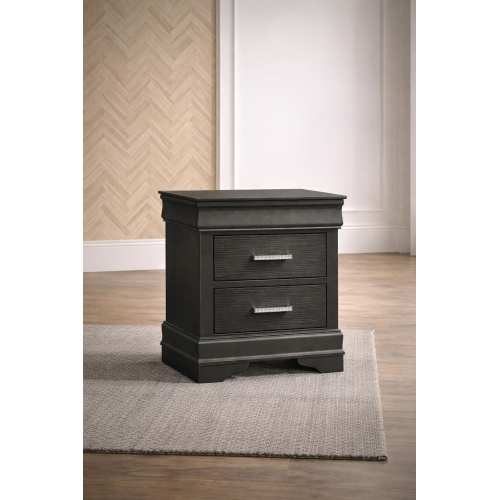

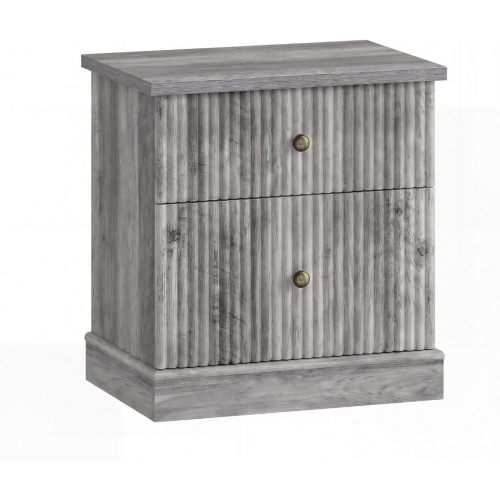

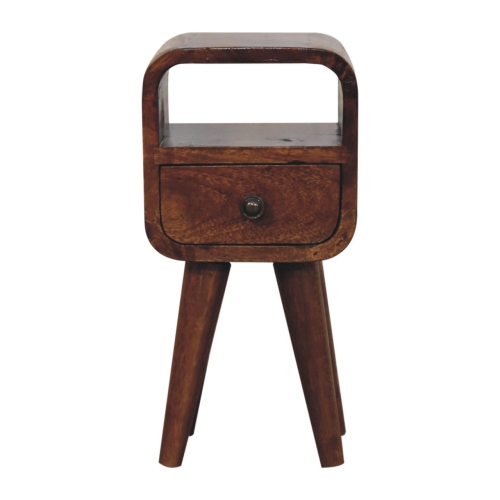

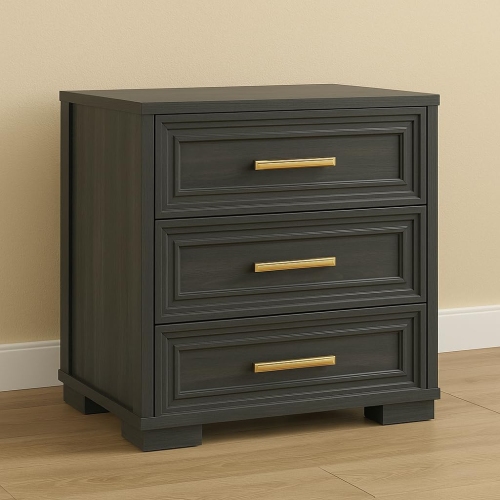


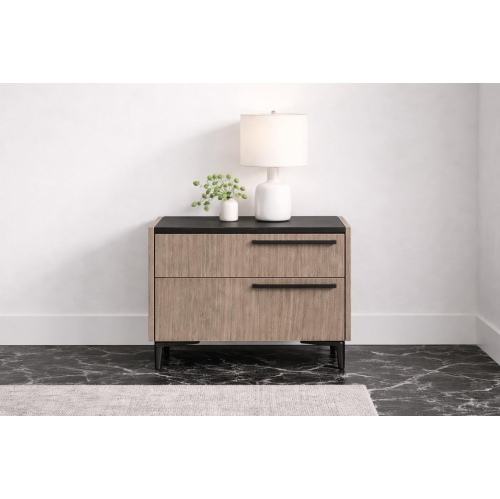
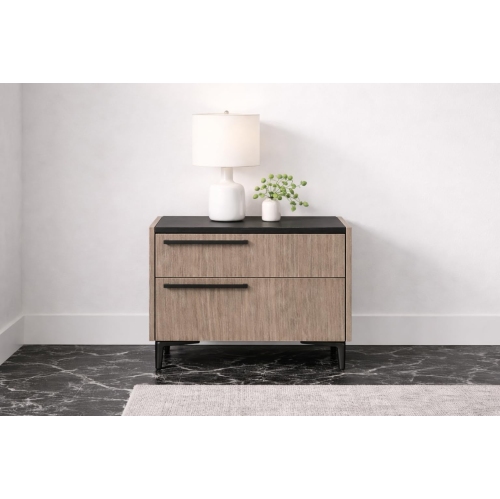
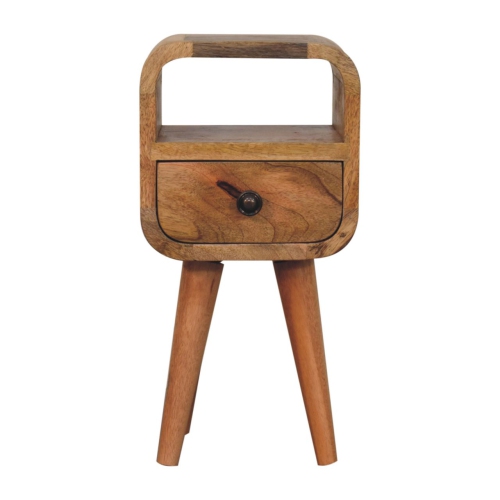


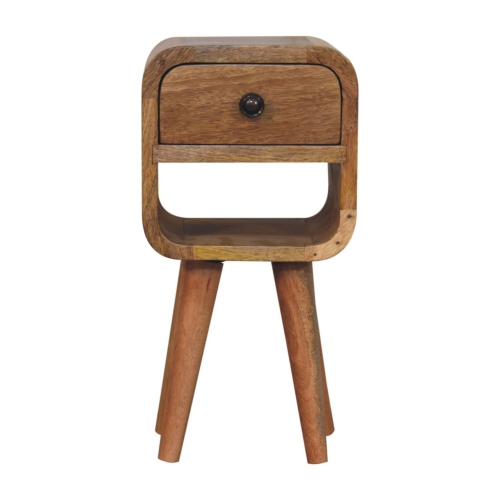


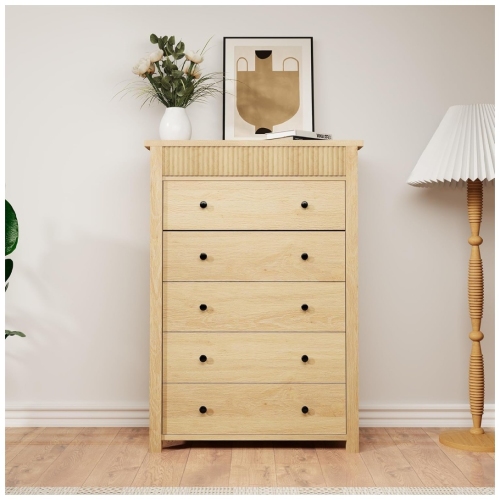
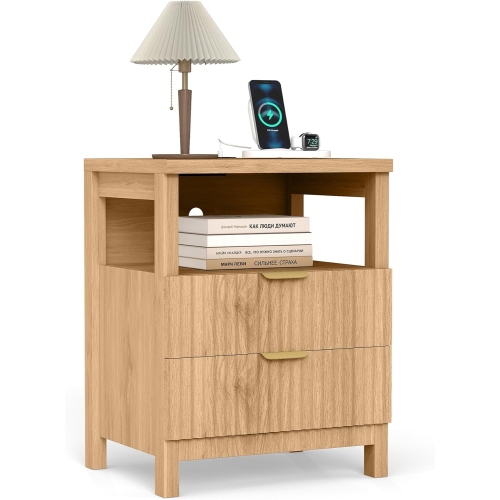

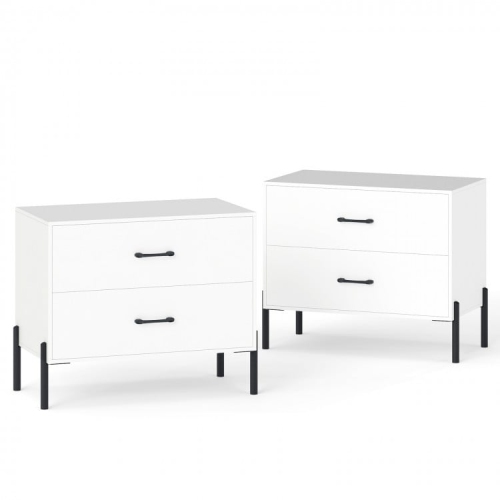
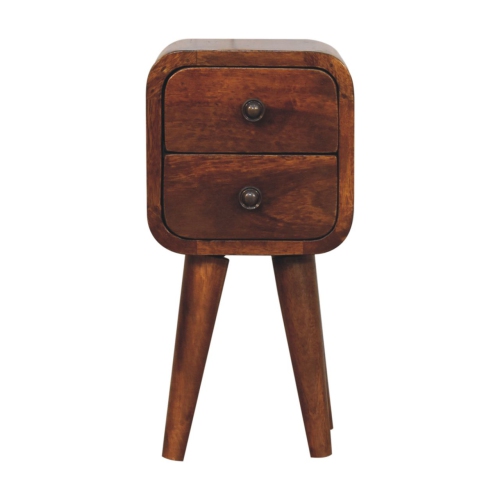
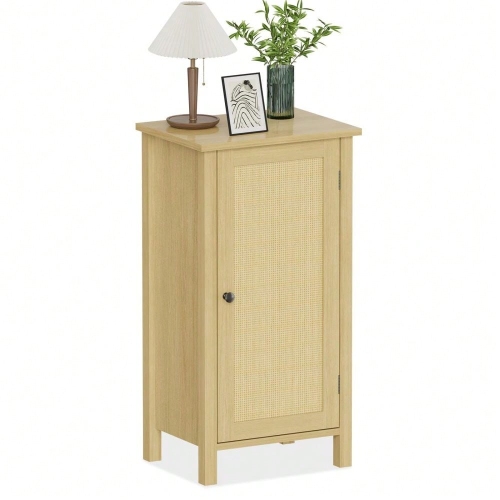

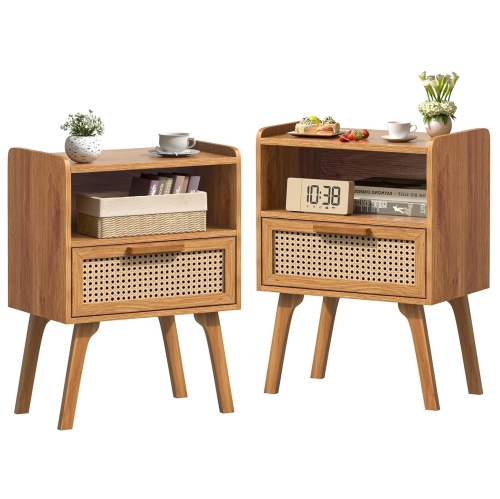

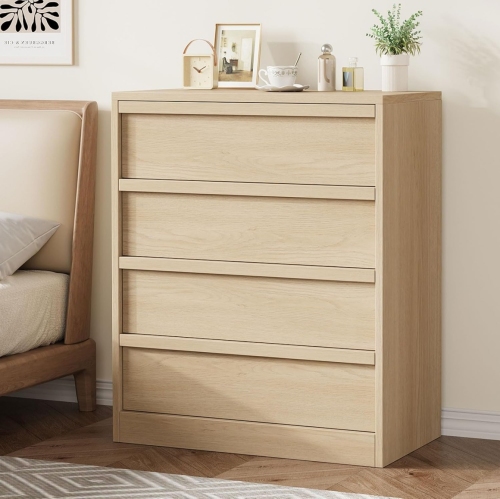


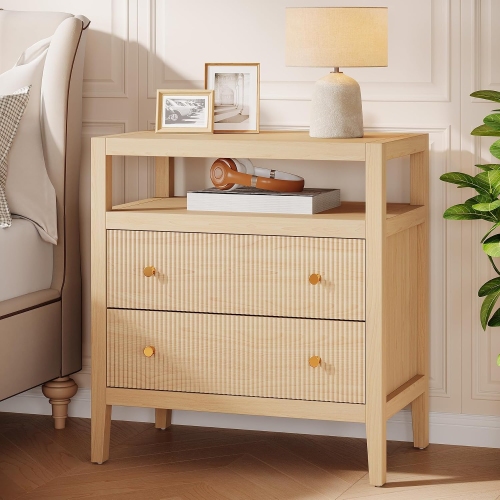
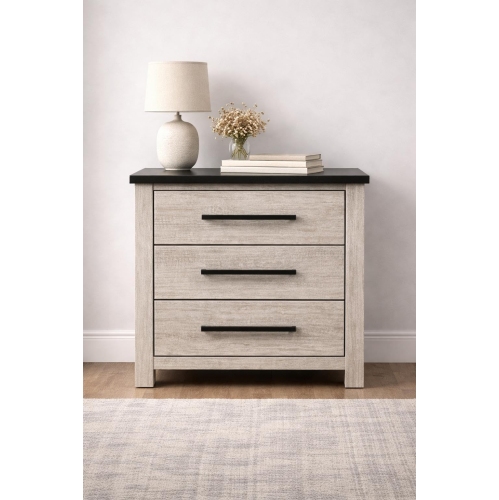

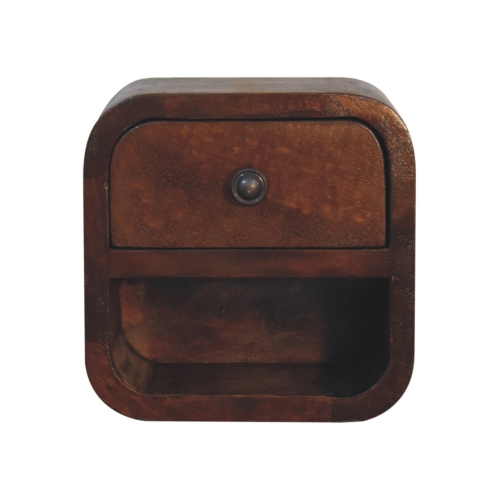

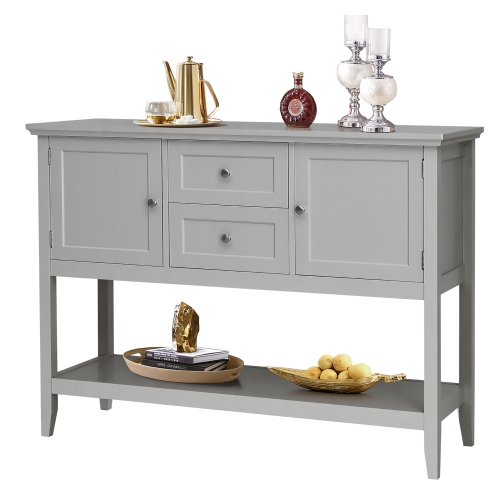
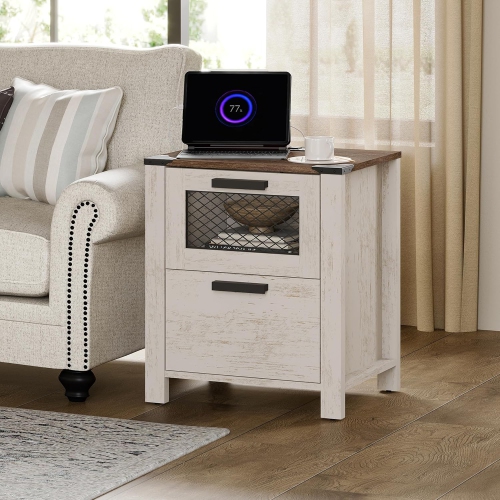
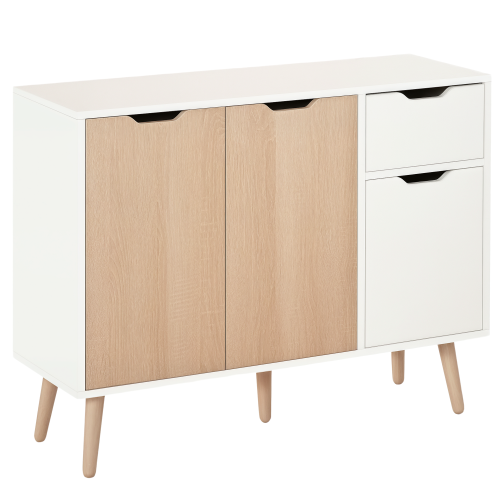


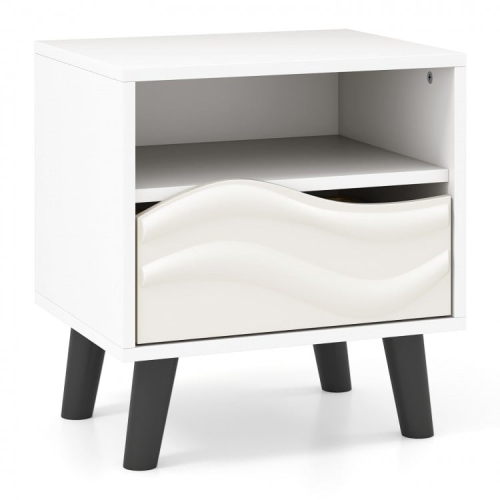

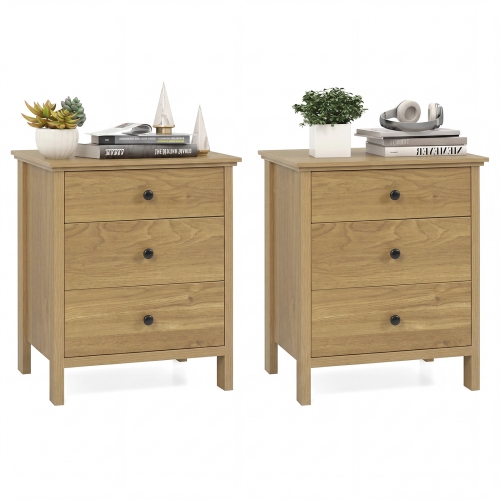


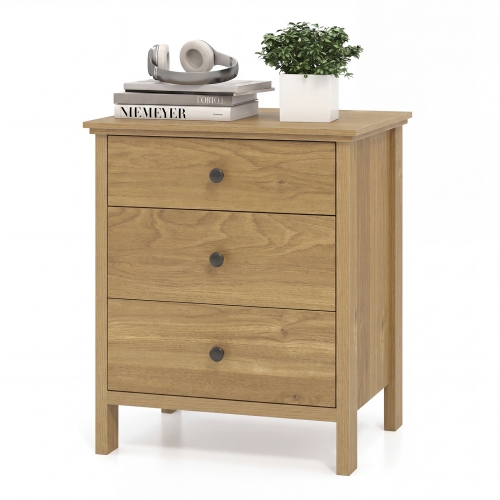

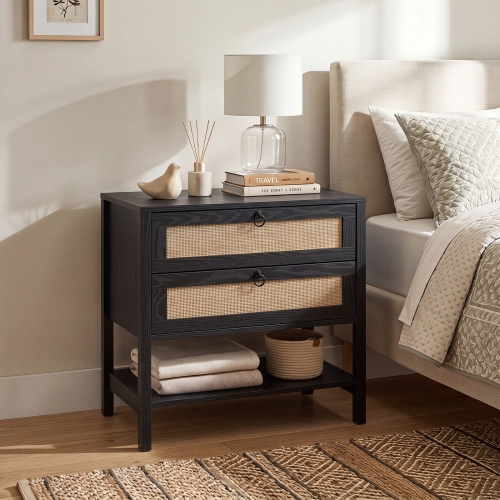

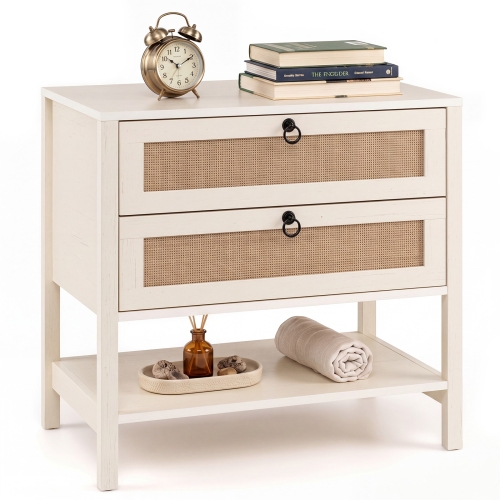


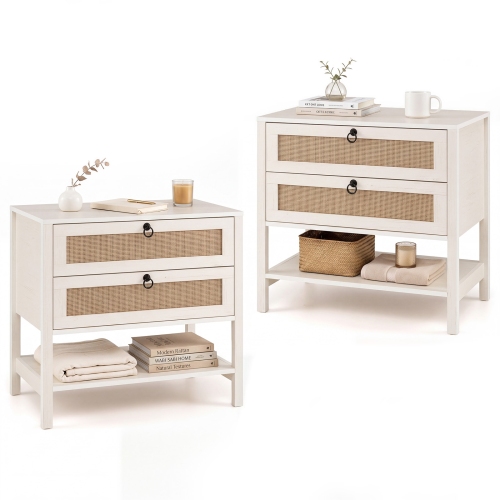
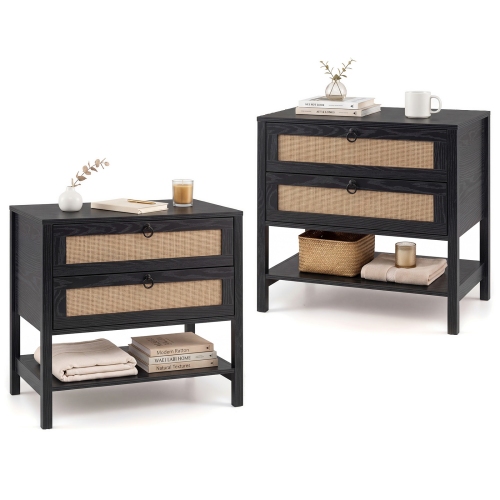
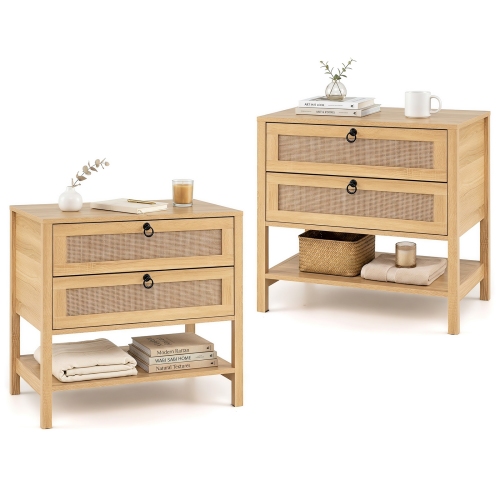


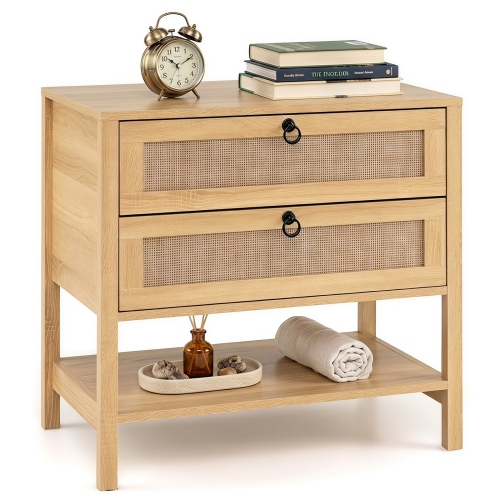


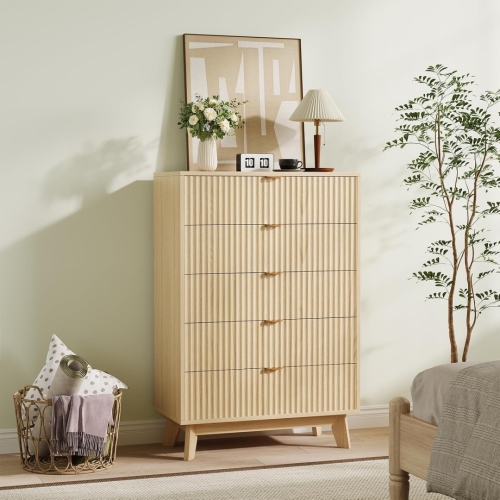


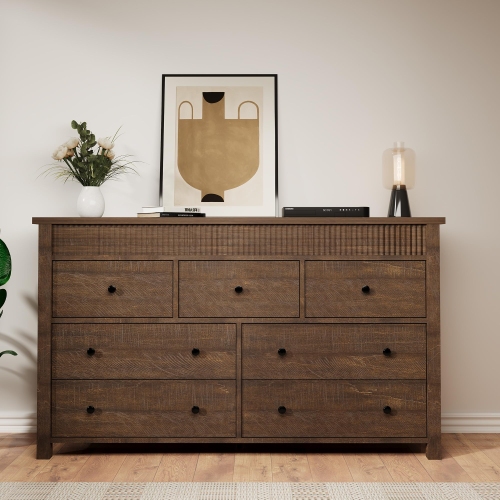


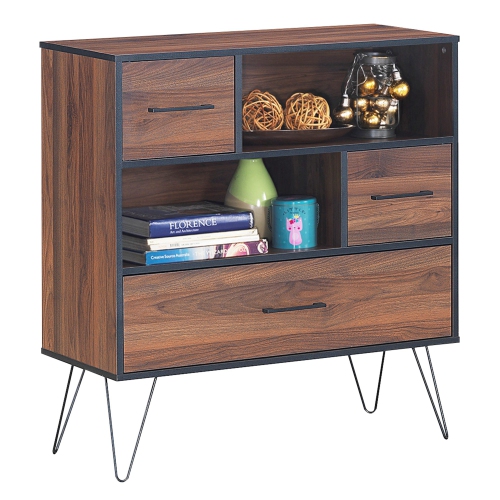


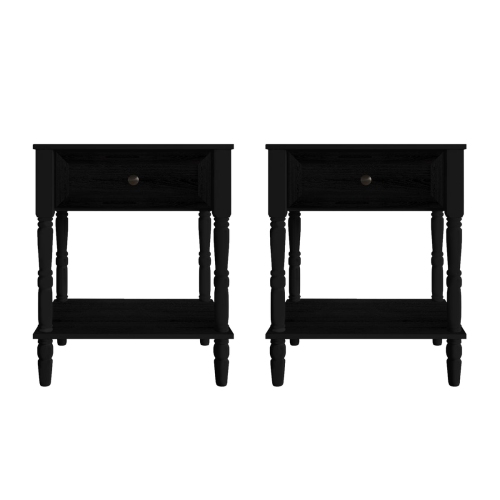

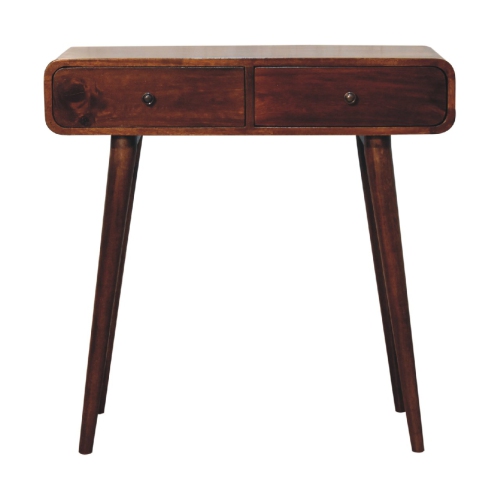
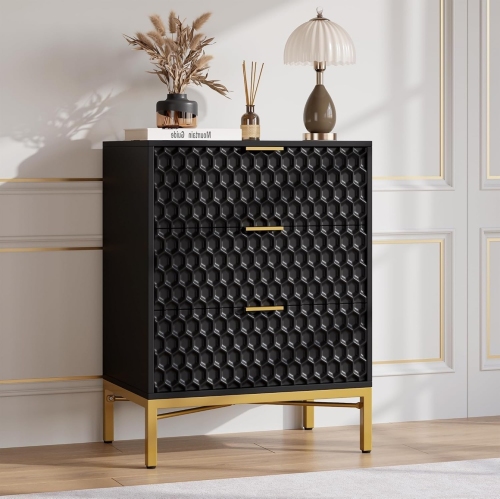


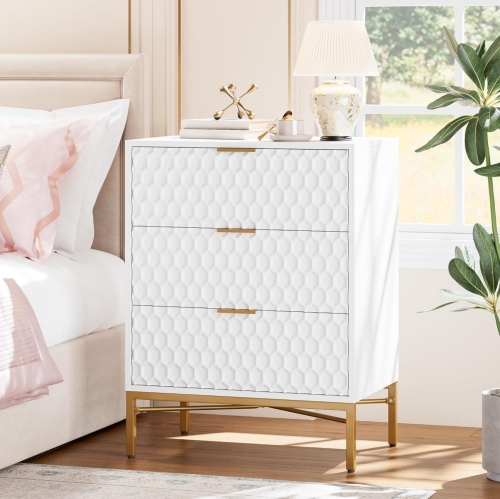


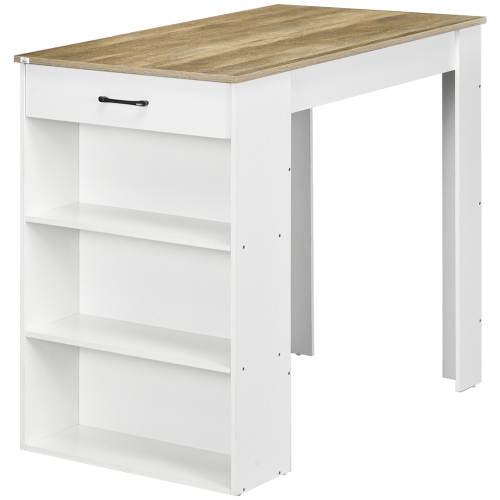


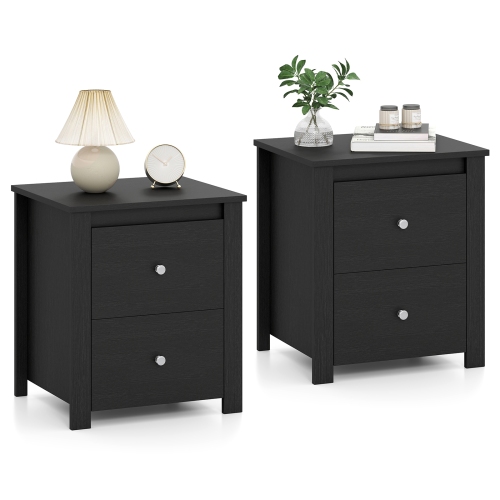
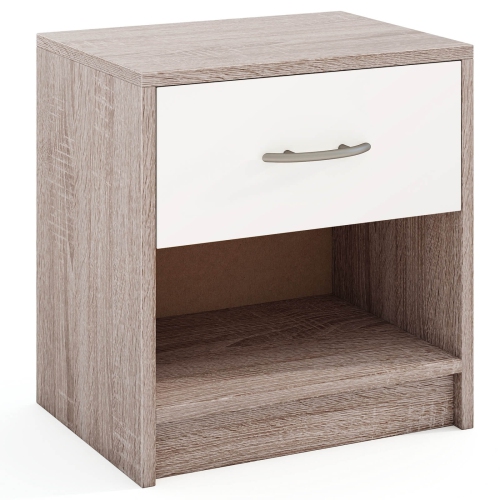

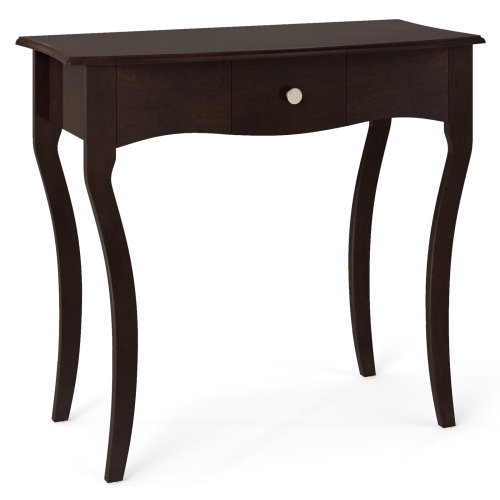


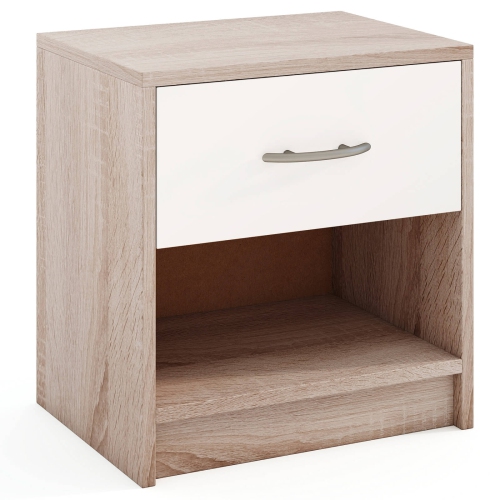


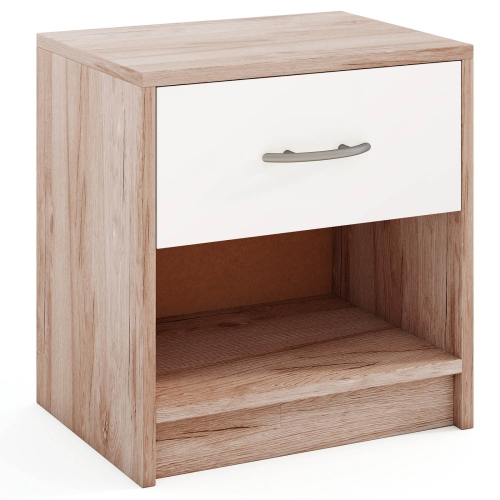


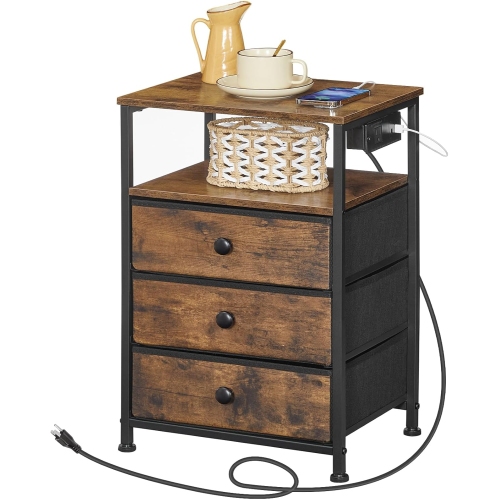
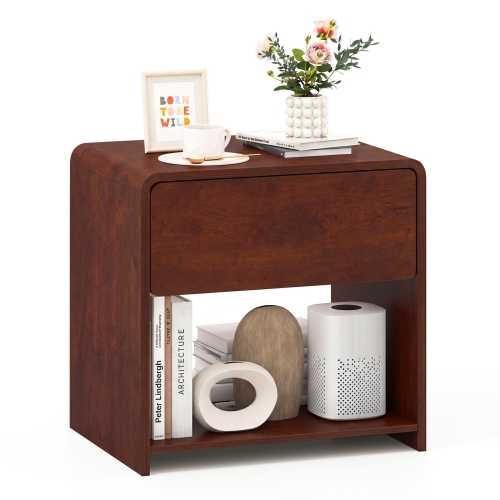
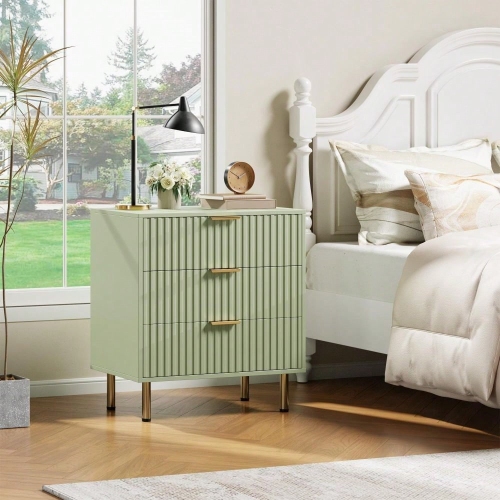


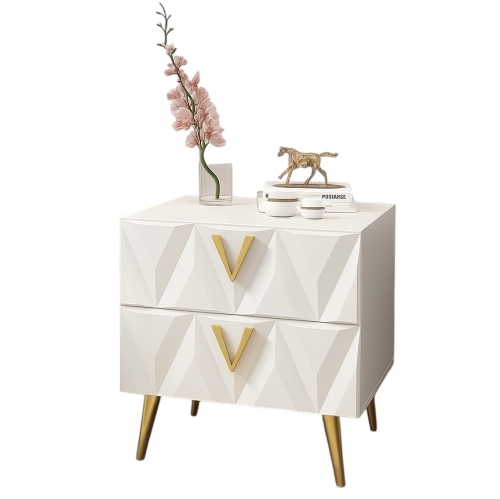


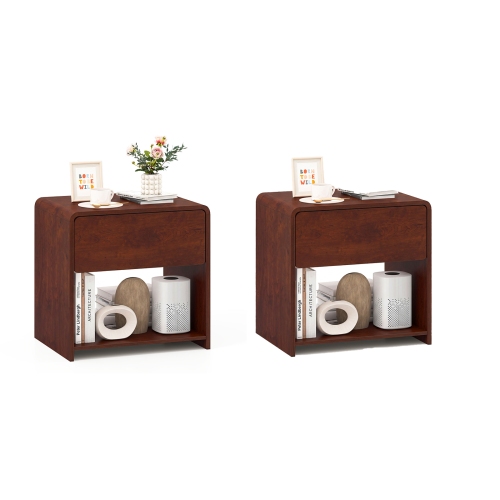


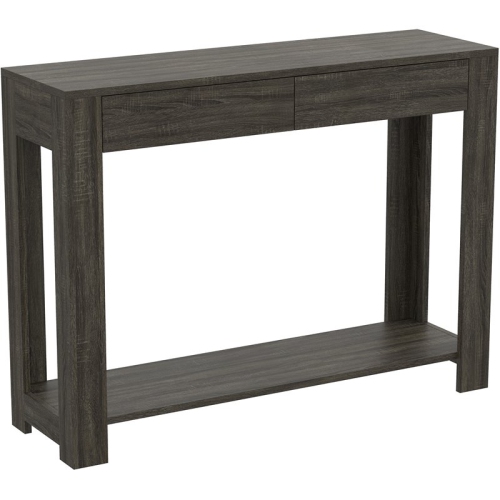


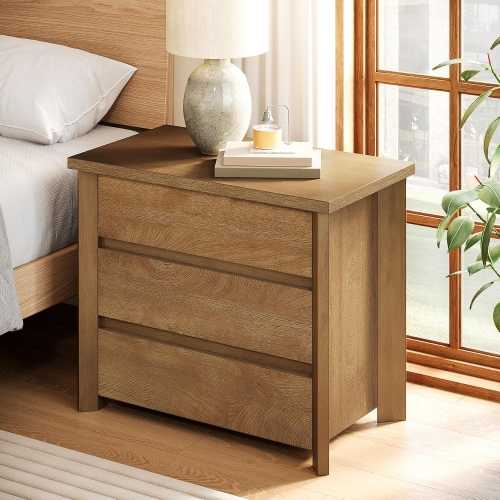

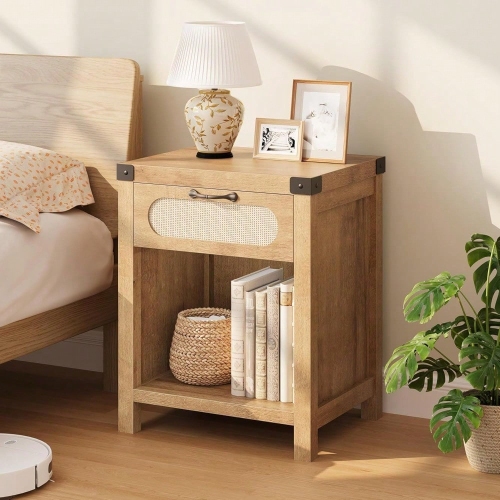

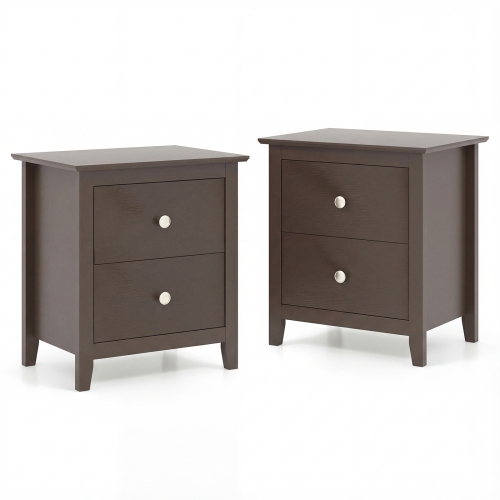


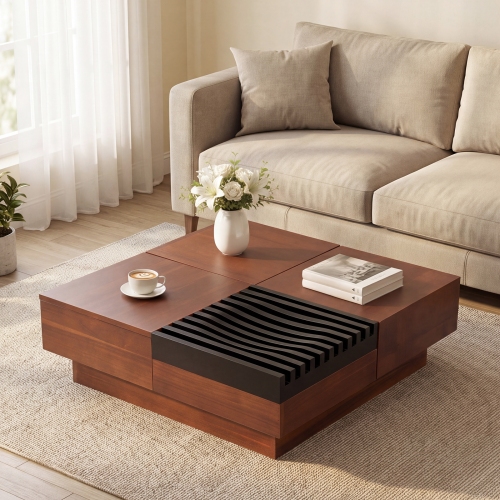

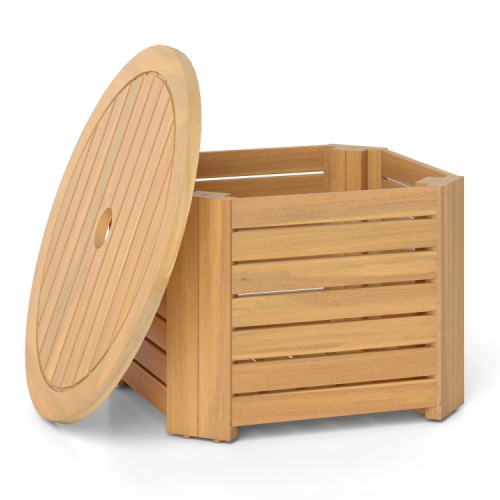
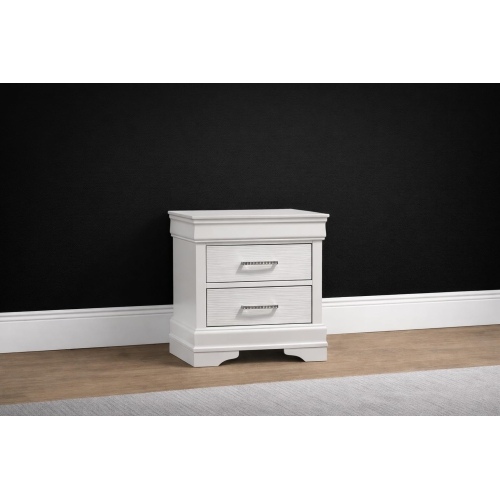


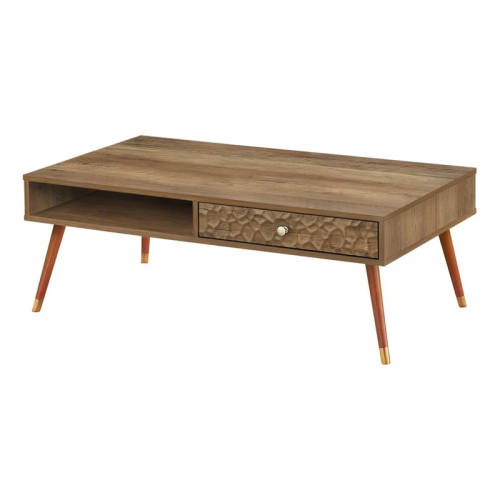

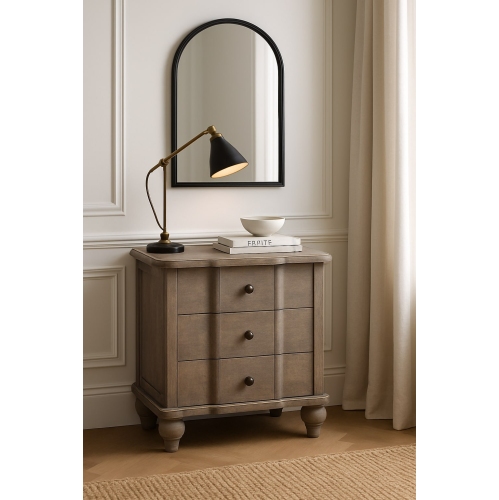


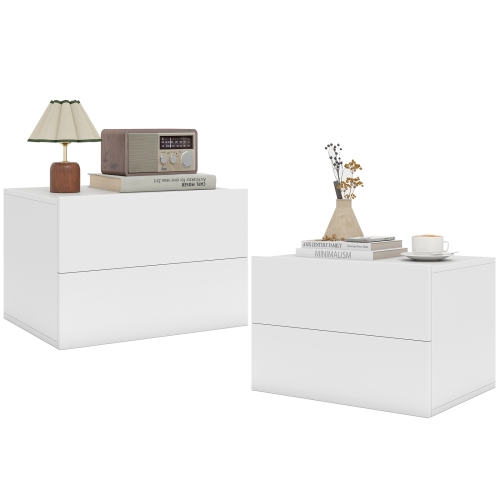


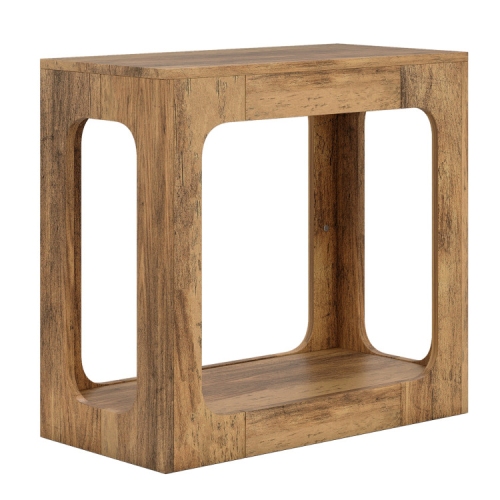
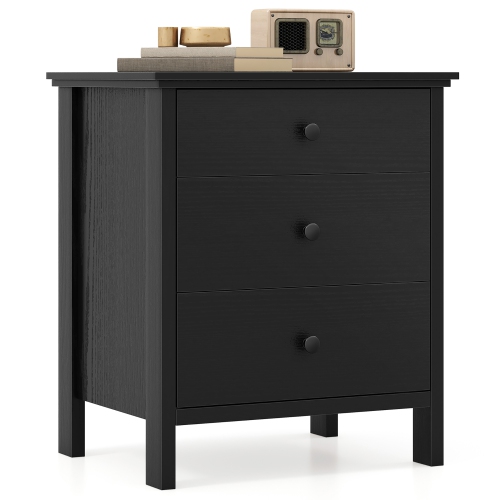

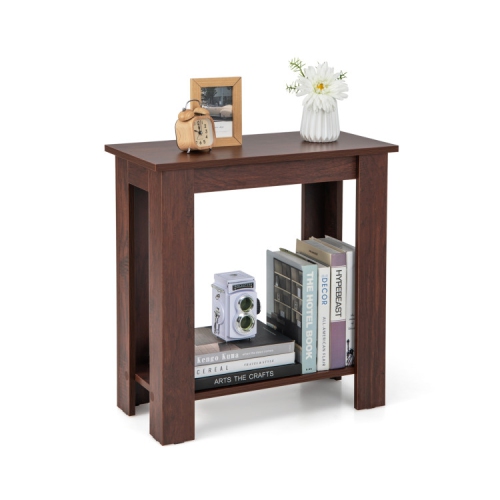
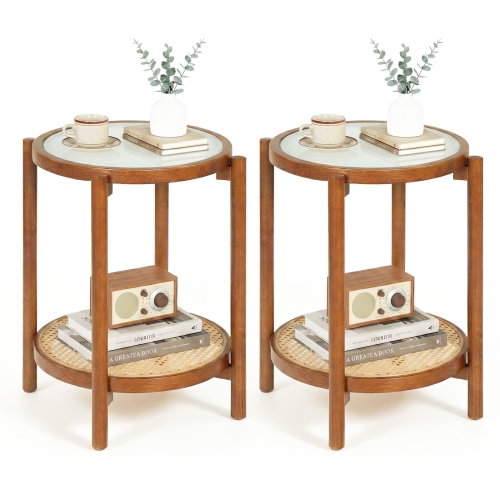
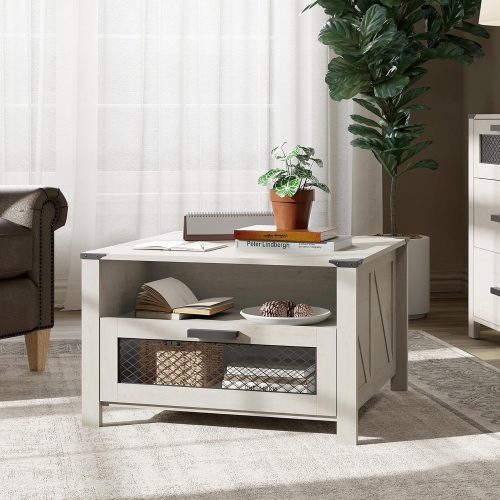
Everyday essentials within reach and clutter out of sight
Wood side tables with drawers combine an easy-to-reach surface with tucked-away storage for the small things that collect beside a sofa, armchair, or bed. A tabletop keeps a reading lamp, a drink, or a book within reach, while a drawer gives remotes, charging cables, reading glasses, and notebooks a place out of sight. That combination makes these tables useful in living rooms, bedrooms, guest rooms, and compact apartments where each piece of furniture needs to do more than one job. Wood brings visual warmth through its grain, colour, and texture, whether the table has a pale finish, a rich brown stain, or a painted surface. Solid wood, wood veneer, and engineered wood are distinct constructions worth understanding. Solid wood has natural variation throughout the material, so grain patterns and colour may differ from one panel to another. A wood veneer is a thin layer of real wood bonded to a supporting core, giving the surface a genuine wood grain without making the entire piece solid wood. Engineered wood can provide a smooth, consistent base for veneer, laminate, or painted finishes; a printed wood-look finish is different from real wood veneer. These differences affect appearance, weight, maintenance, and the options for repairing surface wear. A thick-looking top does not necessarily indicate solid wood, and a table may combine several materials across its top, frame, drawer, and back panel. Oak often has a more pronounced grain, while maple typically has a finer, more subtle pattern. A finish labelled with a wood name may describe its colour rather than its underlying material, so construction details matter more than the finish name alone. For everyday use, the most suitable choice balances the look of the wood with the demands of the room: a frequently used spot beside the family sofa has different storage needs from a guest bedroom where the drawer mainly holds a spare charging cable and a notepad.
Proportion makes a noticeable difference to how comfortably a wood side table with a drawer fits into a room. Beside a sofa, a tabletop close to the height of the arm usually makes setting down a mug or reaching for a remote feel natural. Beside a bed, the mattress height is a more useful reference than the height of the bed frame. Width and depth deserve equal attention, especially where a table sits between upholstered furniture and a wall. A narrow table can make good use of a small gap, but its top still needs enough space for the intended lamp base and everyday essentials. The footprint also needs to leave room for walking past without turning sideways or brushing against a corner. Drawer clearance is easy to overlook: the drawer must open far enough to reach its contents without hitting a bed frame, sofa arm, or nearby furniture. Internal drawer measurements give a clearer sense of storage capacity than the table’s overall dimensions, since the frame and drawer mechanism take up space. A shallow drawer works well for glasses and remotes, while a deeper compartment may suit notebooks or larger accessories. One drawer can keep the essentials together; multiple drawers allow small belongings to be separated by use. An open shelf below adds room for books or a basket, although anything placed there remains visible. Square shapes are especially useful where similar width and depth suit the space, and Square Side Tables With Drawer offer a shape-focused way to explore that layout. Rectangular designs may fit more naturally alongside a long sofa arm or in a tighter bedside gap. The tabletop arrangement matters, too: a broad lamp base can leave little room for a glass, even when the table itself fits neatly. Where a design includes charging ports or an outlet, the connection type, power requirements, and route to the wall socket all deserve attention. Cables should remain clear of the drawer’s moving parts and nearby walkways.
Style and construction work together to determine how a side table looks and feels in daily use. Straight legs, simple drawer fronts, and understated handles give wood a clean-lined setting, while turned legs, framed fronts, and more detailed hardware create a traditional appearance. A table does not have to match every other wood finish in the room. Similar undertones can connect different pieces, while a lighter table beside dark upholstery can provide contrast without overwhelming a small space. Matching bedside tables bring symmetry, but different widths may be more practical when one side of the bed has less clearance. Hardware deserves a closer look because it is the part touched most often: a rounded knob, a recessed pull, and a projecting handle each feel different and require different amounts of space. A well-fitting drawer should move without excessive wobble or scraping, and drawer stops help limit accidental removal. Soft-close hardware, where included, can reduce the sharp sound of a drawer shutting. Stable legs, secure joints, a supported drawer bottom, and a suitable weight capacity all contribute to dependable use; the tabletop and any shelf or drawer may have separate load limits. Flat-pack construction can make a table easier to move into a room, though careful assembly on a level surface is important for alignment and stability. Routine care is usually straightforward, but the finish determines which cleaning methods are appropriate. A soft cloth removes dust, spills are best wiped up promptly, and coasters help protect against moisture rings. Avoid soaking the surface or applying abrasive cleaners, and follow the care directions before using polish or furniture oil. Prolonged direct sunlight can alter wood colour, while placement too close to a heat source can affect wood and finishes. For a shared living room, a drawer can give everyday clutter a defined home; for a guest room, it provides visitors with a private spot for personal belongings. A wood side table can also make a thoughtful housewarming gift when the recipient’s measurements and style preferences are known. Its lasting usefulness comes from that simple balance of a comfortable height, accessible storage, and a finish that suits the way the room is used.
Top selling and popular products
-
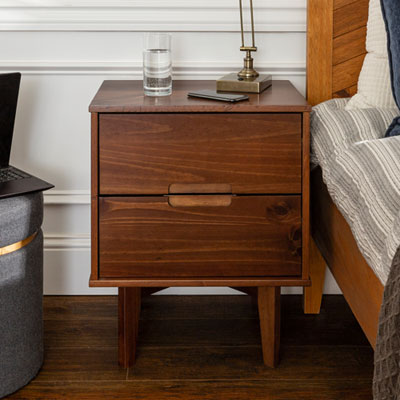 Your price for this item is $188.99
-
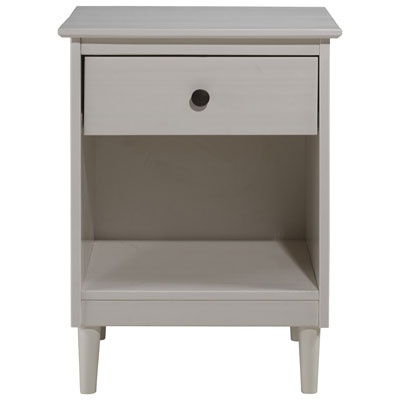 Your price for this item is $179.99
-
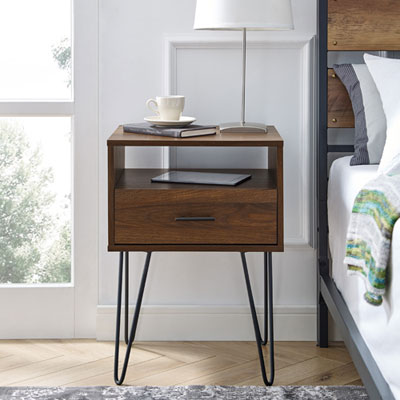 Your price for this item is $266.99
-
 Your price for this item is $266.99
-
 Your price for this item is $629.95
-
 Your price for this item is $352.58
-
 Your price for this item is $251.99
-
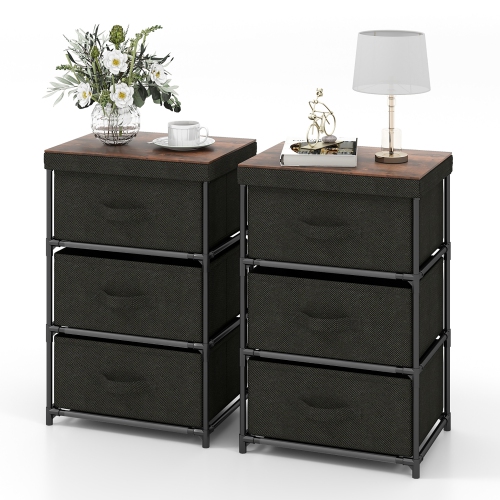 Your price for this item is $99.99
Discover more categories related to Wood Side Tables With Drawer
Top Collections:
Pokemon Centers, Kindle Devices, Best Cameras for Sports Photography, Pokémon 30th Celebration Cards, Apple iPhones 16, Canon G7X Cameras, iPhone 15 Apple, Flip Phones, Samsung Galaxy Phones, Alarm Clock
Some products may be subject to Environmental Handling Fees
(EHF) depending on your province.
Learn more about EHFs.