Wood Spatula
Wood spatulas are essential tools for any kitchen, offering versatility and reliability for a wide range of cooking tasks. Whether you're stirring, flipping, or serving, a wood spatula provides the control and comfort needed to handle your favorite recipes with ease. Explore options that complement your cookware and add a classic touch to your culinary collection. Find the ideal wood spatula to enhance your cooking experience and bring functionality to your kitchen routine.
Sort
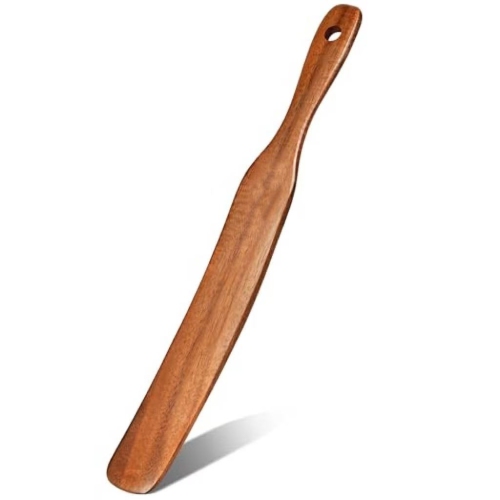
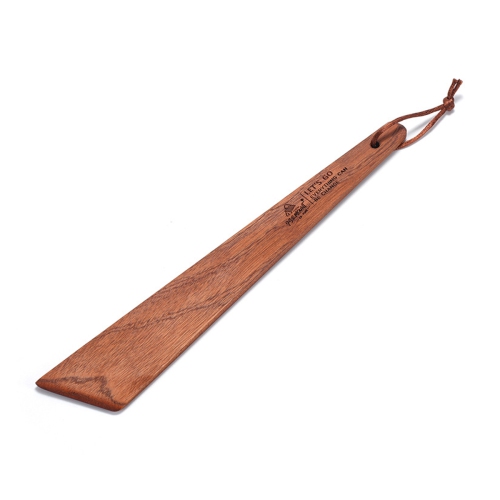
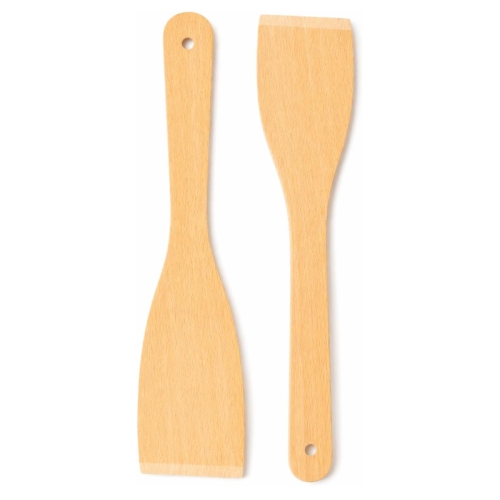
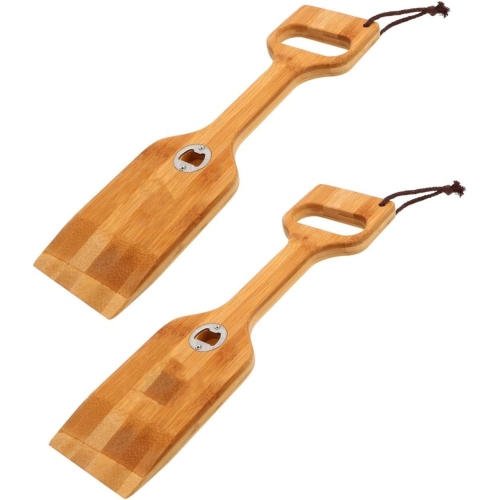
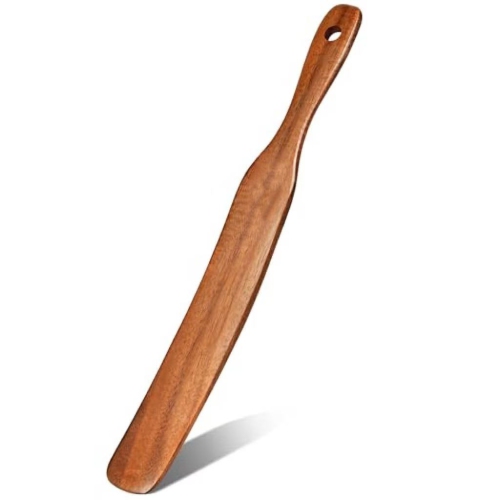
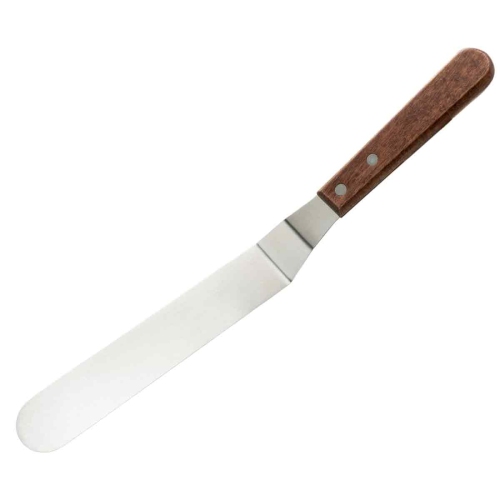
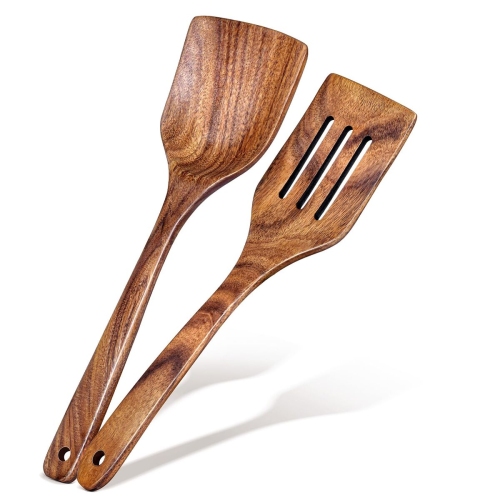
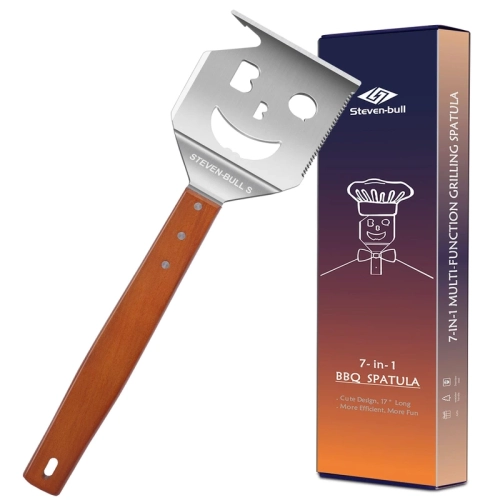


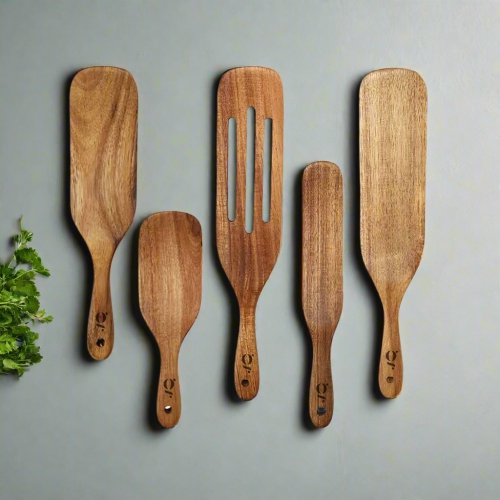
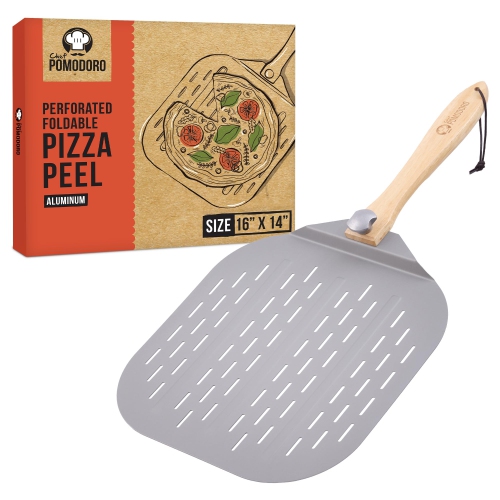
How a wooden edge adds control to everyday cooking
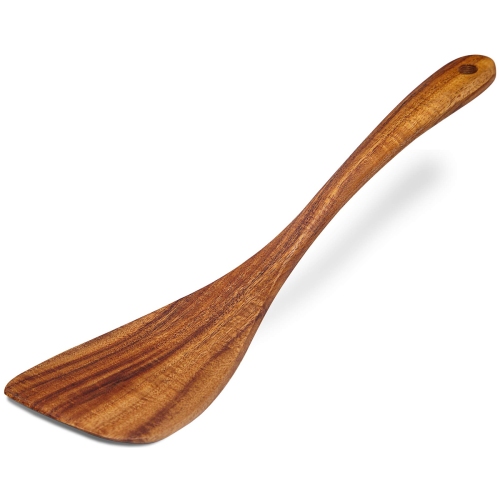
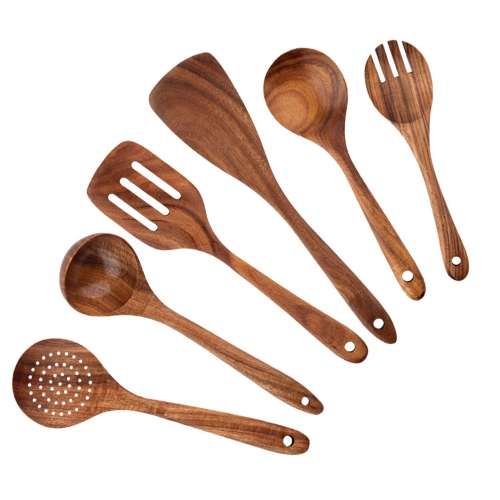
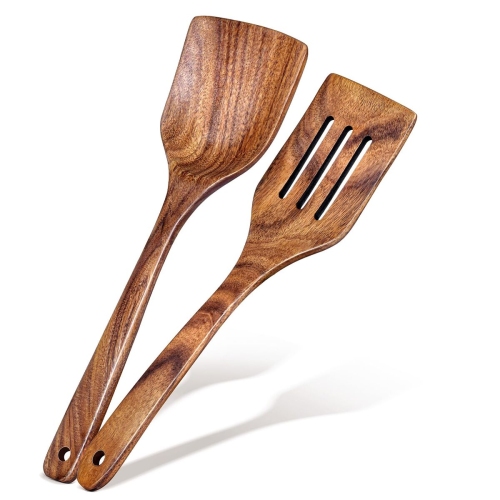
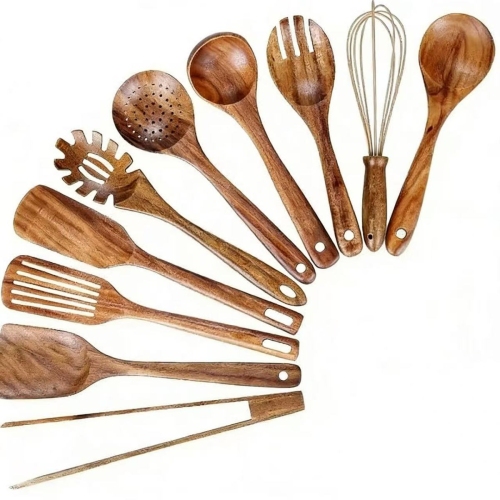
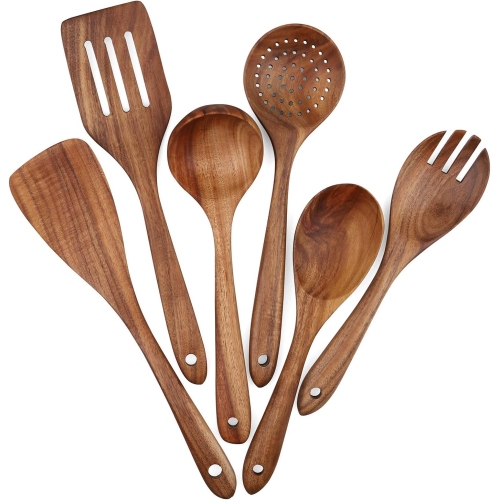
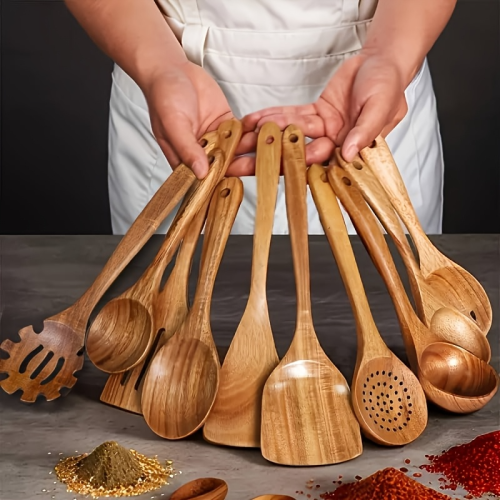
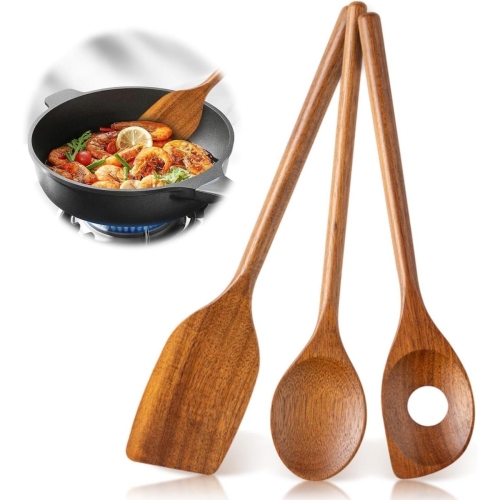
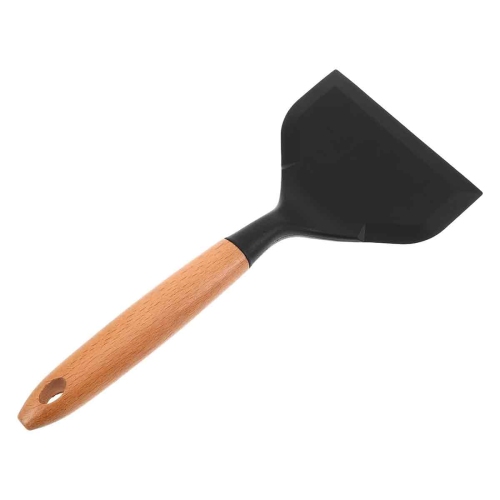
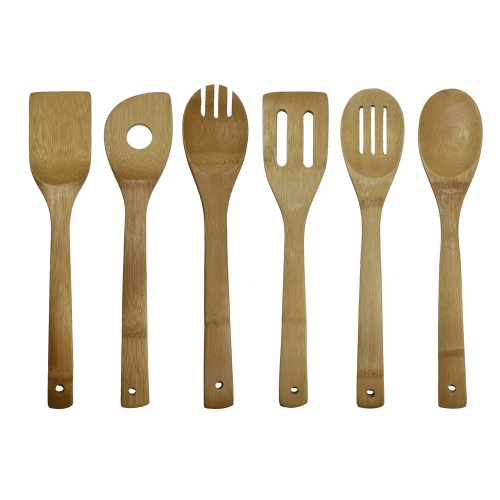
A wood spatula is a kitchen utensil with a flat or slightly curved head used for stirring, folding, scraping and turning food. Its firm edge offers more control than a rounded spoon when moving onions across a frying pan, loosening a thick tomato sauce from the bottom of a pot or folding roasted vegetables into a grain dish. Smooth wooden edges are generally gentle on cookware, including many non-stick surfaces, provided the utensil is free of splinters and the cookware manufacturer permits wooden tools. The shape of the head makes a noticeable difference in everyday cooking. A broad, thin turner can support a pancake or a tender fillet, while a narrower paddle slips between pieces of food and reaches into smaller saucepans. An angled edge helps follow the junction between a pan’s base and sides, where sauce and finely chopped ingredients tend to collect. Solid heads keep thicker mixtures moving and provide a useful surface for folding, while slotted designs allow some liquid or fat to drain as food is lifted. Wood is thicker than a thin metal blade, so a wooden turner may need a little more space beneath delicate food. It works best when the leading edge is tapered and the food has released from the cooking surface. A wood spatula can also be useful away from the stovetop, whether blending a dense batter, spreading a savoury filling or lifting portions from a baking dish. Unlike a flexible bowl scraper, however, it will not bend closely around every curve. For everyday cooks, the appeal is a practical combination of a firm working edge, a comfortable grip and a surface that feels gentle against a pan. The right shape depends less on appearance than on the meals being prepared: a wide head suits turning, while a slim, angled profile suits stirring and reaching into corners.
The wood, construction and finish all influence how a spatula feels and how well it holds up to repeated use. Maple, beech, cherry, acacia, teak and olivewood are among the materials used for wooden kitchen utensils, each with its own grain pattern, colour and weight. Maple and beech often have a relatively fine, understated grain, while olivewood and acacia can show more pronounced streaks and variation. Natural differences mean that two utensils made from the same wood may not look identical. Species alone does not determine quality; careful shaping, thorough drying and a smooth finish matter just as much. A head should feel even along its working edge, without rough patches that could catch on food or drag across cookware. A spatula carved from a single piece of wood has no joined head to loosen, though any wooden utensil can split if it is soaked, overheated or allowed to dry unevenly. Thickness involves a practical trade-off. A substantial paddle feels steady when moving a heavy mixture, while a thinner edge slides more easily beneath eggs or fritters. Handle length also affects control. A longer handle provides reach into a deep pot, whereas a shorter one can feel more precise in a small skillet. The grip should sit comfortably in the hand without requiring a tight squeeze, and the transition from handle to head should feel balanced rather than awkwardly heavy. Left-handed cooks may find a straight-edged or symmetrical head easier to use than a strongly angled design shaped for a right-handed grip. For compact kitchens, overall length and head width affect whether a spatula fits in a drawer, utensil crock or hanging space. These details are worth considering alongside the cookware it will touch: a broad paddle may suit a large sauté pan but feel cumbersome inside a narrow saucepan. A comfortable fit makes the tool easier to use throughout meal preparation.
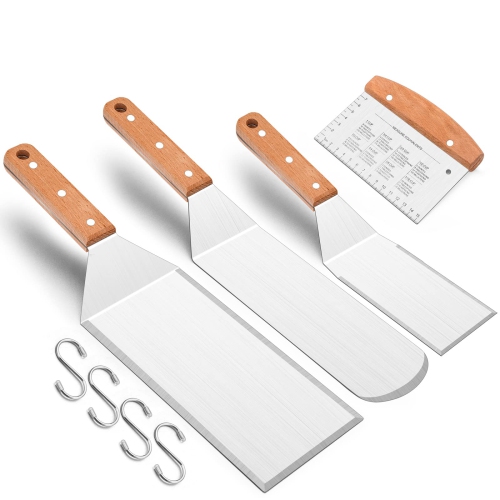
With appropriate care, a well-made wood spatula can remain useful through years of regular cooking, although wood will gradually develop marks and changes in colour. Handwashing with mild dish soap and warm water, followed by a thorough rinse and prompt drying, is generally the best routine. Unless the maker explicitly states otherwise, wooden utensils should stay out of the dishwasher, where prolonged moisture, heat and detergent can encourage roughness, warping or cracks. Leaving a spatula submerged in a sink can cause similar damage. After towel-drying, allowing air to circulate around the entire utensil helps it dry fully before storage; placing a damp head deep inside a crowded crock can hold moisture against the surface. Unfinished or oil-treated wood may benefit from occasional conditioning with food-safe mineral oil or a treatment specifically intended for wooden kitchenware, following the manufacturer’s directions. Ordinary cooking oils are not a reliable substitute because some can become rancid. A dry-looking surface or raised grain may indicate that the utensil needs attention, while a deep crack, persistent odour, loose joint or splintered edge is a reason to stop using it. Wood also needs protection from direct flames, hot burners and prolonged contact with a hot pan; a spoon rest provides a sensible landing place between stirs. For tasks that require a particularly thin, rigid edge, Steel Spatulas offer a different option for compatible cookware, though metal edges may damage coated surfaces. A wooden spatula remains a thoughtful practical gift for someone setting up a first kitchen, a keen home baker or a cook who prefers simple, familiar tools. For a recipient, a comfortable handle and versatile head shape are often more useful than decorative details. Paired with cooking habits and cookware that suit it, a wooden spatula can earn a regular place beside the stove rather than remaining tucked away in a drawer.
Top selling and popular products
-
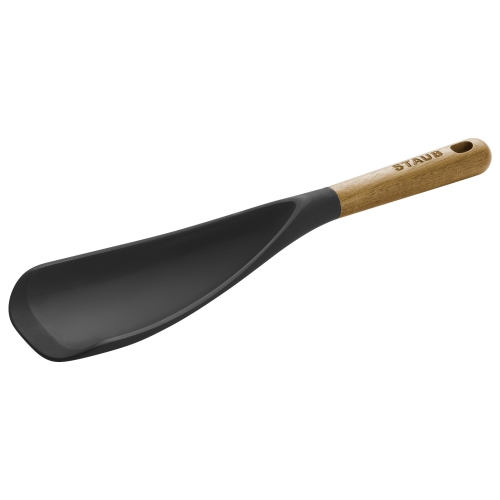 Your price for this item is $24.99
-
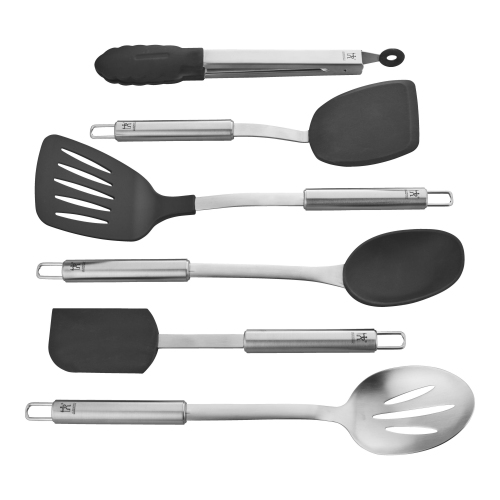 Your price for this item is $159.99
-
 Your price for this item is $29.97
-
 Your price for this item is $14.7
-
 Your price for this item is $34.99
-
 Your price for this item is $24.99
-
 Your price for this item is $24.99
-
 Your price for this item is $24.99
Discover more categories related to Wood Spatula
Top Collections:
Best Black Friday Deals This Year, Best Black Friday Deals On Electronics, Kindle Devices, Pokemon Centers, Best Black Friday Deals On Apple Products, Best Cameras for Sports Photography, Dyson Airwrap, Pokémon 30th Celebration Cards, Apple iPhone 17 Pro, Canon G7X Cameras
Some products may be subject to Environmental Handling Fees
(EHF) depending on your province.
Learn more about EHFs.