Wooden Fences
Transform your outdoor space with the timeless charm and natural beauty of wooden fences. Whether you're looking to enhance privacy, define boundaries, or add a touch of rustic elegance to your garden, wooden fences offer a versatile solution that complements any landscape. Discover a variety of styles and finishes that can seamlessly blend with your home's exterior while providing durability and functionality. Explore the range of options available to find the perfect wooden fence that meets your needs and elevates your property's curb appeal.
Sort
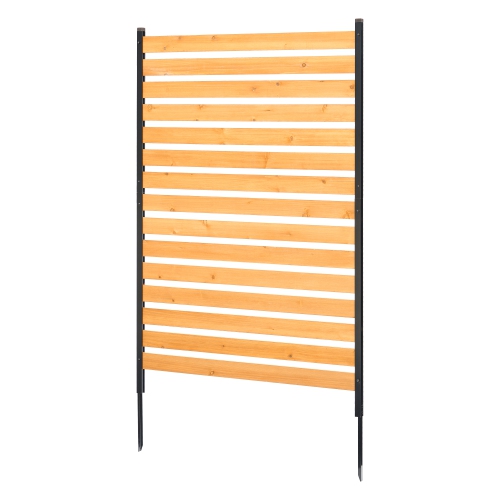
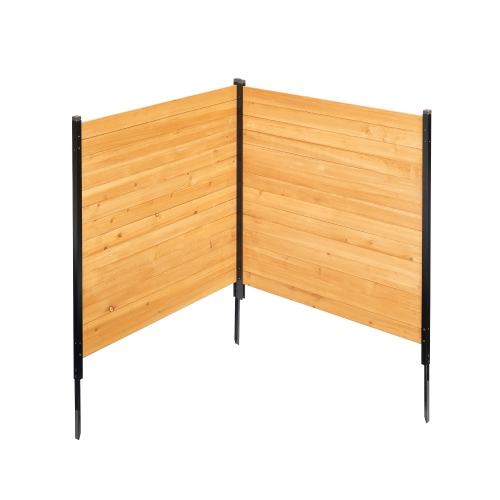
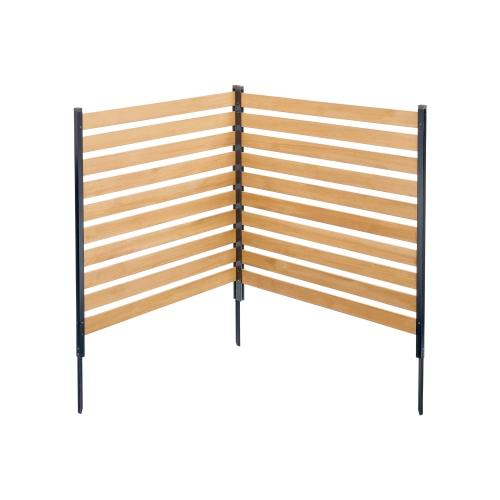
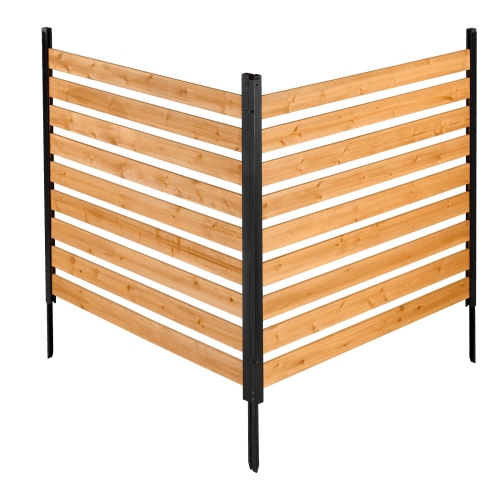
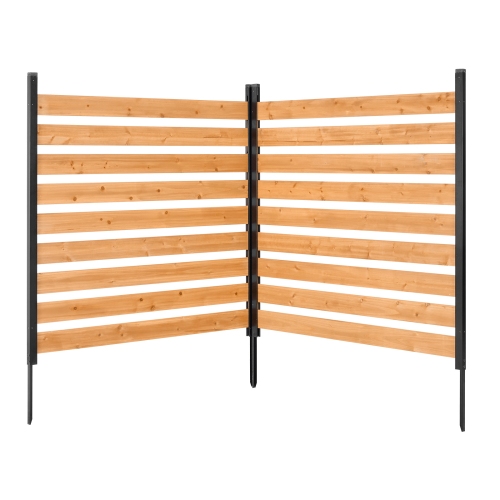
How board layout shapes privacy and outdoor style
Wooden fences define outdoor spaces with the warmth and texture of real wood, whether they frame a front garden, screen a backyard seating area, or mark the edge of a larger property. Their appearance depends as much on the arrangement of the boards as on the wood itself. Solid-board privacy fences limit sightlines between neighbouring yards, making them well suited to patios, outdoor dining spaces, and homes beside busy footpaths. Horizontal slats create long, clean lines that complement contemporary buildings, while vertical boards suit a wide range of house styles. Picket fences provide a lighter boundary around lawns and flower beds without closing off the view. Shadowbox fences use alternating boards on opposite sides of the rails, allowing airflow and offering partial privacy, although views through the gaps remain possible from an angle. Lattice sections add visual interest and can support suitable climbing plants when the structure is designed for their weight. Height, board spacing, and placement all influence how enclosed a space feels: a low fence can distinguish a garden from a walkway, while a taller structure can create a more sheltered setting around a seating area. For households with children or pets, appearance is only one consideration. Gaps beneath the fence, spaces between boards, latch placement, and the strength of the posts all affect whether a boundary suits its intended use. A small dog may slip through an opening that looks narrow from the patio, while stacked furniture beside a fence can create an unintended climbing route. Wooden fencing is not automatically suitable as a pool barrier; local requirements may specify height, openings, gate hardware, and other safety features. Alongside other Landscape Fences, wood designs offer a way to distinguish different parts of a property while keeping the overall layout connected. Matching the fence style to the daily activity around it helps the finished space feel practical rather than simply enclosed.
The type of timber has a direct effect on a wooden fence’s appearance, care needs, and resistance to wear. Cedar is valued for its grain and natural resistance to decay and some insects, though it still benefits from thoughtful installation and regular attention. Left unfinished, cedar typically weathers towards a silvery grey; a suitable exterior stain can help retain a warmer tone and reduce moisture absorption. Pressure-treated pine is treated to resist fungal decay and insect damage, making it a common choice for outdoor structures. Treatment ratings matter, particularly for posts that touch soil, because timber intended only for above-ground use is not interchangeable with wood rated for ground contact. Spruce can provide a relatively uniform surface, but its outdoor performance depends heavily on suitable protection, drainage, and upkeep. Species alone does not determine quality: board thickness, grade, knots, straightness, and moisture content also influence how the fence looks and behaves over time. Wood naturally expands and contracts as moisture levels change, so small checks, slight movement, and variations in colour can occur without necessarily indicating structural failure. Excessive twisting, loose connections, or soft timber around a post base deserve closer attention. The finish also changes the character of the fence. Transparent and semi-transparent stains reveal more grain, while solid-colour stains and paints provide a more uniform appearance, with different preparation and maintenance needs. Coatings should be compatible with the wood and any previous finish, and newly treated timber may need time to dry before an application. Exterior-rated fasteners and hardware are equally important, especially where preservatives in treated wood require corrosion-resistant materials. Stainless steel or appropriately rated hot-dip galvanized hardware may be suitable, depending on the timber and hardware manufacturer’s specifications. A well-planned fence treats boards, rails, posts, gates, and fixings as parts of the same structure. The most appealing surface finish cannot compensate for undersized supports, weak gate connections, or water collecting where timber meets the ground.
Fit begins with the property rather than the fence style. Boundary locations, municipal bylaws, easements, and neighbourhood requirements can affect where a fence belongs and how tall it may be. On a sloping yard, stepped panels create a tiered outline but may leave larger gaps underneath, while a fence that follows the grade can maintain a more consistent lower edge when its construction allows. Gate openings need to accommodate everyday movement, from carrying garden supplies to wheeling a mower or bringing patio furniture through at the end of the outdoor season. Swing clearance, nearby steps, and the direction of the slope can make an otherwise attractive gate awkward to use. Exposed sites also place greater demands on posts and connections, particularly with solid boards that catch the wind. Post depth and foundations should suit local soil, frost conditions, fence height, and applicable requirements; buried utilities must be located before digging. With suitable materials, sound installation, and ongoing care, many wooden fences can last roughly 10 to 20 years, although persistent dampness, harsh exposure, and neglected repairs can shorten that range considerably. Keeping soil, mulch, and accumulated leaves away from boards helps limit prolonged moisture contact. Trimming back dense growth allows easier inspection and helps surfaces dry after rain or melting snow. Gentle cleaning with a method suited to the timber and coating removes dirt without unnecessarily roughening the grain; overly aggressive pressure washing can damage fibres. Periodic checks for loose fasteners, leaning posts, splitting rails, and sagging gates make it easier to address small problems before they spread. During the cooler months, snow piled against boards and repeated freezing and thawing can add stress, especially where drainage is poor. Staining or painting requires the dry conditions and temperature range stated by the coating manufacturer, rather than simply a clear afternoon. For homeowners planning a quiet reading corner, a more private family yard, or a clearly defined garden, wooden fences combine a familiar appearance with flexible layouts, provided their design and care match the demands of the setting.
The type of timber has a direct effect on a wooden fence’s appearance, care needs, and resistance to wear. Cedar is valued for its grain and natural resistance to decay and some insects, though it still benefits from thoughtful installation and regular attention. Left unfinished, cedar typically weathers towards a silvery grey; a suitable exterior stain can help retain a warmer tone and reduce moisture absorption. Pressure-treated pine is treated to resist fungal decay and insect damage, making it a common choice for outdoor structures. Treatment ratings matter, particularly for posts that touch soil, because timber intended only for above-ground use is not interchangeable with wood rated for ground contact. Spruce can provide a relatively uniform surface, but its outdoor performance depends heavily on suitable protection, drainage, and upkeep. Species alone does not determine quality: board thickness, grade, knots, straightness, and moisture content also influence how the fence looks and behaves over time. Wood naturally expands and contracts as moisture levels change, so small checks, slight movement, and variations in colour can occur without necessarily indicating structural failure. Excessive twisting, loose connections, or soft timber around a post base deserve closer attention. The finish also changes the character of the fence. Transparent and semi-transparent stains reveal more grain, while solid-colour stains and paints provide a more uniform appearance, with different preparation and maintenance needs. Coatings should be compatible with the wood and any previous finish, and newly treated timber may need time to dry before an application. Exterior-rated fasteners and hardware are equally important, especially where preservatives in treated wood require corrosion-resistant materials. Stainless steel or appropriately rated hot-dip galvanized hardware may be suitable, depending on the timber and hardware manufacturer’s specifications. A well-planned fence treats boards, rails, posts, gates, and fixings as parts of the same structure. The most appealing surface finish cannot compensate for undersized supports, weak gate connections, or water collecting where timber meets the ground.
Fit begins with the property rather than the fence style. Boundary locations, municipal bylaws, easements, and neighbourhood requirements can affect where a fence belongs and how tall it may be. On a sloping yard, stepped panels create a tiered outline but may leave larger gaps underneath, while a fence that follows the grade can maintain a more consistent lower edge when its construction allows. Gate openings need to accommodate everyday movement, from carrying garden supplies to wheeling a mower or bringing patio furniture through at the end of the outdoor season. Swing clearance, nearby steps, and the direction of the slope can make an otherwise attractive gate awkward to use. Exposed sites also place greater demands on posts and connections, particularly with solid boards that catch the wind. Post depth and foundations should suit local soil, frost conditions, fence height, and applicable requirements; buried utilities must be located before digging. With suitable materials, sound installation, and ongoing care, many wooden fences can last roughly 10 to 20 years, although persistent dampness, harsh exposure, and neglected repairs can shorten that range considerably. Keeping soil, mulch, and accumulated leaves away from boards helps limit prolonged moisture contact. Trimming back dense growth allows easier inspection and helps surfaces dry after rain or melting snow. Gentle cleaning with a method suited to the timber and coating removes dirt without unnecessarily roughening the grain; overly aggressive pressure washing can damage fibres. Periodic checks for loose fasteners, leaning posts, splitting rails, and sagging gates make it easier to address small problems before they spread. During the cooler months, snow piled against boards and repeated freezing and thawing can add stress, especially where drainage is poor. Staining or painting requires the dry conditions and temperature range stated by the coating manufacturer, rather than simply a clear afternoon. For homeowners planning a quiet reading corner, a more private family yard, or a clearly defined garden, wooden fences combine a familiar appearance with flexible layouts, provided their design and care match the demands of the setting.
Top selling and popular products
-
 Your price for this item is $199
 -
 Your price for this item is $418.99
 -
 Your price for this item is $481.99
 -
 Your price for this item is $226.99
 -
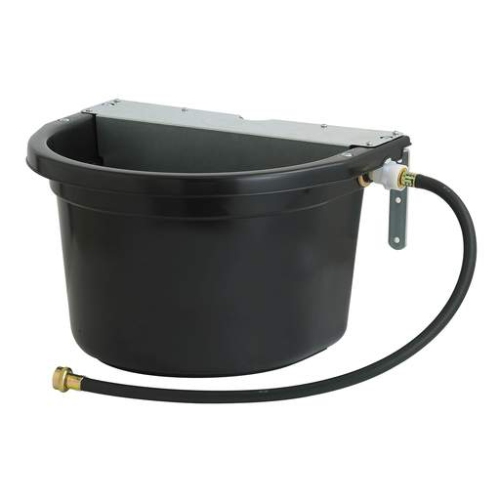 Your price for this item is $133.99
 -
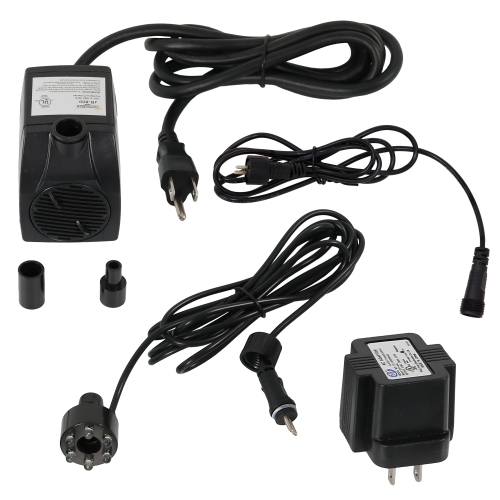 Your price for this item is $69.45
 -
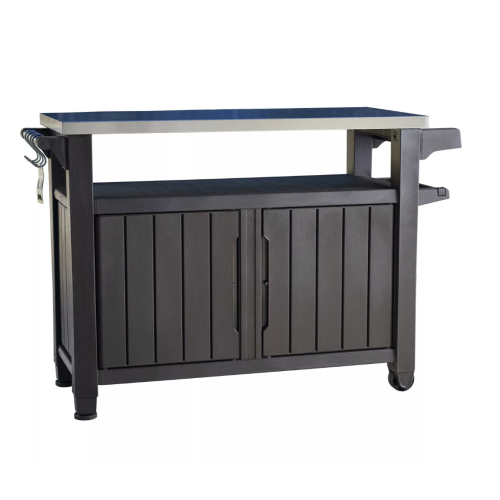 Your price for this item is $562.99
 -
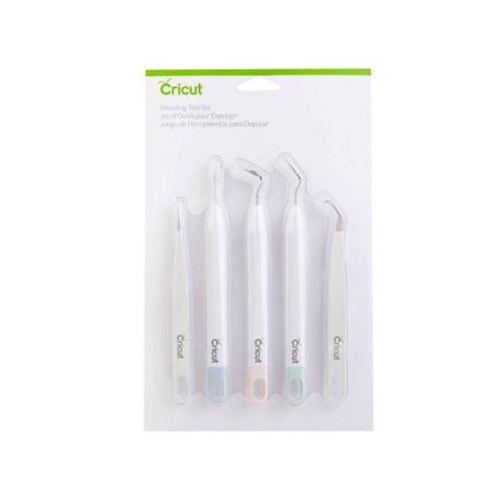 Your price for this item is $26.99
Discover more categories related to Wooden Fences

Top Collections:
Pokemon Centers, Kindle Devices, Best Budget Office Chairs, Apple iPhones 16, Best Laptops for Writers, iPhone 15 Apple, Canon G7X Cameras, Refurbished Apple Laptops, Alarm Clock, Motorola Razr Phones
Some products may be subject to Environmental Handling Fees
(EHF) depending on your province.
Learn more about EHFs.