Patio Fences
Transform your outdoor space into a private oasis with our selection of patio fences. Whether you're looking to enhance your backyard's aesthetics or create a secluded retreat, patio fences offer the perfect blend of style and functionality. Explore a variety of designs and materials to find the ideal match for your home's exterior. With options that cater to both modern and classic tastes, these fences not only provide privacy but also add a touch of elegance to any patio setting. Discover how the right patio fence can elevate your outdoor living experience today.
Sort
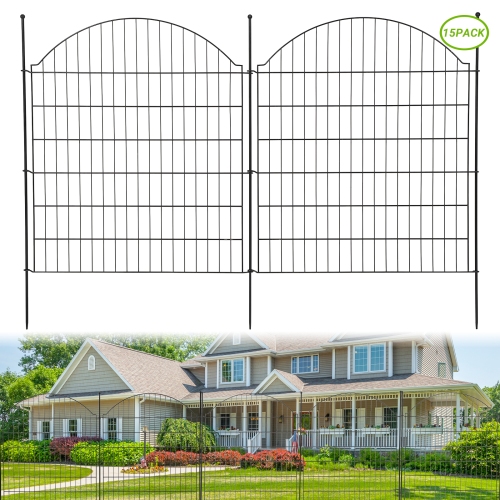
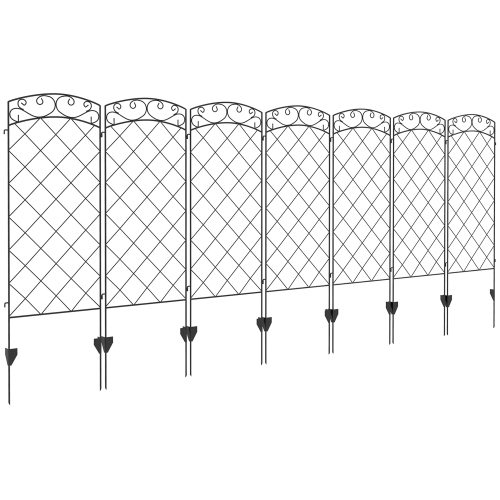
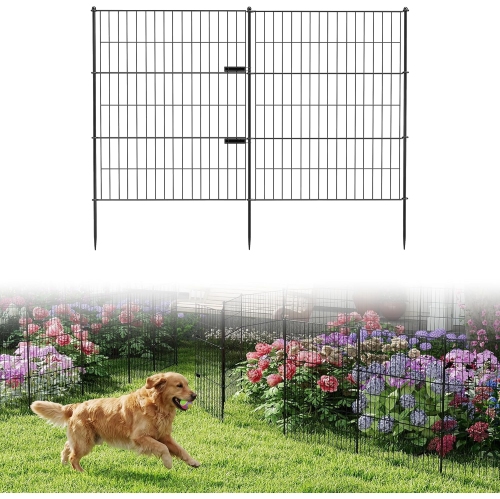
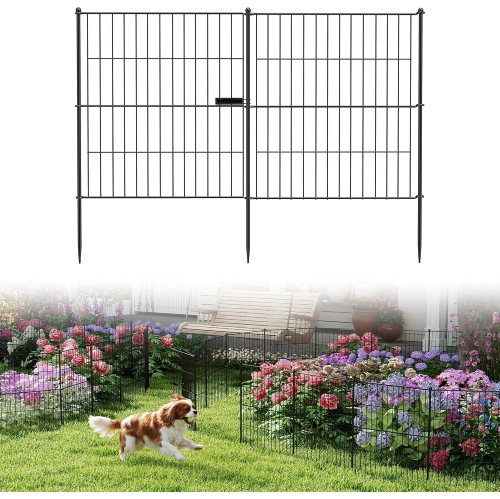
The right boundary balances privacy with room to move
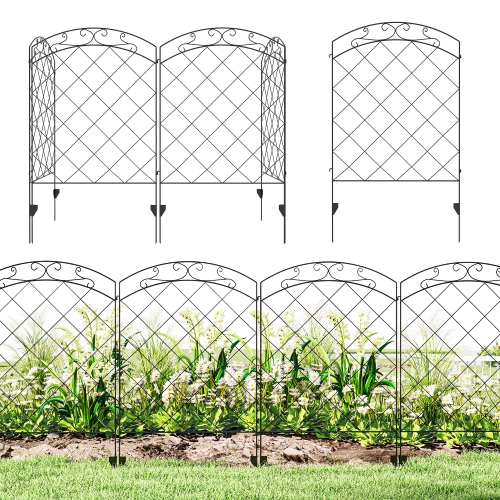
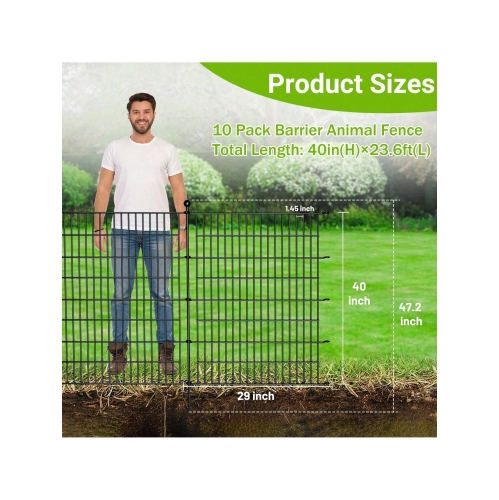
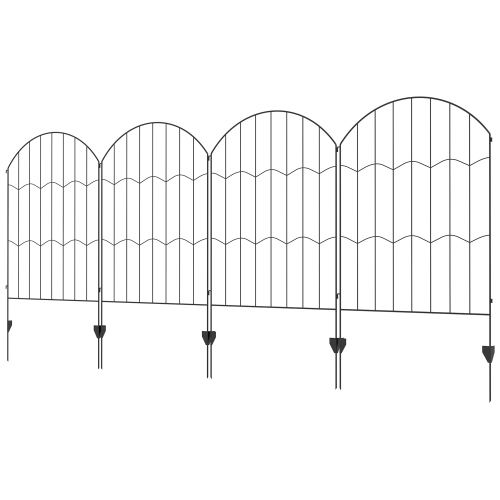
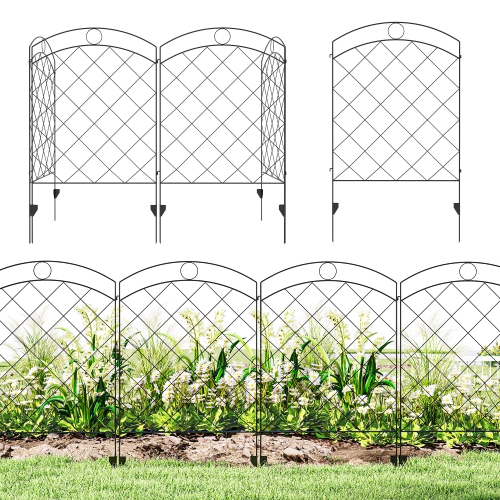
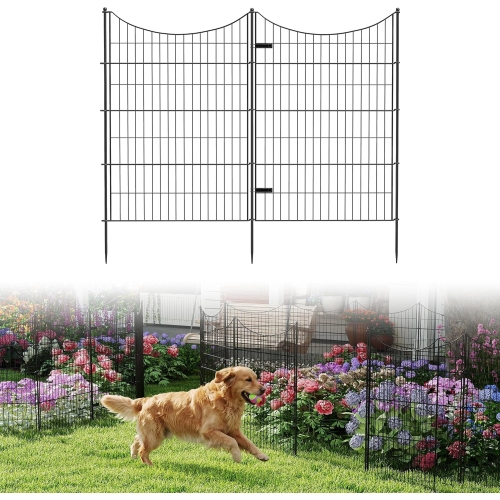
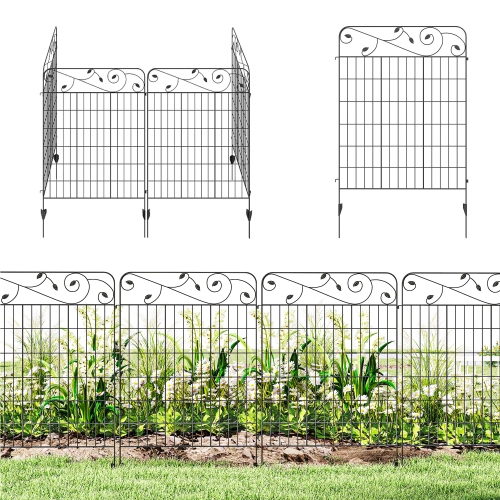
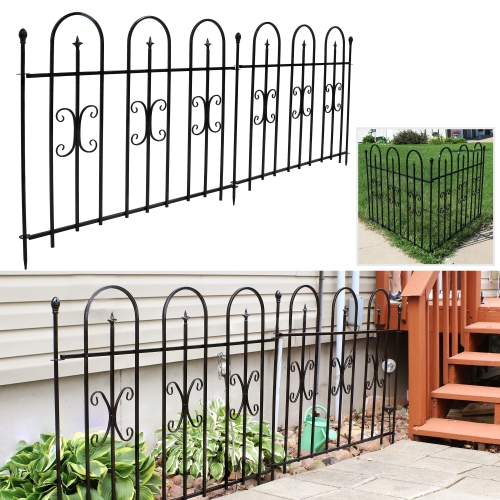
Patio fences define the edges of an outdoor seating or dining area, adding privacy, separating neighbouring spaces, or creating a clear boundary between paving and garden beds. The right style depends on what that boundary needs to do. A low, open fence can frame a patio without interrupting conversation or views, while taller panels can make a seating area feel more secluded. Closely spaced boards or slats offer more visual coverage than lattice or open metalwork, though gaps, panel angles, and the viewing position all affect privacy. A fence that screens a dining table from a nearby walkway may not block the view from an elevated neighbouring window. Slatted designs strike a balance between enclosure and openness, while lattice panels can support suitable climbing plants when their construction and mounting method allow it. For a compact patio, a single screened side may provide enough separation without enclosing the entire space. Larger layouts can accommodate connected panels that distinguish a lounge area from a dining zone or soften the view of storage bins and utility equipment. Height, width, and placement all influence how comfortably the space works: a fence should leave room to pull out chairs, move around a table, and reach doors, gates, and maintenance access points. Around a barbecue, required clearances from combustible materials remain important regardless of how neatly a panel fits the layout. Pet owners may also value a defined boundary, but suitability depends on the animal’s size, behaviour, and ability to squeeze through gaps or push against the fence. An ornamental border is not necessarily a secure enclosure. Patio fencing shares many material and mounting considerations with Outdoor Fences used around gardens, walkways, and other outdoor living spaces, with particular attention to the sightlines and everyday movement around furniture.
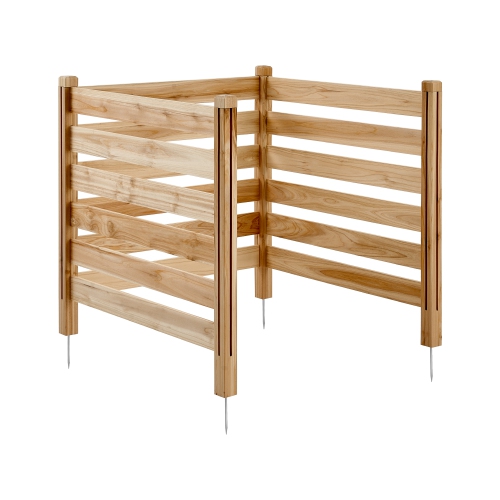
Materials influence the appearance of patio fencing as well as its weight, upkeep, and long-term performance. Wood offers visible grain and a familiar look beside timber furniture, planting beds, and stone paving. Depending on the wood species and finish, it may need periodic cleaning, staining, or sealing to help limit moisture absorption, splitting, and surface wear. Unfinished wood can change colour over time, so its initial appearance may differ from its later finish. Vinyl fencing generally needs less surface refinishing, although its strength, expansion allowances, and cleaning requirements depend on the construction. Hollow sections and lightweight panels should not be assumed to carry the same loads as reinforced systems. Metal fences can provide slim profiles and clearly defined lines, making them useful where an open boundary is more important than complete visual screening. Aluminum is typically lighter than steel and does not rust in the same way, while steel offers strength but relies on appropriate coatings and sound finishes to resist corrosion. Scratches, cut edges, and fastener holes deserve attention because damaged finishes can expose the underlying material. Composite fencing can offer a consistent appearance with less routine refinishing than many wood designs, but panel weight, support requirements, and expansion gaps still matter. Bamboo and reed screens provide a textured look and varying degrees of coverage; many are intended to attach to an existing structure rather than function as self-supporting fences. Across all materials, thickness, frame construction, connector quality, and fastening points are often more useful indicators of suitability than appearance alone. Colour and texture can tie the fence to nearby cushions, planters, or exterior trim, while a contrasting finish can make it a distinct feature. Two-sided finishes are worth considering where both the patio and the adjoining area remain visible, especially along a shared boundary where the reverse side will be part of someone else’s view.
Fit and installation are just as important as material choice, particularly where a patio has an irregular edge, a sloped surface, or limited mounting points. Freestanding panels can suit flexible layouts, but their bases take up usable floor space and need to provide stability appropriate to the panel’s height and construction. A broad privacy screen should not be treated as secure simply because it stands upright during assembly. Surface-mounted posts depend on a suitable base and correctly specified anchors; thin paving stones, loose gravel, and structural concrete do not provide interchangeable support. Ground-mounted systems have different post and footing requirements, and any digging needs to account for buried services. Attached screens also need a supporting structure capable of carrying the load, rather than a convenient fixing point chosen only for appearance. For renters and condominium residents, property rules may affect fence height, colour, attachments, and changes to shared spaces. Local requirements can also apply to setbacks, visibility near access routes, and boundary placement. Patio fences are not substitutes for code-compliant balcony guards, stair guards, or pool barriers unless they are specifically designed and approved for that purpose. Once installed, practical details make the enclosure easier to live with: a gate needs enough clearance to open fully, latches should be accessible, and panel bottoms should not interfere with drainage or create awkward trip points. Routine care usually centres on removing surface dirt with methods suited to the material, keeping debris away from bases and joints, and checking that posts, connectors, and hinges remain secure. Gentle cleaning is often preferable to abrasive tools or strong chemicals that can damage finishes. Wood may need finish maintenance, metal may need prompt treatment of coating damage, and moving parts benefit from the care specified by the manufacturer. A well-matched patio fence brings together the desired level of privacy, a comfortable layout, and a realistic maintenance commitment, making the boundary feel like a considered part of the space rather than an obstacle around it.
Top selling and popular products
-
 Your price for this item is $699.99
-
 Your price for this item is $339.99
-
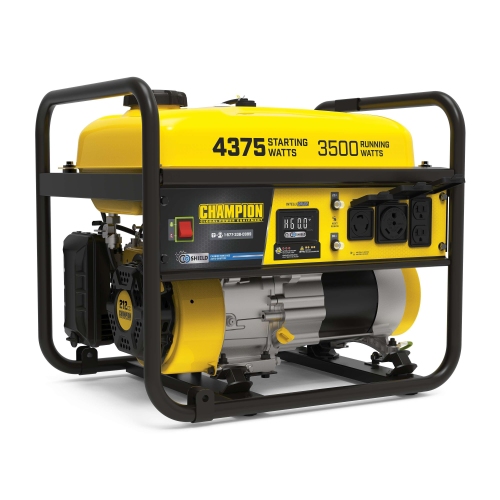 Your price for this item is $899
-
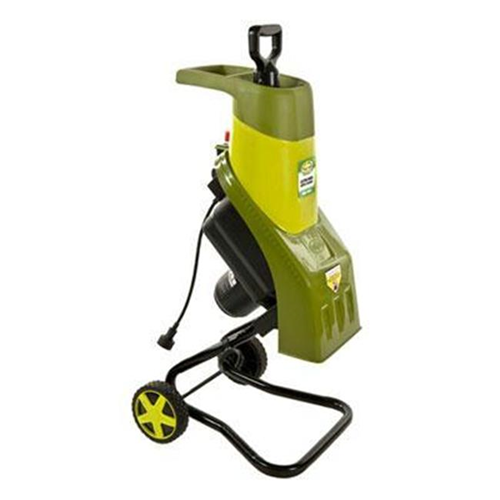 Your price for this item is $299.99
-
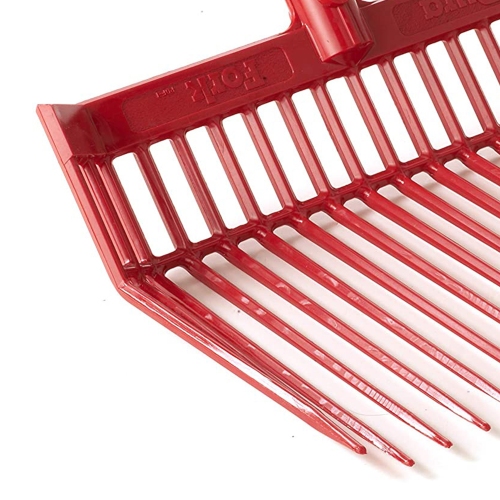 Your price for this item is $81.99
-
 Your price for this item is $104.99
-
 Your price for this item is $507.99
-
 Your price for this item is $606.99
Discover more categories related to Patio Fences
Top Collections:
Best Black Friday Deals This Year, Best Black Friday Deals On Electronics, Kindle Devices, Pokemon Centers, Best Black Friday Deals On Apple Products, Best Cameras for Sports Photography, Dyson Airwrap, Pokémon 30th Celebration Cards, Apple iPhone 17 Pro, Canon G7X Cameras
Some products may be subject to Environmental Handling Fees
(EHF) depending on your province.
Learn more about EHFs.