Wooden Frame Armchairs
A good armchair is a piece of furniture that can be used in almost any room of the house. It's a place to sit and relax, read a book, or watch TV, and it can also be used as an extra seat when company comes over. A good armchair should be comfortable, durable, and stylish enough to blend with any decor. Here are some of the best options available.
Sort
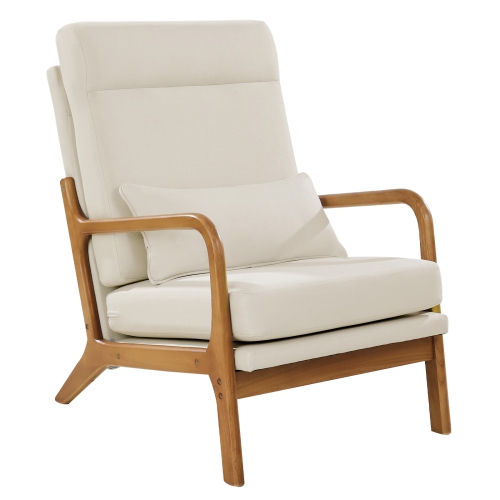
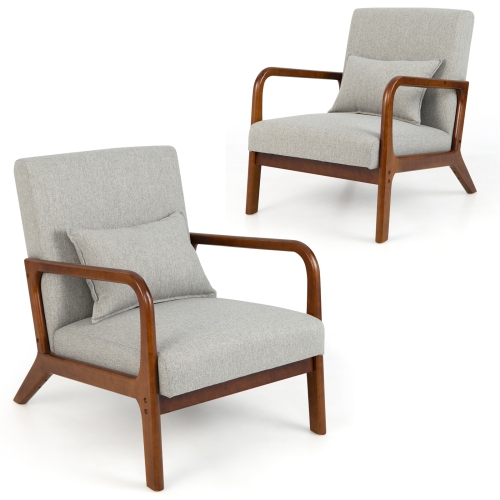
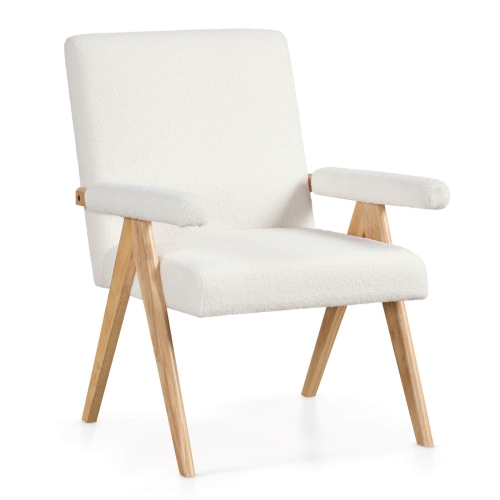
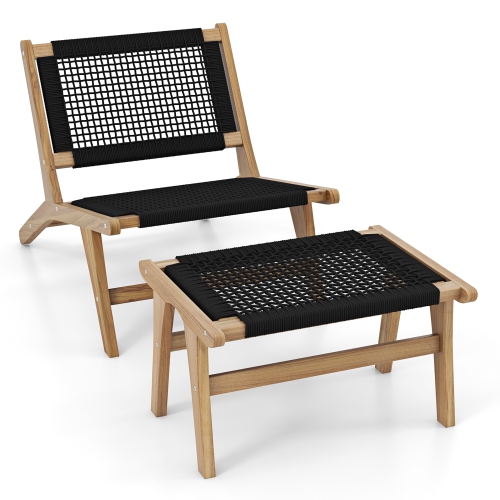
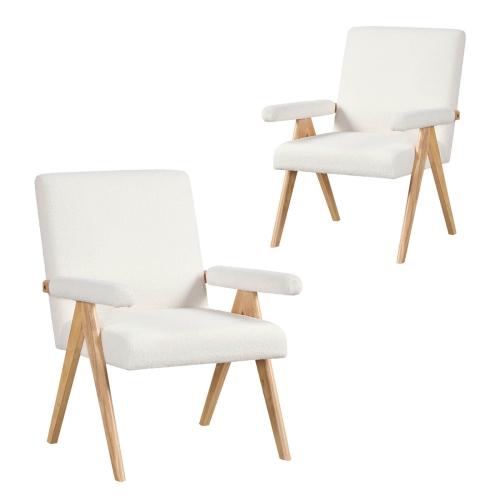
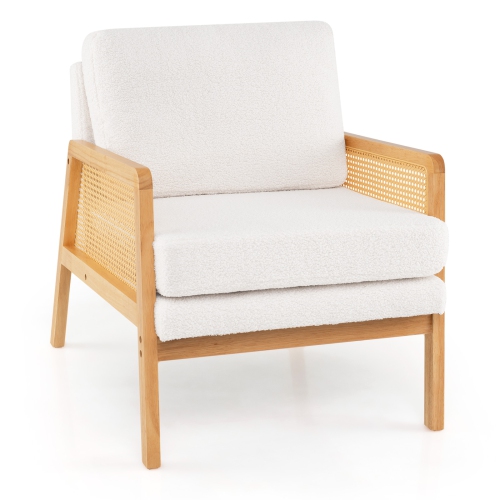
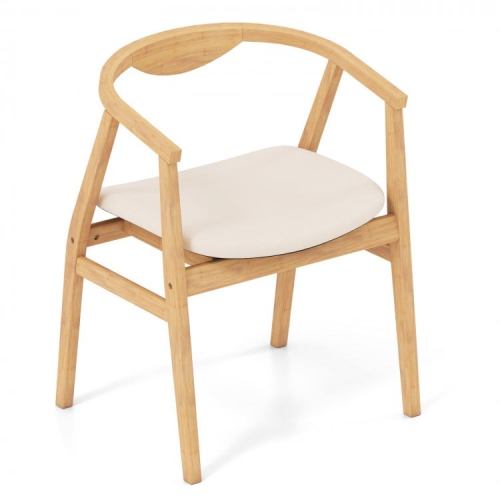
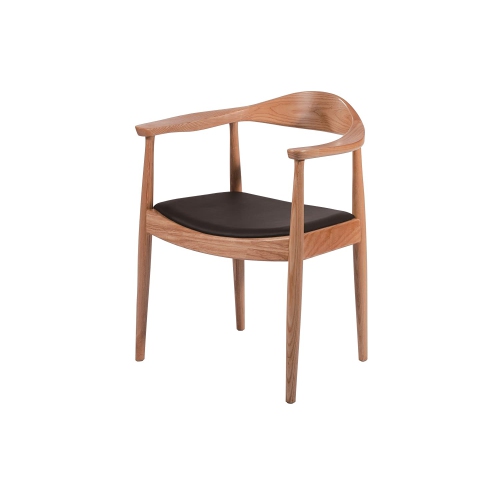
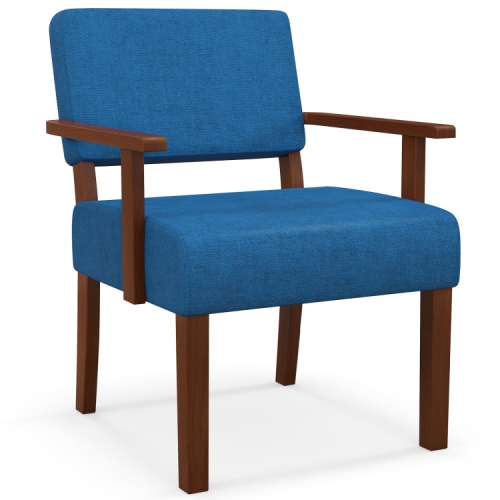
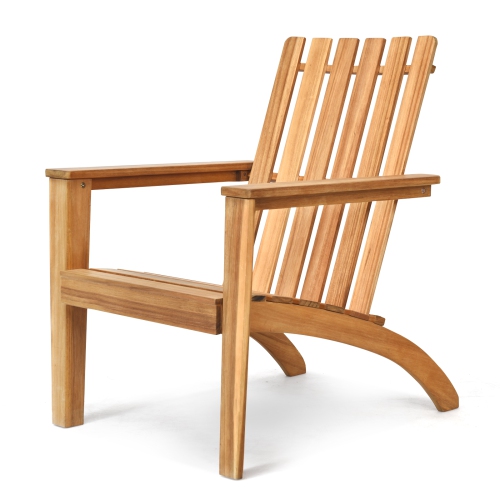
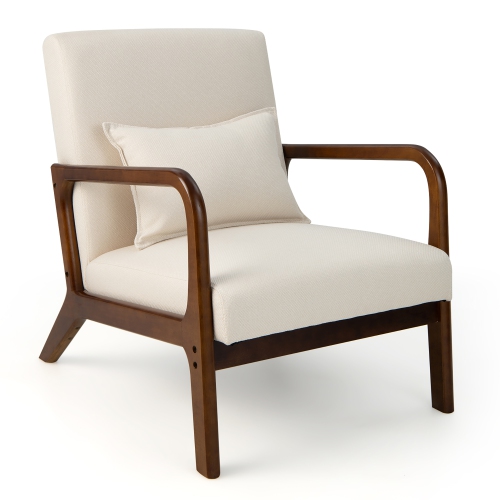

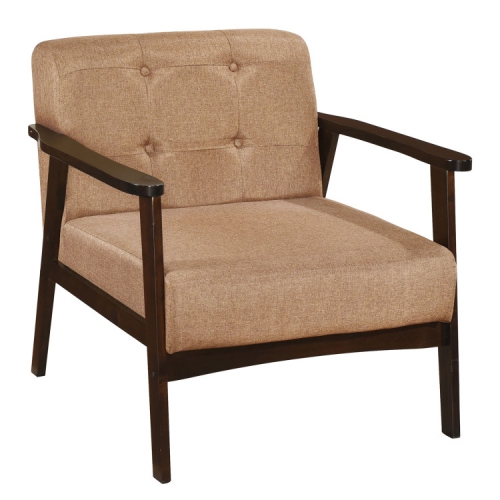
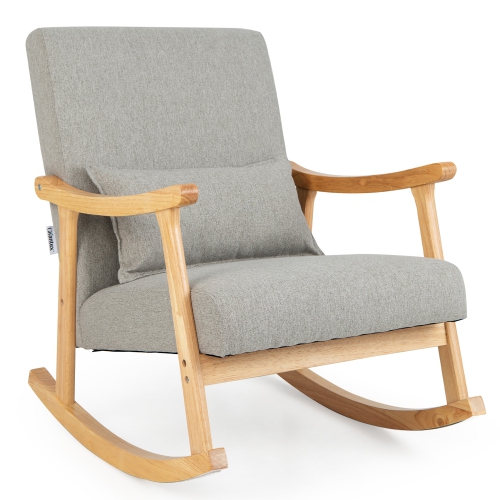
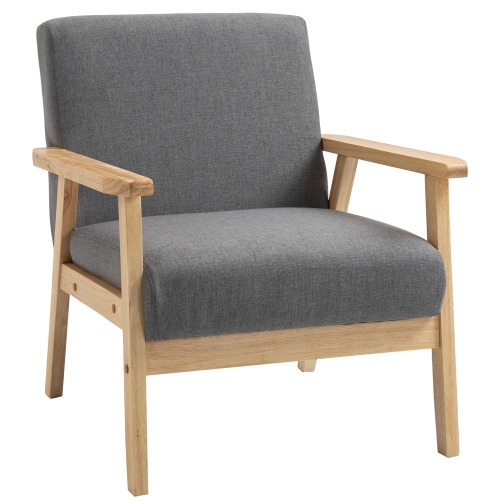
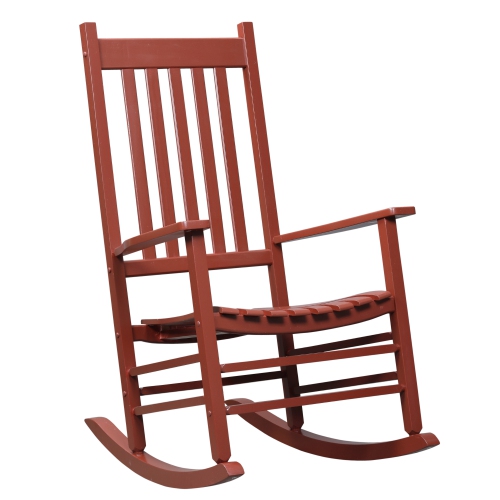
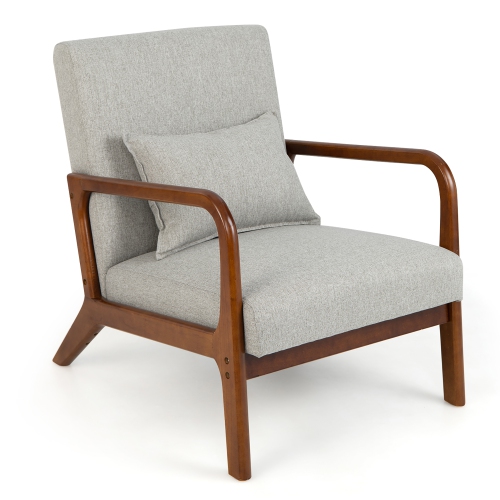
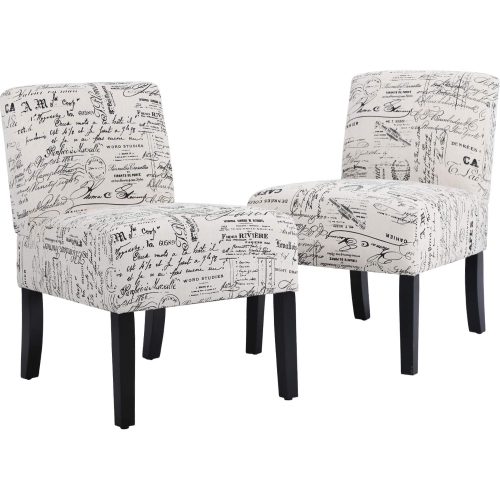
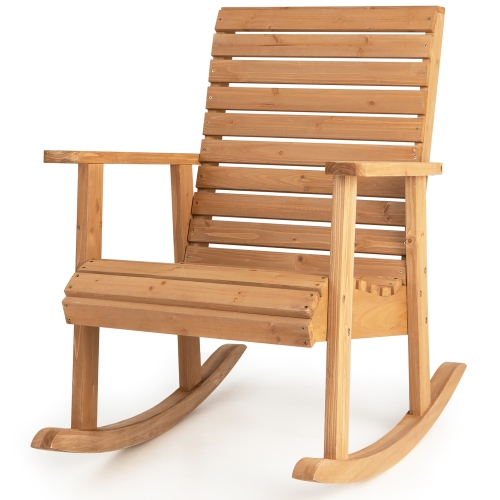
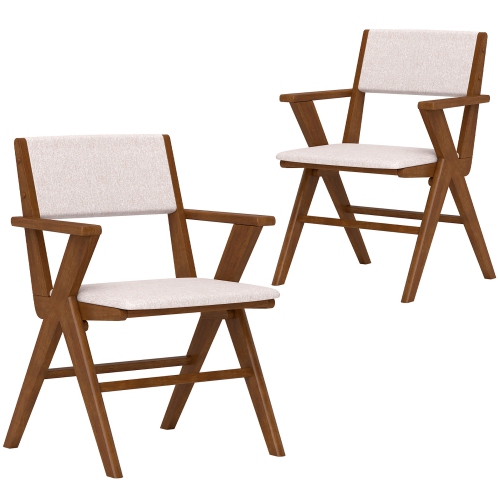

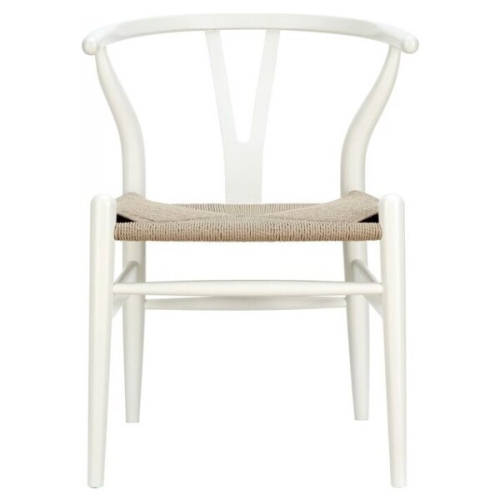
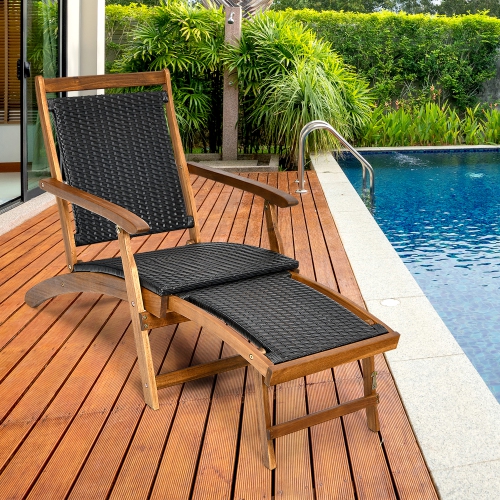
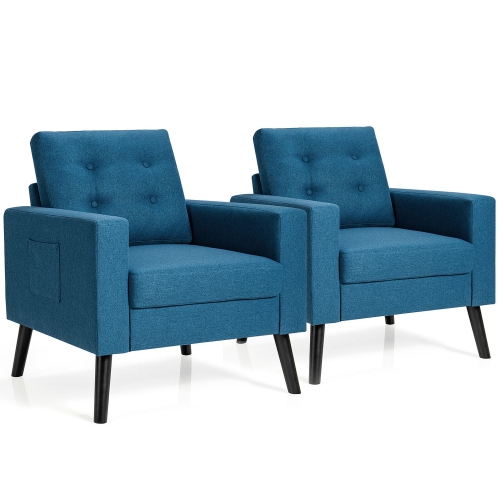
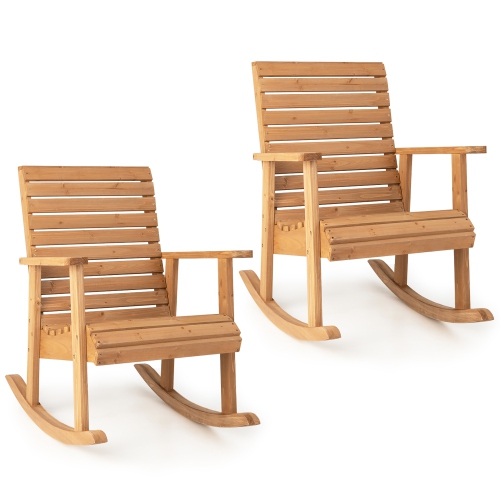
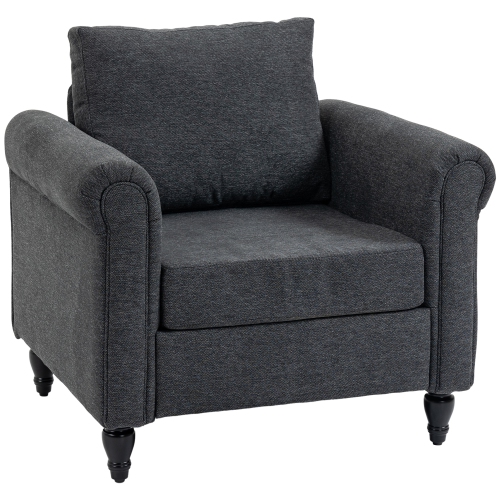
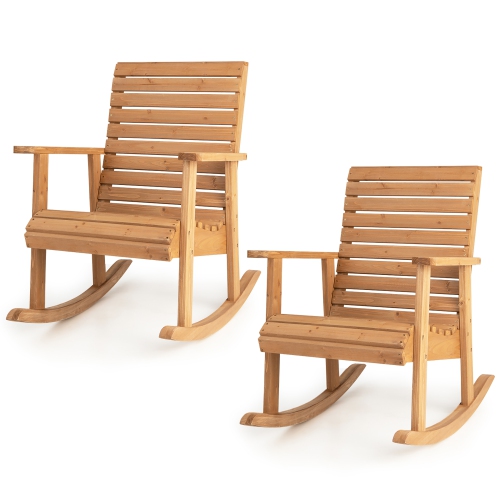
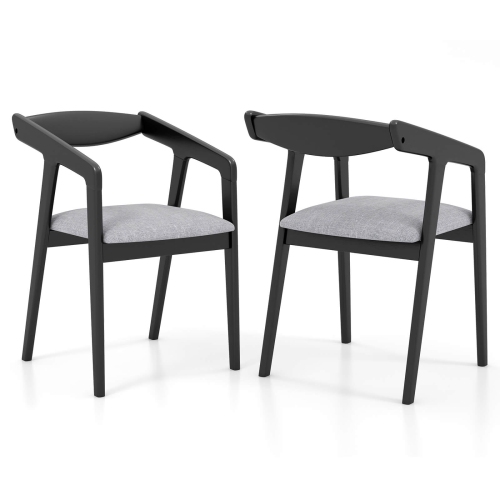
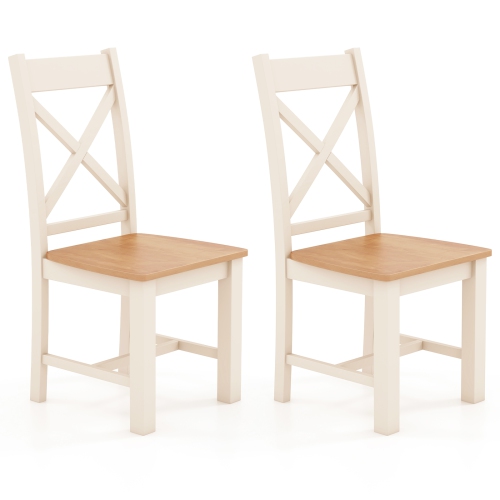

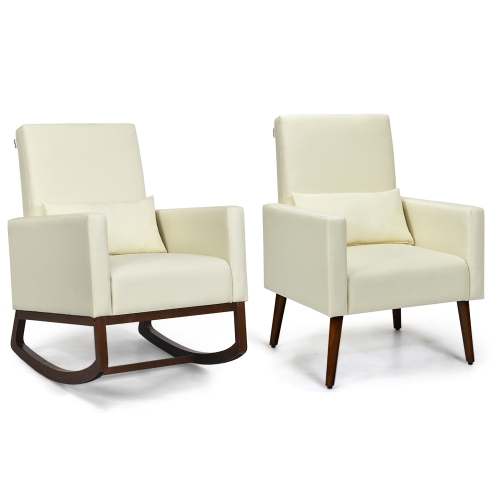


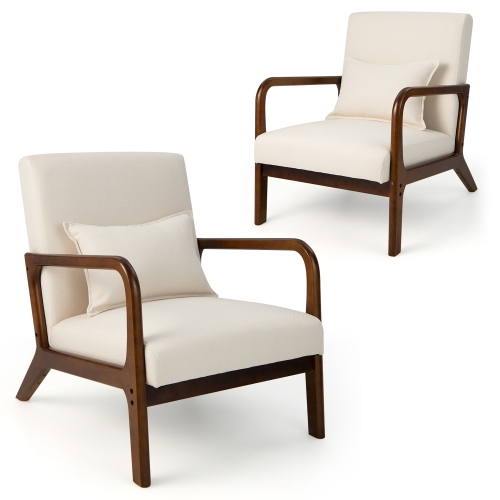
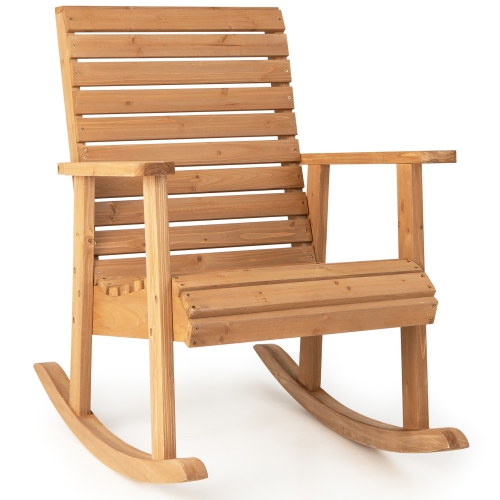
Open wood frames give comfortable seating a lighter look
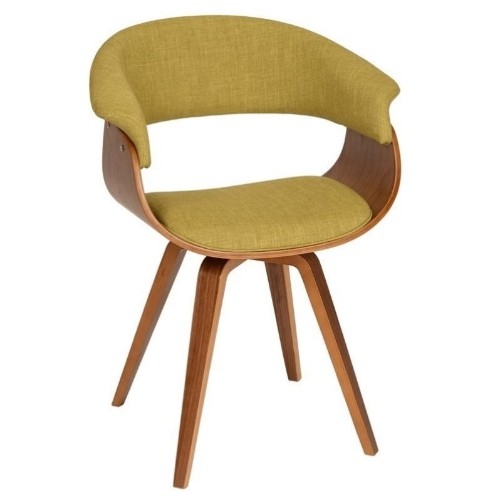
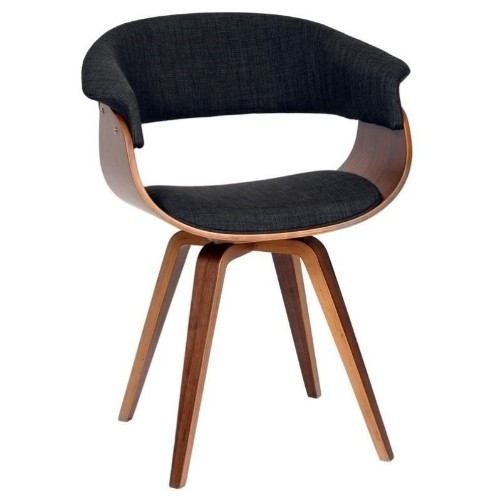
Wooden frame armchairs combine a supportive wood structure with a comfortable seat, creating an easy place to read, chat, or settle in beside a sofa. Their defining feature is the frame: exposed arms, legs, and rails give the chair its shape and bring the grain and colour of the wood into view. Some designs have upholstered seats and backs, while others pair loose cushions with slatted or woven panels. Compared with a fully upholstered armchair, an open wooden frame can look lighter in a room, especially when space is visible beneath the seat and between the arms. That makes this style particularly useful in condos, smaller living rooms, and bedrooms where a substantial chair might feel crowded. The overall character depends on both the silhouette and the finish. Tapered legs, gently angled backs, and smooth arms often suit mid-century interiors; straight lines and restrained detailing work well in contemporary spaces. Turned legs or shaped armrests can bring a more traditional feel. Pale wood paired with cream upholstery creates a soft contrast, while a dark frame against textured grey fabric has a more defined outline. Natural grain varies from piece to piece, so differences in pattern and tone are part of the material’s appearance rather than signs that every chair should look identical. A wooden frame does not have to match every other wood surface in the room. A shared undertone, a similar finish, or a cushion colour drawn from the rug can connect a chair with an existing coffee table or bookcase. Within the broader category of Wooden Armchairs, frame construction and the amount of cushioning help distinguish occasional accent seating from chairs intended for longer stretches of sitting. A pair facing a sofa can anchor a conversation area, while a single chair beside a floor lamp can give an unused corner a clear purpose without requiring a complete furniture rearrangement.
Materials and construction influence how a wooden frame armchair feels, wears, and fits into everyday life. Solid wood frames may use oak, ash, beech, rubberwood, or other species, each with its own grain pattern and working properties. Pine is generally softer than many hardwoods and can show dents more readily, although the finish and the way a chair is used also affect its appearance over time. Some frames combine solid wood components with plywood or veneered panels; the material description helps clarify which parts provide structural support and which provide a finished surface. No single wood name guarantees a durable chair. Well-fitted joints, suitable fasteners, stable legs, and construction appropriate to the stated weight capacity all matter. Kiln drying helps control the wood’s moisture content during manufacturing, but any wooden furniture still benefits from sensible placement and care. Comfort is equally dependent on details that may not be obvious from the chair’s outline. A deep seat offers room to curl up, yet it may leave a shorter person needing a cushion behind their back to keep their feet supported. A shallower seat and a more upright back can feel better for conversation or sitting down with a cup of tea. Broad, smoothly finished arms give forearms somewhere to rest, whereas narrow or sharply angled arms create a different sitting experience. Firm cushions can make changing position easier; softer cushions provide more give but may need regular reshaping. Foam density and firmness describe different qualities, so a cushion’s feel alone does not establish how well it will retain its shape. Upholstery adds another layer of choice. Tightly woven fabric can be practical for frequent use, textured weaves add visual depth, and leather or synthetic leather surfaces have distinct care requirements. In homes with pets, an open weave may be more vulnerable to snagging. For shared family seating, fabric specifications, removable-cover details, and cushion construction are worth as much attention as the frame’s finish.
The right fit involves more than finding a chair narrow enough for an empty spot. Overall width includes the arms, while usable seat width determines how much room there is to sit comfortably. Seat height affects how easily someone can lower themselves into the chair and stand again, and the angle of the back changes how far the chair extends into a room. A low, reclined wooden frame armchair may suit relaxed reading but feel less convenient for someone who prefers upright support or needs a higher seat. In a compact layout, leaving a clear route past the chair is often more useful than fitting in the widest seat possible. A side table should sit within comfortable reach without blocking an armrest, and an accompanying footstool needs enough space to avoid interrupting a walkway. Doorways, stair turns, and lift dimensions also matter when bringing furniture home, particularly if the frame arrives fully assembled. Where assembly is required, following the supplied sequence and checking the fittings as directed helps keep the chair stable. Day-to-day care is usually straightforward but should follow the manufacturer’s instructions for both the wood finish and the upholstery. A soft cloth removes dust from exposed rails and arms, while a suitable vacuum attachment can lift crumbs from cushion seams. Spills are best blotted promptly rather than rubbed into fabric, and a removable cover should only be machine washed if its care label permits it. Wood surfaces should not be left wet, and strong cleaners or abrasive pads can damage finishes. Placement away from direct heat sources and prolonged direct sunlight can help limit drying and uneven fading. Felt pads suited to the flooring can reduce scratches when the chair is moved, though lifting rather than dragging protects both joints and floors. With proportions suited to the person and materials suited to the household, wooden frame armchairs can serve as everyday living room seating, a quiet bedroom retreat, or a welcoming seat in a home office. As a housewarming gift or a thoughtful addition for an avid reader, a chair is most useful when its dimensions, support, and appearance reflect the recipient’s space and habits.
Materials and construction influence how a wooden frame armchair feels, wears, and fits into everyday life. Solid wood frames may use oak, ash, beech, rubberwood, or other species, each with its own grain pattern and working properties. Pine is generally softer than many hardwoods and can show dents more readily, although the finish and the way a chair is used also affect its appearance over time. Some frames combine solid wood components with plywood or veneered panels; the material description helps clarify which parts provide structural support and which provide a finished surface. No single wood name guarantees a durable chair. Well-fitted joints, suitable fasteners, stable legs, and construction appropriate to the stated weight capacity all matter. Kiln drying helps control the wood’s moisture content during manufacturing, but any wooden furniture still benefits from sensible placement and care. Comfort is equally dependent on details that may not be obvious from the chair’s outline. A deep seat offers room to curl up, yet it may leave a shorter person needing a cushion behind their back to keep their feet supported. A shallower seat and a more upright back can feel better for conversation or sitting down with a cup of tea. Broad, smoothly finished arms give forearms somewhere to rest, whereas narrow or sharply angled arms create a different sitting experience. Firm cushions can make changing position easier; softer cushions provide more give but may need regular reshaping. Foam density and firmness describe different qualities, so a cushion’s feel alone does not establish how well it will retain its shape. Upholstery adds another layer of choice. Tightly woven fabric can be practical for frequent use, textured weaves add visual depth, and leather or synthetic leather surfaces have distinct care requirements. In homes with pets, an open weave may be more vulnerable to snagging. For shared family seating, fabric specifications, removable-cover details, and cushion construction are worth as much attention as the frame’s finish.
The right fit involves more than finding a chair narrow enough for an empty spot. Overall width includes the arms, while usable seat width determines how much room there is to sit comfortably. Seat height affects how easily someone can lower themselves into the chair and stand again, and the angle of the back changes how far the chair extends into a room. A low, reclined wooden frame armchair may suit relaxed reading but feel less convenient for someone who prefers upright support or needs a higher seat. In a compact layout, leaving a clear route past the chair is often more useful than fitting in the widest seat possible. A side table should sit within comfortable reach without blocking an armrest, and an accompanying footstool needs enough space to avoid interrupting a walkway. Doorways, stair turns, and lift dimensions also matter when bringing furniture home, particularly if the frame arrives fully assembled. Where assembly is required, following the supplied sequence and checking the fittings as directed helps keep the chair stable. Day-to-day care is usually straightforward but should follow the manufacturer’s instructions for both the wood finish and the upholstery. A soft cloth removes dust from exposed rails and arms, while a suitable vacuum attachment can lift crumbs from cushion seams. Spills are best blotted promptly rather than rubbed into fabric, and a removable cover should only be machine washed if its care label permits it. Wood surfaces should not be left wet, and strong cleaners or abrasive pads can damage finishes. Placement away from direct heat sources and prolonged direct sunlight can help limit drying and uneven fading. Felt pads suited to the flooring can reduce scratches when the chair is moved, though lifting rather than dragging protects both joints and floors. With proportions suited to the person and materials suited to the household, wooden frame armchairs can serve as everyday living room seating, a quiet bedroom retreat, or a welcoming seat in a home office. As a housewarming gift or a thoughtful addition for an avid reader, a chair is most useful when its dimensions, support, and appearance reflect the recipient’s space and habits.
Top selling and popular products
-
 Your price for this item is $13.3
 -
 Your price for this item is $544.85
 -
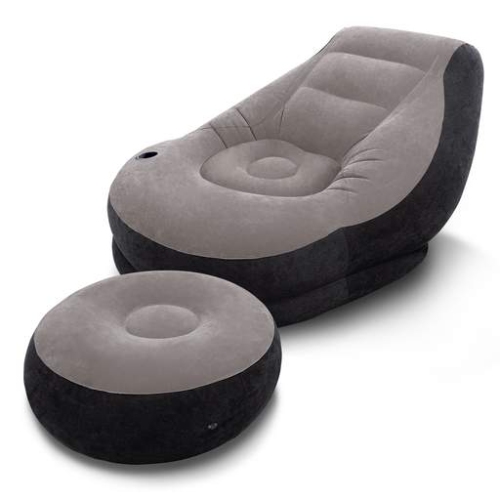 Your price for this item is $276.99
 -
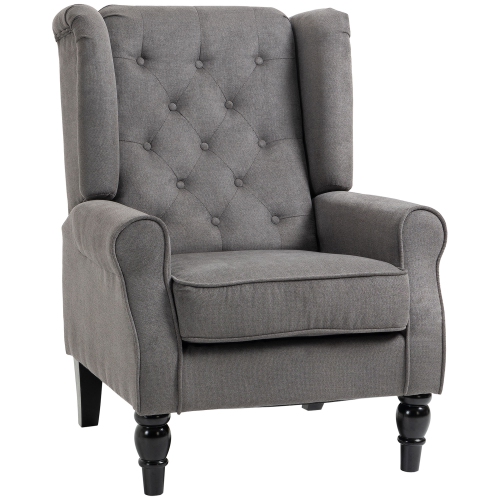 Your price for this item is $259.99
 -
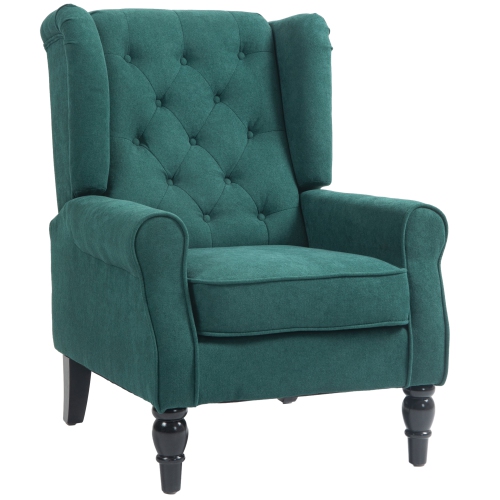 Your price for this item is $219.99
 -
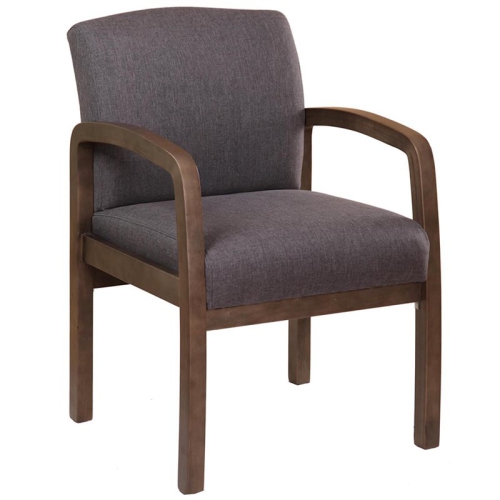 Your price for this item is $626.48
 -
 Your price for this item is $492.5
 -
 Your price for this item is $515.4
Discover more categories related to Wooden Frame Armchairs
Top Collections:
Pokemon Centers, Kindle Devices, Best Budget Office Chairs, Apple iPhones 16, Best Laptops for Writers, iPhone 15 Apple, Canon G7X Cameras, Refurbished Apple Laptops, Alarm Clock, Motorola Razr Phones
Some products may be subject to Environmental Handling Fees
(EHF) depending on your province.
Learn more about EHFs.