Wooden Armchairs
A wooden armchair is a great piece of furniture for your living room or bedroom. These are a classic and elegant piece that can be used to add warmth and character to almost any space. They come in a variety of styles, from traditional to modern, so you can find one that fits your home's aesthetic. Here are some of the best wooden armchairs available to choose from.
Sort
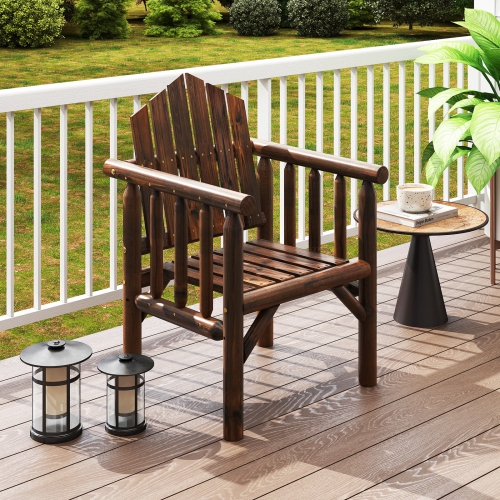
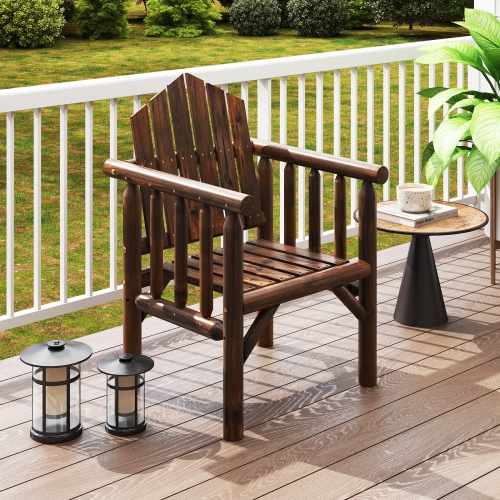
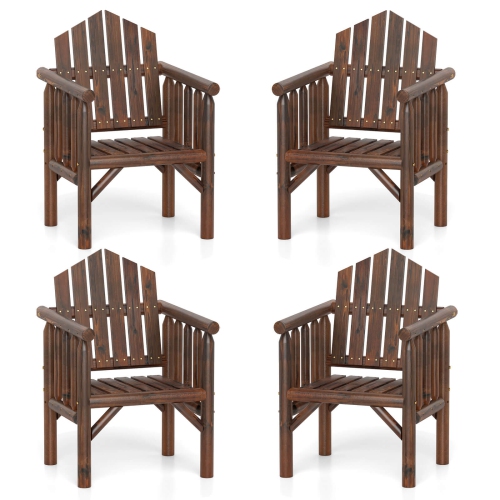
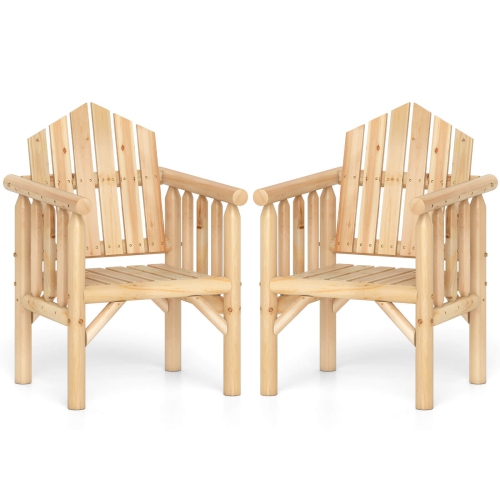
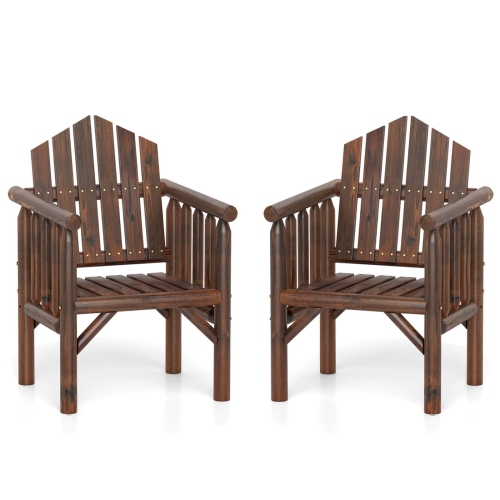
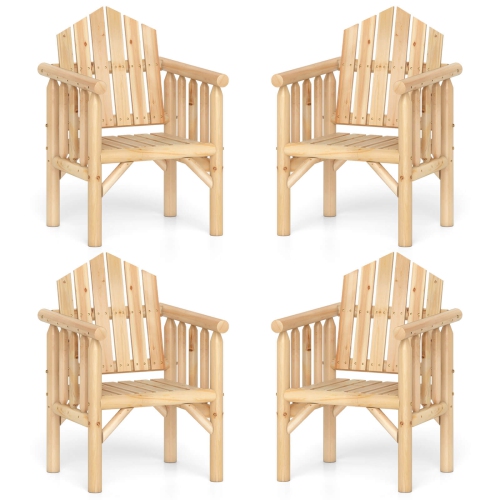
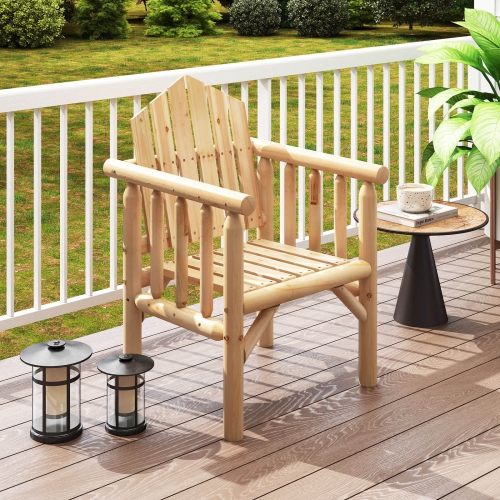
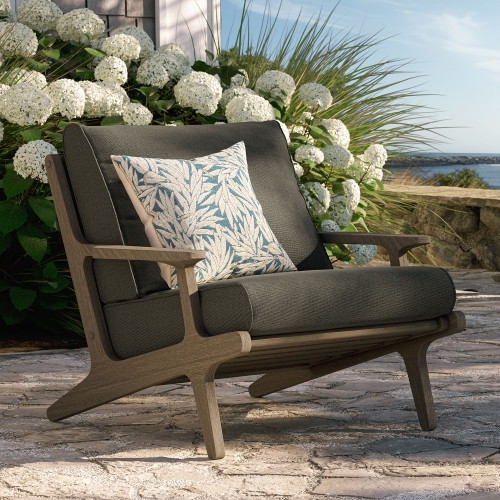
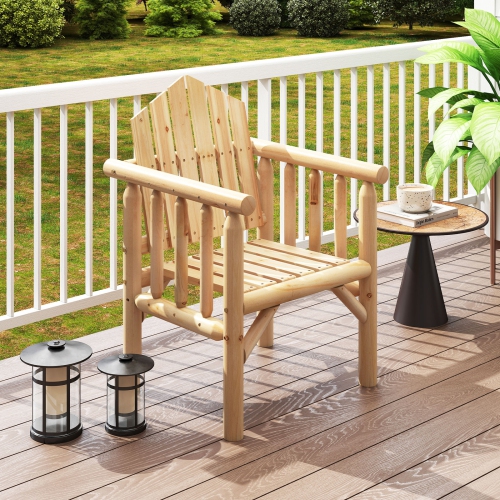
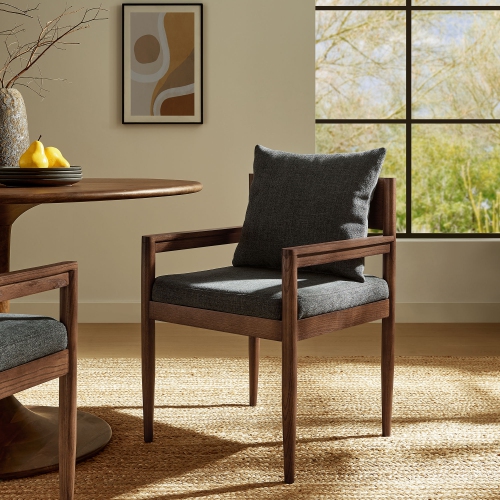
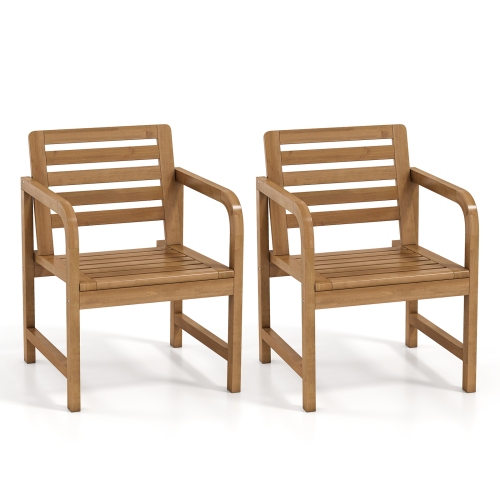
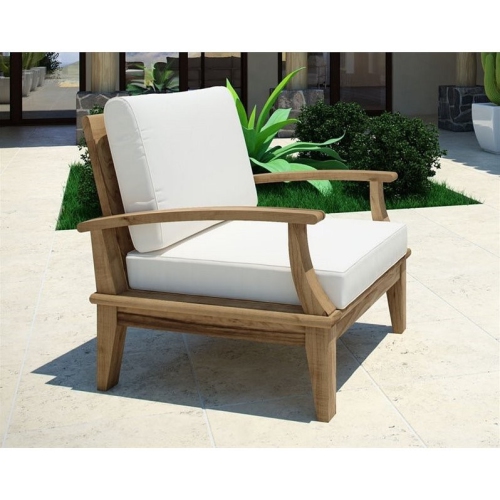
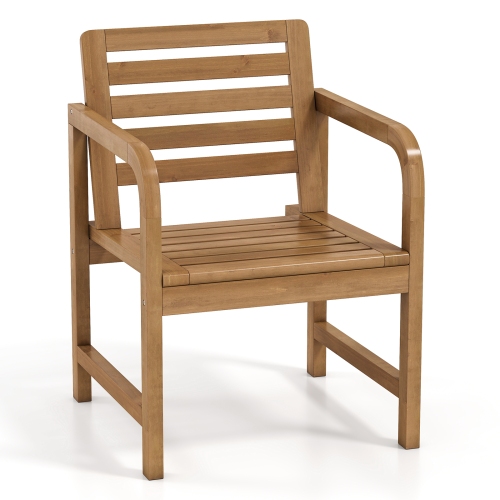
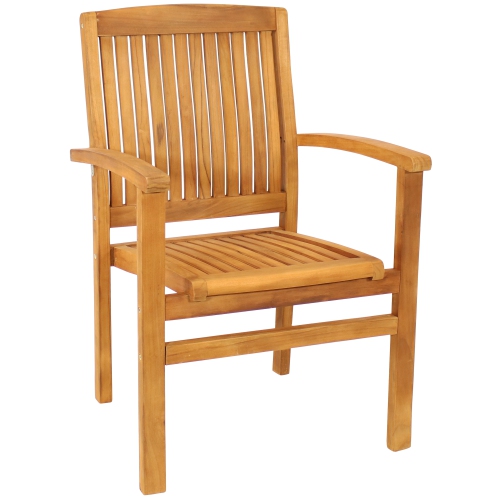
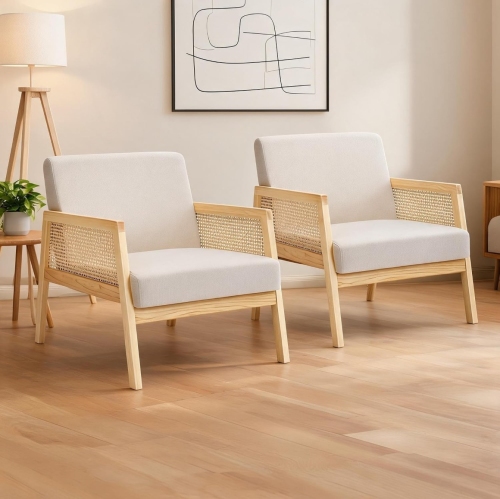
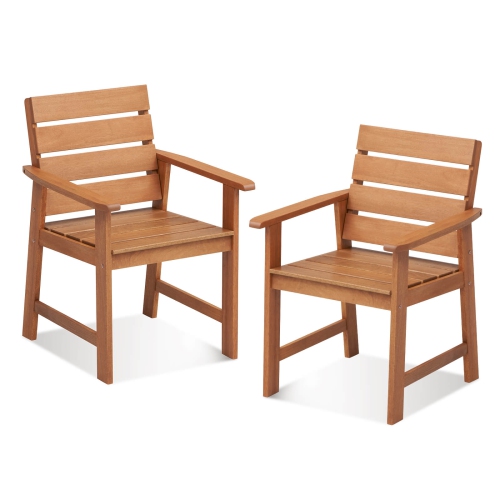

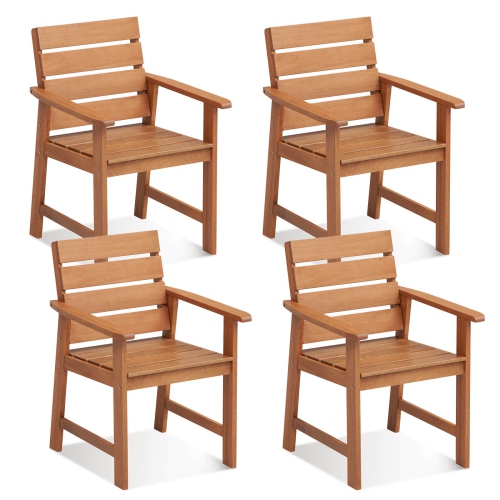
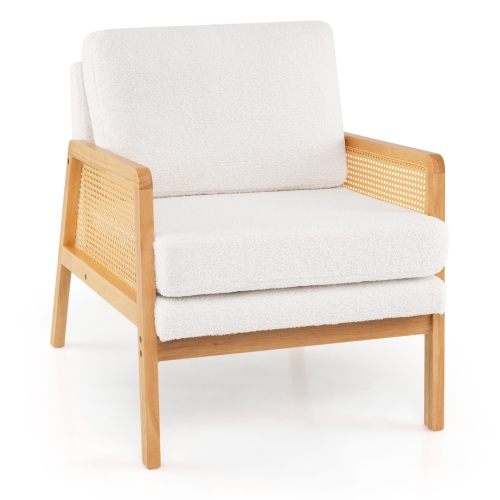
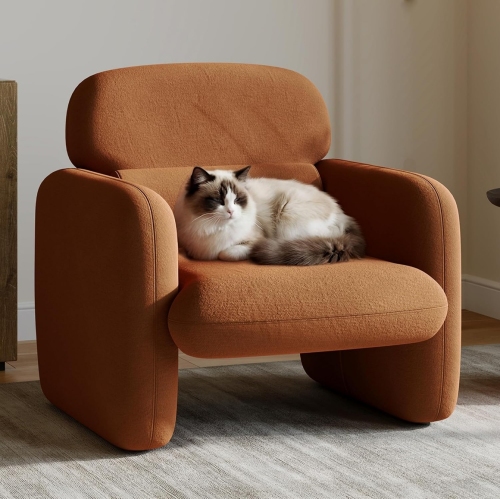
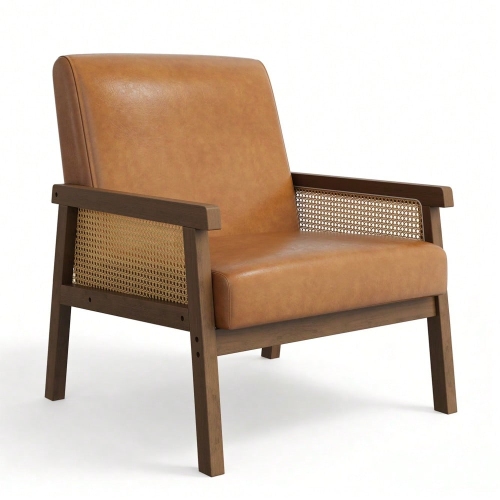

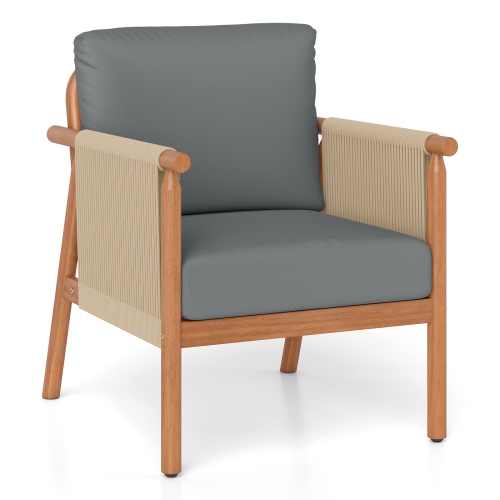
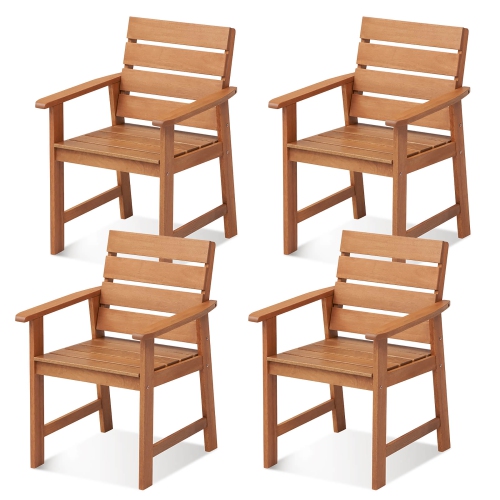
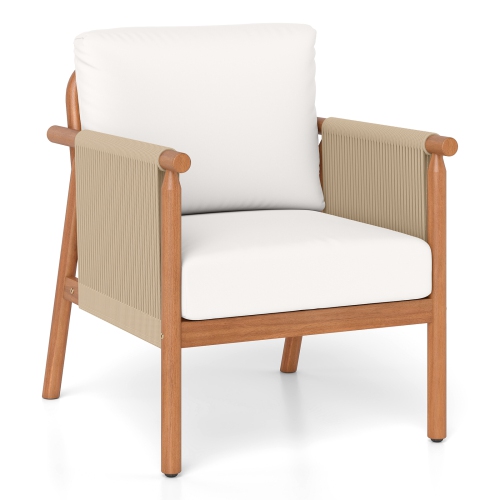
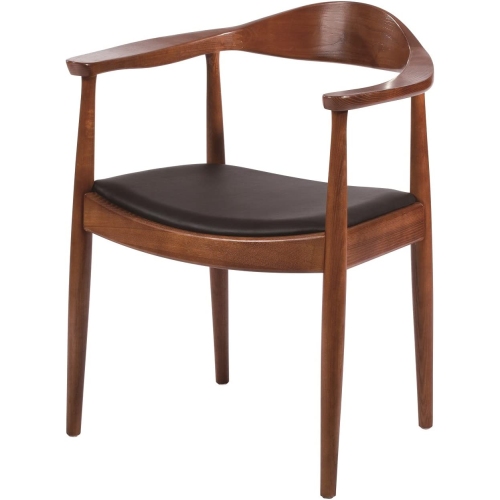
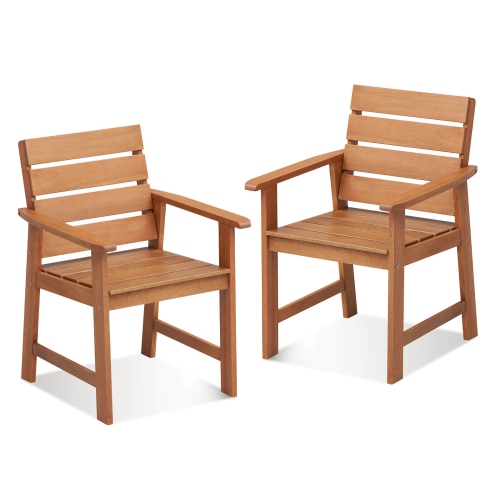
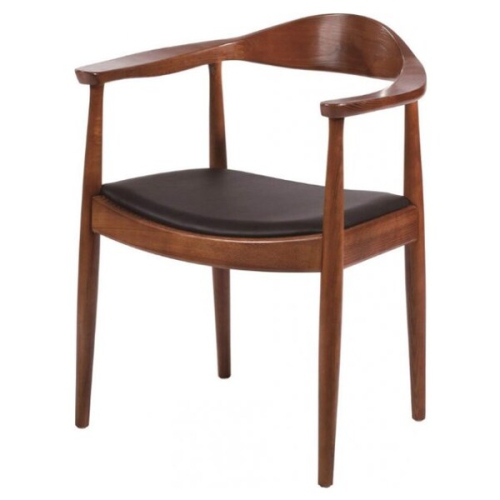
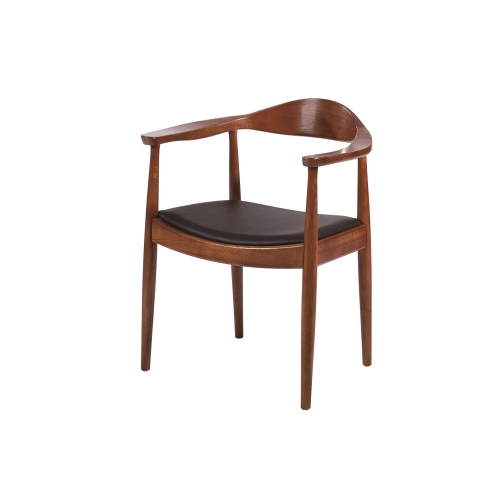
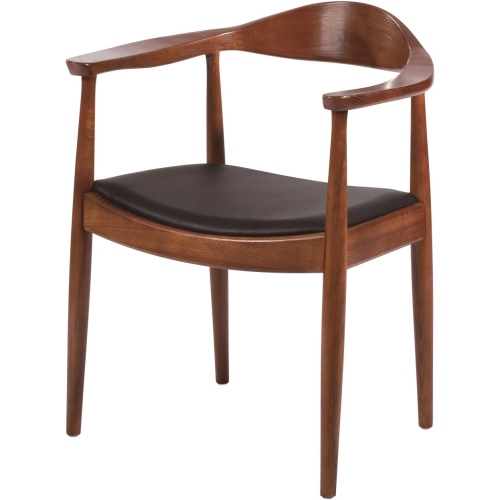
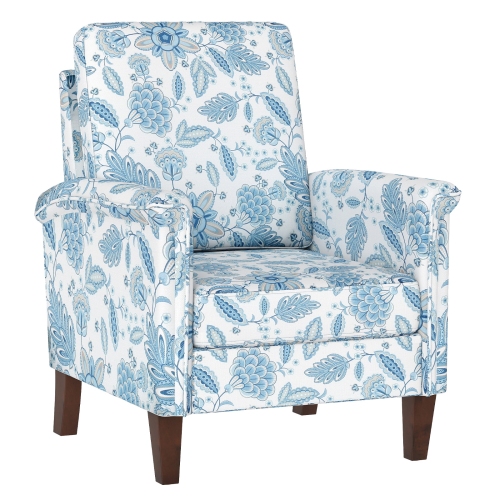
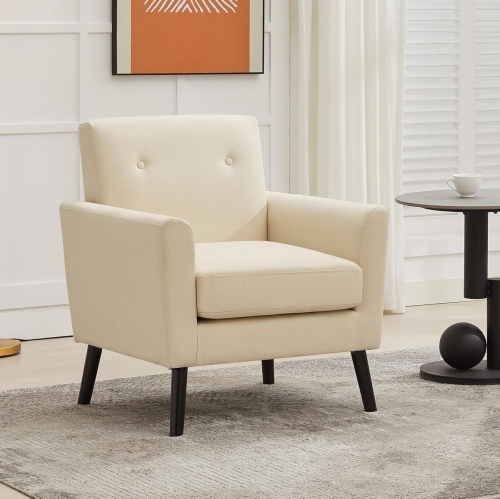
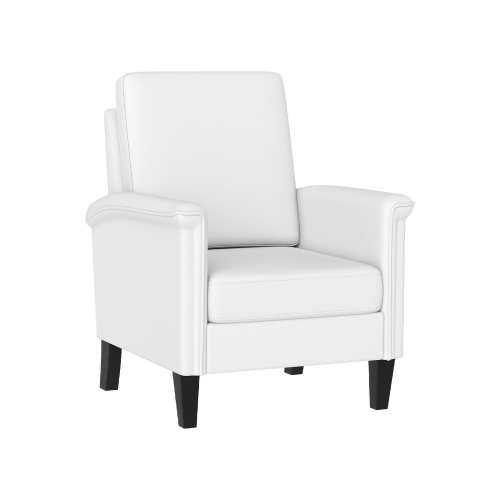
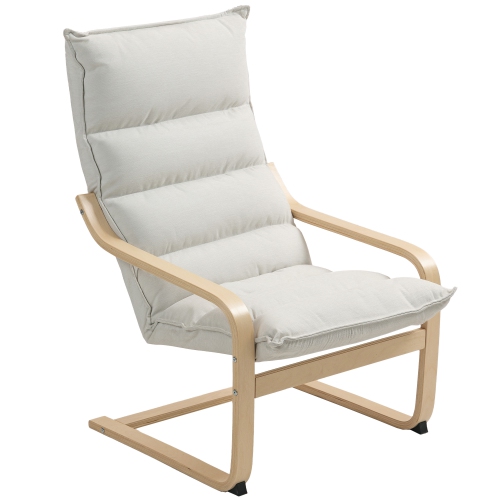
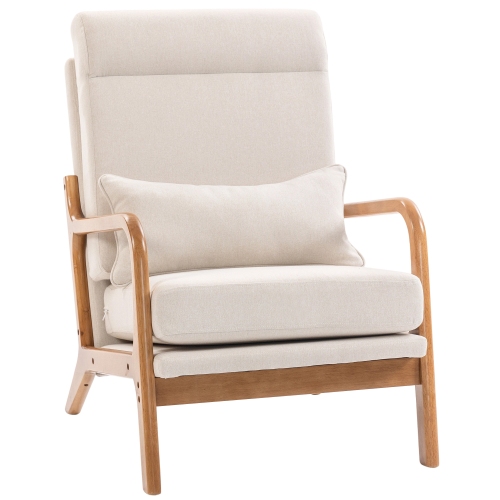
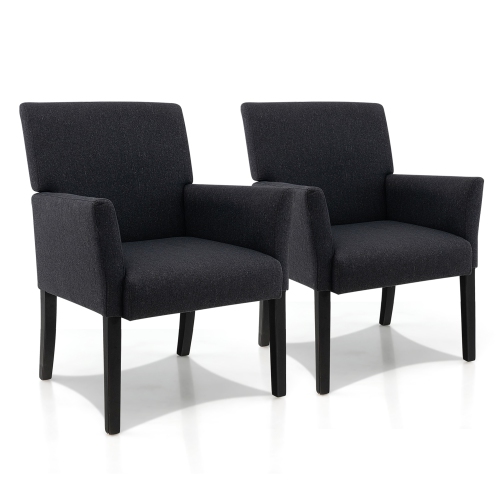

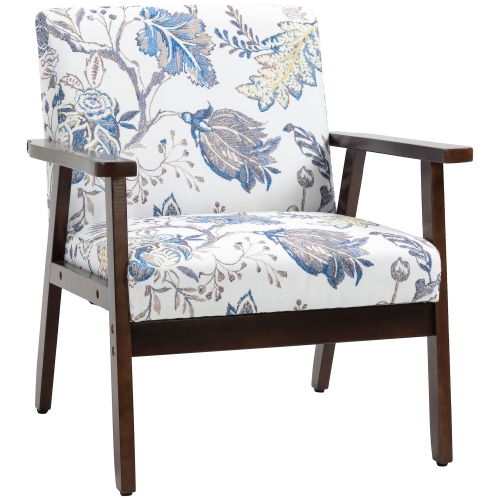
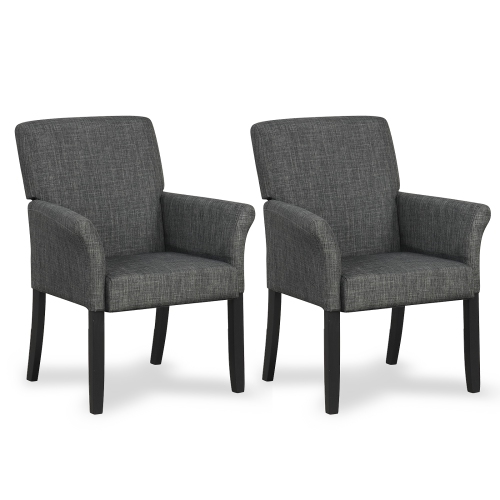
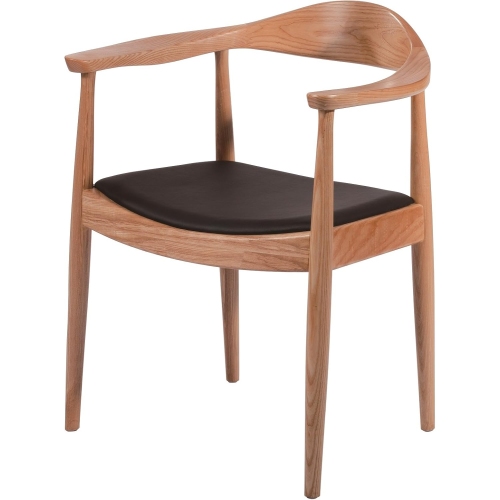
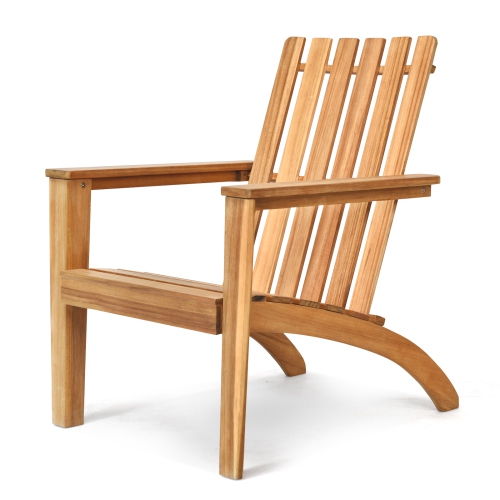
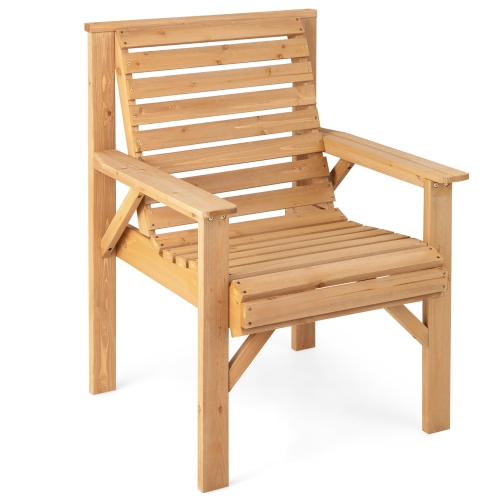
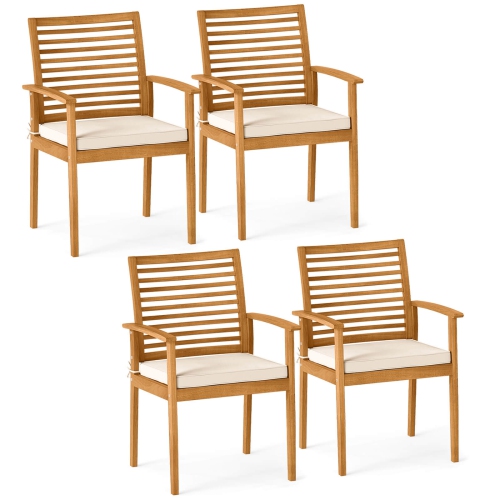
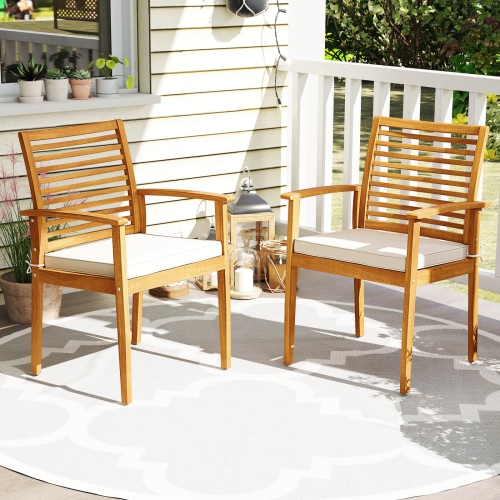
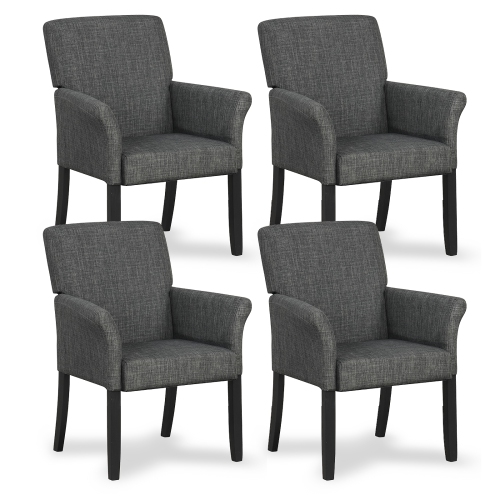
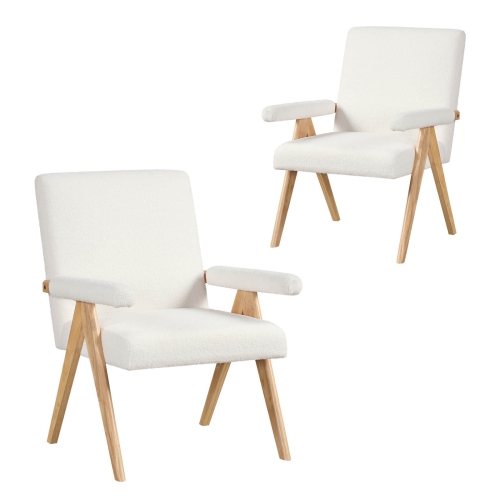
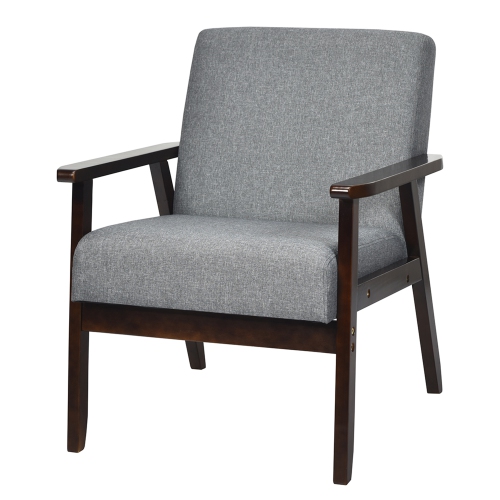
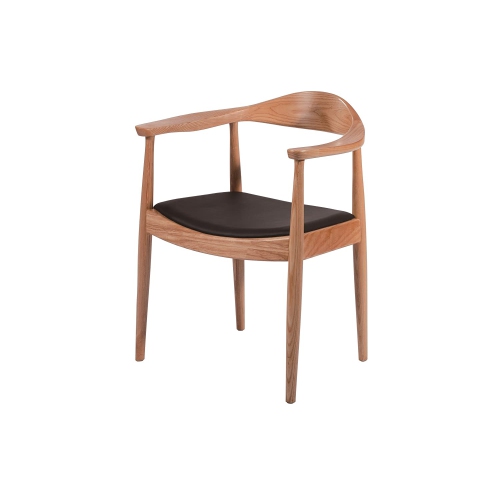
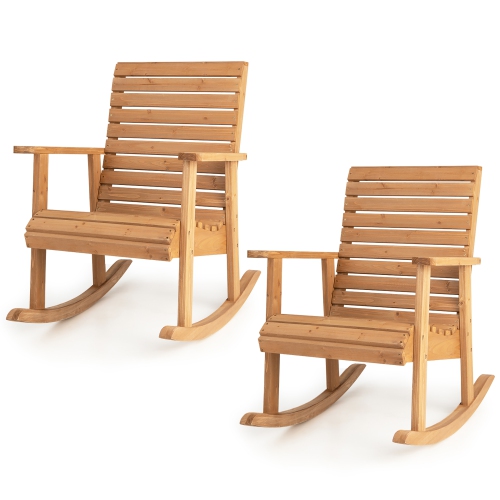

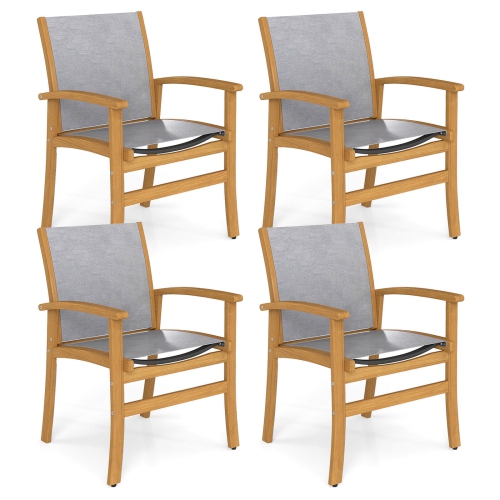
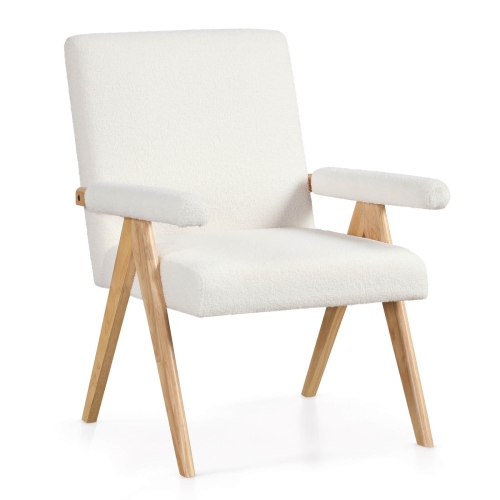
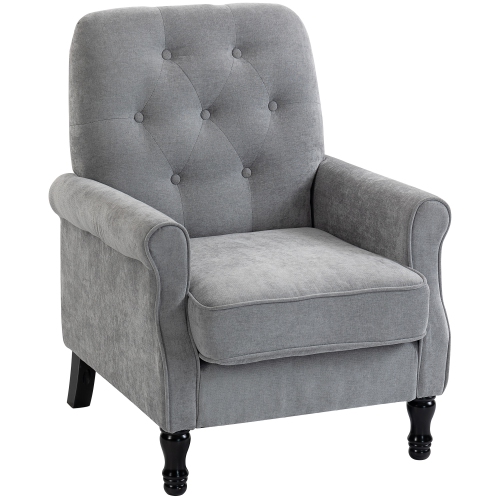
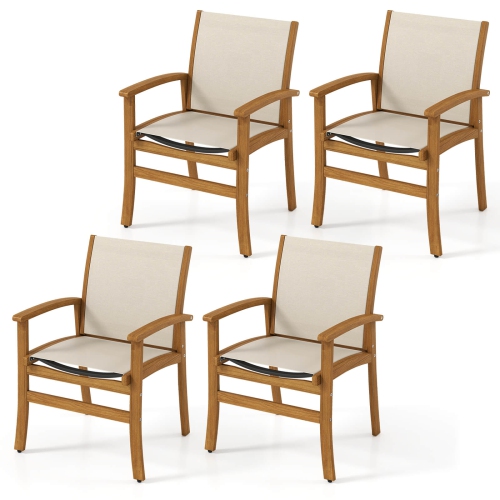
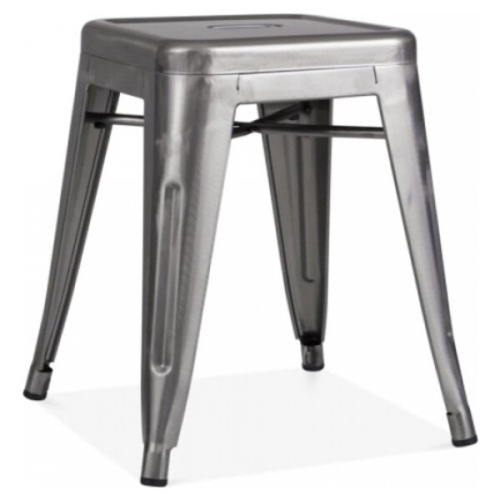
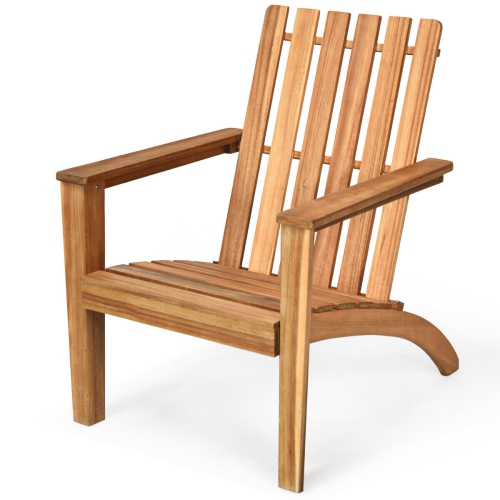
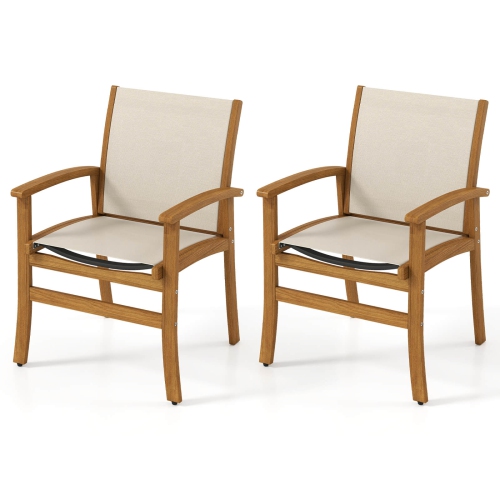
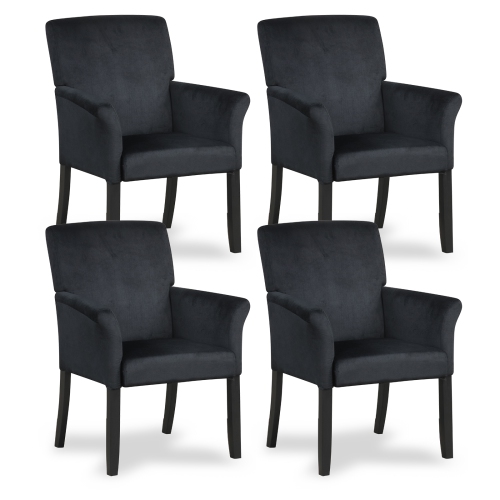
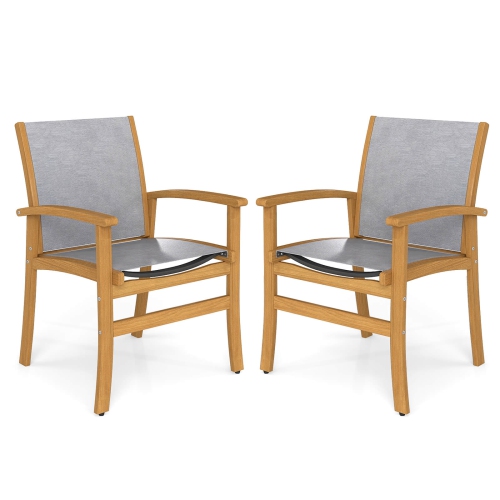
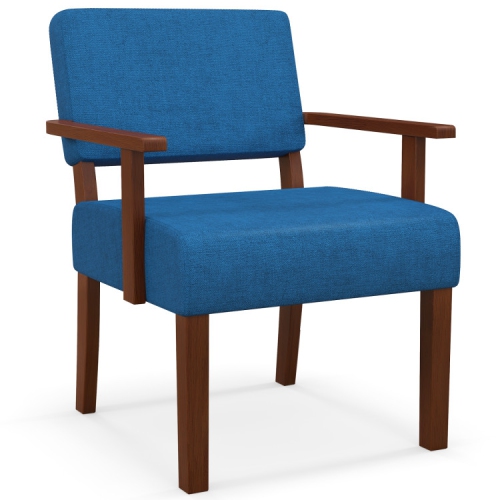
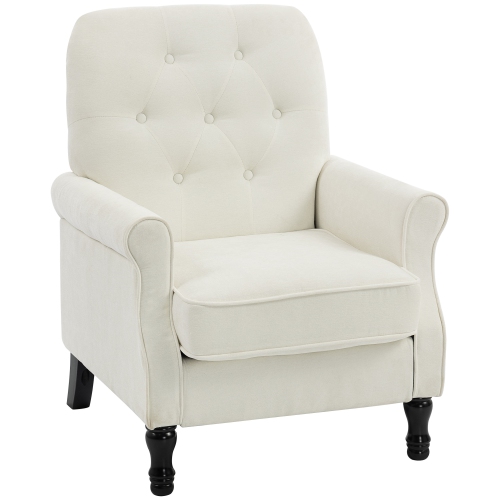
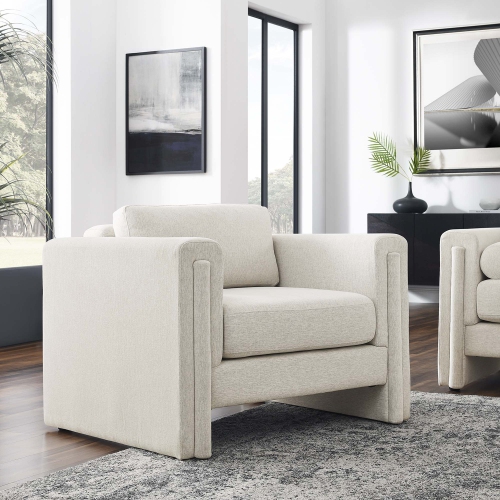
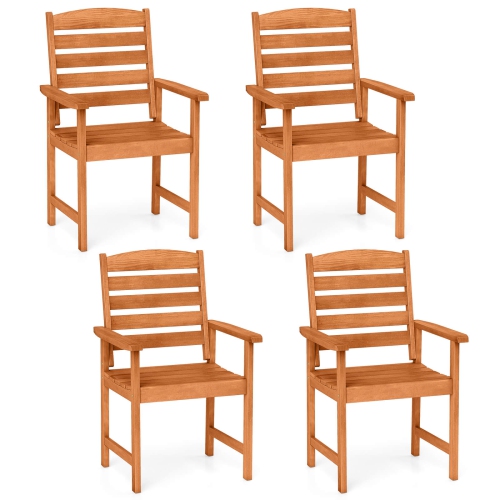
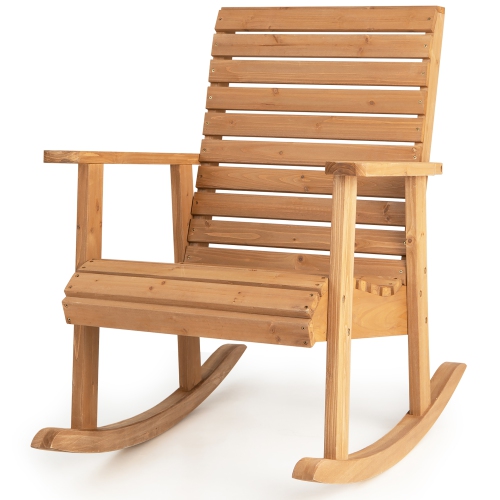
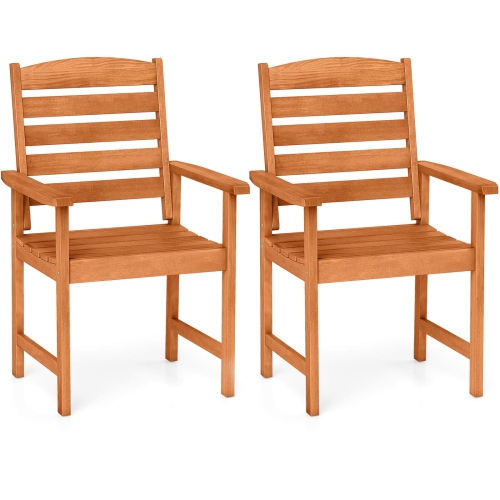

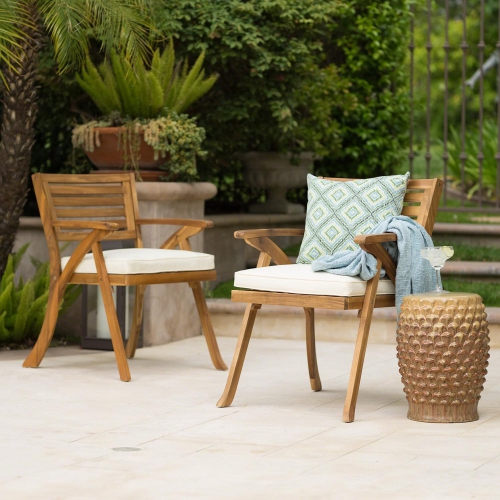
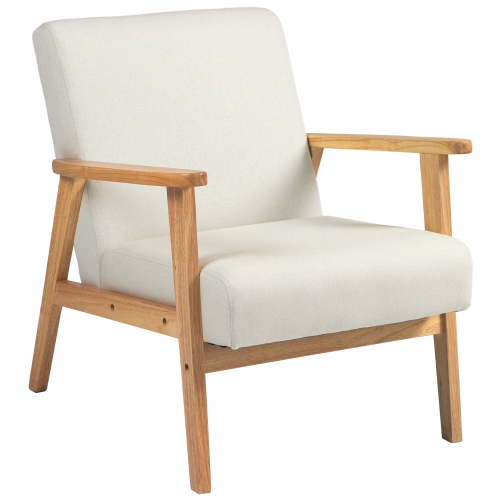
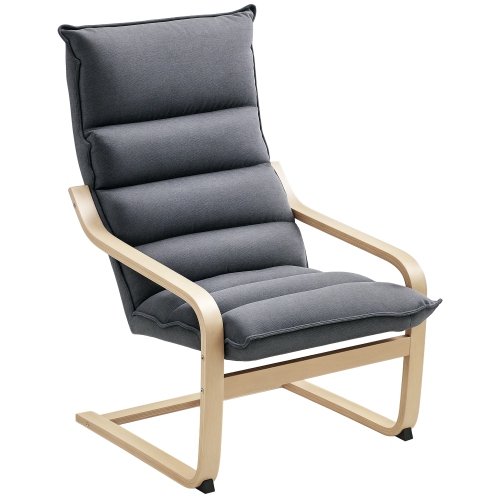

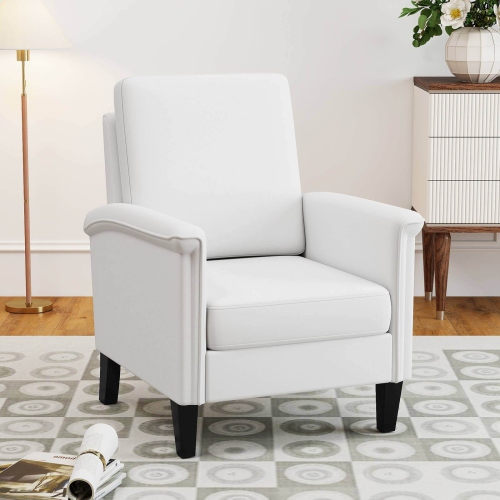
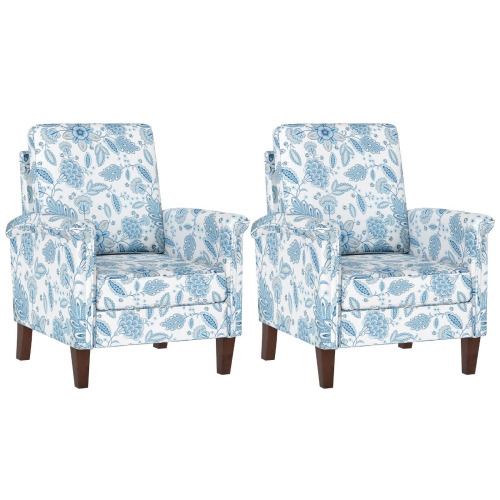
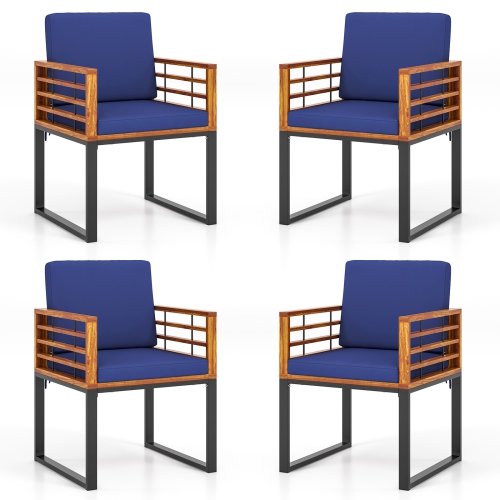
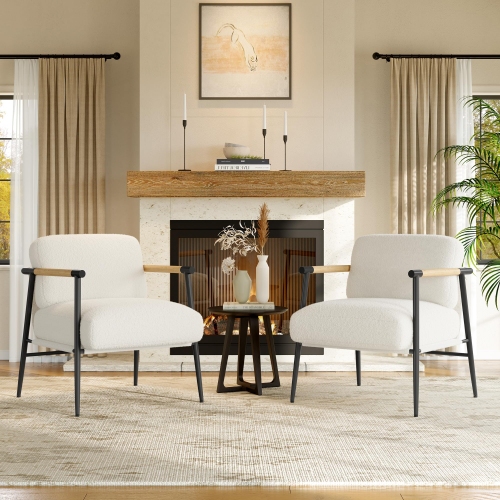

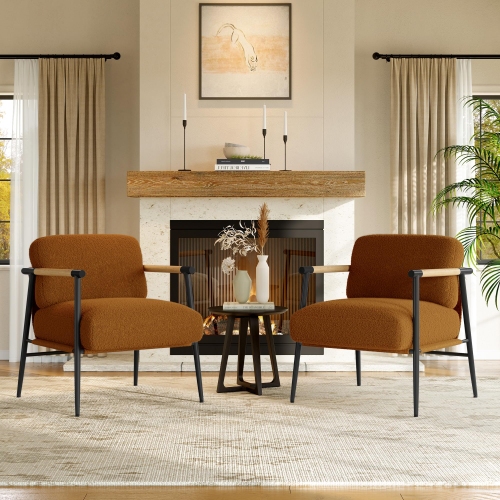
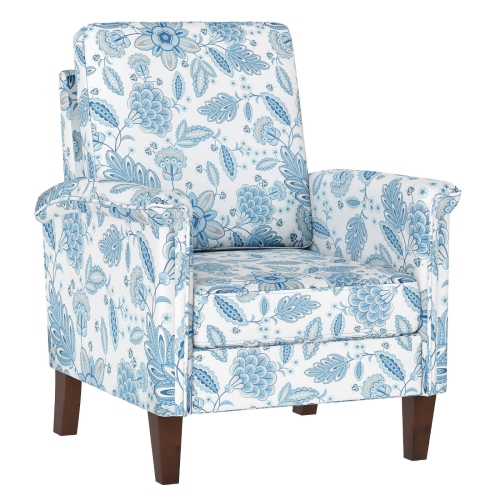
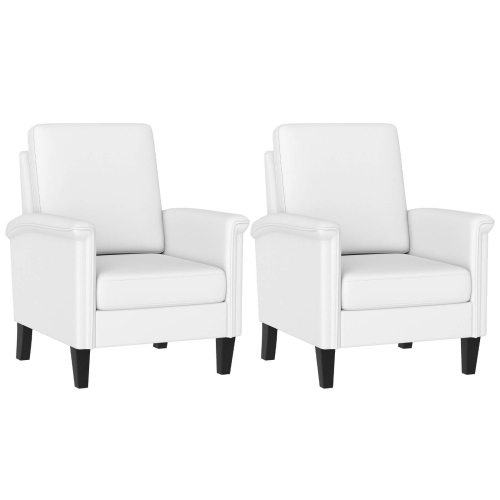
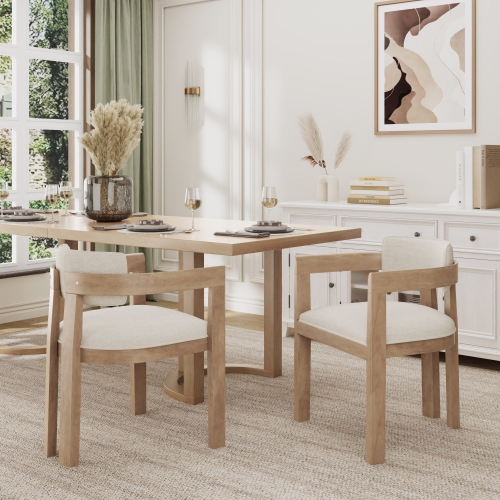
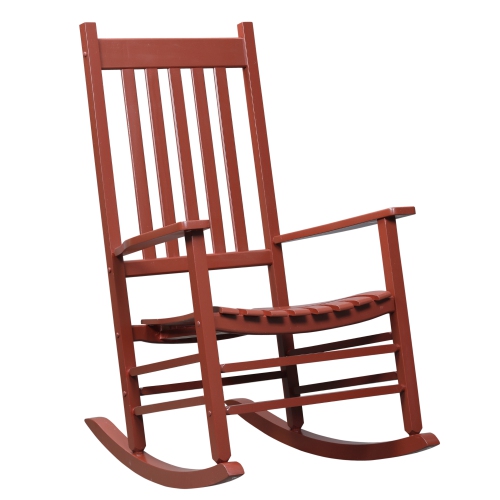

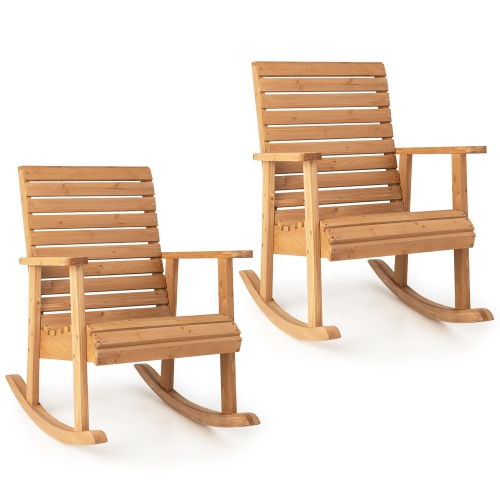
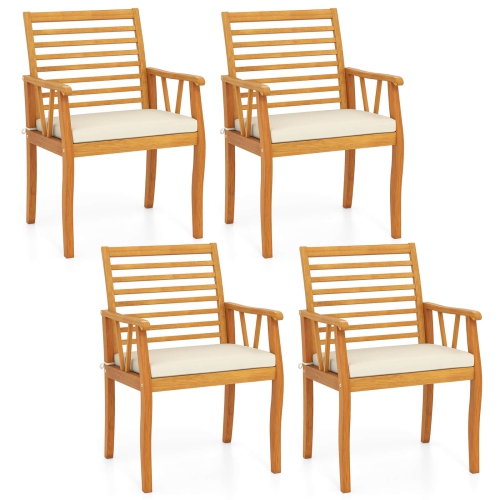

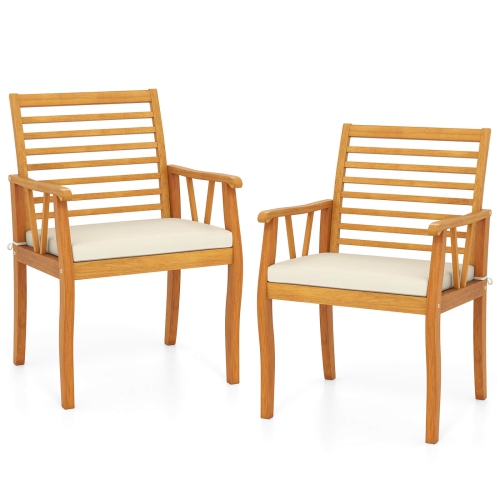
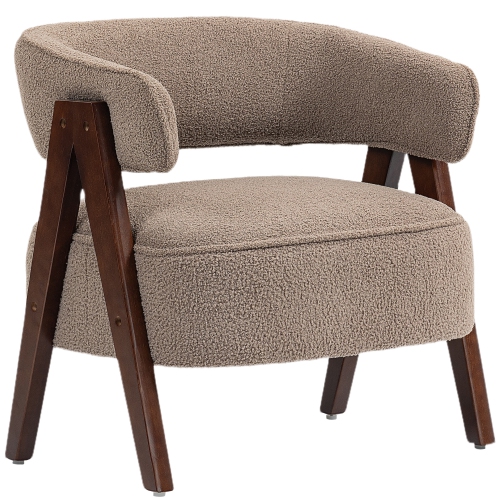
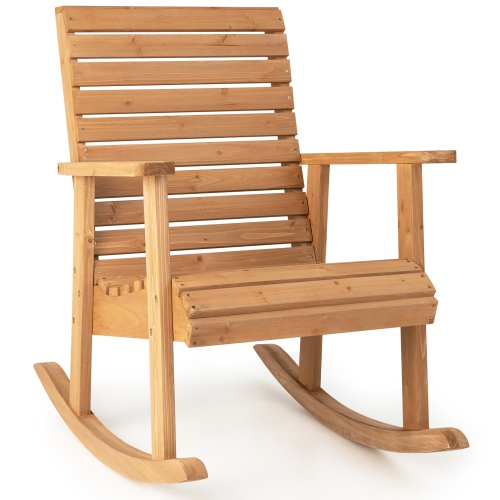


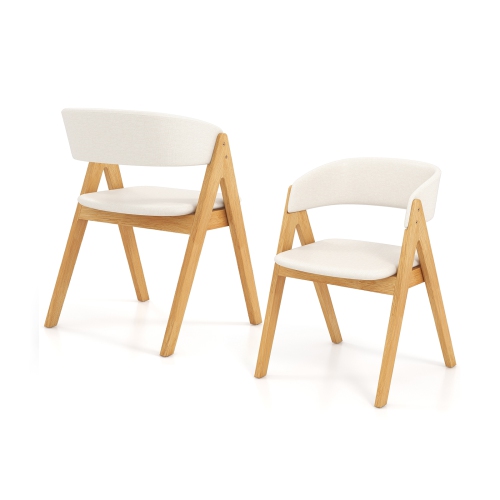
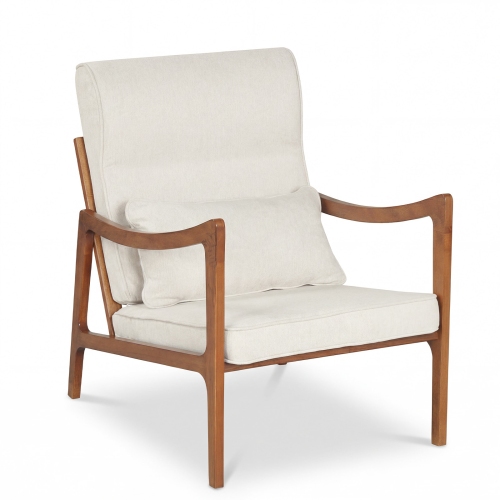
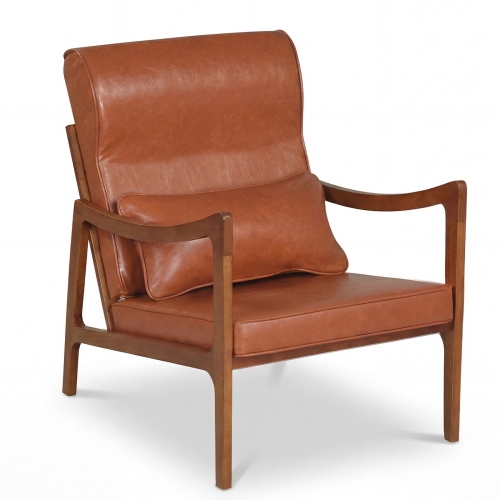
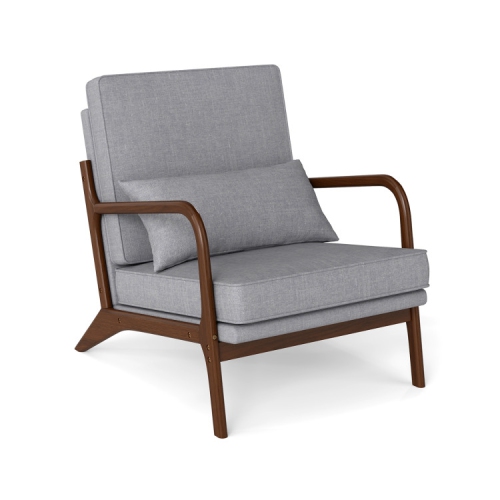
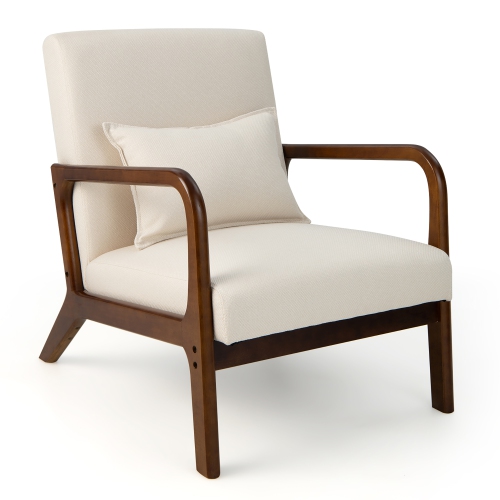
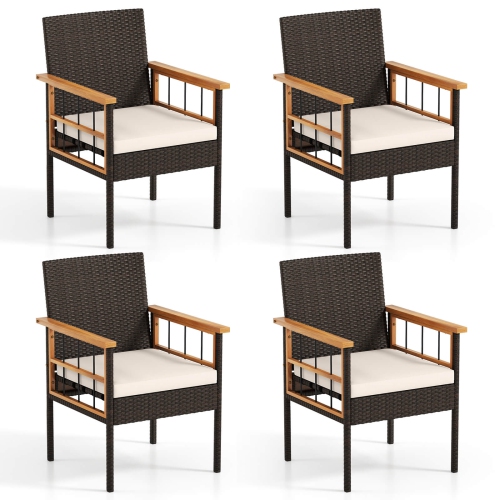
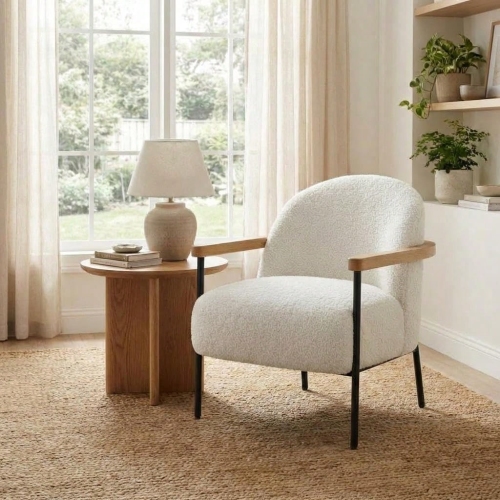
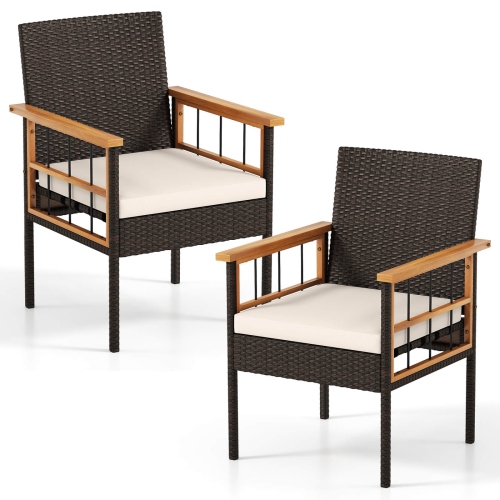
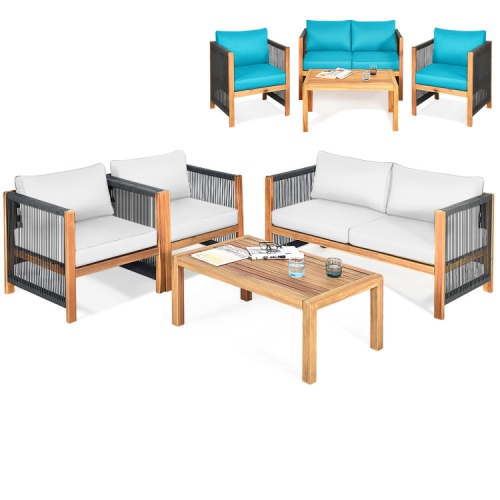

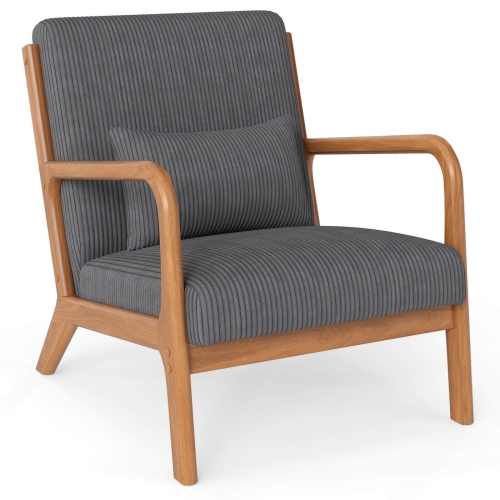
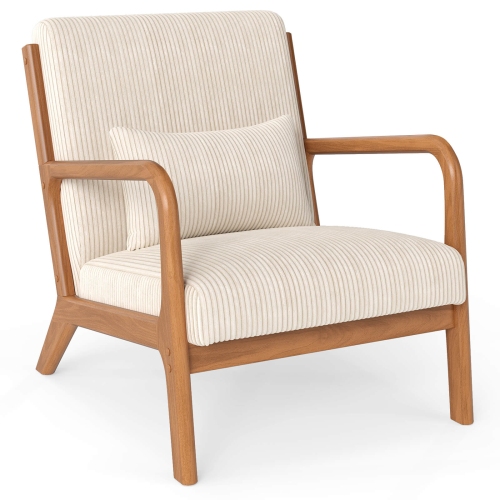

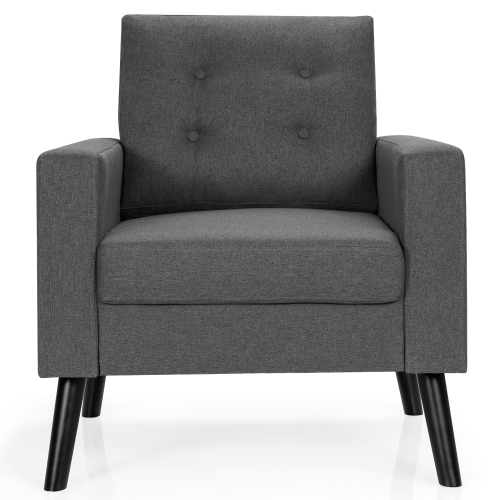
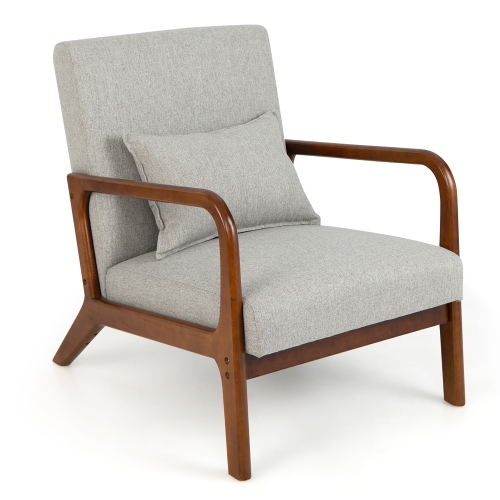
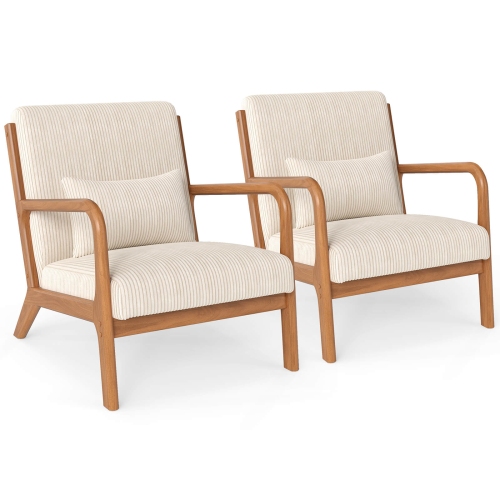
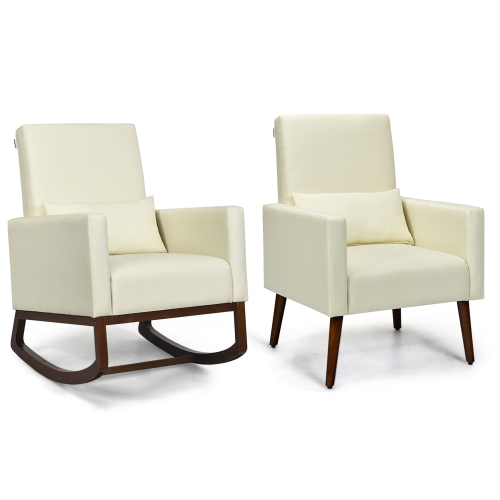
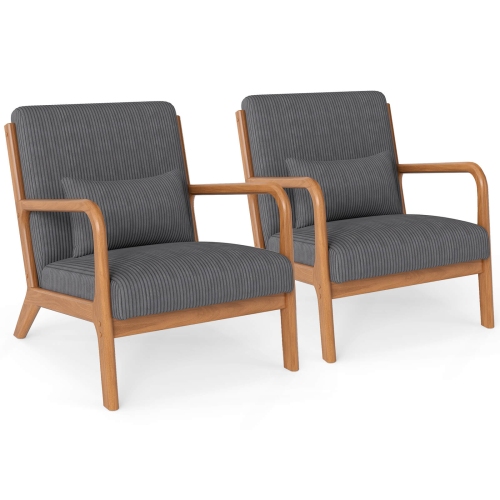

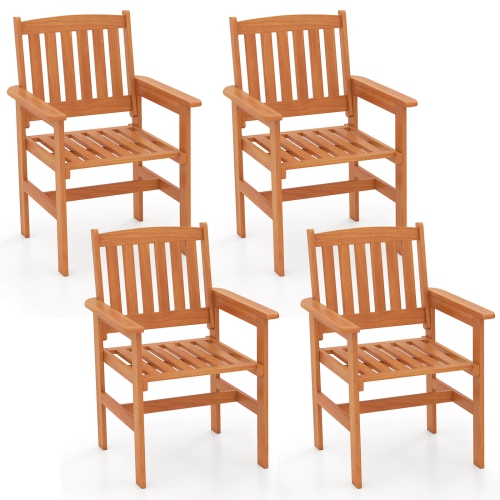
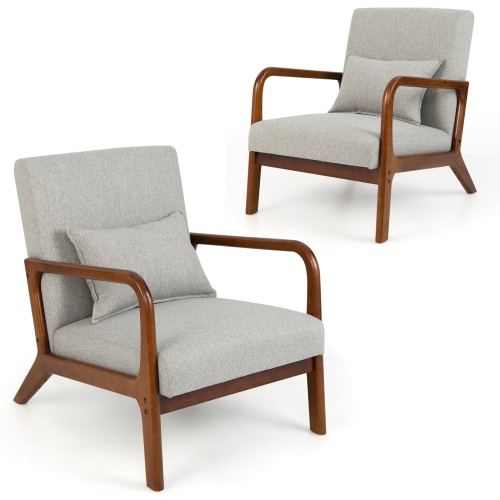
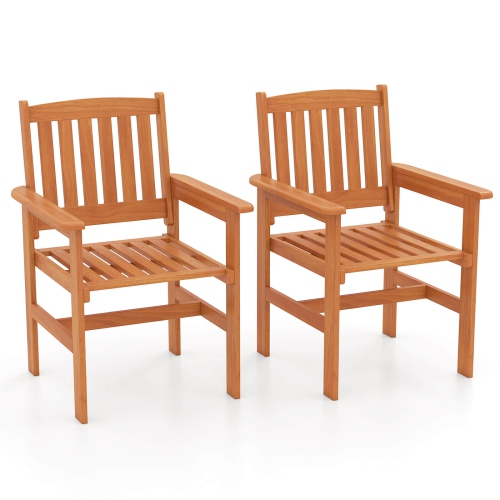
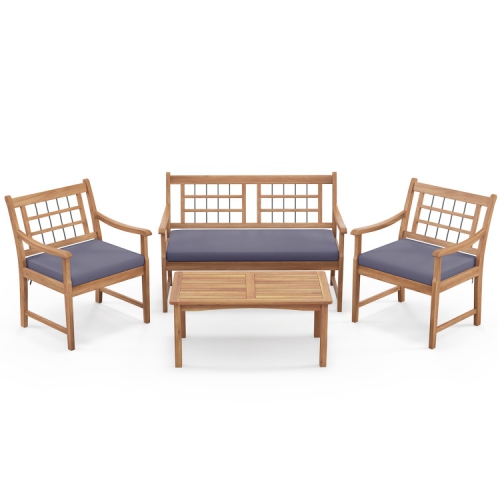

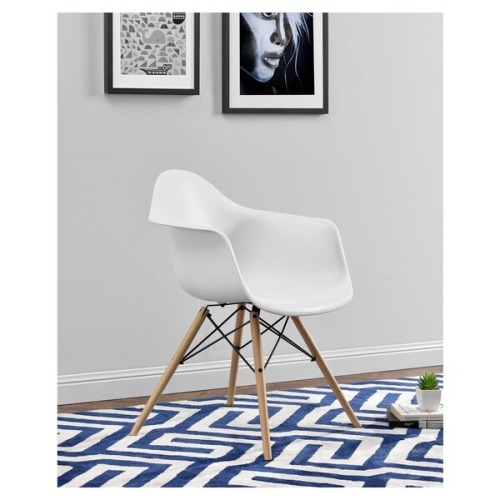
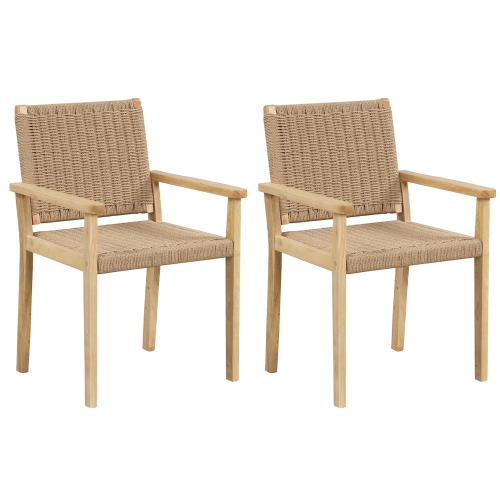

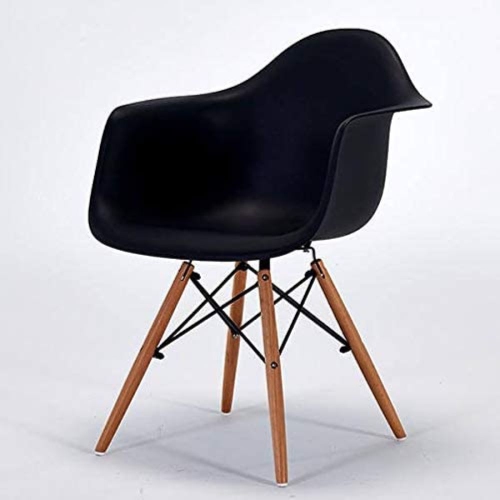
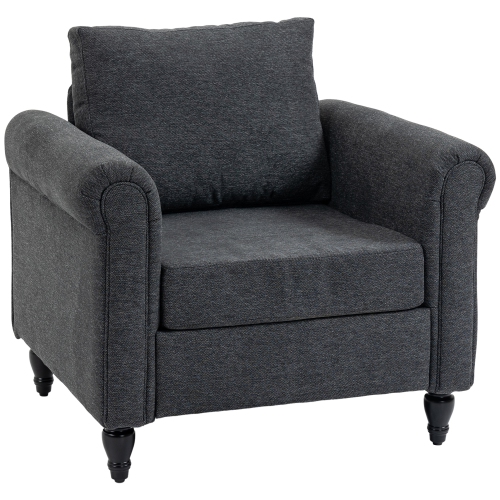
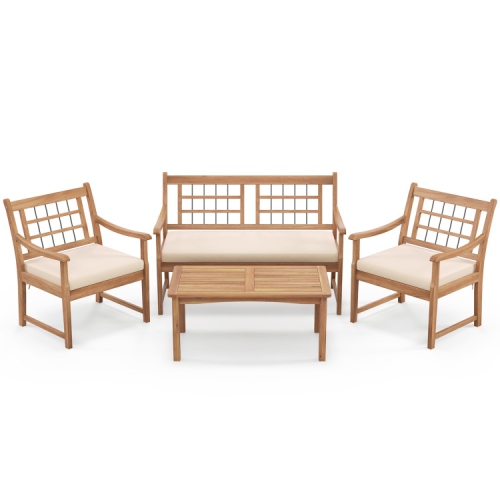
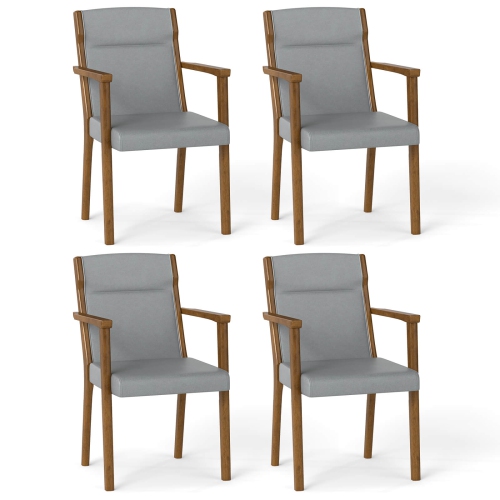

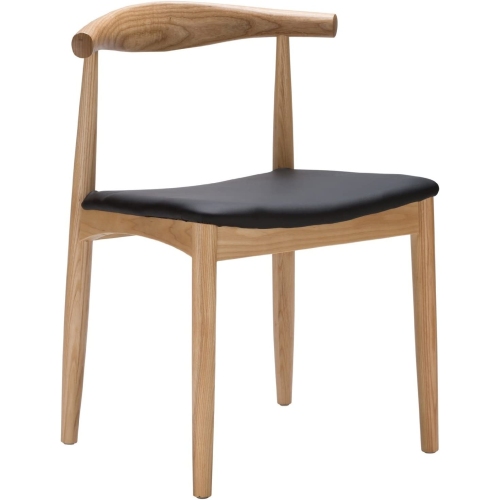
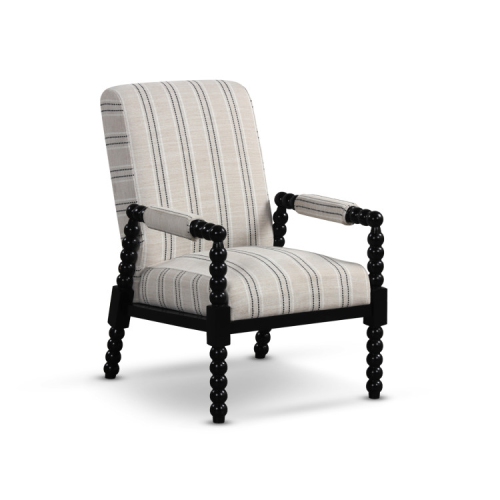
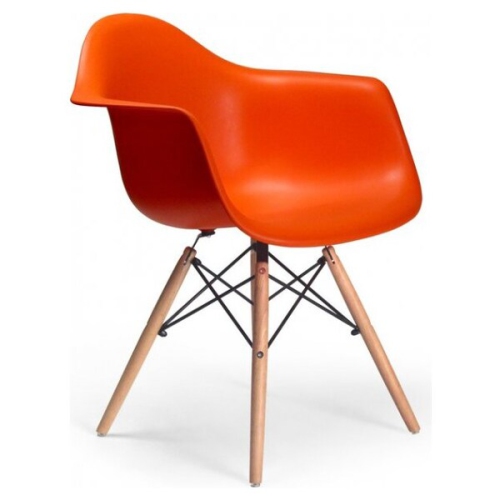
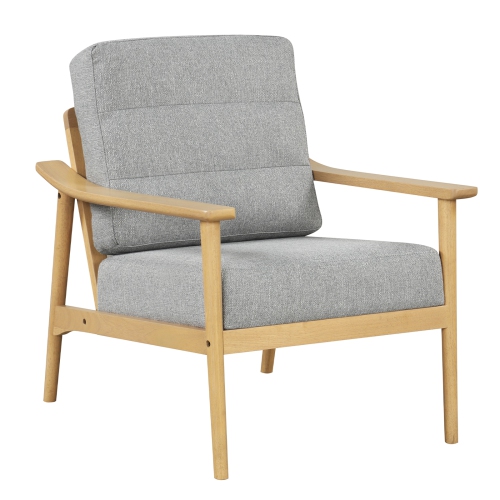
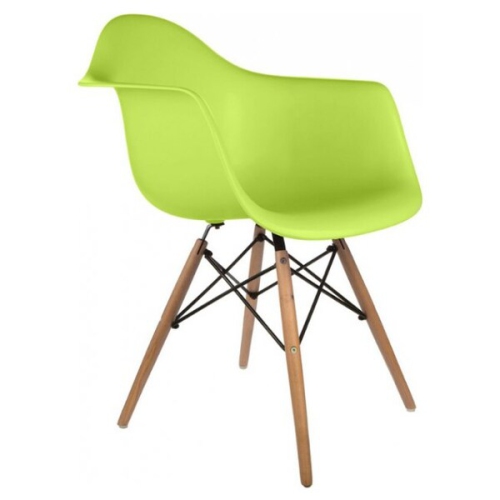
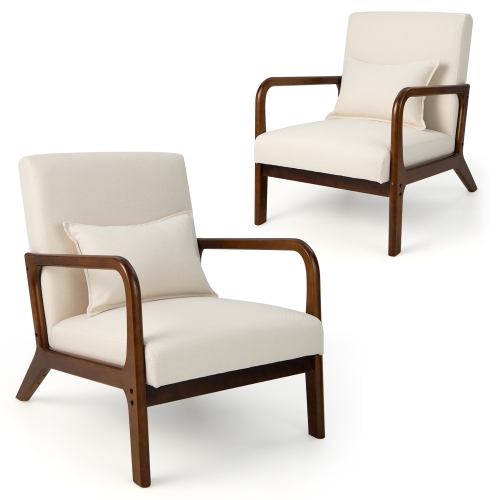
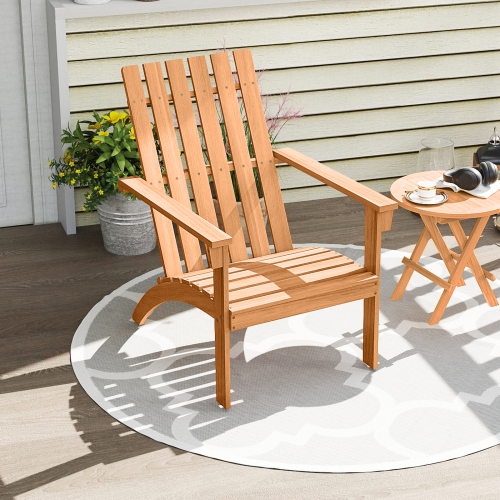
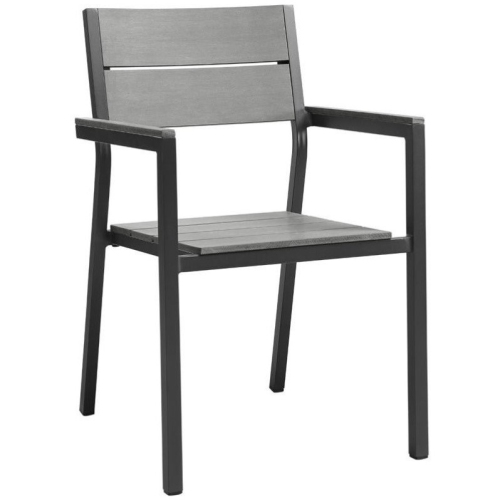
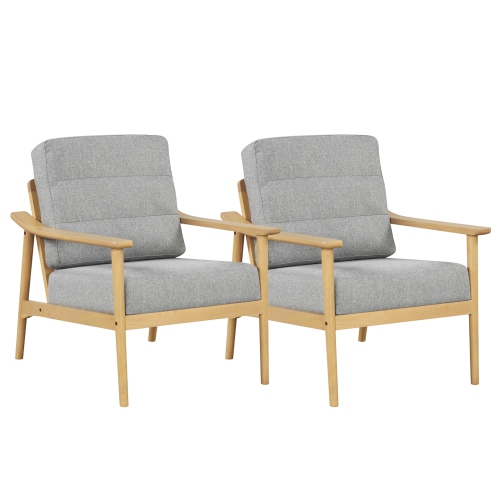

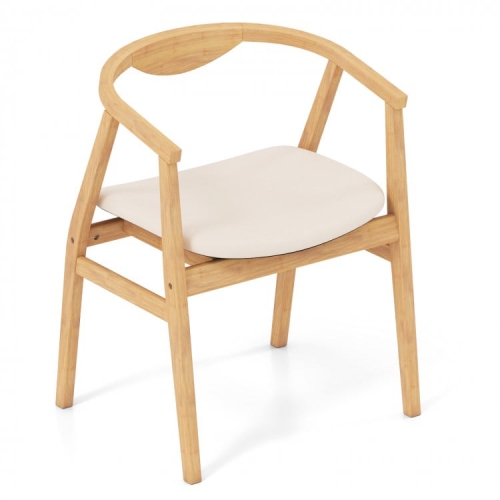
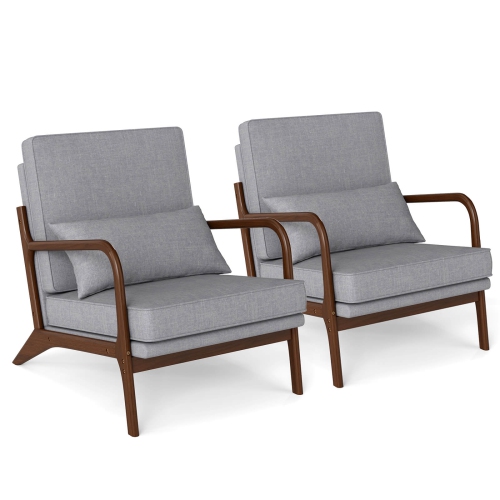

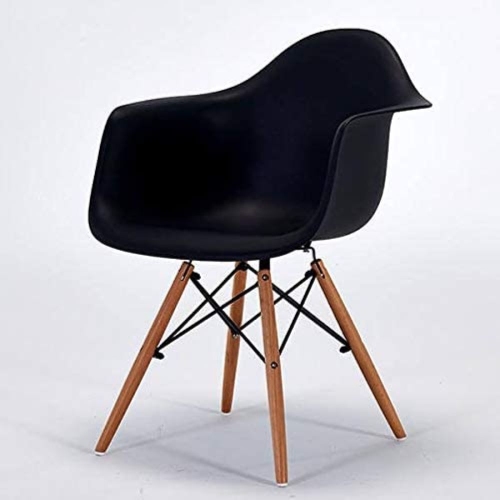
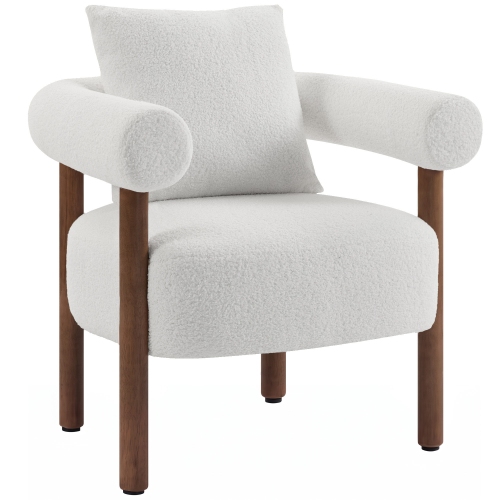
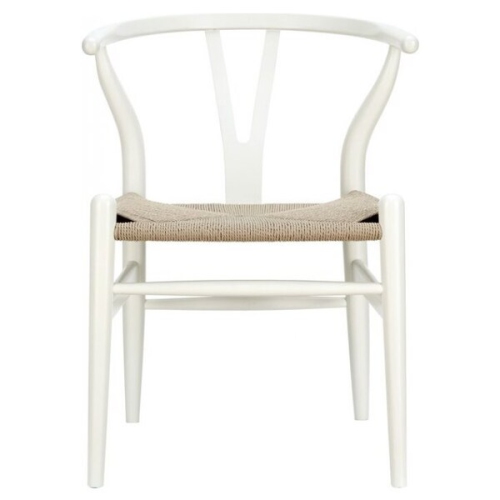
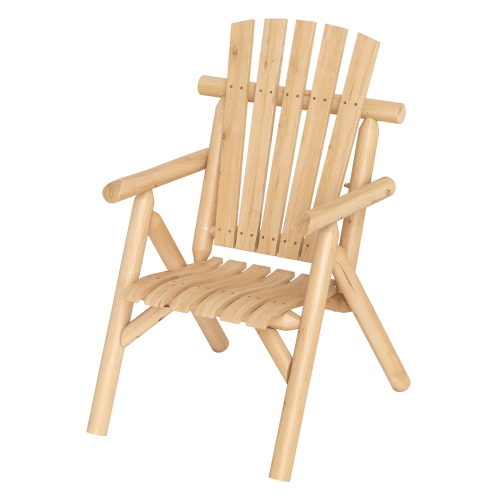
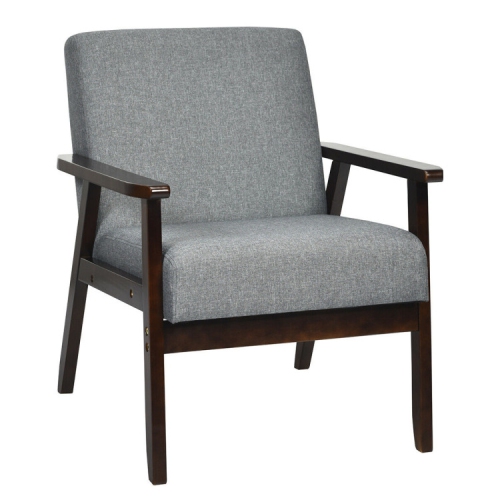
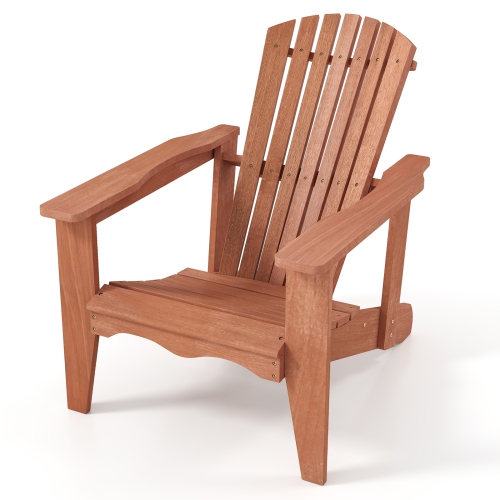
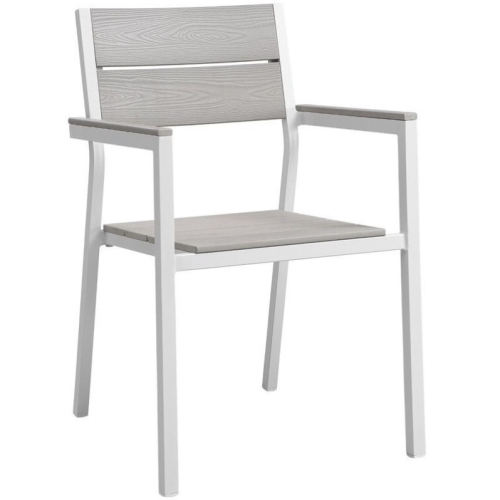
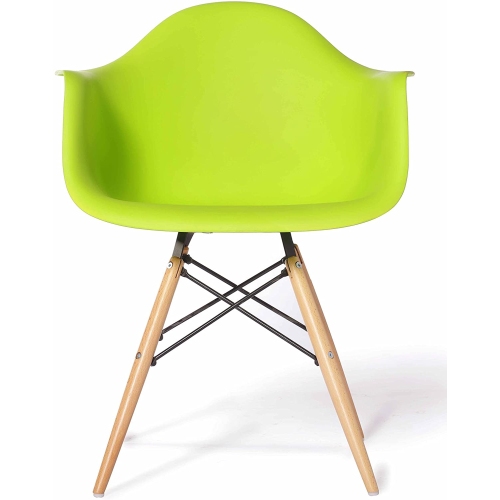
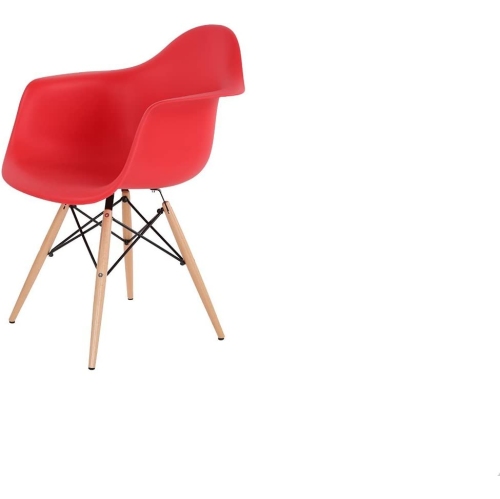
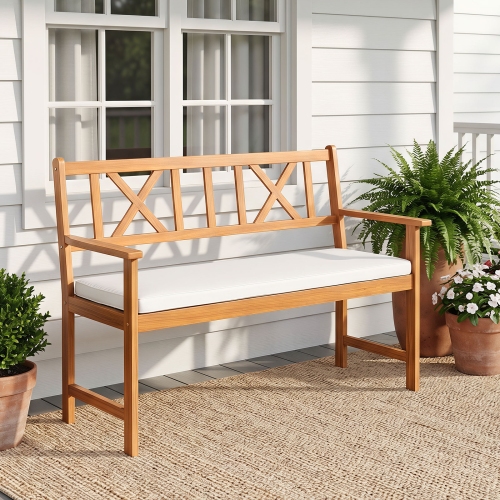
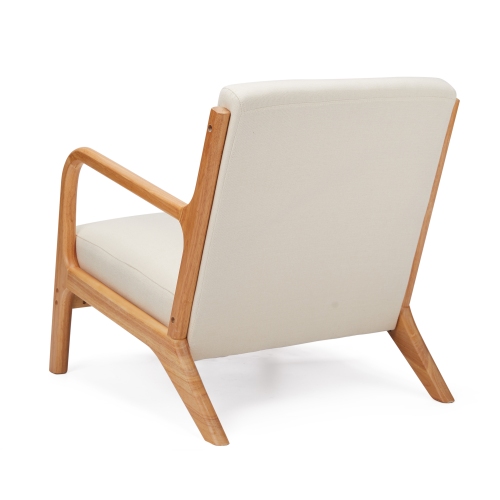
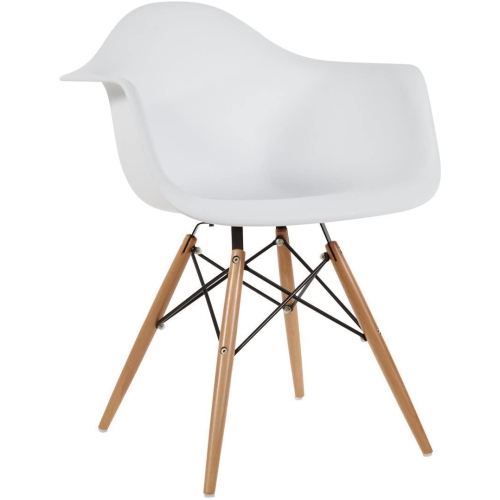
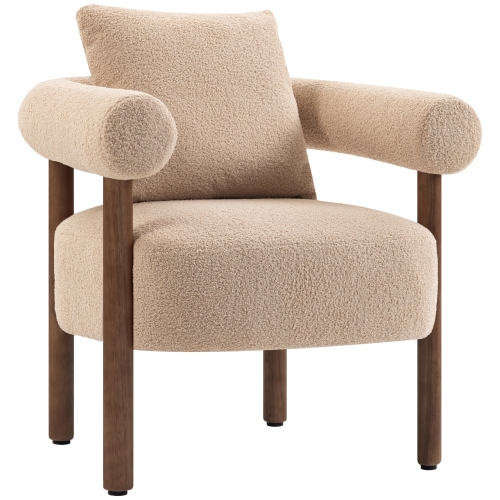
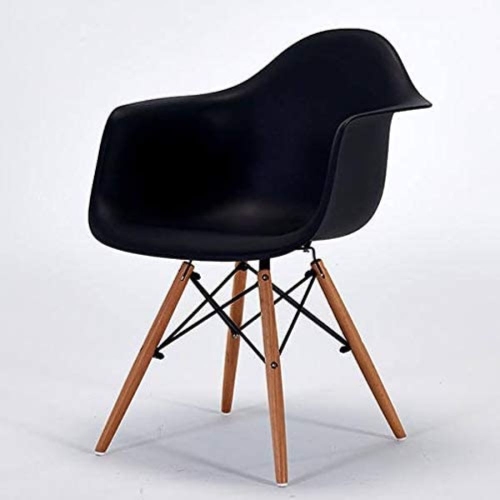
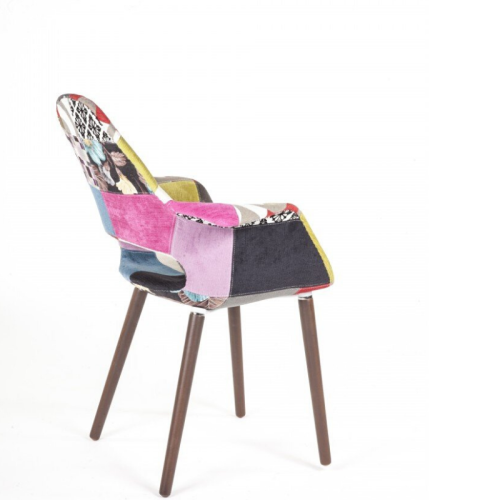

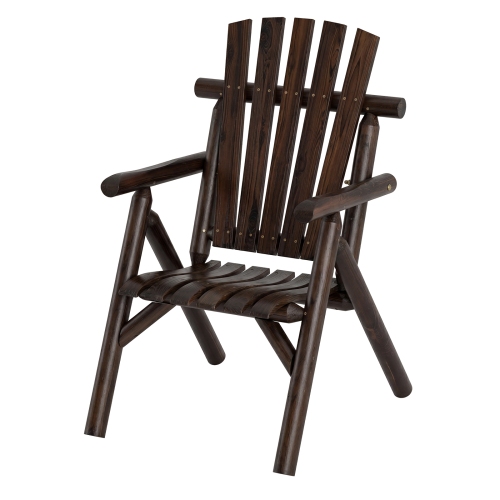
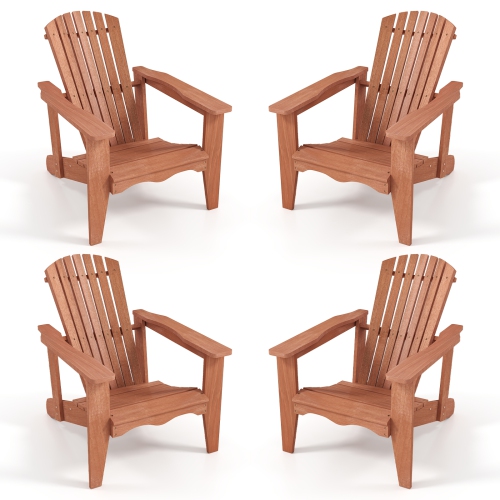
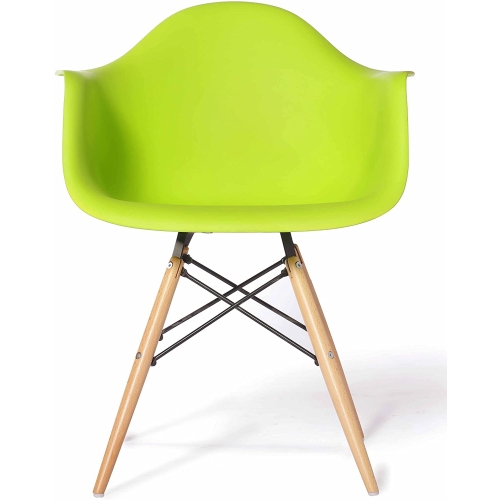
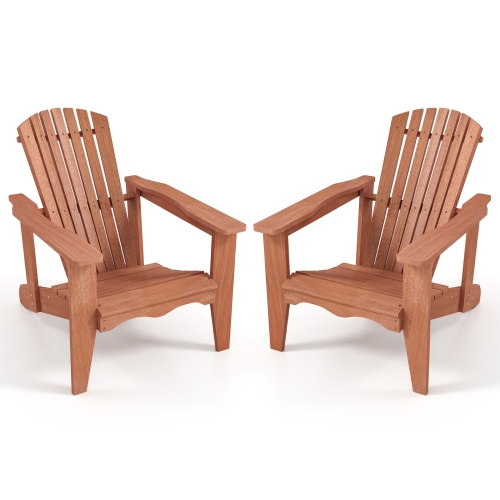

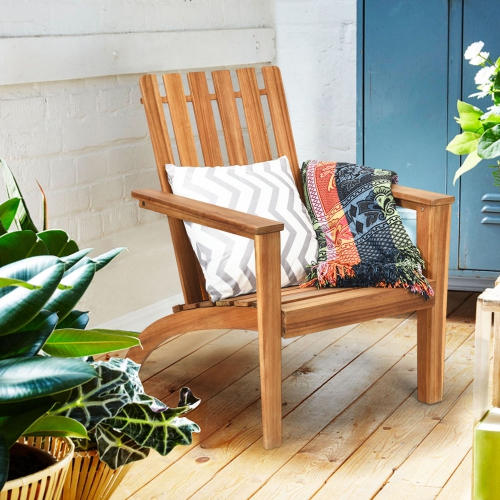

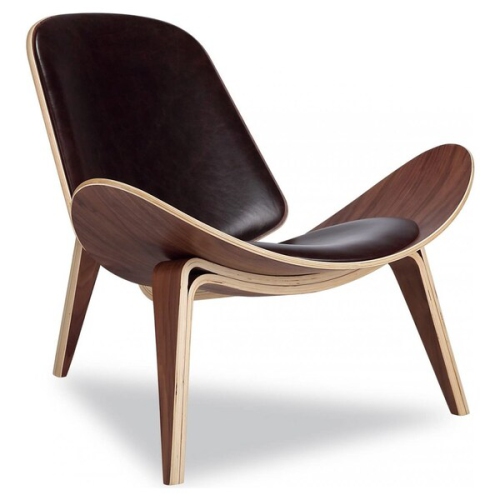
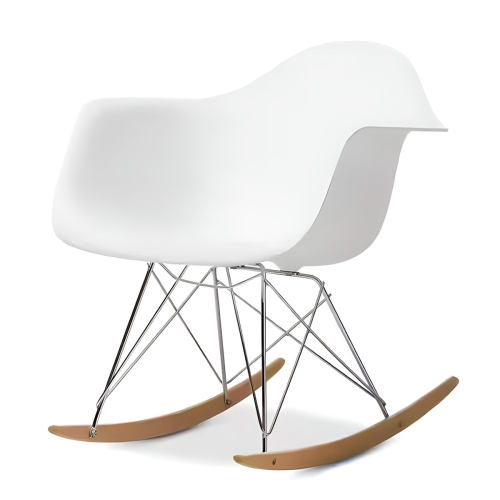

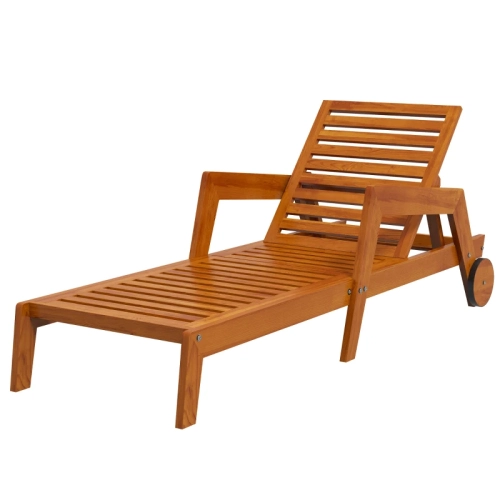
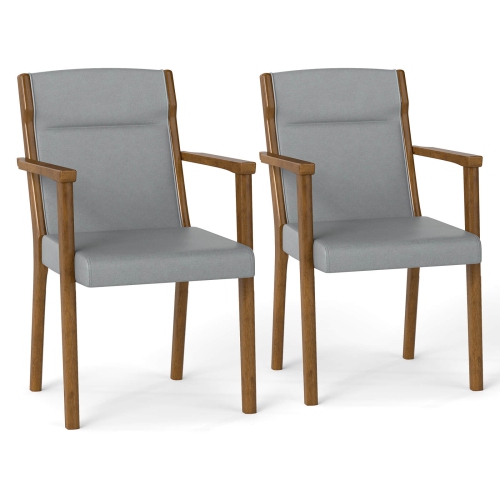

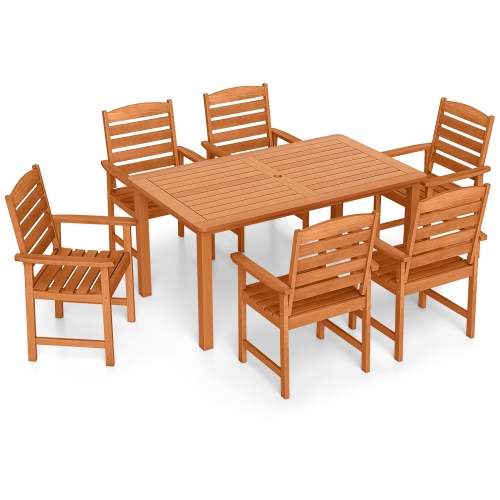
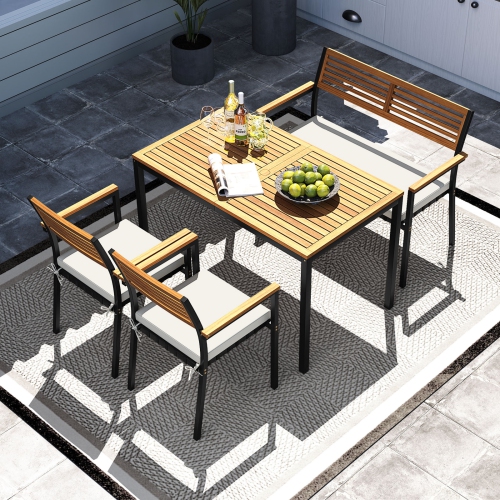


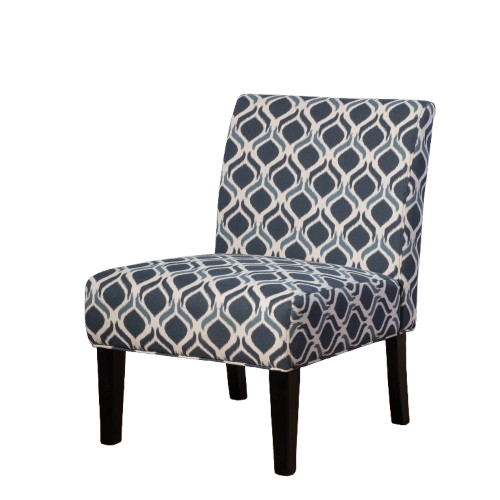

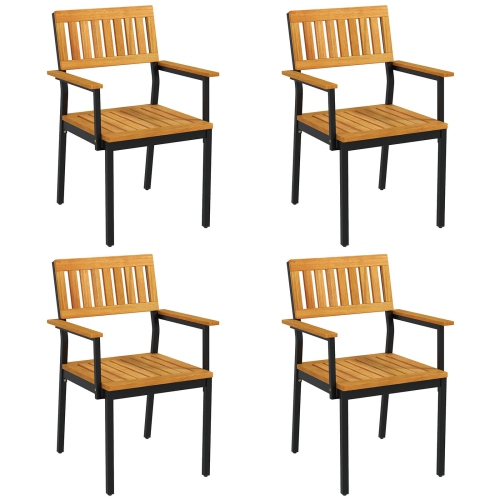
Wood grain brings character while proportions shape comfort
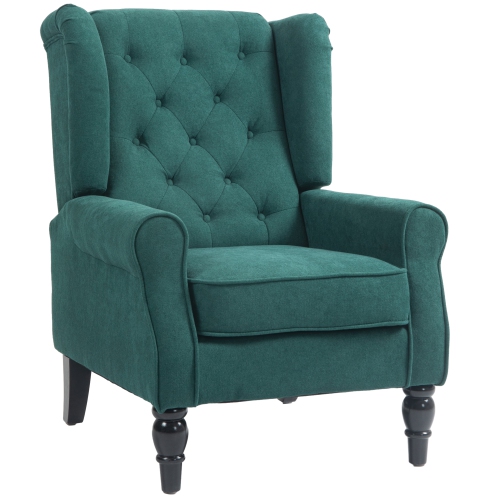
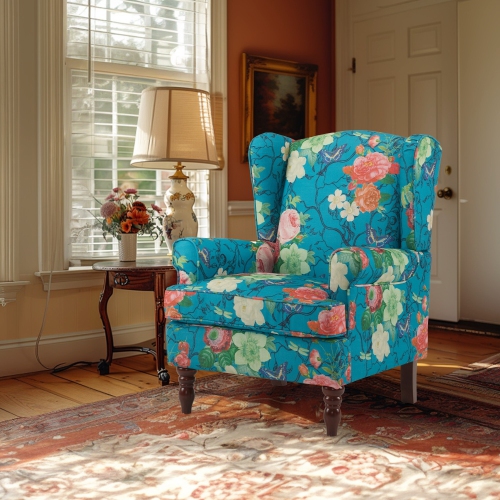
Wooden armchairs combine the visual character of timber with the comfort and definition of a seat framed by arms. They can serve as accent seating in a living room, a comfortable place to pause in a bedroom, or a more substantial seat at the head of a dining table. The category spans clean-lined modern designs, minimalist chairs with slender frames, traditional silhouettes with shaped legs, and upholstered styles that leave the wooden arms or base exposed. That variety makes wood a useful connecting element between different furnishings: a chair can echo the legs of a sofa, complement a bookcase, or introduce a contrasting finish beside a painted cabinet. Oak often has a pronounced grain, ash can offer a lighter appearance with visible grain patterns, and walnut is associated with deeper brown tones. The finished colour also depends on stains and coatings, so the wood species alone does not tell the whole story. Solid wood, veneered components, and engineered wood can appear in different parts of a chair, with construction details helping explain how each part contributes to the finished piece. A veneer is a thin layer of wood over a supporting core, rather than a description of the entire frame. For shoppers drawn to exposed timber around an upholstered seat, Wooden Frame Armchairs offer a closely related seating style. Rounded arms and tapered legs can create a softer, lighter outline, while broad arms and square sections give a chair more visual weight. An open back allows more of the room to remain visible through the chair, which can be particularly appealing in a compact space. Upholstery adds another layer of character, whether the aim is a quiet neutral fabric that lets the grain stand out or a richer colour that makes the chair a focal point. A wood finish does not have to match every surrounding piece exactly; shared undertones, proportions, or shapes can help different furnishings feel connected without making the room look overly coordinated.
Fit matters as much as appearance because wooden armchairs vary considerably in how they support the body and occupy a room. Overall width describes the space the chair takes up, while usable seat width is the area between the arms; a substantial frame can make those measurements quite different. Seat depth affects whether a person can sit with their back supported and feet resting comfortably on the floor. A deeper seat may suit someone who likes to curl up with a book, whereas a shallower seat can feel more natural for conversation or sitting upright. Seat height, cushion firmness, back angle, and arm height all contribute to the experience. Soft cushions may feel inviting at first but compress under weight, while firmer padding generally offers a more defined sitting position. Neither is automatically better for every person or purpose. For a reading corner, a supportive back and arms that sit at a comfortable elbow height can make the chair more pleasant to use for longer stretches. Beside a sofa, the chair’s seat height and scale help determine whether the arrangement feels balanced and makes conversation easy. At a dining table, arm clearance is especially important: the arms need sufficient room beneath the tabletop and any apron if the chair is meant to tuck in. A wooden armchair used occasionally at a writing desk also needs suitable clearance, although a fixed accent chair does not offer the same adjustments as a dedicated office chair. In a smaller apartment, an open frame can keep a seating area from feeling crowded, but clear walking space still matters more than how light the chair looks. Doors, drawers, and nearby cabinets need room to open without striking an arm or leg. A pair of chairs can create a conversation area, while a single chair beside a lamp and side table can make an otherwise unused corner practical. For shared households, dimensions and the stated weight capacity are more useful measures of suitability than appearance alone.
The durability of a wooden armchair depends on the relationship between its frame, joints, finish, upholstery, and everyday use. Wood species contributes to hardness and appearance, but it is not a shortcut for judging the strength of the entire chair. Well-fitted joints, appropriate bracing, and secure hardware are important, particularly where the arms, legs, and seat frame meet. Assembly requirements also vary, and correctly fitted components help the chair perform as intended. Moving a chair by its frame rather than pulling it across the floor reduces unnecessary strain on the legs and joints. Protective pads suited to the floor surface can limit scuffs, while enough space around the chair helps prevent repeated knocks against walls or neighbouring furniture. Routine care is usually straightforward, but the finish and upholstery instructions should take priority over general cleaning advice. A soft cloth removes dust from exposed wood; where a lightly damp cloth is permitted, drying the surface afterwards helps avoid lingering moisture. Spills are best addressed promptly, especially around seams and unfinished edges. Abrasive cleaners, excess water, and unapproved polishes can alter a finish or leave residue, so cleaning methods should match the manufacturer’s directions. Upholstered seats bring their own considerations. Fabric texture, weave, and care requirements influence how well a chair suits a busy living room, a quiet bedroom, or a home shared with pets. Removable cushion covers are not necessarily machine washable, and a stain-resistant treatment does not make fabric immune to marks. Regular vacuuming with an appropriate attachment can help remove crumbs and dust from cushion edges and the spaces beside wooden arms. Leather and leather-look coverings require different care, making the stated material more useful than appearance when planning maintenance. For a frequently used chair, accessible hardware and cushions that can be repositioned or replaced, where the design allows, can make upkeep simpler. Thoughtful proportions, comfortable support, and care suited to the materials give a wooden armchair a lasting role in daily routines, from morning reading to relaxed conversation with guests.
Top selling and popular products
-
 Your price for this item is $13.3
-
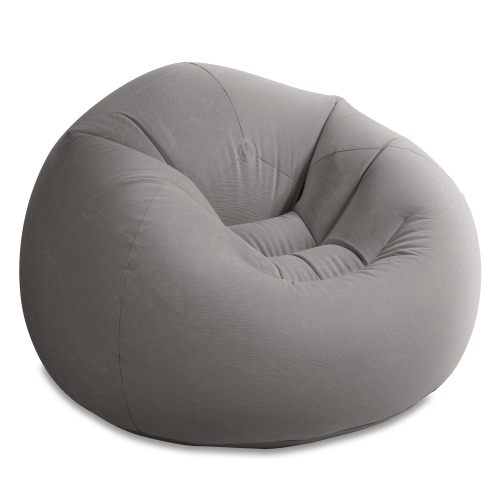 Your price for this item is $109.99
-
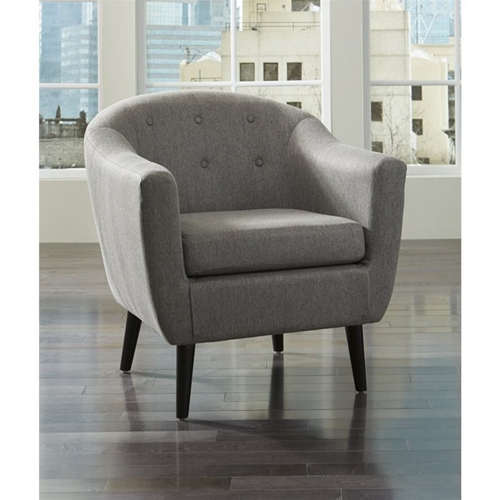 Your price for this item is $544.85
-
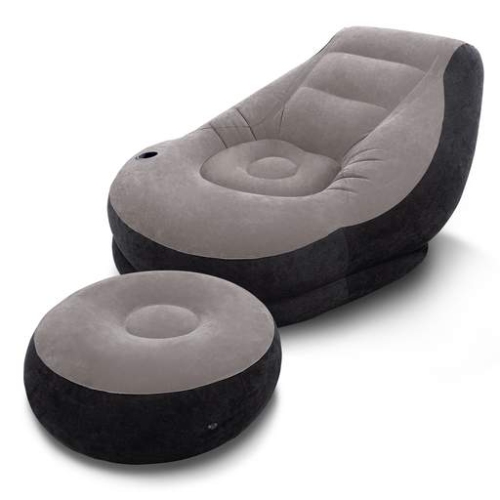 Your price for this item is $289.99
-
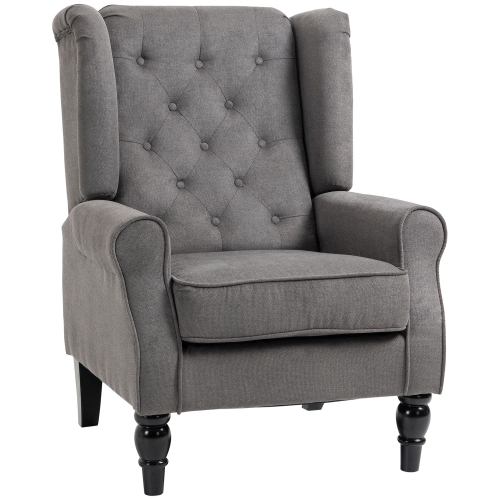 Your price for this item is $249.99
-
 Your price for this item is $244.99
-
 Your price for this item is $249.99
-
 Your price for this item is $157.99
Discover more categories related to Wooden Armchairs
Top Collections:
Best Black Friday Deals This Year, Best Black Friday Deals On Electronics, Kindle Devices, Pokemon Centers, Best Black Friday Deals On Apple Products, Best Cameras for Sports Photography, Dyson Airwrap, Pokémon 30th Celebration Cards, Apple iPhone 17 Pro, Canon G7X Cameras
Some products may be subject to Environmental Handling Fees
(EHF) depending on your province.
Learn more about EHFs.