Wooden Office Cabinets
Create a stylish and organized workspace with our selection of wooden office cabinets. Crafted with quality materials, these cabinets offer both functionality and aesthetics to elevate your office decor. Whether you need a compact storage solution for a small home office or a spacious cabinet to store important documents in a professional setting, wooden office cabinets provide the perfect blend of practicality and style. Here are some great options available.
Sort
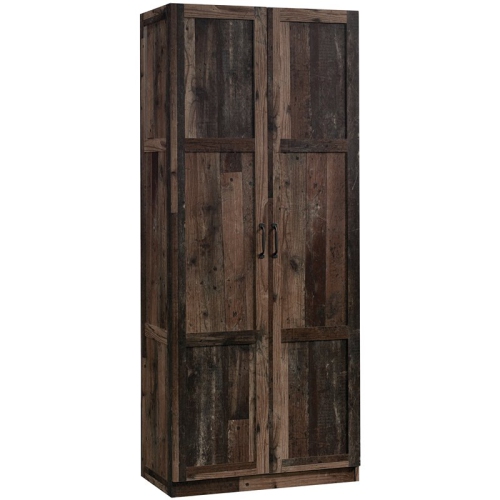
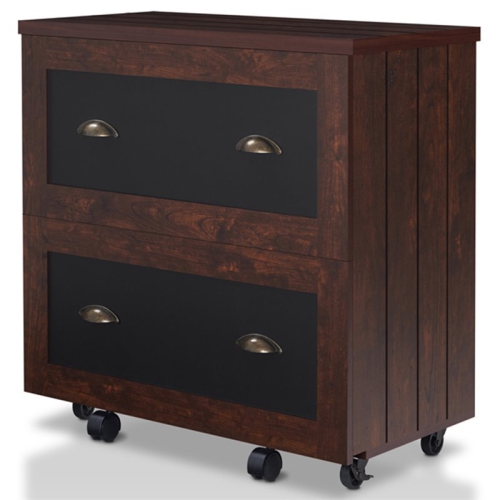
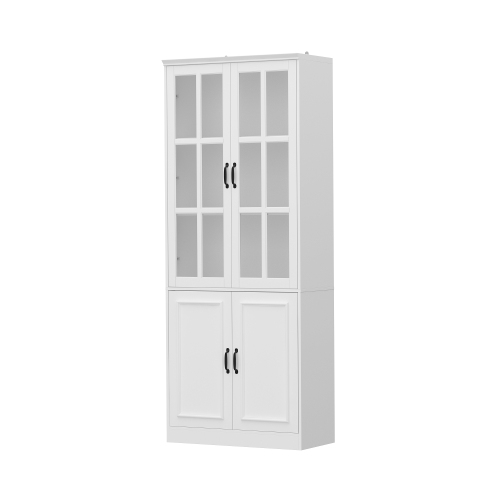
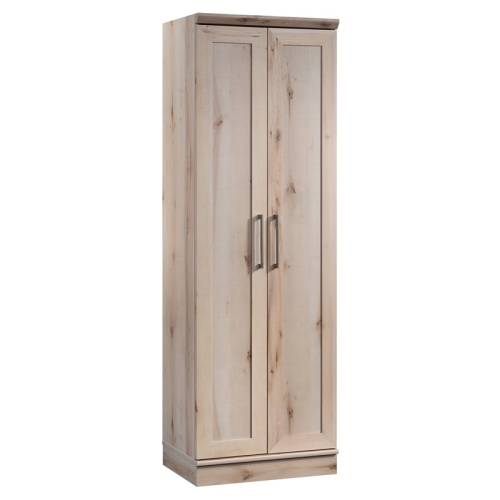
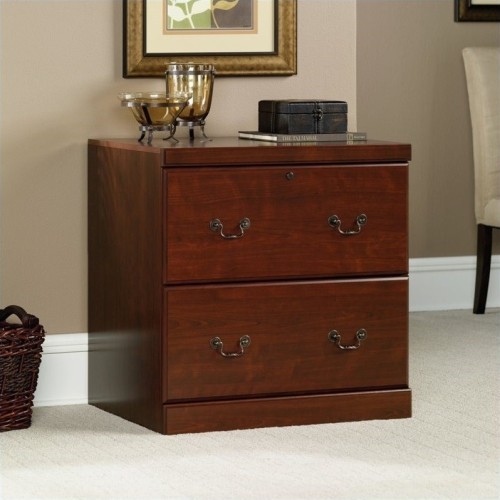
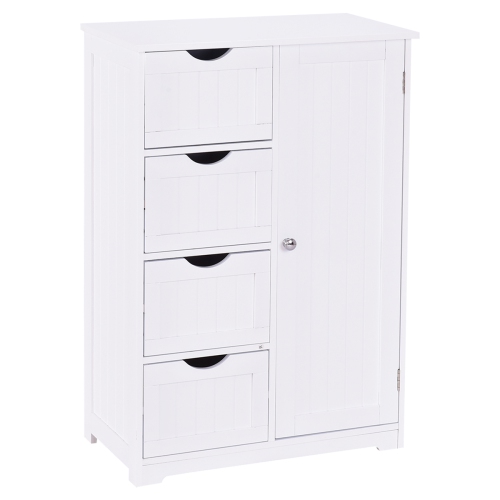
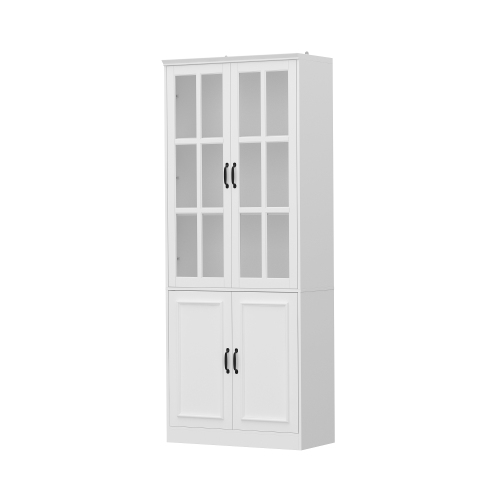
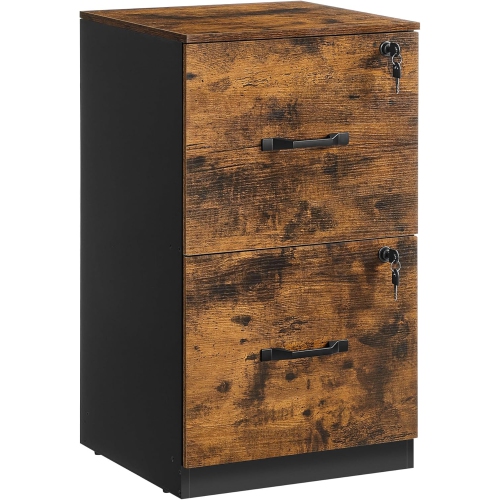
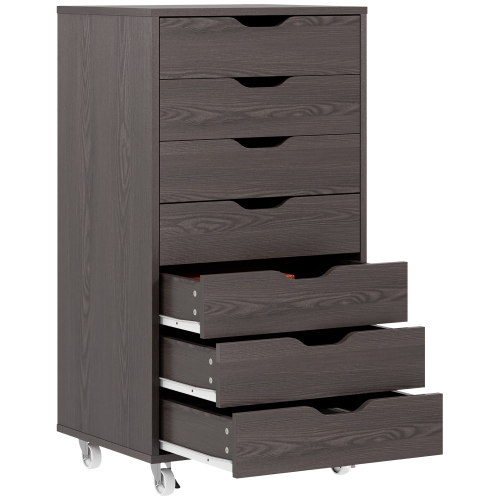
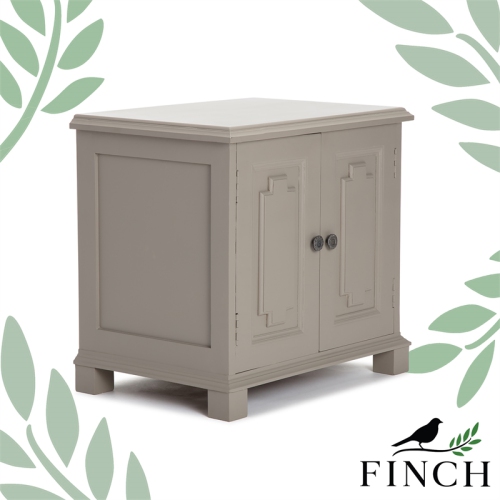
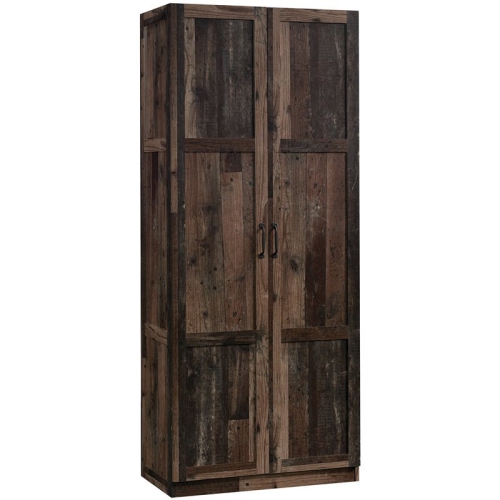

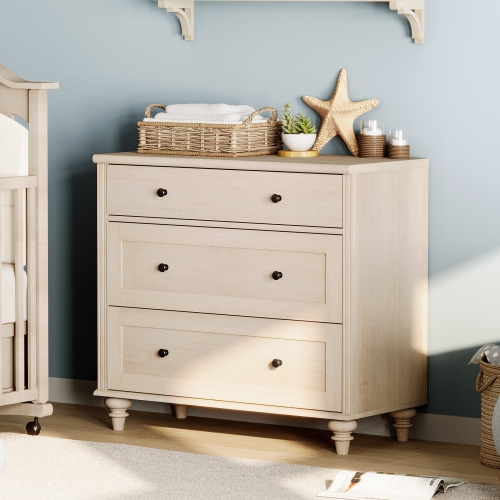
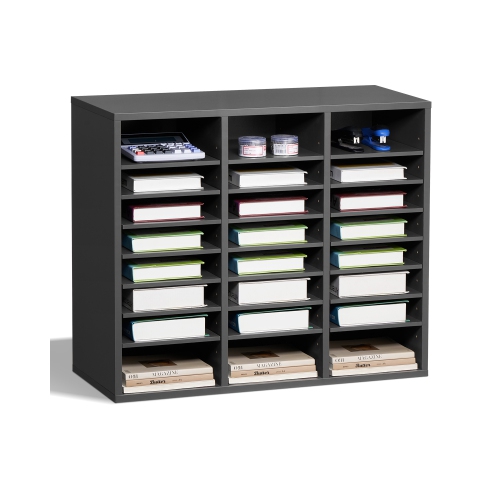
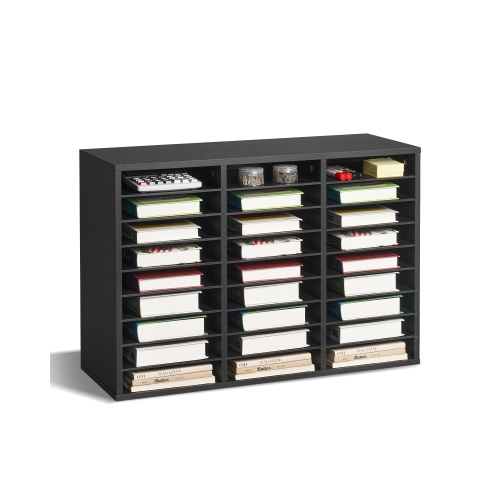
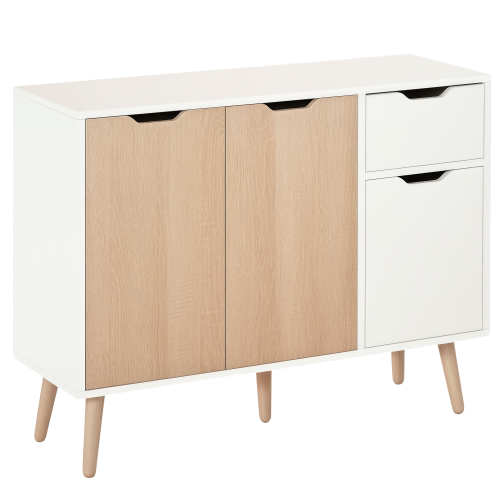
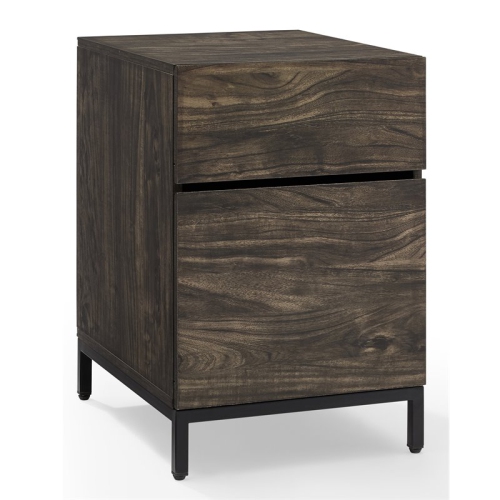
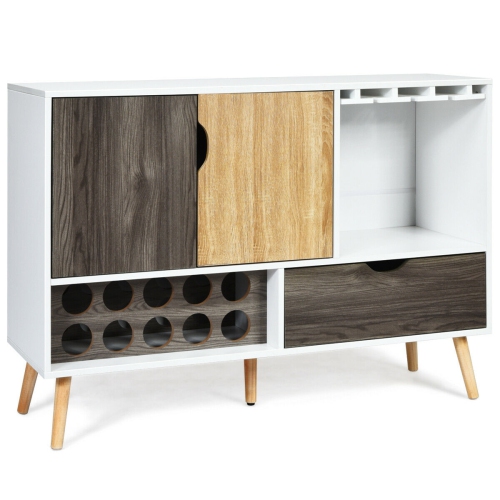


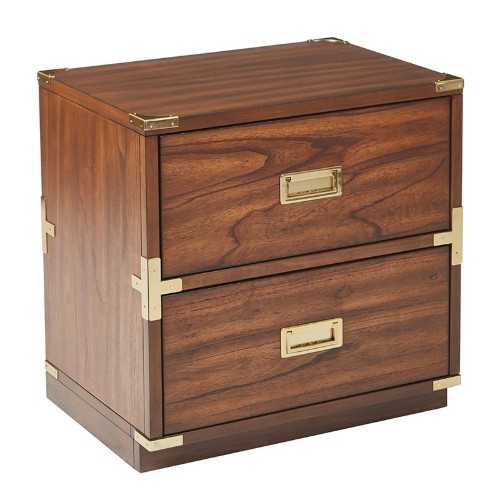
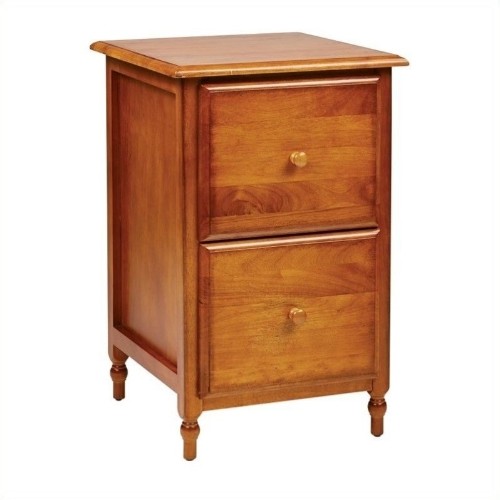
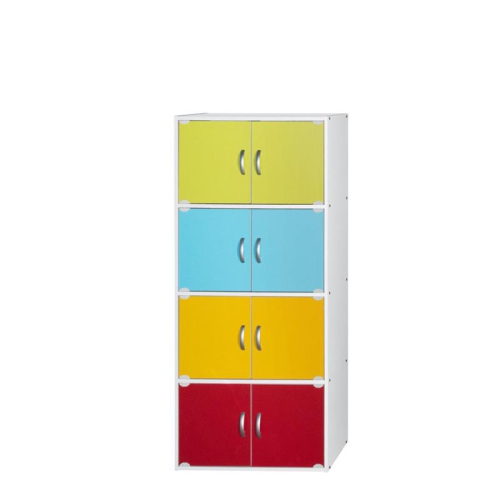
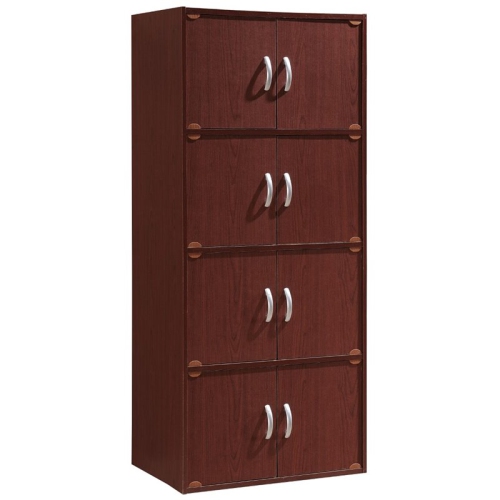
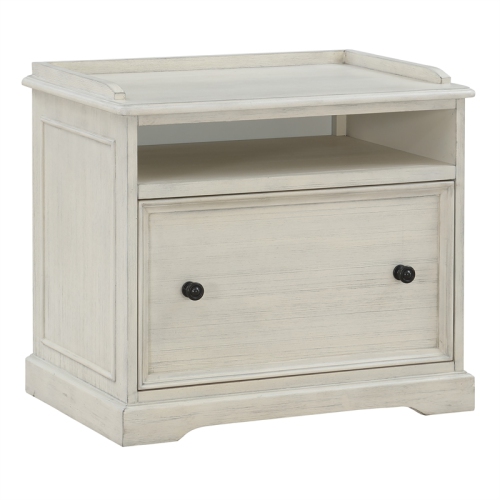
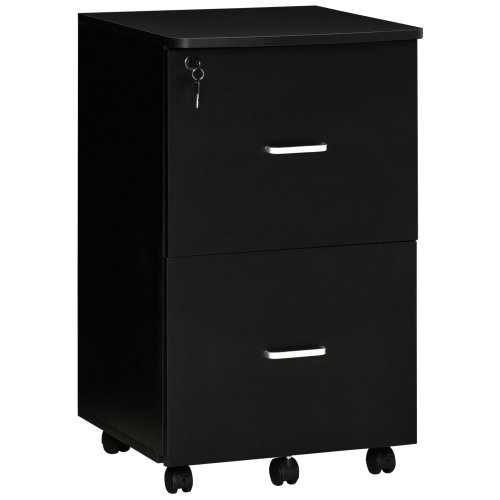
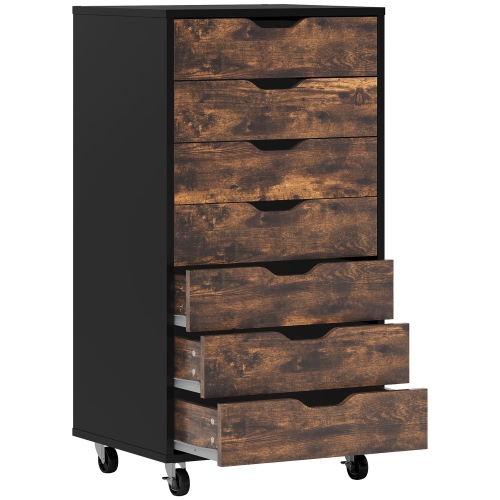
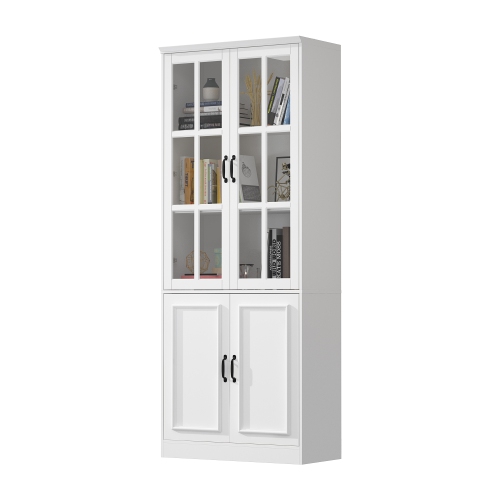
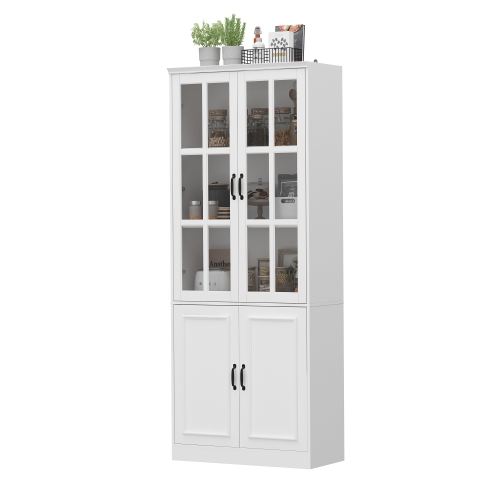
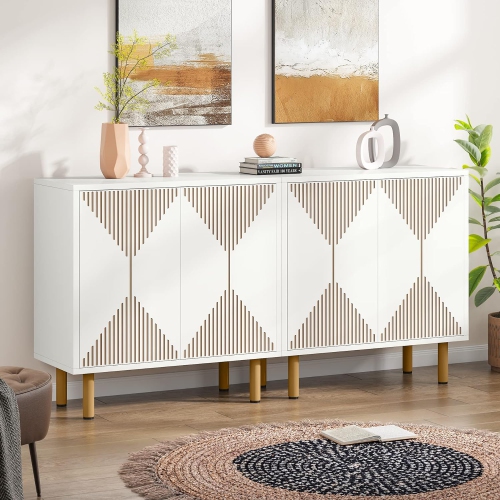
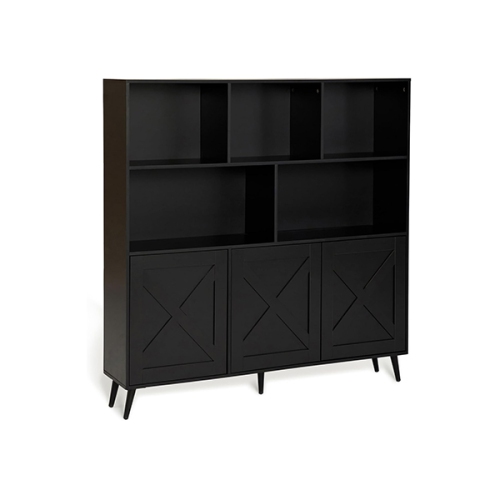
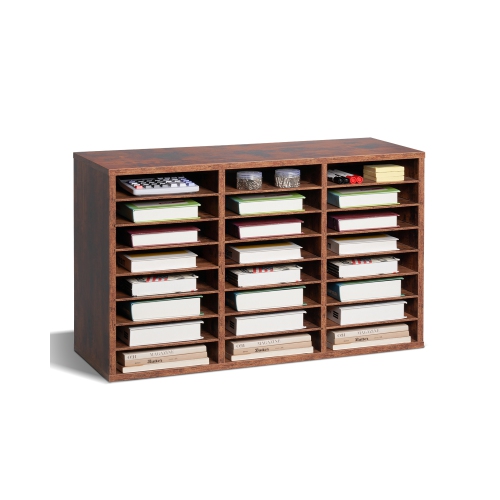
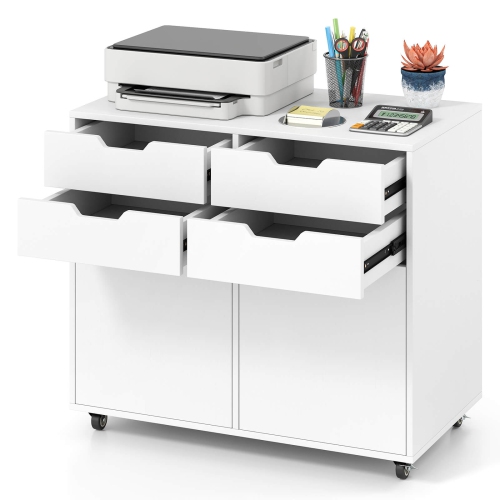
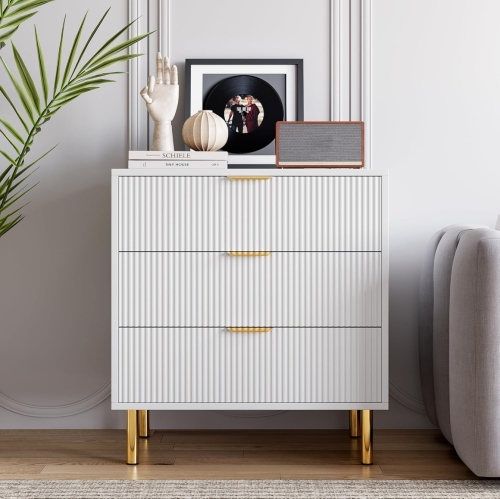
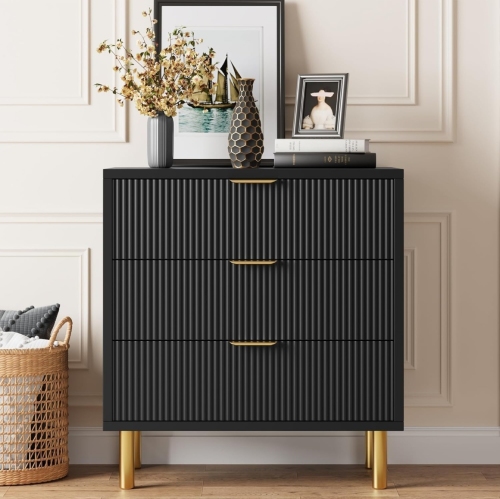
Warm wood storage for organized, inviting workspaces
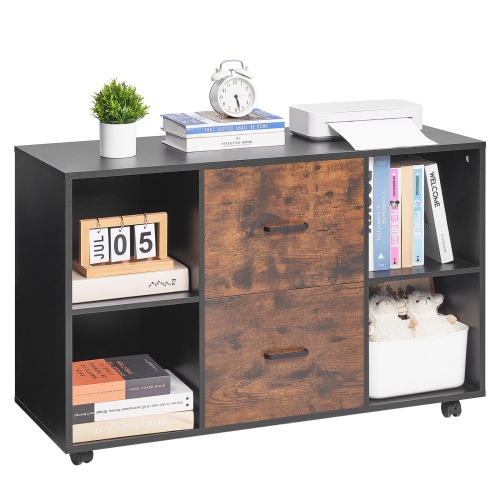
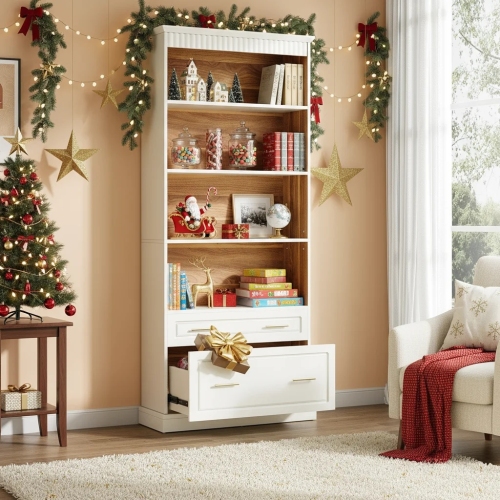
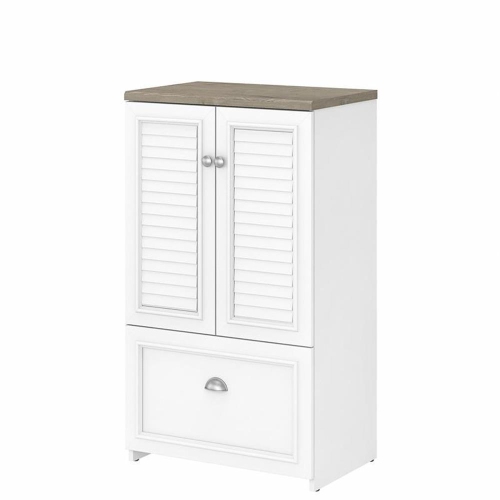
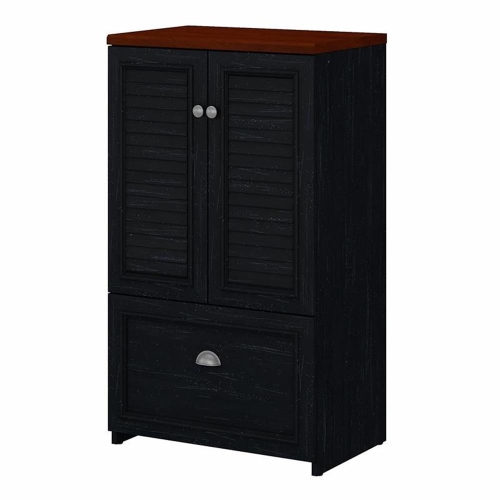
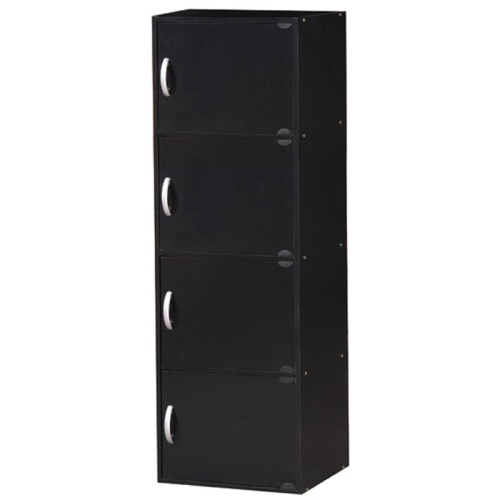
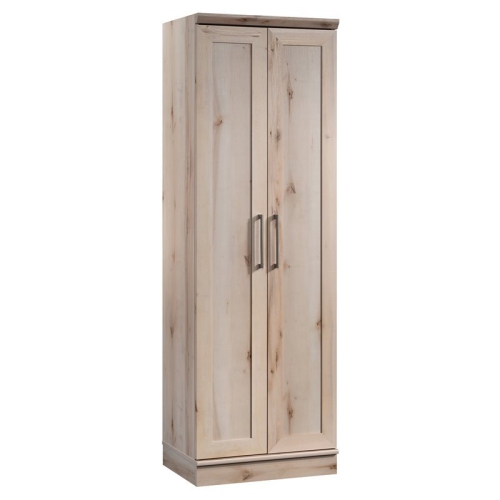
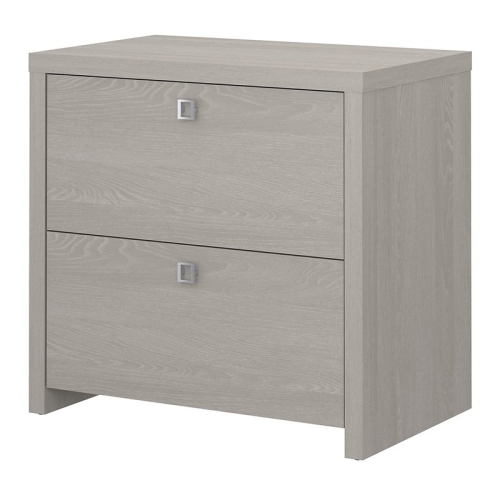
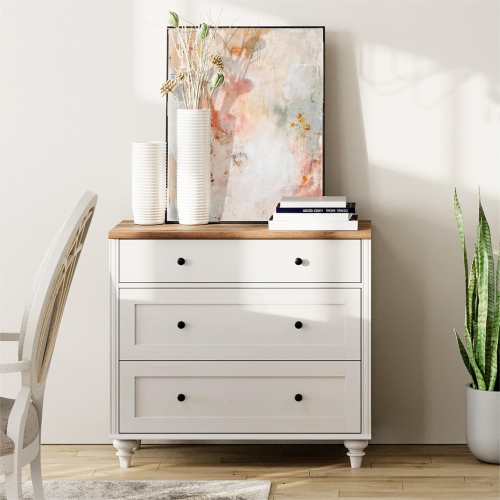
Wooden office cabinets bring practical storage and a warmer, more finished look to workspaces at home, in a private office, or across a busy shared area. Designed to organize paper documents, office supplies, stationery, technology accessories, and everyday essentials, they can help keep a desk clear without placing important items out of reach. A tall vertical cabinet is useful when floor space is limited, offering a relatively narrow footprint with drawers or shelves arranged upwards. It can fit beside a desk, along a wall, or in an unused corner while providing room for hanging folders and smaller supplies. A lateral cabinet is wider and lower, making it easy to see and access stored materials from a seated position. Its broad top can also provide space for a printer, lamp, decorative objects, or frequently used equipment, provided the cabinet is rated to support the intended weight. Mobile wooden office cabinets offer another practical option for flexible rooms. Models with casters can slide beneath or beside a desk, move between workstations, or be repositioned when the room needs to serve more than one purpose. Lockable casters can keep the cabinet steady once it is in place, which is especially helpful when opening a drawer or working around a compact office. For files and paperwork, check the drawer dimensions carefully to confirm whether they accommodate letter-size or legal-size folders. Vertical drawers tend to suit people who want a smaller footprint and organized filing, while lateral drawers can make wider documents and frequently accessed files easier to arrange. Some cabinets include open shelving, cupboards, or a combination of drawers and doors, giving you room to separate confidential paperwork from general supplies. Wooden office cabinets can also complement a range of interiors, from a simple study with a compact desk to a more traditional office with multiple workstations. Pairing a cabinet with coordinated Wooden Office Desks With Drawers can create a consistent workstation and provide dedicated storage for items that would otherwise collect on the desktop.
When choosing wooden office cabinets, consider the construction, finish, dimensions, drawer operation, and the type of storage you use most often. Solid wood offers a substantial feel and natural grain variation, while engineered wood such as MDF can provide a consistent appearance and help resist some forms of warping in a stable indoor setting. Composite materials may be finished with a wood-look surface, making it easier to coordinate with existing furniture and décor. Whichever construction you prefer, look for smooth drawer slides, sturdy handles, reinforced corners, and a finish that can be wiped clean with a soft, slightly damp cloth. Wood furniture generally performs best away from persistent moisture, heating vents, and direct sunlight, which can affect the finish over time. Measure the available area before ordering, allowing enough clearance to open every drawer fully and enough room to walk around the cabinet safely. Remember to account for baseboards, desk legs, power outlets, and nearby doors; a cabinet that fits the wall width may still be awkward if its drawers meet another piece of furniture. Weight capacity matters as well, particularly if the top will hold a printer, paper reams, or office equipment. A lock can be an important feature for tax records, client paperwork, personnel files, or other documents that should not be left accessible. Some designs use one lock for all drawers, while others may offer separate locking areas, so compare the layout with your security needs. Families may appreciate a cabinet that places craft materials, homework supplies, and electronics in one contained location, while students and remote workers can use smaller mobile units to keep a limited workspace orderly. In a professional setting, a lateral cabinet may help a team sort shared forms and supplies, whereas a tall cabinet can make better use of a narrow office or reception area. During the cooler months, when more work and study may take place indoors, organized storage can make a room feel less crowded and help establish a calmer daily routine. A well-chosen wooden office cabinet is useful beyond filing: it can hold notebooks, chargers, envelopes, ink, calculators, headphones, and the small tools that support work throughout the day, keeping them close at hand while preserving valuable surface space.
When choosing wooden office cabinets, consider the construction, finish, dimensions, drawer operation, and the type of storage you use most often. Solid wood offers a substantial feel and natural grain variation, while engineered wood such as MDF can provide a consistent appearance and help resist some forms of warping in a stable indoor setting. Composite materials may be finished with a wood-look surface, making it easier to coordinate with existing furniture and décor. Whichever construction you prefer, look for smooth drawer slides, sturdy handles, reinforced corners, and a finish that can be wiped clean with a soft, slightly damp cloth. Wood furniture generally performs best away from persistent moisture, heating vents, and direct sunlight, which can affect the finish over time. Measure the available area before ordering, allowing enough clearance to open every drawer fully and enough room to walk around the cabinet safely. Remember to account for baseboards, desk legs, power outlets, and nearby doors; a cabinet that fits the wall width may still be awkward if its drawers meet another piece of furniture. Weight capacity matters as well, particularly if the top will hold a printer, paper reams, or office equipment. A lock can be an important feature for tax records, client paperwork, personnel files, or other documents that should not be left accessible. Some designs use one lock for all drawers, while others may offer separate locking areas, so compare the layout with your security needs. Families may appreciate a cabinet that places craft materials, homework supplies, and electronics in one contained location, while students and remote workers can use smaller mobile units to keep a limited workspace orderly. In a professional setting, a lateral cabinet may help a team sort shared forms and supplies, whereas a tall cabinet can make better use of a narrow office or reception area. During the cooler months, when more work and study may take place indoors, organized storage can make a room feel less crowded and help establish a calmer daily routine. A well-chosen wooden office cabinet is useful beyond filing: it can hold notebooks, chargers, envelopes, ink, calculators, headphones, and the small tools that support work throughout the day, keeping them close at hand while preserving valuable surface space.
Top selling and popular products
-
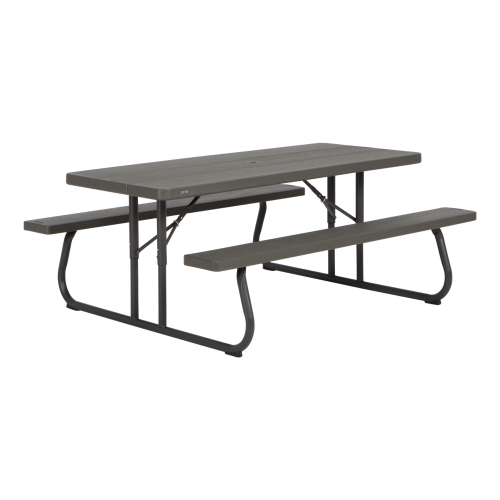 Your price for this item is $599.99
 -
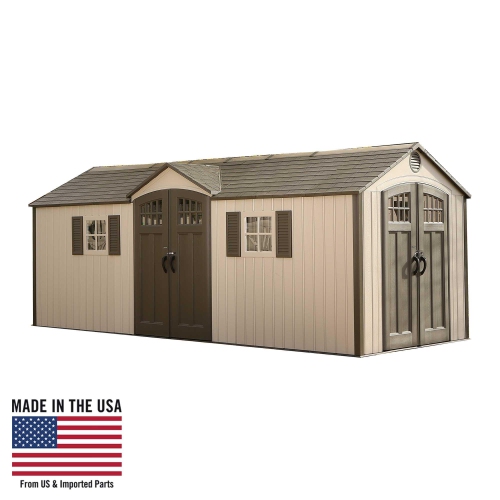 Your price for this item is $5799.99
 -
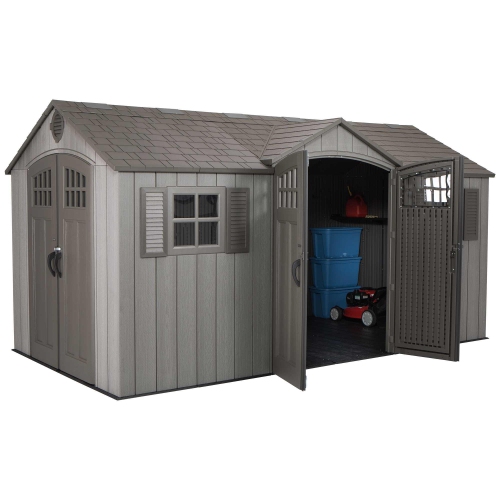 Your price for this item is $4199.99
 -
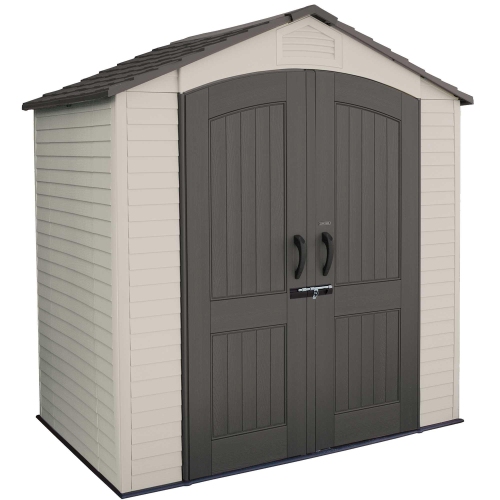 Your price for this item is $1899.99
 -
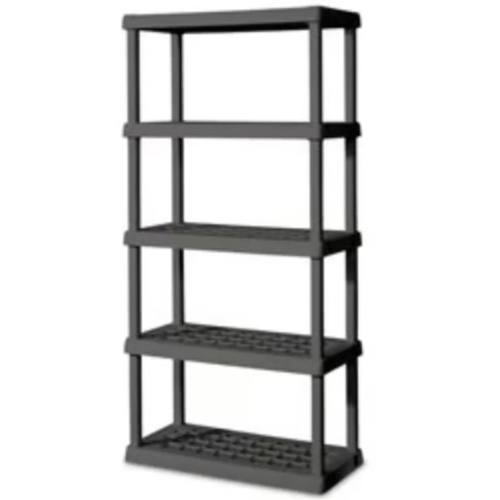 Your price for this item is $969.99
 -
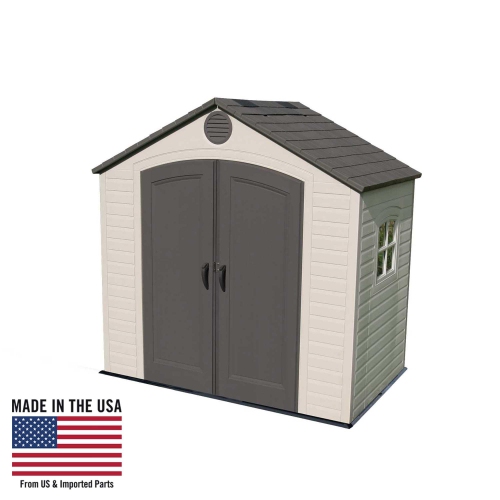 Your price for this item is $2399.99
 -
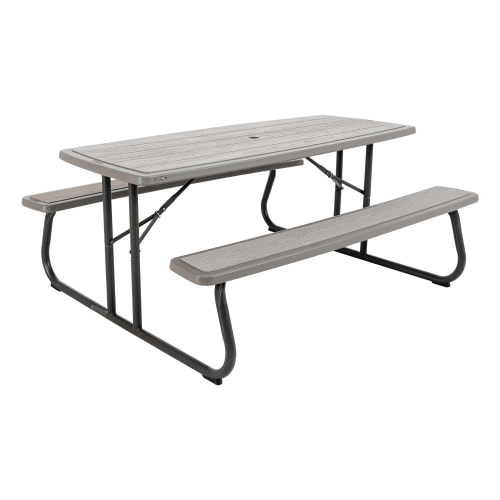 Your price for this item is $429.99
 -
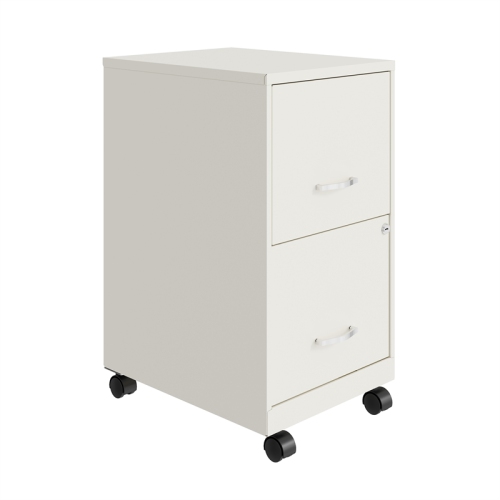 Your price for this item is $389.88
Discover more categories related to Wooden Office Cabinets
Top Collections:
Best Laptops for Video Editing, Pokemon Centers, Samsung Z Fold, Kindle Devices, Best Cell Phones Under $300, Best Laptops for Writers, Best Budget Office Chairs, Best Cell Phones Under $500, Best Laptop Computers for Students, iPhone 15 Apple
Some products may be subject to Environmental Handling Fees
(EHF) depending on your province.
Learn more about EHFs.