Wooden Cabinets
A wooden cabinet can be used to store a variety of items such as books, supplies, and other items. These cabinets are a great way to organize your space and keep it neat and tidy. Here are some of the excellent wooden cabinets for you to choose from.
Sort

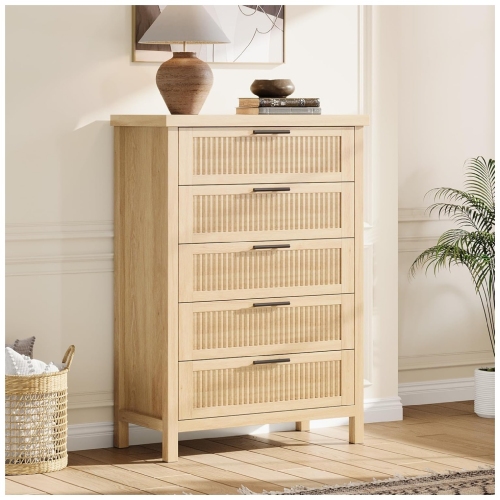
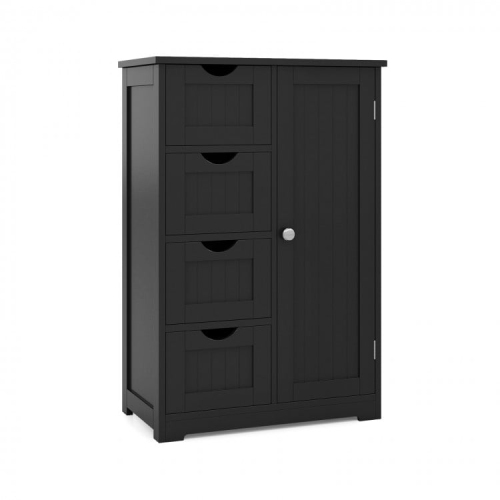
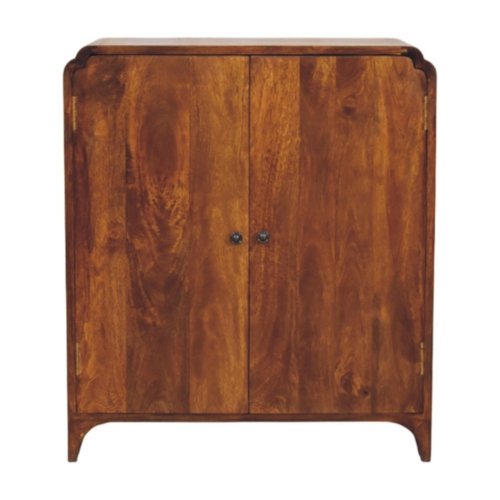
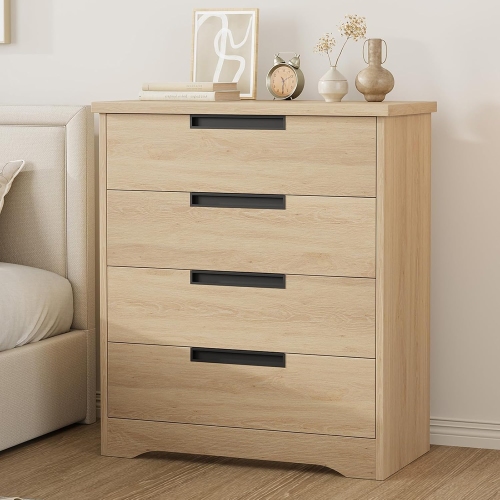
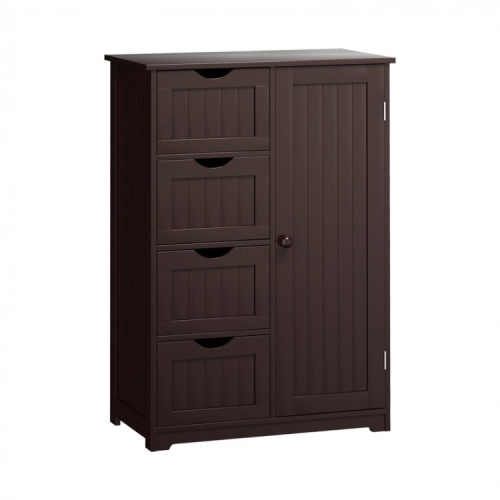
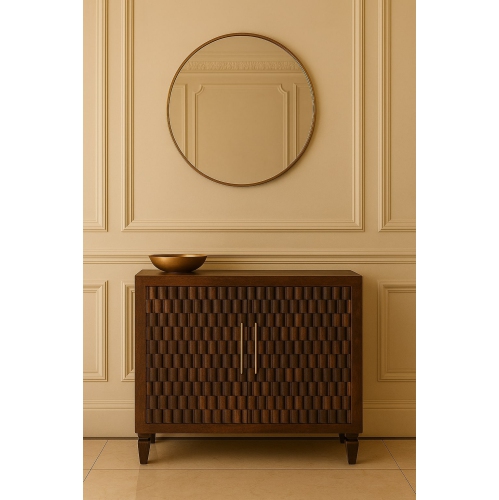
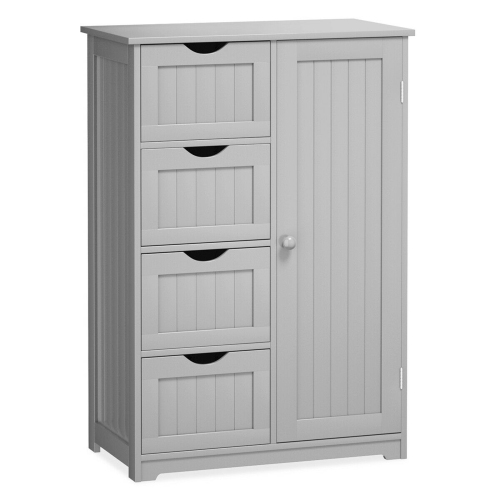
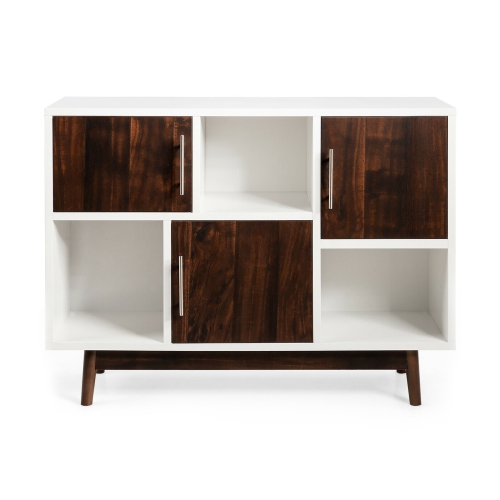
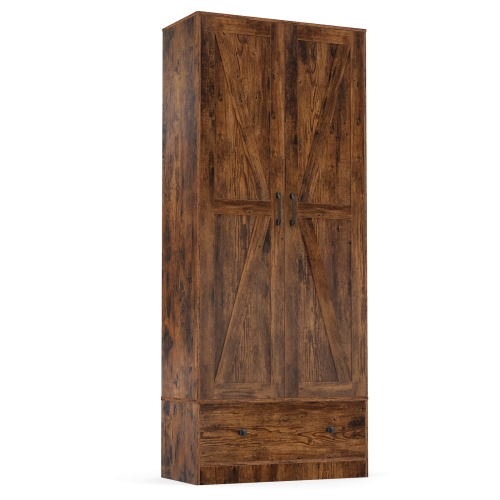
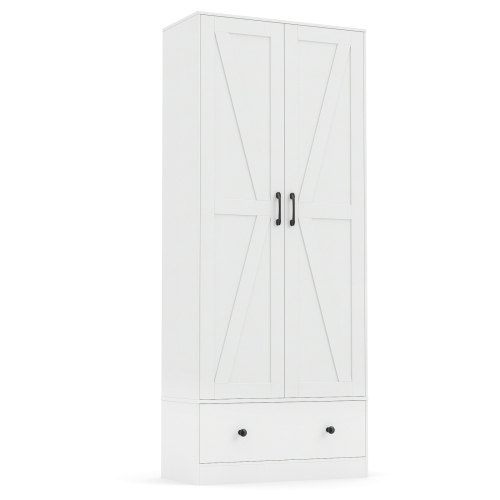
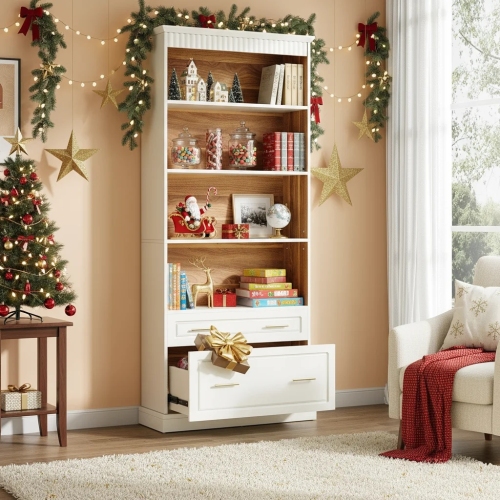
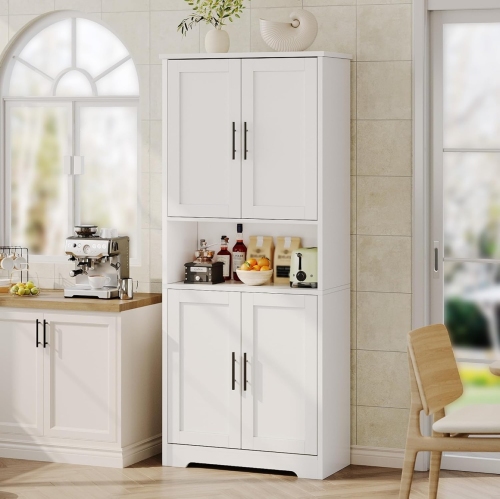
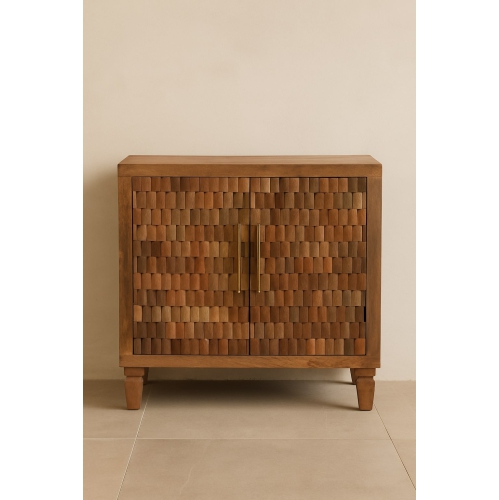
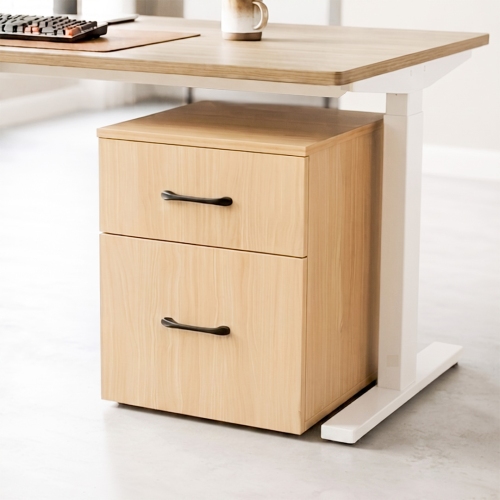
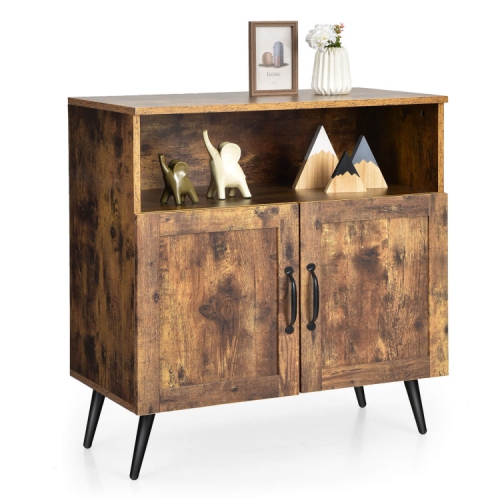
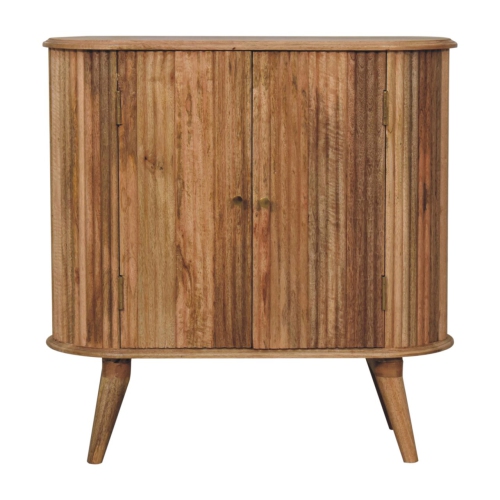
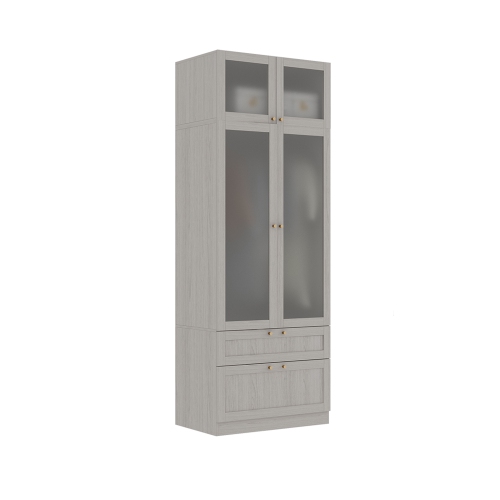
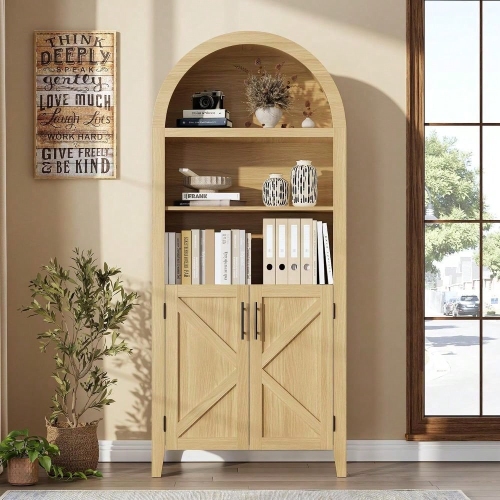
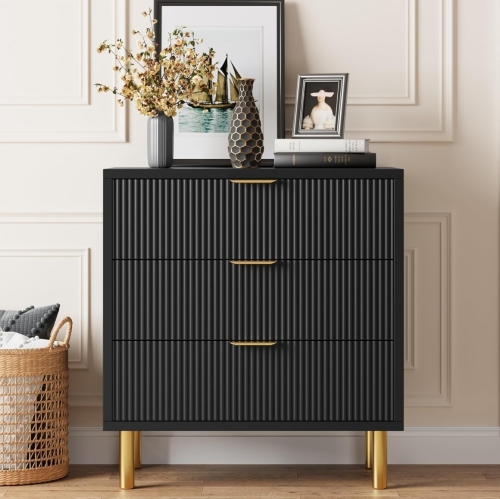
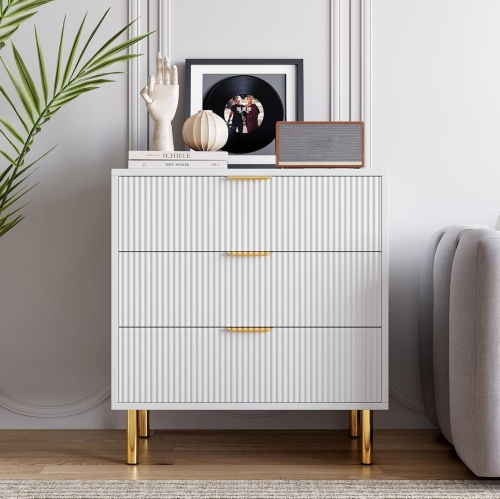
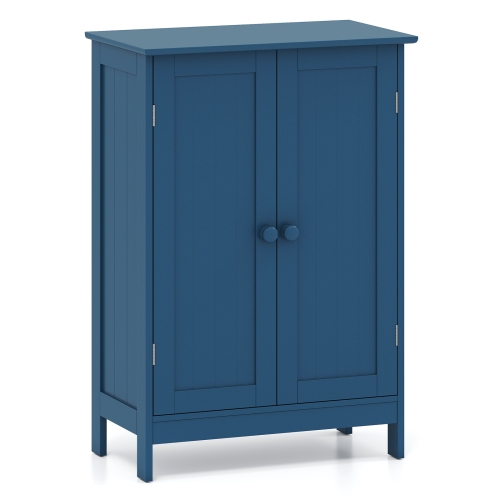
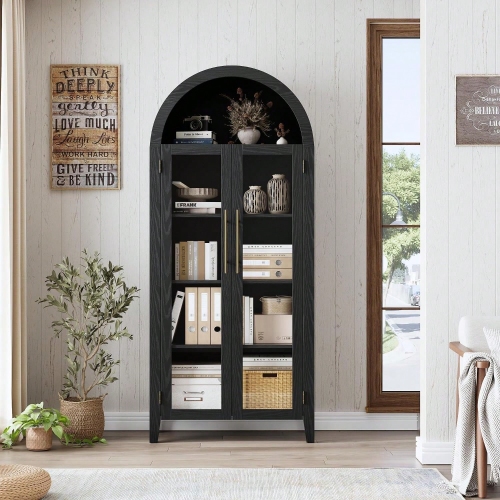
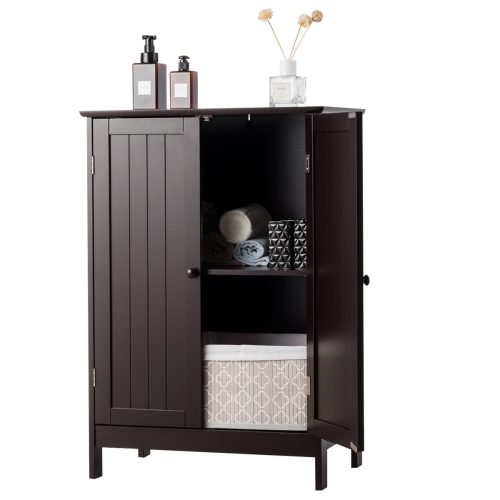
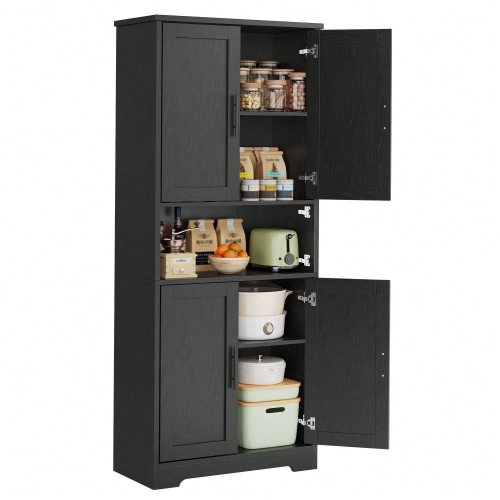
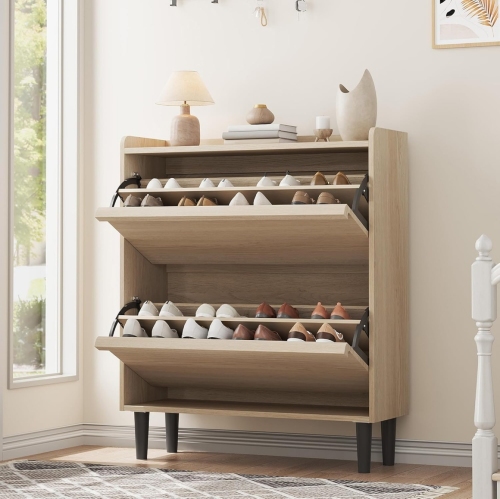
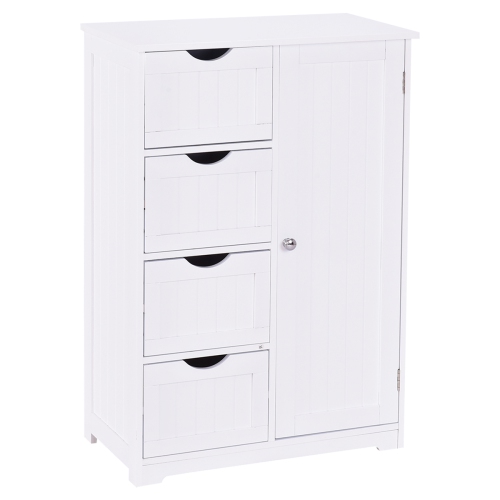
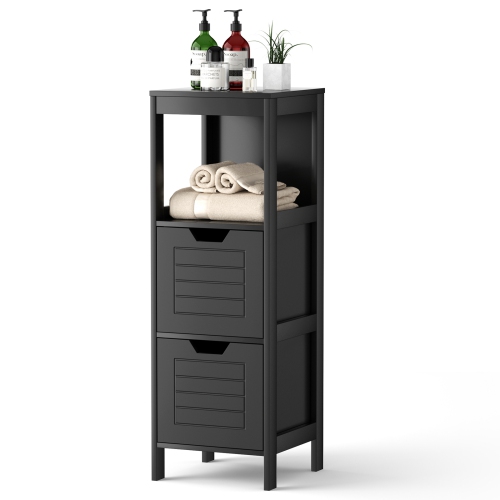
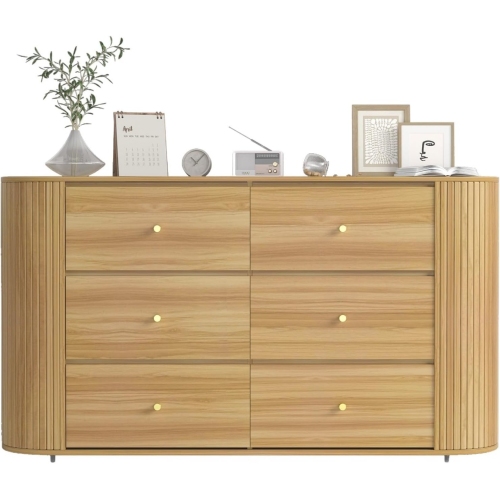


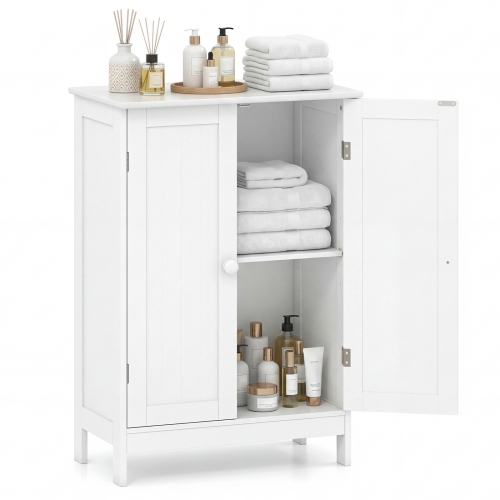
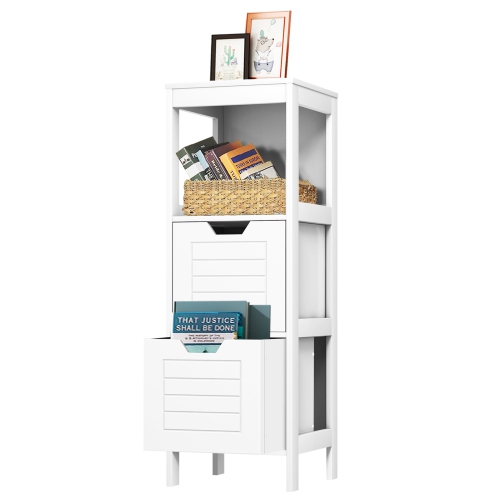
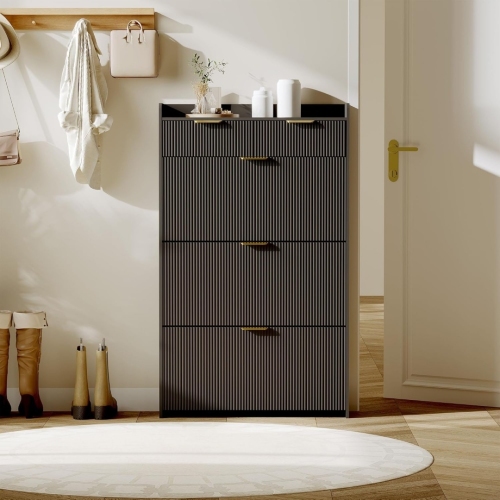
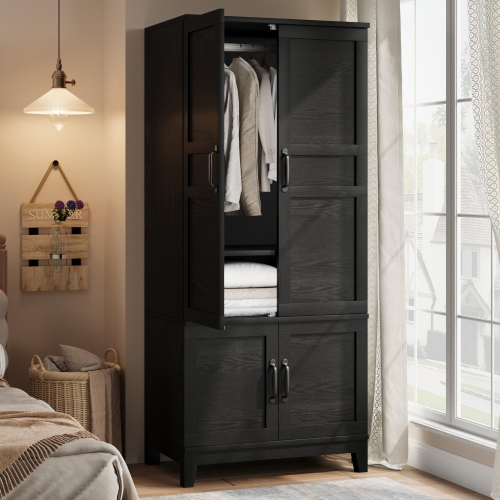
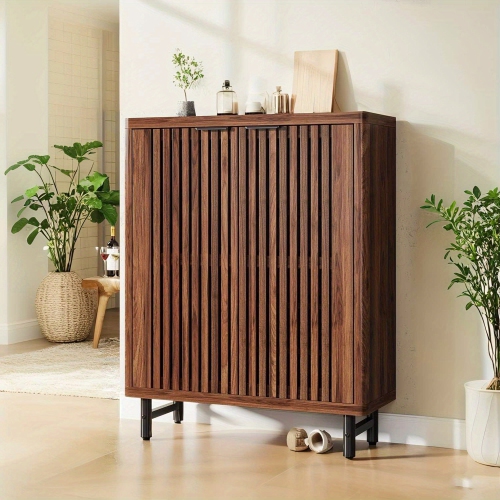
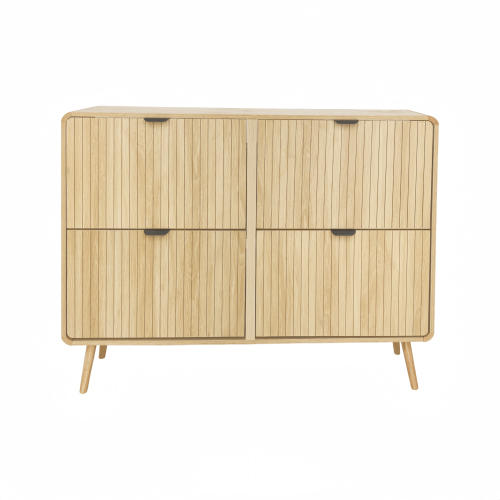
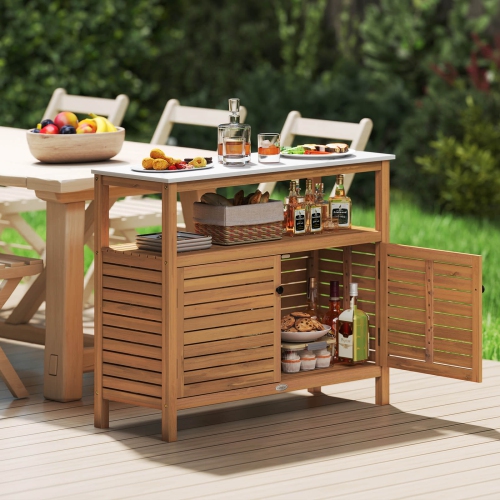
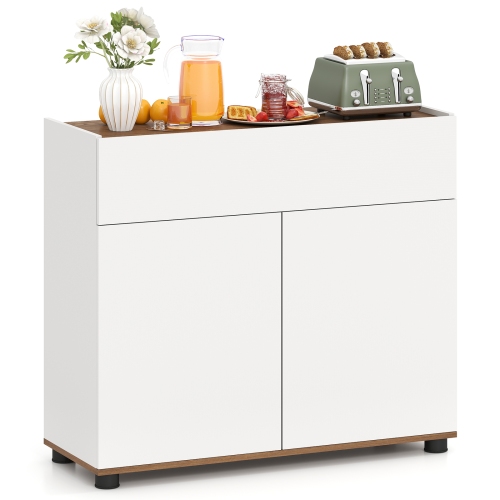

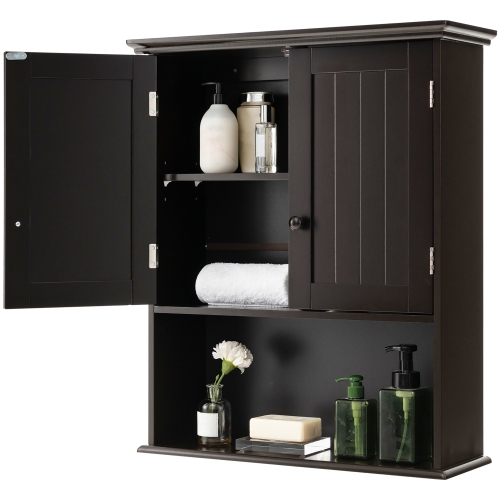
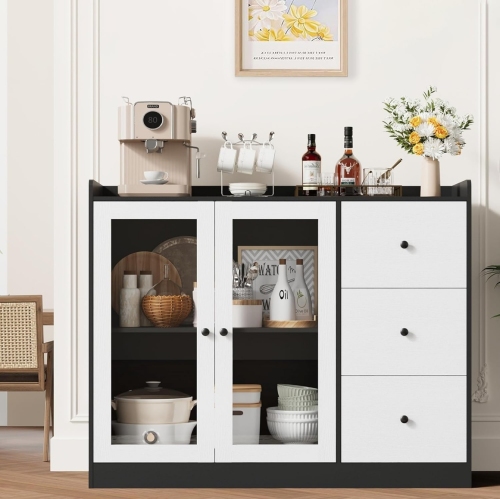
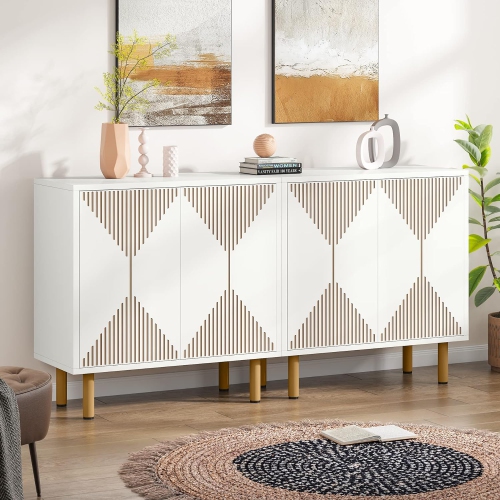
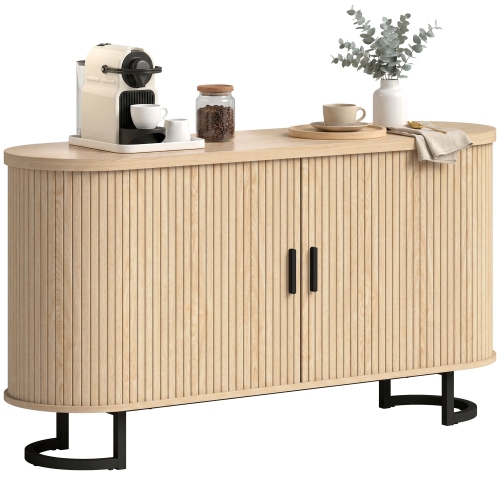
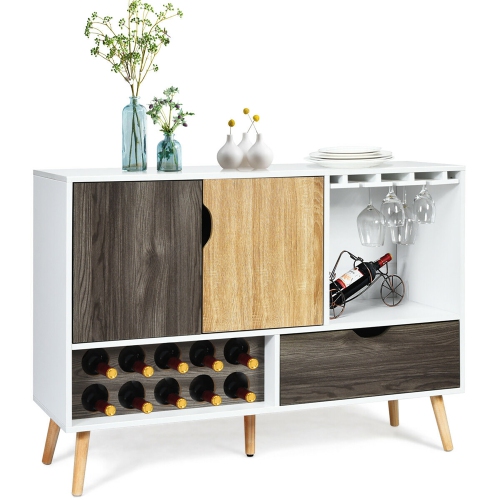
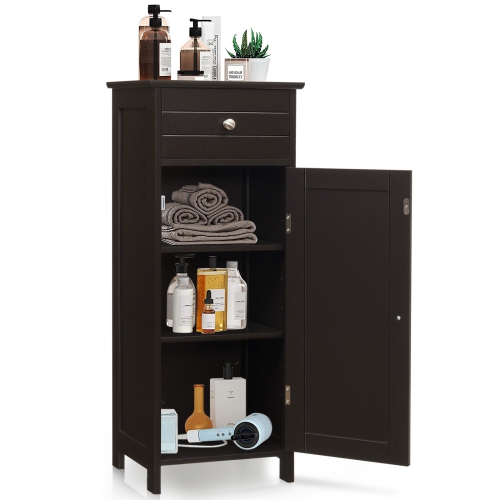
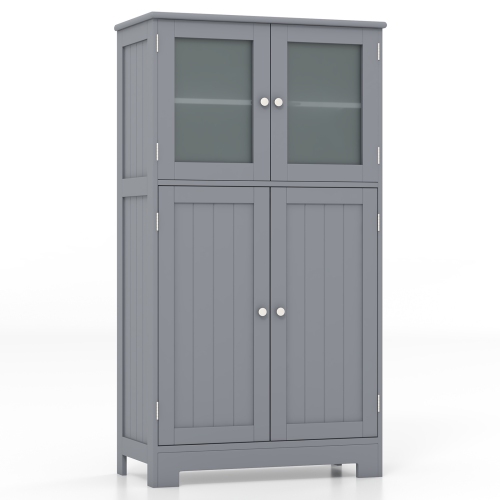
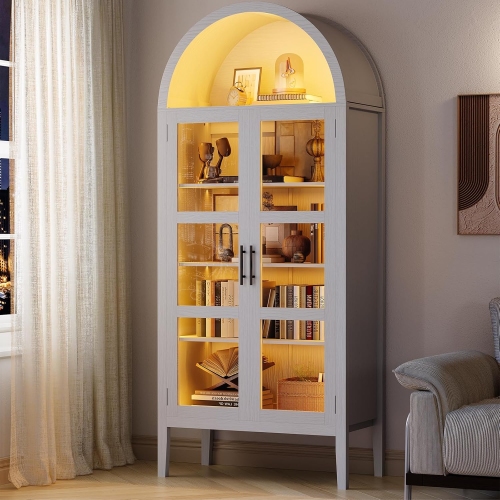
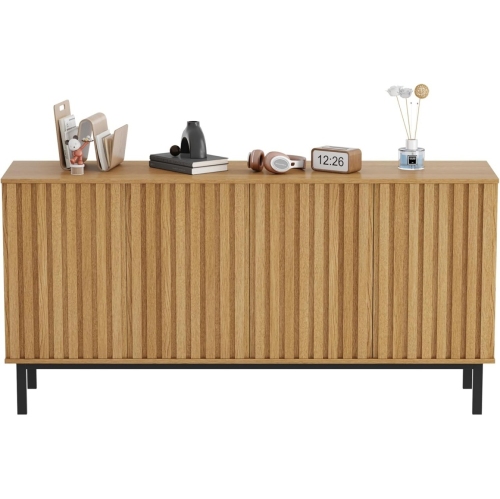
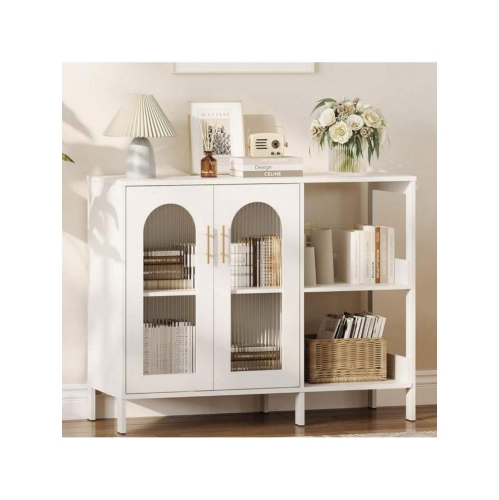
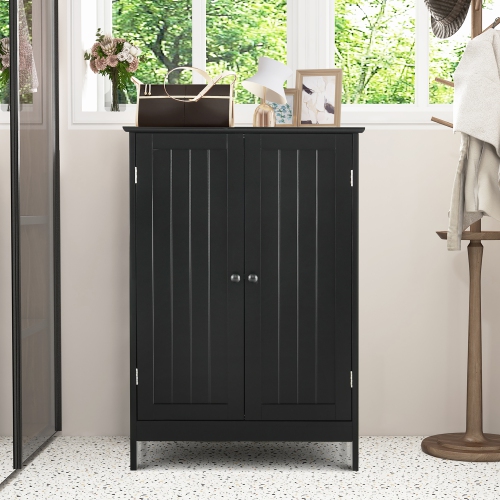
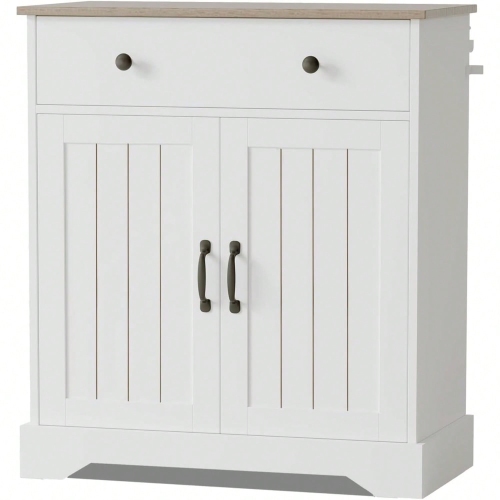
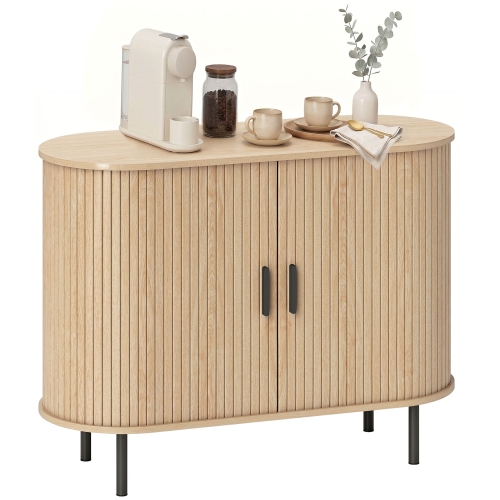
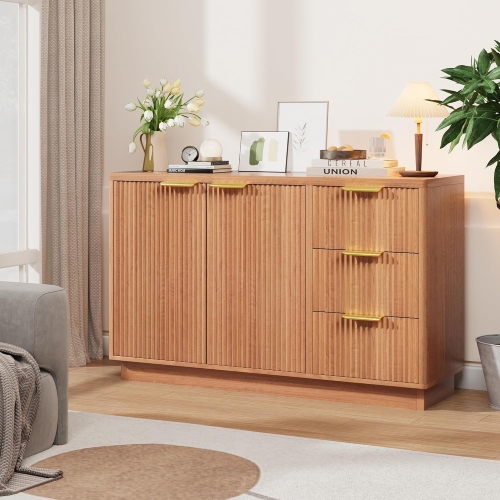
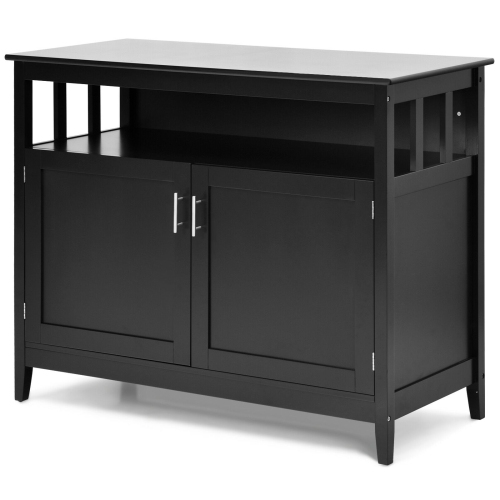
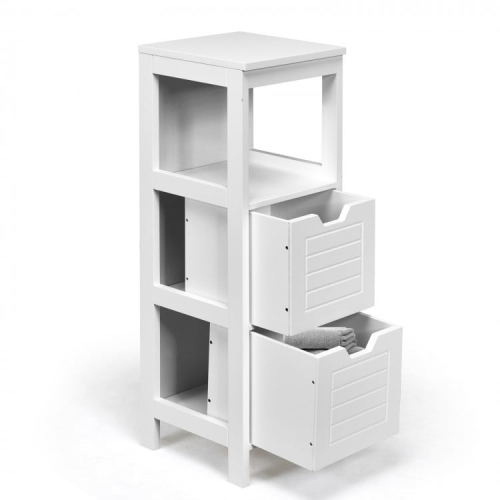
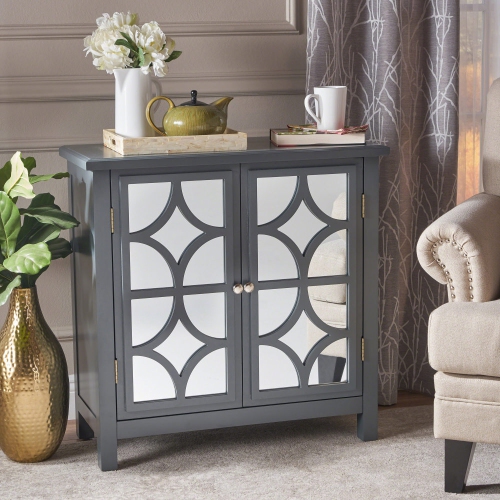
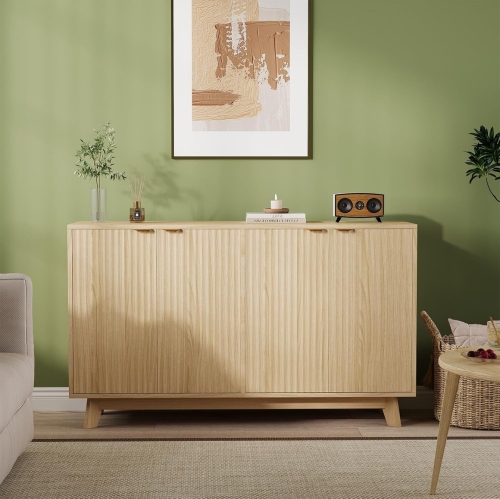
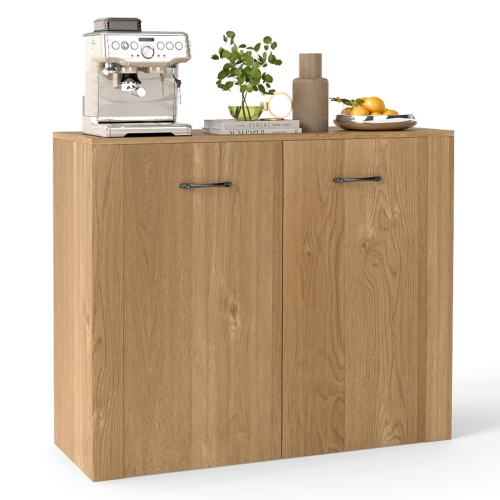
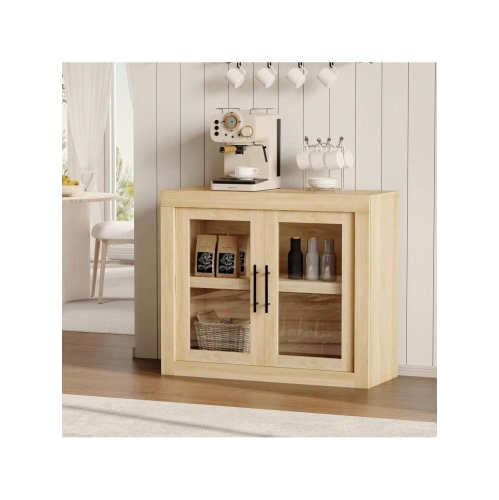
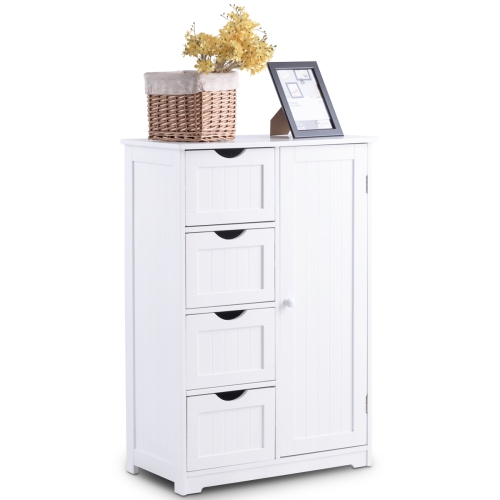
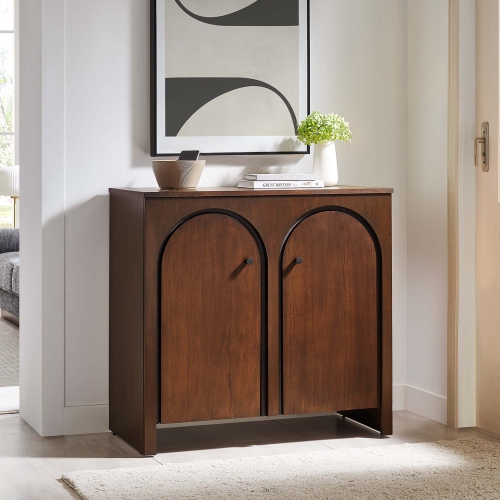
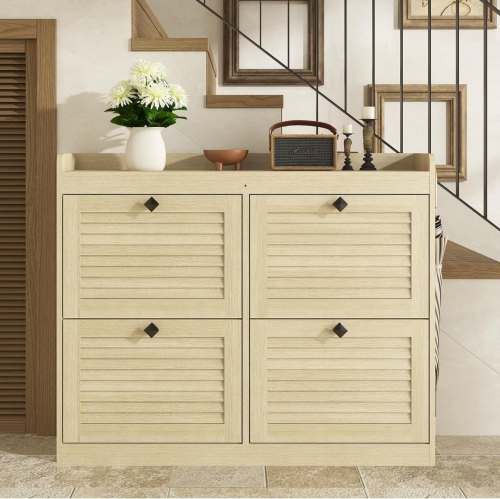
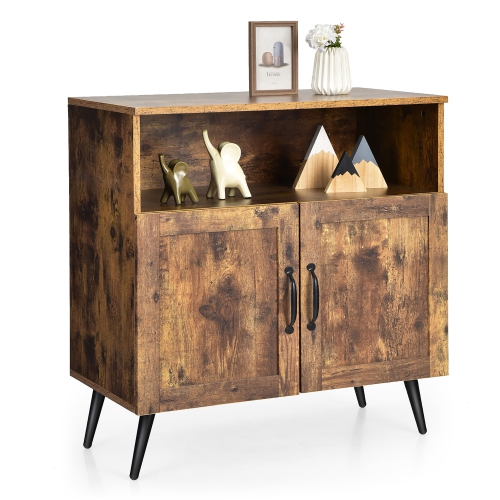
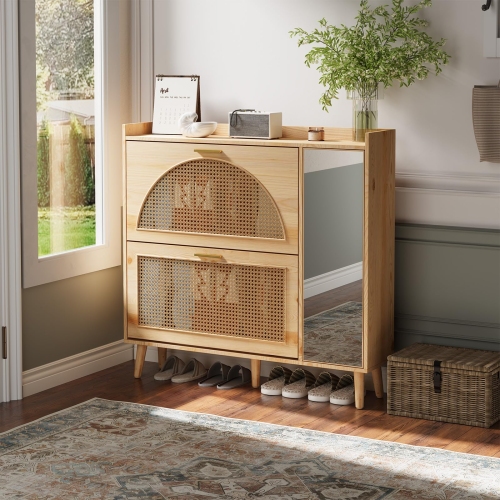

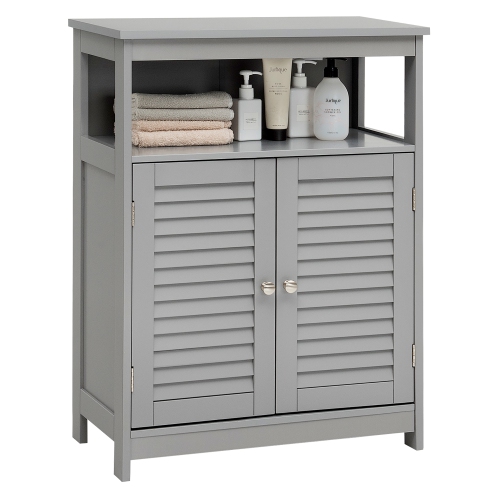
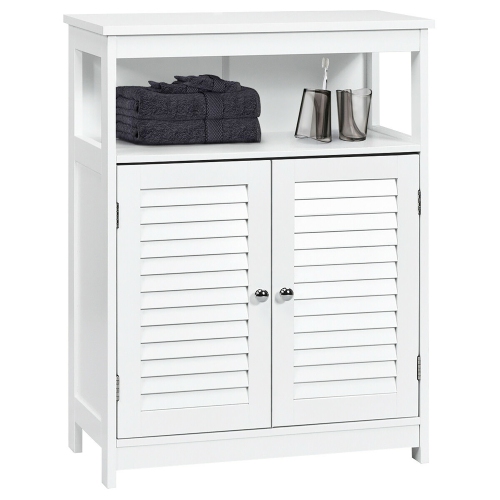
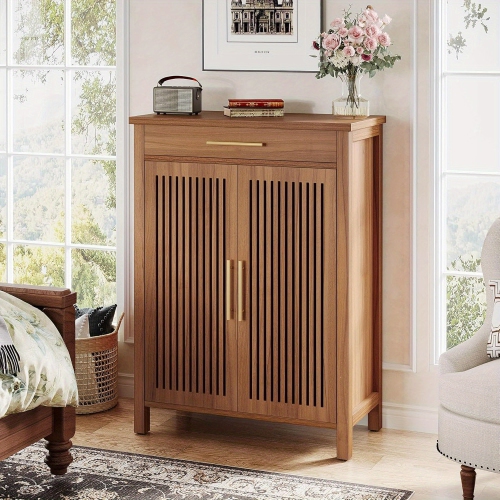

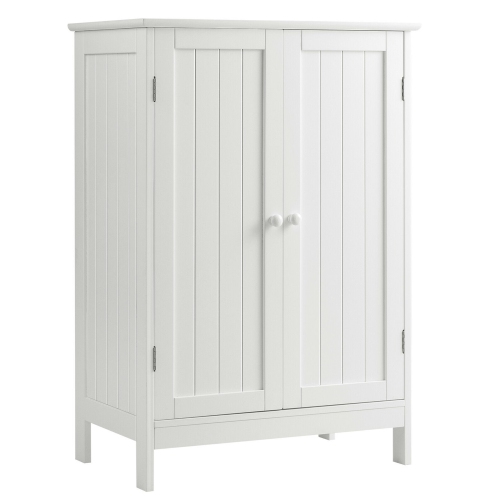
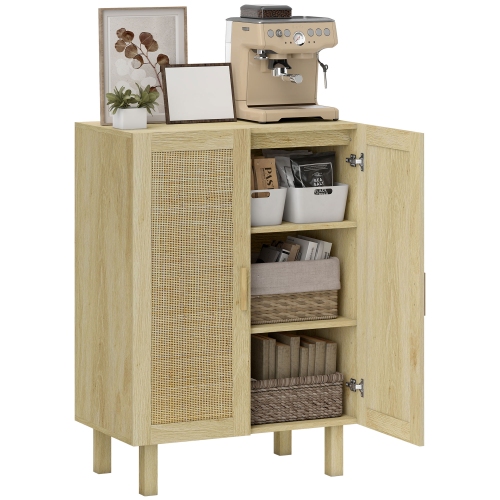
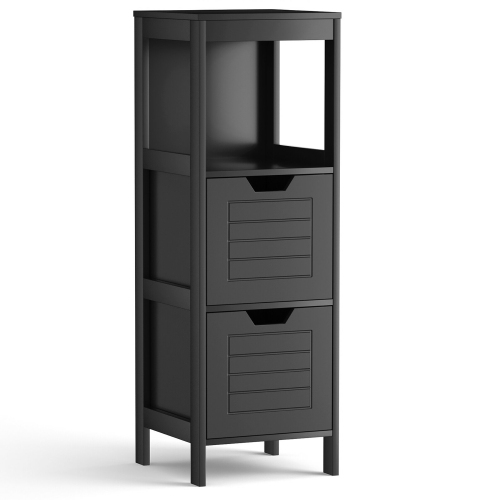
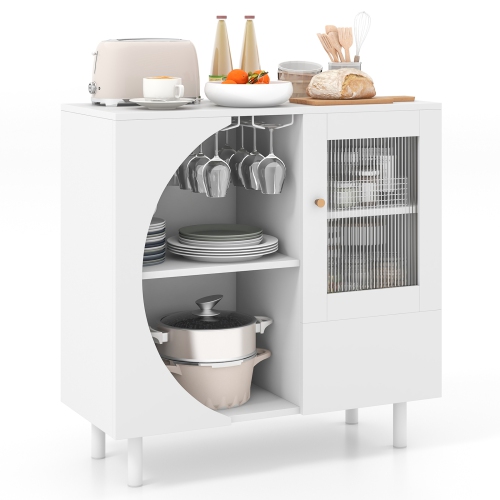
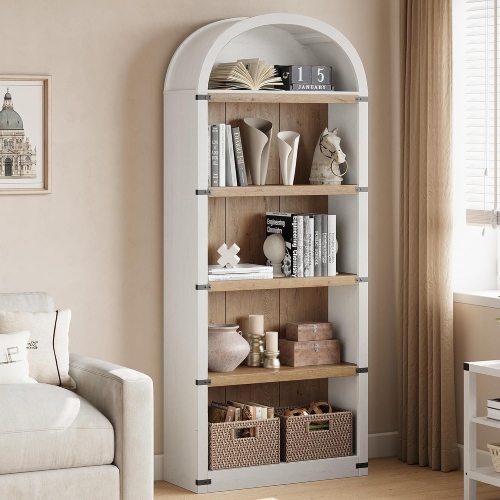
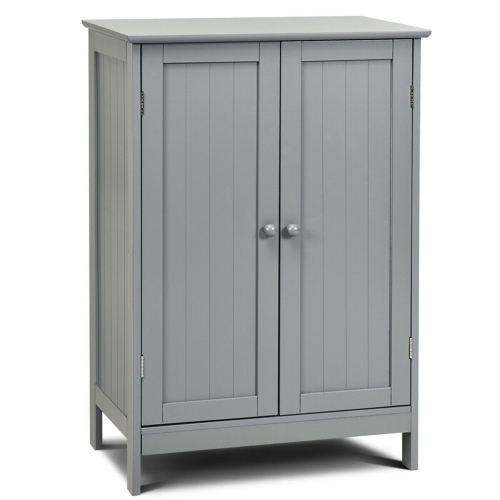
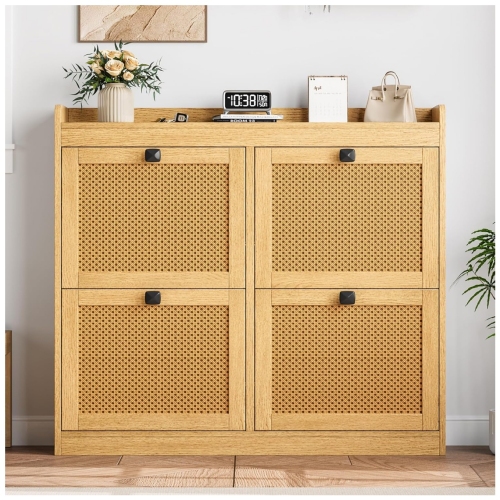
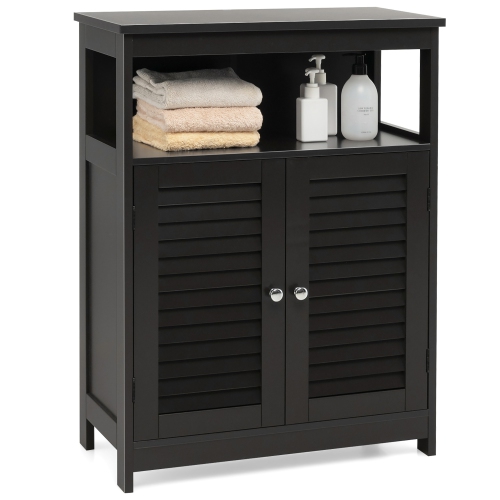
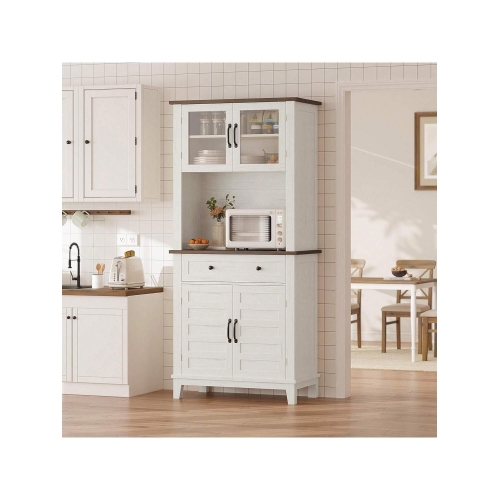
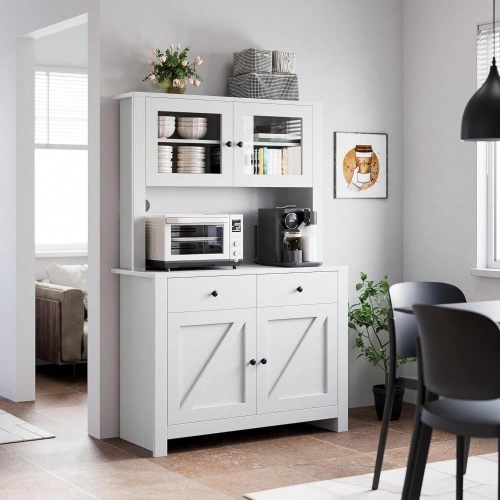
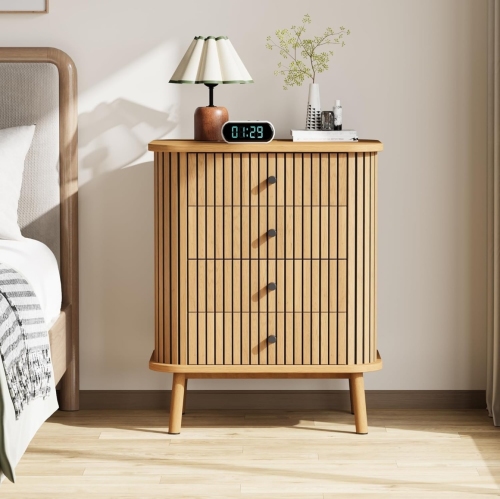
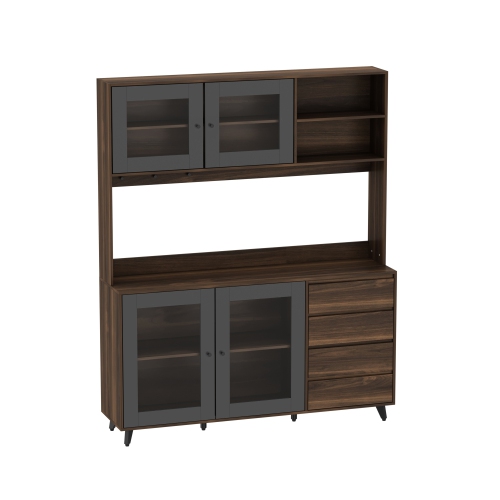
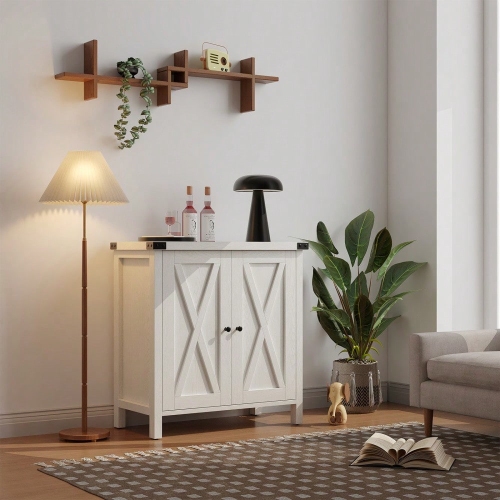
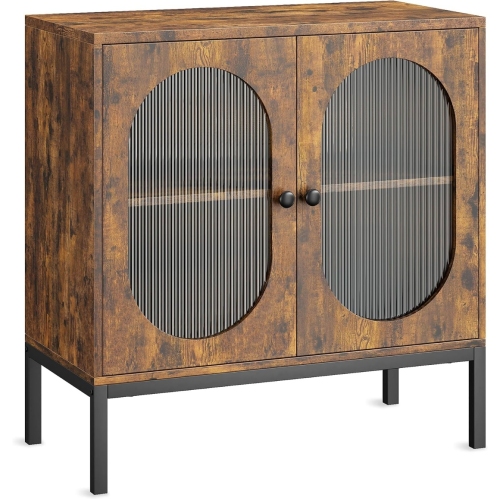
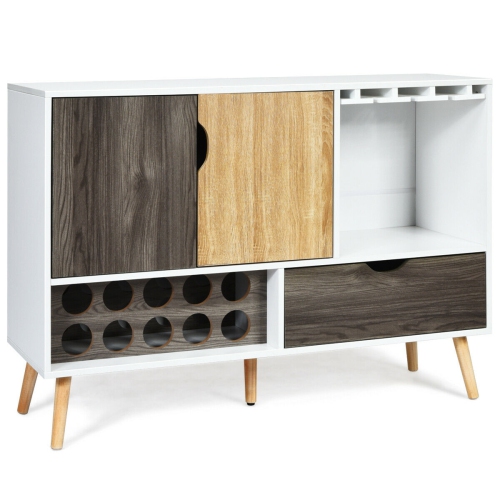
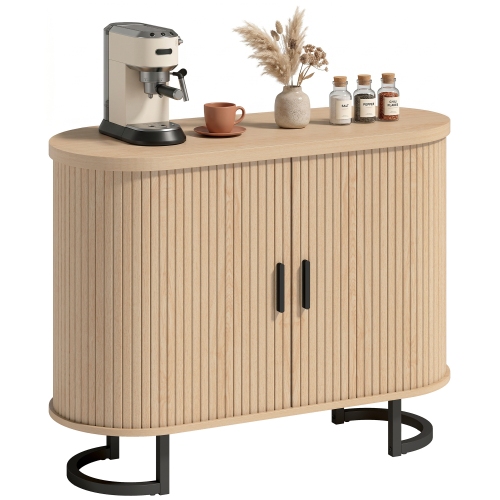
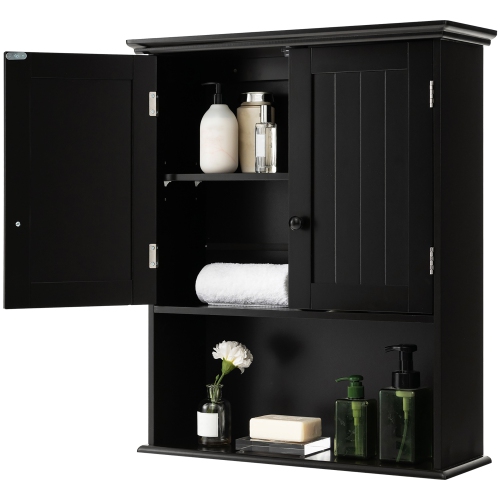
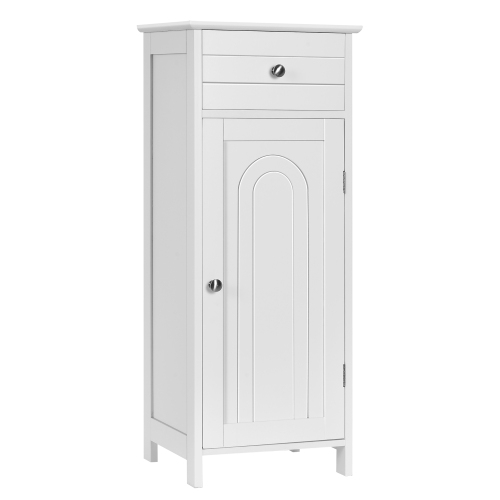
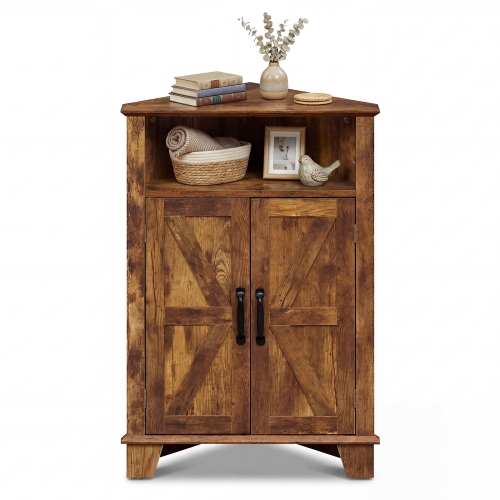
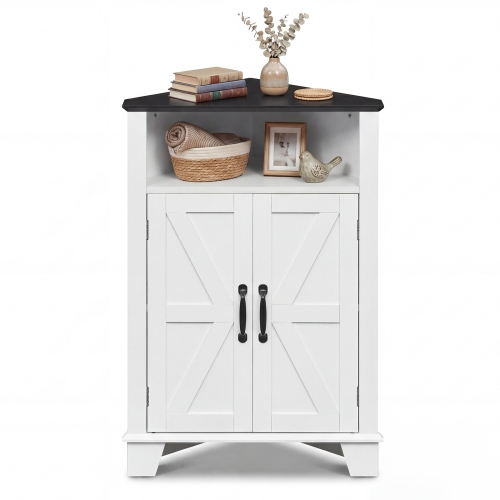
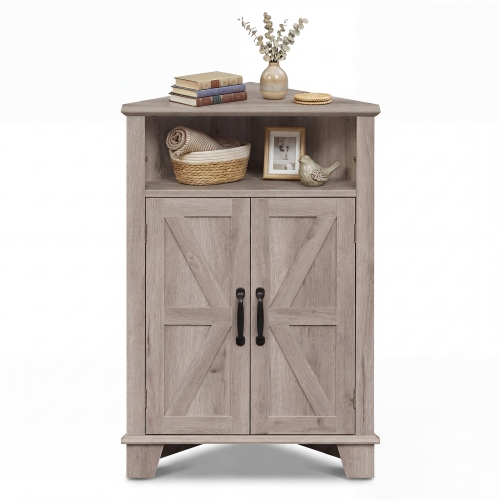
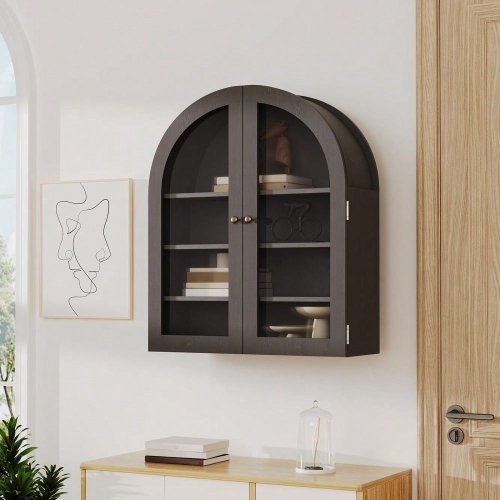
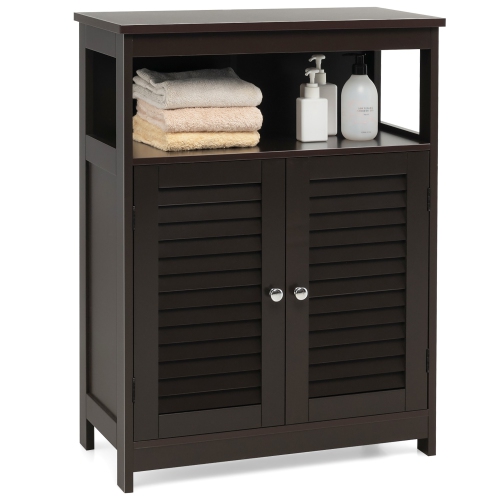
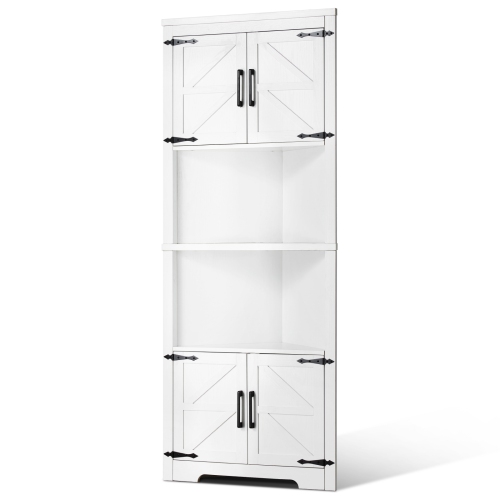
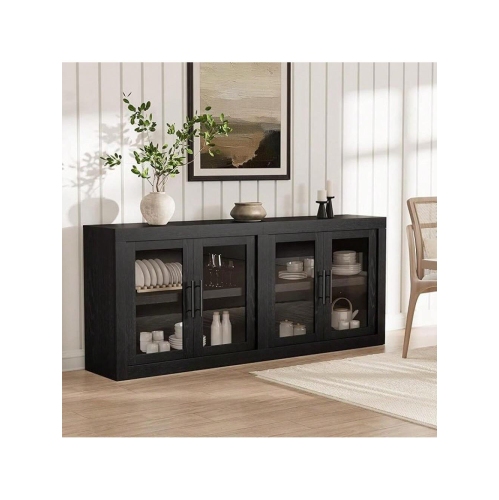
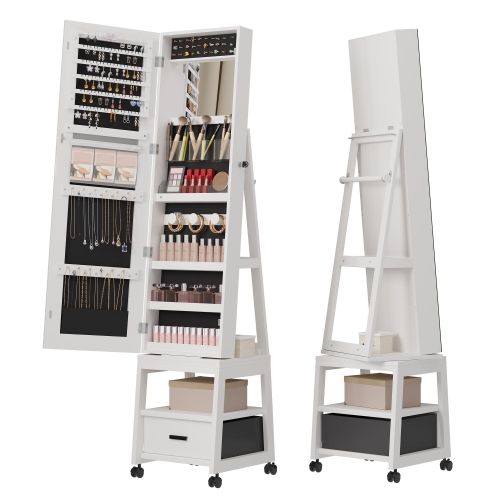
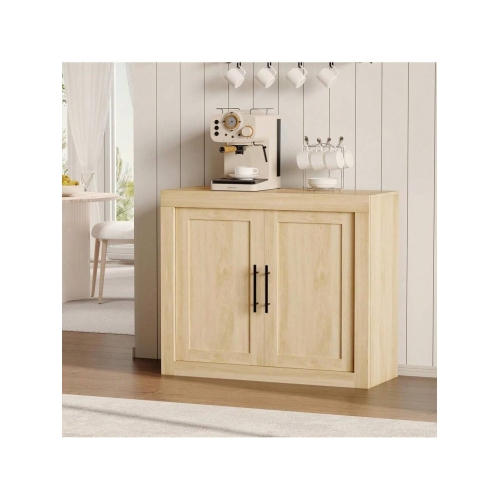
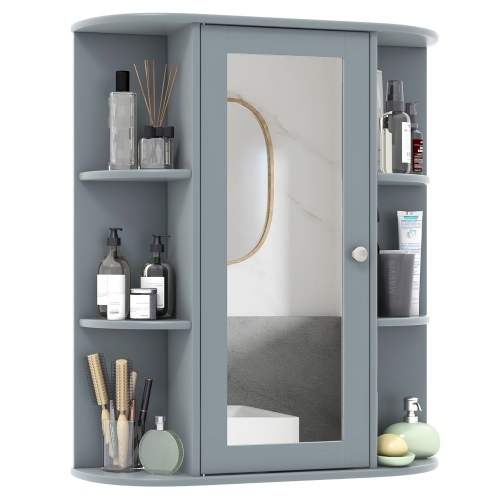
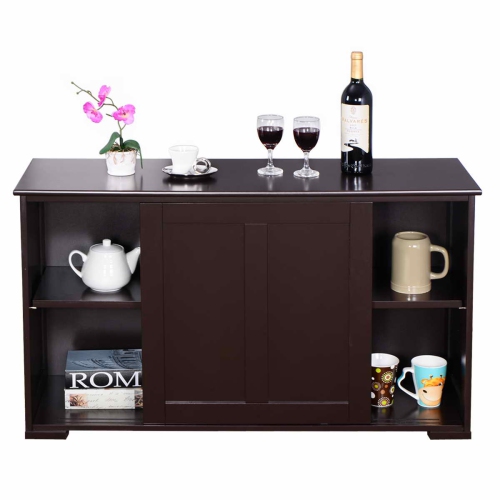
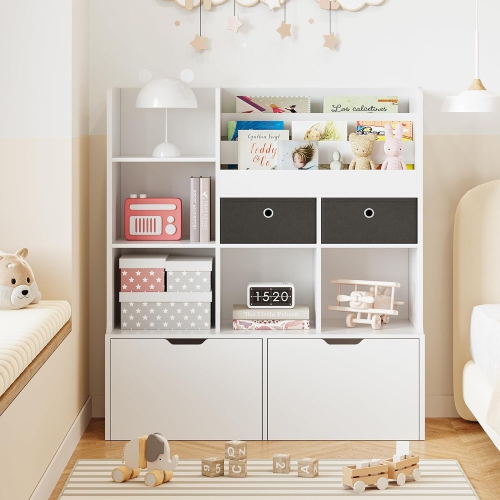
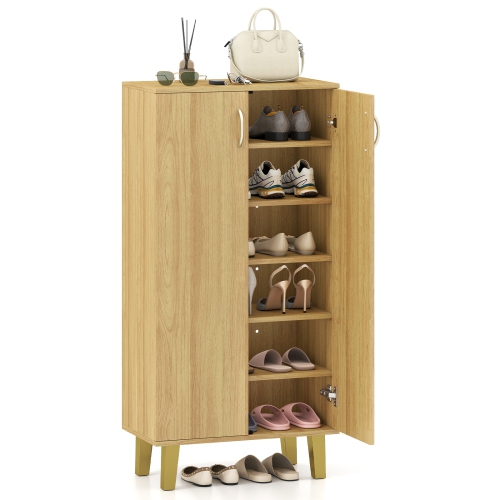
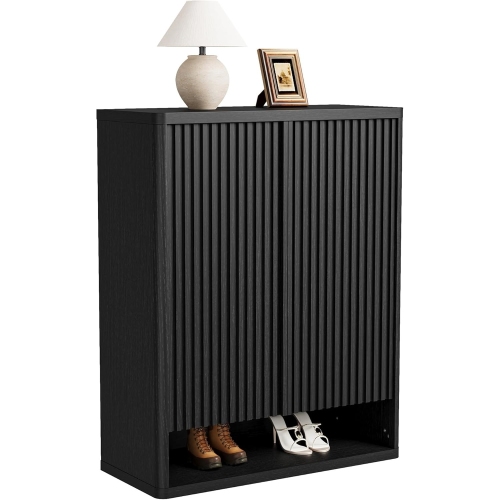
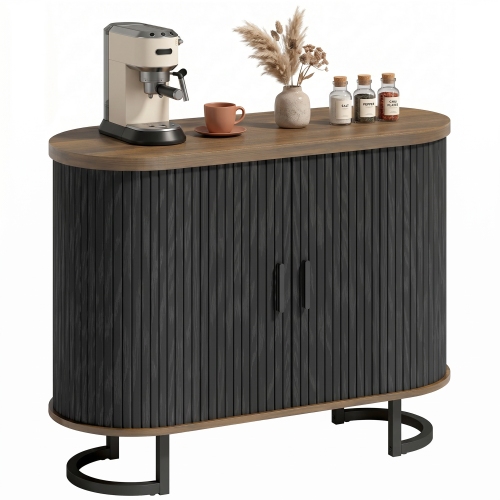
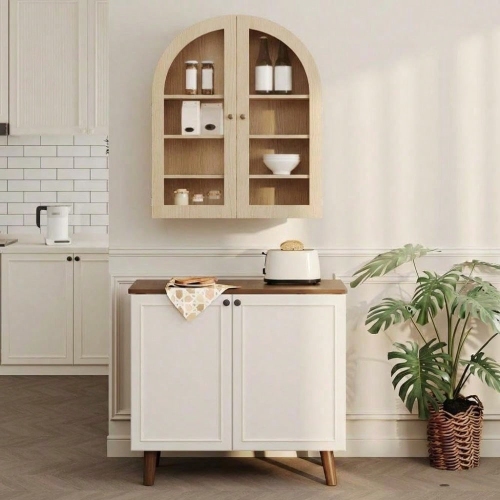
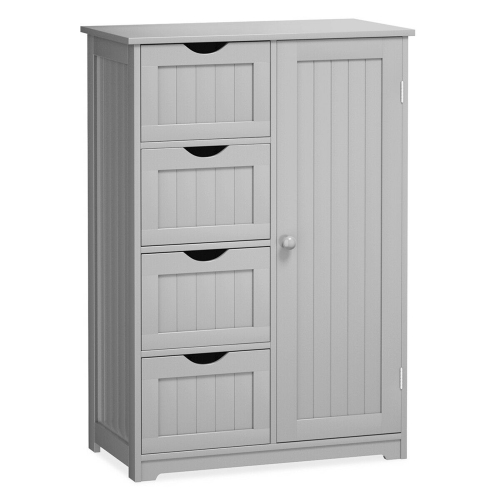
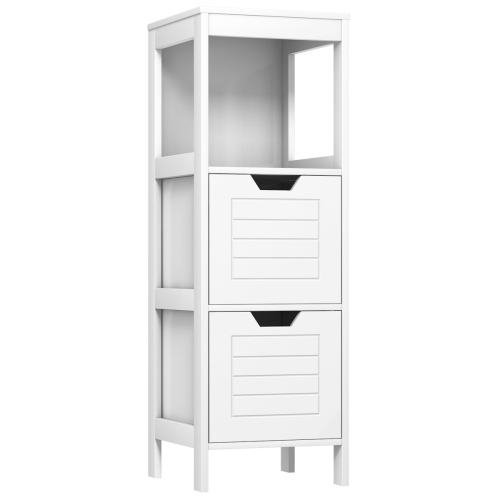
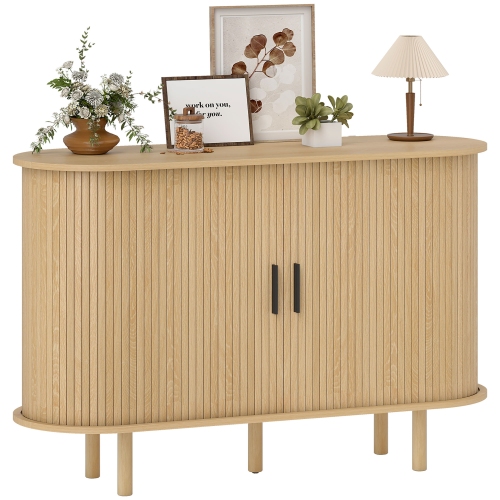

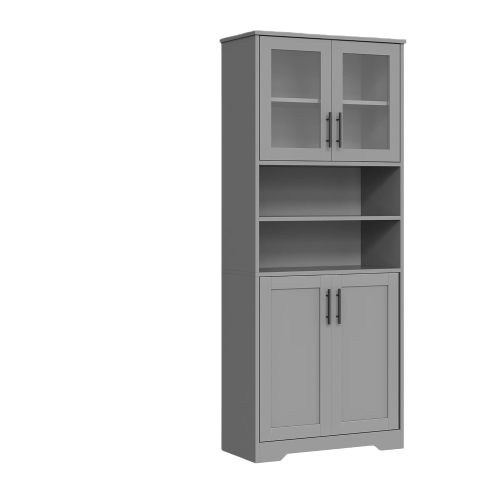
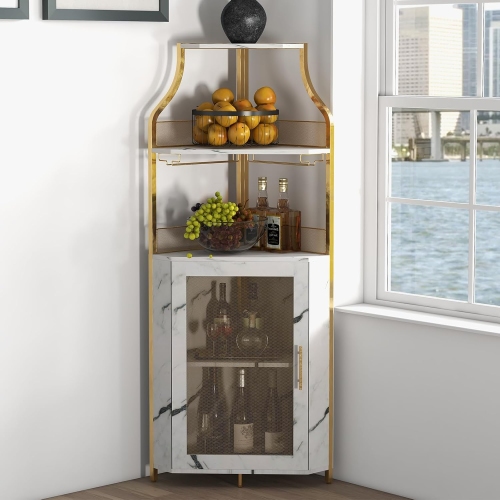
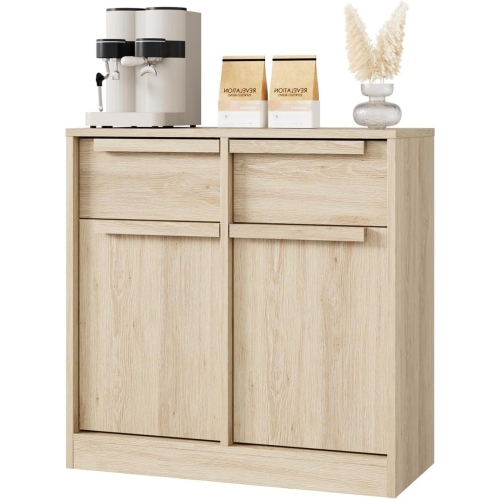
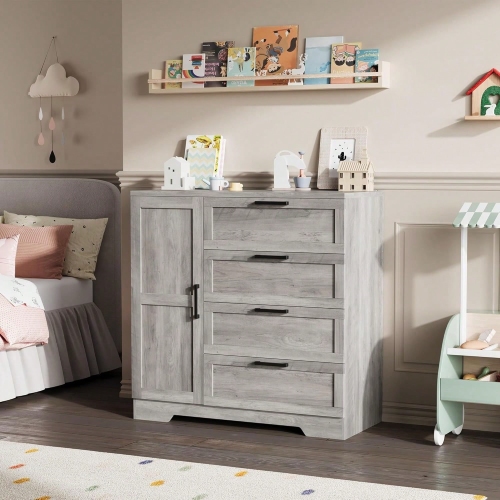
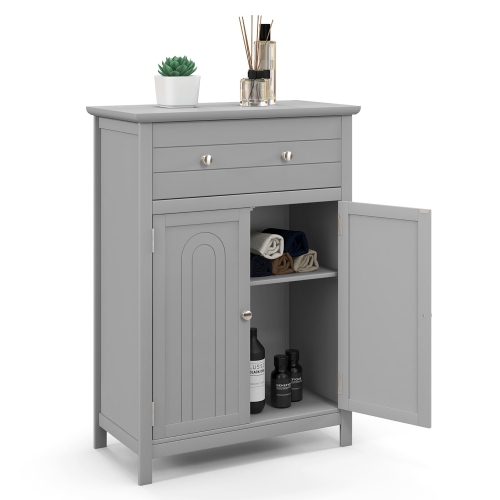
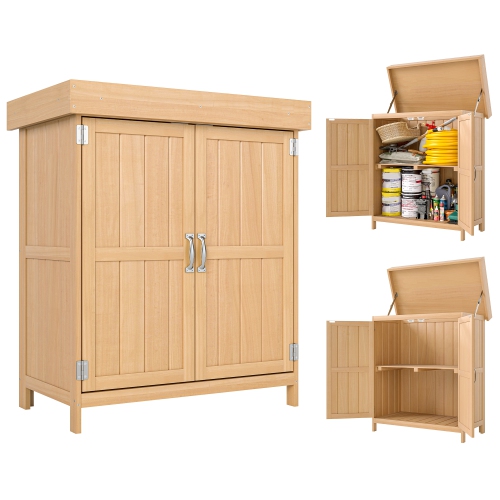
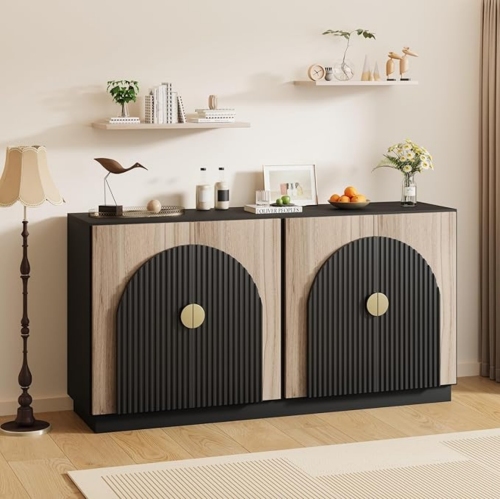
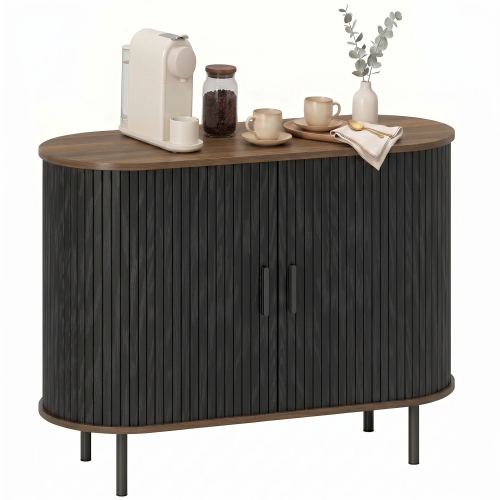
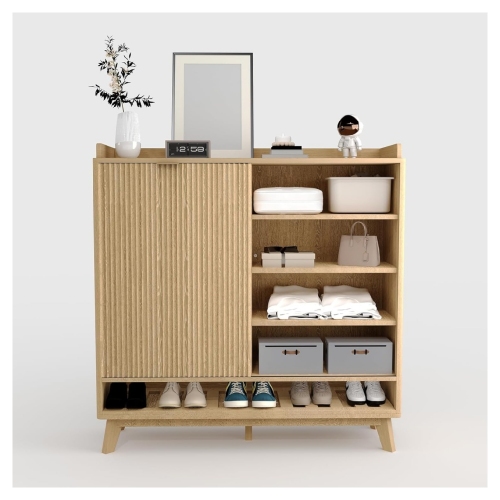
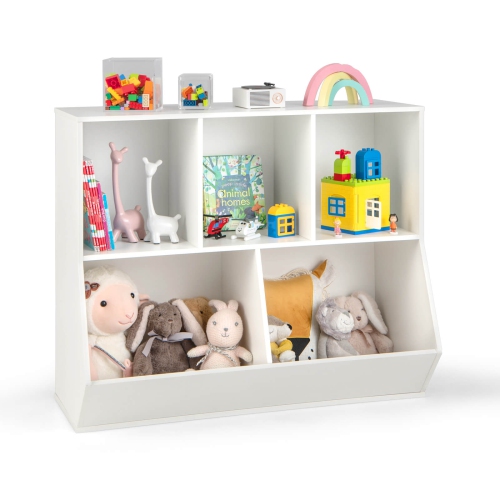
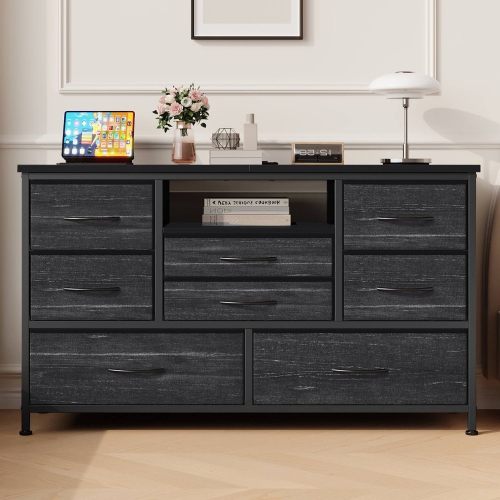
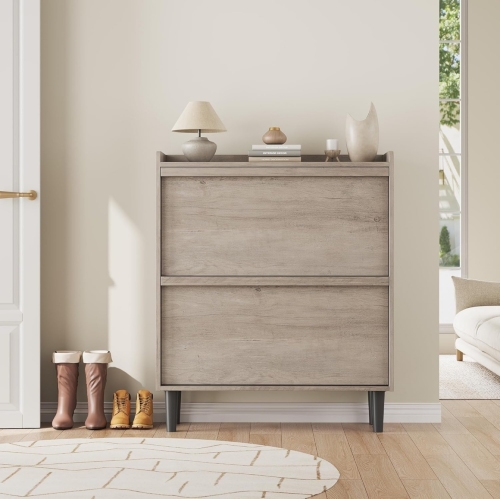
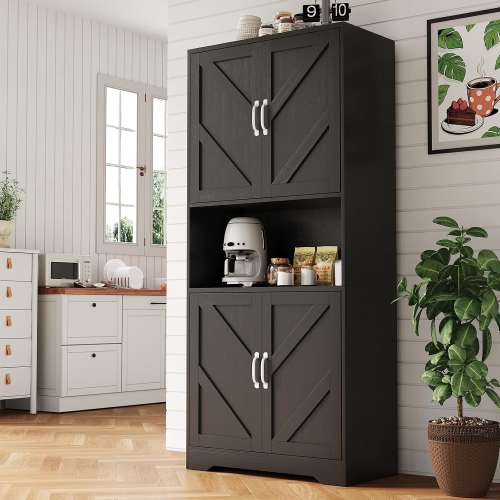
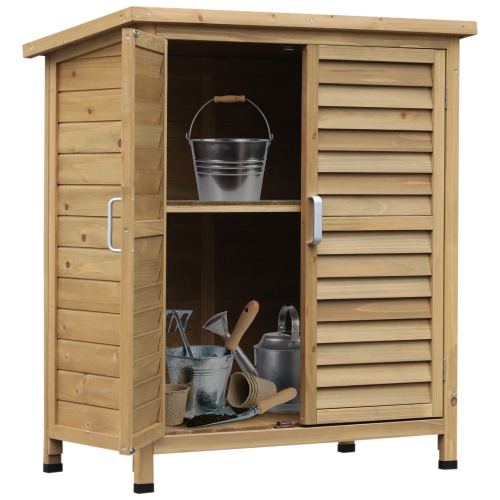
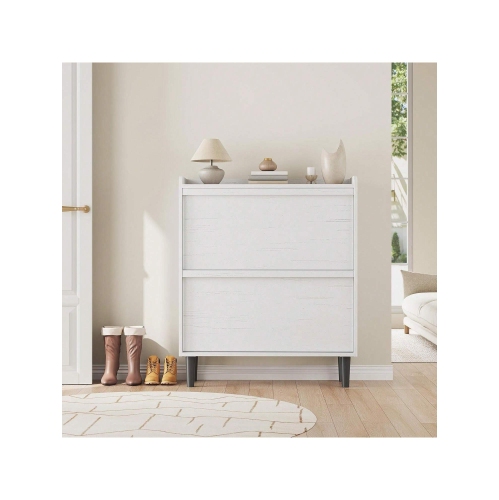

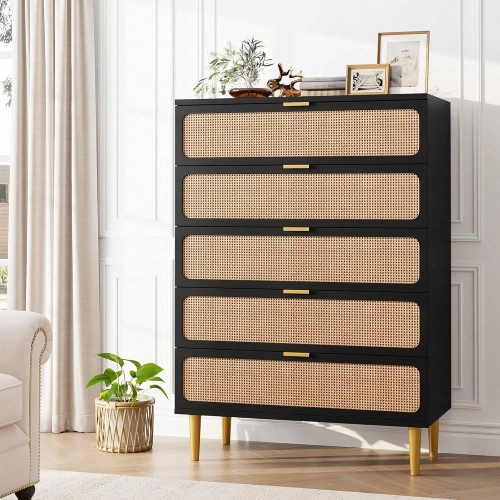
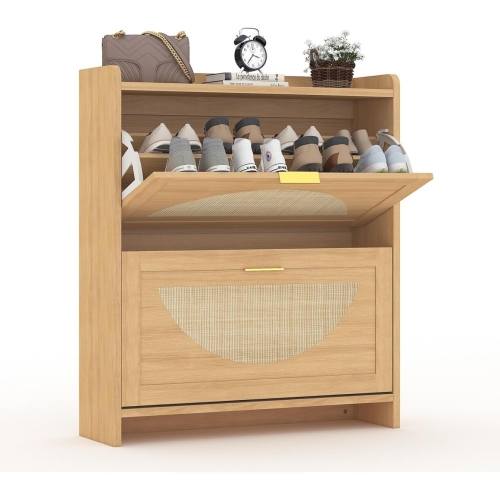
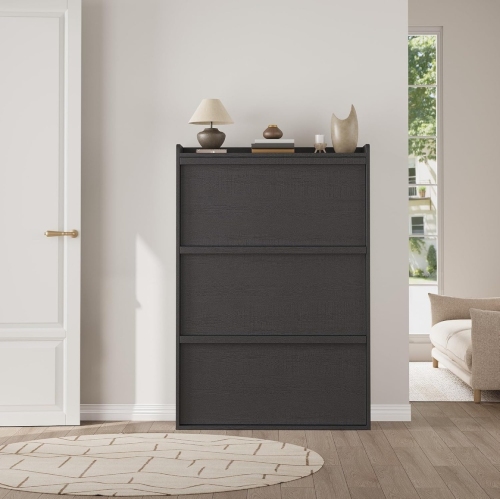
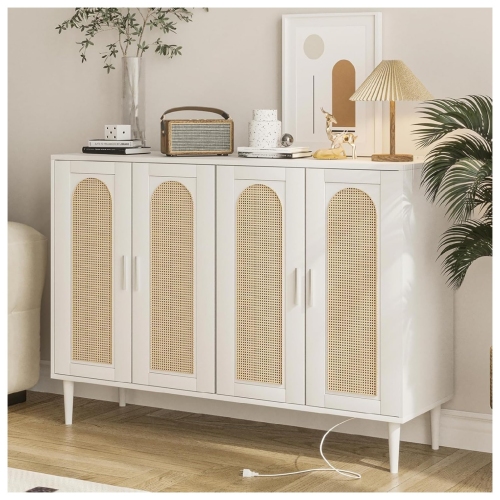


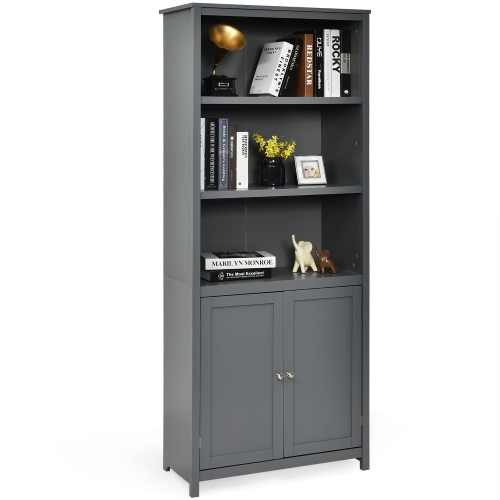
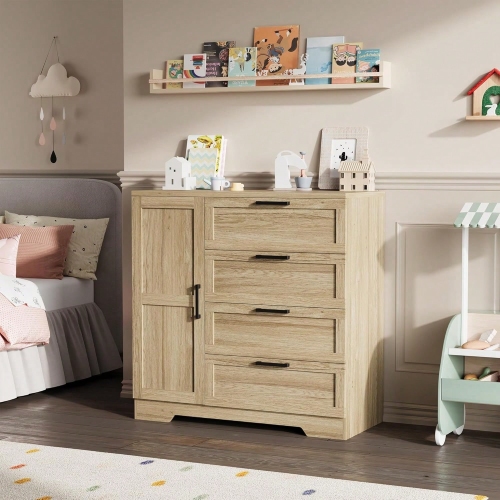
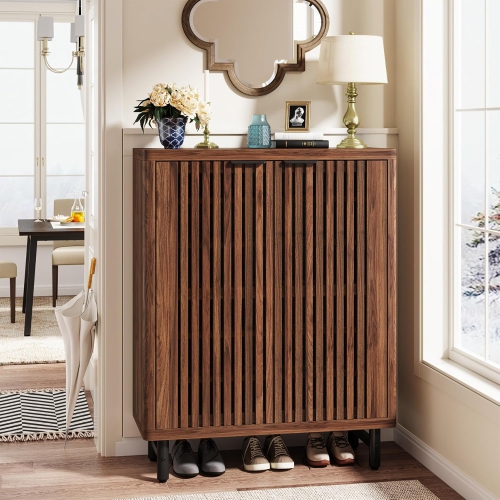
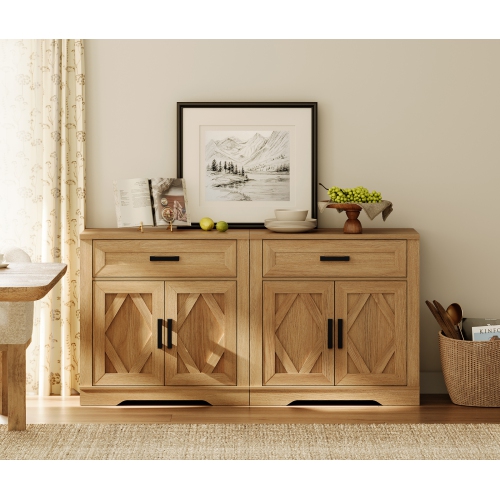
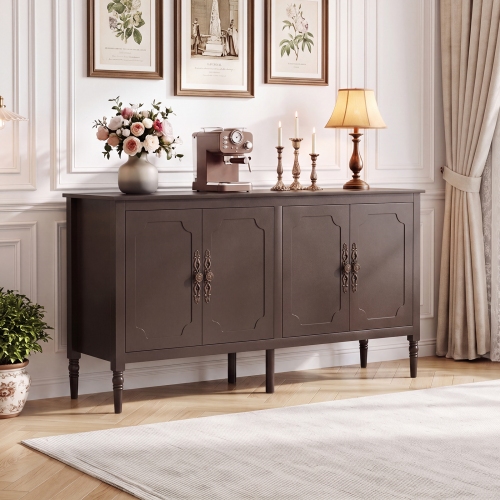
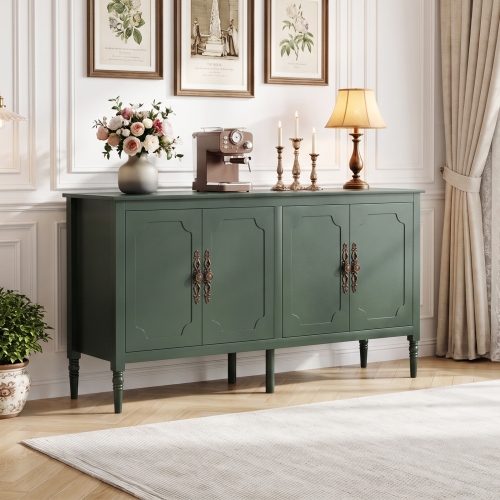
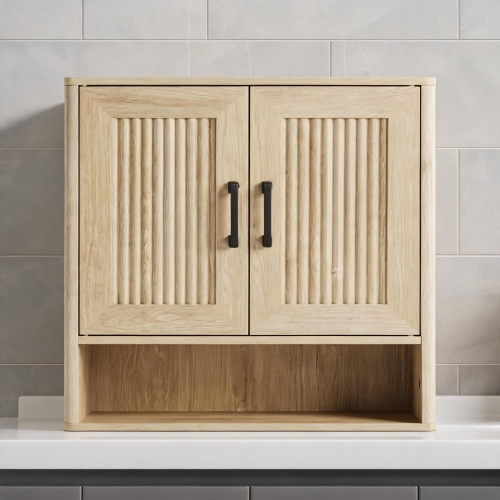
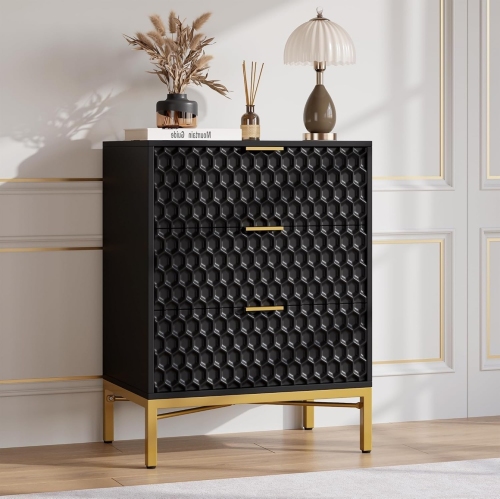
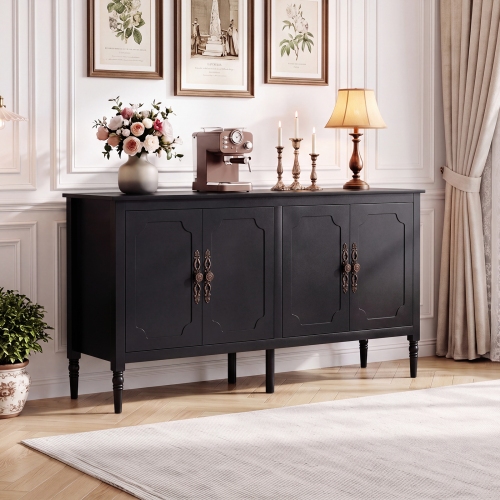
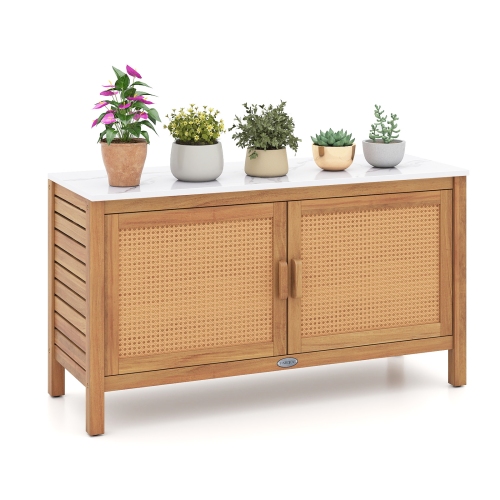

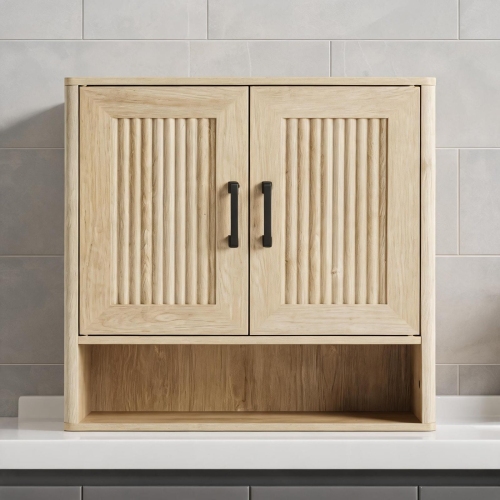
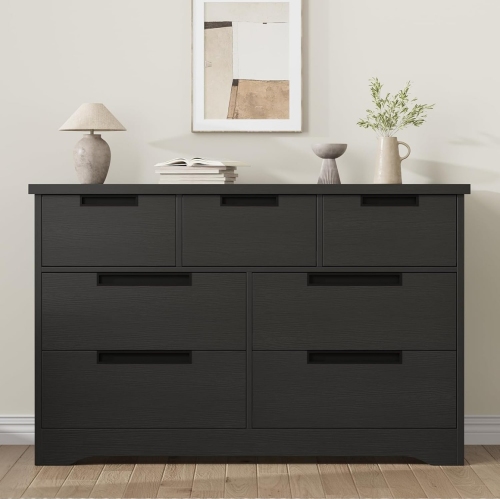
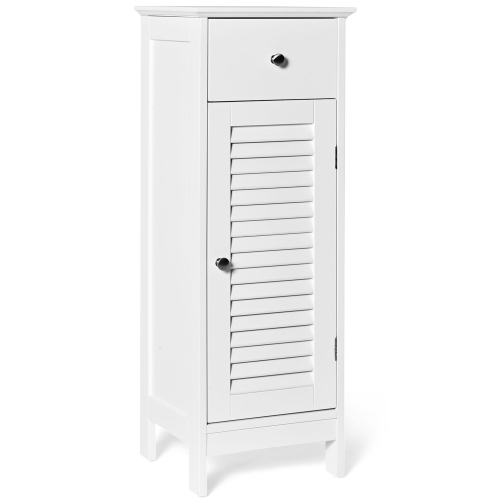
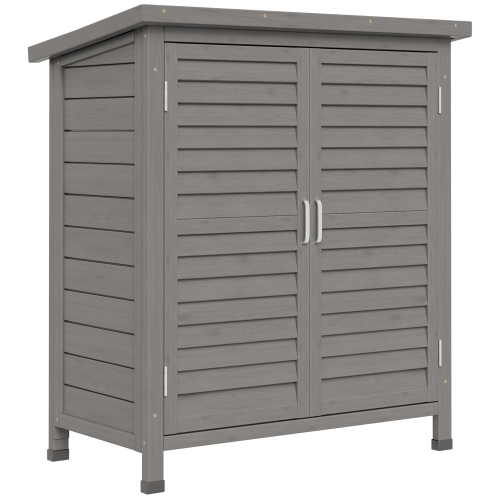
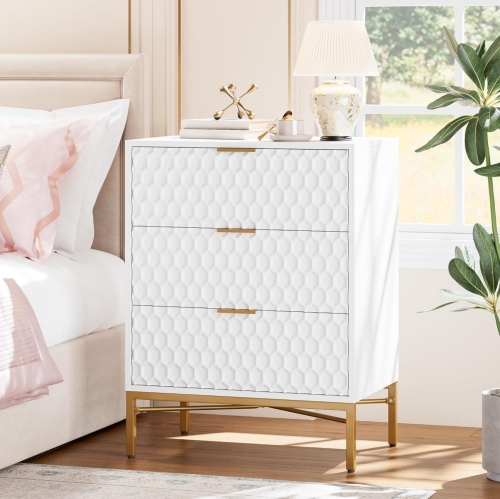
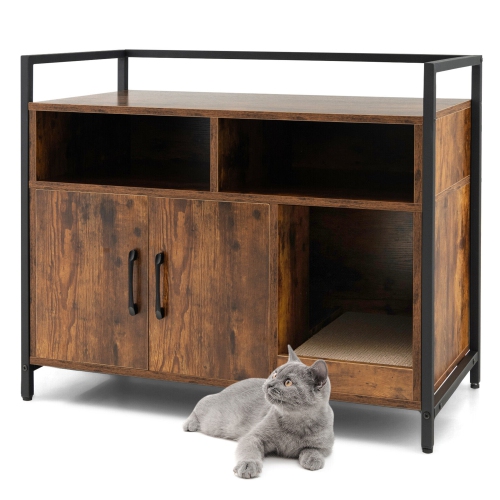
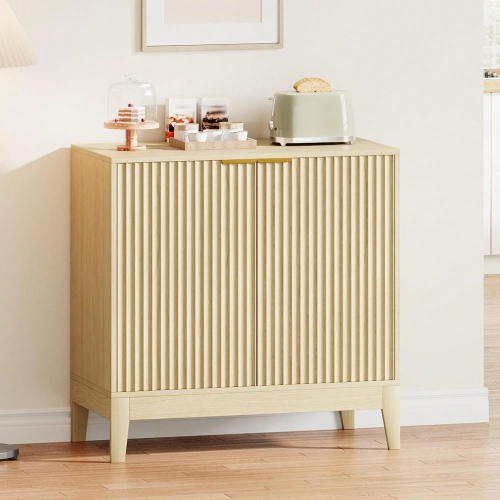
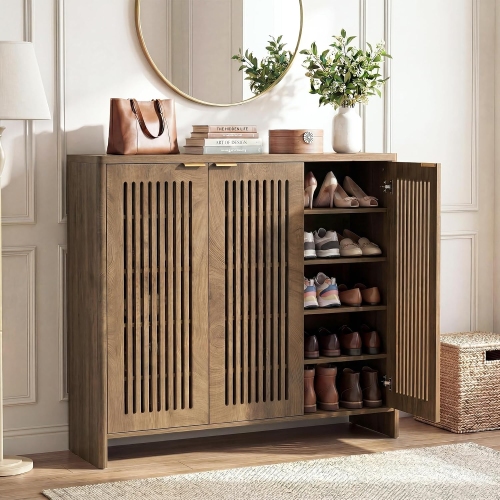
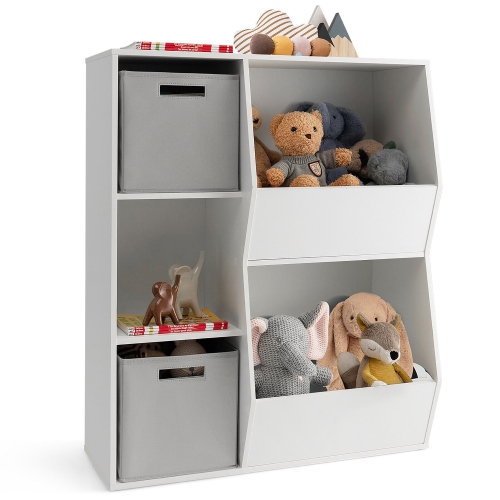
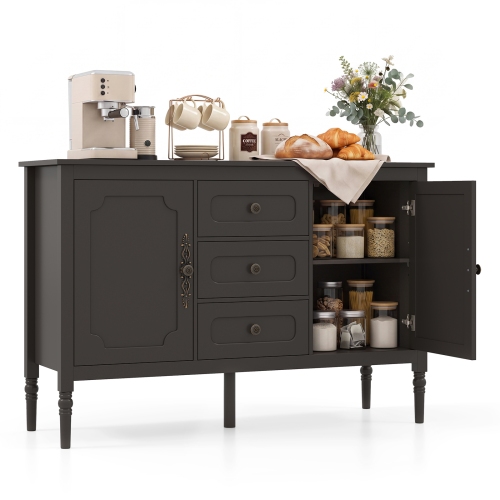
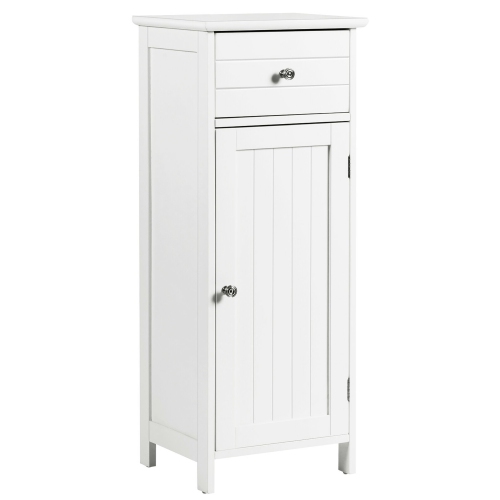
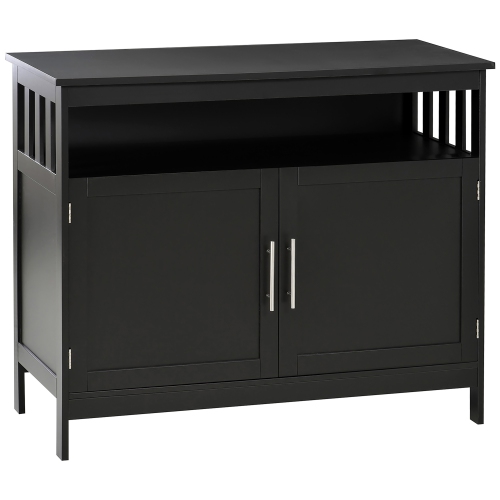

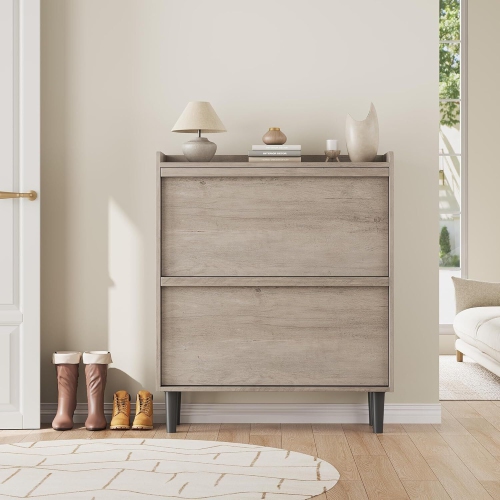
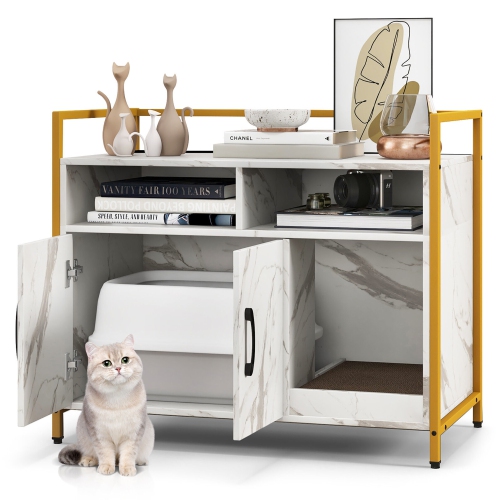
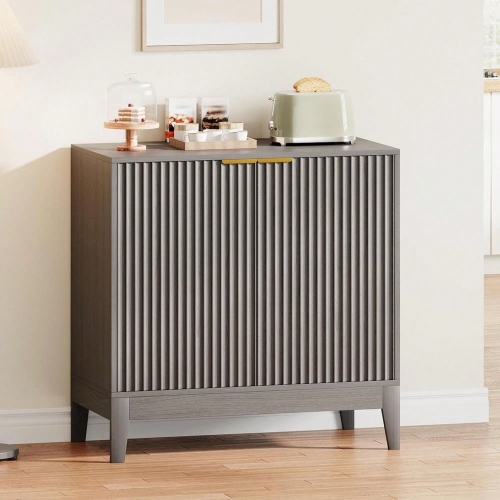
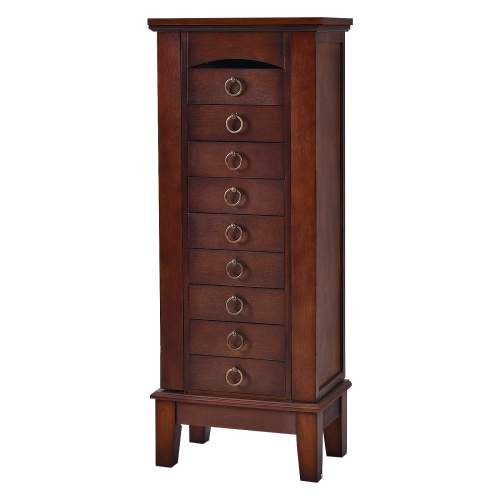
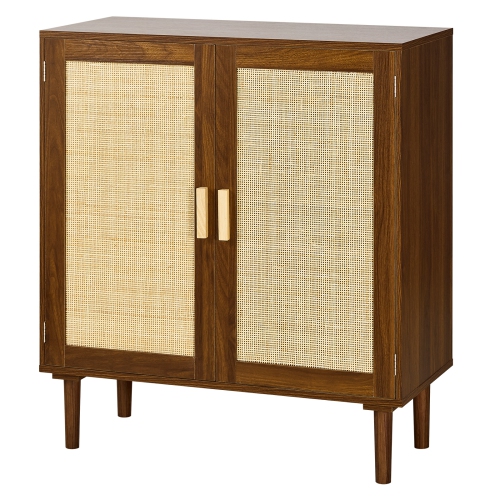
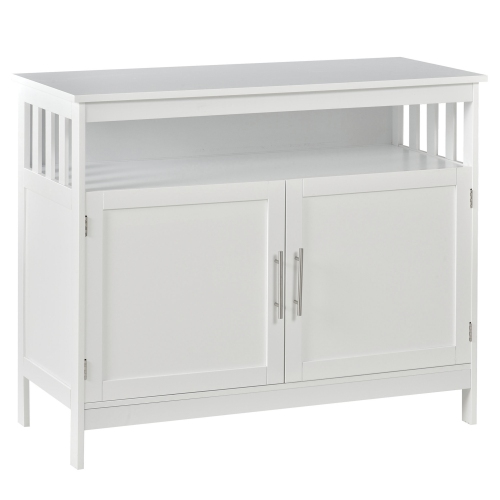
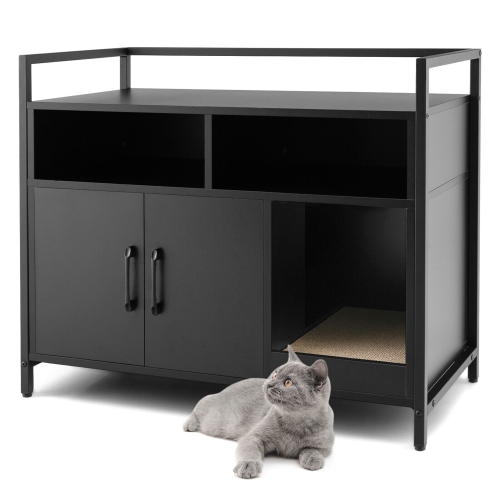
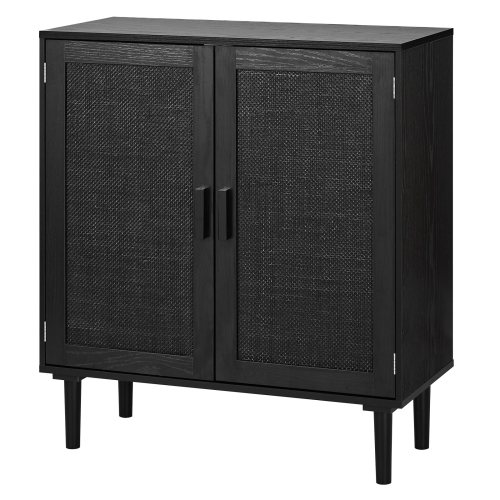

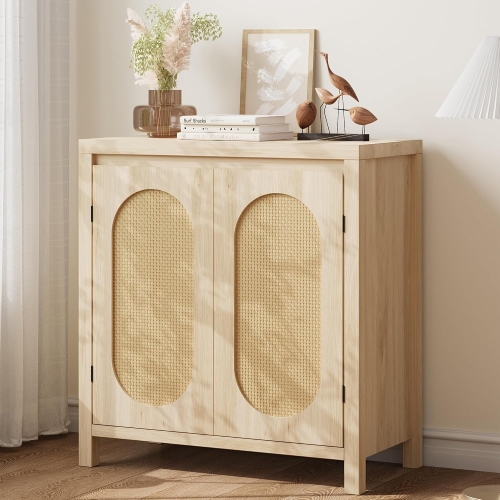
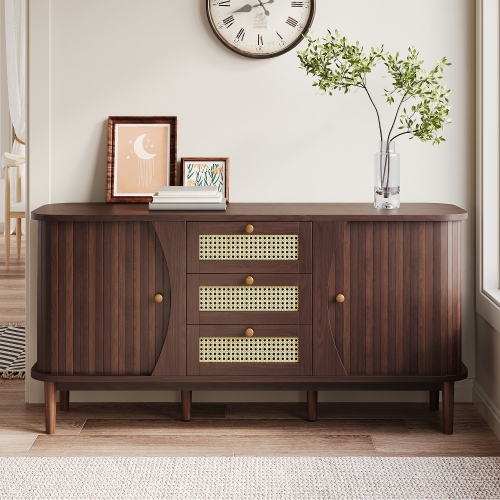
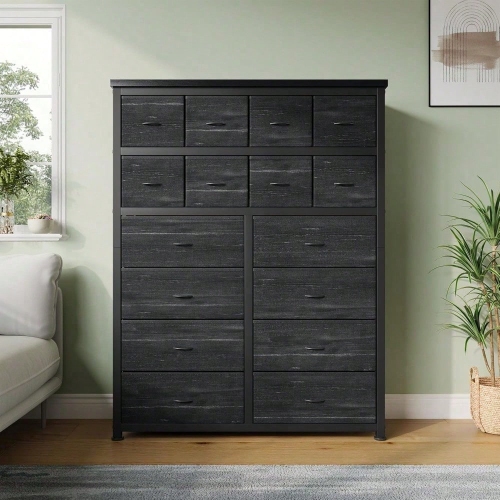
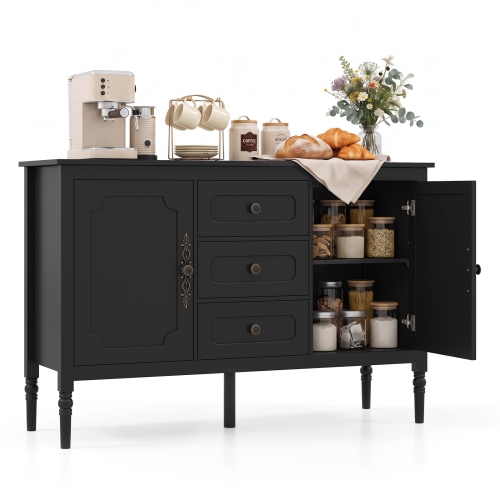
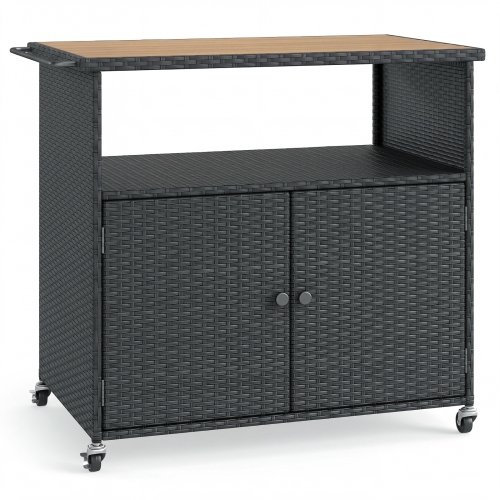
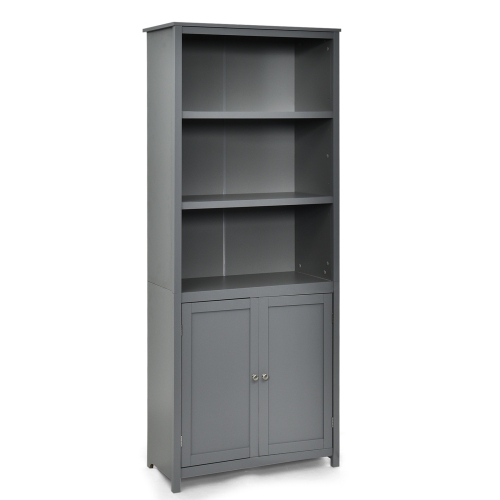
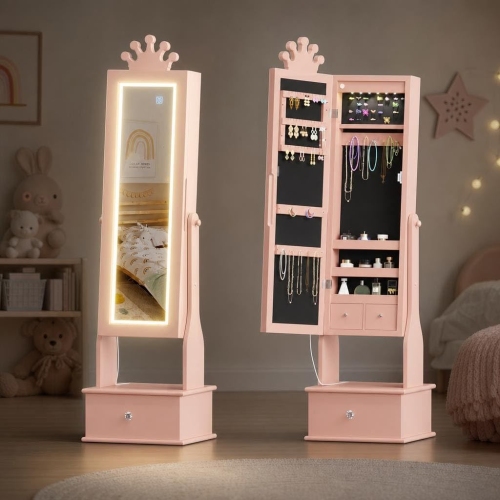
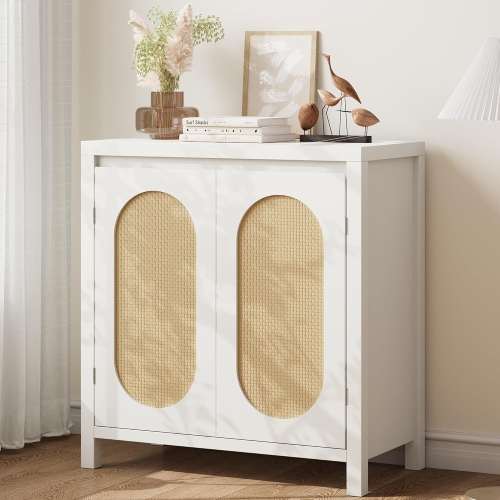
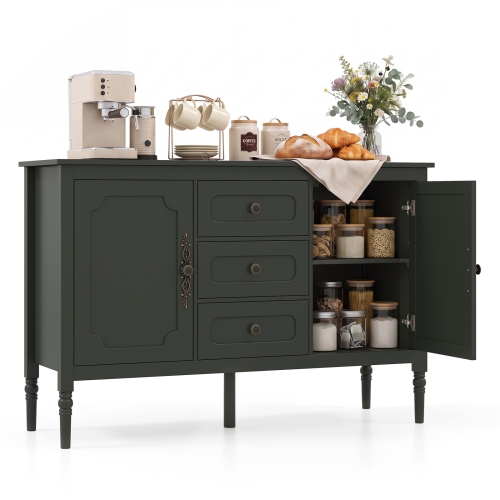
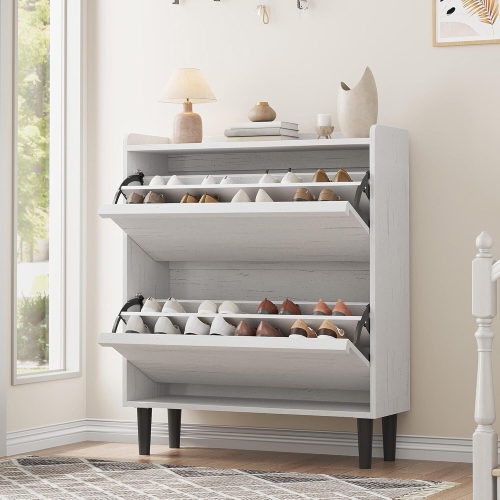
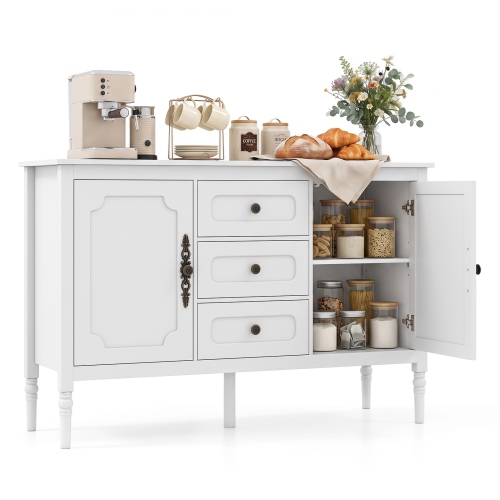
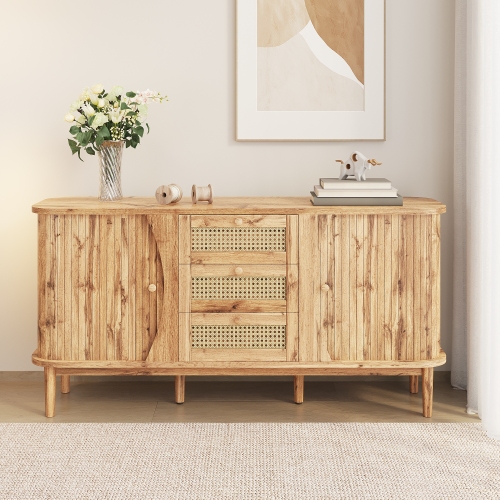
Natural wood character meets storage that conceals everyday clutter
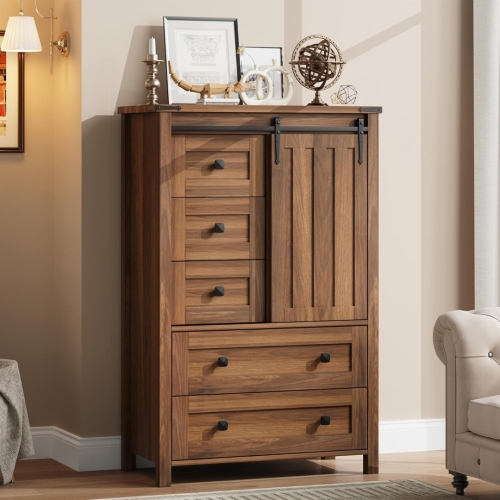
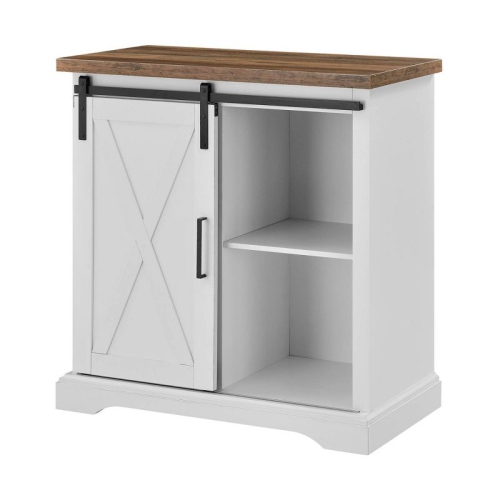
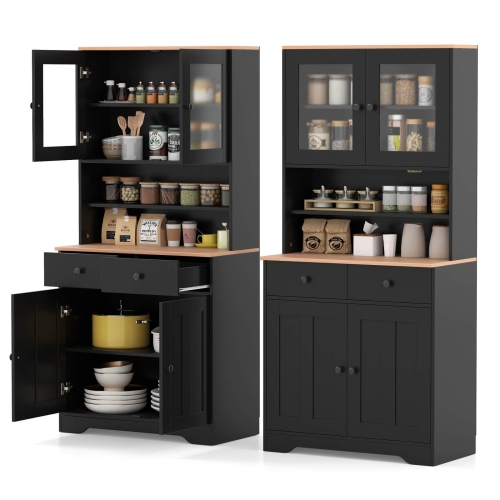
Wooden cabinets bring enclosed storage and the character of wood into living rooms, dining areas, bedrooms, home offices, and hallways. Their appeal comes from the balance between practical organization and a finished furniture look: doors conceal everyday clutter, shelves keep belongings within reach, and a well-proportioned cabinet can anchor an otherwise unused stretch of wall. Material choice influences both appearance and performance. Oak typically has a pronounced grain and a hard-wearing surface, making it a familiar choice for furniture that sees frequent use. Maple generally offers a finer, more even grain that suits smooth finishes and understated designs. Walnut is known for its rich brown tones and distinctive grain, while pine is a softer wood that can develop dents and marks more readily, lending itself to relaxed, rustic styling. The finish also matters, since stain, paint, and clear coatings can change how the wood looks and how easily its surface can be maintained. Solid wood is not the only construction found in wooden cabinets. Wood veneer places a thin layer of real wood over a core, giving a cabinet a natural grain surface without requiring every component to be solid timber. Plywood uses bonded layers of wood, while medium-density fibreboard and particleboard use wood fibres or particles formed into panels. These materials serve different purposes, and a cabinet may combine several of them across its frame, doors, shelves, and back panel. Construction quality depends on more than the material name alone; sound joints, properly supported shelves, smooth edges, and securely fitted hardware all contribute to everyday durability. A painted cabinet can blend into a room with pale walls and simple furnishings, while visible wood grain adds texture beside upholstered seating or a plain desk. Matching every wood tone is not essential. Similar undertones and a repeated detail, such as dark handles or softly rounded edges, can help different pieces feel connected without making a room look overly coordinated.
The most useful wooden cabinets suit both the belongings they hold and the way people move through the room. In a dining area, enclosed shelves can keep serving bowls, table linens, and glassware together, leaving the tabletop clear between meals. In a living room, a low cabinet can hold board games, photo albums, and charging accessories without turning an open shelf into a collection of loose objects. A home office may benefit from doors that conceal paper supplies and equipment after the working day, while an entryway cabinet can provide a designated place for bags and household essentials. For freestanding storage, wooden floor cabinets make use of floor space without requiring the same installation as wall-mounted cabinetry, though anchoring may still be necessary for safety. External dimensions tell only part of the story. Internal shelf width, usable depth, and the space around hinges affect whether taller bottles, storage baskets, or stacks of folded linens will fit comfortably. Adjustable shelves offer flexibility as storage needs change, while fixed shelves can provide a straightforward layout for belongings of similar sizes. Door clearance is equally important: a cabinet positioned beside a bed or behind a dining chair needs enough room to open without interrupting normal movement. Sliding doors can suit some tighter layouts, although their overlapping panels limit how much of the interior is accessible at once. Drawers keep smaller belongings from disappearing at the back of a deep shelf, and glass-front doors allow favourite dishes or collected objects to remain visible while offering some protection from dust. Cabinets used for electronics need suitable ventilation, cable access, and sufficient clearance around equipment; an enclosed compartment is not automatically appropriate for devices that release heat. In bathrooms or laundry areas, moisture-resistant construction and a finish suited to that use are important, since an ordinary wooden cabinet should not be assumed to tolerate splashes or persistent dampness.
Details that seem minor at first often shape how satisfying a wooden cabinet is to use over time. Doors should sit evenly, drawers should move smoothly, and handles should feel comfortable to grasp. Soft-close hardware can reduce abrupt slamming, but hinge alignment and secure fittings remain important regardless of the mechanism. Shelf and top-surface weight limits deserve attention, particularly where cabinets will hold books, dishes, or other dense belongings. A broad shelf loaded with heavy objects has different support needs from one holding folded towels, and weight should be distributed according to the manufacturer’s directions. Stability matters in every room, especially in homes with children or pets. Anti-tip restraints should be installed as directed, and heavy belongings are generally better positioned on lower shelves. A cabinet top is useful for a lamp or a few personal accents only when the surface and stated load capacity are suitable; it should not become a climbing surface or an improvised seat. Care is usually straightforward when it follows the finish manufacturer’s recommendations. A soft cloth removes dust without dragging grit across the surface, spills are best wiped up promptly, and harsh cleaners or abrasive pads can damage protective coatings. Coasters and protective pads help prevent rings, scratches, and marks beneath planters or frequently moved objects. Excess water is particularly troublesome around panel edges and joints, where swelling or lifting veneer may occur. Natural wood can also respond to changes in indoor humidity, so a position away from persistent moisture and direct heat sources helps reduce unnecessary stress on the material. Assembly and access are worth considering before a cabinet becomes part of the room: doorways, stair turns, baseboards, and uneven floors can all affect placement. Once positioned securely, a well-chosen wooden cabinet offers a dependable home for belongings that would otherwise drift across counters, chairs, and tables. Its value is in that daily usefulness, paired with a shape, finish, and grain that feel at home among the furniture already there.
Top selling and popular products
-
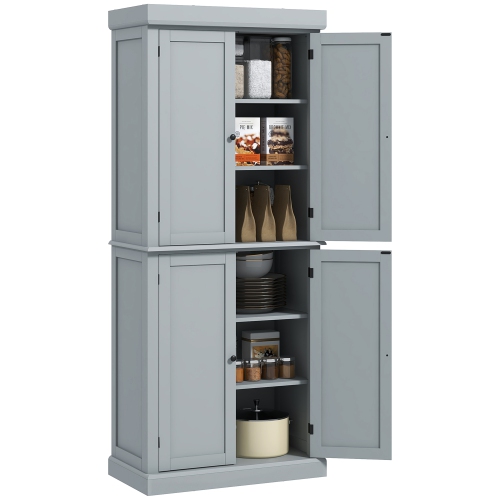 Your price for this item is $285
-
 Your price for this item is $155.99
-
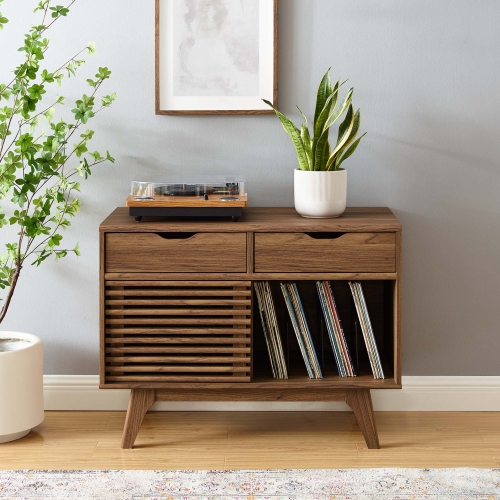 Your price for this item is $452.93
-
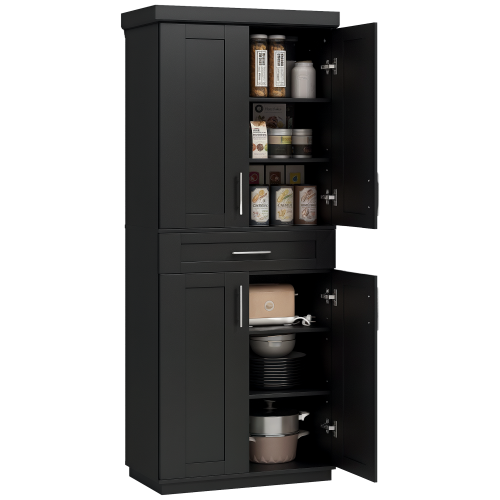 Your price for this item is $269.99
-
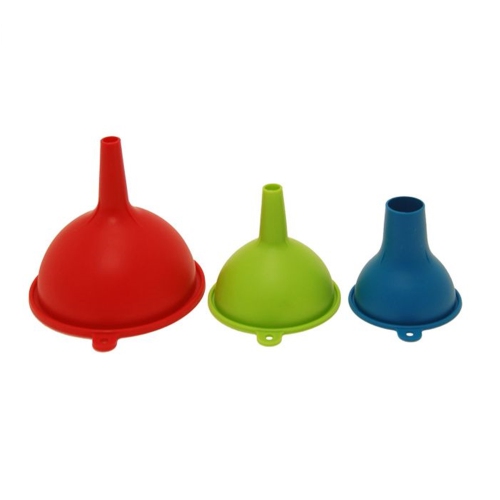 Your price for this item is $12.97
-
 Your price for this item is $155.99
-
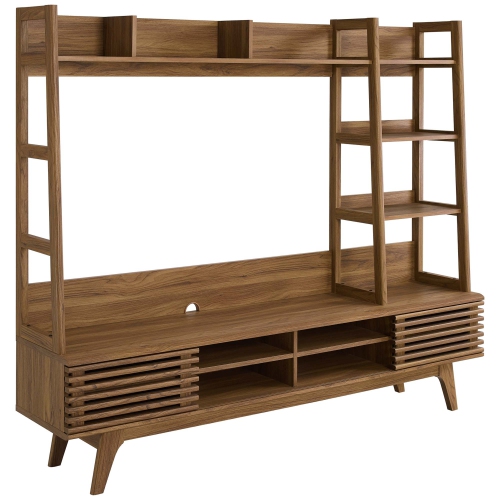 Your price for this item is $885.06
-
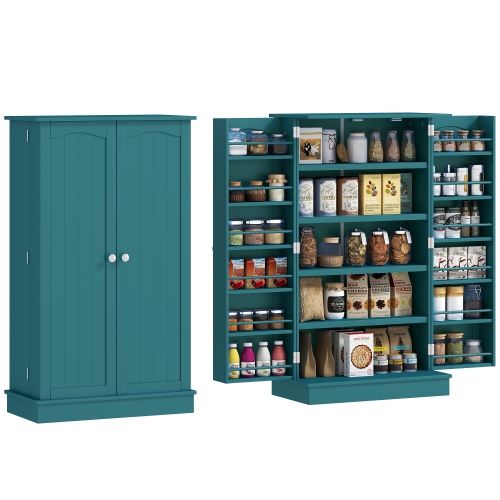 Your price for this item is $132.99
Discover more categories related to Wooden Cabinets
Top Collections:
Best Black Friday Deals This Year, Best Black Friday Deals On Electronics, Kindle Devices, Dyson Airwrap, Best Cameras for Sports Photography, Best Budget Office Chairs, Canon G7X Cameras, PS5 Pro Consoles, Best Black Friday Deals On Apple Products, XBOX One S Consoles
Some products may be subject to Environmental Handling Fees
(EHF) depending on your province.
Learn more about EHFs.