Woodworking Gifts
Explore our curated selection of woodworking gifts that are sure to delight anyone who loves to create with wood. From essential tools and accessories to unique gadgets and decor items, find the perfect present that will inspire creativity and elevate their woodworking experience. Whether they are a seasoned pro or just starting out, these handpicked gifts are designed to bring joy and enhance their passion for working with wood.
Sort

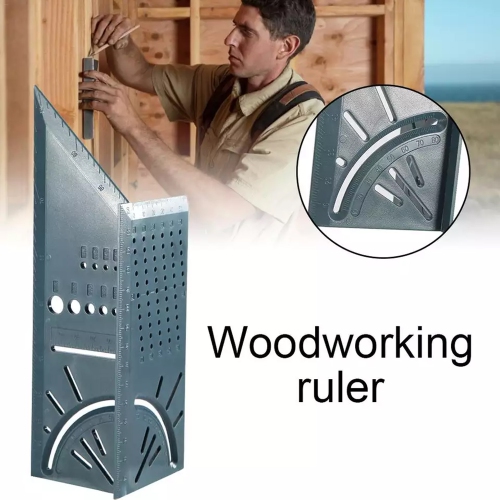
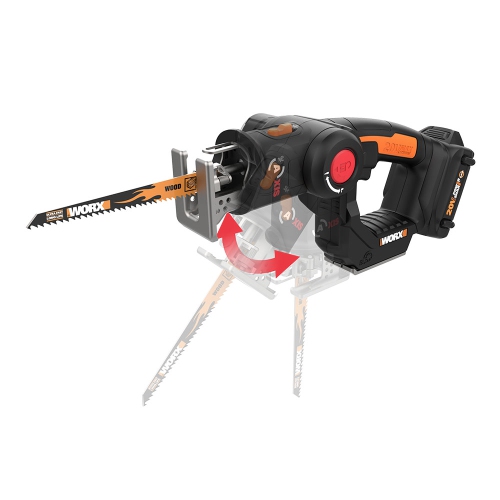
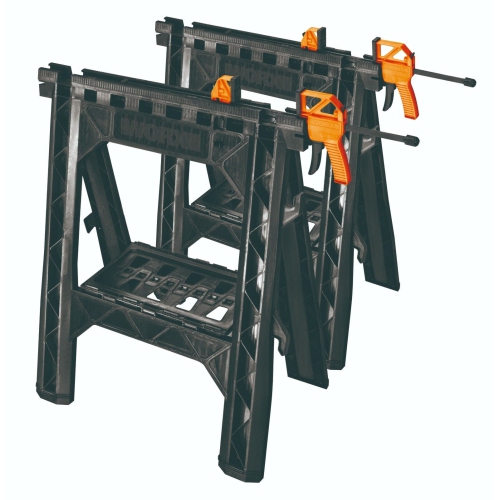
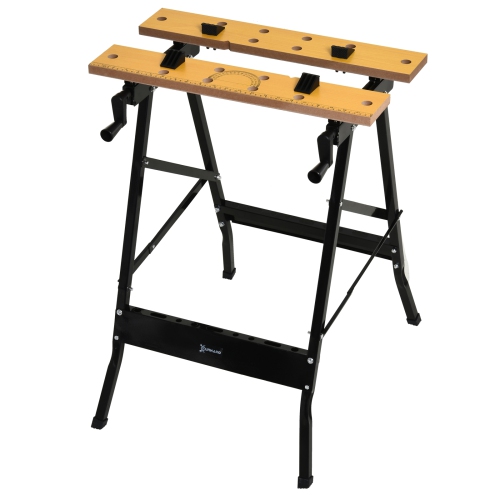
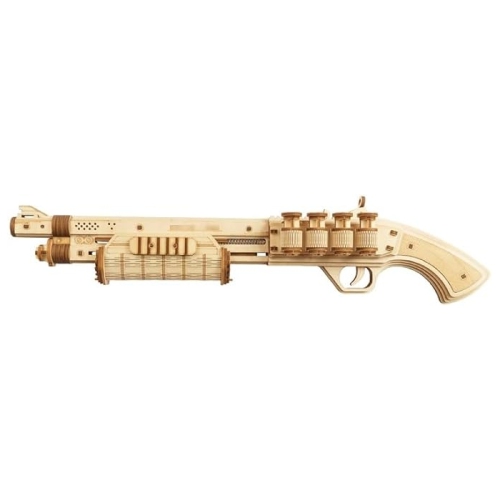
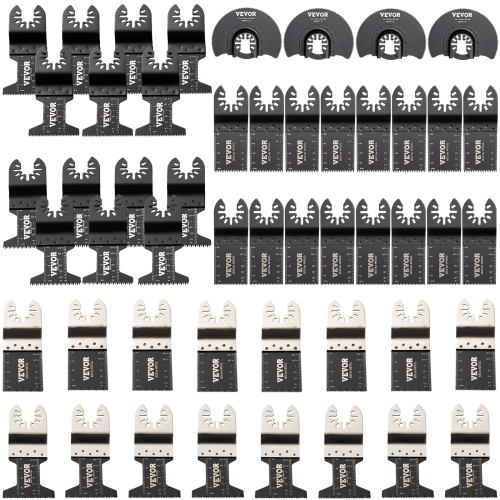
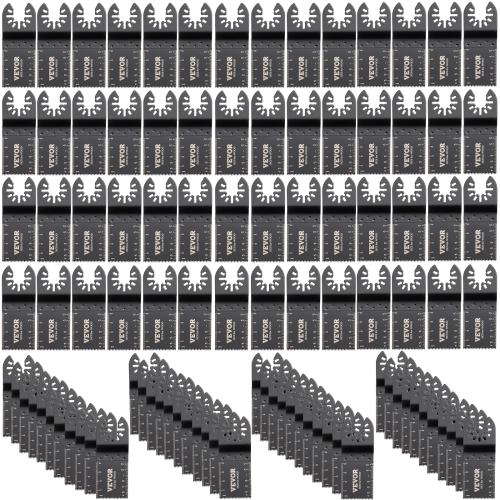


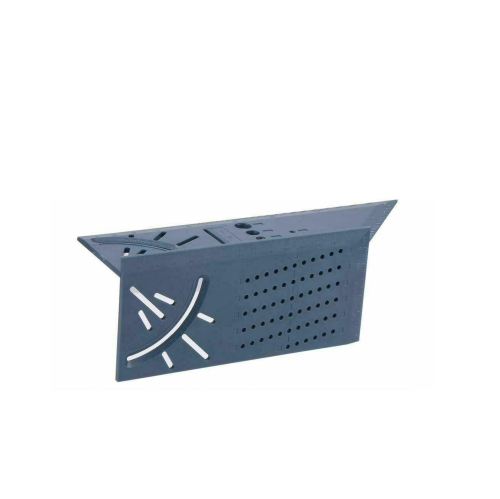
Thoughtful workshop gifts fit the way they work
Woodworking gifts are tools, workshop accessories, project supplies, and reference materials chosen for someone who enjoys making, repairing, or shaping things from wood. The most useful choices tend to suit the recipient’s experience, working space, and preferred projects, whether that means building furniture, carving small details, or giving a well-used piece a fresh finish. For a beginner, practical workshop essentials can make the early stages of measuring, preparing, and assembling wood feel more manageable. For an experienced maker, a thoughtful gift may support a familiar technique, improve organization, or replenish supplies that get used on nearly every project. There is a meaningful difference between giving someone something made from wood and giving them something to work with wood: woodworking gifts focus on the making process, while Wooden Gifts can be a better fit when the appeal is a finished object’s grain, texture, and craftsmanship. Gifts for woodworkers often have a personal quality because they acknowledge the care behind the finished result. A smooth edge, a flush joint, or a carefully matched grain pattern represents time spent refining small details. Workshop gifts that support those details can be appreciated long after the occasion has passed. Birthdays, anniversaries, retirement celebrations, and the completion of a new workspace are all natural occasions for recognizing this interest. The recipient might be a parent who spends spare hours restoring furniture, a partner setting up a first workbench, or a friend whose projects have grown from simple repairs into original designs. Their habits matter more than a broad label such as beginner or expert. Someone who enjoys quiet, precise handwork has different needs from someone who regularly assembles large pieces, and a compact shared workspace calls for a different approach than a dedicated workshop. A gift that fits those habits feels considered rather than simply related to the hobby.
Materials, construction, and fit have a direct effect on how woodworking equipment feels in use and how well it holds up over time. Metal components need to withstand the forces involved in their intended tasks, while contact surfaces should remain stable and move smoothly where adjustment is required. Depending on the application, hardened steel can help a working edge resist wear, and rigid construction can help equipment maintain its alignment under pressure. Comfortable grips, clearly marked scales, and controls that are easy to reach can make repetitive tasks less awkward, particularly during longer sessions at the bench. A handle that feels substantial in one person’s hand may feel bulky in another’s, so overall size, weight, and balance are meaningful considerations for gift recipients. Compatibility matters just as much. Workshop accessories may depend on a particular connection, mounting arrangement, power system, or range of dimensions, and a useful addition needs to work with the recipient’s existing setup. Measuring equipment that displays familiar units can also reduce unnecessary conversions when following plans or matching an existing piece. For assembly work, capacity and reach determine whether an accessory can accommodate the width and depth of a project without getting in the way. Protective contact surfaces can help reduce marks on carefully prepared wood, although suitable pressure and placement remain important. These details become tangible during ordinary workshop moments: keeping adjoining surfaces level while adhesive sets, checking that a frame sits square, or smoothing an edge that will be handled every day. Durability is not simply a matter of choosing the heaviest construction. Well-fitted moving parts, readable markings, accessible maintenance points, and replaceable wear components can all contribute to lasting usefulness. Compact proportions may be especially valuable where the same bench serves for layout, assembly, and finishing. Equipment that stores neatly and returns to use without extensive adjustment can suit a maker who needs to clear the workspace between projects.
Project supplies and workshop organization can be particularly thoughtful gifts for woodworkers who already have an established collection of equipment. Consumable materials support the work that happens repeatedly, from surface preparation to assembly and the final finish, but their suitability depends on the wood, the application, and the recipient’s methods. Softwood, hardwood, plywood, and veneered surfaces respond differently to pressure, abrasion, and coatings. A fine veneer leaves little room for aggressive surface preparation, while exposed end grain may absorb a finish differently from the surrounding face. Adhesives and finishes also have distinct application requirements, drying or curing times, and intended uses, making compatibility more important than appearance alone. For anything that will touch food, suitability depends on the manufacturer’s stated use and full curing directions, not just the look of the finished surface. Reference materials can complement practical supplies by offering clear explanations of joinery, grain direction, layout, and finishing techniques, with illustrations that make a process easier to understand away from a screen. They may appeal to a curious newcomer or an experienced woodworker exploring a less familiar approach. Organization adds another kind of value: clearly separated supplies and protected working edges help keep a busy bench usable and make it easier to return to a paused project. Care requirements are part of that everyday usefulness. Removing dust and residue as directed, protecting metal surfaces from corrosion, and keeping precision components away from knocks can help preserve performance. Sharp edges need suitable protection during storage, and maintenance should follow the equipment manufacturer’s instructions. Finishing materials require their own handling and disposal precautions, including any directions for used cloths, while dusty or noisy tasks call for appropriate protective equipment and dust control. These practical considerations do not diminish the pleasure of the gift; they help it fit comfortably into the recipient’s routine. The appeal of a well-chosen woodworking gift is often found in an ordinary moment at the bench, when a task becomes easier to control, a surface comes together cleanly, or an idea finally takes shape in wood.
Materials, construction, and fit have a direct effect on how woodworking equipment feels in use and how well it holds up over time. Metal components need to withstand the forces involved in their intended tasks, while contact surfaces should remain stable and move smoothly where adjustment is required. Depending on the application, hardened steel can help a working edge resist wear, and rigid construction can help equipment maintain its alignment under pressure. Comfortable grips, clearly marked scales, and controls that are easy to reach can make repetitive tasks less awkward, particularly during longer sessions at the bench. A handle that feels substantial in one person’s hand may feel bulky in another’s, so overall size, weight, and balance are meaningful considerations for gift recipients. Compatibility matters just as much. Workshop accessories may depend on a particular connection, mounting arrangement, power system, or range of dimensions, and a useful addition needs to work with the recipient’s existing setup. Measuring equipment that displays familiar units can also reduce unnecessary conversions when following plans or matching an existing piece. For assembly work, capacity and reach determine whether an accessory can accommodate the width and depth of a project without getting in the way. Protective contact surfaces can help reduce marks on carefully prepared wood, although suitable pressure and placement remain important. These details become tangible during ordinary workshop moments: keeping adjoining surfaces level while adhesive sets, checking that a frame sits square, or smoothing an edge that will be handled every day. Durability is not simply a matter of choosing the heaviest construction. Well-fitted moving parts, readable markings, accessible maintenance points, and replaceable wear components can all contribute to lasting usefulness. Compact proportions may be especially valuable where the same bench serves for layout, assembly, and finishing. Equipment that stores neatly and returns to use without extensive adjustment can suit a maker who needs to clear the workspace between projects.
Project supplies and workshop organization can be particularly thoughtful gifts for woodworkers who already have an established collection of equipment. Consumable materials support the work that happens repeatedly, from surface preparation to assembly and the final finish, but their suitability depends on the wood, the application, and the recipient’s methods. Softwood, hardwood, plywood, and veneered surfaces respond differently to pressure, abrasion, and coatings. A fine veneer leaves little room for aggressive surface preparation, while exposed end grain may absorb a finish differently from the surrounding face. Adhesives and finishes also have distinct application requirements, drying or curing times, and intended uses, making compatibility more important than appearance alone. For anything that will touch food, suitability depends on the manufacturer’s stated use and full curing directions, not just the look of the finished surface. Reference materials can complement practical supplies by offering clear explanations of joinery, grain direction, layout, and finishing techniques, with illustrations that make a process easier to understand away from a screen. They may appeal to a curious newcomer or an experienced woodworker exploring a less familiar approach. Organization adds another kind of value: clearly separated supplies and protected working edges help keep a busy bench usable and make it easier to return to a paused project. Care requirements are part of that everyday usefulness. Removing dust and residue as directed, protecting metal surfaces from corrosion, and keeping precision components away from knocks can help preserve performance. Sharp edges need suitable protection during storage, and maintenance should follow the equipment manufacturer’s instructions. Finishing materials require their own handling and disposal precautions, including any directions for used cloths, while dusty or noisy tasks call for appropriate protective equipment and dust control. These practical considerations do not diminish the pleasure of the gift; they help it fit comfortably into the recipient’s routine. The appeal of a well-chosen woodworking gift is often found in an ordinary moment at the bench, when a task becomes easier to control, a surface comes together cleanly, or an idea finally takes shape in wood.
Top selling and popular products
-
 Your price for this item is $3000
 -
 Your price for this item is $124.45
 -
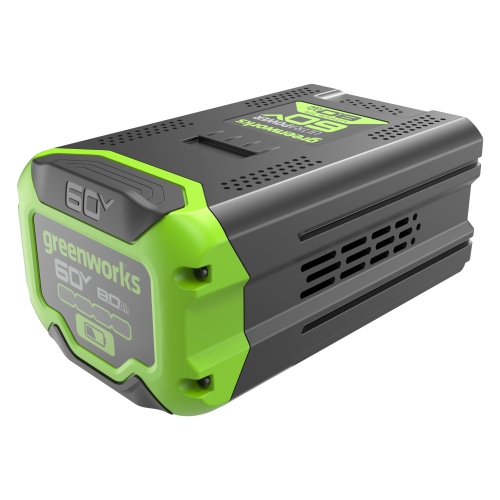 Your price for this item is $329.99
 -
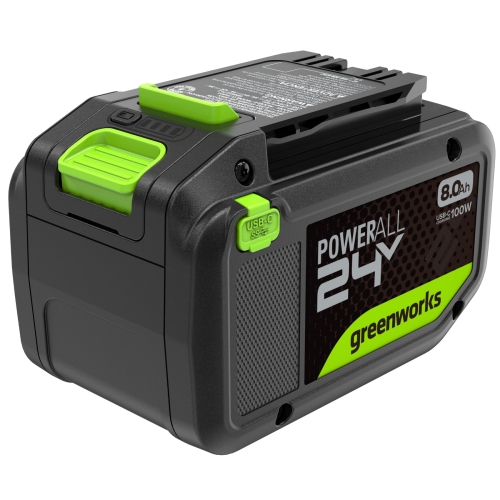 Your price for this item is $139.99
 -
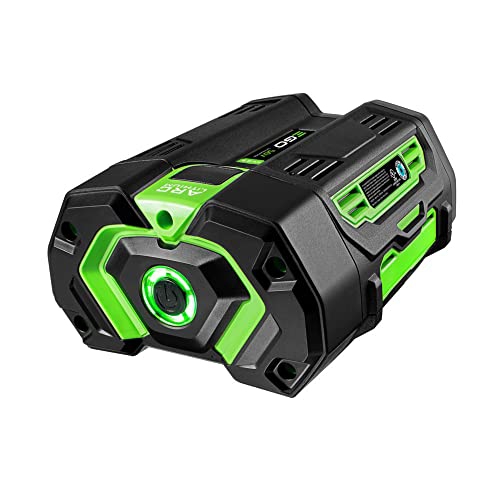 Your price for this item is $264
 -
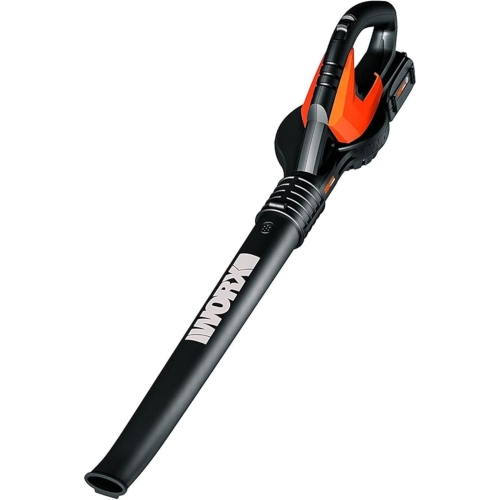 Your price for this item is $217.55
 -
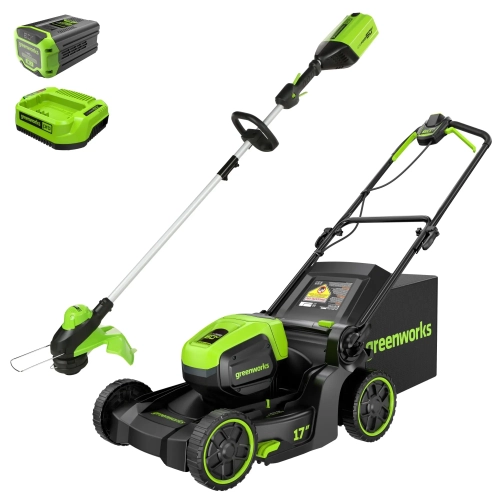 Your price for this item is $739.99
 -
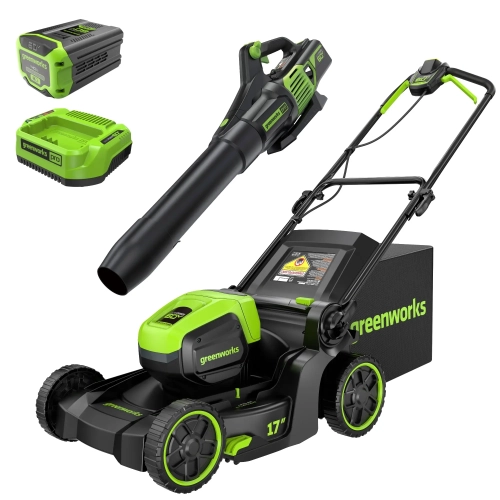 Your price for this item is $599.99
Discover more categories related to Woodworking Gifts
Top Collections:
Pokemon Centers, Kindle Devices, Best Budget Office Chairs, Apple iPhones 16, Best Laptops for Writers, iPhone 15 Apple, Canon G7X Cameras, Refurbished Apple Laptops, Alarm Clock, Motorola Razr Phones
Some products may be subject to Environmental Handling Fees
(EHF) depending on your province.
Learn more about EHFs.