Woodworking Tools
Woodworking is a great hobby that can be enjoyed by people of almost all ages. As with almost any hobby, having the right tools is essential for success. The right tools can help you create beautiful projects and ensure that your work is of the highest quality. If you're just getting started with woodworking, here are some of the essential tools you'll need to get started.
Sort
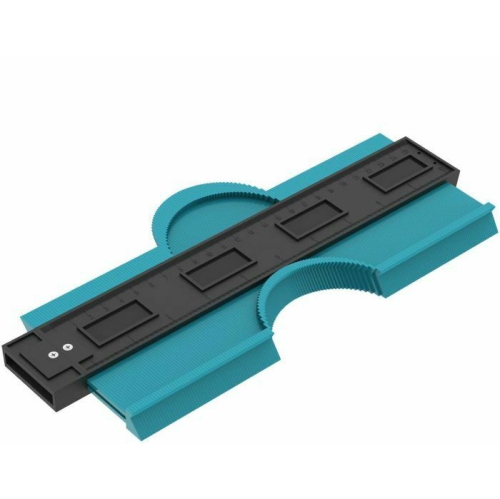

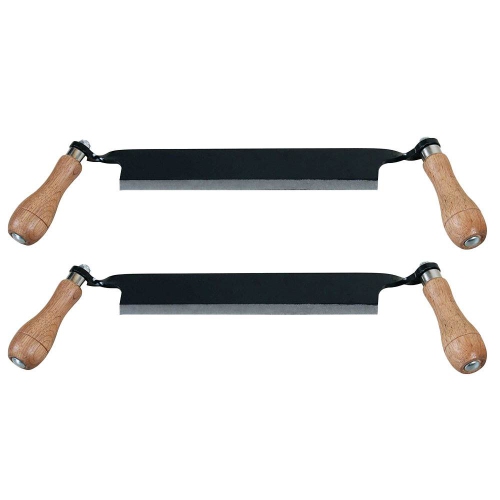

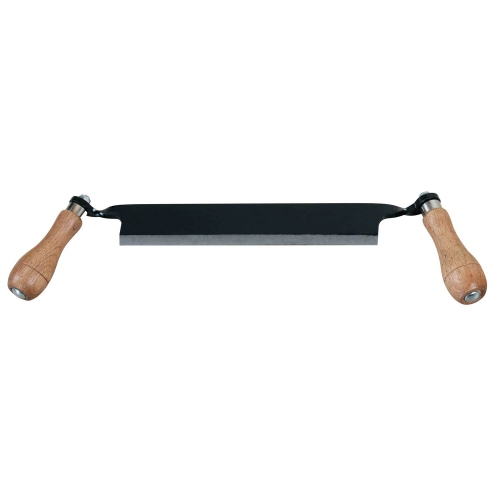


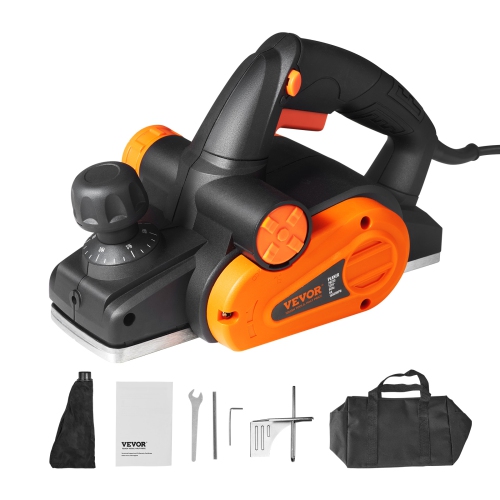
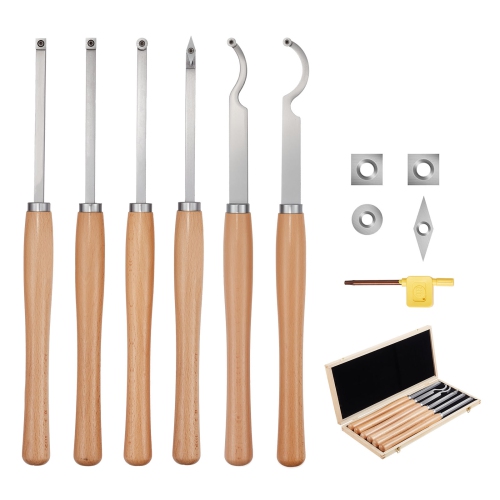


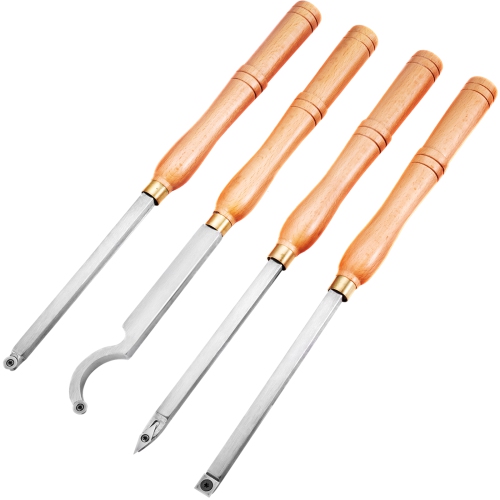
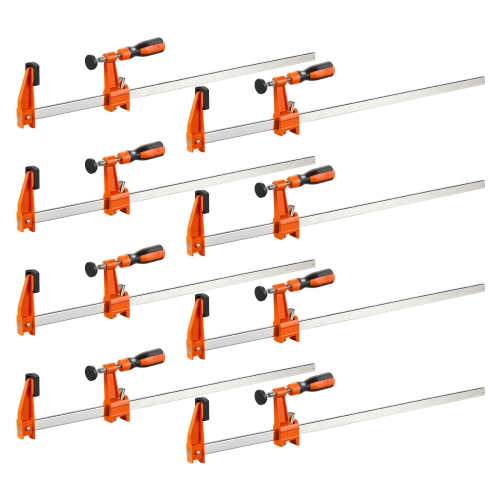
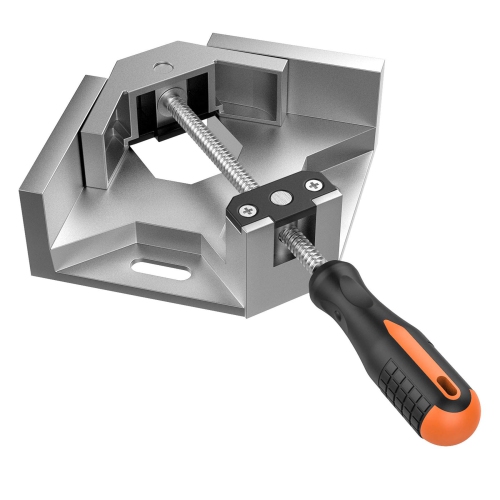
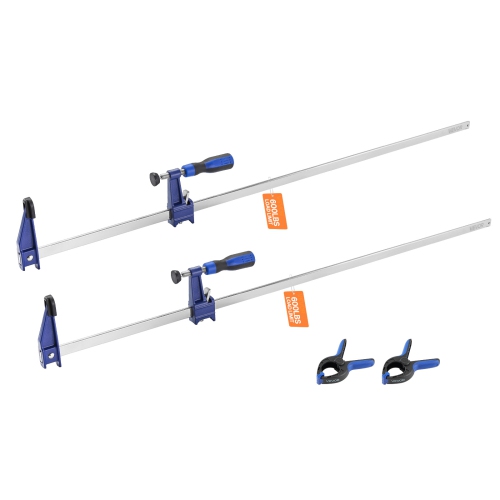

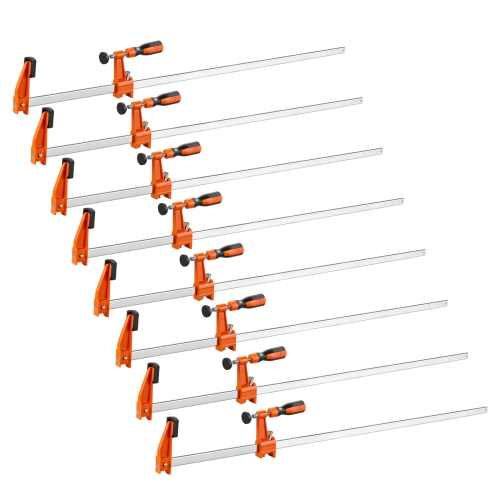

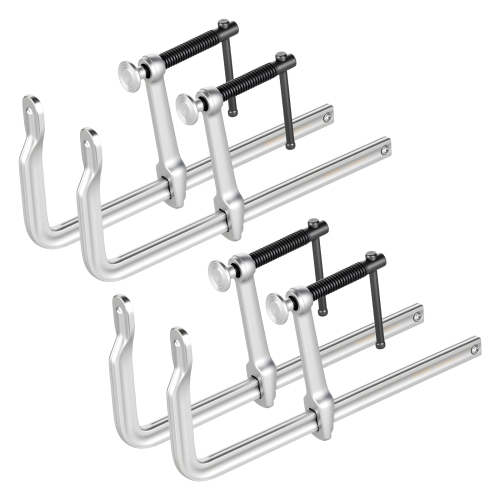


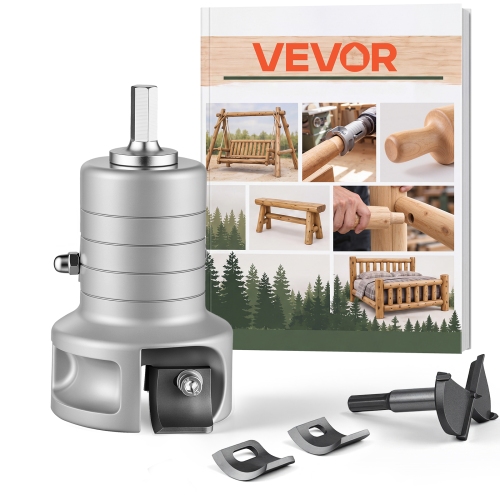



















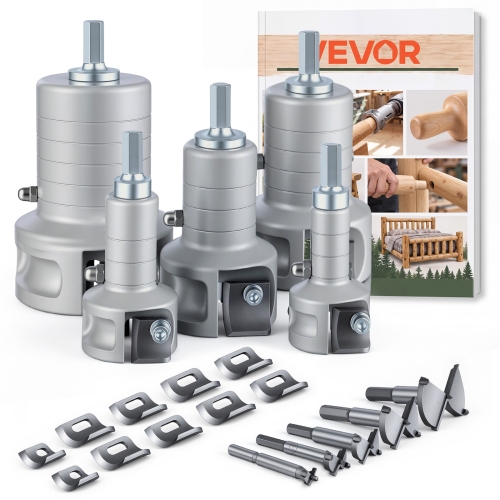
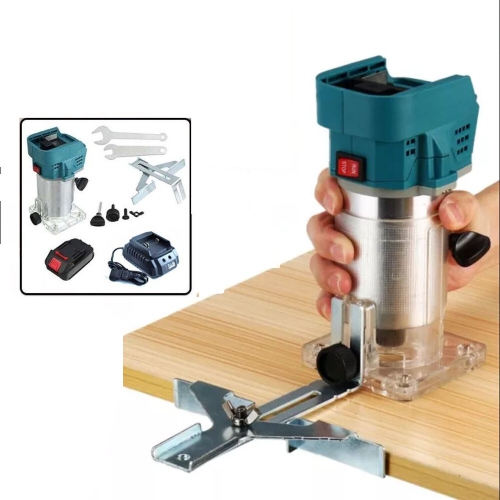
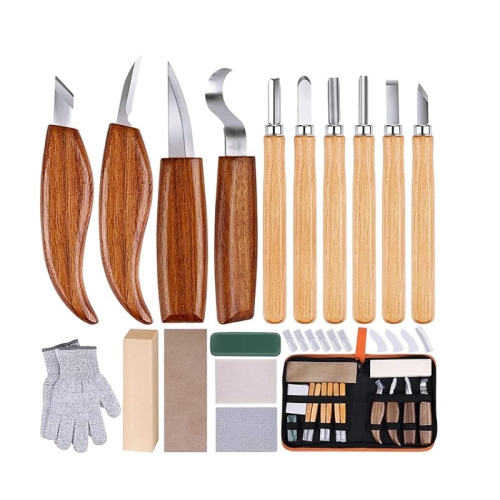
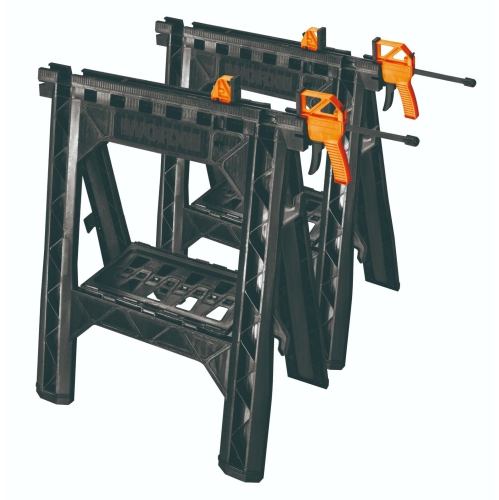






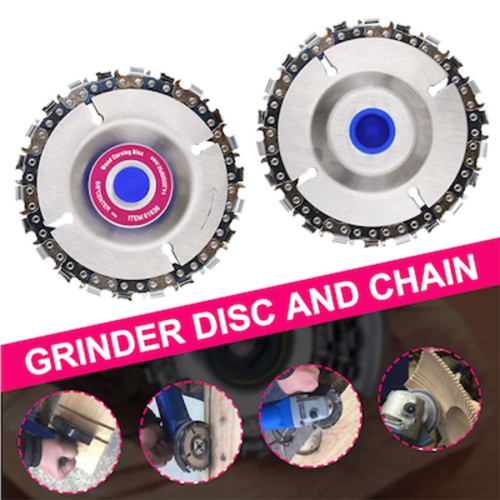

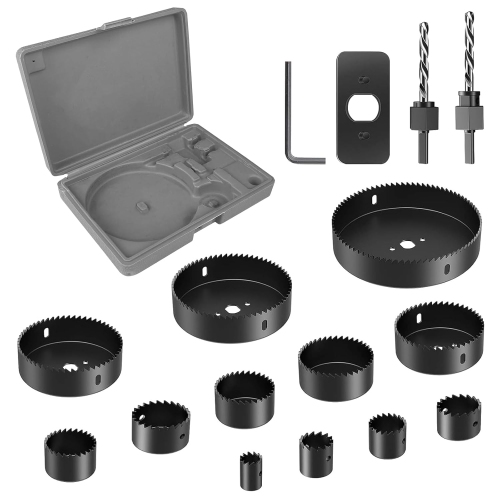
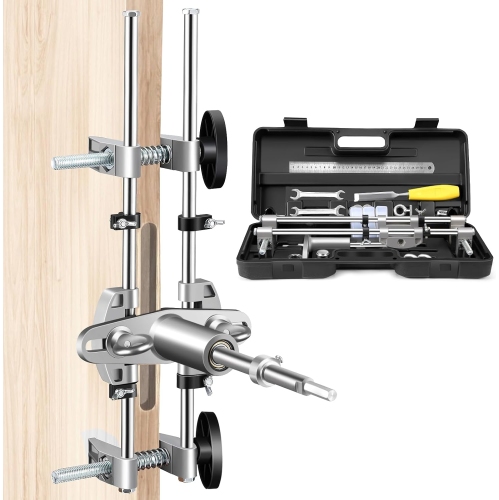

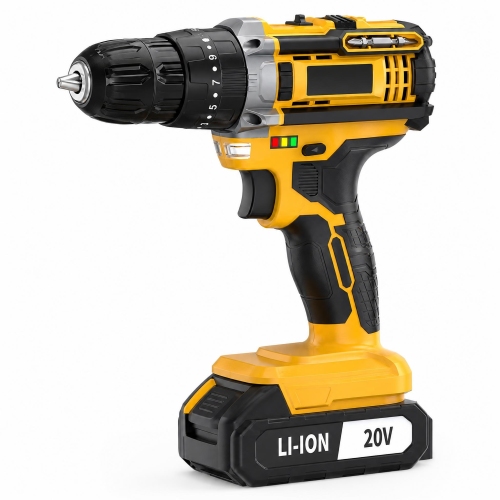







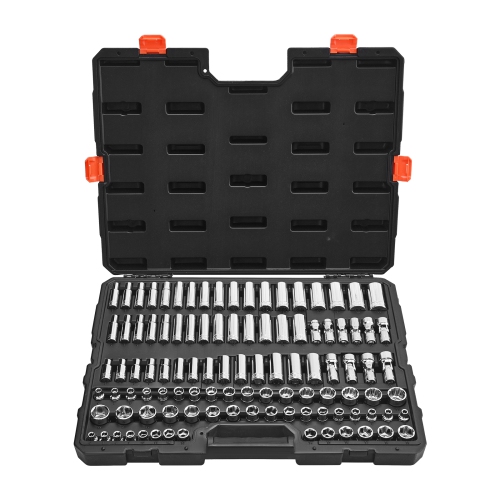
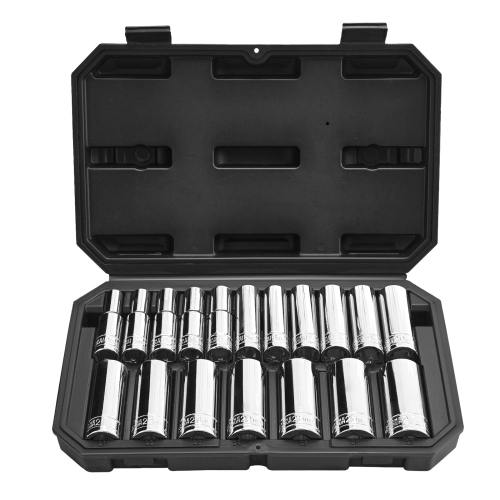

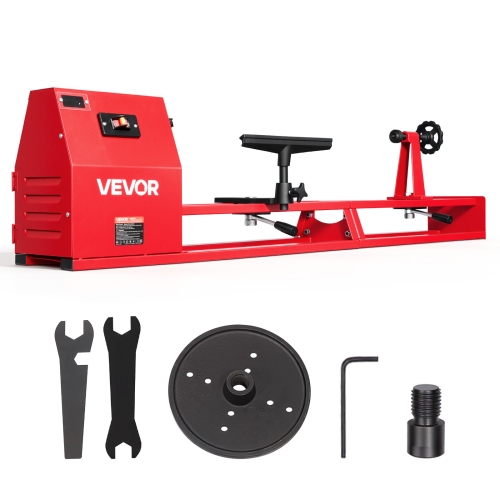
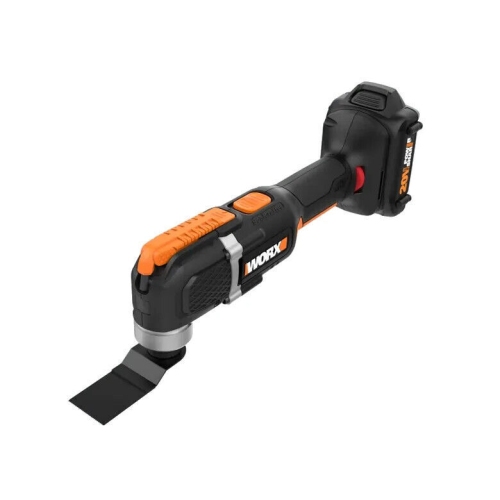










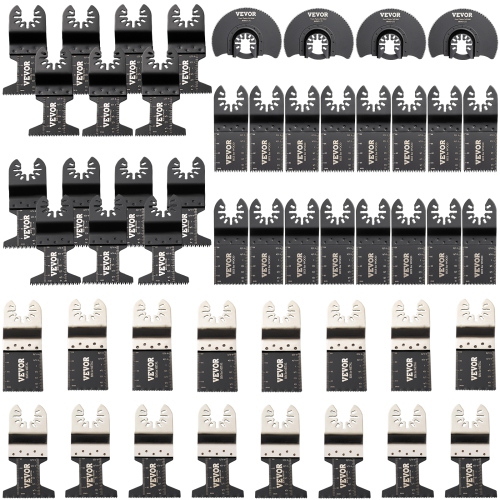
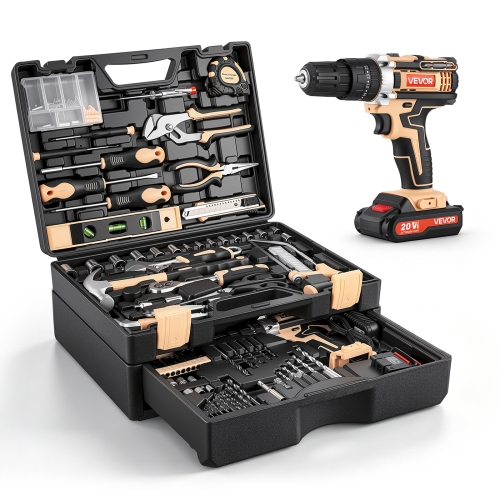
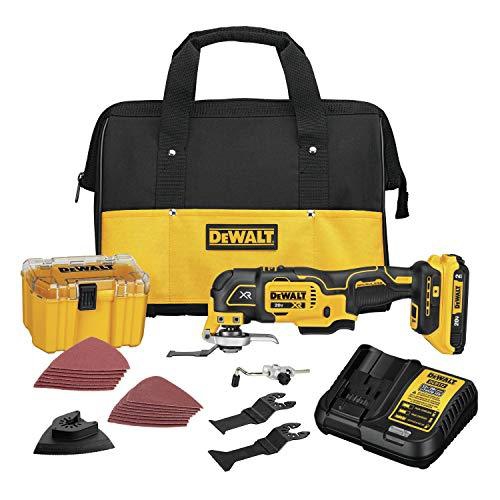
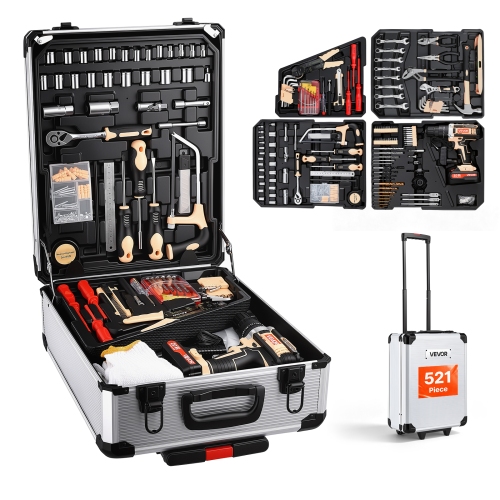
Why a bookcase and a carving need different tools
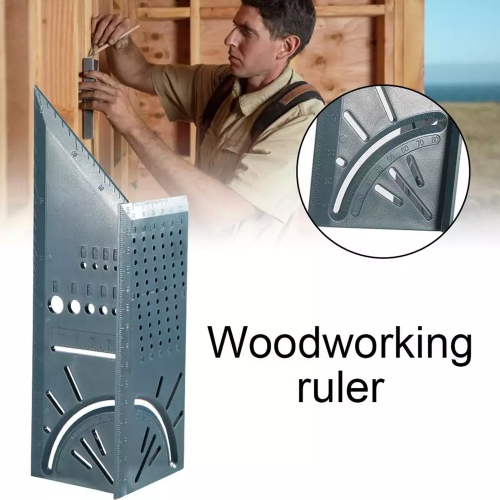
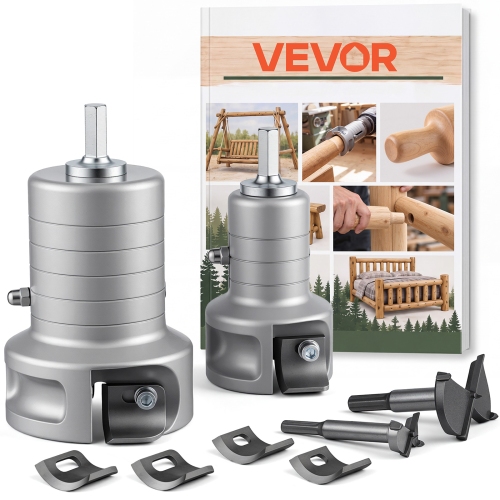
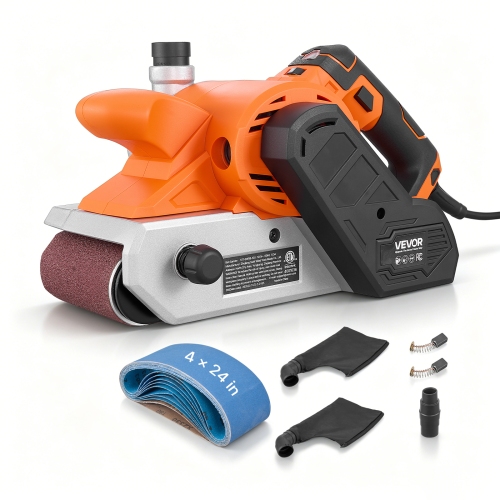
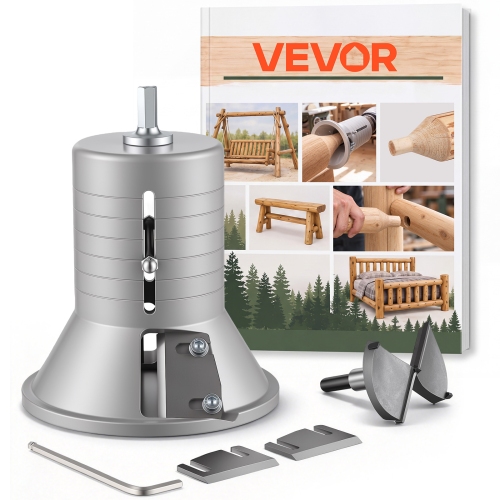
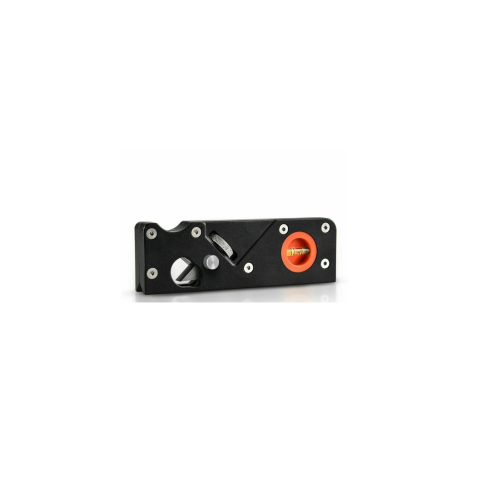
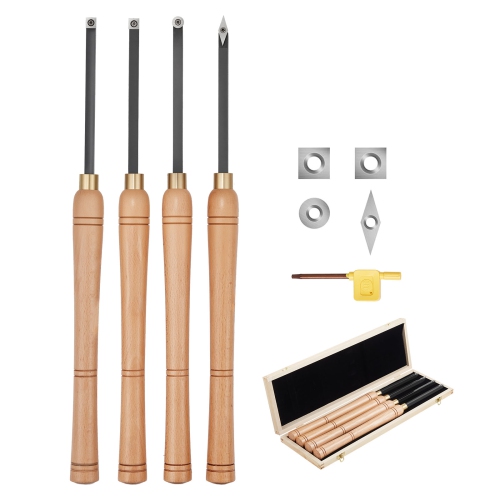
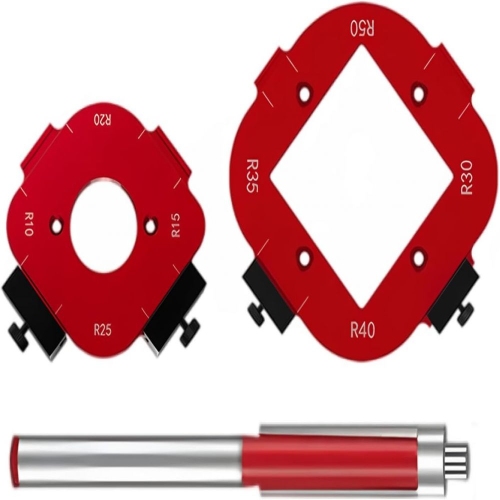
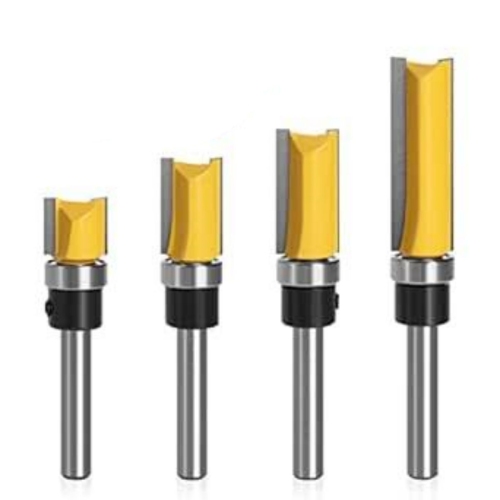
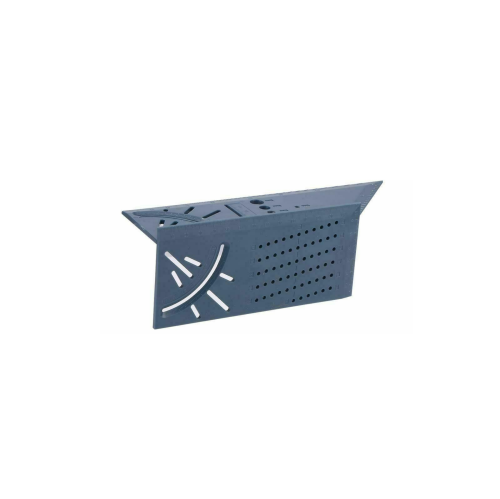
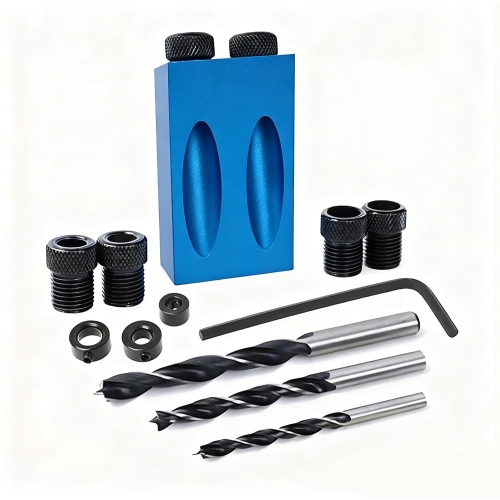
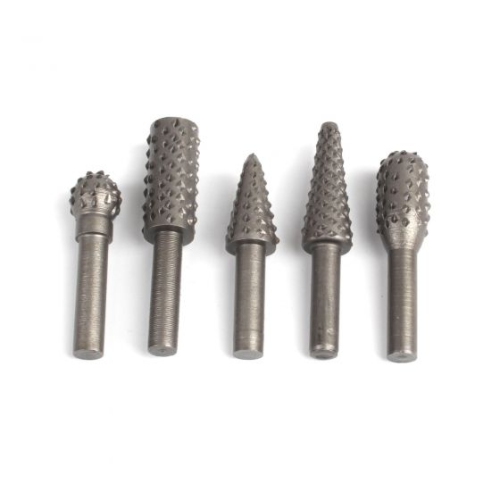
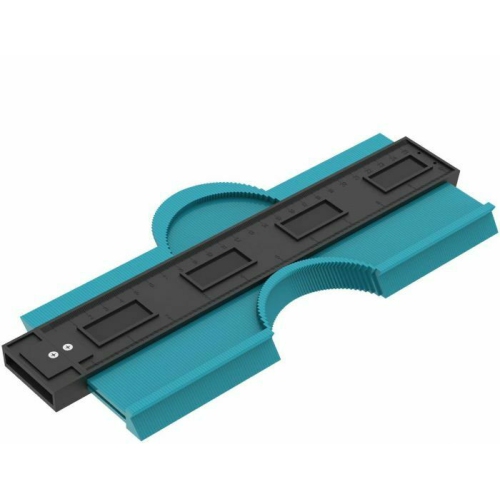
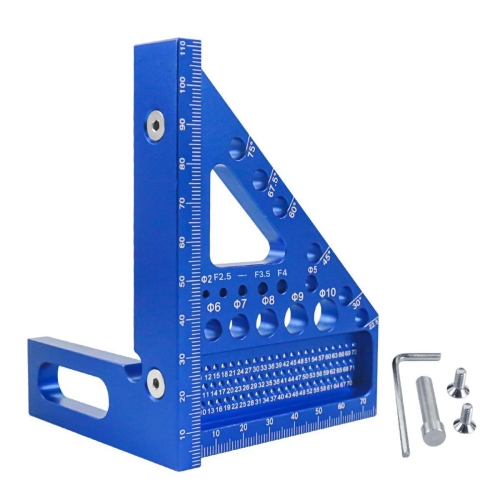
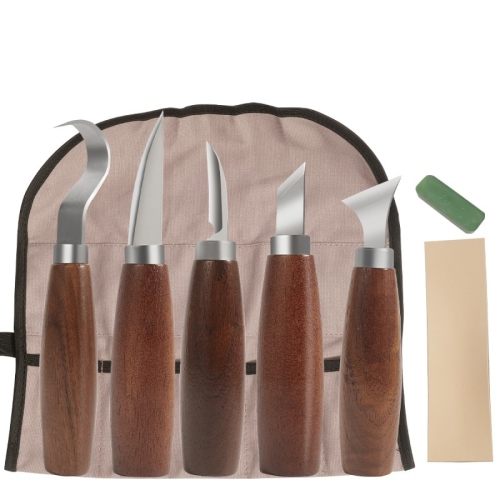
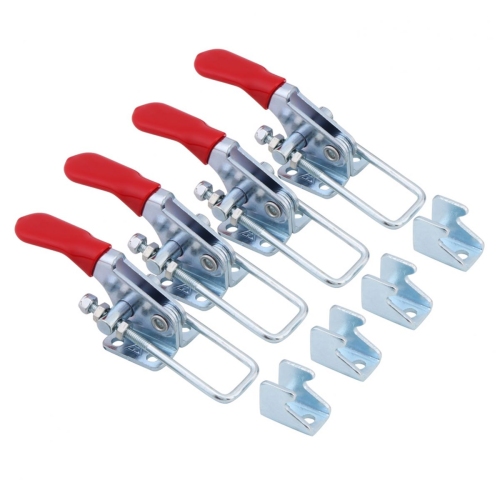
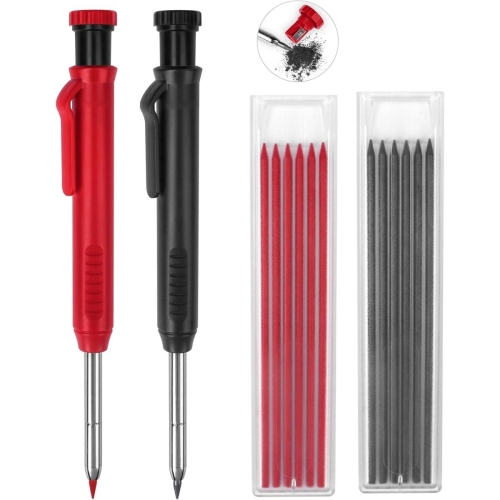
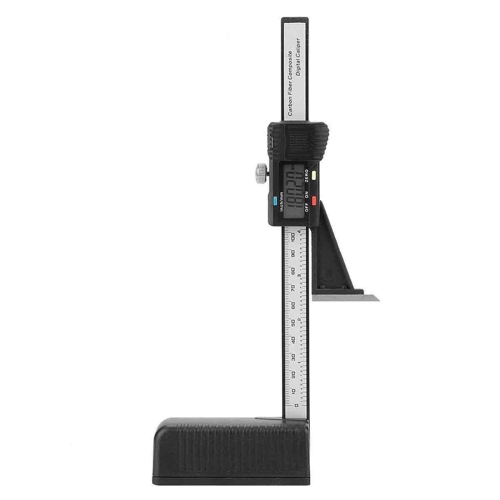
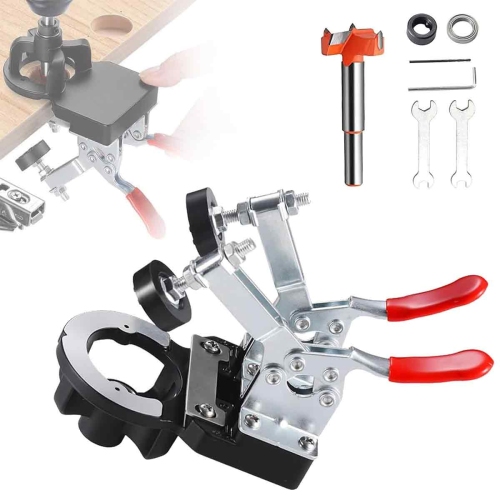
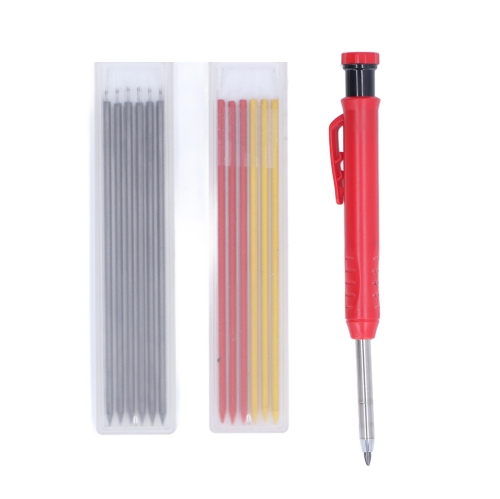
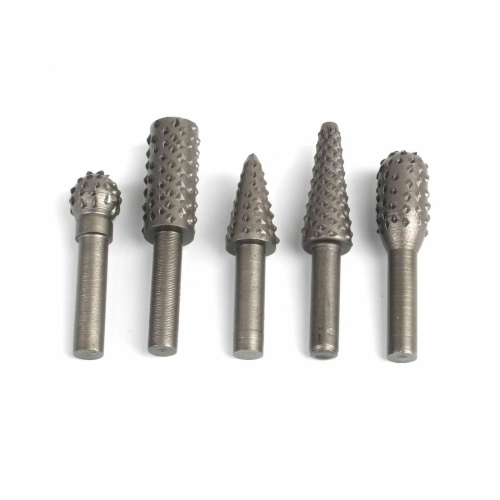
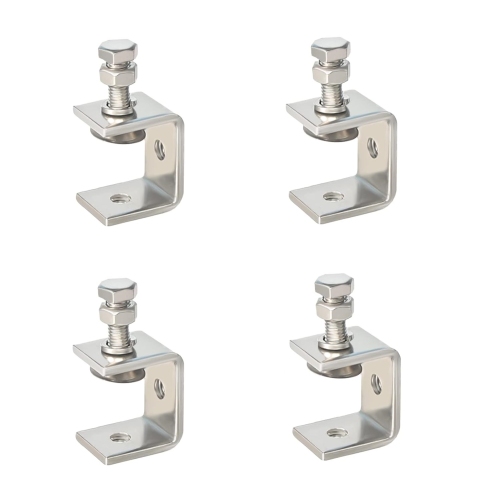
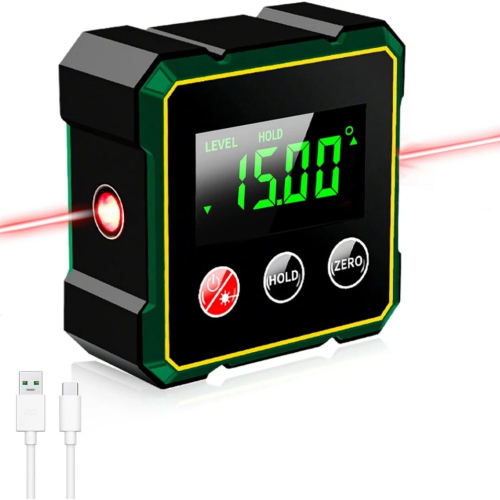
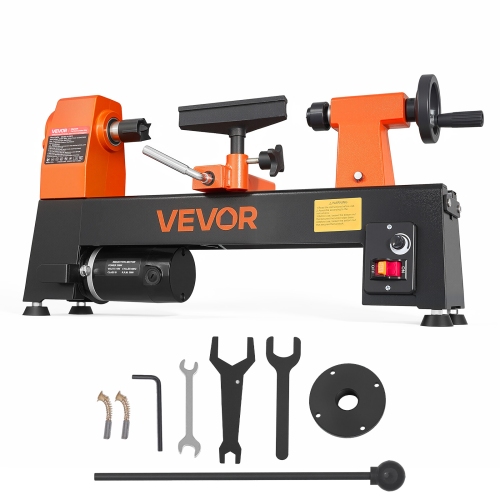
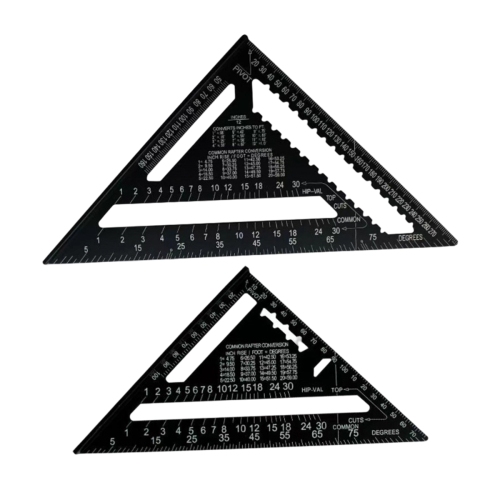
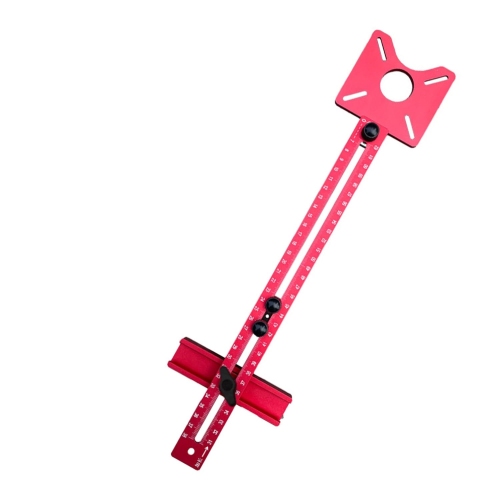
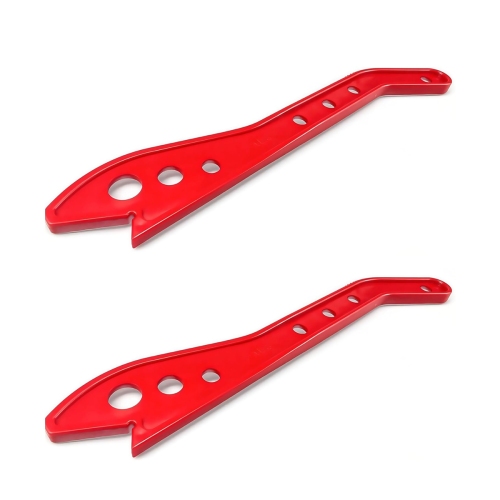
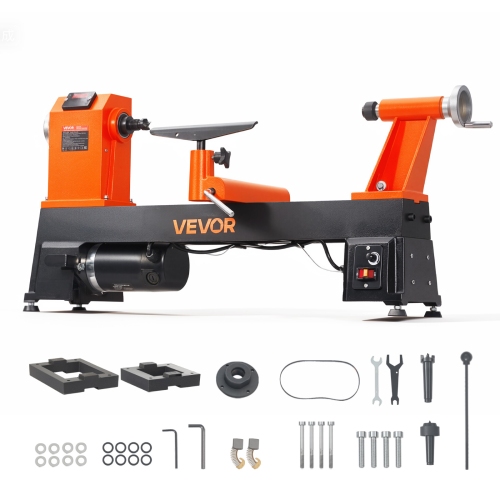
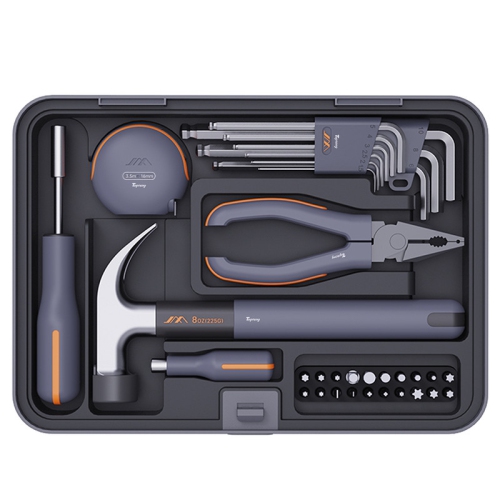
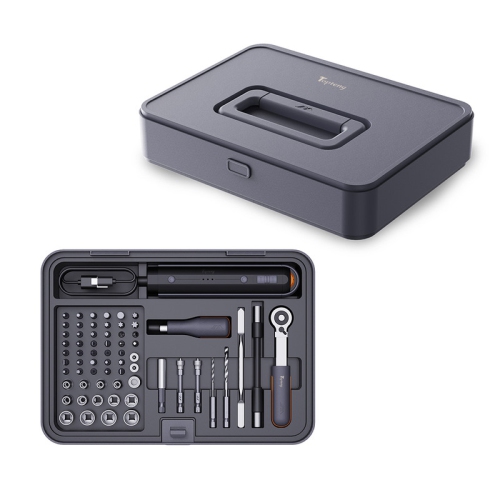
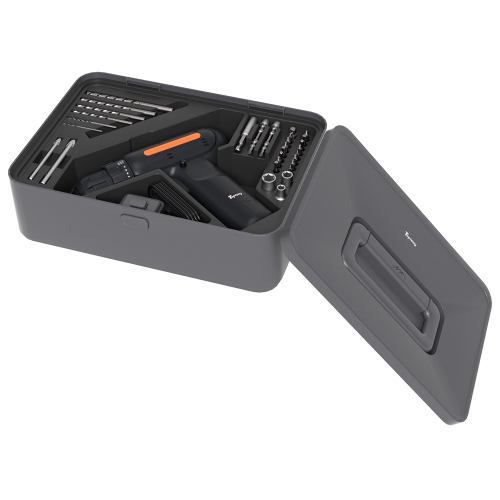
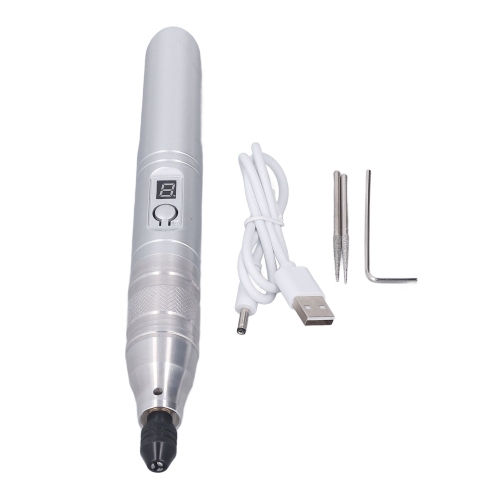
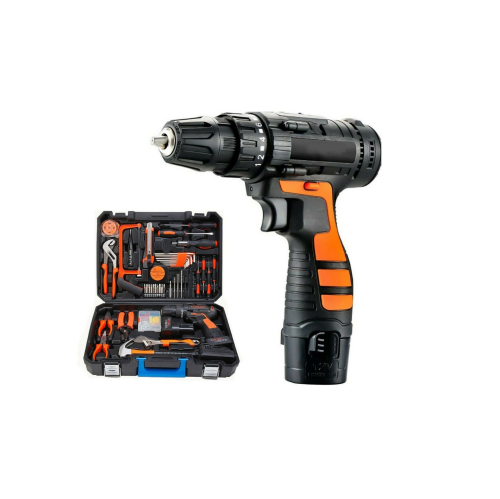
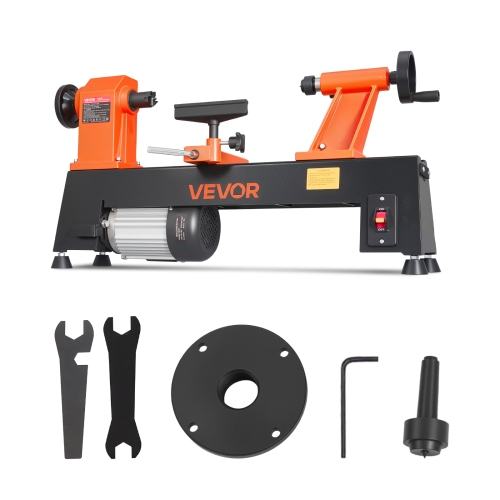
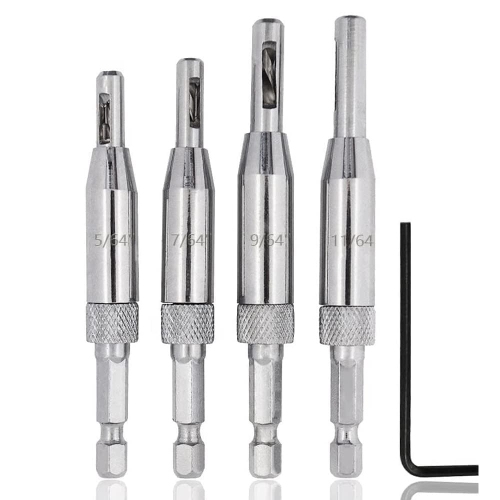
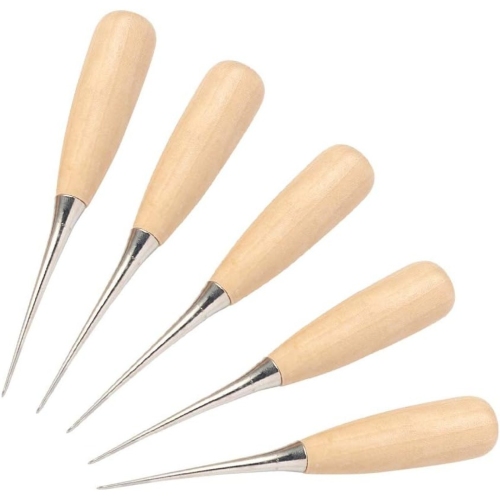
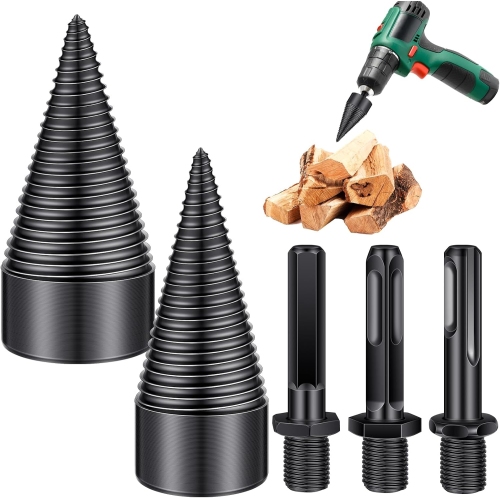
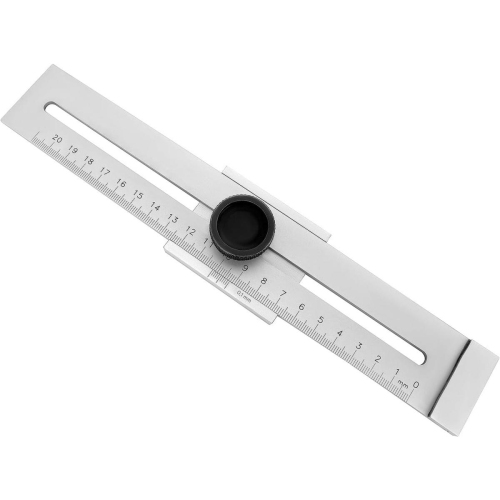
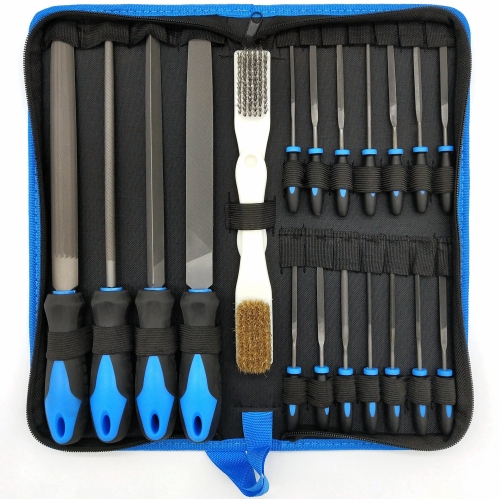
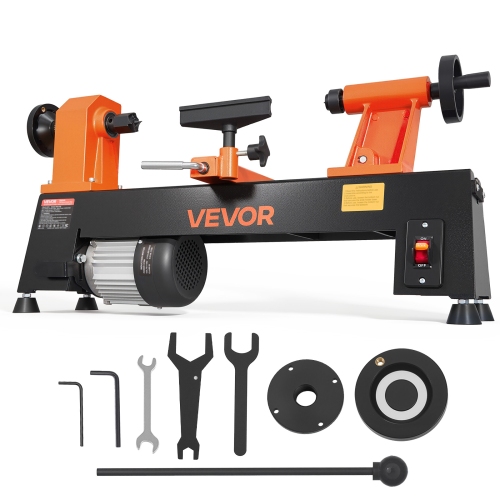
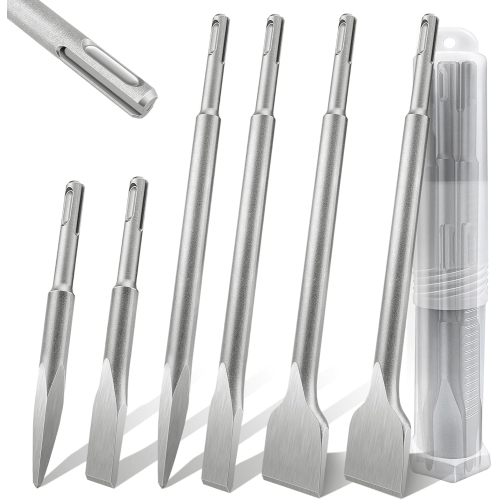
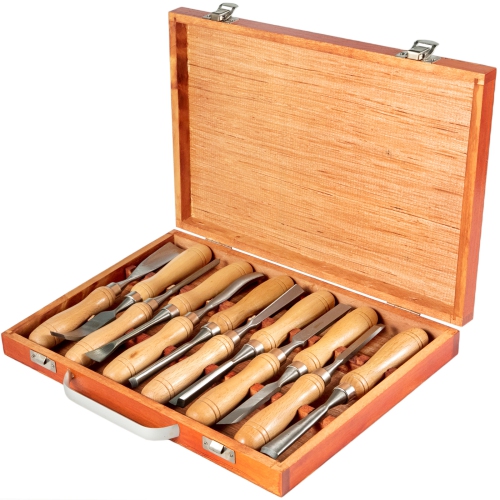
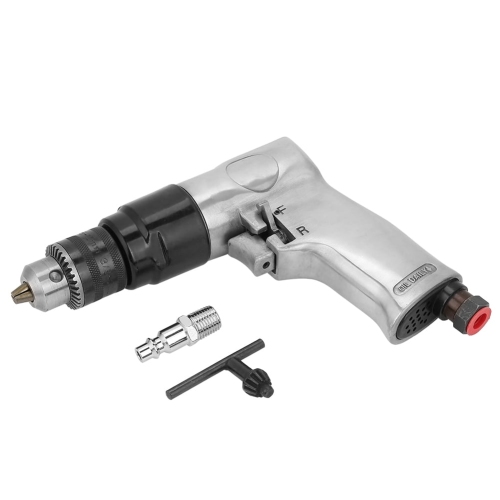
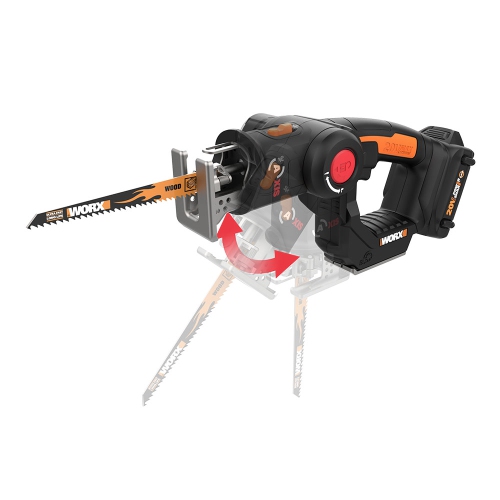
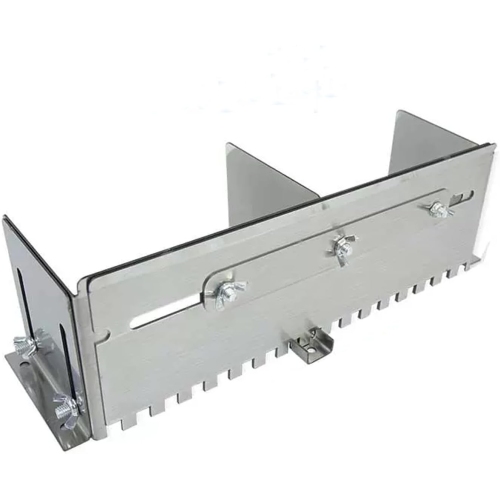
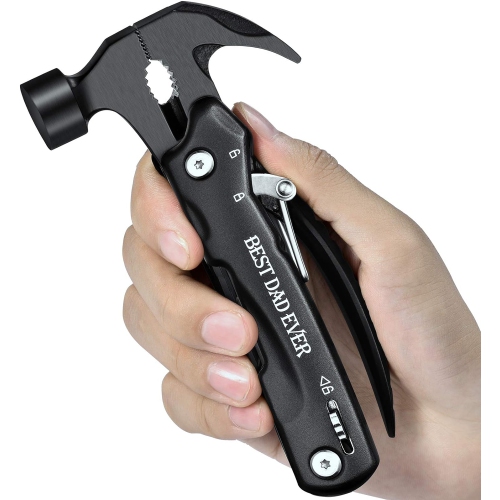
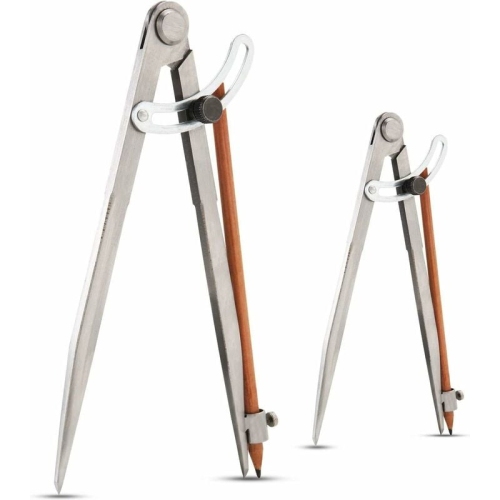
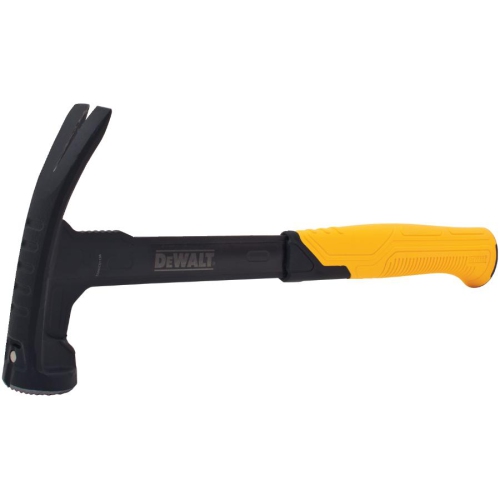
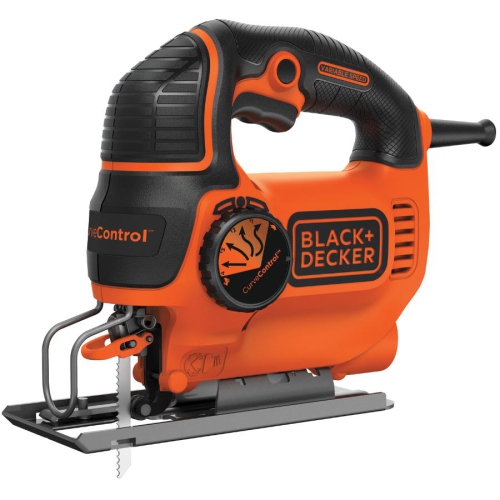
Woodworking tools are used to measure, mark, cut, shape, join, and finish wood. They generally fall into four groups: hand tools, handheld power tools, stationary power tools, and measuring and marking equipment. Each group serves a different purpose, and many projects involve a combination of all four. Hand tools, including saws, chisels, and planes, offer direct control for trimming joints, refining edges, and removing small amounts of material. Handheld power tools help with repeated tasks such as drilling, cutting panels, routing profiles, and sanding broad surfaces. Stationary machines provide a supported working area for operations such as ripping boards, flattening stock, and making repeatable cuts, provided the material stays within the machine’s stated capacity. Measuring and marking tools establish the reference lines that make those operations accurate. A clearly marked shoulder line or a reliable square can matter just as much as the cutting tool when a drawer needs to slide smoothly or a picture frame needs to meet neatly at its corners. The most useful selection depends on the work taking shape: assembling a bookcase from sheet material calls for different capabilities than carving a small wooden figure or fitting traditional furniture joints. Beginners often benefit from tools suited to straightforward measuring, cutting, drilling, clamping, and smoothing tasks, while experienced woodworkers may need more specialized control over joinery, profiles, or surface preparation. A compact work area can still support detailed work, especially when tools are easy to store and the workpiece can be held securely. Larger projects place greater demands on support surfaces, cutting capacity, and material handling. Thinking through the size of the wood, the finish expected, and how often a task will be repeated helps distinguish a useful addition from equipment that does not match the work. For someone making occasional repairs, versatility may be the priority; for a furniture maker producing matching components, repeatable settings and precise adjustments can be more important.
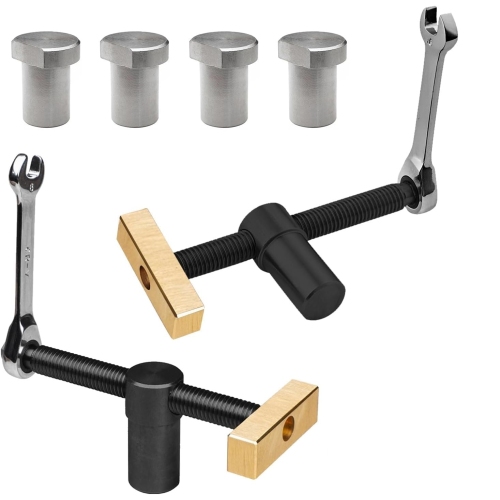
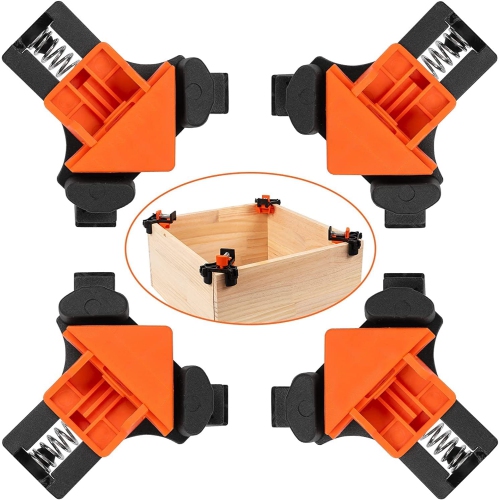
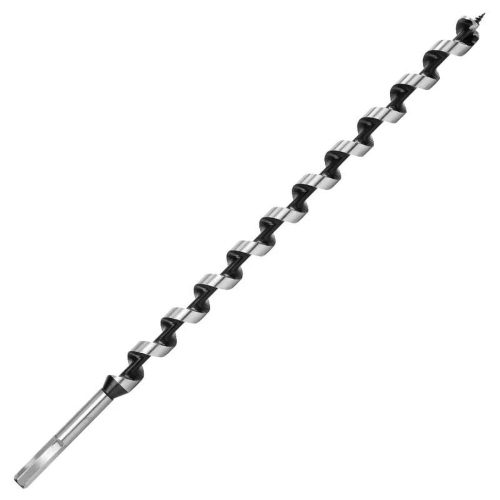
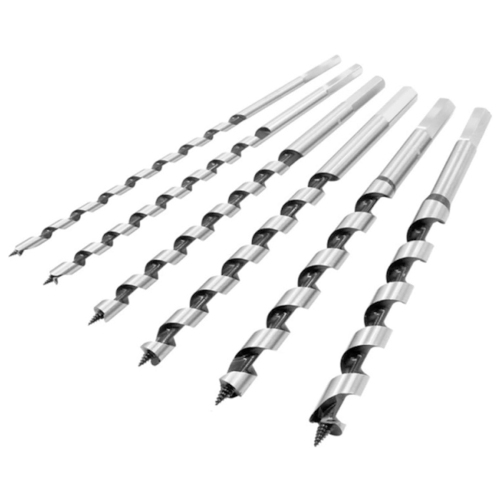
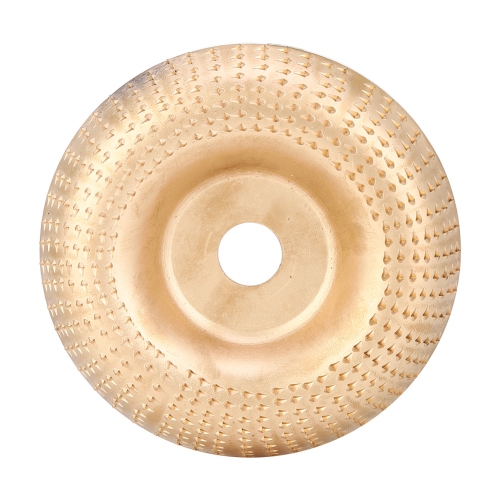
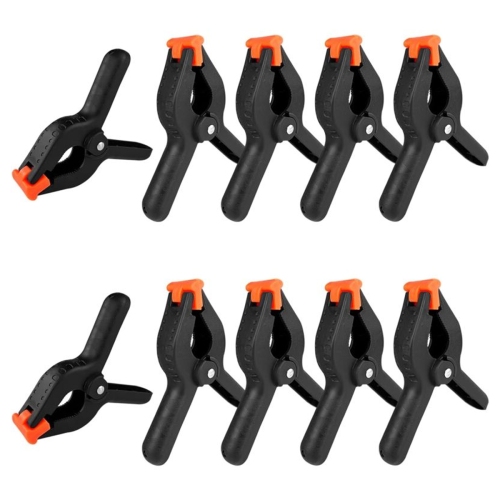
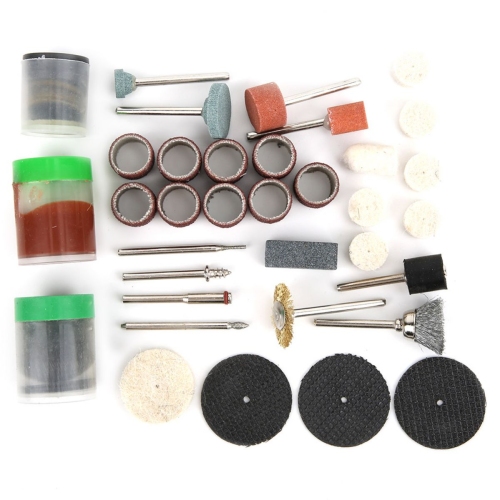
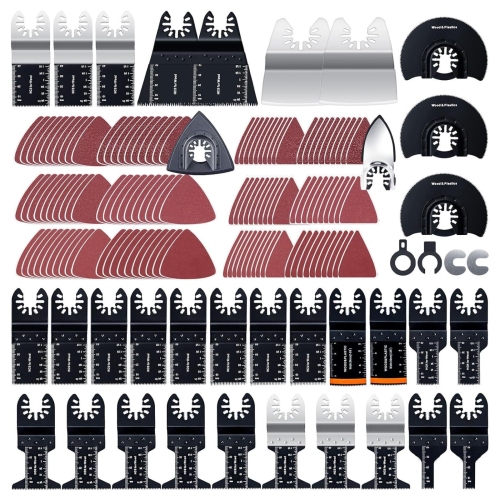
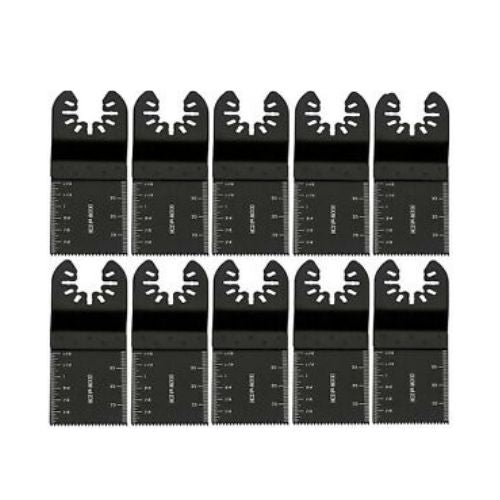
Tool materials, construction, and fit influence both the working experience and the finished result. Cutting edges commonly use hardened steel or carbide, with the appropriate choice depending on the tool, the material being worked, and the intended operation. Edge geometry matters alongside the material itself: a blade designed for a clean crosscut behaves differently from one intended to remove wood efficiently along the grain. Solid wood, plywood, and composite panels also place different demands on cutting and sanding equipment. Figured grain can be prone to tear-out, veneered panels need careful edge control, and some manufactured boards require particular attention to dust capture. Matching blades, bits, and abrasives to the material and the tool manufacturer’s specifications supports cleaner results without forcing the cut. Dimensions are equally important. Blade diameter, arbor size, bit shank diameter, chuck capacity, and permitted operating speed must be compatible rather than simply appearing close enough. For powered equipment, cutting depth, adjustment range, and the size of the supporting surface help determine whether a tool suits small components, cabinet panels, or thicker stock. Corded tools depend on a suitable electrical supply and manageable cord routing; cordless tools add considerations such as battery compatibility, balance, and charging arrangements. Ergonomics deserves the same attention as specifications. A handle should allow a secure grip without awkward wrist positioning, while switches, depth controls, and adjustment locks should be easy to reach and understand. Tool weight can feel quite different during a brief cut than during repeated overhead or extended work. Clear scales, visible reference marks, and fences that lock firmly make setup more dependable. Clamps and workholding equipment also need to suit the project: enough opening capacity for an assembly, enough reach to apply pressure where needed, and suitable pads or protective blocks to avoid marking the surface. When several parts must line up, as with a cabinet door or a set of shelves, stable support and consistent reference surfaces help prevent small errors from accumulating.
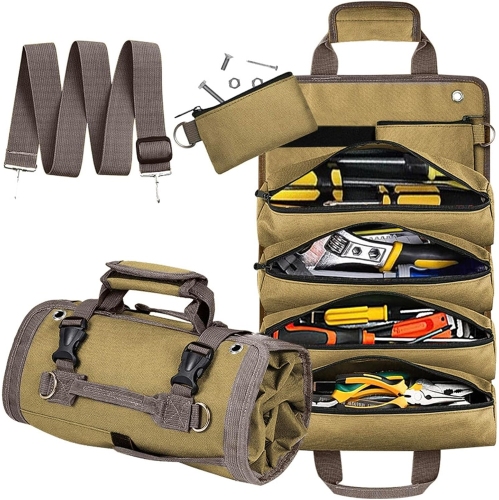
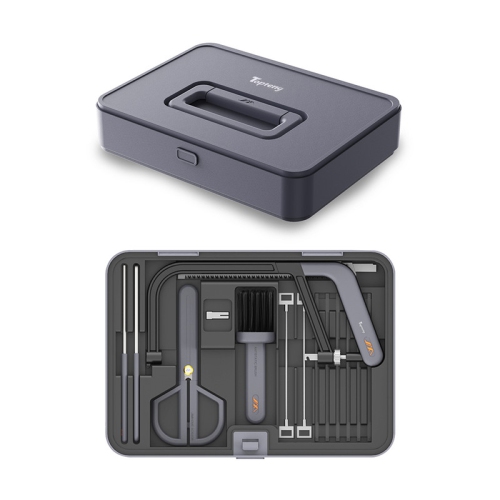
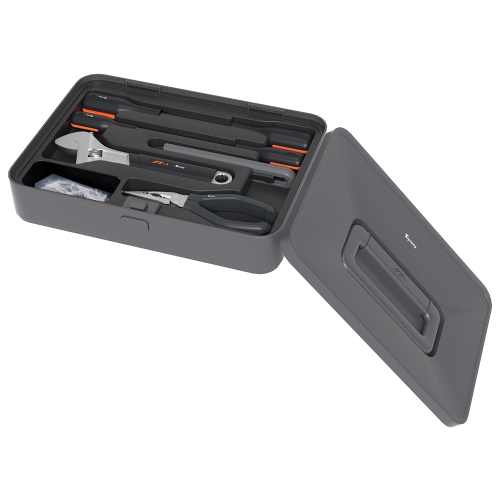
Durability comes from sound construction, appropriate use, and regular care rather than weight alone. Depending on the tool, useful details include rigid bases, secure handles, dependable adjustment mechanisms, and components that can be maintained or replaced as intended. A cutting tool should hold its settings during normal use, and a measuring tool needs protected reference edges to remain trustworthy. Storage plays a practical role here. Covered cutting edges are less likely to be damaged by contact with other tools, while organized cases, racks, and drawers make it easier to find the correct accessory without handling exposed teeth or blades. Remove dust and resin buildup using methods approved by the manufacturer, keep ventilation openings clear, and inspect cords, batteries, guards, and fasteners for damage. Sharpening and abrasive replacement should suit the tool and material; a worn edge can leave rougher surfaces and encourage excessive pressure. Follow the manufacturer’s instructions for maintenance, including disconnecting the power source before changing accessories or making adjustments where required. Eye protection, appropriate hearing protection, suitable dust extraction, and respiratory protection selected for the task belong alongside the cutting and shaping equipment. Fine wood dust needs attention even when a job looks small, and a tidy work surface leaves more room to control the workpiece. For shelving, built-ins, and interior trim, Carpentry Tools support many related measuring, fastening, and fitting tasks, although furniture making may call for finer joinery and surface preparation. Woodworking tools can also make thoughtful gifts for people who enjoy building, repairing, or personalizing their homes. The best fit reflects the recipient’s experience, preferred projects, existing equipment, and space. Compatible accessories or dependable measuring and workholding tools may be more useful than a machine that requires unfamiliar techniques or a larger work area. Whether the goal is a neatly fitted baseboard, a smooth tabletop, or a handmade keepsake, well-matched tools help turn careful layout and patient workmanship into a satisfying finished piece.
Top selling and popular products
-
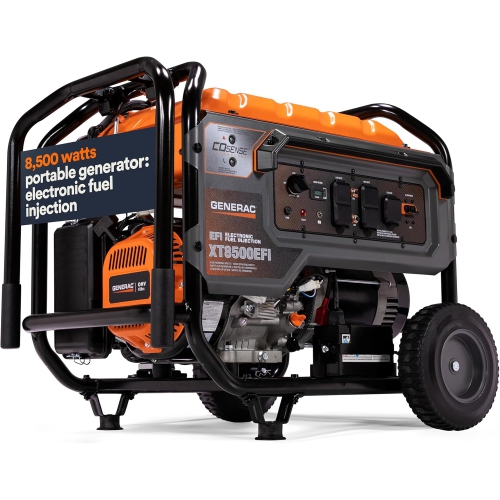 Your price for this item is $3000
-
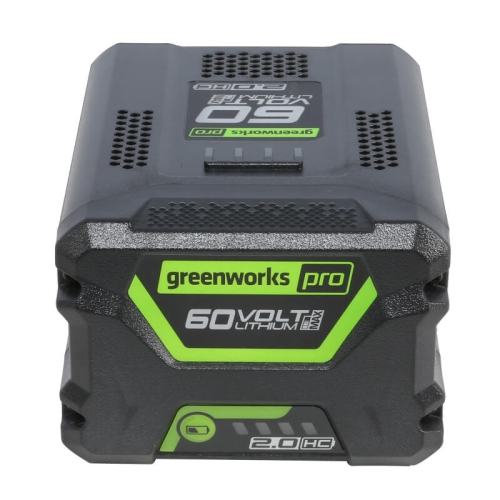 Your price for this item is $152.99
-
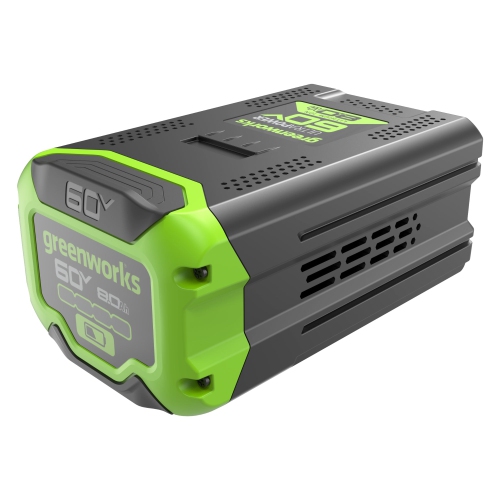 Your price for this item is $329.99
-
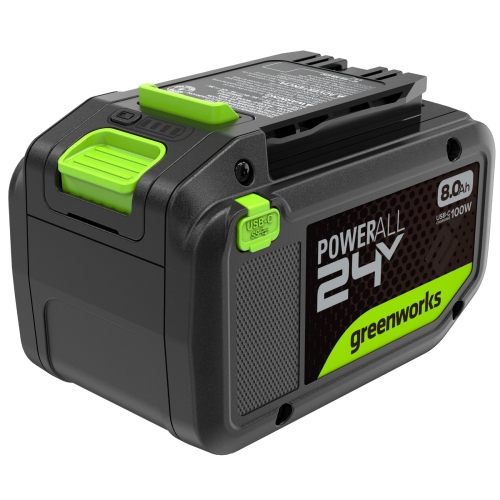 Your price for this item is $144.49
-
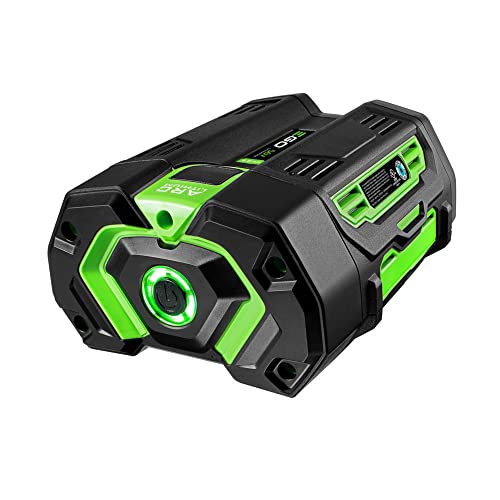 Your price for this item is $255
-
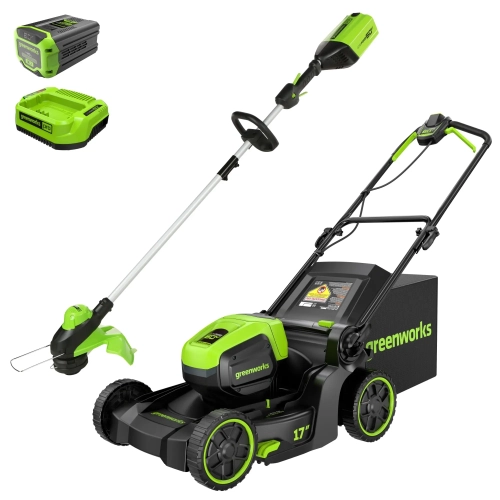 Your price for this item is $779.99
-
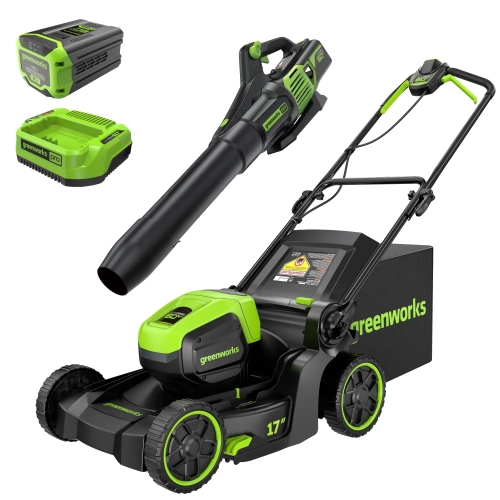 Your price for this item is $659.99
-
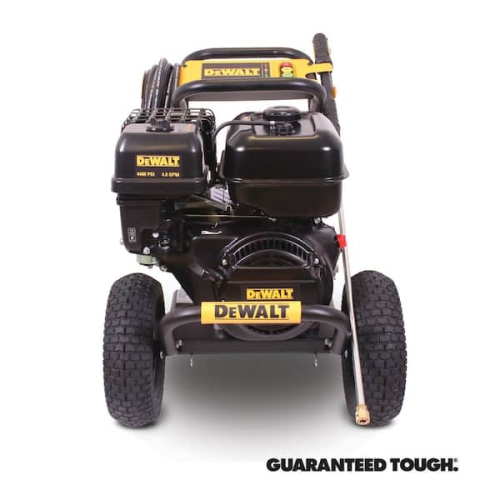 Your price for this item is $999.99
Discover more categories related to Woodworking Tools

Top Collections:
Best Black Friday Deals This Year, Best Black Friday Deals On Electronics, Kindle Devices, Pokemon Centers, Best Black Friday Deals On Apple Products, Best Cameras for Sports Photography, Dyson Airwrap, Pokémon 30th Celebration Cards, Apple iPhone 17 Pro, Canon G7X Cameras
Some products may be subject to Environmental Handling Fees
(EHF) depending on your province.
Learn more about EHFs.