Wool Tufted Rugs
Enhance the look and feel of your living space with our exquisite collection of wool-tufted rugs. Crafted with precision and designed to elevate any room, these rugs are the perfect blend of style and comfort. Made from high-quality wool, they offer a luxurious texture that is soft to the touch and durable enough to withstand everyday wear and tear. Whether you're looking for a cozy addition to your bedroom or a statement piece for your living room, our wool tufted rugs are sure to impress with their timeless elegance and versatile designs. Explore our wide range of options and find the perfect rug to add warmth and sophistication to your home décor.
Sort


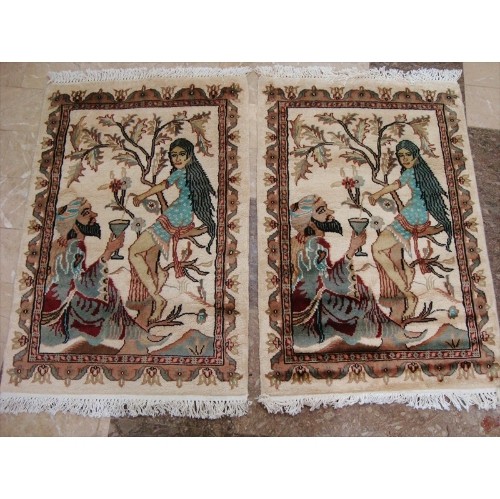


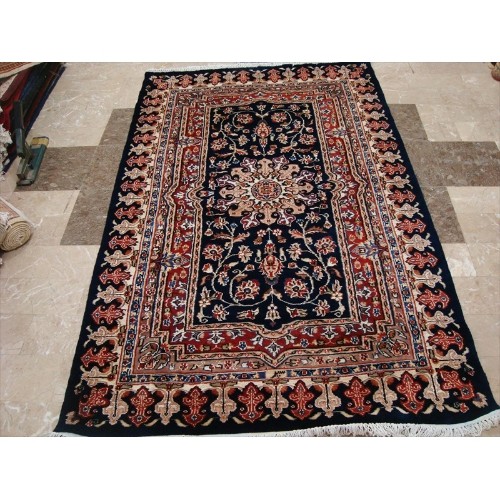

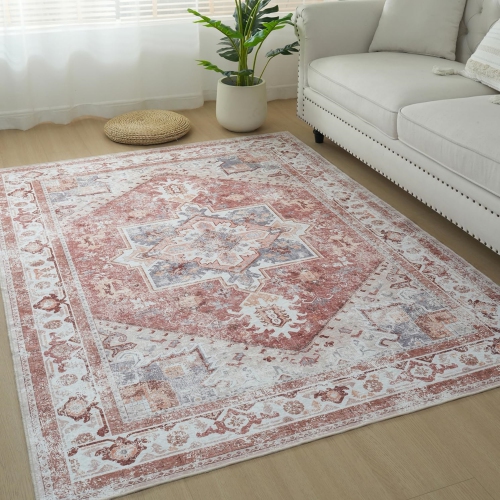


How tufted construction adds depth and comfort underfoot
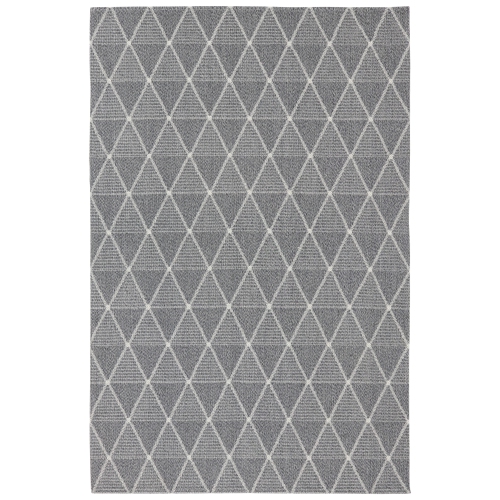
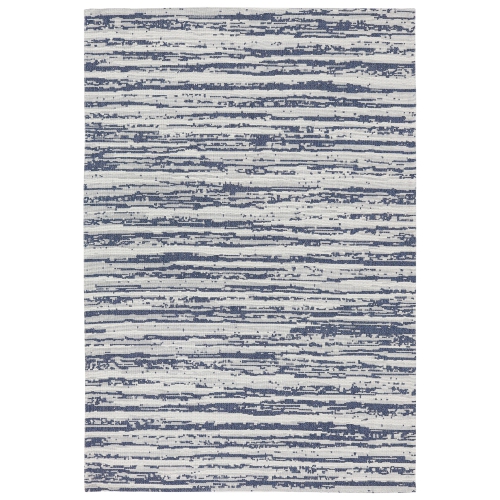
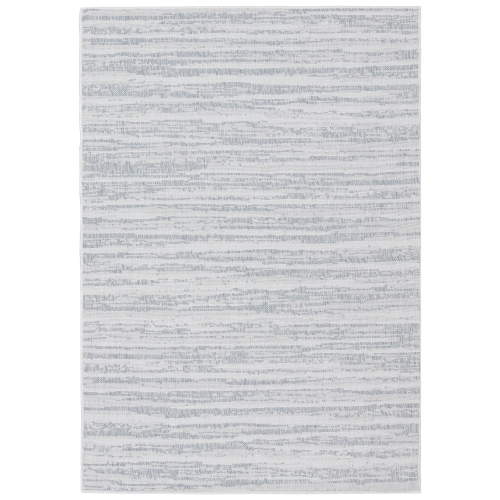
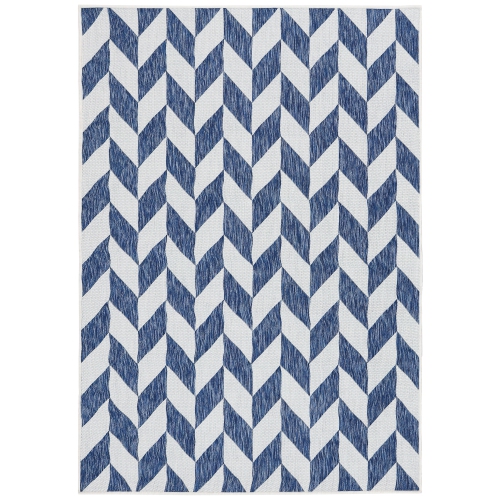
Wool tufted rugs bring a soft, substantial layer to a room, with a textured surface that feels comfortable beneath bare feet and helps define where furniture belongs. Their construction gives them their distinctive character: wool yarn is pushed through a fabric foundation to form the pile, rather than tied into individual knots. In hand-tufted rugs, a maker uses a handheld tufting tool to build the pattern. An adhesive, often latex-based, secures the yarn at the back, and an additional fabric layer typically covers that backing. This makes a tufted rug different from both a hand-knotted rug and a flatwoven rug, even when the colours and patterns look similar. The pile may be cut for a velvety finish, left in loops for a more textured surface, or shaped into a combination of raised and recessed areas. These variations give simple designs depth: an ivory rug can have a quiet, sculpted pattern, while a geometric design can feel more pronounced where two pile heights meet. Fibre content matters as much as appearance. A wool tufted rug may have an all-wool pile or combine wool with other fibres, so the composition is worth checking rather than assuming every part of the rug is wool. Wool fibres have a natural crimp that contributes to cushioning and helps the pile recover from everyday compression, although heavy furniture can still leave impressions. The material also takes colour well, making it suitable for everything from muted oatmeal and charcoal tones to saturated blues and rust shades. Within the broader range of Wool Rugs, tufted construction offers a particular mix of softness, thickness, and patterned detail. It suits rooms where comfort underfoot is part of daily life, whether that means getting out of bed on a cold morning, stretching beside the sofa, or settling into a reading chair during the cooler months. A rug can also soften footfall and reduce some of the hard, reflected sound in a room with bare floors, without replacing dedicated soundproofing.
The right wool tufted rug should fit both the room’s proportions and the way people move through it. In a living room, a size that reaches beneath the front legs of the sofa and nearby chairs usually makes the seating area feel connected. A small rug centred under a coffee table can leave the surrounding furniture looking separate, particularly in an open-plan space. In a bedroom, the most useful coverage is often beside and beyond the foot of the bed, where feet meet the floor, rather than entirely hidden underneath it. Dining areas need enough rug beyond the tabletop for chair legs to remain supported when someone pulls a chair out to sit down. Actual measurements are more reliable than judging from a photograph; marking the intended edges on the floor can reveal whether a rug would narrow a walkway or interfere with a door. Thickness deserves similar attention. A deep cut pile feels inviting in a bedroom or relaxed sitting room, while a lower, denser surface generally makes chairs easier to move and is simpler to vacuum. Raised patterns introduce another consideration for anyone using a walker, wheelchair, or rolling office chair, since changes in height can affect movement. A compatible rug pad helps limit shifting, adds cushioning, and reduces abrasion between the backing and the floor. Its material should suit the flooring manufacturer’s requirements, especially on finishes that can react to certain backing compounds. For households with pets, looped yarn may catch on claws, making pile structure worth considering alongside colour and softness. Homes with young children may favour a stable, lower-profile rug with a pattern that makes small everyday marks less conspicuous. Colour affects how a room feels, too: pale wool can lighten a space with dark furniture, while mixed tones add visual texture without requiring a bold motif. In shared rooms, a rug that repeats one or two colours from upholstery or curtains can bring the furnishings together without making everything match. These practical details help a tufted wool rug feel like a natural part of the home rather than a layer that needs constant adjustment.
Care and placement have a direct effect on how a wool tufted rug wears. Some shedding is common, especially when a rug is new, as loose fibres work their way out of the pile. It often lessens with regular, gentle cleaning, although the amount and duration vary with the yarn and construction. Suction-only vacuuming is generally preferable to an aggressive rotating brush, which can pull at fibres or catch loops; the rug’s care label should take priority. Slow passes with an appropriate suction setting help lift dust and grit before they settle deeply into the pile. Fringes and bound edges need extra care, and a protruding tuft should never be pulled, since doing so may disturb the surrounding yarn. For spills, prompt blotting with a clean, white absorbent cloth is more suitable than rubbing, which can spread the mark and roughen the surface. Wool has some natural resistance to soiling, but it is not stain-proof, and the backing makes moisture control especially important. Saturating a tufted rug can affect the adhesive, encourage odours, or cause the backing layers to separate. Machine washing, soaking, and steam cleaning should not be assumed safe; any deeper cleaning method needs to be suitable for both wool and tufted construction. A professional cleaner familiar with these materials can assess stubborn marks and advise on treatment. Everyday habits also make a difference. Rotating the rug periodically helps distribute foot traffic and light exposure, while furniture cups can spread the pressure from narrow legs. Dry indoor living spaces are generally a better fit than damp entryways where wet footwear repeatedly soaks the pile. Durability depends on more than wool alone: pile density, yarn quality, edge finishing, backing condition, and daily use all contribute. The adhesive can deteriorate with age, so tufted rugs do not necessarily share the longevity of well-made hand-knotted rugs. With suitable placement and care, however, their cushioned texture and detailed patterns can serve everyday living comfortably, adding warmth to bedrooms, seating areas, and quieter corners of a home.
Top selling and popular products
-
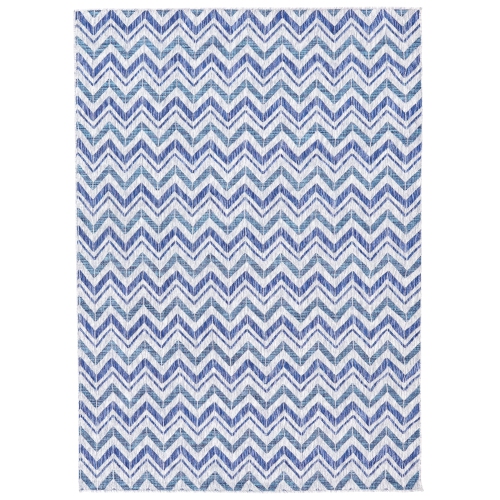 Your price for this item is $129.15
-
 Your price for this item is $130.55
-
 Your price for this item is $130.55
-
 Your price for this item is $129.15
-
 Your price for this item is $129.15
-
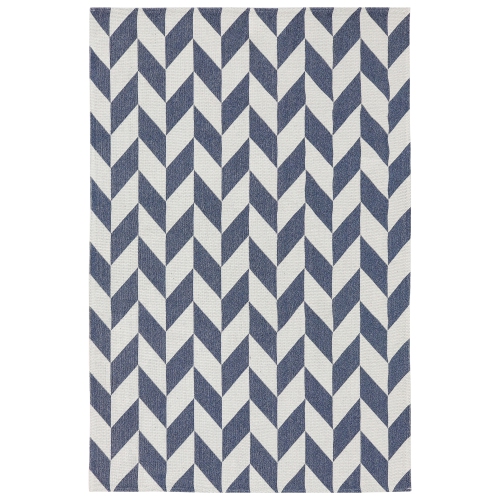 Your price for this item is $130.55
-
 Your price for this item is $111.99
-
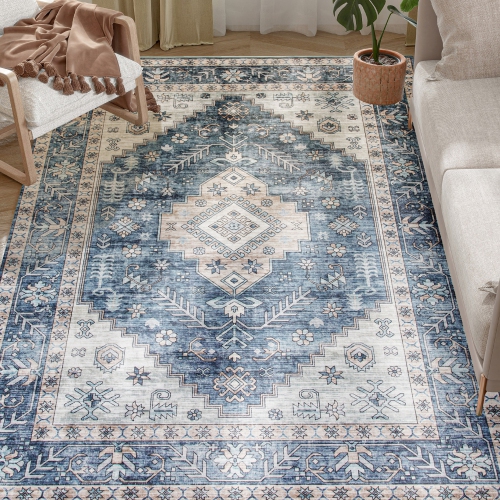 Your price for this item is $124.99
Discover more categories related to Wool Tufted Rugs


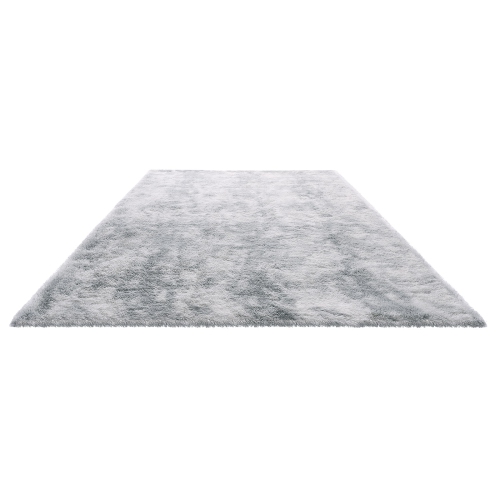
Top Collections:
Pokemon Centers, Kindle Devices, Best Cameras for Sports Photography, Pokémon 30th Celebration Cards, Apple iPhones 16, Canon G7X Cameras, iPhone 15 Apple, Flip Phones, Samsung Galaxy Phones, Alarm Clock
Some products may be subject to Environmental Handling Fees
(EHF) depending on your province.
Learn more about EHFs.