Working Hats
Stay ahead of the game with our collection of working hats designed to keep you comfortable and stylish throughout your day. Whether you're on the job site, hitting the trails, or simply running errands, a good hat is a practical and fashionable accessory that can elevate any outfit. From classic baseball caps to trendy beanies and functional wide-brimmed hats, we have a wide selection to suit every style and need. Find the perfect working hat to shield you from the elements while adding a touch of flair to your look.
Sort
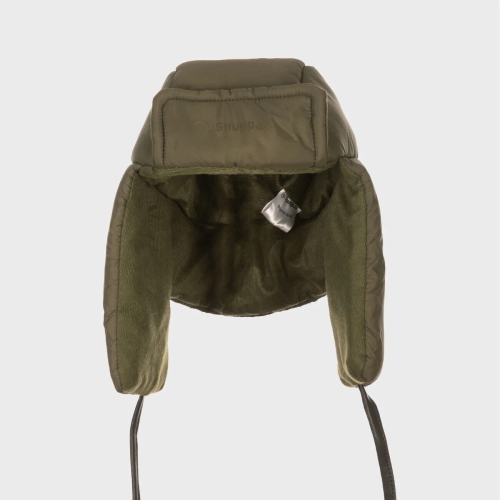
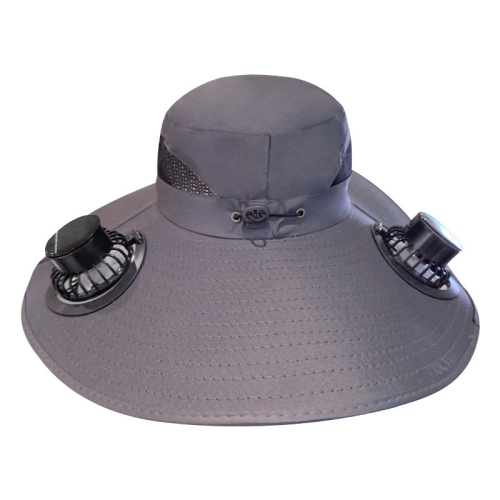
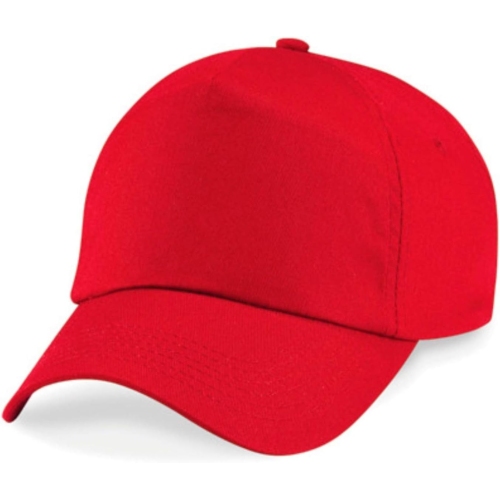
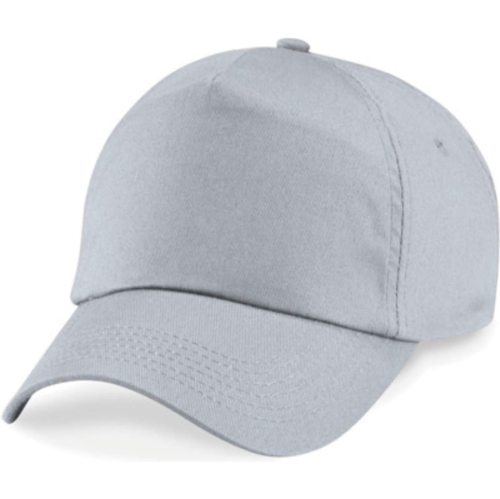
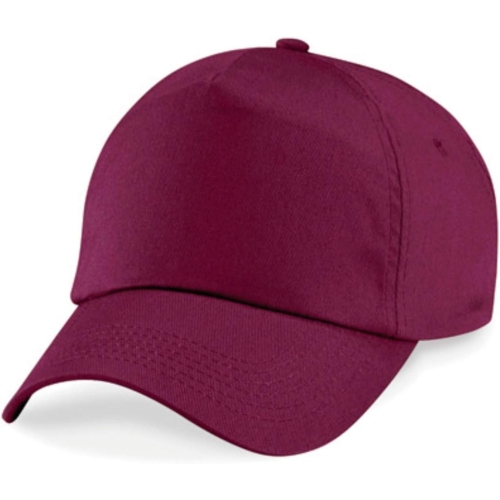
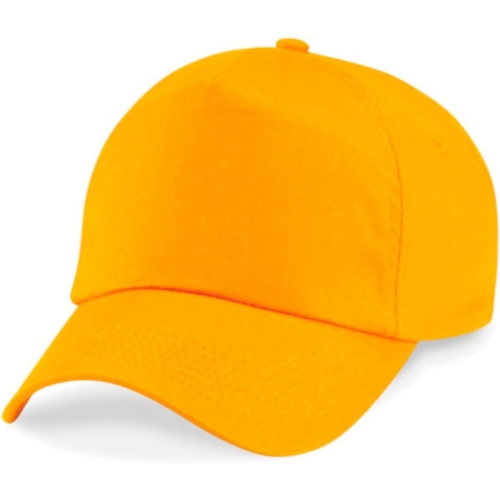
Why a work cap cannot replace a hard hat
Working hats include protective headwear for jobs with defined safety requirements and everyday caps or beanies worn as part of a work outfit. The distinction matters: a casual work cap can help keep hair contained or provide a comfortable fit, but it does not replace a hard hat where head protection is required. Construction crews, maintenance technicians, utility workers, and people entering designated industrial areas may need hard hats that meet the applicable Canadian safety requirements and their workplace’s rules. Protective headwear is designed around particular hazards, so its stated impact protection and electrical classification are more important than its colour or shape. Some designs provide protection primarily against impacts to the top of the head, while others also address lateral impacts; the appropriate choice depends on the job and the site’s requirements. A bump cap serves a different purpose, helping protect against minor contact with fixed objects, and is not a substitute for a hard hat where falling objects or other specified hazards are present. Within protective headwear, comfort often comes from the suspension rather than the outer shell alone. An adjustable suspension helps position the shell correctly, while a brow pad provides a contact surface across the forehead. Ratchet adjustments can make small fit changes easier, although any adjustment needs to follow the manufacturer’s directions. Full-brim and cap-style shapes offer different profiles, which can affect clearance, sightlines, and compatibility with other equipment. A worker looking upward beneath pipework has different practical needs from someone moving through an open loading area. Venting, accessory slots, and compatibility with hearing protection or face protection are also relevant, but these features must suit the required protection level. Ventilation openings, for example, are not appropriate for every electrical hazard classification. A well-matched working hat belongs with the rest of the required equipment, fitting securely without obstructing vision or interfering with protective eyewear. Appearance can be part of the choice, but for safety headwear, the labelled protection, proper fit, and approved configuration remain the defining features.
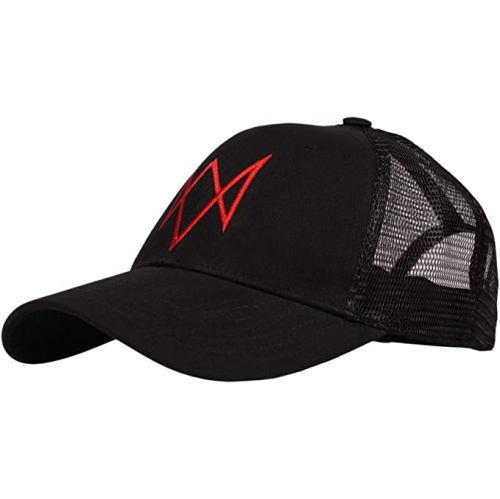
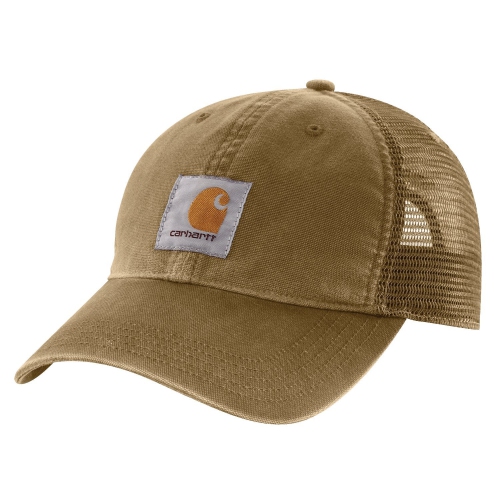
Everyday work hats cover a broader range of tasks where certified head protection is not required. Baseball-style caps, mesh-backed caps, close-fitting knitted beanies, and low-profile fabric hats each have a different feel during a full shift. A service technician moving between appointments may prefer a neat cap with a modest brim, while someone packing orders may favour a lightweight design that stays in place through repeated bending and reaching. Brim length and shape influence how a hat sits above the eyes, especially when the wearer frequently looks down at a workbench or checks overhead shelving. Soft caps are often made from cotton, canvas, twill, polyester, or blended fabrics. Cotton can feel comfortable against the skin, canvas and heavier twills have a substantial texture, and synthetic blends may offer quicker drying or improved resistance to repeated wear, depending on their construction. Mesh panels allow more airflow, while a solid fabric crown provides continuous coverage. Knitted hats use stretch to create a close fit, with yarn composition and knit density affecting softness, shape retention, and care requirements. An acrylic knit and a wool blend can feel quite different against the forehead, making texture an important consideration for anyone sensitive to scratchy seams or fibres. Fit also depends on crown depth, internal bands, and the position of closures. A cap that feels comfortable while standing still may press against the ears or slip forward when its wearer leans over a bench. Adjustable straps, snap closures, and fitted sizing offer different ways to achieve a secure fit, but loose ends should not interfere with the task or other equipment. Where moving machinery is involved, workplace rules govern whether soft headwear is suitable and how hair must be contained. A cap should never be assumed to provide adequate hair restraint for every job. Details such as a smooth inner band, securely finished seams, and a brim that works with glasses can make an ordinary work hat easier to wear throughout the day without distracting from the task.
Durability in working hats comes from the relationship between materials, construction, care, and intended use. On fabric headwear, closely finished stitching, reinforced attachment points, and a well-secured adjustment mechanism help support repeated handling. The inside deserves as much attention as the outside: rough seam allowances, an uneven sweatband, or a closure that presses into the back of the head can become noticeable during a long shift. Structured caps hold a defined shape, while unstructured crowns feel softer and can be easier to pack, although neither construction is automatically better for every workplace. Care requirements vary considerably. Some soft hats can be washed according to their care labels, while others need gentle spot cleaning to preserve the brim, shape, or decorative details. Sweat and dust can collect along the inner band, so regular cleaning helps keep a frequently worn hat comfortable. Protective headwear has its own maintenance requirements, including manufacturer-approved cleaning methods and inspection of the shell, suspension, and attachment points. Cracks, deformation, damaged suspension parts, or an impact can affect protection even when the hat still looks usable. Replacement schedules and any decision to remove a hard hat from service should follow its manufacturer’s instructions and workplace procedures, rather than relying on appearance alone. Unapproved drilling, painting, adhesives, or accessories can alter performance, making customization a separate consideration from ordinary cap decoration. Storage also matters: a hat kept where it will not be crushed or exposed to damaging substances is easier to keep in serviceable condition. For gifting, an everyday work cap can be a practical choice for someone beginning an apprenticeship, setting up a workshop, or replacing a familiar hat worn through years of use. Personal preferences such as crown height, fastening style, and fabric feel make a difference, while protective headwear needs to match the recipient’s actual workplace requirements rather than being chosen purely for looks. For a family gift that also includes headwear for a little one, Baby Hats provides a separate starting point for infant-sized styles, distinct from adult workwear and occupational head protection.
Everyday work hats cover a broader range of tasks where certified head protection is not required. Baseball-style caps, mesh-backed caps, close-fitting knitted beanies, and low-profile fabric hats each have a different feel during a full shift. A service technician moving between appointments may prefer a neat cap with a modest brim, while someone packing orders may favour a lightweight design that stays in place through repeated bending and reaching. Brim length and shape influence how a hat sits above the eyes, especially when the wearer frequently looks down at a workbench or checks overhead shelving. Soft caps are often made from cotton, canvas, twill, polyester, or blended fabrics. Cotton can feel comfortable against the skin, canvas and heavier twills have a substantial texture, and synthetic blends may offer quicker drying or improved resistance to repeated wear, depending on their construction. Mesh panels allow more airflow, while a solid fabric crown provides continuous coverage. Knitted hats use stretch to create a close fit, with yarn composition and knit density affecting softness, shape retention, and care requirements. An acrylic knit and a wool blend can feel quite different against the forehead, making texture an important consideration for anyone sensitive to scratchy seams or fibres. Fit also depends on crown depth, internal bands, and the position of closures. A cap that feels comfortable while standing still may press against the ears or slip forward when its wearer leans over a bench. Adjustable straps, snap closures, and fitted sizing offer different ways to achieve a secure fit, but loose ends should not interfere with the task or other equipment. Where moving machinery is involved, workplace rules govern whether soft headwear is suitable and how hair must be contained. A cap should never be assumed to provide adequate hair restraint for every job. Details such as a smooth inner band, securely finished seams, and a brim that works with glasses can make an ordinary work hat easier to wear throughout the day without distracting from the task.
Durability in working hats comes from the relationship between materials, construction, care, and intended use. On fabric headwear, closely finished stitching, reinforced attachment points, and a well-secured adjustment mechanism help support repeated handling. The inside deserves as much attention as the outside: rough seam allowances, an uneven sweatband, or a closure that presses into the back of the head can become noticeable during a long shift. Structured caps hold a defined shape, while unstructured crowns feel softer and can be easier to pack, although neither construction is automatically better for every workplace. Care requirements vary considerably. Some soft hats can be washed according to their care labels, while others need gentle spot cleaning to preserve the brim, shape, or decorative details. Sweat and dust can collect along the inner band, so regular cleaning helps keep a frequently worn hat comfortable. Protective headwear has its own maintenance requirements, including manufacturer-approved cleaning methods and inspection of the shell, suspension, and attachment points. Cracks, deformation, damaged suspension parts, or an impact can affect protection even when the hat still looks usable. Replacement schedules and any decision to remove a hard hat from service should follow its manufacturer’s instructions and workplace procedures, rather than relying on appearance alone. Unapproved drilling, painting, adhesives, or accessories can alter performance, making customization a separate consideration from ordinary cap decoration. Storage also matters: a hat kept where it will not be crushed or exposed to damaging substances is easier to keep in serviceable condition. For gifting, an everyday work cap can be a practical choice for someone beginning an apprenticeship, setting up a workshop, or replacing a familiar hat worn through years of use. Personal preferences such as crown height, fastening style, and fabric feel make a difference, while protective headwear needs to match the recipient’s actual workplace requirements rather than being chosen purely for looks. For a family gift that also includes headwear for a little one, Baby Hats provides a separate starting point for infant-sized styles, distinct from adult workwear and occupational head protection.
Top selling and popular products
-
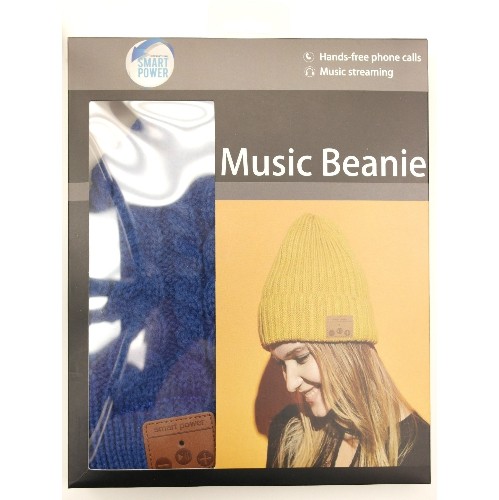 Your price for this item is $39.99
 -
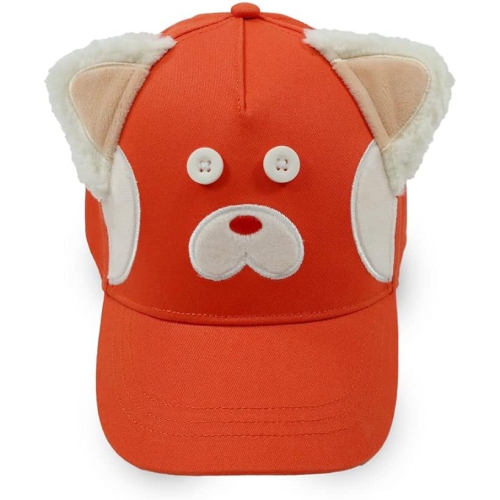 Your price for this item is $45.9
 -
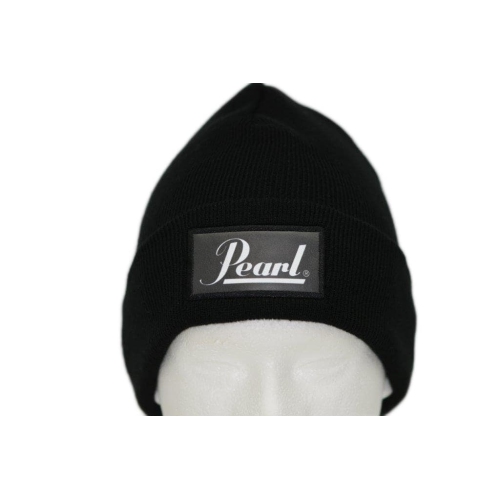 Your price for this item is $48
 -
 Your price for this item is $29.99
 -
 Your price for this item is $22.87
 -
 Your price for this item is $5.05
 -
 Your price for this item is $111.15
 -
 Your price for this item is $49.99
Discover more categories related to Working Hats

Top Collections:
Pokemon Centers, Kindle Devices, Best Budget Office Chairs, Apple iPhones 16, Canon G7X Cameras, iPhone 15 Apple, Alarm Clock, Refurbished Apple Laptops, Flip Phones, Best Laptops for Writers
Some products may be subject to Environmental Handling Fees
(EHF) depending on your province.
Learn more about EHFs.