Baby Hats
Keep your little one cozy and stylish with our adorable collection of baby hats. From cute beanies to snug knitted caps, we have the perfect headwear to protect your baby's delicate skin and keep them looking oh-so-cute. Whether you're heading out for a stroll in the park or simply want to add a charming touch to their outfit, our range of baby hats offers both comfort and style for your bundle of joy. Browse through our selection and find the ideal hat to complete your baby's ensemble.
Sort



Why soft fabric is only part of comfort
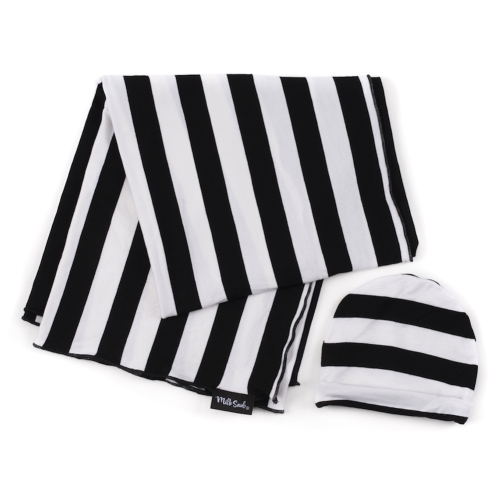
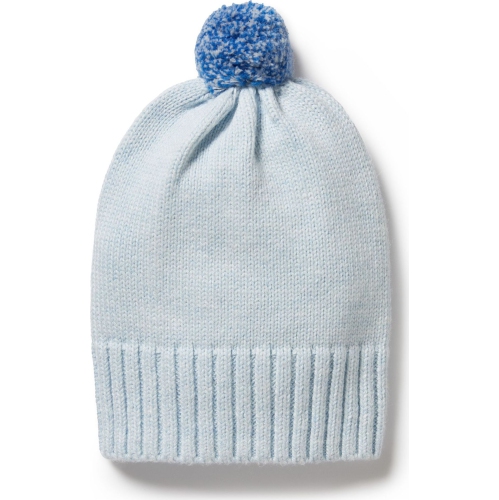
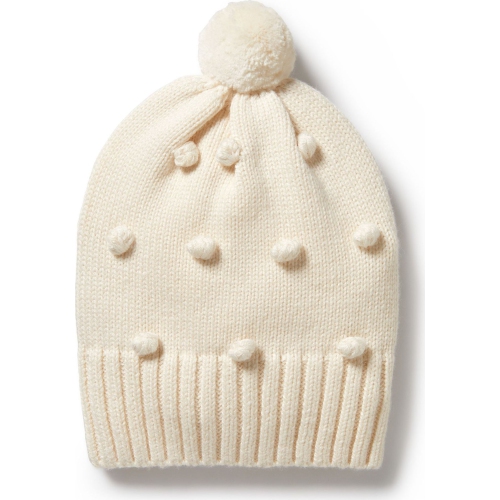
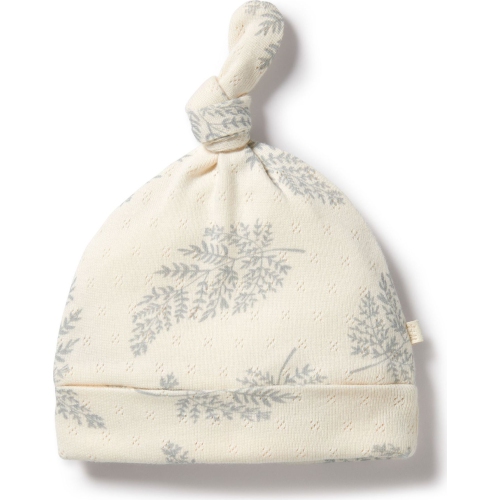
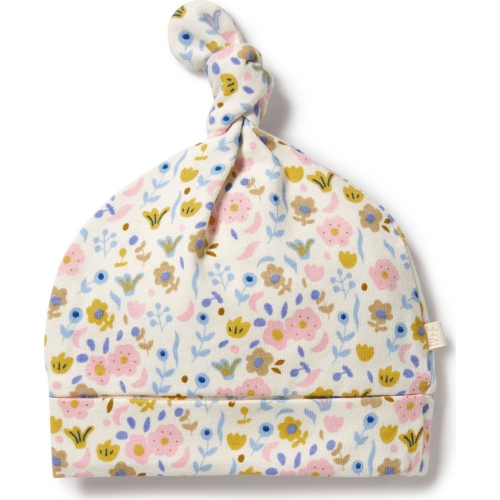
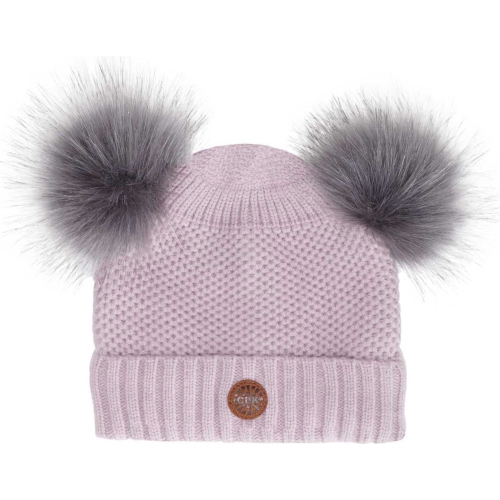
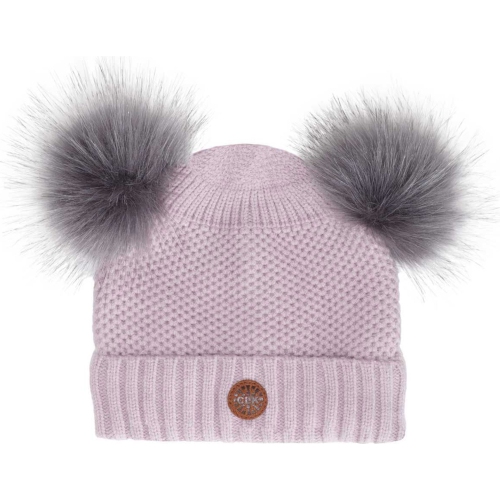
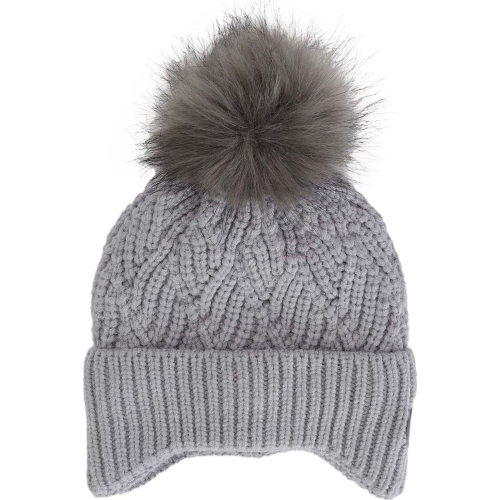
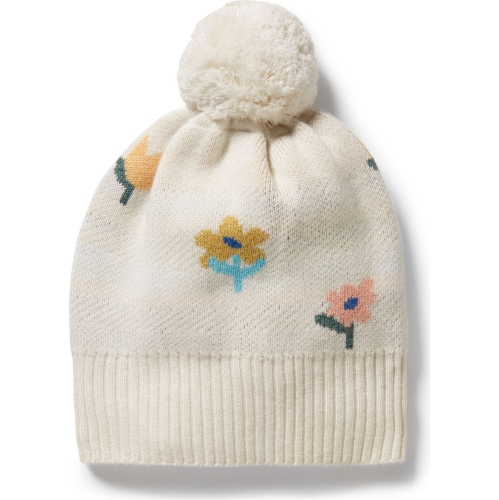
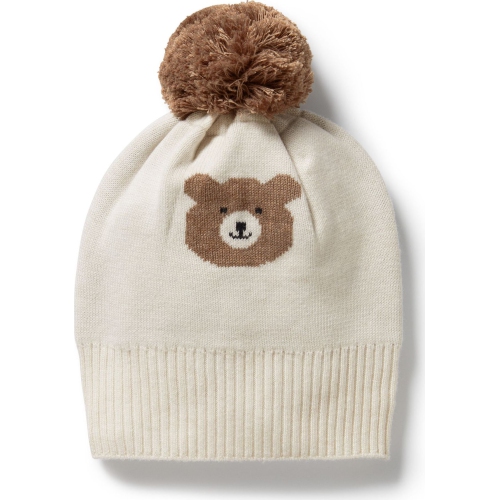
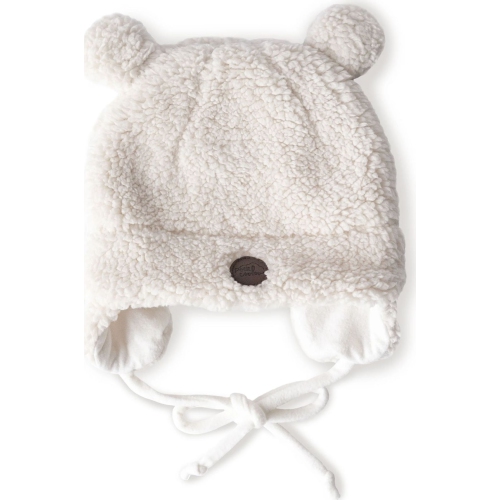
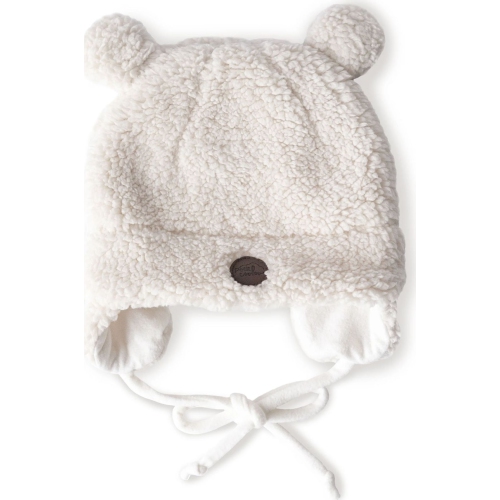
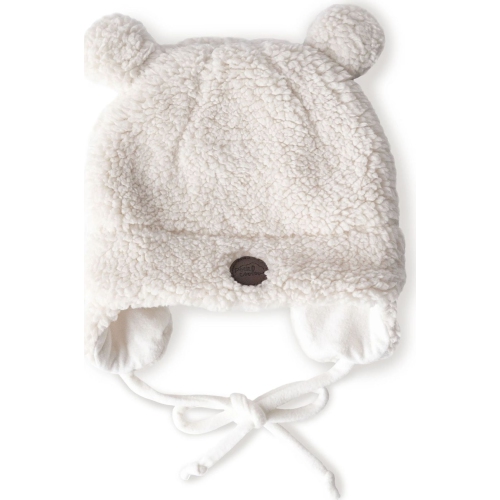
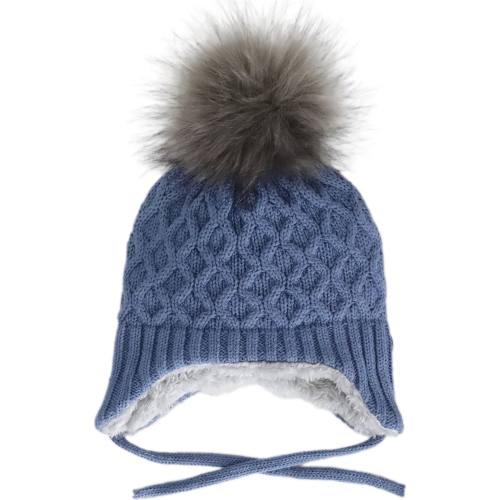
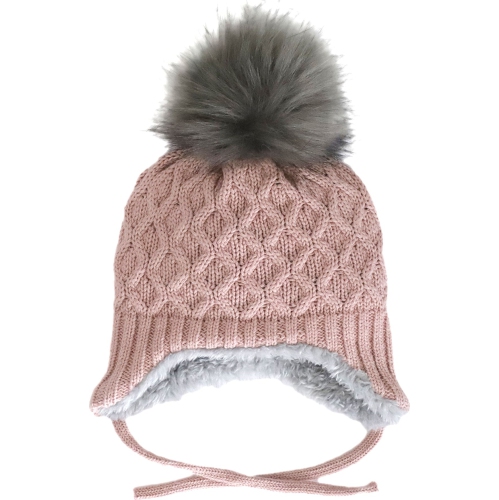
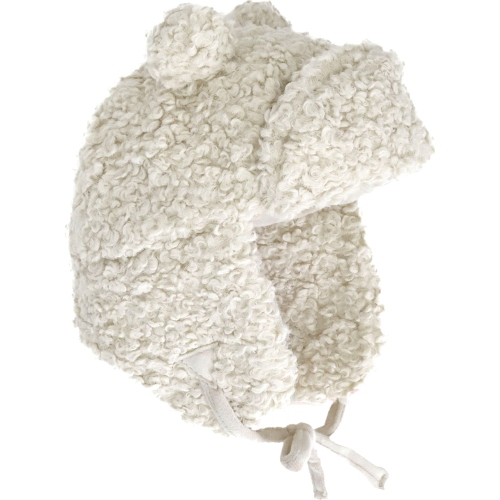
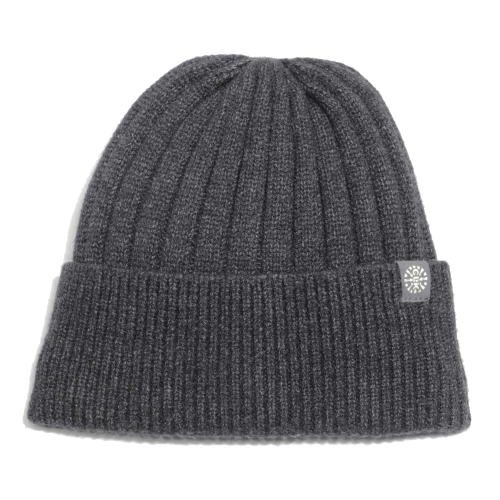
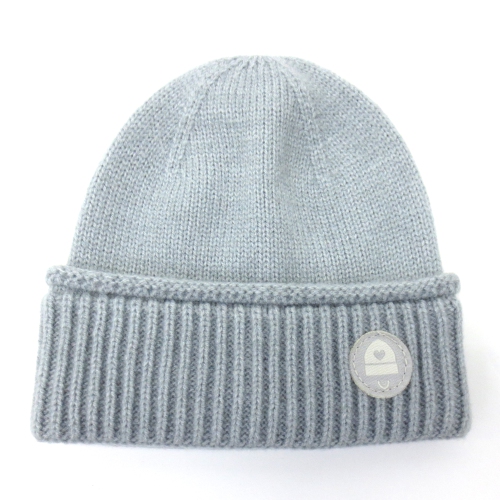
Baby hats are small wardrobe pieces with a practical purpose: a comfortable covering for a baby’s head during supervised outings, family visits, and other activities where a hat is appropriate. The category includes close-fitting caps, stretchy beanies, shaped bonnets, and brimmed hats, with different constructions suited to different uses. A newborn cap usually has a simple shape and a soft edge, while a hat for an older infant may have a deeper crown to accommodate a growing head. Fabric makes a noticeable difference to how each style feels. Cotton jersey has the familiar softness of a well-loved bodysuit, with a little give that helps the fabric sit smoothly against the head. Interlock cotton has a more substantial feel, while ribbed knits stretch through their textured structure. For families looking for a straightforward fabric option, cotton newborn hats bring the focus to soft caps sized for the earliest stage of infancy. Fibre content and fabric construction both matter: two cotton hats can feel quite different if one is a thin jersey and the other is a dense knit. Blended fabrics may add stretch or help a hat retain its shape, while a lining can change the feel of wool or textured yarn against the skin. A smooth interior, flat seams, and a flexible opening are especially useful details for a baby who spends much of an outing resting against a caregiver’s arm. Labels, seam allowances, and embroidery backing deserve as much attention as the outside of the hat, since these are the surfaces that may touch the scalp. Simple designs can also make dressing less fiddly. A cap that opens easily and slips on without excessive stretching is more convenient when a baby is wriggling, and a brim that holds its shape without feeling rigid can be easier to position. Colours and patterns add personality, but the fabric, finish, and overall shape do most of the work when it comes to comfort.
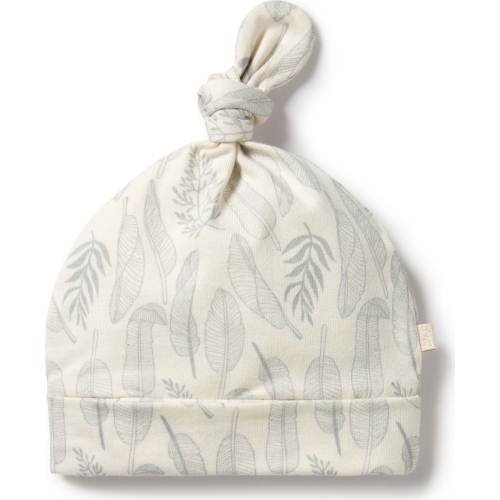
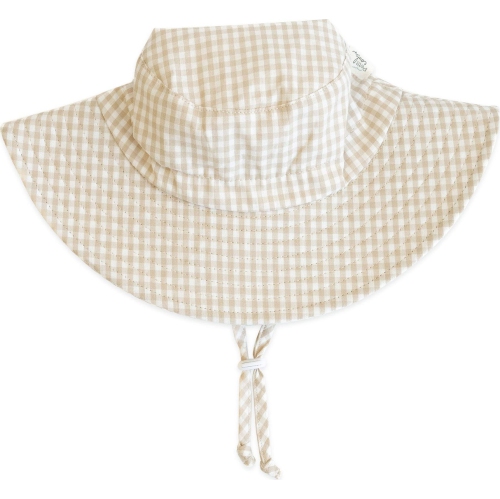
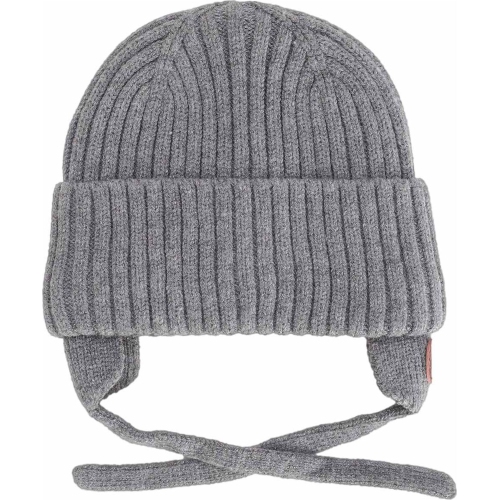
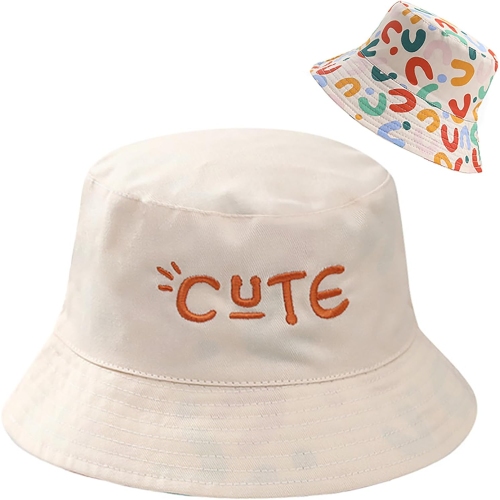
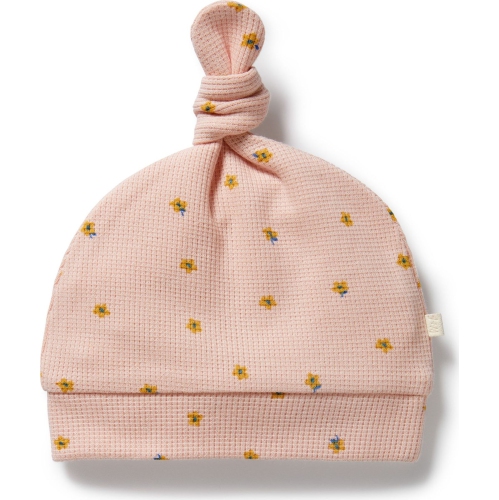
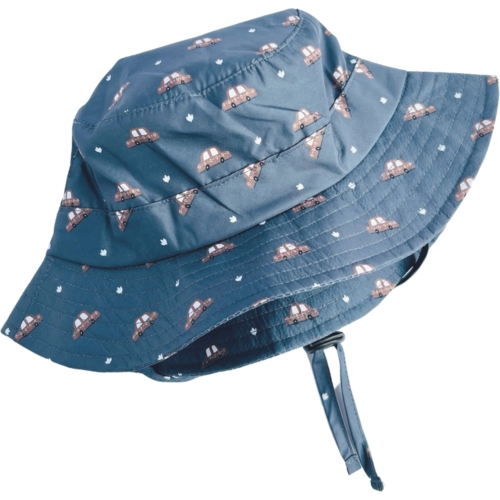
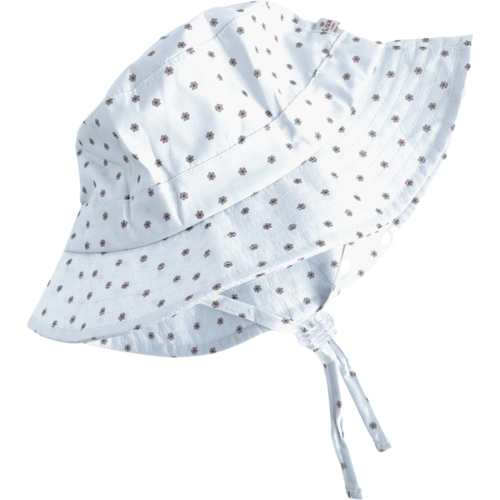
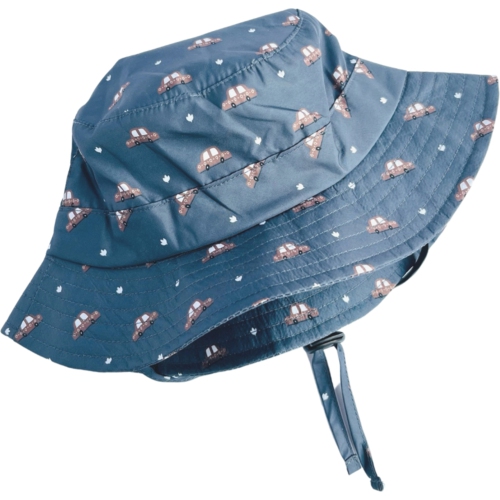
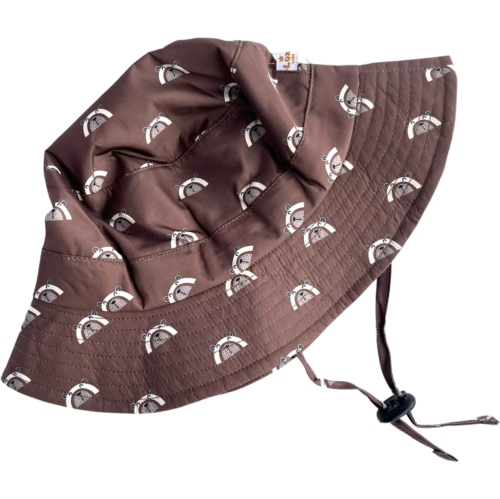
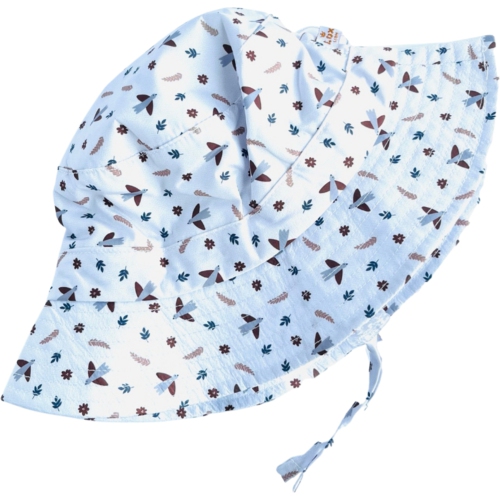
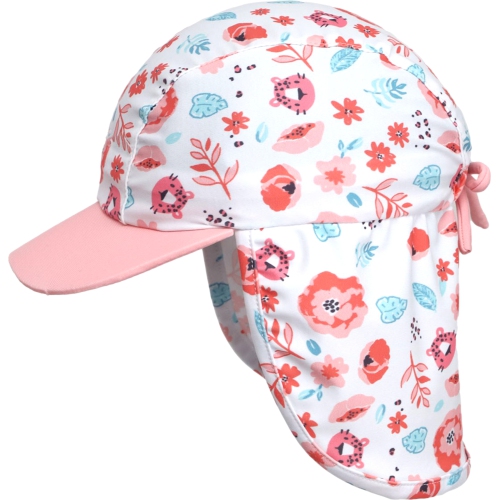
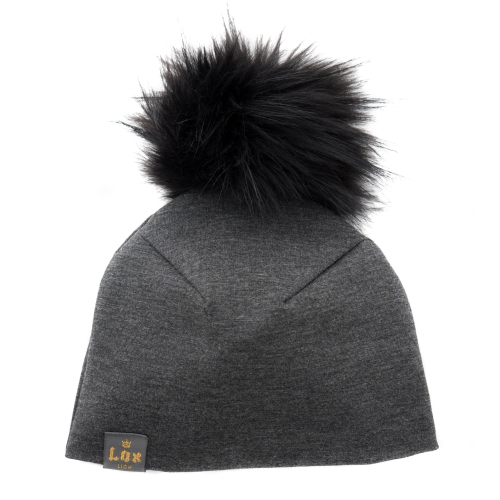
Fit is one of the most important differences between a hat that stays comfortably in place and one that needs constant adjustment. Baby hat sizes may be expressed as newborn, infant, an age range, or a head circumference, but age labels are only a starting point. Babies of the same age can have different head measurements, and sizing can vary between manufacturers. A soft measuring tape placed around the widest part of the head, above the eyebrows and ears, provides a useful measurement to compare with the relevant size chart. The tape should sit comfortably rather than pull tight. A well-fitting hat rests securely without leaving pressure marks, rolling tightly at the edge, or sliding down over the eyes. Extra room is not always an advantage: a hat bought much too large can shift over the face, while a stretched-to-fit cap may press around the forehead. Crown depth matters as well as circumference, particularly with folded cuffs and close-fitting beanies. A fold can change how low the hat sits, but it does not replace choosing the correct size. Knotted styles offer a distinctive silhouette, although a knot at the top should not be assumed to make the opening adjustable unless the design specifically allows it. Intended use helps distinguish other shapes. A brimmed baby hat can provide shade for the face, ears, and neck, depending on its coverage, but it does not replace shade or other age-appropriate sun protection. Any ultraviolet protection factor claim should come from the product’s stated rating rather than an assumption based on colour or thickness. Long ties, loose loops, and detachable embellishments need particular caution because of entanglement or choking hazards. A simple, secure construction is preferable to details a baby can pull loose. Hats should be removed for indoor sleep, with the baby’s head and face left uncovered; a hat is not a sleep accessory. During wear, regular checks help confirm that the fabric has not shifted and that the baby remains comfortable.
Care requirements become especially relevant when a hat is part of a frequently used baby wardrobe. Milk dribbles, spit-up, and contact with hands mean that an accessory worn on the head can still need regular washing. Machine-washable fabrics can simplify the routine, but the care label remains the best reference for washing and drying because knit structures, linings, trims, and fibre blends respond differently. Cotton may shrink if treated with more heat than the label allows, and some knits need reshaping while damp or drying flat to avoid stretching. A hat that feels soft before washing should also retain a comfortable opening and smooth interior afterwards. Washing before first wear, according to the care instructions, can help remove residues from handling. Thorough rinsing and complete drying are useful habits, especially where a folded cuff or double layer holds moisture longer than the rest of the fabric. Durability is often visible in small construction details: securely finished seams, an edge that springs back gently, and fabric that does not quickly become thin or distorted. Routine checks for loose threads, damaged stitching, and separating trims help keep a well-used hat suitable for wear. For parents and caregivers, having a clean spare in a changing bag can be useful after an unexpected mess, while keeping sizes organized makes it easier to notice when a familiar cap has become too snug. Baby hats also make thoughtful gifts for a baby shower or a new arrival, particularly when the recipient’s preferred fabrics and care routine are known. A clearly labelled size and uncomplicated washing instructions can be more helpful than an elaborate presentation. Matching a hat to the colours of a bodysuit or blanket creates a coordinated look without requiring every piece to share the same pattern. For family photographs, a neat cuff, subtle texture, or small woven motif can add interest without overwhelming a baby’s face. Whether chosen by a parent, grandparent, or friend, the most useful baby hat balances a gentle feel, an appropriate fit, straightforward care, and a shape suited to the way it will actually be worn.
Fit is one of the most important differences between a hat that stays comfortably in place and one that needs constant adjustment. Baby hat sizes may be expressed as newborn, infant, an age range, or a head circumference, but age labels are only a starting point. Babies of the same age can have different head measurements, and sizing can vary between manufacturers. A soft measuring tape placed around the widest part of the head, above the eyebrows and ears, provides a useful measurement to compare with the relevant size chart. The tape should sit comfortably rather than pull tight. A well-fitting hat rests securely without leaving pressure marks, rolling tightly at the edge, or sliding down over the eyes. Extra room is not always an advantage: a hat bought much too large can shift over the face, while a stretched-to-fit cap may press around the forehead. Crown depth matters as well as circumference, particularly with folded cuffs and close-fitting beanies. A fold can change how low the hat sits, but it does not replace choosing the correct size. Knotted styles offer a distinctive silhouette, although a knot at the top should not be assumed to make the opening adjustable unless the design specifically allows it. Intended use helps distinguish other shapes. A brimmed baby hat can provide shade for the face, ears, and neck, depending on its coverage, but it does not replace shade or other age-appropriate sun protection. Any ultraviolet protection factor claim should come from the product’s stated rating rather than an assumption based on colour or thickness. Long ties, loose loops, and detachable embellishments need particular caution because of entanglement or choking hazards. A simple, secure construction is preferable to details a baby can pull loose. Hats should be removed for indoor sleep, with the baby’s head and face left uncovered; a hat is not a sleep accessory. During wear, regular checks help confirm that the fabric has not shifted and that the baby remains comfortable.
Care requirements become especially relevant when a hat is part of a frequently used baby wardrobe. Milk dribbles, spit-up, and contact with hands mean that an accessory worn on the head can still need regular washing. Machine-washable fabrics can simplify the routine, but the care label remains the best reference for washing and drying because knit structures, linings, trims, and fibre blends respond differently. Cotton may shrink if treated with more heat than the label allows, and some knits need reshaping while damp or drying flat to avoid stretching. A hat that feels soft before washing should also retain a comfortable opening and smooth interior afterwards. Washing before first wear, according to the care instructions, can help remove residues from handling. Thorough rinsing and complete drying are useful habits, especially where a folded cuff or double layer holds moisture longer than the rest of the fabric. Durability is often visible in small construction details: securely finished seams, an edge that springs back gently, and fabric that does not quickly become thin or distorted. Routine checks for loose threads, damaged stitching, and separating trims help keep a well-used hat suitable for wear. For parents and caregivers, having a clean spare in a changing bag can be useful after an unexpected mess, while keeping sizes organized makes it easier to notice when a familiar cap has become too snug. Baby hats also make thoughtful gifts for a baby shower or a new arrival, particularly when the recipient’s preferred fabrics and care routine are known. A clearly labelled size and uncomplicated washing instructions can be more helpful than an elaborate presentation. Matching a hat to the colours of a bodysuit or blanket creates a coordinated look without requiring every piece to share the same pattern. For family photographs, a neat cuff, subtle texture, or small woven motif can add interest without overwhelming a baby’s face. Whether chosen by a parent, grandparent, or friend, the most useful baby hat balances a gentle feel, an appropriate fit, straightforward care, and a shape suited to the way it will actually be worn.
Top selling and popular products
-
 Your price for this item is $29.99
 -
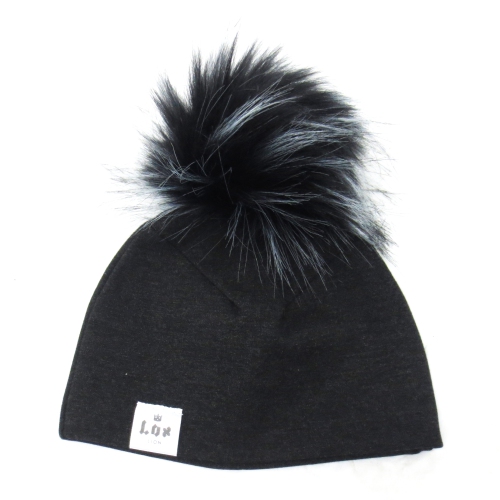 Your price for this item is $29.99
 -
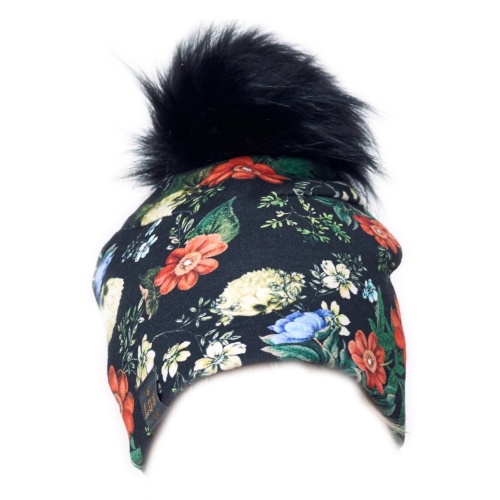 Your price for this item is $29.99
 -
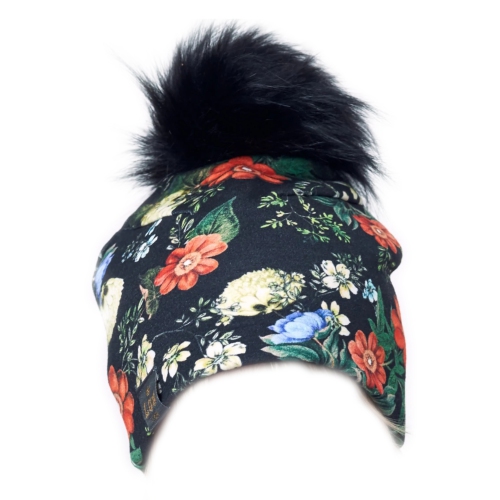 Your price for this item is $29.99
 -
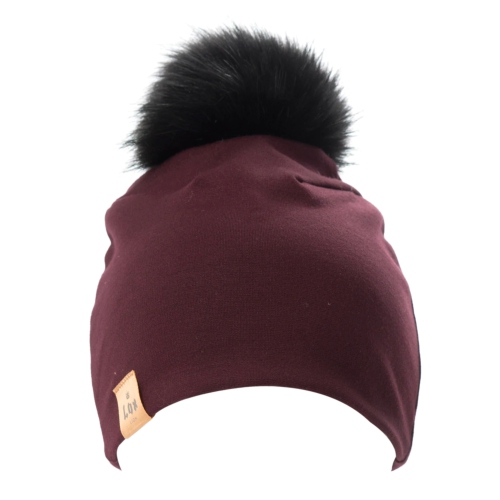 Your price for this item is $29.99
 -
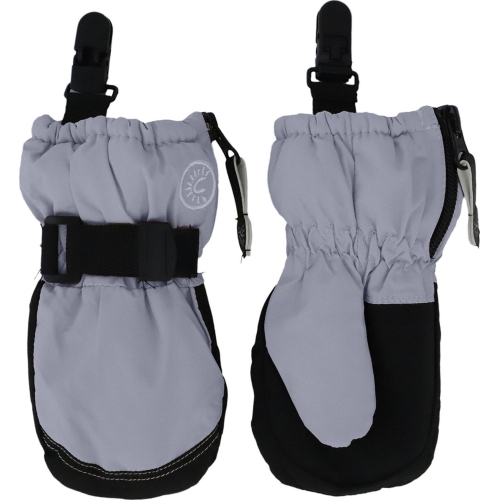 Your price for this item is $29.99
 -
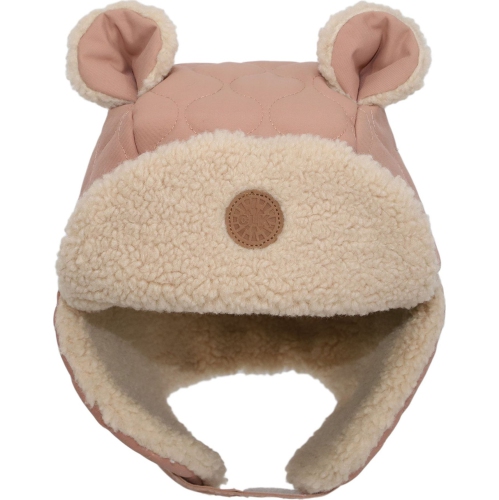 Your price for this item is $34.99
 -
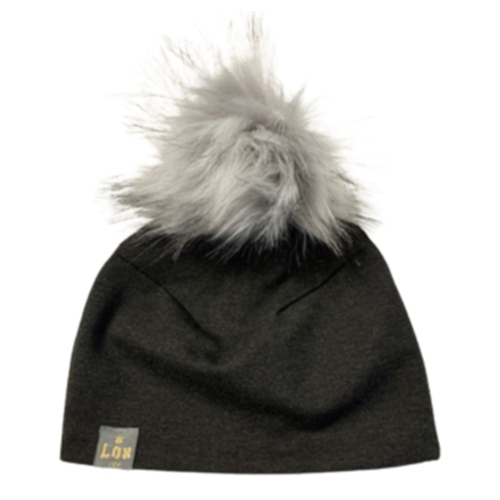 Your price for this item is $29.99
Discover more categories related to Baby Hats
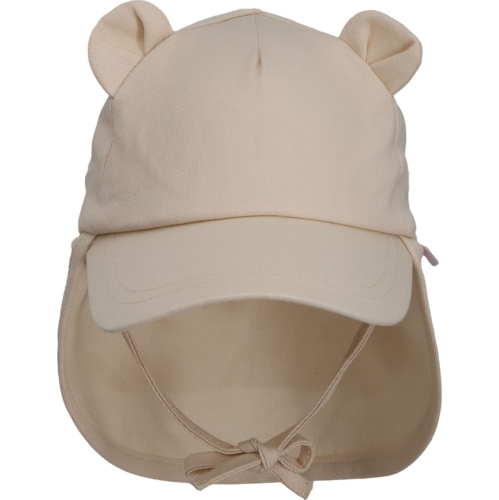
Top Collections:
Pokemon Centers, Kindle Devices, Best Budget Office Chairs, Apple iPhones 16, Best Laptops for Writers, iPhone 15 Apple, Canon G7X Cameras, Refurbished Apple Laptops, Alarm Clock, Motorola Razr Phones
Some products may be subject to Environmental Handling Fees
(EHF) depending on your province.
Learn more about EHFs.