Yard Shelters
Create a cozy and inviting outdoor space with our selection of yard shelters. Whether you're looking for a shady spot to relax on a sunny day or a sheltered area to host outdoor gatherings, we have a variety of options to suit your needs. From gazebos and pergolas to canopies and umbrellas, our yard shelters are designed to enhance your outdoor living experience while providing protection from the elements. Explore our collection today and transform your backyard into a comfortable oasis for all your outdoor activities.
Sort
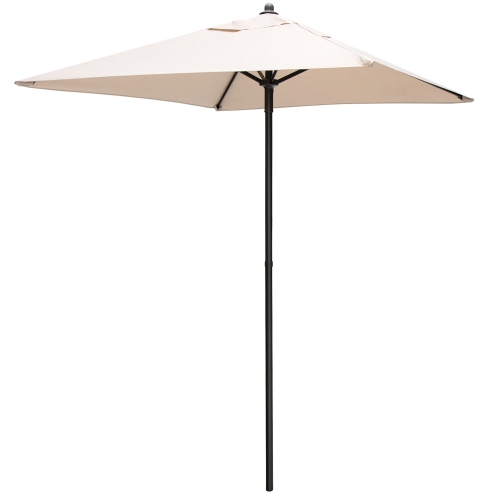
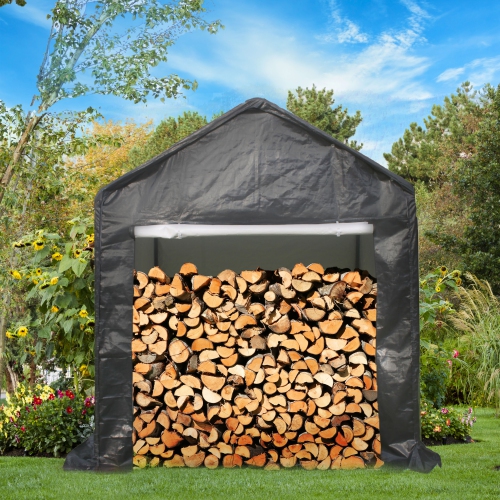
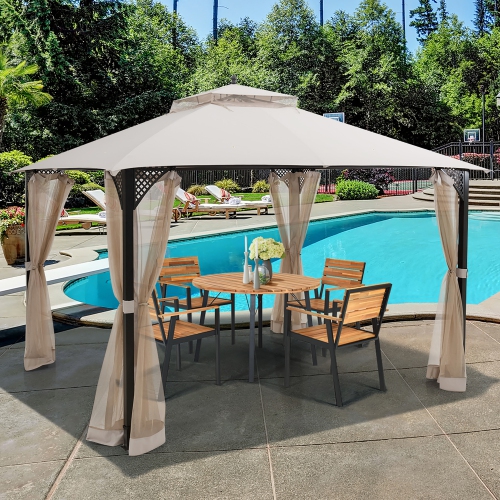
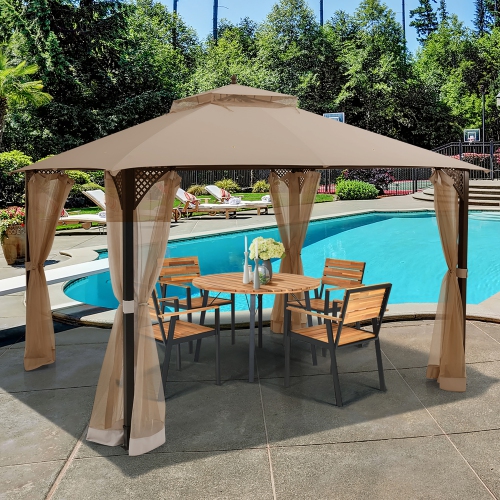
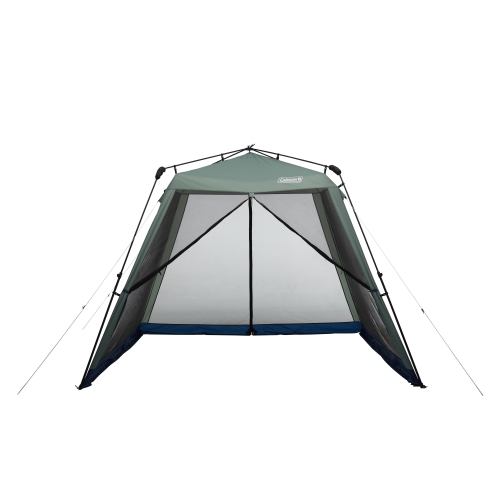
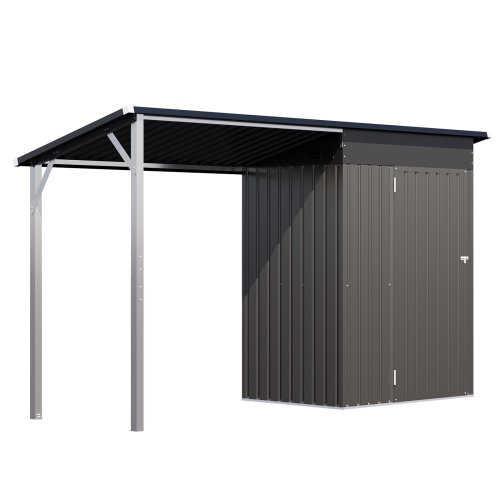
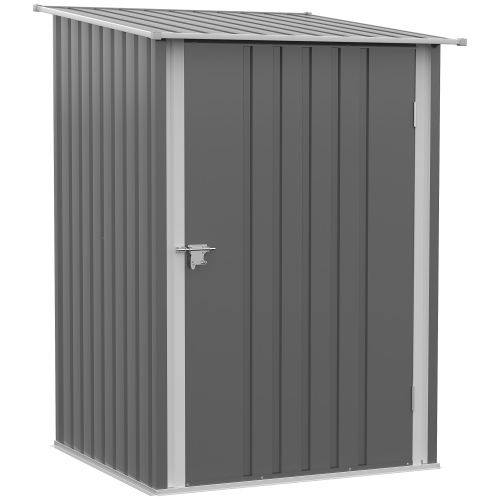
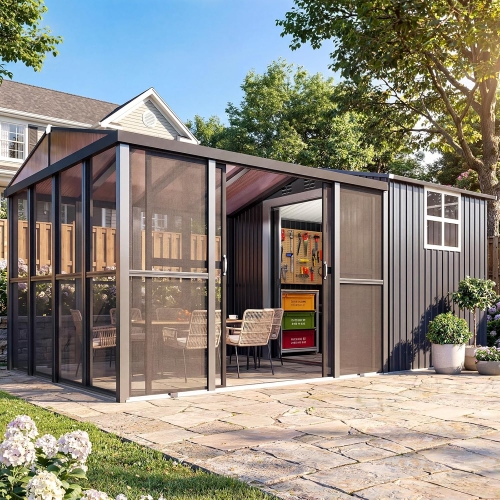

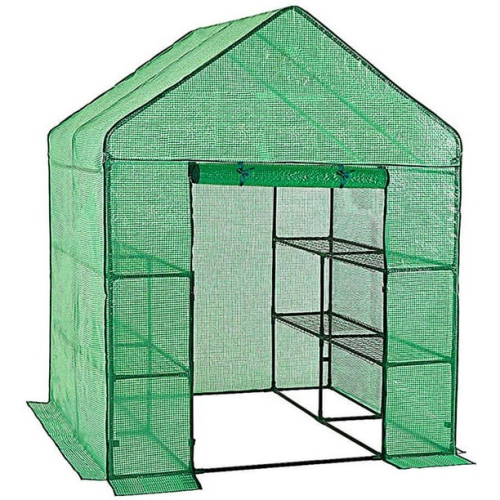
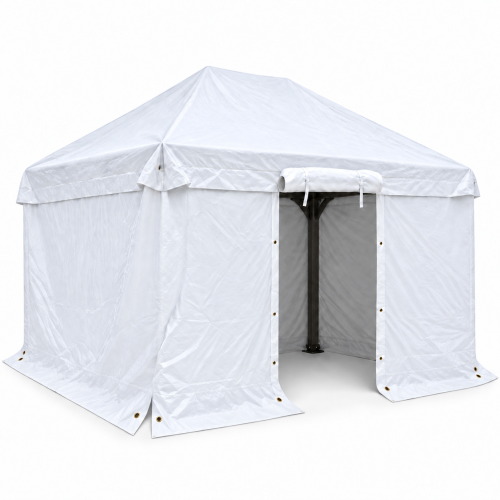
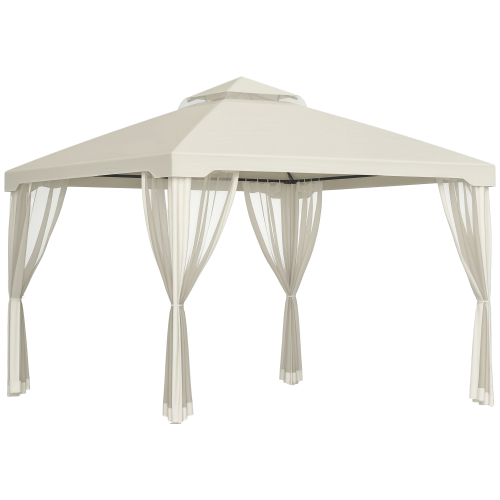
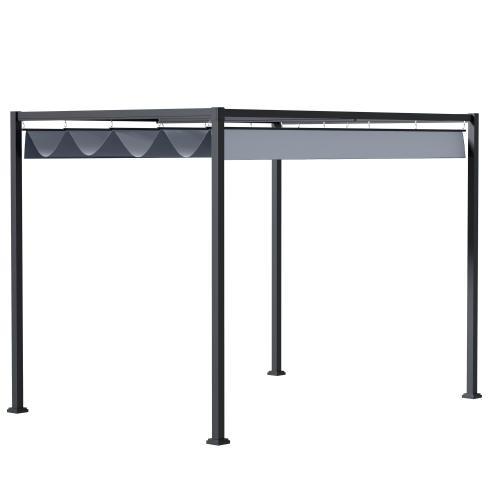
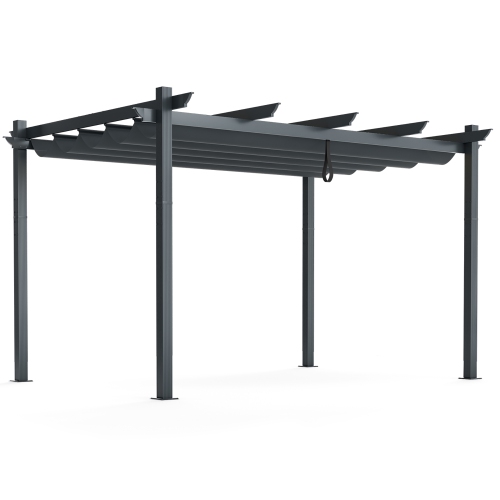
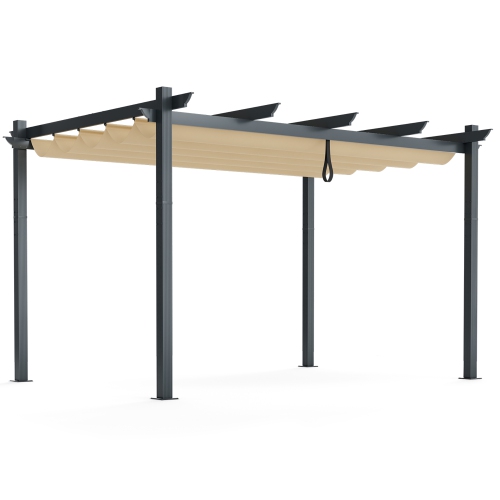
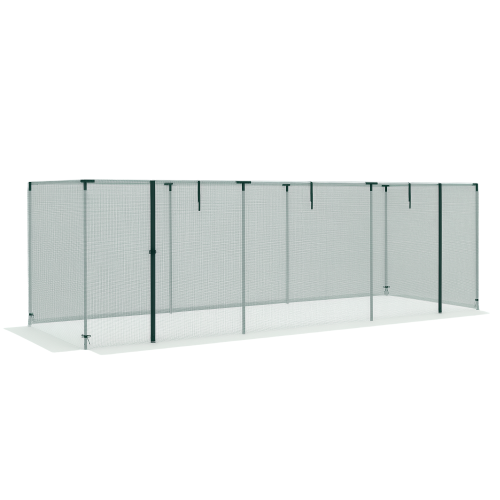
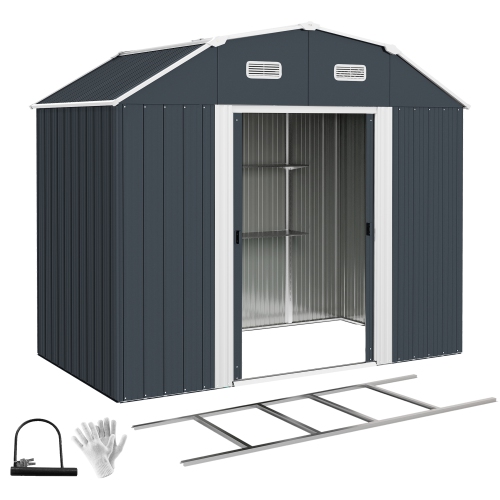
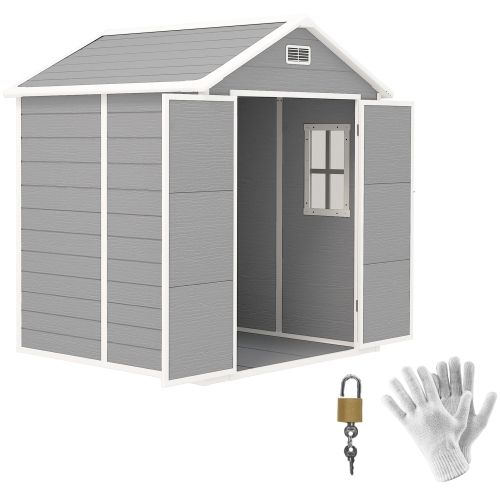
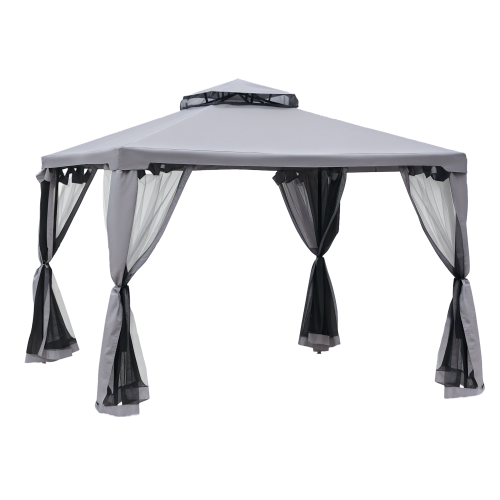

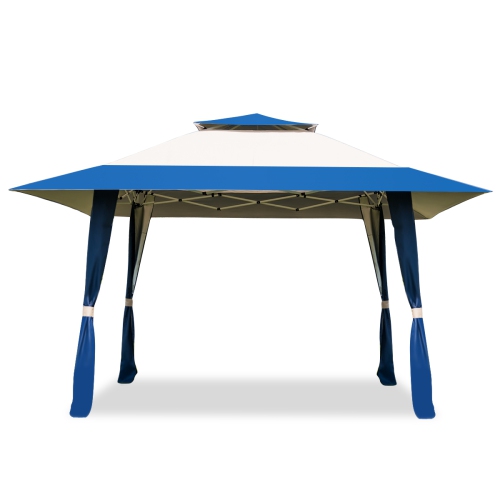
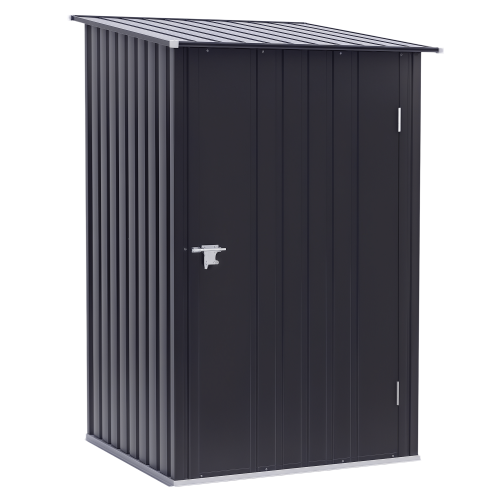
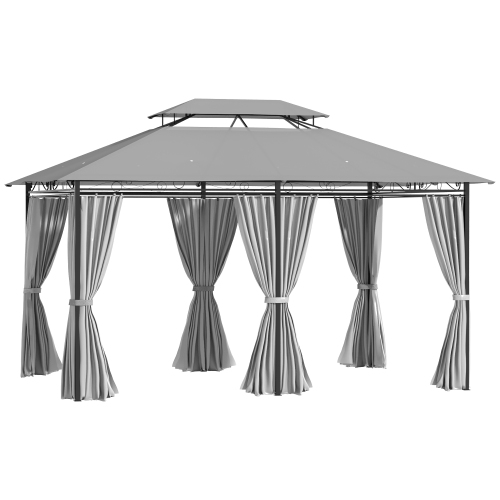
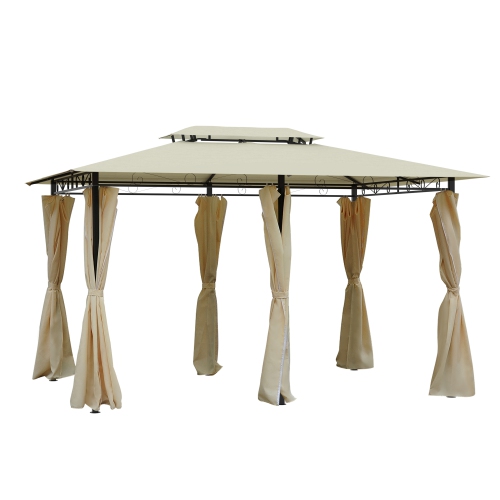
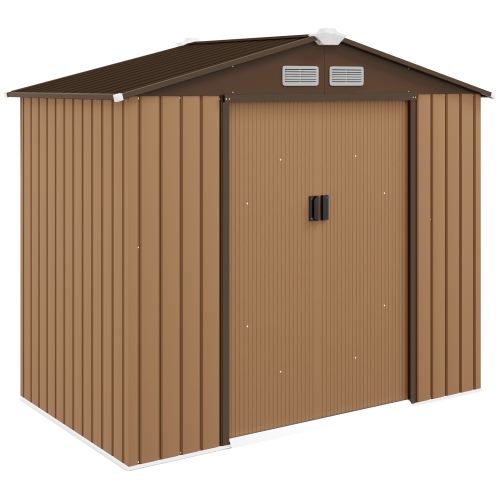
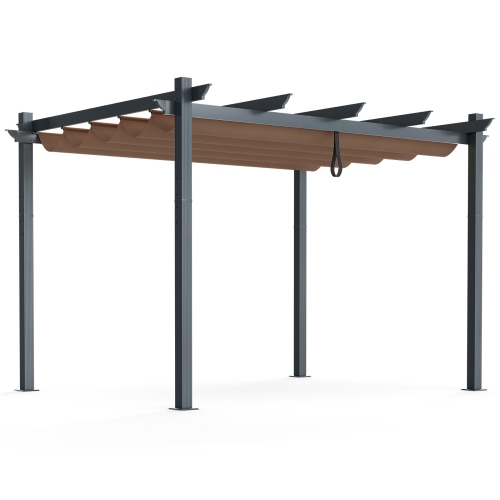
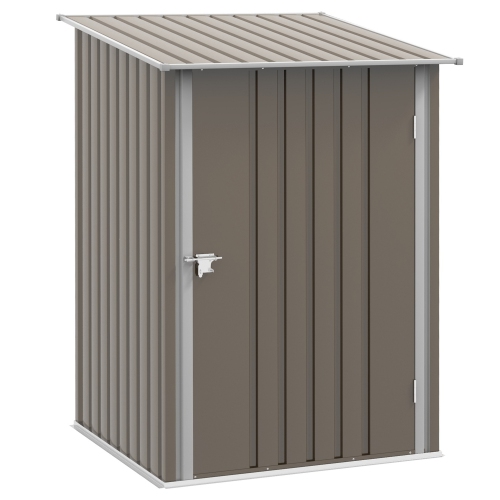
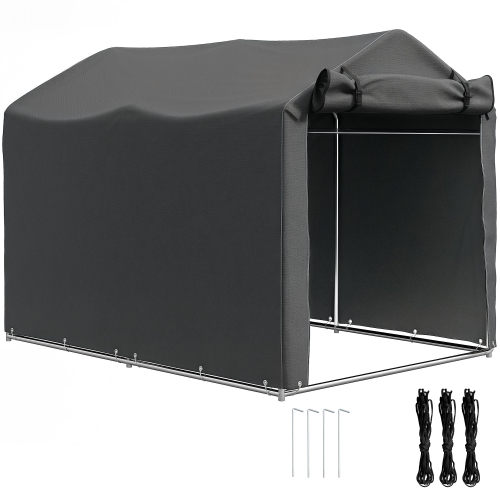
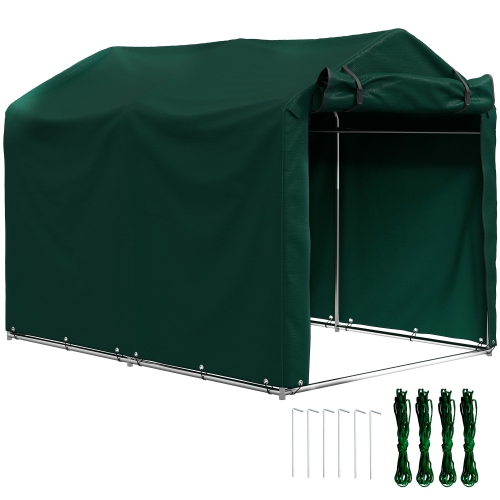
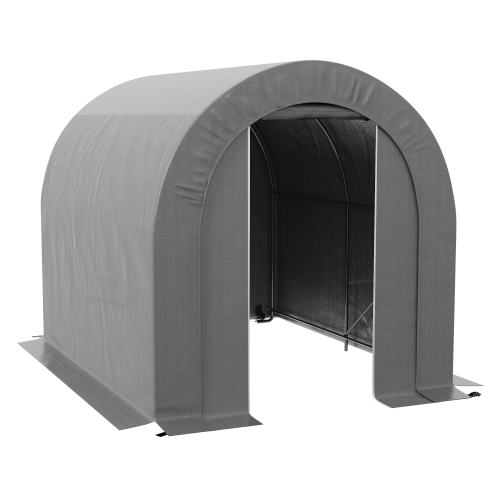
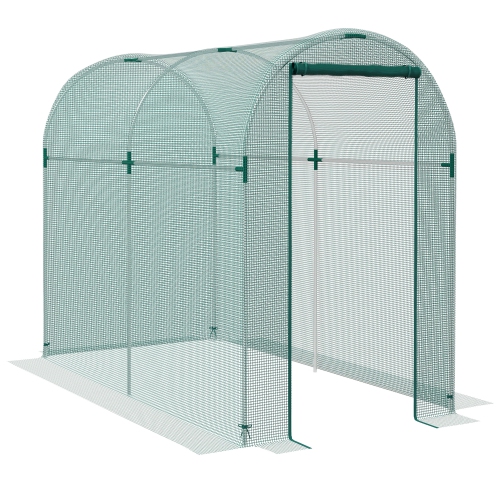
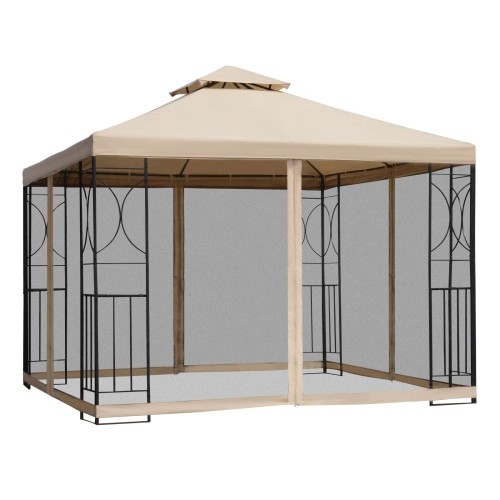
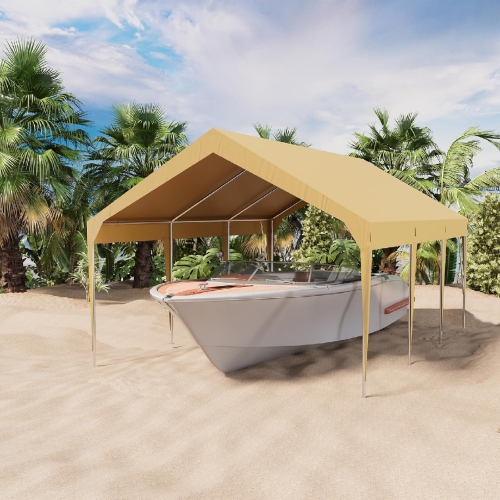
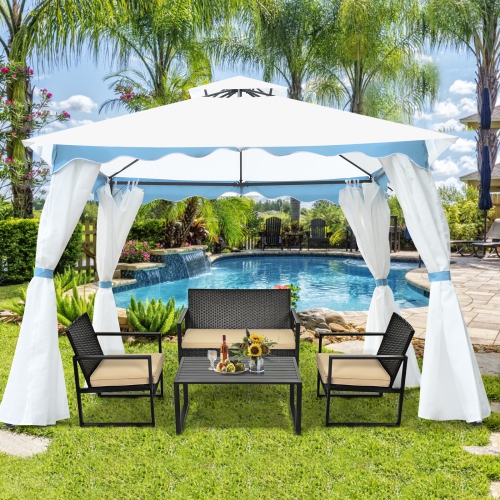
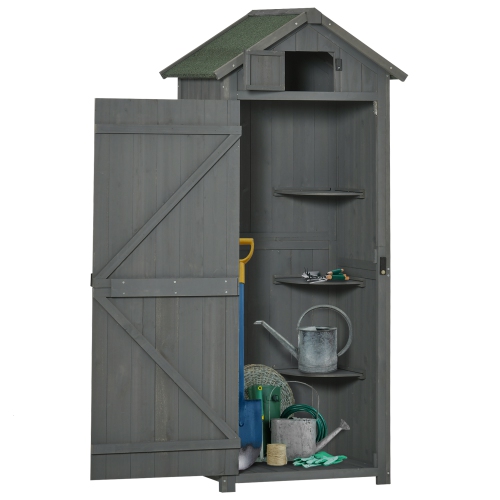
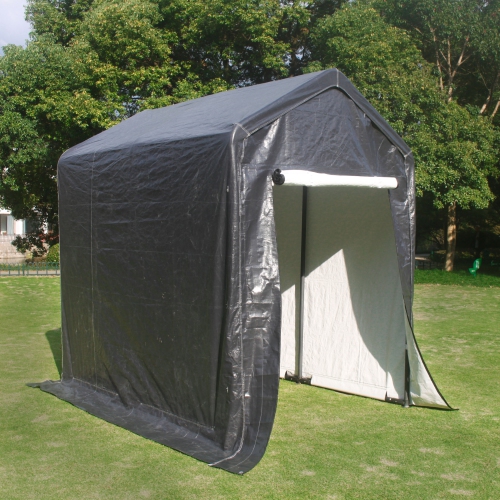
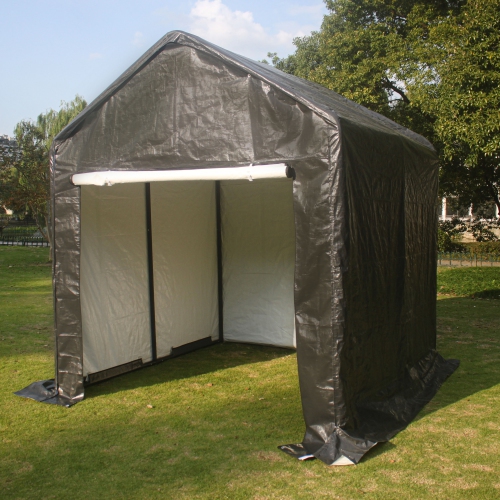
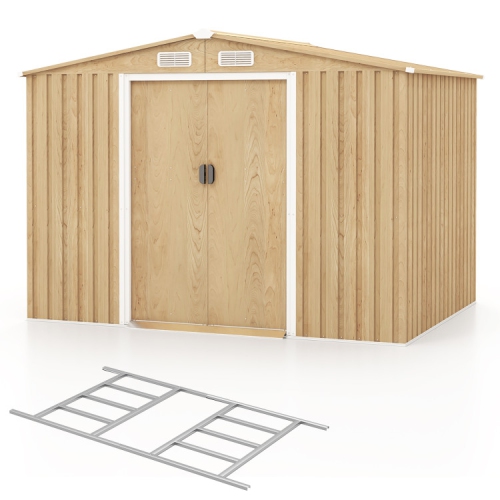
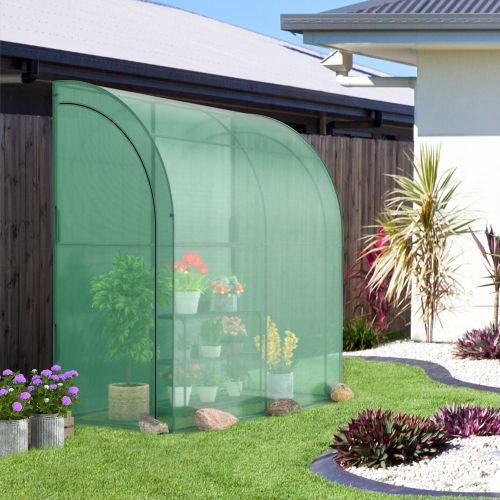
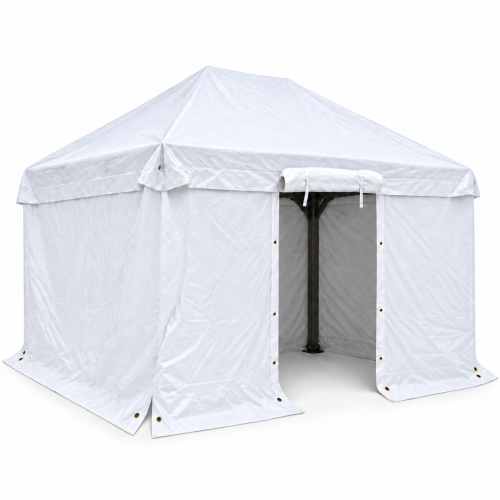
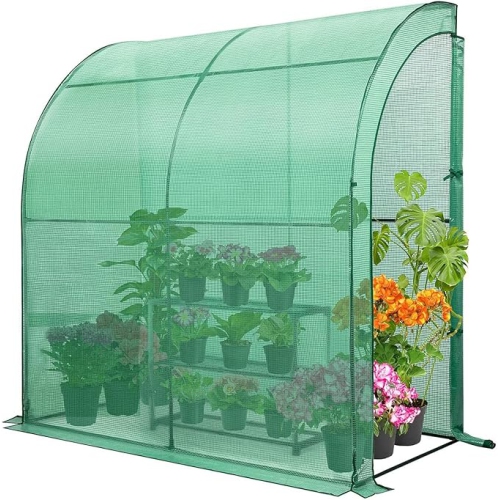
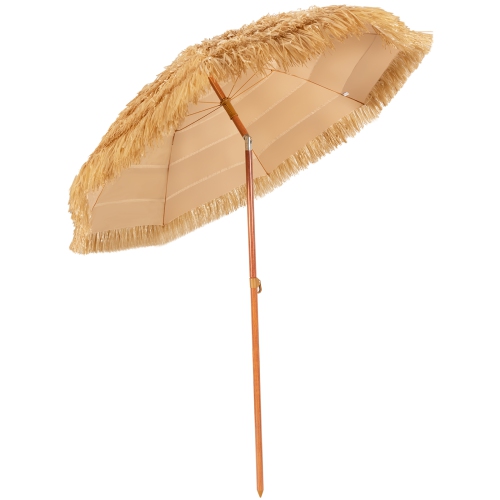






Practical shelter options for storage, shade, and entertaining
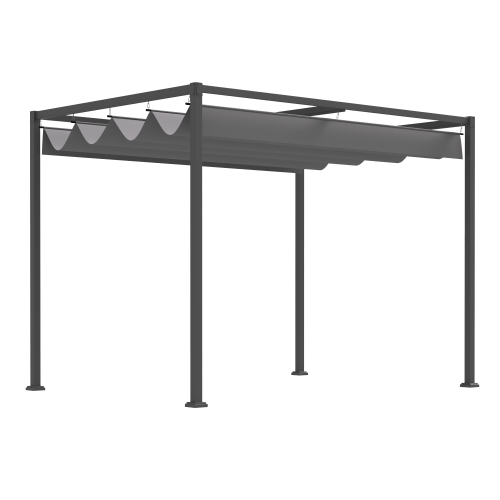
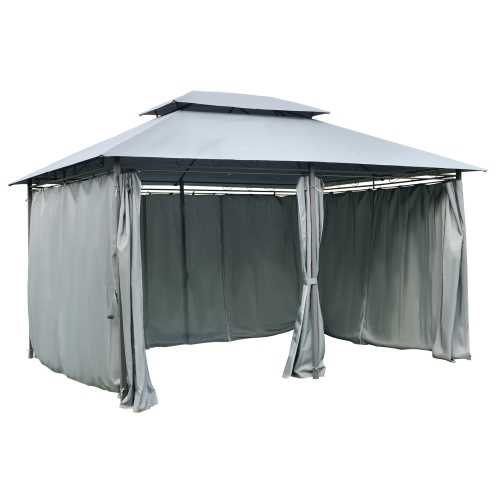
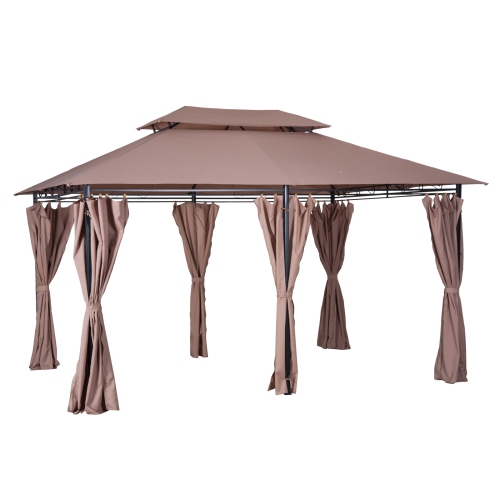
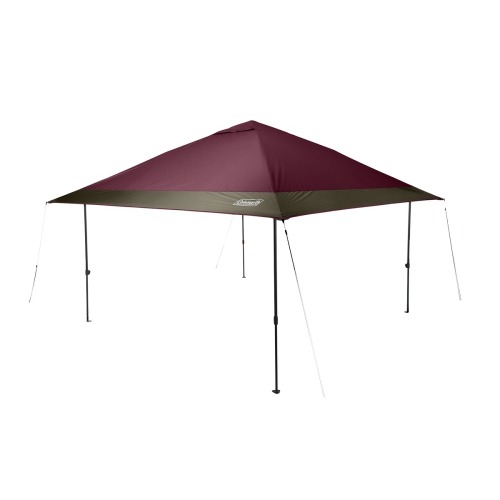
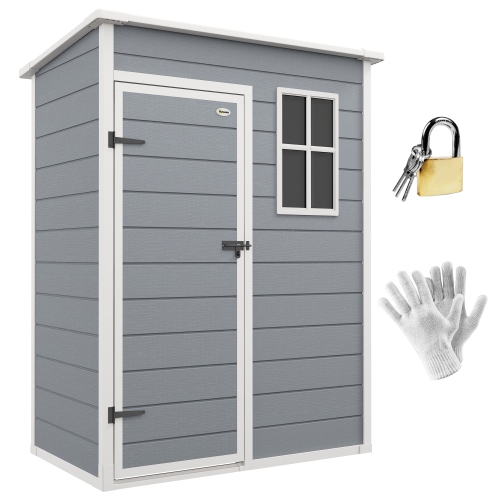
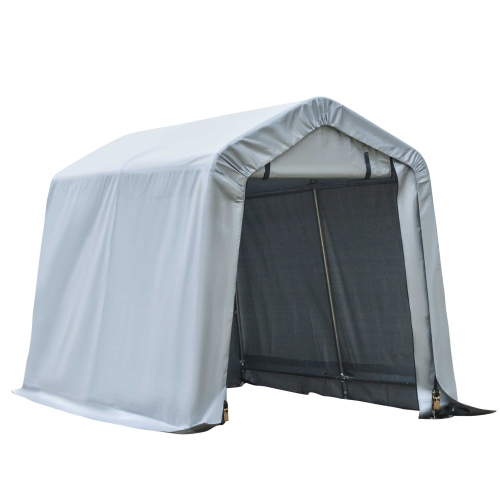
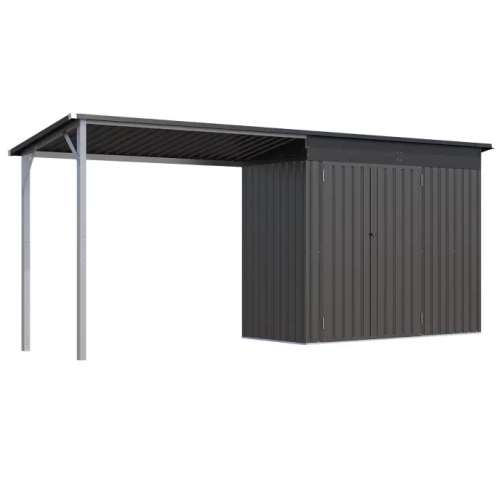
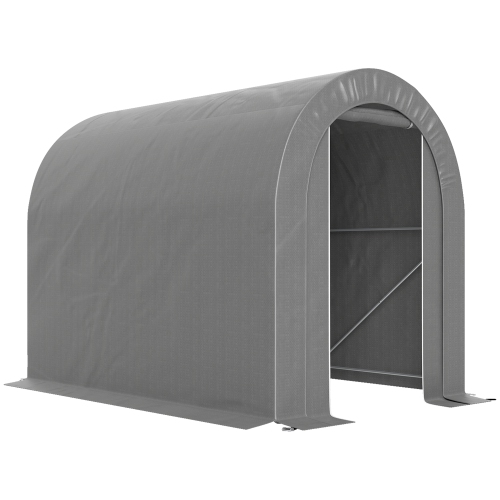
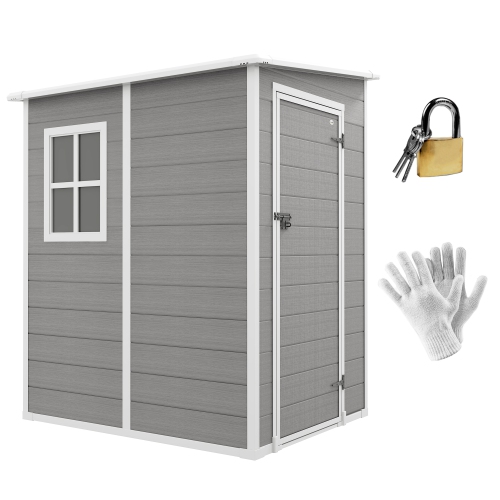
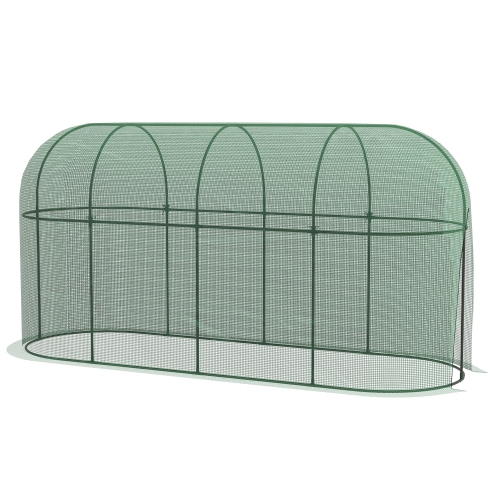
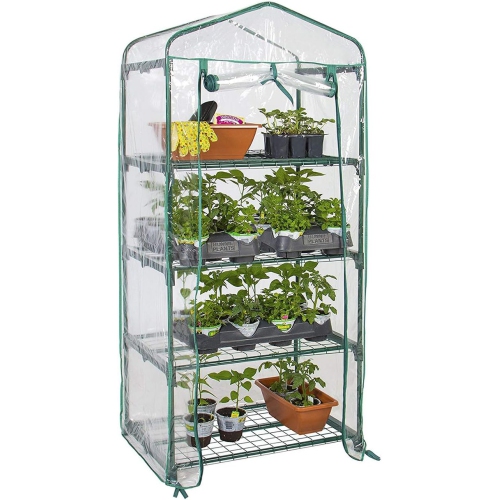
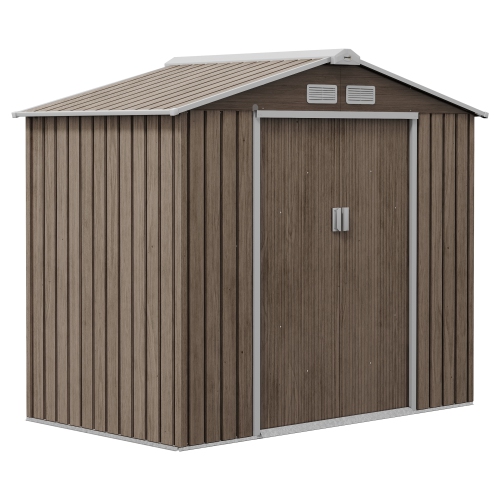
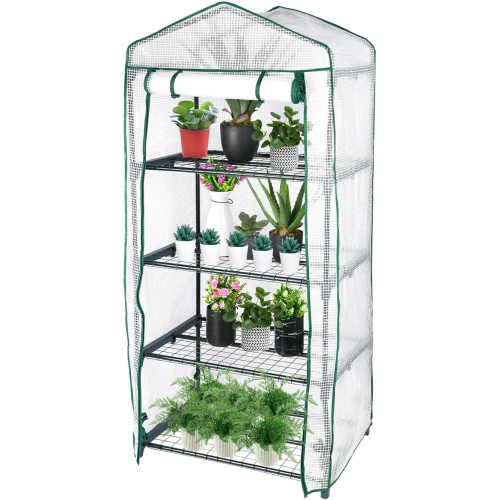
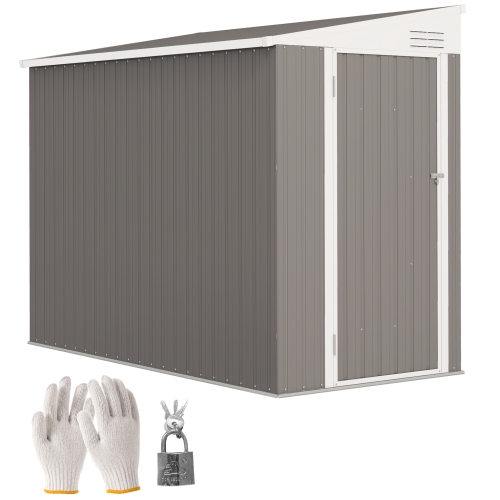
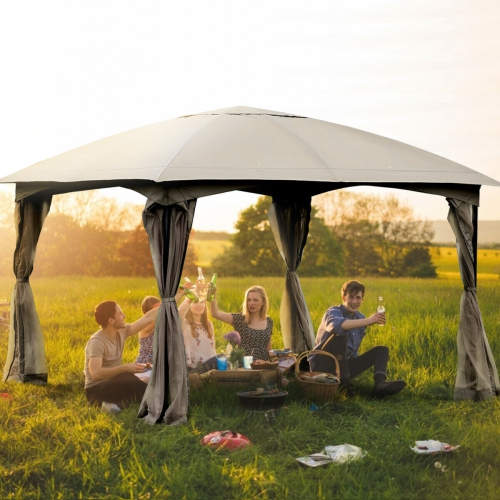
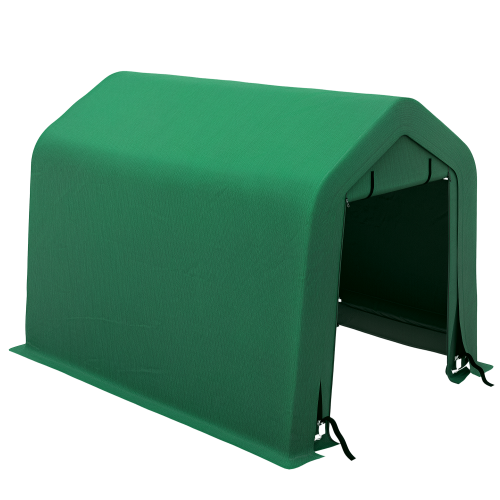
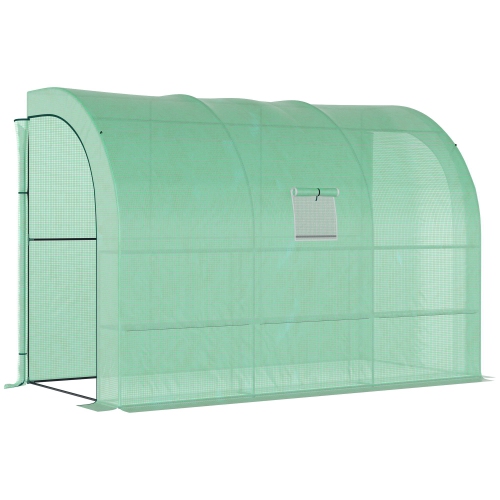
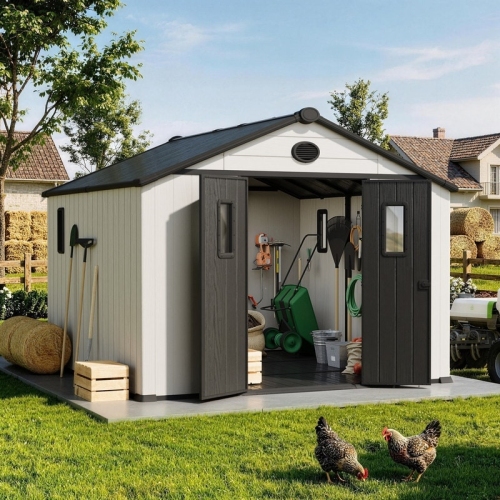
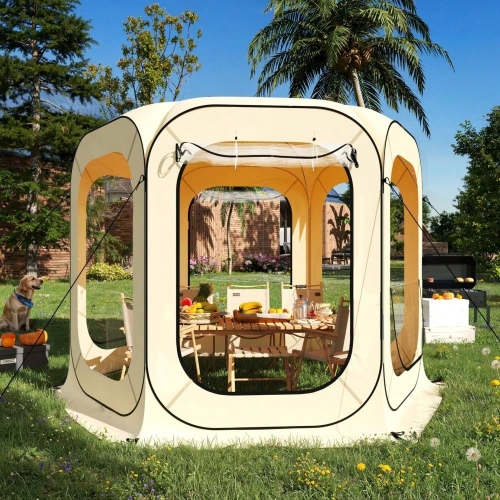
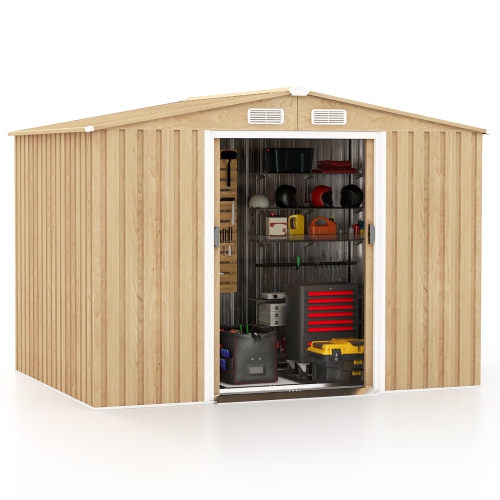
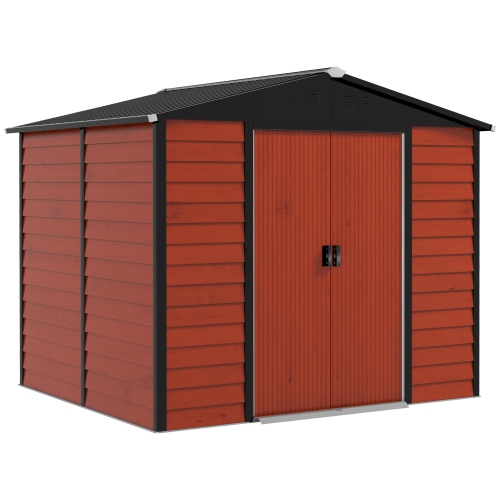
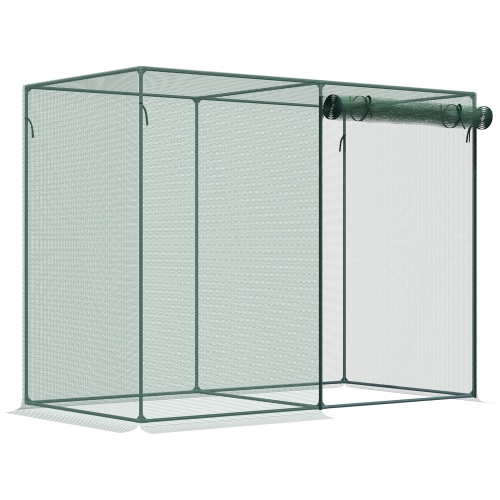
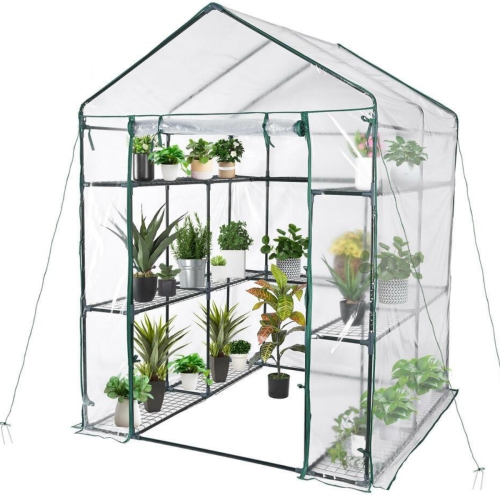
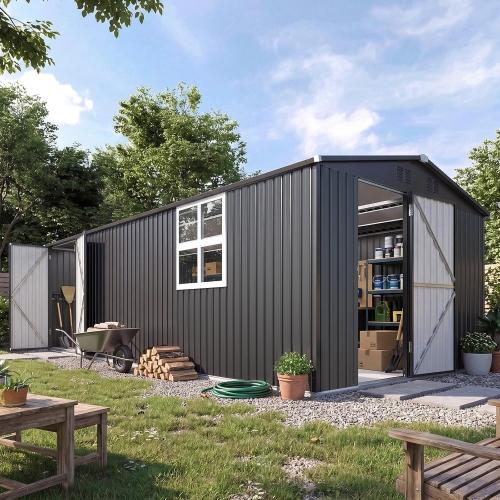
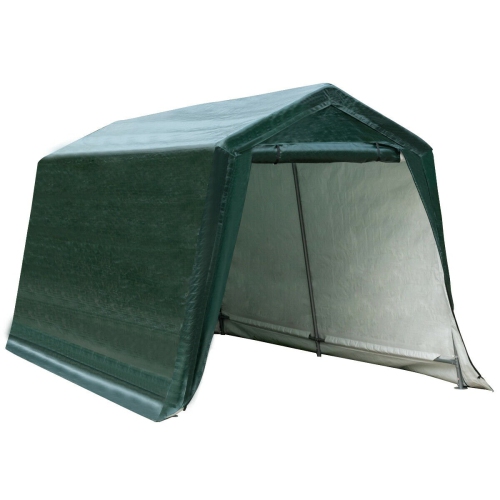
Yard shelters can add practical covered space to a backyard, patio, driveway, or garden area, whether the goal is protecting outdoor equipment or creating a more comfortable place to spend time outside. This category includes storage sheds, fabric storage shelters, pop-up canopies, and gazebo-style structures, so choosing the right option begins with identifying how the space will be used. A storage shed can keep lawn tools, bicycles, gardening supplies, sports equipment, and seasonal decorations organized and protected from rain, snow, and direct sun. A fabric shelter with a strong steel frame can provide a flexible enclosure for larger items such as a lawn tractor, firewood, patio furniture, or bins that do not fit conveniently in the home. For outdoor dining, entertaining, or relaxing, a canopy or gazebo can create shade during bright afternoons and offer some protection from light rain and insects when fitted with sidewalls or screens. A family may use one as a comfortable base for backyard meals, while someone living in a townhome or condominium may appreciate a compact shelter for storing bicycles, tools, or outdoor accessories. These products can also make thoughtful gifts for new homeowners, avid gardeners, campers, or anyone preparing a backyard for more useful all-season living. As the weather moves through cooler conditions, a covered area can help keep outdoor belongings together and make time spent outside feel more inviting, provided the shelter is selected and installed for the local conditions.
Material, construction, size, and intended use all have a direct effect on how a yard shelter performs. Resin storage sheds are often chosen for their low-maintenance surfaces and resistance to rust, rot, and fading, making them suitable for storing items in areas exposed to rain or snow. Metal shelters, commonly made with galvanized steel panels or steel frames, offer a sturdy structure and can be a practical choice for tools, equipment, and other heavier belongings. Wood shelters bring a classic appearance and can often be painted or stained to coordinate with a home, fence, or garden, although they generally require more regular care to keep the exterior looking its best. Fabric shelters are useful when portability and quick assembly matter, but the cover, frame, tie-downs, and anchoring system should be checked carefully before purchase. Look for waterproof or water-resistant cover materials, reinforced seams, secure fasteners, and a frame designed for outdoor use. For canopies and gazebos, consider whether you want an open roof for simple shade, removable curtains for added flexibility, or mesh screening to help reduce mosquitoes and other insects. Measure the available area before selecting a shelter, allowing enough room for doors to open, people to walk around it, and snow or rain to drain away from the structure. Check the assembled height as well as the footprint, particularly when placing a shelter near a fence, balcony, eavestrough, or overhead branch. Storage needs also deserve careful thought: a narrow shed may suit hand tools and bicycles, while a wider structure may be necessary for a mower, bins, shelving, or stacked boxes. Shelves, hooks, ramps, windows, vents, and double doors can improve access and organization, but they may also affect the space required for installation. If the shelter will be placed on a deck or raised surface, browse Deck Shelters for options designed around that type of setting.
Before assembling a yard shelter, prepare a level, stable surface that can support the frame and anything stored inside. Depending on the size and style, this may include a compacted base, paving stones, a platform, or another manufacturer-approved foundation. Secure the shelter according to the included instructions, paying close attention to anchors, straps, stakes, bolts, and connection points. A shelter that is suitable for calm conditions may not be intended to remain assembled during strong wind, heavy snowfall, or severe weather, so review the care and removal recommendations before use. Canopies with removable fabric should be taken down or secured when conditions become unsuitable, while storage sheds and more permanent structures should have doors, roof panels, and anchoring hardware inspected regularly. Clear accumulated snow when the design and instructions permit it, and avoid placing fuel, propane, chemicals, or heat-producing equipment inside a shelter unless the structure is specifically rated and ventilated for that purpose. Good ventilation can help reduce trapped moisture, while keeping the floor raised or using sealed storage containers can help protect belongings from damp ground conditions. Think about access throughout the season as well: a path that remains clear of mud, ice, and pooled water will make it easier to reach tools or outdoor furniture when temperatures drop. With the right dimensions, materials, anchoring, and placement, a yard shelter can turn an underused corner of the property into orderly storage, a shaded gathering spot, or a dependable covered area for everyday outdoor routines.
Material, construction, size, and intended use all have a direct effect on how a yard shelter performs. Resin storage sheds are often chosen for their low-maintenance surfaces and resistance to rust, rot, and fading, making them suitable for storing items in areas exposed to rain or snow. Metal shelters, commonly made with galvanized steel panels or steel frames, offer a sturdy structure and can be a practical choice for tools, equipment, and other heavier belongings. Wood shelters bring a classic appearance and can often be painted or stained to coordinate with a home, fence, or garden, although they generally require more regular care to keep the exterior looking its best. Fabric shelters are useful when portability and quick assembly matter, but the cover, frame, tie-downs, and anchoring system should be checked carefully before purchase. Look for waterproof or water-resistant cover materials, reinforced seams, secure fasteners, and a frame designed for outdoor use. For canopies and gazebos, consider whether you want an open roof for simple shade, removable curtains for added flexibility, or mesh screening to help reduce mosquitoes and other insects. Measure the available area before selecting a shelter, allowing enough room for doors to open, people to walk around it, and snow or rain to drain away from the structure. Check the assembled height as well as the footprint, particularly when placing a shelter near a fence, balcony, eavestrough, or overhead branch. Storage needs also deserve careful thought: a narrow shed may suit hand tools and bicycles, while a wider structure may be necessary for a mower, bins, shelving, or stacked boxes. Shelves, hooks, ramps, windows, vents, and double doors can improve access and organization, but they may also affect the space required for installation. If the shelter will be placed on a deck or raised surface, browse Deck Shelters for options designed around that type of setting.
Before assembling a yard shelter, prepare a level, stable surface that can support the frame and anything stored inside. Depending on the size and style, this may include a compacted base, paving stones, a platform, or another manufacturer-approved foundation. Secure the shelter according to the included instructions, paying close attention to anchors, straps, stakes, bolts, and connection points. A shelter that is suitable for calm conditions may not be intended to remain assembled during strong wind, heavy snowfall, or severe weather, so review the care and removal recommendations before use. Canopies with removable fabric should be taken down or secured when conditions become unsuitable, while storage sheds and more permanent structures should have doors, roof panels, and anchoring hardware inspected regularly. Clear accumulated snow when the design and instructions permit it, and avoid placing fuel, propane, chemicals, or heat-producing equipment inside a shelter unless the structure is specifically rated and ventilated for that purpose. Good ventilation can help reduce trapped moisture, while keeping the floor raised or using sealed storage containers can help protect belongings from damp ground conditions. Think about access throughout the season as well: a path that remains clear of mud, ice, and pooled water will make it easier to reach tools or outdoor furniture when temperatures drop. With the right dimensions, materials, anchoring, and placement, a yard shelter can turn an underused corner of the property into orderly storage, a shaded gathering spot, or a dependable covered area for everyday outdoor routines.
Top selling and popular products
-
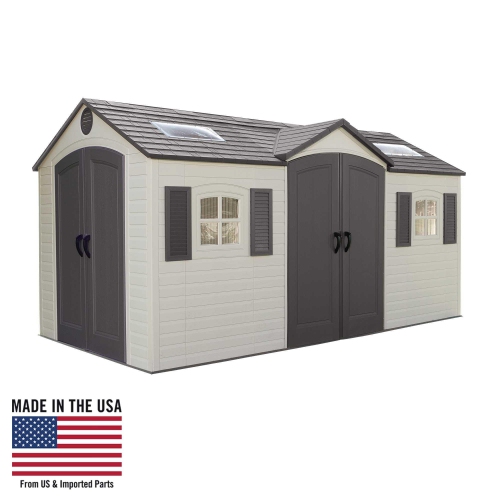 Your price for this item is $4399.99
 -
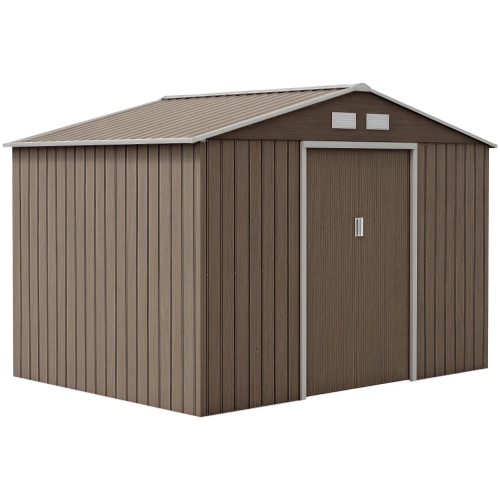 Your price for this item is $554.99
 -
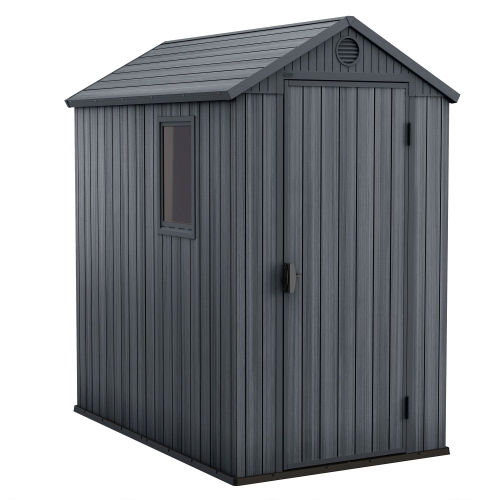 Your price for this item is $1203.99
 -
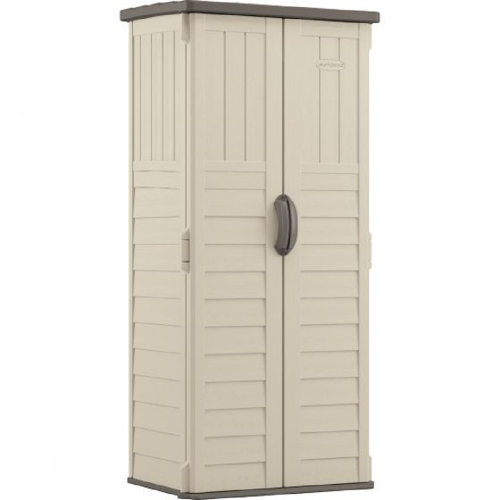 Your price for this item is $385.99
 -
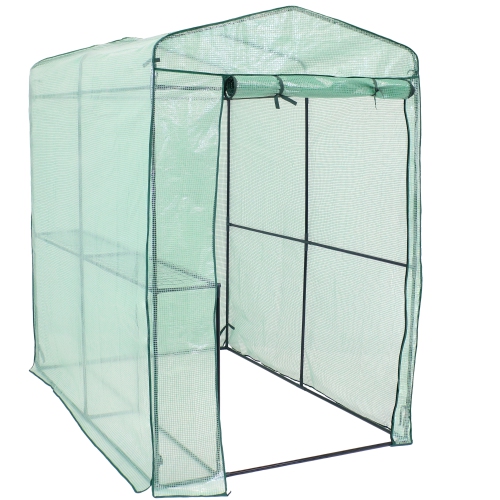 Your price for this item is $113.35
 -
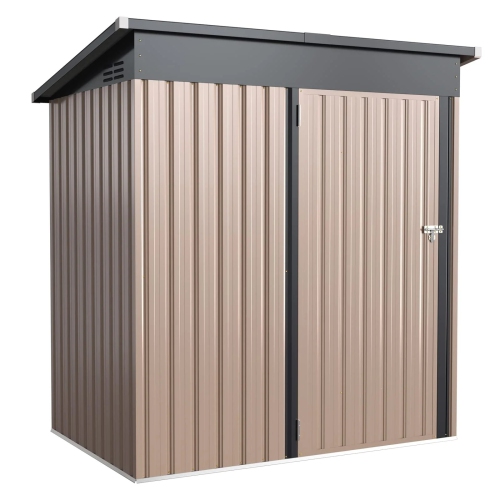 Your price for this item is $189.99
 -
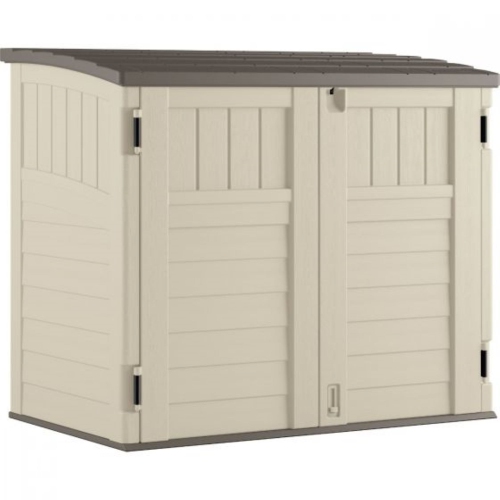 Your price for this item is $459.99
 -
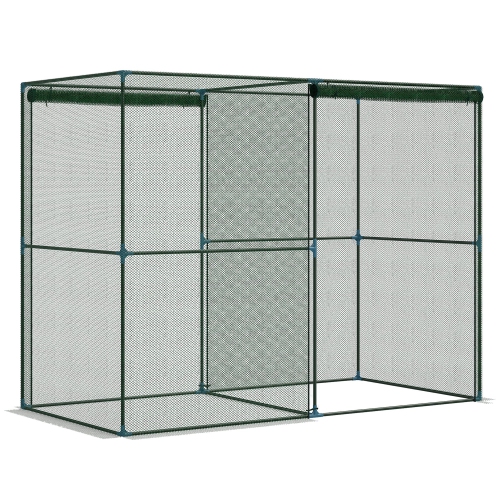 Your price for this item is $79.99
Discover more categories related to Yard Shelters
Top Collections:
Pokemon Centers, Kindle Devices, Best Budget Office Chairs, Apple iPhones 16, Canon G7X Cameras, iPhone 15 Apple, Alarm Clock, Refurbished Apple Laptops, Flip Phones, Best Laptops for Writers
Some products may be subject to Environmental Handling Fees
(EHF) depending on your province.
Learn more about EHFs.