Outdoor Shelters
Explore a wide selection of outdoor shelters to enhance your outdoor living experience. Whether you're looking for a shady spot to relax in your backyard, a portable shelter for your next camping trip, or a sturdy canopy for an outdoor event, we have you covered. From pop-up canopies to gazebos and pergolas, our range of outdoor shelters offers durability, functionality, and style to suit various needs and preferences. Create a comfortable and inviting outdoor space with our versatile collection of shelters designed to provide protection from the elements while enjoying the great outdoors.
Sort
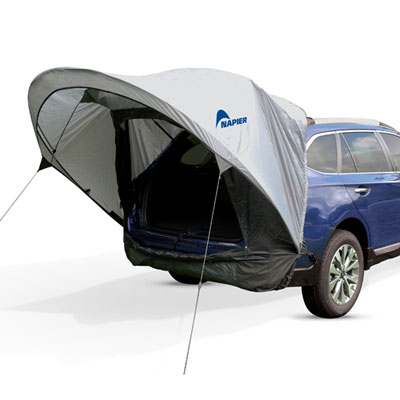
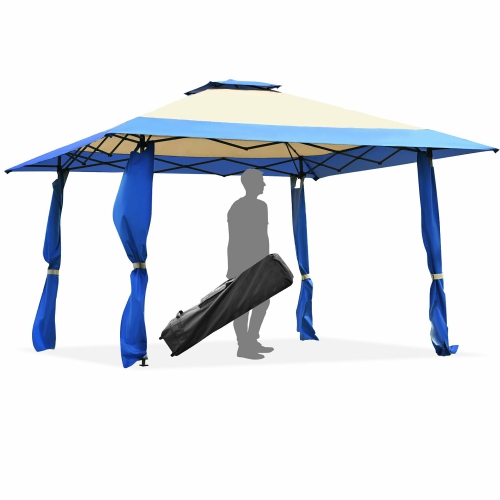
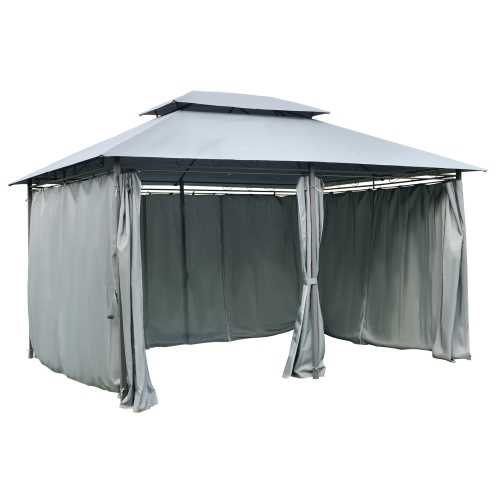
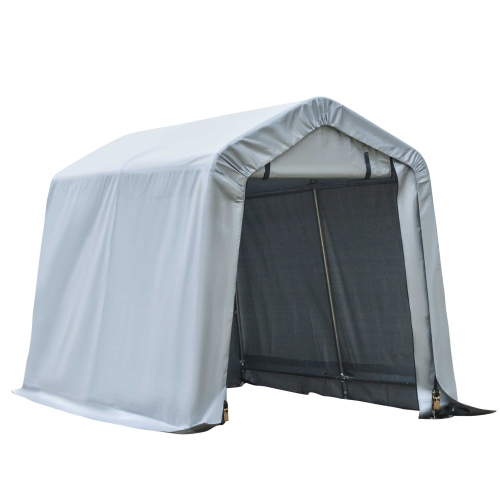

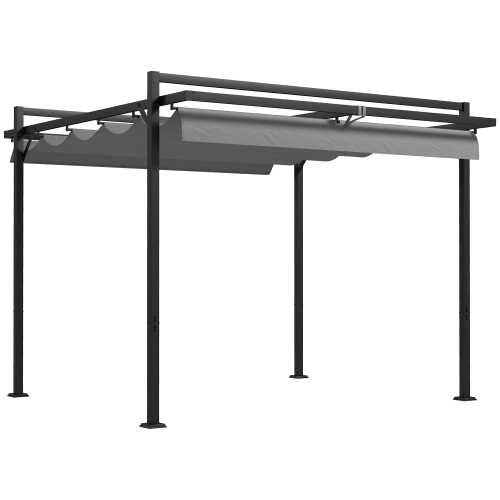
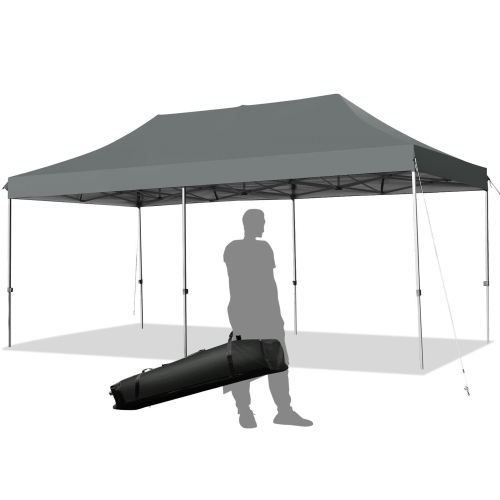
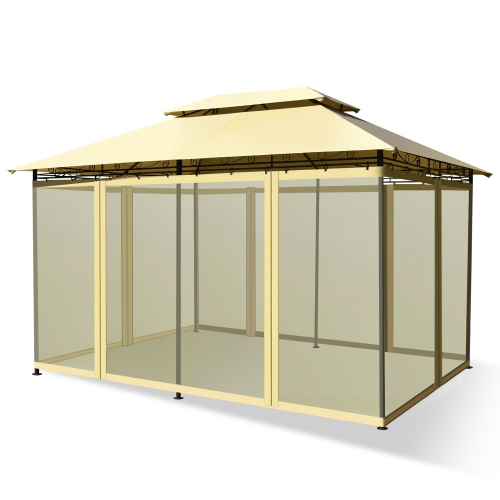
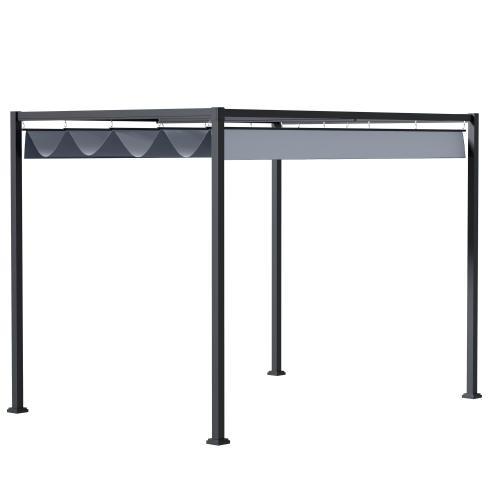
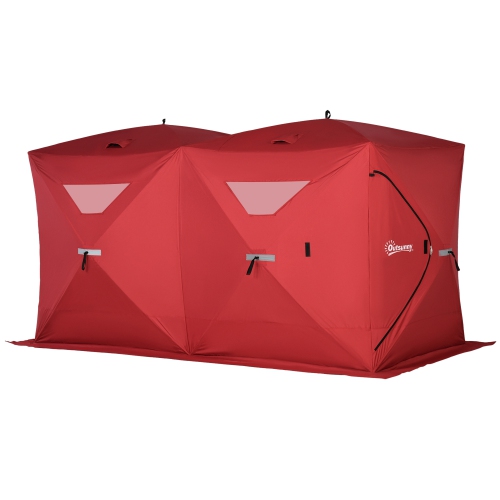
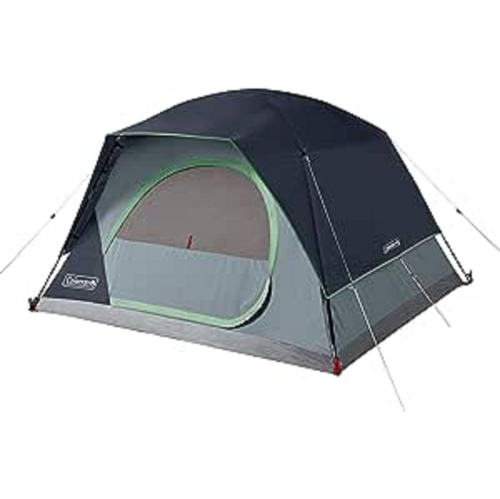
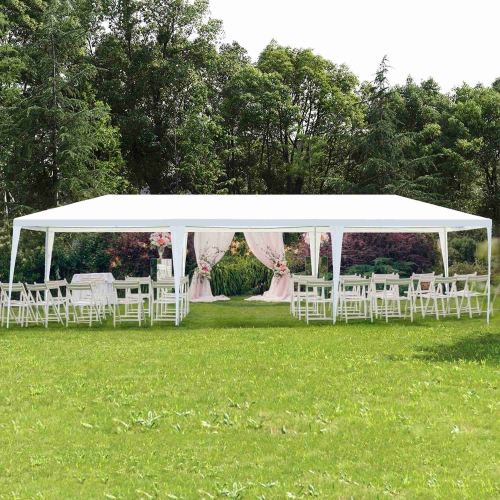
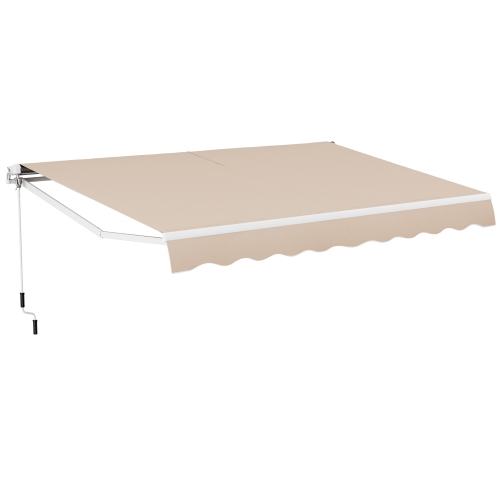
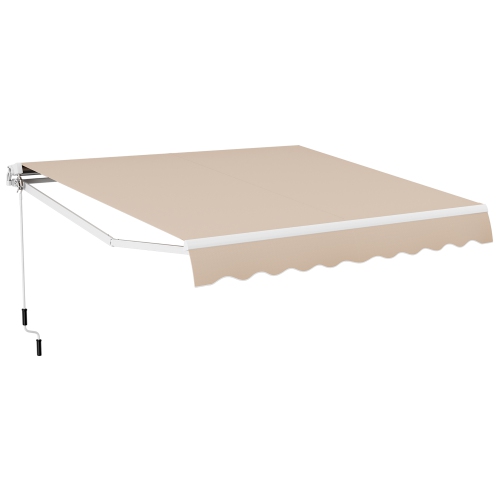
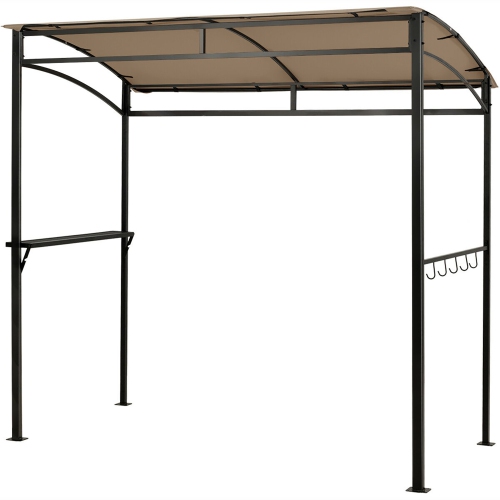

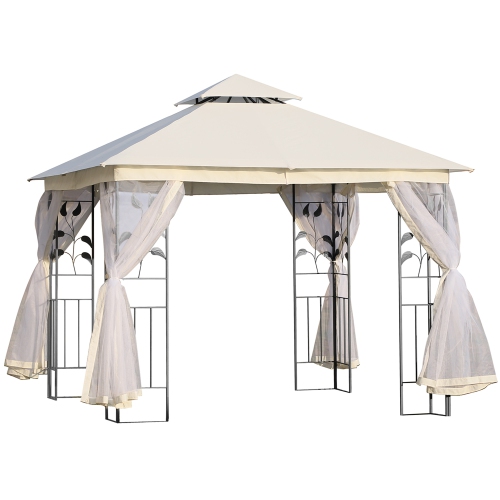
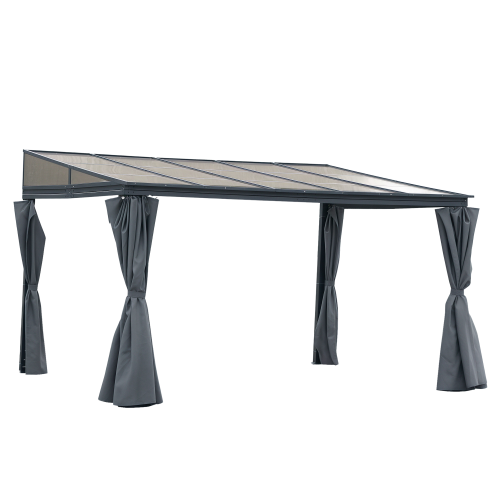
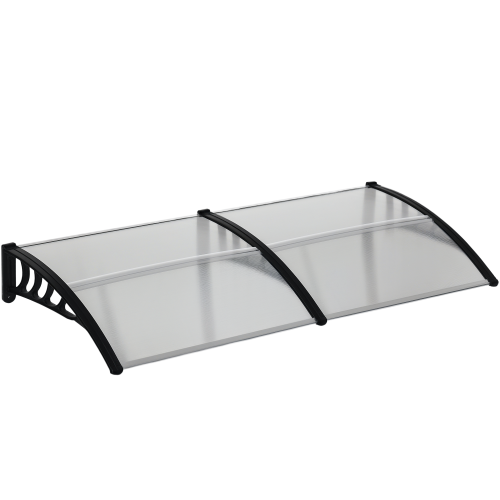
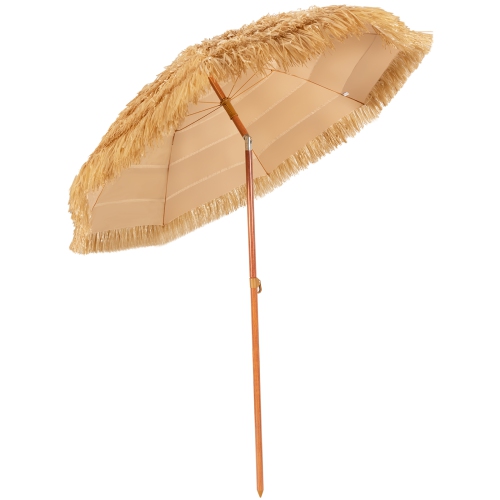
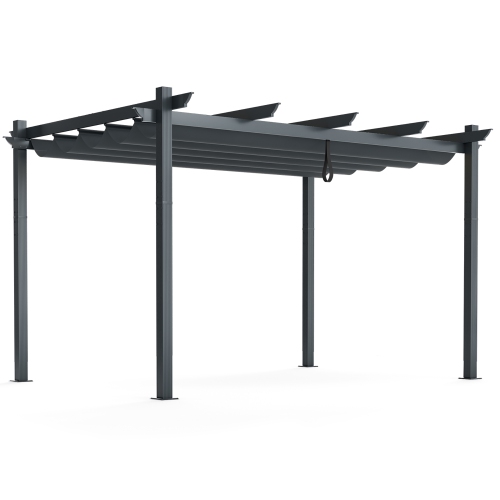
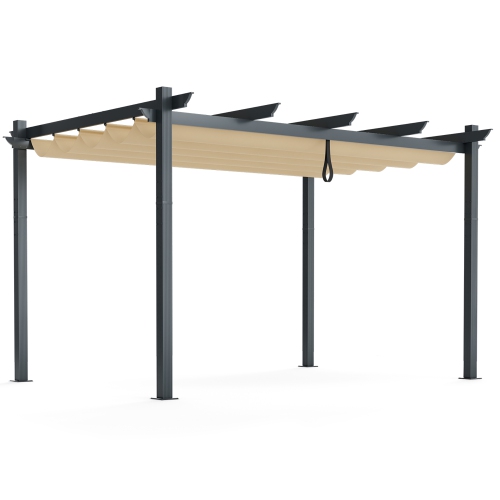
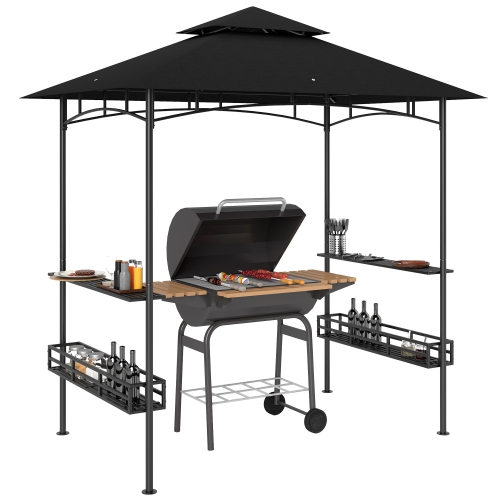
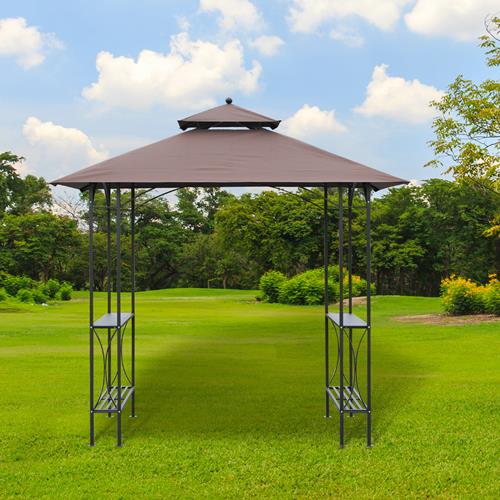
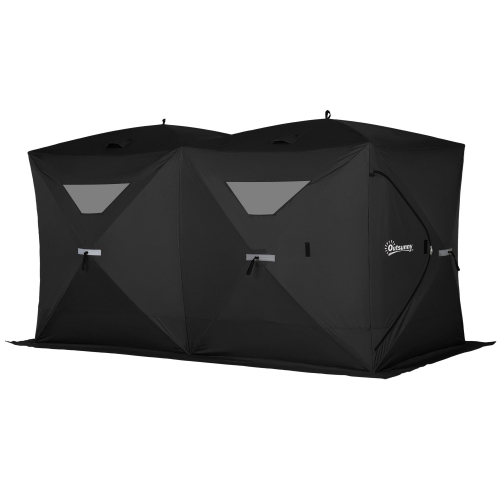
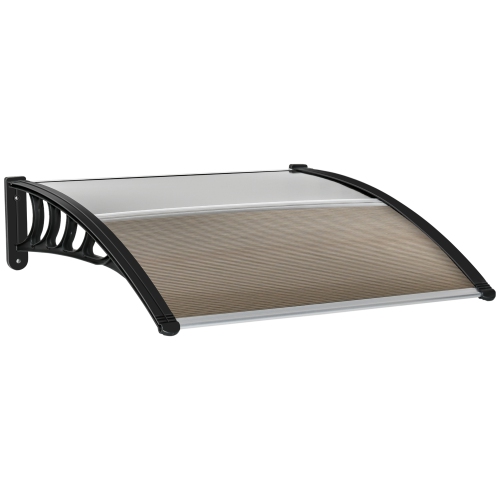
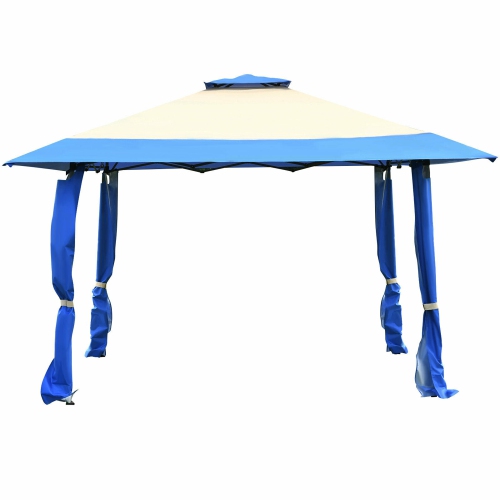
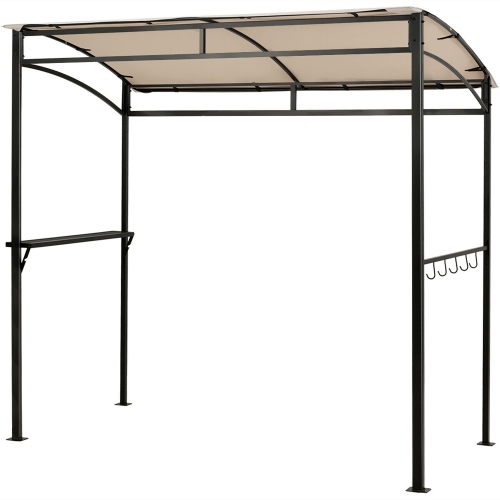
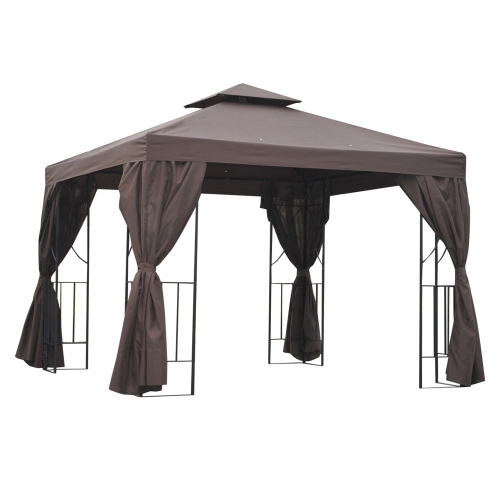
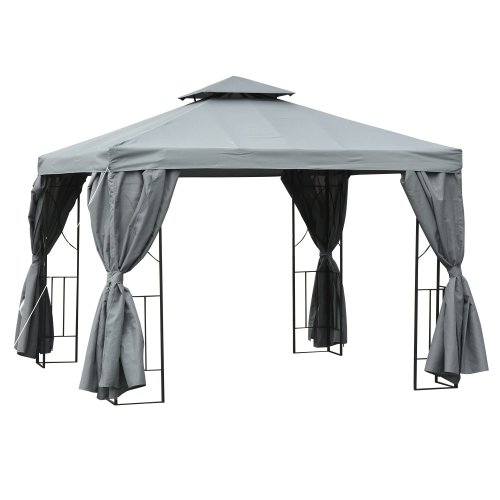
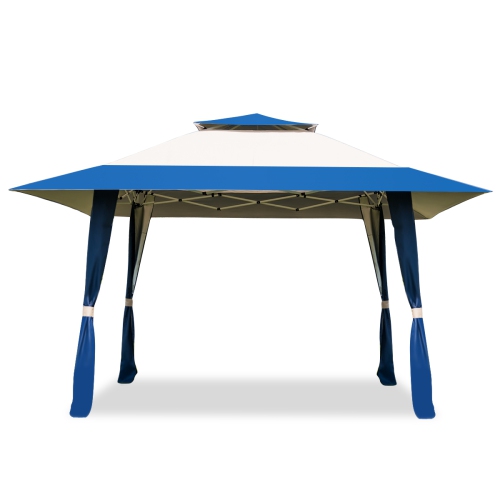
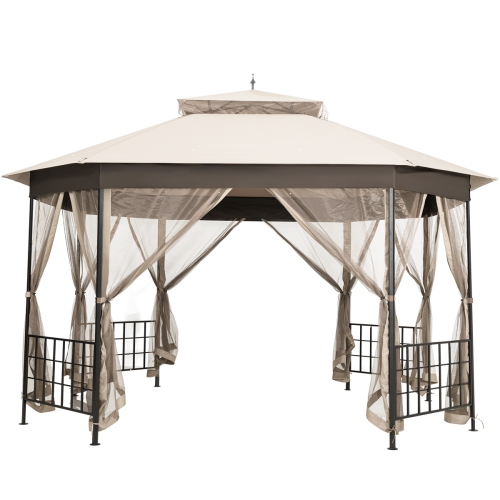
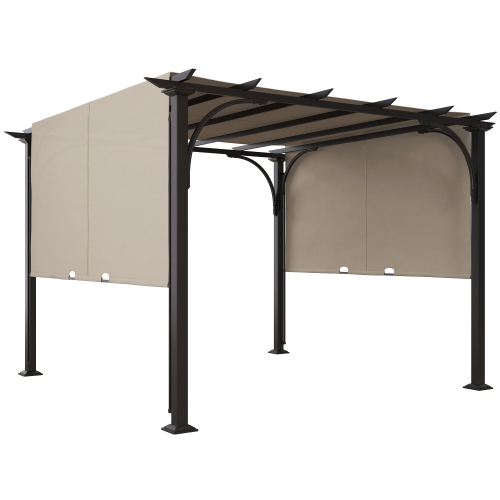
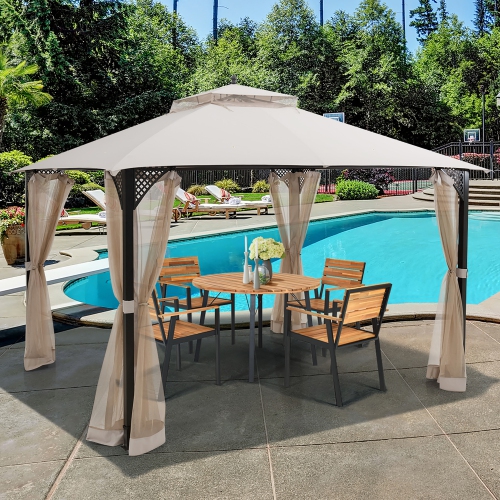
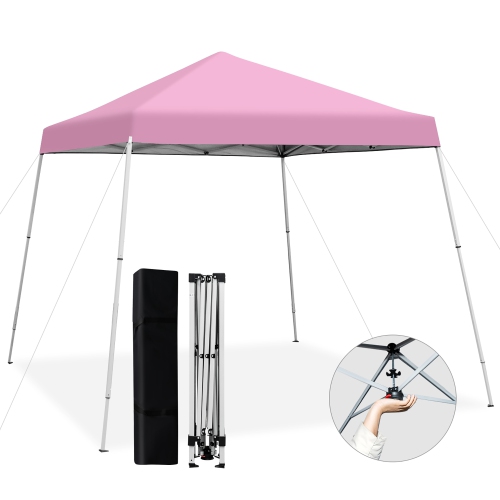
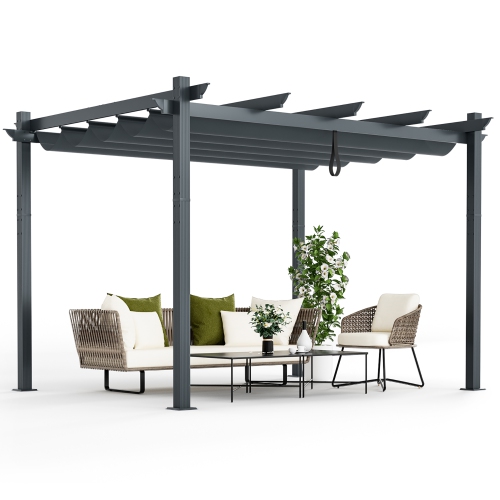
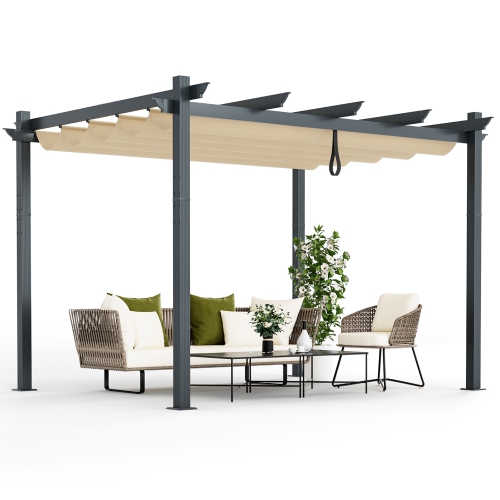
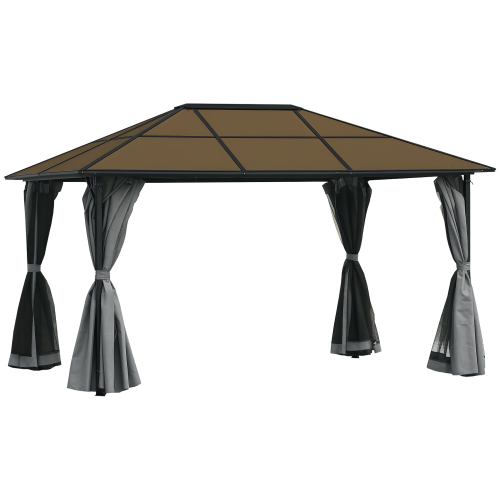
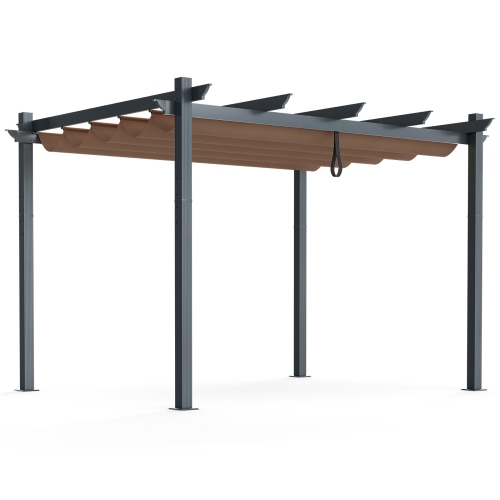
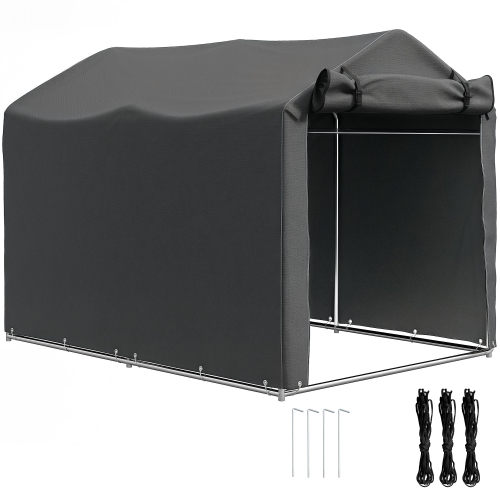
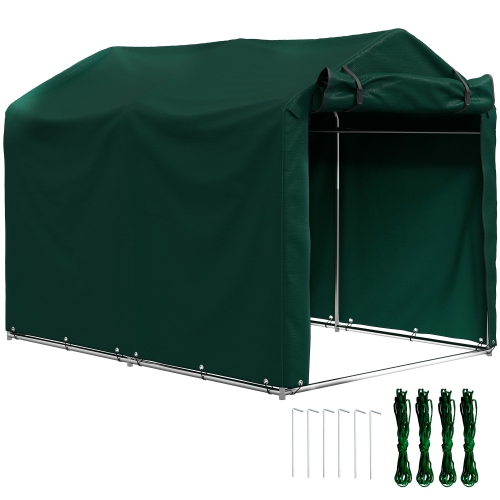
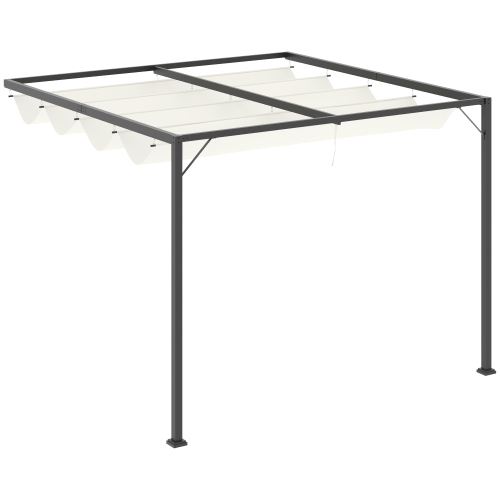
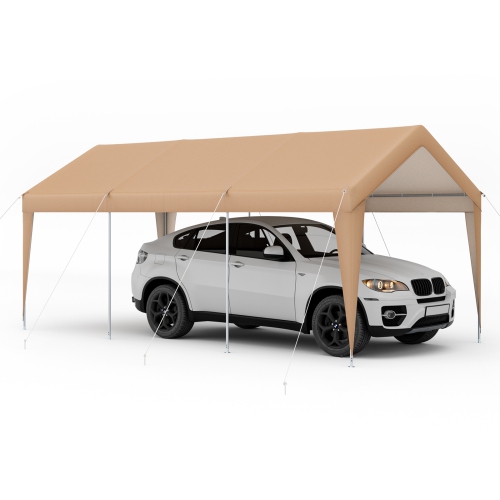
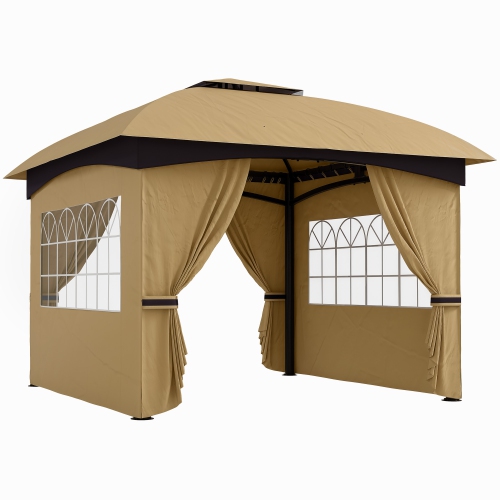
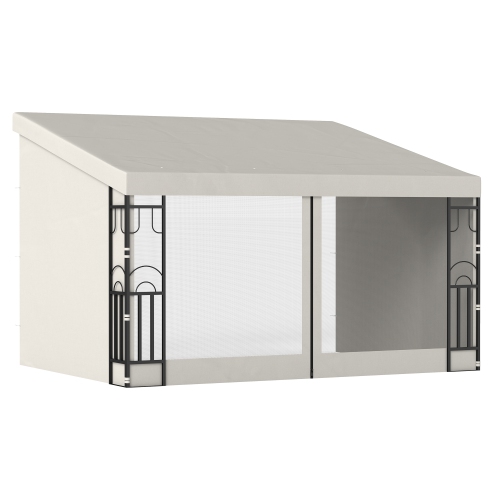
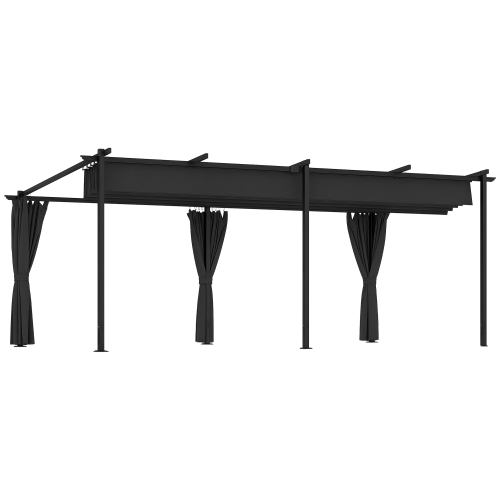
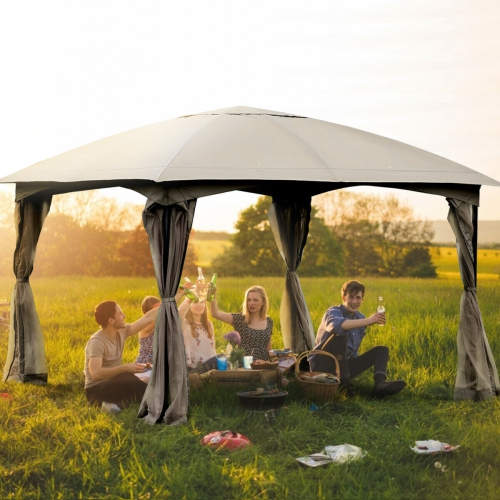
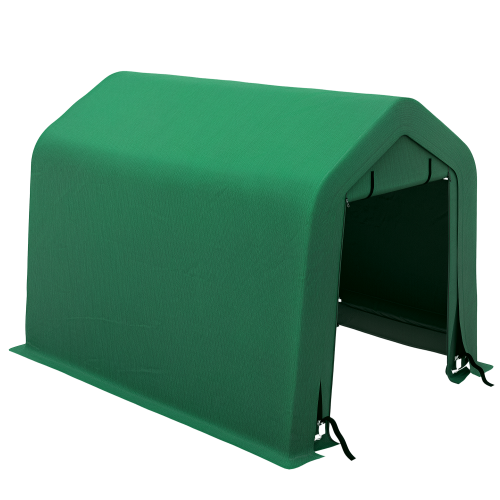
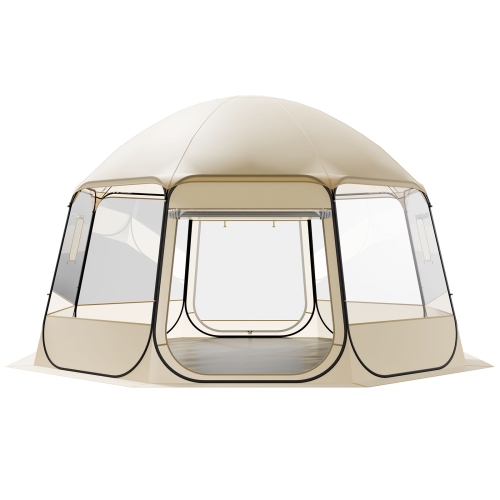
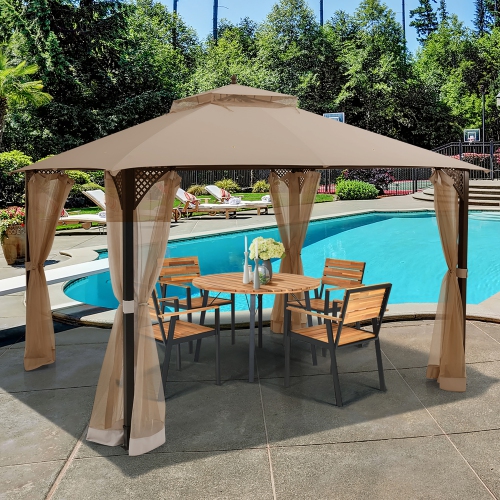
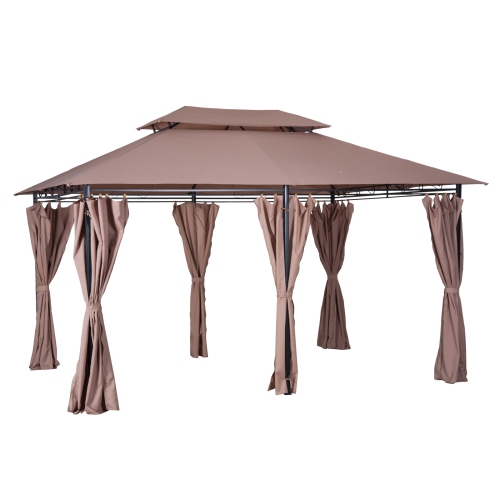
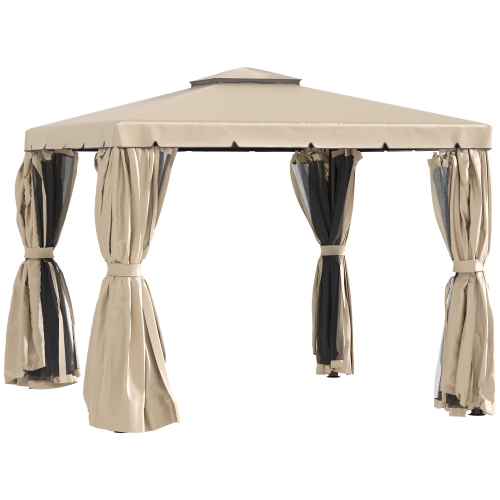
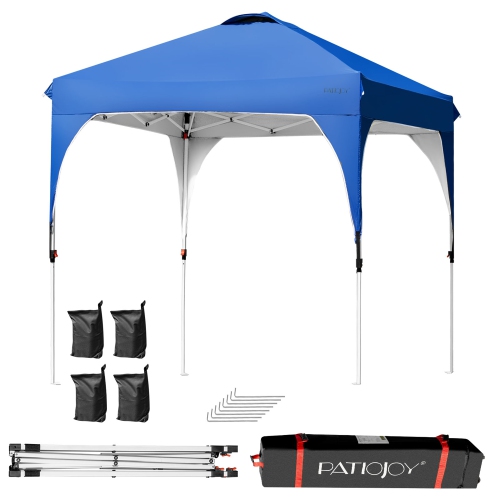
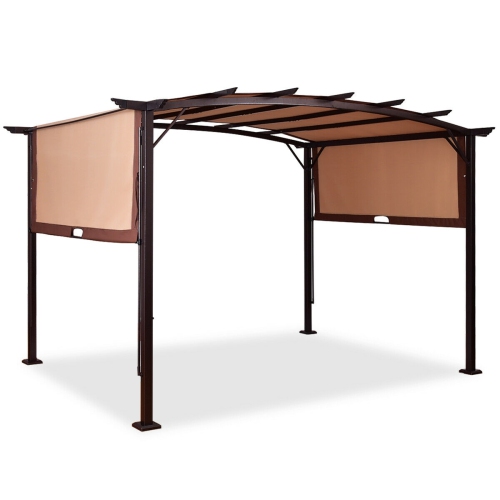
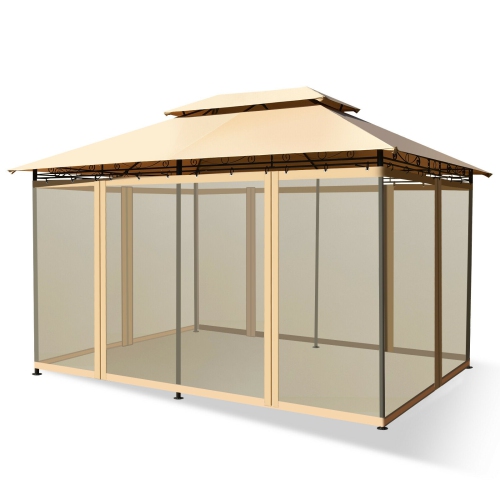
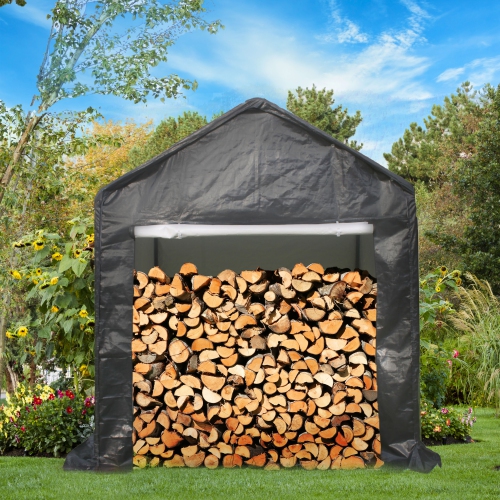
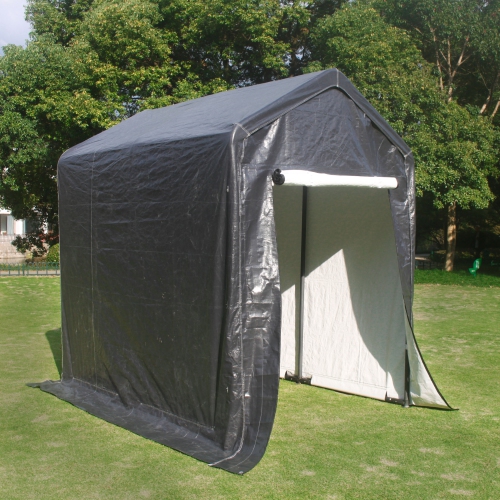
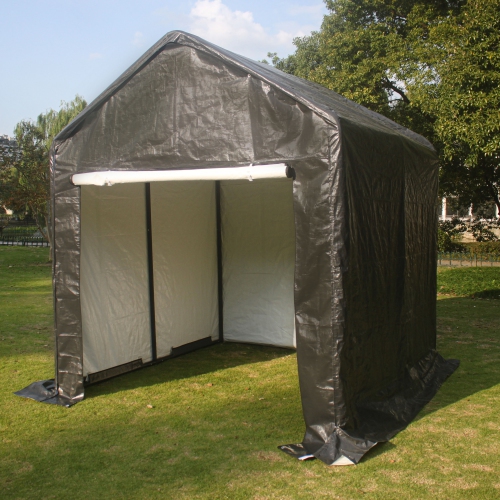
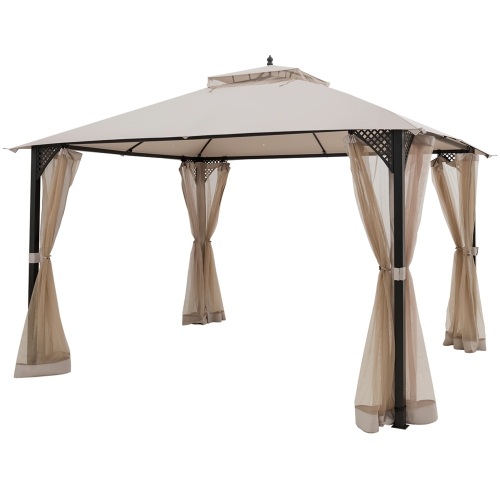
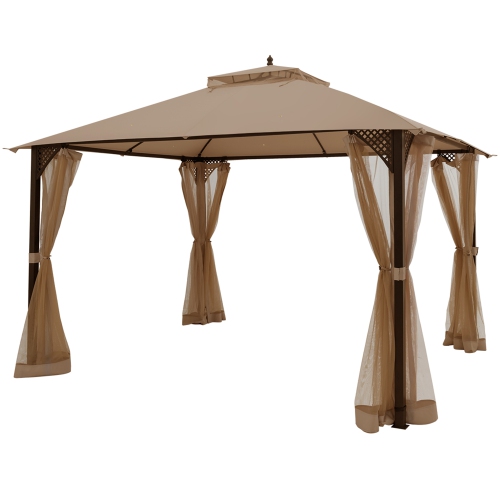
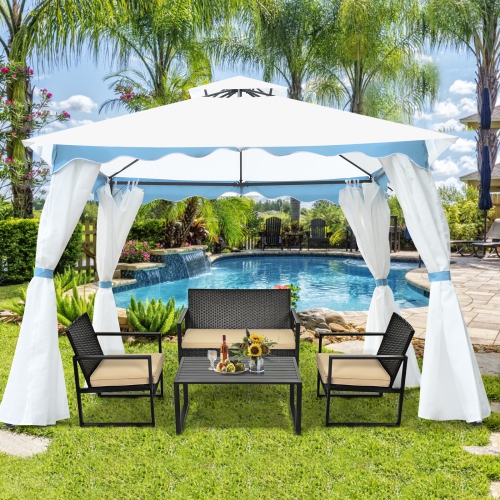

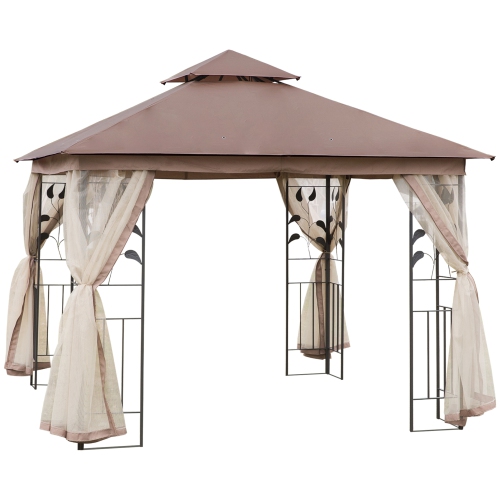

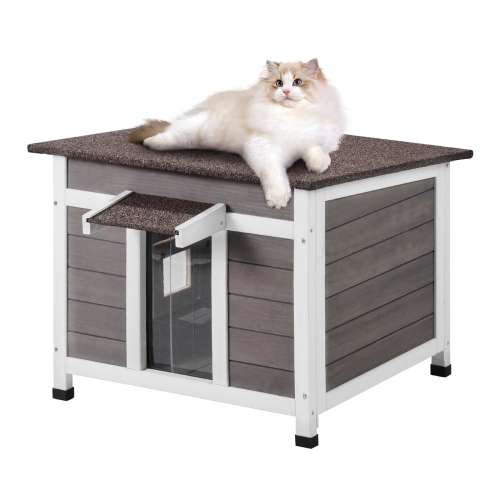
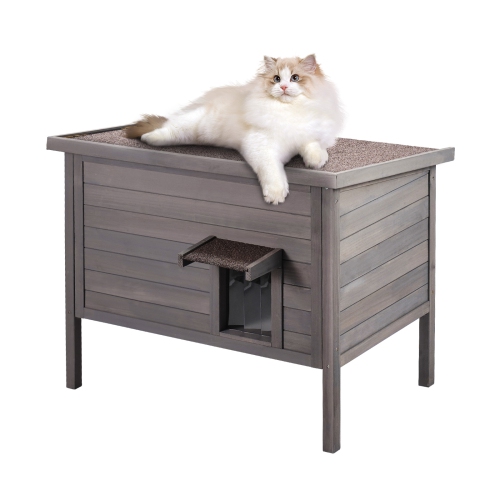
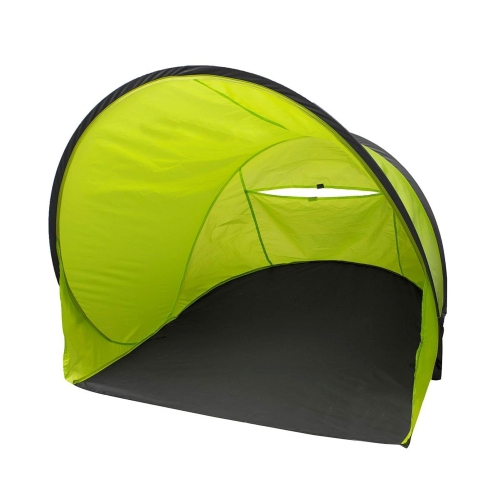
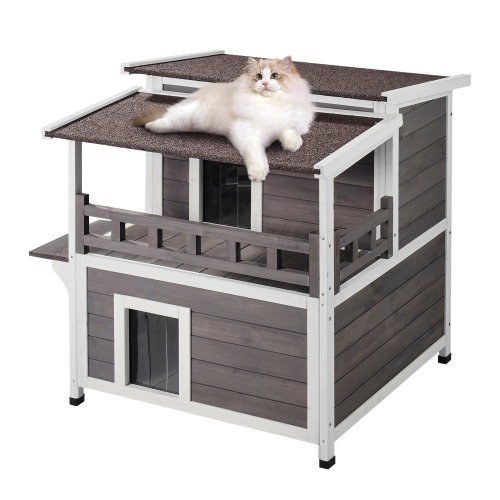

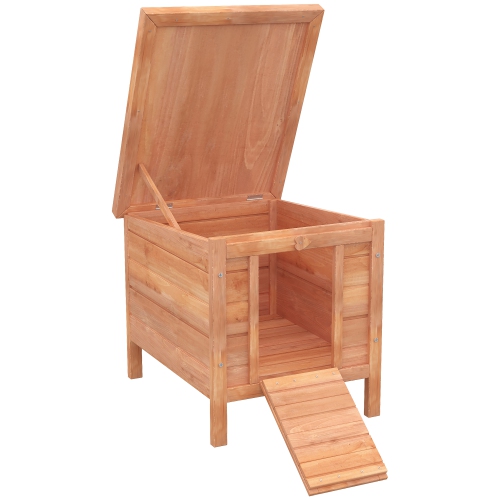
Coverage for backyard gatherings, camping, and everyday outdoor needs
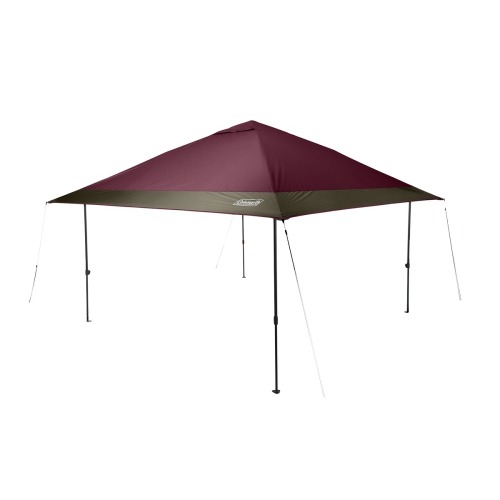
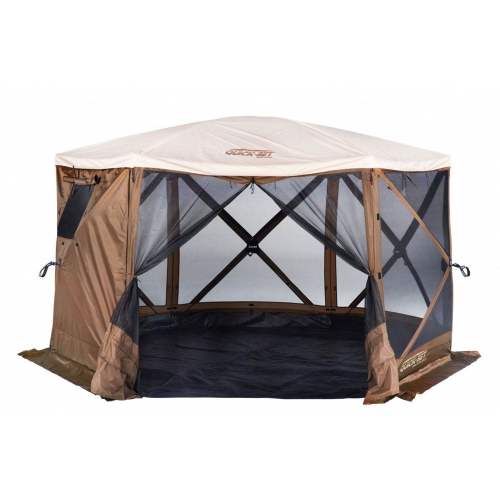
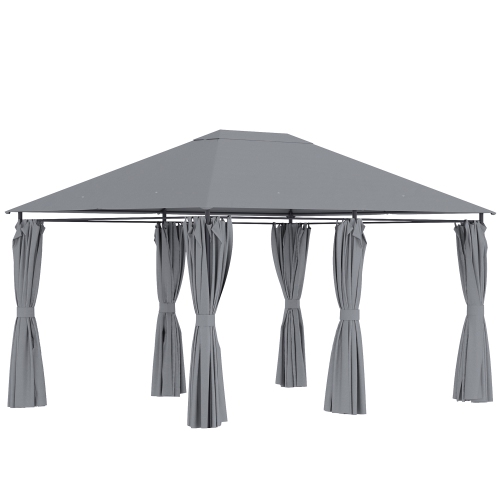
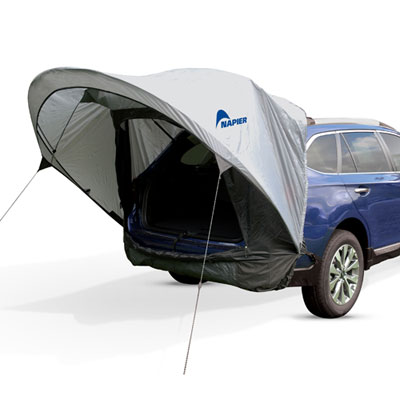
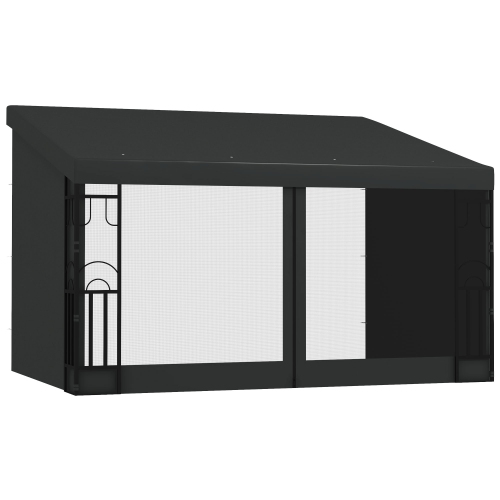
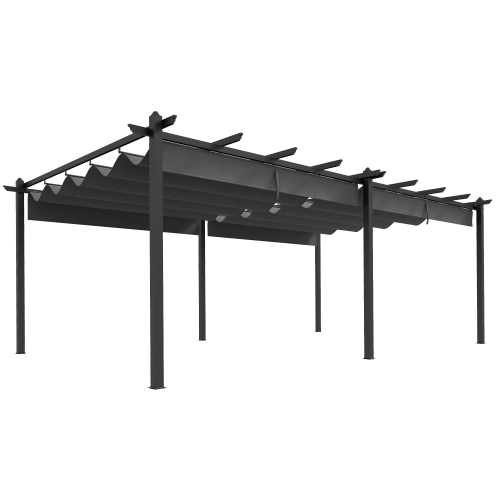
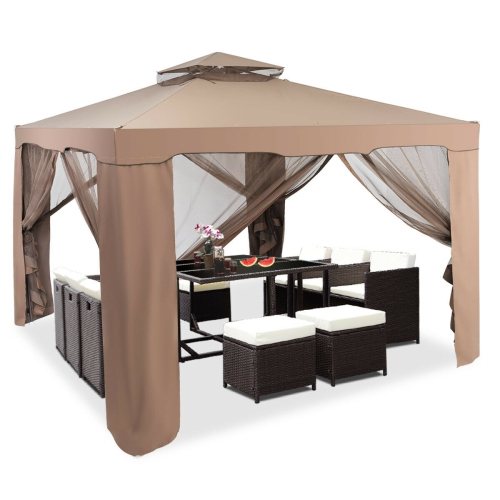
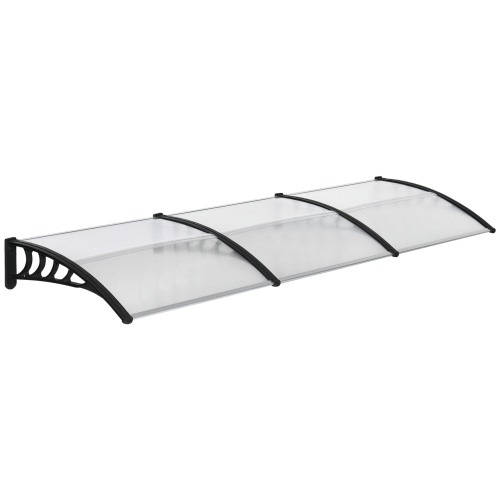
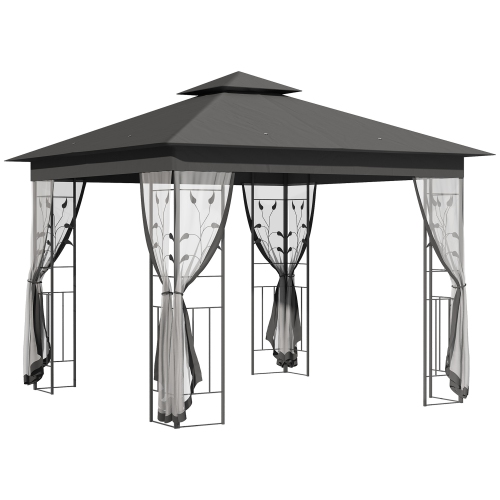
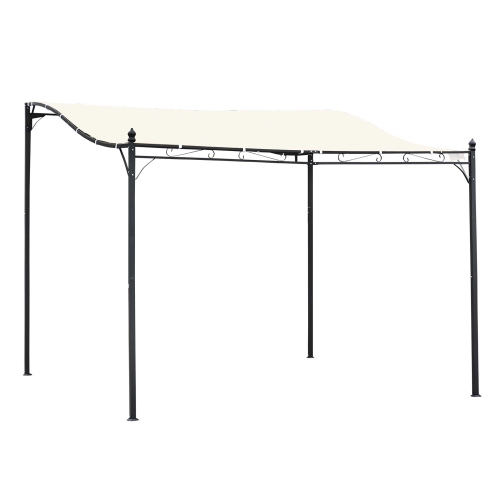
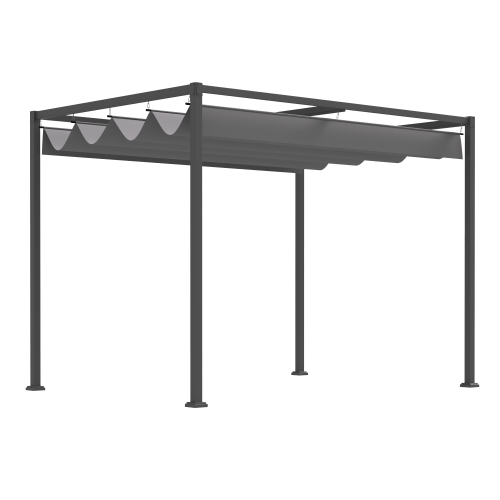
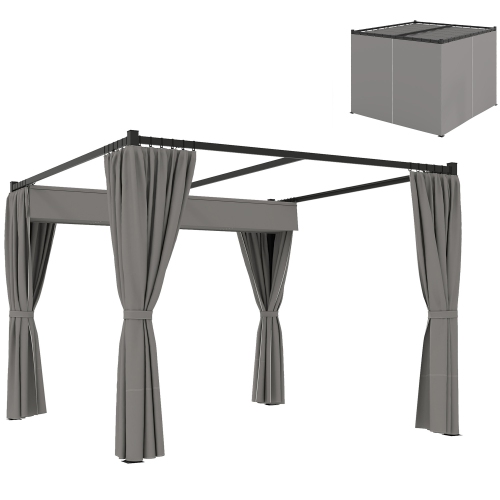
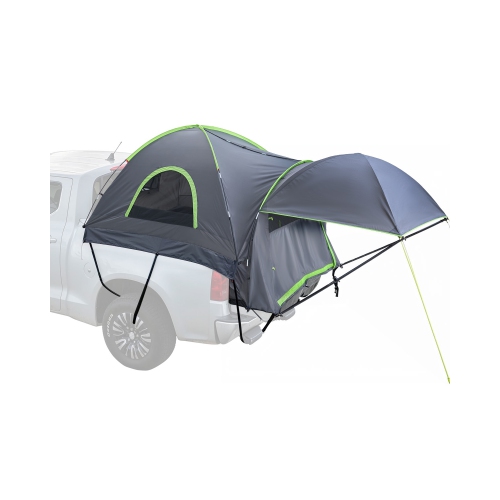
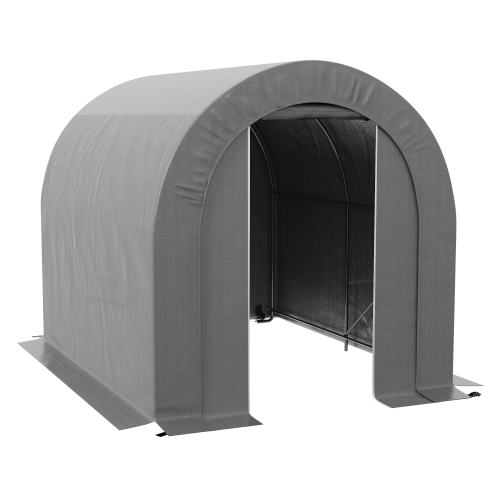
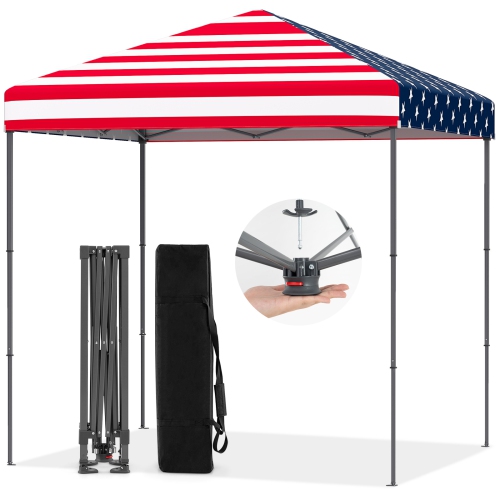
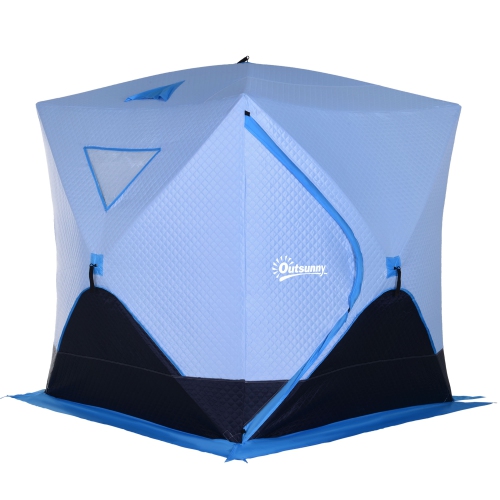
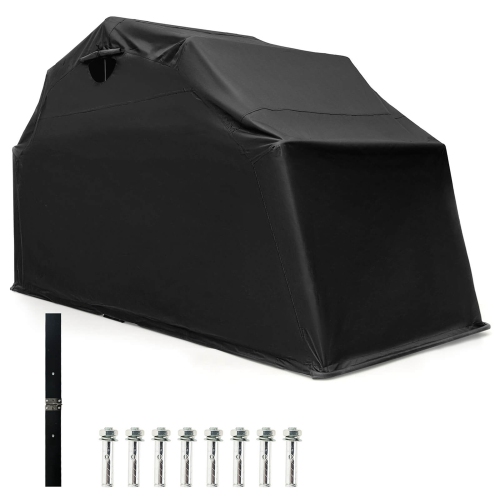
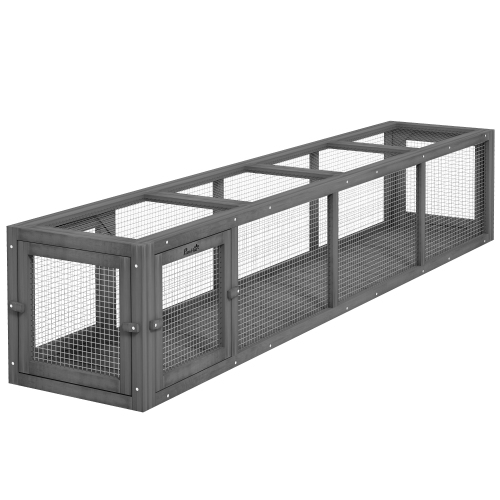
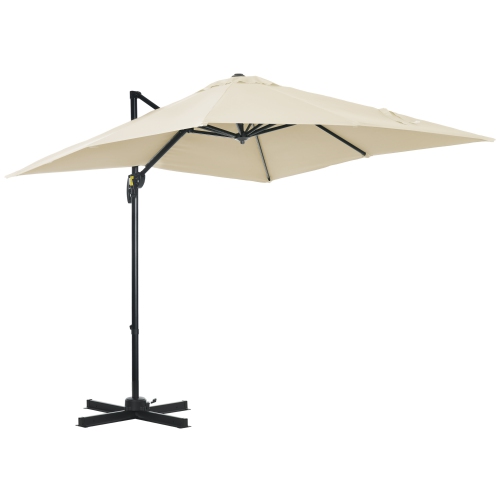
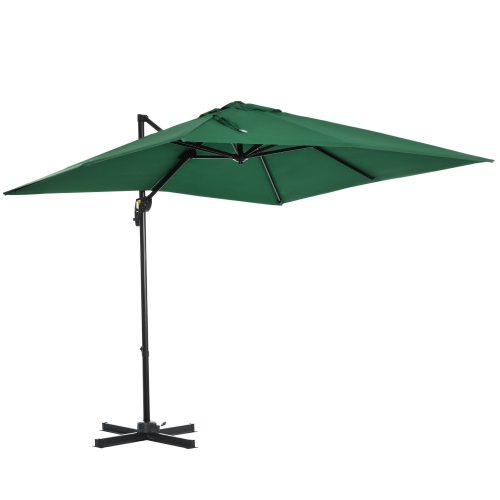
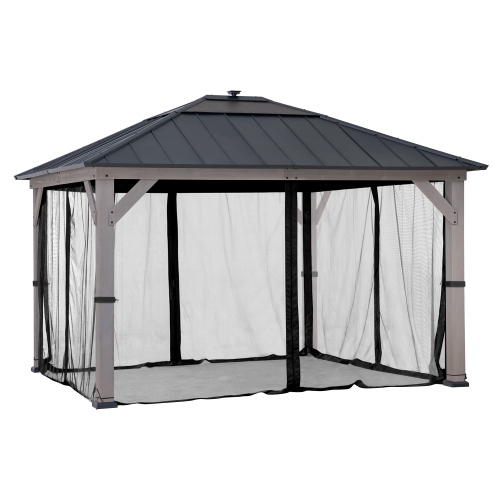
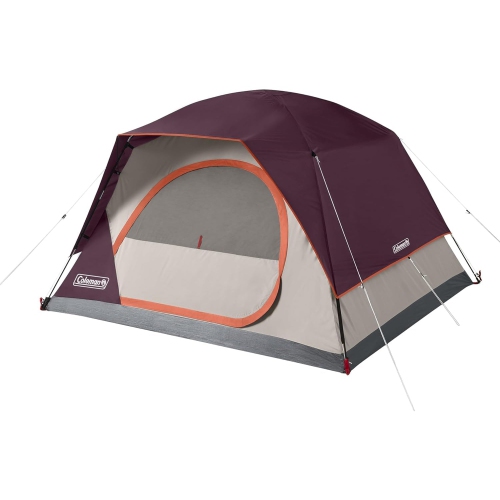
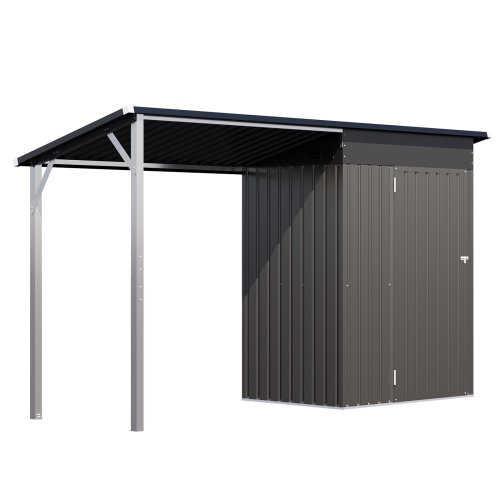
Outdoor shelters create a practical, comfortable place to enjoy more time outside, whether you are hosting friends in the backyard, setting up a base camp, protecting equipment, or creating a covered area for everyday activities. The category includes portable pop-up canopies, gazebos, screen houses, camping tents, utility shelters, fabric garages, tarps, and other structures designed to provide coverage from sun, light rain, wind, or insects. A backyard canopy can turn a sunny patio into a shaded dining area, giving everyone a cooler place to gather while food is being prepared and conversation continues outdoors. A screened shelter is useful for meals, reading, and relaxing when mosquitoes and other insects become a distraction, while a camping tent provides a more enclosed sleeping and living area during trips to the campground or backcountry. For additional options suited to patios, gardens, and entertaining areas, explore Yard Shelters. Outdoor shelters can also support practical household needs. A larger utility structure or fabric garage may help keep vehicles, lawn equipment, bicycles, seasonal decorations, tools, and outdoor furniture covered between uses. Compact tarps and lightweight shelters are convenient for hiking, fishing, festivals, sporting events, and emergency kits, where easy transport and fast setup matter more than a permanent frame. With choices ranging from simple overhead protection to roomier enclosed structures, outdoor shelters can suit a quiet afternoon at home just as readily as a multi-day outdoor adventure.
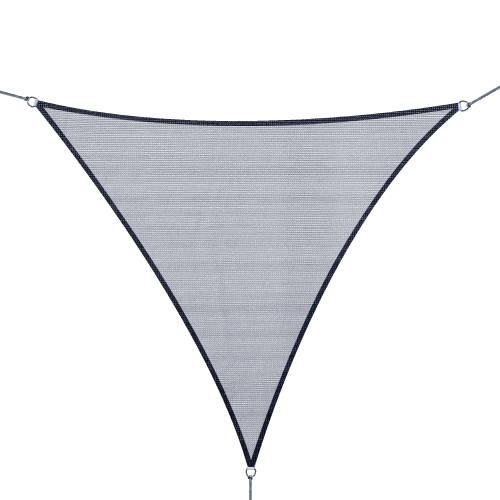
Choosing the right outdoor shelter starts with thinking about where it will be used and what it needs to protect. Measure the available area before making a purchase, allowing enough room for the shelter itself, people moving around it, furniture, and any guy lines or anchoring points. A compact canopy may be ideal for a balcony, small deck, or tailgate, while a larger square or hexagonal shelter can accommodate a dining table, several chairs, or a group of guests. Consider the height as well as the floor area, especially if the shelter will be placed over a grill, picnic table, storage bins, or tall outdoor furniture. A freestanding structure may be convenient for a lawn or driveway, whereas a shelter designed for anchoring to a suitable surface can provide a more stable arrangement in a regular backyard setup. Frame materials, canopy fabric, seams, zippers, mesh panels, windows, and removable walls all affect how the shelter performs. Mesh can improve airflow while helping keep insects outside, and sidewalls can provide extra privacy or protection when the weather changes. For camping, pay attention to packed size, weight, sleeping capacity, ventilation, door placement, rainfly coverage, and the number of seasons for which the tent is designed. Backpackers often prioritize a light load and quick setup, while car campers may prefer more interior space, vestibules for footwear and bags, or a taller design that is easier to move around inside. Tarps offer a versatile option for experienced campers and outdoor enthusiasts who are comfortable using poles, cordage, trees, or other anchor points to create an A-frame, lean-to, or diamond-shaped shelter.
Weather resistance and secure setup are important considerations for every type of outdoor shelter. Look for details that match the conditions you expect to encounter, such as water-resistant or waterproof fabric, reinforced corners, sturdy poles, corrosion-resistant hardware, and reliable fastening systems. No portable shelter should be treated as a substitute for a permanent building during severe weather, and canopies, tents, and tarps should be taken down or secured according to the manufacturer’s instructions when strong winds, heavy rain, or lightning are expected. Anchoring is particularly important on open lawns, beaches, gravel areas, and driveways, where wind can catch a canopy or shift a lightweight frame. Storage also affects long-term convenience: allow fabric and components to dry fully before packing them away, keep poles and stakes together, and store the shelter in a dry place where it will be ready for the next outing. Outdoor shelters can make thoughtful gifts for new homeowners, campers, cottage owners, families who enjoy hosting, or anyone preparing a comfortable place for outdoor hobbies. A screened shelter may suit someone who enjoys leisurely breakfasts outside, while a compact tent or tarp can be useful for a student, scout, hiker, or frequent festival-goer. During warmer weather, a covered structure can make patios and gardens more inviting; as temperatures become cooler, it can provide a sheltered spot for gatherings, gear storage, or short outdoor breaks. By matching the shelter’s size, portability, enclosure, materials, and anchoring requirements to the intended setting, it becomes easier to choose a dependable solution for recreation, entertaining, travel, and practical outdoor living.
Choosing the right outdoor shelter starts with thinking about where it will be used and what it needs to protect. Measure the available area before making a purchase, allowing enough room for the shelter itself, people moving around it, furniture, and any guy lines or anchoring points. A compact canopy may be ideal for a balcony, small deck, or tailgate, while a larger square or hexagonal shelter can accommodate a dining table, several chairs, or a group of guests. Consider the height as well as the floor area, especially if the shelter will be placed over a grill, picnic table, storage bins, or tall outdoor furniture. A freestanding structure may be convenient for a lawn or driveway, whereas a shelter designed for anchoring to a suitable surface can provide a more stable arrangement in a regular backyard setup. Frame materials, canopy fabric, seams, zippers, mesh panels, windows, and removable walls all affect how the shelter performs. Mesh can improve airflow while helping keep insects outside, and sidewalls can provide extra privacy or protection when the weather changes. For camping, pay attention to packed size, weight, sleeping capacity, ventilation, door placement, rainfly coverage, and the number of seasons for which the tent is designed. Backpackers often prioritize a light load and quick setup, while car campers may prefer more interior space, vestibules for footwear and bags, or a taller design that is easier to move around inside. Tarps offer a versatile option for experienced campers and outdoor enthusiasts who are comfortable using poles, cordage, trees, or other anchor points to create an A-frame, lean-to, or diamond-shaped shelter.
Weather resistance and secure setup are important considerations for every type of outdoor shelter. Look for details that match the conditions you expect to encounter, such as water-resistant or waterproof fabric, reinforced corners, sturdy poles, corrosion-resistant hardware, and reliable fastening systems. No portable shelter should be treated as a substitute for a permanent building during severe weather, and canopies, tents, and tarps should be taken down or secured according to the manufacturer’s instructions when strong winds, heavy rain, or lightning are expected. Anchoring is particularly important on open lawns, beaches, gravel areas, and driveways, where wind can catch a canopy or shift a lightweight frame. Storage also affects long-term convenience: allow fabric and components to dry fully before packing them away, keep poles and stakes together, and store the shelter in a dry place where it will be ready for the next outing. Outdoor shelters can make thoughtful gifts for new homeowners, campers, cottage owners, families who enjoy hosting, or anyone preparing a comfortable place for outdoor hobbies. A screened shelter may suit someone who enjoys leisurely breakfasts outside, while a compact tent or tarp can be useful for a student, scout, hiker, or frequent festival-goer. During warmer weather, a covered structure can make patios and gardens more inviting; as temperatures become cooler, it can provide a sheltered spot for gatherings, gear storage, or short outdoor breaks. By matching the shelter’s size, portability, enclosure, materials, and anchoring requirements to the intended setting, it becomes easier to choose a dependable solution for recreation, entertaining, travel, and practical outdoor living.
Top selling and popular products
-
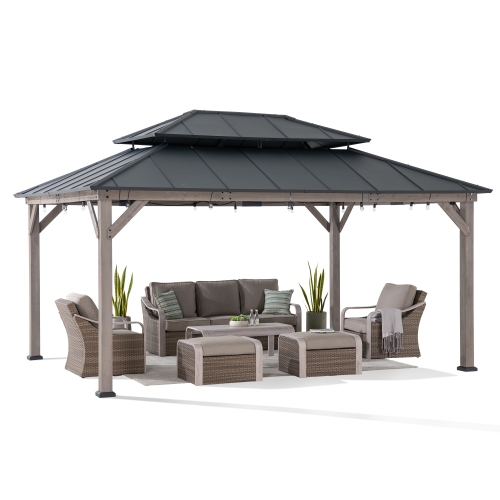 Your price for this item is $2197.99
 -
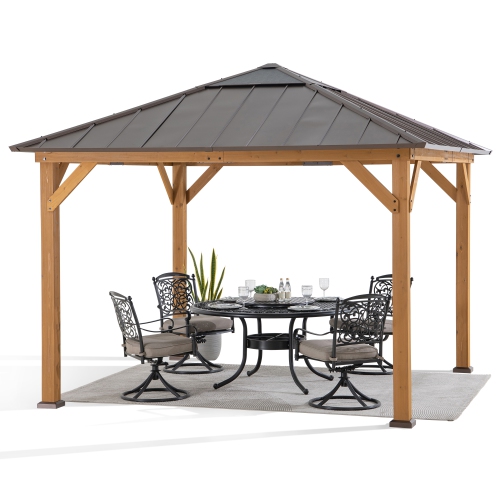 Your price for this item is $1479.99
 -
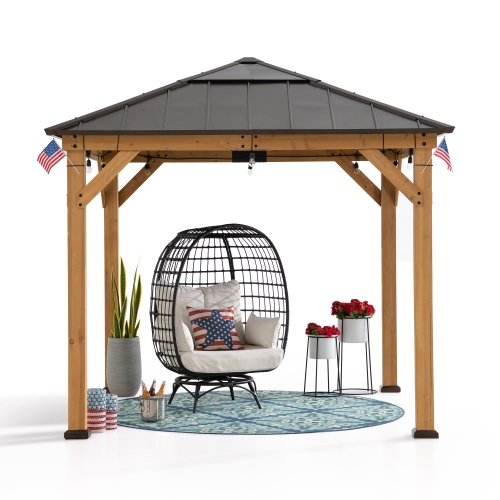 Your price for this item is $1598.99
 -
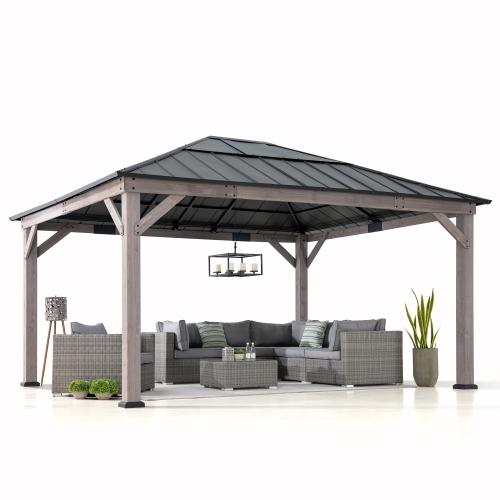 Your price for this item is $1794.99
 -
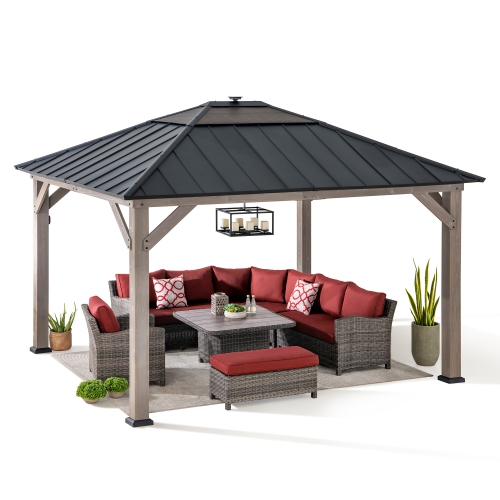 Your price for this item is $1843.99
 -
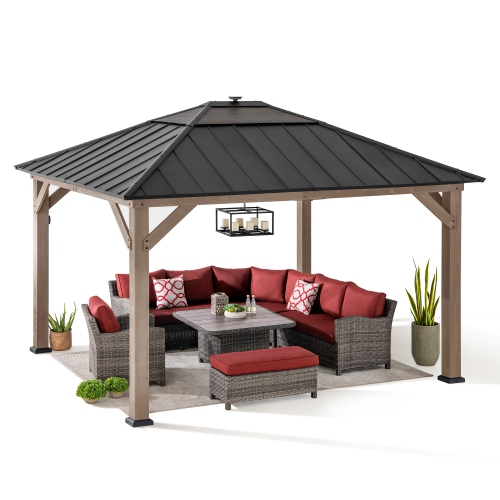 Your price for this item is $1843.99
 -
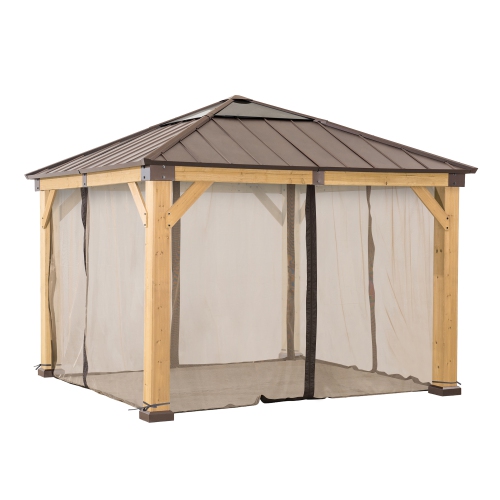 Your price for this item is $85.99
 -
 Your price for this item is $95.99
Discover more categories related to Outdoor Shelters
Top Collections:
Pokemon Centers, Kindle Devices, Best Budget Office Chairs, Apple iPhones 16, Canon G7X Cameras, iPhone 15 Apple, Alarm Clock, Refurbished Apple Laptops, Flip Phones, Best Laptops for Writers
Some products may be subject to Environmental Handling Fees
(EHF) depending on your province.
Learn more about EHFs.