Home Outdoor Security Cameras
Find home outdoor security cameras to help monitor entrances, driveways, and other areas around your property. Compare outdoor cameras by video quality, field of view, night vision, and installation requirements, and check power, connectivity, and recording options to find a setup that suits your home.
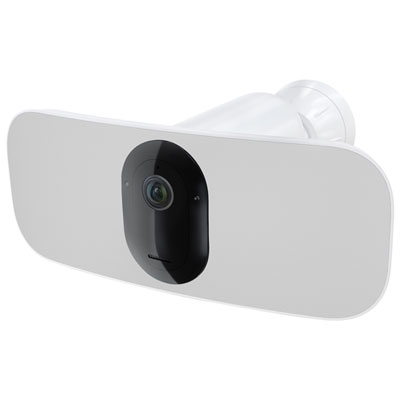
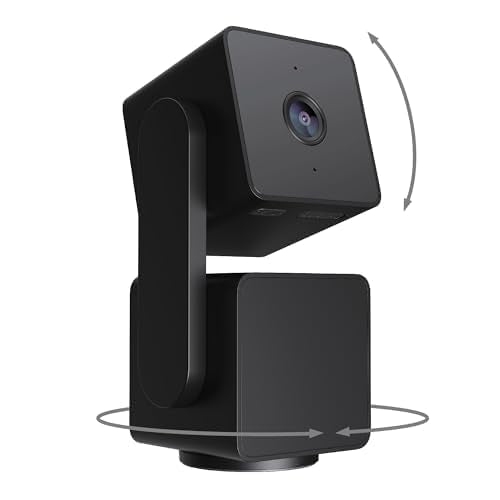
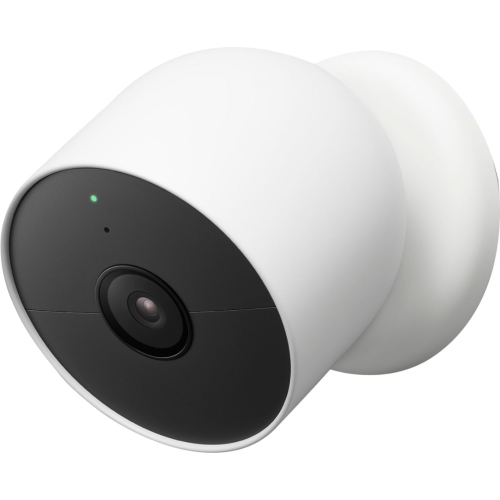
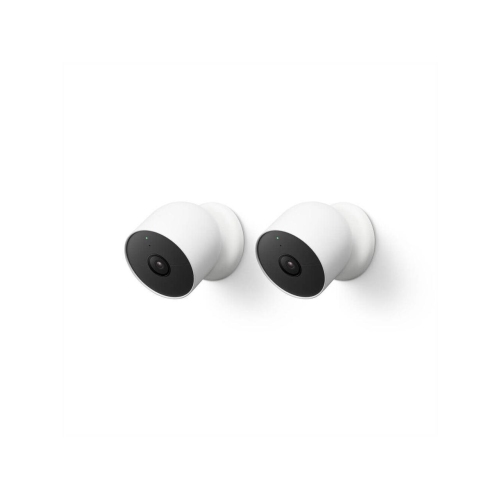

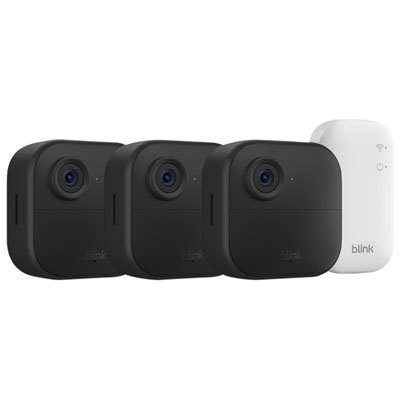
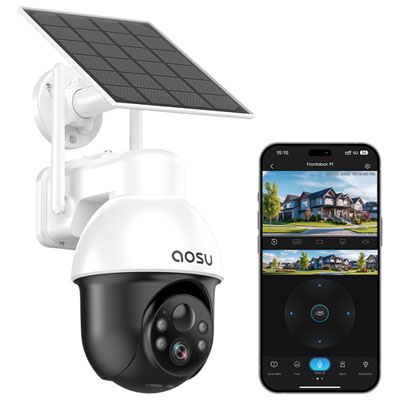
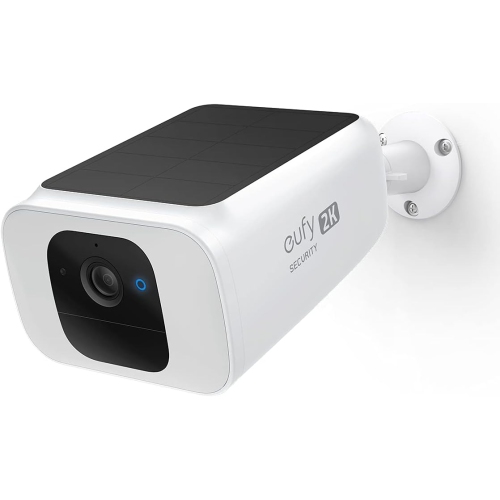
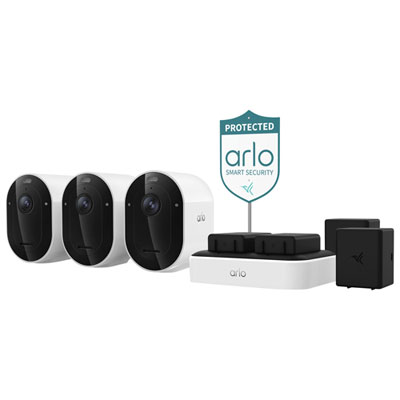






























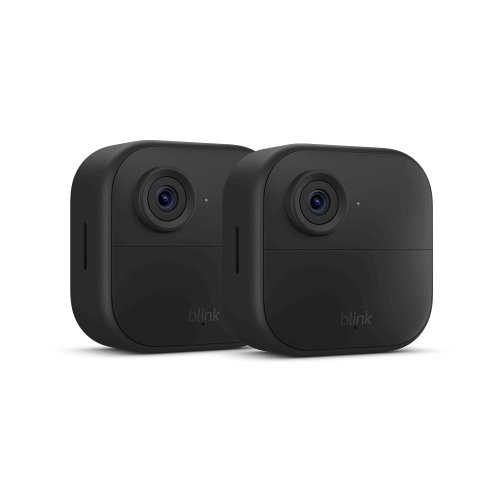
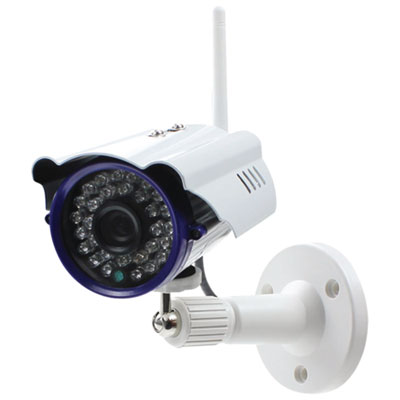
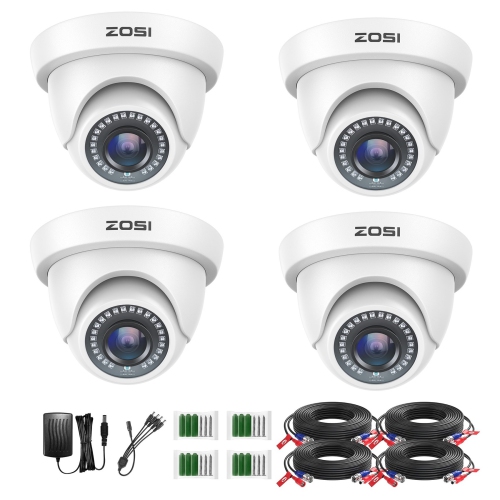
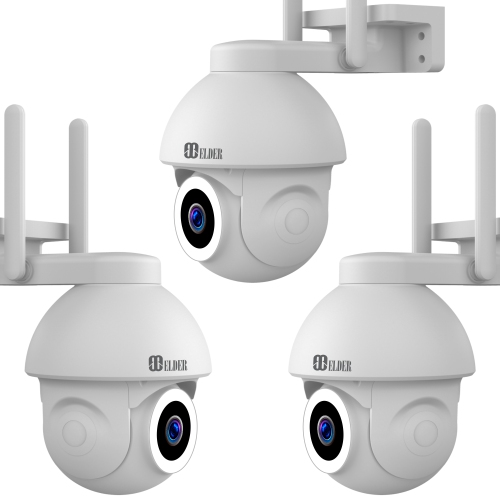























FAQ
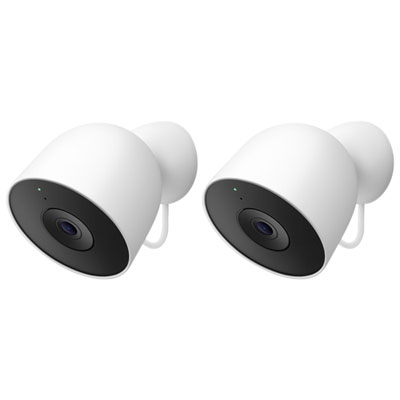
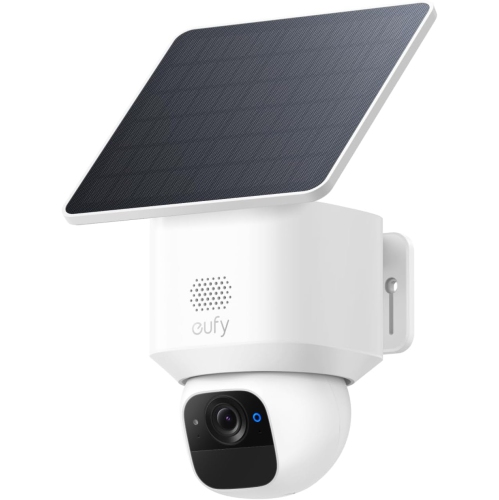
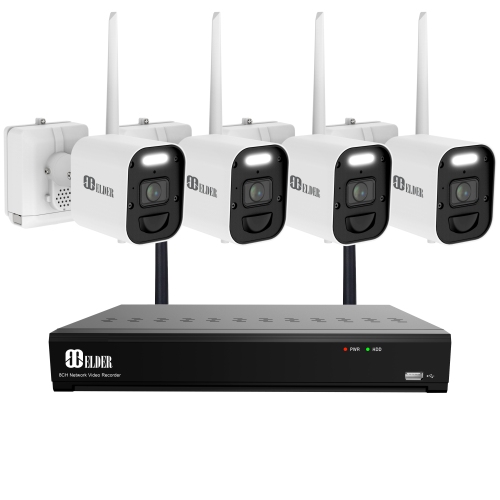
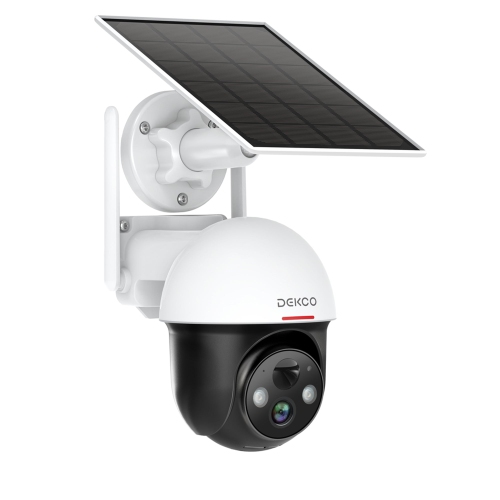
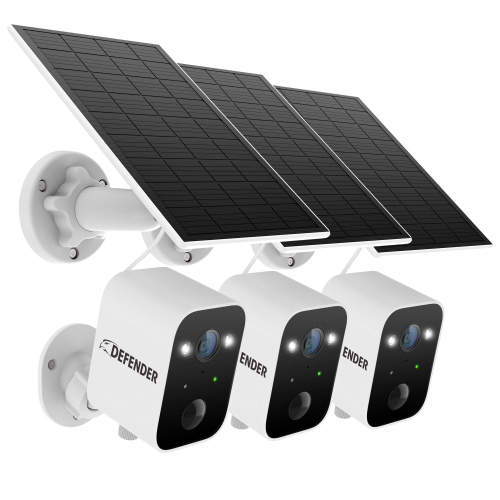
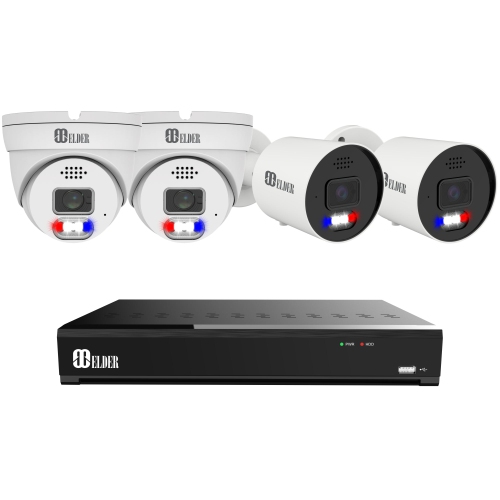
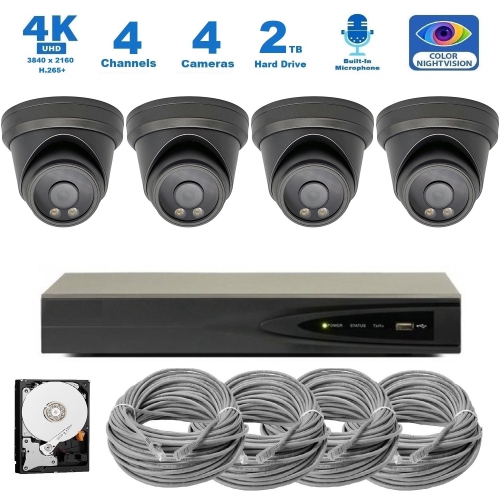
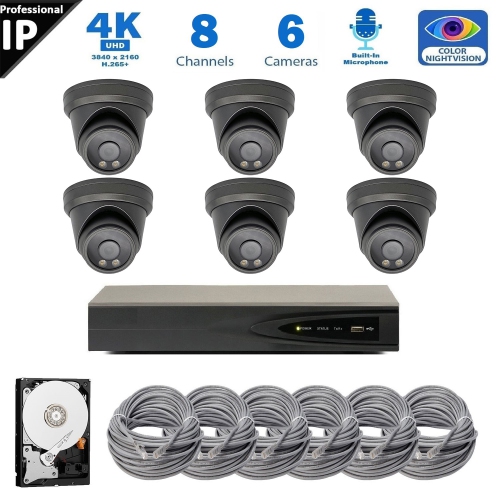
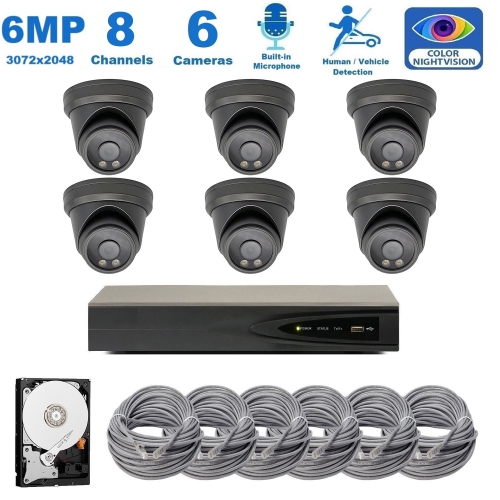
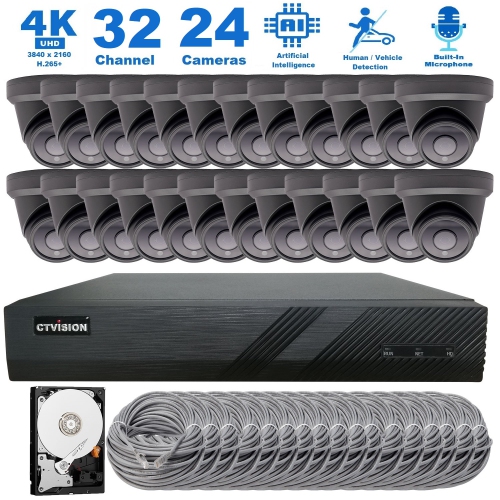
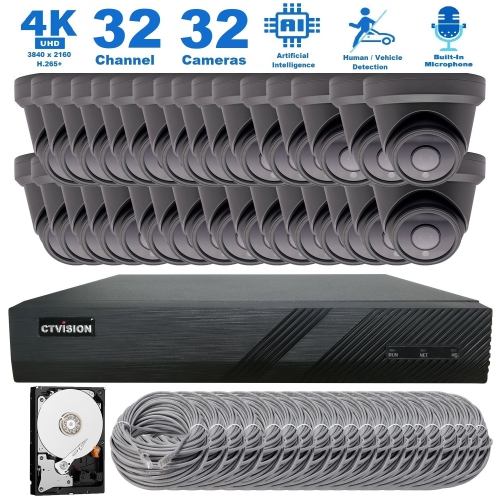
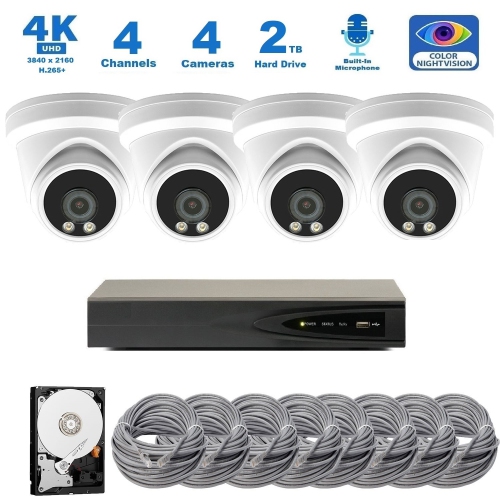
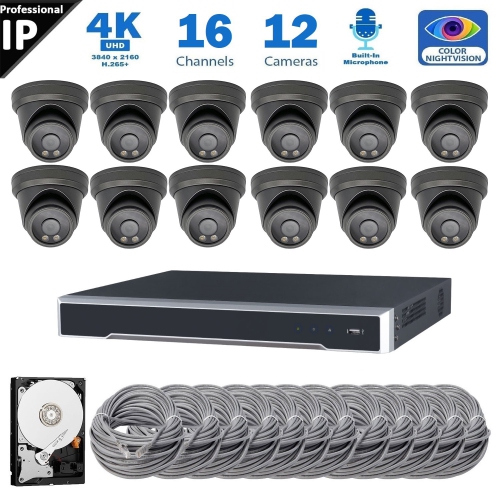
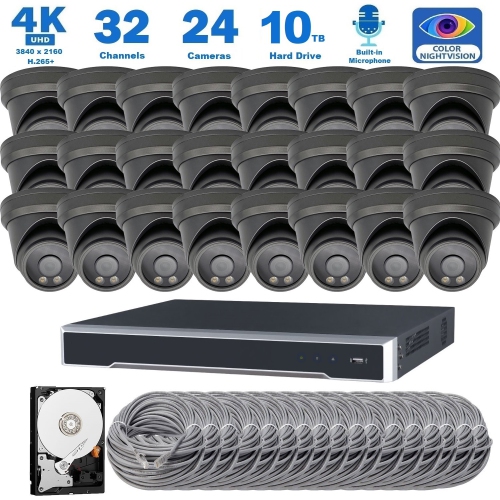
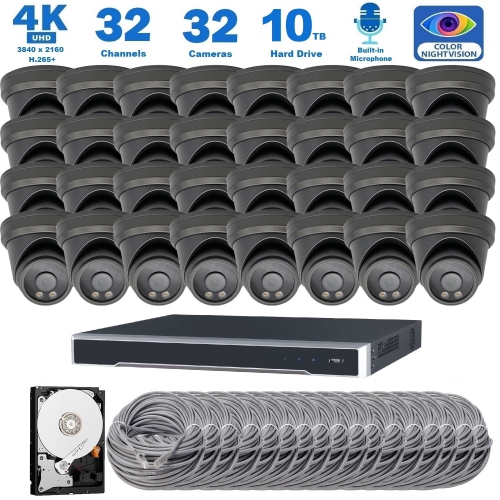
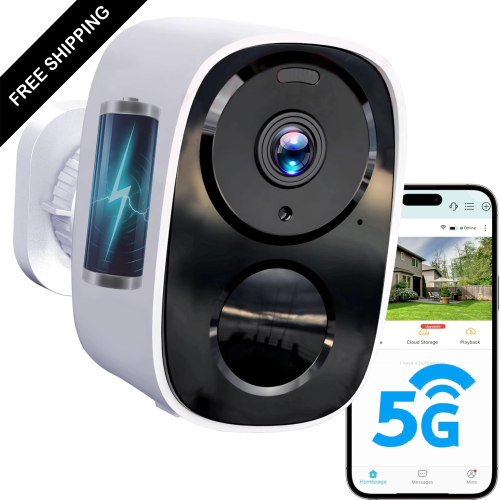
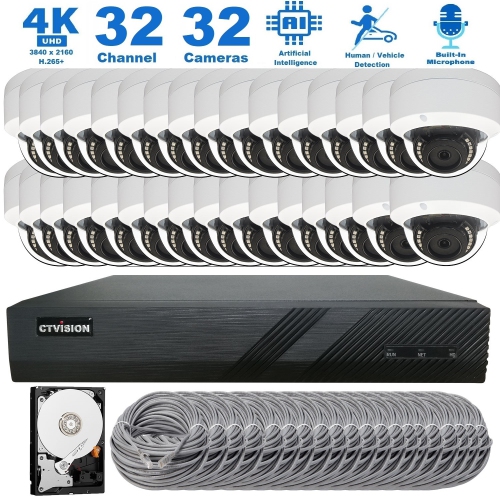
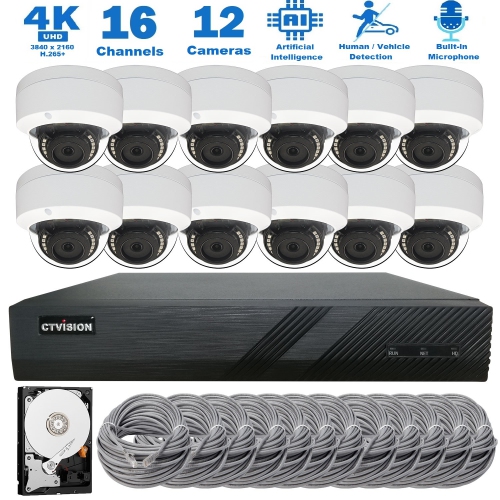
Home outdoor security cameras may use rechargeable batteries, a plug-in adapter, hardwired electrical connections, or Power over Ethernet (PoE). Battery-powered models need periodic charging, while PoE models receive power and data through a compatible Ethernet connection.
Not all outdoor security cameras need Wi-Fi. Some connect through Ethernet, while others use cellular connectivity with a compatible data plan. Internet access is generally required for remote viewing and cloud features, though some systems can record locally without it.
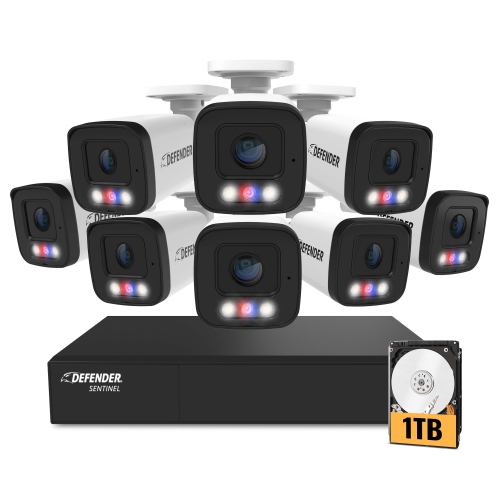
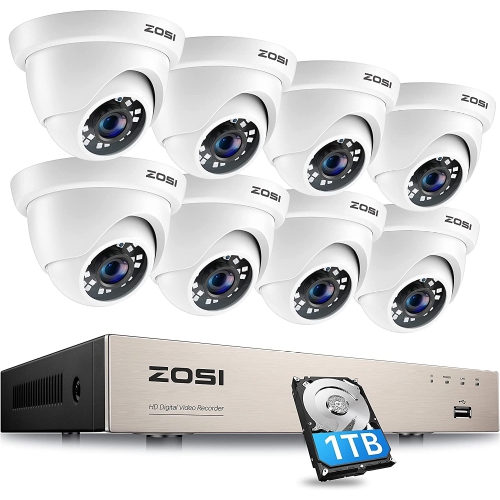
Depending on the model, recordings may be stored on a memory card, a connected hub, a network video recorder, or a cloud service. Some cameras support both local and cloud storage. Check the supported storage options and whether cloud recording requires a subscription.
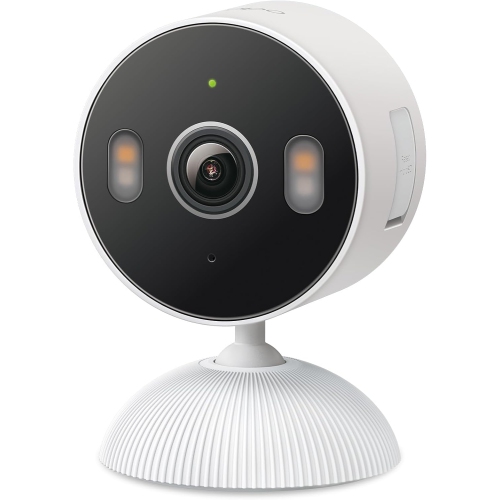
Some outdoor security cameras connect with compatible smart home platforms, allowing you to view live footage on a smart display or include the camera in supported routines. Compatibility varies by camera and platform, so check support for your existing devices and the features you want to use.
Many outdoor security cameras offer app settings for recording schedules and notifications. Depending on the model, you may be able to choose motion-triggered or continuous recording, set notification times, and select activity zones. Available controls can depend on the camera, storage setup, and subscription.
Top selling and popular products
Discover more categories related to Home Outdoor Security Cameras
Some products may be subject to Environmental Handling Fees (EHF) depending on your province. Learn more about EHFs.