Smart Home Outdoor Security Cameras
Smart Home Outdoor Security Cameras offer a convenient way to help you monitor your property and stay connected to what matters most. Designed for easy integration with your existing smart home setup, these cameras provide added peace of mind whether you’re at home or away. Explore a wide selection of Smart Home Outdoor Security Cameras to find the perfect solution for your needs, and enjoy seamless control right from your smartphone or compatible device.
Sort
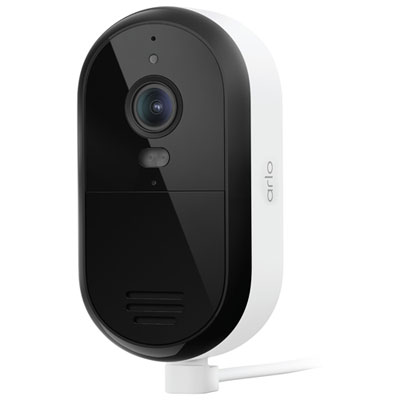
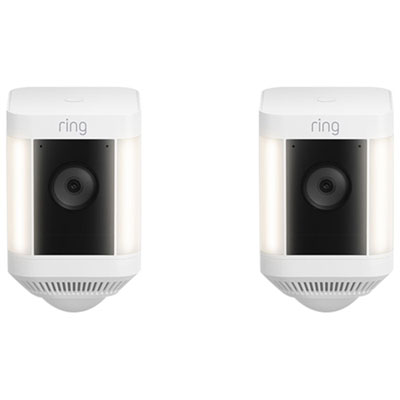
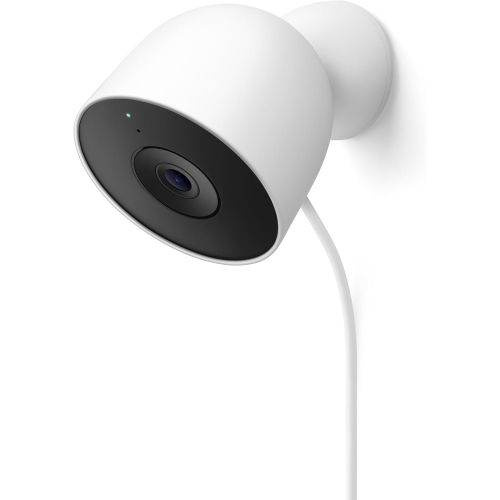
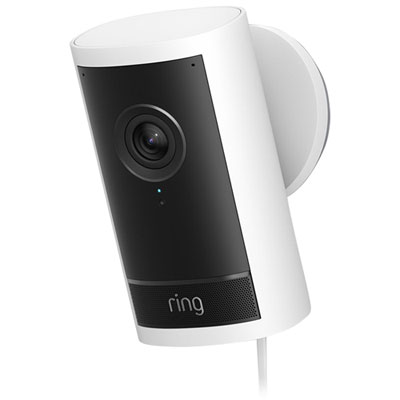


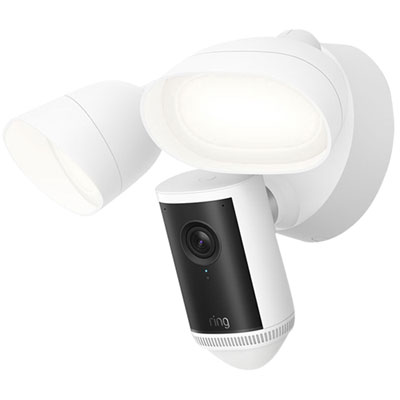
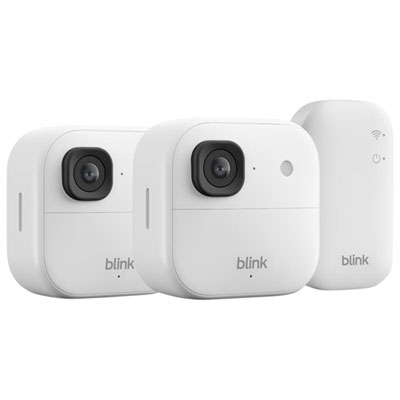
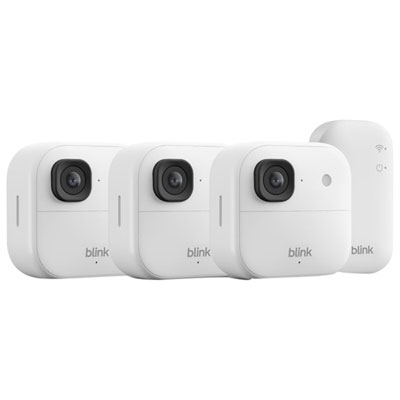


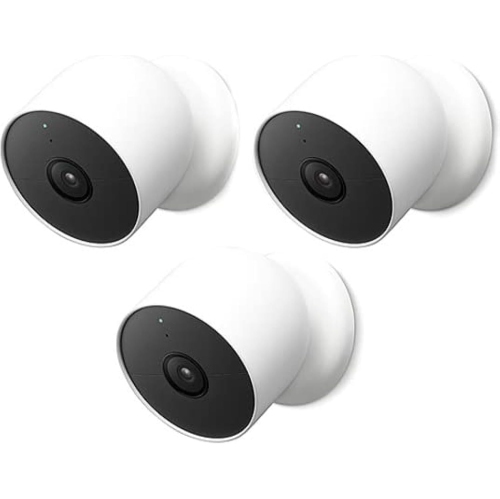
A wider camera view is not always better
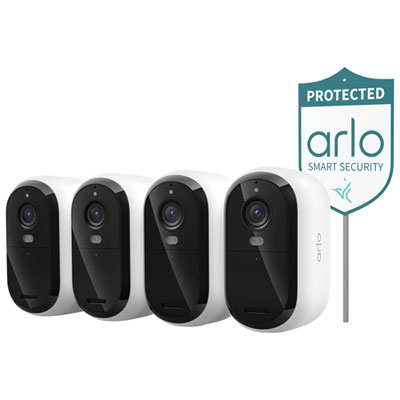
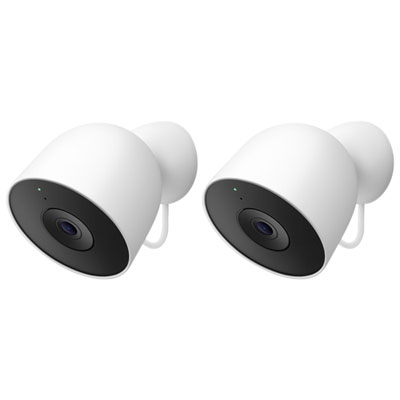
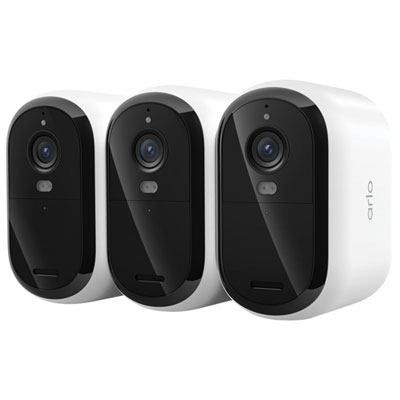
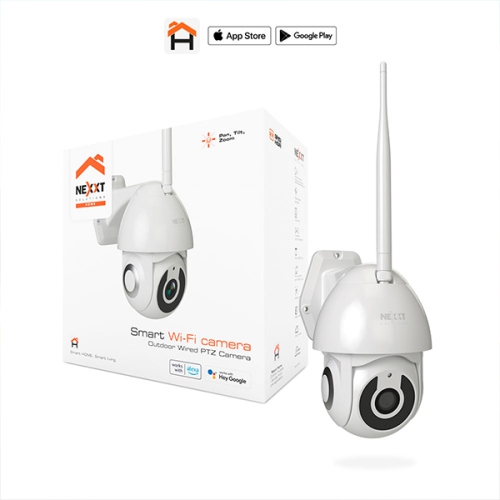
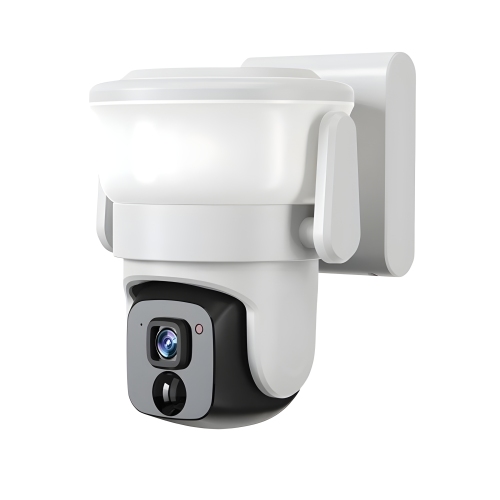
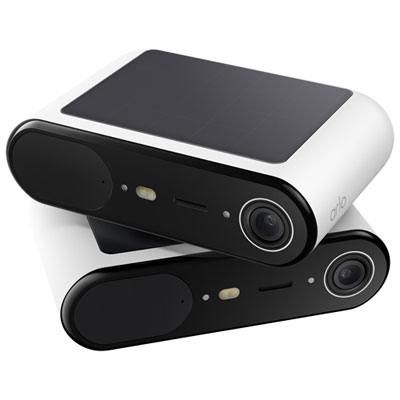
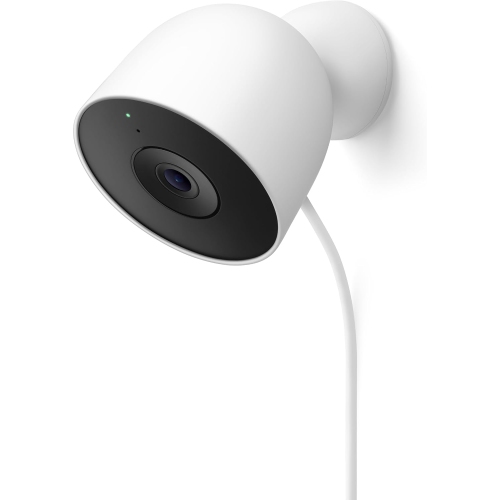
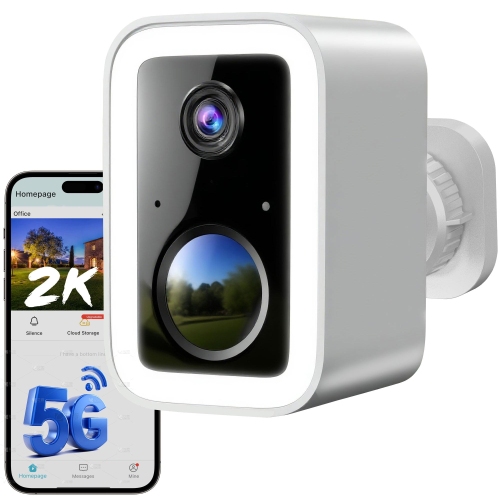
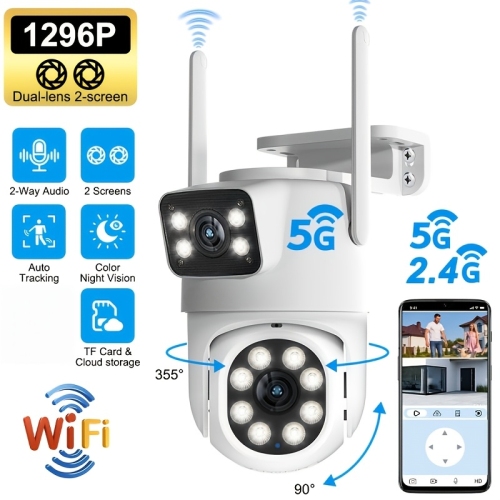
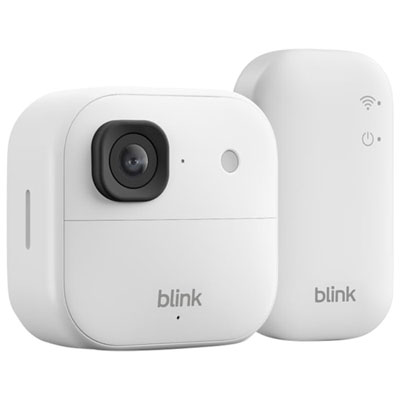
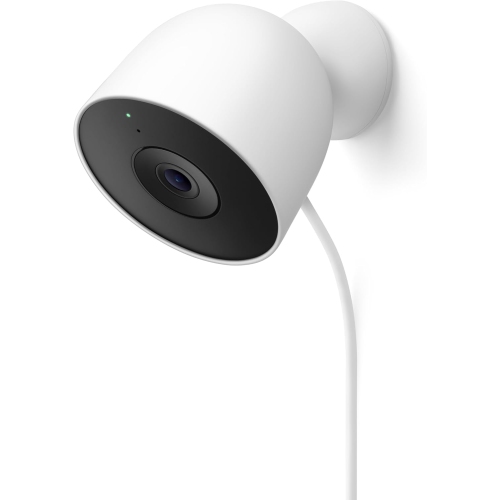
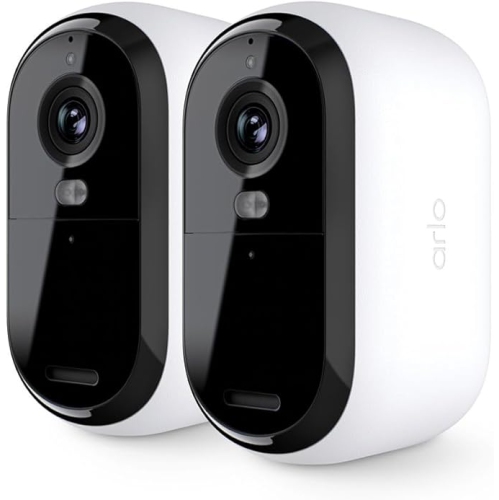
Smart home outdoor security cameras help keep the exterior of a property in view, bringing live video, recorded events, and activity notifications to a compatible smartphone or other connected device. They can make everyday situations easier to follow, whether a delivery arrives at the front entrance, a visitor approaches a side gate, or someone pulls into the driveway while the household is away. Homeowners may use several cameras to cover separate access points, while renters may prefer a smaller setup with mounting arrangements permitted by their lease. The most useful coverage comes from matching the camera’s view to the space rather than simply choosing the widest possible angle. A broad field of view can capture a front path and driveway together, but a narrower view may show more detail around a particular doorway. Placement also affects how clearly a camera records faces: a high mounting position can provide an overview while making facial details harder to distinguish. Resolution, lens quality, lighting, and the distance to the subject all influence the image. Higher-resolution video, including 2K and 4K, can preserve more detail when enlarging footage, though it cannot make every distant face or licence plate readable. Night vision is another important distinction. Infrared illumination typically produces black-and-white footage in darkness, while colour night vision may depend on available light or an integrated spotlight. A camera facing a reflective surface can produce glare, and recording through a window can interfere with infrared performance. Thoughtful positioning keeps the entrance visible without aiming directly into neighbouring windows or capturing more of a shared space than necessary. Two-way audio adds another practical function, allowing a household member to speak with a visitor through the camera’s microphone and speaker. This can be useful for directing a parcel to a designated spot, although speech clarity depends on the microphone, surrounding noise, and connection quality. Cameras with integrated lights can also illuminate the area they monitor, with placement that avoids shining directly towards nearby homes.
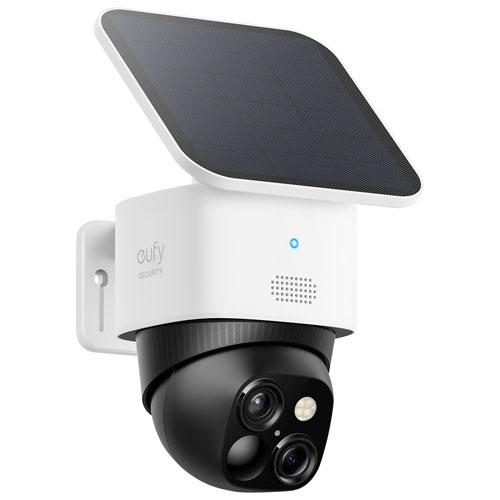
Power and connectivity determine how an outdoor camera fits into the property and how much ongoing attention it needs. A wireless camera usually sends video over Wi-Fi, but the term does not necessarily mean it runs on a battery. Plug-in models use a power adapter and need a suitable electrical connection within reach; battery-powered models offer more flexibility where an outlet is inconvenient. Rechargeable batteries still need attention, and their runtime varies with recording activity, live viewing, settings, and connection strength. A camera overlooking a busy driveway may need charging more often than one watching a seldom-used side entrance. Compatible solar panels can supplement battery charging when their placement receives sufficient sunlight, but they do not guarantee that charging will never be necessary. Wired network cameras use Ethernet for data, and models supporting Power over Ethernet can receive data and power through one cable when paired with compatible equipment. For network-based monitoring, Outdoor IP Security Cameras encompass options with different connection methods and installation requirements. Reliable Wi-Fi coverage matters at the mounting location, not just inside the house: exterior walls, distance from the router, and interference can affect video streaming and notifications. Some cameras support only 2.4 GHz networks, while others also support 5 GHz, so compatibility with the home network is important. Mounting hardware should suit the wall surface and hold the camera securely without leaving cables exposed to snagging or strain. Hardwired electrical connections may require professional installation, and exterior cable routing needs appropriate protection. Outdoor-rated housings, sealed connections, and documented ingress-protection ratings help distinguish cameras intended for exterior installation. An IP rating describes tested resistance to solid particles and water; it is not a blanket guarantee against damage under every condition. Durable plastic or metal housings, stable brackets, and accessible charging ports contribute to a practical setup, especially when a camera needs occasional adjustment, cleaning, or removal for charging.
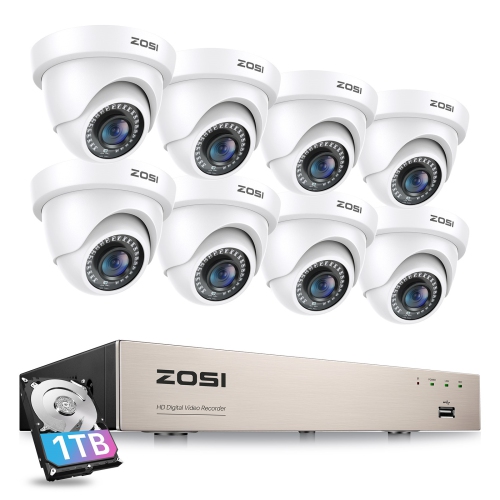
Recording options and smart features shape what happens after activity is detected. Motion alerts can provide a quick heads-up, but useful notifications depend on how well the system distinguishes relevant activity from routine movement. Depending on the model, detection may identify people, vehicles, animals, or packages, and some functions require compatible software or an associated service. Adjustable activity zones can focus attention on a front walkway rather than traffic passing beyond the property. Detection sensitivity and recording schedules can further reduce unnecessary interruptions, although no system identifies every event perfectly. Local storage may save footage to a compatible memory card, hub, or recorder, while cloud storage sends recordings to a remote service for access through an account. These approaches differ in storage capacity, retention settings, connectivity requirements, and what remains accessible if the camera is damaged or removed. Continuous recording and event-based recording are also distinct: constant power alone does not mean a camera records continuously. The recording mode depends on the camera and storage system, and some battery-powered designs primarily capture motion-triggered clips. Footage with a few seconds of pre-event recording, where supported, can provide context before someone reaches the door. Compatibility with a smart home platform may allow viewing on a connected display or using supported automations, but available functions vary between platforms and cameras. Account security deserves the same attention as physical placement. Unique passwords, multi-factor authentication where supported, software updates, and carefully managed sharing permissions help protect access to live views and recordings. Separate access for household members can be more practical than sharing one account. Routine care includes gently cleaning the lens according to the manufacturer’s directions, checking that brackets remain secure, and confirming that recordings and alerts still work as expected. For a housewarming gift, an outdoor camera can be useful when the recipient wants exterior monitoring and the equipment suits their network, mounting options, and preferred recording setup. The best fit is a system that makes everyday activity easier to understand without creating unnecessary maintenance or notifications.
Top selling and popular products
-
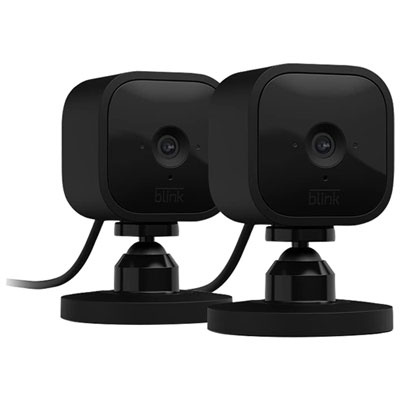 Your price for this item is $59.99
-
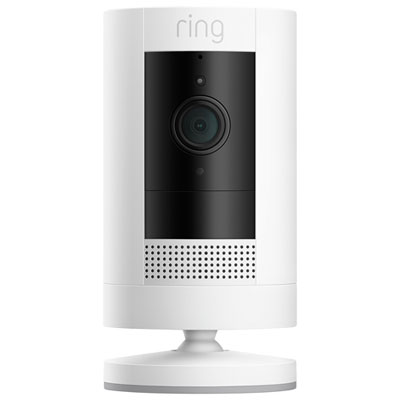 Your price for this item is $109.99
-
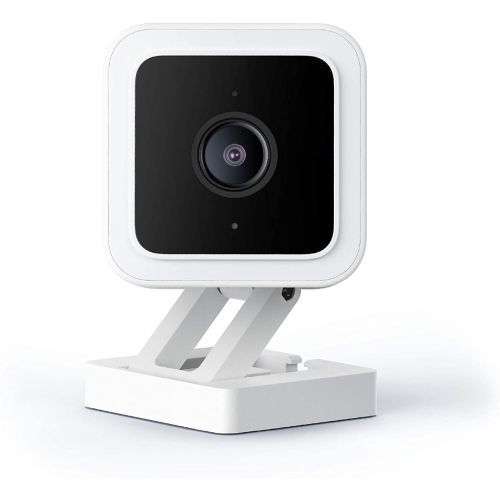 Your price for this item is $95.99
-
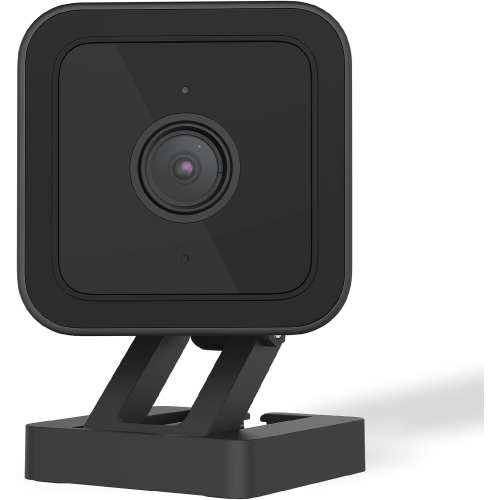 Your price for this item is $89.49
-
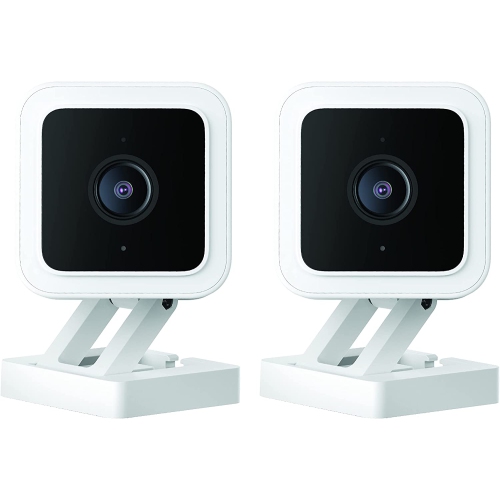 Your price for this item is $97.99
-
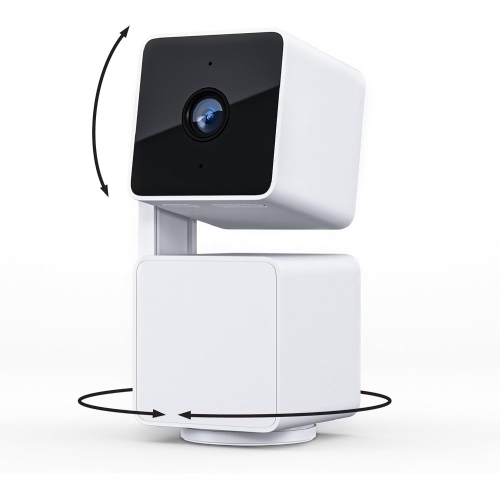 Your price for this item is $107.49
-
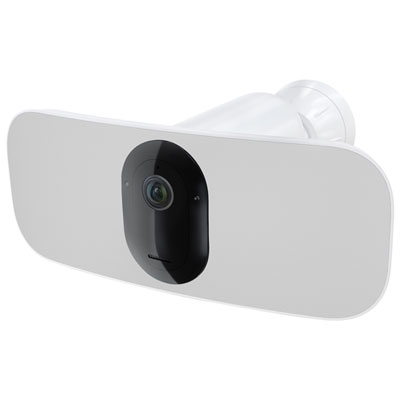 Your price for this item is $329.95
-
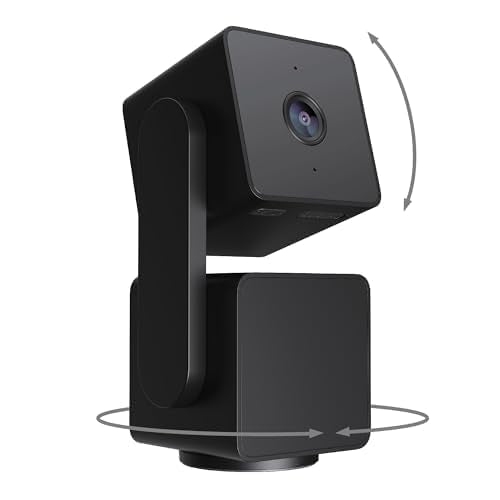 Your price for this item is $96.49
Discover more categories related to Smart Home Outdoor Security Cameras
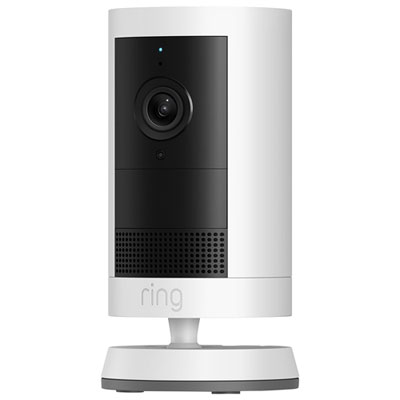
Top Collections:
Best Black Friday Deals This Year, Best Black Friday Deals On Electronics, Kindle Devices, Pokemon Centers, Best Black Friday Deals On Apple Products, Best Cameras for Sports Photography, Dyson Airwrap, Pokémon 30th Celebration Cards, Apple iPhone 17 Pro, Canon G7X Cameras
Some products may be subject to Environmental Handling Fees
(EHF) depending on your province.
Learn more about EHFs.