White Home Theater Speakers
White is a neat and classy color. If you're looking to build a home theater, these white speakers are perfect for you. These speakers are the vessels that deliver sound to your ears. They're also the centerpiece of any home theater experience. Here are some great options available on the market.
Sort
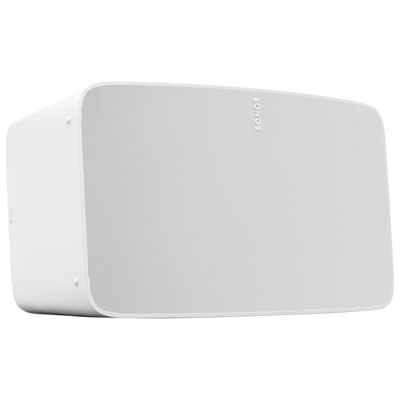
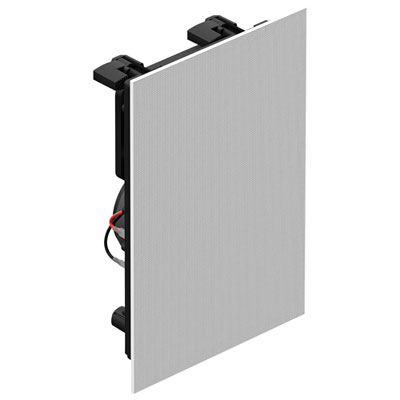
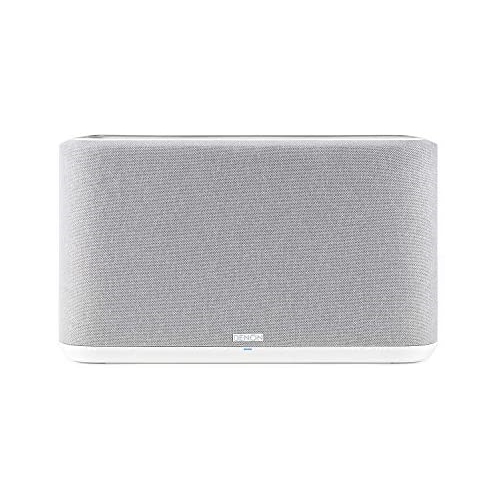
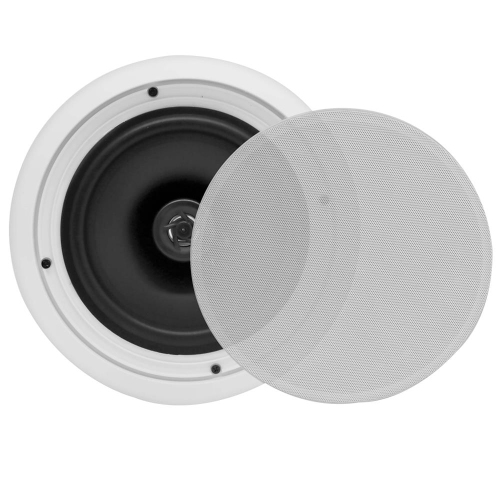
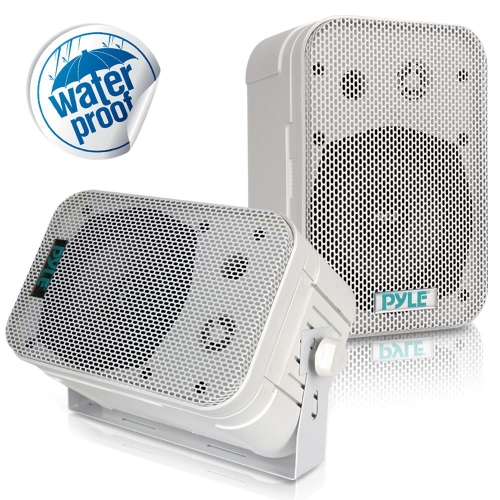
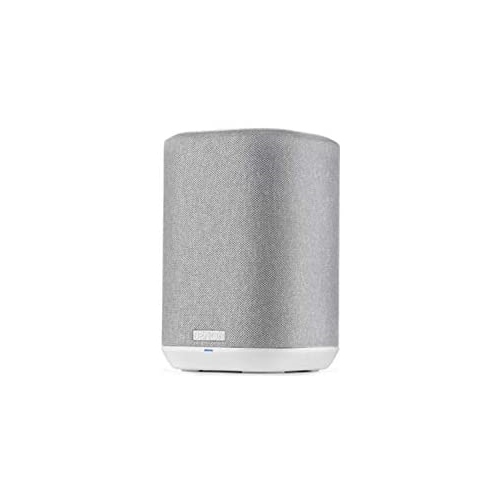
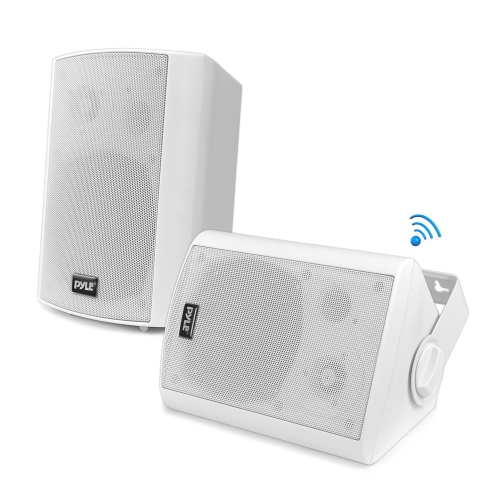
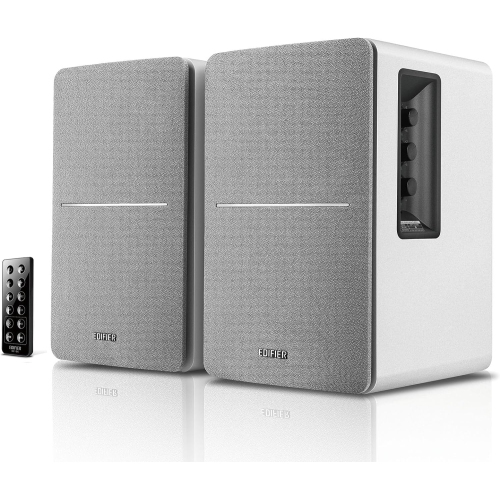
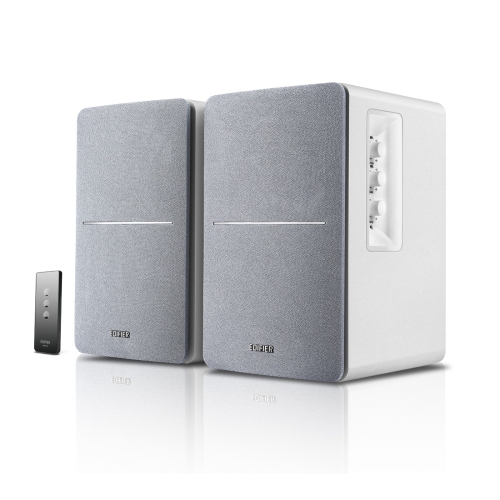
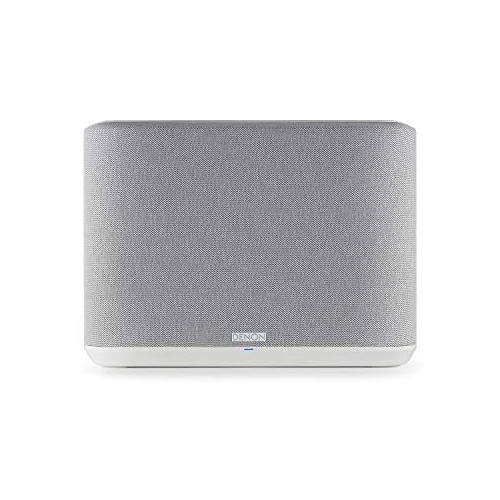
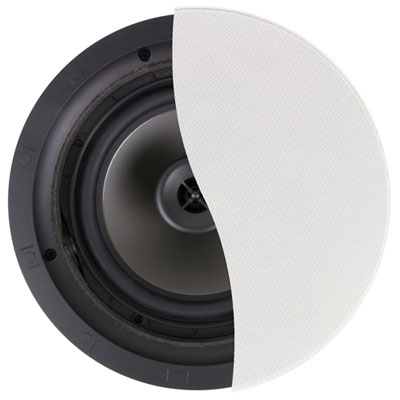
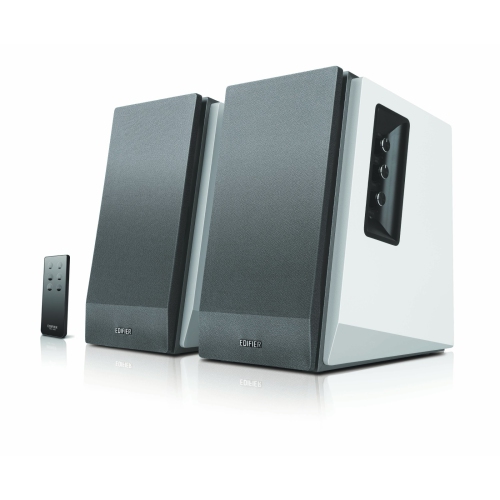
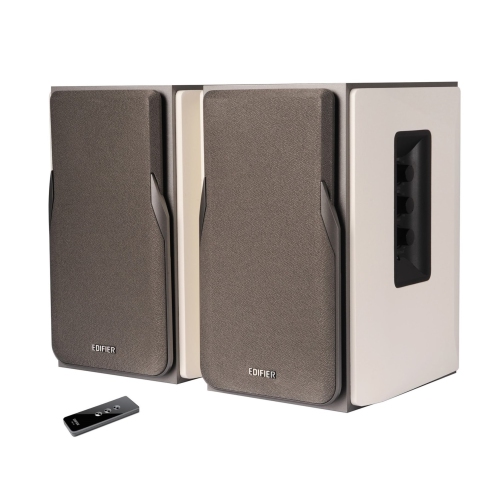
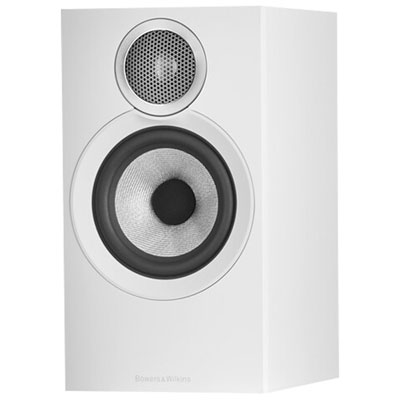
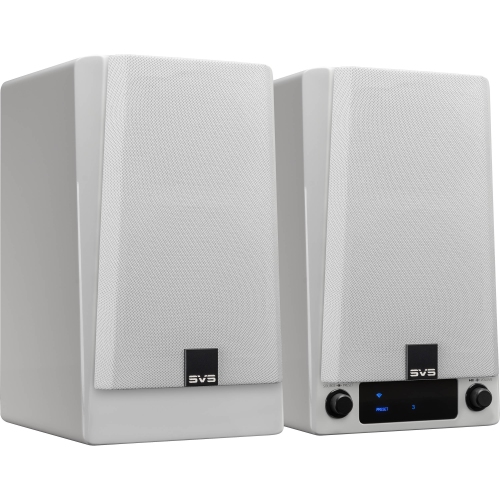
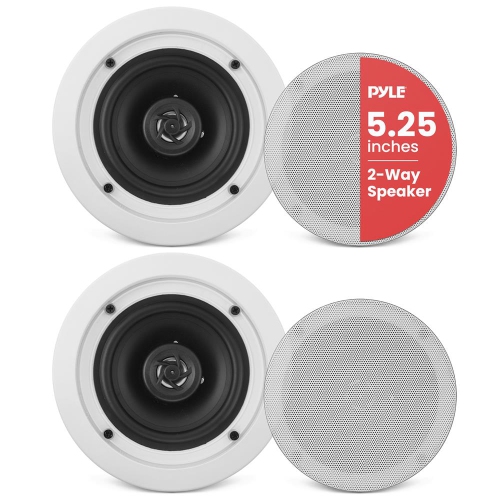
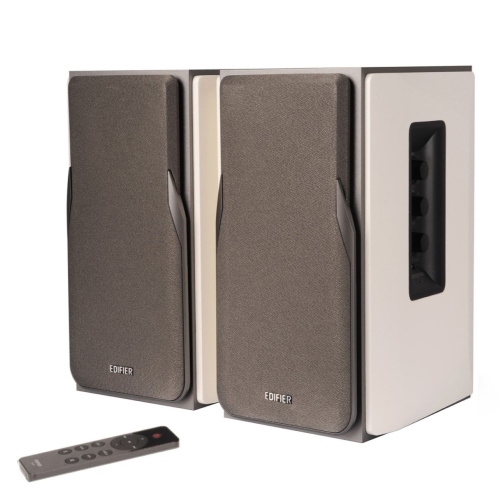
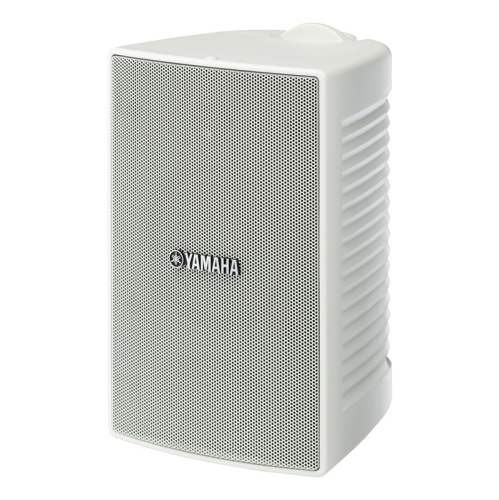
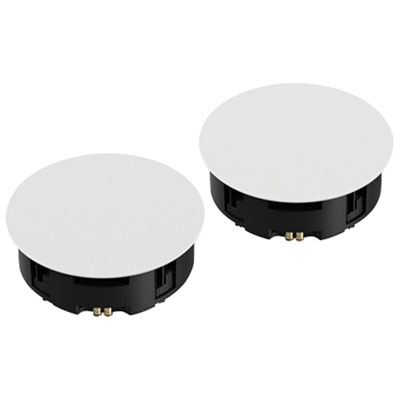
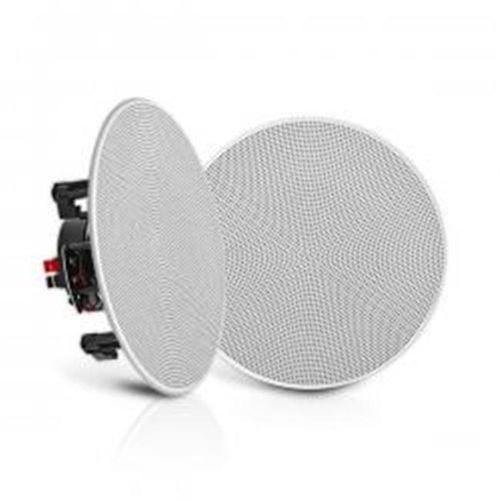
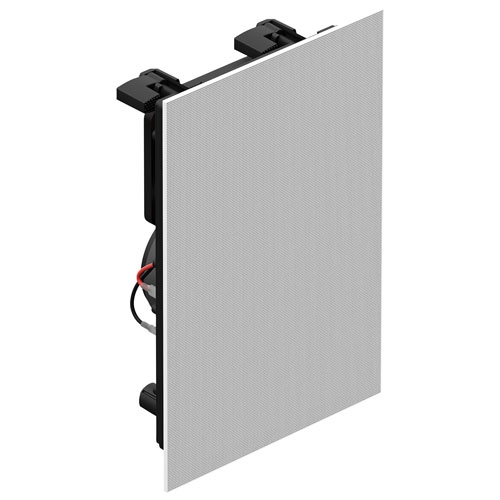
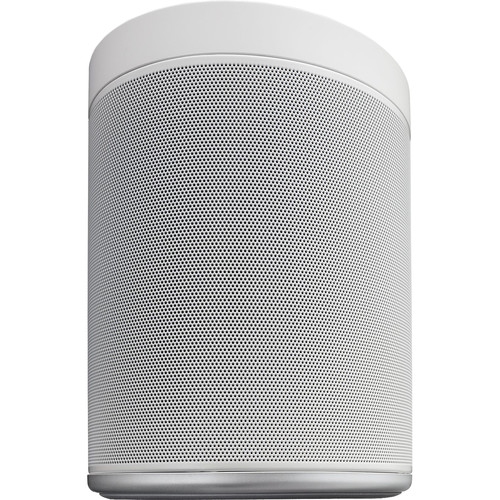
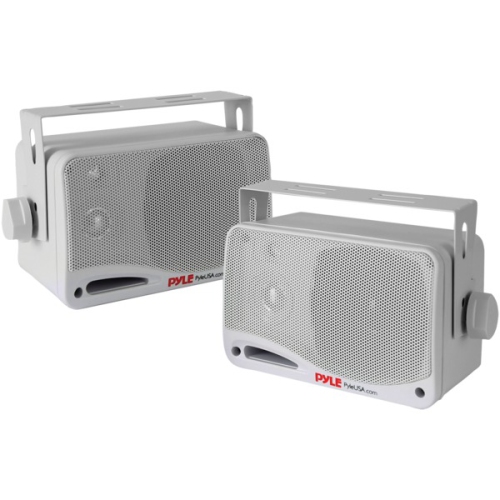
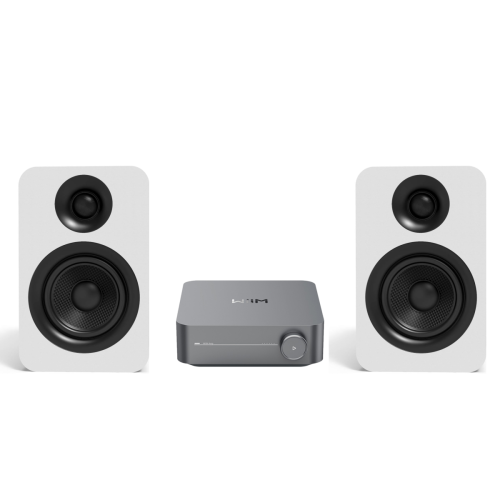
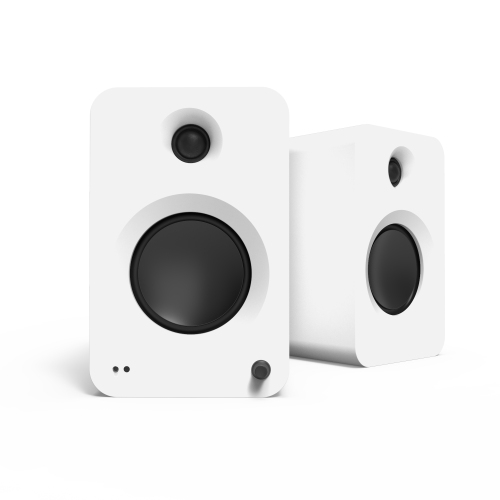
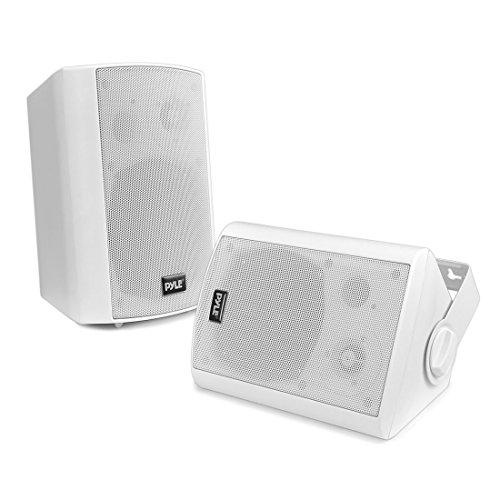
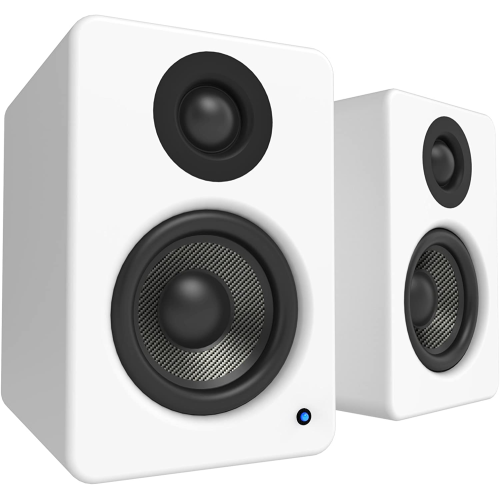

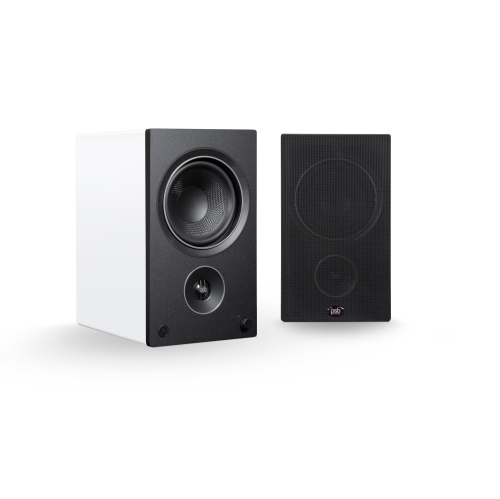
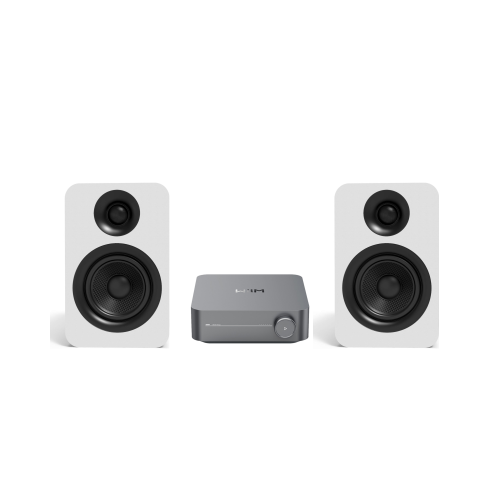
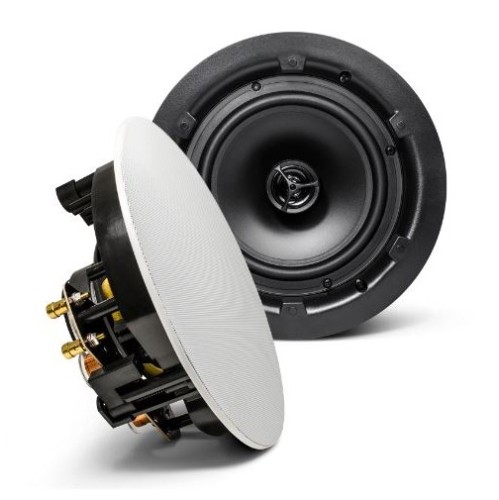
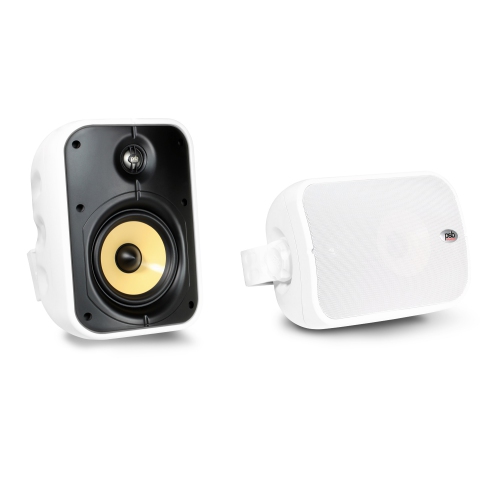
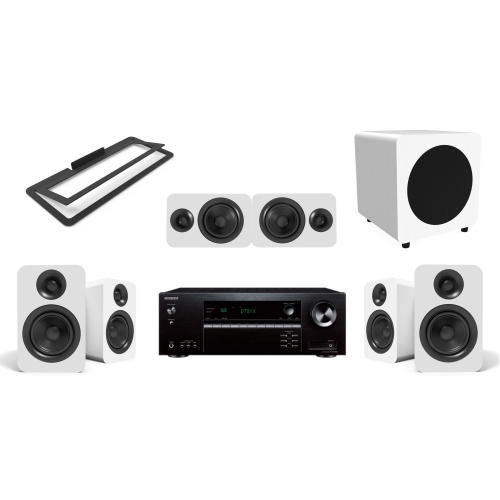
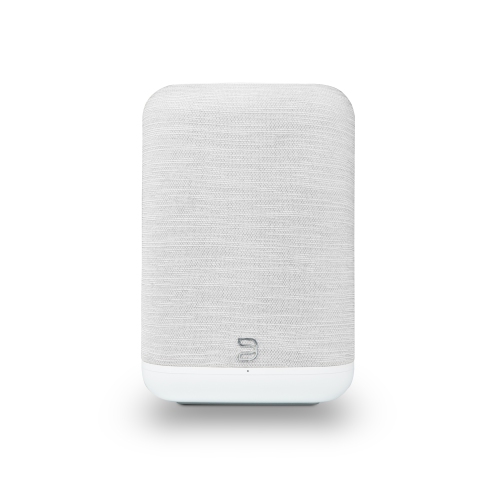
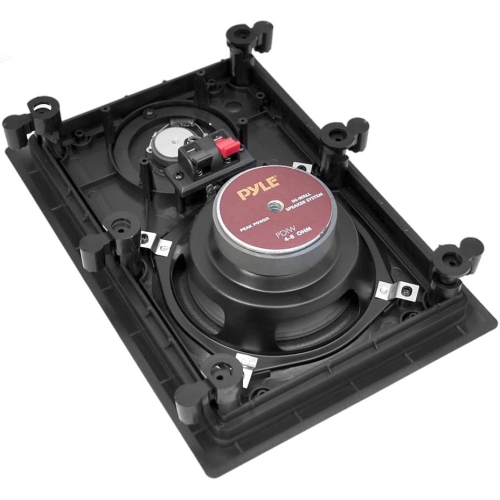
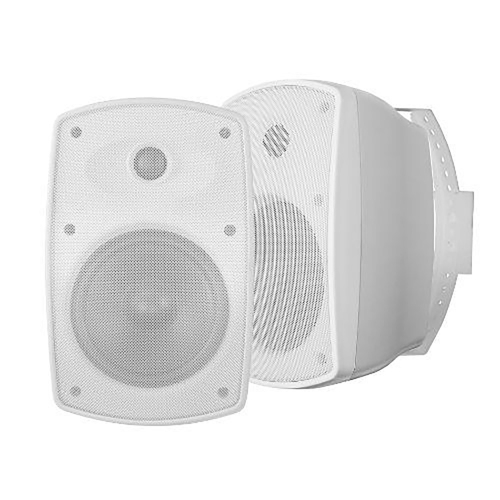
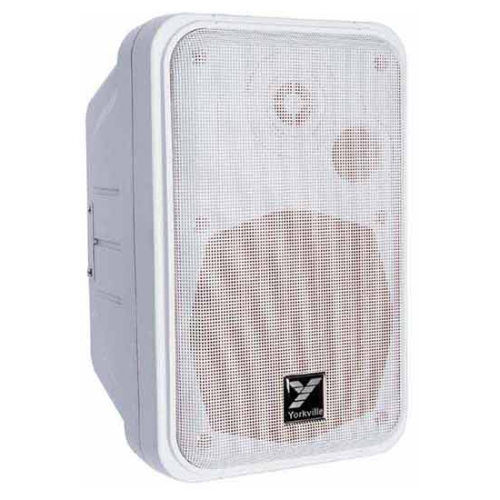

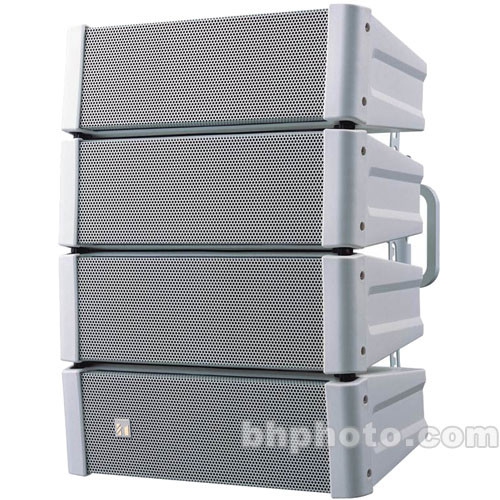
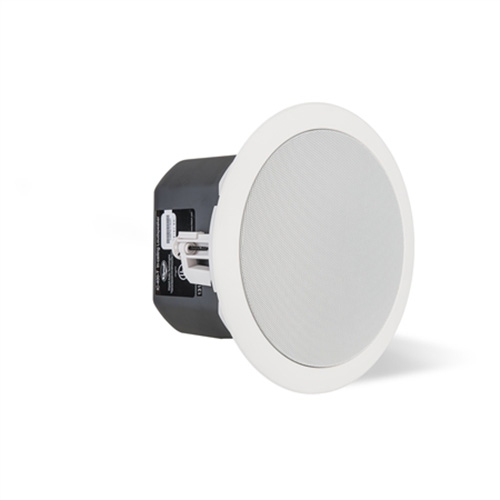
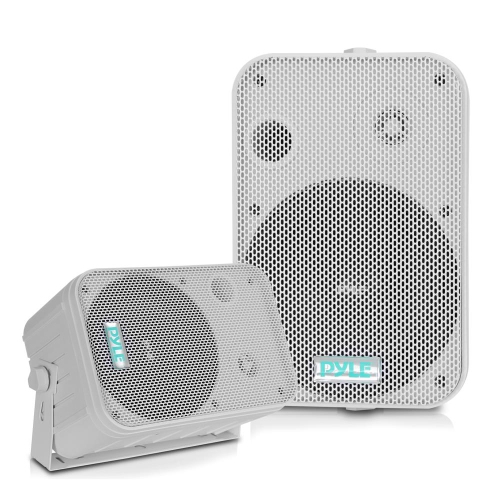
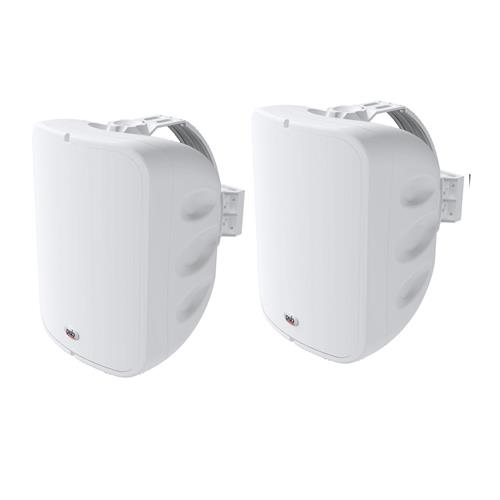
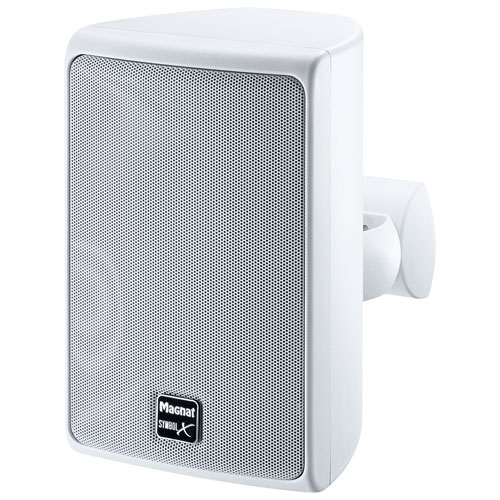
Understated white finishes meet immersive living room sound
White home theatre speakers pair a light, understated finish with the sound needed for films, television, music, and gaming. The colour suits pale walls, painted cabinetry, and minimalist media furniture, allowing speakers to sit comfortably within a living room rather than dominate it visually. Against darker shelving, white cabinets create a deliberate contrast that can make an audio setup feel like part of the room’s design. Their appearance does not determine their sound: driver design, cabinet construction, placement, and the equipment powering them have a much greater influence on performance. Within this category, bookshelf speakers offer a compact format for front left and right channels, while smaller satellite speakers can handle surround effects without taking up much floor space. Floorstanding speakers have larger cabinets and often multiple drivers, giving them the capacity for fuller output and greater bass extension, although a dedicated subwoofer can still add the deepest effects in film soundtracks. A centre-channel speaker anchors dialogue near the screen, helping conversations remain intelligible as voices compete with music and action. White in-wall and in-ceiling speakers offer a more integrated appearance, with grilles that sit close to the surrounding surface. These architectural formats require suitable installation space and wiring, but they can be useful where freestanding cabinets would interrupt a walkway or crowd a seating area. Materials vary by design and may include painted wood-based cabinets, moulded housings, fabric grilles, or perforated metal grilles. A solid, well-braced enclosure helps limit unwanted cabinet vibration, while the grille provides a degree of protection for delicate drivers. Matte white tends to look subdued under room lighting; gloss white reflects more light and can coordinate with polished furniture. Slight differences in white tones and grille textures may be noticeable beside existing pieces, especially when adding speakers to an established system. For a shared living space, these details can matter almost as much as the cabinet’s dimensions.
A white home theatre speaker system can range from a simple front pair to a multichannel arrangement that places sound around and above the seating area. In a conventional 5.1 setup, the five main channels are front left, centre, front right, surround left, and surround right, accompanied by a subwoofer for low-frequency effects and redirected bass. A 7.1 arrangement adds two rear surround channels, while a layout described as 5.1.2 includes two height channels. Those height effects can come from suitably installed overhead speakers or compatible upward-firing designs that reflect sound from the ceiling; the latter depend on ceiling height, shape, and surface for convincing results. During a film, the centre speaker keeps dialogue tied to the screen, the front pair establishes the width of the soundtrack, and surround channels carry details such as footsteps approaching from behind or rain falling beyond the picture. For a closer focus on speakers used around the listening area, White Surround Sound Speakers brings that part of the setup into view. Tonal consistency across channels helps these effects move naturally through the room, particularly across the front three speakers. Matching finishes can make the arrangement look cohesive, but matching acoustic characteristics is a separate consideration. Passive speakers need amplification from an AV receiver or amplifier, with speaker impedance and recommended amplifier power considered together. Powered speakers contain their own amplification, though their inputs and supported connections determine how they work with a television or a larger system. Wireless audio connections do not necessarily mean a cable-free installation: powered speakers generally still need access to an electrical outlet, and some arrangements use cables between speakers. Wi-Fi, Bluetooth, and proprietary wireless connections serve different purposes, so compatibility with the rest of the system matters more than the presence of a wireless label. Receiver channel support, subwoofer connections, and room-calibration features also influence how easily a setup can grow from everyday television sound into a more enveloping listening experience.
Room size, furniture placement, and everyday routines help determine which speaker format feels comfortable to live with. In a condo living room, compact white bookshelf speakers on stable stands may provide a better fit than large towers squeezed between a sofa and a media unit. In a larger room with seating farther from the television, speakers capable of greater output can help maintain clarity without sounding strained. Cabinet depth deserves attention alongside height and width, since rear connections and bass ports may need additional clearance. A bookshelf speaker is not automatically suited to a tight shelf: enclosing a rear-ported cabinet or pushing it against a wall can alter its bass balance. Front speakers generally benefit from a balanced position around the screen, with their high-frequency drivers near seated ear level where practical, while the centre channel should have a clear path towards listeners rather than sit behind a cabinet door. Rugs, curtains, and upholstered seating can soften reflections in rooms with hard floors and broad windows, helping speech sound less splashy. A subwoofer’s position also affects bass consistency; a location that produces plenty of impact in one seat may sound uneven elsewhere. Stable stands, suitable wall brackets, and secure cable routing are especially important in homes with children or pets. Mounting hardware needs to match both the speaker and the supporting surface, and architectural installations call for appropriate in-wall cable and attention to the building’s construction. For care, a soft, dry microfibre cloth is usually suitable for routine dusting, subject to the manufacturer’s instructions. Spraying cleaner directly onto a cabinet or grille risks moisture reaching the drivers, and abrasive cleaning can mark a white finish. Keeping speakers away from spills and protecting exposed cones helps preserve their appearance and performance. For film enthusiasts, frequent gamers, or someone setting up a first dedicated media space, white speakers can be a thoughtful gift when the recipient’s connections, room dimensions, and existing equipment are known. The most satisfying fit brings together clear dialogue, convincing effects, manageable placement, and a finish that belongs in the room.
A white home theatre speaker system can range from a simple front pair to a multichannel arrangement that places sound around and above the seating area. In a conventional 5.1 setup, the five main channels are front left, centre, front right, surround left, and surround right, accompanied by a subwoofer for low-frequency effects and redirected bass. A 7.1 arrangement adds two rear surround channels, while a layout described as 5.1.2 includes two height channels. Those height effects can come from suitably installed overhead speakers or compatible upward-firing designs that reflect sound from the ceiling; the latter depend on ceiling height, shape, and surface for convincing results. During a film, the centre speaker keeps dialogue tied to the screen, the front pair establishes the width of the soundtrack, and surround channels carry details such as footsteps approaching from behind or rain falling beyond the picture. For a closer focus on speakers used around the listening area, White Surround Sound Speakers brings that part of the setup into view. Tonal consistency across channels helps these effects move naturally through the room, particularly across the front three speakers. Matching finishes can make the arrangement look cohesive, but matching acoustic characteristics is a separate consideration. Passive speakers need amplification from an AV receiver or amplifier, with speaker impedance and recommended amplifier power considered together. Powered speakers contain their own amplification, though their inputs and supported connections determine how they work with a television or a larger system. Wireless audio connections do not necessarily mean a cable-free installation: powered speakers generally still need access to an electrical outlet, and some arrangements use cables between speakers. Wi-Fi, Bluetooth, and proprietary wireless connections serve different purposes, so compatibility with the rest of the system matters more than the presence of a wireless label. Receiver channel support, subwoofer connections, and room-calibration features also influence how easily a setup can grow from everyday television sound into a more enveloping listening experience.
Room size, furniture placement, and everyday routines help determine which speaker format feels comfortable to live with. In a condo living room, compact white bookshelf speakers on stable stands may provide a better fit than large towers squeezed between a sofa and a media unit. In a larger room with seating farther from the television, speakers capable of greater output can help maintain clarity without sounding strained. Cabinet depth deserves attention alongside height and width, since rear connections and bass ports may need additional clearance. A bookshelf speaker is not automatically suited to a tight shelf: enclosing a rear-ported cabinet or pushing it against a wall can alter its bass balance. Front speakers generally benefit from a balanced position around the screen, with their high-frequency drivers near seated ear level where practical, while the centre channel should have a clear path towards listeners rather than sit behind a cabinet door. Rugs, curtains, and upholstered seating can soften reflections in rooms with hard floors and broad windows, helping speech sound less splashy. A subwoofer’s position also affects bass consistency; a location that produces plenty of impact in one seat may sound uneven elsewhere. Stable stands, suitable wall brackets, and secure cable routing are especially important in homes with children or pets. Mounting hardware needs to match both the speaker and the supporting surface, and architectural installations call for appropriate in-wall cable and attention to the building’s construction. For care, a soft, dry microfibre cloth is usually suitable for routine dusting, subject to the manufacturer’s instructions. Spraying cleaner directly onto a cabinet or grille risks moisture reaching the drivers, and abrasive cleaning can mark a white finish. Keeping speakers away from spills and protecting exposed cones helps preserve their appearance and performance. For film enthusiasts, frequent gamers, or someone setting up a first dedicated media space, white speakers can be a thoughtful gift when the recipient’s connections, room dimensions, and existing equipment are known. The most satisfying fit brings together clear dialogue, convincing effects, manageable placement, and a finish that belongs in the room.
Top selling and popular products
-
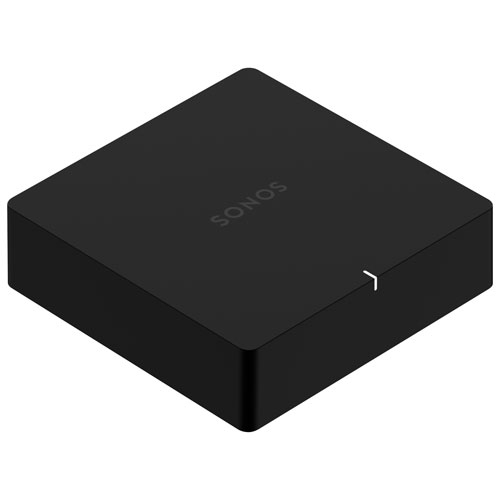 Your price for this item is $609.99
 -
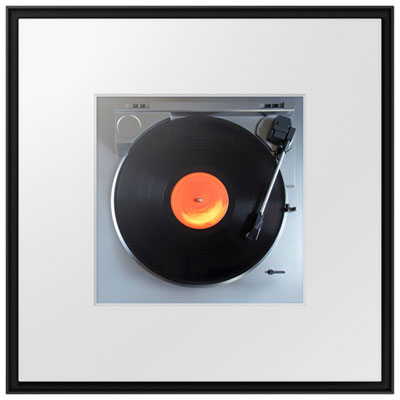 Your price for this item is $499.99
 -
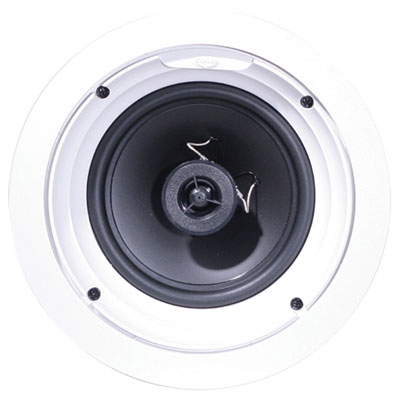 Your price for this item is $59.99
 -
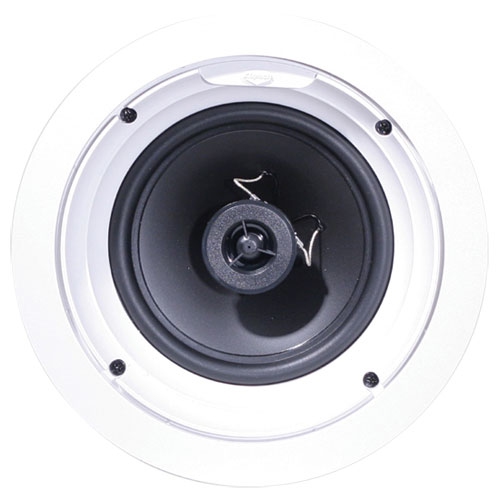 Your price for this item is $49.99
 -
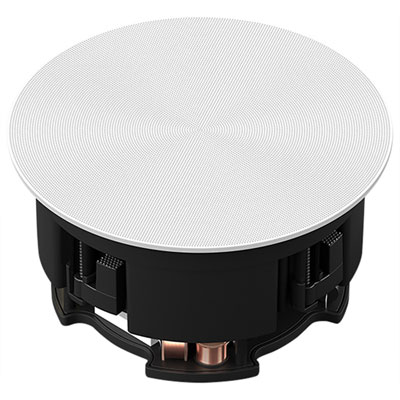 Your price for this item is $999.99
 -
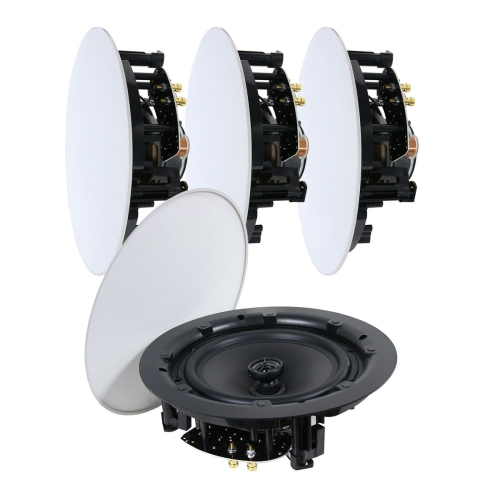 Your price for this item is $399.88
 -
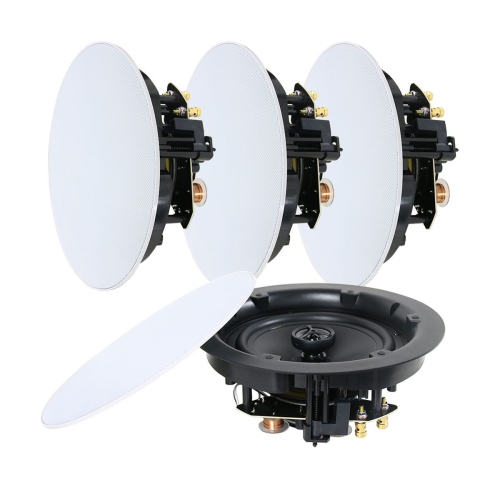 Your price for this item is $288.88
 -
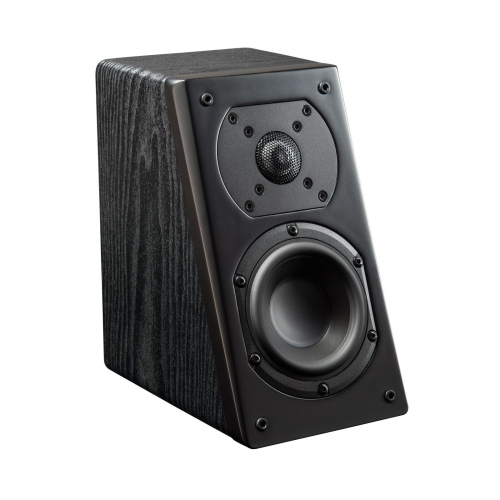 Your price for this item is $875
Discover more categories related to White Home Theater Speakers
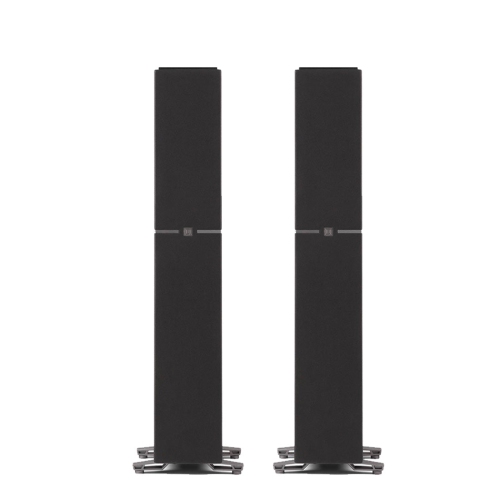
Top Collections:
Pokemon Centers, Kindle Devices, Best Budget Office Chairs, Apple iPhones 16, Best Laptops for Writers, iPhone 15 Apple, Canon G7X Cameras, Refurbished Apple Laptops, Alarm Clock, Motorola Razr Phones
Some products may be subject to Environmental Handling Fees
(EHF) depending on your province.
Learn more about EHFs.