Home Theatre Receivers
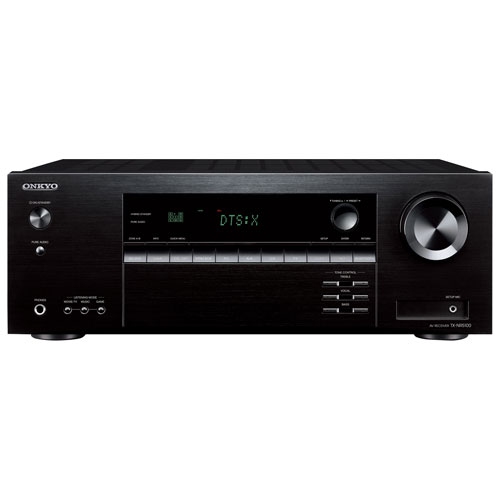
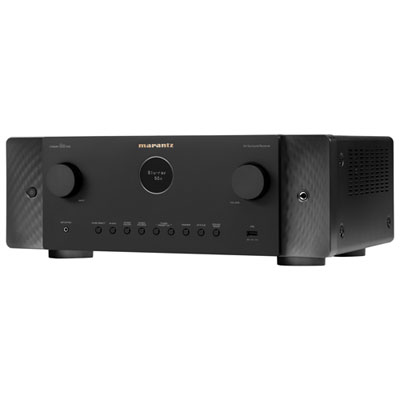
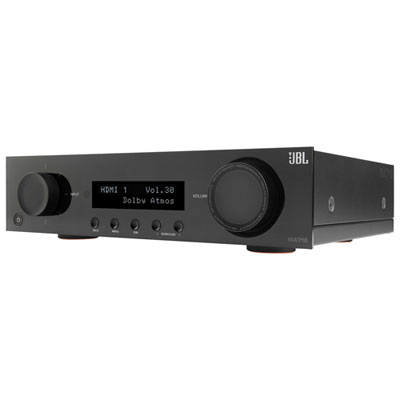
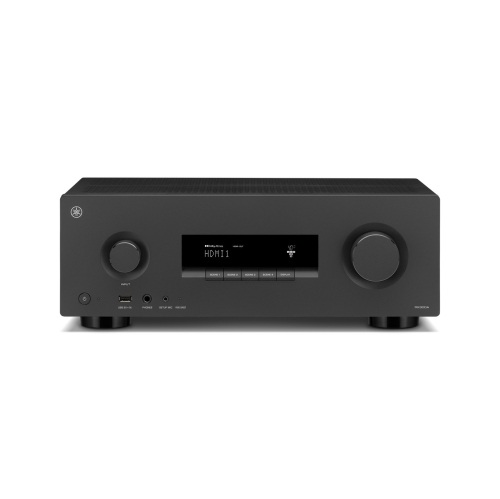
Find home theatre receivers to connect your entertainment devices and bring sound to your speakers. Compare AV receivers by speaker channel support, HDMI connections, and audio format compatibility to find a match for your TV, speaker setup, and the way you watch and listen.

















FAQ
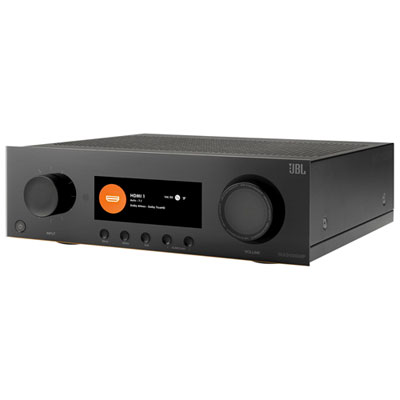
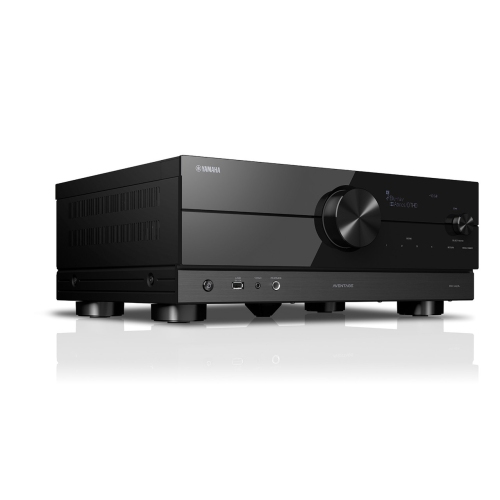
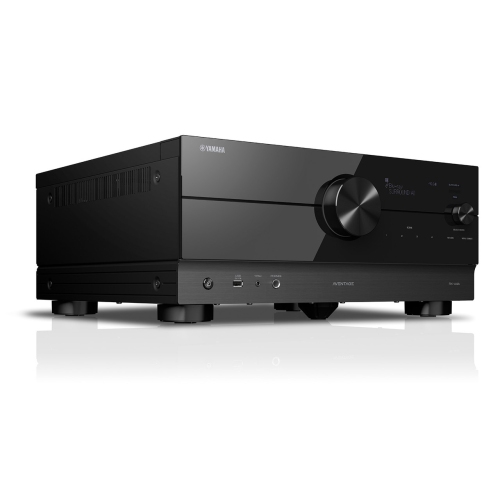
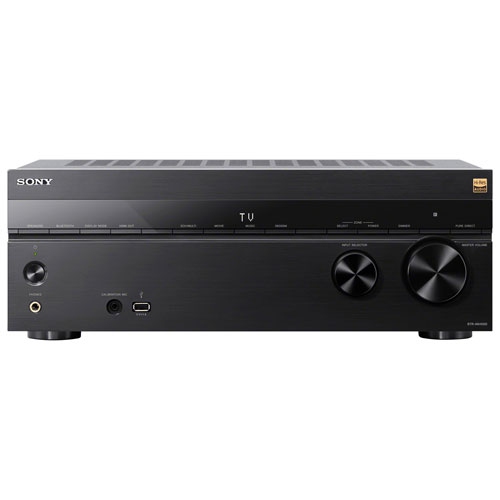
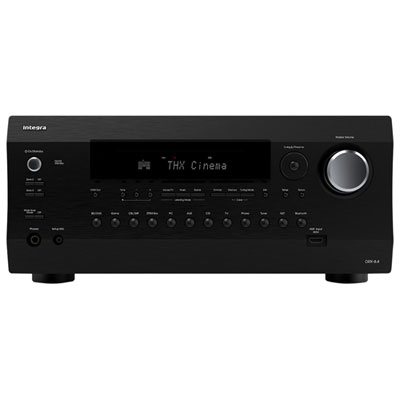
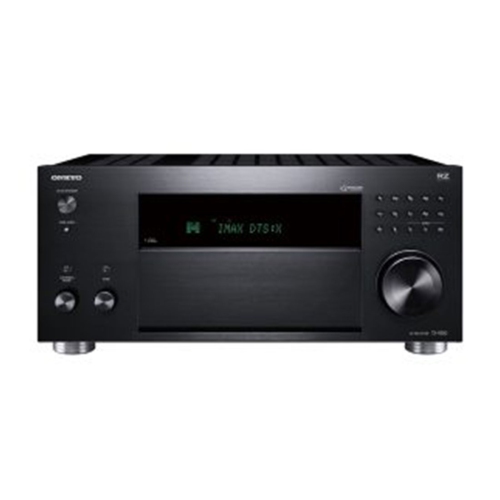
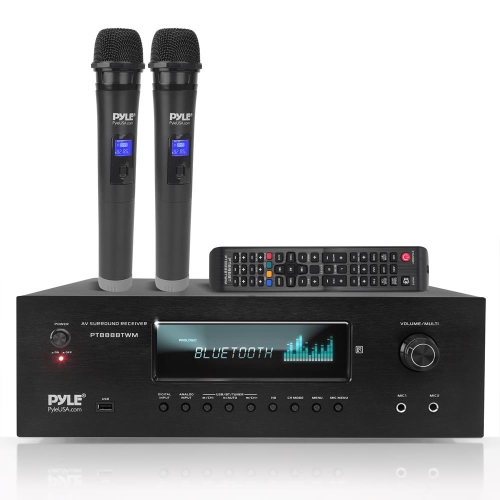
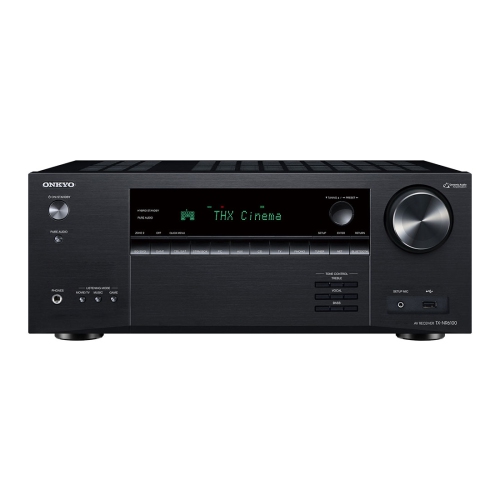
A home theatre receiver acts as a central hub for your entertainment setup. It connects sources such as streaming devices, gaming consoles and Blu-ray players, sends video to your TV or projector, and processes and amplifies audio for connected passive speakers.
Channel numbers describe the audio configuration a receiver supports. In a 5.1 setup, five main speaker channels are paired with a subwoofer channel. A configuration such as 5.1.2 adds two height channels. Check both the powered channel count and supported processing formats when planning your speaker layout.
ARC and eARC let a compatible TV send audio to a receiver through an HDMI connection, including audio from the TV’s built-in streaming apps. eARC supports higher-bandwidth audio formats, including certain lossless surround sound formats. Both the TV and receiver need to support the connection type and audio format you want to use.
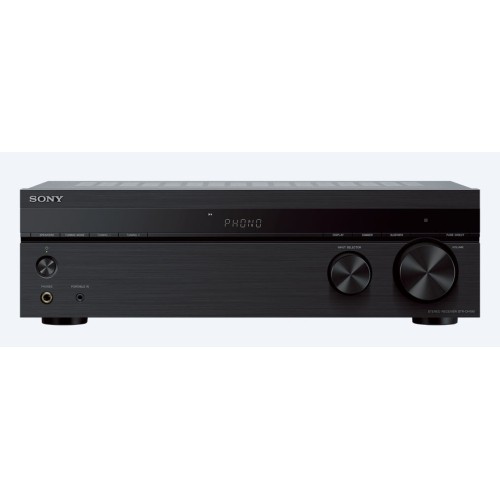
Consider HDMI inputs for your video sources, an HDMI output for your display, and speaker terminals for your audio setup. Optical and analogue inputs can accommodate other audio equipment, while a phono input can connect a compatible turntable without a separate phono preamp. For gaming, check support for the resolution, refresh rate and features your console and display use.
Many home theatre receivers support wireless music playback through Bluetooth, Wi-Fi or both. Bluetooth lets you stream from a compatible phone or tablet, while Wi-Fi features may include access to music services, network audio libraries and multi-room playback. Available services and device compatibility vary by receiver.
Top selling and popular products
Discover more categories related to Home Theatre Receivers

Some products may be subject to Environmental Handling Fees (EHF) depending on your province. Learn more about EHFs.