Home Theatre Systems with Receiver

Home theatre systems with a receiver bring speakers and audio control together for your TV, movies, and music. Compare packages by speaker configuration, receiver connections, and compatibility with your existing devices to find a setup that fits your room and listening needs.

Read More

Sort

Surround sound shaped around your room and routines

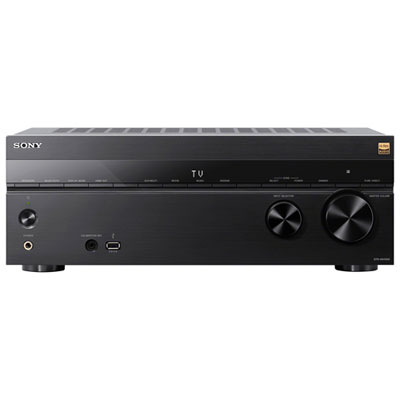
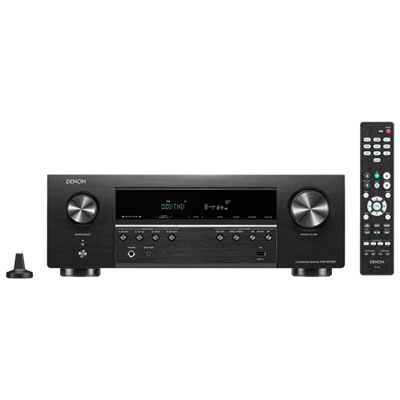
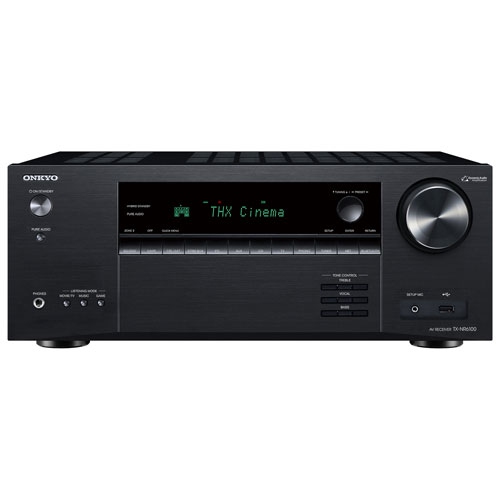
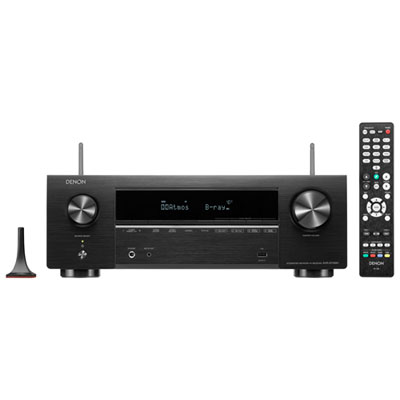
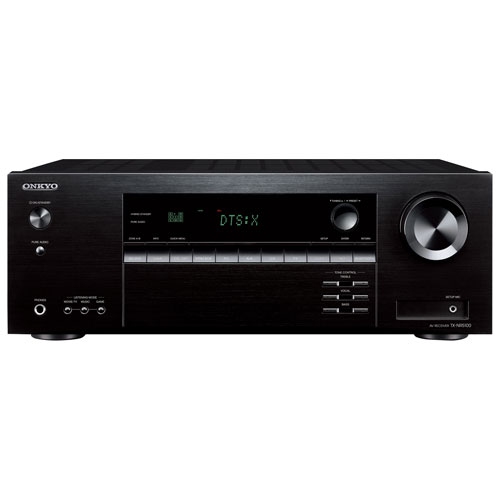
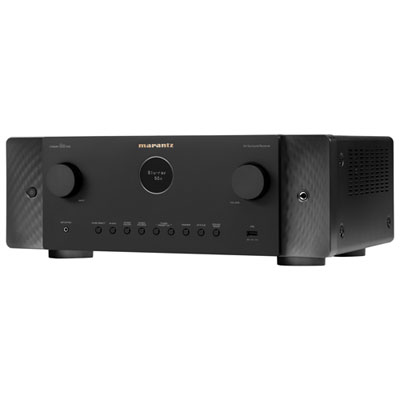
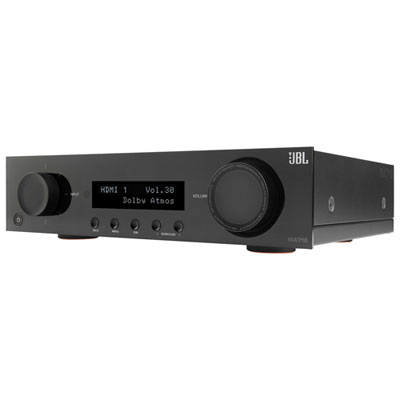
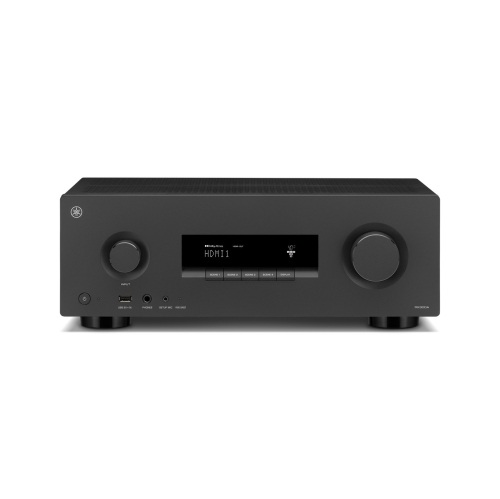
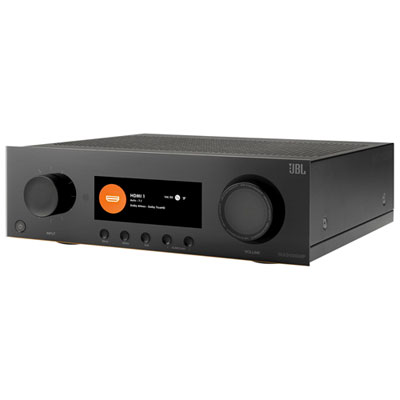
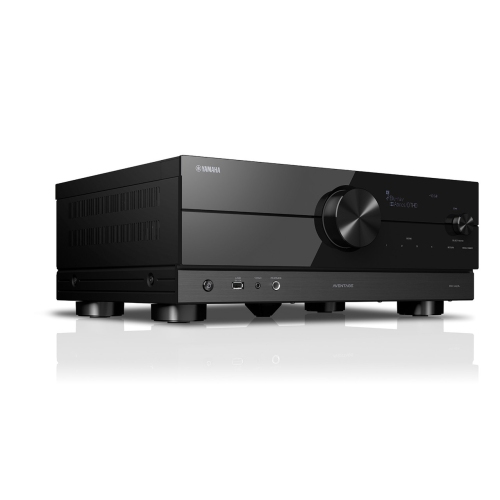
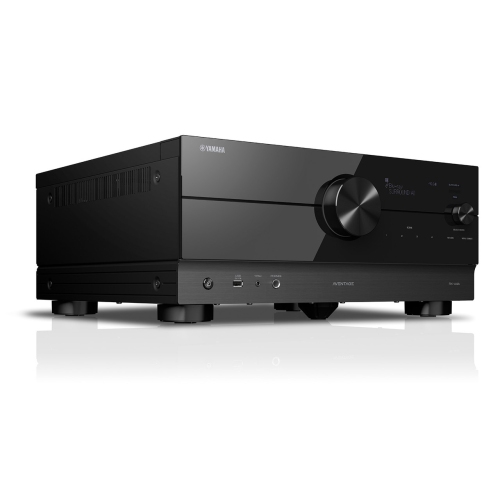
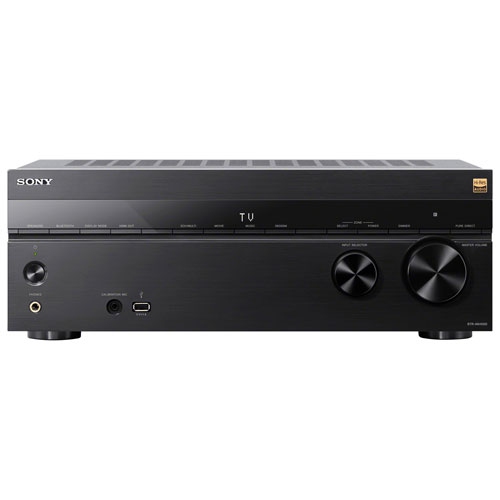
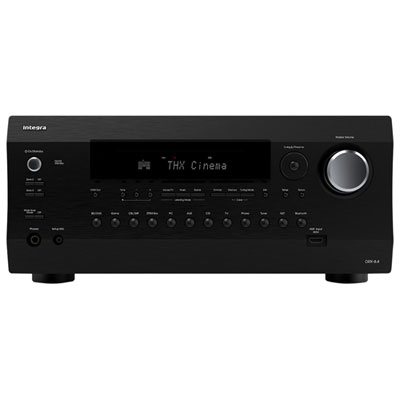
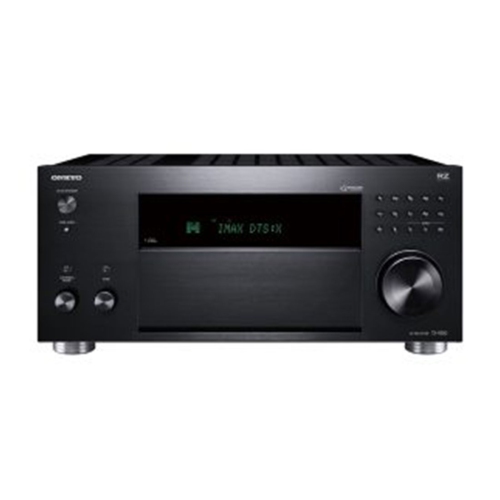
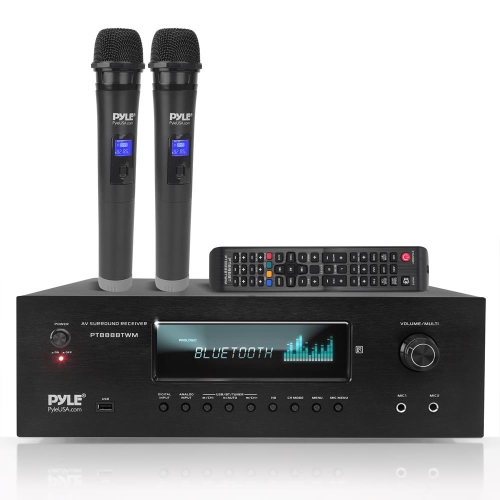
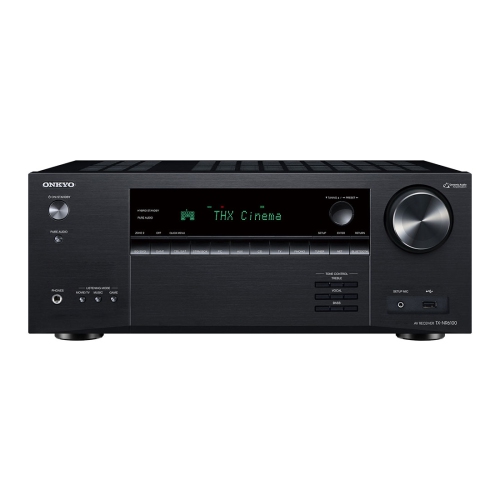
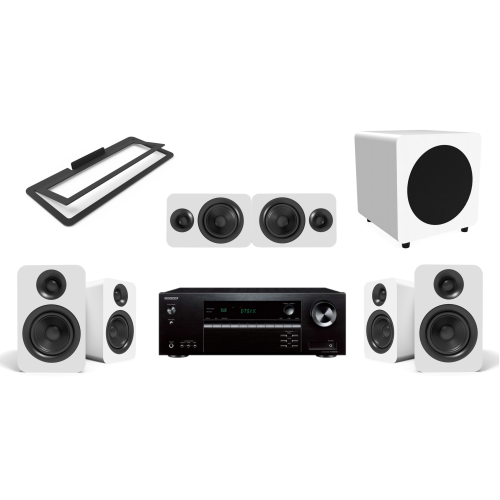
Home theatre systems with a receiver bring the main parts of a surround sound setup together, giving films, television, music, and games a shared foundation. The receiver acts as the connection hub and amplifier, accepting sound from compatible sources and sending it to individual speakers around the room. That separation lets a conversation stay anchored near the screen while a passing car moves across the front speakers or a crowd fills the space behind the seating area. A typical 5.1-channel arrangement uses front left and right speakers, a centre speaker, two surround speakers, and a subwoofer for low-frequency effects. A 7.1-channel setup adds another pair of surround channels, while some configurations support height channels for compatible immersive soundtracks. The right arrangement depends on the room, the listening position, and the kinds of entertainment played most often, rather than simply the largest speaker count. For someone who watches dialogue-heavy dramas, a well-positioned centre speaker can be especially valuable; for action films or racing games, clear movement between channels and controlled bass may stand out more. Receiver connections also shape everyday use. HDMI inputs can bring a game console, streaming player, and other compatible sources into one setup, with a video connection running onward to the television. ARC or eARC can return audio from a compatible television to the receiver, although support for particular audio formats depends on both devices and the connection. Video passthrough capabilities matter when the receiver sits between the source and screen, especially for higher resolutions, faster refresh rates, or gaming features. Some receivers also offer Bluetooth, Wi-Fi, or network playback for music without turning on the television. Within the wider range of Home Entertainment Systems, receiver-based setups suit people who want distinct speaker placement, several connected sources, and the flexibility to build their entertainment space around how they actually listen.
The physical fit of a home theatre system is just as important as its channel layout. Floor-standing speakers need usable space beside the screen, while bookshelf-style speakers require stable furniture, stands, or suitable mounting hardware. Compact satellite speakers can fit more easily into a shared living room, though their size does not remove the need for secure placement and appropriate cable routes. A centre speaker works best close to the screen and directed towards the main seats, rather than hidden deep inside a cabinet where surrounding surfaces can colour voices. Surround speakers need positions that make sense for the seating arrangement, which can be a challenge when a sofa sits against a wall or an open-plan room has no convenient side boundary. Height effects also depend on the speaker design: upward-firing speakers rely on reflected sound, so ceiling shape and height influence the result. Bass behaves differently again. A subwoofer tucked into a corner may sound much stronger than the same unit placed farther into the room, and a seat beside a wall can have noticeably different bass from one near the centre. These details explain why a smaller, thoughtfully arranged system can feel more convincing than a larger setup squeezed into unsuitable spaces. Rugs, curtains, and upholstered seating can soften sound reflections in rooms with hard floors and large windows, while an almost empty room may make speech sound less distinct. Materials contribute to both appearance and durability. Speaker cabinets may use engineered wood with a painted or wrapped finish, while grilles can be fabric or perforated metal. Cabinet rigidity helps limit unwanted vibration, and a finish that suits the furniture makes multiple speakers feel less intrusive. Secure stands and mounting points matter in homes with children or pets. In an apartment or other shared building, adjustable subwoofer levels and dynamic range settings can help keep dialogue audible without letting sudden effects dominate adjacent rooms. The goal is sound that fits the space comfortably, not volume for its own sake.

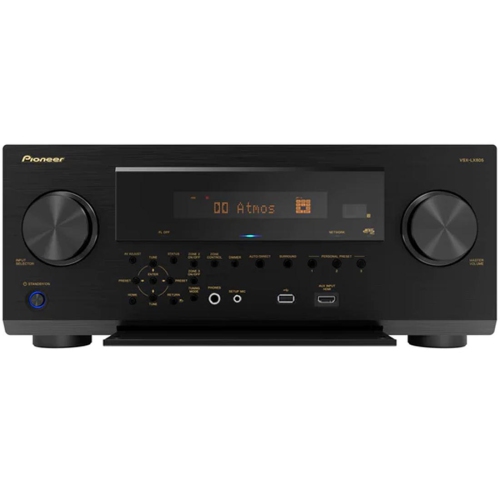
A receiver-based system also needs to fit daily routines and leave room for sensible changes later. A household that alternates between television apps, gaming, and music benefits from straightforward input selection and controls that make sense to everyone using the room. Automatic speaker calibration, where included, can help set channel levels and timing for a listening position, but it cannot fully correct awkward placement or a speaker blocked by furniture. Clear dialogue still depends on the recording, the centre channel, and the acoustics working together. Speaker and receiver compatibility deserves similar attention: impedance, supported channel counts, and amplifier ratings all affect which components belong together. Power figures are most useful when compared under similar measurement conditions, since a headline wattage alone does not describe how a complete system will behave. An extra pair of speaker terminals does not necessarily mean every channel can operate at once, and expansion plans depend on the receiver’s actual processing and amplification capabilities. Package contents can differ, including whether a powered subwoofer, speaker wire, connection cables, or calibration microphone is included. Many receiver-based systems use wired passive speakers, while a powered subwoofer also needs a nearby electrical outlet; wireless features do not automatically mean a cable-free room. For long-term care, the receiver needs the ventilation clearance specified by its manufacturer, with vents kept free of dust and other equipment that traps heat. Speaker surfaces generally benefit from gentle dusting with a soft, dry cloth, without pressing on exposed drivers or applying cleaning fluid to delicate finishes. Neatly routed cables with a little slack at connections are easier to manage when furniture moves or a source device changes. For film enthusiasts, music listeners, and households that enjoy watching together, these practical details support the experience: voices that remain understandable, effects that have a clear place in the room, and music that feels balanced across familiar listening levels. A well-matched system can become a lasting part of the living space rather than something reserved for an occasional big-screen evening.
Read More

FAQ

Some products may be subject to Environmental Handling Fees (EHF) depending on your province. Learn more about EHFs.