Hoverboards Under $200
Hoverboards are one of the latest tech crazes and they're not hard to see why. Most of it can travel on both pavement and grass; they're fun to ride and they're a great way to get around. Here are some of the best hoverboards under $200.
Sort
A practical guide to safer, beginner-friendly hoverboard rides
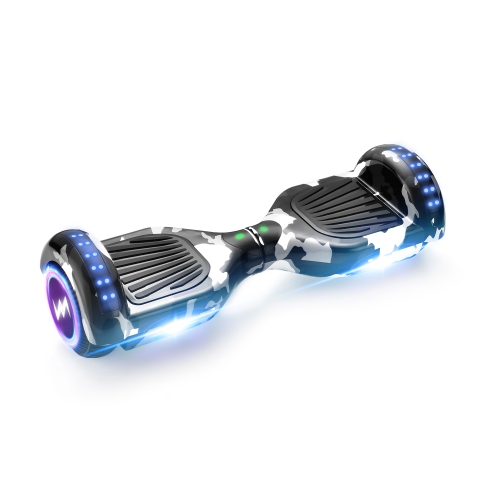
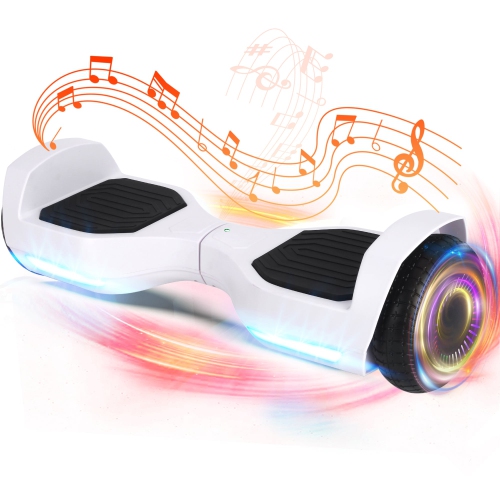
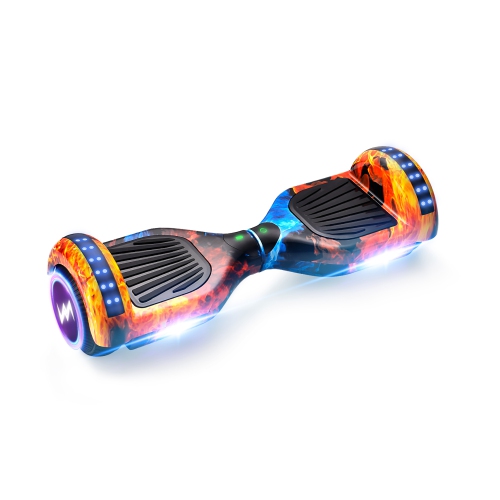
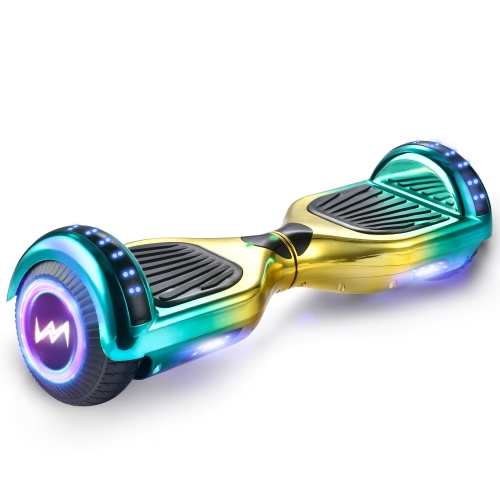
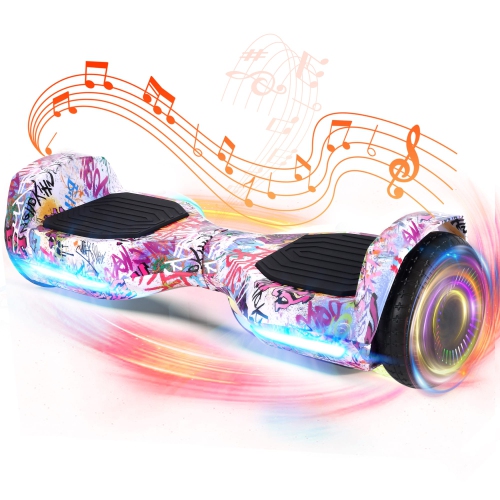
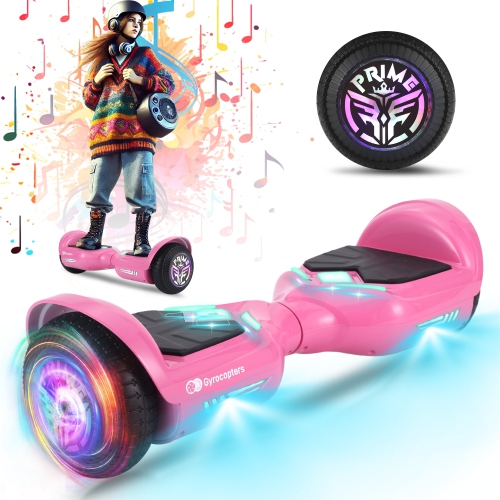
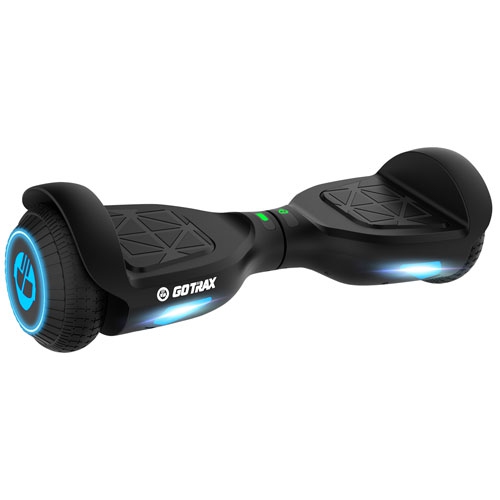
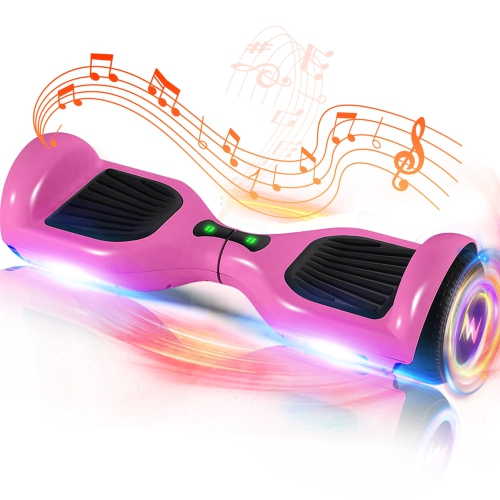
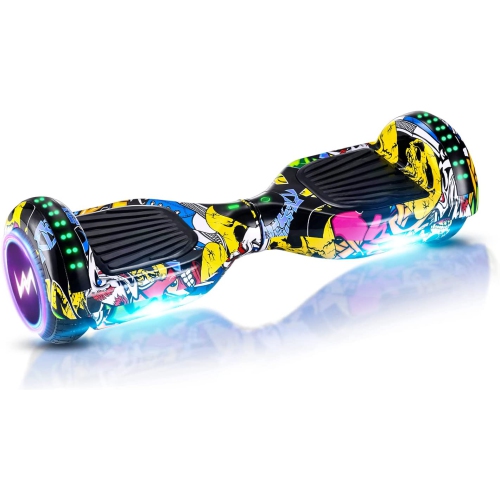
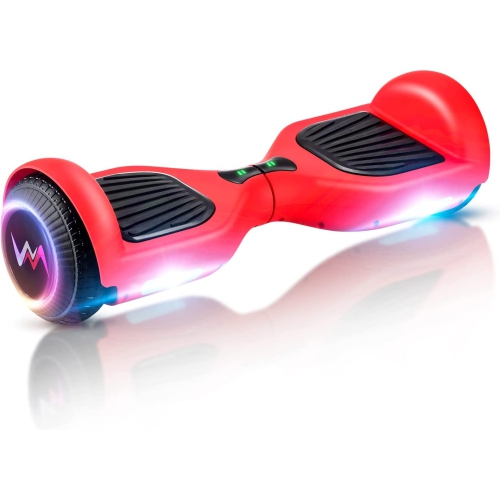
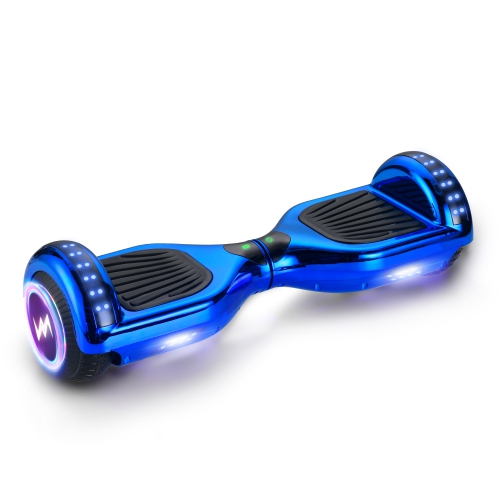
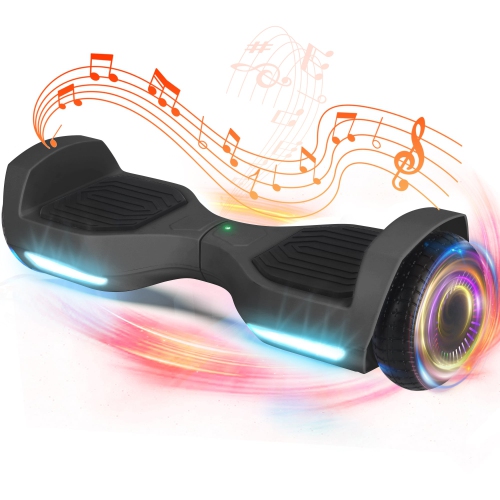
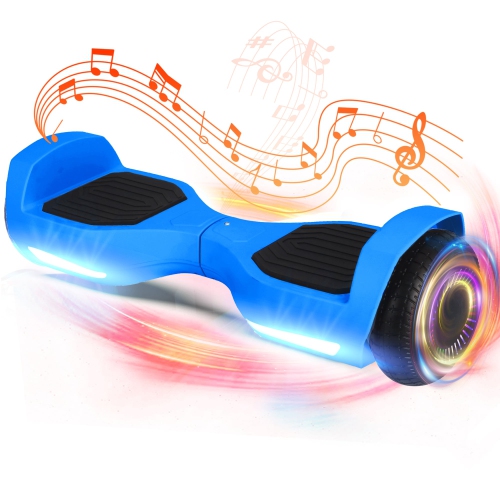
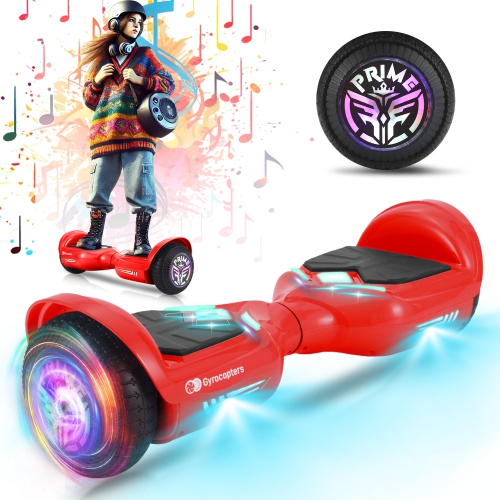
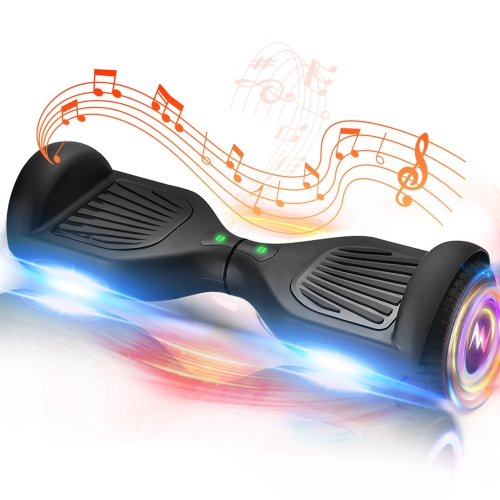
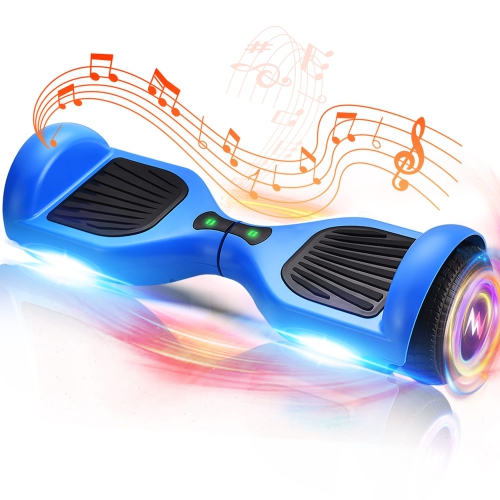
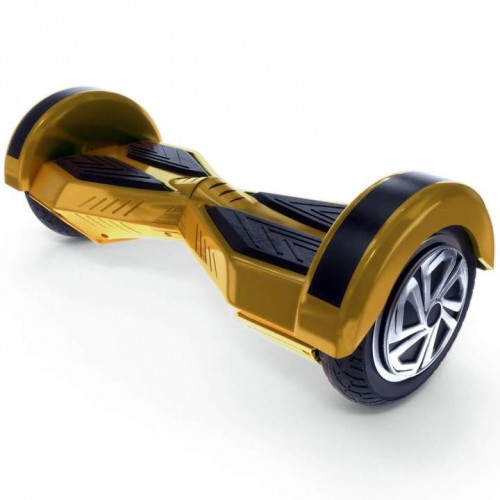
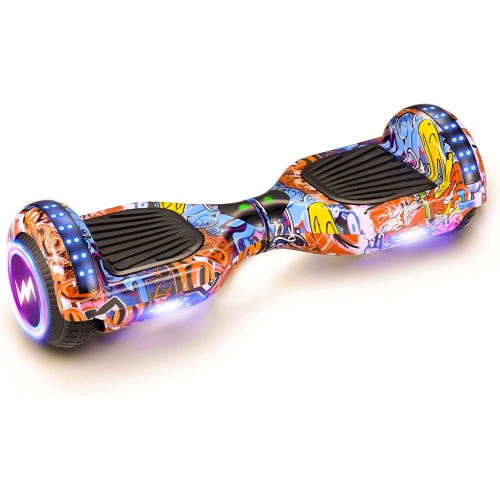
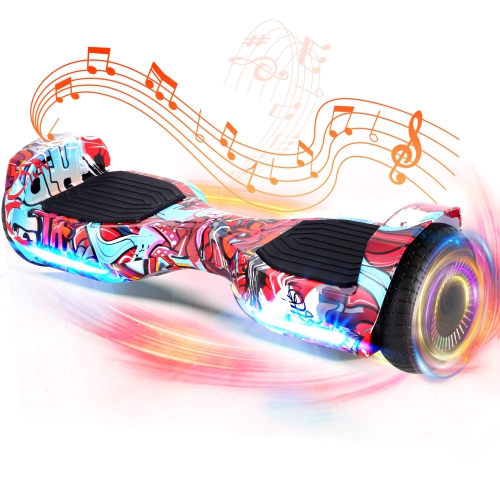
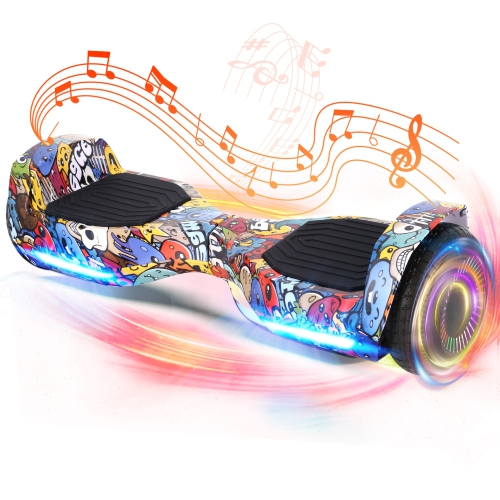
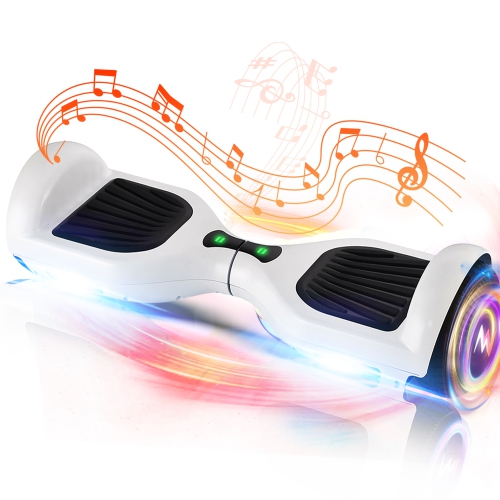
Hoverboards under $200 can be an approachable way to experience self-balancing personal transportation without committing to a higher-priced model. They are often chosen by first-time riders, older children with appropriate supervision, teens, and adults looking for a compact board for recreational rides on smooth, level surfaces. Their small footprint makes them easy to store in a closet, carry into a vehicle, or bring along to a park, driveway, or paved trail where hoverboards are permitted. Many budget-friendly options use dual motors and 6.5-inch solid wheels, with top speeds commonly reaching approximately 10 to 15 km/h and advertised riding ranges varying from about 5 to 8 km depending on the rider, terrain, temperature, battery condition, and riding style. Built-in LED lights can add visibility and a lively look during evening rides, while integrated speakers may let riders listen to music from a compatible mobile device. These features can make a hoverboard an appealing birthday or holiday gift, particularly for someone who enjoys active outdoor play, learning new skills, and spending time with friends. A hoverboard is not a substitute for a bicycle or a long-range commuter vehicle, but it can add a playful way to move across a smooth backyard, private paved area, or other location where local rules allow its use. During the warmer part of the year, riders may enjoy practising gentle turns and controlled stops outdoors; during cooler months, a hoverboard can be stored safely indoors and brought out whenever the riding surface is dry, clear, and suitable.
Safety and certification should be at the top of the shopping checklist. Look for clear UL2272 certification, which indicates that the hoverboard’s electrical and battery systems have undergone testing designed to address fire and electrical safety risks. Certification is important, but it does not replace responsible charging, inspection, and riding habits. Read the manufacturer’s instructions before the first ride, use the supplied charger, and charge the battery on a hard, non-flammable surface away from bedding, paper, curtains, and other heat-sensitive materials. Do not leave a charging hoverboard unattended, charge it immediately after a wet ride, or continue using it if the casing, charging port, wiring, or battery shows signs of damage. Let the unit cool after riding before plugging it in, and store it in a dry indoor location where extreme heat and freezing temperatures are avoided. Riders should wear a properly fitted helmet along with wrist guards, elbow pads, and knee pads, especially while learning. Start in an open, flat area with plenty of space, step on and off carefully, keep the speed modest, and practise stopping before attempting tight turns or uneven surfaces. Adult supervision is recommended for younger riders, and the product’s minimum age guidance, maximum rider weight, and local regulations should always be checked. Weight limits often fall within an approximate range of 160 to 220 pounds, but the exact capacity varies by model; staying within that limit supports safer handling and helps the board perform as intended. Children should not ride near traffic, steep slopes, swimming pools, loose gravel, wet pavement, or crowded walkways, and riders of any age should respect posted restrictions on sidewalks, roads, parks, and trails.
Wheel size, battery details, construction, and controls all affect the experience, so comparing specifications is worthwhile even when shopping within a $200 budget. Compact 6.5-inch wheels are common on entry-level hoverboards and work best on smooth pavement, indoor floors, driveways, and other relatively even surfaces. They are easy to manoeuvre and can keep the board’s overall size and weight manageable, but they may feel less comfortable over cracks, grass, gravel, or rough pavement. Larger 8-inch or 10-inch wheels can offer more clearance and a steadier feel on mildly uneven ground, although they may add weight and cost. A stated battery range is an estimate rather than a guarantee: heavier riders, hills, frequent acceleration, cold conditions, and rough surfaces can reduce the distance between charges. Check whether the hoverboard includes battery indicators, speed modes, non-slip foot pads, LED lighting, and audible alerts, as these details can make learning and everyday use more convenient. A beginner may appreciate a gentle learning mode and clear warnings, while a more confident rider may value responsive turning and a longer stated range. Consider the board’s carrying weight as well, since a rider may need to lift it over a step or carry it back after the battery runs low. If the intended recipient is a child, compare the product’s recommended age and weight range with the child’s size rather than choosing solely by appearance. Families seeking a broader selection for younger riders can also explore Hoverboards for Kids Under $1000. With the right fit, a certified electrical system, protective equipment, and a suitable riding area, a hoverboard under $200 can provide an engaging introduction to self-balancing rides. Keep the board clean and dry, inspect the wheels and foot pads regularly, follow charging guidance, and pause riding whenever conditions become wet, icy, dark, or otherwise difficult to control.
Safety and certification should be at the top of the shopping checklist. Look for clear UL2272 certification, which indicates that the hoverboard’s electrical and battery systems have undergone testing designed to address fire and electrical safety risks. Certification is important, but it does not replace responsible charging, inspection, and riding habits. Read the manufacturer’s instructions before the first ride, use the supplied charger, and charge the battery on a hard, non-flammable surface away from bedding, paper, curtains, and other heat-sensitive materials. Do not leave a charging hoverboard unattended, charge it immediately after a wet ride, or continue using it if the casing, charging port, wiring, or battery shows signs of damage. Let the unit cool after riding before plugging it in, and store it in a dry indoor location where extreme heat and freezing temperatures are avoided. Riders should wear a properly fitted helmet along with wrist guards, elbow pads, and knee pads, especially while learning. Start in an open, flat area with plenty of space, step on and off carefully, keep the speed modest, and practise stopping before attempting tight turns or uneven surfaces. Adult supervision is recommended for younger riders, and the product’s minimum age guidance, maximum rider weight, and local regulations should always be checked. Weight limits often fall within an approximate range of 160 to 220 pounds, but the exact capacity varies by model; staying within that limit supports safer handling and helps the board perform as intended. Children should not ride near traffic, steep slopes, swimming pools, loose gravel, wet pavement, or crowded walkways, and riders of any age should respect posted restrictions on sidewalks, roads, parks, and trails.
Wheel size, battery details, construction, and controls all affect the experience, so comparing specifications is worthwhile even when shopping within a $200 budget. Compact 6.5-inch wheels are common on entry-level hoverboards and work best on smooth pavement, indoor floors, driveways, and other relatively even surfaces. They are easy to manoeuvre and can keep the board’s overall size and weight manageable, but they may feel less comfortable over cracks, grass, gravel, or rough pavement. Larger 8-inch or 10-inch wheels can offer more clearance and a steadier feel on mildly uneven ground, although they may add weight and cost. A stated battery range is an estimate rather than a guarantee: heavier riders, hills, frequent acceleration, cold conditions, and rough surfaces can reduce the distance between charges. Check whether the hoverboard includes battery indicators, speed modes, non-slip foot pads, LED lighting, and audible alerts, as these details can make learning and everyday use more convenient. A beginner may appreciate a gentle learning mode and clear warnings, while a more confident rider may value responsive turning and a longer stated range. Consider the board’s carrying weight as well, since a rider may need to lift it over a step or carry it back after the battery runs low. If the intended recipient is a child, compare the product’s recommended age and weight range with the child’s size rather than choosing solely by appearance. Families seeking a broader selection for younger riders can also explore Hoverboards for Kids Under $1000. With the right fit, a certified electrical system, protective equipment, and a suitable riding area, a hoverboard under $200 can provide an engaging introduction to self-balancing rides. Keep the board clean and dry, inspect the wheels and foot pads regularly, follow charging guidance, and pause riding whenever conditions become wet, icy, dark, or otherwise difficult to control.
Top selling and popular products
-
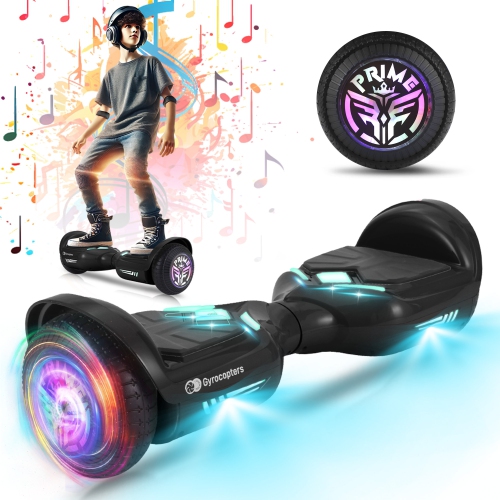 Your price for this item is $159.97
 -
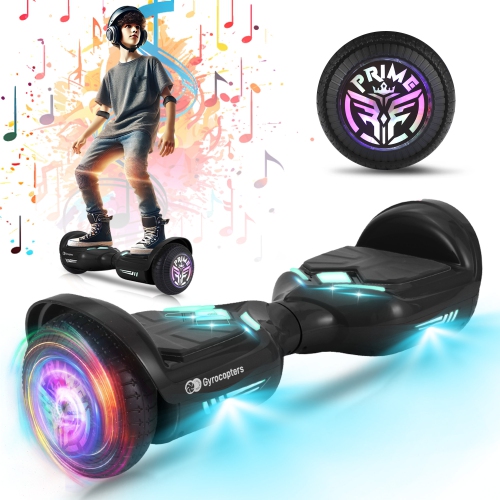 Your price for this item is $159.87
 -
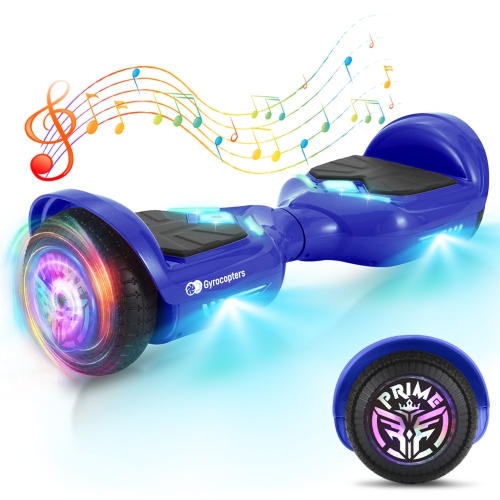 Your price for this item is $219.97
 -
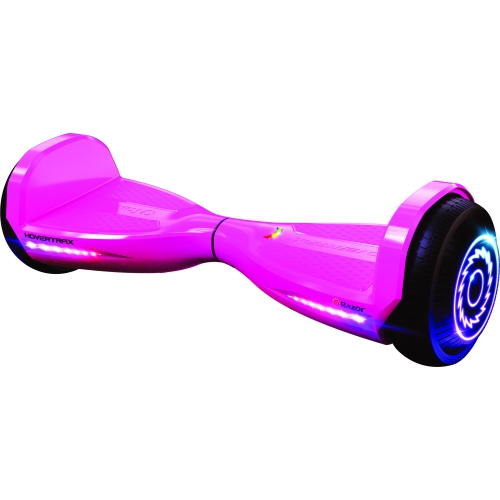 Your price for this item is $239.99
 -
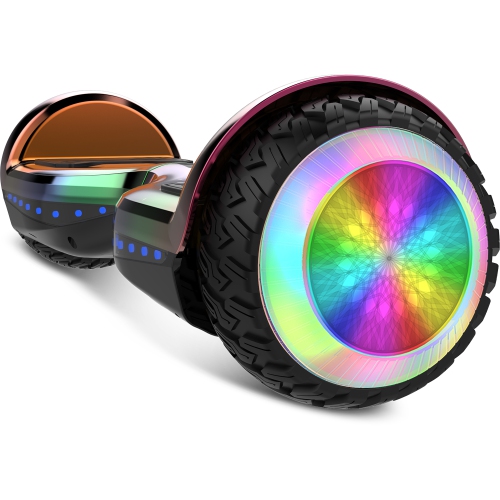 Your price for this item is $229.97
 -
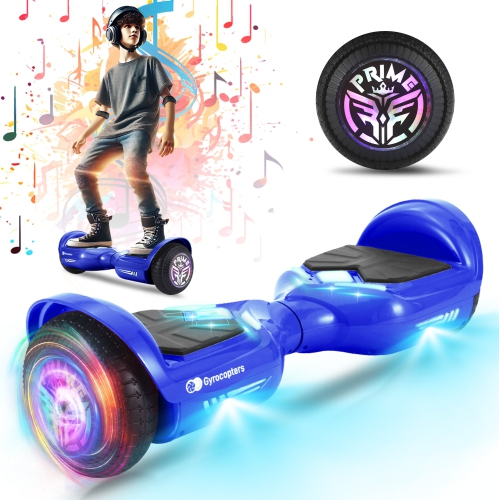 Your price for this item is $159.97
 -
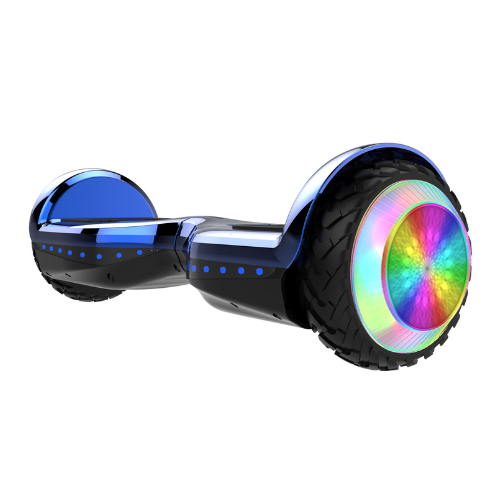 Your price for this item is $99.99
 -
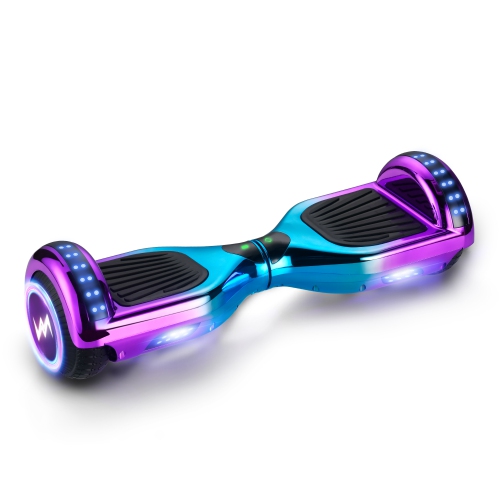 Your price for this item is $159.99
Discover more categories related to Hoverboards Under $200
Top Collections:
Pokemon Centers, Kindle Devices, Best Budget Office Chairs, Apple iPhones 16, Canon G7X Cameras, iPhone 15 Apple, Alarm Clock, Refurbished Apple Laptops, Flip Phones, Best Laptops for Writers
Some products may be subject to Environmental Handling Fees
(EHF) depending on your province.
Learn more about EHFs.