Industrial Kitchen Ceiling Lights

Find industrial kitchen ceiling lights that suit your layout and lighting needs, whether you’re illuminating an island, a dining area, or the whole room. Compare fixture styles, dimensions, and finishes, and check ceiling height, bulb requirements, and dimmer compatibility to choose lighting that fits your space.
Read More

Sort

How shade design shapes light across your kitchen

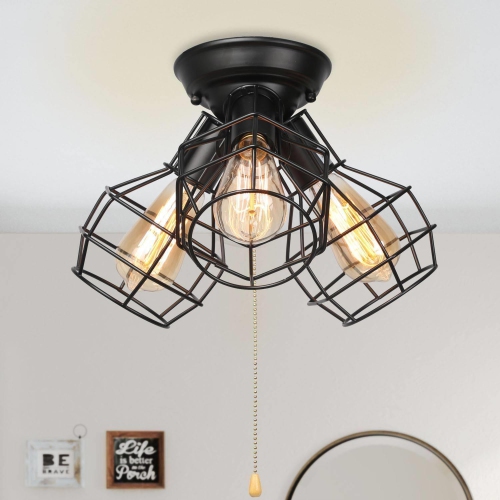
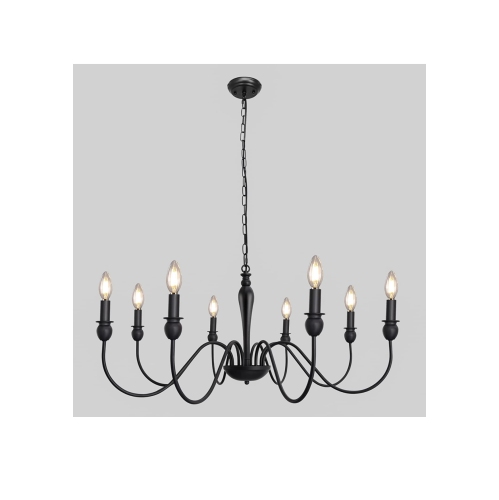
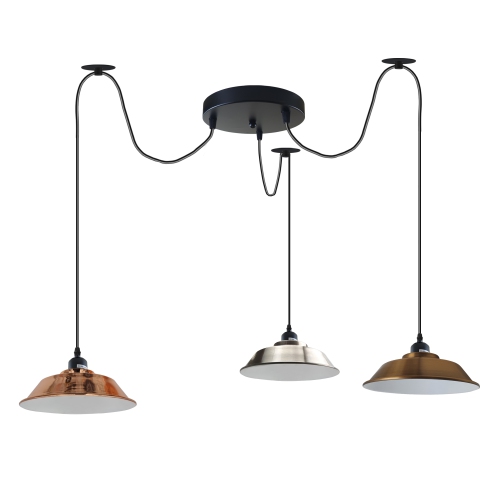
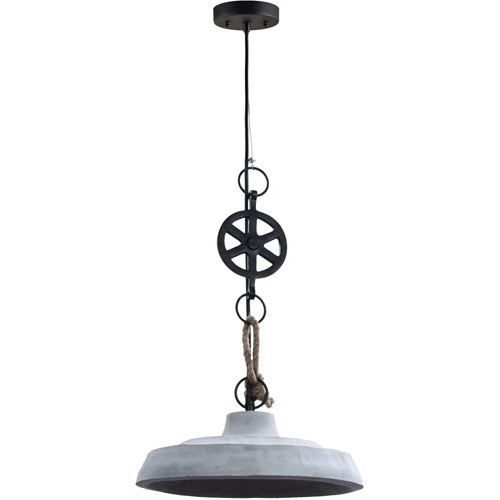
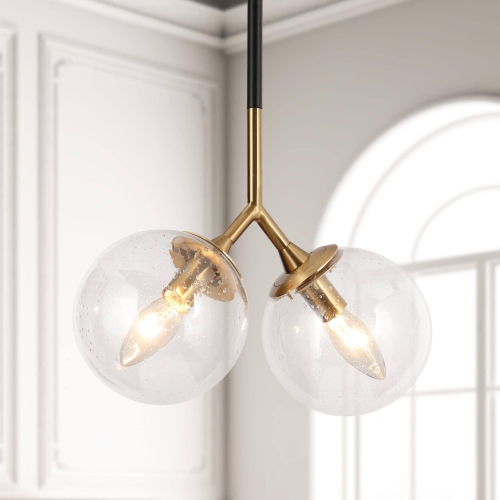
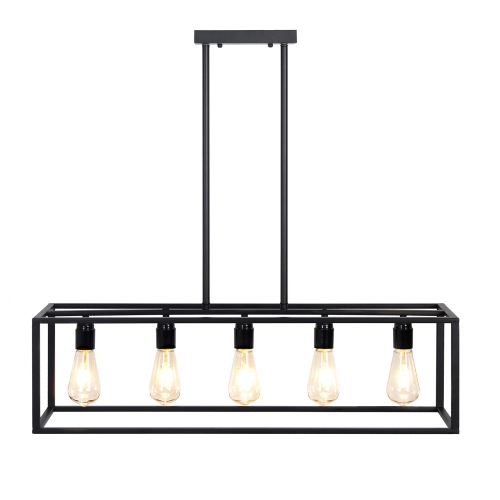
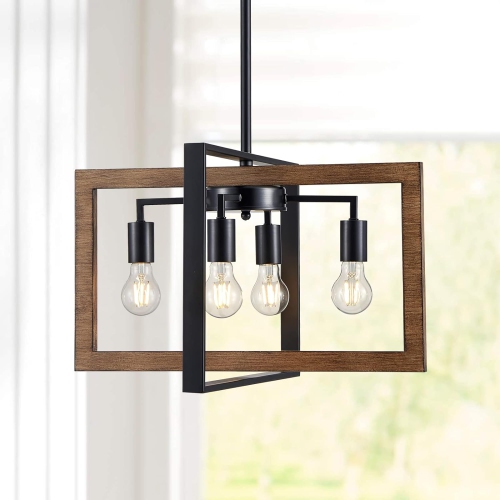
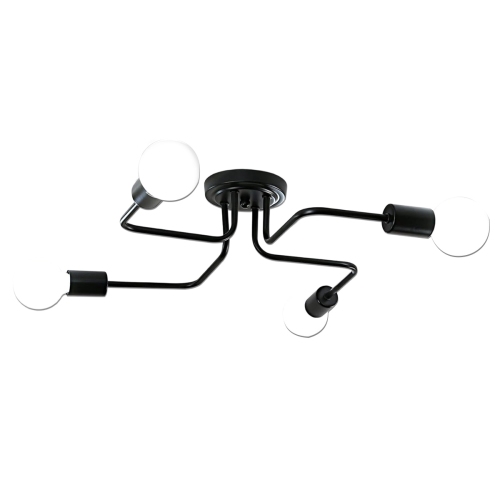
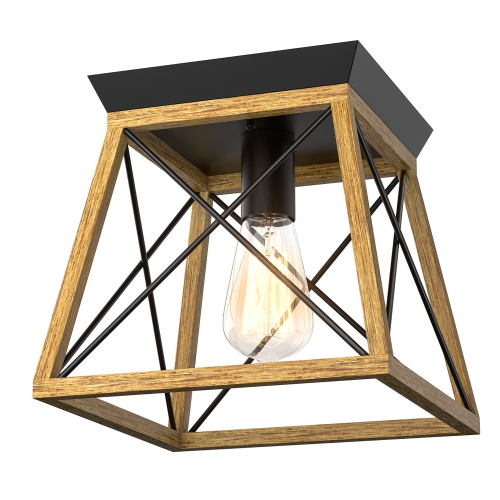
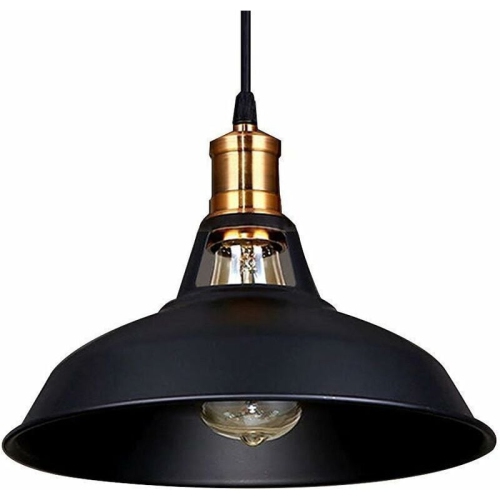
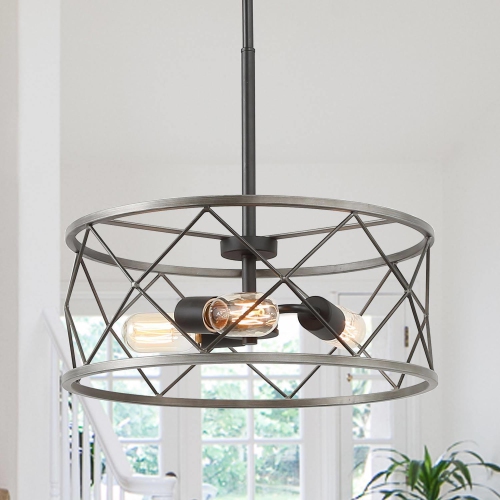
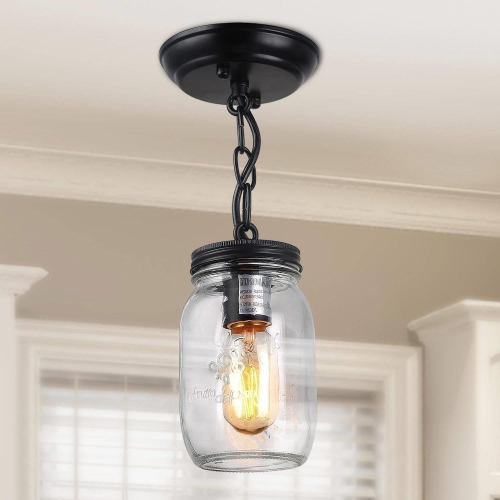
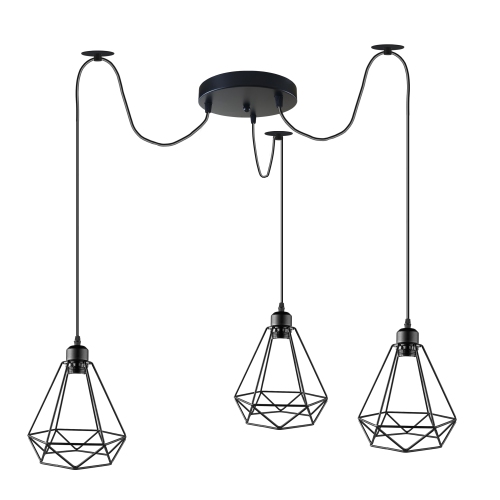
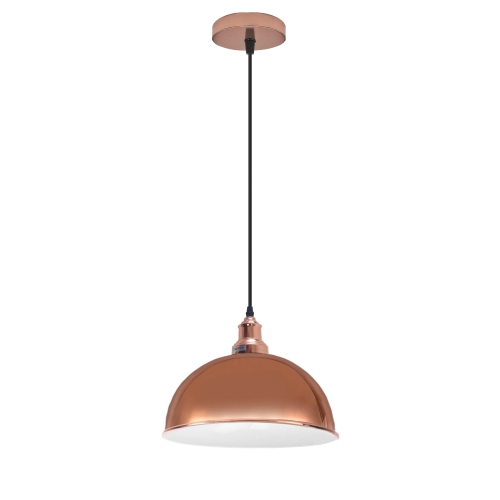
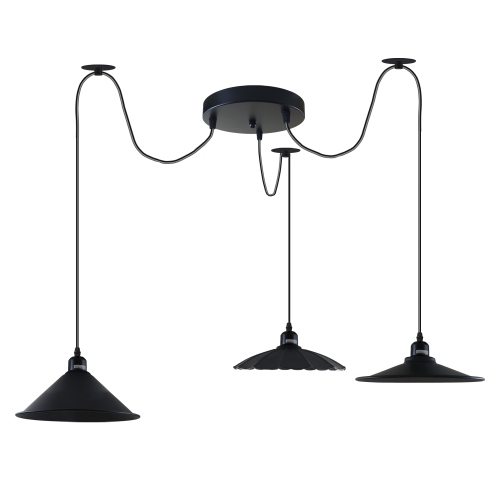
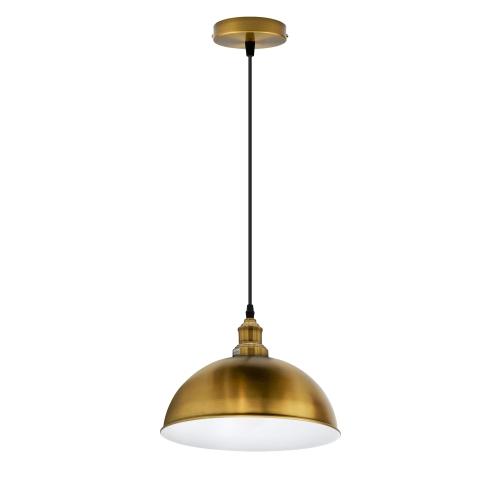
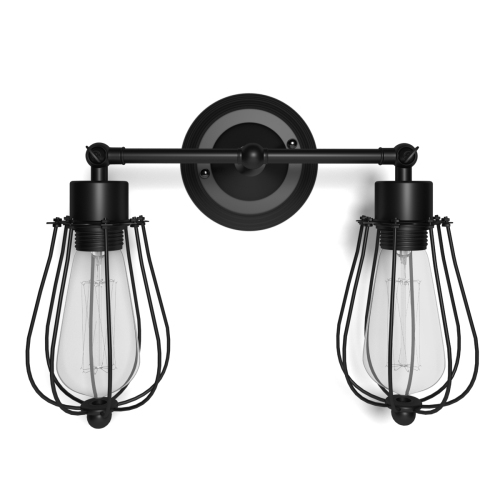
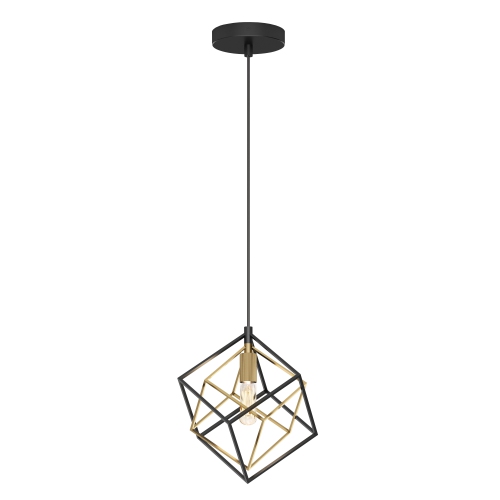
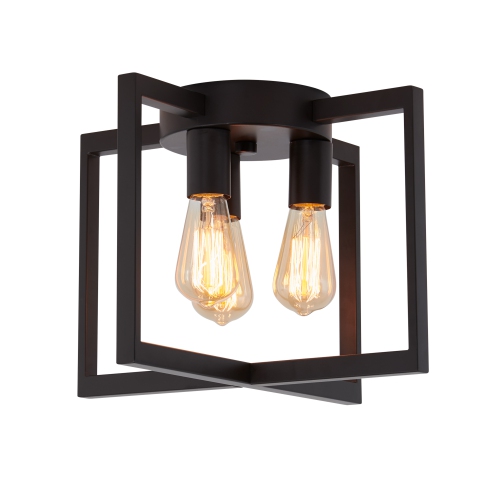
Industrial kitchen ceiling lights bring a practical, workshop-inspired look to a space used for cooking, dining, and gathering. The style is often associated with metal shades, exposed hardware, simple geometric shapes, and finishes such as black or brushed metal. Designs can range from understated flush-mount fixtures to suspended pendants and multi-light arrangements, with each format creating a different visual presence above a kitchen floor, island, or dining area. Enclosed metal shades typically direct more light downward, while open frames and clear glass shades allow light to spread more broadly and leave the bulb visible. These distinctions matter as much as the finish: a fixture that highlights an island may not provide the same room-wide illumination as a ceiling light with a diffuser. Industrial-style lighting can complement wood cabinetry, brick accents, stainless steel appliances, and stone surfaces without requiring every element in the kitchen to share the same finish.

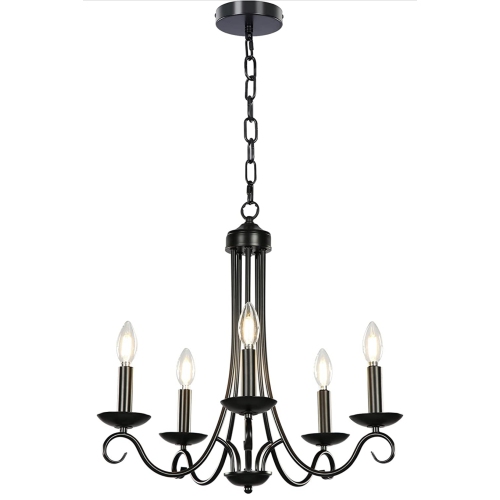
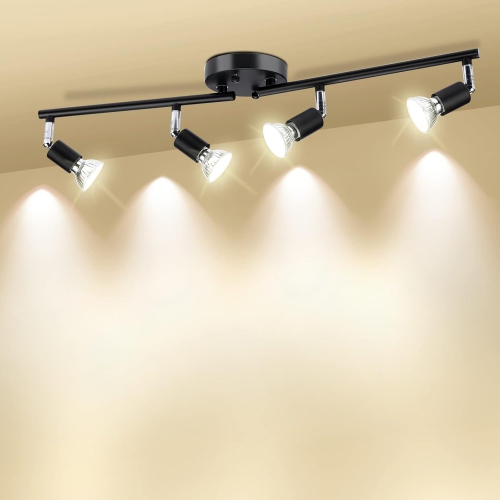
When comparing industrial kitchen ceiling lights, consider the fixture’s dimensions, mounting style, and light distribution alongside the size and layout of the room. Flush-mount and semi-flush-mount formats are worth considering where ceiling height or clearance makes a hanging fixture less practical, while pendants can help define an island or eating area when there is sufficient space below them. For suspended designs, the stated drop length and any height adjustment are important, particularly with higher or sloped ceilings; suitability for a sloped ceiling should be confirmed in the product specifications. A broad shade or multi-light fixture can have a strong presence, so its proportions should relate to the surface beneath it rather than ceiling height alone. Placement also affects everyday use. Ceiling lighting can provide general illumination or light a particular zone, but its position may leave shadows on countertops, making it useful to consider how it will work alongside existing under-cabinet or other task lighting.

Bulb and control compatibility can make a noticeable difference in how an industrial fixture looks and performs. For designs with replaceable bulbs, check the required bulb base, permitted wattage, bulb dimensions, and whether bulbs are included. Visible bulbs contribute to the appearance of open-frame and clear-glass fixtures, but brightness and glare still deserve attention, especially where the light sits within sightlines from nearby seating. Lumens indicate light output, while colour temperature helps distinguish a warmer appearance from a cooler one; keeping colour temperature reasonably consistent with other kitchen lighting can create a more cohesive result. Dimming can add flexibility between food preparation and dining, provided the fixture, bulbs, and dimmer are compatible. Integrated LED fixtures have different replacement and control considerations from models with removable bulbs, so the stated specifications are useful for comparing ongoing use as well as initial appearance.

Industrial kitchen ceiling lights can appeal to homeowners updating a kitchen’s focal point, furnishing a loft-inspired space, or adding contrast to a more traditional room. Beyond style, practical details include how easily shades and glass can be cleaned, whether exposed components may collect cooking residue, and how accessible bulbs will be after installation. Check the mounting requirements and electrical connection type before purchasing, since a hardwired fixture is a different installation commitment from a plug-in design. Industrial styling describes an aesthetic rather than confirming suitability for a commercial kitchen; spaces used for professional food preparation may have additional lighting, cleaning, and safety requirements. For a residential kitchen, matching the fixture’s installation requirements, proportions, and illumination to the intended location helps keep the choice focused on both daily function and the look of the room.

Read More

FAQ

Some products may be subject to Environmental Handling Fees (EHF) depending on your province. Learn more about EHFs.