Industrial Bedroom Ceiling Lights

Industrial bedroom ceiling lights bring a pared-back, utilitarian look to your space while providing overhead illumination. Explore designs that suit your room’s proportions, and compare fixture dimensions, hanging height, and bulb compatibility to find an option that fits your ceiling and lighting needs.
Sort

Workshop-inspired lighting with a softer side for bedrooms

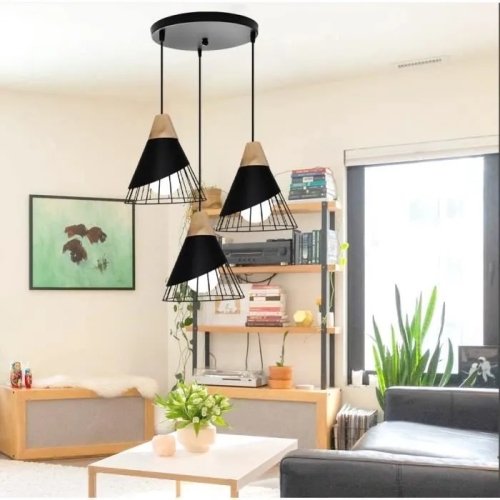
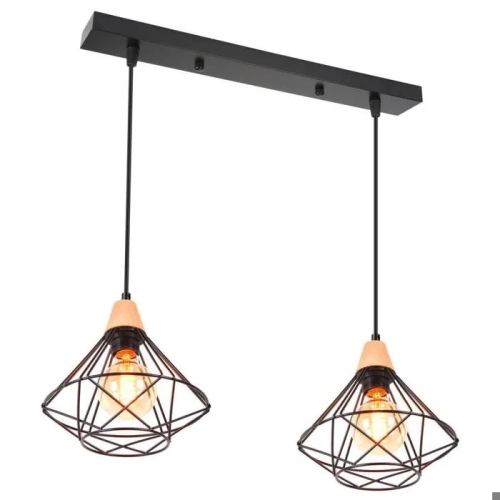
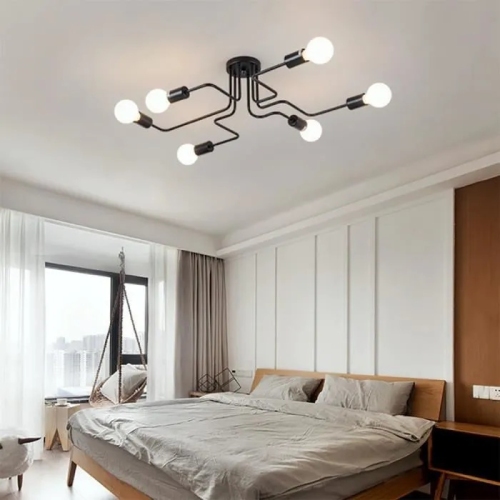
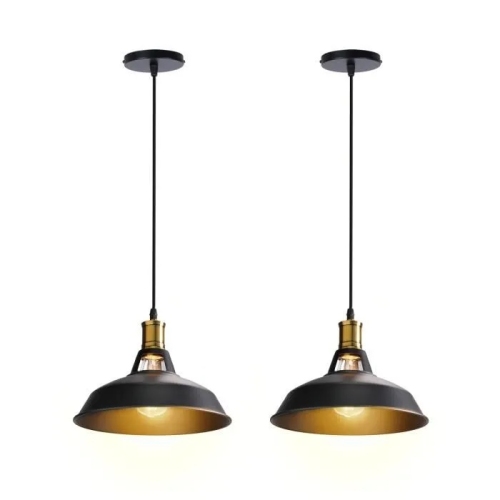
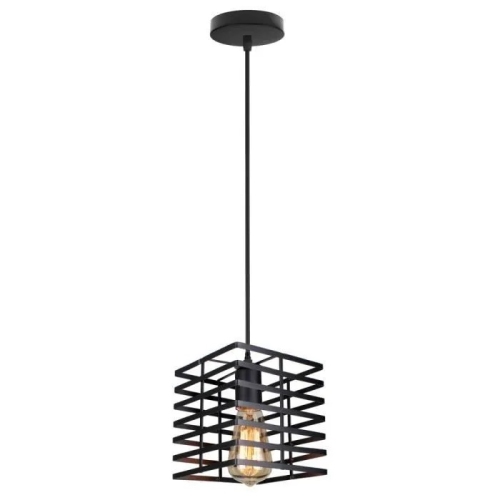
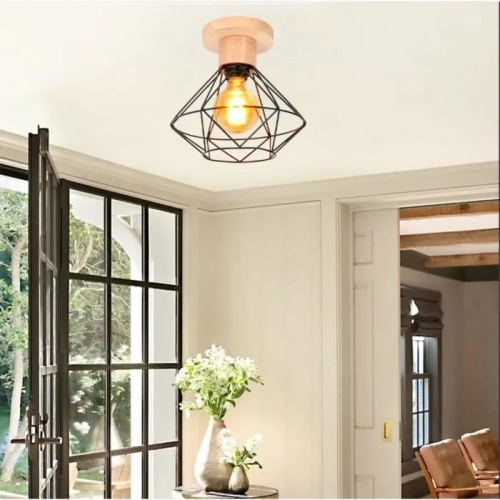
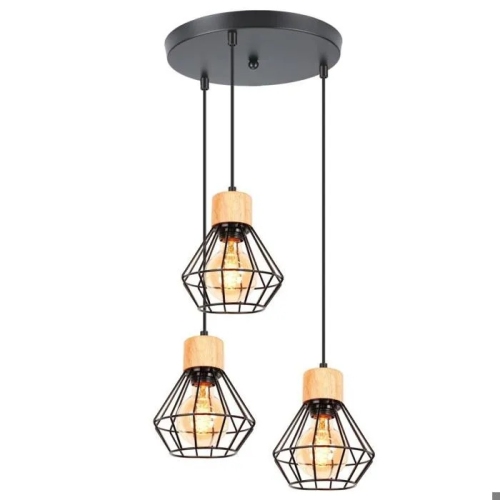
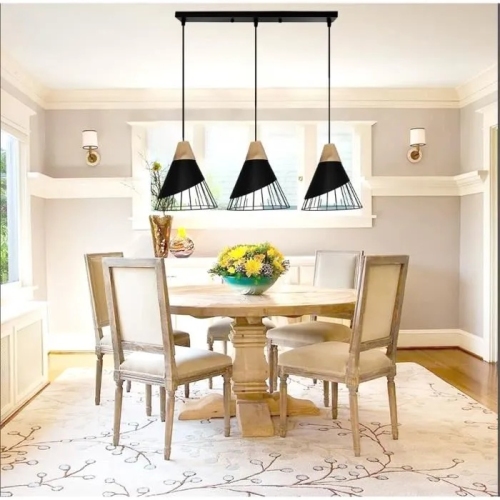
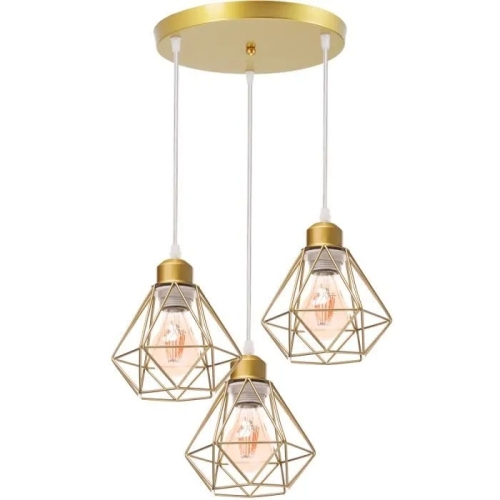
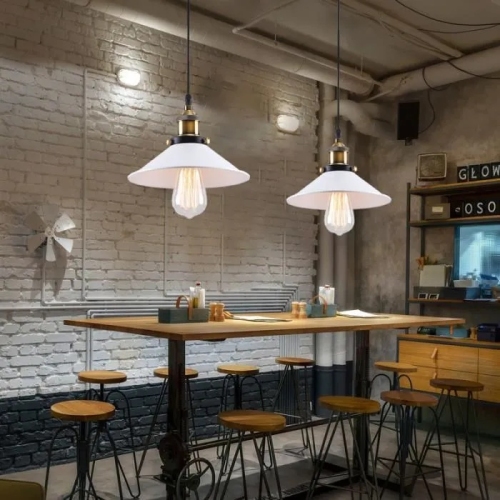
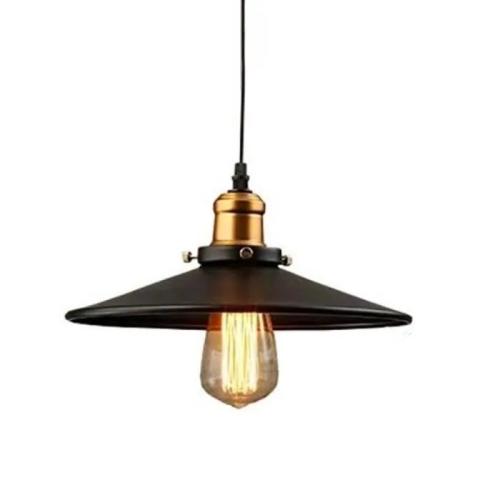
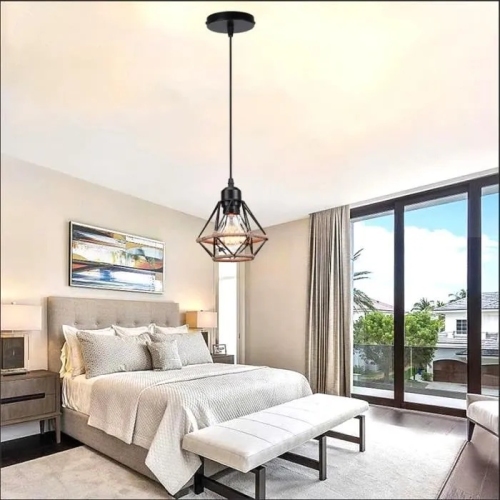
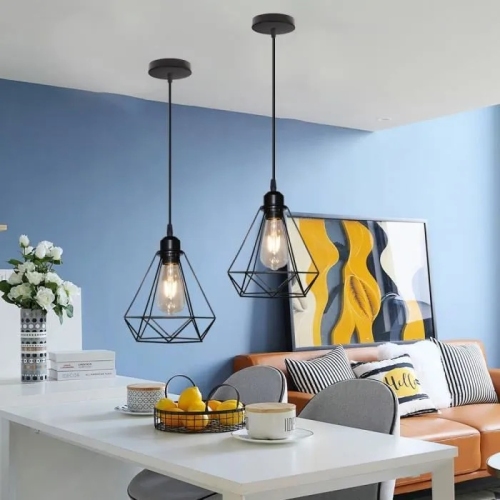
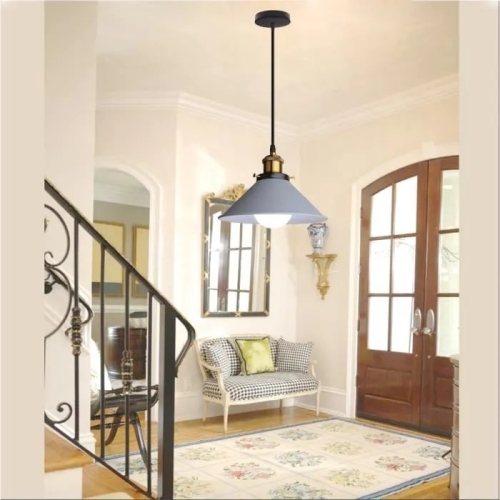
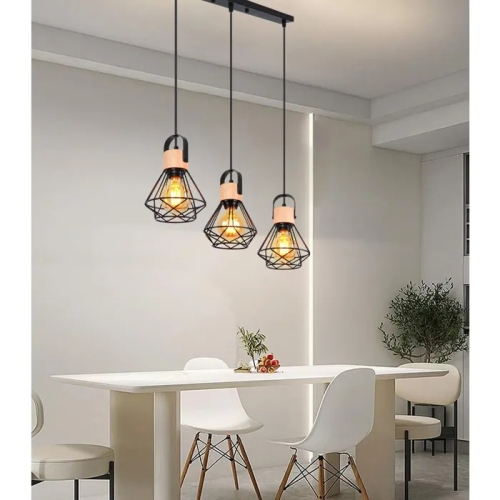
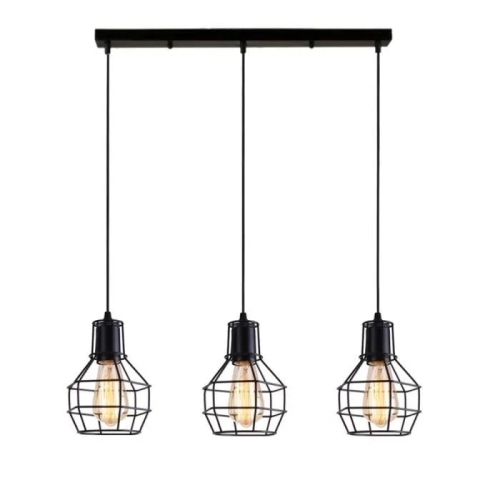
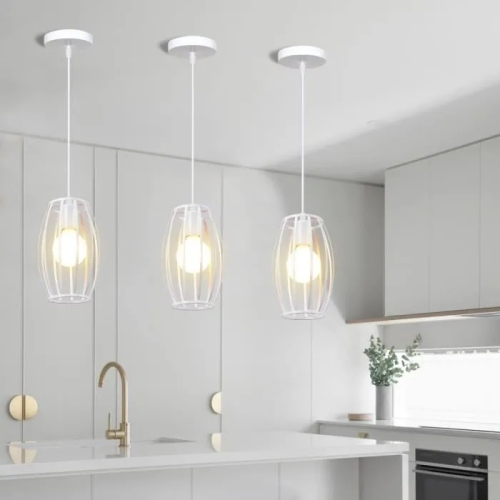
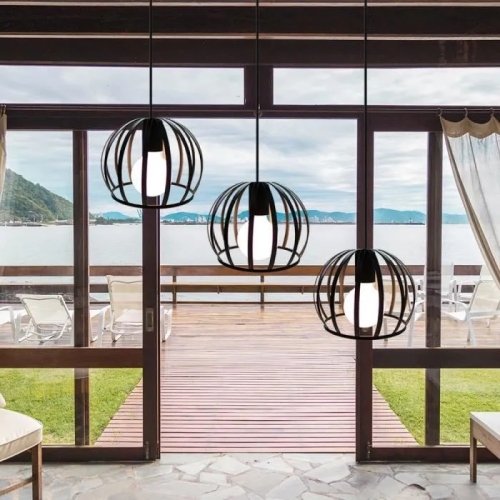
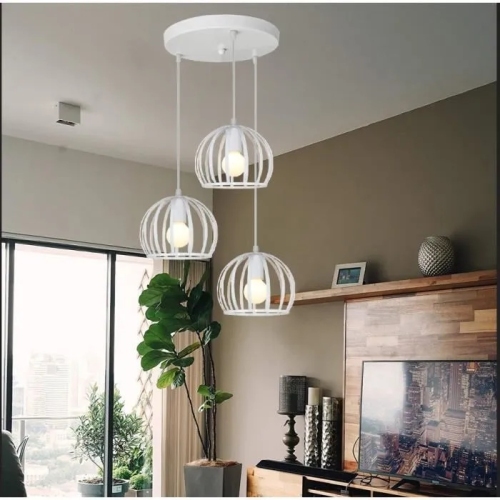
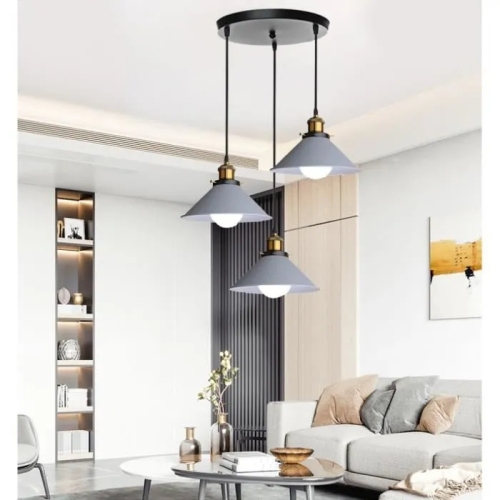
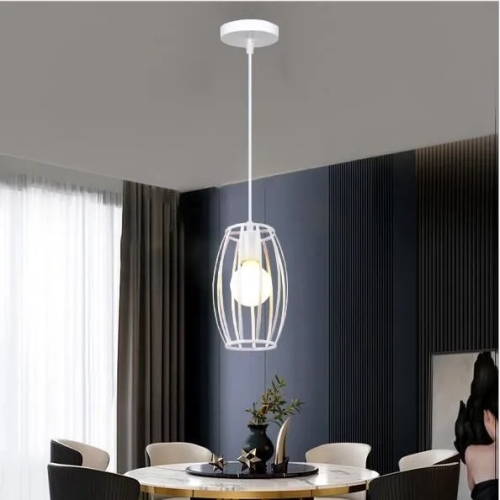
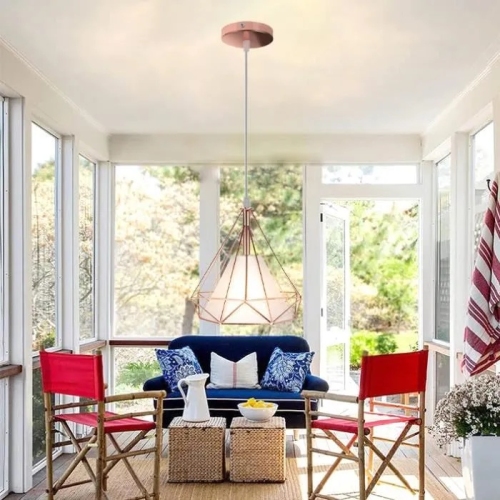
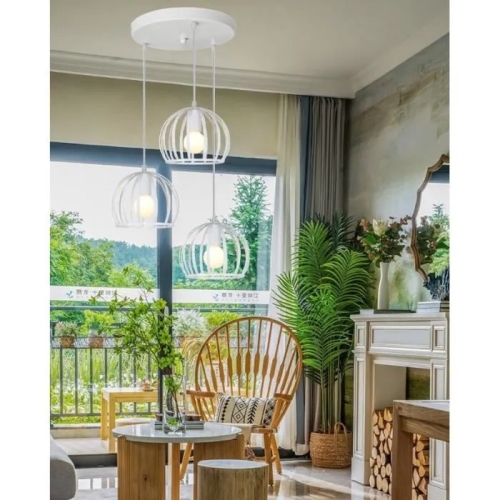
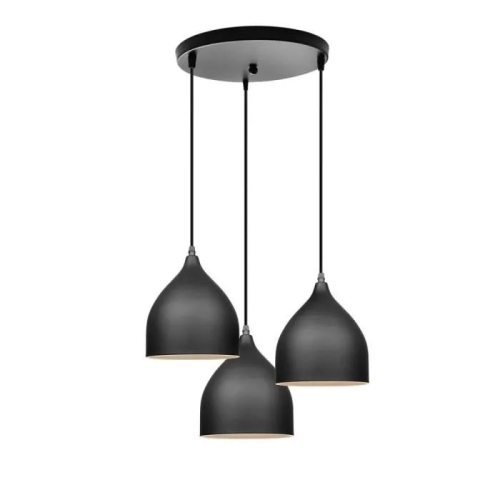
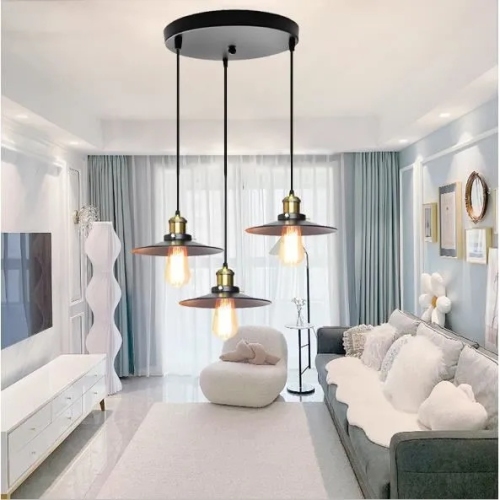
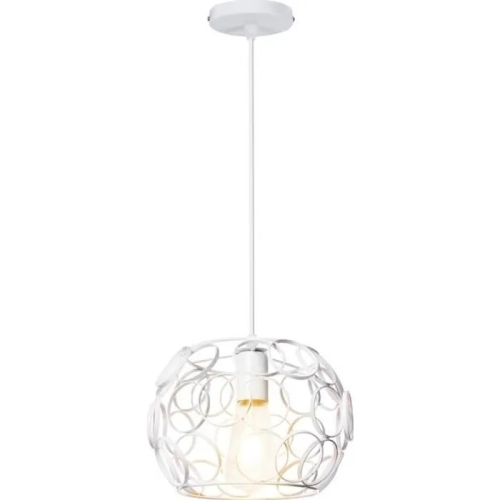
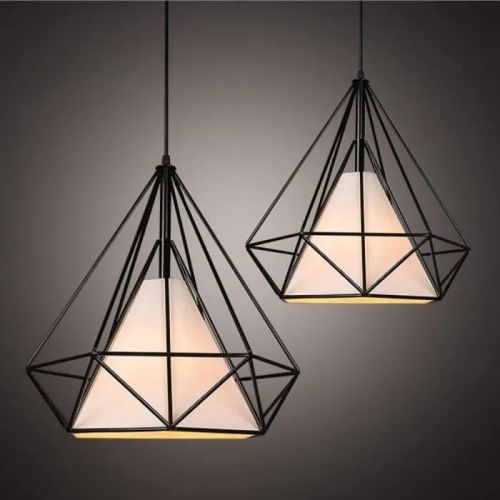
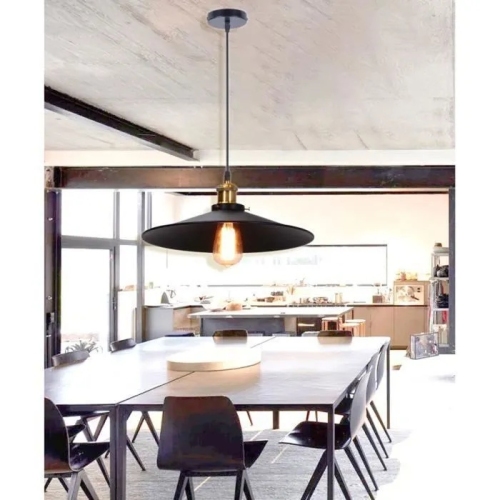
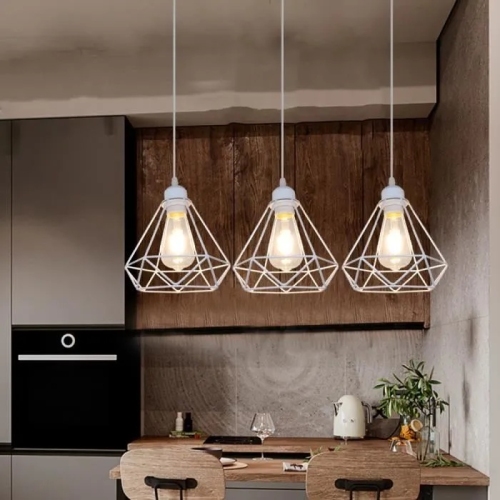
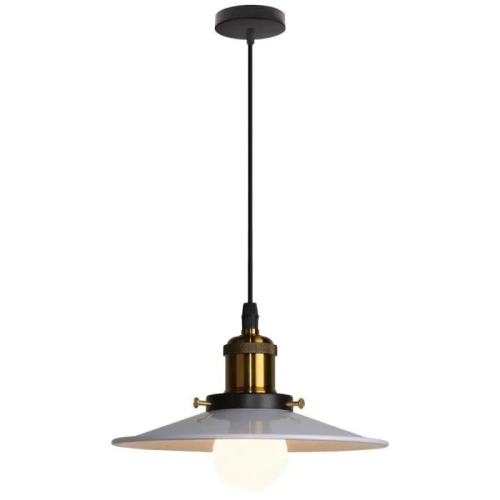
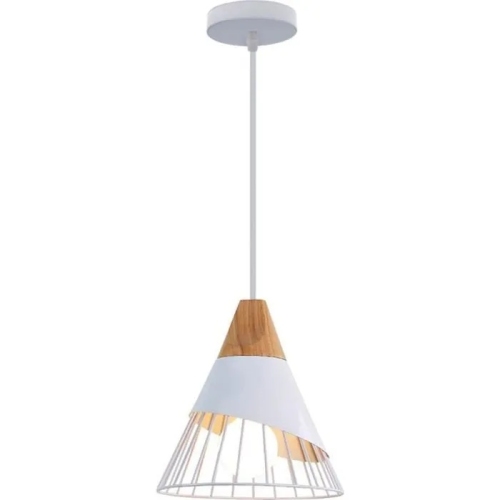
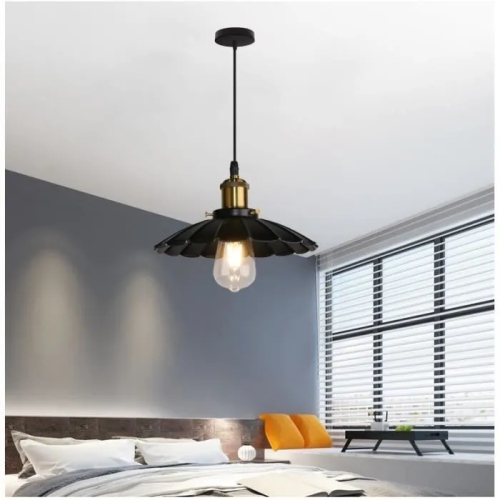
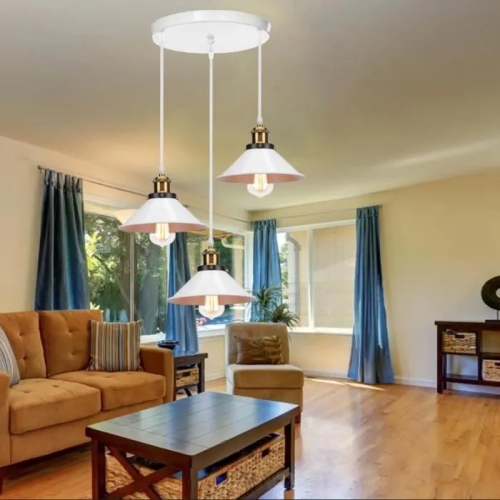
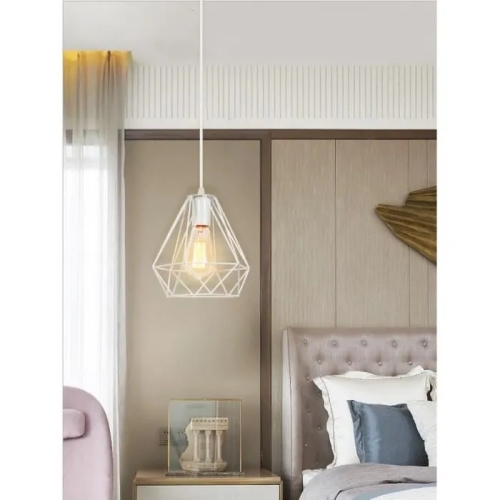
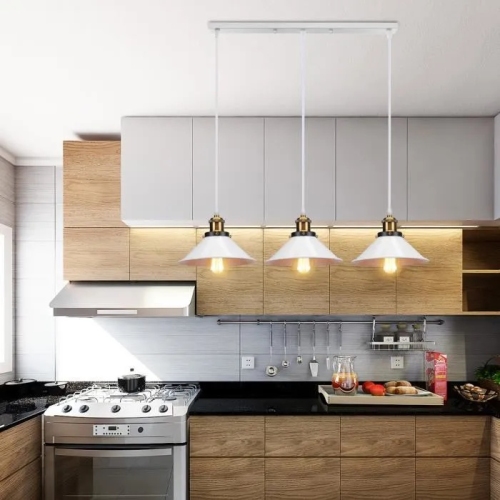
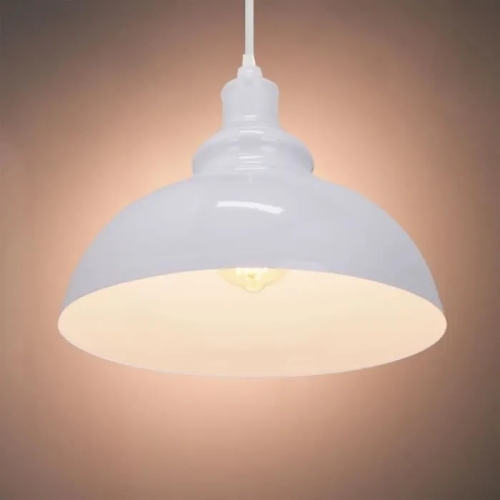
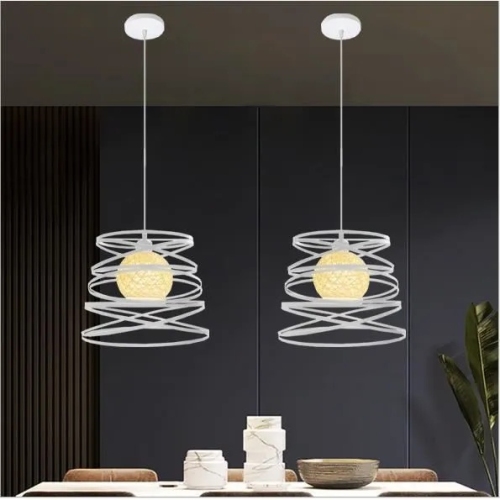
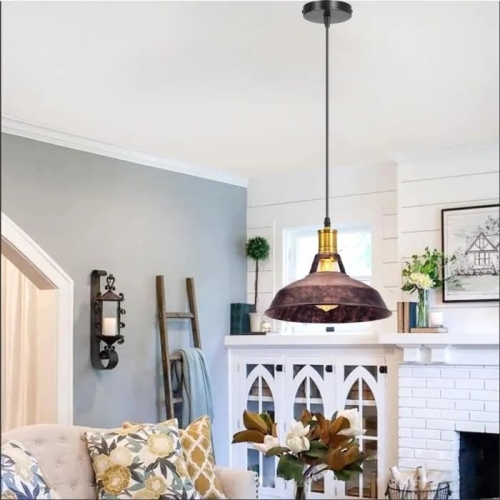
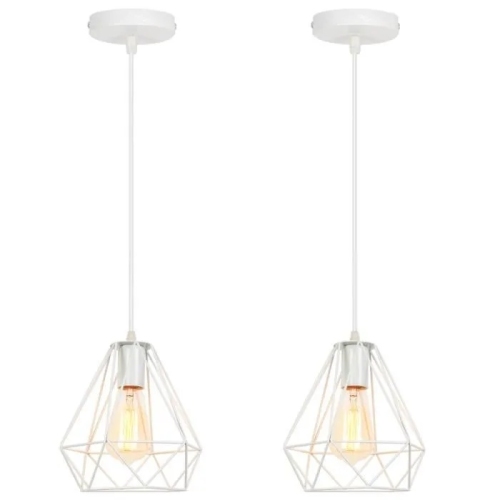
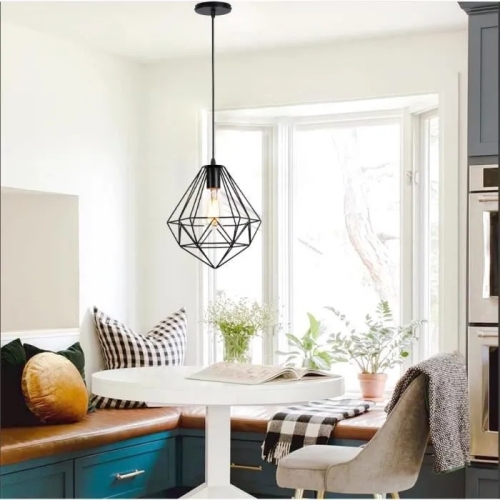
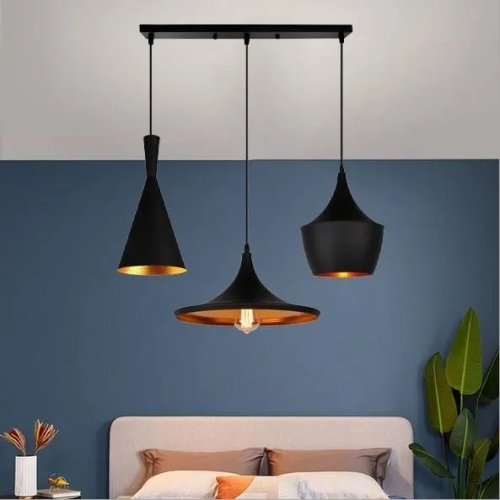
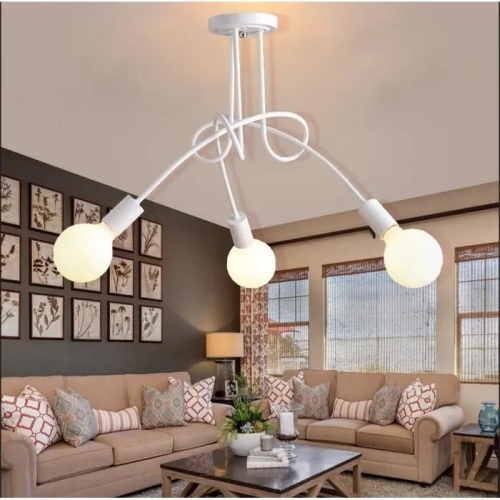
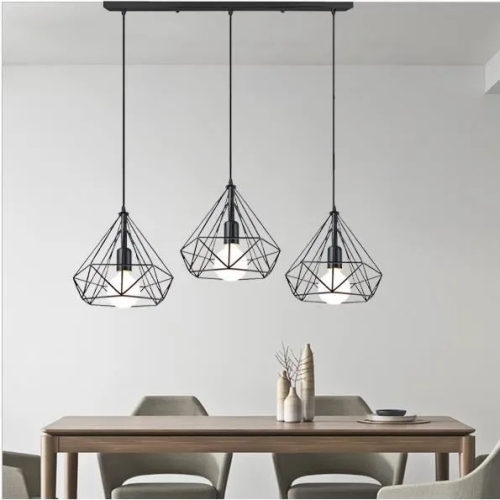
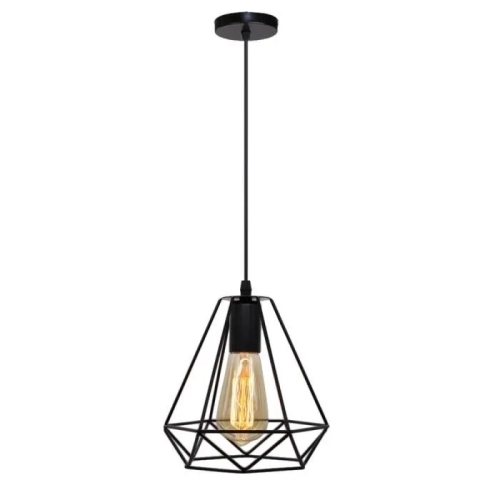
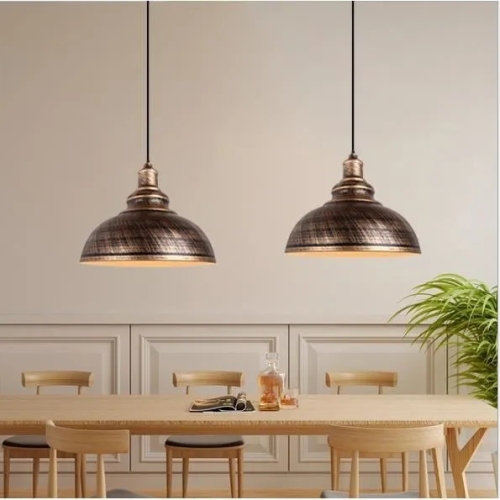
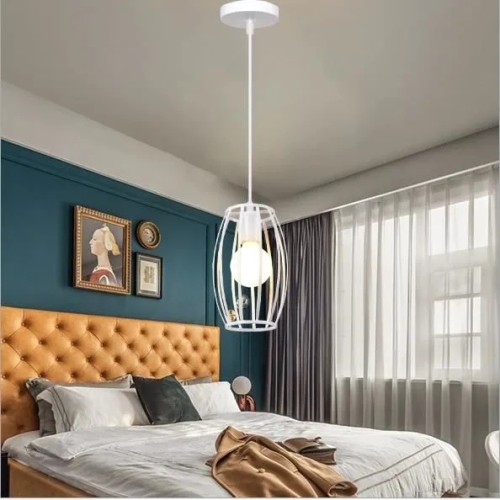
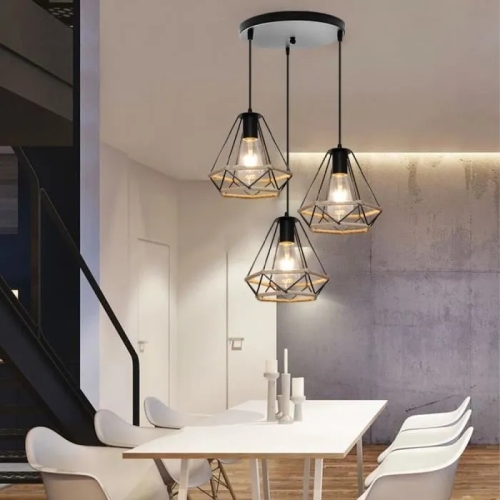
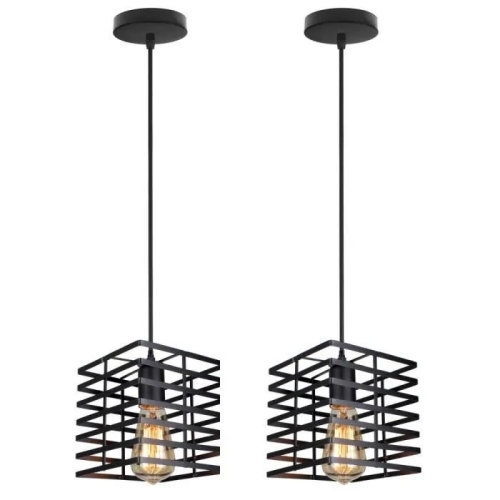
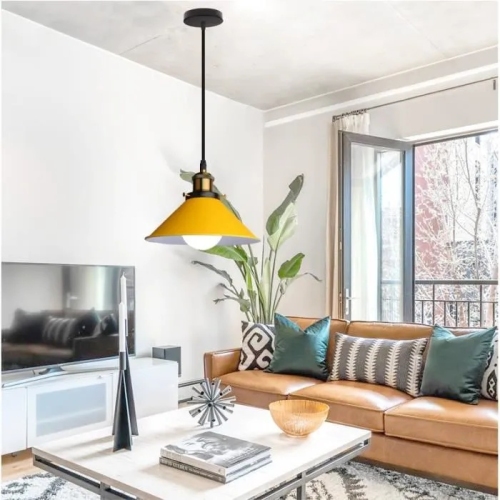
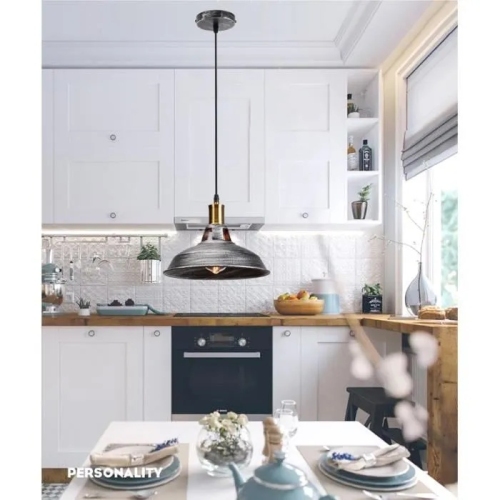
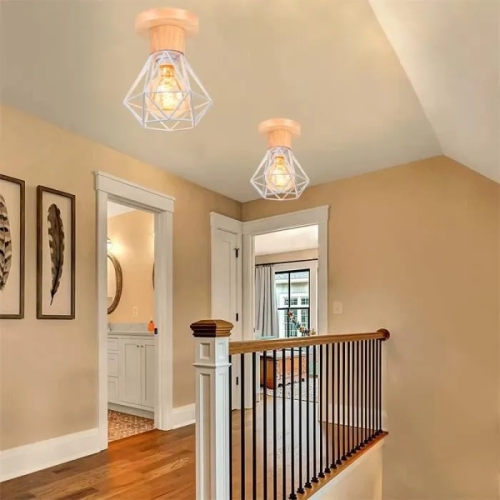
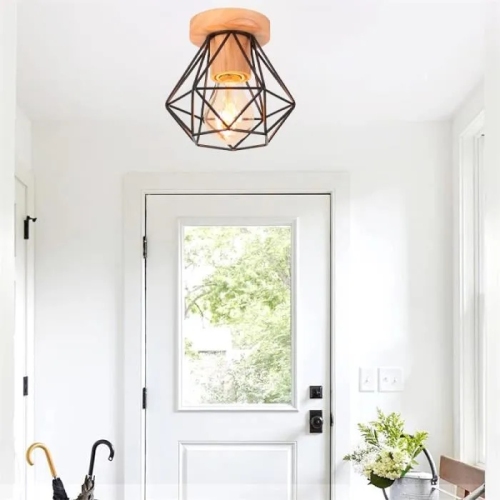
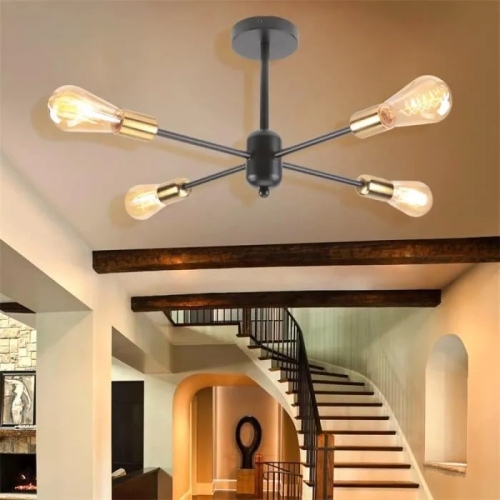
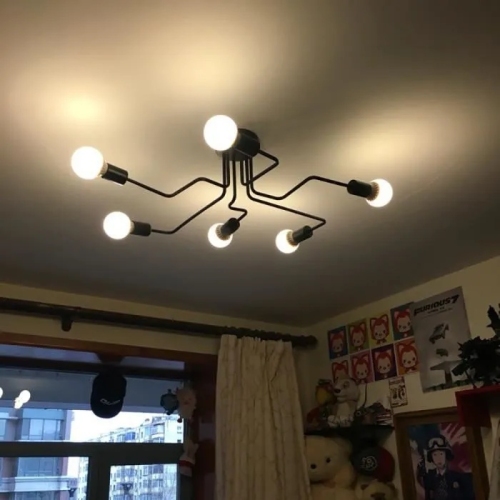
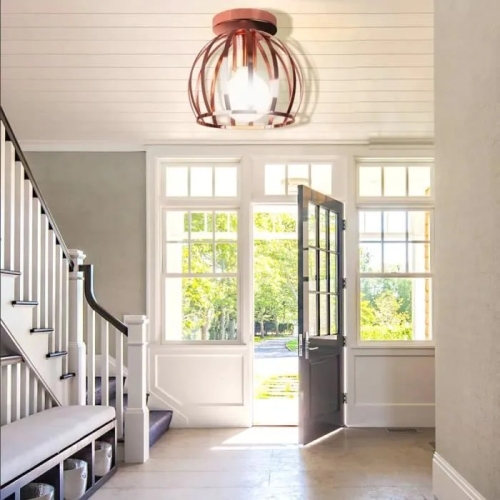
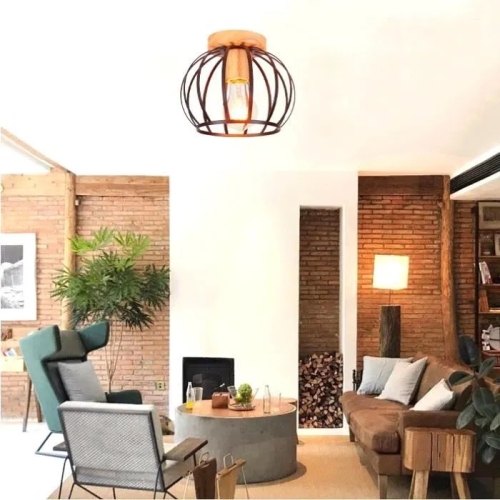
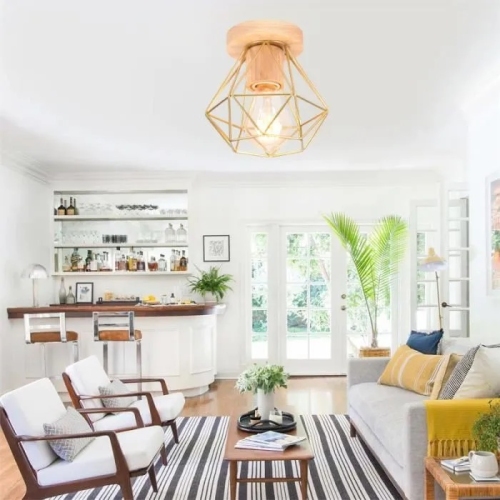
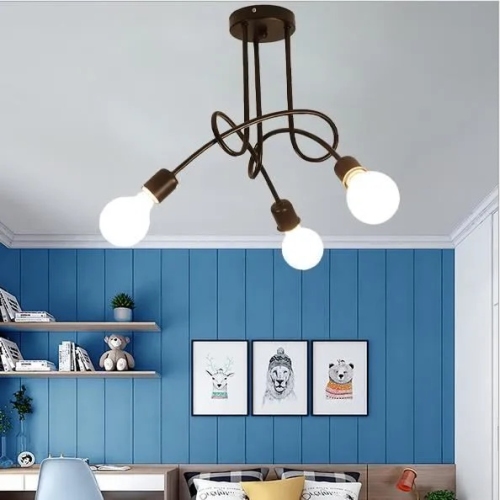
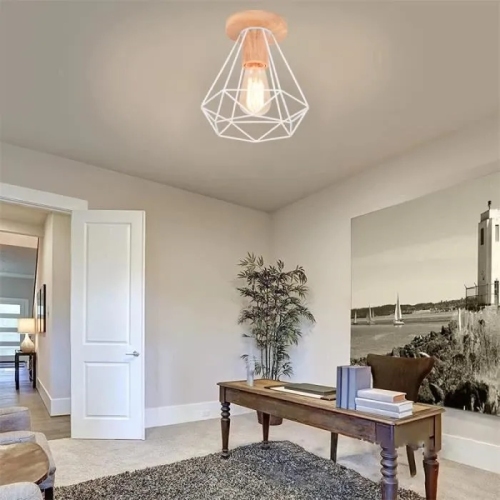
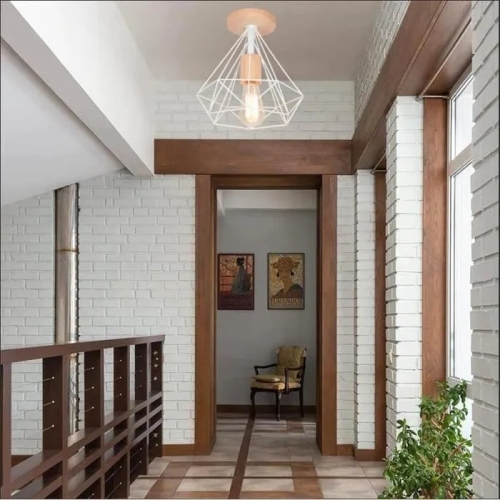
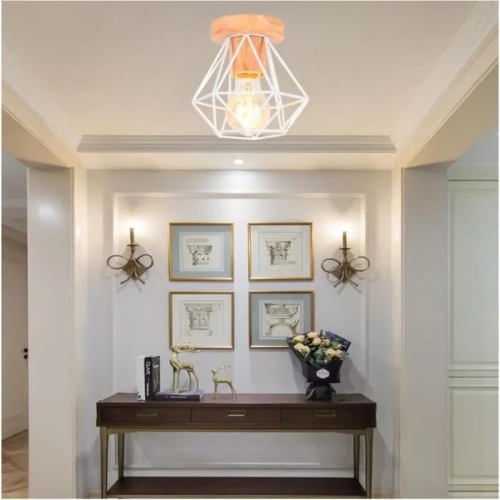
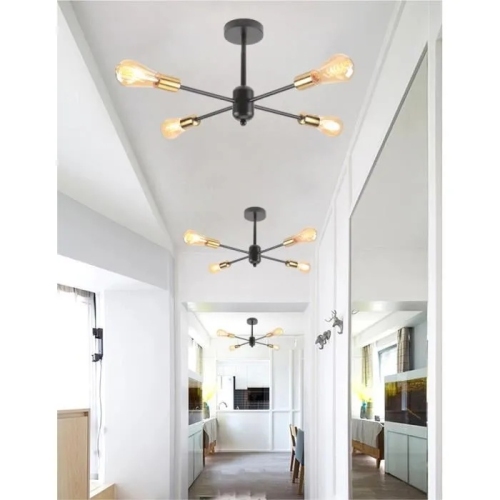
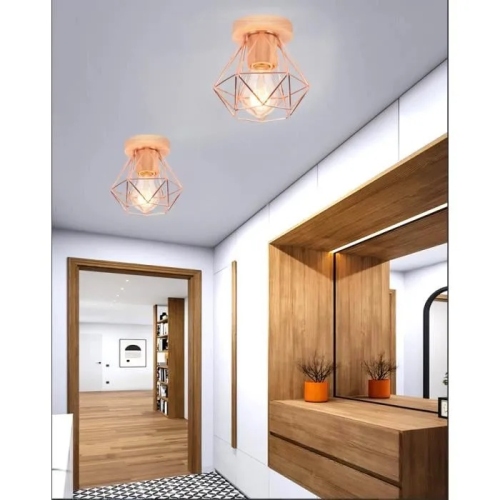
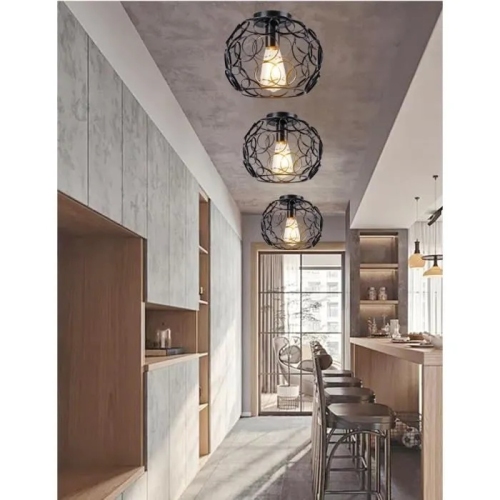
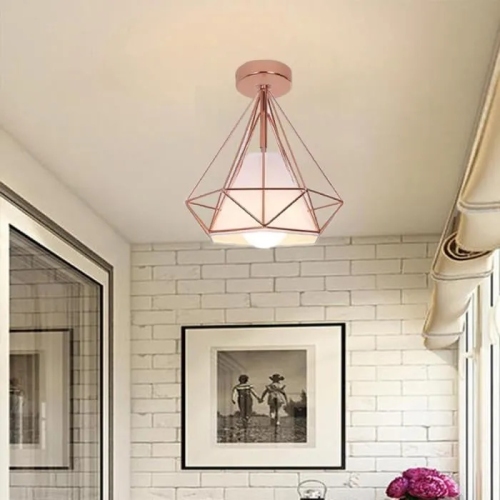
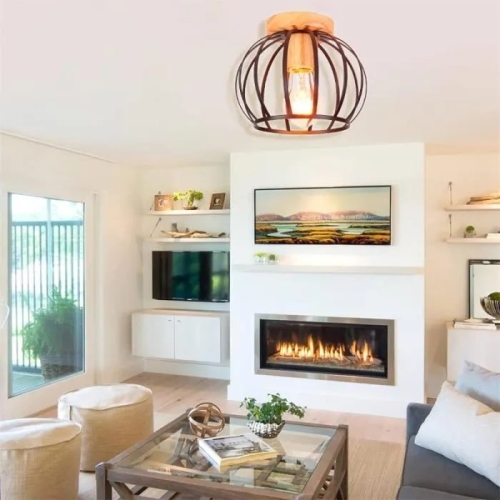
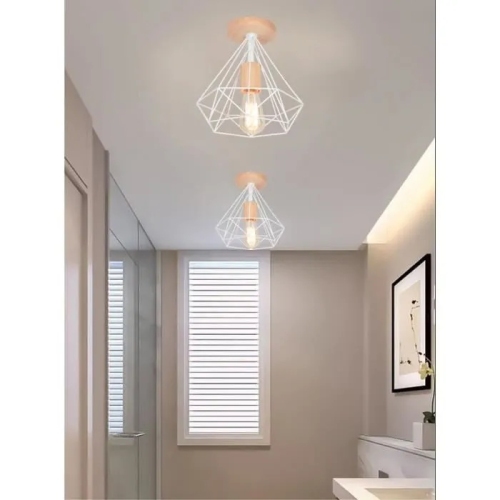
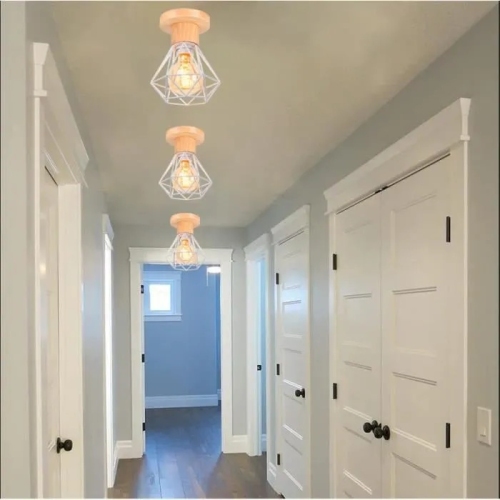
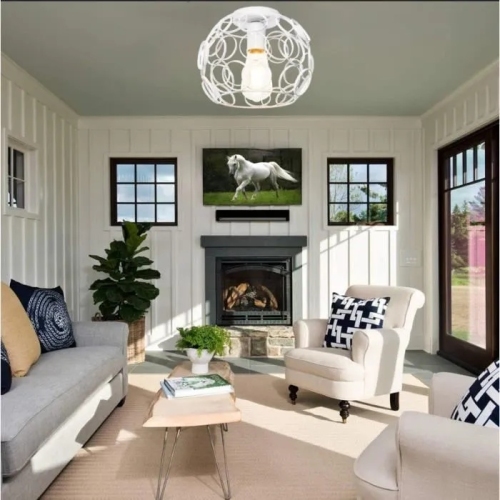
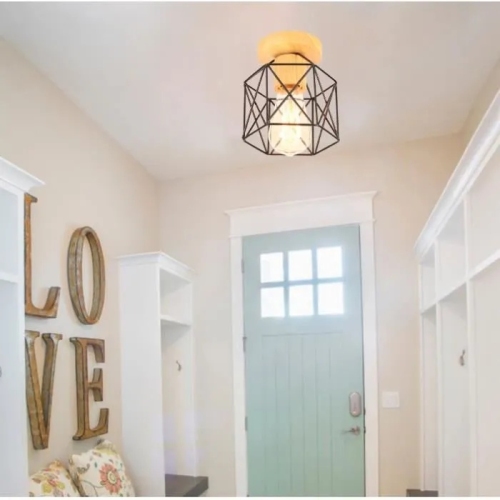
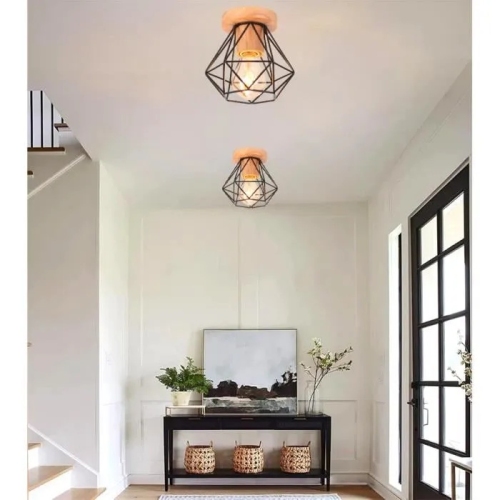
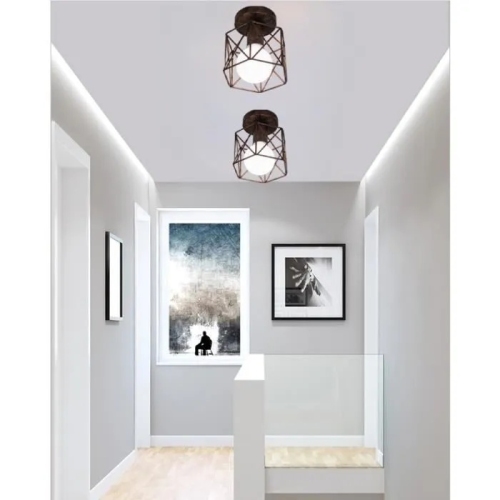
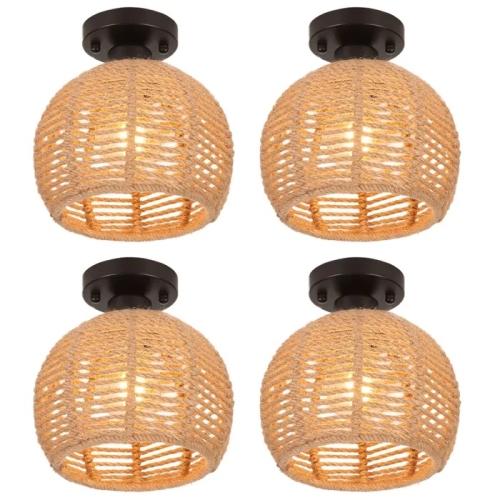
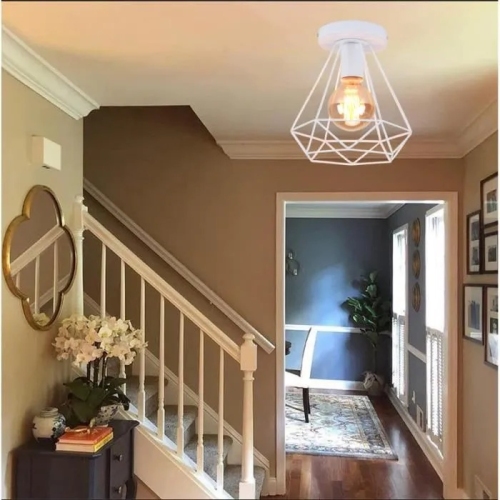
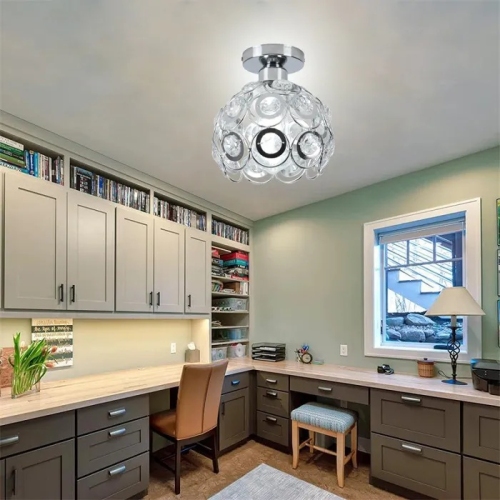
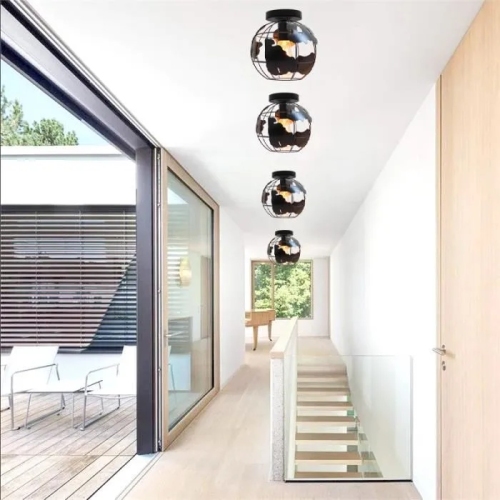
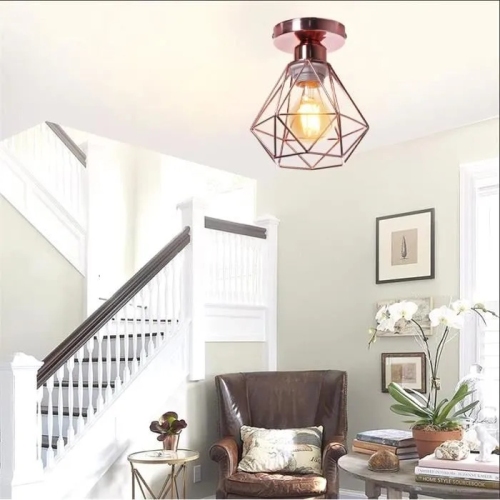
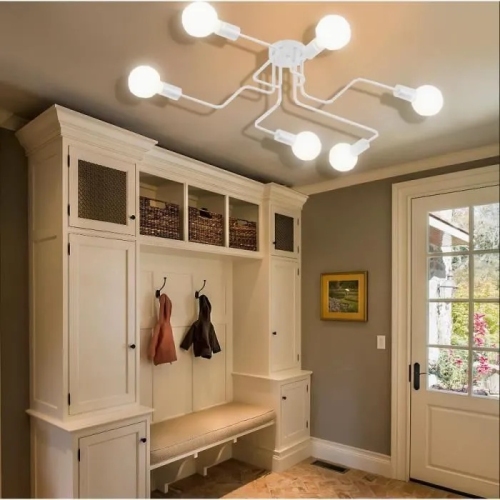
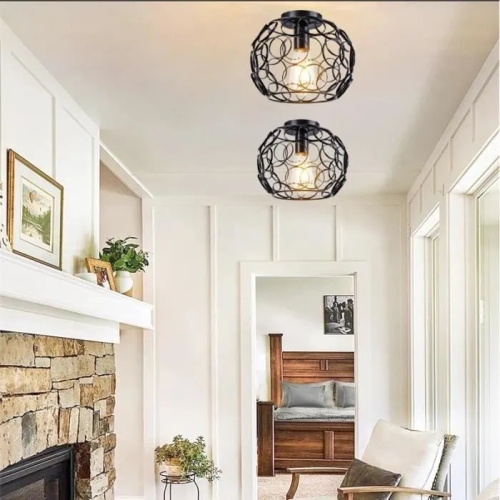
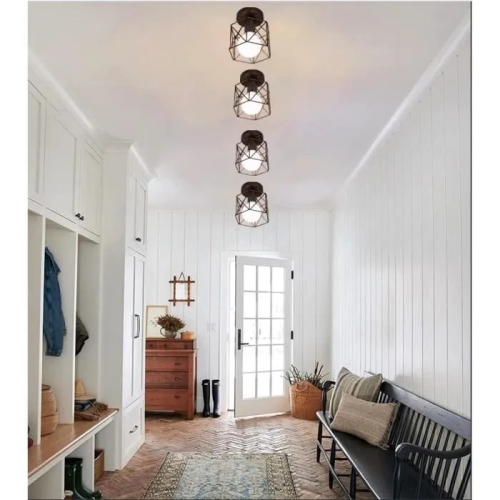
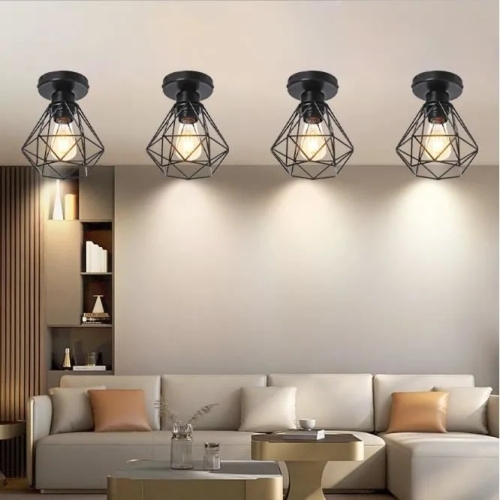
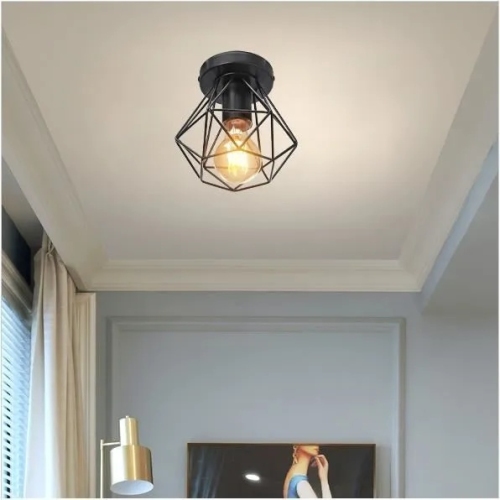
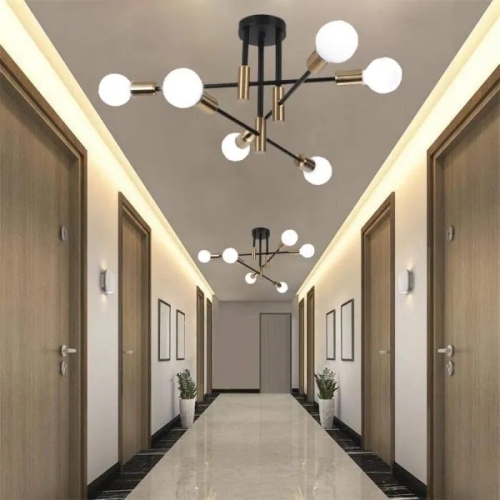
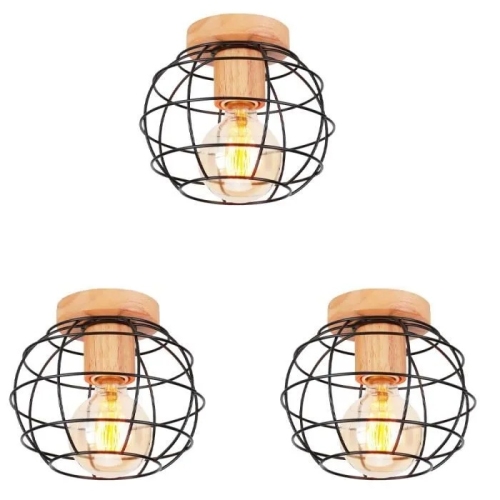
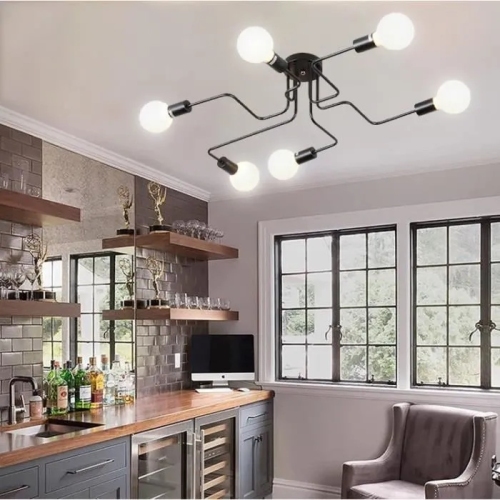
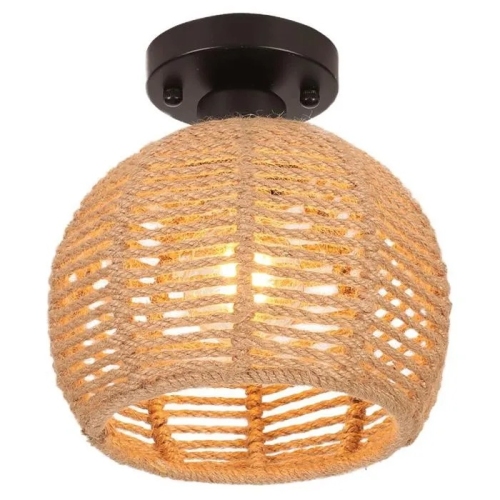
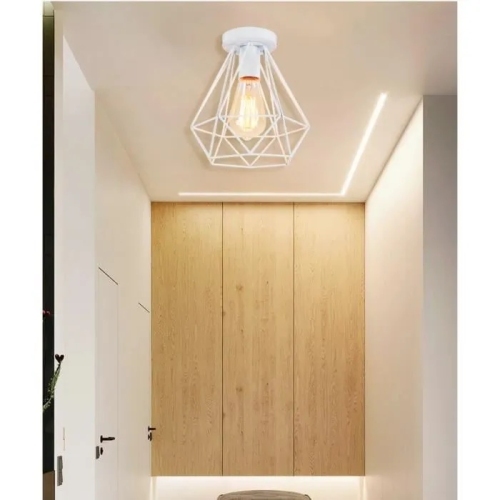
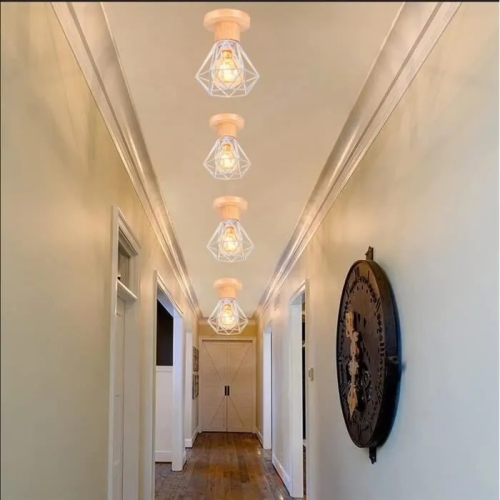
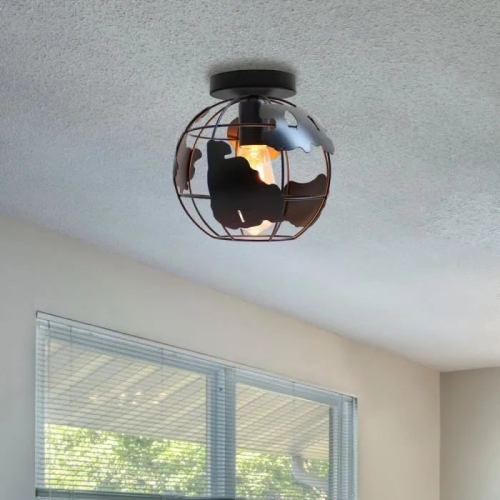
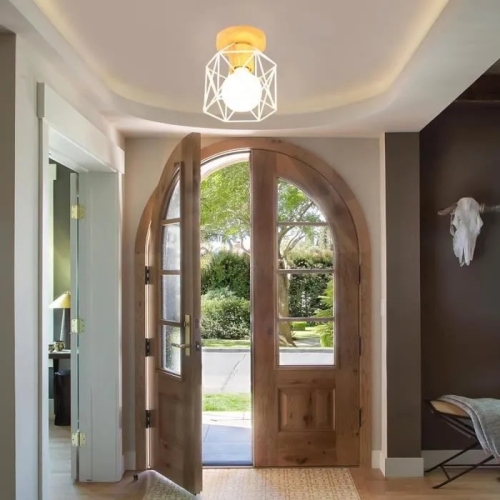
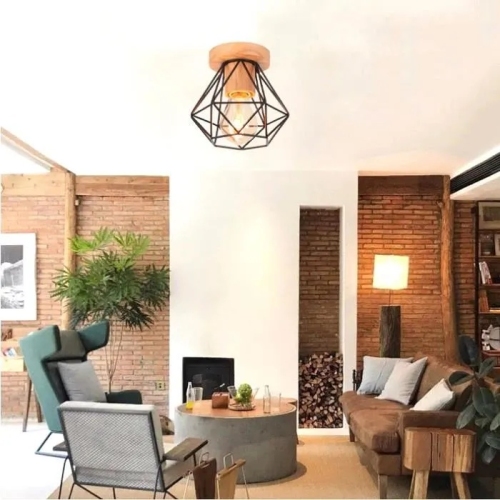
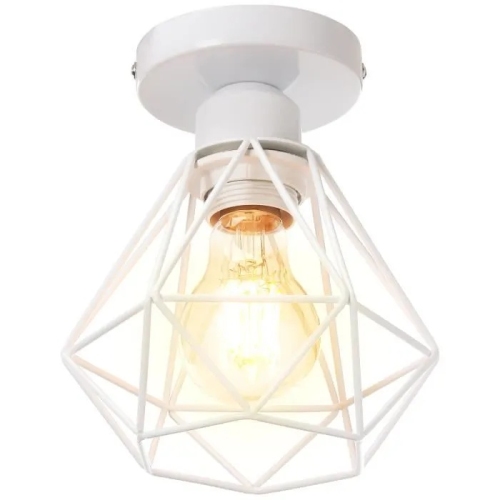
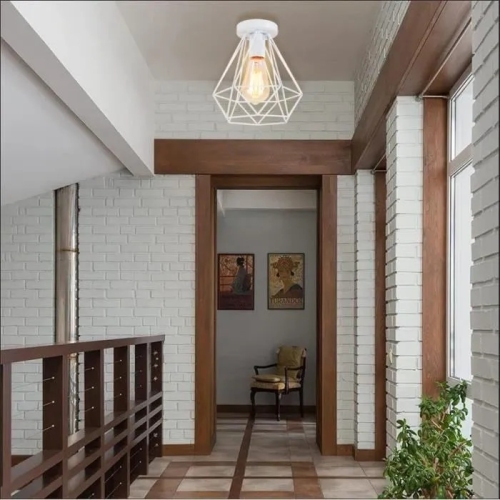
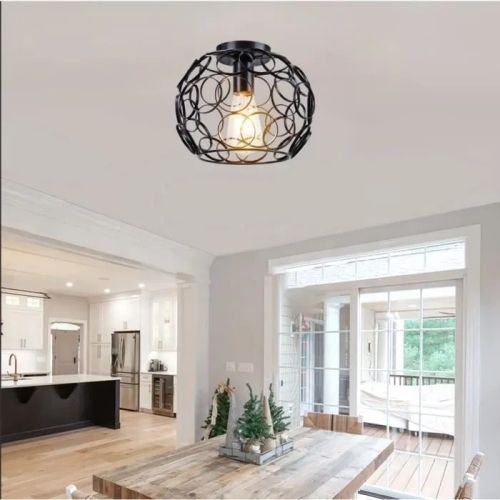
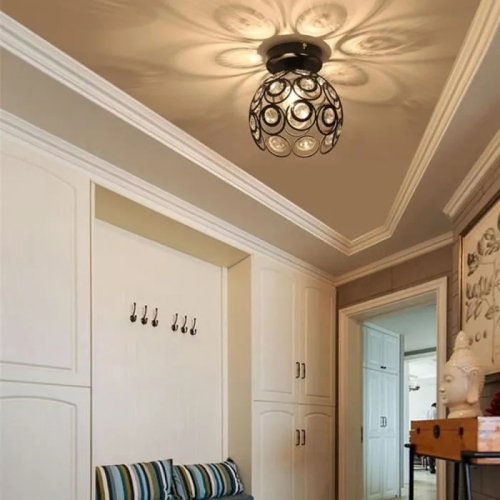
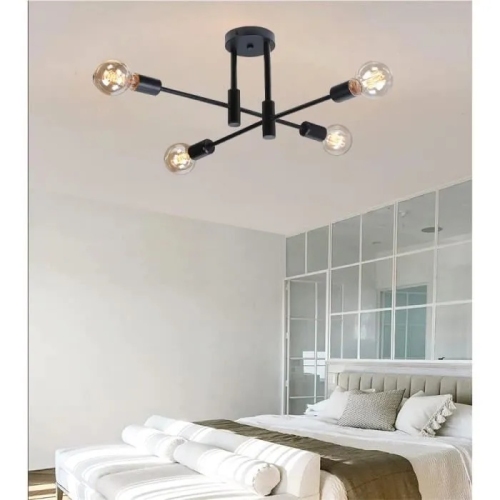
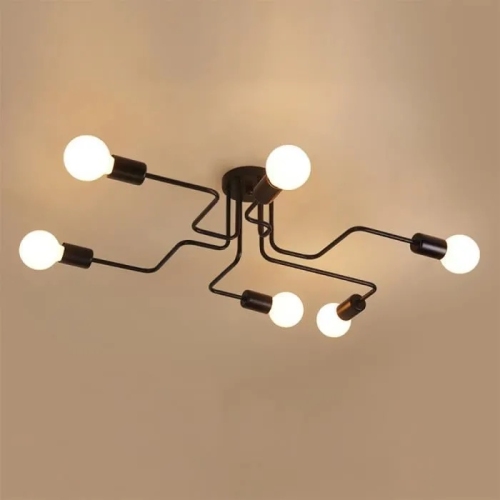
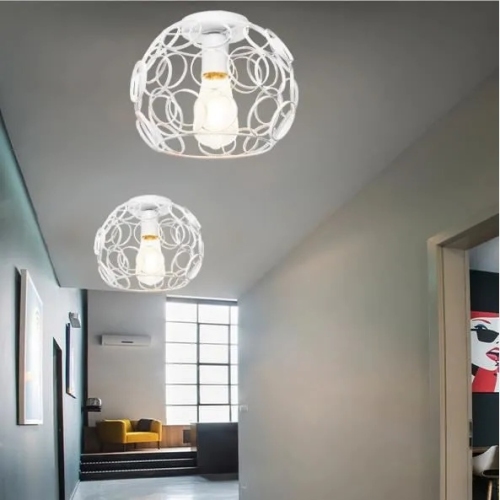
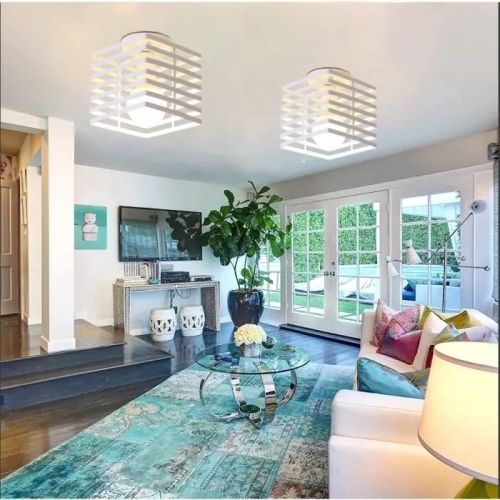
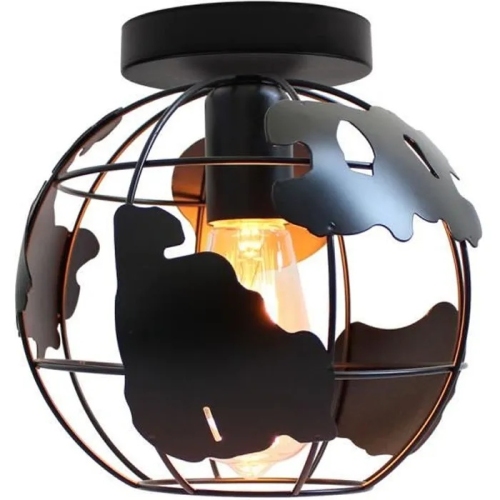
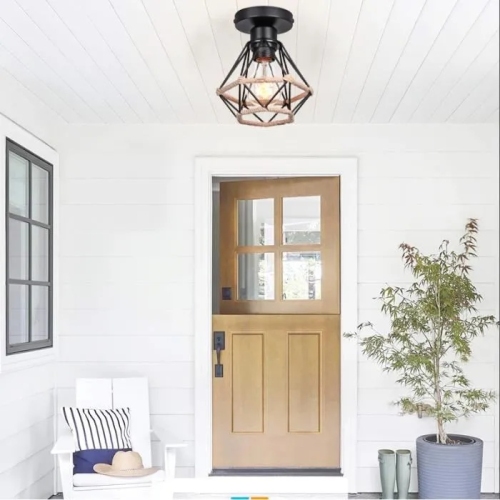
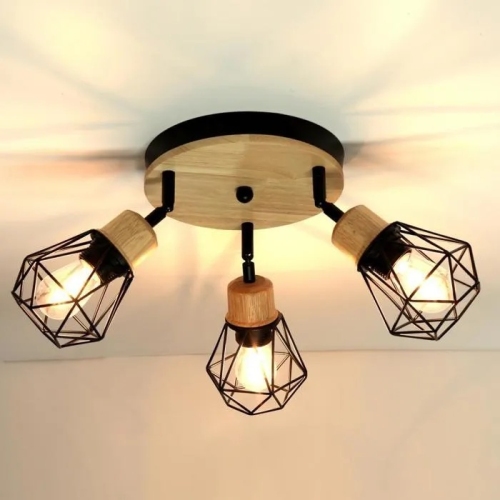
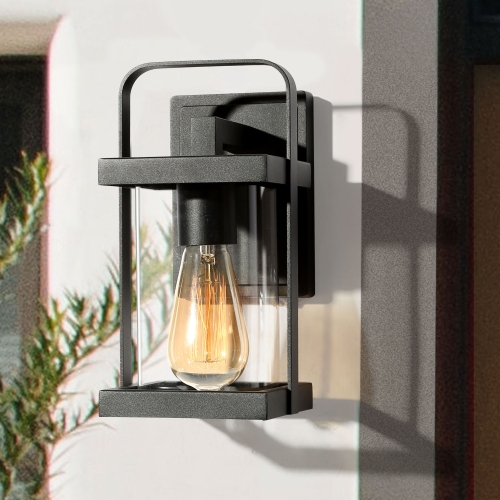
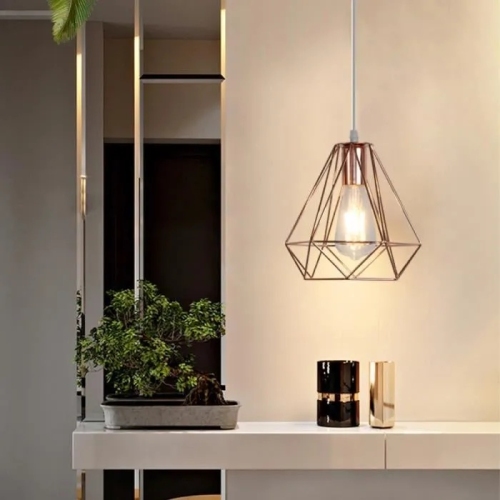
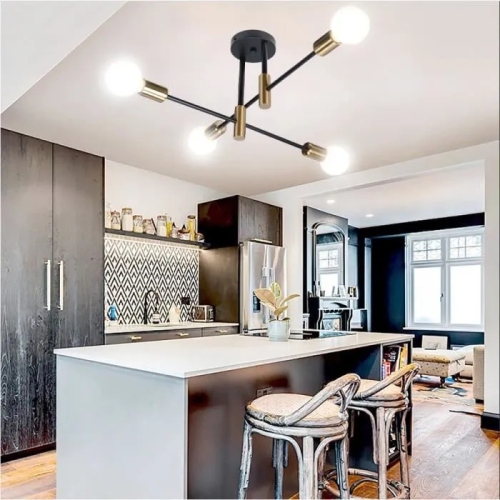
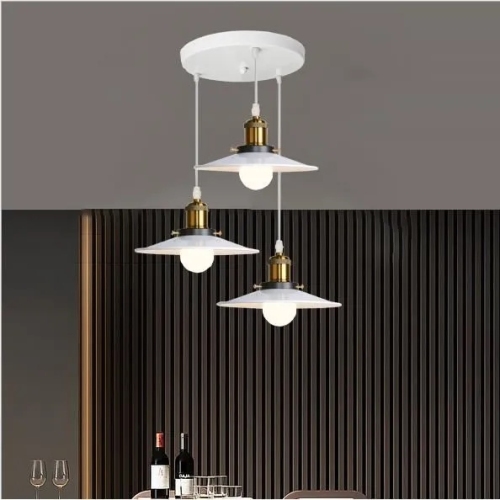
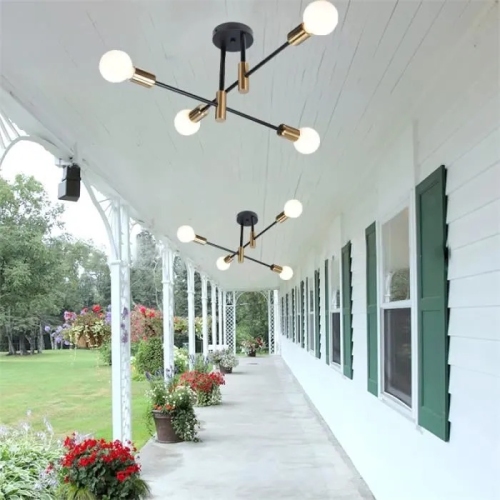
Industrial bedroom ceiling lights bring the character of workshop-inspired design into a room that still needs to feel comfortable and restful. Exposed metalwork, visible fasteners, simple sockets, and cage-like shades give these fixtures their distinctive appearance, while glass and softened finishes keep the look from feeling too stark. Within the broader range of Bedroom Ceiling Lights, industrial styles can work as a bold centrepiece or a quieter finishing touch. A dark metal frame can pick up the lines of a bed frame or drawer handles, while brushed metal pairs naturally with pale wood, woven fabrics, and neutral bedding. Clear glass emphasizes the bulb and surrounding hardware; textured or frosted glass softens the appearance and helps obscure the light source. Steel and aluminium are common construction materials, sometimes combined with wood accents or glass shades. Their thickness, assembly, and finish matter as much as their appearance, particularly around joints, shade attachments, and decorative arms. A matte finish tends to look understated, while a polished surface catches more light and creates stronger reflections. The fixture’s shape also changes its presence in the room. Open frames leave more of the ceiling visible, while solid metal shades create a stronger silhouette and direct more light downward. Flush-mount and semi-flush-mount designs suit a contained, architectural look; suspended fixtures introduce a more pronounced focal point. Industrial styling does not require exposed brick or a loft setting to make sense. Against a smooth painted ceiling, a restrained metal fixture can add definition without taking over the room. In a bedroom with patterned bedding or substantial furniture, a simpler frame often gives those existing details space to stand out. The most convincing combinations repeat a finish or shape already present in the room without making every piece match exactly. That balance helps the lighting feel connected to the furnishings rather than added as an isolated statement.

Fit is about more than whether a fixture looks proportionate above the bed. Ceiling height, room dimensions, furniture placement, and the position of the electrical box all influence how an industrial ceiling light will function. A broad, shallow fixture can spread its visual weight across a low ceiling without hanging far into the room, while a pendant needs enough clearance for walking, dressing, and opening nearby wardrobe doors. Suspension length, canopy dimensions, and the fixture’s total installed height are useful measurements to compare, particularly when photographs make the scale difficult to judge. For angled ceilings, mounting compatibility needs to be confirmed rather than assumed. The view from the bed deserves equal attention: an exposed bulb that looks appealing from the doorway may feel uncomfortably bright when viewed while lying down. Frosted bulbs, diffusing glass, or shades that shield the light source can make the room more comfortable, provided they are compatible with the fixture. Brightness is best assessed through lumen output rather than wattage alone, with the room’s size, wall colours, and other lamps affecting how much illumination feels sufficient. Dark walls and opaque shades can make a space feel less evenly lit, whereas light-coloured surfaces help distribute reflected light. Warm white light, often in the 2700K to 3000K range, tends to suit a relaxed bedroom setting. Consistent light colour across the ceiling fixture and bedside lamps also helps prevent an uneven mix of yellow and bluish tones. Dimming adds flexibility for getting dressed, putting away laundry, or winding down, but the light source and wall control must support the same dimming arrangement. A dimmable bulb alone does not make every combination compatible. For fixtures with integrated LEDs, the stated dimming requirements and light output deserve particular attention. Ceiling lighting can provide useful general illumination, while a bedside or reading light handles close-up tasks without requiring the entire room to stay brightly lit. This layered arrangement lets the industrial fixture contribute character without asking it to serve every purpose.

Everyday care and long-term practicality are especially noticeable with industrial designs because much of their construction remains visible. Open cages can collect dust around the socket and frame, clear glass shows fingerprints, and broad metal shades can develop a visible layer of dust along the top. Simple shapes with accessible surfaces are generally easier to maintain than closely spaced bars or intricate assemblies. Cleaning should follow the fixture’s care directions, with the power switched off and bulbs allowed to cool before handling. A soft, dry cloth is suitable for many exterior metal surfaces, while glass may require a different method specified by the manufacturer. Abrasive cleaners can damage painted, plated, or brushed finishes, and cleaning liquid should not enter sockets or electrical components. Where shades are removable, their weight and fastening method affect how manageable routine cleaning and bulb replacement will be. Replaceable-bulb designs also require attention to the correct bulb base, permitted bulb dimensions, and maximum wattage. A decorative bulb needs to fit inside the shade or cage with the required clearance, not simply match the socket. For integrated-light designs, information about servicing the light source is worth considering alongside the fixture’s appearance. Installation requirements depend on the mounting arrangement and fixture weight, so the ceiling box and support must be suitable; a qualified electrician can assess the connection and mounting needs. In a rented bedroom or condominium, permission and any applicable building requirements may also affect fixture changes. Once these practical details are addressed, industrial ceiling lighting can suit a primary bedroom, a guest room, or a teenager’s room without relying on an elaborate decorating scheme. A compact fixture can lend structure to a modest space, while a larger design can give a spacious bedroom a clear visual anchor. Durable construction, comfortable light, and proportions that suit the room are what allow the style to remain useful beyond its initial visual impact. The result is a bedroom light that looks intentional from the doorway and feels comfortable during the routines that happen beneath it.
FAQ

Some products may be subject to Environmental Handling Fees (EHF) depending on your province. Learn more about EHFs.