Inexpensive Smart Thermostats

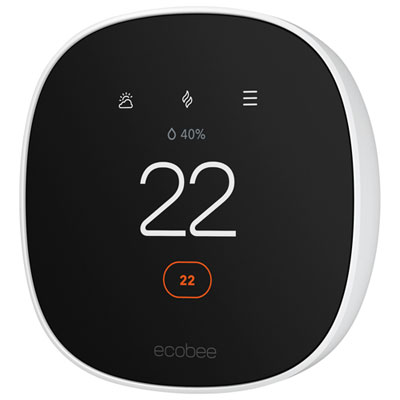
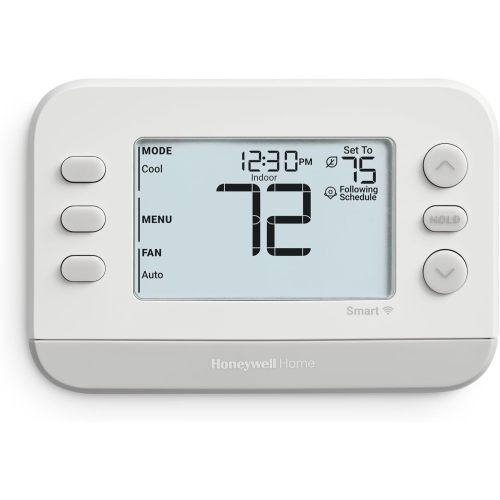
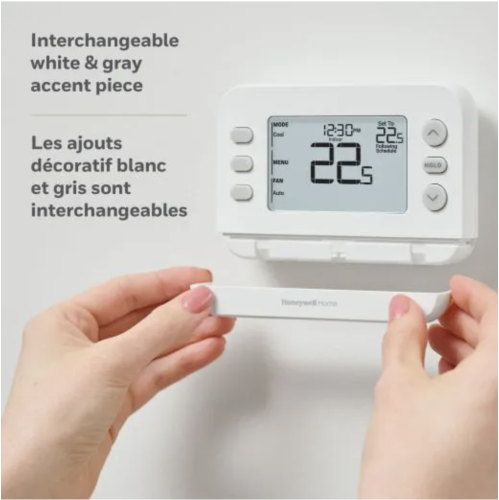
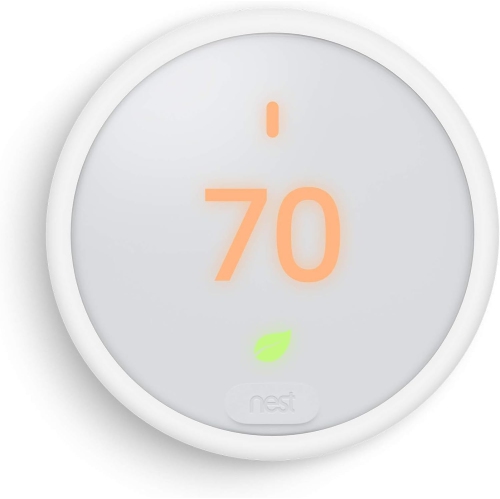
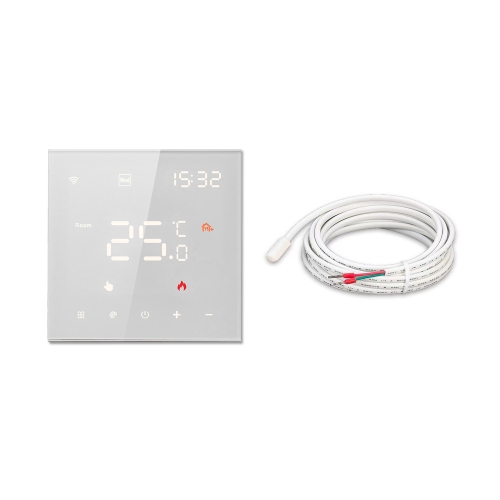
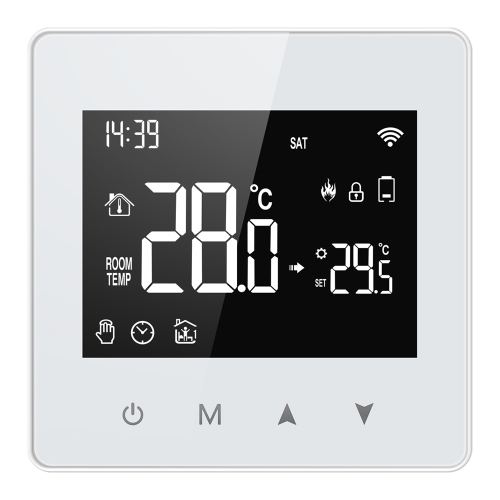
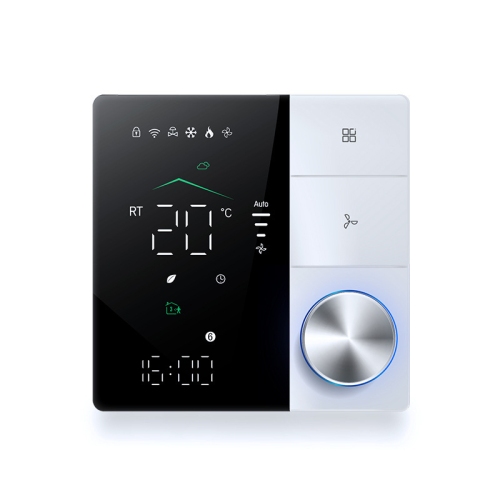
Explore inexpensive smart thermostats with a focus on price, compatibility, and everyday controls. Compare each model’s heating and cooling system compatibility and wiring requirements, then check for features such as scheduling or app control to find an option that fits your home and budget.
Read More

Sort

Affordable temperature control that fits your home and routine

Inexpensive smart thermostats bring connected temperature control within reach for households that want convenient everyday features without a large upfront purchase. They can be a practical upgrade from a basic manual thermostat, particularly when your routine includes regular work hours, time away from home, or different temperature preferences throughout the day. Scheduling lets you plan temperature changes around those routines, while compatible app controls make it easier to adjust settings without walking to the wall. The right choice depends less on having the longest feature list and more on finding controls you will actually use. A clear display, straightforward temperature adjustments, and an easy-to-navigate app can be more useful than advanced automation for a household that mainly wants consistent comfort. For shoppers comparing affordable options, the overall value also includes installation requirements, compatibility with existing equipment, and whether the thermostat provides the functions needed for both heating and cooling.
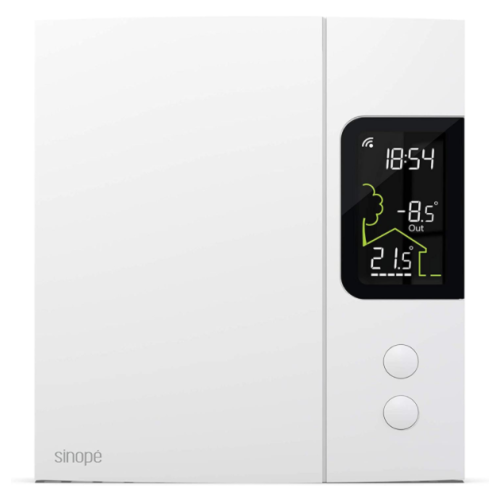
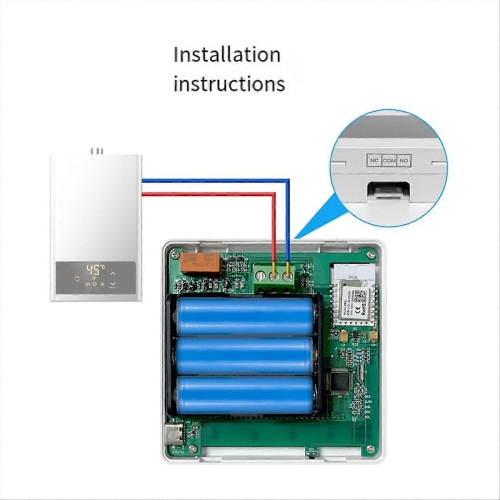
Compatibility is an important starting point because smart thermostats are not interchangeable across all home heating systems. Furnaces, boilers, heat pumps, and electric baseboard heaters can have different control and wiring requirements, and a thermostat designed for a low-voltage system is not a substitute for one designed for line-voltage heating. Heat pumps may also require support for auxiliary heat, while equipment with multiple heating or cooling stages needs a thermostat that can manage those stages correctly. Existing wiring matters as well: some smart thermostats require a common wire, often called a C-wire, to supply continuous power. Checking your system type and wiring against the thermostat’s installation requirements helps establish whether an inexpensive option will be a straightforward replacement or involve additional work. For homes with separately controlled heating zones, consider how many thermostats need replacing and whether each zone has the same requirements. Renters and condo residents should also confirm any applicable installation permissions before replacing an existing control.

Once system compatibility is established, compare the connected features that best suit your household. Wi-Fi connectivity and remote access can be helpful for adjusting the temperature before returning home, while flexible schedules suit homes where weekday and weekend routines differ. Supported Wi-Fi bands, app requirements, and compatibility with an existing smart home platform are worth checking before purchase. Voice control, location-based adjustments, and support for separate room sensors are features to compare rather than assume, especially when shopping at a lower price point. Room sensors may help a compatible thermostat account for temperatures away from the hallway or room where it is installed, but they may be sold separately. For shared households, consider how easily different users can access the controls and whether settings can be adjusted directly on the thermostat as well as through an app. Comparing the purchase cost with any necessary installation work or accessories helps keep the upgrade within budget while prioritizing reliable temperature control and day-to-day ease of use.

Read More

FAQ

Some products may be subject to Environmental Handling Fees (EHF) depending on your province. Learn more about EHFs.