iPhone 13 Charging Cases

Find iPhone 13 charging cases that combine a protective cover with backup battery power for charging on the go. When comparing battery cases, check compatibility with your exact iPhone model, battery capacity, charging connections, and added size and weight to find an option that suits your daily use.

Read More

More phone time without a separate power bank

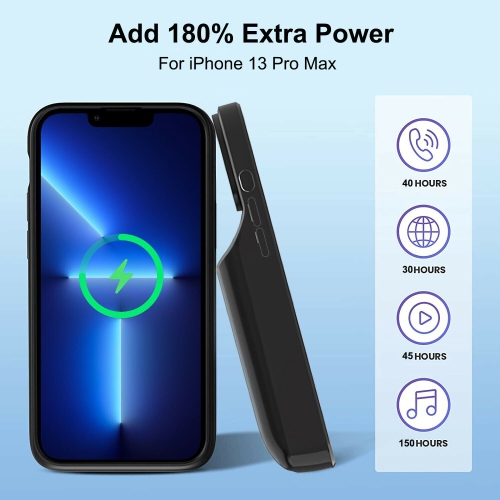
iPhone 13 charging cases combine a fitted phone cover with an additional source of power, making them useful for days when calls, navigation, photos, and streaming stretch beyond a convenient charging break. A case with a built-in battery stores energy separately from the phone and transfers it through a compatible connection, helping extend use without a loose power bank hanging from a cable. This can be particularly practical during a long commute, a full day of appointments, or a trip that involves keeping boarding passes and directions close at hand. The distinction between a battery case and a charging-compatible case matters: a cover described as supporting wireless charging or magnetic attachment does not necessarily contain a battery. Some covers simply allow the phone to charge through the material or help a compatible accessory align against the back. For anyone seeking extra power on the move, the presence of an integrated battery is an important detail. Fit is equally specific. An iPhone 13 charging case needs to match the phone’s dimensions, rear camera arrangement, buttons, and charging connection; a case intended for another model is not interchangeable just because the screen size looks similar. A well-matched design leaves the camera lenses clear, keeps the side controls accessible, and provides enough room around the speakers and microphone openings. The area around the charging port also deserves attention, since a built-in connector can change how cables or other wired accessories attach. Some designs require the phone to slide onto an internal connector, while others use a flexible upper section to make insertion easier. A secure fit should hold the phone without forcing the connector or putting pressure on the buttons. For frequent phone users, that balance of power, access, and fit helps a charging case feel like part of the device rather than an accessory that gets in the way.

The materials and shape of a charging case influence how it feels through hundreds of small interactions, from answering a call to slipping the phone into a jacket pocket. Rigid plastic shells can provide structure around the battery, while flexible edges may make installation easier and soften contact with the hand. Silicone or textured finishes can improve grip, although some surfaces collect lint more readily than smooth ones. A matte finish may make fingerprints less noticeable, while a glossy surface can show fine marks from everyday handling. These differences become noticeable when a phone spends time on a desk, in a handbag, or beside keys in a backpack. Raised edges around the screen and camera can help reduce direct contact with flat surfaces, but they do not make the phone immune to drops or scratches. Protective claims are most meaningful when supported by the case’s stated testing and construction. An integrated battery also adds weight and thickness, so a slim profile and a larger power reserve involve different priorities. Someone who carries a phone in a trouser pocket may value rounded edges and a less bulky shape, while someone using maps and messaging throughout a work shift may accept extra weight for a larger reserve. Button covers should remain easy to press, and the grip should feel secure during one-handed use. The shape of the battery section can also affect how steadily the phone rests on a table and whether it fits into an existing stand or vehicle mount. Magnetic attachment and wireless charging need explicit compatibility rather than assumptions based on appearance. A case can fit the phone correctly yet still be too thick for a particular holder or unsuitable for charging through its back. Colour and finish add a personal element, but the most useful design is one that suits the way the phone is carried, held, and charged every day.

Charging performance depends on more than the battery capacity printed in a case’s specifications. Capacity expressed in milliamp-hours describes stored charge, but it does not translate directly into a guaranteed number of complete phone charges. Power conversion, the phone’s battery condition, and activity during charging all affect the result. Navigation with a bright screen, for example, continues to draw power while the case supplies it. For everyday use, the charging controls can be just as important as capacity: an accessible power button and clear battery indicators make it easier to tell when the case is supplying power and how much reserve remains. Input connections vary, and the cable used to charge the phone by itself may not be the cable required by the case. Support for charging the phone and case from one connection also varies, including which battery receives power first. Compatible options within Chargers for iPhone 13 can complement a charging case, provided the charger, cable, and case input requirements match. Keeping those connections in good condition supports dependable daily use. A soft, dry cloth is suitable for routine wiping, with particular attention to dust around openings and the internal connector when the phone is removed. Battery cases should not be immersed, and a charging port should be dry before a cable is connected. Excess heat, a damaged shell, swelling, or an unreliable connector are reasons to stop using the case and follow the manufacturer’s service guidance. Charging on a hard, uncovered surface rather than under bedding allows heat to disperse. For a gift, confirming the recipient’s exact phone model and preferred carrying style is more useful than choosing by colour alone. A person who regularly searches for an outlet between meetings may appreciate an integrated power reserve, while someone who values a light phone may prefer a slimmer charging-compatible cover. Matching the case to those habits gives it a clear role in the recipient’s routine.
Read More

FAQ

Some products may be subject to Environmental Handling Fees (EHF) depending on your province. Learn more about EHFs.