Trackers for Belongings
Keep your belongings safe and secure with our range of top-notch trackers. Whether you're constantly misplacing your keys, wallet, or even your luggage, these innovative designed to help you locate your items quickly and easily. With cutting-edge technology and reliable performance, our selection of trackers offers peace of mind and convenience in one compact package. Say goodbye to the stress of losing important items and hello to the convenience of always knowing where your belongings are. Explore our collection today and never worry about losing track of your valuables again.
Sort

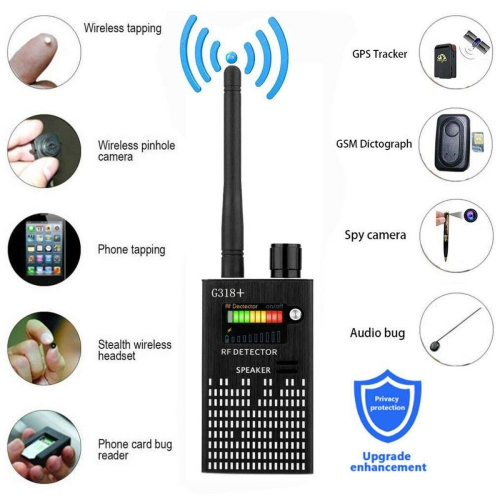
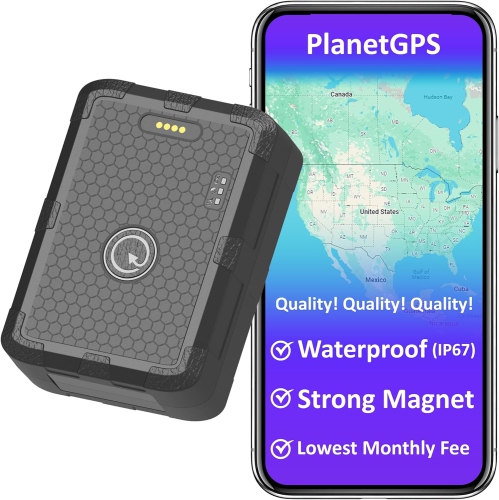
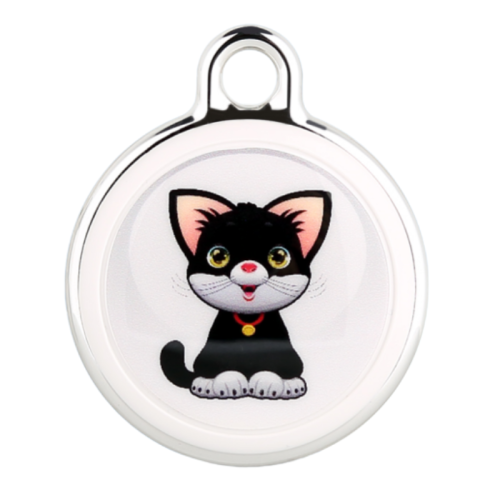
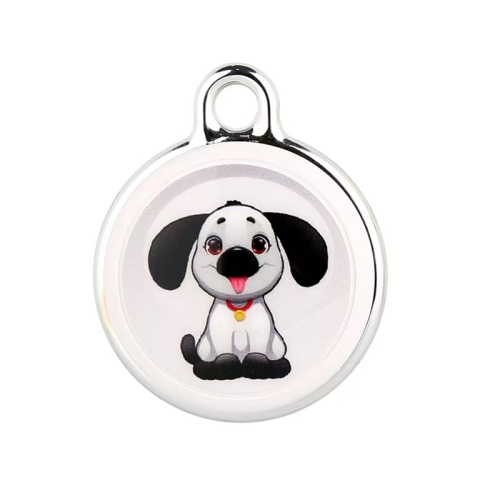
Why tracker range matters when belongings go missing
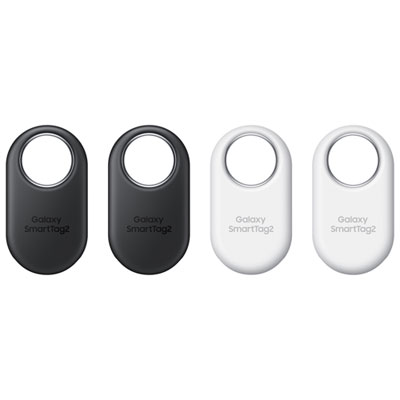
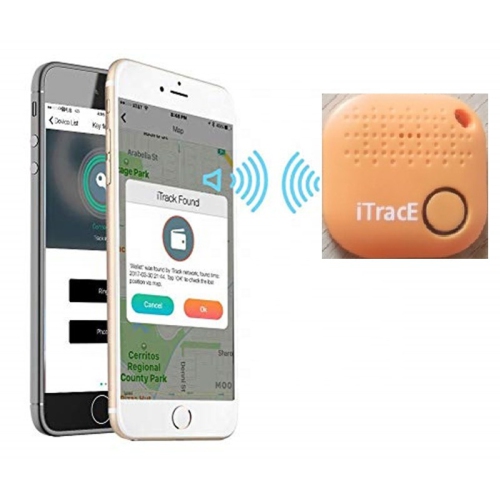
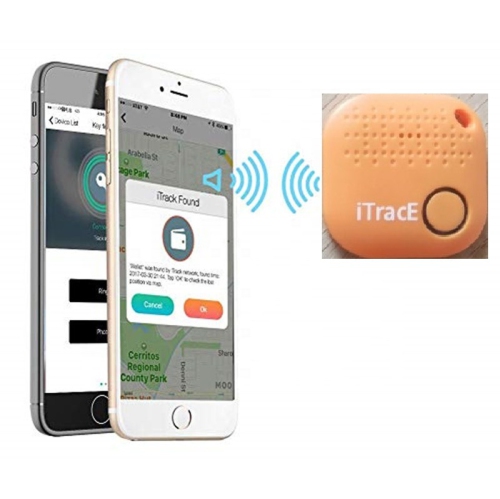
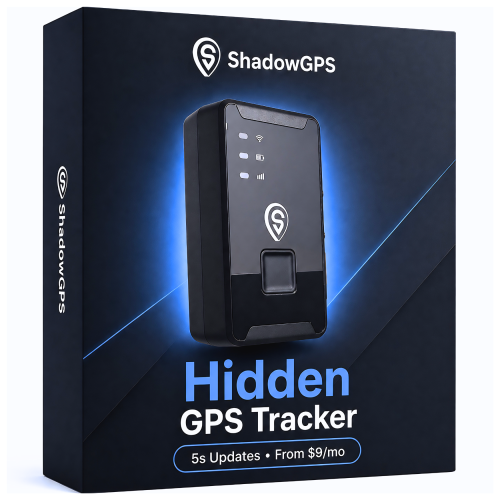
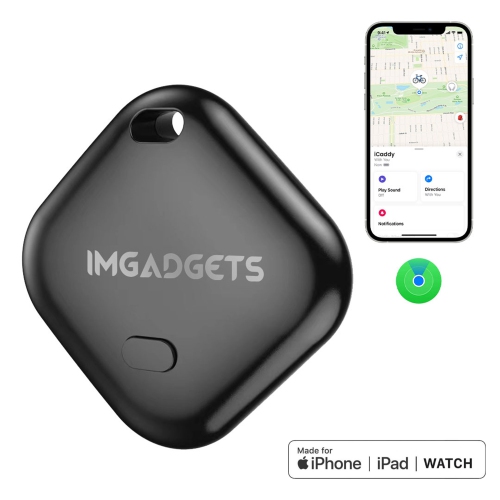
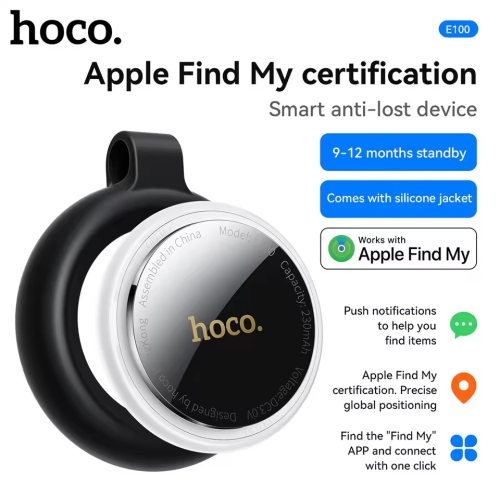
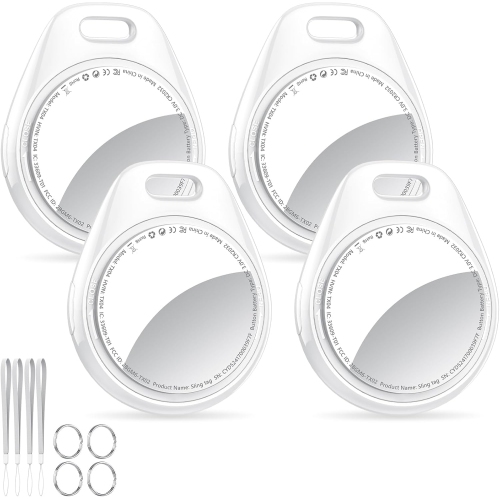
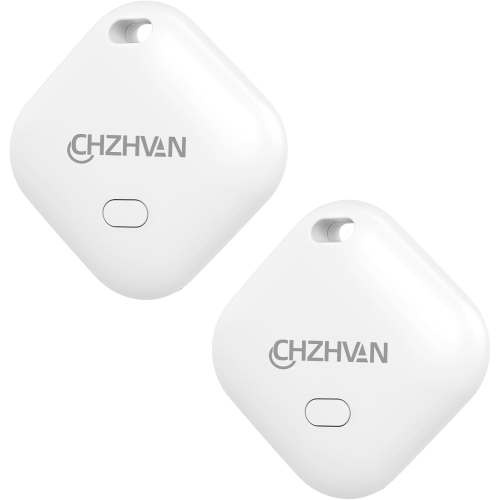
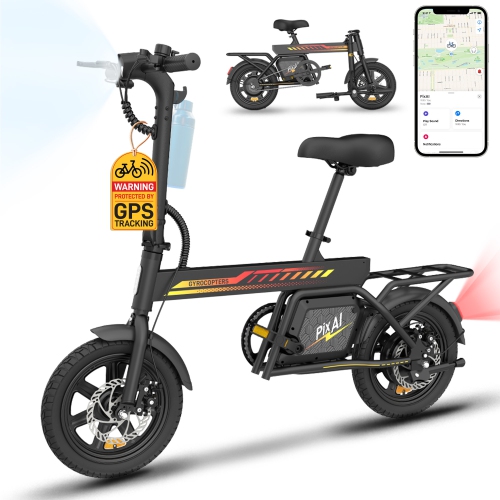
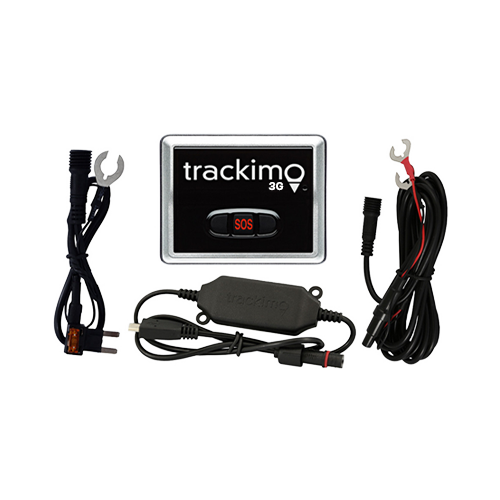
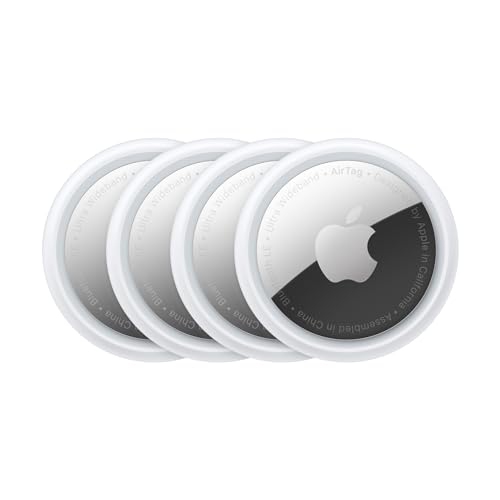
Trackers for belongings help connect everyday possessions to a compatible phone, making it easier to find keys beneath a sofa cushion, a wallet tucked into another bag, or luggage separated from its owner during a journey. These compact electronic tags usually work through an app that can play a sound, display a last known location, or provide nearby finding assistance, depending on the tracker and phone. The most important distinction is between finding something close by and locating it farther away. A Bluetooth tracker communicates over a limited distance, with walls, furniture, and other obstacles affecting its reach. When a supported tracker moves beyond that direct connection, a compatible finding network may use nearby participating devices to relay its approximate location. Updates depend on network coverage and whether another device passes close enough; they are not necessarily continuous or immediate. A last known location is a useful clue, not confirmation that an object remains there. GPS-based trackers work differently, using satellite positioning and, often, a cellular connection to report their location. They may require a service plan and more frequent charging, making them better suited to certain larger possessions than to a slim wallet or a small key ring. For most everyday uses, the right choice starts with phone compatibility rather than appearance. Some trackers pair only with particular operating systems or device families, while others offer broader app support with differences in functionality. Precision finding, where supported, can provide more detailed direction and distance information, but it requires compatible hardware in both the tracker and the phone. Audible finding also varies: a sound that is clear on a countertop may be harder to hear inside a zipped bag. These differences matter when the goal is a quick search before leaving home, rather than checking where a suitcase was last detected.
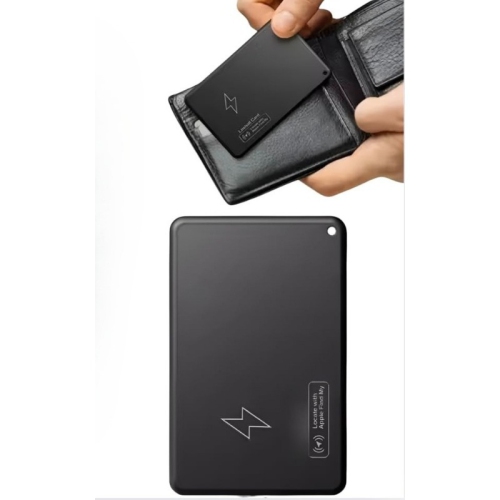
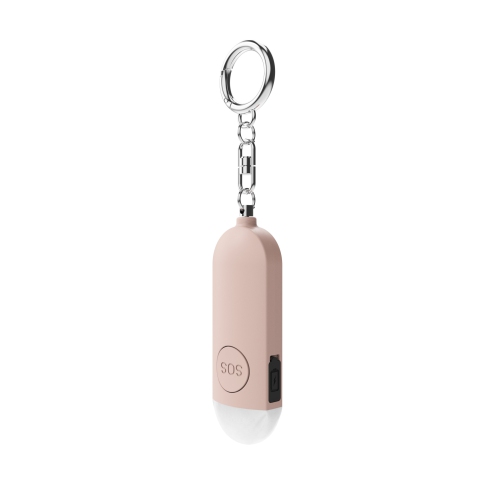
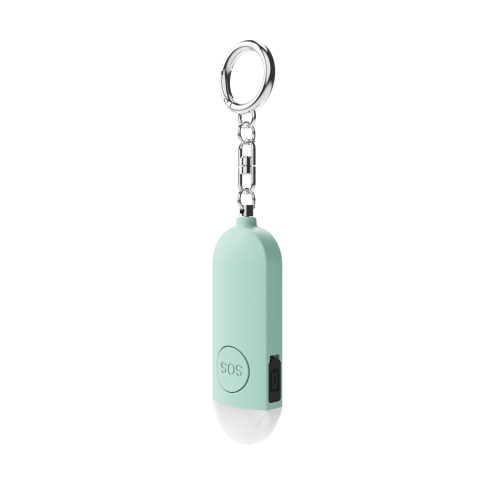
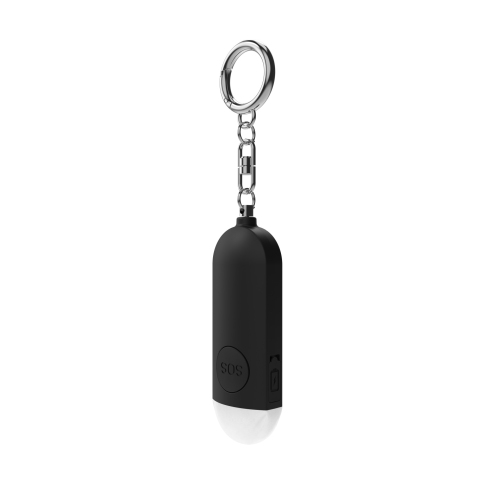
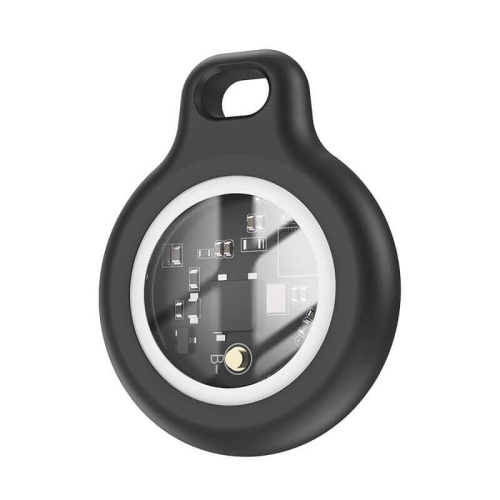
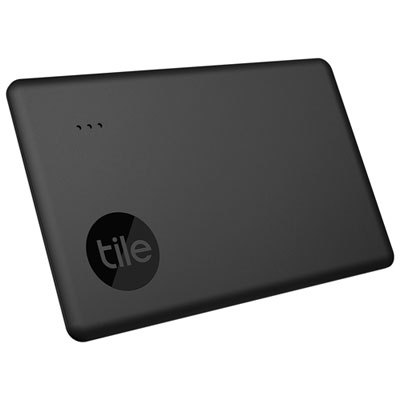
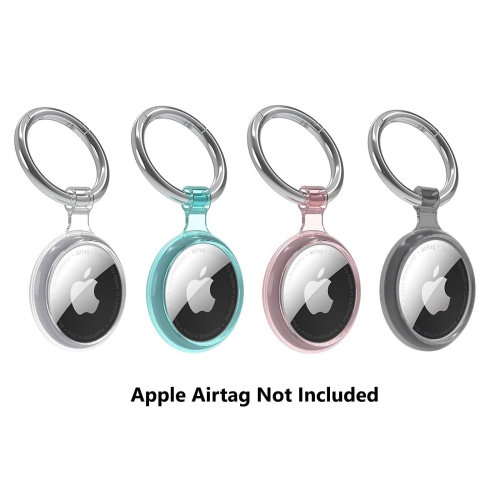
Shape, attachment, and battery design determine how comfortably a tracker fits into a daily routine. Small tags with integrated openings can attach directly to key rings or bag loops, while smooth discs may need a separate holder. Card-shaped trackers are designed for narrow spaces such as wallet slots, document organizers, or luggage pockets, although their thickness still affects how well a tightly packed wallet closes. Measurements are more useful than appearance alone: a tag should fit without pressing against a zipper, blocking access to a compartment, or adding an awkward lump to something carried in a pocket. Lightweight plastic housings keep bulk down, and some designs include metal components around attachment points. Silicone or fabric holders can provide a softer contact surface, while a secure closure helps prevent the tag from slipping free. Durability depends on the complete setup, including the ring, strap, or holder, not simply the tracker casing. A worn loop on a frequently handled bag can be the weak point even when the tag itself remains intact. Water and dust resistance ratings also deserve attention, particularly for possessions that are handled often or carried between different places. Resistance is not the same as waterproofing, and a protective holder does not automatically make a tracker suitable for immersion or washing. Battery options bring another practical trade-off. Replaceable batteries allow continued use without charging, while rechargeable designs need an accessible charging method and a routine that keeps them ready. Sealed-battery trackers have a limited operating life and may require replacement when that battery is depleted. Battery-life claims depend on use, settings, and how frequently finding features are activated. Basic care usually involves wiping the exterior with a soft cloth, following the manufacturer's cleaning directions, and checking attachment points periodically. Coin-cell batteries, where used, must be kept away from children and pets, and battery compartments should always be securely closed.
The intended possession helps narrow the choice further. A key tracker benefits from a sturdy attachment and an audible signal that can be heard from another room, while a wallet tracker needs a slim profile that leaves payment cards easy to remove. For luggage, an interior pocket can keep a tag protected and attached to the bag rather than a removable exterior accessory; airline requirements for batteries and tracking devices should still be checked before travel. A tracker can offer an additional location clue when luggage is delayed, but it does not replace an airline's baggage tracing process. Students may find a tag useful for a bag left in a library, classroom, or shared study space, and trackers for student backpacks suit that everyday focus on keeping track of school belongings. A tracker in a backpack locates the bag, however, and should not be treated as a dependable way to monitor a child's whereabouts. Similar uses extend to work bags, camera cases, instrument cases, and other frequently carried possessions, provided the tracker can be secured without interfering with their use. For shared household belongings, supported sharing features can let more than one authorized person help locate the same object. Separation alerts, when offered, may notify a phone after a connection is lost, although their timing and reliability depend on settings, permissions, and the device. Clear app labels make several tags easier to manage, especially when similar bags or sets of keys are in use. These practical details also make belongings trackers a thoughtful gift for students, commuters, travellers, or anyone who regularly searches for misplaced essentials. Phone compatibility and the recipient's preferred style of carrying things matter more than choosing the smallest design. Privacy features deserve equal consideration, including unwanted-tracking alerts, secure account access, and controls over location sharing. Trackers are intended for possessions owned by the user or tracked with permission, not covert monitoring. They can reduce everyday searching and provide useful leads when something goes missing, but they are not a guarantee of recovery or a substitute for locks, identification labels, or careful handling.
Shape, attachment, and battery design determine how comfortably a tracker fits into a daily routine. Small tags with integrated openings can attach directly to key rings or bag loops, while smooth discs may need a separate holder. Card-shaped trackers are designed for narrow spaces such as wallet slots, document organizers, or luggage pockets, although their thickness still affects how well a tightly packed wallet closes. Measurements are more useful than appearance alone: a tag should fit without pressing against a zipper, blocking access to a compartment, or adding an awkward lump to something carried in a pocket. Lightweight plastic housings keep bulk down, and some designs include metal components around attachment points. Silicone or fabric holders can provide a softer contact surface, while a secure closure helps prevent the tag from slipping free. Durability depends on the complete setup, including the ring, strap, or holder, not simply the tracker casing. A worn loop on a frequently handled bag can be the weak point even when the tag itself remains intact. Water and dust resistance ratings also deserve attention, particularly for possessions that are handled often or carried between different places. Resistance is not the same as waterproofing, and a protective holder does not automatically make a tracker suitable for immersion or washing. Battery options bring another practical trade-off. Replaceable batteries allow continued use without charging, while rechargeable designs need an accessible charging method and a routine that keeps them ready. Sealed-battery trackers have a limited operating life and may require replacement when that battery is depleted. Battery-life claims depend on use, settings, and how frequently finding features are activated. Basic care usually involves wiping the exterior with a soft cloth, following the manufacturer's cleaning directions, and checking attachment points periodically. Coin-cell batteries, where used, must be kept away from children and pets, and battery compartments should always be securely closed.
The intended possession helps narrow the choice further. A key tracker benefits from a sturdy attachment and an audible signal that can be heard from another room, while a wallet tracker needs a slim profile that leaves payment cards easy to remove. For luggage, an interior pocket can keep a tag protected and attached to the bag rather than a removable exterior accessory; airline requirements for batteries and tracking devices should still be checked before travel. A tracker can offer an additional location clue when luggage is delayed, but it does not replace an airline's baggage tracing process. Students may find a tag useful for a bag left in a library, classroom, or shared study space, and trackers for student backpacks suit that everyday focus on keeping track of school belongings. A tracker in a backpack locates the bag, however, and should not be treated as a dependable way to monitor a child's whereabouts. Similar uses extend to work bags, camera cases, instrument cases, and other frequently carried possessions, provided the tracker can be secured without interfering with their use. For shared household belongings, supported sharing features can let more than one authorized person help locate the same object. Separation alerts, when offered, may notify a phone after a connection is lost, although their timing and reliability depend on settings, permissions, and the device. Clear app labels make several tags easier to manage, especially when similar bags or sets of keys are in use. These practical details also make belongings trackers a thoughtful gift for students, commuters, travellers, or anyone who regularly searches for misplaced essentials. Phone compatibility and the recipient's preferred style of carrying things matter more than choosing the smallest design. Privacy features deserve equal consideration, including unwanted-tracking alerts, secure account access, and controls over location sharing. Trackers are intended for possessions owned by the user or tracked with permission, not covert monitoring. They can reduce everyday searching and provide useful leads when something goes missing, but they are not a guarantee of recovery or a substitute for locks, identification labels, or careful handling.
Top selling and popular products
-
 Your price for this item is $142
 -
 Your price for this item is $49.99
 -
 Your price for this item is $229.99
 -
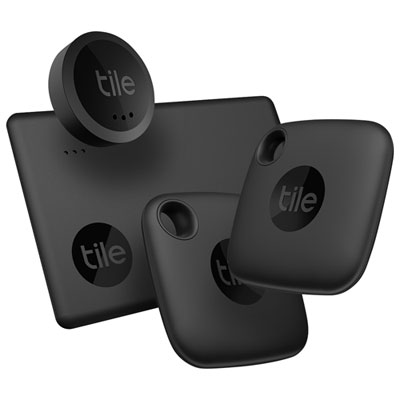 Your price for this item is $109.99
 -
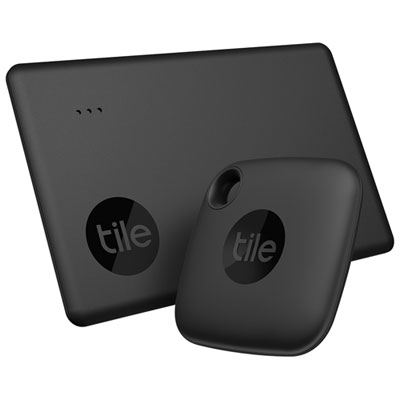 Your price for this item is $47.99
 -
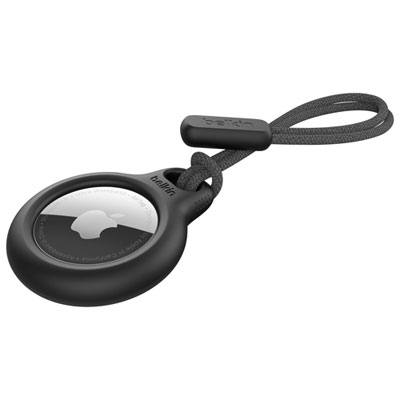 Your price for this item is $14.95
 -
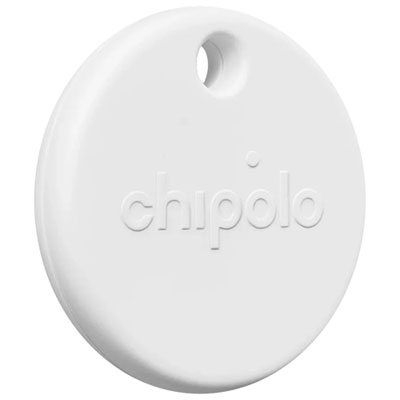 Your price for this item is $39.99
 -
 Your price for this item is $66
Discover more categories related to Trackers for Belongings
Top Collections:
Pokemon Centers, Kindle Devices, Best Budget Office Chairs, Apple iPhones 16, Canon G7X Cameras, iPhone 15 Apple, Alarm Clock, Refurbished Apple Laptops, Flip Phones, Best Laptops for Writers
Some products may be subject to Environmental Handling Fees
(EHF) depending on your province.
Learn more about EHFs.