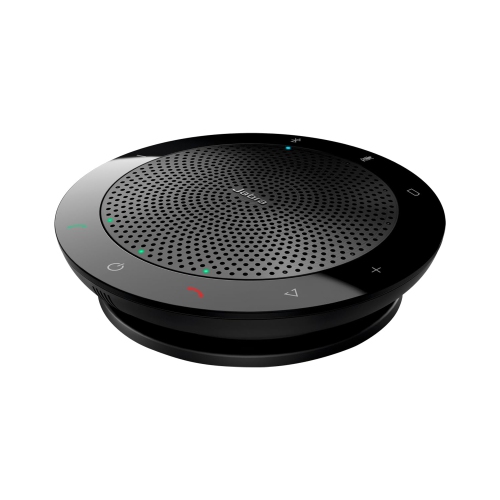
Jabra 510 MS

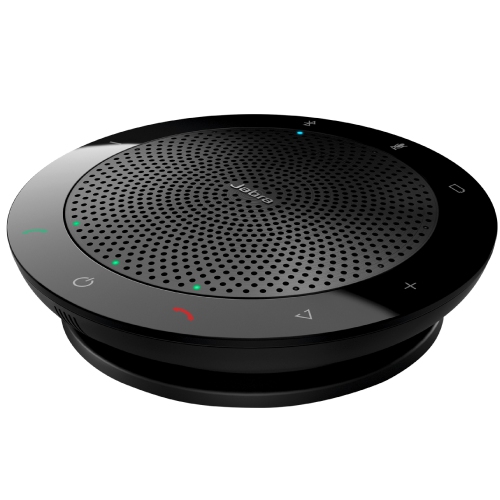
Shop Jabra 510 MS speakerphones for hands-free conference calls and online meetings. Compare available listings for connection options, compatibility with your calling software and included accessories to find a speakerphone that fits your desk setup or portable meeting needs.

Read More

Portable speakerphones for hands-free calls and small meetings

Portable conference speakerphones bring a shared voice connection to a desk, a small meeting table, or a workspace where wearing a headset is not always practical. Designed around spoken conversation, these compact devices combine a microphone and speaker so participants can talk naturally without passing a phone from person to person or leaning towards a laptop. USB and Bluetooth connections suit different working arrangements: a wired connection can keep a computer-based call straightforward, while wireless pairing can make it easier to take a conversation from a compatible mobile device. This type of audio equipment is especially useful for remote workers, consultants, small-business teams, and anyone who regularly joins video meetings from more than one location. At a home office desk, a speakerphone leaves both hands free for typing notes or reviewing documents. In a small meeting room, it gives several colleagues a central place to speak while a remote participant follows the discussion. An omnidirectional microphone, where included, can pick up voices from different directions, but placement still matters. A clear spot near the middle of the group generally works better than a corner behind a monitor, and the microphone should remain within the distance recommended for the device. Papers laid over the microphone, a keyboard immediately beside it, or a speaker positioned against a wall can interfere with the conversation. Soft furnishings and fewer reflective surfaces can also help speech sound less hollow than it might in an empty room with bare walls. For a client consultation, project check-in, or remote training session, the goal is simple: voices that are easy to follow without constant requests to repeat a sentence. A compact speakerphone is best understood as a practical tool for personal calls and smaller group discussions, rather than a substitute for a dedicated audio system in a large boardroom.

Connection options and call controls make a considerable difference to everyday use. A USB speakerphone needs a compatible port, and a computer with only newer port types may require an appropriate adapter. Cable length also affects where the device can sit: a cable that reaches comfortably from a laptop to the middle of a table is more useful than one stretched tightly across a work area. Bluetooth support can reduce cable clutter, although pairing requirements, supported connections, and the ability to switch between devices vary. For someone alternating between a computer meeting and a mobile call, those details deserve attention before choosing a setup. Compatibility with the calling application is equally important. Certification for a particular communications platform can indicate tested integration, but basic audio support and full access to call-control functions are not necessarily the same thing. Answering, ending, or muting a call from the speakerphone may depend on the software and connection being used. Clearly marked volume and mute controls are helpful during a busy conversation, particularly when a participant needs to silence the microphone briefly without searching through an on-screen menu. Indicator lights can make the device’s status easier to recognize, though their meanings differ between designs. Features such as echo cancellation or noise reduction, where provided, can help manage common distractions, but they cannot remove every sound in a room. A nearby conversation, tapping on the table, or a loud fan may still be audible to people on the other end. Selecting the speakerphone as both the microphone and playback device in the calling application helps avoid accidentally using the laptop’s built-in microphone instead. A short test call can confirm that speech is clear and the volume is comfortable before a presentation or important appointment. For wireless use, battery life and charging arrangements should match the length of the working day, including consecutive meetings rather than just occasional calls. Speech clarity is the priority here; a conference speakerphone should not be judged by the same expectations as a larger speaker intended mainly for music.

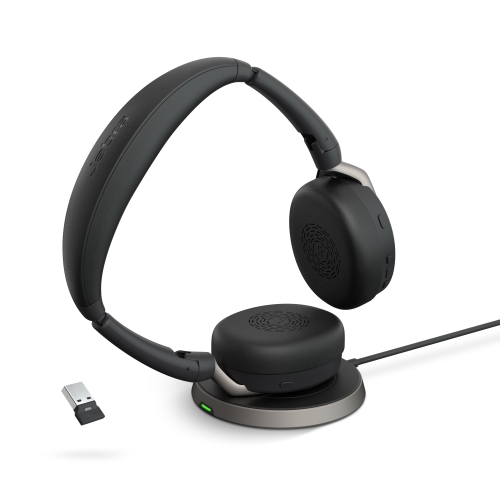
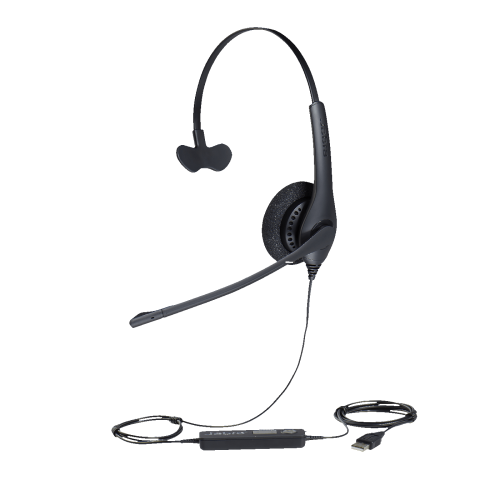
Physical design matters when a speakerphone moves between a desk, a bag, and a meeting room. Compact housings commonly combine moulded plastic, a protective speaker grille, and a base designed to sit securely on a flat surface. A stable, non-slip base is useful on a smooth table, while recessed or neatly arranged controls can make the device easier to handle without accidental button presses. Dimensions and weight affect how comfortably it fits into a laptop bag, but the cable arrangement deserves just as much attention. An integrated cable may be convenient for frequent travel between work locations, while a detachable cable can offer flexibility when replacements or different lengths are needed. These details vary by design, so the connection layout and included accessories should suit the intended routine. A protective pouch or fitted case, where supplied, helps keep the grille and controls from rubbing against chargers, pens, or other loose objects in a bag. Durable construction supports regular handling, but compact audio equipment still needs protection from drops, spilled drinks, and pressure from heavy objects. For care, disconnect the device and follow its cleaning instructions; a soft, dry cloth is generally suitable for routine surface dust, and liquid should not be sprayed directly into microphone openings, ports, or the speaker grille. Keeping the cable loosely arranged rather than sharply bent at its connection can reduce unnecessary strain. Shared use also brings practical considerations beyond sound quality. People joining from a nearby table will hear the conversation, so confidential discussions may call for a private room or a headset instead. For individual calls where closer microphone placement and less shared playback are preferable, Jabra Biz offers a related headset-focused option. A portable speakerphone, by contrast, suits conversations that benefit from open, hands-free participation. It can also make a thoughtful work-related gift for someone establishing a home office or managing frequent remote meetings, provided its connections and software compatibility fit the recipient’s equipment. The most useful choice is one that sits comfortably within the daily routine: simple to connect, easy to position, and clear enough to keep attention on the discussion.
Read More

FAQ

Some products may be subject to Environmental Handling Fees (EHF) depending on your province. Learn more about EHFs.