Cross Necklaces
A cross necklace is one of the popular symbols for necklaces. These have a classic and versatile design that can match almost any outfit. These are perfect for different occasions, from formal to casual days out. Here are some of the top picks for cross necklaces available on the market today.
Sort









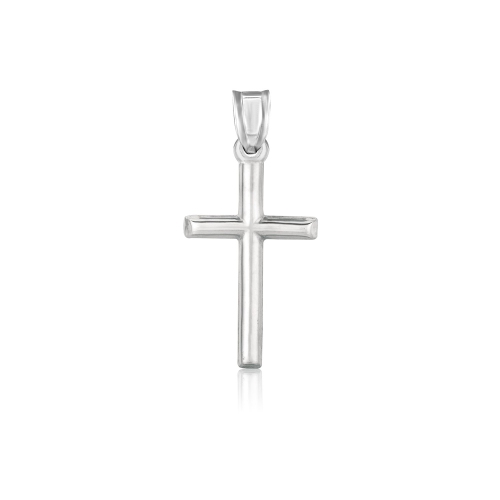
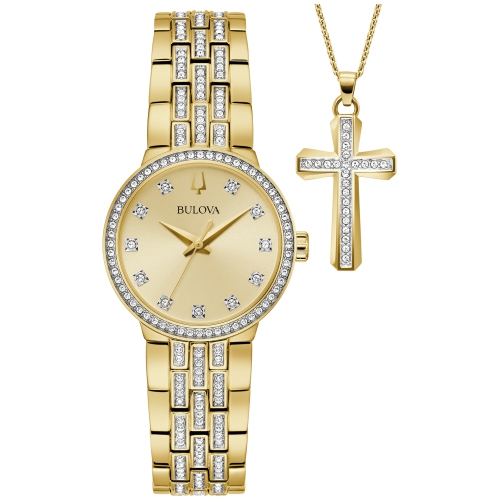


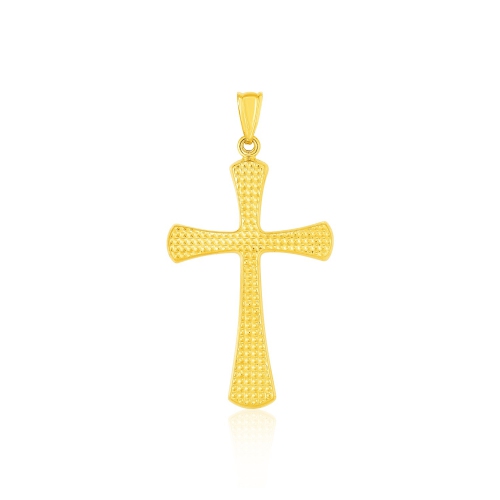


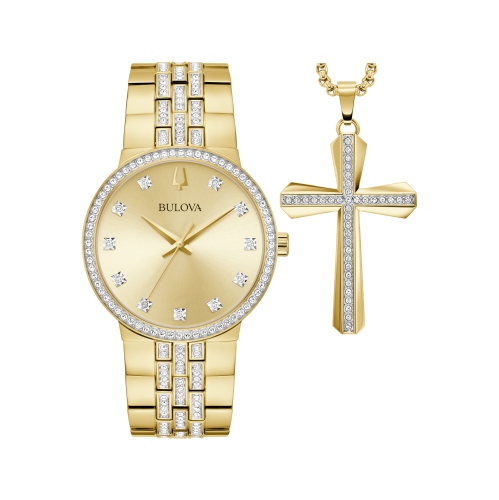


How a simple cross carries personal meaning
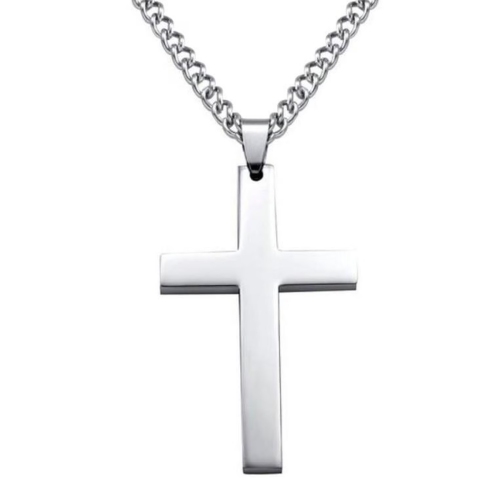
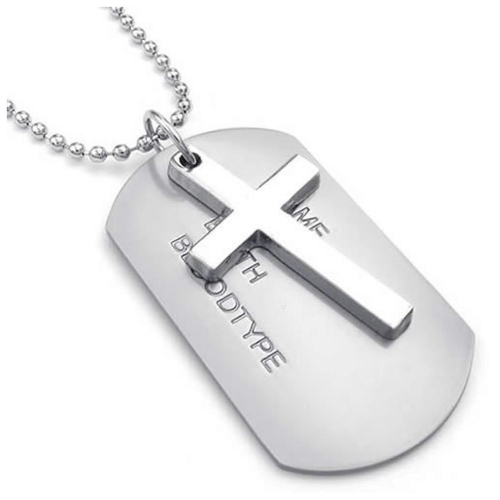
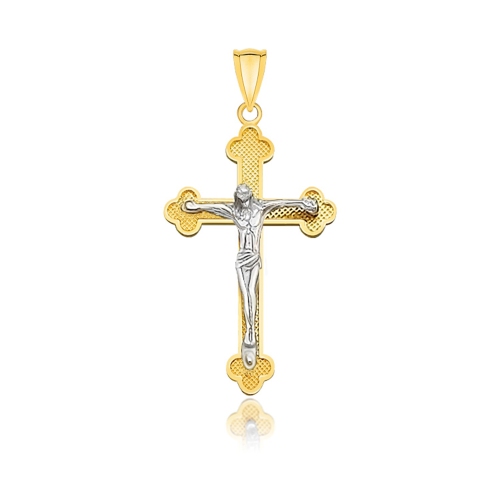
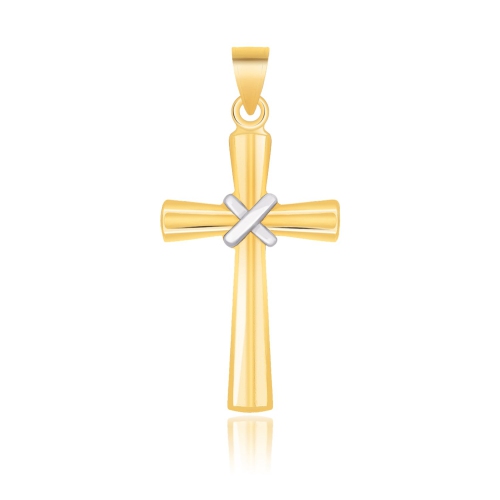
Cross necklaces are necklaces with a cross-shaped pendant or a cross incorporated into the chain, worn as an expression of Christian faith, a personal keepsake, or a decorative accessory. Their meaning often comes from the wearer: the same simple design may mark a religious milestone, recall a loved one, or provide a familiar detail in an everyday outfit. A plain cross and a crucifix are distinct designs. A crucifix includes a representation of Jesus on the cross, while a plain cross does not, and that difference can matter when selecting jewellery for someone with particular religious traditions. Within these forms, proportions and finishing create quite different looks. A slender cross with a polished surface can sit quietly against a shirt, while a wider pendant with engraved details has a more noticeable presence. Sideways cross necklaces position the cross horizontally along the chain, giving the familiar shape a different silhouette. Designs with open centres, textured surfaces, rounded edges, or stone accents offer further variation without changing the central motif. Cross necklaces are worn by people of different genders and ages; pendant size, chain length, and personal taste usually matter more than a gender label. A small pendant can feel understated on its own or become part of a layered arrangement, while a larger cross may suit someone who prefers a single focal point. For wearers who want to explore other religious motifs alongside crosses, Faith Necklaces offers a related category. The most meaningful design is not necessarily the most elaborate. A clean outline, a familiar cross shape, or an inscription with personal significance can make a necklace feel closely connected to its wearer. For a gift, knowing whether the recipient favours a plain cross, a crucifix, or a particular finish helps preserve that personal meaning rather than treating every cross design as interchangeable.
Materials influence the colour, weight, maintenance, and long-term appearance of cross necklaces. Sterling silver contains 92.5% silver, with other metals added for strength, and has a bright, cool-toned appearance that works with both polished and textured designs. Silver can tarnish through contact with substances in the air and with everyday products, but appropriate cleaning can usually restore its shine. Gold jewellery is described by karat, which indicates the proportion of gold in the alloy. A higher karat means a greater proportion of gold, but it does not automatically mean greater resistance to scratches; alloy composition and construction also affect durability. Yellow, white, and rose gold have different colour profiles, and white gold may have a rhodium finish that requires maintenance over time. Gold-plated necklaces have a layer of gold over another material rather than gold throughout. That distinction matters at the edges of a pendant, around the clasp, and wherever the chain rubs against clothing or skin, because repeated friction can gradually wear the finish. Stainless steel is valued for strength and resistance to corrosion, though it still benefits from gentle cleaning and protection from harsh chemicals. For anyone with metal sensitivities, the composition of the pendant, chain, clasp, and any plating is relevant; a colour or material name alone is not a guarantee of suitability. Construction deserves equal attention. A solid pendant often feels more substantial than a hollow one, while a fine chain creates a lighter look but may be less forgiving of pulling or snagging. Smooth pendant edges, secure connecting rings, and a clasp that closes reliably all contribute to comfortable wear. On stone-set designs, the setting should hold each stone securely without sharp projections that catch on knitwear. These details help distinguish visual delicacy from structural fragility, especially in a necklace intended for frequent use rather than occasional wear.
Fit determines how a cross necklace sits and how naturally it works with the wearer’s clothes. Chain length is only part of the picture: neck circumference, pendant length, the size of the pendant’s hanging loop, and the shape of the neckline all affect the final position. A 16-inch chain may sit close to the base of the neck on some adults, while an 18-inch or 20-inch chain generally falls lower, but these are reference points rather than universal fits. Measuring a necklace that already sits comfortably is often more useful than relying on length alone. An extender allows small adjustments between a close neckline and an open collar, and a pendant with more weight needs a chain suited to supporting it. Cable chains have a familiar linked appearance, curb chains lie relatively flat, and box chains create a more geometric line. The clasp also affects everyday convenience, particularly for someone who finds small fastenings difficult to handle. For layering, different chain lengths help separate pendants, although necklaces can still twist together with movement. A cross worn under clothing may feel more private, while one resting over a plain top becomes part of the outfit. As gifts, cross necklaces can mark baptisms, first communions, confirmations, graduations, or personal anniversaries, provided the design reflects the recipient’s beliefs and preferences. A keepsake given to commemorate a child’s baptism does not need to be worn by the child; necklaces should not be placed on infants, and children’s jewellery requires age-appropriate use and adult supervision. Routine care helps preserve both the necklace and its significance. Removing it before swimming, bathing, strenuous exercise, or activities where it could catch reduces unnecessary exposure and strain. Perfume, lotions, and cleaning products can affect some metals, finishes, and stones, so care should follow the material-specific instructions. A soft cloth suits many routine wipe-downs, while abrasive polishes and soaking methods may be unsuitable for plated or stone-set jewellery. Separate storage keeps chains from knotting and pendants from rubbing against harder pieces. Occasional checks of the clasp, links, and pendant attachment help a frequently worn cross necklace remain a comfortable, dependable keepsake.
Top selling and popular products
-
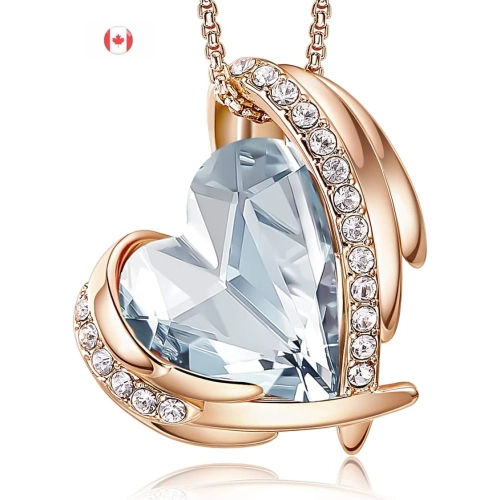 Your price for this item is $59.99
-
 Your price for this item is $1399.05
-
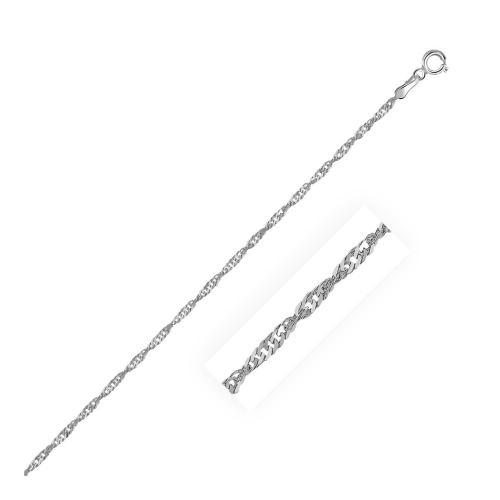 Your price for this item is $1967.36
-
 Your price for this item is $427.88
-
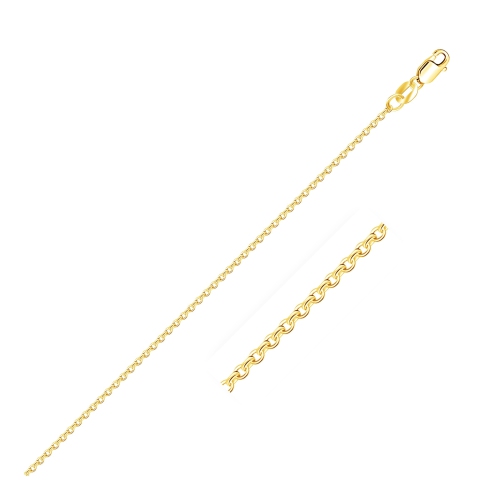 Your price for this item is $1792.5
-
 Your price for this item is $1149.56
-
 Your price for this item is $344.55
-
 Your price for this item is $1201.24
Discover more categories related to Cross Necklaces
Top Collections:
Pokemon Centers, Best Cameras for Sports Photography, Kindle Devices, Samsung Galaxy Phones, Canon G7X Cameras, Pokémon 30th Celebration Cards, Refurbished Apple Laptops, iPhone 15 Apple, Laptops for Students, Budget Smartphones
Some products may be subject to Environmental Handling Fees
(EHF) depending on your province.
Learn more about EHFs.