Good Quality Jewelry
Elevate your style with our selection of good quality jewelry, where timeless elegance meets modern sophistication. Whether you're searching for a statement piece to complete your outfit or a subtle accessory for everyday wear, our collection offers a variety of options to suit any occasion. Each item is crafted with attention to detail, ensuring that you can enjoy both beauty and durability. Discover the perfect piece that reflects your personal style and adds a touch of luxury to your wardrobe.
Sort


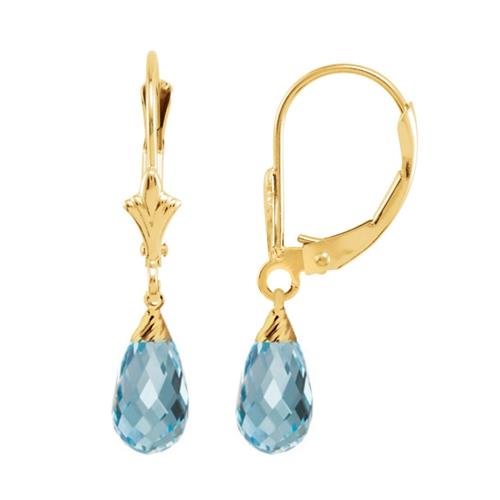


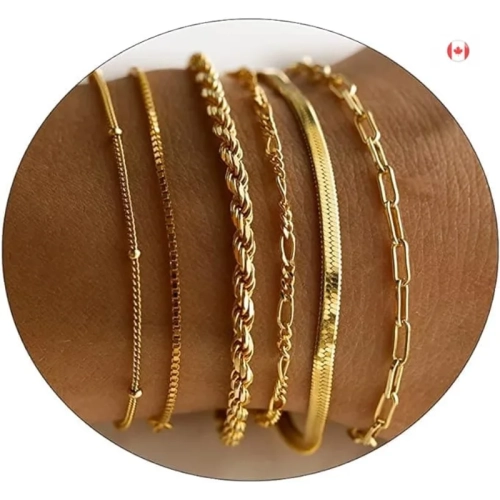


Why jewellery quality goes beyond metal purity and shine
Good quality jewellery combines clearly described materials, careful construction, and a comfortable fit suited to the way it will be worn. A smooth finish, secure fastening, and well-supported stones matter as much as shine, especially for pieces worn through a full day of work, errands, and social plans. Solid gold, sterling silver, and gold vermeil each have distinct characteristics, so quality is best understood through both the material and the workmanship rather than appearance alone. Solid gold jewellery contains a gold alloy throughout, rather than a surface layer over another metal. The karat rating describes its gold content: 14k gold contains 58.3% gold, while 18k gold contains 75%. The remaining metals influence colour, hardness, and suitability for different designs. All else being equal, 14k gold is generally harder than 18k gold, though either can scratch and neither is maintenance-free. Sterling silver contains 92.5% silver combined with other metals for added strength. It can develop tarnish with wear or storage, but appropriate cleaning can usually restore its bright finish; tarnish alone does not indicate poor quality. Gold vermeil has a gold layer over sterling silver, while other gold-plated jewellery may use a different base metal. For any coated finish, the base material, coating thickness, and care requirements help explain how it may wear over time. White gold often has a rhodium coating that can gradually wear and require professional refinishing. Stainless steel is another option for durable everyday designs, although its composition still matters for anyone with metal sensitivities. Material descriptions and purity markings can help establish what a piece is made from, but a stamp alone does not tell the whole story. Clear information about metal content, stone identity, treatments, and construction gives a more useful picture of quality. A substantial-looking design may be hollow, for example, making it lighter to wear but potentially more vulnerable to dents than a comparable solid construction.
Fit and finishing determine whether jewellery feels natural to wear or spends most of its time tucked away. A necklace should sit comfortably at its intended length, with enough movement to follow the neckline rather than pull against it. The same chain length can sit differently depending on neck size, body proportions, and the weight of a pendant. An adjustable extension offers flexibility when moving between an open collar and a higher neckline. For bracelets, the right fit allows comfortable wrist movement without letting the piece slide over the hand or repeatedly strike a desk. Rings should pass over the knuckle with gentle resistance and sit securely without pinching; wider bands often feel snugger than narrow bands in the same size. Earrings bring their own balance of proportion, weight, and fastening style. Lightweight designs may be more comfortable for extended wear, while secure backs or properly closing hinges help keep them in place. A clasp that closes positively, smooth edges against the skin, and evenly joined links are useful signs of attentive workmanship. Stone settings should hold gems securely, without visibly bent prongs or rough points that catch on clothing. Gemstone durability also involves more than resistance to scratches. Hardness, toughness, and sensitivity to chemicals or sudden impacts all affect how a stone handles daily wear. Diamonds resist scratching exceptionally well but can still chip under a hard blow, while pearls and opals need gentler handling. A protective setting may be better suited to frequent wear than an exposed stone, particularly on a ring that regularly contacts hard surfaces. Low-profile shapes can feel practical for typing or other hands-on tasks, while more elaborate designs may suit celebrations and occasional dressing up. For sensitive skin, specific alloy information is more helpful than an unexplained “hypoallergenic” label, because individual reactions vary and nickel can be present in some alloys. Comfort, secure construction, and the wearer’s routine together make a stronger basis for selection than size or sparkle alone.
Care helps preserve both the appearance and the working parts of good quality jewellery. Everyday contact with soap, lotion, fragrance, and cleaning products can leave residue or affect certain metals, coatings, and stones. Removing jewellery before swimming, bathing, heavy lifting, or household cleaning reduces unnecessary exposure and the chance of scratches, bent settings, or snagged chains. Cleaning methods should match the entire piece, not just its main metal. Mild soap, lukewarm water, and a soft cloth may suit many uncoated gold designs, but pearls, porous stones, glued settings, and plated finishes can require different treatment. The maker’s care directions should take priority, and ultrasonic cleaning is not appropriate for every gemstone or setting. A silver polishing cloth can help with tarnish on suitable sterling silver surfaces, whereas abrasive polishing may remove part of a plated finish. Separate storage is useful even for durable materials: individual compartments or soft pouches keep harder stones from rubbing against softer surfaces and help prevent chains from tangling. Fastening necklaces before putting them away makes them easier to handle the next time they are worn. Periodic checks of clasps, links, earring backs, and stone settings can reveal wear before a small problem leads to damage or loss. Jewellery also makes a personal gift for birthdays, graduations, anniversaries, and other meaningful milestones, particularly when the choice reflects the recipient’s habits. Someone who wears the same few pieces every day may appreciate a simple shape in a familiar metal colour, while someone who enjoys changing accessories may prefer a distinctive texture or coloured stone. For a gift, known ring sizes, preferred necklace lengths, pierced ears, and metal sensitivities are practical details worth confirming. Familiar silhouettes and widely worn styles can also provide a starting point, with Popular Jewelry offering another way to explore personal preferences. The most lasting appeal comes from jewellery that feels comfortable, suits its intended use, and remains enjoyable to wear with appropriate care.
Top selling and popular products
-
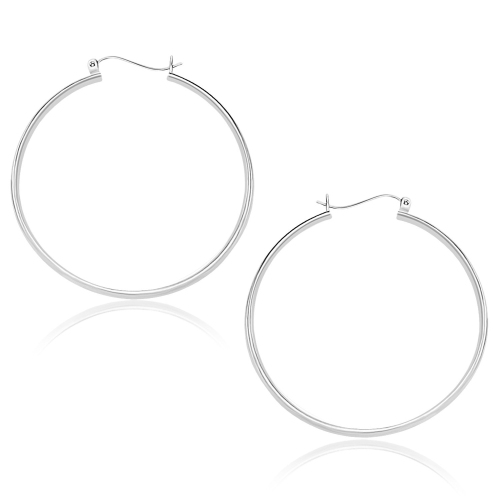 Your price for this item is $311.18
-
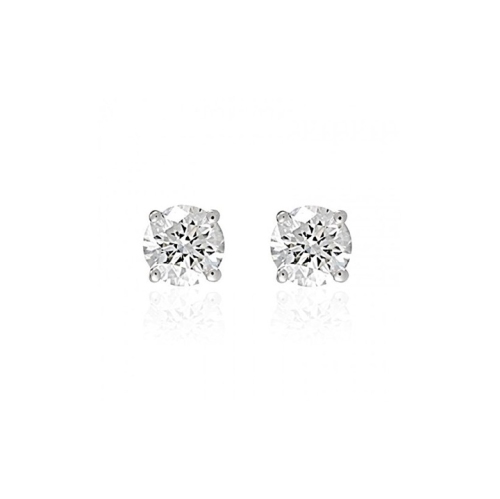 Your price for this item is $1750
-
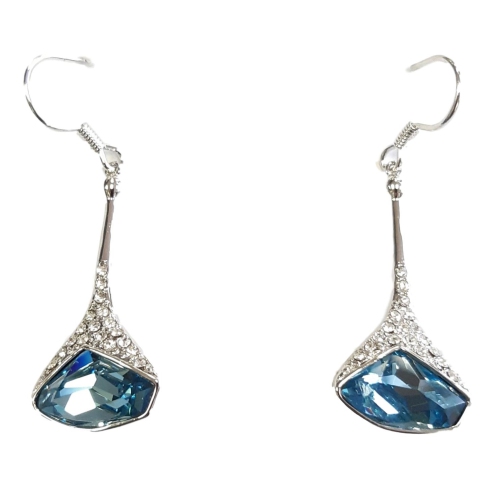 Your price for this item is $49.97
-
 Your price for this item is $1194.19
-
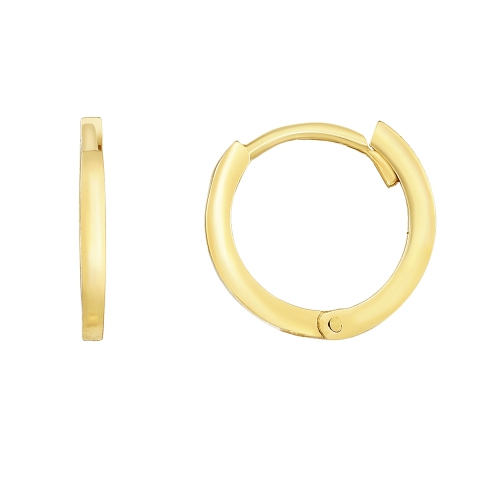 Your price for this item is $165.96
-
 Your price for this item is $849
-
 Your price for this item is $1099
-
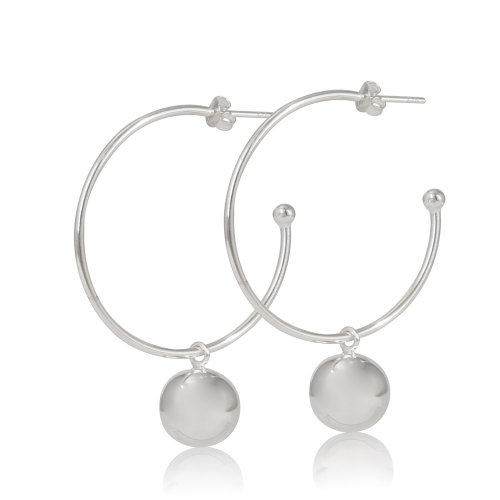 Your price for this item is $110
Discover more categories related to Good Quality Jewelry

Top Collections:
Pokemon Centers, Best Cameras for Sports Photography, Kindle Devices, Samsung Galaxy Phones, Canon G7X Cameras, Pokémon 30th Celebration Cards, Refurbished Apple Laptops, iPhone 15 Apple, Laptops for Students, Budget Smartphones
Some products may be subject to Environmental Handling Fees
(EHF) depending on your province.
Learn more about EHFs.