Teacher Laptop Backpacks
A laptop backpack is a great choice for anyone who needs to carry their laptop around campus, to and from class, or on a trip. It's also a good option for anyone who wants to protect their laptop from bumps and scratches while also providing some extra protection against spills and drops. Here are some of the best laptop backpacks for teachers.
Sort
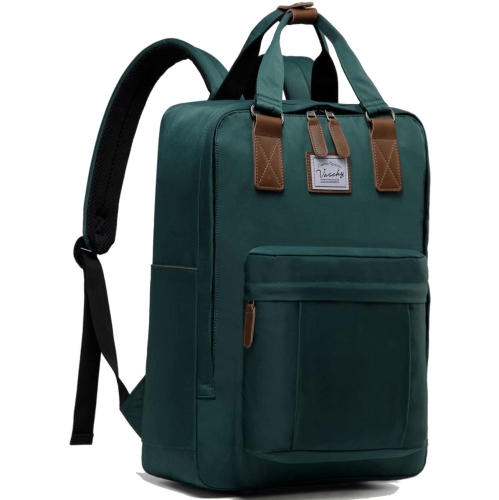
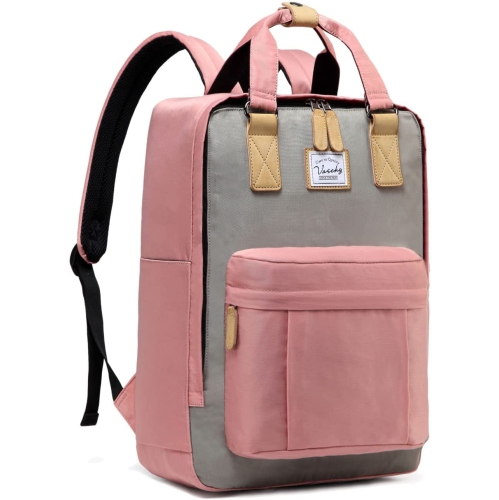
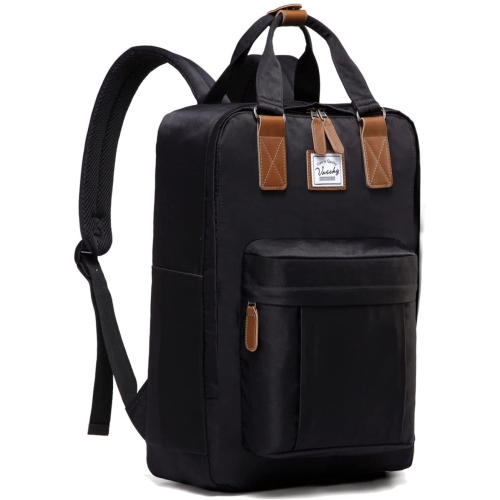
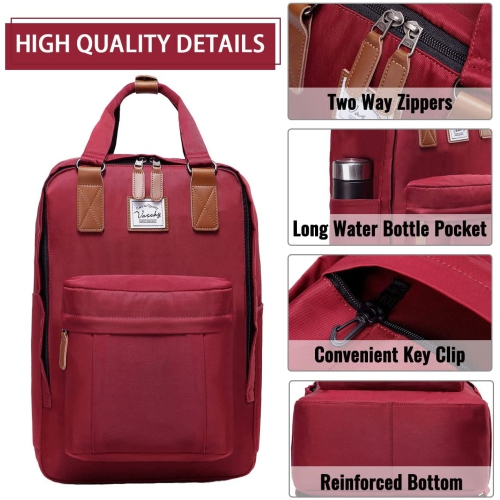
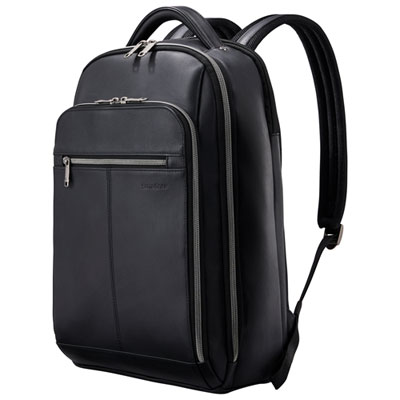
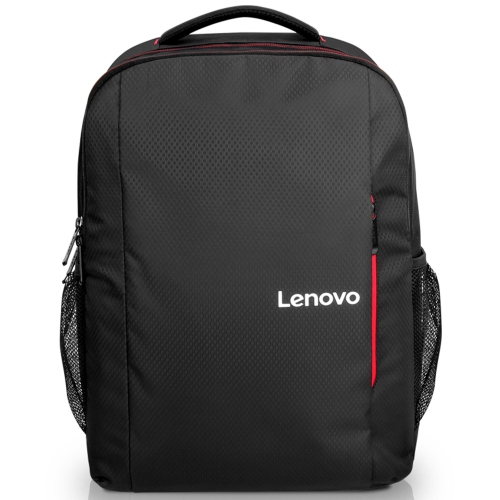
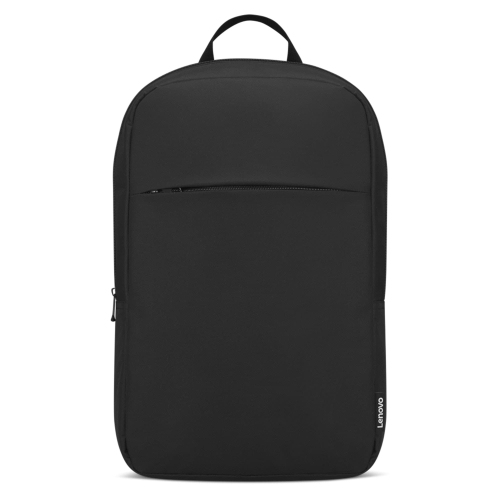
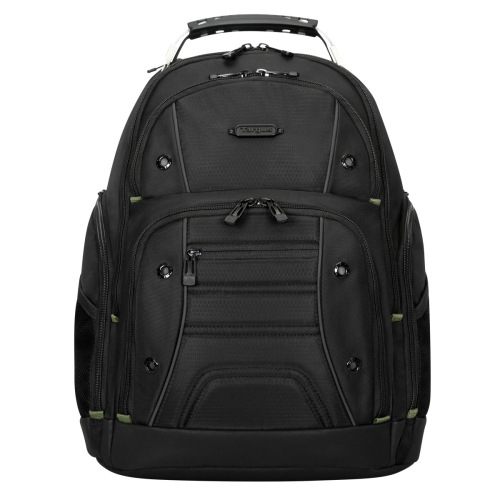
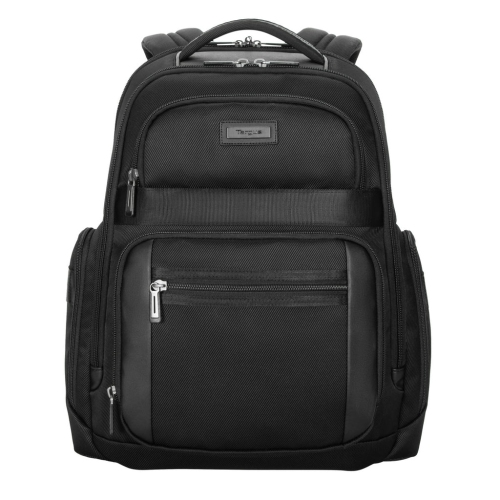
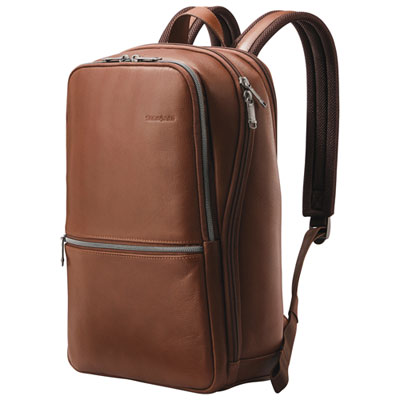
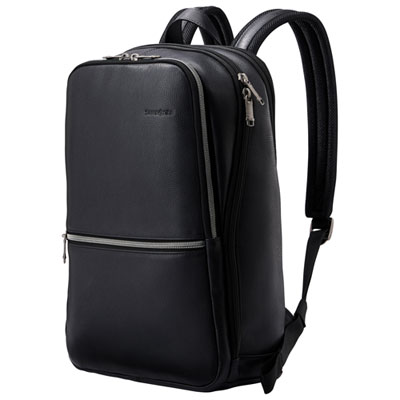
![TARGUS Intellect Essentials Backpack [Black] for 15.6" Laptops I love this backpack](https://multimedia.bbycastatic.ca/multimedia/products/500x500/139/13916/13916397.jpeg)
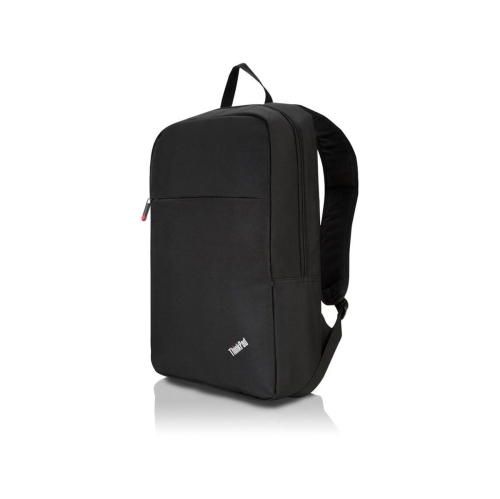
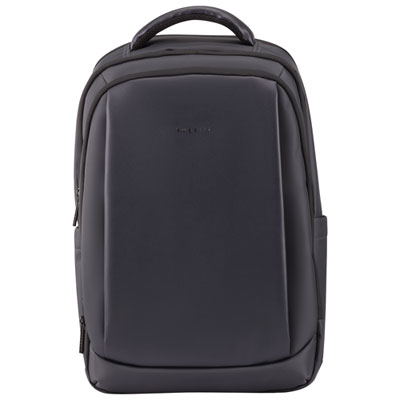
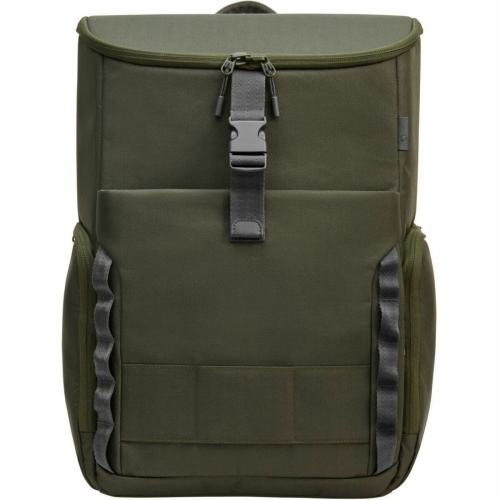

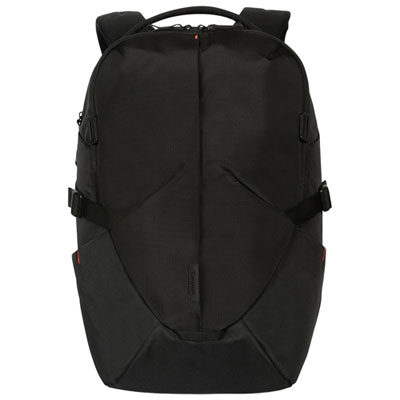
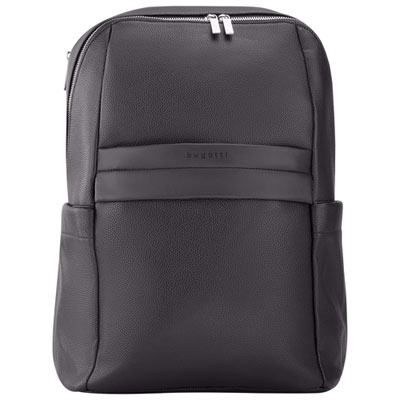
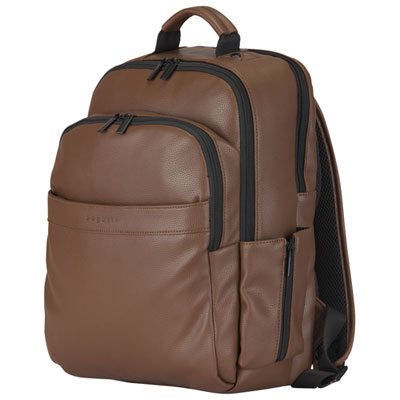
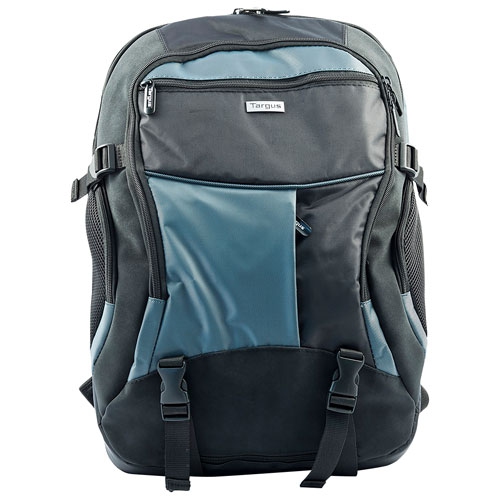
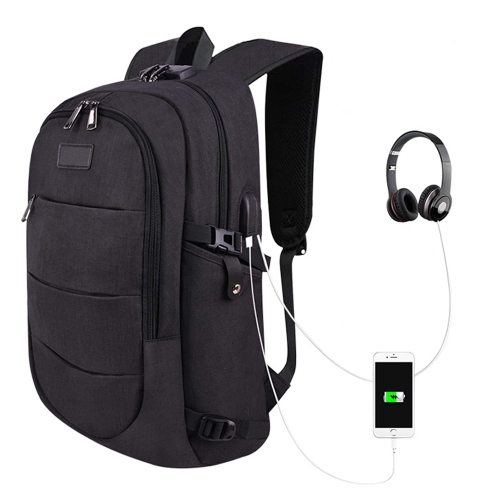
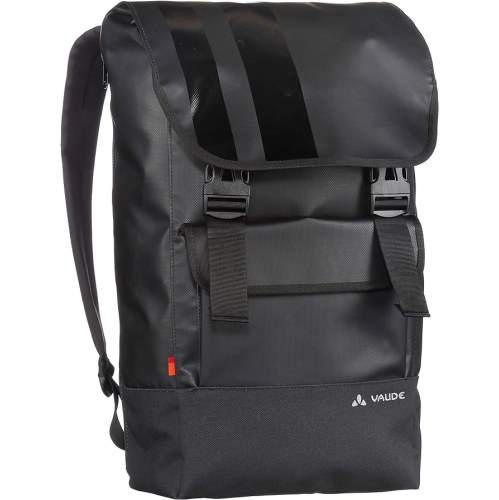
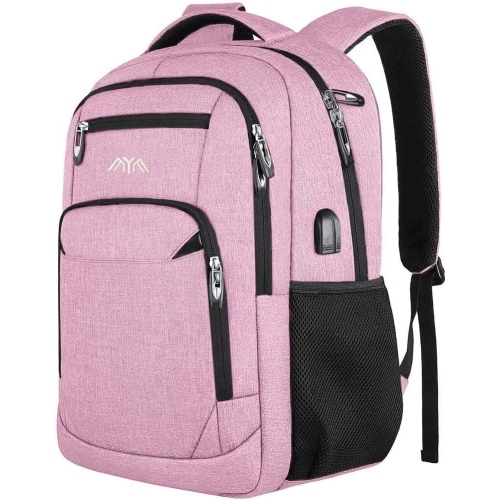
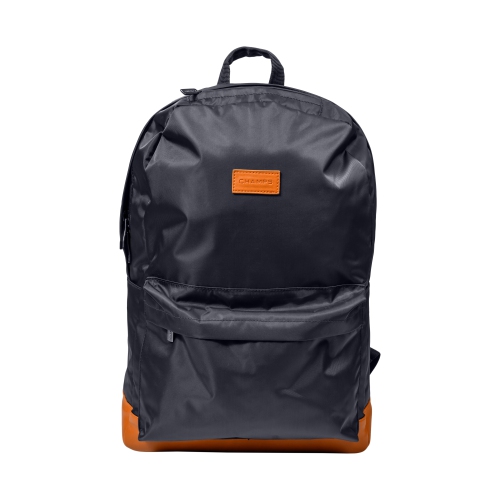
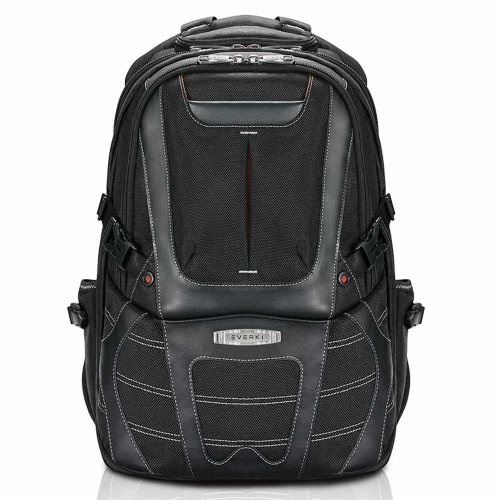
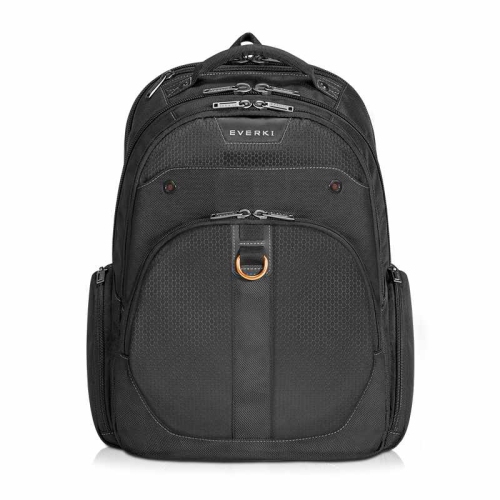
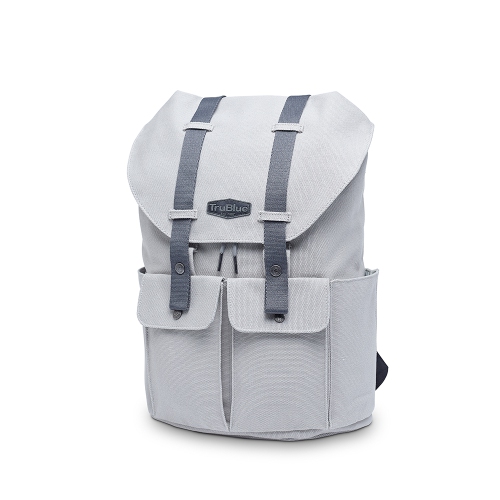
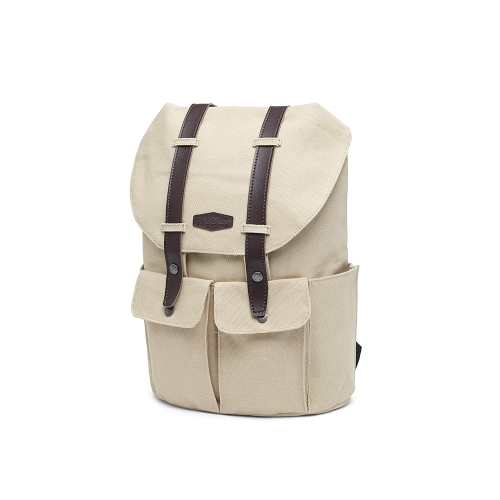
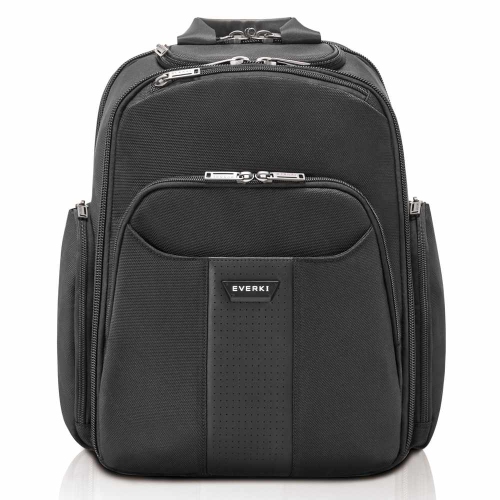
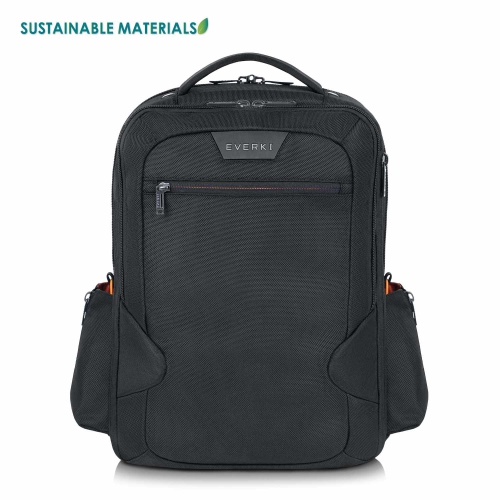
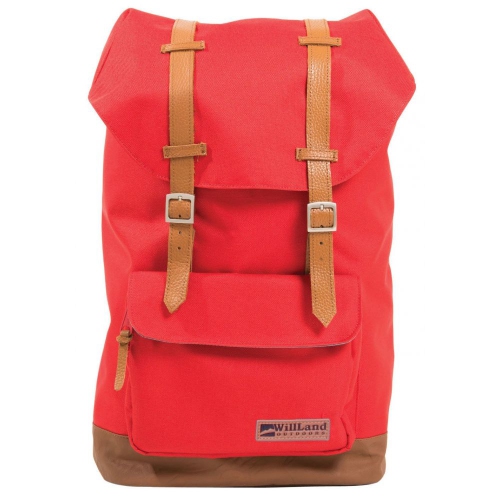
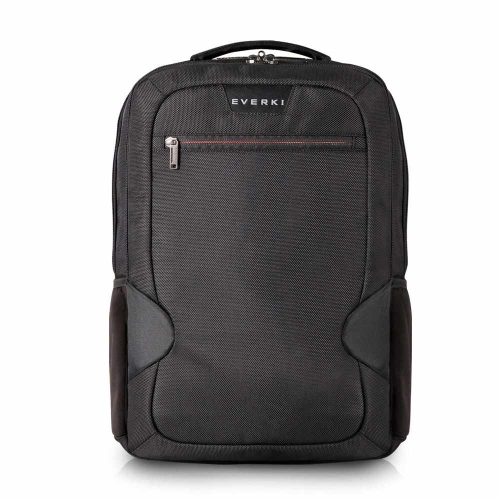
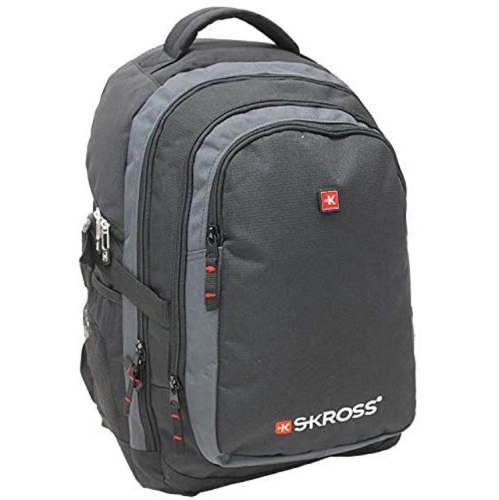
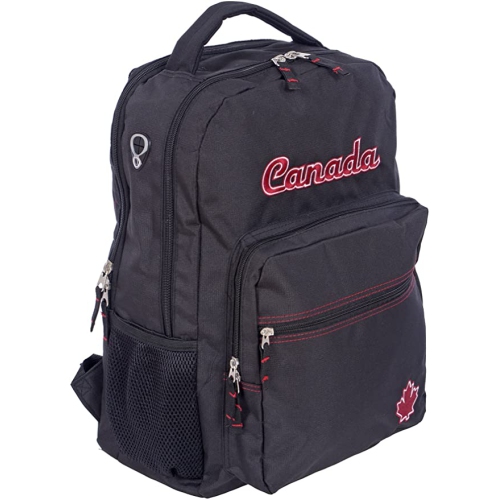
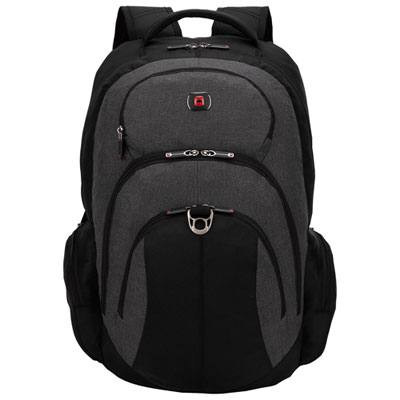
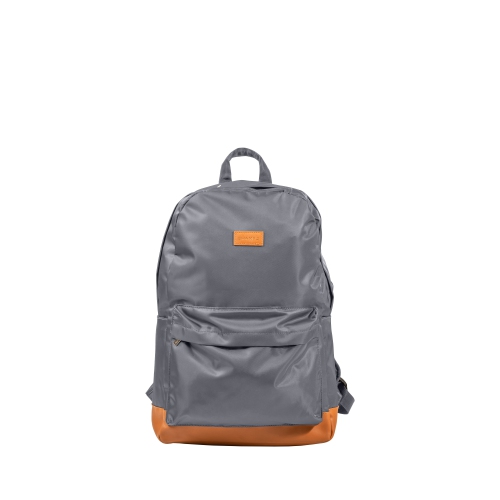
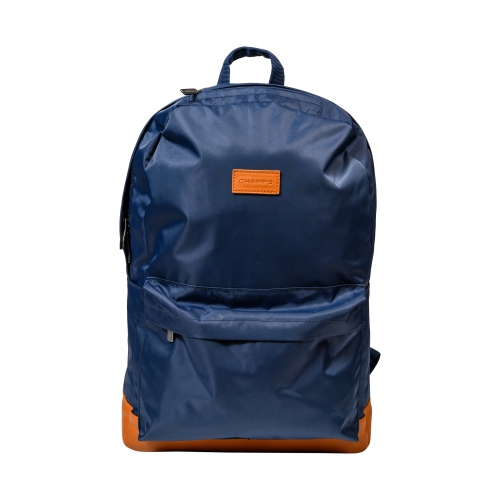
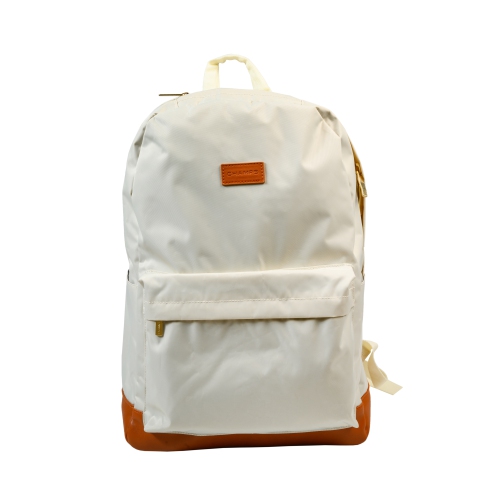
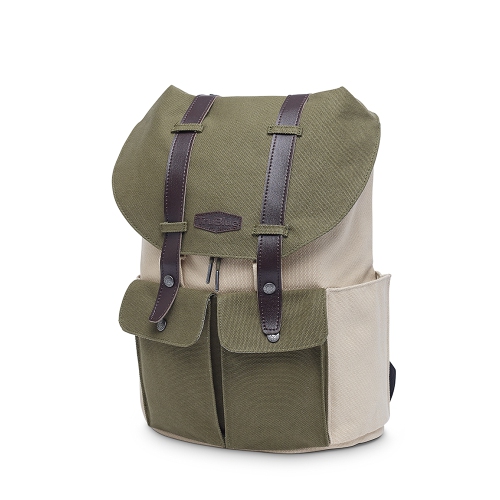
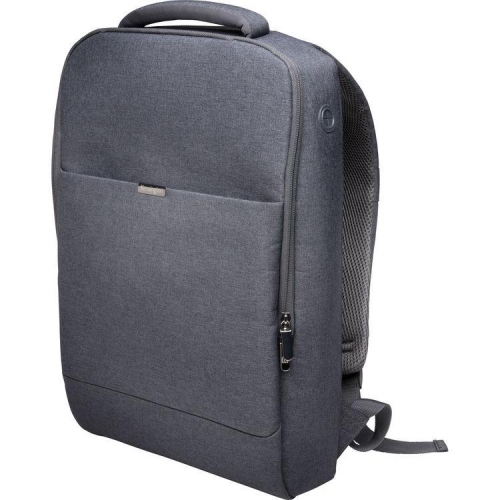
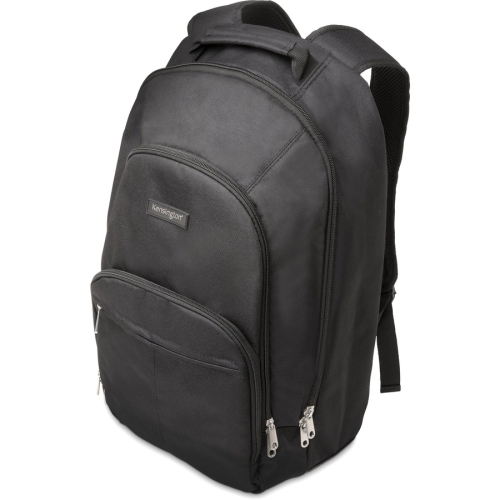
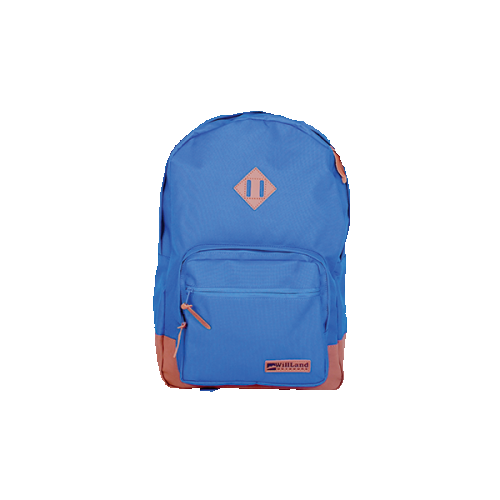
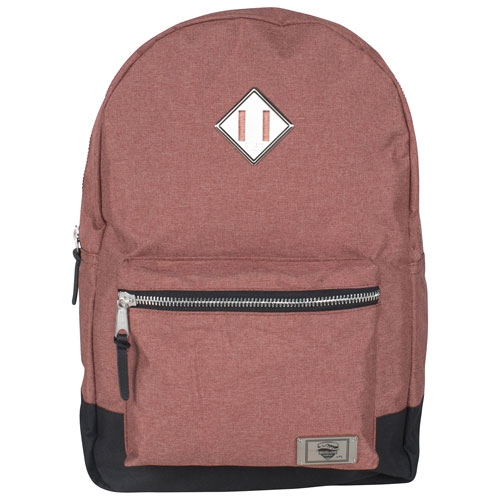
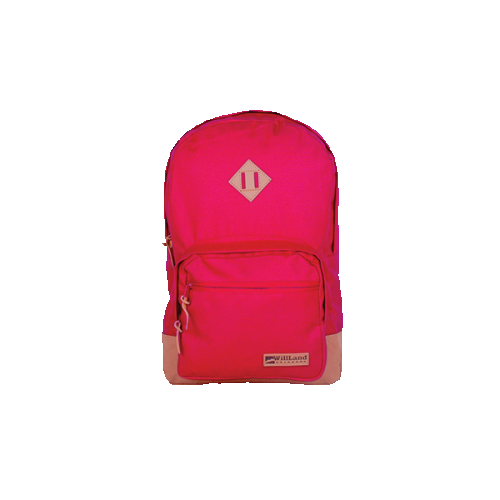
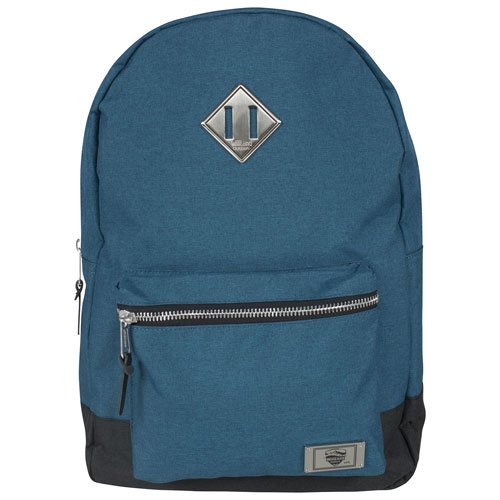
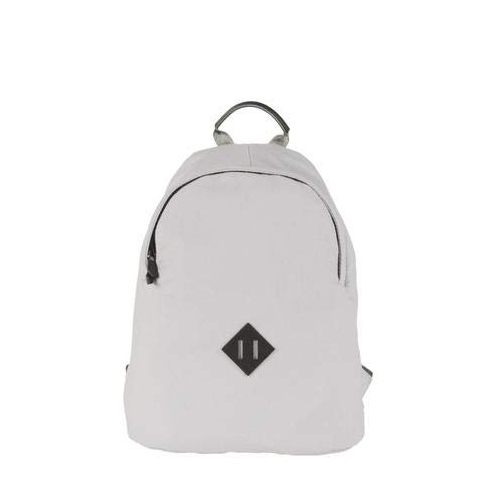
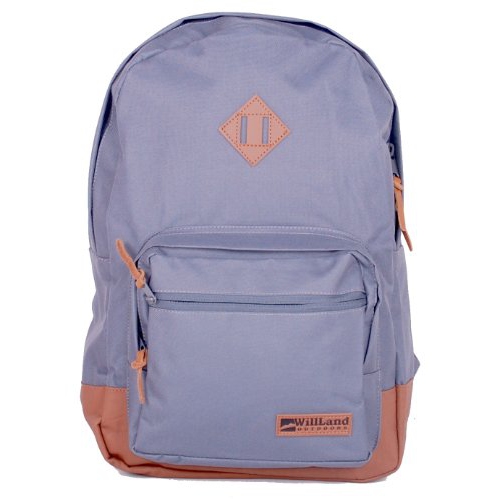
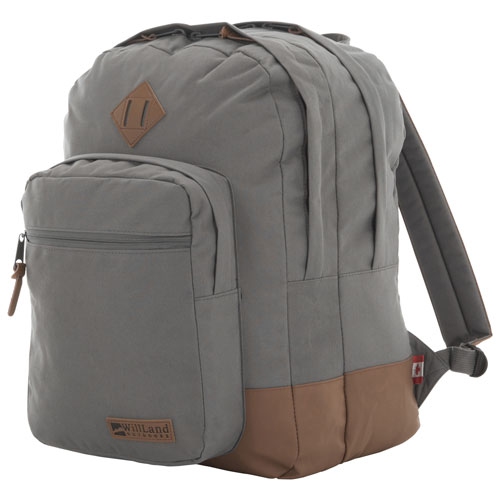
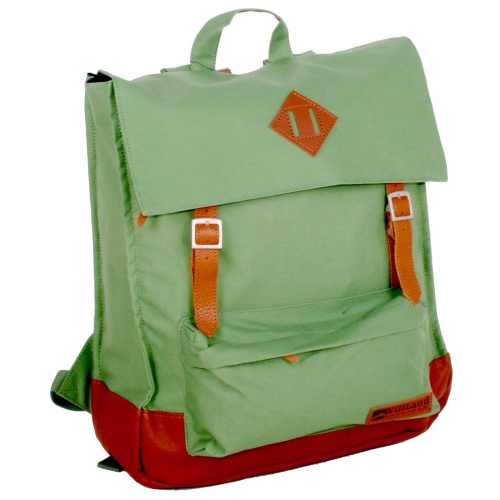
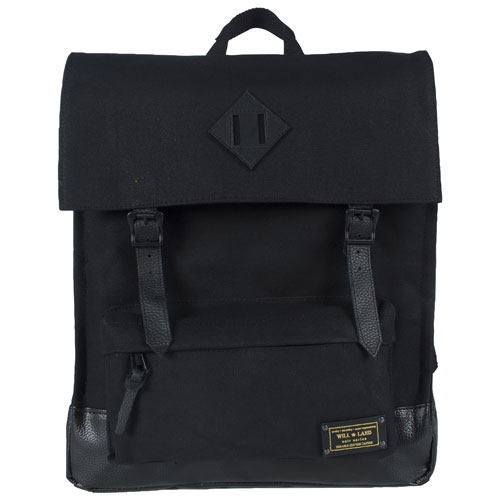
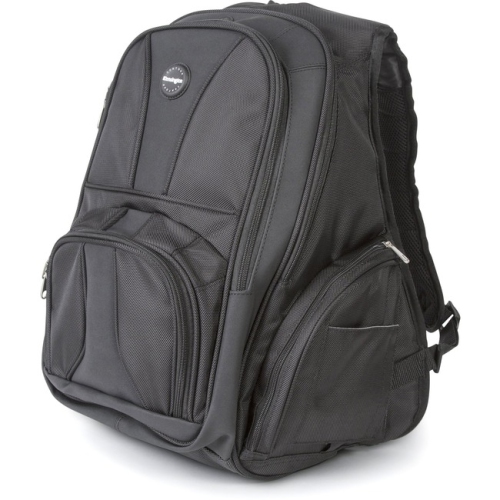
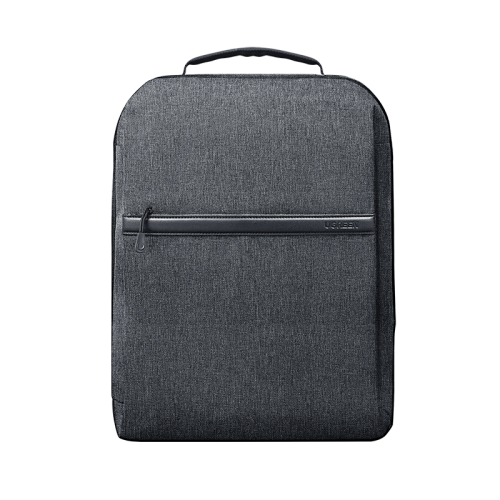
Hands-free carrying for laptops and lesson plans
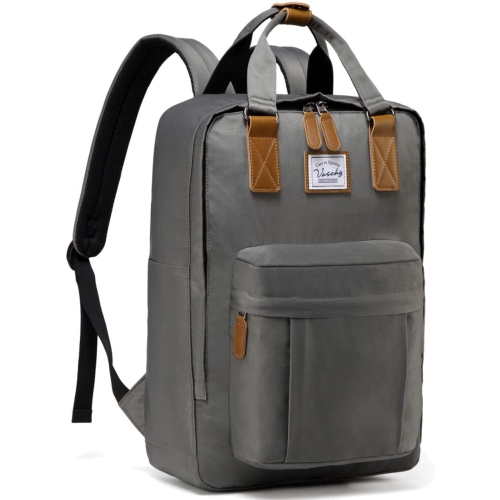
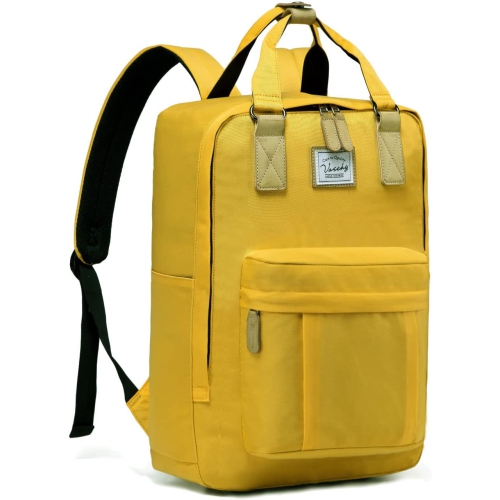
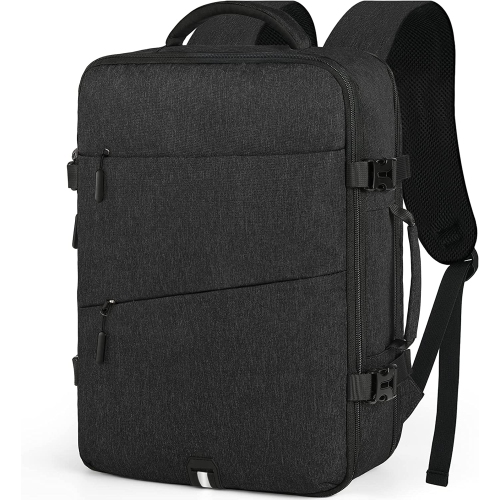
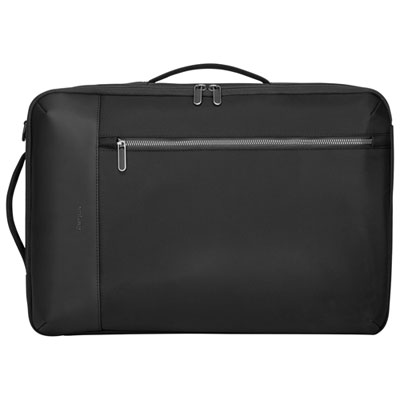
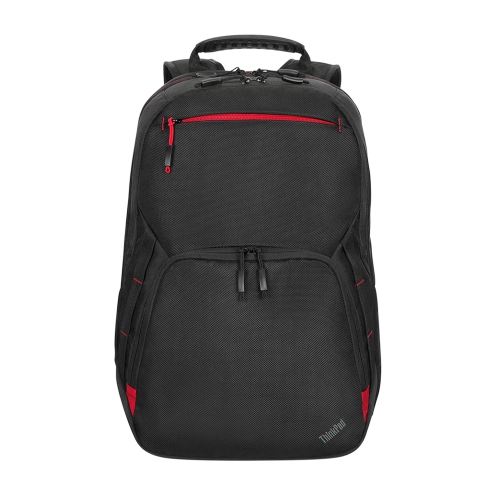
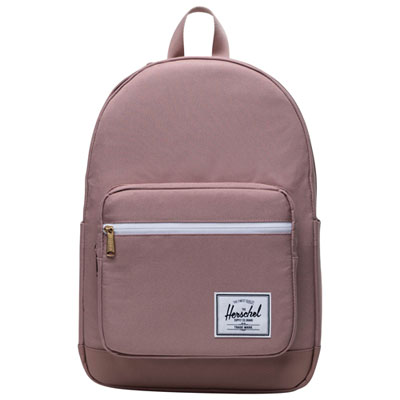
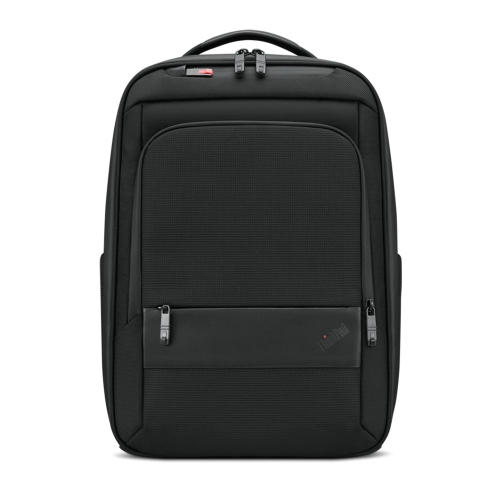
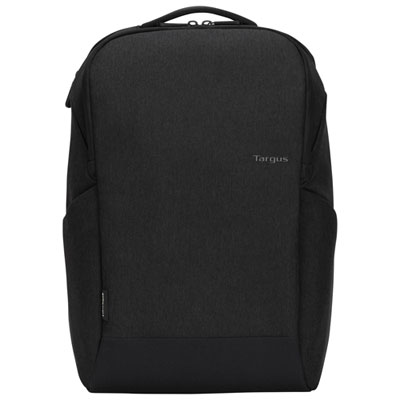
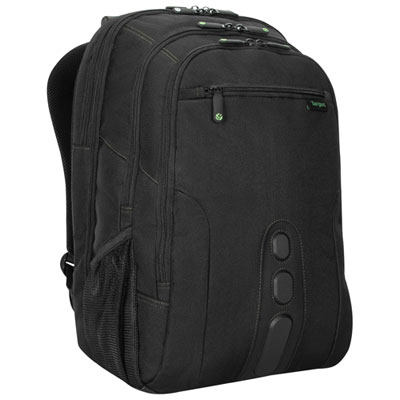
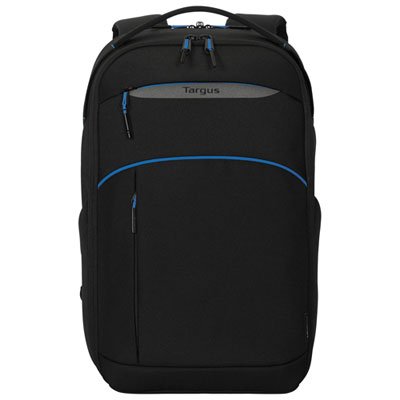
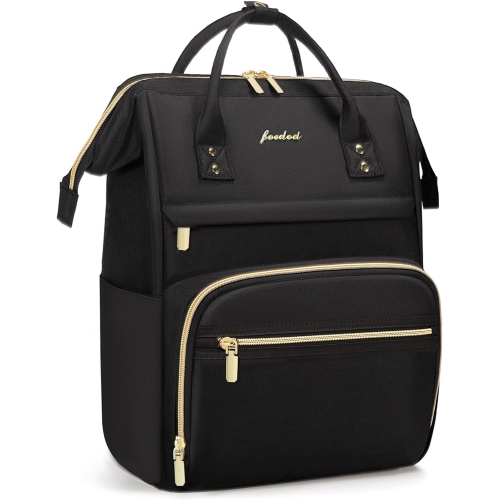
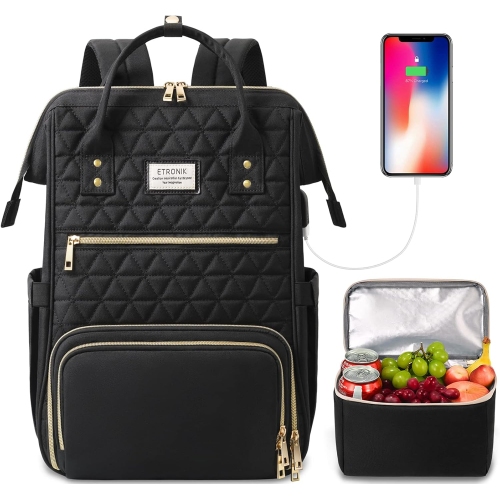
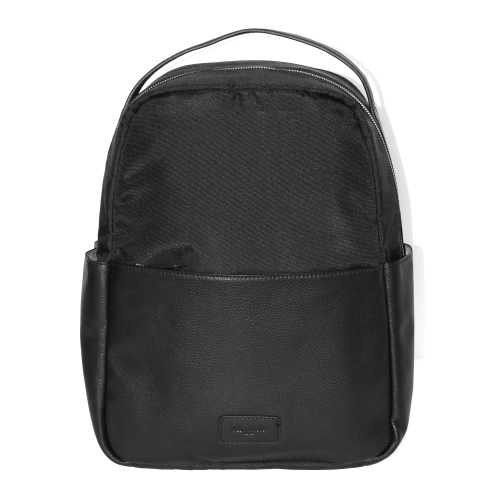
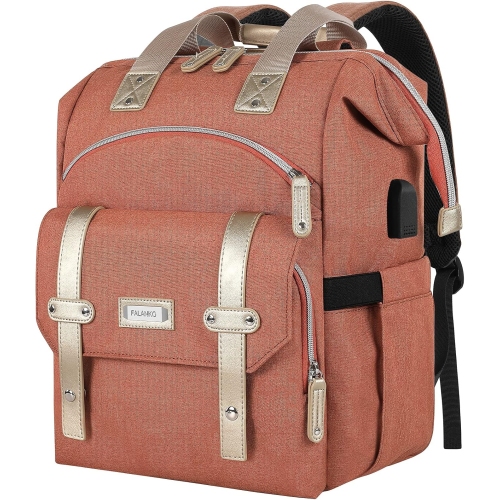
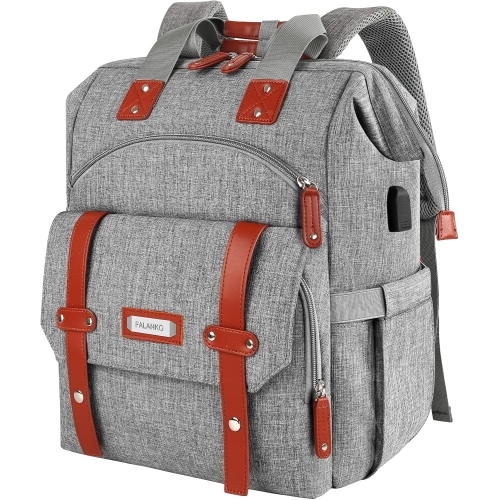
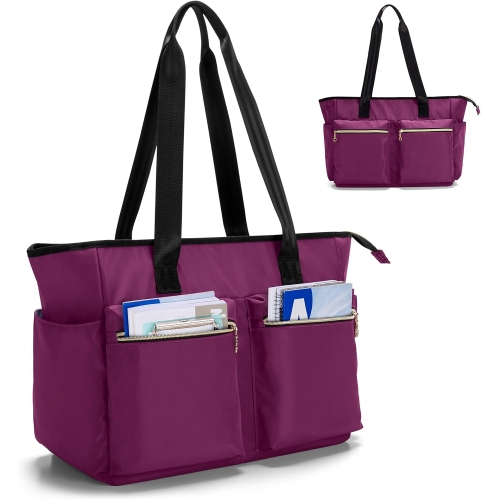
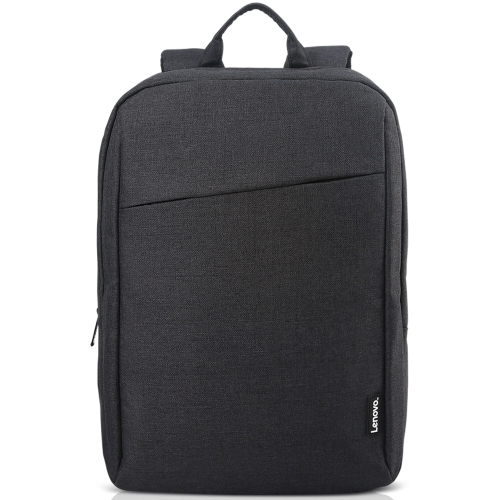
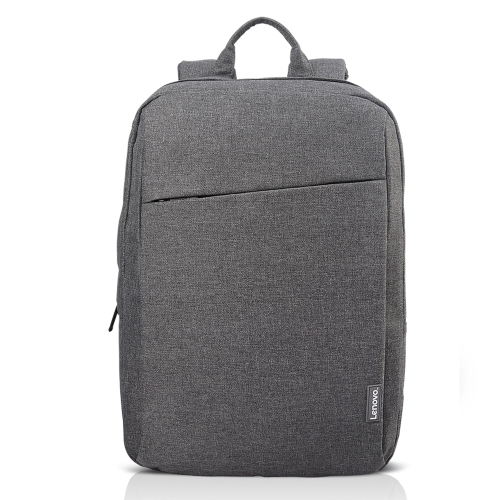
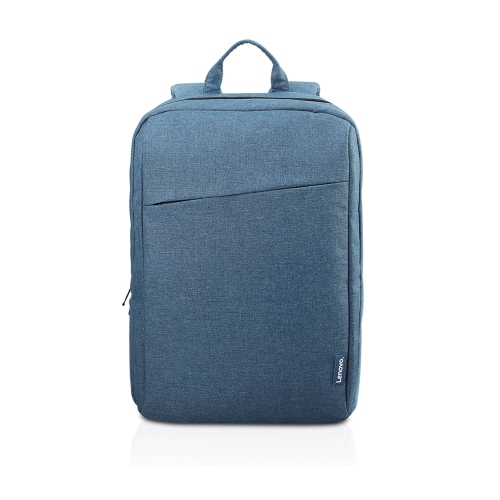
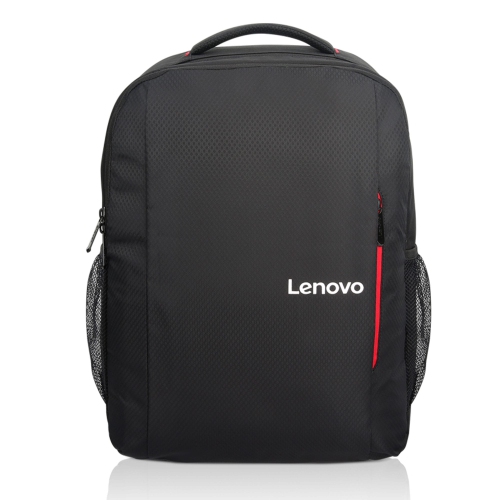
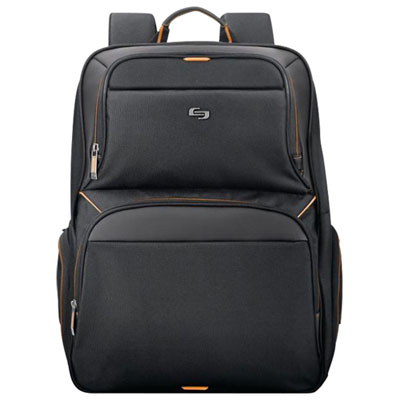
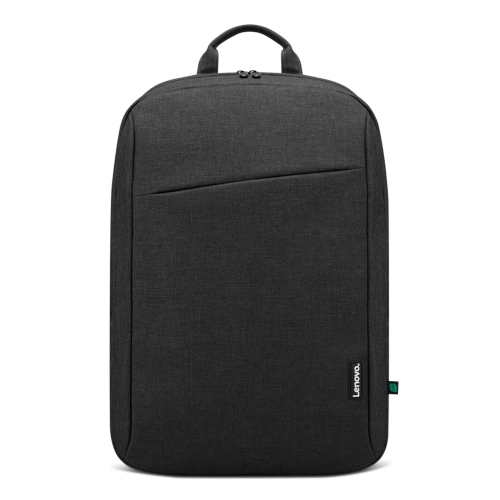
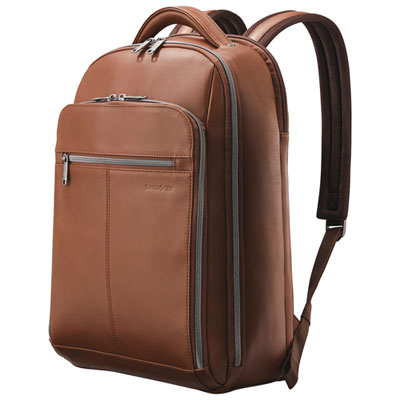
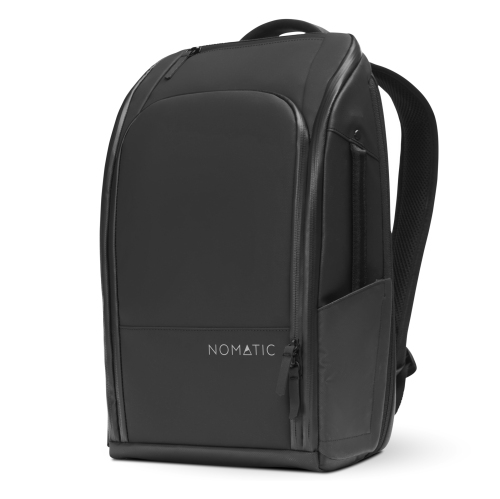
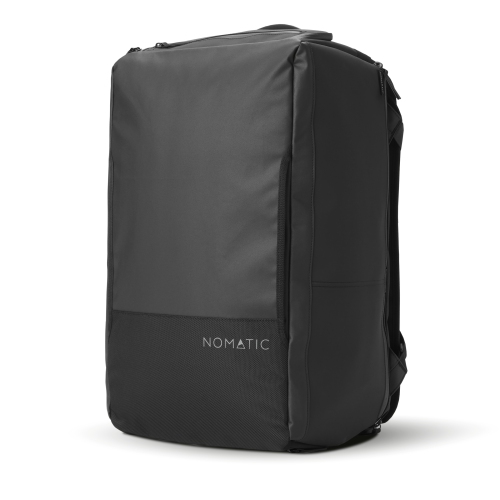
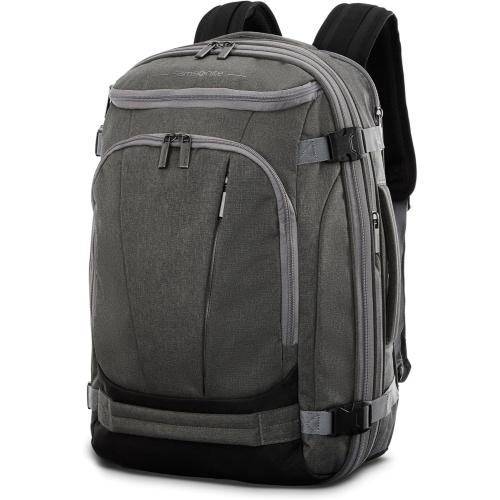
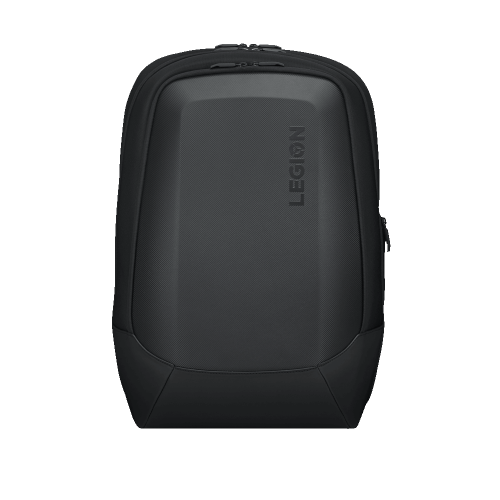
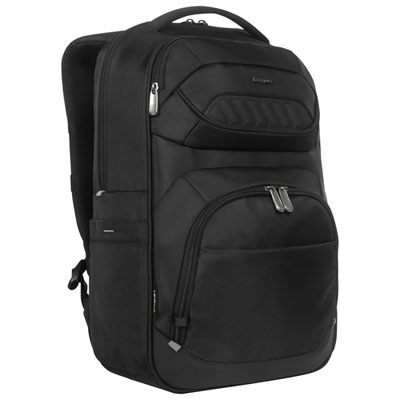
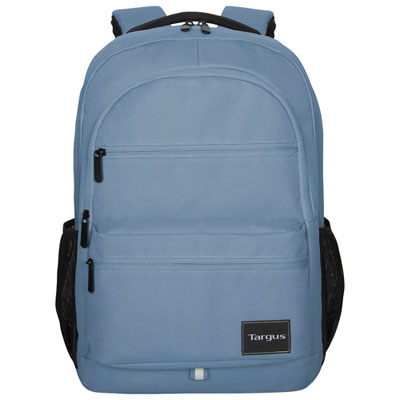
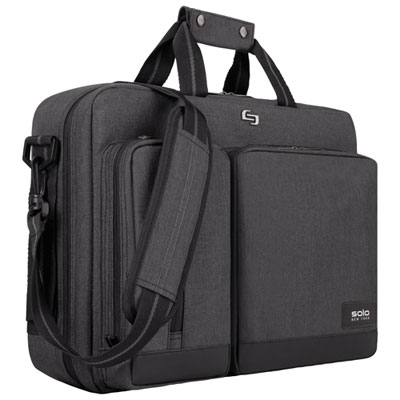
Teacher laptop backpacks bring workday essentials together in a format that leaves hands free for opening classroom doors, carrying project materials, or holding an umbrella on the way into school. A practical design balances a dedicated laptop compartment with space for lesson plans, folders, stationery, and the personal belongings that travel between home and the classroom. For teachers who mark assignments at home or move between teaching spaces, keeping these essentials separated can make a busy day feel more manageable. Laptop protection starts with fit: the device should sit securely inside its padded compartment without being forced past the zipper or shifting loosely during the commute. Screen size alone does not establish compatibility, since two laptops with the same diagonal measurement can have different external dimensions. Comparing the laptop’s width, depth, and thickness with the compartment’s stated measurements is especially useful when a protective sleeve will stay on the device. Compartments designed for 15.6-inch or 17-inch laptops may suit larger computers, while a smaller backpack can be easier to carry when the daily load is limited to a compact laptop and a few teaching materials. Padding along the sides and base helps cushion everyday bumps, and a suspended sleeve that ends above the bottom of the backpack adds separation between the computer and the floor when the bag is set down. These features provide cushioning rather than a guarantee against damage, so careful handling still matters. A separate laptop opening can also make it easier to retrieve a computer without unpacking a stack of exercise books. Teachers carrying both a laptop and a tablet may appreciate individual padded sections that keep the devices apart. Within the broader range of School Laptop Bags, backpack designs are particularly useful for days that involve walking, public transit, stairs, and frequent movement between rooms.
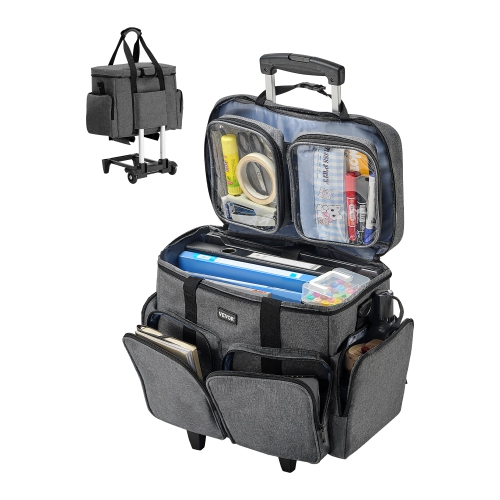
Thoughtful organization is what turns a laptop backpack into a dependable teaching bag. A roomy main compartment can accommodate a planner, reading materials, and a lightweight extra layer, while a flatter document section helps keep permission forms and printed handouts separate from bulkier belongings. Structured dividers are useful for teachers who carry several subjects’ worth of paperwork, although an open main compartment offers more flexibility for unusually shaped classroom supplies. Smaller pockets give pens, dry-erase markers, charging cables, and presentation accessories a place of their own, reducing the need to search through the bottom of the bag just before a lesson. A light-coloured lining can make a dark cable or small adapter easier to spot, particularly in a deep compartment. Wide-opening designs offer a clearer view of the contents when packing at a desk, while a backpack with a more compact opening may take up less space when opened beside a chair. External bottle pockets work best when their height and width suit the bottle being carried; a tall travel tumbler needs enough support to stay upright as the wearer bends or steps onto a bus. Keeping drinks away from the laptop compartment adds a useful measure of separation, though a secure, leak-resistant lid remains important. Some teacher backpacks include an insulated lunch section or space for a separate lunch bag. An insulated compartment can help slow temperature changes, but perishable food still needs suitable cold packs and safe storage. For teachers whose classroom doubles as a meeting space, discreet exterior pockets can keep keys and a phone accessible without leaving them loose on a desk. A rear-facing pocket may make casual access more difficult while the backpack is worn, but it should not be treated as theft-proof storage. Capacity is most useful when it matches the actual routine: carrying a laptop, lunch, and a planner calls for a different layout than transporting textbooks, folders, and supplies for several classes. Extra compartments are helpful only when they leave enough usable room for the things that need to fit.
Comfort and durability matter just as much as storage on a long teaching day. Adjustable, padded shoulder straps help position the backpack close to the body, and wearing both straps distributes the load more evenly than carrying it from one shoulder. A padded back panel can soften contact with the contents, while mesh sections may improve airflow during a walk to school or a crowded transit ride. Heavier belongings generally sit more comfortably close to the back rather than pulling outward from the front pocket. The backpack’s own weight also counts, especially when books and a larger laptop are part of the daily load. For a comfortable fit, the bag should not hang excessively low or feel much wider than the wearer’s torso; strap adjustability is useful when switching between a light jacket and a winter coat. Materials affect both handling and upkeep. Nylon and polyester fabrics are common choices for everyday backpacks because they can offer a practical balance of weight and resistance to wear, while canvas often has a firmer feel and a more casual appearance. Performance depends on the fabric’s construction and finish, not simply its name. Water-resistant fabric can help with light rain or snow during the cooler months, but seams and zippers may still admit moisture, and water resistance is not the same as waterproof protection. Reinforced stitching at shoulder-strap attachments, a sturdy carry handle, and smoothly operating zippers are useful details for bags that are lifted, opened, and set down repeatedly. Care should follow the manufacturer’s directions; for many fabric bags, removing loose debris and spot-cleaning with a damp cloth is more appropriate than machine washing. Emptying lunch sections promptly and allowing damp fabric to dry fully helps keep the interior fresh. A luggage pass-through can be useful for professional learning trips, while a stable base makes packing beside a desk less awkward. Teacher laptop backpacks can also be thoughtful gifts for new teachers, student teachers beginning placements, or experienced educators replacing a worn daily bag. The most personal choice reflects the recipient’s laptop dimensions, commute, preferred carrying weight, and everyday teaching load rather than appearance alone.
Thoughtful organization is what turns a laptop backpack into a dependable teaching bag. A roomy main compartment can accommodate a planner, reading materials, and a lightweight extra layer, while a flatter document section helps keep permission forms and printed handouts separate from bulkier belongings. Structured dividers are useful for teachers who carry several subjects’ worth of paperwork, although an open main compartment offers more flexibility for unusually shaped classroom supplies. Smaller pockets give pens, dry-erase markers, charging cables, and presentation accessories a place of their own, reducing the need to search through the bottom of the bag just before a lesson. A light-coloured lining can make a dark cable or small adapter easier to spot, particularly in a deep compartment. Wide-opening designs offer a clearer view of the contents when packing at a desk, while a backpack with a more compact opening may take up less space when opened beside a chair. External bottle pockets work best when their height and width suit the bottle being carried; a tall travel tumbler needs enough support to stay upright as the wearer bends or steps onto a bus. Keeping drinks away from the laptop compartment adds a useful measure of separation, though a secure, leak-resistant lid remains important. Some teacher backpacks include an insulated lunch section or space for a separate lunch bag. An insulated compartment can help slow temperature changes, but perishable food still needs suitable cold packs and safe storage. For teachers whose classroom doubles as a meeting space, discreet exterior pockets can keep keys and a phone accessible without leaving them loose on a desk. A rear-facing pocket may make casual access more difficult while the backpack is worn, but it should not be treated as theft-proof storage. Capacity is most useful when it matches the actual routine: carrying a laptop, lunch, and a planner calls for a different layout than transporting textbooks, folders, and supplies for several classes. Extra compartments are helpful only when they leave enough usable room for the things that need to fit.
Comfort and durability matter just as much as storage on a long teaching day. Adjustable, padded shoulder straps help position the backpack close to the body, and wearing both straps distributes the load more evenly than carrying it from one shoulder. A padded back panel can soften contact with the contents, while mesh sections may improve airflow during a walk to school or a crowded transit ride. Heavier belongings generally sit more comfortably close to the back rather than pulling outward from the front pocket. The backpack’s own weight also counts, especially when books and a larger laptop are part of the daily load. For a comfortable fit, the bag should not hang excessively low or feel much wider than the wearer’s torso; strap adjustability is useful when switching between a light jacket and a winter coat. Materials affect both handling and upkeep. Nylon and polyester fabrics are common choices for everyday backpacks because they can offer a practical balance of weight and resistance to wear, while canvas often has a firmer feel and a more casual appearance. Performance depends on the fabric’s construction and finish, not simply its name. Water-resistant fabric can help with light rain or snow during the cooler months, but seams and zippers may still admit moisture, and water resistance is not the same as waterproof protection. Reinforced stitching at shoulder-strap attachments, a sturdy carry handle, and smoothly operating zippers are useful details for bags that are lifted, opened, and set down repeatedly. Care should follow the manufacturer’s directions; for many fabric bags, removing loose debris and spot-cleaning with a damp cloth is more appropriate than machine washing. Emptying lunch sections promptly and allowing damp fabric to dry fully helps keep the interior fresh. A luggage pass-through can be useful for professional learning trips, while a stable base makes packing beside a desk less awkward. Teacher laptop backpacks can also be thoughtful gifts for new teachers, student teachers beginning placements, or experienced educators replacing a worn daily bag. The most personal choice reflects the recipient’s laptop dimensions, commute, preferred carrying weight, and everyday teaching load rather than appearance alone.
Top selling and popular products
-
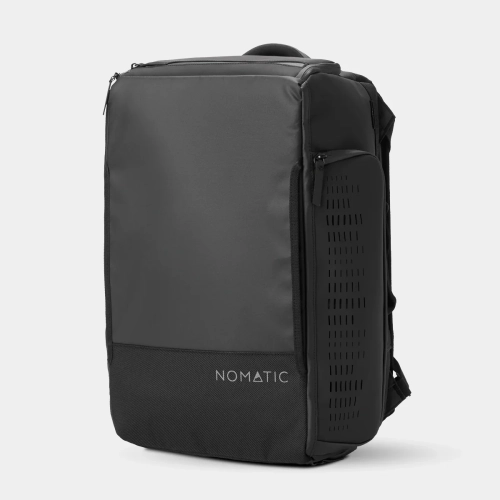 Your price for this item is $419.99
 -
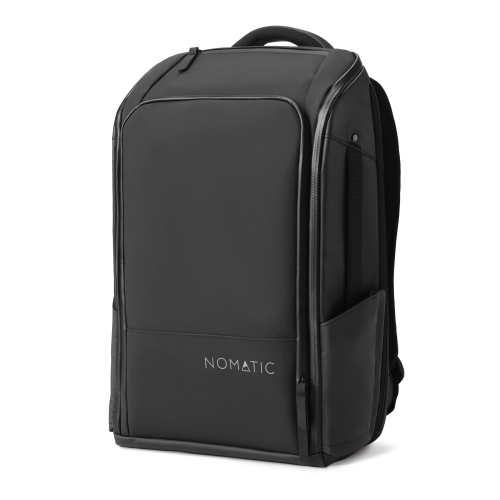 Your price for this item is $399.99
 -
 Your price for this item is $369.99
 -
 Your price for this item is $399.99
 -
 Your price for this item is $218.48
 -
 Your price for this item is $124.99
 -
 Your price for this item is $99.99
 -
 Your price for this item is $59.97
Discover more categories related to Teacher Laptop Backpacks
Top Collections:
Pokemon Centers, Kindle Devices, Best Budget Office Chairs, Apple iPhones 16, Best Laptops for Writers, iPhone 15 Apple, Canon G7X Cameras, Refurbished Apple Laptops, Alarm Clock, Motorola Razr Phones
Some products may be subject to Environmental Handling Fees
(EHF) depending on your province.
Learn more about EHFs.