Powerful Laptops for Students
If you're a student, you probably know that your laptop is your lifeline to the world of education and research. It's your connection to the Internet, to your professors, and to your classmates. And it's also your most important tool for getting work done. A good laptop can make all the difference between a productive semester and a less-than-stellar one. Here are some powerful laptops for students.
Sort
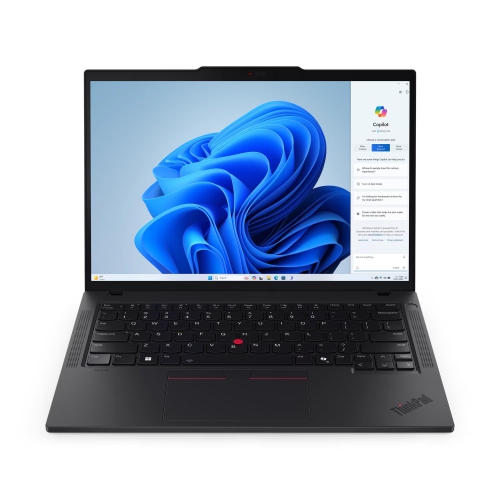
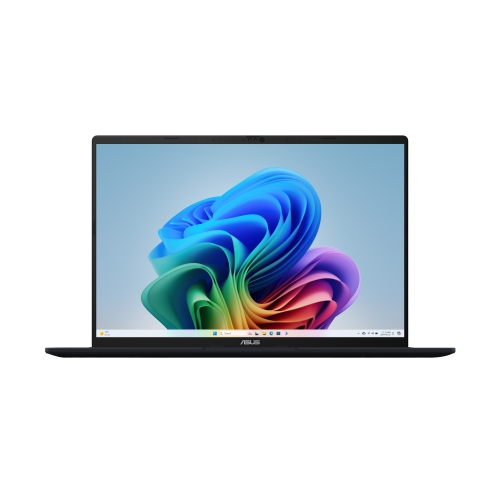
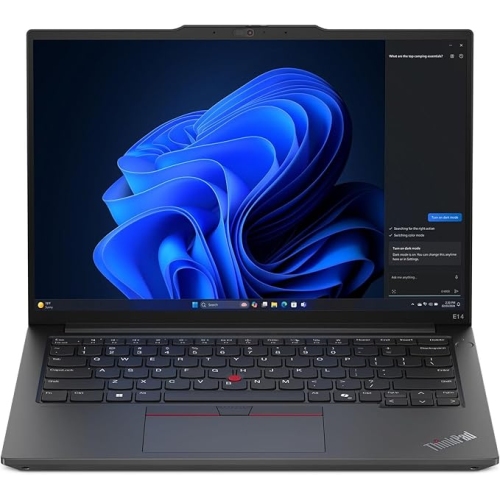
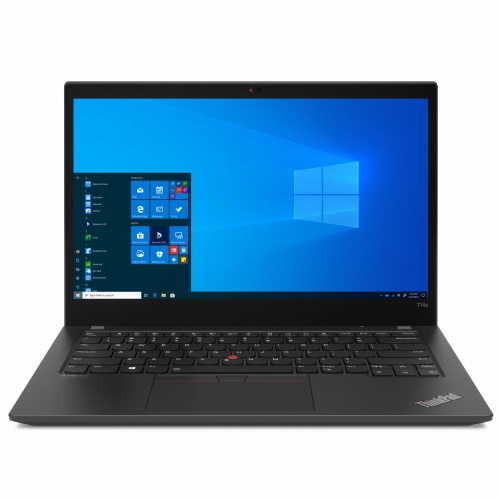
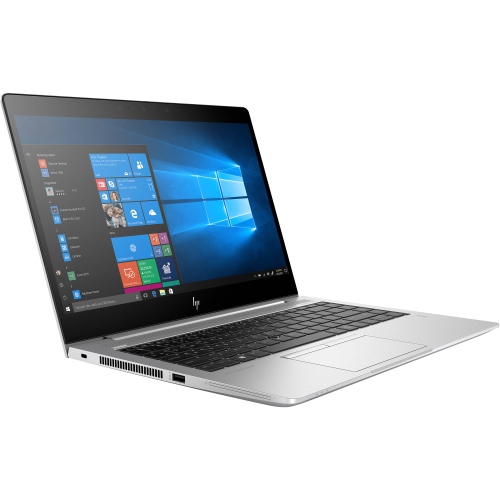
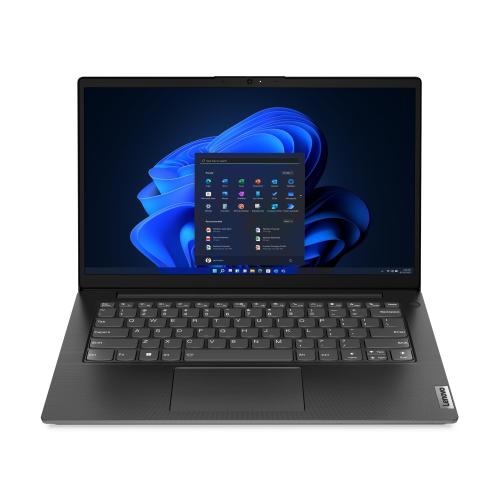
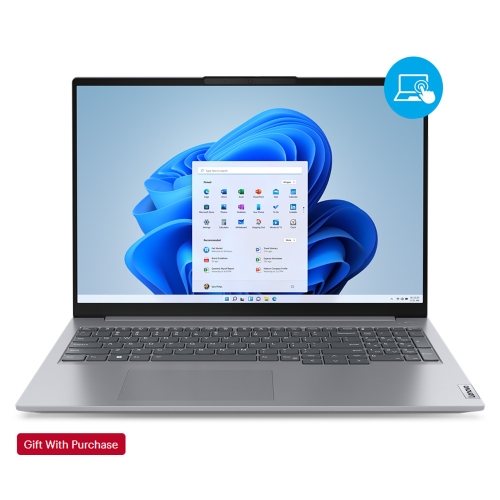
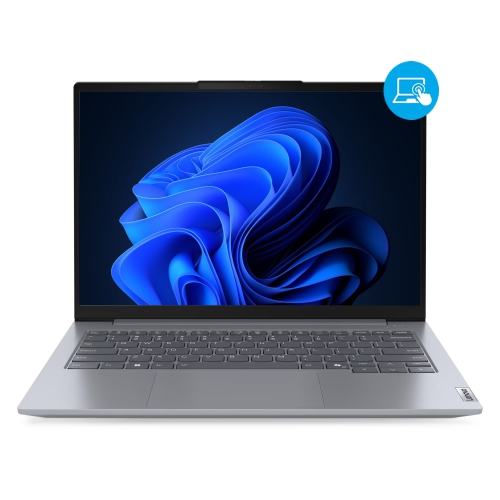
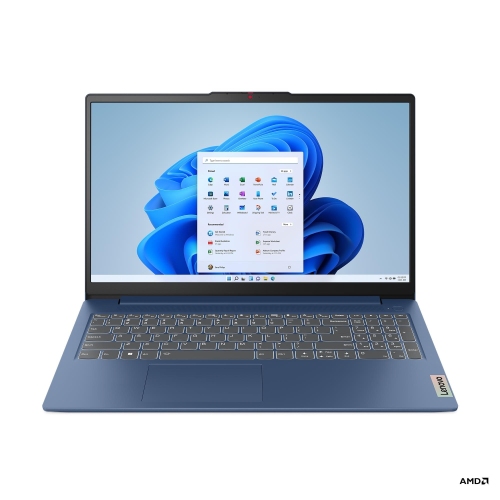
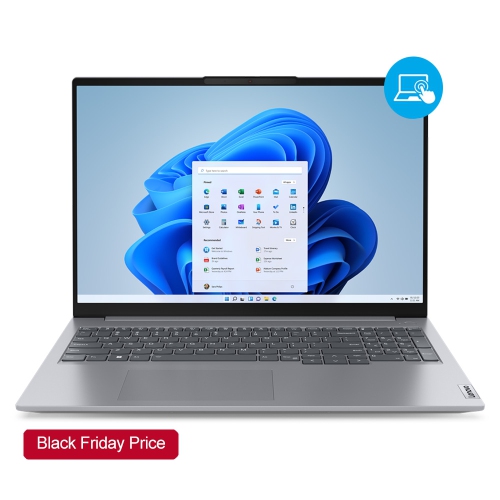
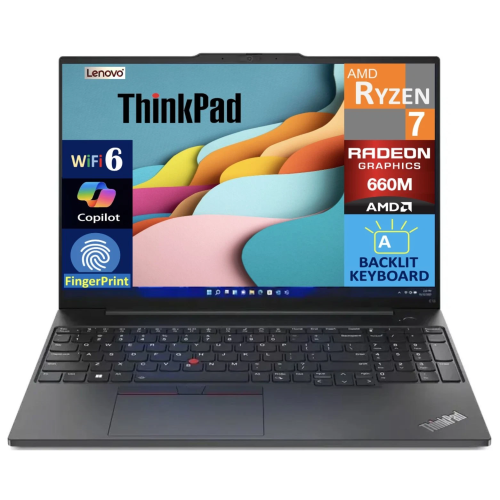
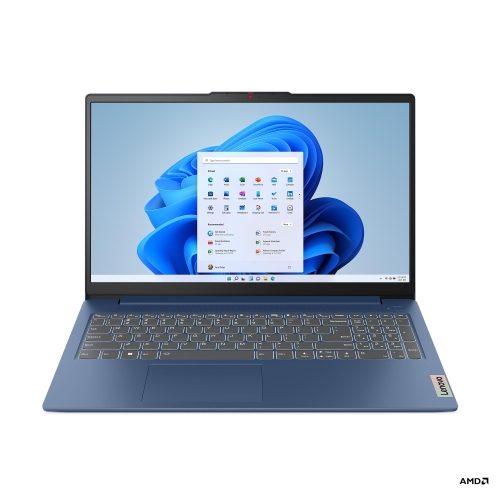
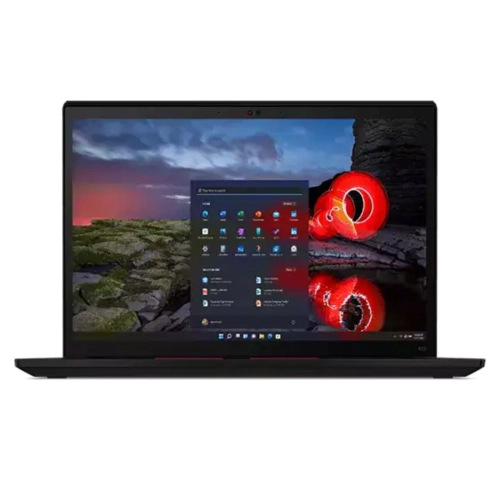
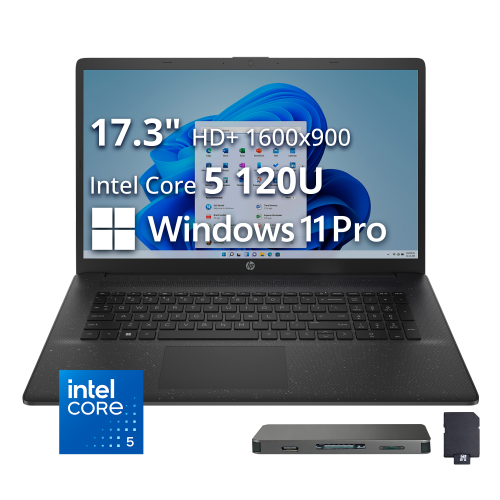
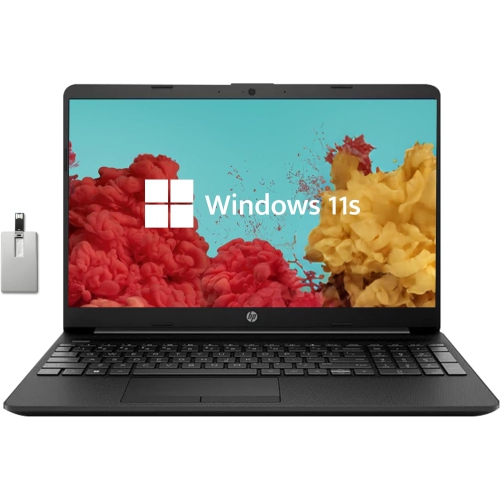
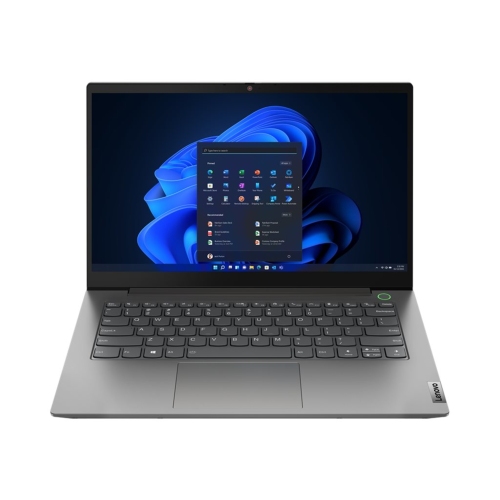
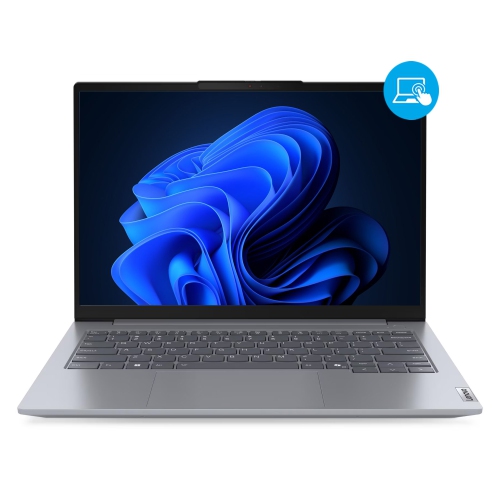
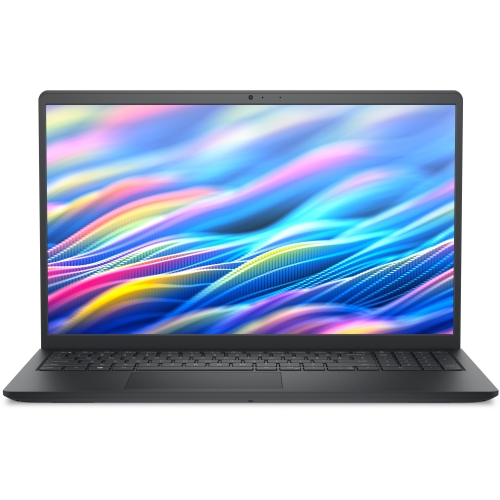
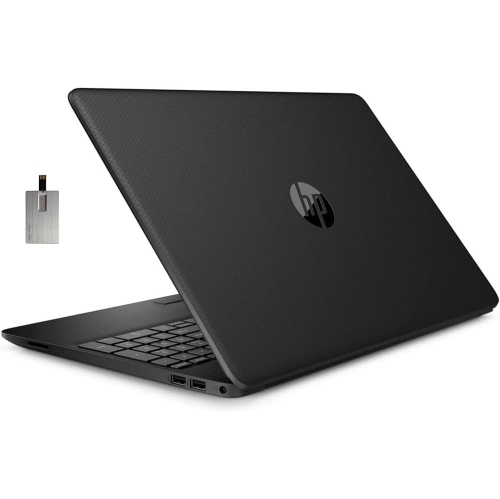
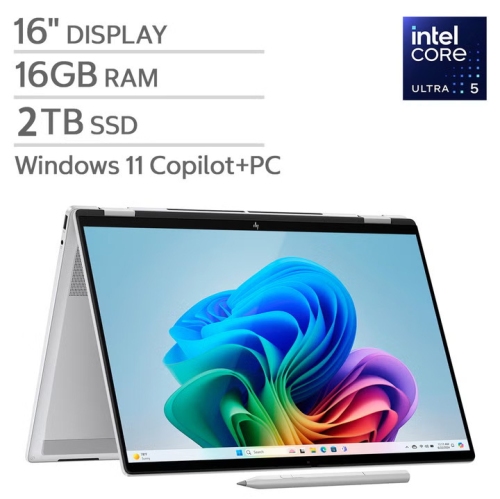
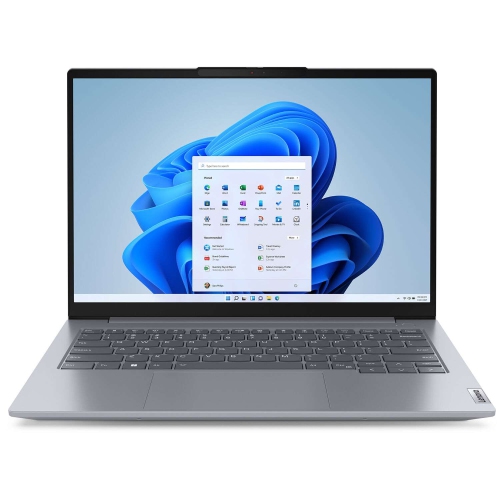
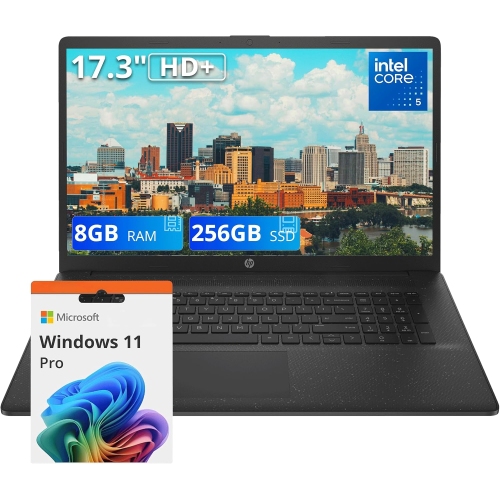
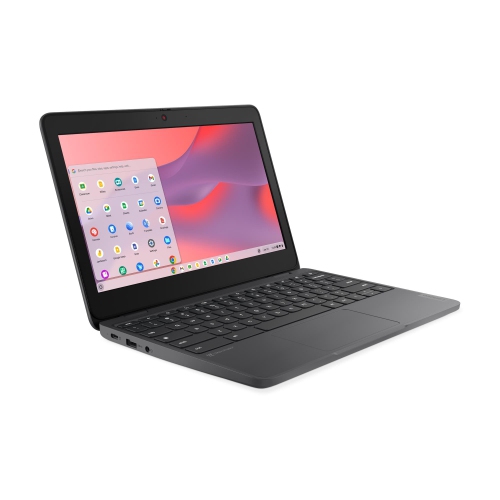
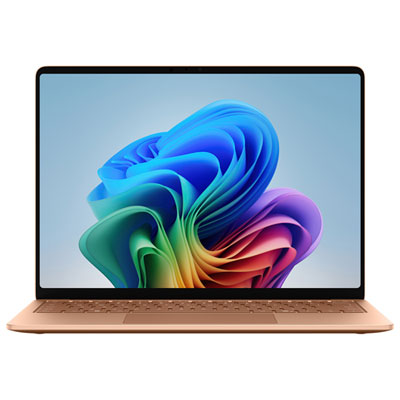
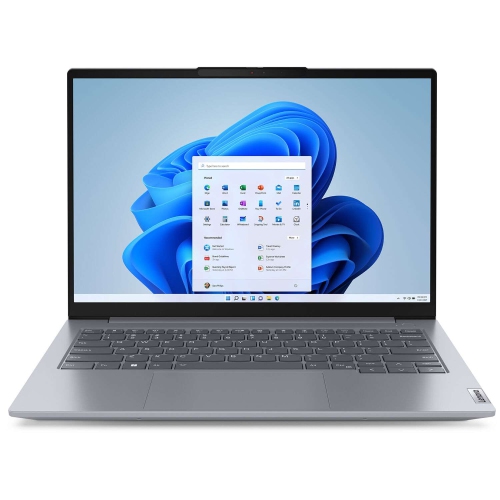
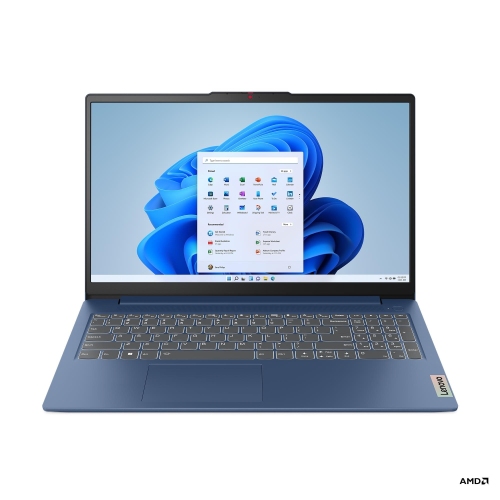
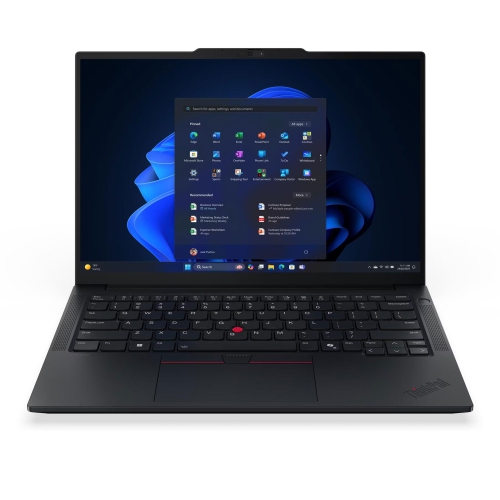
![LENOVO Thinkbook 14 G2 [Business Laptop] - 14" Fhd Ips Laptop for Business And Students](https://multimedia.bbycastatic.ca/multimedia/products/500x500/196/19654/19654776.jpeg)
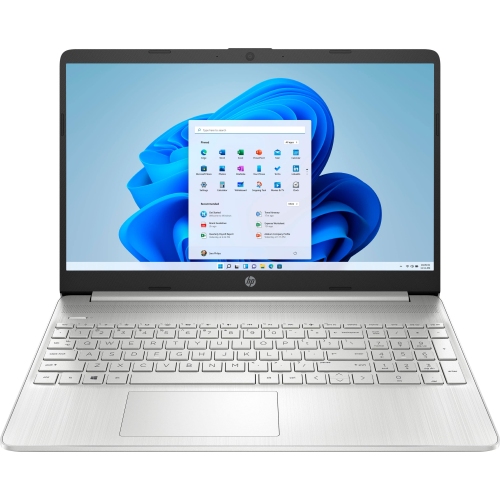
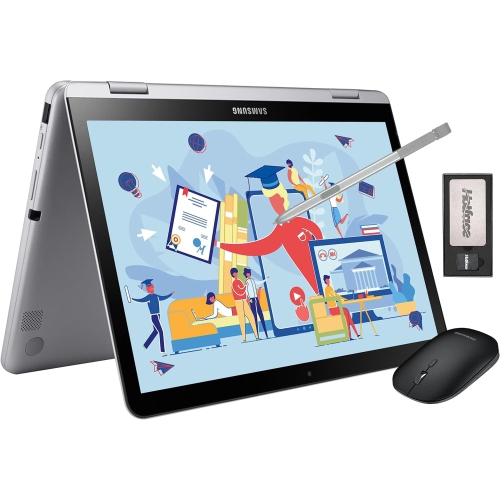
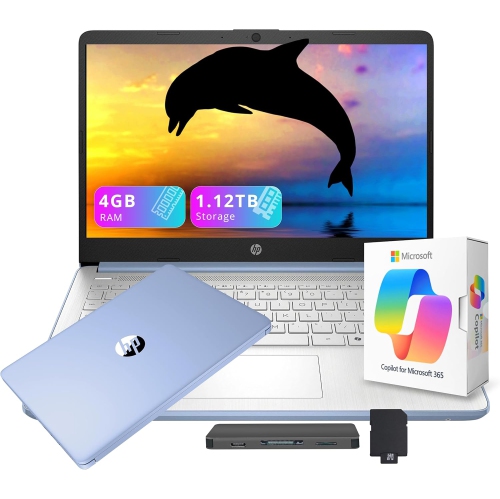
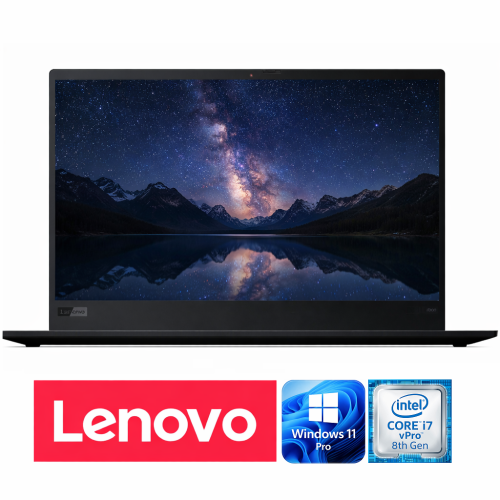
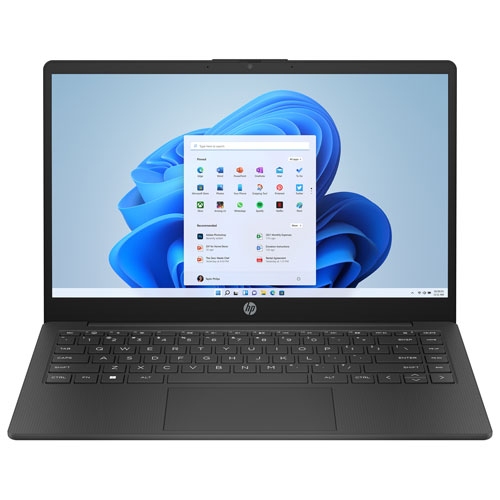
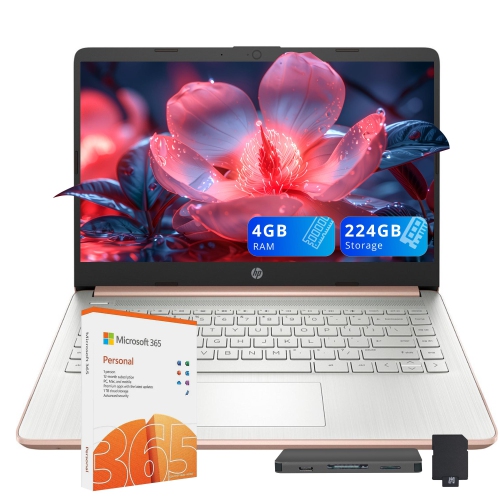
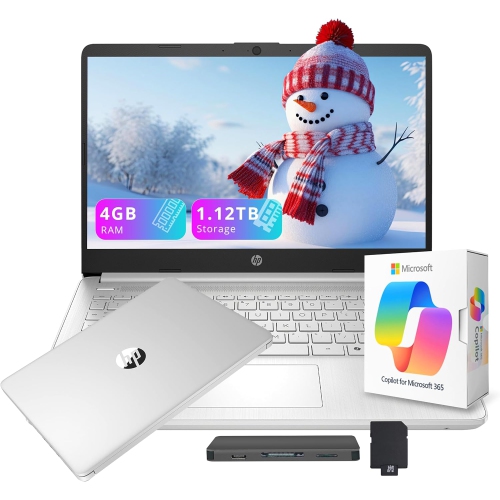
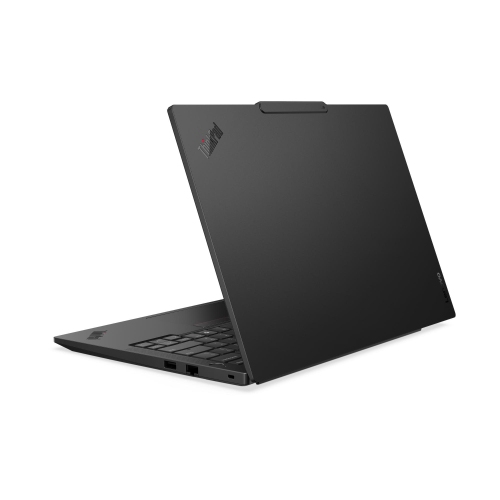
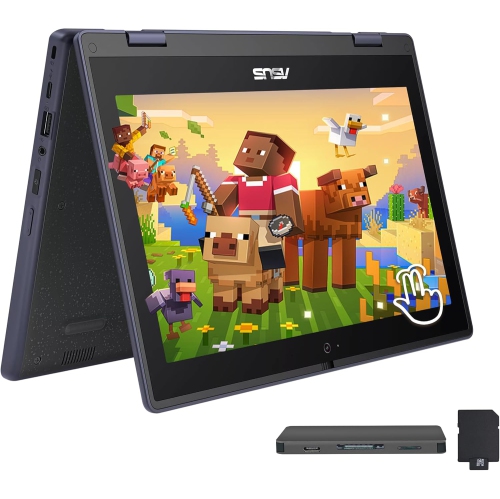
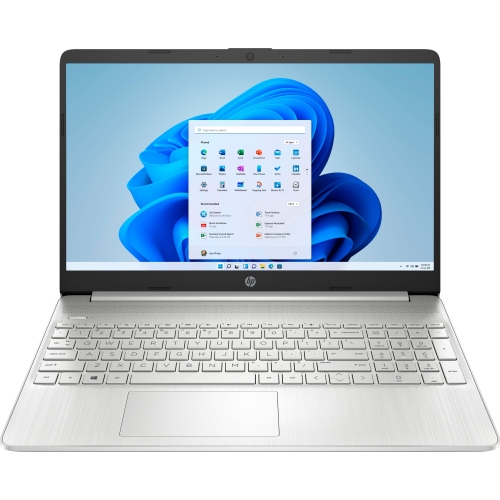
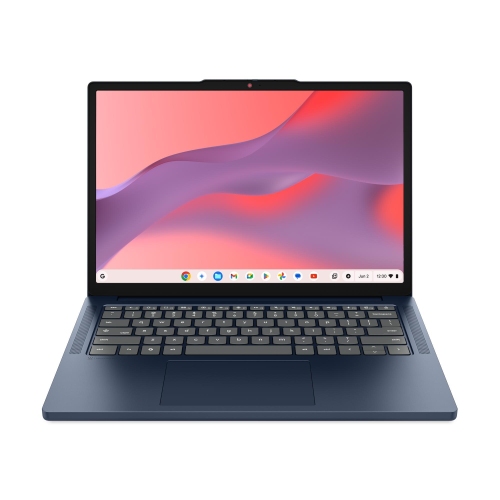
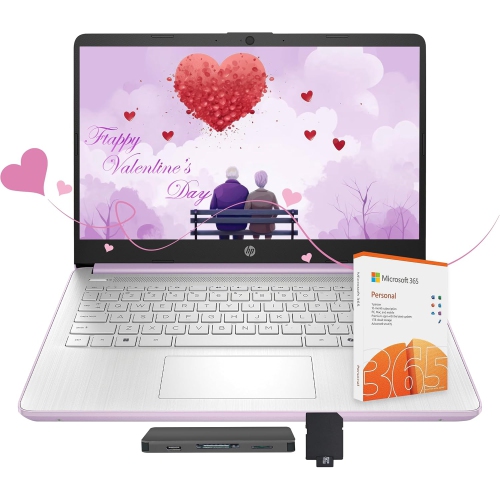
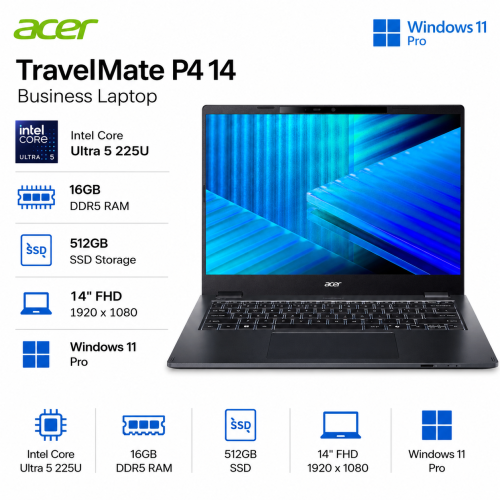
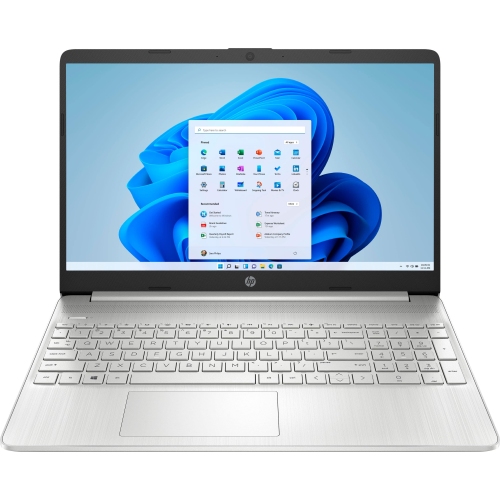
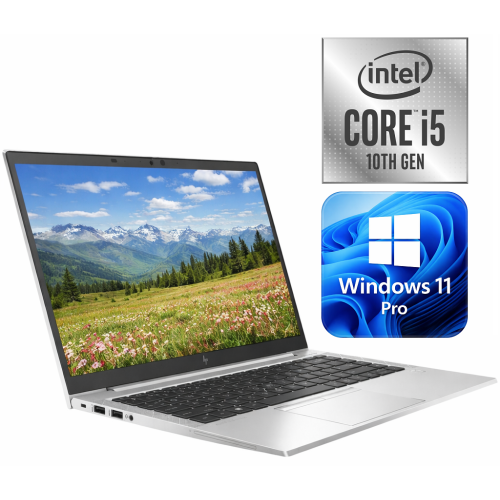
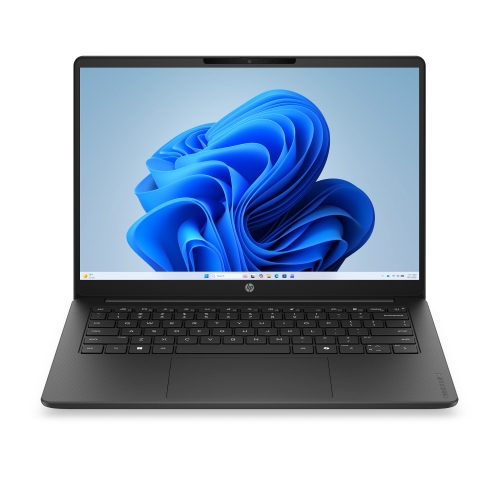
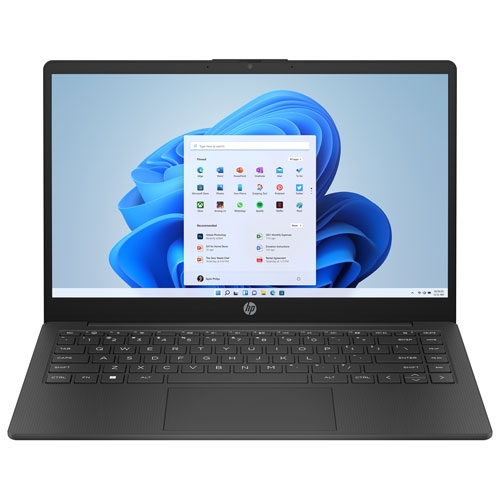
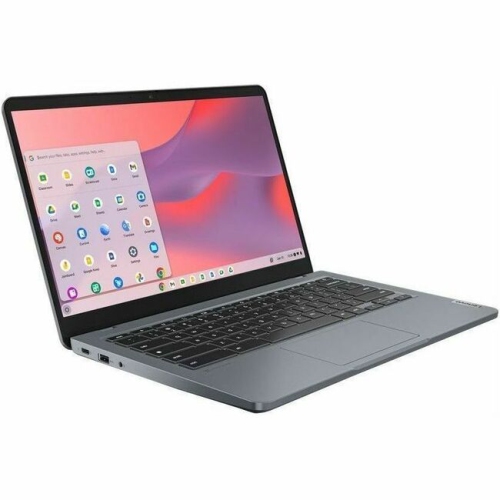
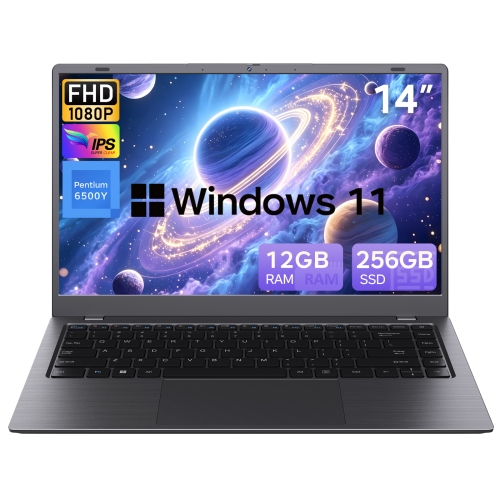
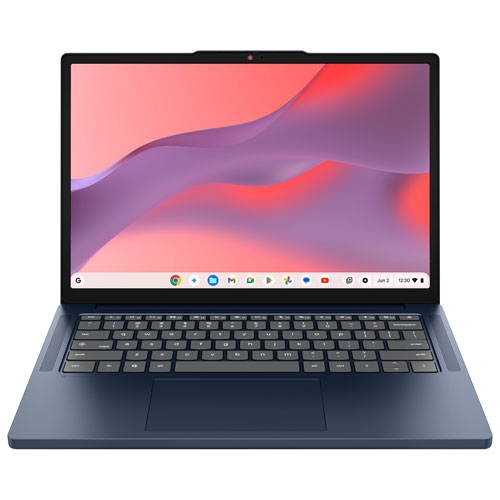
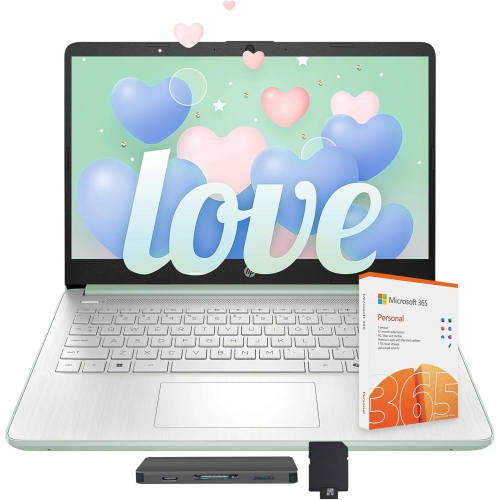
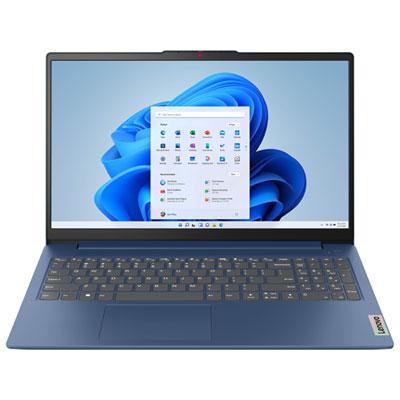
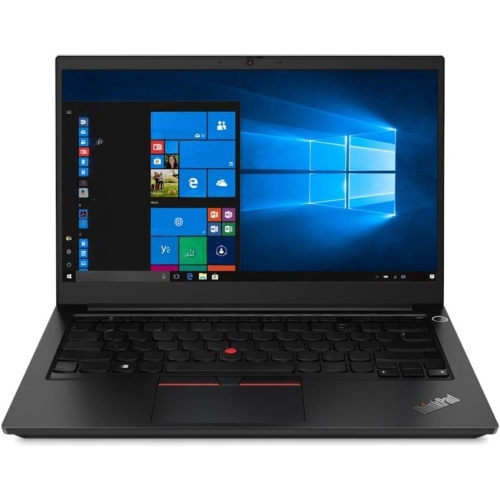
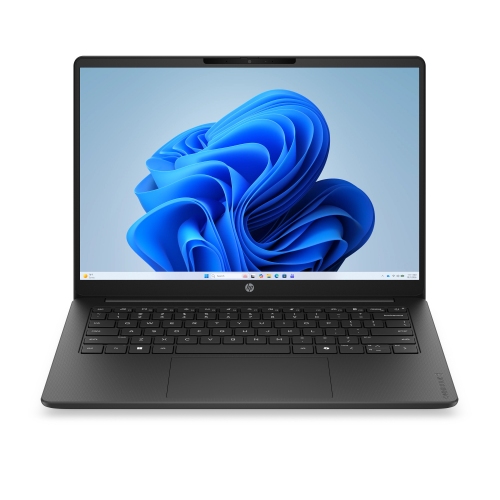
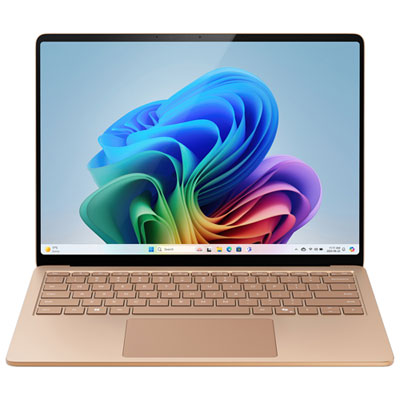
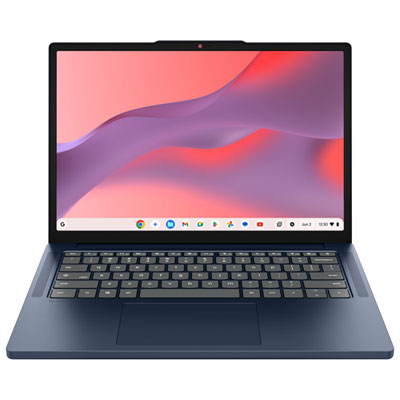
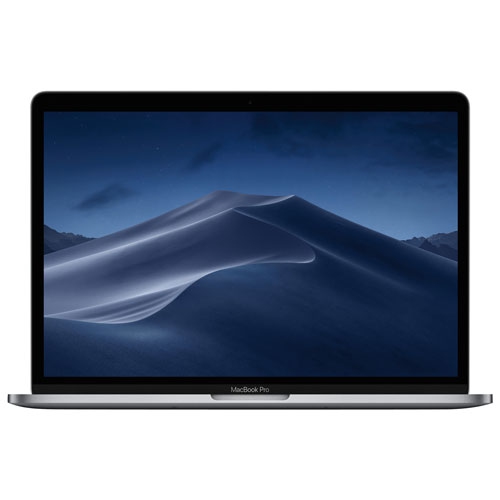
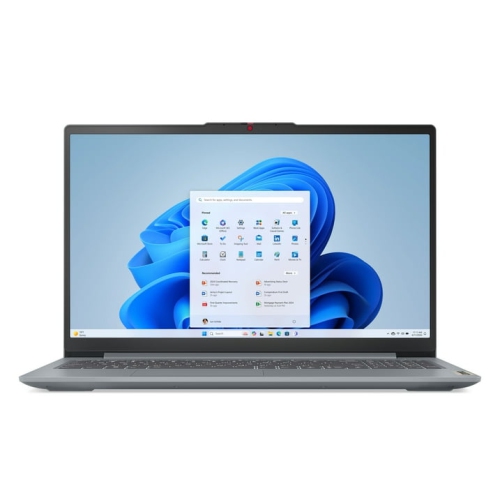
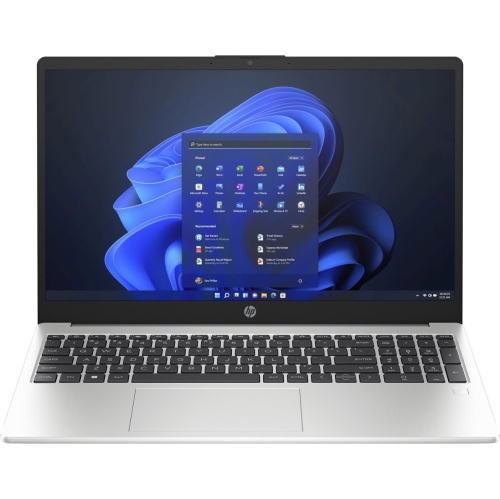
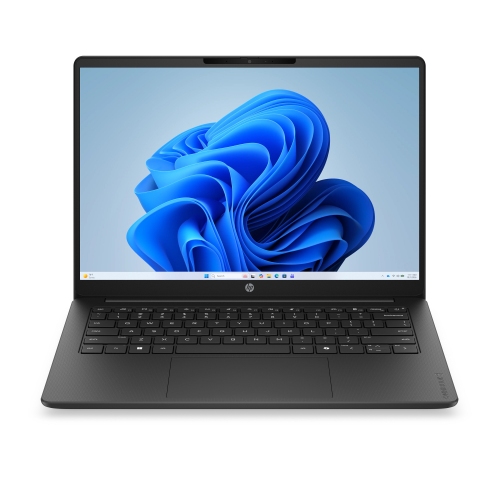
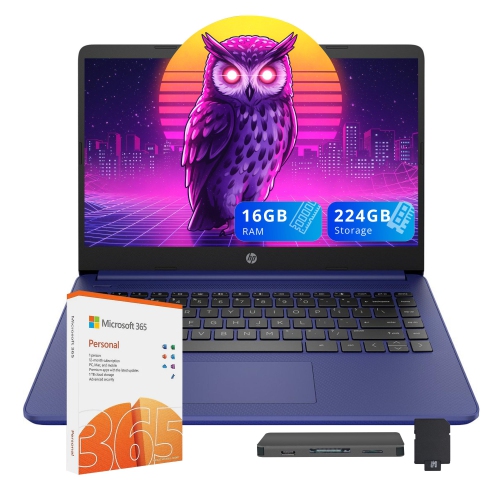
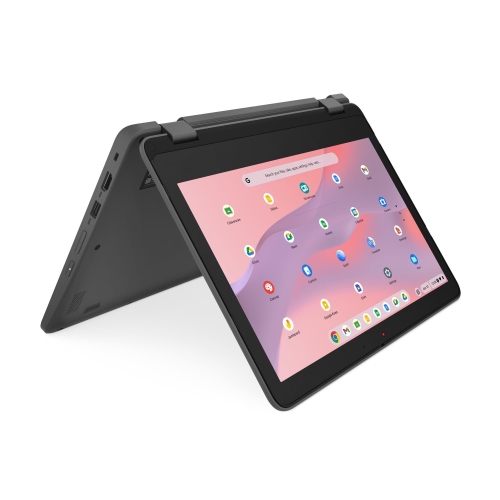
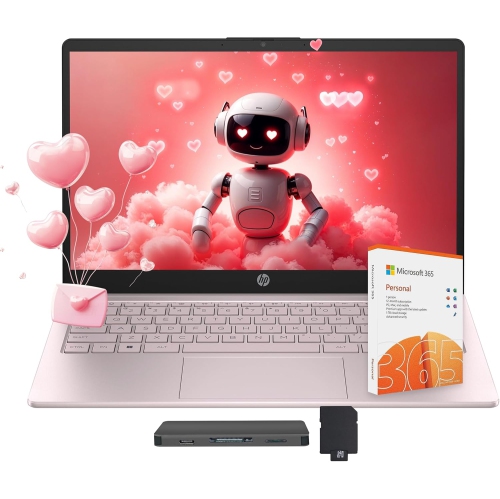
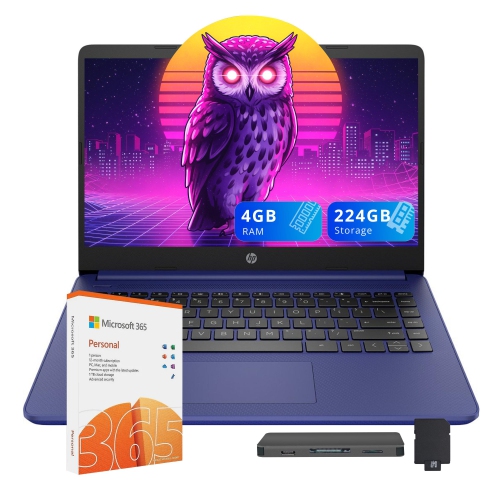
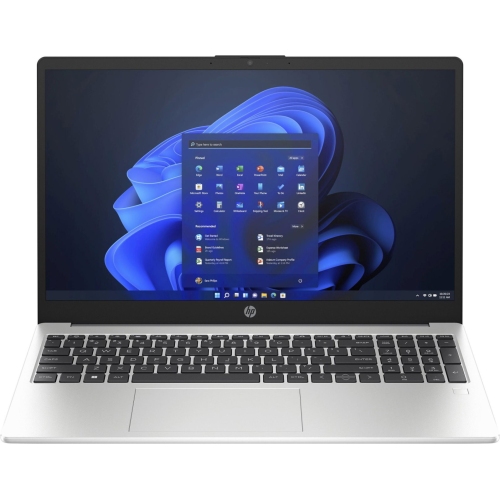
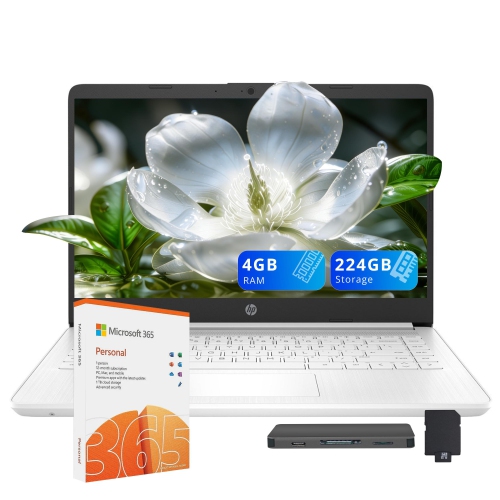
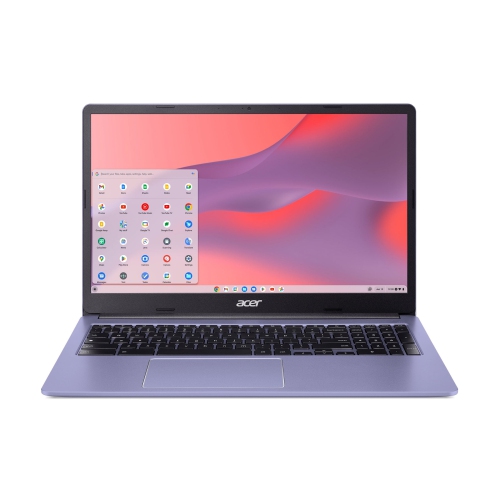
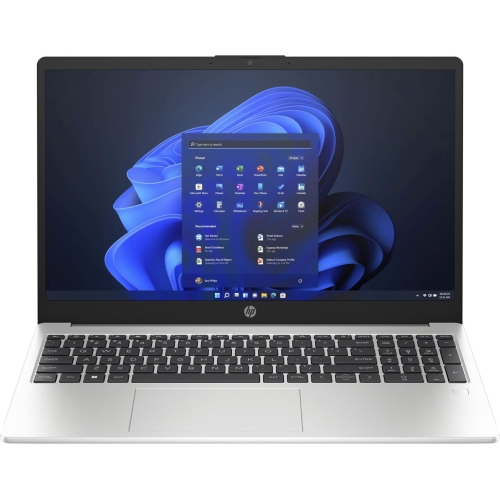
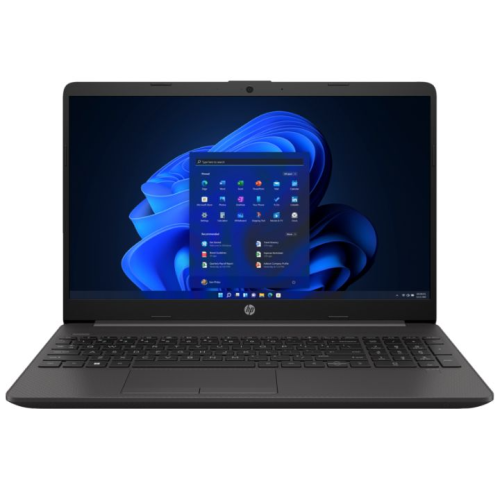
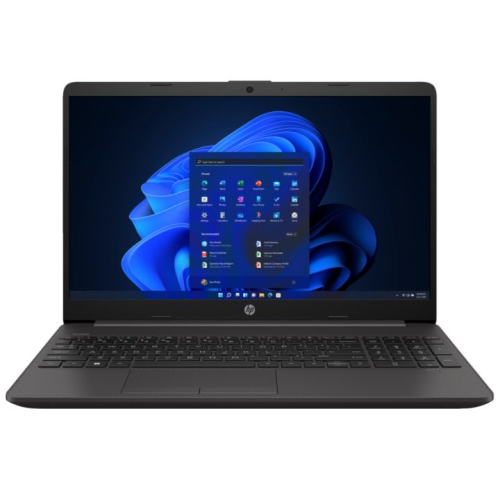
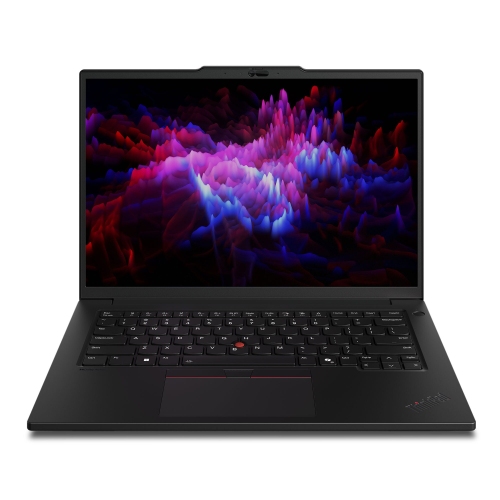
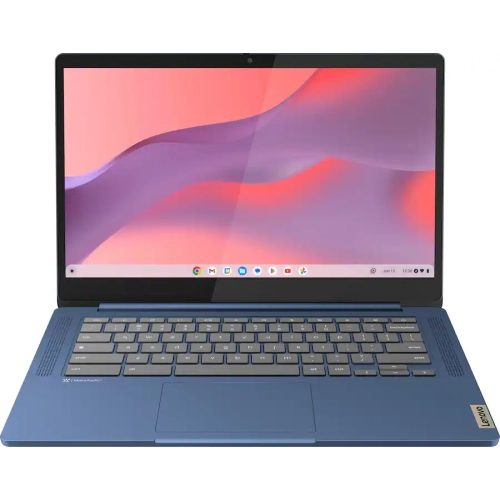
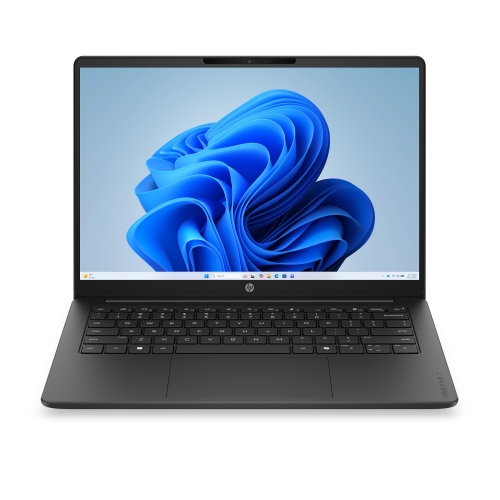
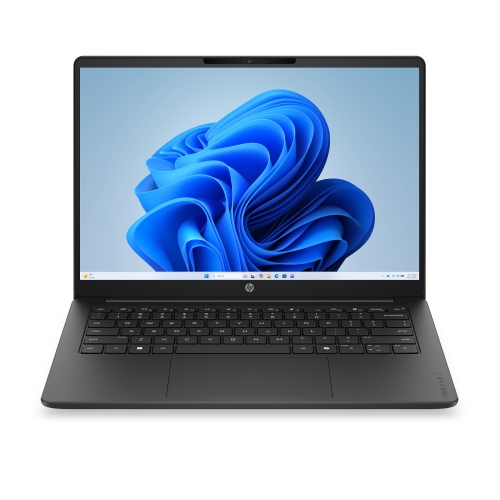

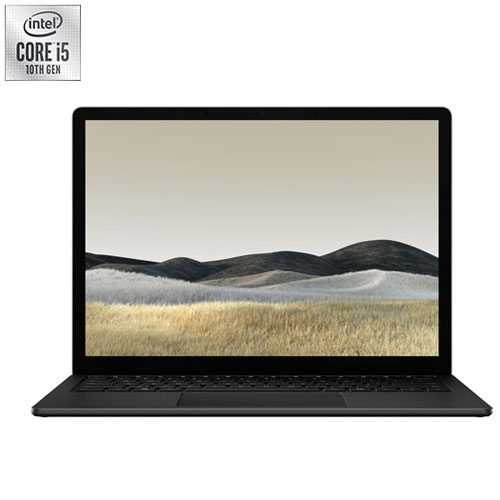
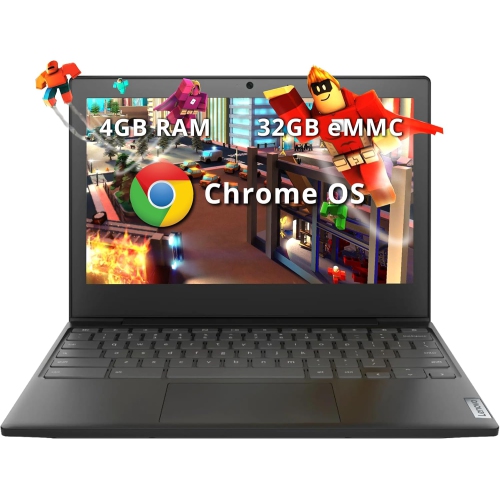
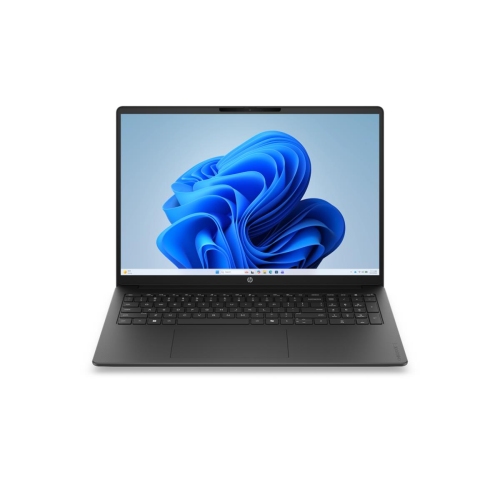
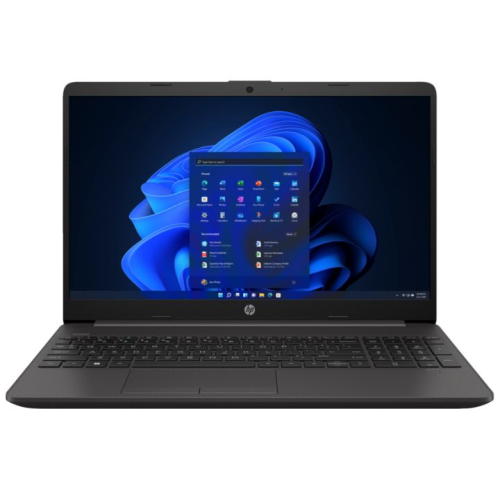
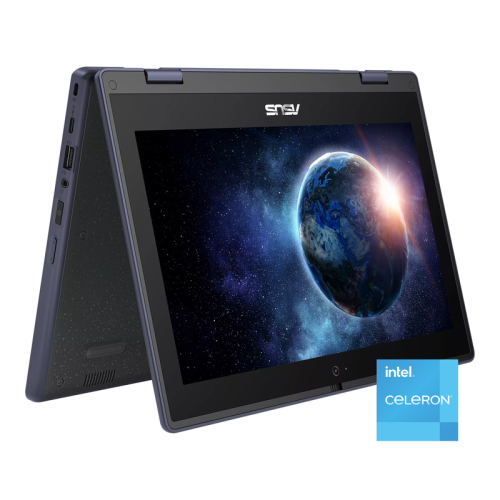
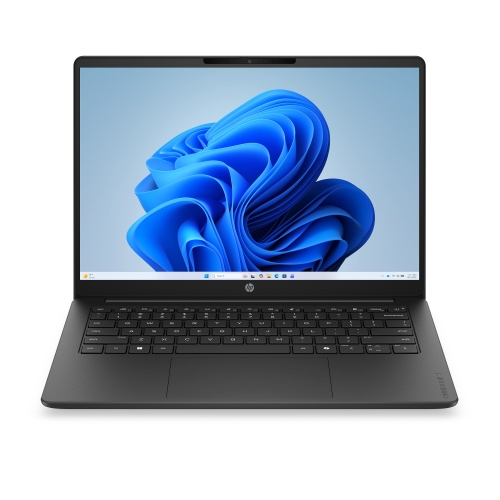
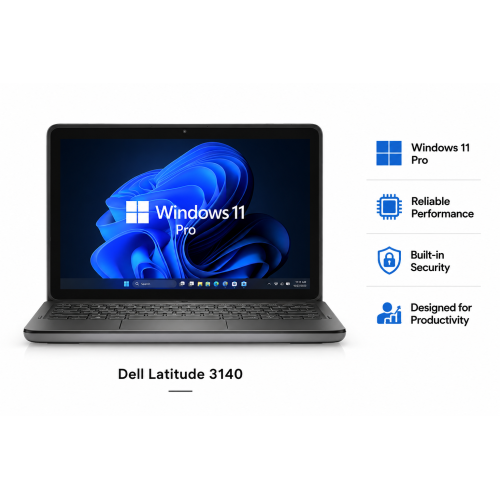
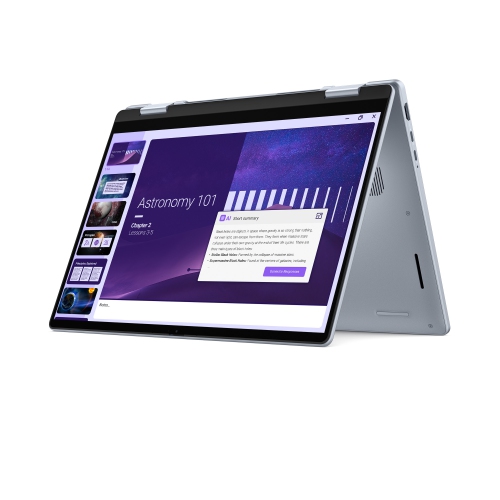
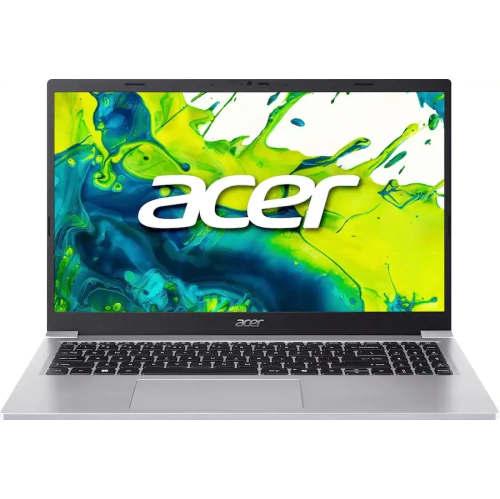
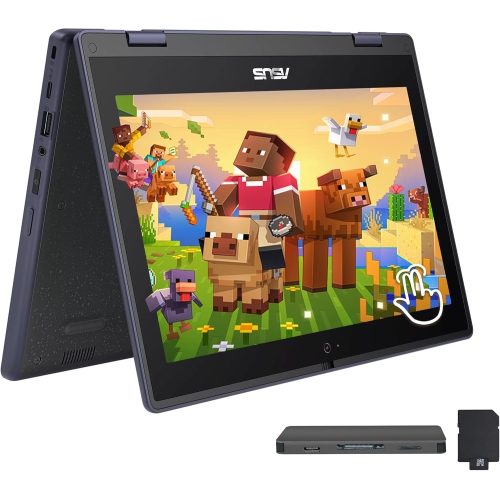
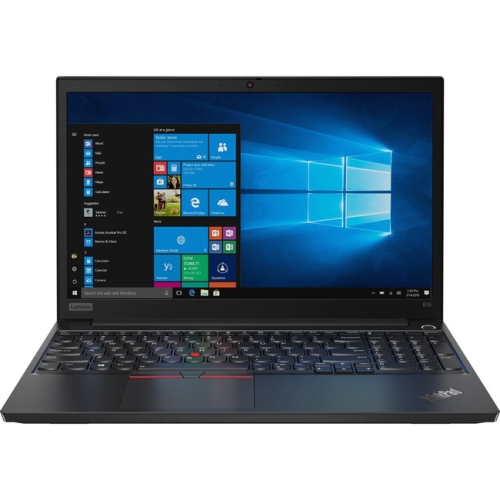
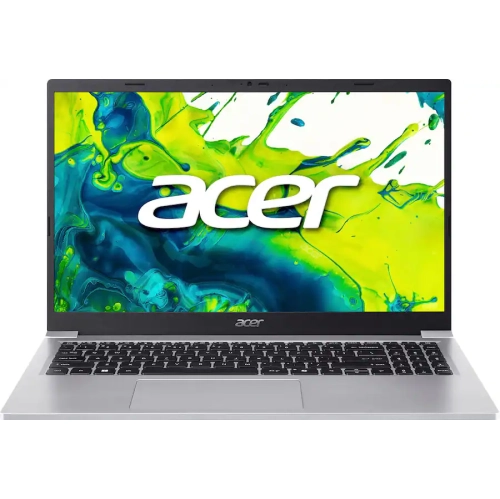
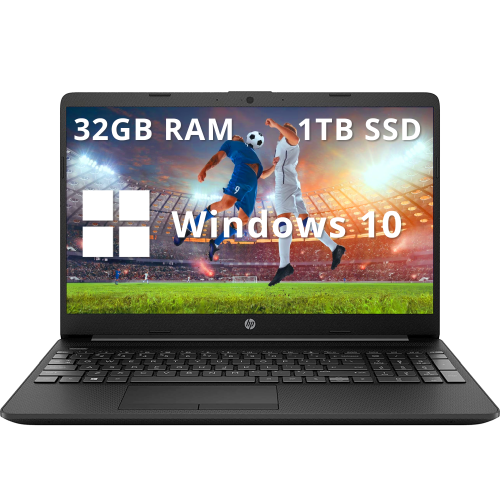
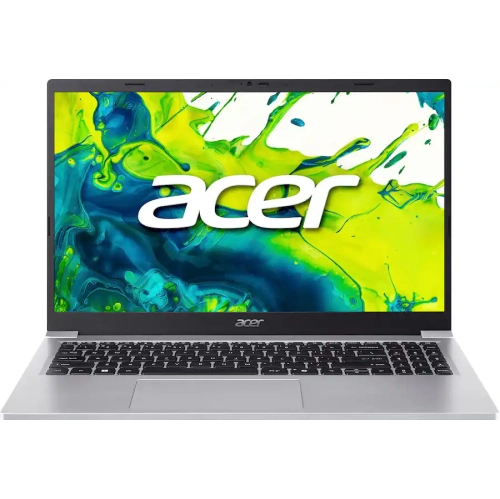
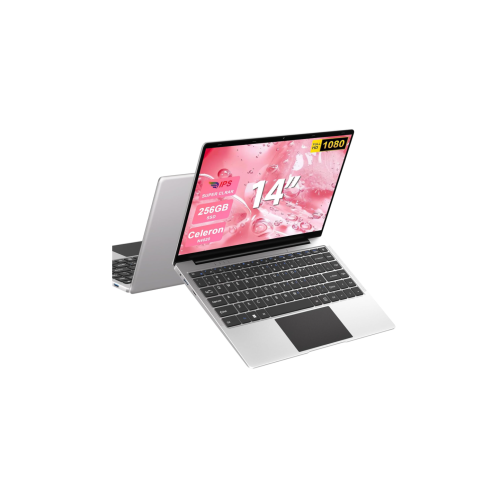
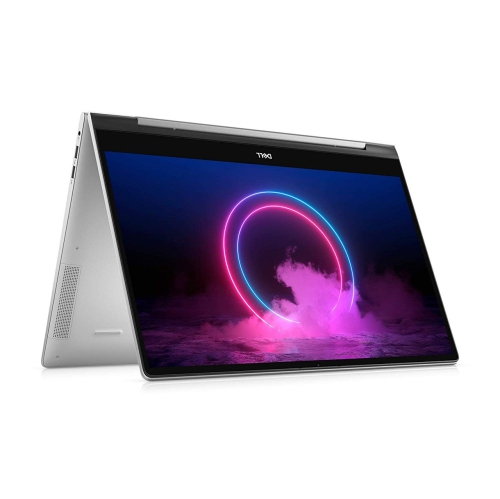
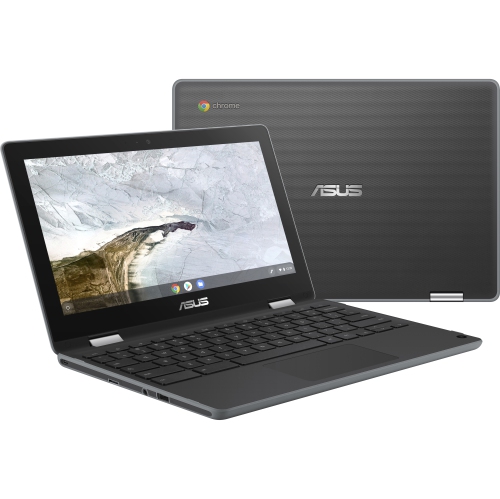
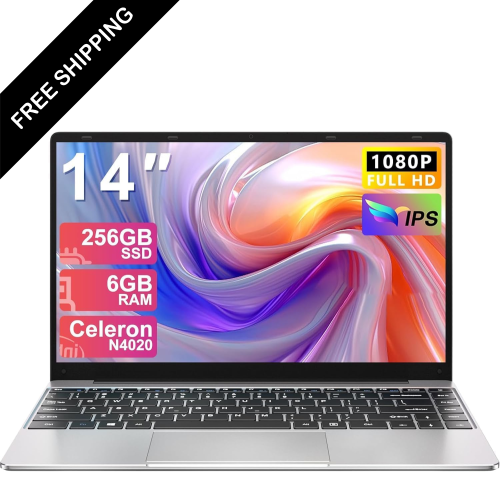
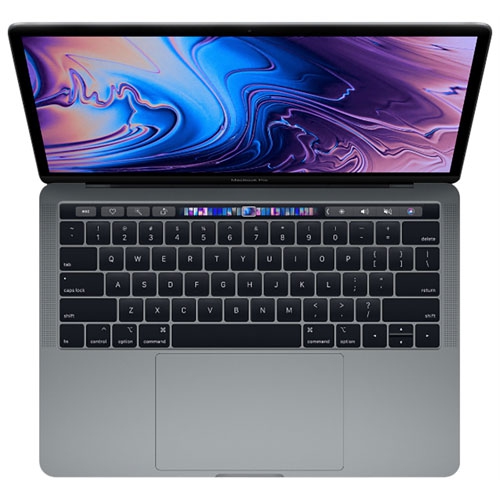
Performance and portability for demanding student workloads
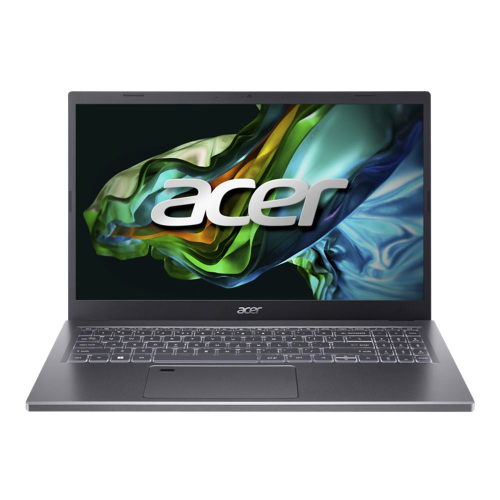
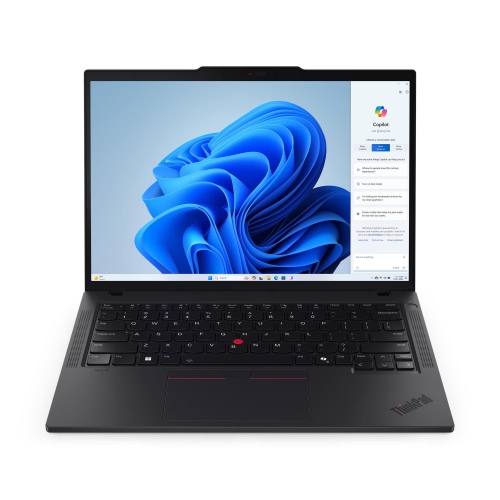
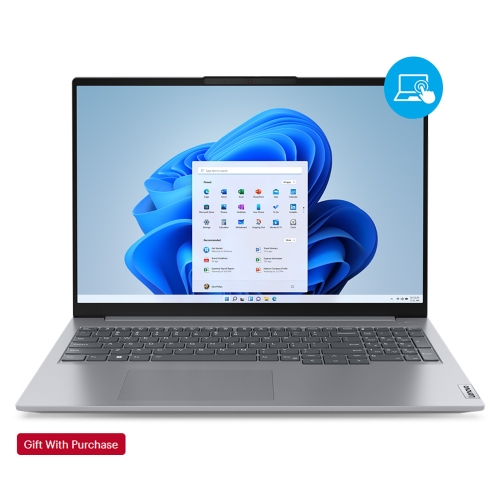
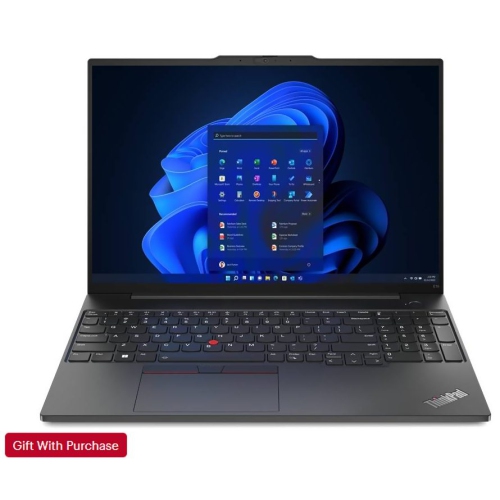
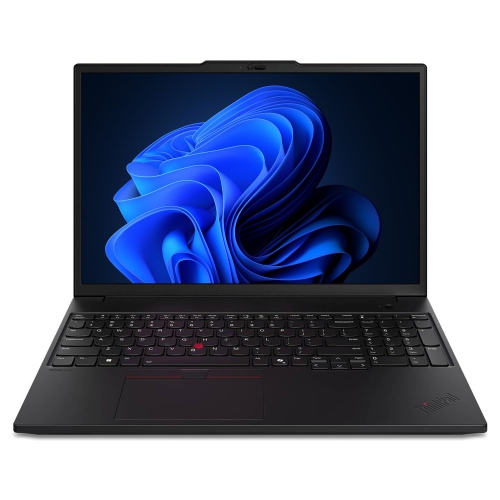
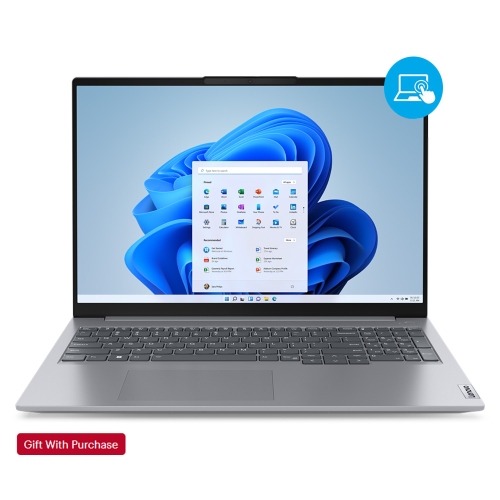
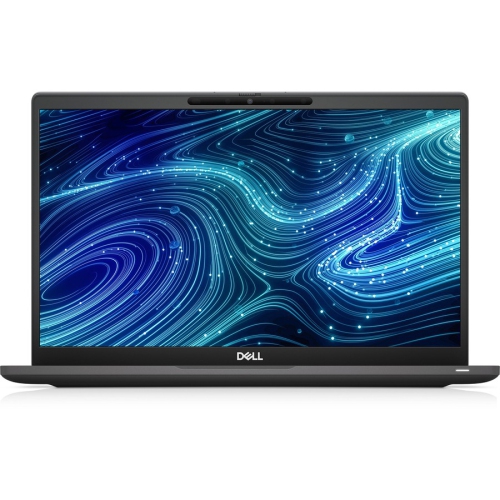
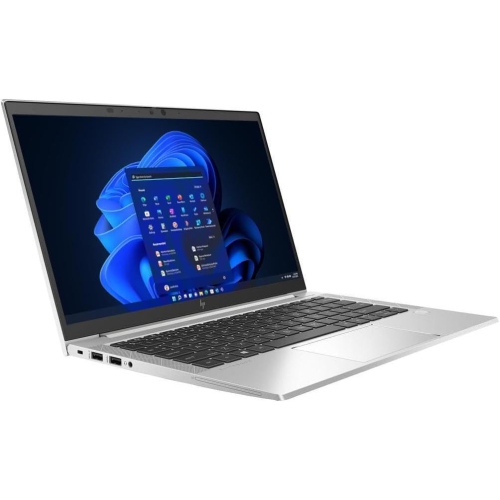
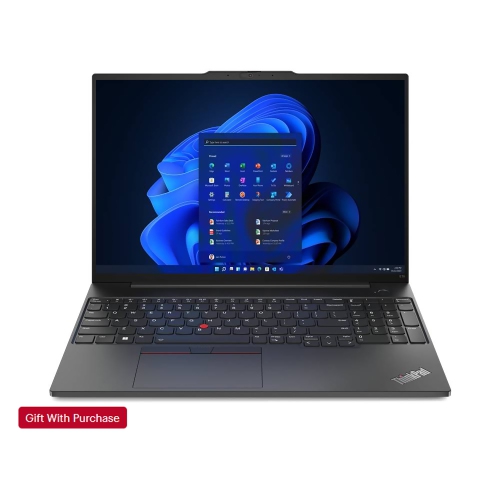
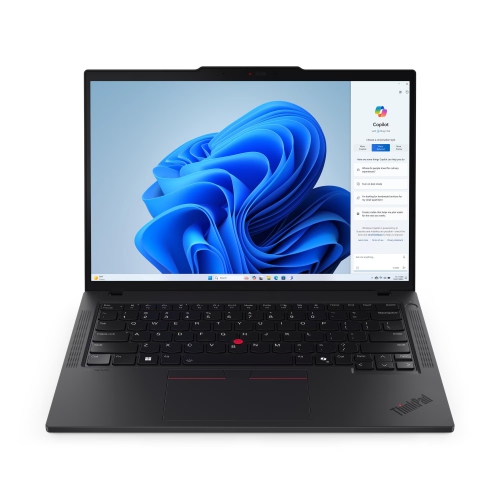
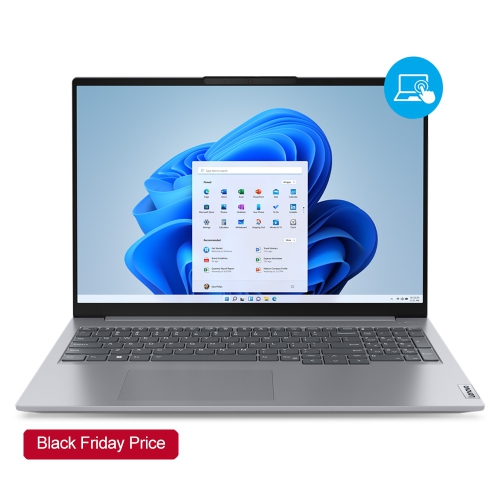
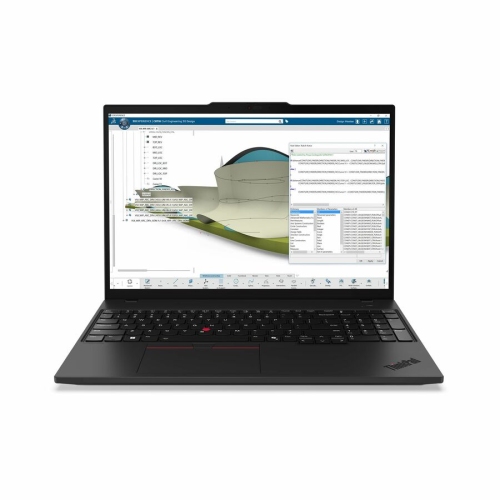
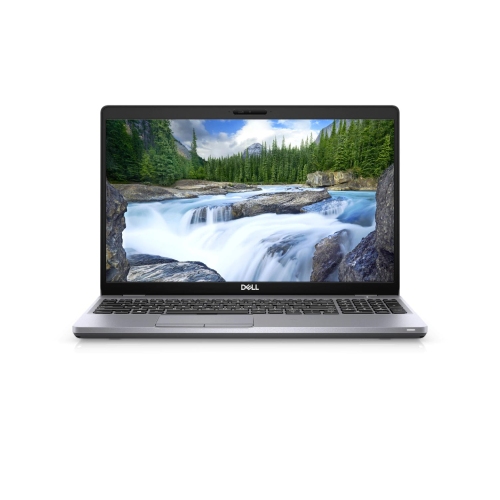
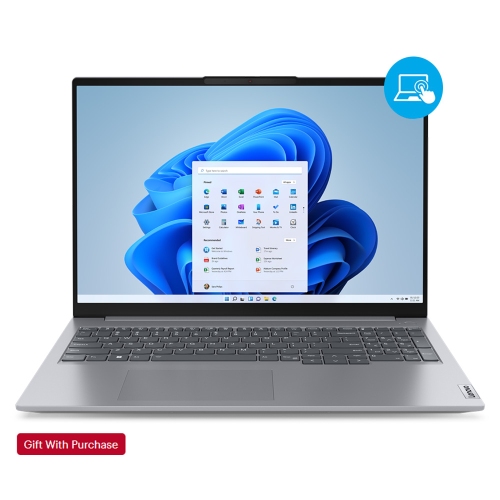
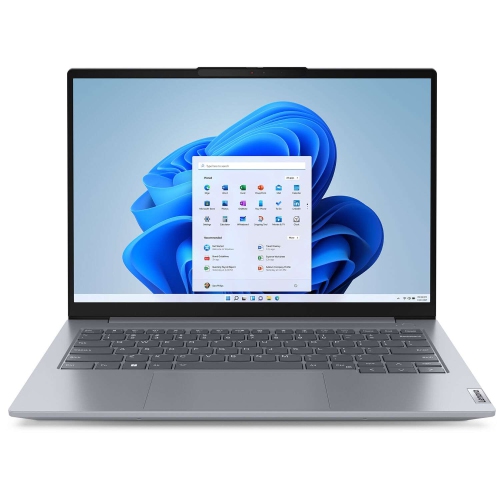
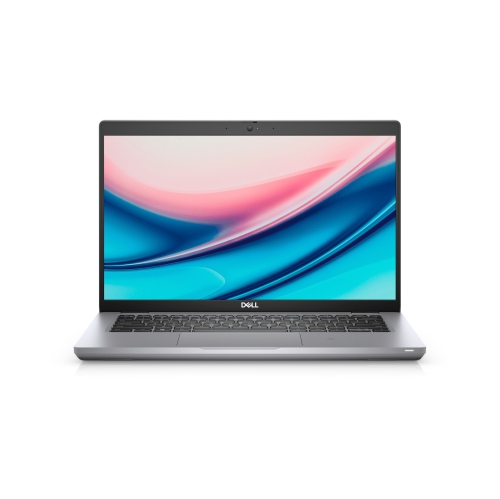
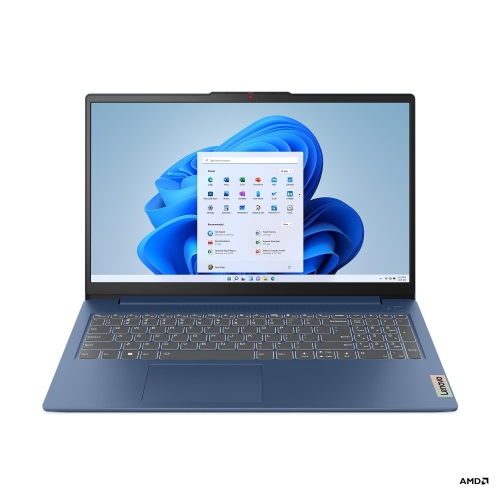
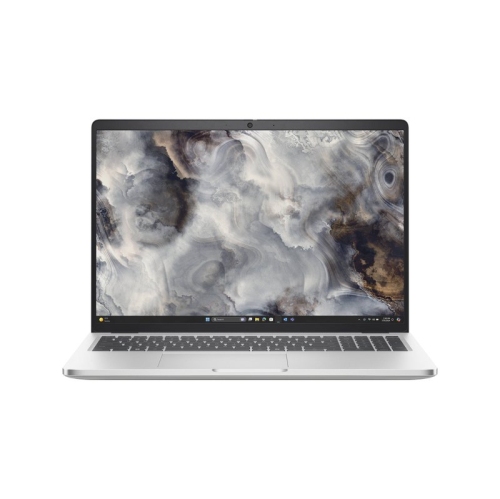
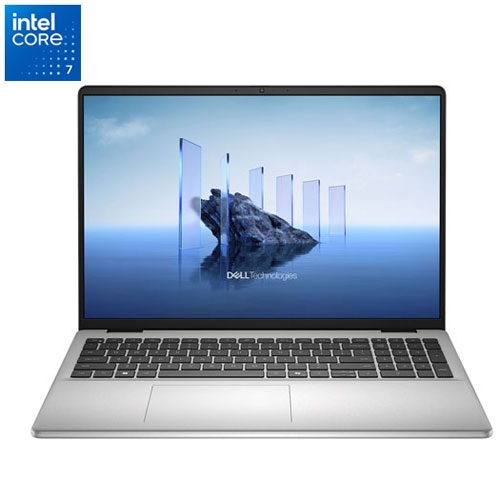
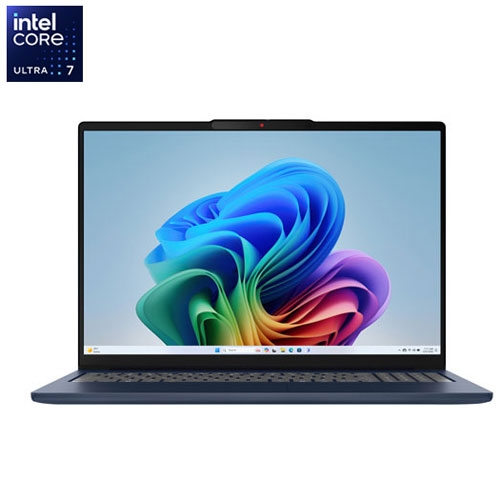
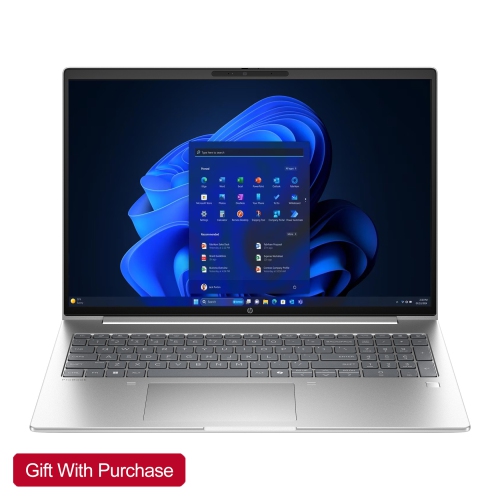
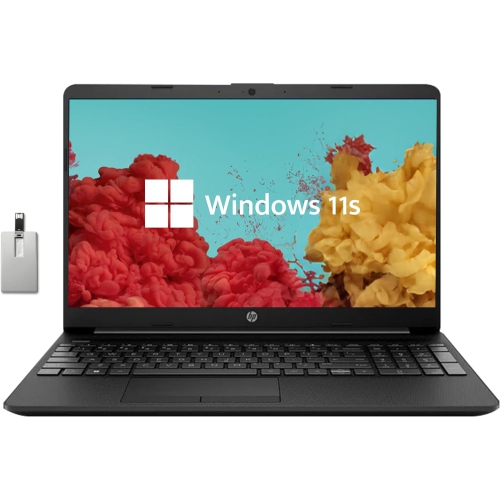
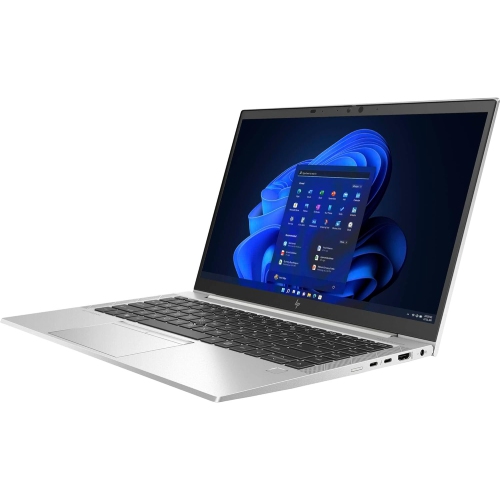
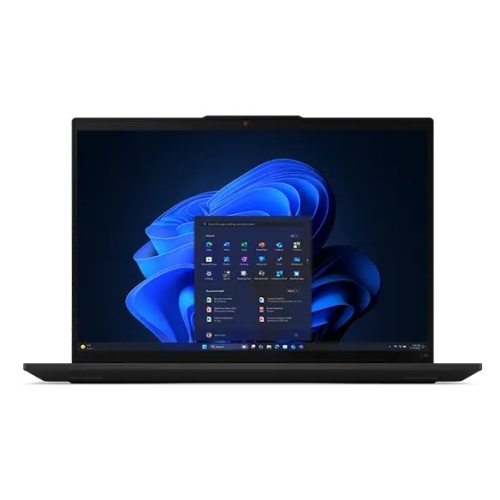
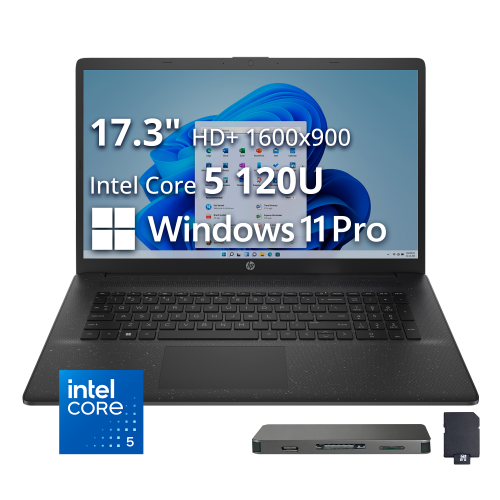
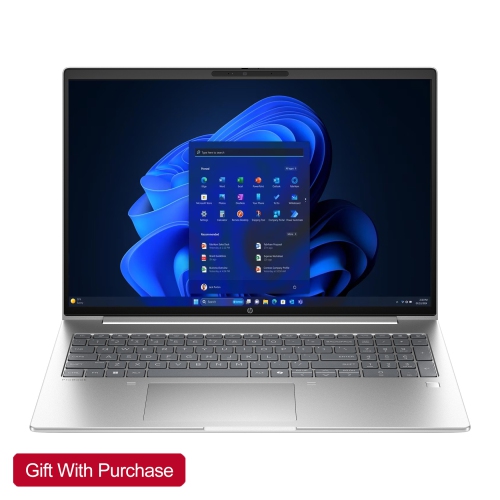
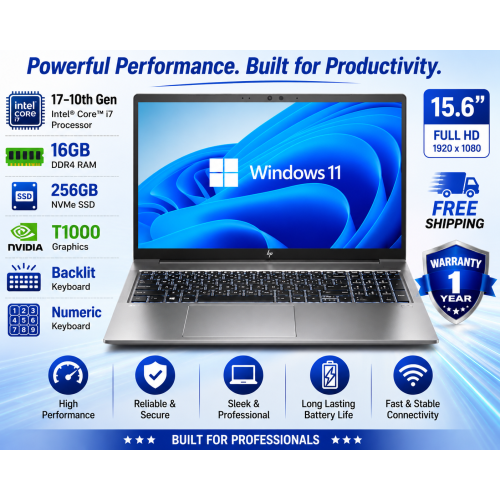
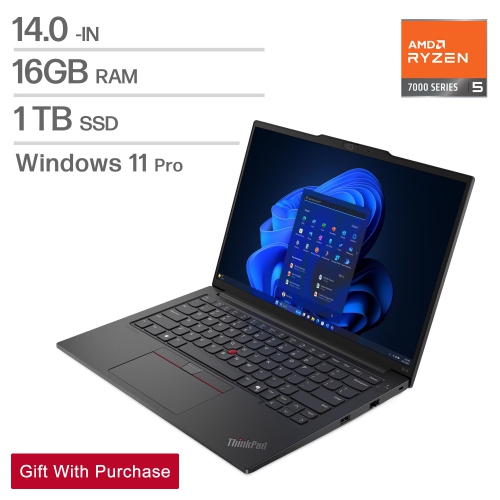
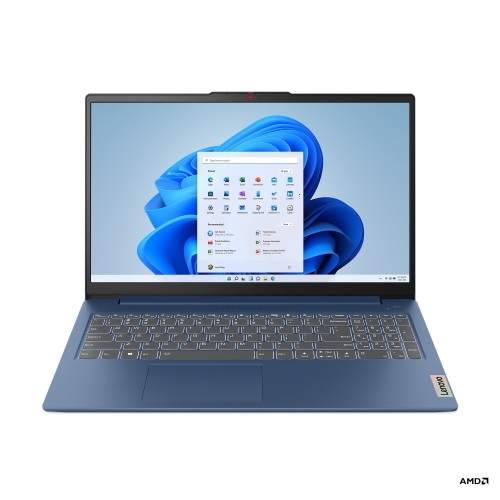
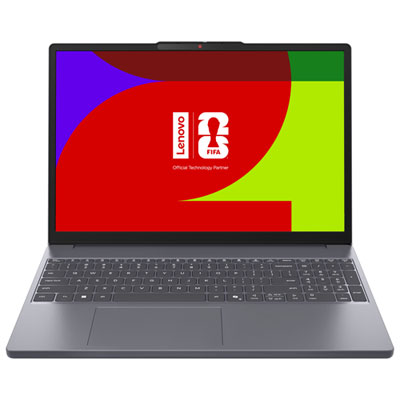
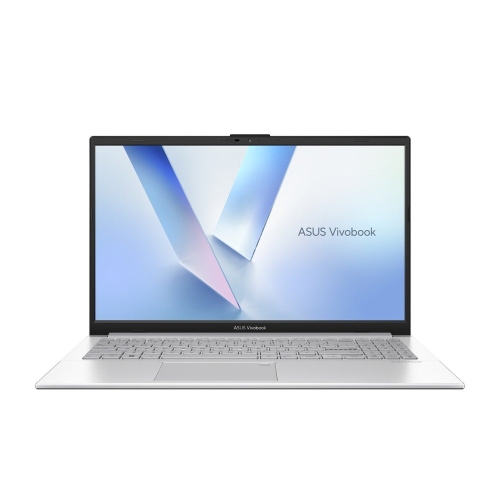
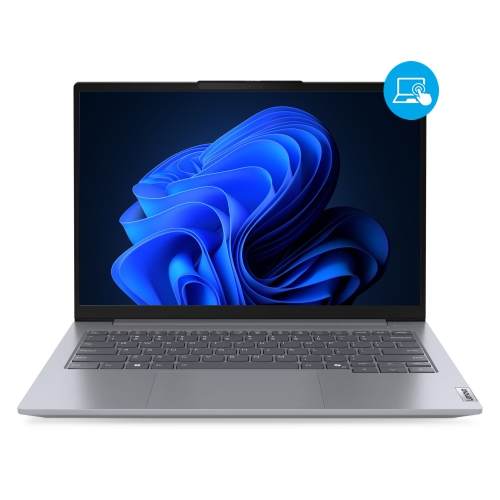
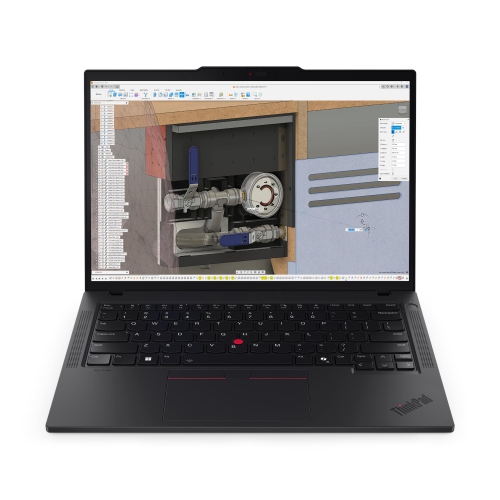
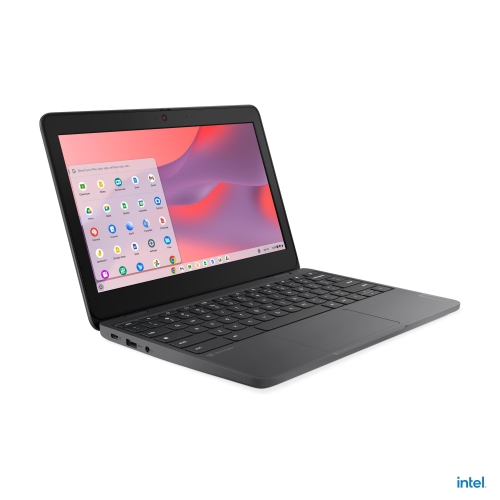
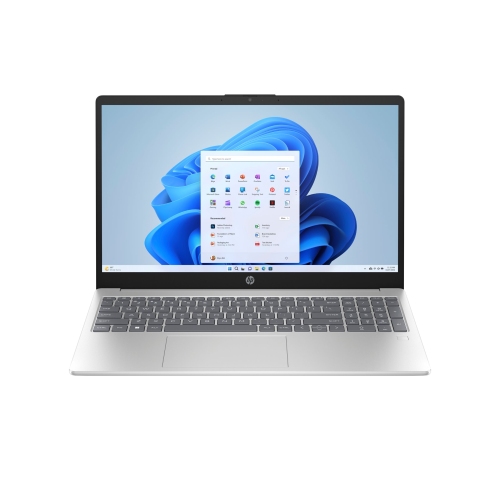
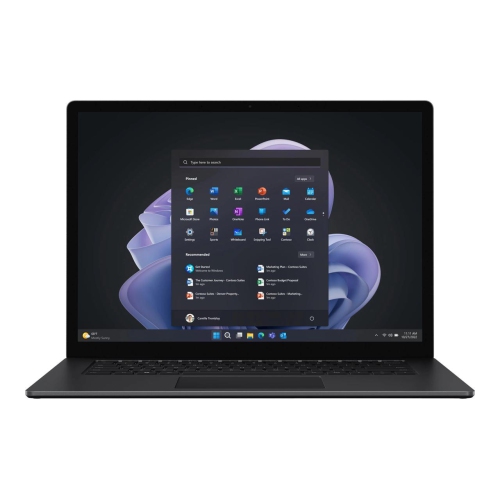
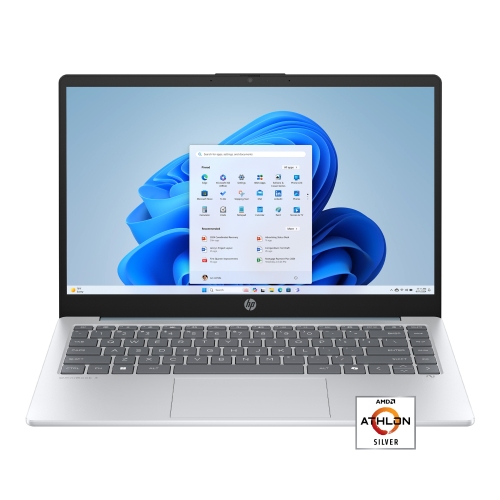
Powerful laptops for students are built to keep pace with demanding coursework, busy schedules, and the many ways learning happens beyond the classroom. A capable laptop can handle research with dozens of browser tabs open, video calls with classmates, note-taking, presentations, spreadsheets, coding projects, creative applications, and entertainment after the day’s work is finished. For students in engineering, computer science, architecture, film, photography, game development, or other technology-focused programmes, extra processing power can make a noticeable difference when working with large files, compiling code, rendering designs, editing media, or running specialised software. Students in business, education, health sciences, and the humanities may not need the same level of graphics performance, but they can still benefit from a responsive computer that starts quickly and remains smooth during multitasking. When comparing options, begin with the processor, as it has a major effect on everyday speed and demanding workloads. A modern multi-core processor is well suited to switching between lectures, documents, research, communication tools, and creative applications without the sluggish pauses that can interrupt concentration. Memory is also important: 16 GB is a practical starting point for many students who expect to multitask, while more memory may be helpful for advanced creative, technical, or scientific work. Solid-state storage contributes to quick start-up times and responsive file access, and a larger capacity gives students more room for course materials, photos, project files, downloaded media, and applications. Students who regularly work with 3D graphics, video, animation, or complex visualisations should pay close attention to the graphics processor, while those focused on writing, research, programming, and general productivity may prefer to direct more of their budget toward processing power, memory, battery life, or display quality.
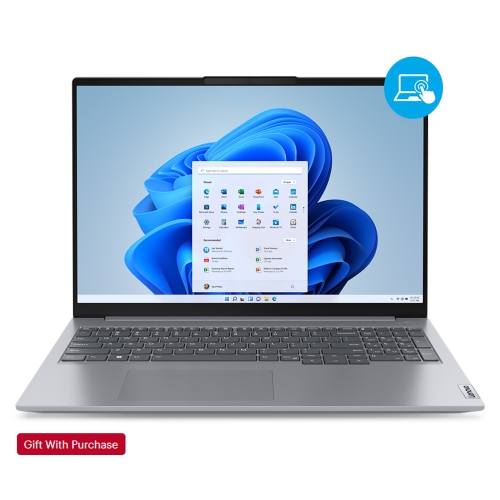
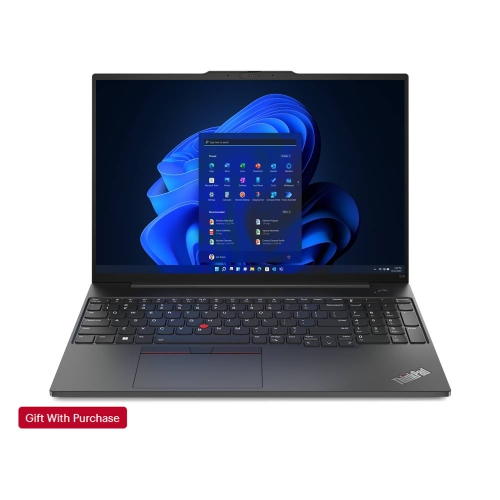
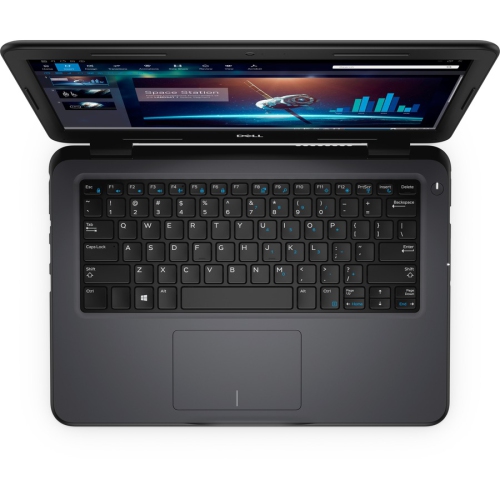
Portability matters just as much as performance when a laptop travels between a residence, lecture hall, library, café, and home. A compact, lightweight design is easier to carry in a backpack, especially when it is already filled with notebooks, chargers, and other daily essentials. Screen size involves a practical balance: a smaller display can make commuting easier, while a larger screen offers more workspace for timelines, code, design layouts, spreadsheets, and side-by-side documents. A high-resolution display with comfortable viewing characteristics can help text look crisp during long reading sessions, and a touchscreen or flexible hinge may be useful for annotating, sketching, presenting, or switching between laptop and tablet-style positions. Battery life is another key consideration for students moving through a full day of classes and study sessions. Look for a laptop that can support several hours of work away from an outlet, while remembering that demanding software, high screen brightness, streaming, and video calls can reduce runtime. Convenient charging, a reliable keyboard, a responsive trackpad, and a clear webcam can have an outsized effect on daily comfort. Ports also deserve attention: USB connections, display support, audio access, and wireless connectivity can determine how easily a student connects an external monitor, presentation equipment, storage drive, headphones, or other accessories. For more information about choosing a suitable option for different programmes, workloads, and study routines, explore Laptops for Students and compare features alongside performance specifications.
The right powerful laptop can also be a thoughtful gift for a student beginning a new programme, returning to school, moving into residence, or preparing for a demanding term. A dependable computer becomes part of the rhythm of student life: it may sit open on a library table beneath a pool of warm light, travel to an early lecture in cooler weather, or support a late-night group project when several windows, files, and conversations need to stay organised at once. Consider the student’s actual field of study rather than choosing solely by the highest specification. Someone working in visual design or media production may value stronger graphics performance, a colour-accurate display, and generous storage. A programming or engineering student may appreciate a fast processor, ample memory, and compatibility with development tools or technical software. A student focused on essays, presentations, research, and online learning may place greater value on a comfortable keyboard, long battery life, a sharp display, and a lighter chassis. Operating system compatibility is worth checking before purchase, particularly when a course requires specialised applications, secure testing software, or institution-specific tools. It is also sensible to think about the years ahead: a laptop with some performance headroom can remain useful as assignments become more complex and software requirements change. During the cooler months and throughout the early part of a school term, students often spend more time moving between indoor study spaces, making durability, portability, and dependable connectivity especially useful. Whether it is chosen for a first-year student, a graduate researcher, or someone balancing classes with work and creative projects, a powerful laptop can provide a flexible foundation for learning, collaboration, organisation, and personal interests.
Portability matters just as much as performance when a laptop travels between a residence, lecture hall, library, café, and home. A compact, lightweight design is easier to carry in a backpack, especially when it is already filled with notebooks, chargers, and other daily essentials. Screen size involves a practical balance: a smaller display can make commuting easier, while a larger screen offers more workspace for timelines, code, design layouts, spreadsheets, and side-by-side documents. A high-resolution display with comfortable viewing characteristics can help text look crisp during long reading sessions, and a touchscreen or flexible hinge may be useful for annotating, sketching, presenting, or switching between laptop and tablet-style positions. Battery life is another key consideration for students moving through a full day of classes and study sessions. Look for a laptop that can support several hours of work away from an outlet, while remembering that demanding software, high screen brightness, streaming, and video calls can reduce runtime. Convenient charging, a reliable keyboard, a responsive trackpad, and a clear webcam can have an outsized effect on daily comfort. Ports also deserve attention: USB connections, display support, audio access, and wireless connectivity can determine how easily a student connects an external monitor, presentation equipment, storage drive, headphones, or other accessories. For more information about choosing a suitable option for different programmes, workloads, and study routines, explore Laptops for Students and compare features alongside performance specifications.
The right powerful laptop can also be a thoughtful gift for a student beginning a new programme, returning to school, moving into residence, or preparing for a demanding term. A dependable computer becomes part of the rhythm of student life: it may sit open on a library table beneath a pool of warm light, travel to an early lecture in cooler weather, or support a late-night group project when several windows, files, and conversations need to stay organised at once. Consider the student’s actual field of study rather than choosing solely by the highest specification. Someone working in visual design or media production may value stronger graphics performance, a colour-accurate display, and generous storage. A programming or engineering student may appreciate a fast processor, ample memory, and compatibility with development tools or technical software. A student focused on essays, presentations, research, and online learning may place greater value on a comfortable keyboard, long battery life, a sharp display, and a lighter chassis. Operating system compatibility is worth checking before purchase, particularly when a course requires specialised applications, secure testing software, or institution-specific tools. It is also sensible to think about the years ahead: a laptop with some performance headroom can remain useful as assignments become more complex and software requirements change. During the cooler months and throughout the early part of a school term, students often spend more time moving between indoor study spaces, making durability, portability, and dependable connectivity especially useful. Whether it is chosen for a first-year student, a graduate researcher, or someone balancing classes with work and creative projects, a powerful laptop can provide a flexible foundation for learning, collaboration, organisation, and personal interests.
Top selling and popular products
-
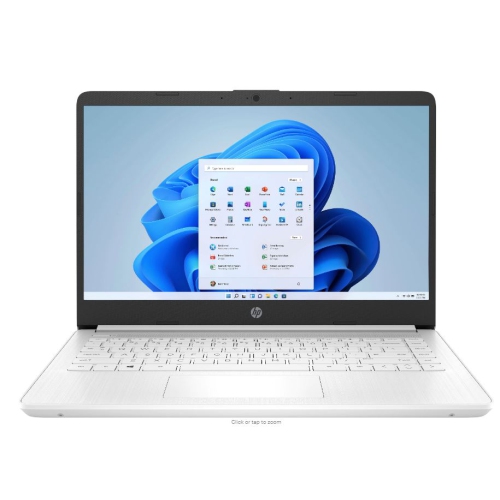 Your price for this item is $449
 -
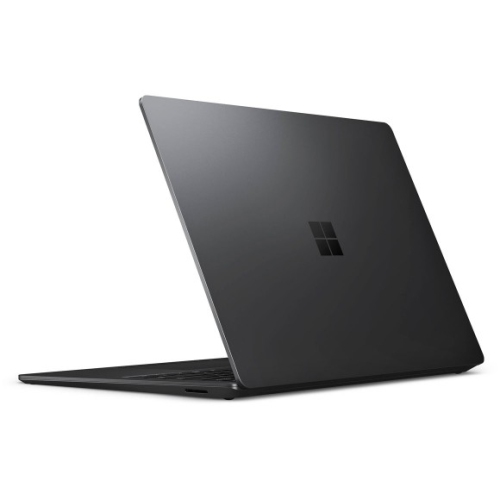 Your price for this item is $3099
 -
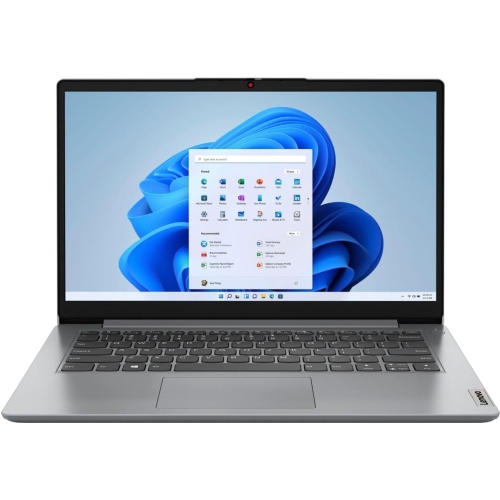 Your price for this item is $664.05
 -
 Your price for this item is $599.68
 -
 Your price for this item is $259
 -
 Your price for this item is $499.99
 -
 Your price for this item is $418.98
 -
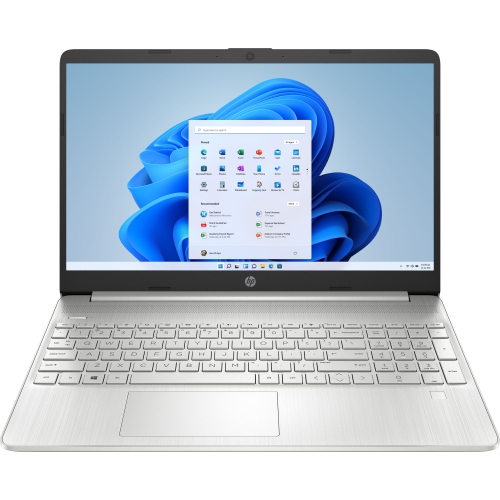 Your price for this item is $829
Discover more categories related to Powerful Laptops for Students
Top Collections:
Pokemon Centers, Best Cameras for Sports Photography, Kindle Devices, Samsung Galaxy Phones, Canon G7X Cameras, Pokémon 30th Celebration Cards, Refurbished Apple Laptops, iPhone 15 Apple, Laptops for Students, Budget Smartphones
Some products may be subject to Environmental Handling Fees
(EHF) depending on your province.
Learn more about EHFs.