Large Galvanized Planter Boxes

Browse large galvanized planter boxes to create a defined growing space for flowers, herbs, or vegetables. Compare metal planter boxes by dimensions, planting depth, and base design to find an option that fits your garden or patio and provides room for the plants you want to grow.

Read More

Sort

Planted borders that give outdoor spaces definition

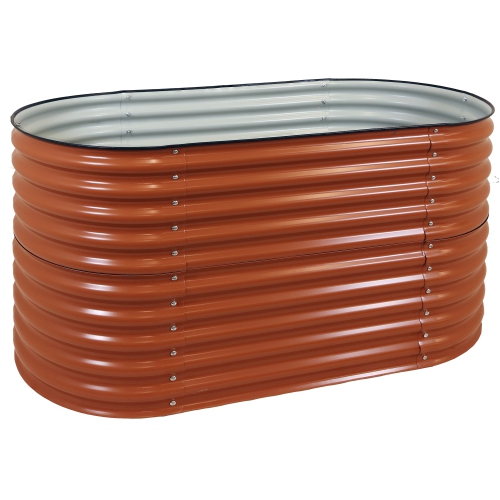
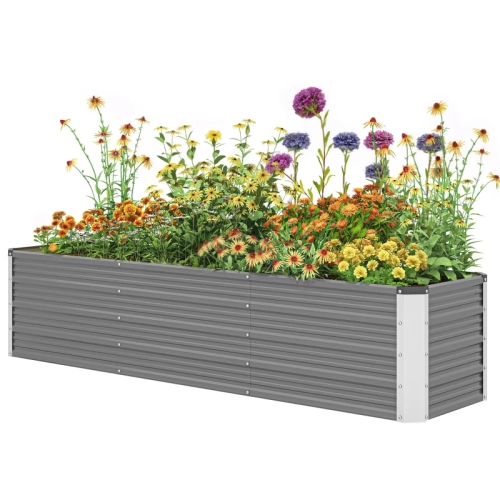
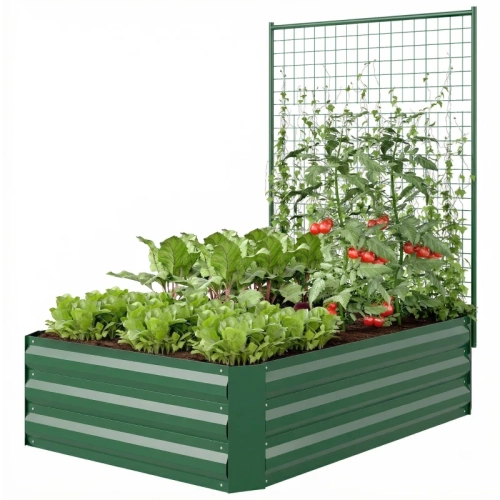
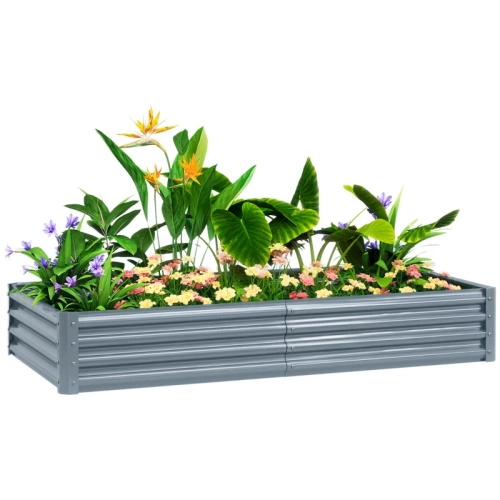
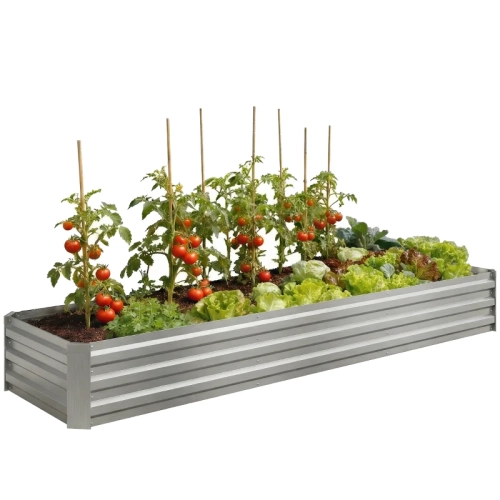
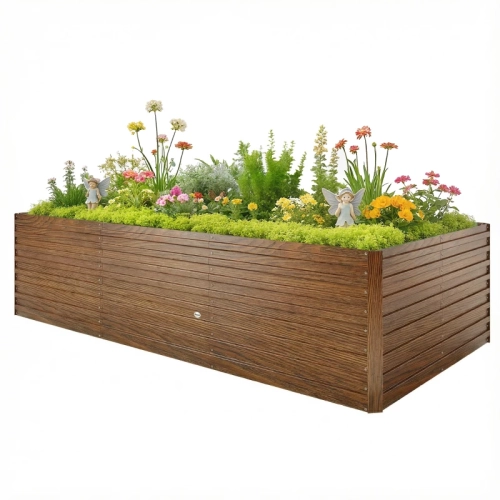
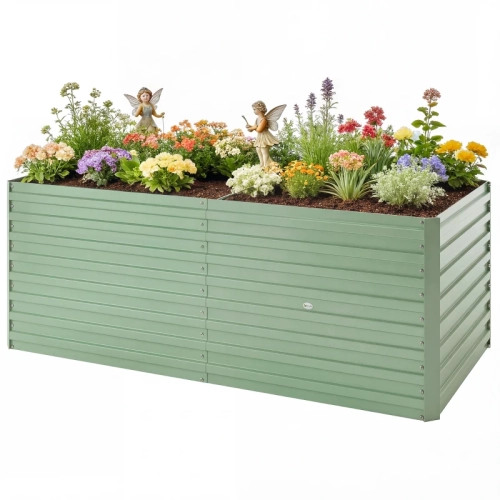
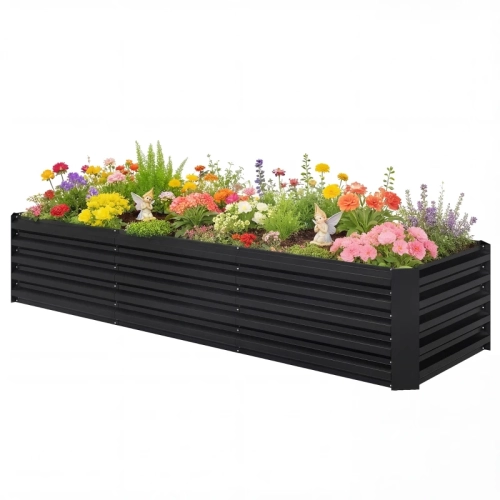
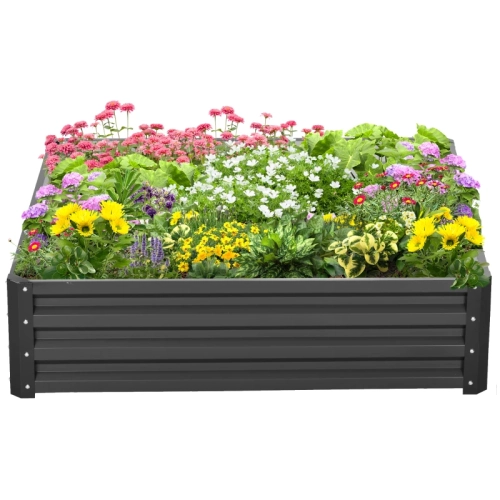
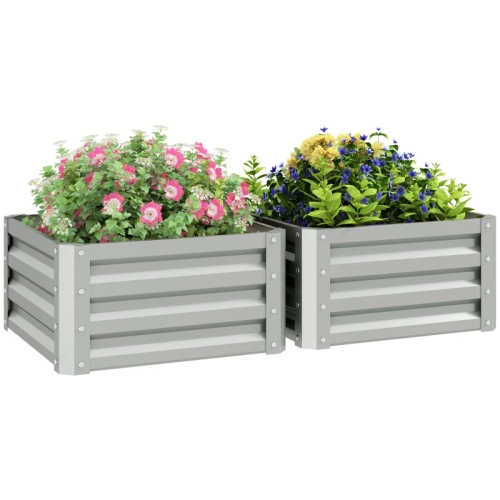
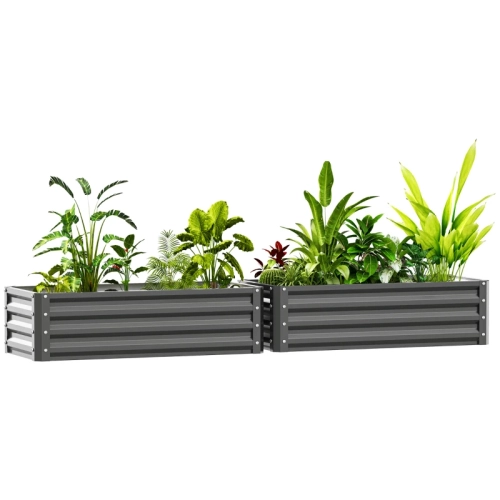
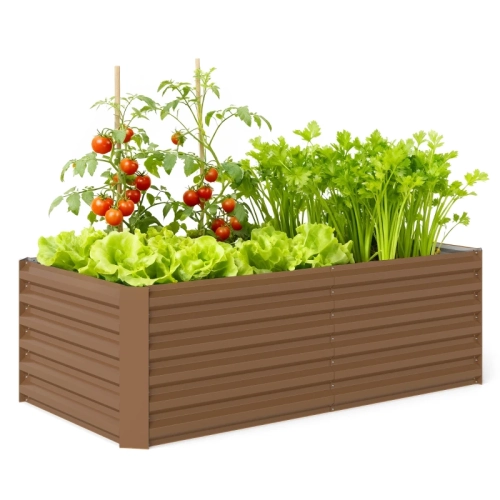
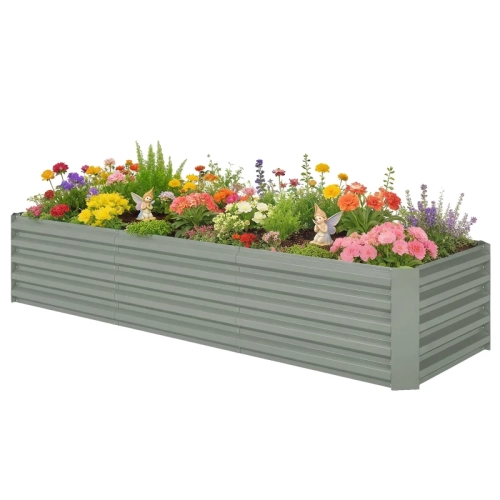
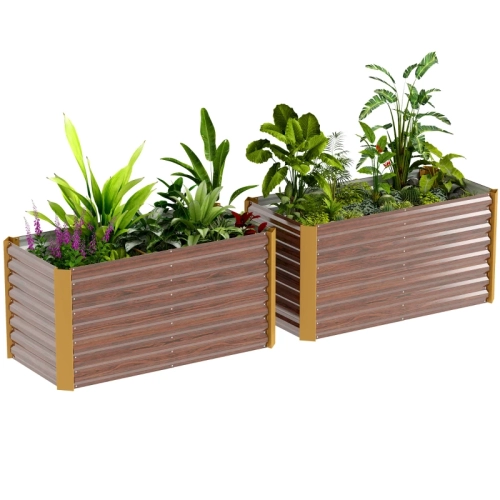
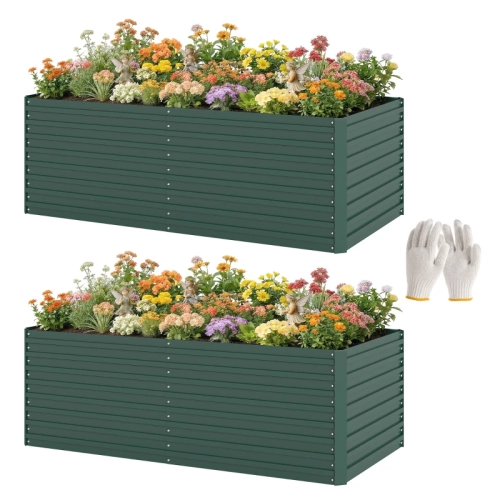
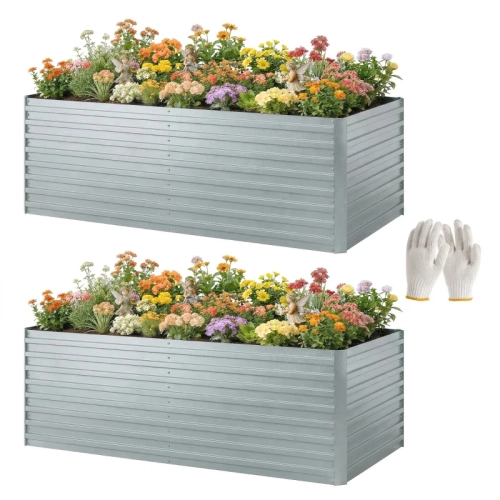
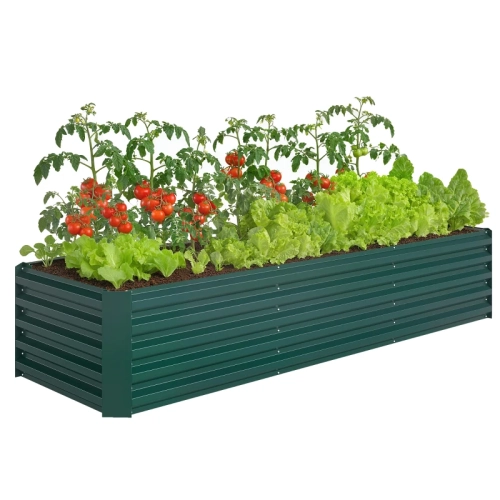
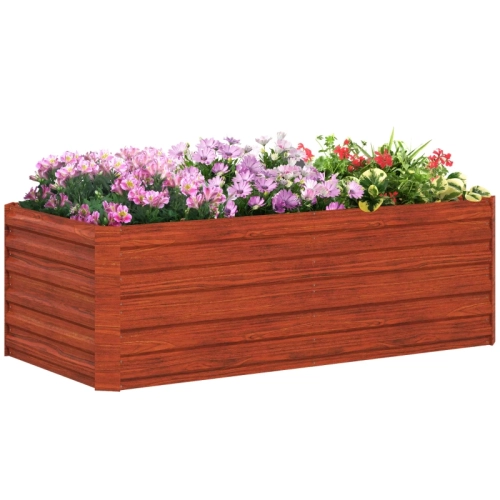
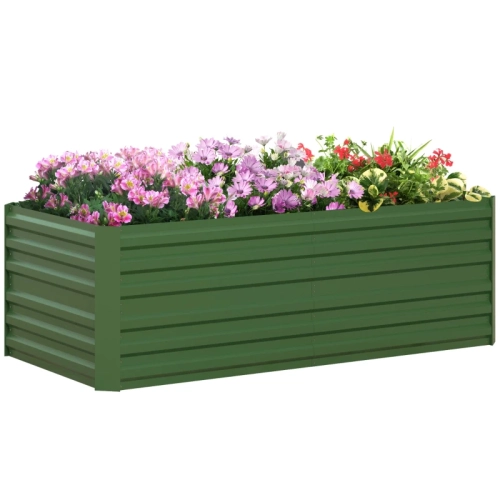
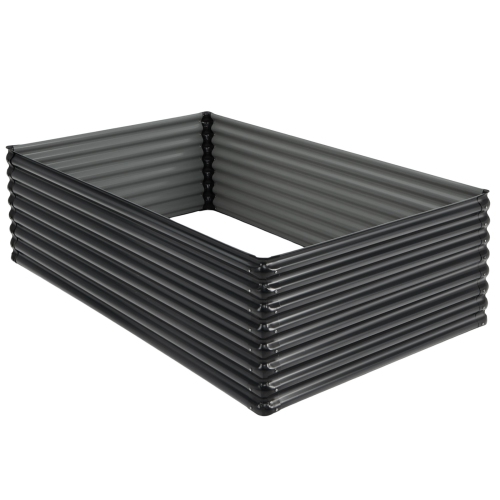
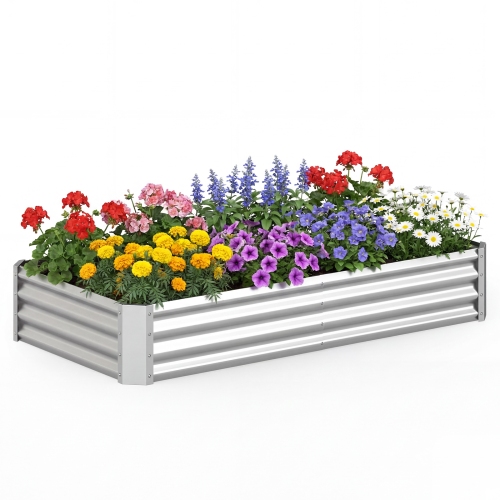
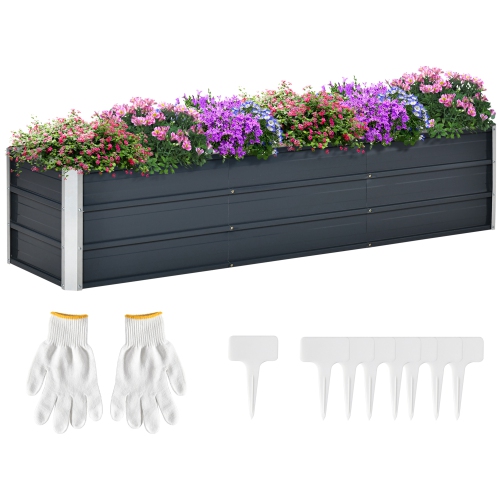
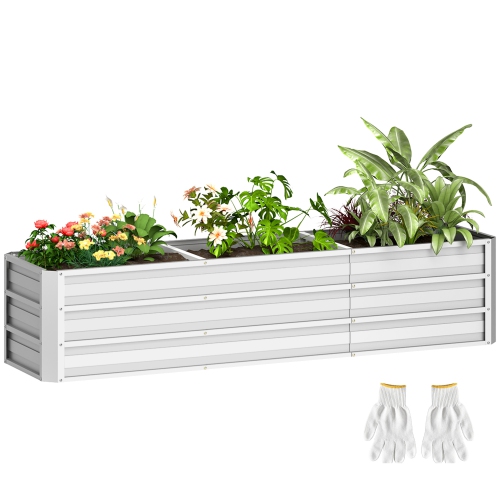
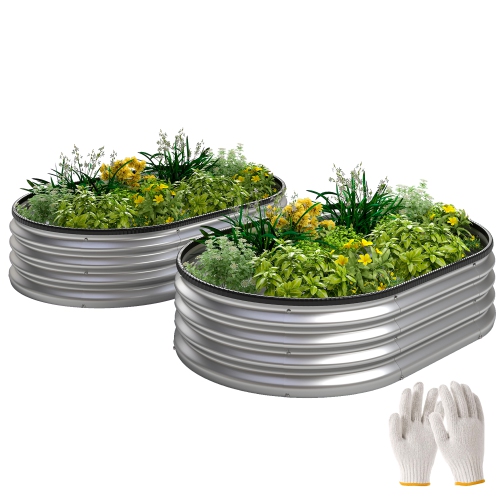
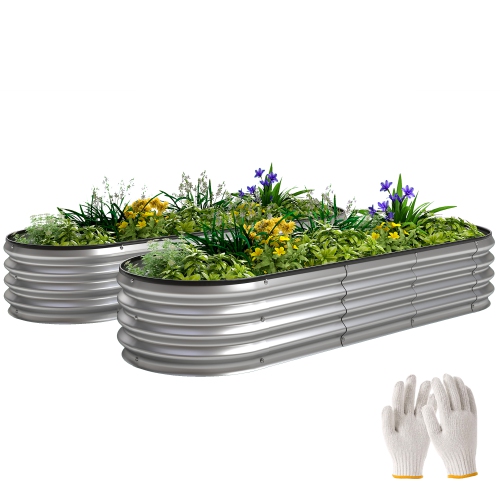
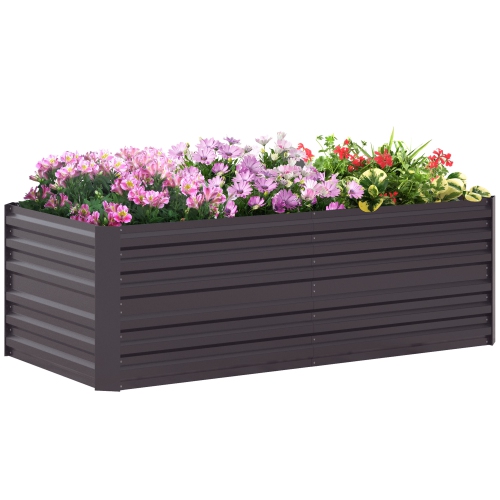
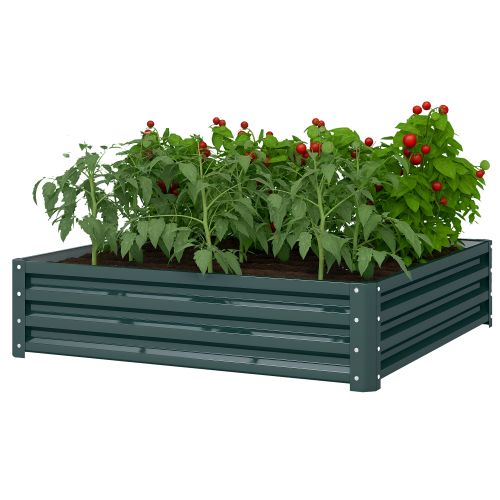
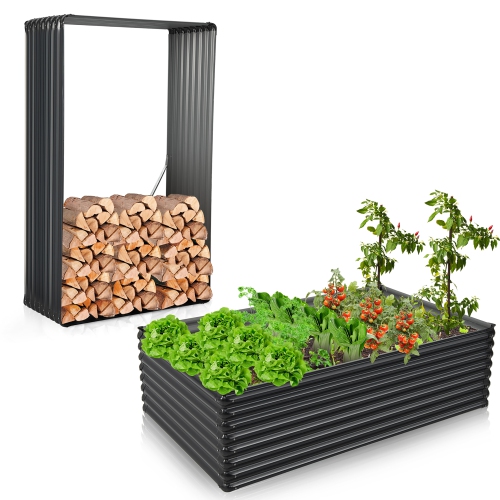
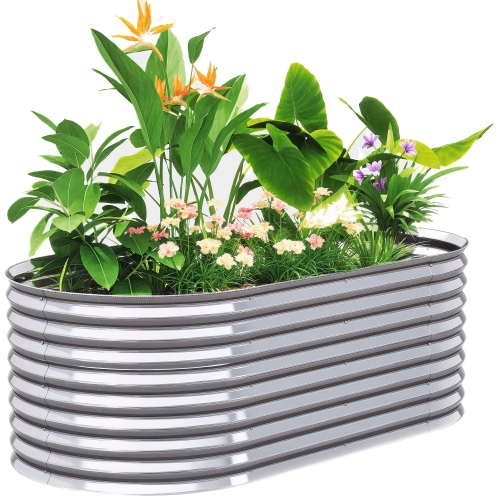
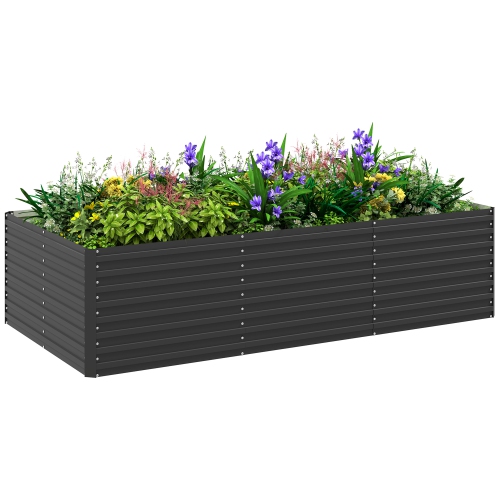
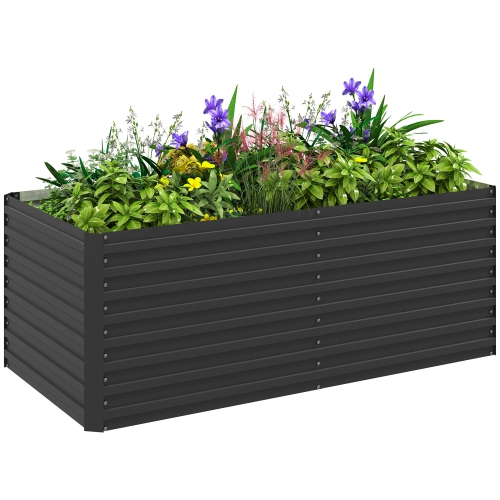
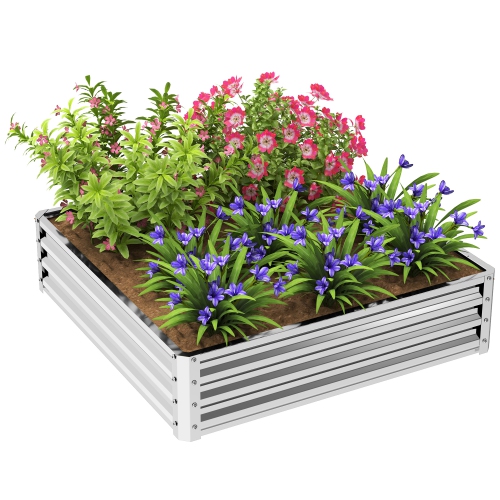
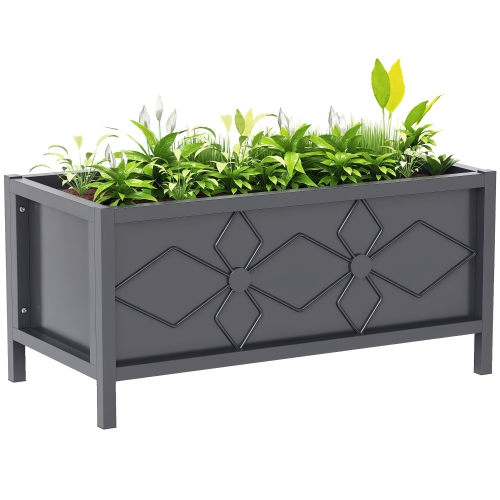
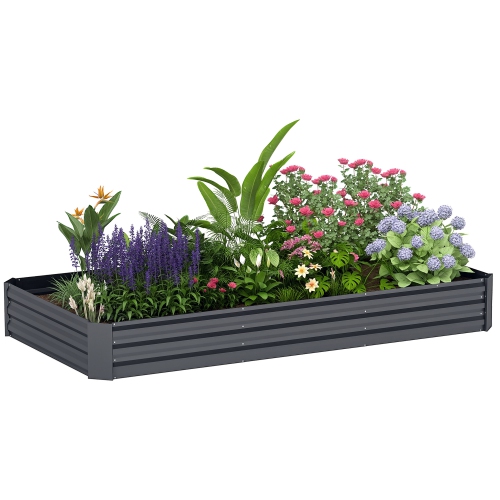
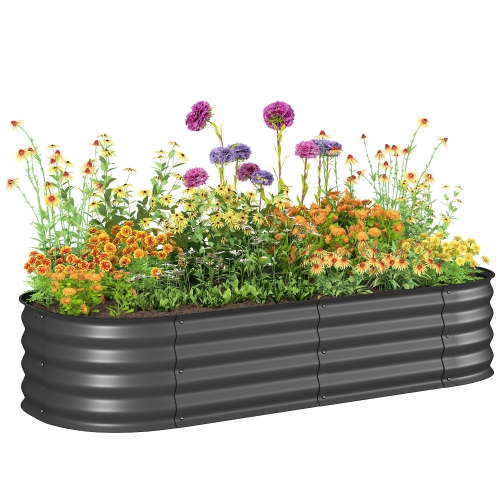
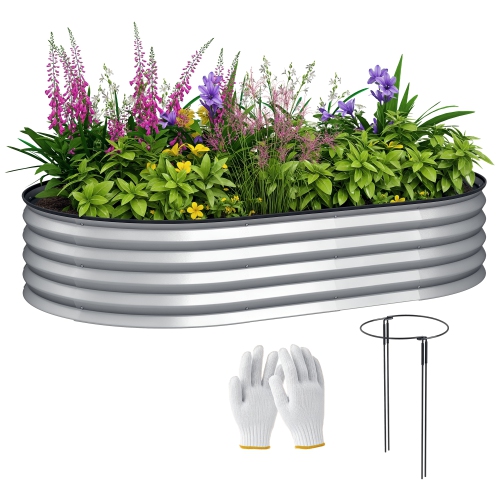
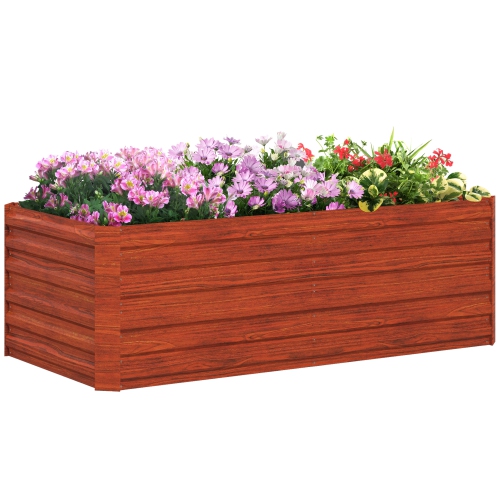
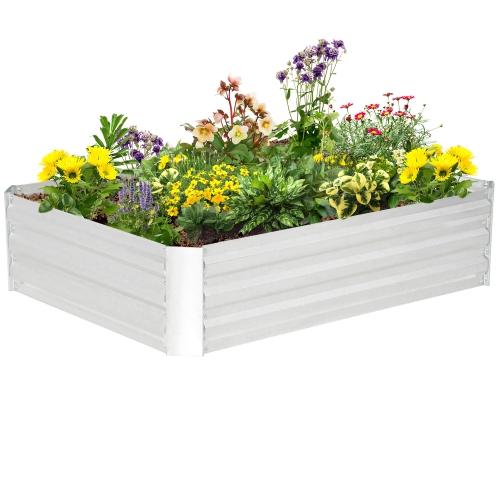
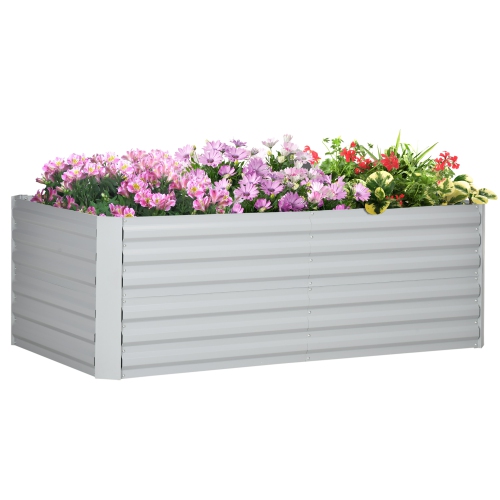
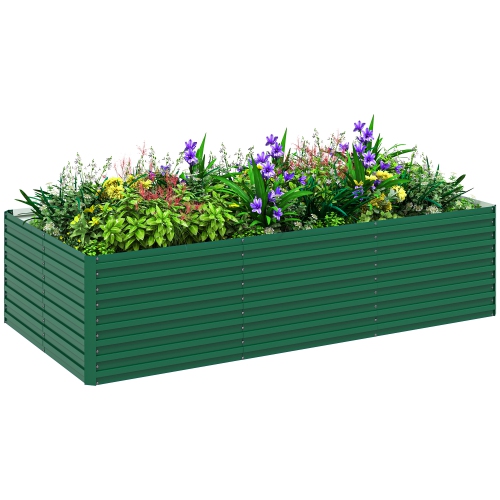
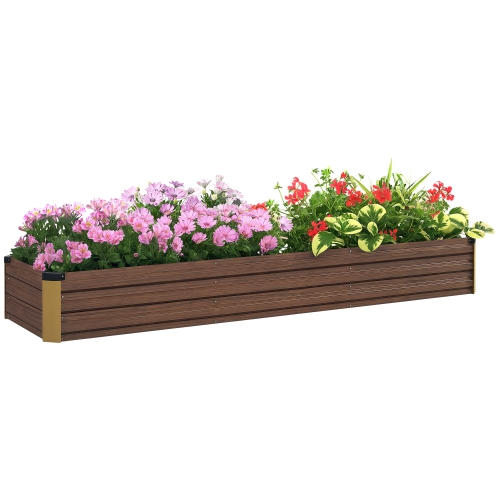
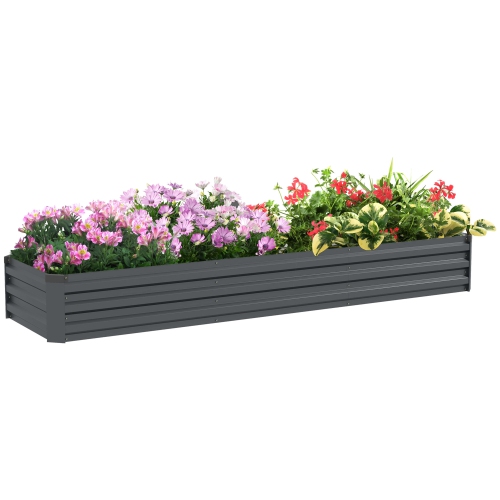
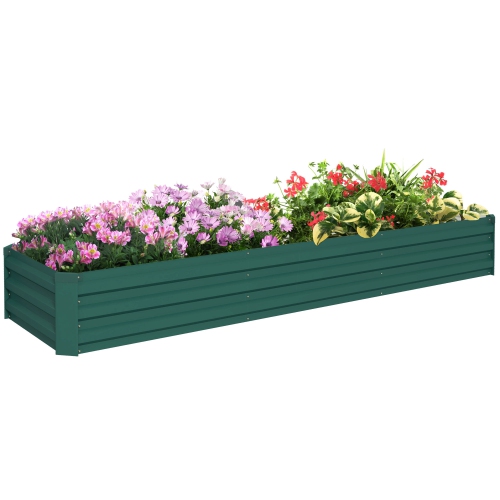
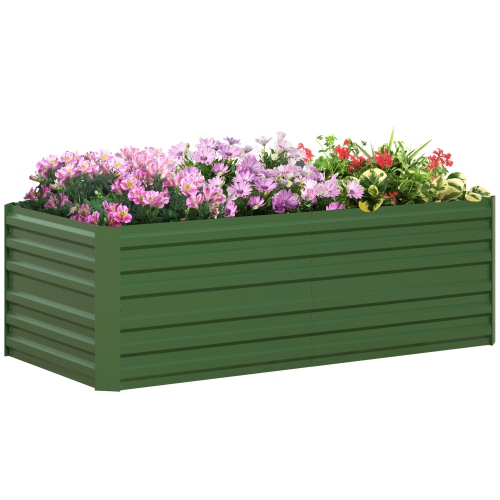
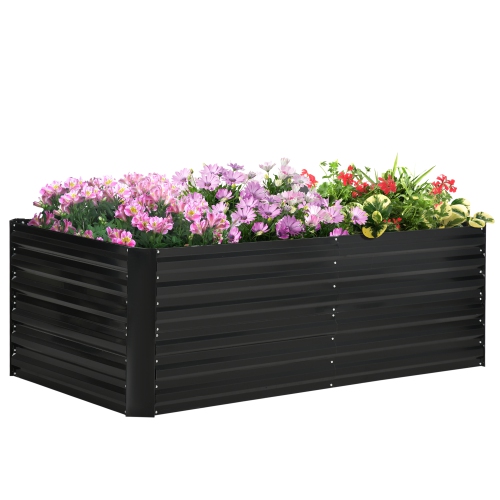
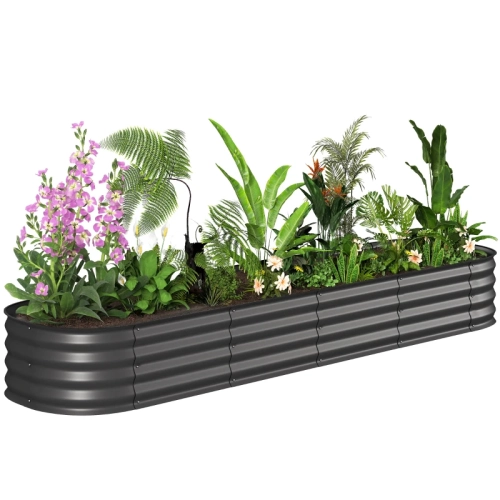
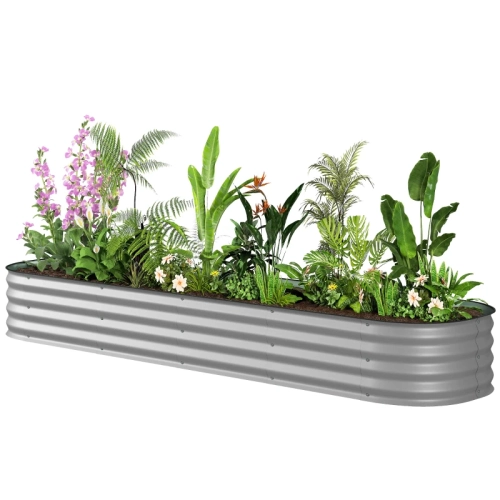
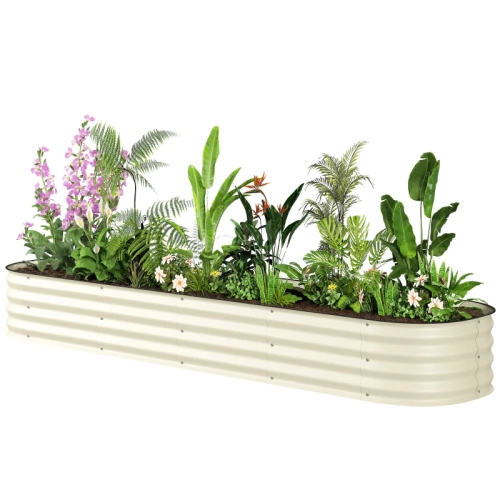
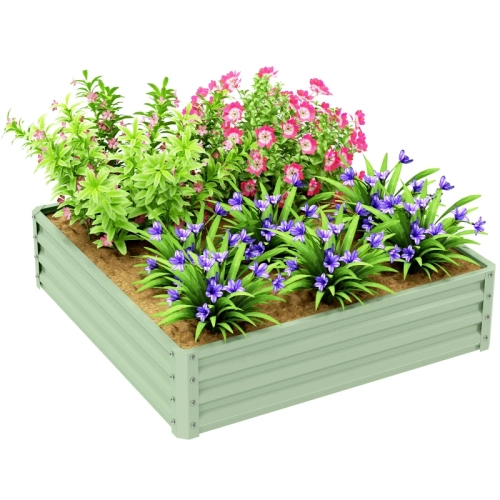
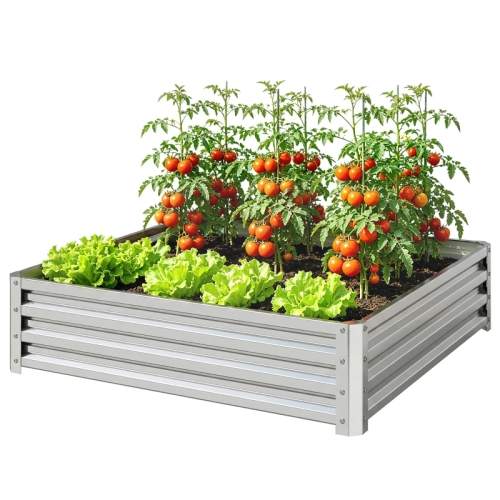
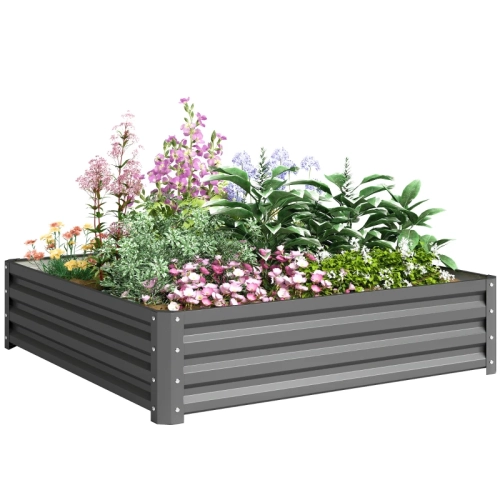
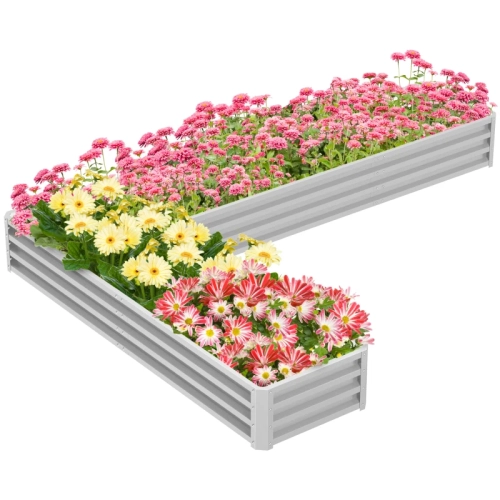
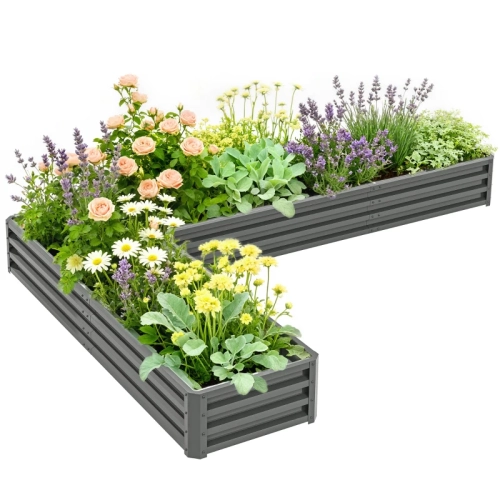
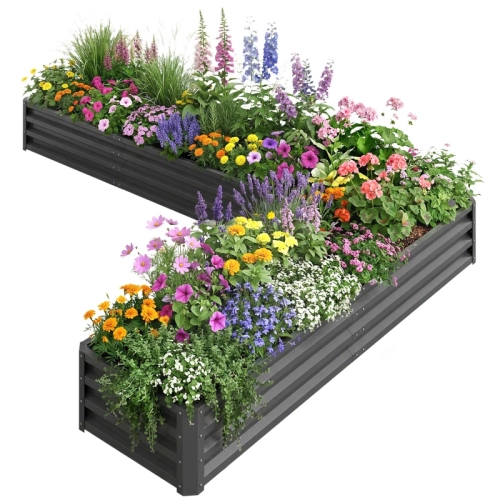
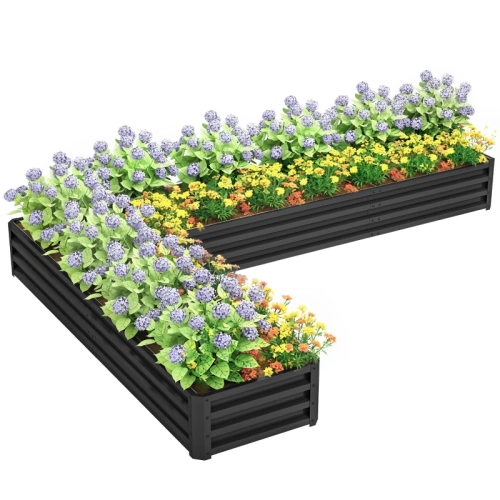
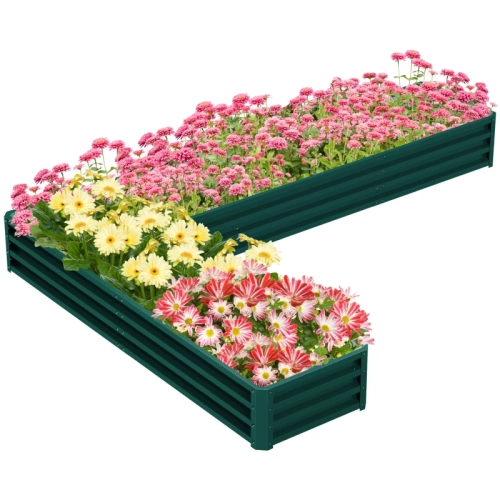
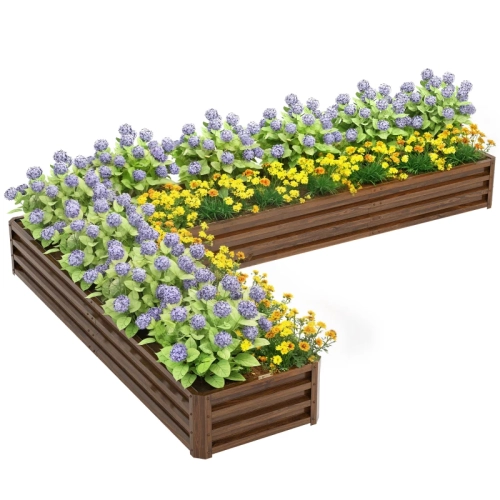
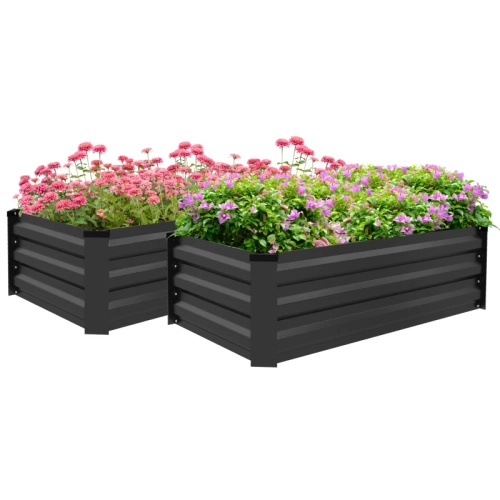
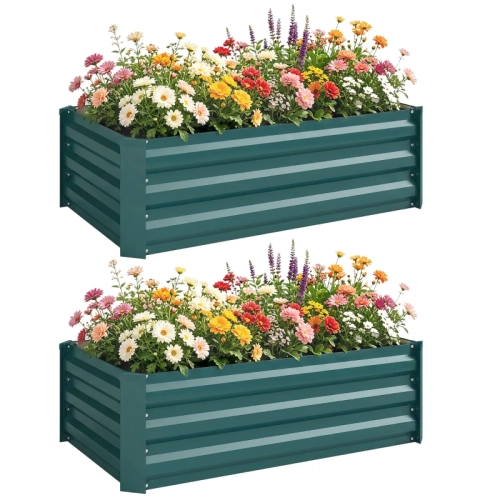
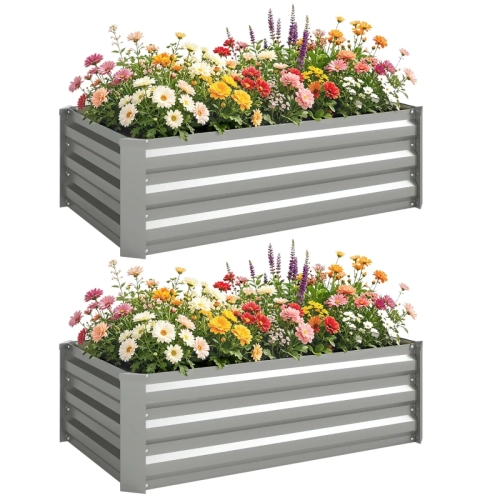
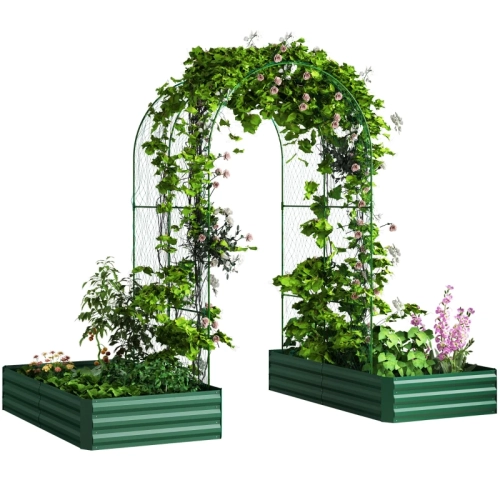
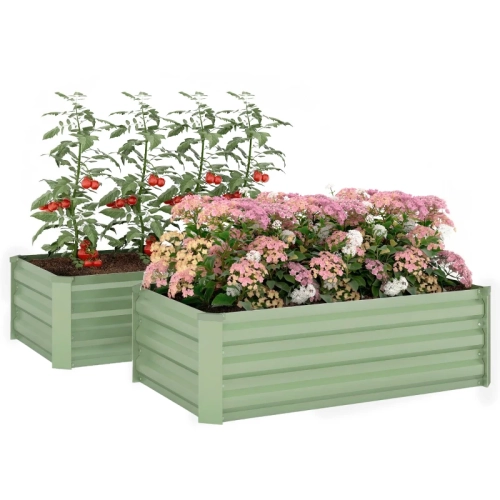
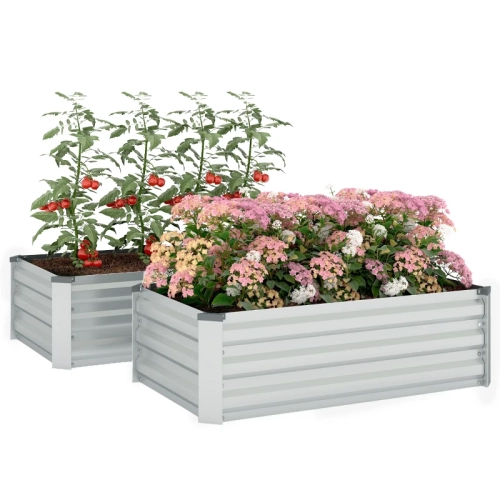
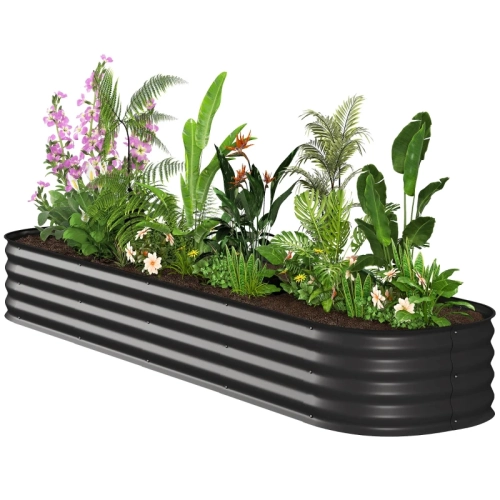
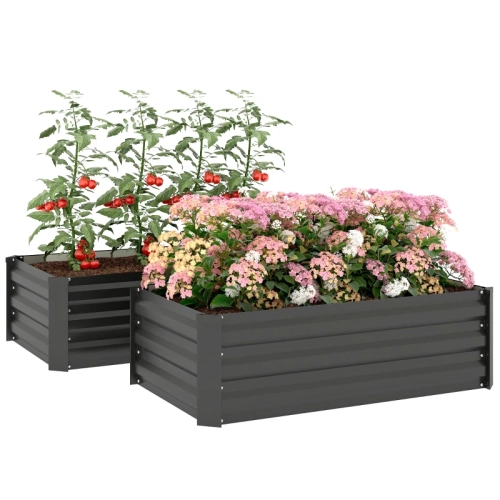
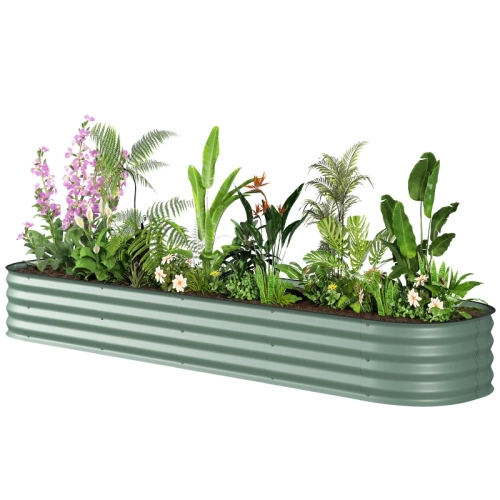
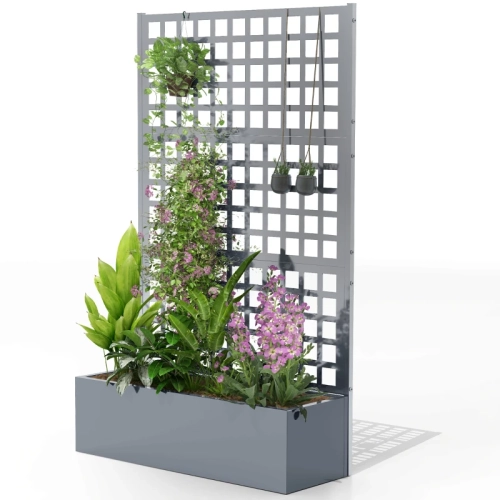
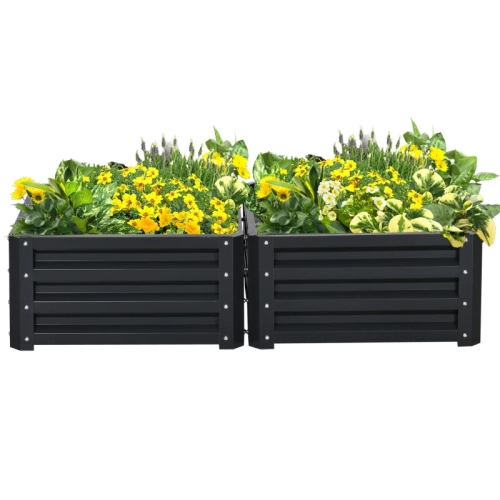
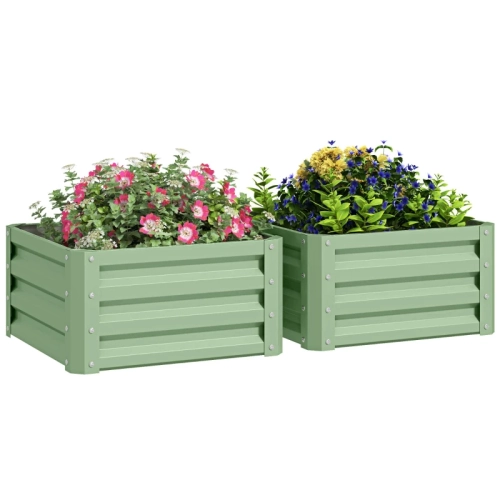
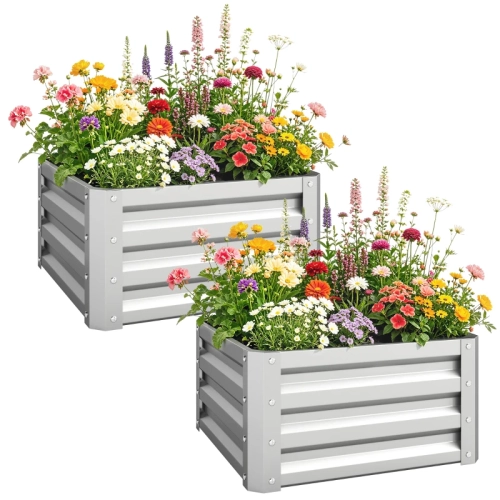
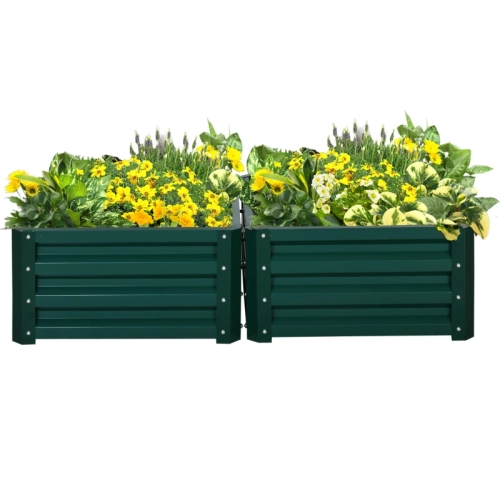
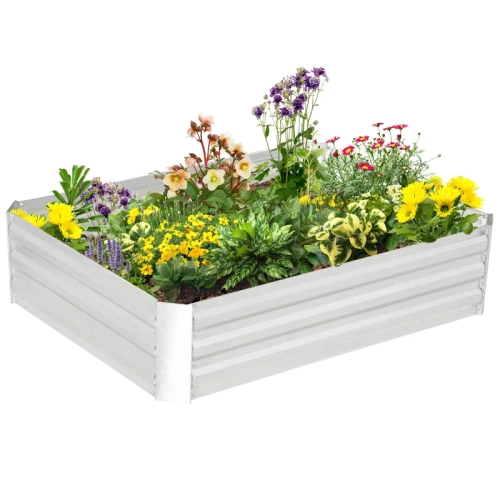
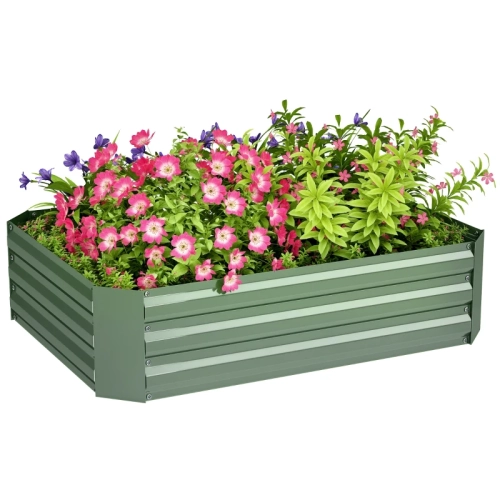
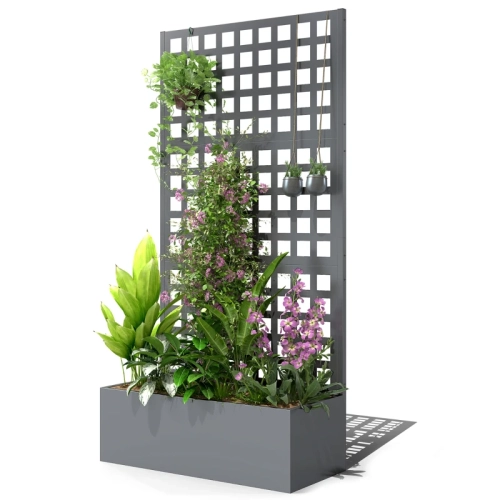
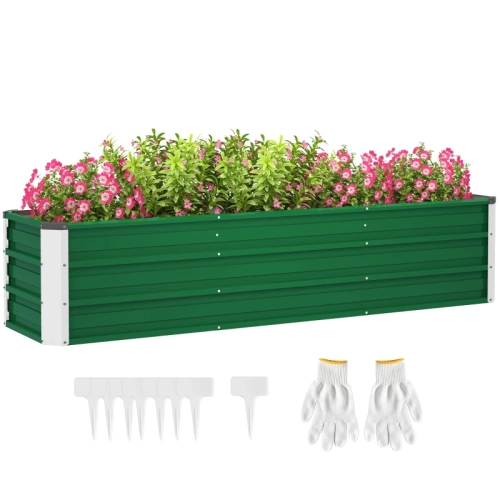
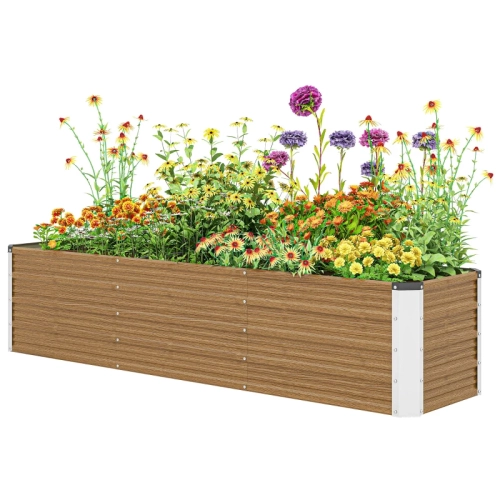
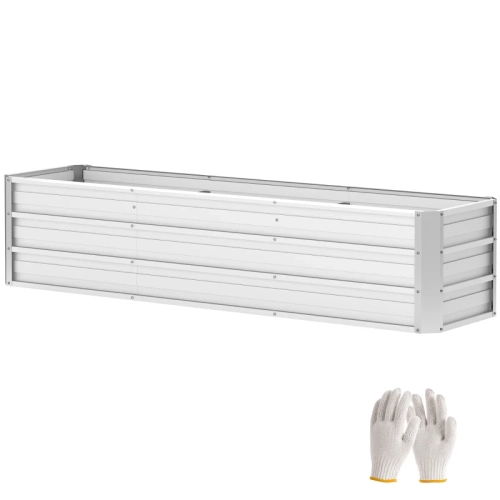
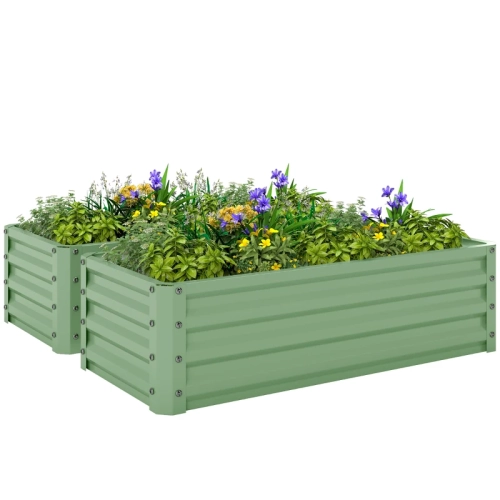
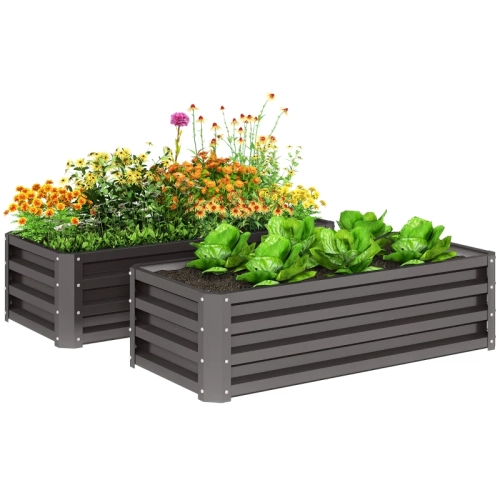
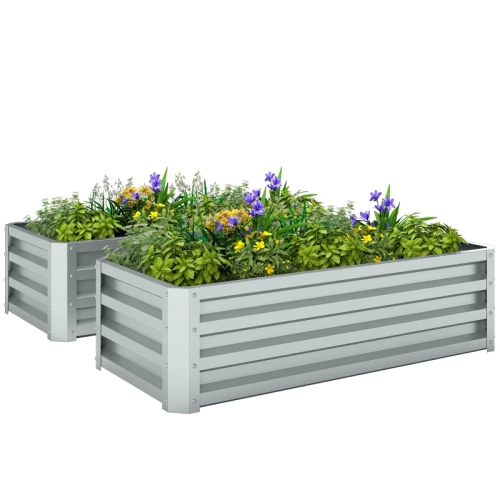
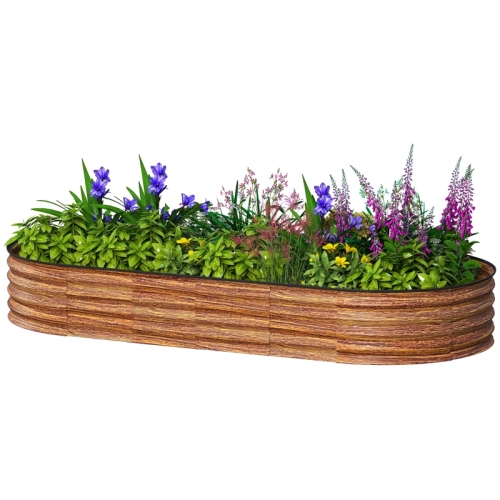
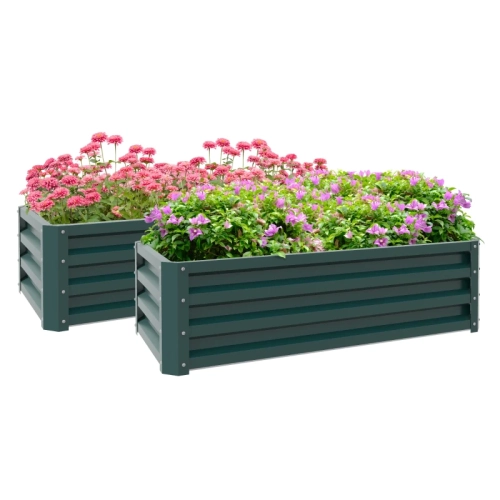
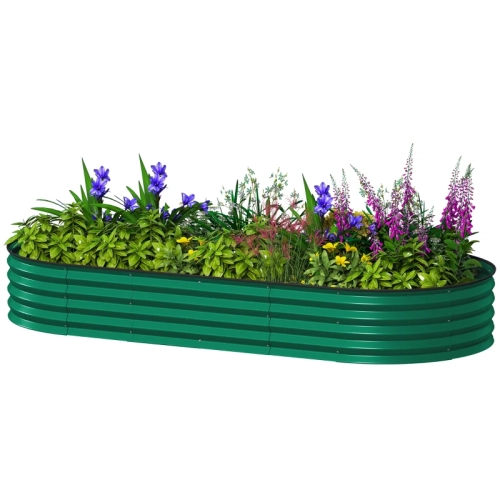
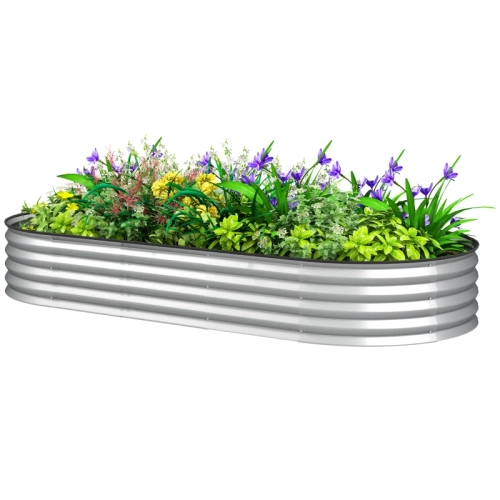
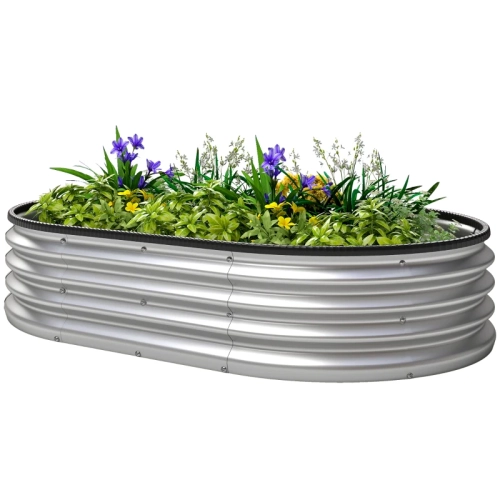
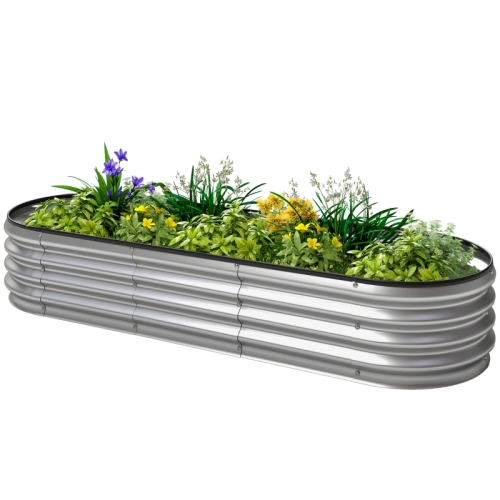
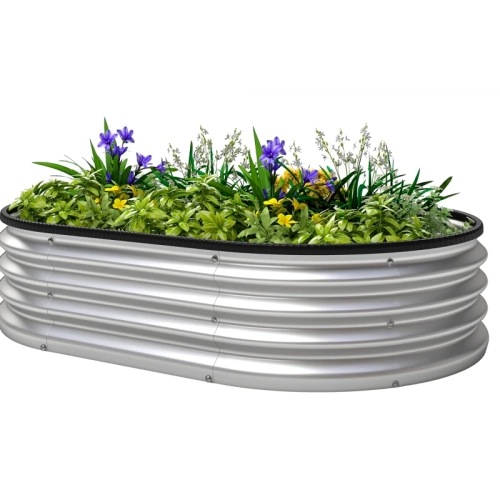
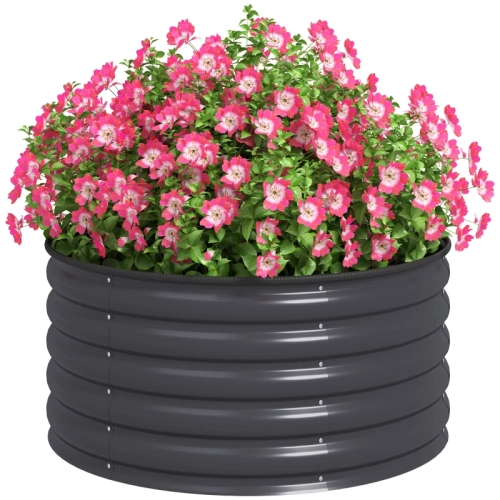
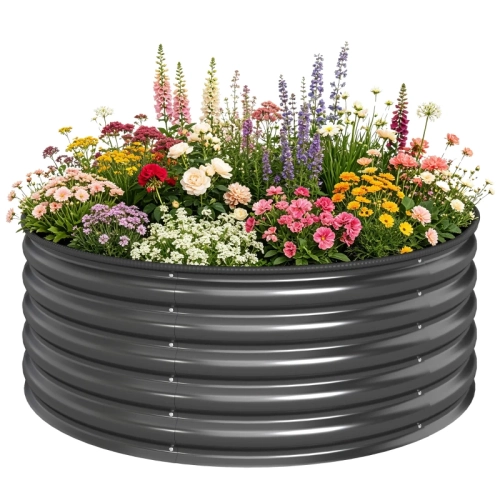
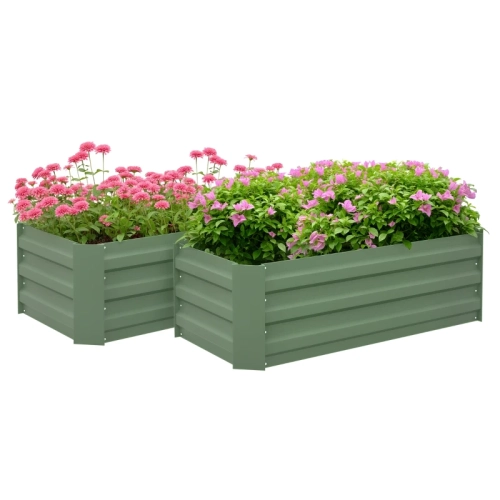
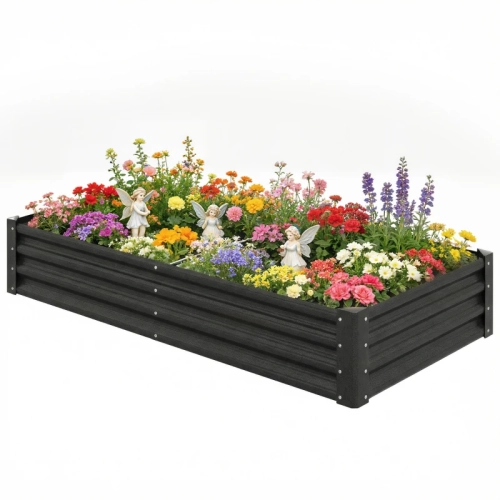
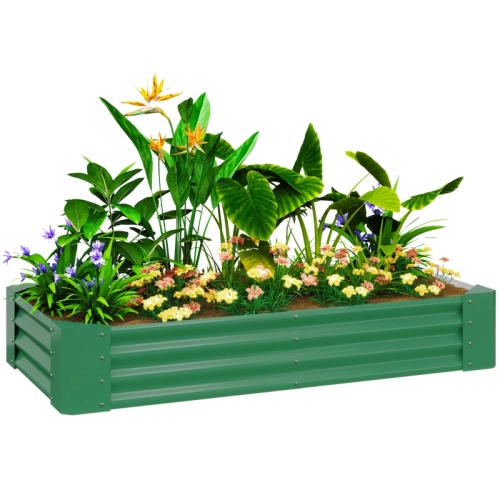
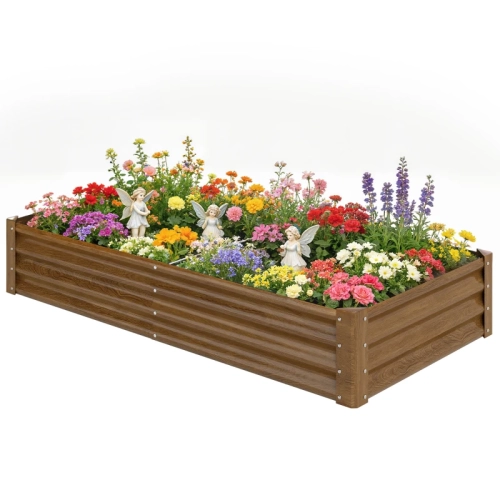
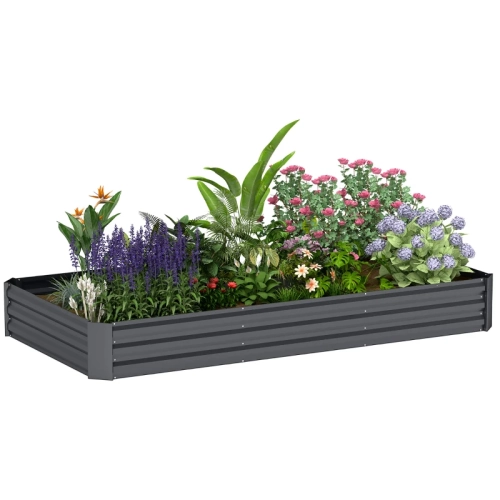
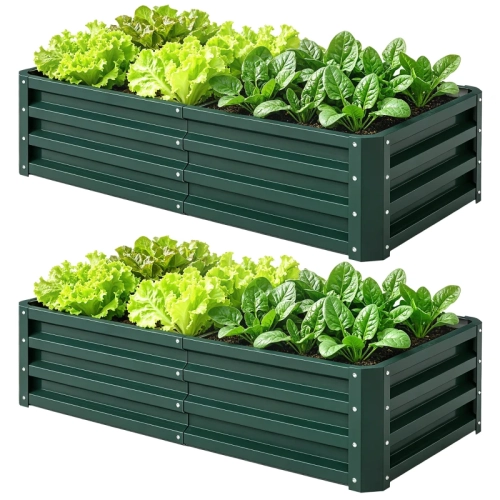
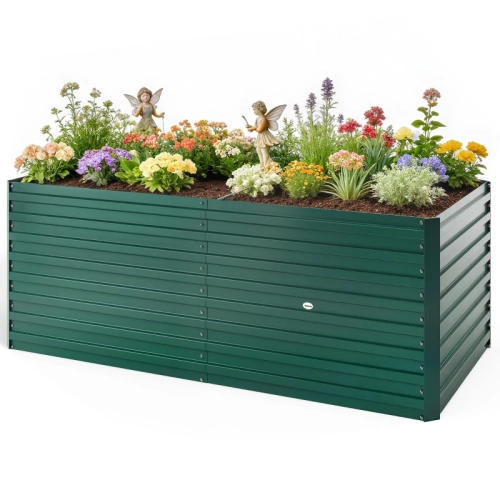
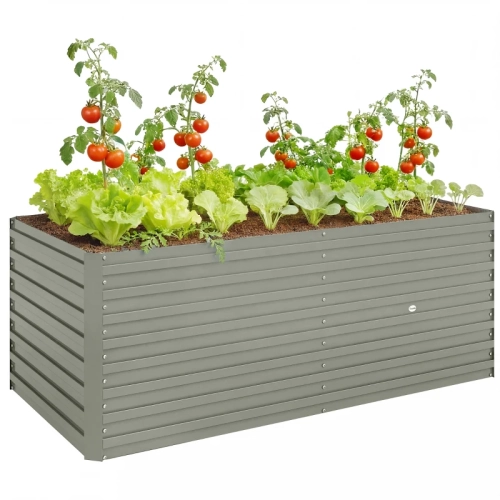
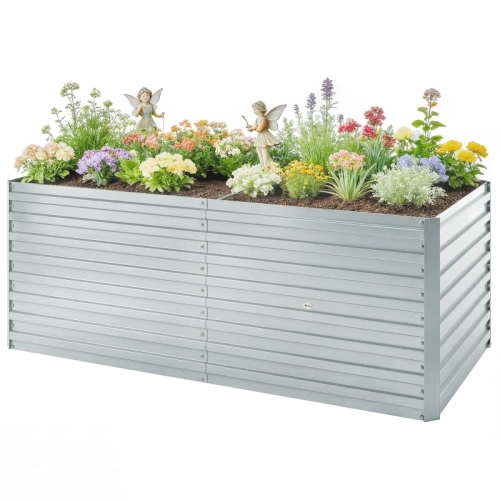
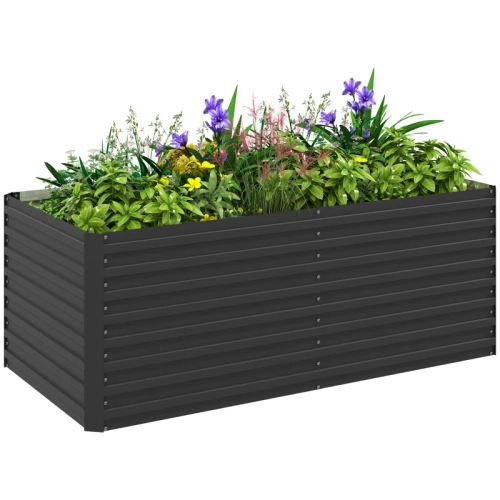
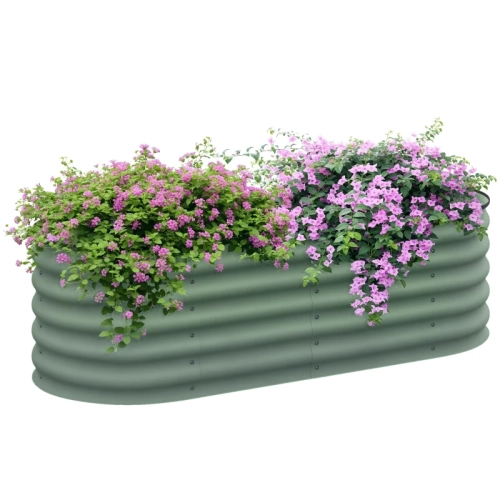
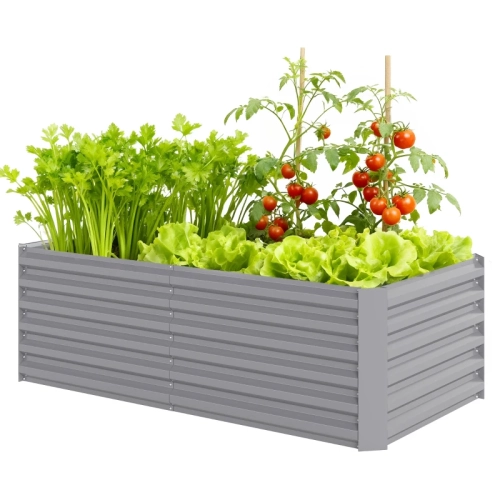
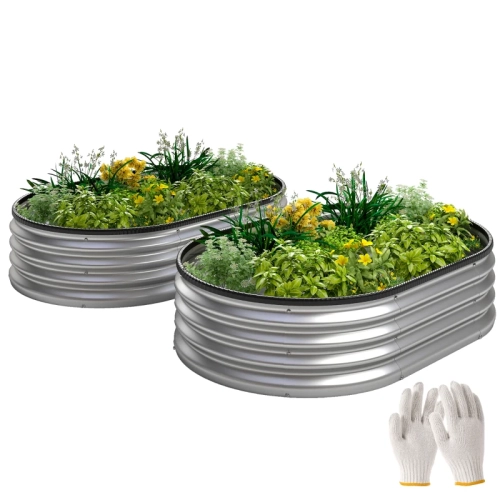
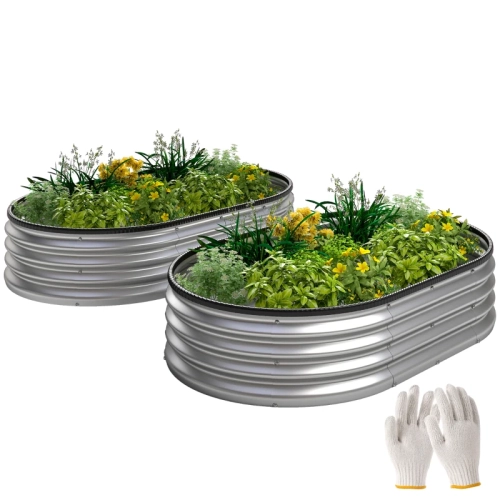
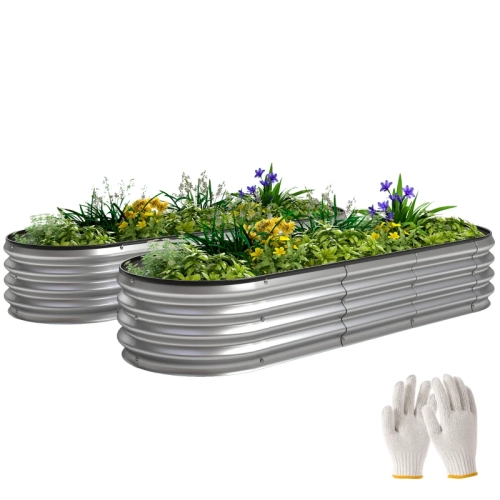
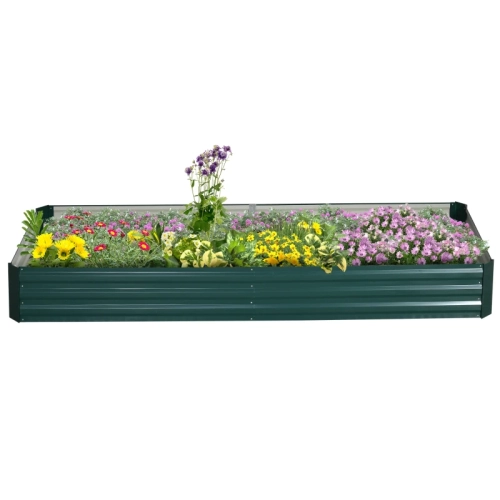
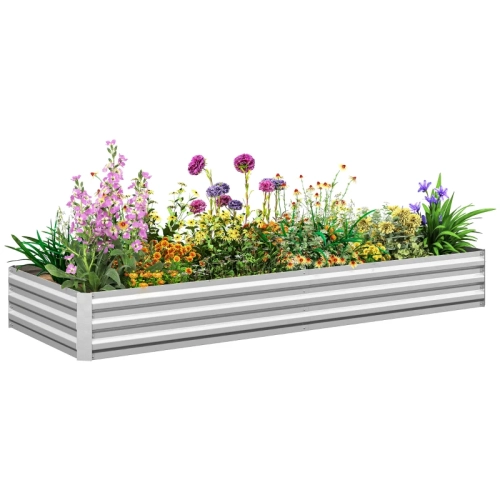
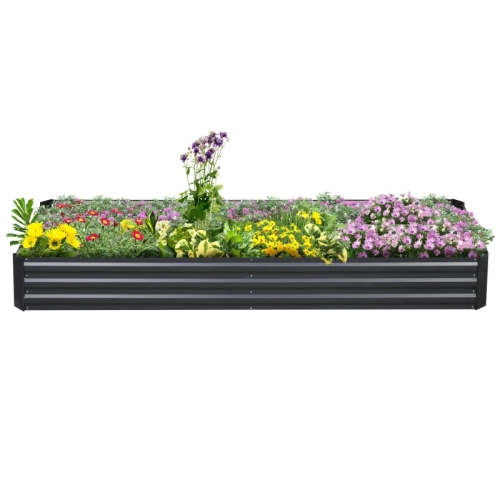
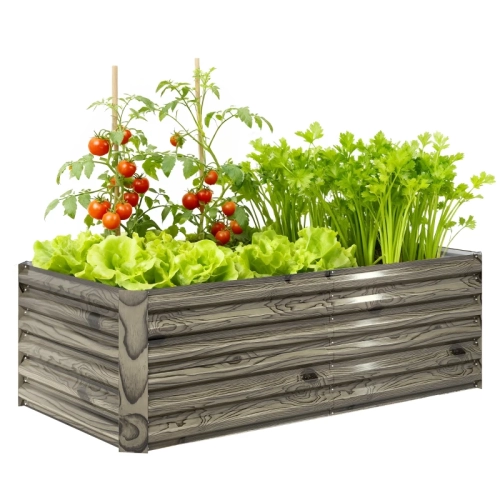
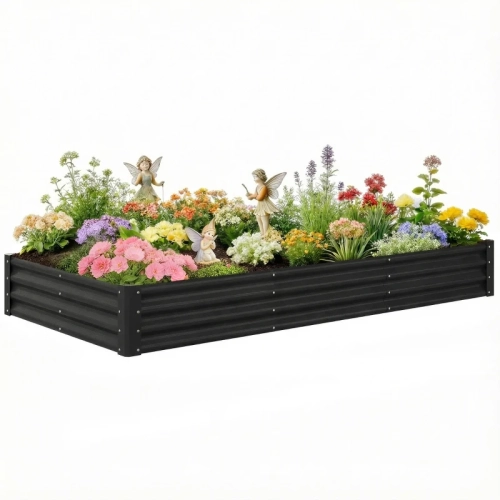
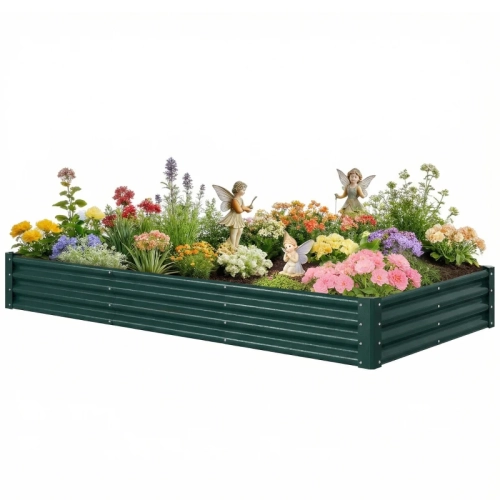
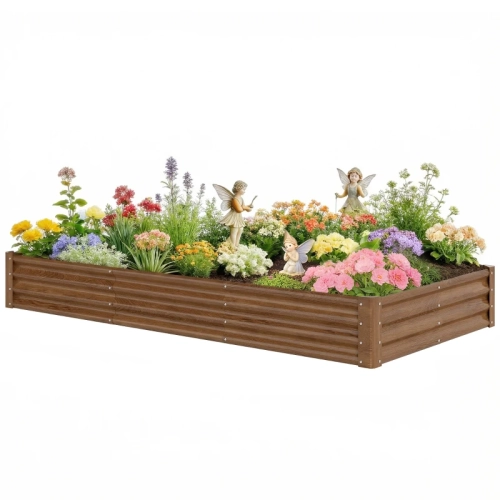
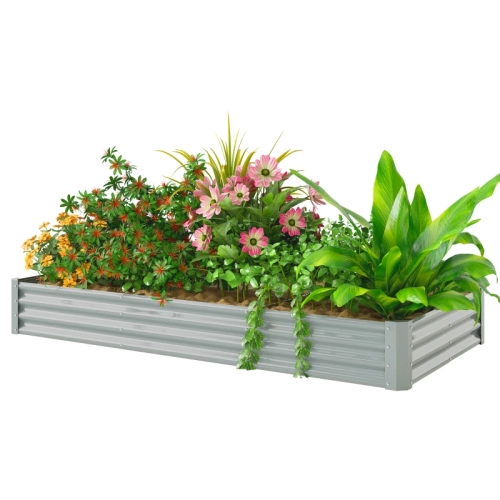
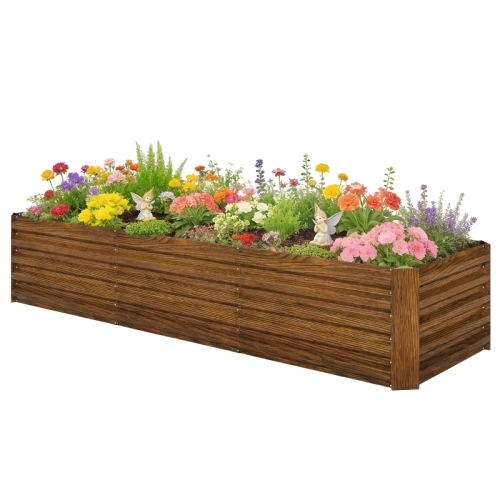
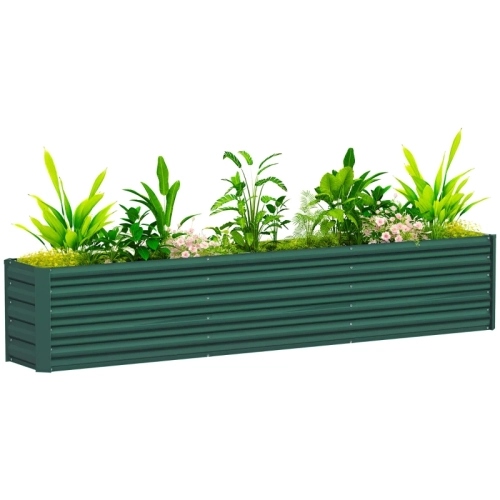
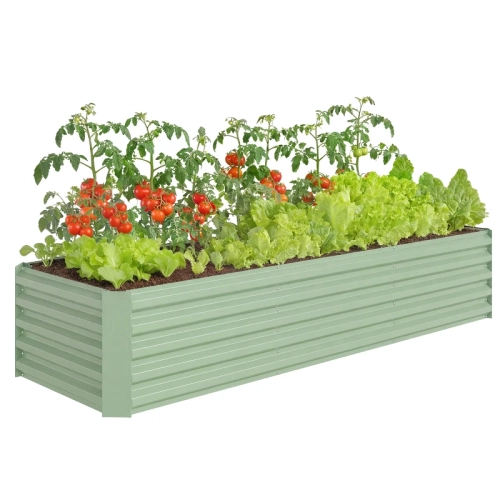
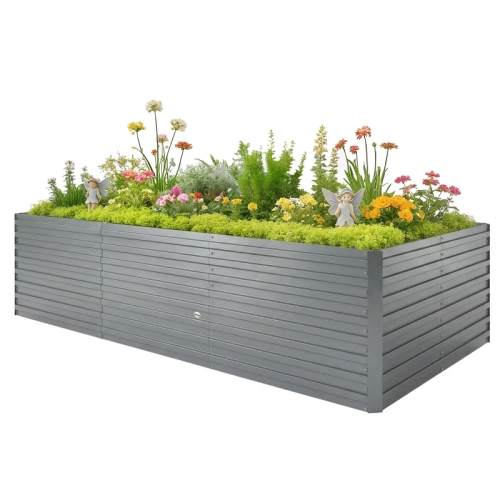
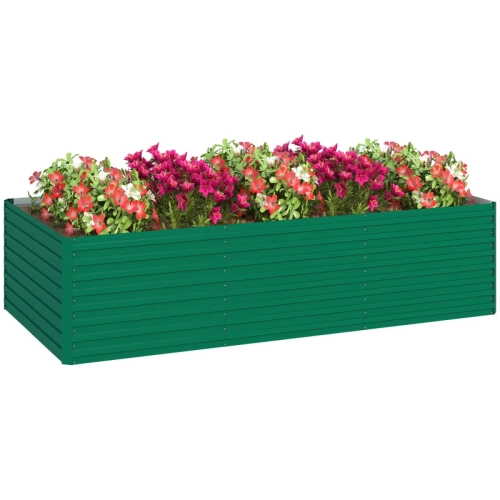
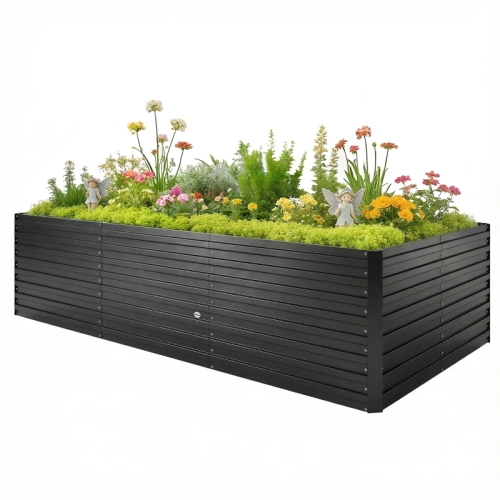
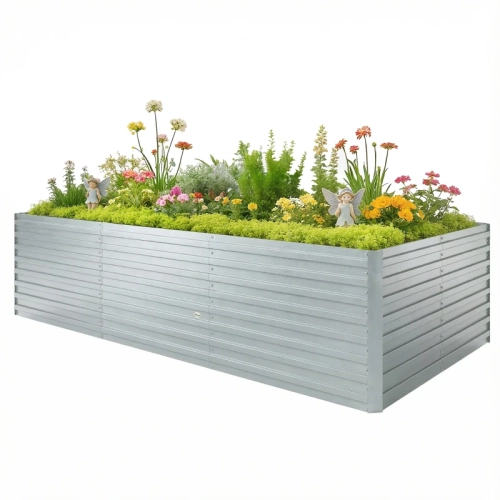
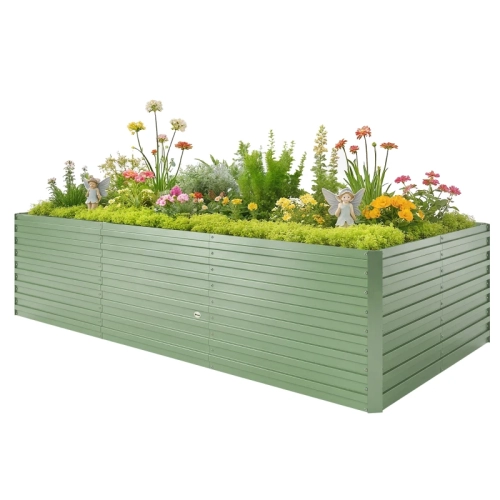
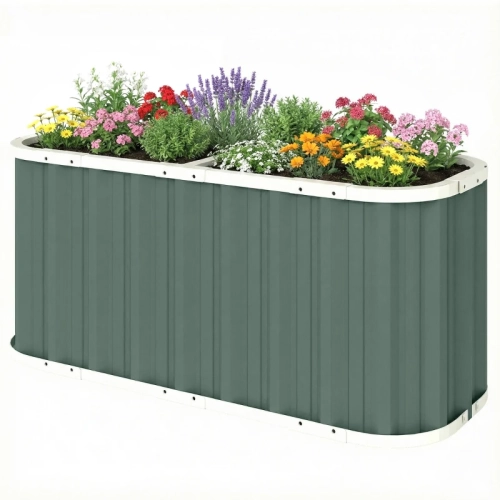
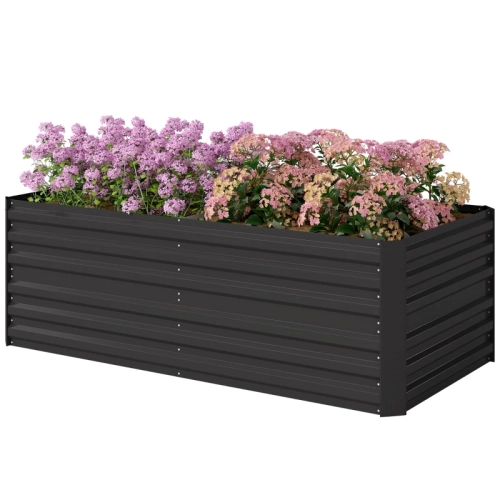
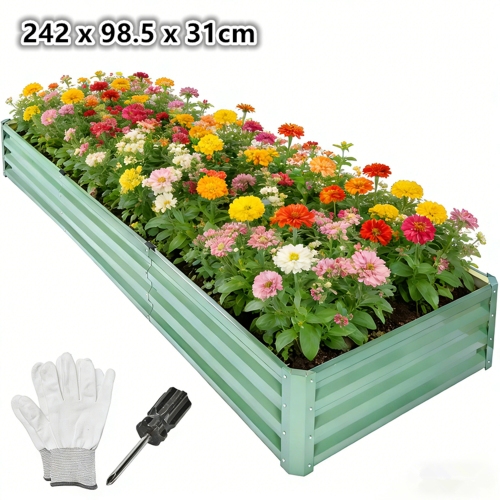
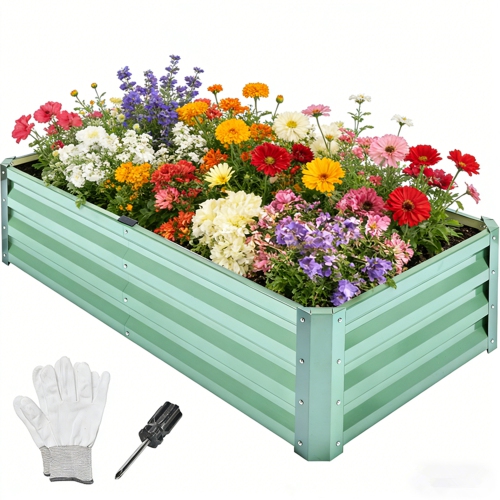
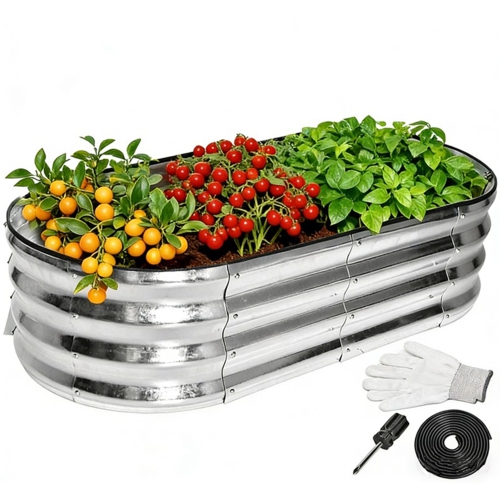
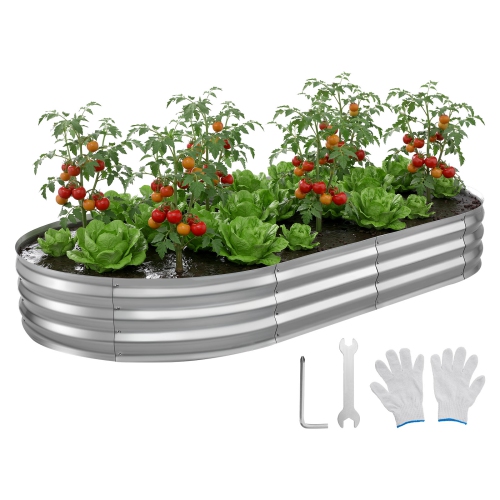
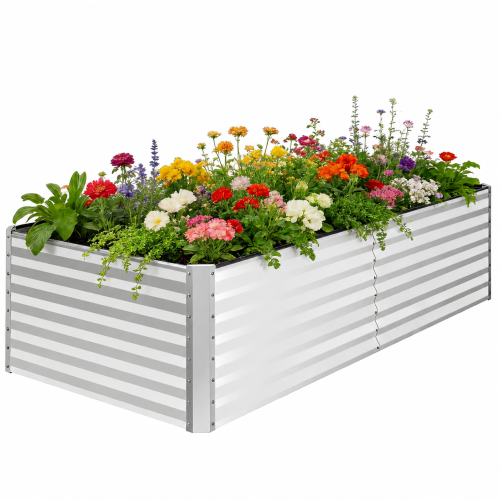
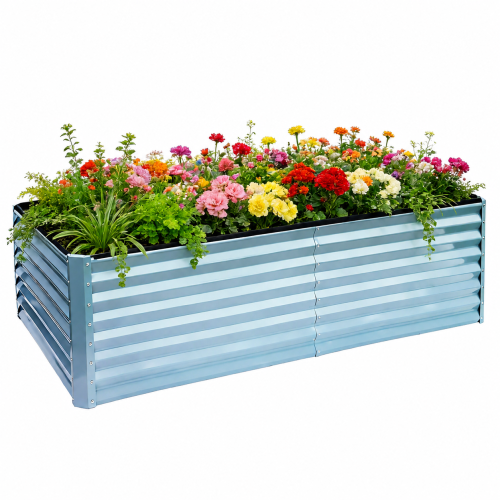
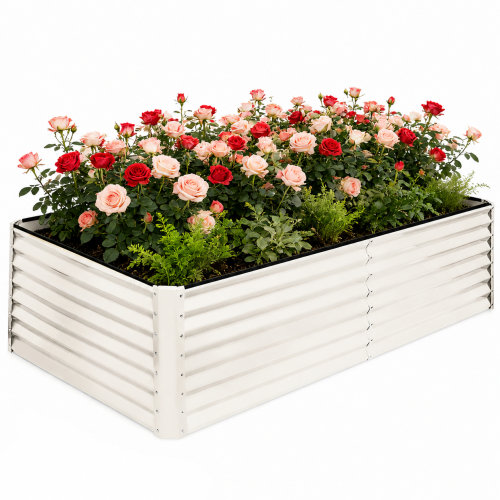
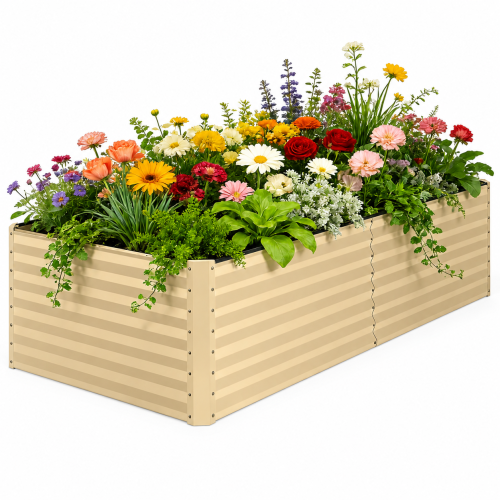
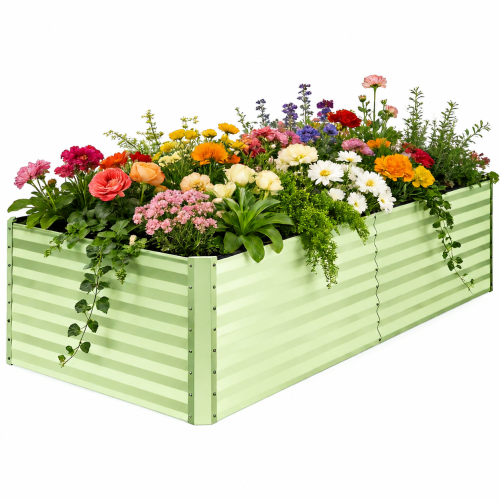
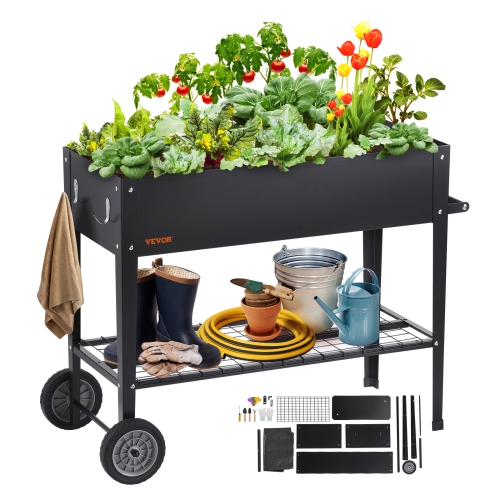
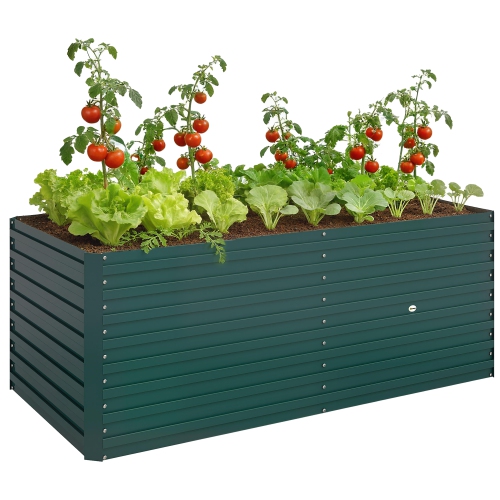
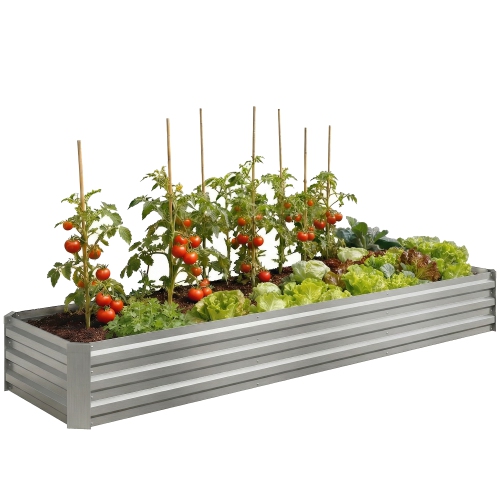
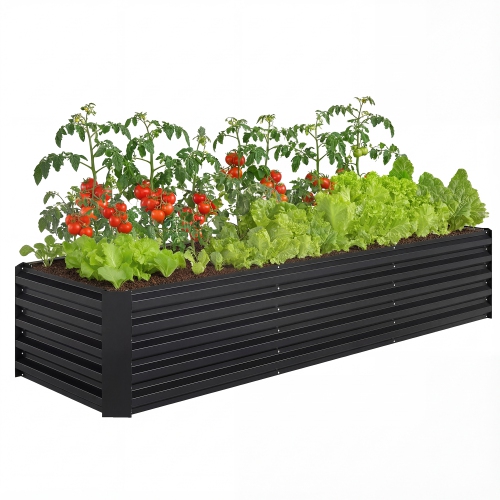
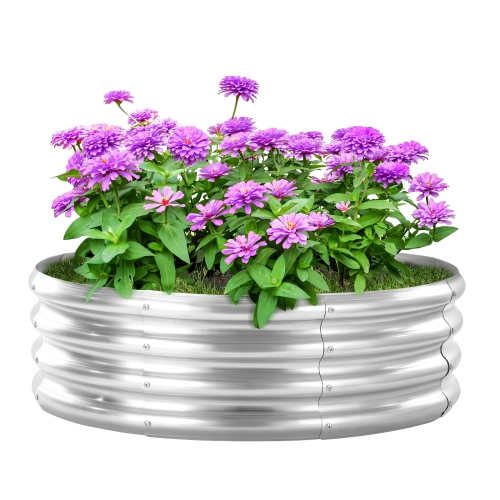
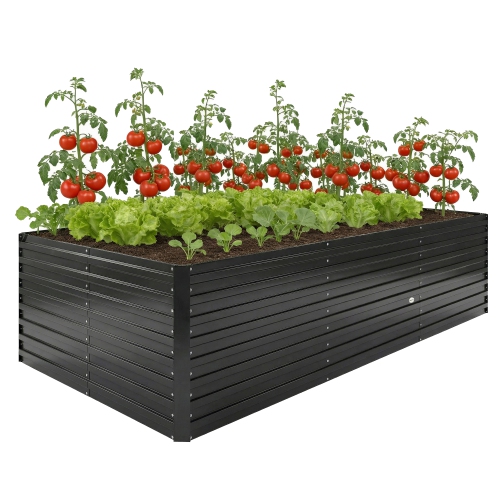
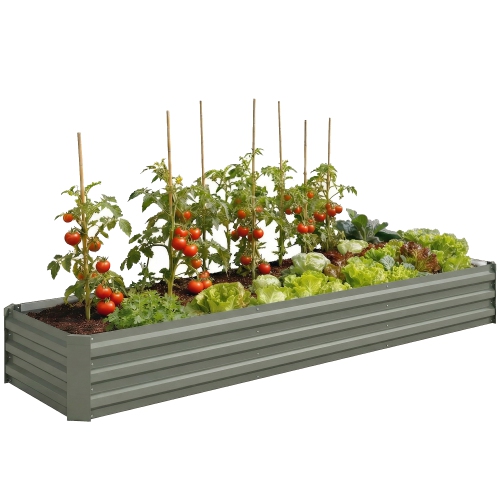
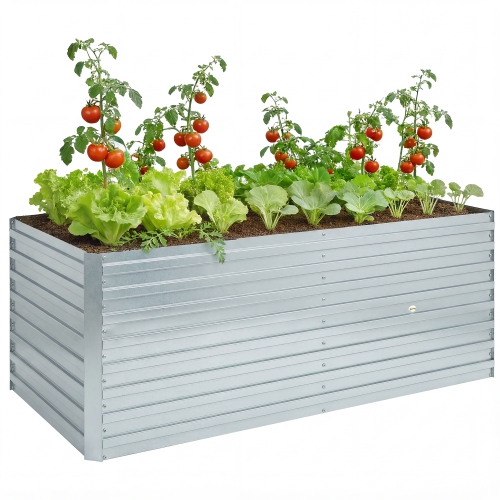
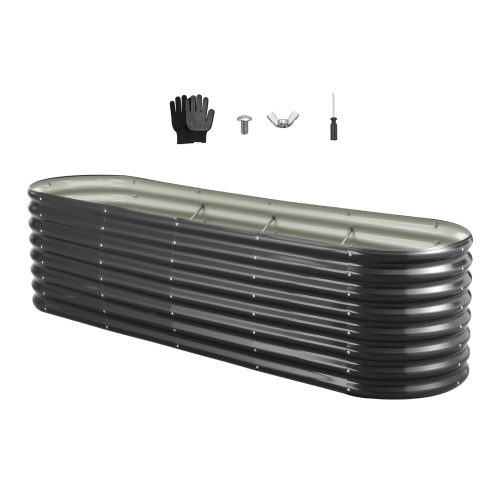
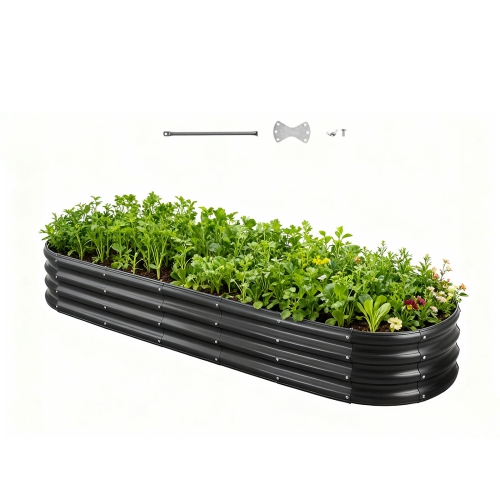
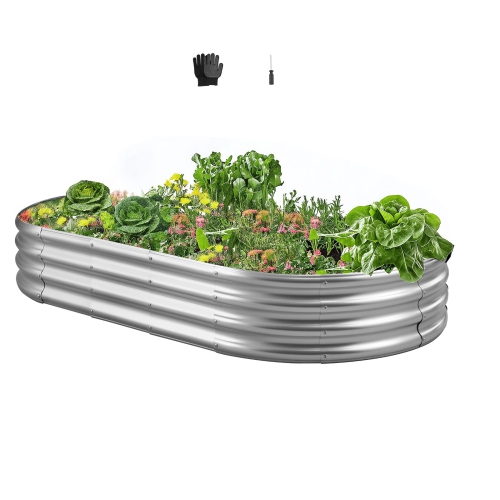
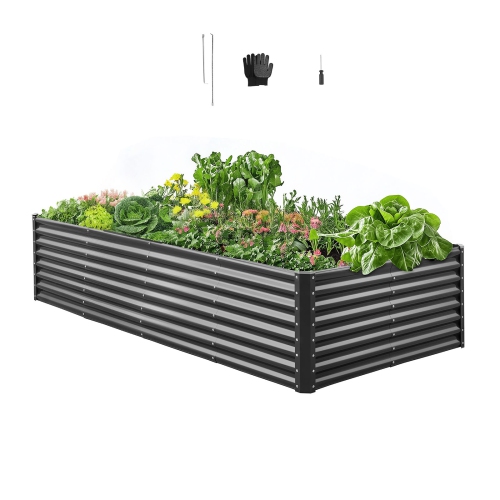
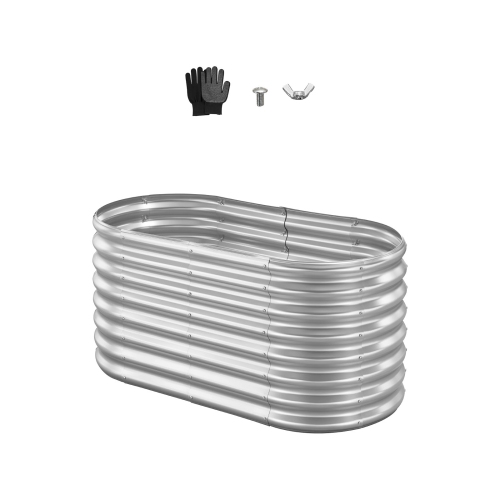
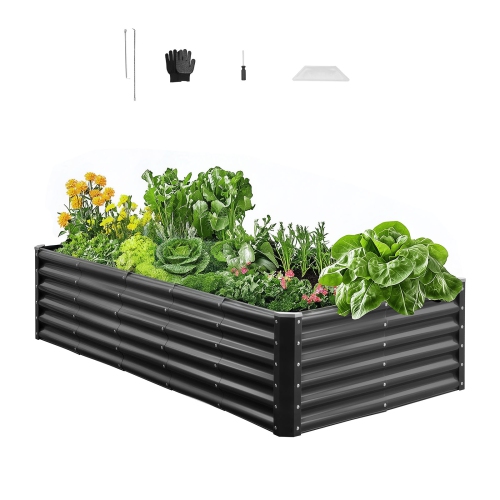
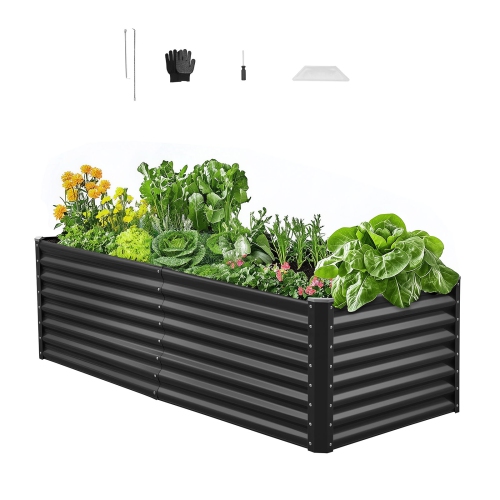
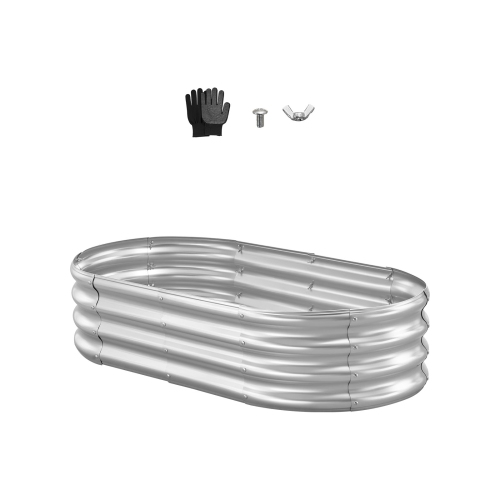
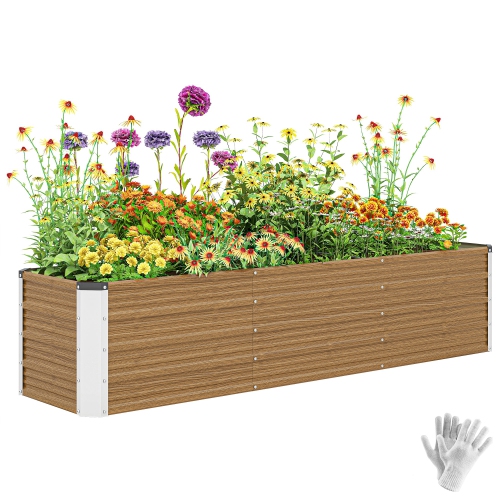
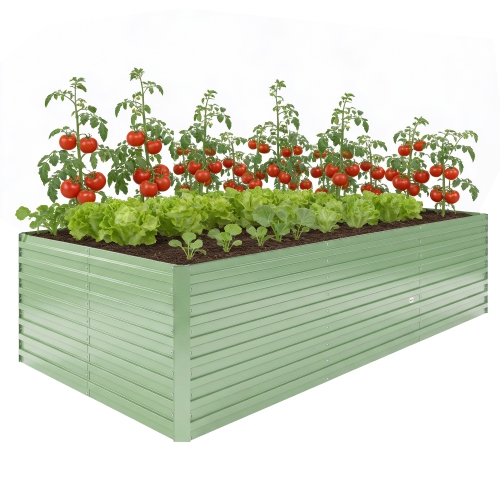
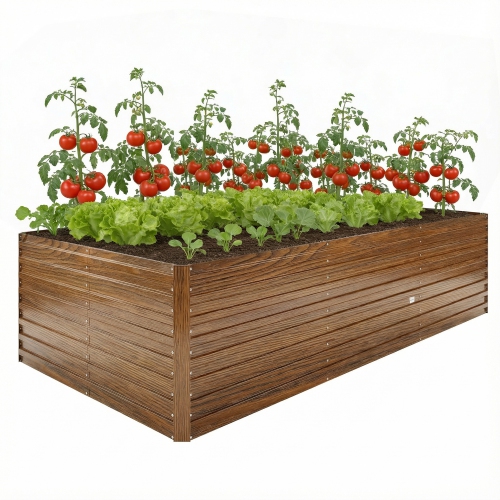
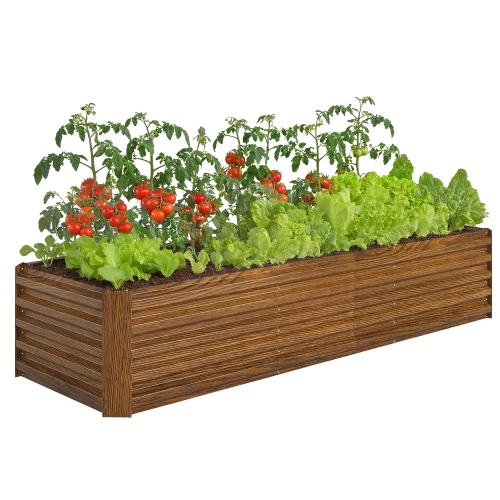
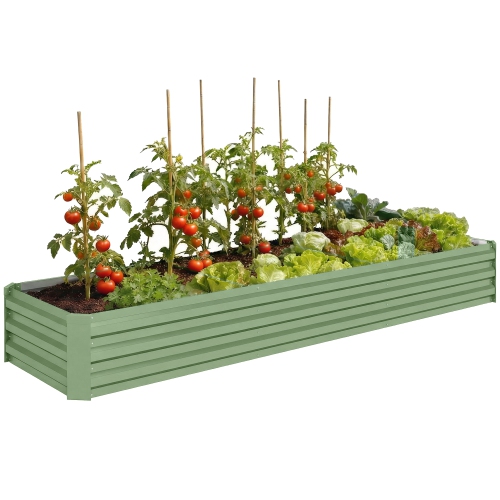
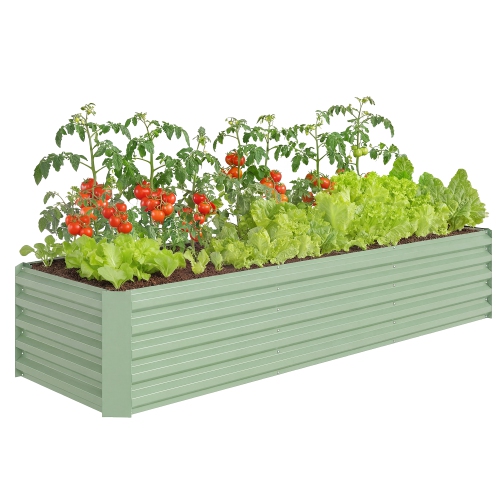
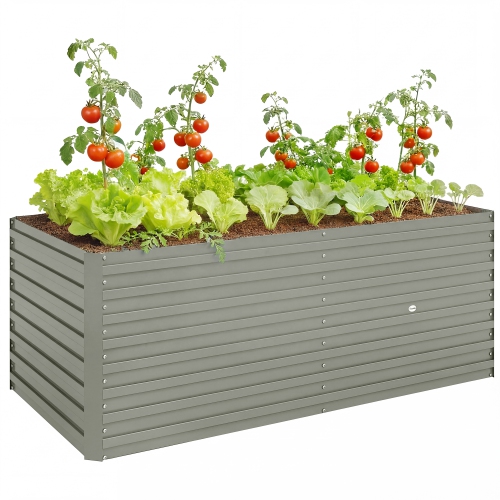
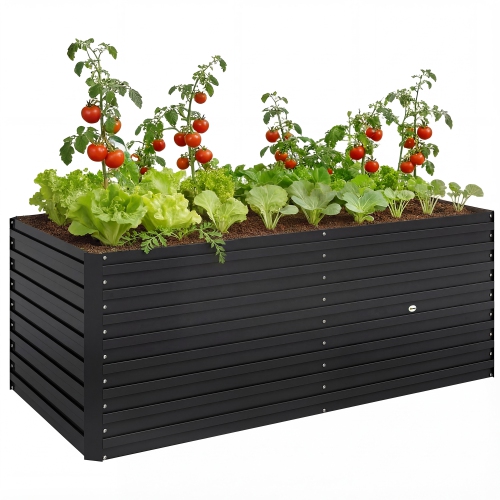
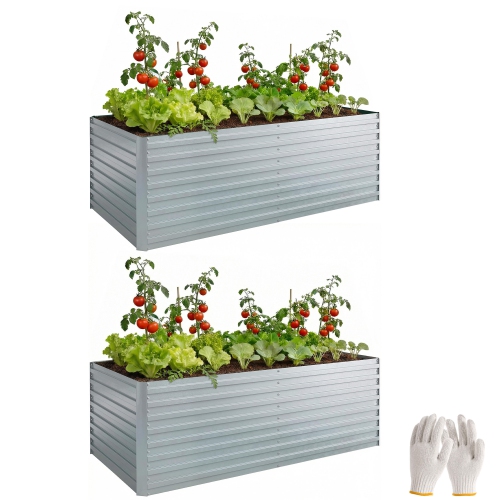
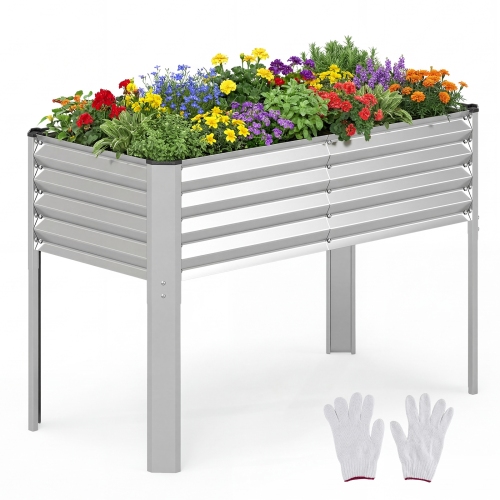
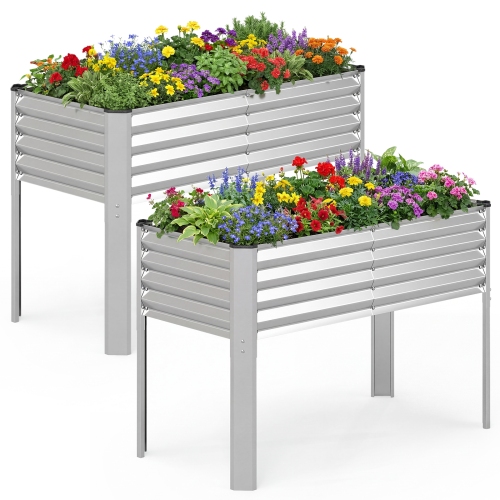
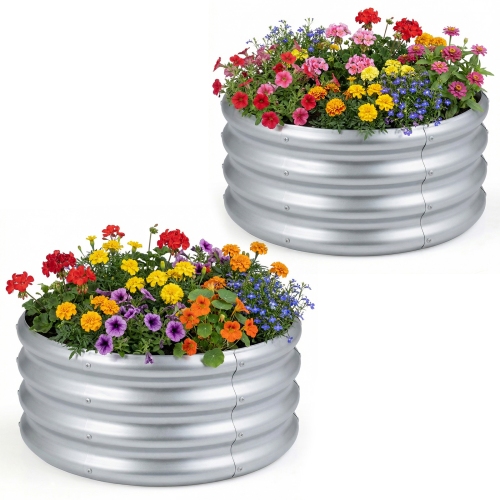
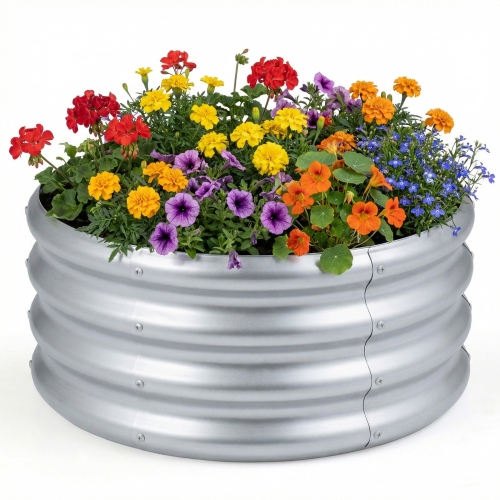
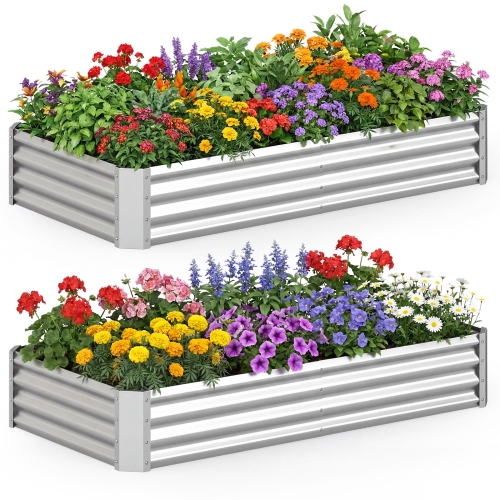
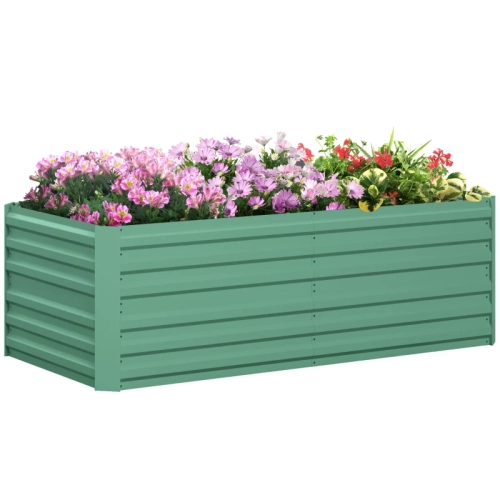
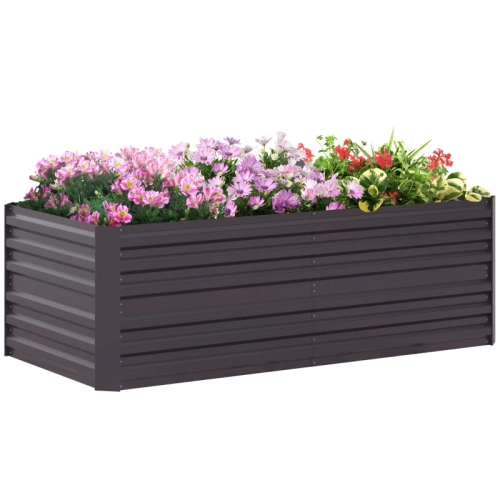
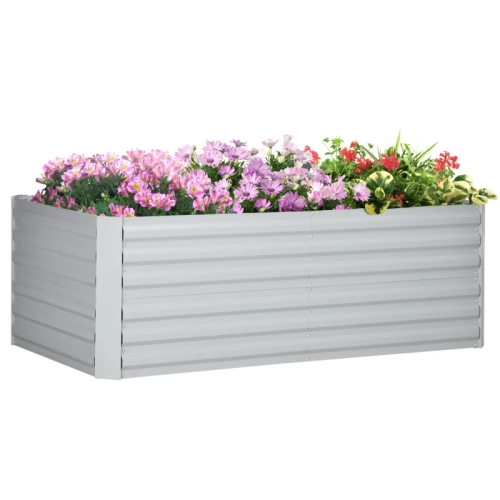
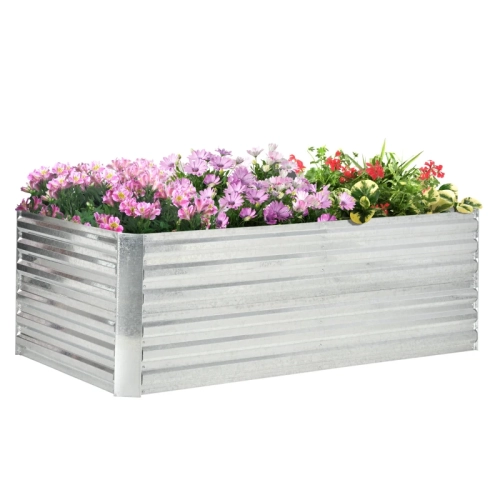
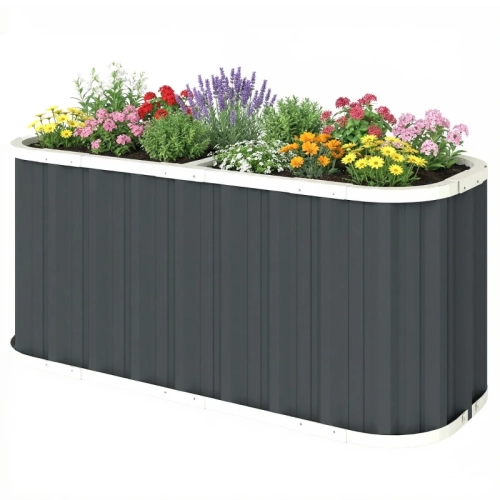
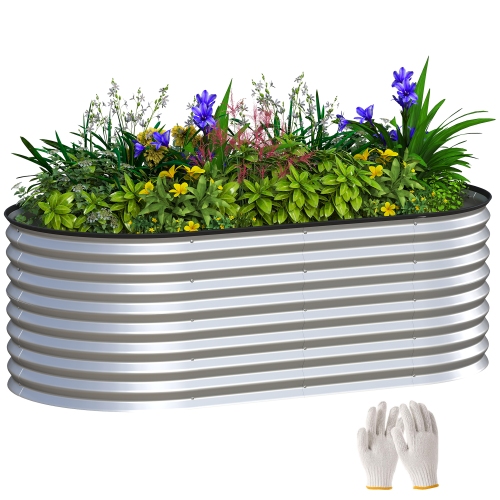
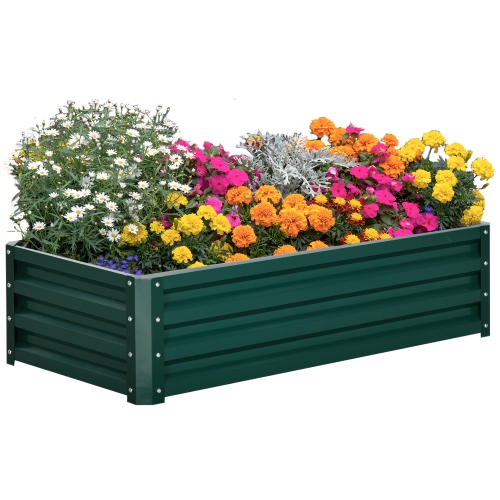
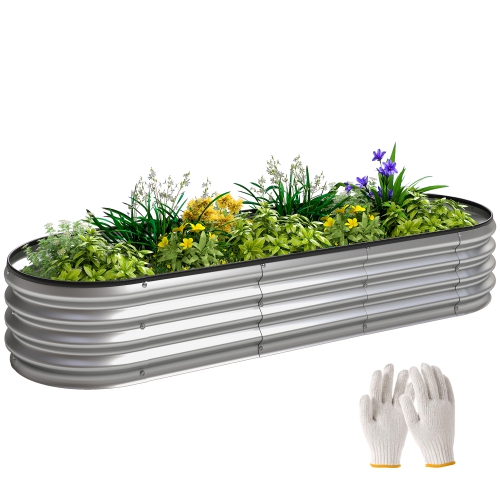
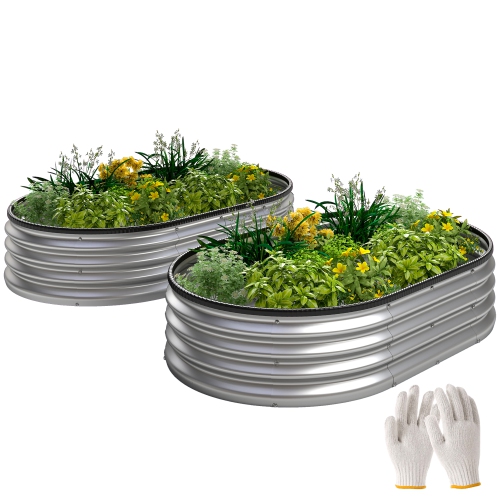
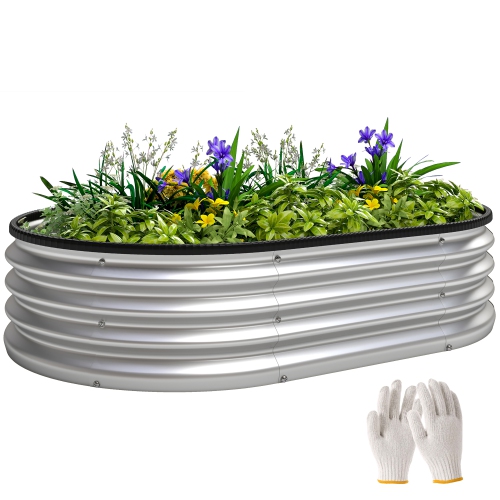
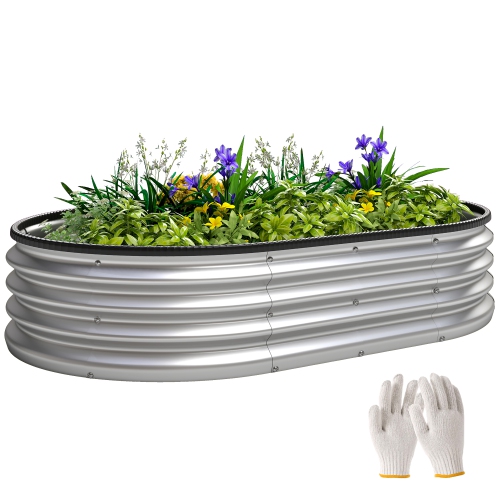
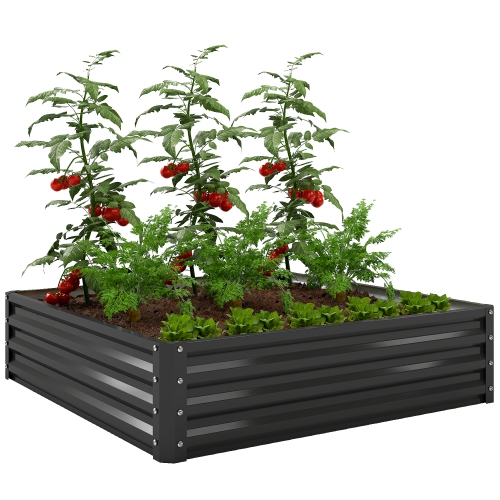
Large galvanized planter boxes give flowers, herbs, vegetables, and ornamental grasses a defined place to grow, with a metal finish that sits comfortably beside wood fencing, brickwork, concrete, or stone. Their generous proportions can turn an unused strip along a patio into a planted border or create a clear division between a seating area and the rest of a yard. Galvanized steel has a zinc coating that helps protect the underlying metal from corrosion, although the quality of the coating, construction, and ongoing care all influence how well a planter holds up. The surface may be smooth or corrugated, with finishes ranging from bright silver to a softer, muted grey. Corrugated panels bring a familiar agricultural character, while flatter sides offer a more understated look. Shape matters as much as finish: a long, narrow box can follow a walkway without taking up much floor space, while a wider planter provides room for several rows of plants or a fuller mixed arrangement. Gardeners working with limited ground space may appreciate the ability to concentrate planting in one defined area. For someone furnishing a larger outdoor space, matching boxes can bring visual order to separate planting zones without requiring permanent masonry. Those considering a broader range of finishes and construction styles can also explore Large Rectangular Metal Planters for a similar elongated shape. Beyond appearance, the most useful choice is one that suits both the plants and the way the space is used. A box beside a dining area might hold compact herbs within easy reach, while one along a property boundary could support a layered planting of grasses and flowering perennials. Leaving comfortable access around the planter makes it easier to water, trim, and harvest without squeezing past furniture or stepping into the soil. A well-proportioned box should feel like part of the layout rather than an obstacle, with enough clearance for doors, gates, and everyday movement.
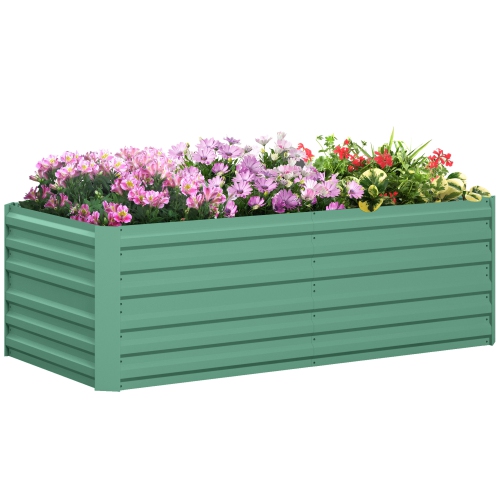
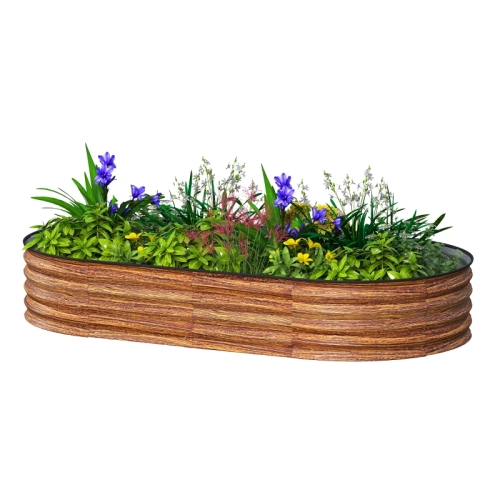
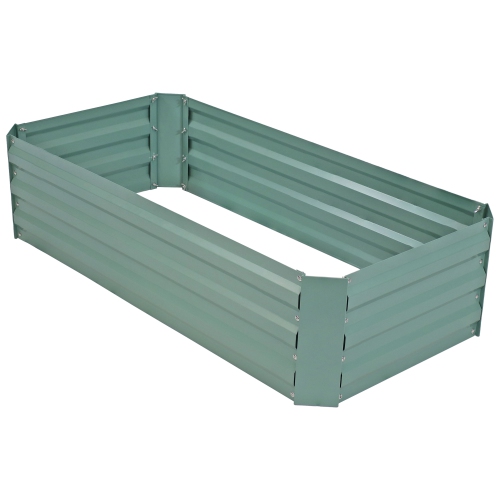
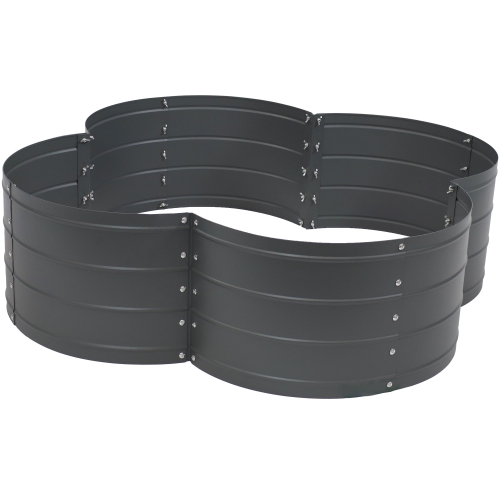
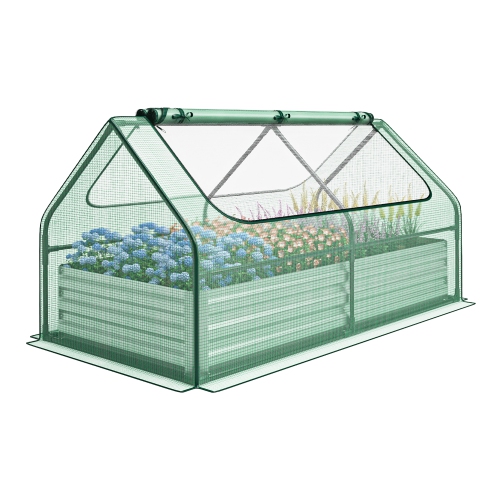
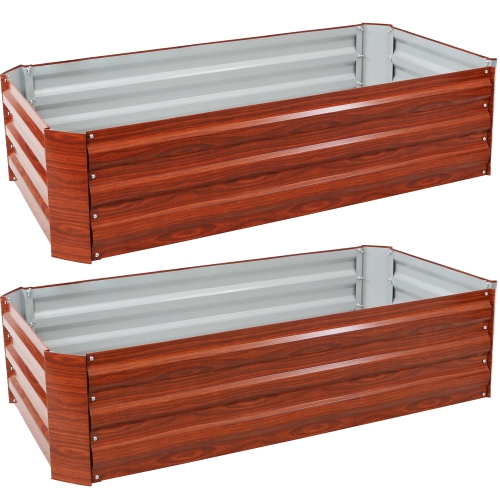
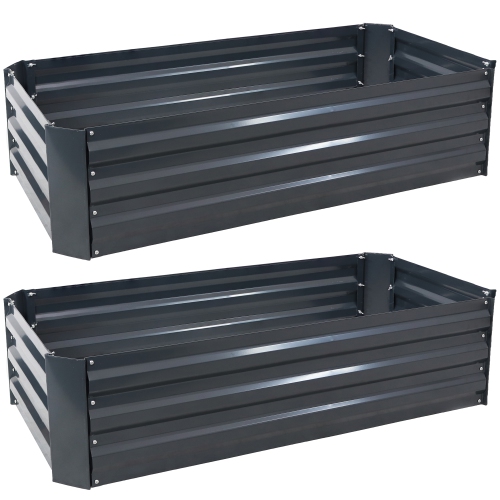
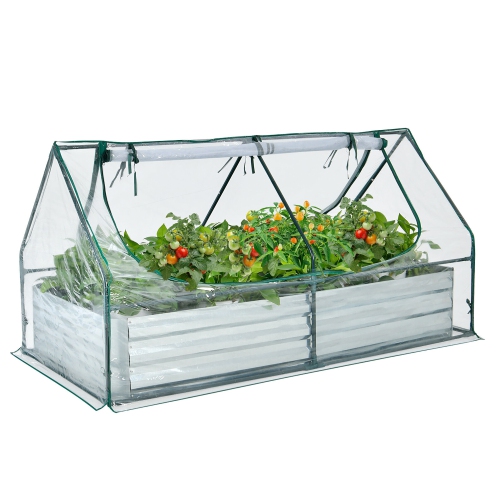
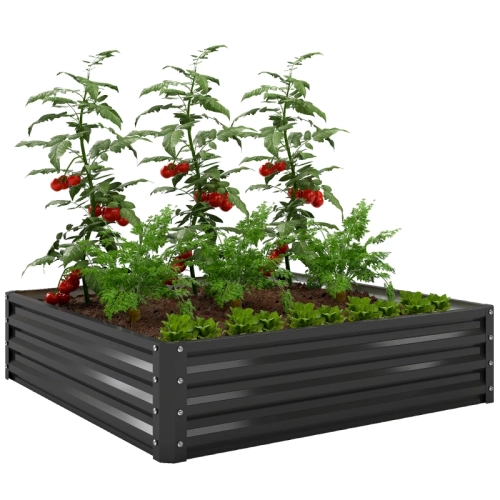
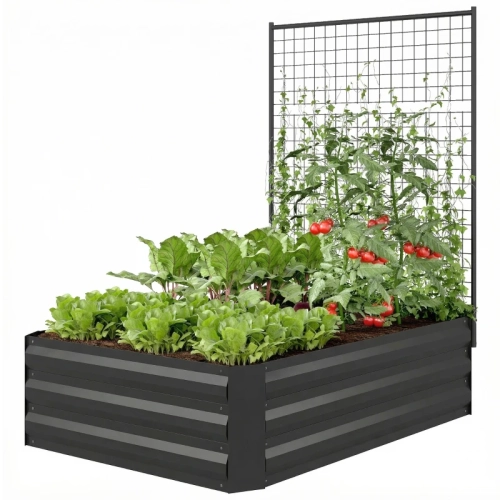
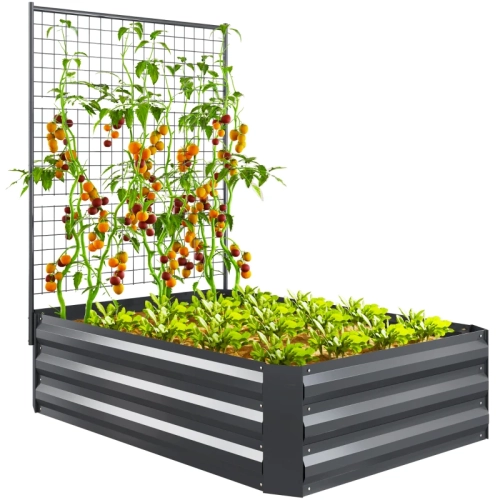
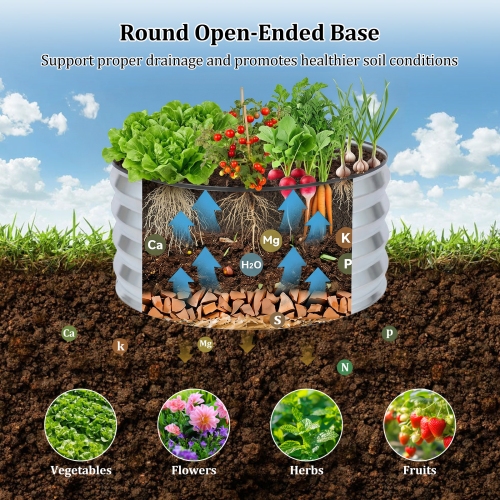
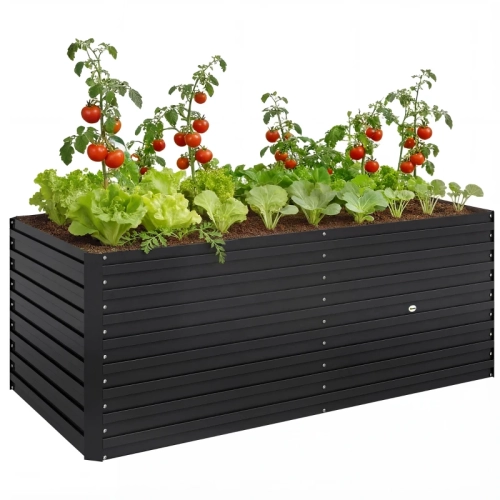
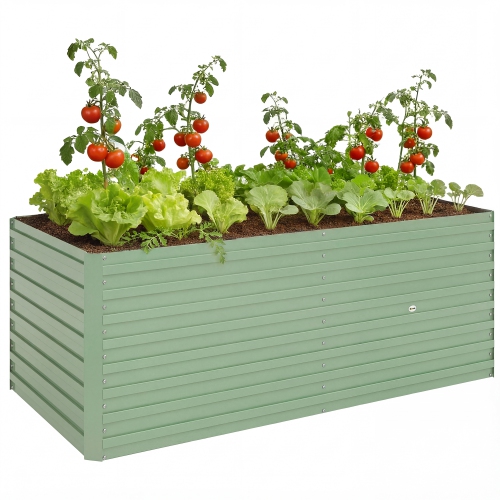
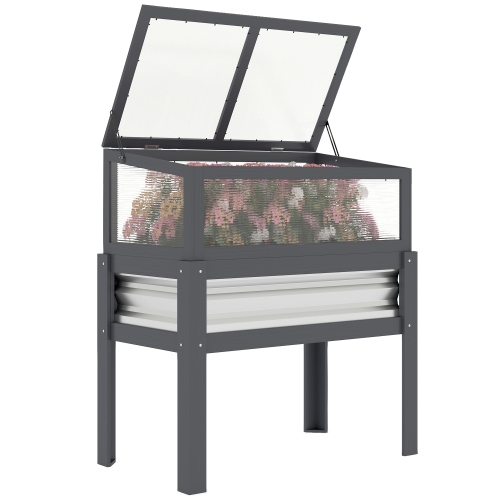
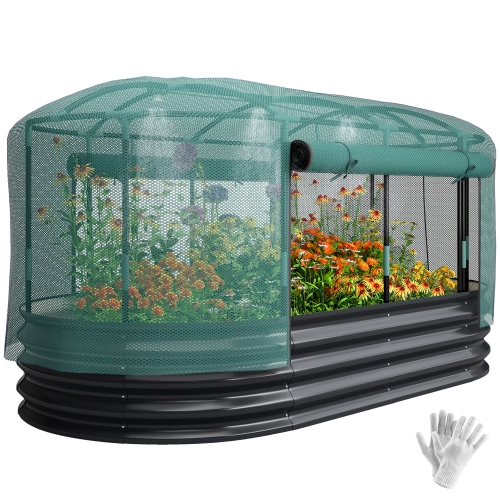
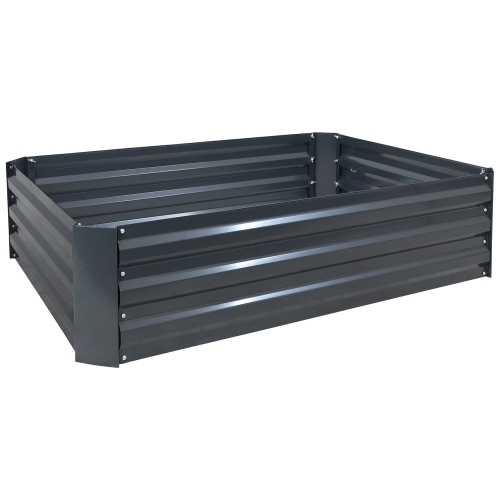
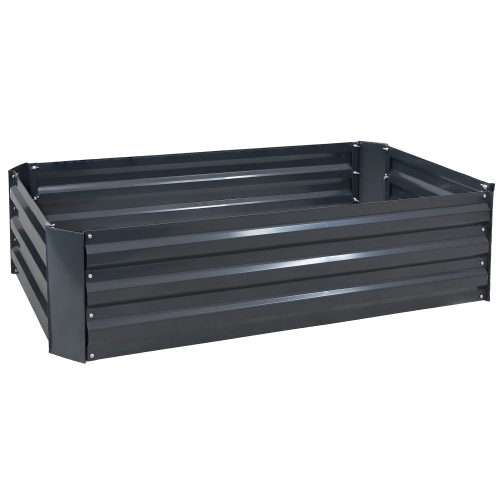
Construction details help distinguish a planter that suits a particular setting from one that simply looks the part. Some large galvanized planter boxes are bottomless raised beds designed to rest directly on suitable ground; others have a contained base for use on a patio or another level surface. These formats are not interchangeable. An open-bottom design allows roots to extend into the soil beneath it, where conditions permit, but it cannot hold a planting mix independently on a balcony. A closed-bottom planter needs effective drainage and a supporting surface capable of carrying its filled weight. Soil, retained water, and mature plants can make a large box substantially heavier than its empty frame suggests, so placement deserves attention before filling begins. For balconies and elevated decks, confirm applicable building rules and load limits rather than judging suitability from the planter’s dimensions alone. Exterior measurements determine whether the box fits the space, but interior depth and width determine how much room the roots have. Shallow-rooted herbs and leafy greens have different needs from climbing vegetables, shrubs, or plants with substantial root systems. Taller sides may make some gardening tasks more comfortable, though a tall box does not necessarily include a raised planting floor or allow seated access. Width also affects reach: when only one side is accessible, the far edge should remain manageable without leaning heavily on the rim. Panel thickness, reinforced corners, secure fasteners, and cross-bracing where specified can help larger structures resist distortion under the pressure of the planting mix. Folded or capped edges offer a more comfortable contact point during routine tasks. For an assembly-required design, clear instructions and access to the appropriate tools matter, particularly when long panels need to be aligned. The planting surface should be level and prepared for the chosen base style, with drainage directed away from entrances and areas where pooling water could become a nuisance.

Planting and care choices have a lasting effect on both the box and what grows inside it. For a contained planter, a growing mix intended for containers generally offers a more suitable balance of drainage and moisture retention than dense garden soil alone. An open-bottom raised bed may call for a different blend, depending on the ground beneath it and the plants being grown. Drainage openings should remain functional; adding a deep layer of gravel is not a substitute for properly designed drainage and reduces the space available for roots. Where a liner is appropriate, it should be compatible with the planter’s intended use and should not trap water against the metal or block the drainage path. For vegetables and herbs, check that the manufacturer identifies the planter and any included liner as suitable for edible planting. Galvanized metal should not be assumed suitable for every application simply because it has a protective coating. Plant selection is most successful when the occupants share similar light, watering, and soil requirements. Pairing a moisture-loving plant with one that prefers a drier root zone can make even a spacious box difficult to manage. Allowing room for mature growth also helps prevent a newly planted arrangement from becoming crowded, and taller plants may need supports positioned before roots fill the box. Routine upkeep can remain straightforward: remove accumulated debris from rims and joints, keep drainage outlets clear, and clean exposed surfaces using the manufacturer’s recommended method. Abrasive pads and harsh cleaners can damage protective finishes, while scratches, loose hardware, or distorted panels deserve attention before they worsen. Avoid dragging a filled planter or moving it by a rim not designed as a lifting point. For households that enjoy cooking with fresh herbs, experimenting with vegetables, or arranging flowers close to a seating area, a large galvanized box offers a practical way to make planting part of daily life. It can also be a thoughtful gift for a keen gardener when its dimensions, placement requirements, and assembly needs are already understood.
Read More

FAQ

Some products may be subject to Environmental Handling Fees (EHF) depending on your province. Learn more about EHFs.