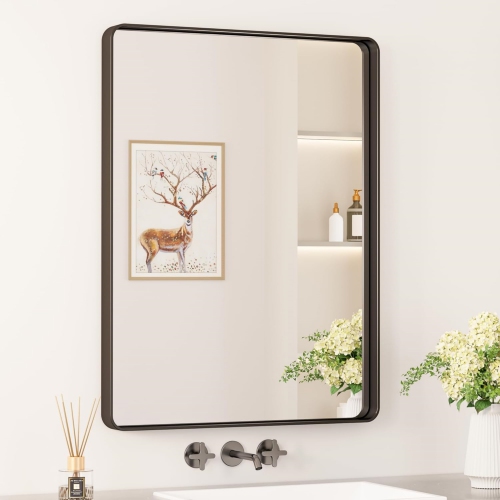
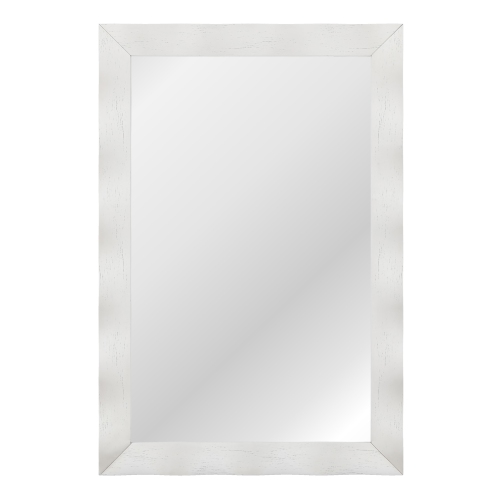
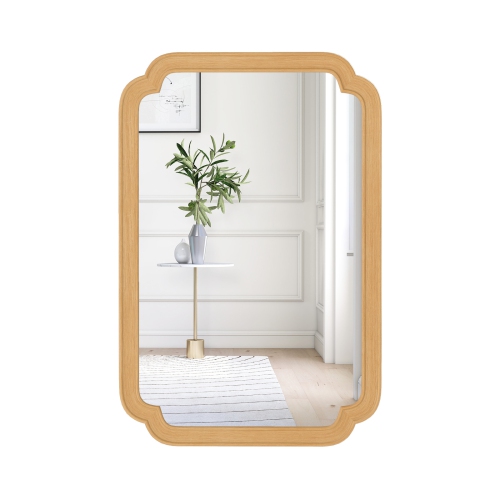
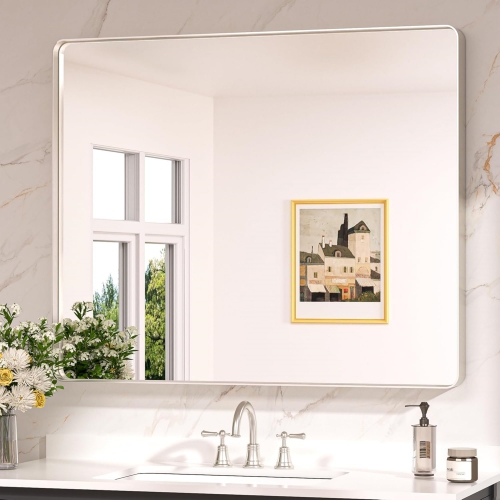
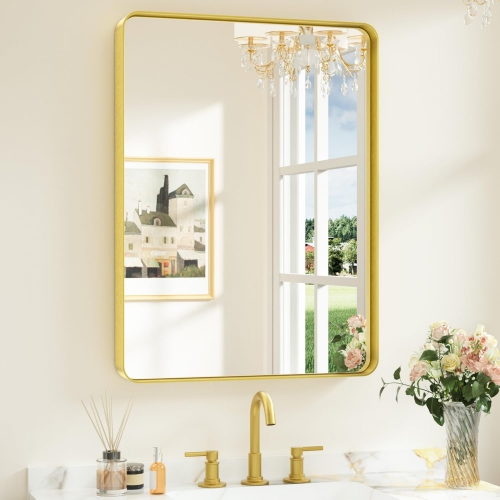
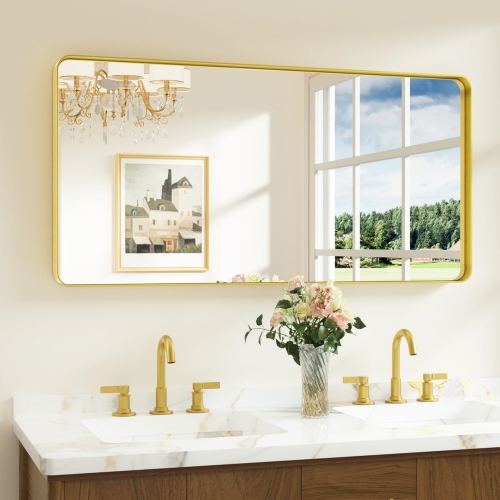
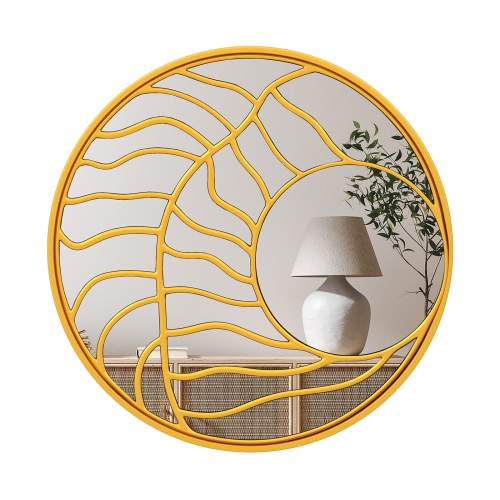
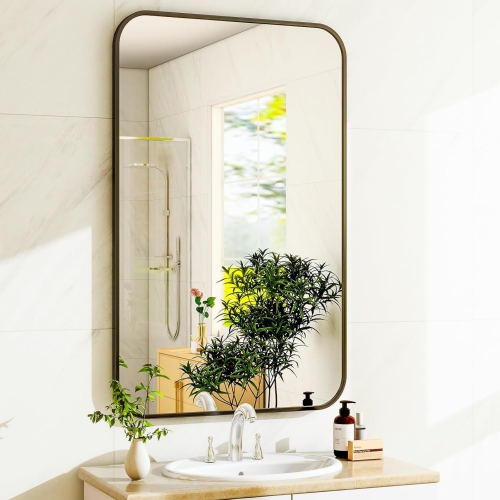
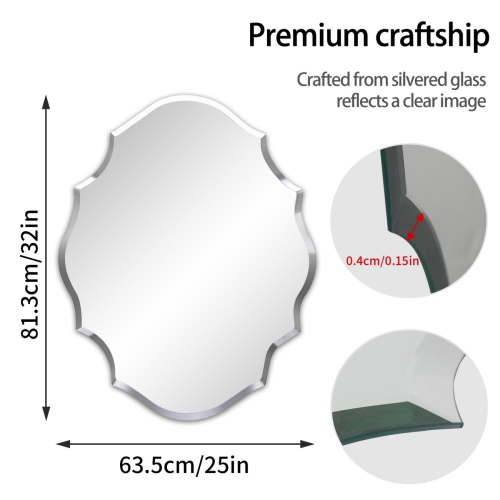
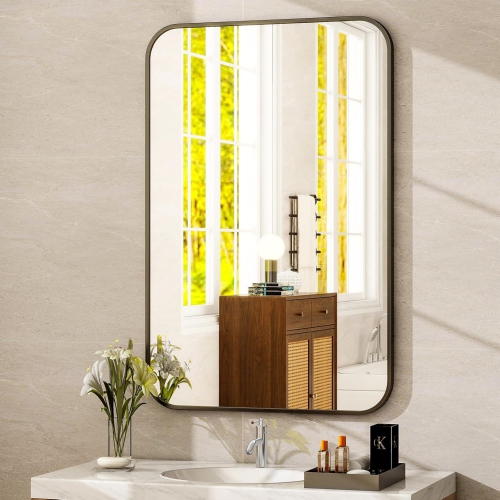
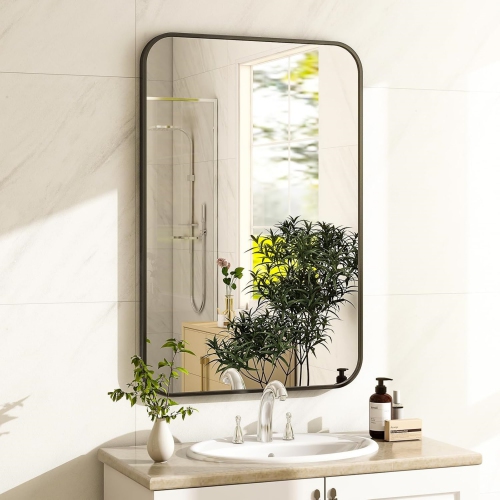
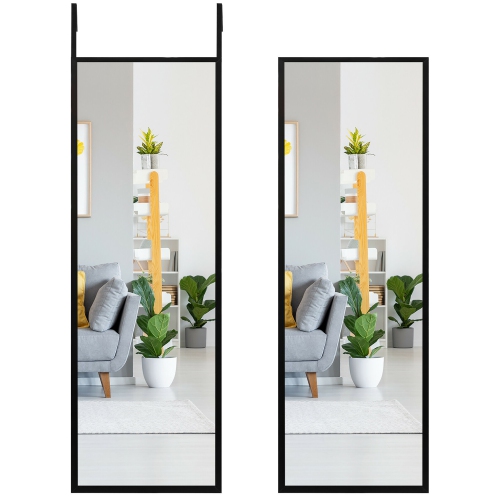
Large Rustic Wall Mirrors

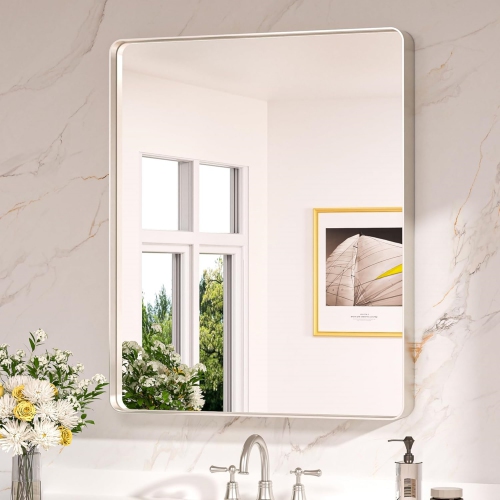
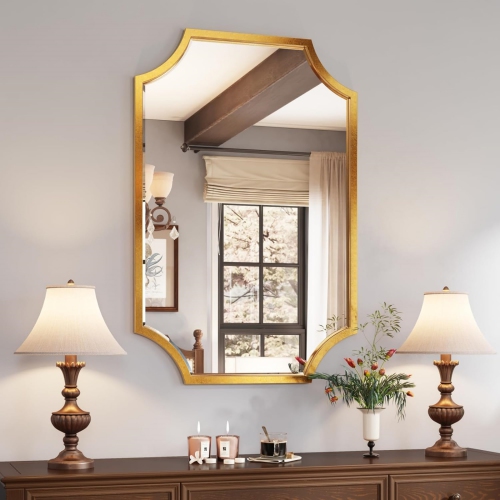
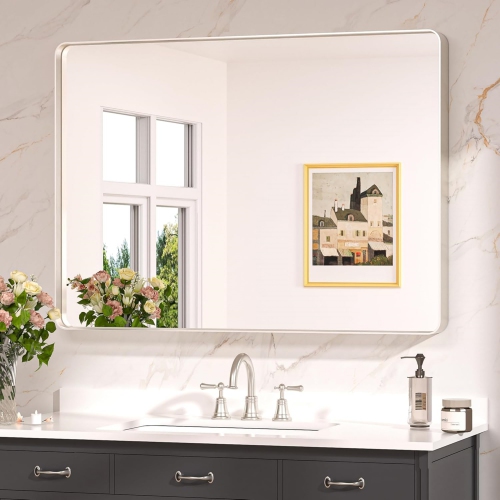
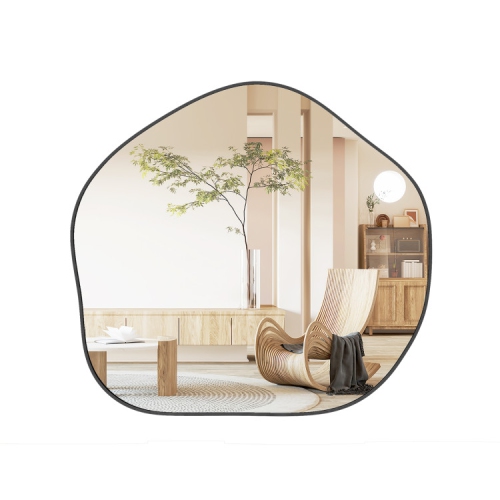
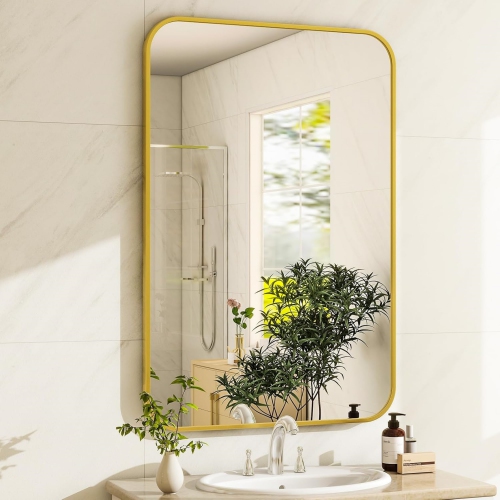
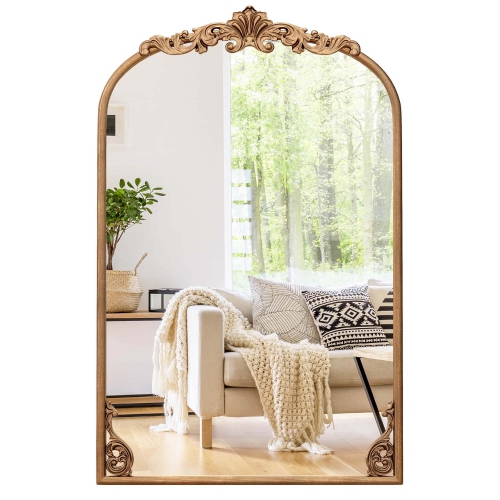
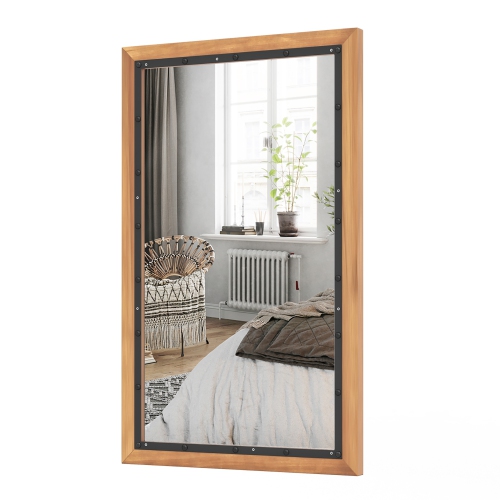
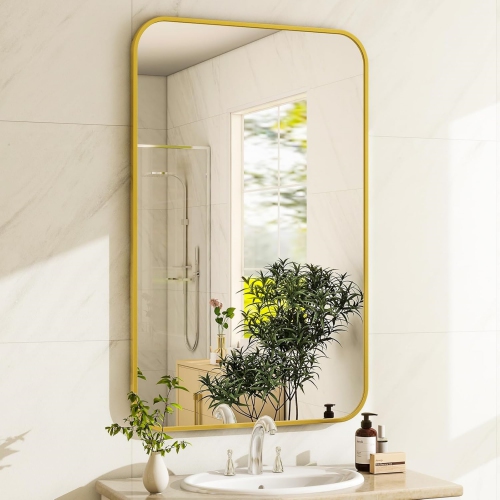
Browse large rustic wall mirrors to find a statement piece for your entryway, living room, or bedroom. Compare frame styles, finishes, and dimensions to find a mirror that complements rustic décor and fits above a console, mantel, or dresser. Check overall measurements and mounting requirements to make sure it suits your wall space.
Sort

How frame texture and scale shape your room

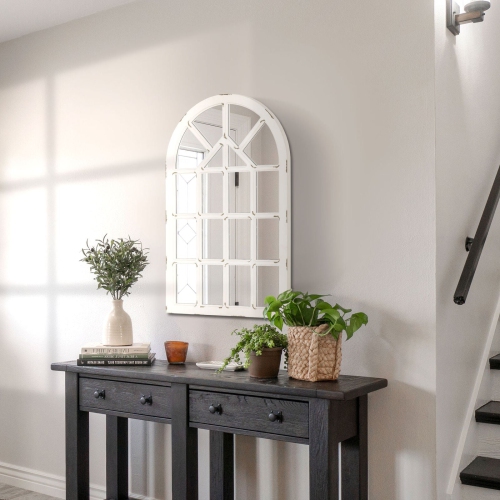
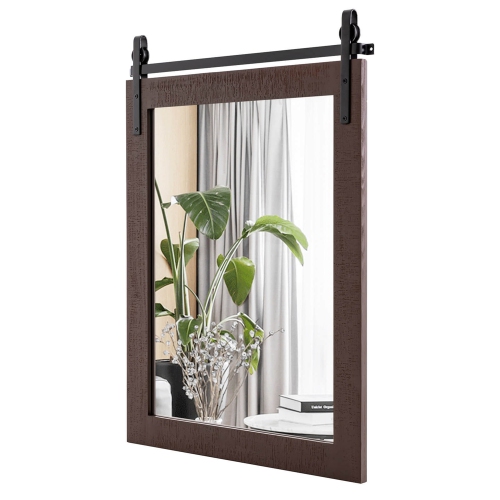
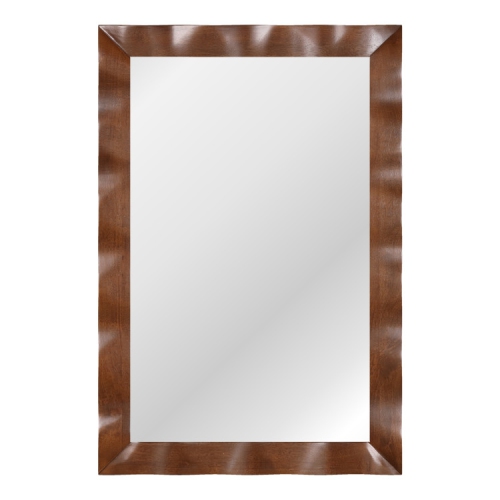
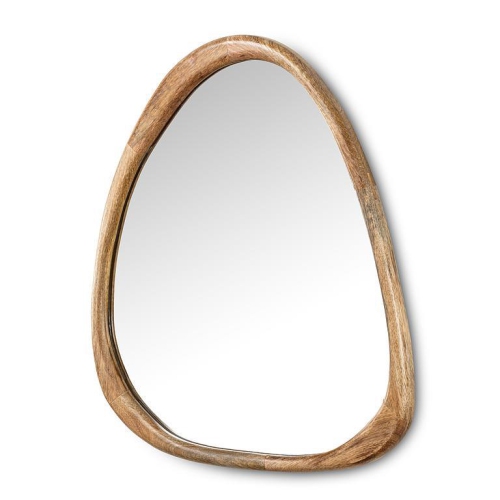
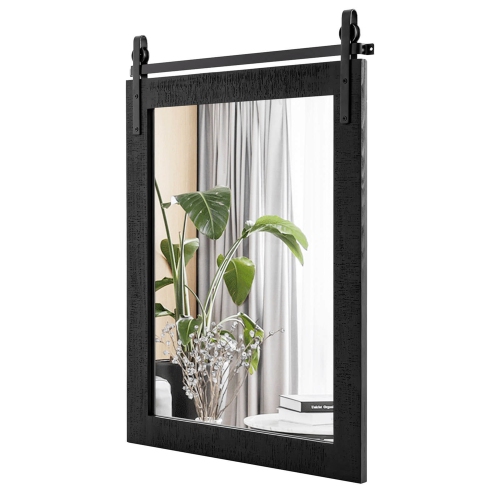
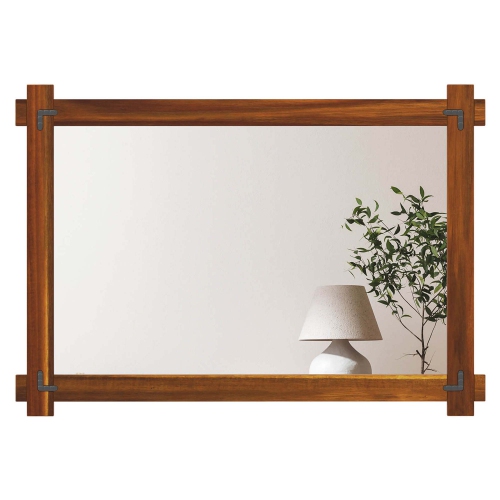
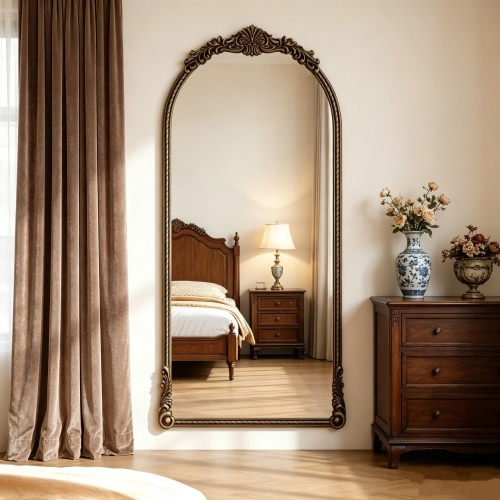
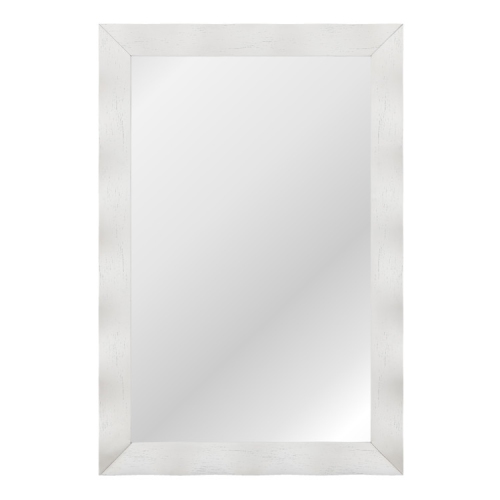
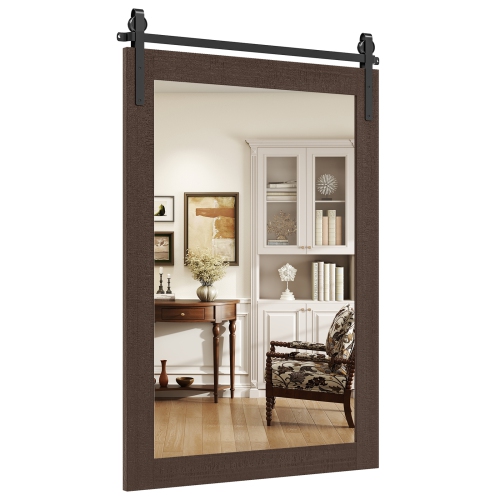
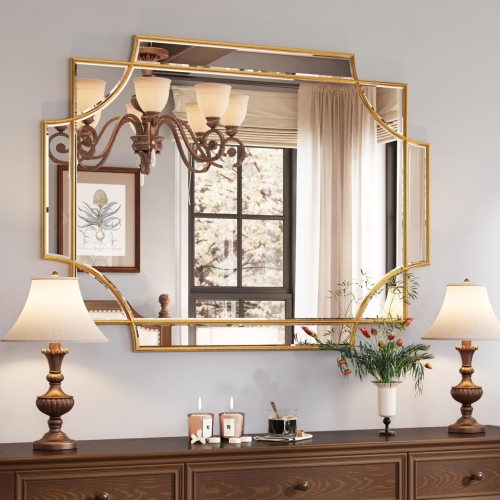
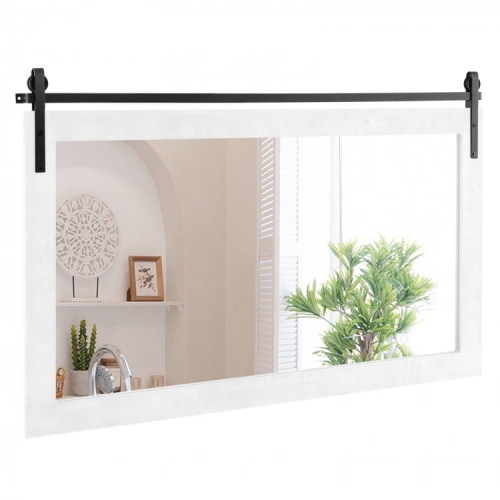
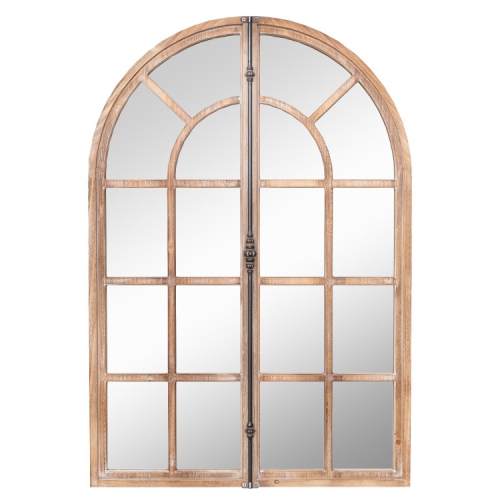
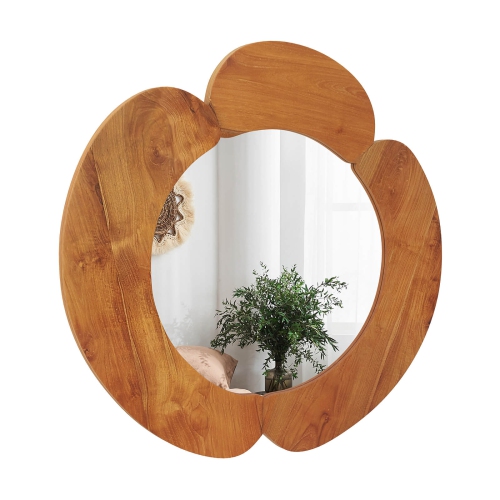
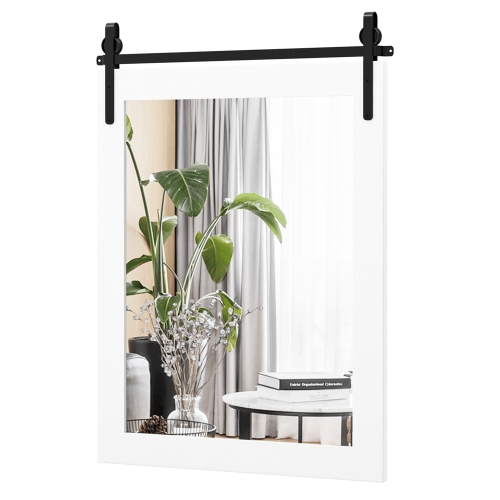
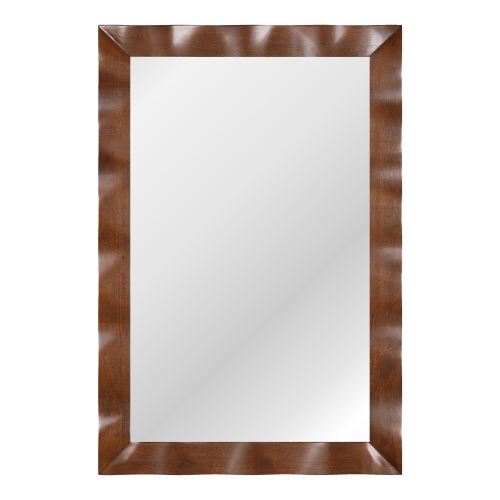
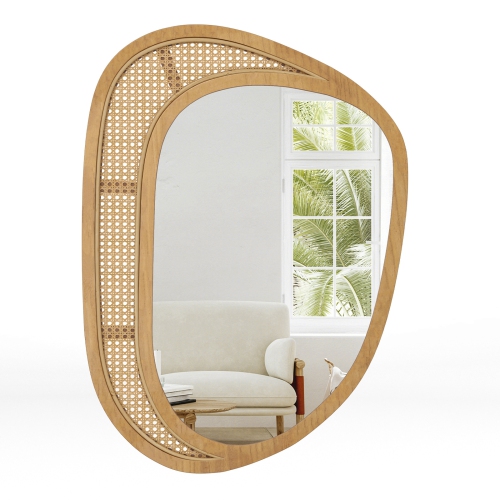
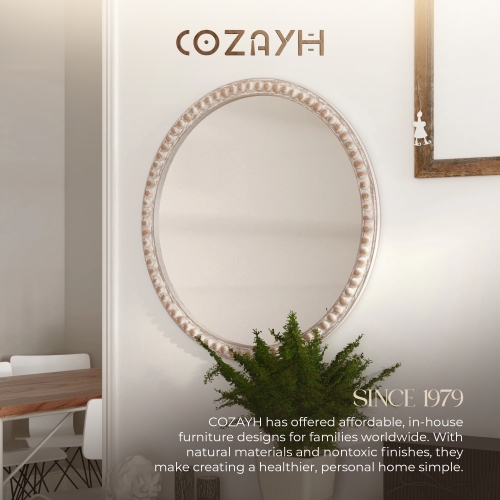
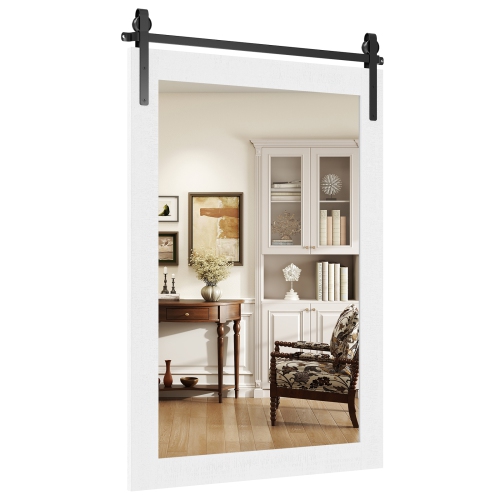
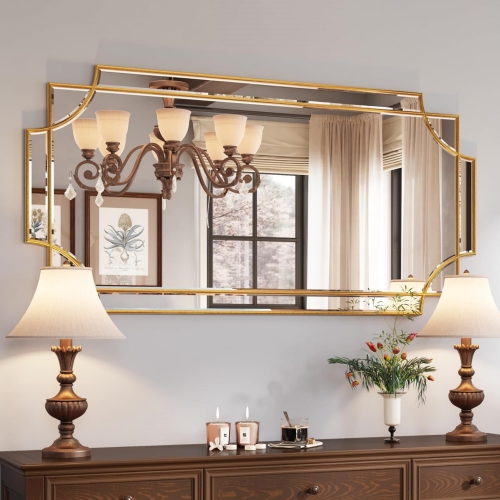
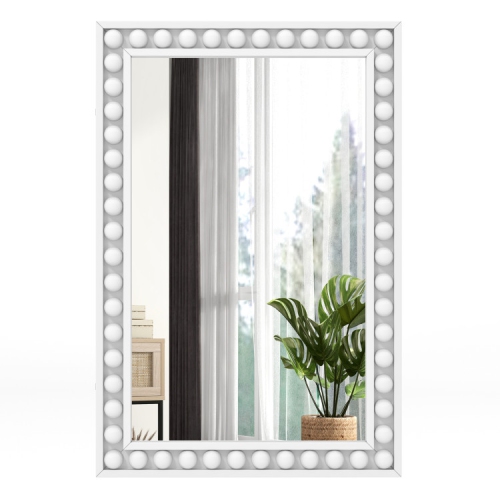
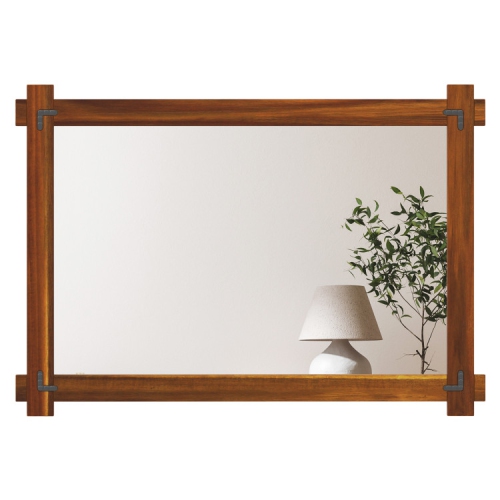
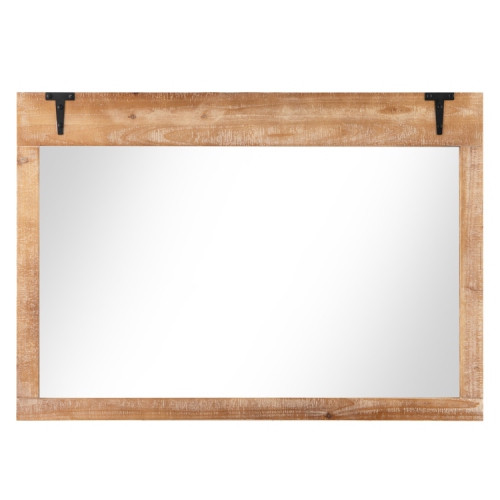
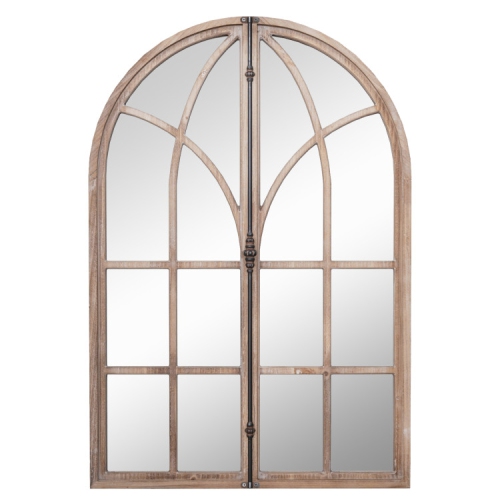
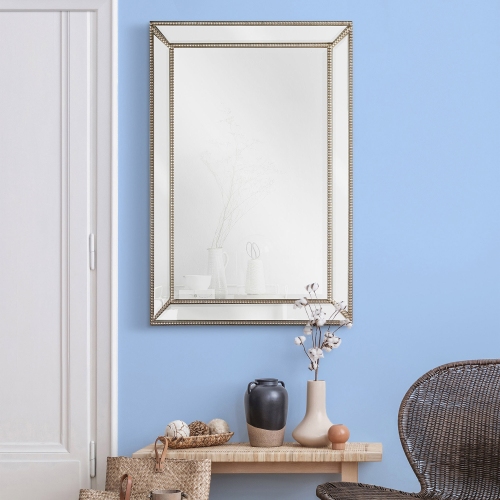
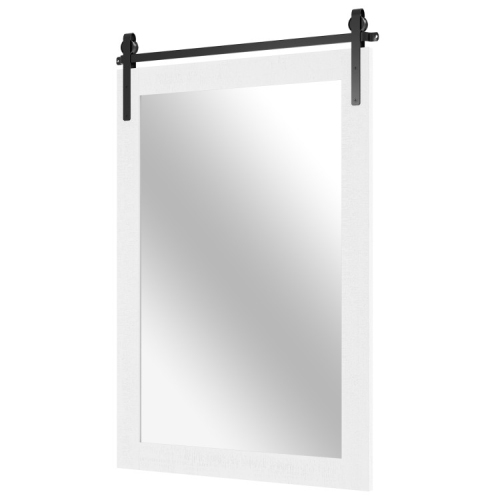
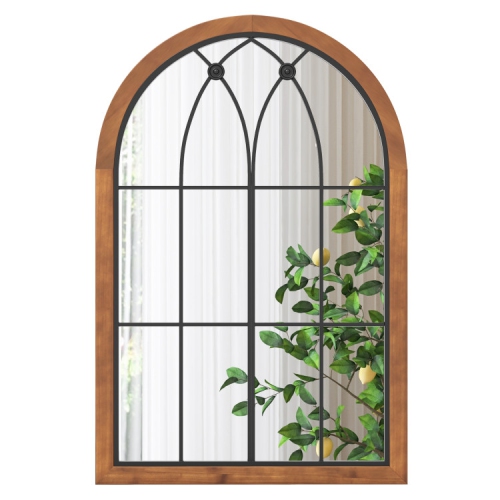
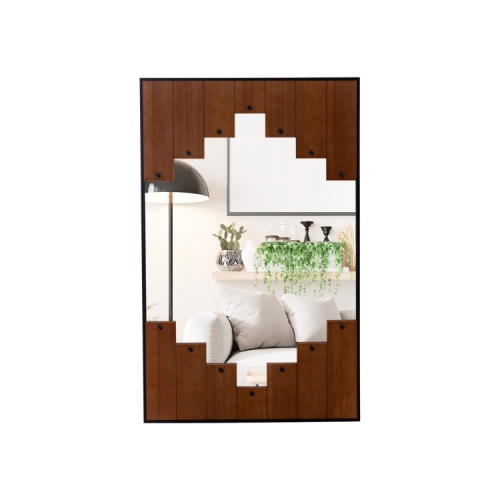
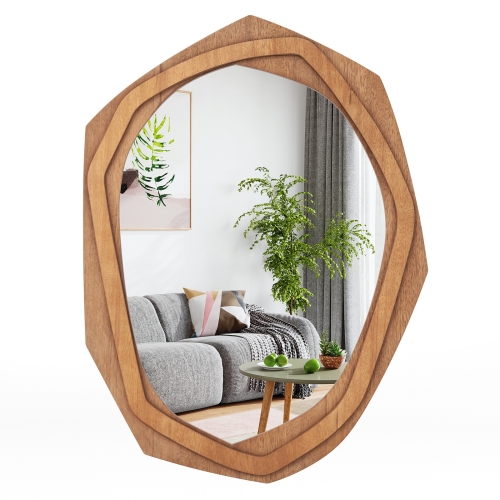
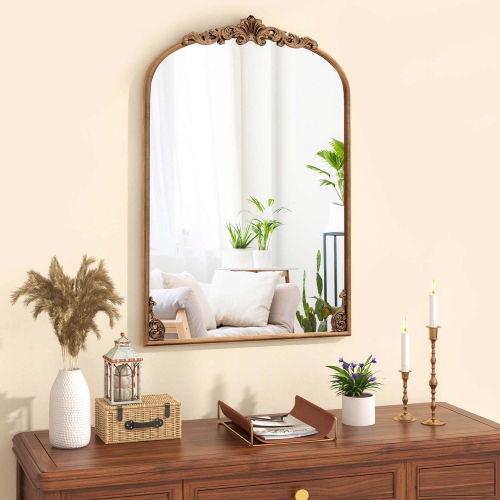
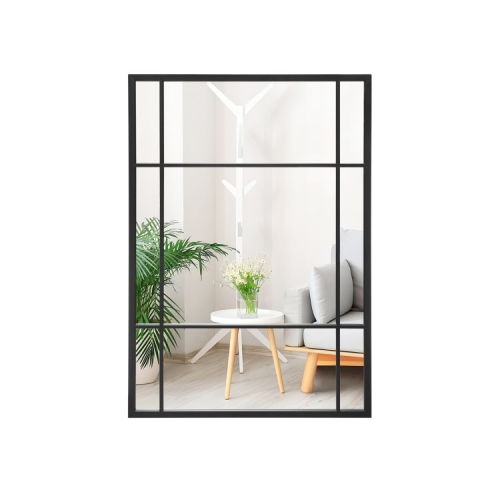
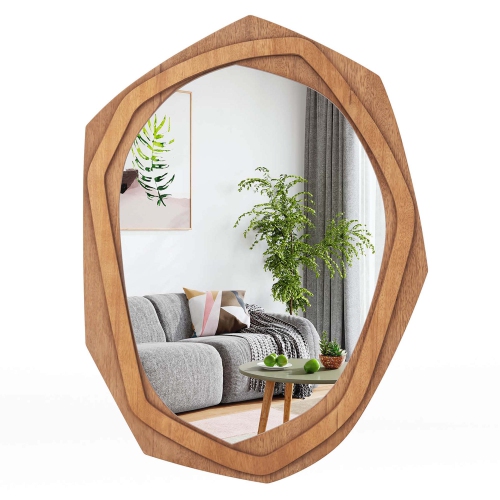
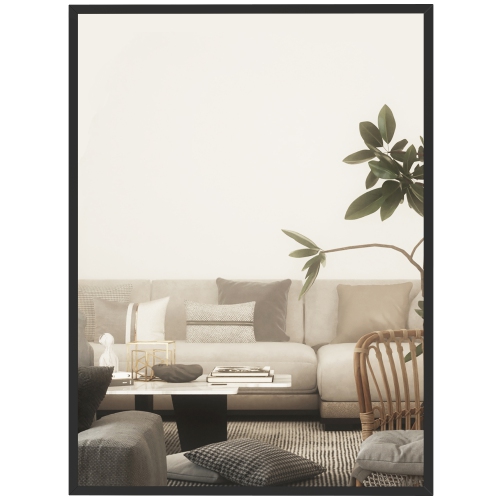
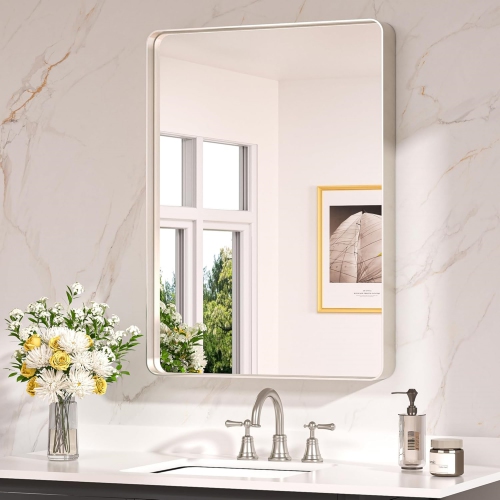
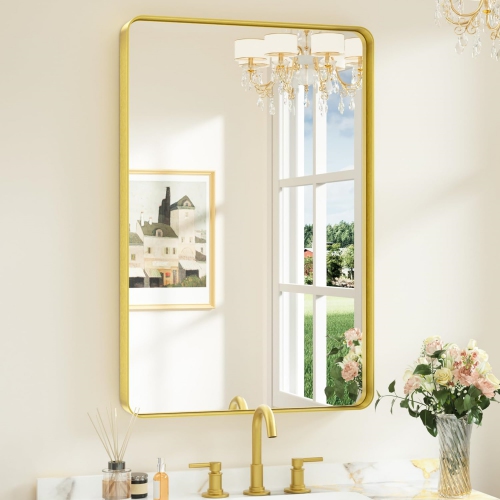
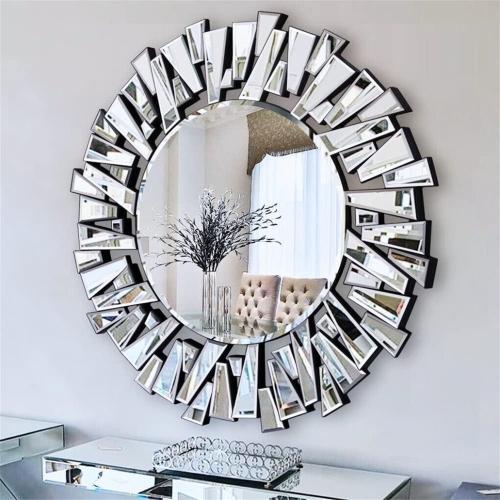
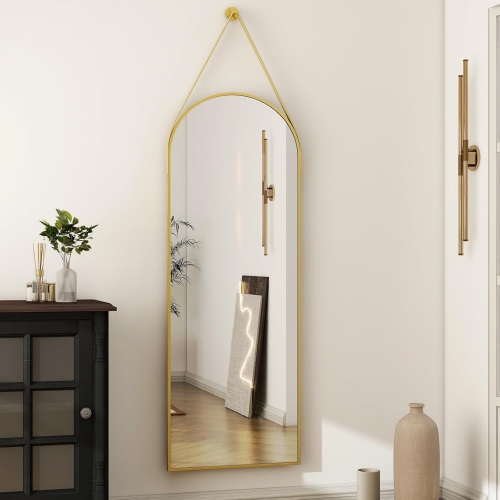
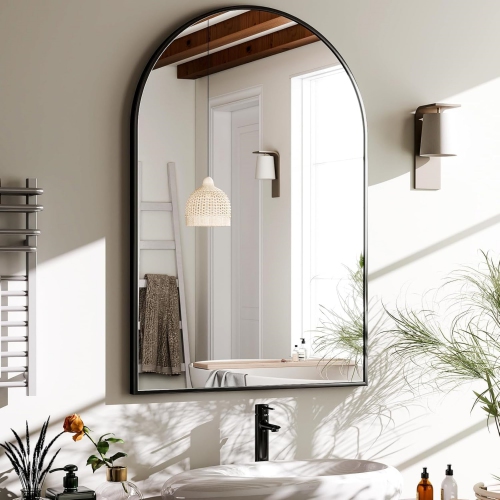
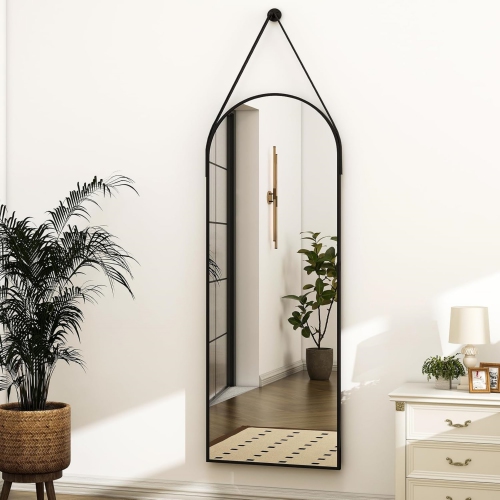
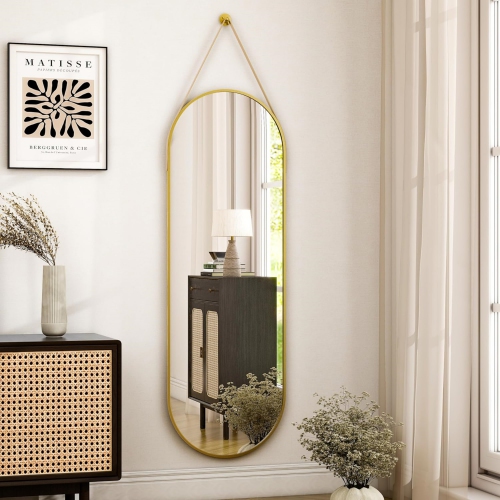
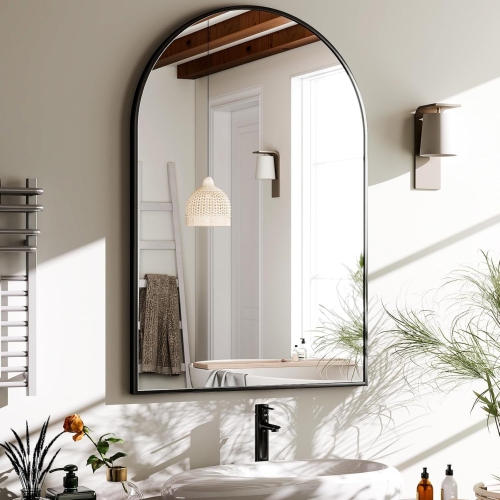
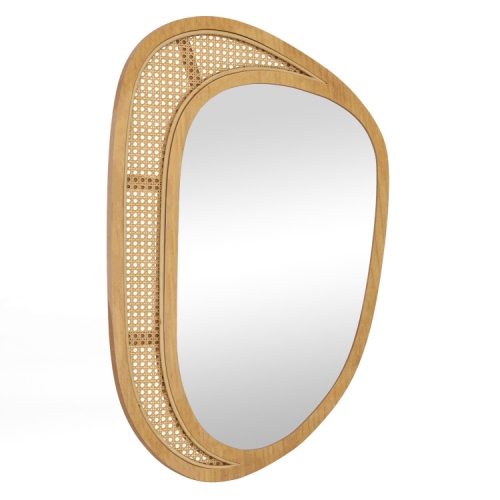
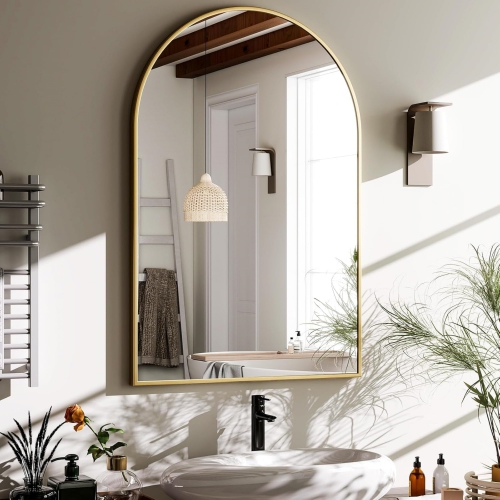
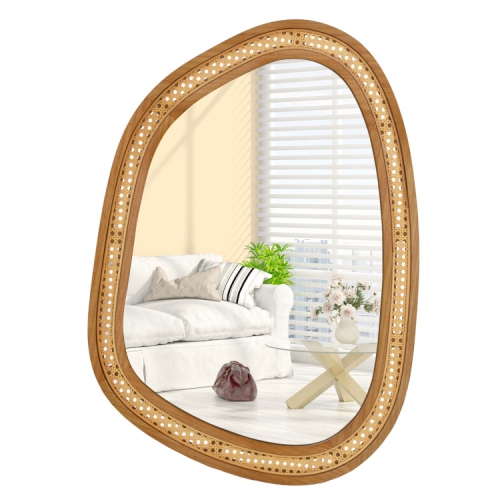
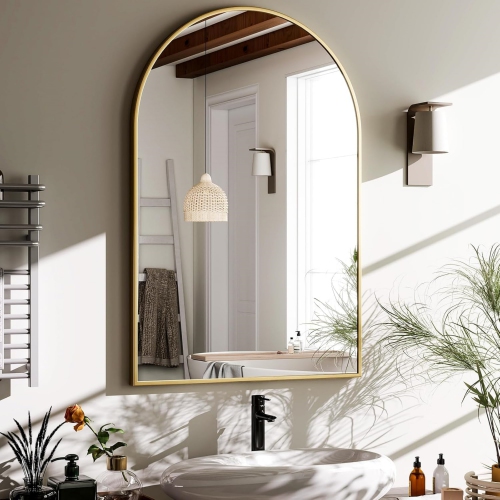
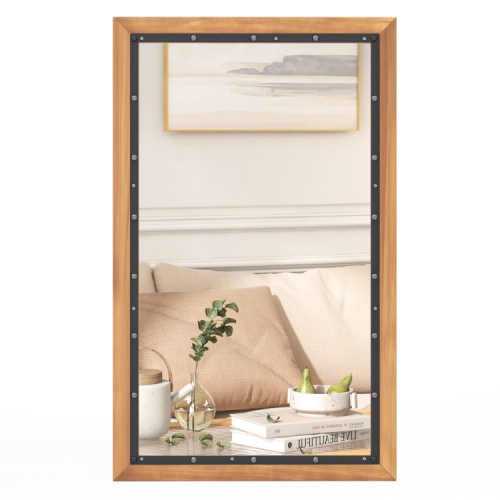
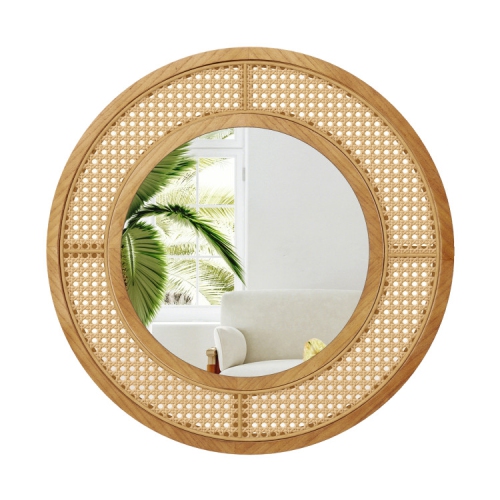
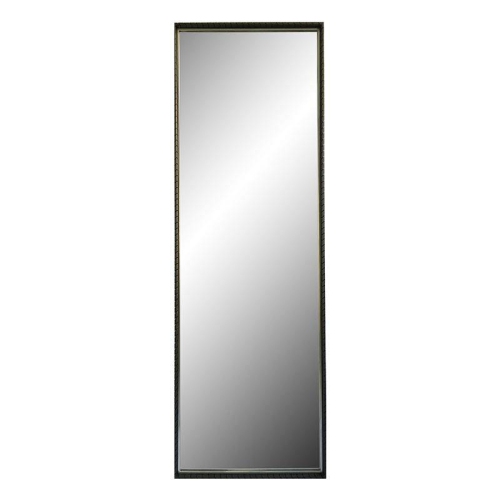
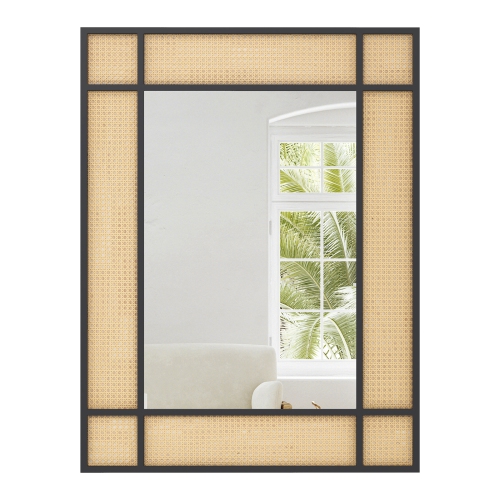
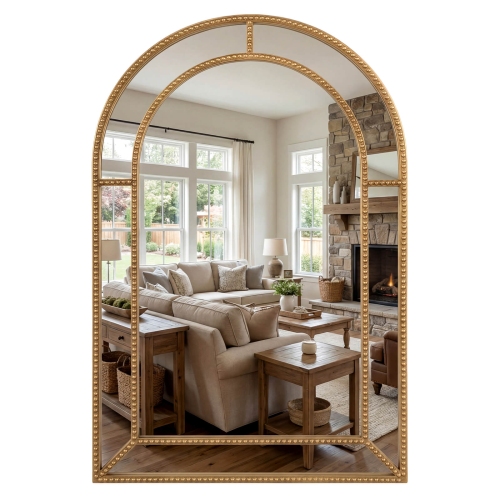
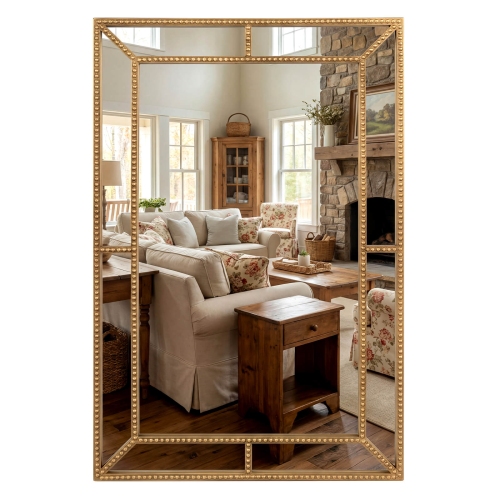
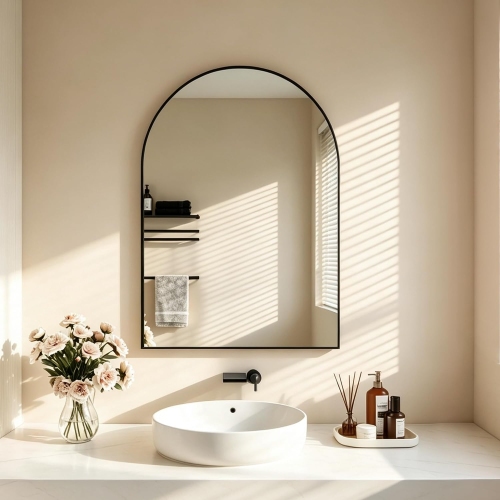
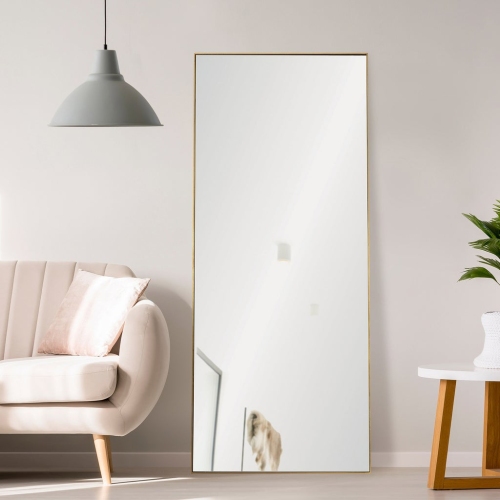
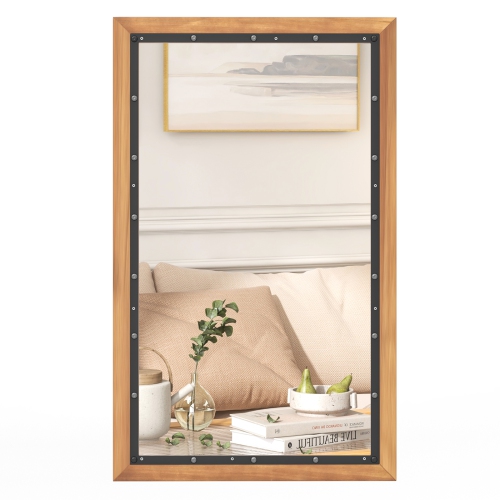
Large rustic wall mirrors bring texture, depth, and a sense of proportion to rooms where a small accent would feel lost. Their character often comes from the frame: visible wood grain, softened edges, a brushed finish, or subtle variations in colour that give a broad surface something worth noticing. In a living room, a substantial timber frame can sit comfortably beside a linen sofa, a woven rug, and a simple coffee table without making every furnishing match. In an entryway, the same style adds a practical place for a final glance before heading out while giving a narrow passage a more open appearance. Rustic does not have to mean heavy or heavily distressed. A slim wood frame with a matte finish can suit a pared-back interior, while deeper moulding and pronounced grain create a stronger farmhouse or cottage influence. Solid wood frames offer natural variation, and their grain patterns may differ across individual pieces. Wood veneer over an engineered core can provide a wood surface with a more uniform underlying structure, while wood-look finishes offer another interpretation of the style. Metal details can add contrast, especially when paired with black lighting, iron curtain rods, or simple cabinet handles. Frame construction, corner joints, and finish quality matter as much as the material name when considering long-term durability. Shape also changes the effect. A wide rectangular mirror echoes the lines of a console or sideboard; a tall rectangle draws attention upwards; an arched top introduces a softer outline; and a round frame can break up a room full of straight edges. Among Large Hanging Mirrors, rustic designs are distinguished by these tactile details rather than by size alone. Pale washed finishes can sit quietly against light walls, medium brown tones add warmth alongside painted furniture, and darker frames give the reflected view a defined border. The most convincing combinations share a few colours or textures without repeating the same finish on every surface.

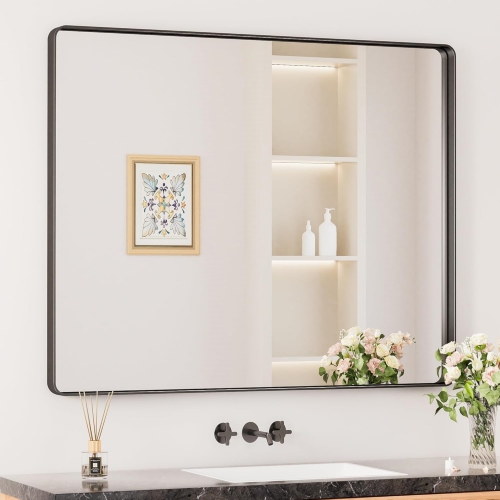
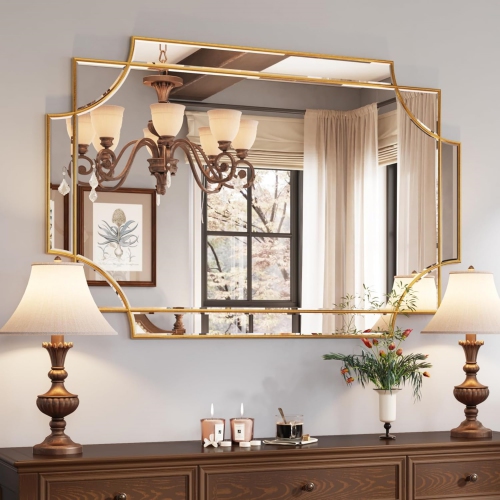
Scale is especially important with a large rustic wall mirror because the frame occupies real visual and physical space. Overall dimensions include the frame, so a wide border can leave a smaller reflective area than a narrow frame of the same outside size. Depth matters too: a chunky profile may feel well proportioned above a substantial sideboard but project farther than expected into a tight hallway. Above a console, a mirror that leaves some wall visible on either side usually feels connected to the furniture rather than overwhelming it. The height of the furniture, ceiling clearance, nearby switches, and any wall sconces all affect the fit. A tall mirror beside a wardrobe can support everyday dressing, provided its reflective area and hanging height allow the intended view. In a dining room, a broad mirror can reflect a pendant light or artwork on the opposite wall, adding another layer to the room without introducing another large piece of furniture. What appears in the reflection is part of the overall effect: a calm seating area creates a different impression from a busy doorway or an open storage shelf. Placement opposite a window may distribute daylight farther into a room, although direct reflections from lamps, screens, or strong sunlight can cause distracting glare. Clear, even reflection is particularly useful where the mirror will serve a practical purpose rather than acting mainly as a wall feature. Safe installation is another essential part of the fit. The full assembled weight, wall construction, mounting points, and permitted hanging orientation determine the hardware required. A plasterboard fixing, a masonry fixing, and a fixing into a wall stud are not interchangeable solutions. Manufacturer-specified hardware and installation directions take priority, including whether a frame can hang horizontally, vertically, or both. A large frame should not be suspended from a decorative edge or improvised attachment, and a wall-mounted design is not necessarily suitable for leaning against a wall. Professional installation can be helpful for particularly heavy mirrors or uncertain wall conditions, especially above furniture that people use regularly.
Everyday care helps preserve the contrast between a clean reflective surface and a textured rustic frame. Dust can settle into grooves, carved details, and open grain, so a soft, dry cloth or gentle brush is often more suitable for the frame than vigorous wiping. Glass and frame finishes may need different cleaning methods. Applying an approved glass cleaner to a cloth rather than spraying the mirror directly helps limit liquid collecting along the lower edge or reaching the backing. Excess moisture can affect wood finishes, frame joints, and the reflective coating at vulnerable edges. Abrasive pads and harsh cleaners can also dull a finish or scratch a surface, making the maker’s care directions important even when the frame is meant to look aged. Deliberate distressing is a design detail, not a sign that a finish can withstand rough treatment. Room conditions also influence where these mirrors work best. A wood-framed mirror intended for a bedroom or living area may not be appropriate for repeated steam exposure above a bathroom basin; suitability for damp locations should be stated by the manufacturer. Strong, prolonged sunlight and placement close to a heat source can affect some finishes, so a protected wall position may offer better longevity. In homes with children or active pets, secure mounting and a location away from frequent bumps deserve particular attention. Large rustic wall mirrors can also make thoughtful housewarming or milestone gifts when the recipient’s preferred style, available wall space, and installation needs are already known. Their usefulness extends beyond a decorative focal point: they support daily routines in bedrooms, give entrance halls a functional finishing touch, and help connect furniture groupings in shared living spaces. A frame with restrained detailing can adapt as cushions, rugs, and wall colours change, while a more pronounced distressed finish makes a deliberate statement. Whether paired with a simple bench or centred above a substantial chest, the appeal lies in the balance between a clear reflection and a frame with visible character.

FAQ

Some products may be subject to Environmental Handling Fees (EHF) depending on your province. Learn more about EHFs.