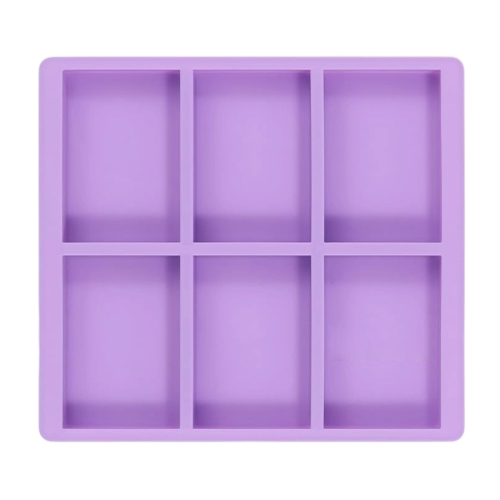
Large Square Ice Cube Moulds

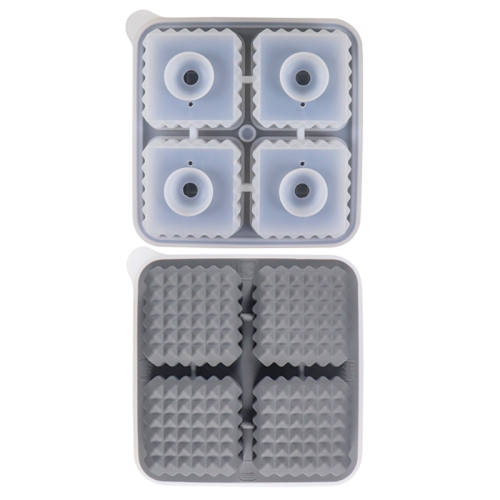
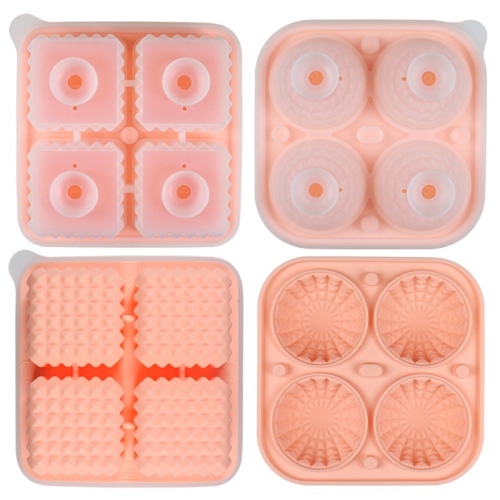
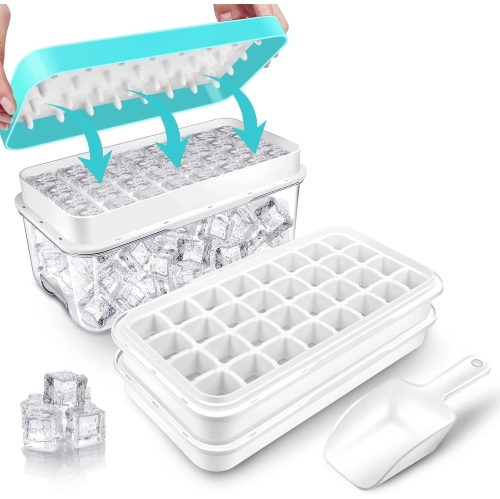
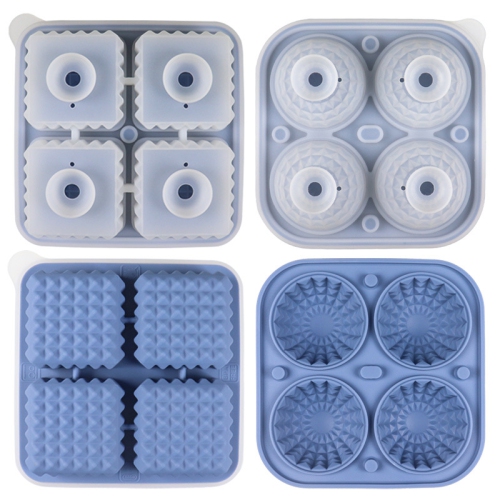
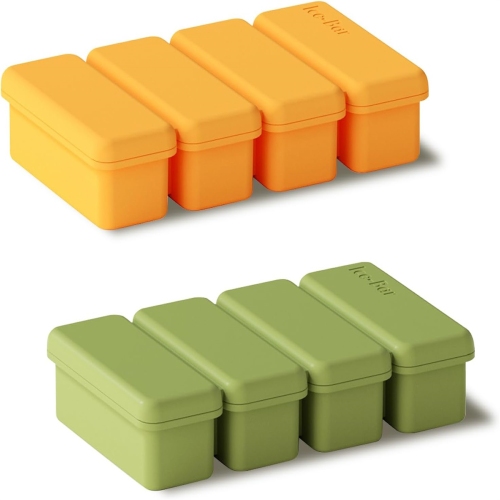
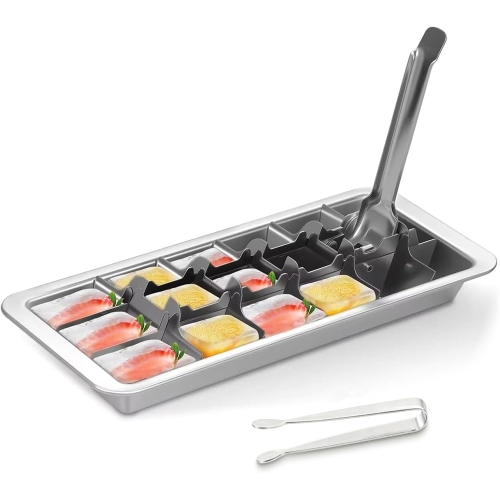
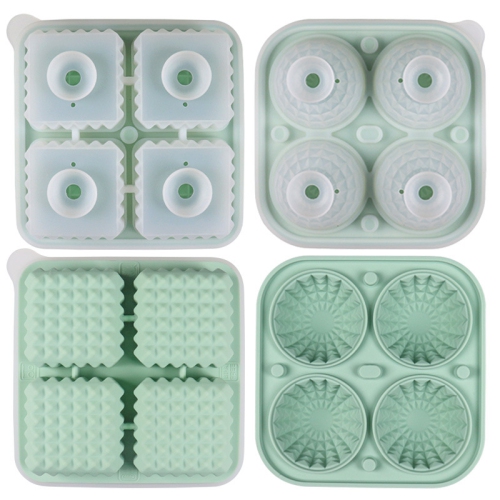
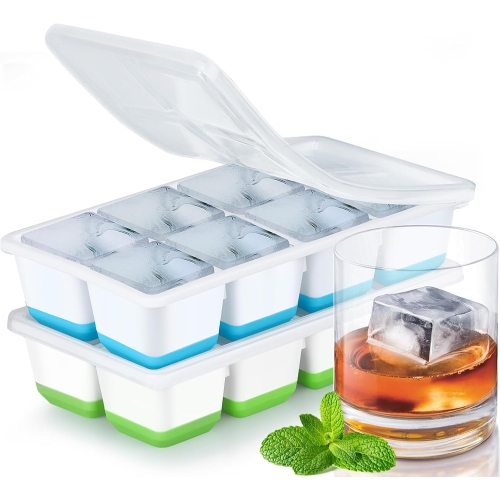
Browse large square ice cube moulds for making oversized cubes for whisky, cocktails, and other chilled drinks. Compare cube dimensions and overall mould size to find an option that suits your glassware and fits your freezer, and consider how easy each mould is to fill and empty.
Sort

How larger cubes slow dilution in your glass

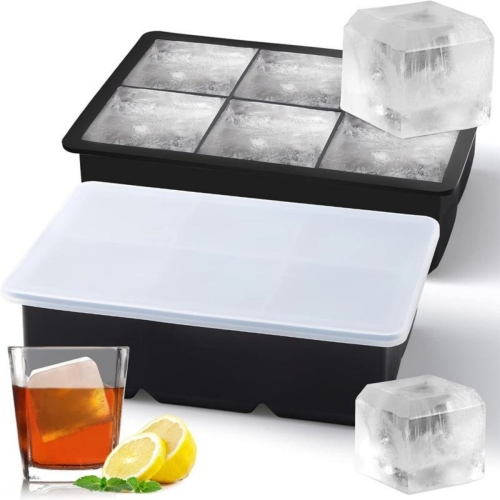
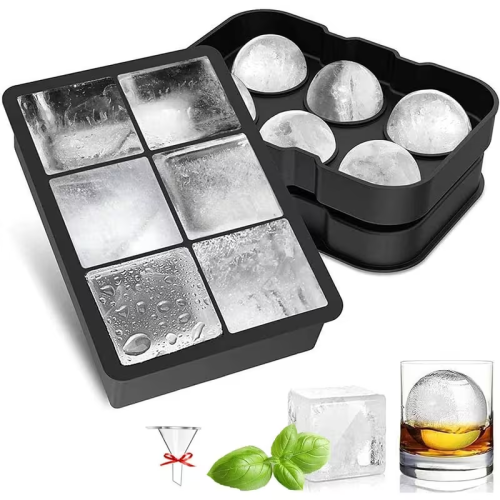
Large square ice cube moulds create generously sized cubes for whisky, cocktails, iced coffee, and other drinks served over ice. A large cube has less exposed surface area relative to its volume than an equivalent amount of ice divided into smaller pieces, so it generally melts more slowly under similar conditions. That slower melt can help keep a drink chilled while limiting how quickly added water changes its flavour. It does not eliminate dilution: even a substantial cube gradually melts, and some dilution is part of the balance of many cocktails. The appeal is a steadier drinking experience, with a single square cube sitting neatly in a rocks glass rather than several smaller pieces shifting around with every sip. For an old fashioned, that leaves room for the drink and its garnish; for cold brew, it helps preserve the coffee’s strength as the glass is enjoyed. Within the broader category of Ice Molds, large square designs suit people who prefer a straightforward shape that works across a range of drinks. Cube dimensions matter more than photographs alone suggest, especially with narrow tumblers or glasses that taper towards the base. The cube needs enough room to settle inside without being forced against the glass, while still leaving space for the beverage. Checking the stated cavity dimensions against the inside of a favourite glass helps establish whether the size is practical. The mould’s overall dimensions are equally useful, since a tray with only a few deep cavities can occupy more freezer space than a conventional ice tray. These moulds are particularly well suited to drinks that are already cool or prepared for serving over ice. A large cube added to warm coffee will still melt substantially as it absorbs heat, so cube size alone cannot prevent a drink from becoming diluted. It is also worth considering the weight of a filled glass, since one substantial cube can make a delicate tumbler feel noticeably heavier.

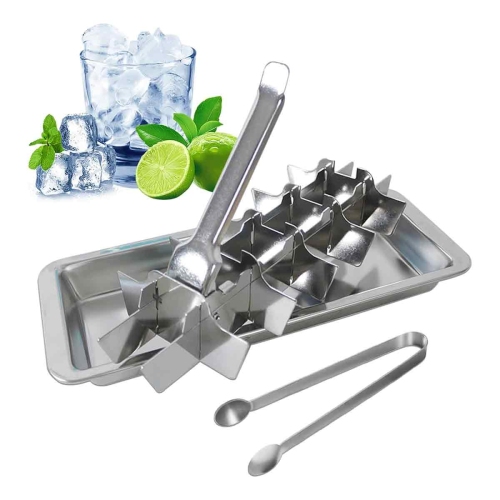
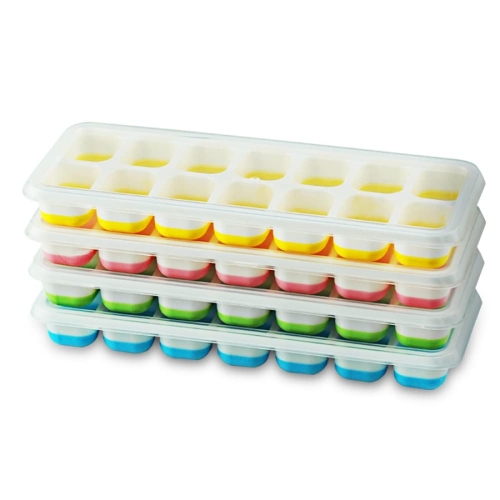
Materials and construction influence how easy a large ice cube mould is to fill, move, and empty. Flexible silicone allows the sides of each cavity to peel away from the frozen cube, which can make release easier without striking the tray against the countertop. A very flexible tray may need support underneath while being carried to the freezer, particularly when its cavities are full. Rigid plastic designs offer a firmer structure for handling, although their release method deserves attention because deep cubes can be harder to loosen than small ones. Designs combining flexible cavities with a supportive frame offer another approach. In any construction, materials intended for food contact and clearly stated care instructions are important considerations. A lid can help reduce spills during careful movement and limit exposure to freezer odours, but it should not be assumed to create a leakproof seal unless that feature is specified. Stackability can be useful in a busy freezer, provided the design supports the tray above without pressing into the water below. Water expands as it freezes, making the marked fill line and any space beneath the lid relevant to everyday use. A level resting surface also helps cubes freeze with more even tops. Capacity is another practical distinction: a mould that makes a few large cubes may suit occasional drinks for two, while entertaining several guests can call for multiple batches prepared ahead. Large cubes take longer to freeze than smaller ones, and the time varies with cavity size, starting water temperature, and freezer conditions. For care, dishwasher compatibility should be confirmed rather than assumed. Handwashing with mild dish detergent, thorough rinsing, and complete drying can help prevent residue from affecting taste. Strongly scented cleaners may leave unwanted odours, particularly on silicone. Sharp utensils and aggressive twisting can damage cavities or frames, so gentle release methods are preferable. Cracks, tears, rough edges, or persistent odours are signs that a mould may no longer be pleasant or practical to use.

The best fit depends on the drinks being served and how often ice is needed. Someone who enjoys a measured pour of whisky may favour one substantial cube that leaves room to swirl the glass gently, while a household making iced lattes may care more about batch capacity and easy release. Large square cubes also work with sparkling water, alcohol-free cocktails, and iced tea, making these moulds useful beyond a home bar. Coffee frozen into cubes can chill a coffee drink without adding plain water, although flavoured liquids may leave more residue and require extra attention during cleaning. Plain water remains the most versatile choice when the same ice will be used across several beverages. Fresh-tasting water and a clean mould contribute to good results, but a standard square mould does not necessarily produce perfectly transparent ice. Cloudiness often comes from trapped air and dissolved substances, and visual clarity depends on the freezing process as well as the water. A cloudy cube can still serve its purpose well; a crisp shape and an appropriate fit often matter more in daily use. Once released, cubes kept in a clean, closed freezer container are less exposed to food odours than uncovered ice. Separating frozen cubes before storing them can also make it easier to take out just what is needed, though surface moisture may cause them to stick together again. For serving, easing a cube into an empty glass before pouring avoids dropping heavy ice through a finished drink and splashing the countertop. As a gift, large square ice cube moulds suit cocktail enthusiasts, coffee drinkers, frequent hosts, and anyone setting up a drinks station at home. Their usefulness comes from a simple combination of generous cube size, reliable release, manageable storage, and care requirements that fit an everyday routine. A mould that matches the recipient’s glassware and freezer space is more likely to become a regular part of serving drinks than one chosen for appearance alone.

FAQ

Some products may be subject to Environmental Handling Fees (EHF) depending on your province. Learn more about EHFs.