Largest Luggage

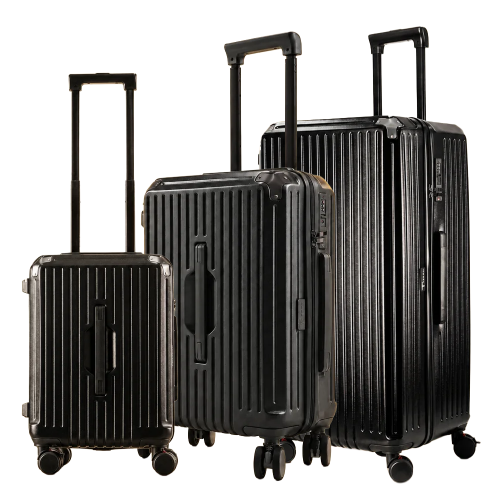
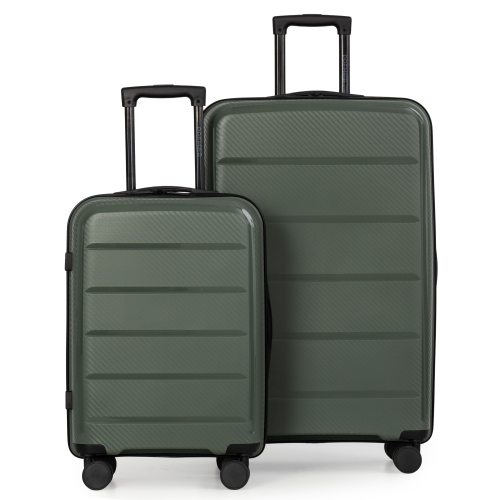
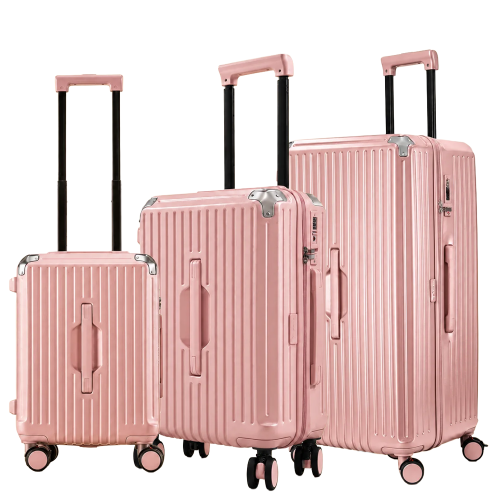
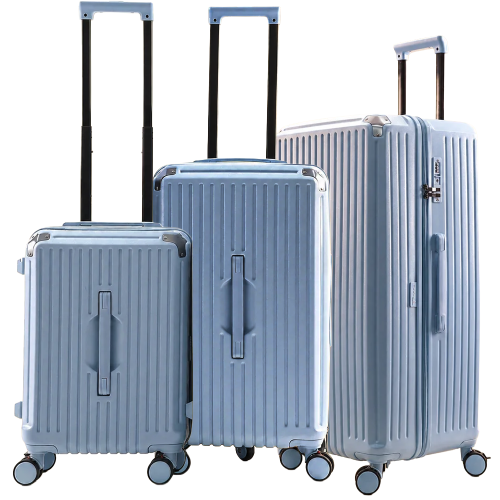
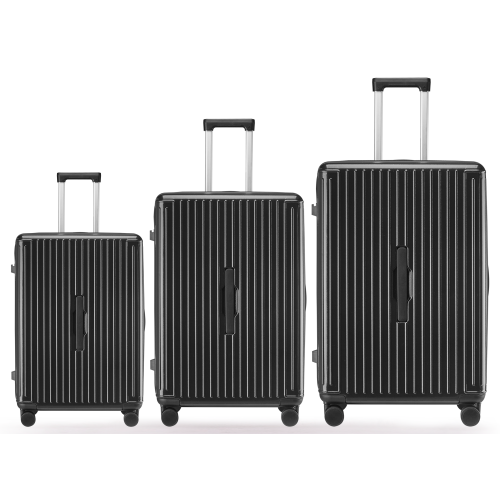
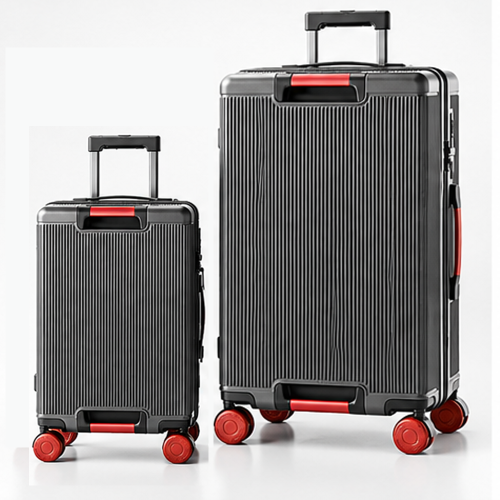
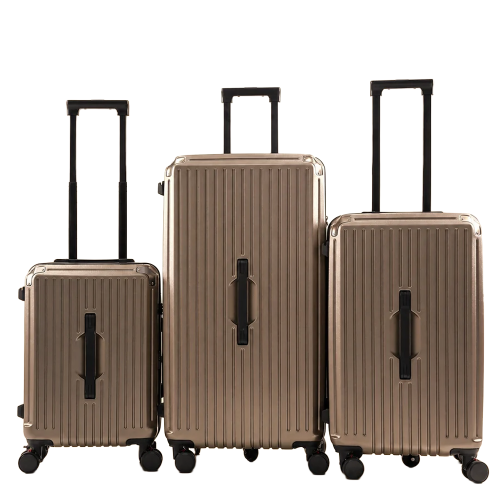
Explore the largest luggage options for longer trips or packing bulky items. Compare suitcase dimensions, packing capacity and empty weight to find the space you need, and check your airline’s checked-baggage size and weight limits before choosing.
Sort

More packing space still comes with airline limits

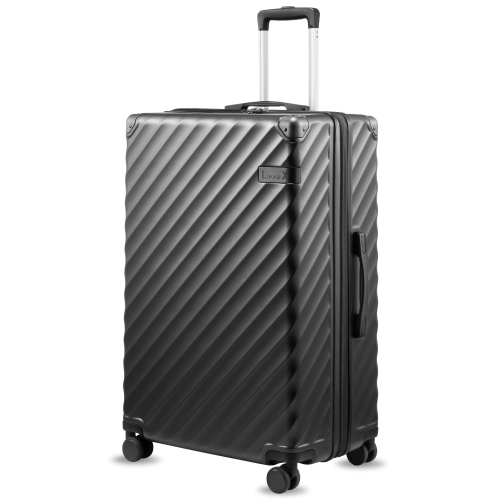
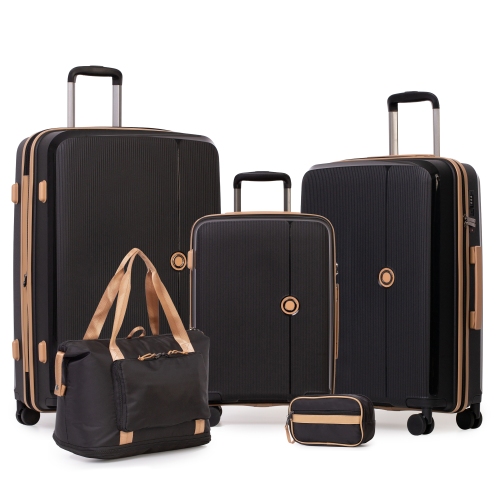
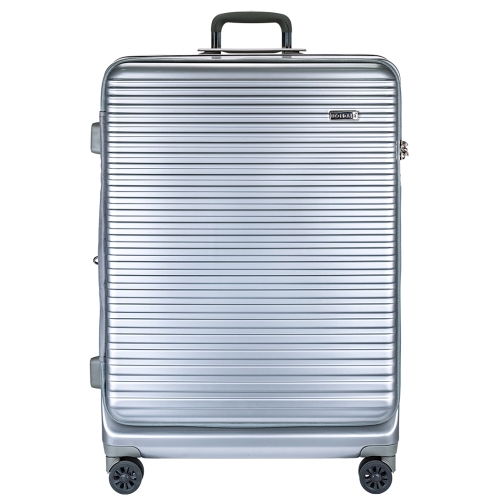
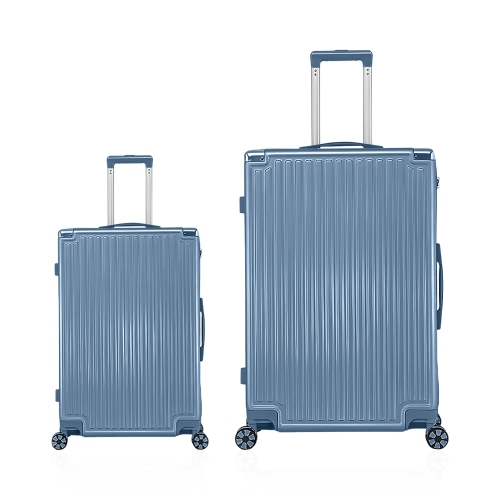
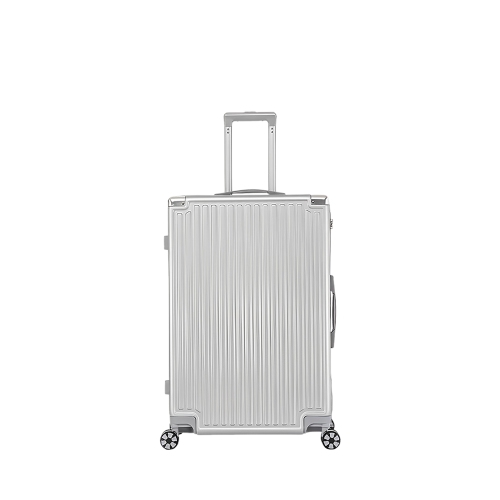
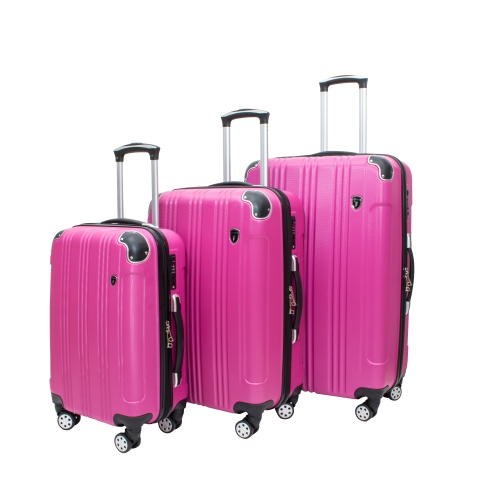
The largest luggage options generally fall into the extra-large checked suitcase category, with many tall designs measuring around 31 to 32 inches and some offering approximately 142 to 144 litres of packing capacity. Those figures are not a universal upper limit: oversized trunks and travel bags can be larger, and capacity varies with the shape and construction of the case. Height alone also does not determine whether a suitcase meets an airline’s checked-baggage requirements. Many airlines use a standard size limit of 62 linear inches, or approximately 158 cm, calculated by adding the bag’s outside length, width and height, including wheels and handles. A suitcase measuring 31 inches high, 20 inches wide and 12 inches deep totals 63 linear inches, even though its height sounds typical for a large case. Expanded dimensions can push a bag beyond a carrier’s allowance, too. Published measurements deserve a close look because the shell height and the overall height are not always the same. Capacity in litres describes packing volume, not airline acceptance, and a roomy interior does not remove the need to meet a separate weight limit. Within the Extra Large Checked Luggage category, the most useful size depends on what needs to travel and how the bag will be transported. An extended visit with relatives, a move for school or a trip requiring several changes of formal clothing can make generous packing space worthwhile. Families may prefer sharing one larger case for clothing while keeping essential personal belongings in smaller bags. A large suitcase can also accommodate bulky but relatively light belongings, such as extra footwear and folded bedding. The practical distinction is between having enough room and filling every available corner: a fully packed case still needs to be manageable at the check-in counter, beside a train platform and when being lifted into a vehicle. Requirements can differ between airlines and connecting flights, so the full itinerary matters as much as the suitcase’s stated size.
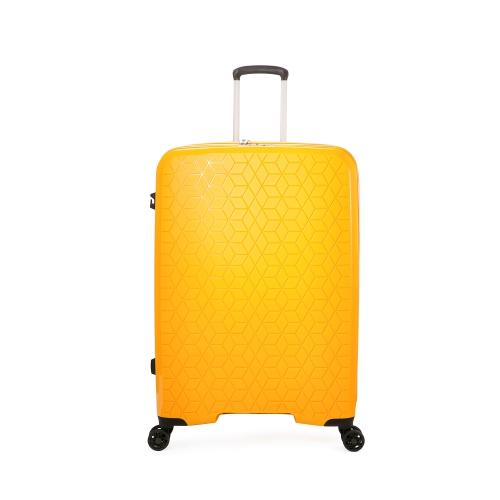
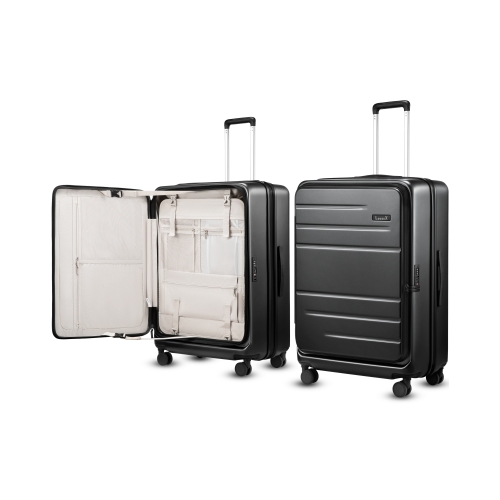
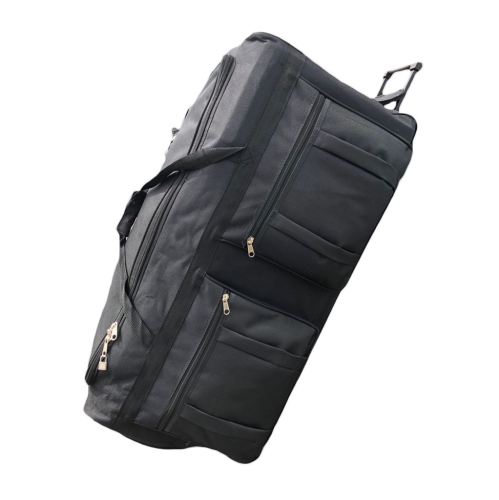
Materials and interior construction shape how that space performs in everyday travel. Hard-shell luggage provides a defined outer structure that helps protect packed clothing from being squeezed by surrounding bags. Polycarbonate shells are known for their ability to flex under pressure, while polypropylene can combine low weight with flexibility; ABS shells tend to feel more rigid, although overall durability also depends on thickness, construction and the quality of the corners and fittings. No shell material is completely immune to scratches, dents or cracking. Soft-sided luggage, often made with woven polyester or nylon, can offer accessible exterior pockets and a little more give when fitting into a vehicle’s luggage compartment. Fabric density, reinforced seams and abrasion-resistant panels are useful details where a large bag is likely to rub against conveyor belts, curbs and other luggage. Water-resistant fabric or a hard shell can help with incidental splashes, but neither automatically makes the complete suitcase waterproof, particularly around zips and seams. Inside, a split clamshell layout separates belongings into two sections, making it easier to keep folded shirts apart from shoes or toiletries. A deeper main compartment may better suit larger packing cubes, longer garments or belongings that do not fit neatly into shallow halves. Compression straps help keep a partly filled case from shifting, and zipped dividers can hold smaller belongings in place when the suitcase is opened upright against a wall. Expansion panels add flexibility, but they also change the outside dimensions and can make an already large case harder to balance. Packing organizers create clearer sections for shared family luggage, while a separate washable pouch keeps worn clothing apart from clean outfits. Dense belongings positioned near the wheel end can help a case feel more stable during rolling. Compression reduces the space occupied by clothing, not its weight, so a tightly organized interior can still become surprisingly heavy.
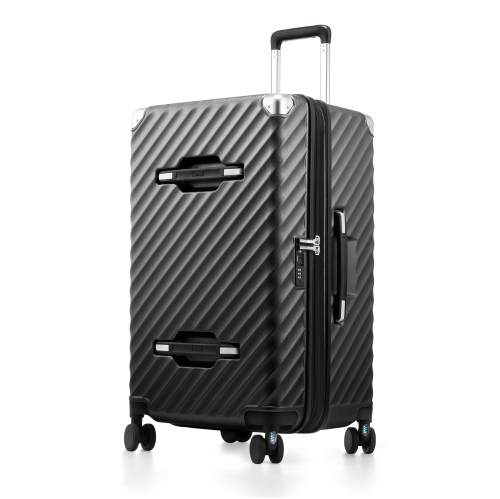
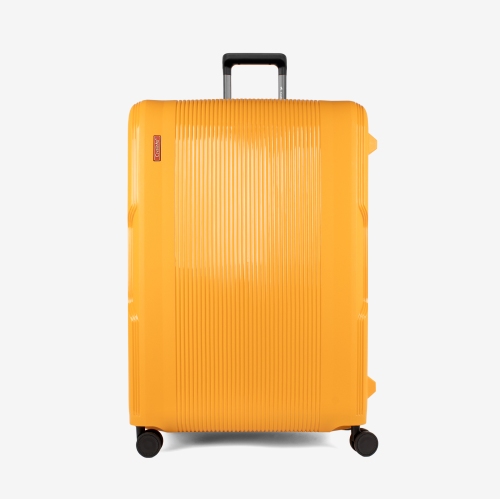
Handling matters just as much as capacity when luggage reaches this size. Four spinner wheels allow a case to move upright beside its owner across smooth terminal floors, while two-wheel designs are pulled at an angle and may feel more predictable over uneven surfaces. Larger wheels, securely mounted wheel housings and a stable base are worth considering because a heavily loaded suitcase puts substantial demand on these components. A telescopic handle should extend to a comfortable height without requiring a traveller to hunch or hold the bag awkwardly away from the body. Top and side carry handles serve a different purpose: they provide lifting points for placing the case on a scale, navigating stairs or moving it into a car trunk. The telescopic handle is not a substitute for a reinforced lifting handle. For someone travelling alone, the largest usable suitcase may be smaller than the largest one that fits the packing list, particularly where stations, accommodation or transfers involve stairs. Storage at home matters as well; a deep trunk-style case needs more cupboard space than its height alone suggests. Large luggage can make a practical gift for a student moving away, someone planning an extended stay abroad or a traveller who regularly shares packing space with a partner. Their lifting comfort, preferred transport and usual baggage allowances are more useful starting points than maximum capacity alone. Regular care helps preserve the parts that receive the most wear. Dirt around wheels and axles can interfere with rolling, while an overfilled case places extra strain on zips, seams and handles. Most exterior surfaces benefit from gentle cleaning with a soft cloth and a suitable mild cleaner, following the manufacturer’s care directions. Linings should be fully dry before the suitcase is closed for storage, and removable sections should only be washed as directed. A large case earns its place through a combination of usable volume, dependable construction and manageable handling, leaving room for an extended trip without making every transfer unnecessarily difficult.

FAQ

Some products may be subject to Environmental Handling Fees (EHF) depending on your province. Learn more about EHFs.