LEGO Animal Crossing Toys And Sets
Discover endless creativity and adventure with lego animal crossing toys and sets, perfect for fans of imaginative play. These engaging building sets bring favorite characters and scenes to life, offering hours of fun for builders of all ages. Whether you’re expanding a collection or searching for a unique gift, lego animal crossing toys and sets provide exciting options to spark storytelling and hands-on entertainment. Explore the full selection to find the perfect addition to any playroom or hobby shelf.

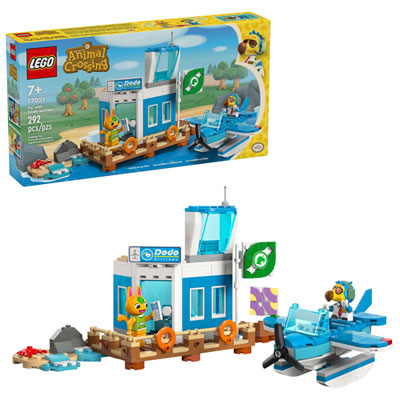


Brick-built villages where animal neighbours shape the story
Animal-themed building toys bring the gentle pace of village life into hands-on play, with small homes, gathering places, animal neighbours, and everyday accessories that can become part of a larger brick-built world. The LEGO Animal Crossing theme draws on the video game series’ mix of friendship, exploration, and personal expression, giving fans a way to build scenes away from a screen. Rather than focusing on races or battles, these toys lend themselves to stories about visiting a neighbour, arranging a room, tending a garden, or finding a new spot for a picnic. That open-ended approach leaves plenty of room for a child to invent conversations and change what happens next. A tiny table can move from a house to a courtyard, a path can lead to a different doorway, and an animal figure can become the host of an afternoon gathering. Depending on the set, buildings, landscape sections, furniture, and accessories provide different starting points for those stories. Modular layouts are a key part of the theme, although the sections that can be moved or connected vary by model. Rearranging those sections lets the finished build remain an active toy rather than something that must stay exactly as pictured. Familiar visual details also give video game fans something to appreciate during assembly and display, while children who have never played the games can still enjoy the animal characters and miniature settings. These sets suit a range of interests, from following illustrated building steps to making up neighbourhood adventures or arranging a small scene on a shelf. Their appeal lies as much in the moments after construction as in the build itself: choosing where a character lives, deciding which neighbours visit, and making a compact village feel personal. For households where children and adults share an interest in building, that combination can make the finished scene a shared project with room for contributions from different ages.
The building experience depends on more than the number of pieces in the box. Age recommendations, the size of individual elements, the number of assembly stages, and the amount of fine detail all affect how a set feels to put together. A compact scene may offer a manageable starting point for a newer builder, while a more involved layout can appeal to someone who enjoys sorting parts and working through several connected sections. The marked age range is a useful reference for expected building skills, but small-parts warnings remain important, particularly in homes with younger siblings. These toys commonly use rigid moulded plastic bricks and shaped elements designed to fit together firmly and come apart for rebuilding. Small accessories and character components add personality, though they also call for careful handling and a suitable play area. A shallow tray or a clear section of table helps keep loose pieces within reach during assembly; afterwards, a lidded container can hold accessories that are not part of the display. Fit matters both at the brick level and in the space where the toy will be used. A layout that looks compact in a photograph may spread out once paths, trees, and separate building sections are arranged around it, so finished dimensions are worth considering alongside the room needed for hands to move figures through the scene. Connections should sit neatly without excessive force, and an adult can help a younger builder separate tightly joined parts with an appropriate brick separator. For routine care, follow the cleaning instructions supplied with the toy; gentle hand cleaning and thorough air drying are generally more suitable for standard plastic pieces than harsh cleaners or high heat. Printed, stickered, or specialty elements may need different handling. Although brick-built toys are made for repeated assembly, projecting branches, narrow posts, and small furniture can loosen during play. Moving a scene by its supported base, rather than lifting it by a roof or tree, helps keep the arrangement together between play sessions.
For gifting, the strongest match often comes from the recipient’s interests and habits rather than the largest build. A child who enjoys animal stories may spend most of their time moving figures between homes, while a keen builder may be drawn to changing the layout and experimenting with how the sections connect. A fan of the games might place more importance on familiar characters and locations, and an adult collector may prefer a scene that fits comfortably beside books or other display pieces. Contents differ from set to set, so character selection, included accessories, and the balance between buildings and landscape are meaningful details. A home-centred scene can encourage stories about hosting friends and arranging furniture; a more open setting can leave space for exploring, gathering, and creating routes between places. Neither approach requires a child to follow a fixed storyline, and the same collection of pieces can support quiet solo play or a shared activity with a sibling, friend, or caregiver. During a shared build, one person might find the next parts while another follows the instructions, then both can decide how to arrange the finished sections. Those small exchanges offer opportunities to practise turn-taking, describe shapes and positions, and work through a misplaced piece without making play feel like a lesson. Birthdays and other gift-giving occasions are a natural fit, especially when the recipient already enjoys construction toys or character-based play. For someone adding to an existing village, connection options and available display space matter as much as visual appeal; not every layout needs to grow to remain engaging. Repositioning a few features or bringing stored accessories back into the scene can create a different story without rebuilding everything. A stable, reachable surface also makes it easier to return to the toy regularly instead of leaving it out of reach. Whether the finished result is a lively play village or a carefully arranged shelf display, these animal-themed sets offer a tangible way to enjoy familiar places, expressive characters, and the satisfaction of building a small world by hand.
Top selling and popular products
-
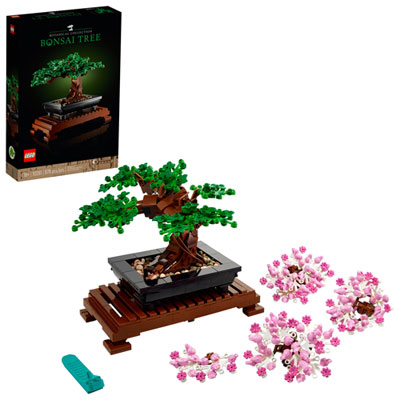 Your price for this item is $69.99
-
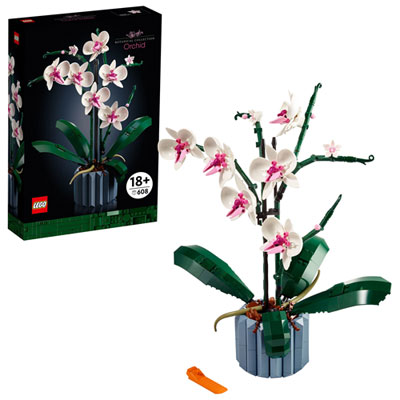 Your price for this item is $69.99
-
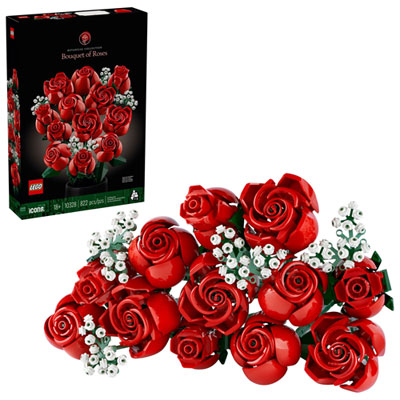 Your price for this item is $79.99
-
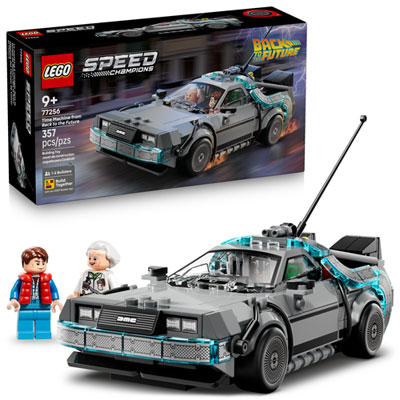 Your price for this item is $34.99
-
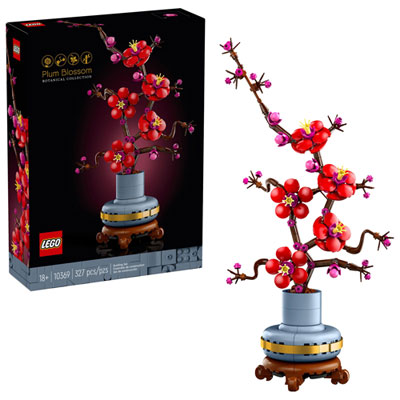 Your price for this item is $39.99
-
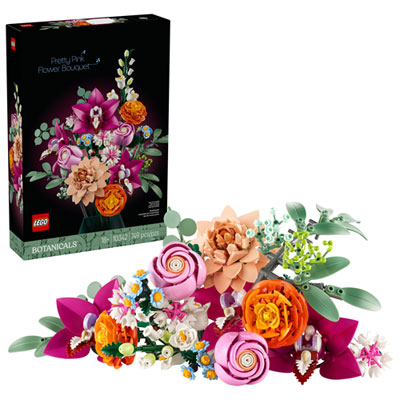 Your price for this item is $79.99
-
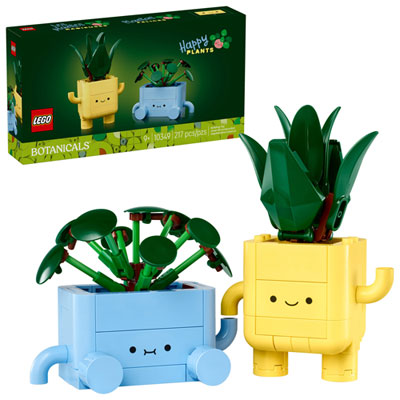 Your price for this item is $24.99
-
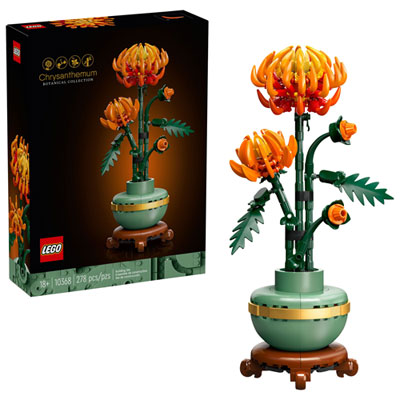 Your price for this item is $39.99
Discover more categories related to LEGO Animal Crossing Toys And Sets

Top Collections:
Pokemon Centers, Kindle Devices, Best Cameras for Sports Photography, Samsung Galaxy Phones, Laptops for Business Work, Canon G7X Cameras, Pokémon 30th Celebration Cards, Refurbished Apple Laptops, iPhone 15 Apple, Cordless Dyson Vacuums
Some products may be subject to Environmental Handling Fees
(EHF) depending on your province.
Learn more about EHFs.