LEGO Classic
Spark creativity and endless building possibilities with lego classic. Perfect for builders of all ages, these sets offer a versatile foundation for imaginative play and hands-on learning. Whether you're looking to create unique structures or simply enjoy hours of fun, lego classic provides the ideal starting point for every project. Explore a wide selection and discover how easy it is to bring your ideas to life.
Sort
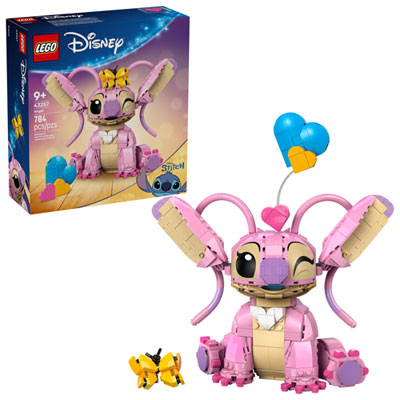
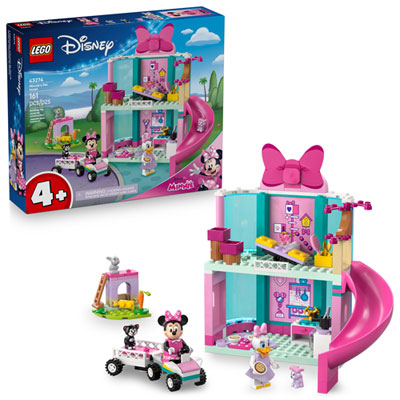
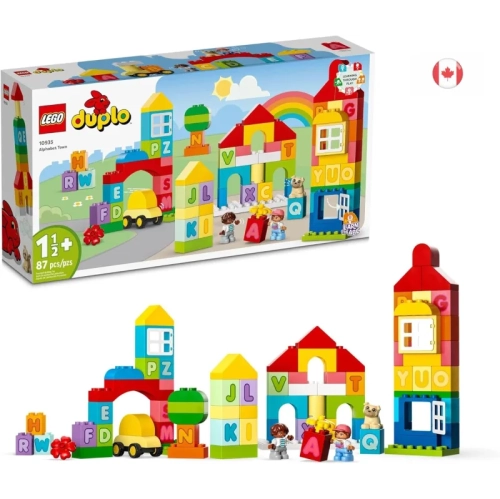
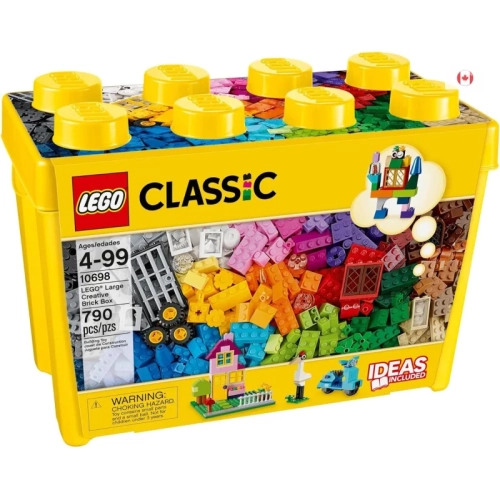
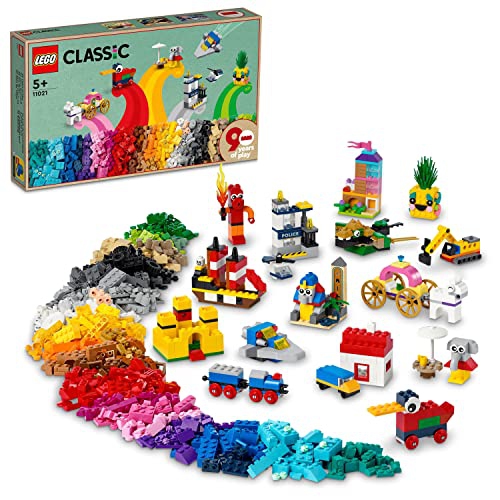
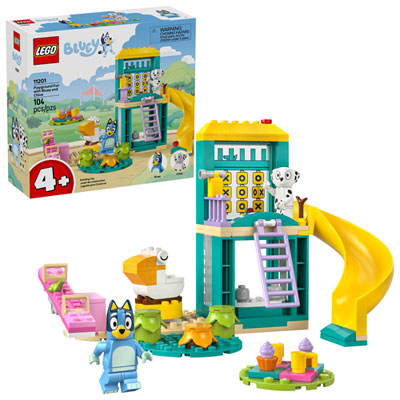
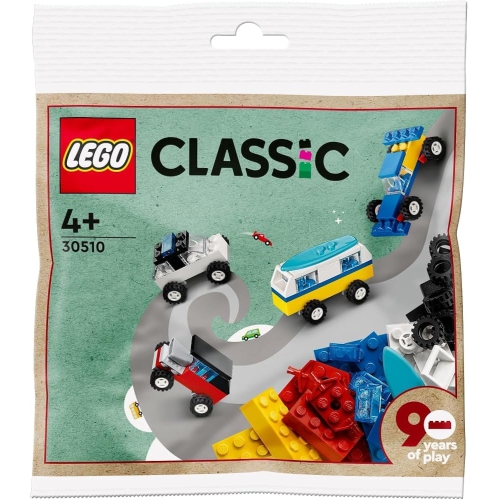
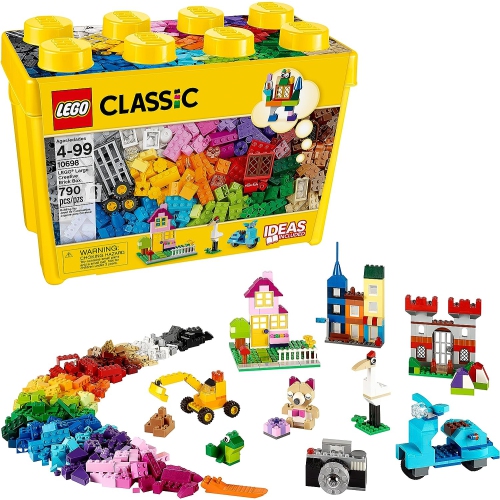
Familiar bricks with possibilities beyond a single model
Classic brick-building sets put the possibilities in the pieces rather than in a single finished model. A handful of rectangular bricks can turn into a little house, a tall robot or the first section of a sprawling imaginary town, with each creation ready to be taken apart and built into something else. That open-ended approach makes these sets particularly suited to builders who enjoy experimenting with shapes, colours and construction without having to follow a fixed storyline. Within the wider world of LEGO Toys, classic building collections provide a foundation for creative play, whether a child is making a first freestanding wall or adding a garage to an elaborate neighbourhood. The mix of pieces matters as much as the total number: basic bricks help build height and volume, while plates, slopes and smaller details can give a model its shape and character. Depending on the set, wheels, windows, eyes or other shaped elements may introduce different ways to build vehicles, creatures and everyday scenes. A broad colour palette can support rainbow-coloured inventions just as easily as carefully planned patterns. Some builders like sorting their pieces before starting; others tip them onto a tray and let an interesting shape suggest the next idea. Both approaches leave room for discovery. Building instructions, where included, can offer a starting point without defining what the finished creation must look like. A small house might gain a second storey, a vehicle might acquire oversized wings, and a simple animal might inspire a whole family of creatures. The appeal lies in that balance between familiar pieces and unexpected results. For a quiet afternoon during the cooler months, a shared family activity or a short stretch of hands-on play between other routines, loose-brick building offers a project that can be as simple or involved as the builder wants.
When comparing classic building sets, the most useful details are the recommended age range, the assortment of shapes and the scale of the pieces. A large piece count does not necessarily mean large individual bricks or an easier building experience. A collection with many tiny elements may suit someone who enjoys adding fine details, while an assortment of basic shapes can be easier to handle and reuse across straightforward constructions. Small building pieces present a choking hazard and should be kept away from children under three; the age marking and safety information on the packaging remain important for every set. In a household with children of different ages, a dedicated building surface helps keep small parts separate from younger siblings’ play areas. Standard interlocking bricks are designed to fit securely within their intended building system, but not every size or format connects in the same way, so compatibility is worth checking before combining collections. The moulded plastic construction gives the pieces defined edges and a consistent connection, allowing models to hold together while still being taken apart for the next project. How firmly a structure stands also depends on the build itself. A wide base supports a tall tower, and overlapping the joints between rows of bricks makes a wall sturdier than stacking isolated columns. These small discoveries are part of the experience rather than rules that need to be mastered in advance. For everyday care, follow the manufacturer’s cleaning directions and use gentle hand-cleaning methods appropriate to the pieces. Ordinary plastic bricks can generally be cleaned with a soft cloth or washed gently in lukewarm water with mild detergent, then left to dry thoroughly before storage. Printed, stickered or special components may need different handling. High heat, abrasive cleaners and forceful bending can damage pieces, while careful disassembly helps preserve their fit. A brick separator, when included or already part of a collection, can make closely joined parts easier to release without using teeth or sharp tools.
Classic building sets can appeal to a wide range of interests because the play does not depend on liking one character, setting or hobby. A child fascinated by traffic might spend an afternoon arranging roads and making vehicles, while another might focus on patterned walls, miniature furniture or creatures with wonderfully unlikely proportions. Adults can join in by building alongside a child, sharing pieces and talking through ideas without taking over the project. Simple challenges, such as making a bridge wide enough for a toy vehicle or creating a tower that stays upright, give a shared session a little structure while leaving the design open. Handling and placing pieces gives children opportunities to practise fine motor control, and adjusting a model that tips over invites patience and problem-solving. These are possibilities within play, not outcomes that require every building session to have a lesson attached. Sometimes the point is simply to spend time making something funny, colourful or surprisingly tall. As a gift, a general-purpose brick collection can suit birthdays, family celebrations and other occasions where a reusable hands-on activity feels appropriate. The recipient’s age, confidence with small pieces and existing collection are more helpful considerations than piece count alone. Someone starting from scratch may appreciate a varied foundation of shapes, while an experienced builder may find new possibilities in colours or elements they have not used before. Practical storage also makes a difference after the wrapping is gone. A shallow tray keeps active pieces visible, divided containers can separate small details, and a larger tub can hold basic bricks without requiring meticulous sorting. Leaving a little shelf space for finished creations allows a builder to enjoy yesterday’s work while starting something new. Taking a photo before dismantling a favourite model can preserve the idea without keeping every piece tied up indefinitely. With space to build, sensible care and freedom to change direction, the same collection can support quick experiments, ongoing projects and shared moments around the table.
When comparing classic building sets, the most useful details are the recommended age range, the assortment of shapes and the scale of the pieces. A large piece count does not necessarily mean large individual bricks or an easier building experience. A collection with many tiny elements may suit someone who enjoys adding fine details, while an assortment of basic shapes can be easier to handle and reuse across straightforward constructions. Small building pieces present a choking hazard and should be kept away from children under three; the age marking and safety information on the packaging remain important for every set. In a household with children of different ages, a dedicated building surface helps keep small parts separate from younger siblings’ play areas. Standard interlocking bricks are designed to fit securely within their intended building system, but not every size or format connects in the same way, so compatibility is worth checking before combining collections. The moulded plastic construction gives the pieces defined edges and a consistent connection, allowing models to hold together while still being taken apart for the next project. How firmly a structure stands also depends on the build itself. A wide base supports a tall tower, and overlapping the joints between rows of bricks makes a wall sturdier than stacking isolated columns. These small discoveries are part of the experience rather than rules that need to be mastered in advance. For everyday care, follow the manufacturer’s cleaning directions and use gentle hand-cleaning methods appropriate to the pieces. Ordinary plastic bricks can generally be cleaned with a soft cloth or washed gently in lukewarm water with mild detergent, then left to dry thoroughly before storage. Printed, stickered or special components may need different handling. High heat, abrasive cleaners and forceful bending can damage pieces, while careful disassembly helps preserve their fit. A brick separator, when included or already part of a collection, can make closely joined parts easier to release without using teeth or sharp tools.
Classic building sets can appeal to a wide range of interests because the play does not depend on liking one character, setting or hobby. A child fascinated by traffic might spend an afternoon arranging roads and making vehicles, while another might focus on patterned walls, miniature furniture or creatures with wonderfully unlikely proportions. Adults can join in by building alongside a child, sharing pieces and talking through ideas without taking over the project. Simple challenges, such as making a bridge wide enough for a toy vehicle or creating a tower that stays upright, give a shared session a little structure while leaving the design open. Handling and placing pieces gives children opportunities to practise fine motor control, and adjusting a model that tips over invites patience and problem-solving. These are possibilities within play, not outcomes that require every building session to have a lesson attached. Sometimes the point is simply to spend time making something funny, colourful or surprisingly tall. As a gift, a general-purpose brick collection can suit birthdays, family celebrations and other occasions where a reusable hands-on activity feels appropriate. The recipient’s age, confidence with small pieces and existing collection are more helpful considerations than piece count alone. Someone starting from scratch may appreciate a varied foundation of shapes, while an experienced builder may find new possibilities in colours or elements they have not used before. Practical storage also makes a difference after the wrapping is gone. A shallow tray keeps active pieces visible, divided containers can separate small details, and a larger tub can hold basic bricks without requiring meticulous sorting. Leaving a little shelf space for finished creations allows a builder to enjoy yesterday’s work while starting something new. Taking a photo before dismantling a favourite model can preserve the idea without keeping every piece tied up indefinitely. With space to build, sensible care and freedom to change direction, the same collection can support quick experiments, ongoing projects and shared moments around the table.
Top selling and popular products
-
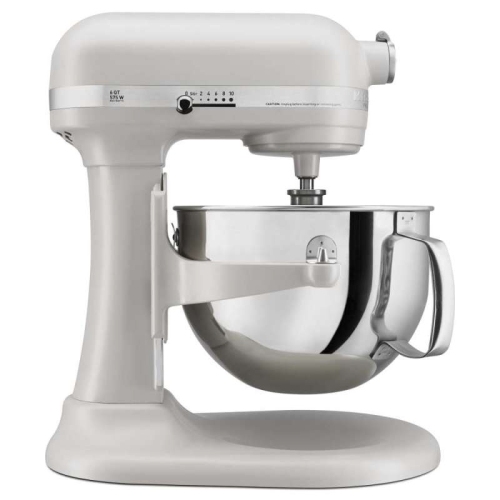 Your price for this item is $669.95
 -
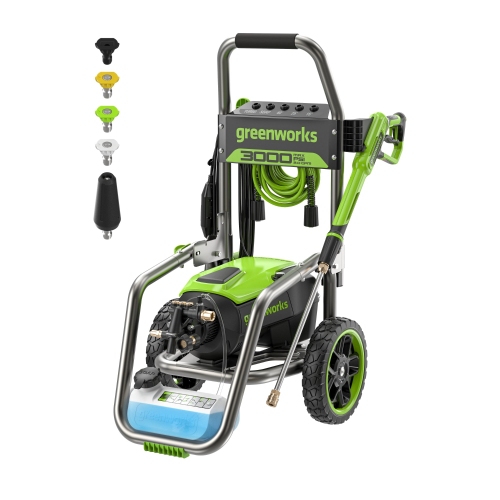 Your price for this item is $699.99
 -
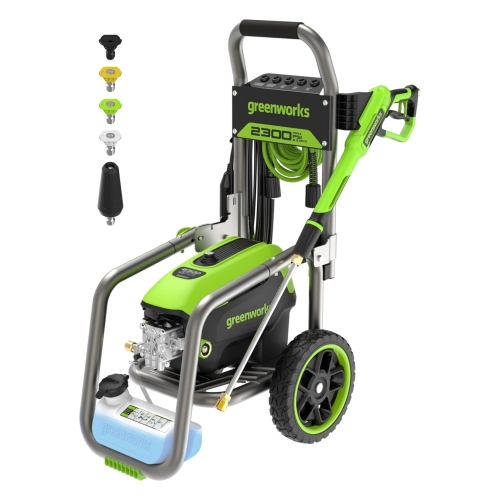 Your price for this item is $569.99
 -
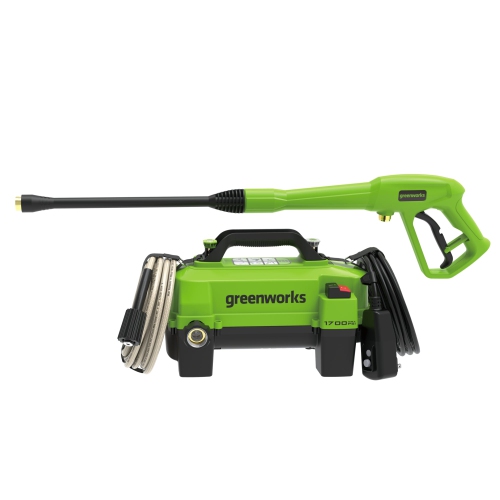 Your price for this item is $155.99
 -
 Your price for this item is $489
 -
 Your price for this item is $89.68
 -
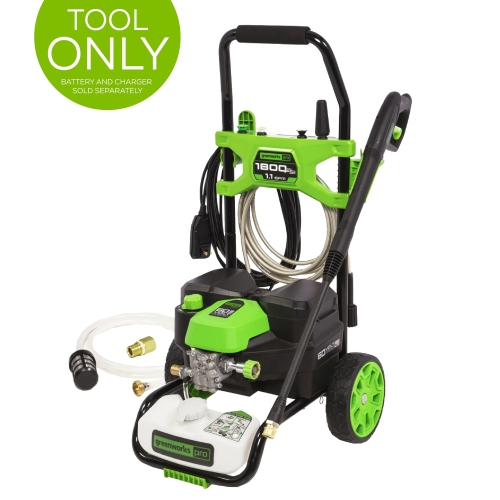 Your price for this item is $319.99
 -
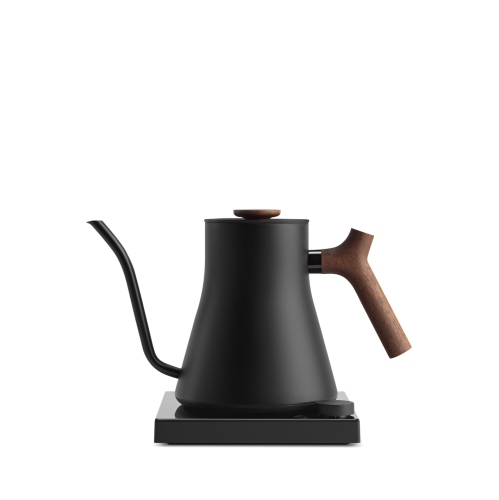 Your price for this item is $325
Discover more categories related to LEGO Classic
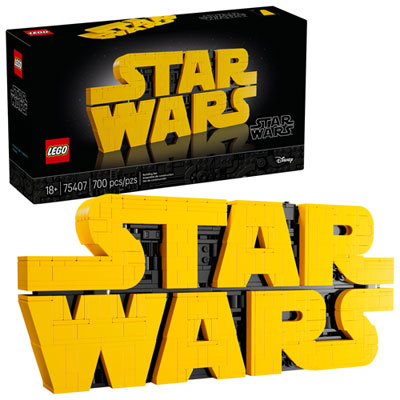
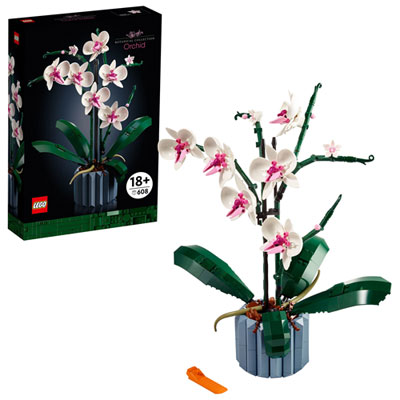
Top Collections:
Pokemon Centers, Kindle Devices, Best Budget Office Chairs, Apple iPhones 16, Best Laptops for Writers, iPhone 15 Apple, Canon G7X Cameras, Refurbished Apple Laptops, Alarm Clock, Motorola Razr Phones
Some products may be subject to Environmental Handling Fees
(EHF) depending on your province.
Learn more about EHFs.