LEGO Toys
Explore a world of creativity and imagination with our extensive collection of LEGO toys. From building blocks to intricate sets, these timeless toys offer endless possibilities for both children and adults alike. Whether you're a fan of superheroes, princesses, or iconic movie franchises, our LEGO selection has something to ignite your passion. With their vibrant colors, innovative designs, and unparalleled attention to detail, LEGO toys are perfect for fostering cognitive development, fine motor skills, and hours of fun. Discover the joy of building and storytelling with our diverse range of LEGO toys that are sure to captivate minds of all ages.
Sort


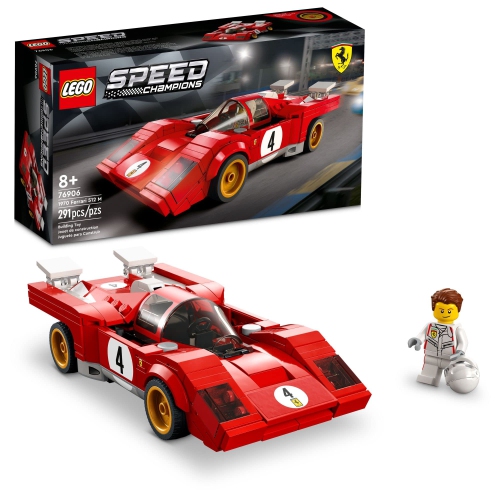
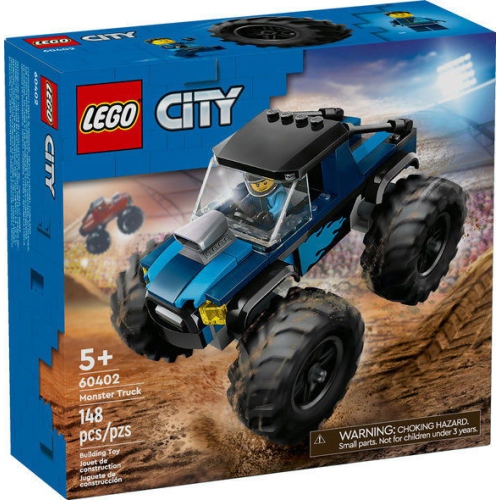
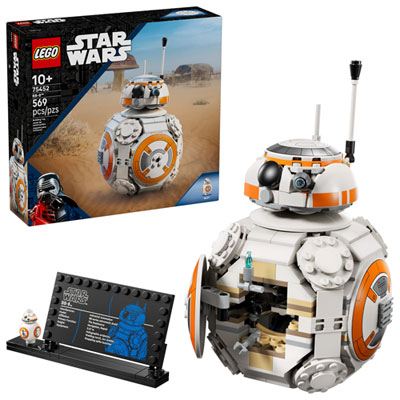
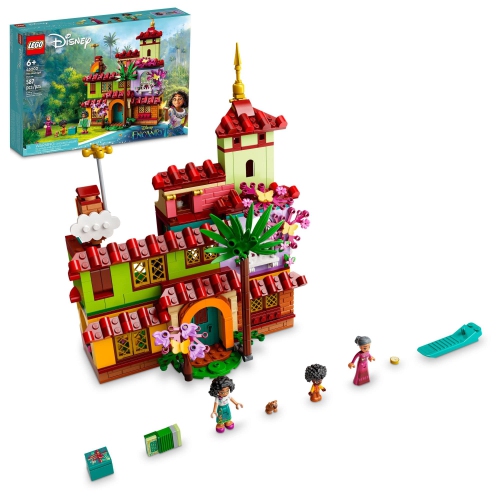
Where structured builds meet open-ended imagination
LEGO toys bring together creativity, problem-solving, and hands-on play in a format that can grow with a child’s interests and abilities. A small collection of colourful pieces can become a vehicle, a house, a creature, a space station, or an entirely new invention, depending on the builder’s imagination. That open-ended quality is part of what makes building toys appealing for families: they offer a clear starting point while leaving plenty of room for personal ideas. Children can follow instructions to create a detailed model, then take it apart and use the same pieces for something completely different. Younger builders may enjoy sorting, stacking, and connecting larger pieces, while older children can take on more complex builds that involve multiple steps, moving parts, and imaginative storytelling. Adults can enjoy them as well, whether they are building alongside a child, displaying a finished model, or returning to a favourite pastime from their own childhood. For families looking for age-appropriate options, the Lego for Kids selection can help narrow the choices by focusing on play experiences designed with younger builders in mind. Building together can be especially rewarding during quiet afternoons, rainy days, or the cooler months, when a table covered with sorted pieces becomes a welcoming place for shared time. A child may begin by carefully following each step, then gain the confidence to change the design, add a personal detail, or explain an imaginative story about what they have made. These moments support patience and concentration without making play feel like a lesson, and they create opportunities for encouragement, conversation, and collaboration between siblings, friends, parents, and grandparents.
When choosing LEGO toys, start by considering the builder’s age, interests, attention span, and previous building experience. Age guidance on the packaging can be a useful starting point, since it generally reflects the size of the pieces, the complexity of the instructions, and the level of fine-motor skill involved. Younger children often appreciate simple builds that can be completed in one sitting, with larger pieces that are easier for small hands to handle. More experienced builders may prefer sets with a greater number of pieces, detailed instructions, or features that move, open, spin, or transform. Interest is just as important as difficulty. A child who loves animals may be drawn to builds that encourage caring, pretend play, and storytelling, while another may prefer vehicles, buildings, fantasy settings, or imaginative adventures. If the toy is intended as a gift, think about what the recipient already enjoys and whether the build offers a fresh challenge without feeling frustrating. A present that can be opened and started immediately is ideal for a birthday or family gathering, while a larger or more involved build can become a special project to enjoy over several sessions. It is also worth considering where the completed creation will be played with or stored. A shallow tray, a folding table, or a dedicated corner can help keep pieces together during a build, and small containers can make sorting easier once play is finished. Keeping similar pieces together may save time, but many children also enjoy the surprise of searching through a mixed collection to find the part that brings an idea to life. For households with more than one builder, a larger assortment can support cooperative play, while separate building areas may help each child work at their own pace. Adults should also review the recommended age range and supervise younger children as needed, particularly when a toy contains small pieces.
LEGO toys can fit naturally into many kinds of routines, from a few minutes of free play after school to a longer family activity during a quiet weekend. They are easy to bring to a kitchen table, playroom, cottage, or visiting grandparent’s home, provided pieces are kept in a secure container between sessions. Some builders prefer to complete a model exactly as shown, taking satisfaction in each carefully placed piece; others treat the instructions as inspiration and begin modifying the design as soon as the first section is finished. Both approaches have value. Following a sequence can help children practise planning, visual matching, and persistence, while creating without instructions encourages experimentation and flexible thinking. Building with a sibling or friend adds another layer, as children learn to share pieces, divide tasks, explain their ideas, and compromise when two plans do not fit together. A parent might handle the first few steps, then let the child take over, or sit nearby and listen as the finished creation becomes part of an ongoing story. During late summer, building can provide a calm activity between outdoor adventures, and as the weather cools, it can become a dependable indoor pastime for evenings and weekends. Finished models may be displayed on a shelf for a sense of accomplishment or carefully taken apart so the pieces can return to the next creation. Whether selected for a young first-time builder, an experienced child who enjoys a challenge, or an adult who appreciates detailed hands-on hobbies, LEGO toys offer a satisfying combination of structure and imagination. The best choice is one that suits the builder’s abilities, reflects their interests, and leaves them eager to keep creating long after the last piece has been placed.
When choosing LEGO toys, start by considering the builder’s age, interests, attention span, and previous building experience. Age guidance on the packaging can be a useful starting point, since it generally reflects the size of the pieces, the complexity of the instructions, and the level of fine-motor skill involved. Younger children often appreciate simple builds that can be completed in one sitting, with larger pieces that are easier for small hands to handle. More experienced builders may prefer sets with a greater number of pieces, detailed instructions, or features that move, open, spin, or transform. Interest is just as important as difficulty. A child who loves animals may be drawn to builds that encourage caring, pretend play, and storytelling, while another may prefer vehicles, buildings, fantasy settings, or imaginative adventures. If the toy is intended as a gift, think about what the recipient already enjoys and whether the build offers a fresh challenge without feeling frustrating. A present that can be opened and started immediately is ideal for a birthday or family gathering, while a larger or more involved build can become a special project to enjoy over several sessions. It is also worth considering where the completed creation will be played with or stored. A shallow tray, a folding table, or a dedicated corner can help keep pieces together during a build, and small containers can make sorting easier once play is finished. Keeping similar pieces together may save time, but many children also enjoy the surprise of searching through a mixed collection to find the part that brings an idea to life. For households with more than one builder, a larger assortment can support cooperative play, while separate building areas may help each child work at their own pace. Adults should also review the recommended age range and supervise younger children as needed, particularly when a toy contains small pieces.
LEGO toys can fit naturally into many kinds of routines, from a few minutes of free play after school to a longer family activity during a quiet weekend. They are easy to bring to a kitchen table, playroom, cottage, or visiting grandparent’s home, provided pieces are kept in a secure container between sessions. Some builders prefer to complete a model exactly as shown, taking satisfaction in each carefully placed piece; others treat the instructions as inspiration and begin modifying the design as soon as the first section is finished. Both approaches have value. Following a sequence can help children practise planning, visual matching, and persistence, while creating without instructions encourages experimentation and flexible thinking. Building with a sibling or friend adds another layer, as children learn to share pieces, divide tasks, explain their ideas, and compromise when two plans do not fit together. A parent might handle the first few steps, then let the child take over, or sit nearby and listen as the finished creation becomes part of an ongoing story. During late summer, building can provide a calm activity between outdoor adventures, and as the weather cools, it can become a dependable indoor pastime for evenings and weekends. Finished models may be displayed on a shelf for a sense of accomplishment or carefully taken apart so the pieces can return to the next creation. Whether selected for a young first-time builder, an experienced child who enjoys a challenge, or an adult who appreciates detailed hands-on hobbies, LEGO toys offer a satisfying combination of structure and imagination. The best choice is one that suits the builder’s abilities, reflects their interests, and leaves them eager to keep creating long after the last piece has been placed.
Top selling and popular products
-
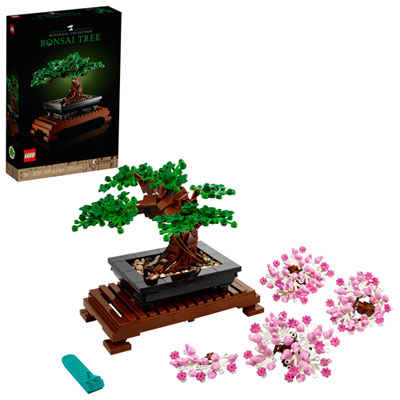 Your price for this item is $69.99
 -
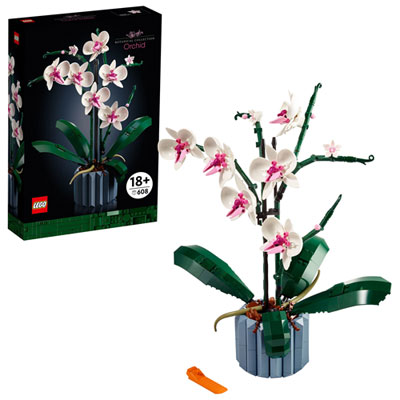 Your price for this item is $69.99
 -
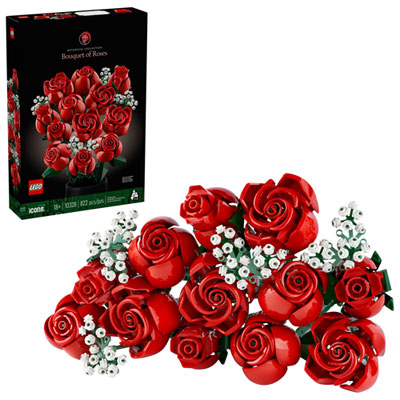 Your price for this item is $79.99
 -
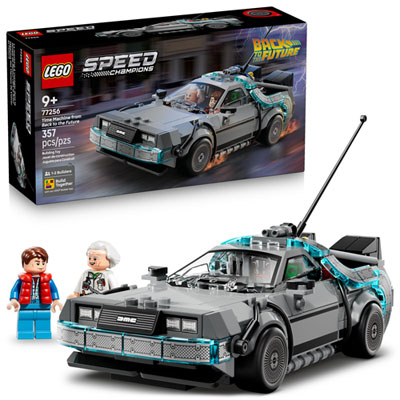 Your price for this item is $34.99
 -
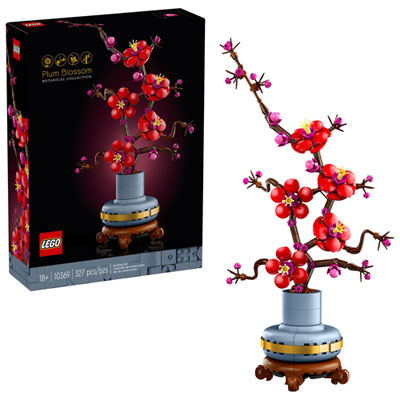 Your price for this item is $39.99
 -
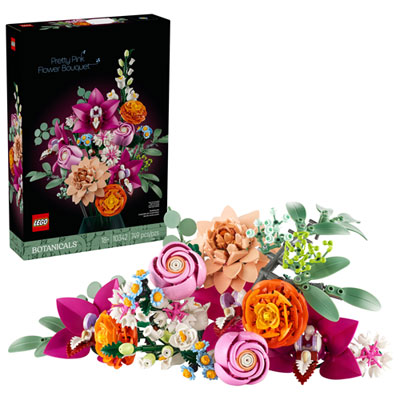 Your price for this item is $79.99
 -
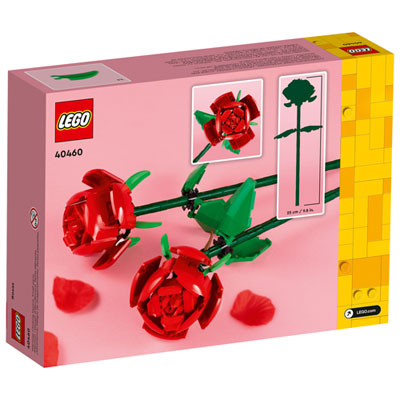 Your price for this item is $14.97
 -
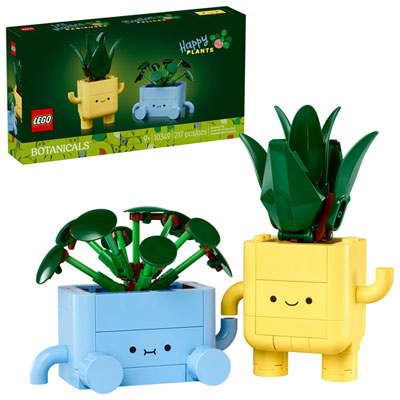 Your price for this item is $24.99
Discover more categories related to LEGO Toys
Top Collections:
Pokemon Centers, Kindle Devices, Best Budget Office Chairs, Apple iPhones 16, Best Laptops for Writers, iPhone 15 Apple, Canon G7X Cameras, Refurbished Apple Laptops, Alarm Clock, Motorola Razr Phones
Some products may be subject to Environmental Handling Fees
(EHF) depending on your province.
Learn more about EHFs.