White LED Bulbs for House
LED bulbs are the latest lighting trend and they're here to stay. They're more efficient, last longer, and are available in a wide range of shapes and sizes. Here are some of the best LED bulbs on the market today.
Sort
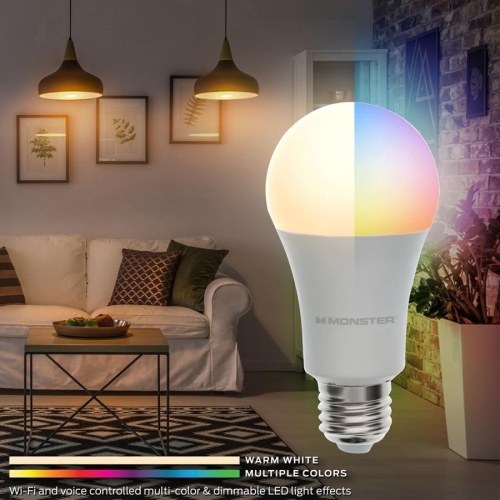
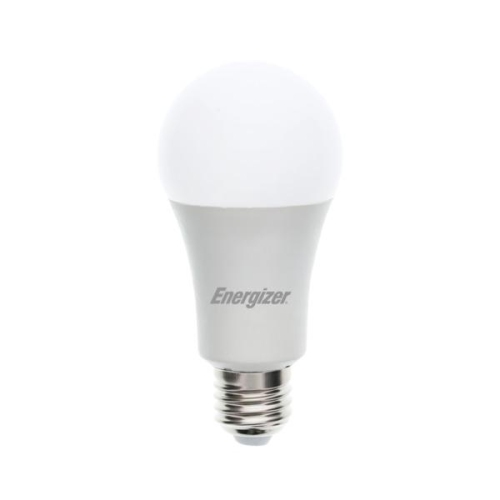
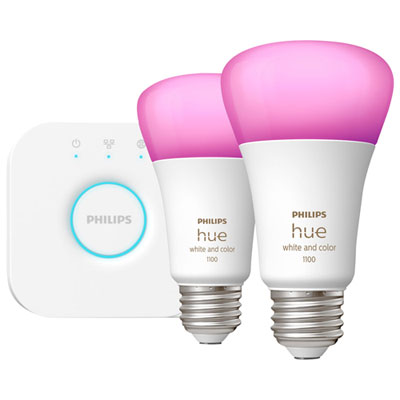
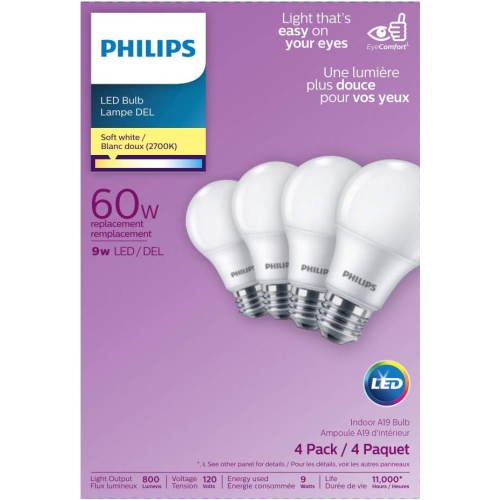
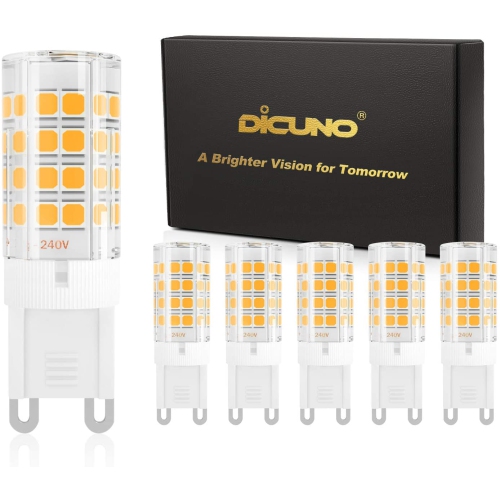
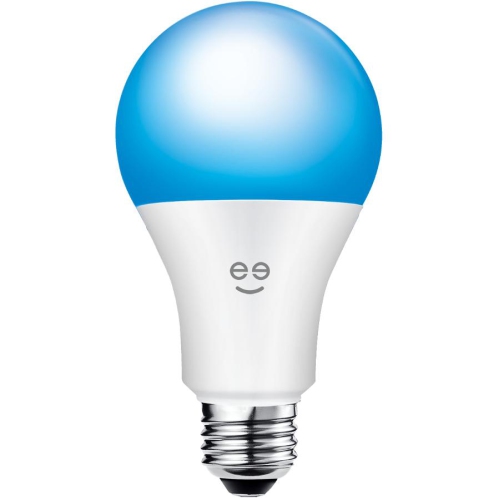

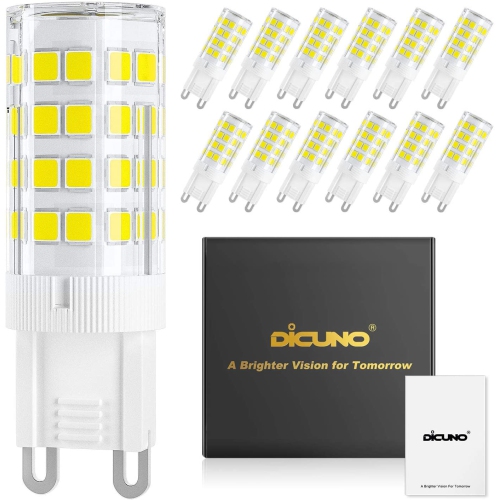
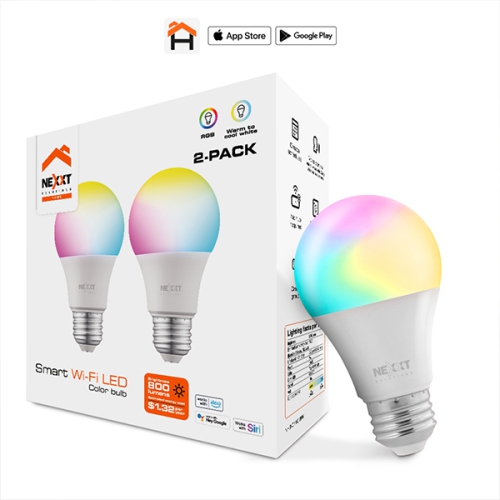
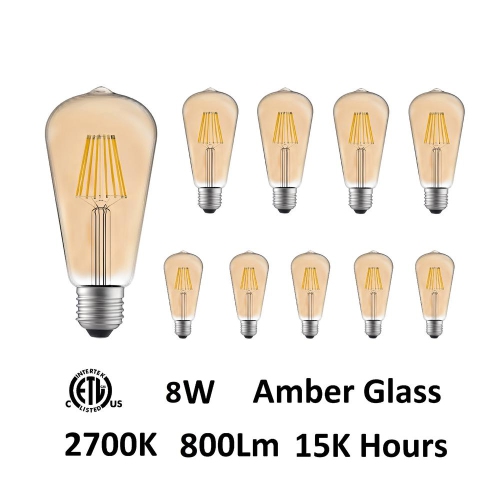
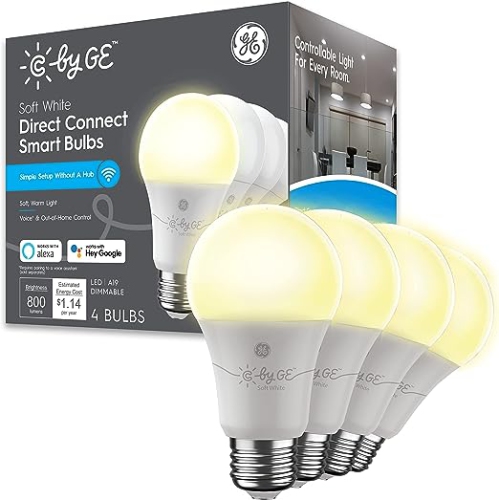
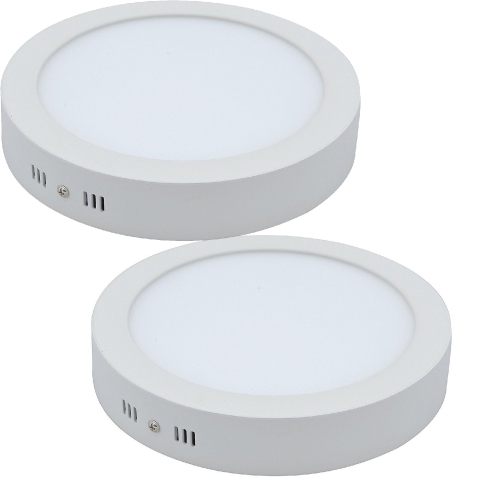
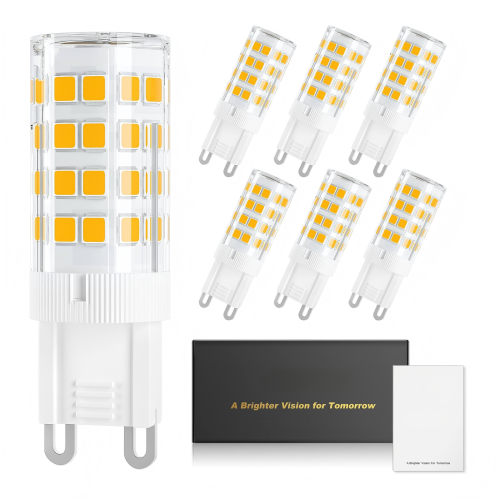
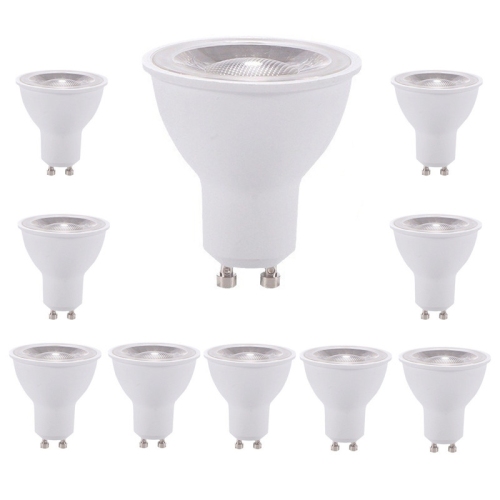
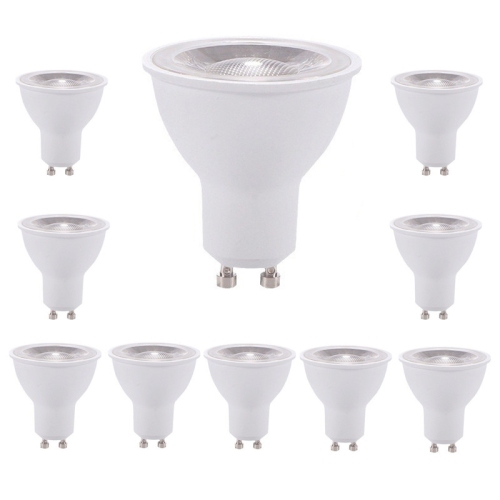
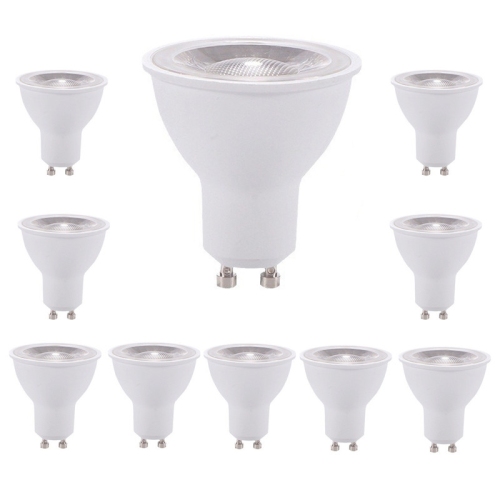
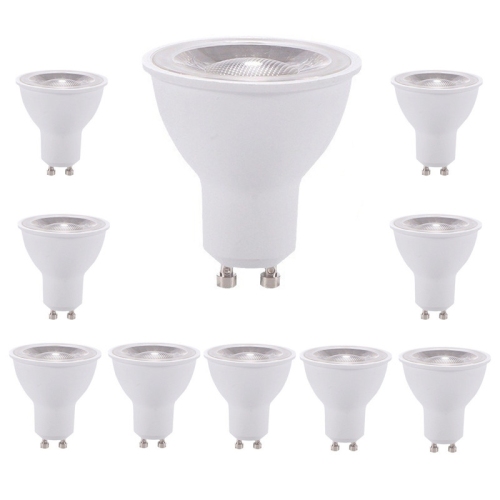
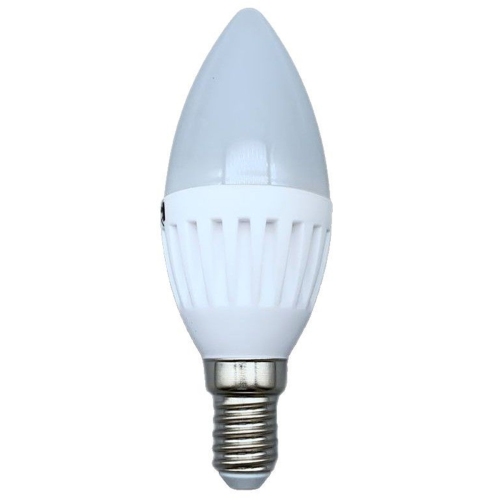
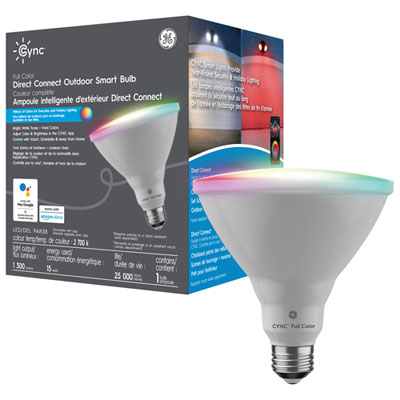
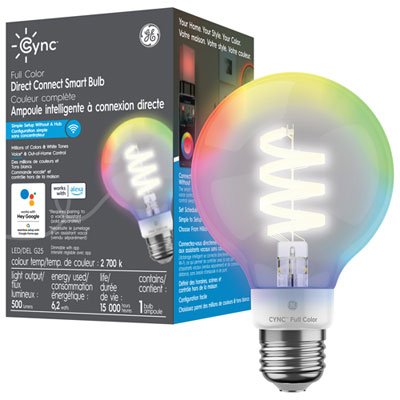
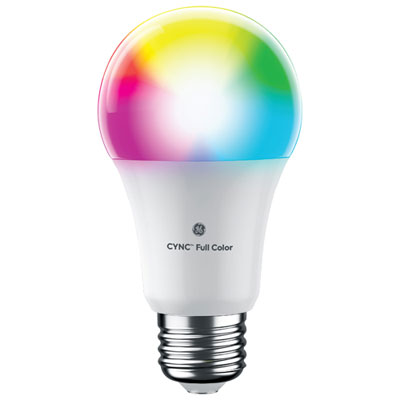
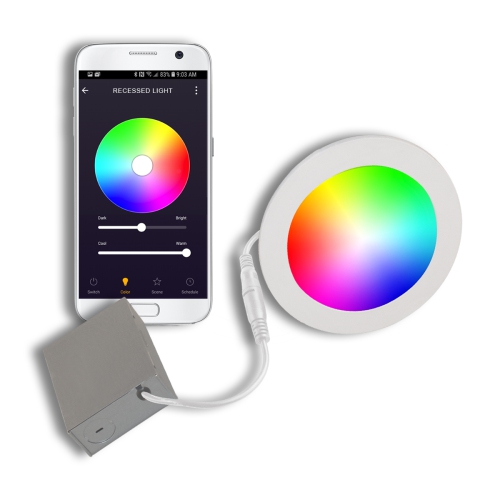
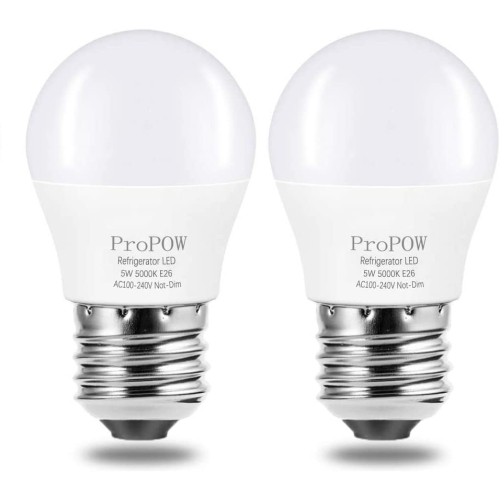
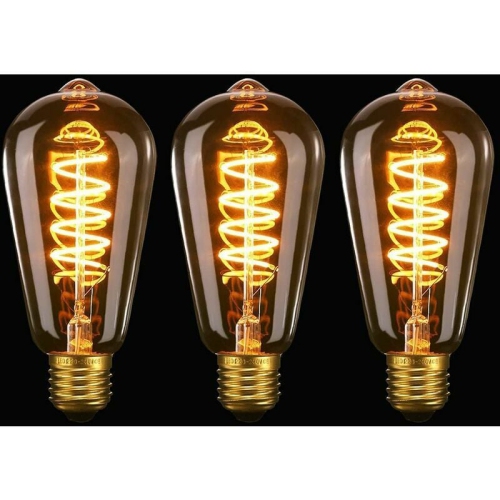
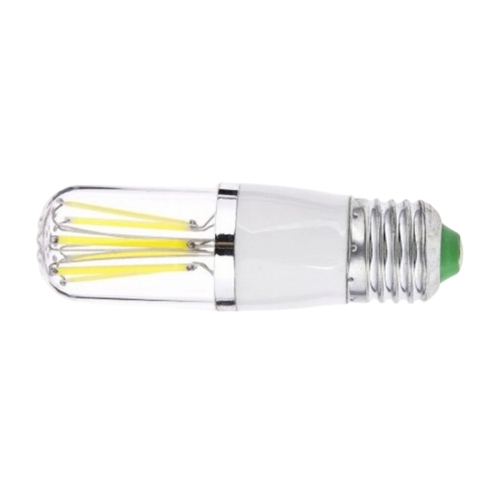
Colour temperature, brightness, fit, and dimming explained
White LED bulbs are a practical foundation for everyday house lighting, whether you are replacing a single burnt-out bulb, refreshing several rooms at once, or setting up a new home. The right bulb can change the appearance of a room as noticeably as a fresh coat of paint, so it helps to consider both the bulb’s colour temperature and brightness before choosing. Colour temperature is measured in Kelvin (K): soft white bulbs in the 2700K to 3000K range produce a warm, slightly yellow glow that suits bedrooms, living rooms, dining areas, entryways, and reading corners; bright or cool white bulbs around 3500K to 4100K create a balanced, clean look for kitchens, bathrooms, laundry rooms, hallways, and home offices; and daylight bulbs from approximately 5000K to 6500K offer a crisp, blue-leaning light that can be useful in garages, workshops, basements, craft areas, and other spaces where detail matters. When several fixtures are visible from the same room, matching their colour temperature usually creates a more polished appearance. A warm bulb beside a noticeably cooler bulb can make the room feel visually uneven, particularly in open-concept spaces. For a familiar household replacement, look for the common A19 shape and E26 medium base, which fits many table lamps, floor lamps, ceiling fixtures, pendants, and bathroom vanities. Always compare the bulb’s base and shape with the fixture before purchasing, especially when replacing bulbs in enclosed shades, slim lamps, decorative fixtures, or older fittings. The fixture’s label may also list a maximum wattage or specify whether it is suitable for LED bulbs, and these instructions should be followed for proper fit and operation. White LED bulbs are useful for a wide range of people, from renters updating a dim apartment without changing the fixtures to homeowners preparing a guest room, nursery, home office, or basement living area. They can also make a thoughtful housewarming gift for someone moving into a first home, since a selection of everyday bulbs is useful from the first evening onward, when unpacked boxes, bare rooms, and a few working lamps are often all that stand between a new house and a comfortable home.
Brightness is measured in lumens, and choosing the right lumen output is just as important as selecting the right shade of white. A bulb producing around 450 lumens can work well in a small bedside lamp, accent fixture, powder room, or reading light where a gentle level of illumination is preferred. Around 800 lumens is a common choice for general household lighting and is often comparable in brightness to a traditional 60-watt incandescent bulb, making it suitable for many bedrooms, hallways, living rooms, and smaller kitchens. Larger rooms, high ceilings, work surfaces, and fixtures that need stronger illumination may call for 1100 to 1600 lumens or more, depending on the number of bulbs in the fixture and the amount of existing natural light. Multiple lower-lumen bulbs can create a more even spread across a room, while a single brighter bulb may be more appropriate for a focused fixture. Think about how the space is used throughout the day: a kitchen island used for chopping, homework, and meal preparation benefits from clear, ample light, while a living room with lamps positioned beside a sofa may feel more comfortable with a softer output. White LED bulbs can be used in ceiling lights for broad room illumination, in desk lamps for paperwork and computer work, in vanity fixtures for grooming, and in utility areas where a clear view of shelves, tools, or stored items is helpful. If you prefer a neutral, clean appearance without the noticeably blue tone associated with daylight bulbs, explore Cool White LED Bulbs for fixtures in kitchens, bathrooms, offices, and other task-oriented rooms. It is also worth checking the bulb’s beam angle when that information is available. A wider beam can distribute light across a room, while a narrower beam may be better for a desk lamp, spotlight, or reading area. For enclosed fixtures, verify that the bulb is rated for enclosed use, as some designs require additional ventilation. Shape matters as well: standard bulbs work in many everyday fixtures, while globe, candle, reflector, and tubular styles are designed for particular shades and sockets.
Dimmability is another key consideration for house lighting. If a fixture is connected to a dimmer switch, choose bulbs clearly marked as dimmable and confirm that the bulb is compatible with the type of dimmer installed. A non-dimmable bulb used with a dimmer may flicker, buzz, or perform unpredictably, while compatible dimmable bulbs allow the same fixture to provide brighter light for cleaning or detailed tasks and a gentler glow for relaxing in the evening. For bedrooms and living rooms, dimming can help transition the atmosphere from daytime activity to a quieter evening without changing the fixture. In a dining room, a softer setting can complement a meal, while full brightness can make it easier to clear the table afterwards. Colour consistency is especially helpful when buying bulbs for several rooms, so take note of the Kelvin rating and lumen output of bulbs already installed before adding replacements. Packaging may also list the bulb’s estimated lifespan, operating temperature range, smart-home compatibility, and suitability for enclosed or damp locations. For bathrooms, covered porches, laundry rooms, and other areas exposed to moisture, select bulbs approved for the fixture and location rather than assuming every household bulb is suitable. Smart bulbs can add app or voice control where compatible technology is desired, but standard white LED bulbs remain a straightforward choice for lamps and fixtures controlled by a wall switch. During the warmer part of the year, brighter lighting can make mudrooms, garages, and covered outdoor areas easier to use in the evening; during the cooler months, warm white bulbs can make a living room, bedroom, or entryway feel inviting when daylight fades earlier. Whether you are outfitting an entire house, keeping spare bulbs in a utility drawer, or choosing a useful present for a new homeowner, compare the base, shape, lumens, Kelvin rating, dimmability, and fixture requirements to find white LED bulbs that fit naturally into the way each room is used.
Brightness is measured in lumens, and choosing the right lumen output is just as important as selecting the right shade of white. A bulb producing around 450 lumens can work well in a small bedside lamp, accent fixture, powder room, or reading light where a gentle level of illumination is preferred. Around 800 lumens is a common choice for general household lighting and is often comparable in brightness to a traditional 60-watt incandescent bulb, making it suitable for many bedrooms, hallways, living rooms, and smaller kitchens. Larger rooms, high ceilings, work surfaces, and fixtures that need stronger illumination may call for 1100 to 1600 lumens or more, depending on the number of bulbs in the fixture and the amount of existing natural light. Multiple lower-lumen bulbs can create a more even spread across a room, while a single brighter bulb may be more appropriate for a focused fixture. Think about how the space is used throughout the day: a kitchen island used for chopping, homework, and meal preparation benefits from clear, ample light, while a living room with lamps positioned beside a sofa may feel more comfortable with a softer output. White LED bulbs can be used in ceiling lights for broad room illumination, in desk lamps for paperwork and computer work, in vanity fixtures for grooming, and in utility areas where a clear view of shelves, tools, or stored items is helpful. If you prefer a neutral, clean appearance without the noticeably blue tone associated with daylight bulbs, explore Cool White LED Bulbs for fixtures in kitchens, bathrooms, offices, and other task-oriented rooms. It is also worth checking the bulb’s beam angle when that information is available. A wider beam can distribute light across a room, while a narrower beam may be better for a desk lamp, spotlight, or reading area. For enclosed fixtures, verify that the bulb is rated for enclosed use, as some designs require additional ventilation. Shape matters as well: standard bulbs work in many everyday fixtures, while globe, candle, reflector, and tubular styles are designed for particular shades and sockets.
Dimmability is another key consideration for house lighting. If a fixture is connected to a dimmer switch, choose bulbs clearly marked as dimmable and confirm that the bulb is compatible with the type of dimmer installed. A non-dimmable bulb used with a dimmer may flicker, buzz, or perform unpredictably, while compatible dimmable bulbs allow the same fixture to provide brighter light for cleaning or detailed tasks and a gentler glow for relaxing in the evening. For bedrooms and living rooms, dimming can help transition the atmosphere from daytime activity to a quieter evening without changing the fixture. In a dining room, a softer setting can complement a meal, while full brightness can make it easier to clear the table afterwards. Colour consistency is especially helpful when buying bulbs for several rooms, so take note of the Kelvin rating and lumen output of bulbs already installed before adding replacements. Packaging may also list the bulb’s estimated lifespan, operating temperature range, smart-home compatibility, and suitability for enclosed or damp locations. For bathrooms, covered porches, laundry rooms, and other areas exposed to moisture, select bulbs approved for the fixture and location rather than assuming every household bulb is suitable. Smart bulbs can add app or voice control where compatible technology is desired, but standard white LED bulbs remain a straightforward choice for lamps and fixtures controlled by a wall switch. During the warmer part of the year, brighter lighting can make mudrooms, garages, and covered outdoor areas easier to use in the evening; during the cooler months, warm white bulbs can make a living room, bedroom, or entryway feel inviting when daylight fades earlier. Whether you are outfitting an entire house, keeping spare bulbs in a utility drawer, or choosing a useful present for a new homeowner, compare the base, shape, lumens, Kelvin rating, dimmability, and fixture requirements to find white LED bulbs that fit naturally into the way each room is used.
Top selling and popular products
-
 Your price for this item is $250
 -
 Your price for this item is $55
 -
 Your price for this item is $55
 -
 Your price for this item is $55
 -
 Your price for this item is $45.98
 -
 Your price for this item is $55
 -
 Your price for this item is $9.99
 -
 Your price for this item is $74.99
Discover more categories related to White LED Bulbs for House

Top Collections:
Pokemon Centers, Kindle Devices, Best Budget Office Chairs, Apple iPhones 16, Best Laptops for Writers, iPhone 15 Apple, Canon G7X Cameras, Refurbished Apple Laptops, Alarm Clock, Motorola Razr Phones
Some products may be subject to Environmental Handling Fees
(EHF) depending on your province.
Learn more about EHFs.