White LED Bulbs
LED bulbs are a great way to save money on your energy bill. These are more efficient, last longer, and are available in a wide range of shapes and sizes. If you are looking for an energy-efficient light bulb that also provides bright light, these white LED bulbs are perfect for you. Here are some of the top options available.
Sort
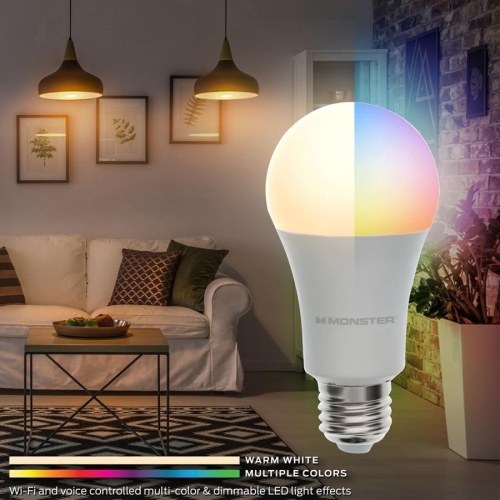
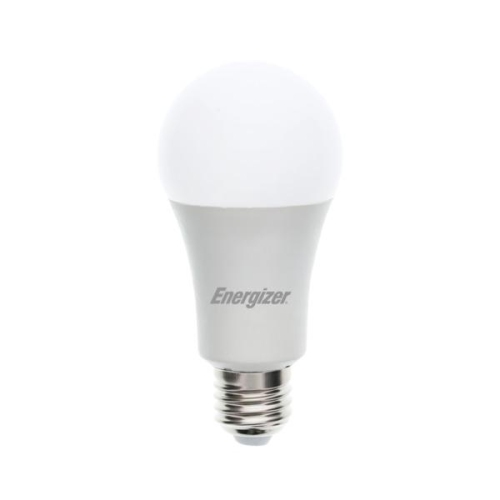
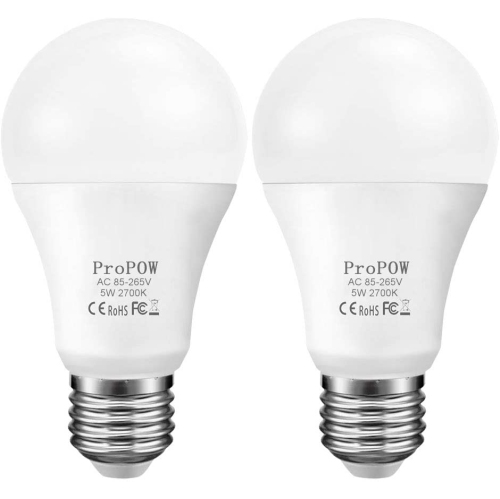
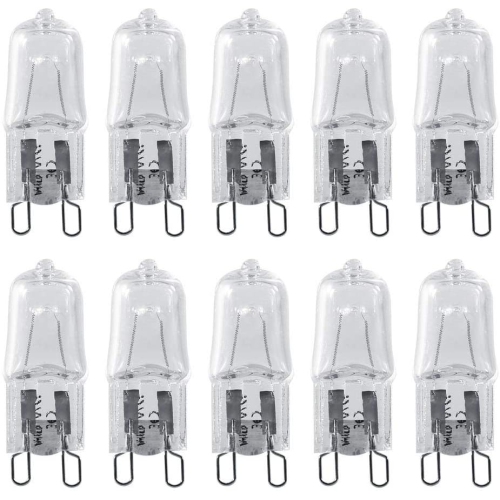

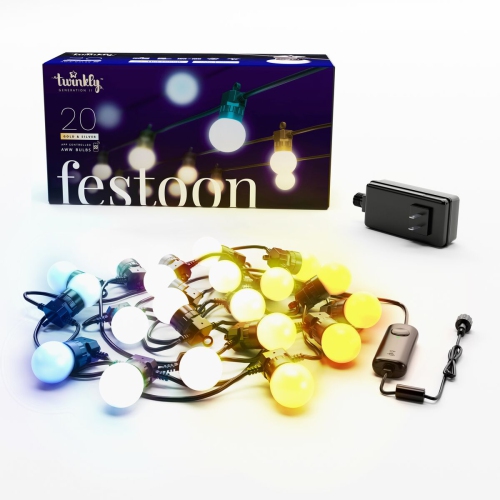
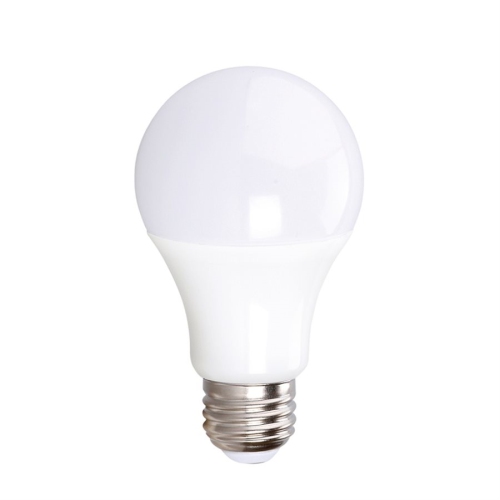
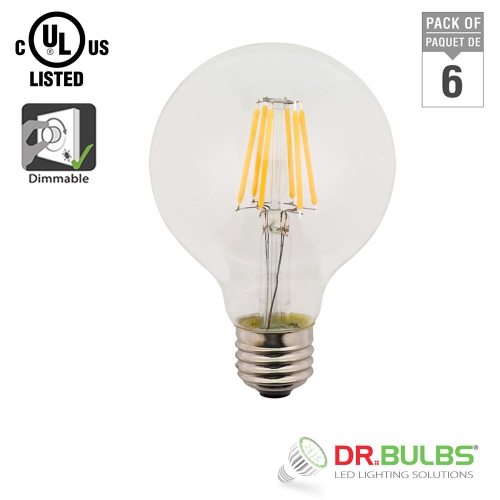
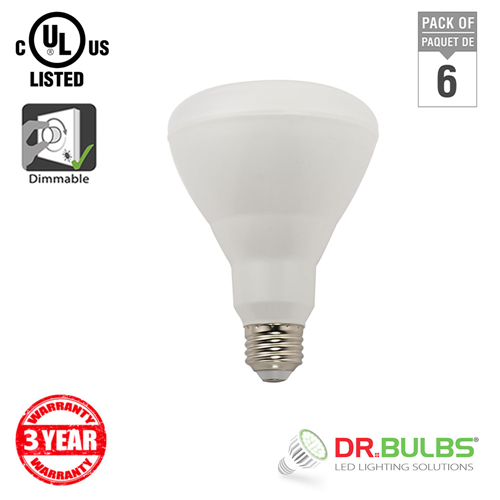
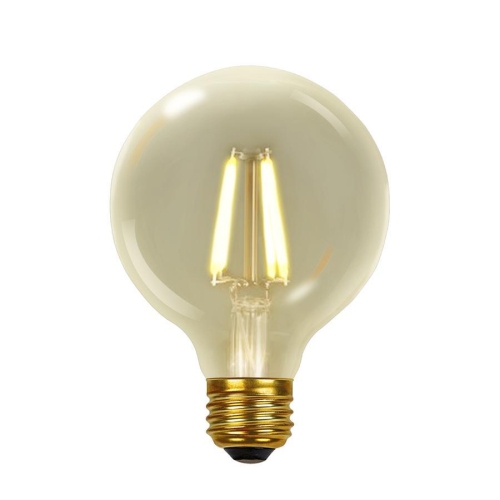
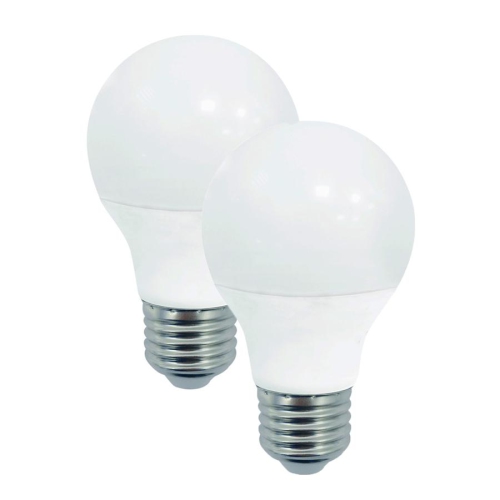
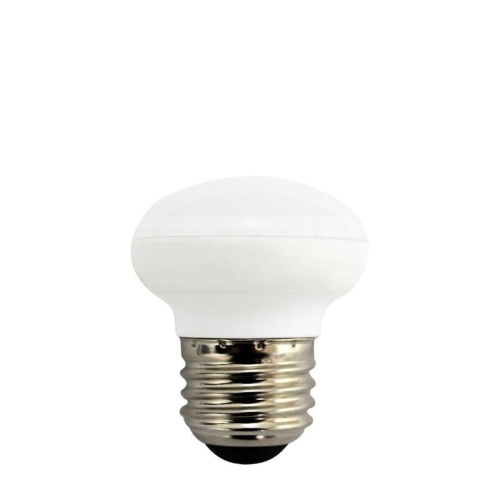
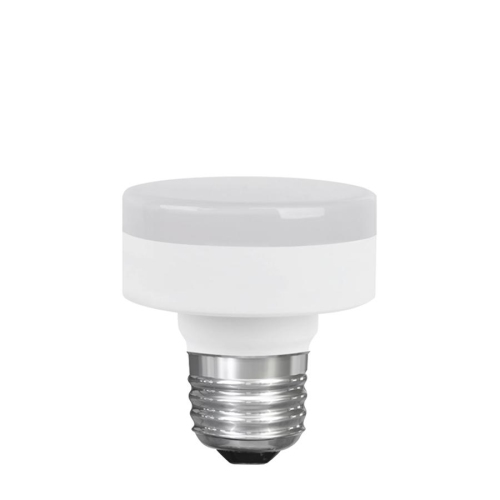
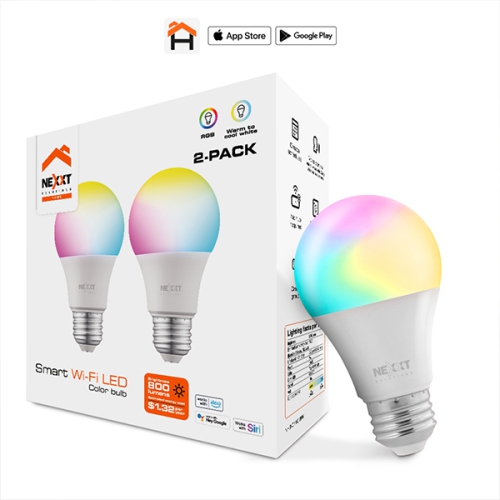
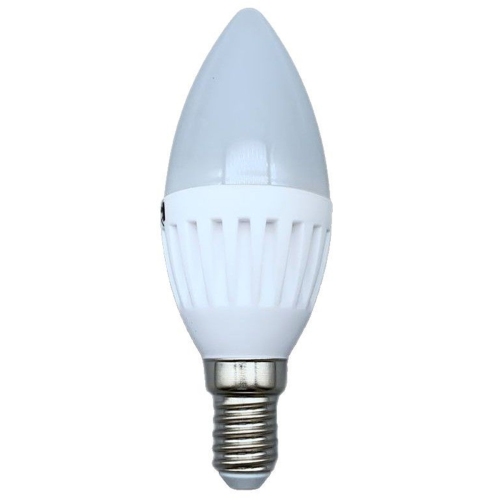
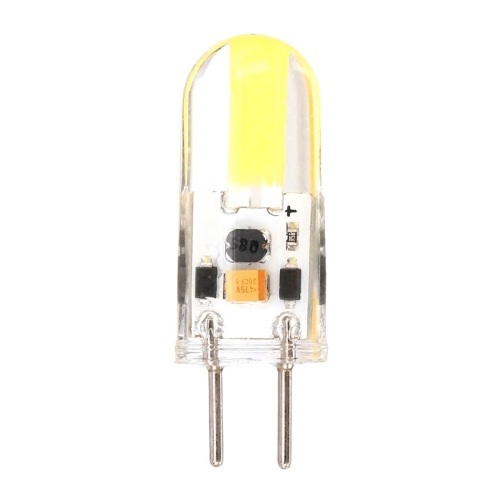
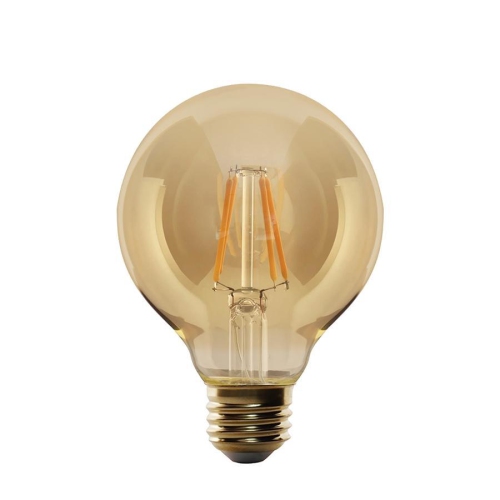

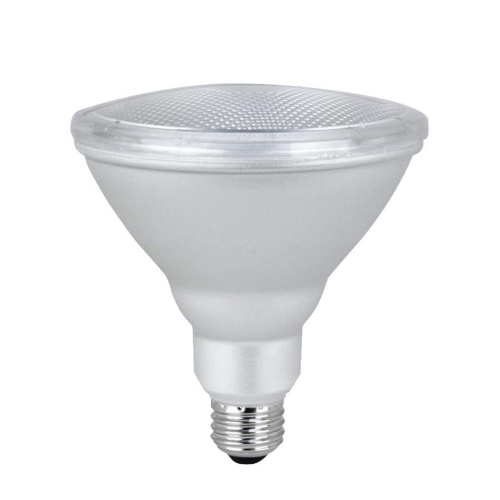
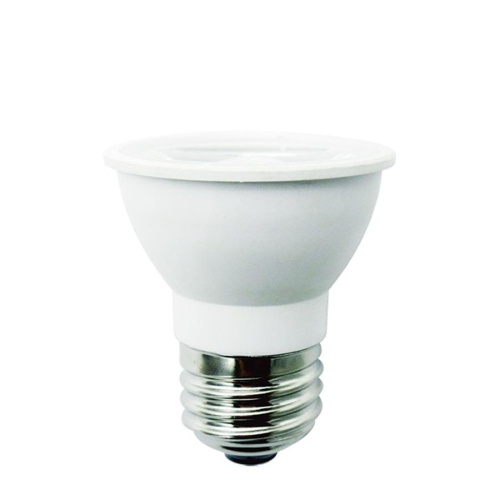
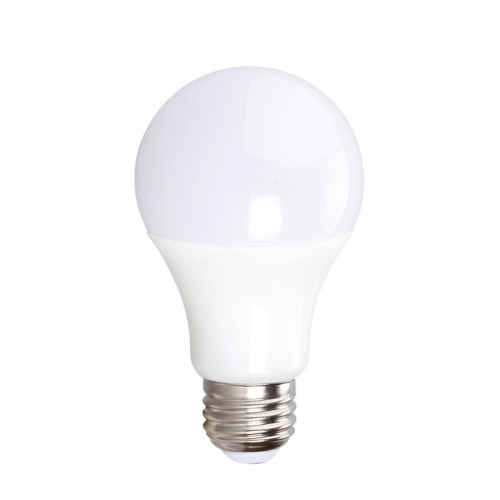
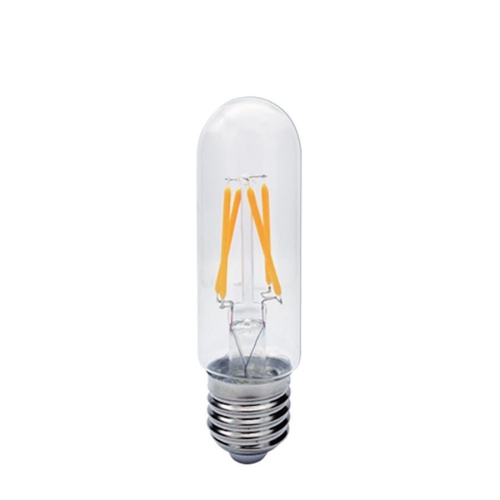


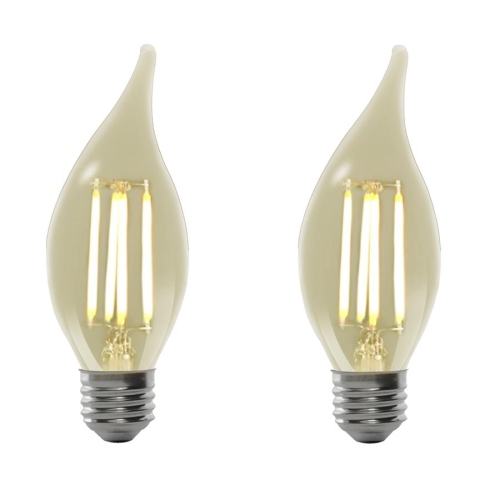

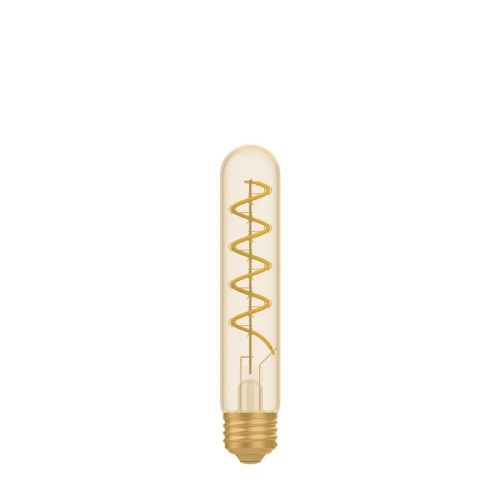
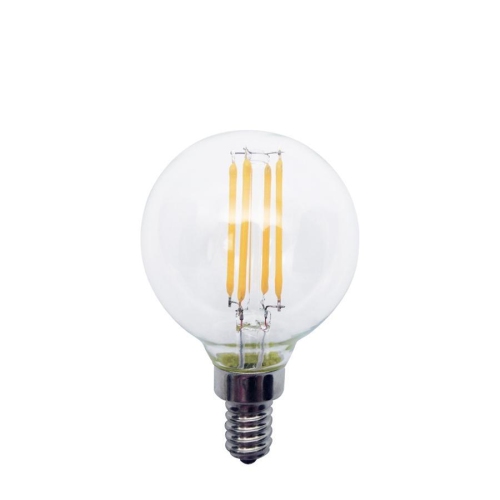
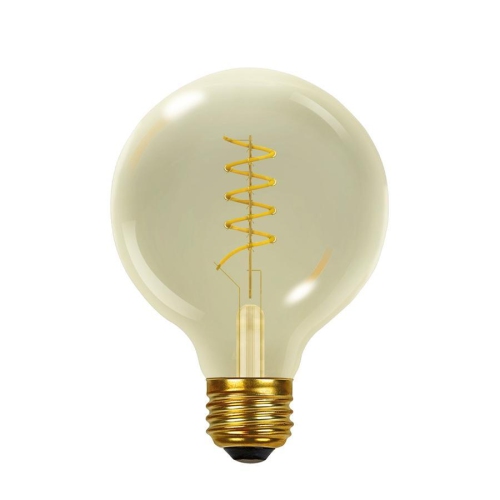





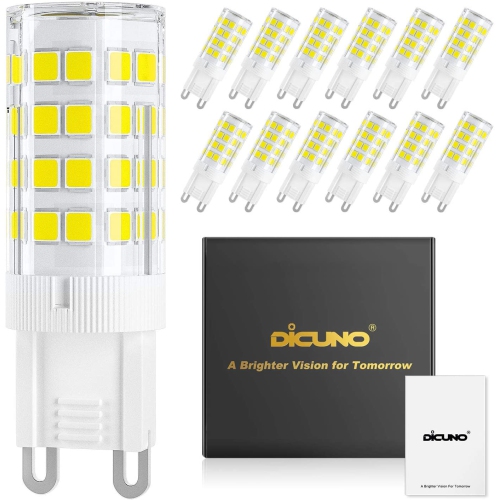
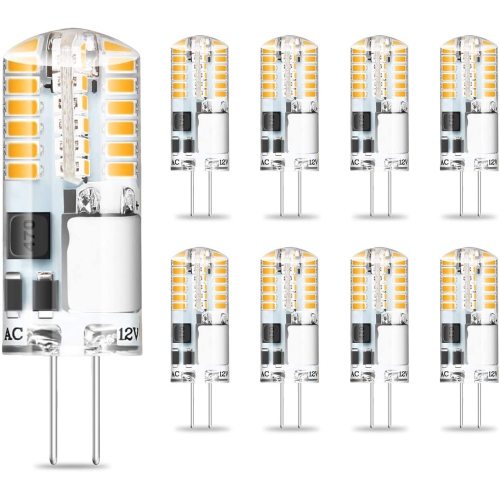
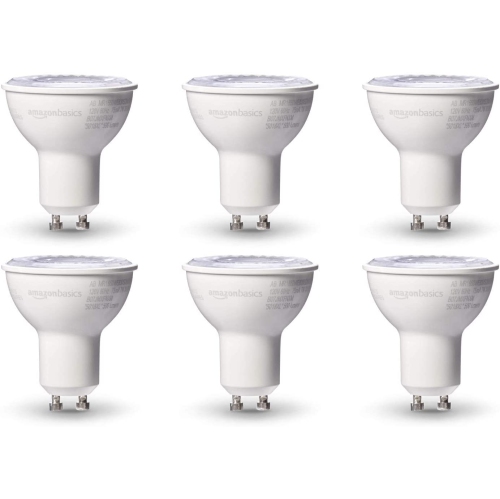
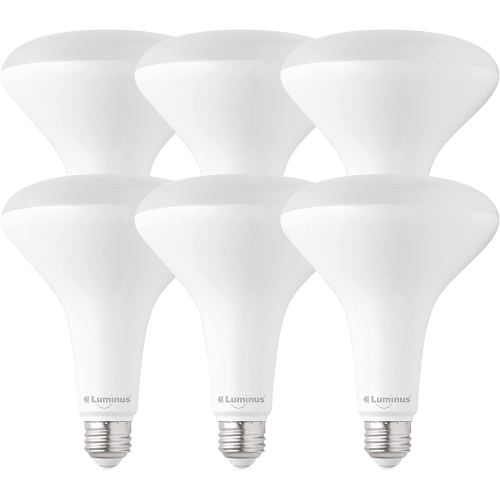

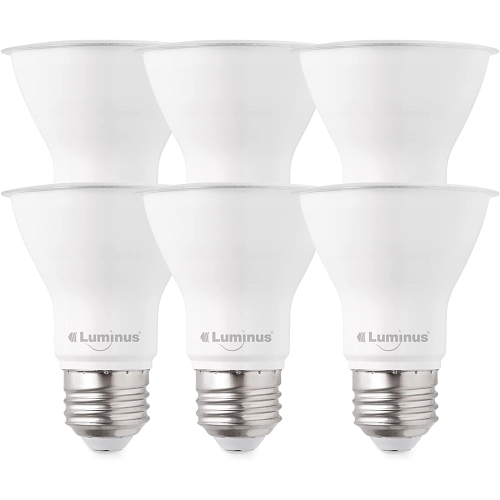
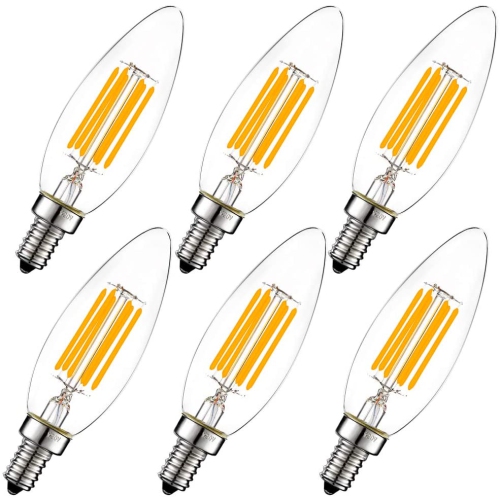
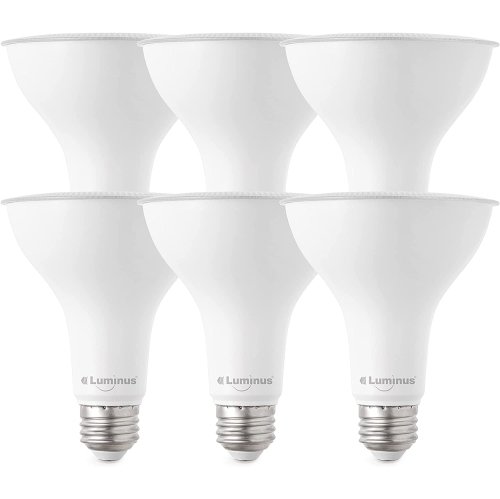
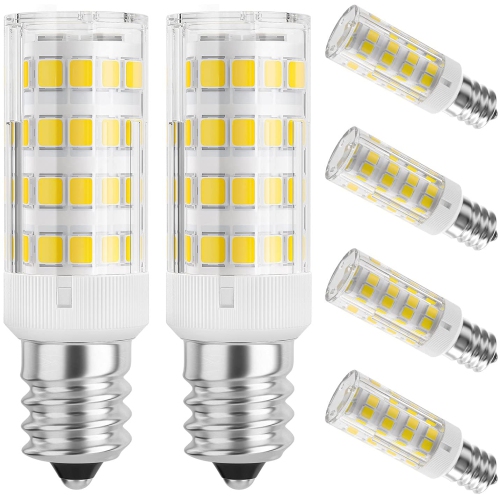
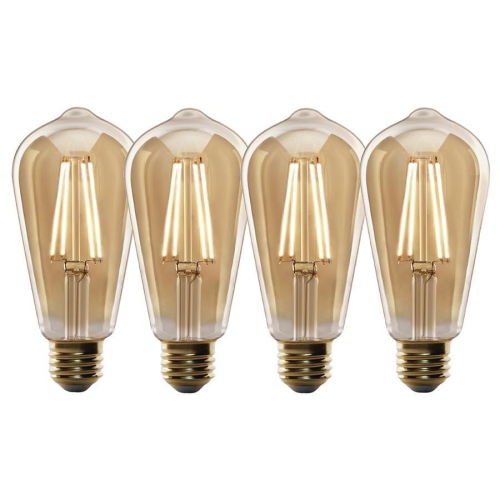
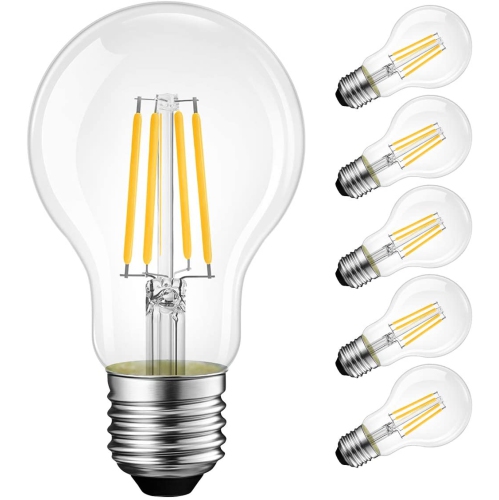
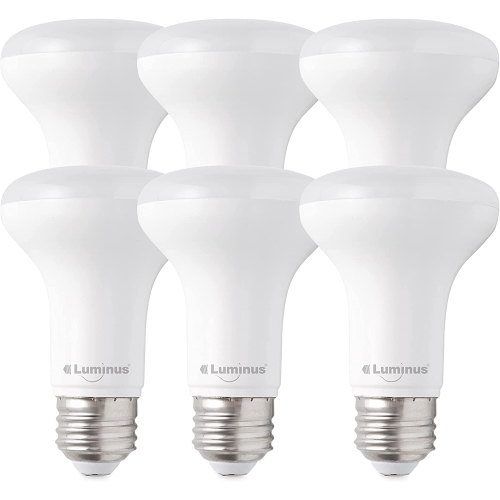
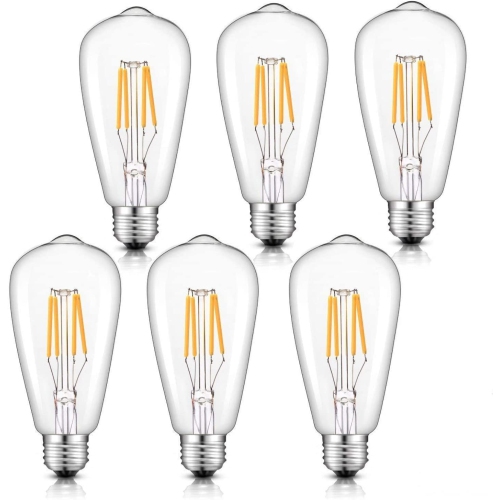
Why light colour matters as much as brightness
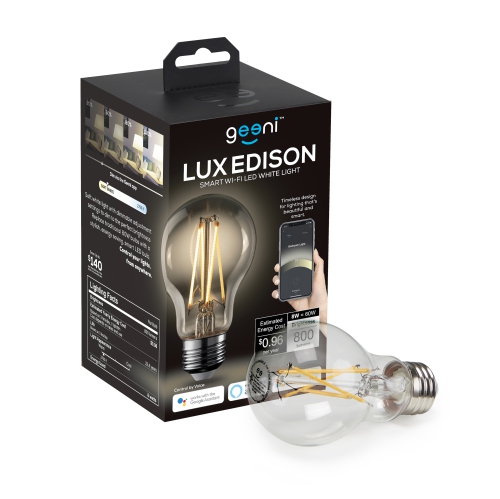
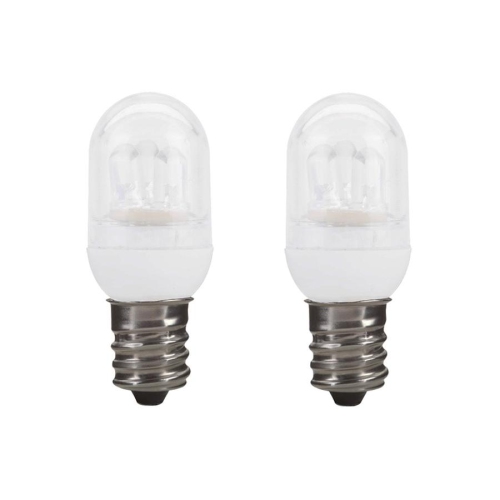
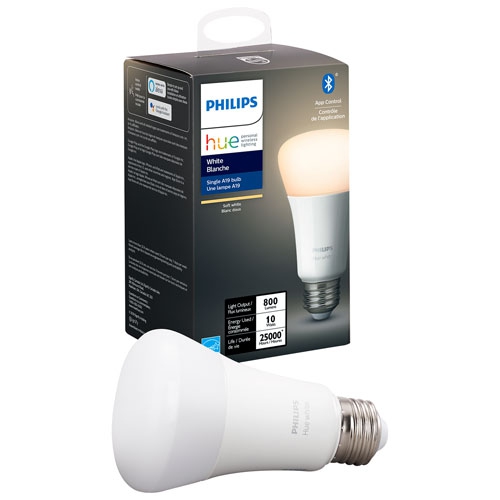
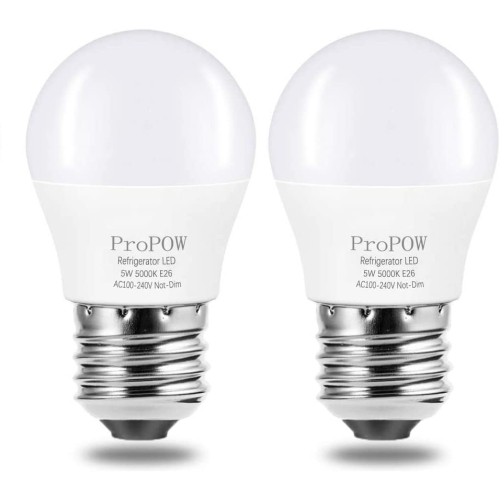
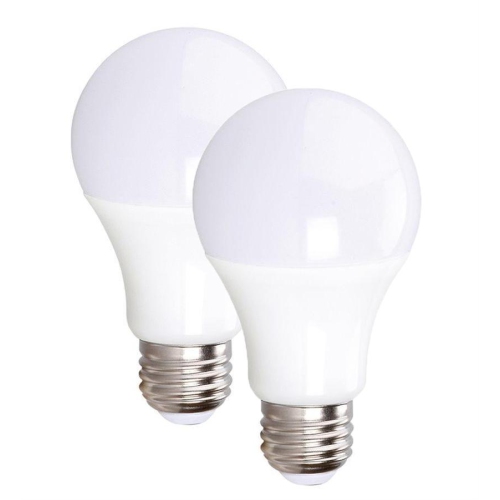
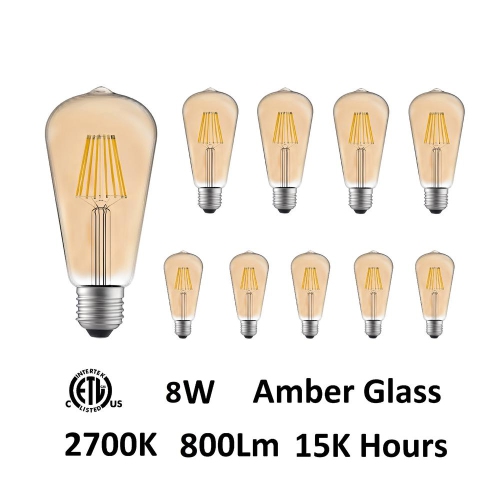
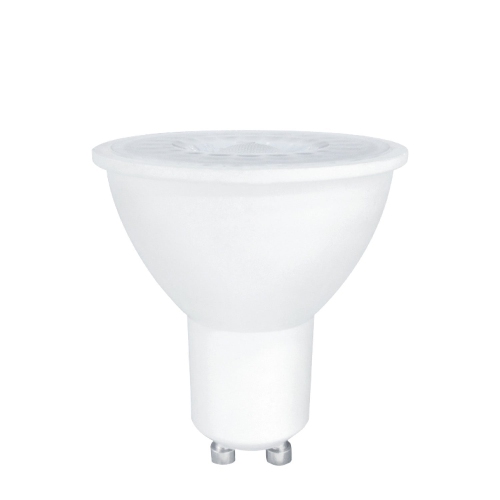
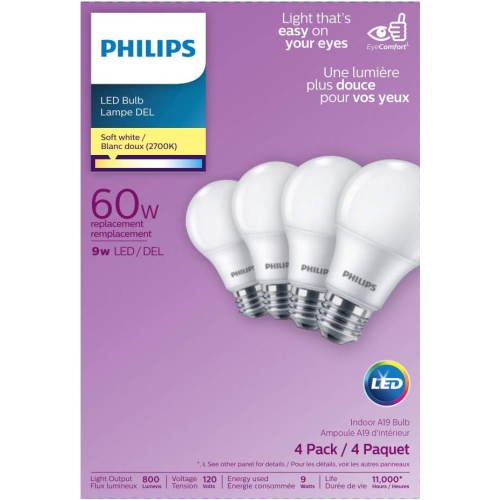
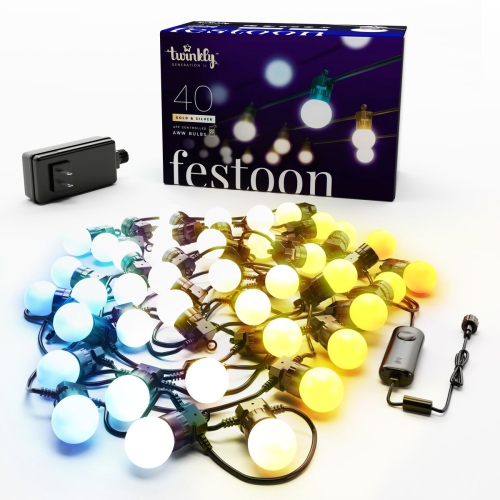
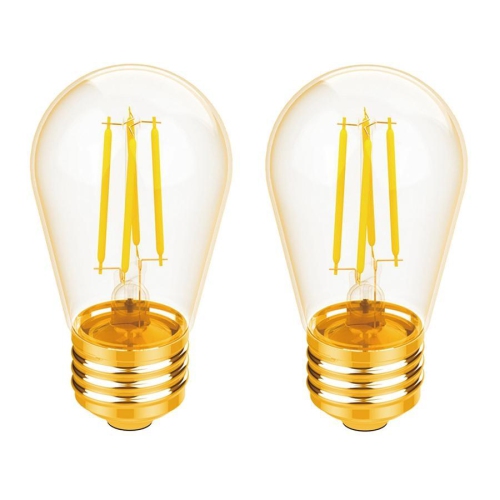
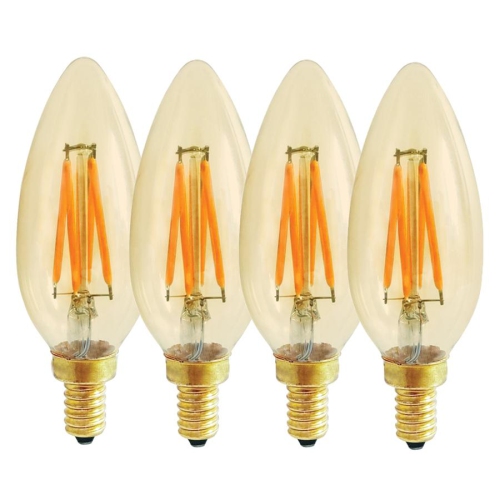
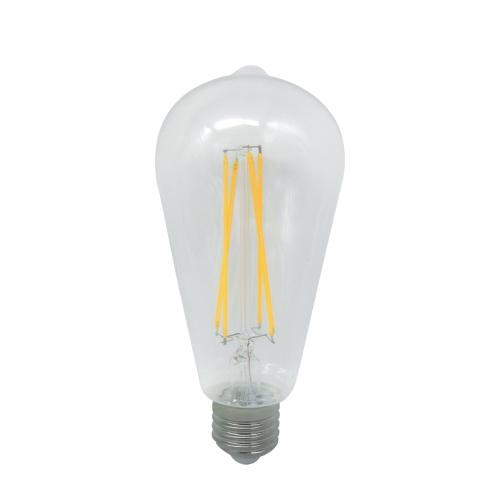
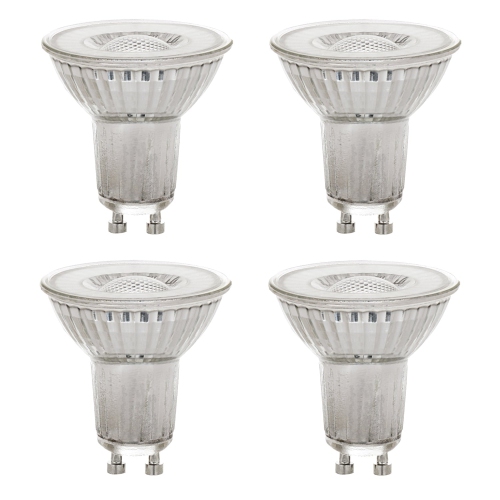
White LED bulbs bring familiar spaces into focus, from the warm pool of light beside a favourite reading chair to the clear illumination above a kitchen counter. They produce white light in a range of tones, so choosing a bulb involves more than finding one that fits the socket. Colour temperature, measured in kelvins (K), describes whether the light appears warm and yellowish, neutral white, or cooler and slightly blue. Soft white LED bulbs around 2700K create a gentle, inviting glow that suits bedrooms, living rooms, and dining areas. Warm white options around 3000K offer a slightly cleaner appearance while retaining warmth, making them useful where a room serves both practical and relaxed purposes. Bright white bulbs around 3500K–4100K provide a more neutral tone for kitchens, bathrooms, and everyday tasks. Daylight LED bulbs around 5000K produce a crisp white light often chosen for workspaces, laundry rooms, garages, and reading areas. These names can vary between manufacturers, so the kelvin rating is a more reliable comparison than the wording on the package. Colour temperature is also separate from brightness: a cooler bulb is not automatically brighter than a warmer one. Lumens measure the amount of light a bulb produces, while watts describe the power it uses. For a familiar reference, about 800 lumens is commonly comparable to the light output of a traditional 60-watt incandescent bulb, though the LED bulb itself uses considerably fewer watts. A bedside lamp may need less light than a ceiling fixture serving an entire room, and a shaded lamp can feel quite different from an exposed bulb with the same lumen rating. During the cooler months, when lamps often stay on through more of the day, a comfortable balance of light can make a dining table equally useful for homework, a shared meal, or an evening spent sorting photographs.
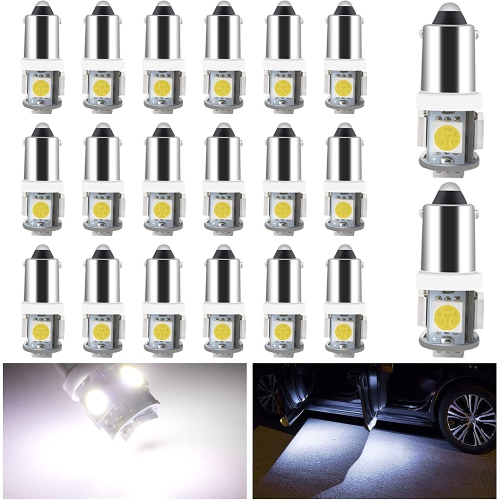
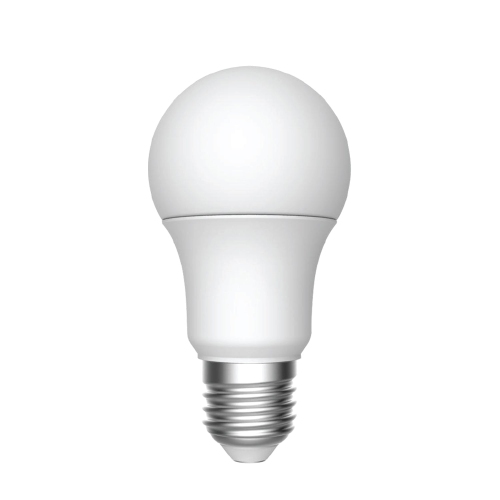
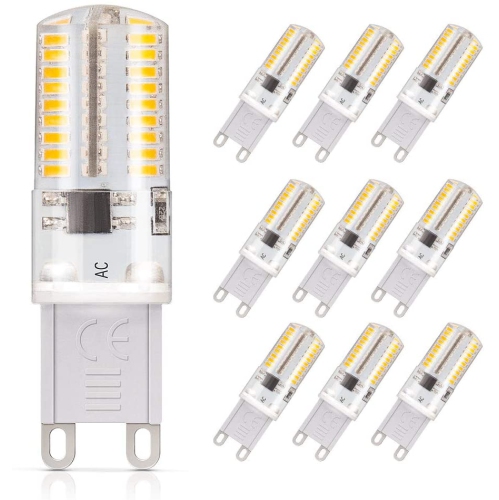
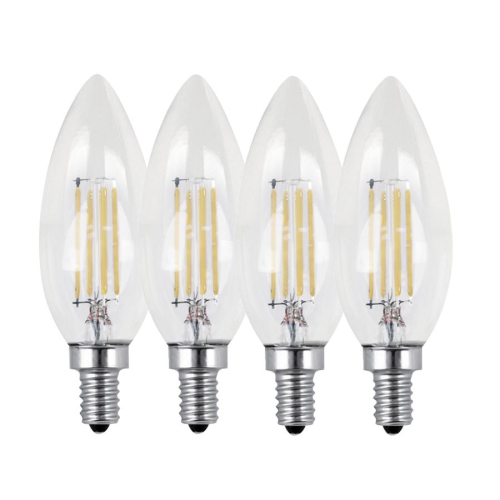
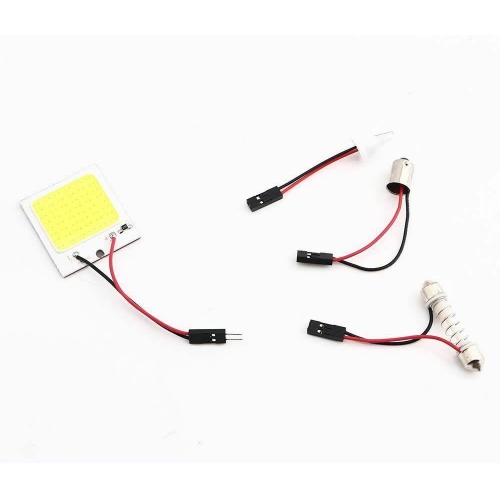
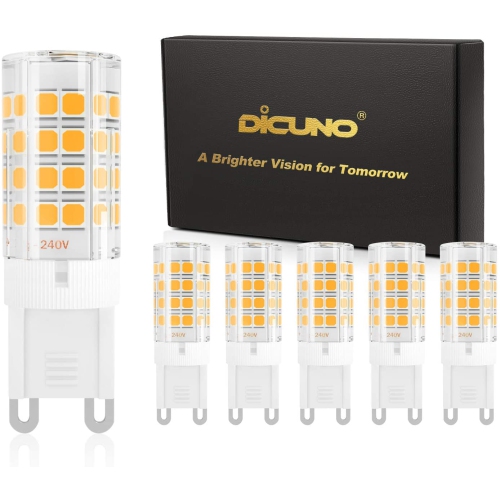
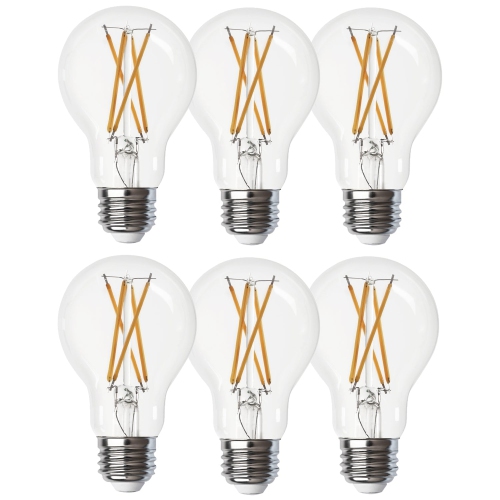
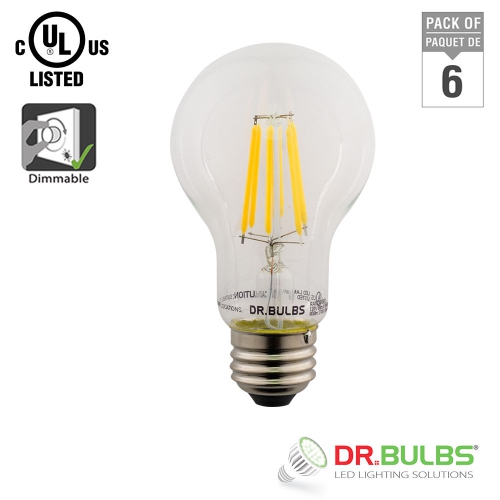
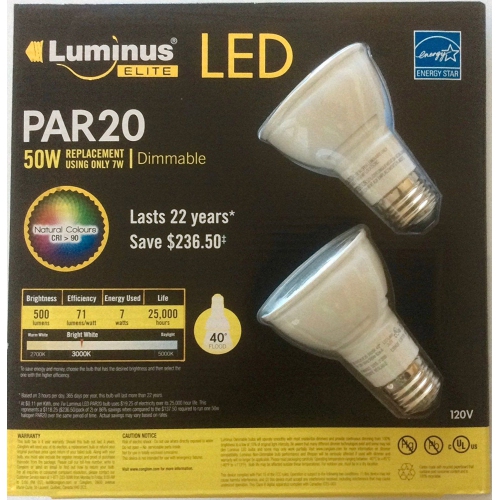
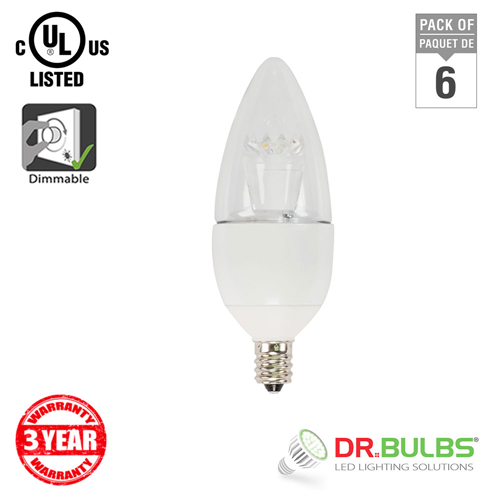
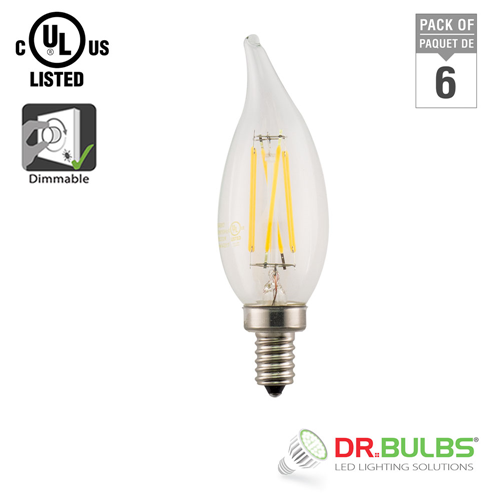
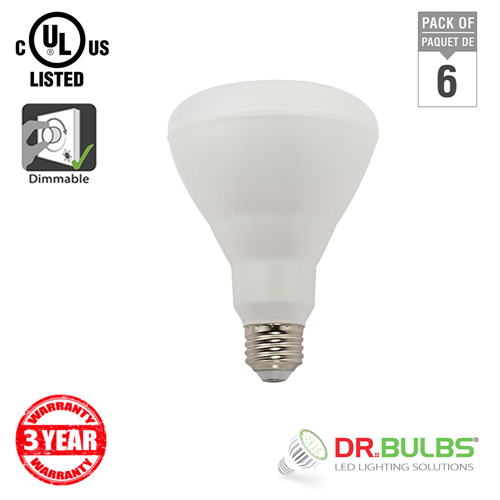
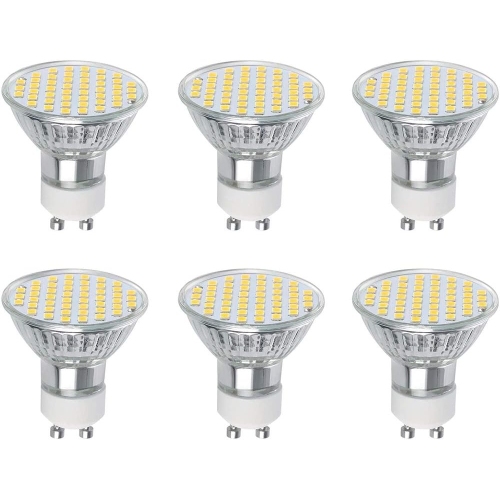
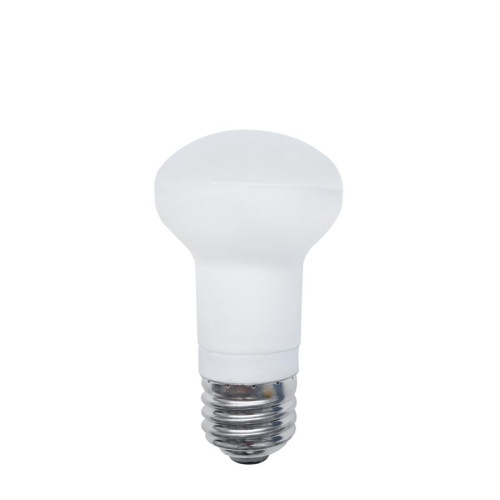
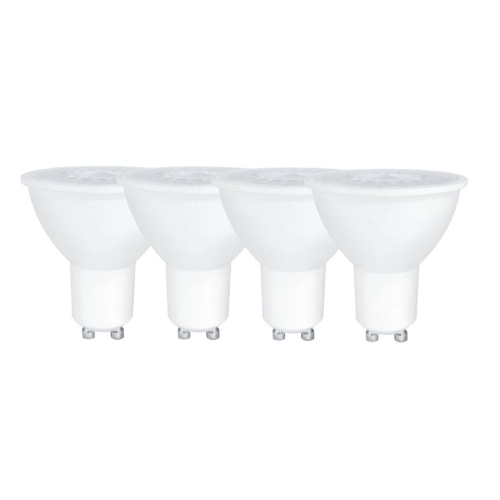
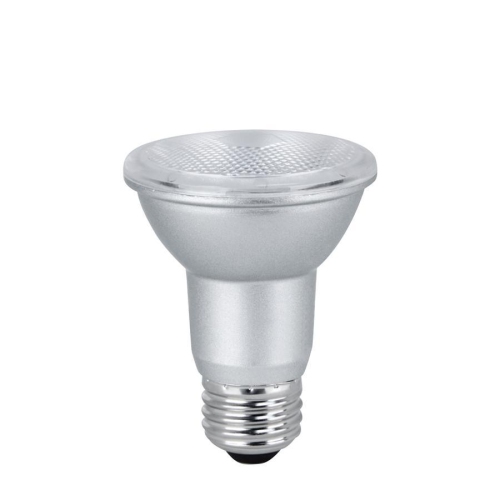
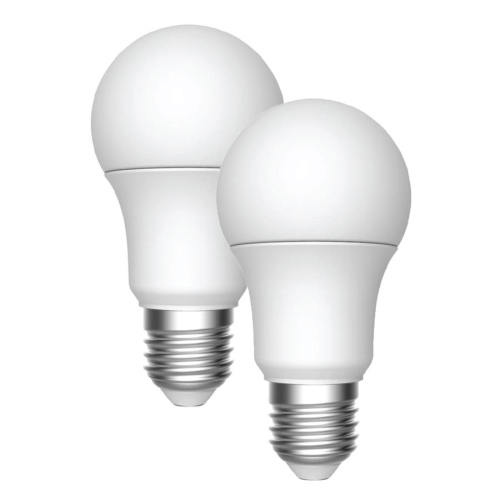
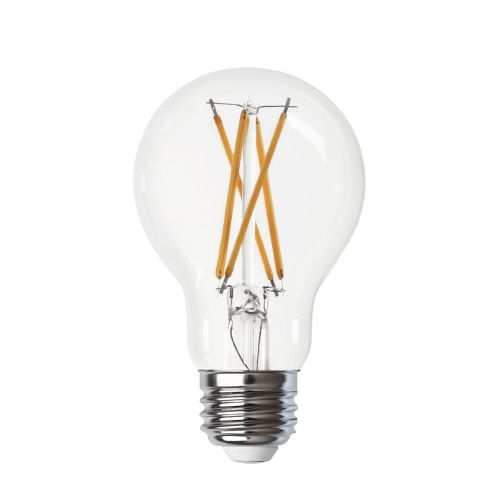
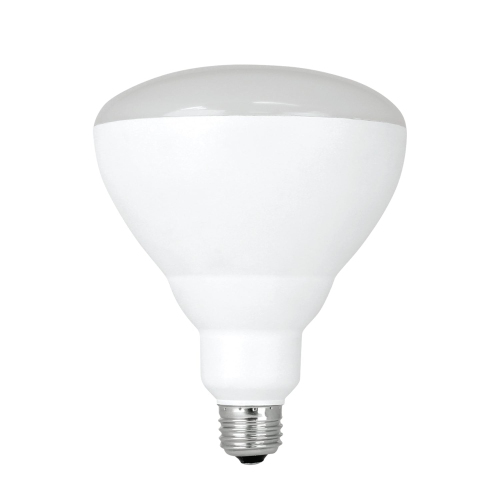
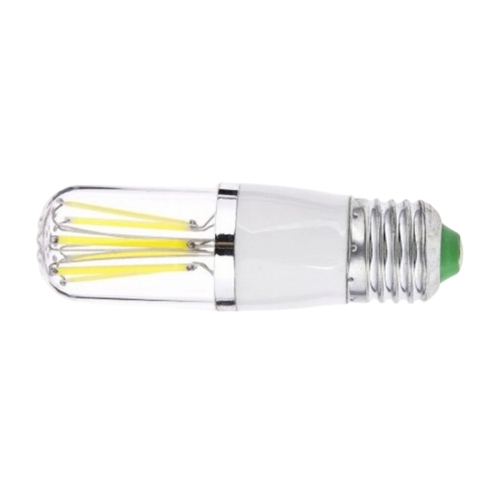
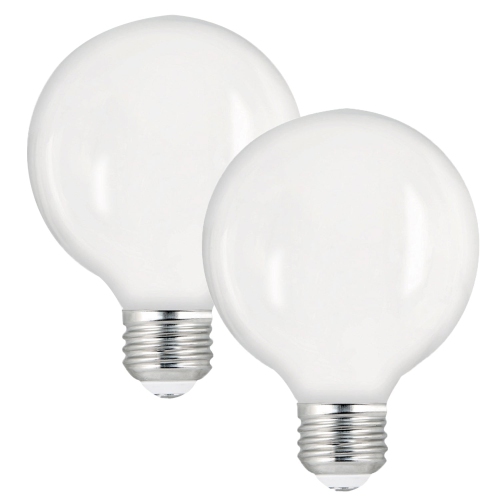
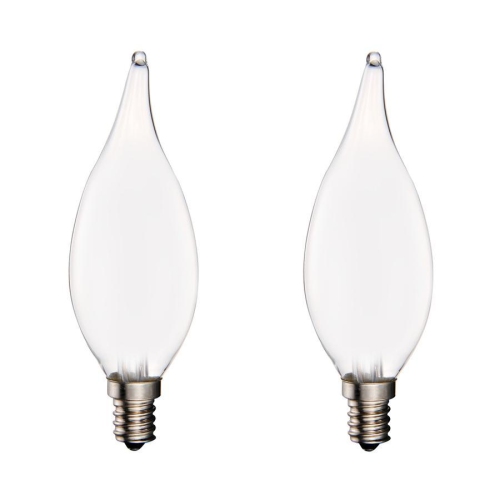
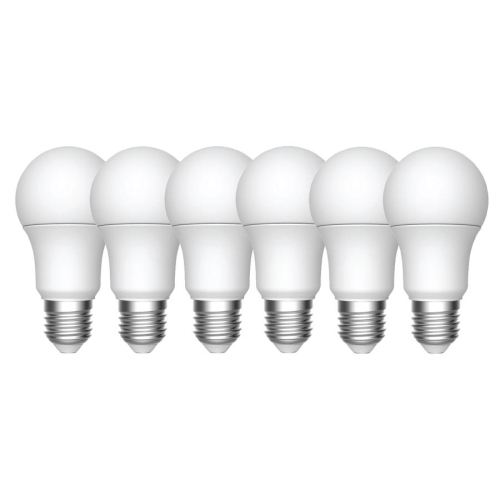
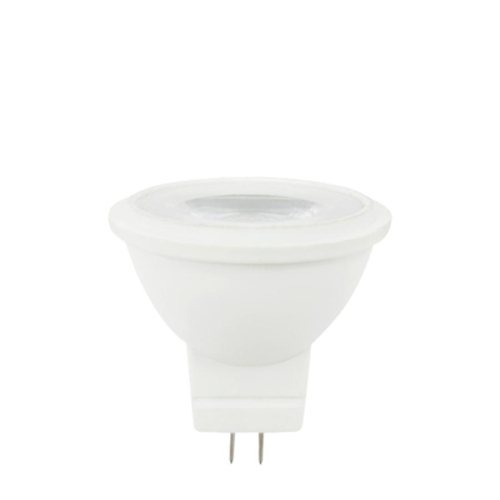
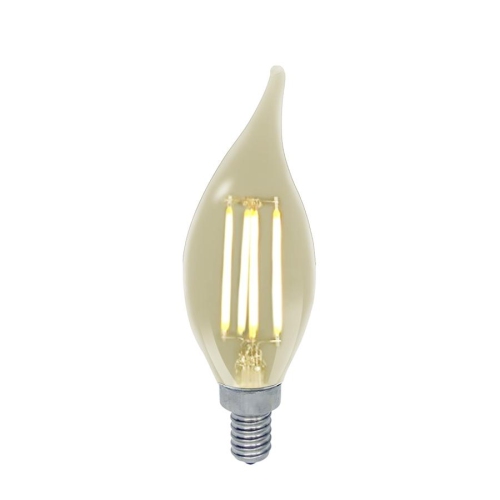
Finding the right white LED light bulbs starts with the fixture as much as the room. Check the base type, bulb shape, and available clearance before choosing replacements. Many household lamps use an E26 medium screw base, while smaller decorative fixtures may require an E12 candelabra base; other fittings use pins or twist-lock connections that are not interchangeable. Shape matters too. A standard pear-shaped bulb may fit a table lamp, but a globe, candle-shaped bulb, or directional reflector may be better suited to a vanity, chandelier, or recessed fitting. Compare the bulb’s dimensions with the shade or housing, especially in compact fixtures where a wider or longer bulb could prevent the cover from closing. Frosted bulbs help soften the appearance of the light source, while clear bulbs leave the internal elements visible and can create a more pronounced sparkle in open decorative fixtures. For recessed lighting and spotlights, beam angle affects whether the light spreads across a broad area or concentrates on a smaller surface. Dimming requires a little extra attention: the bulb must be labelled dimmable, and the wall dimmer must be compatible with that LED bulb. An unsuitable pairing can cause flickering, buzzing, or a limited dimming range, particularly at low settings. A dim-to-warm bulb, where specified, changes to a warmer tone as it dims, while a standard dimmable bulb generally maintains a similar colour temperature. Enclosed fixtures need bulbs explicitly rated for enclosed use because heat can build up inside the housing. Bathrooms, covered outdoor fittings, and other moisture-prone locations also require the appropriate damp- or wet-location rating for the installation. For unheated spaces, check the stated operating temperature range rather than assuming every LED bulb will perform alike in cold conditions. These details are worth checking before buying a multipack, especially when several fixtures look similar but have different requirements.
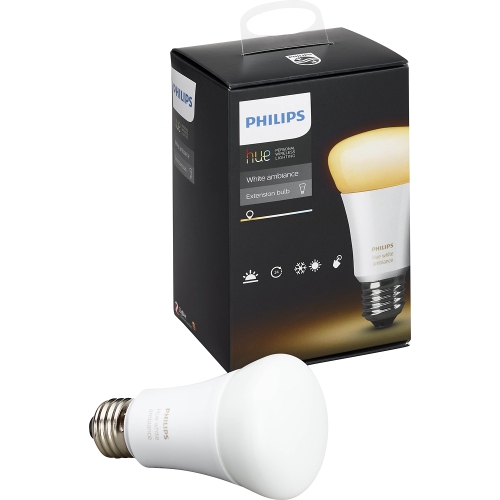
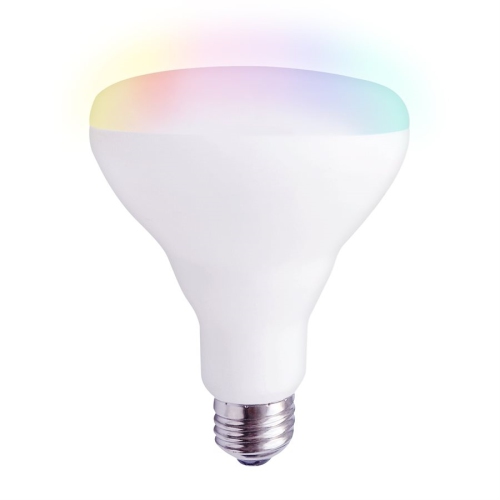
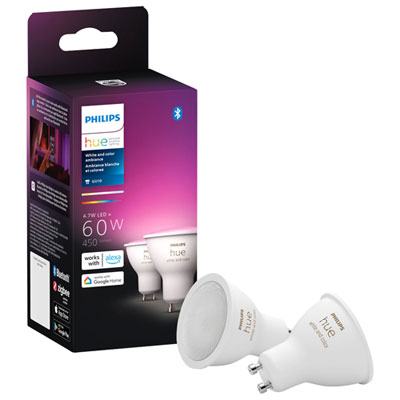
The most useful assortment of white LED bulbs reflects how people actually move through a home. Someone who enjoys a quiet evening with a book may prefer a warm reading lamp with enough output to illuminate the page without shining into their eyes. A student working at a desk might favour neutral or daylight white light, positioned to avoid glare on a laptop screen. In a kitchen, clear task lighting helps with chopping and measuring, while warmer light over the table can keep the adjoining dining area from feeling stark. Bathroom lighting benefits from even placement and good colour rendering rather than simply the coolest available bulb. Colour rendering index, or CRI, describes how faithfully colours appear compared with a reference light source; bulbs rated 90 CRI or above can be useful for applying makeup, choosing clothing, or working with paint and fabric. For hobbies and repairs, combine suitable bulbs with fixtures that direct light onto the work rather than leaving your hands in shadow. Larger benches and utility areas may call for dedicated fittings, and White LED Shop Lights offer another format to consider alongside replacement bulbs. Matching colour temperatures across visible fixtures helps an open-plan room feel more cohesive, although separate task lamps can still serve different needs. Multipacks can make sense for matching several sockets or keeping suitable spares, while a single bulb is a practical way to judge a new colour temperature in your own space. Smart white LED bulbs add options such as scheduling, remote control, or adjustable white tones, depending on their features. Check whether they need Wi-Fi, Bluetooth, or a separate hub, and whether they work with your preferred controls; do not assume every smart bulb supports an existing wall dimmer. They can also be a thoughtful addition to a housewarming gift when the recipient’s fixtures and setup are known. Finally, compare rated lifespan, warranty terms, and light output alongside the purchase price. LED lifespan estimates depend on operating conditions, so choosing bulbs suited to the fixture matters just as much as choosing a pleasing shade of white.
Finding the right white LED light bulbs starts with the fixture as much as the room. Check the base type, bulb shape, and available clearance before choosing replacements. Many household lamps use an E26 medium screw base, while smaller decorative fixtures may require an E12 candelabra base; other fittings use pins or twist-lock connections that are not interchangeable. Shape matters too. A standard pear-shaped bulb may fit a table lamp, but a globe, candle-shaped bulb, or directional reflector may be better suited to a vanity, chandelier, or recessed fitting. Compare the bulb’s dimensions with the shade or housing, especially in compact fixtures where a wider or longer bulb could prevent the cover from closing. Frosted bulbs help soften the appearance of the light source, while clear bulbs leave the internal elements visible and can create a more pronounced sparkle in open decorative fixtures. For recessed lighting and spotlights, beam angle affects whether the light spreads across a broad area or concentrates on a smaller surface. Dimming requires a little extra attention: the bulb must be labelled dimmable, and the wall dimmer must be compatible with that LED bulb. An unsuitable pairing can cause flickering, buzzing, or a limited dimming range, particularly at low settings. A dim-to-warm bulb, where specified, changes to a warmer tone as it dims, while a standard dimmable bulb generally maintains a similar colour temperature. Enclosed fixtures need bulbs explicitly rated for enclosed use because heat can build up inside the housing. Bathrooms, covered outdoor fittings, and other moisture-prone locations also require the appropriate damp- or wet-location rating for the installation. For unheated spaces, check the stated operating temperature range rather than assuming every LED bulb will perform alike in cold conditions. These details are worth checking before buying a multipack, especially when several fixtures look similar but have different requirements.
The most useful assortment of white LED bulbs reflects how people actually move through a home. Someone who enjoys a quiet evening with a book may prefer a warm reading lamp with enough output to illuminate the page without shining into their eyes. A student working at a desk might favour neutral or daylight white light, positioned to avoid glare on a laptop screen. In a kitchen, clear task lighting helps with chopping and measuring, while warmer light over the table can keep the adjoining dining area from feeling stark. Bathroom lighting benefits from even placement and good colour rendering rather than simply the coolest available bulb. Colour rendering index, or CRI, describes how faithfully colours appear compared with a reference light source; bulbs rated 90 CRI or above can be useful for applying makeup, choosing clothing, or working with paint and fabric. For hobbies and repairs, combine suitable bulbs with fixtures that direct light onto the work rather than leaving your hands in shadow. Larger benches and utility areas may call for dedicated fittings, and White LED Shop Lights offer another format to consider alongside replacement bulbs. Matching colour temperatures across visible fixtures helps an open-plan room feel more cohesive, although separate task lamps can still serve different needs. Multipacks can make sense for matching several sockets or keeping suitable spares, while a single bulb is a practical way to judge a new colour temperature in your own space. Smart white LED bulbs add options such as scheduling, remote control, or adjustable white tones, depending on their features. Check whether they need Wi-Fi, Bluetooth, or a separate hub, and whether they work with your preferred controls; do not assume every smart bulb supports an existing wall dimmer. They can also be a thoughtful addition to a housewarming gift when the recipient’s fixtures and setup are known. Finally, compare rated lifespan, warranty terms, and light output alongside the purchase price. LED lifespan estimates depend on operating conditions, so choosing bulbs suited to the fixture matters just as much as choosing a pleasing shade of white.
Top selling and popular products
-
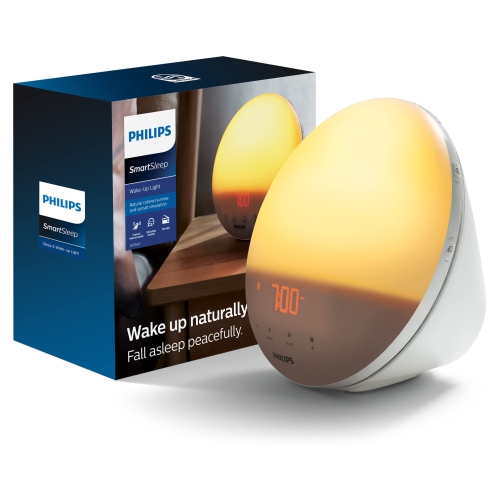 Your price for this item is $250
 -
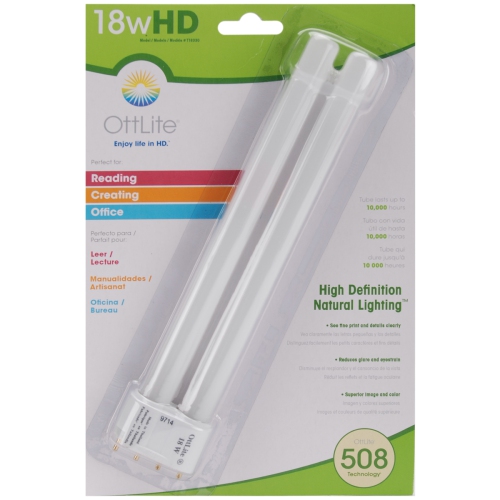 Your price for this item is $55
 -
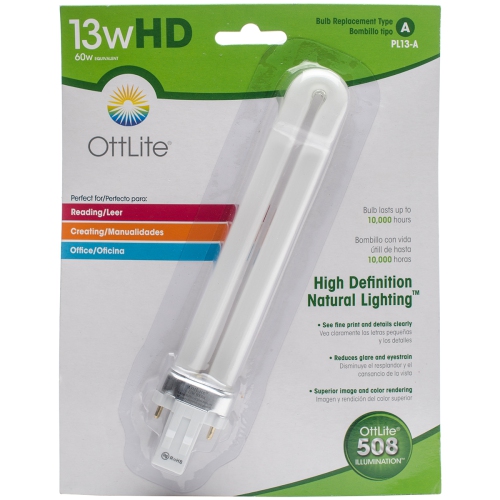 Your price for this item is $55
 -
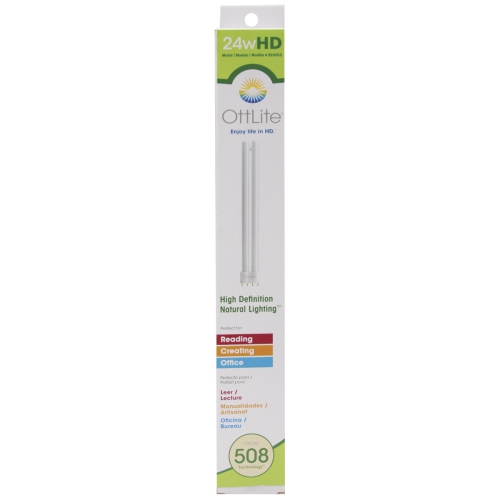 Your price for this item is $55
 -
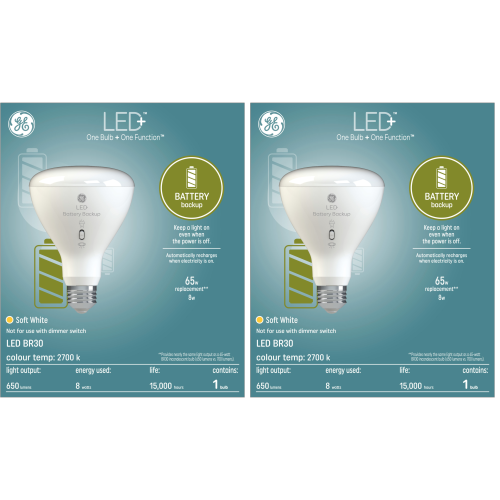 Your price for this item is $45.98
 -
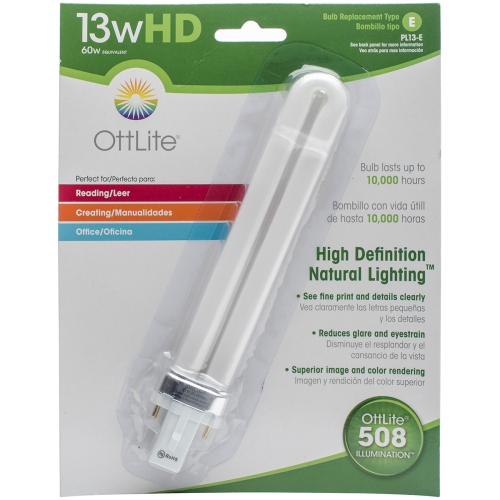 Your price for this item is $55
 -
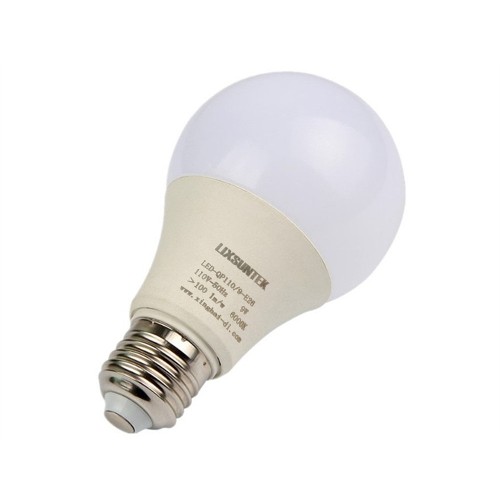 Your price for this item is $9.99
 -
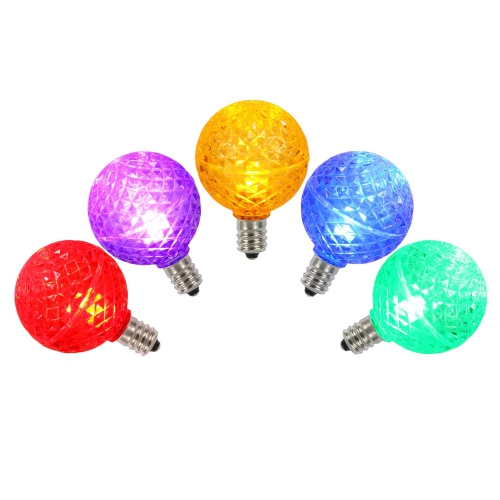 Your price for this item is $74.99
Discover more categories related to White LED Bulbs
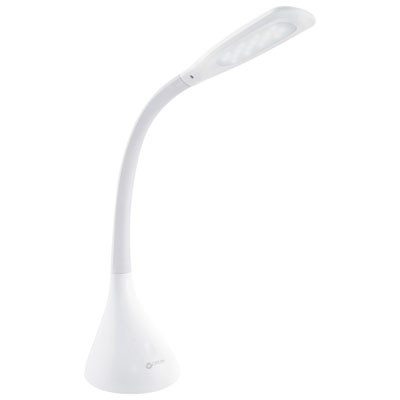
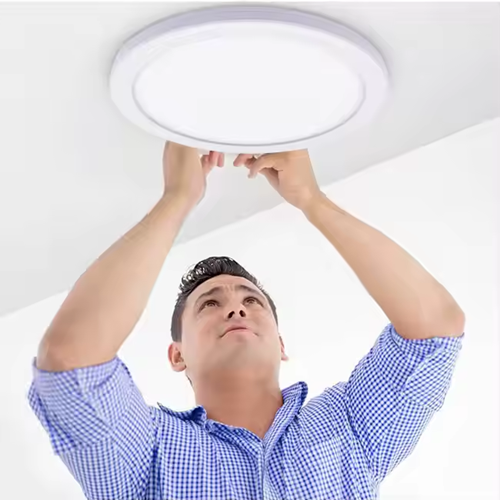
Top Collections:
Pokemon Centers, Kindle Devices, Best Budget Office Chairs, Apple iPhones 16, Best Laptops for Writers, iPhone 15 Apple, Canon G7X Cameras, Refurbished Apple Laptops, Alarm Clock, Motorola Razr Phones
Some products may be subject to Environmental Handling Fees
(EHF) depending on your province.
Learn more about EHFs.