Low-Price Electric Guitars
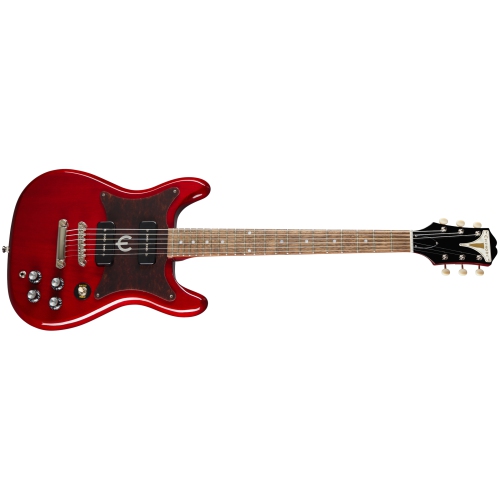
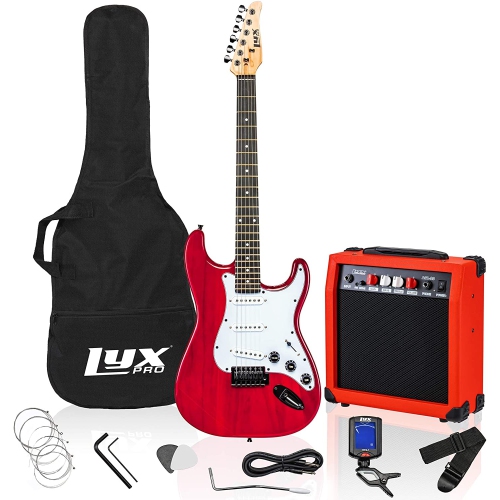
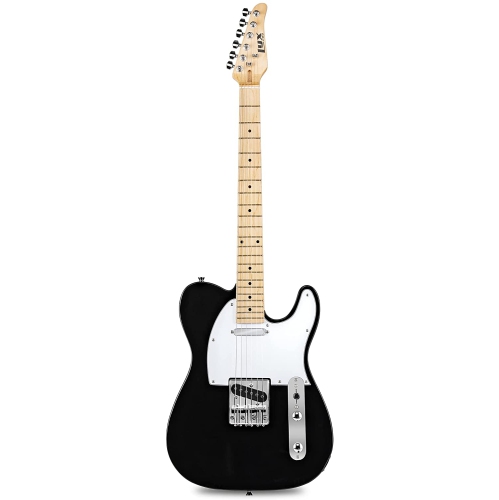
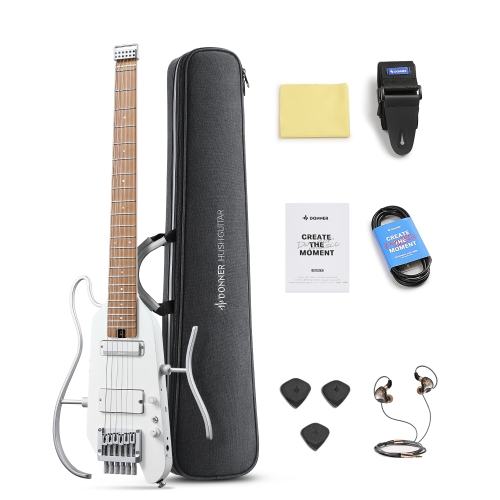
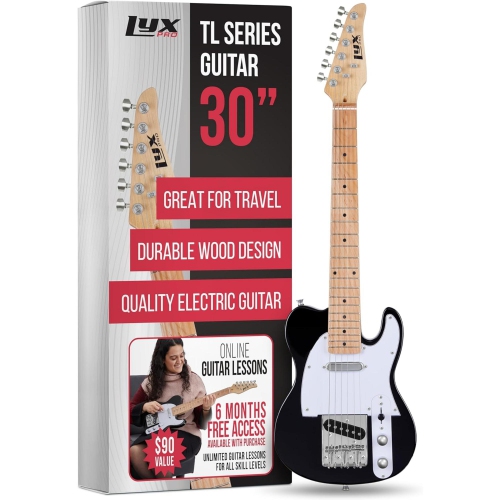
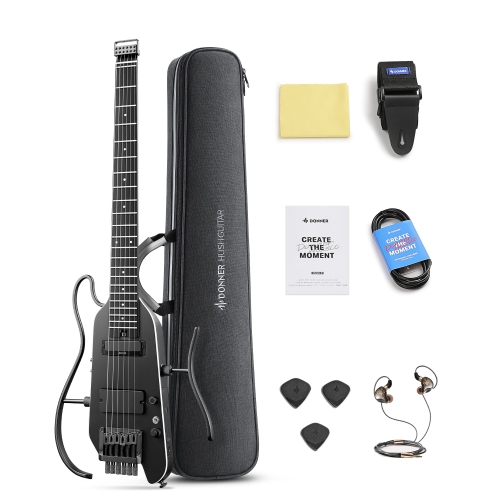
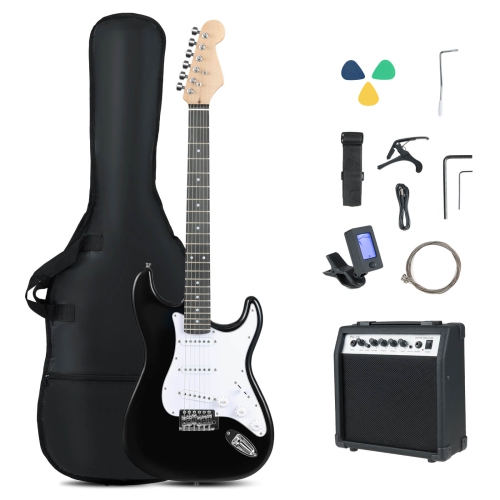
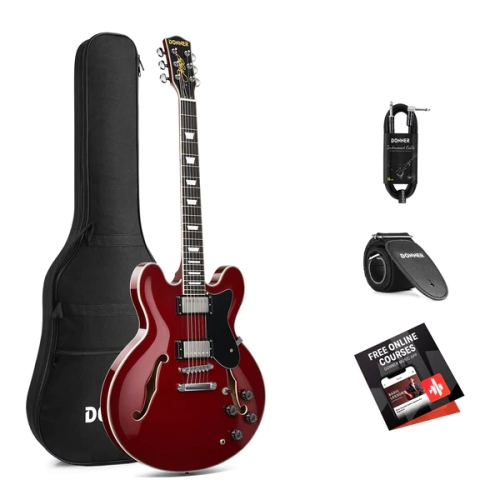
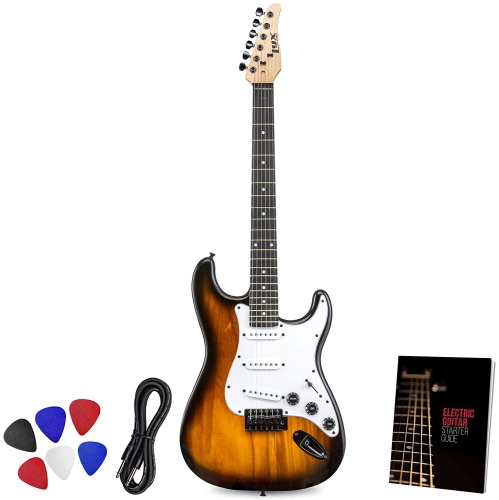
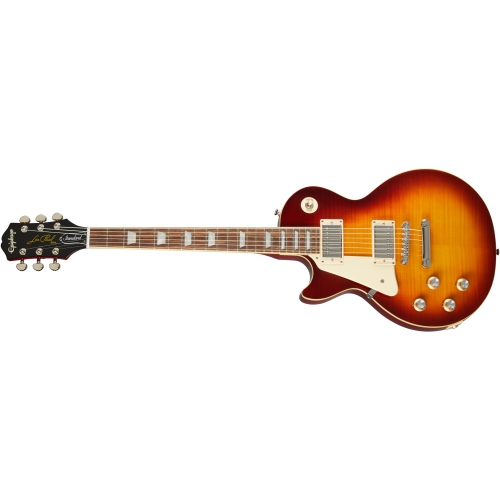
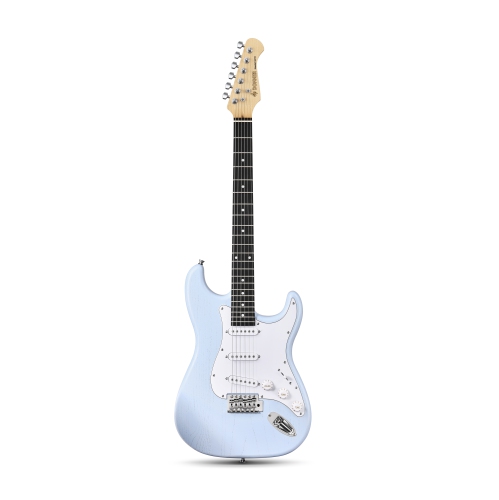
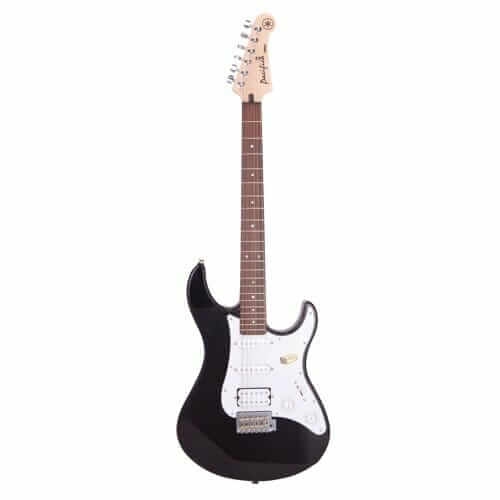
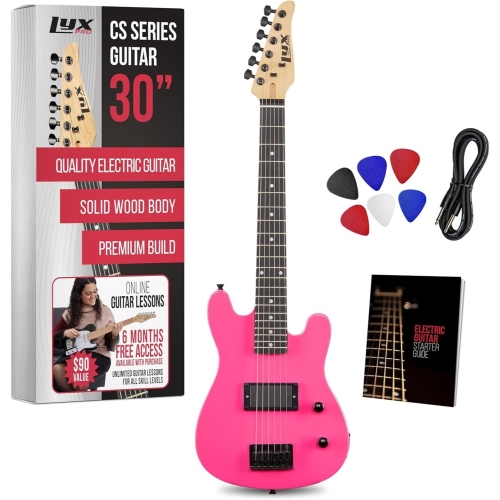
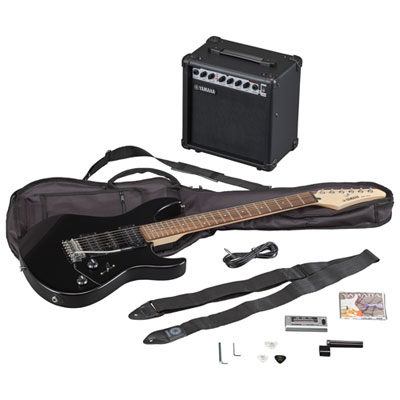
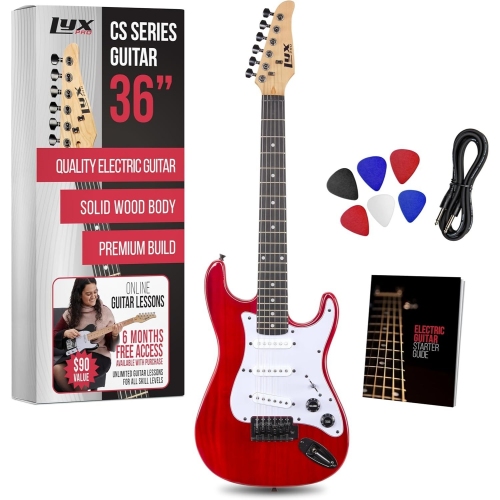
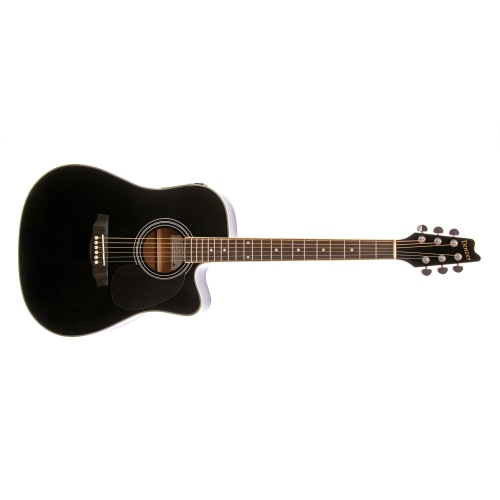
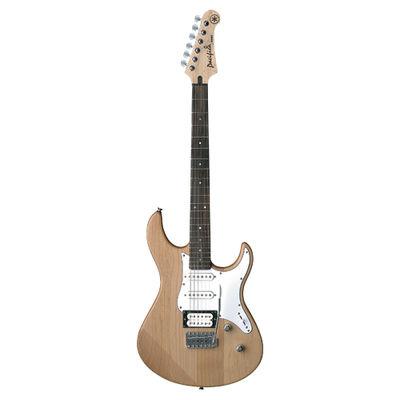
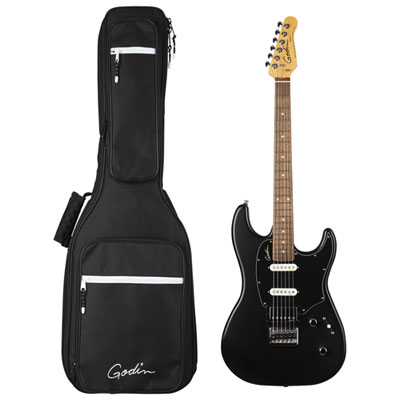
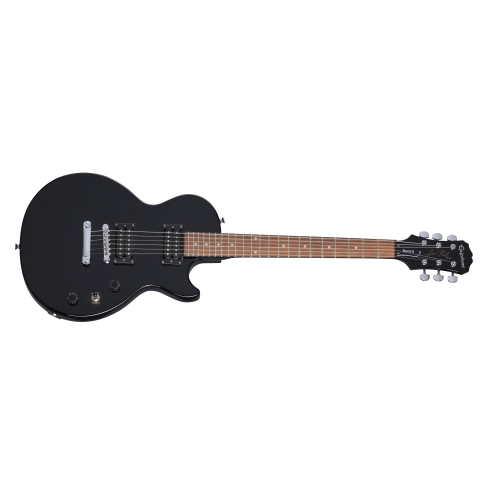
Explore low-price electric guitars for a first instrument or an affordable addition to your setup. Compare prices, pickup configurations, and controls to narrow your options, and check what’s included so you can budget for an amplifier, cable, or other accessories you may need.













FAQ
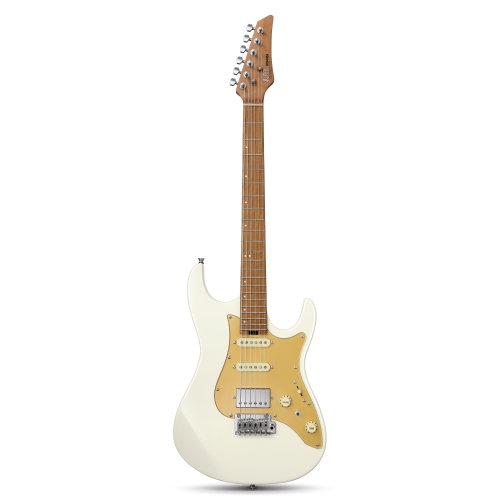
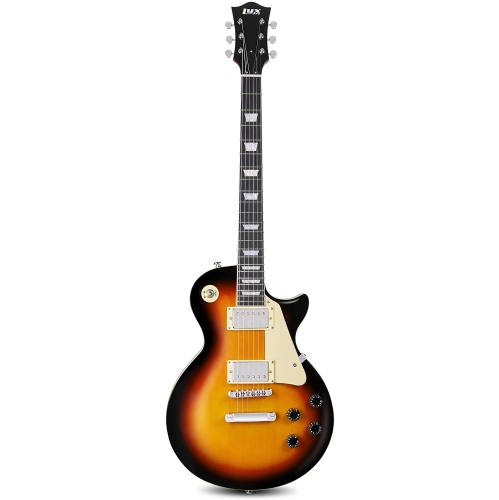
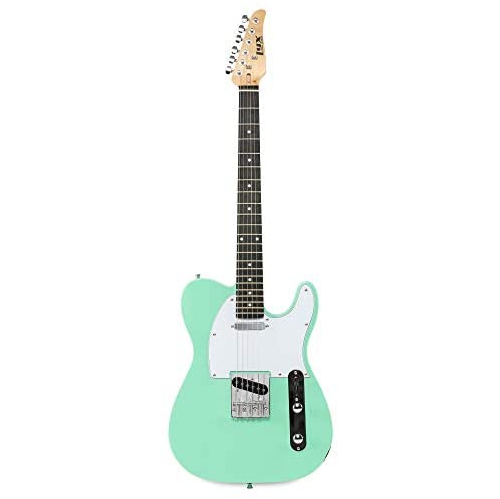
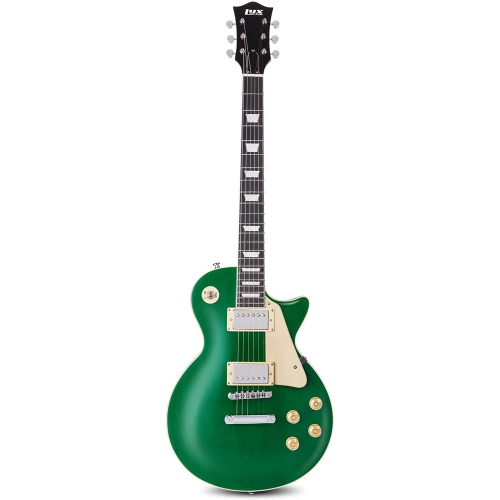
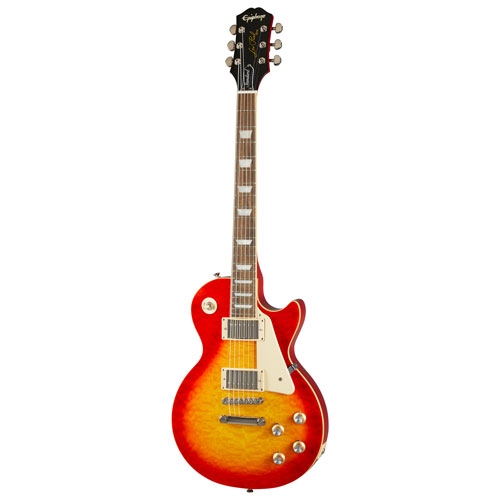
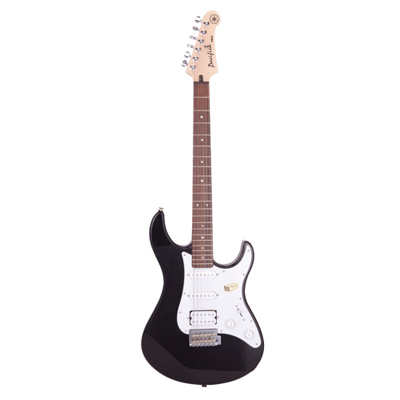
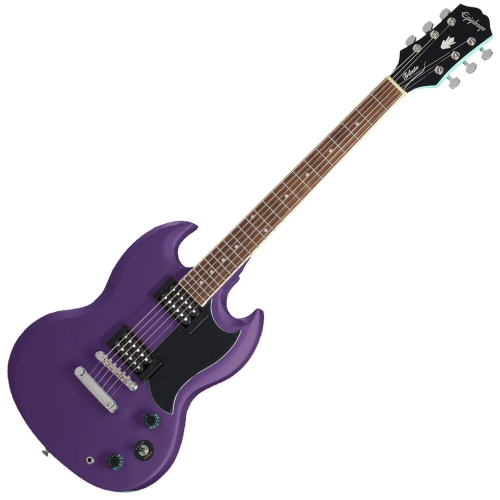
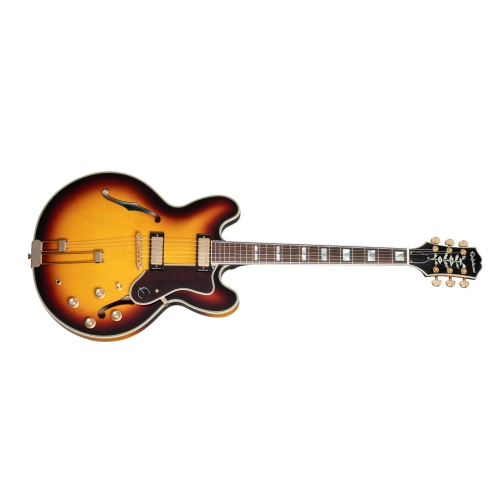
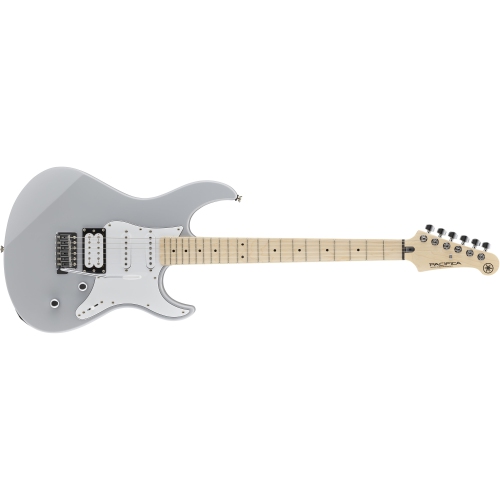
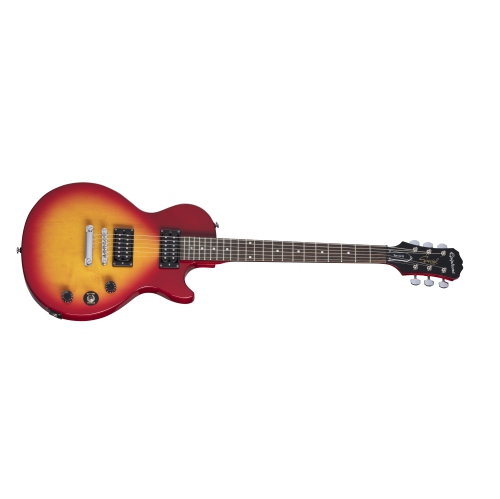
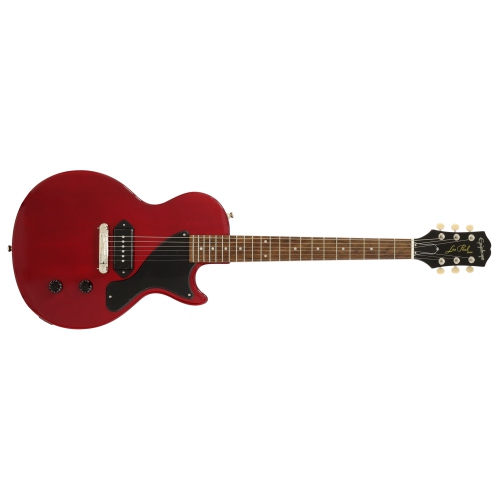
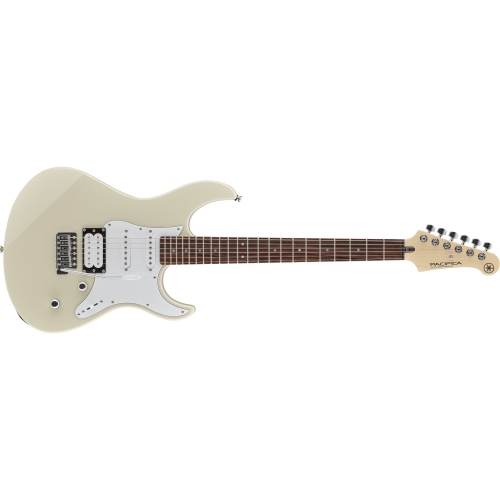
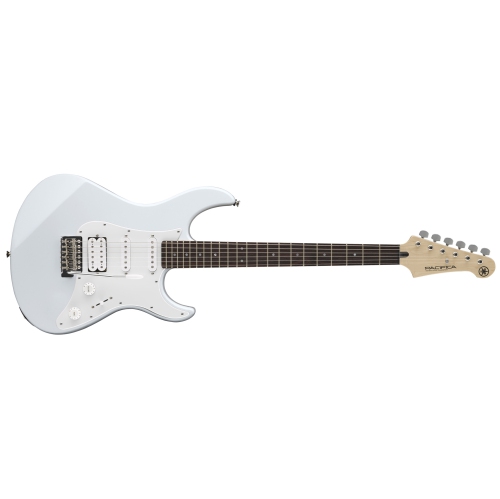
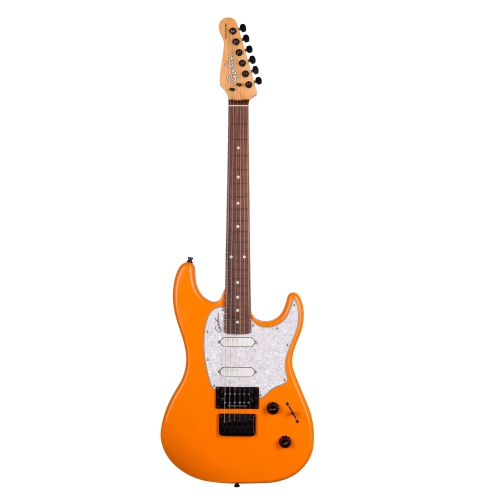
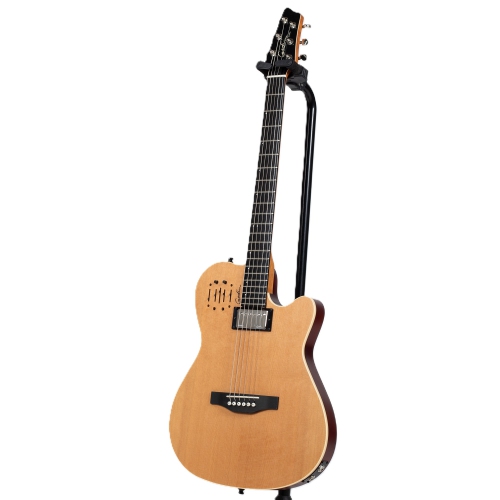
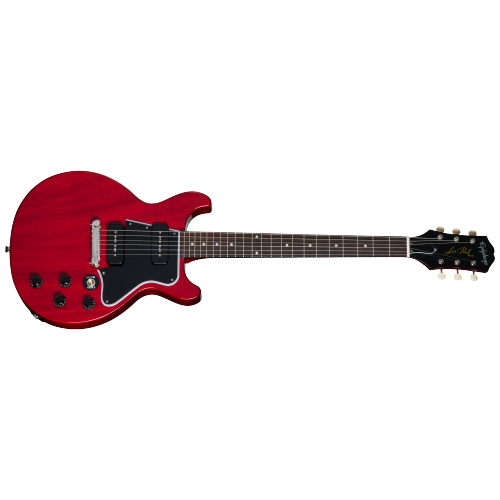
Single-coil pickups typically produce a bright, clear tone, while humbuckers generally have a fuller sound and reduce the electrical hum associated with single-coil designs. Some electric guitars combine pickup types, and a selector switch lets you choose between them.
Most electric guitars connect to an amplifier using an instrument cable plugged into the guitar’s output jack and the amplifier’s instrument input. An effects pedal can also sit between the guitar and amplifier to add sounds such as distortion, delay, or chorus.
The volume control adjusts the guitar’s output level, while the tone control typically reduces treble as you turn it down. If the guitar has multiple pickups, a selector switch changes which pickups are active. Control layouts vary, with some guitars offering separate knobs for different pickups.
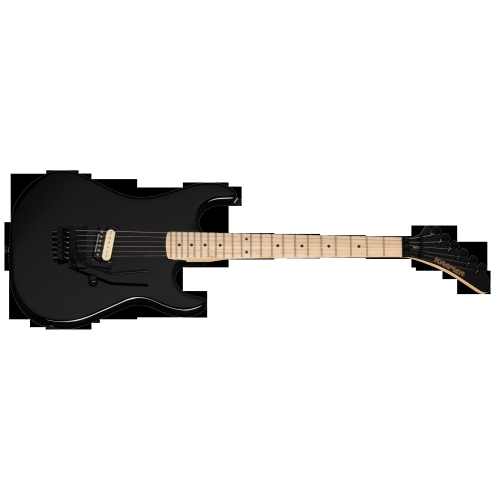
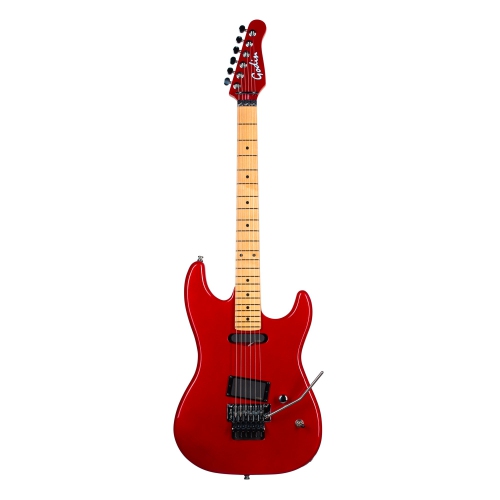
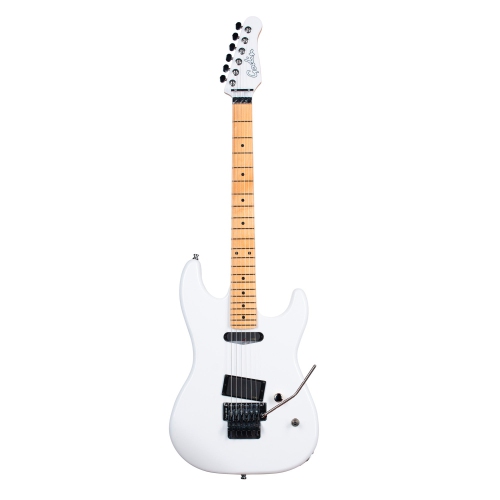
A fixed bridge stays in place while you play. A tremolo bridge uses an arm to change string tension and alter pitch. The two designs involve different tuning and string-changing procedures, so the bridge type is worth understanding when choosing an electric guitar.
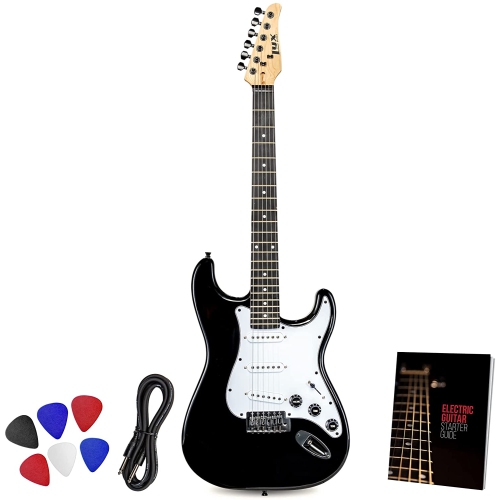
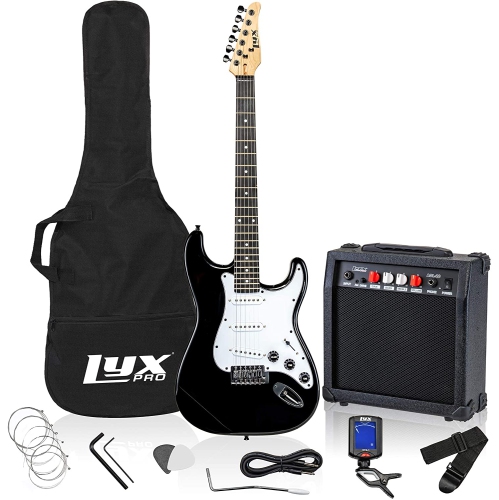
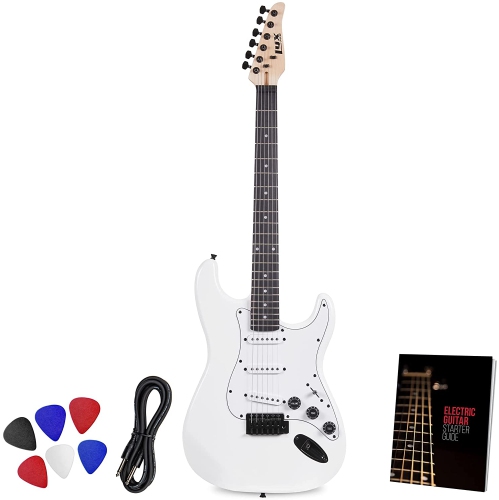
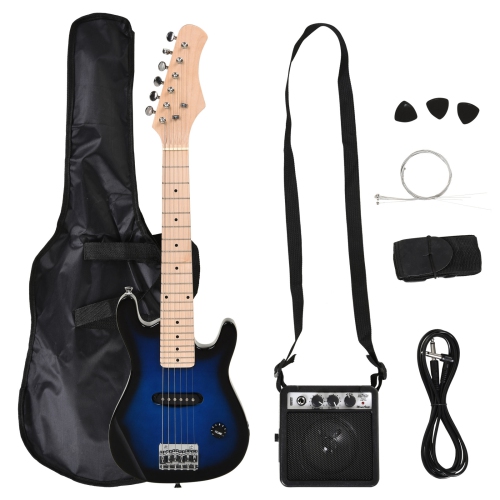
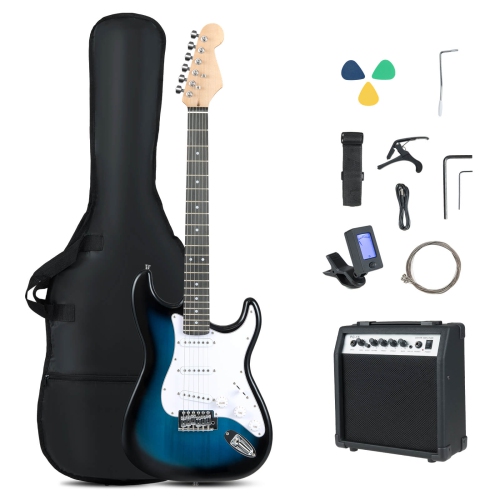
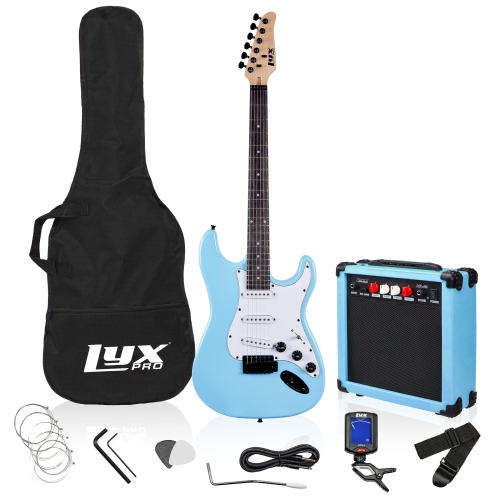
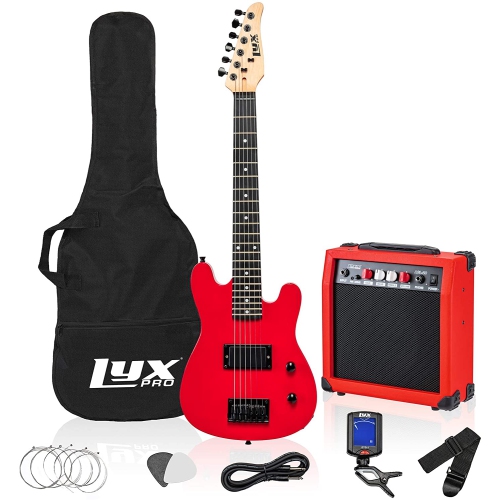
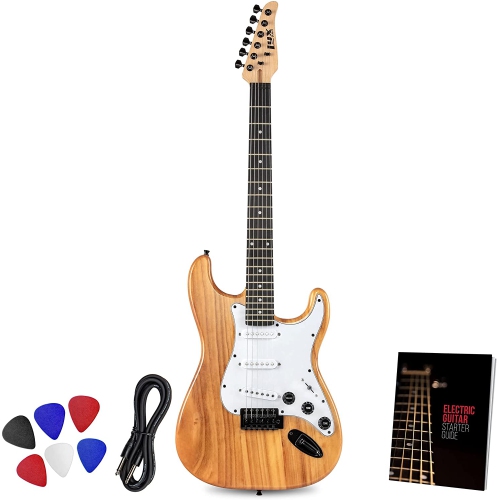
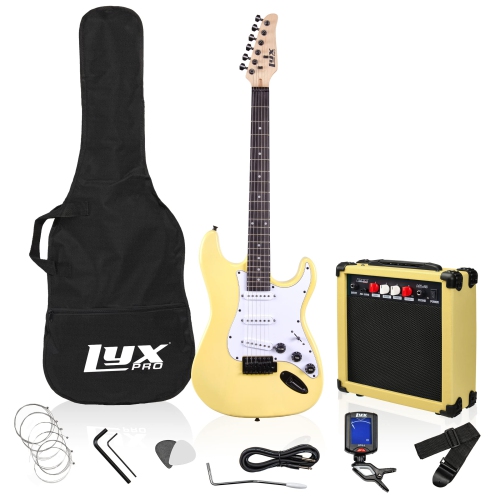
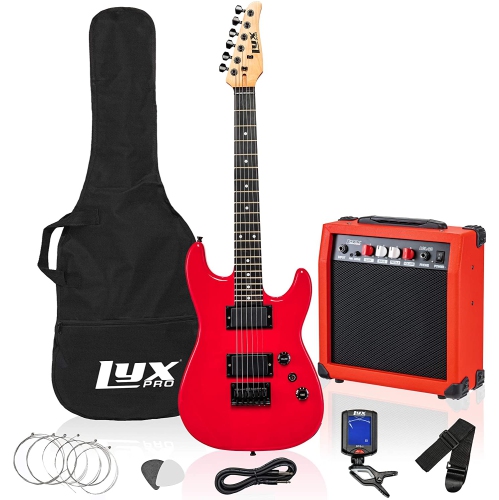
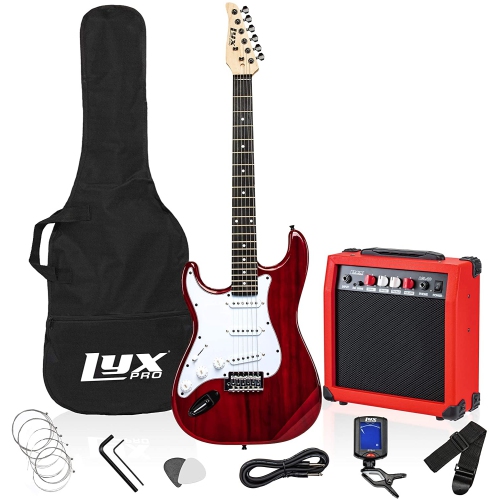
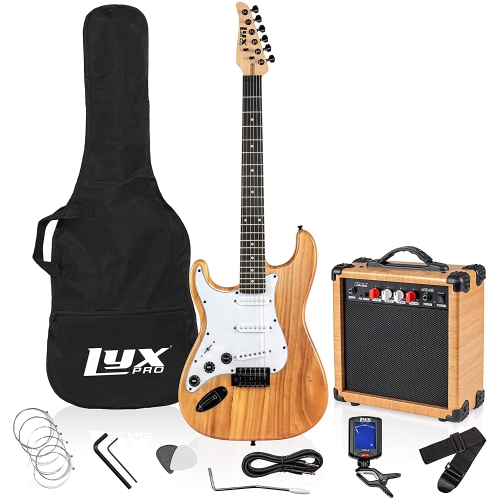
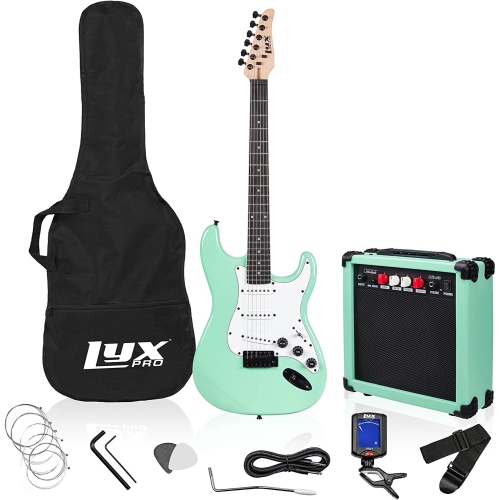
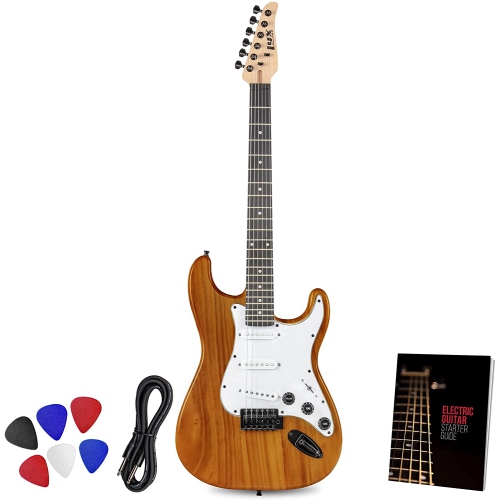
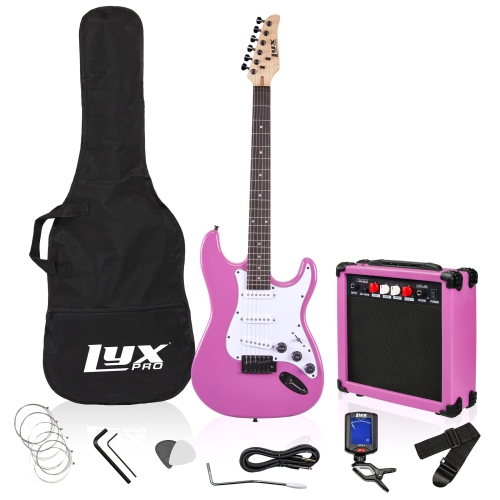
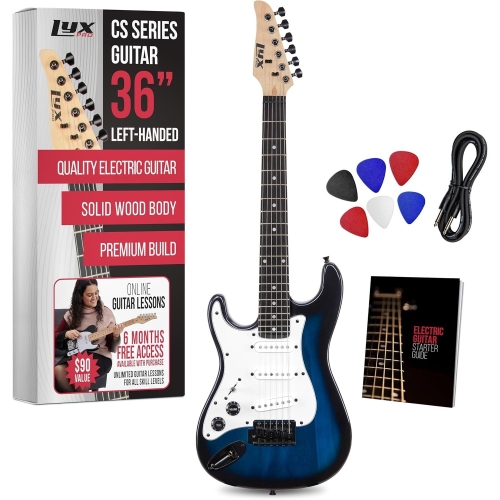
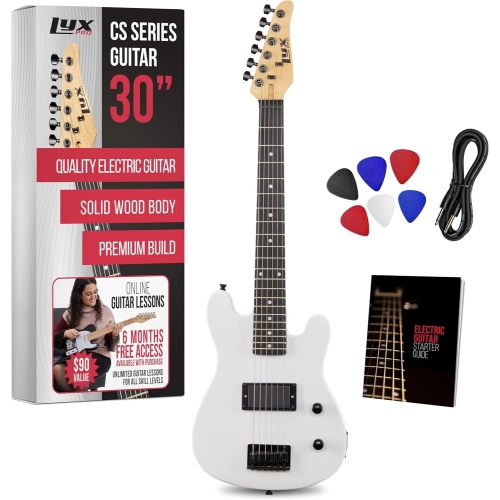
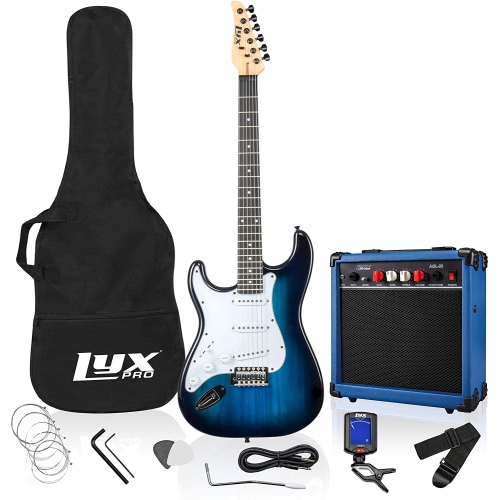
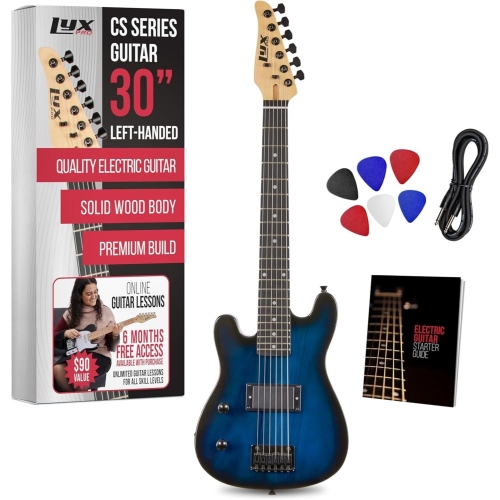
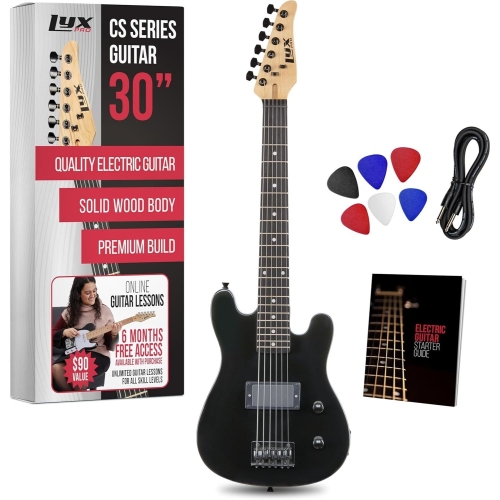
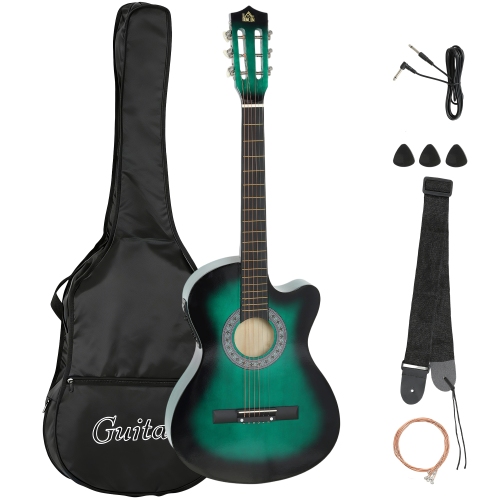
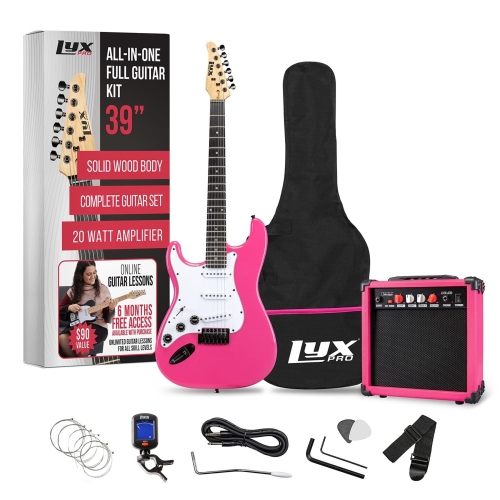
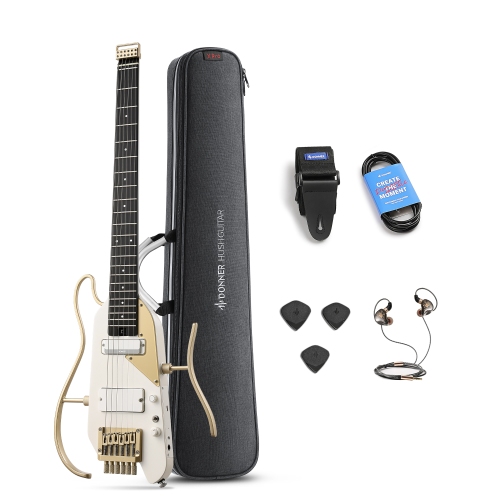
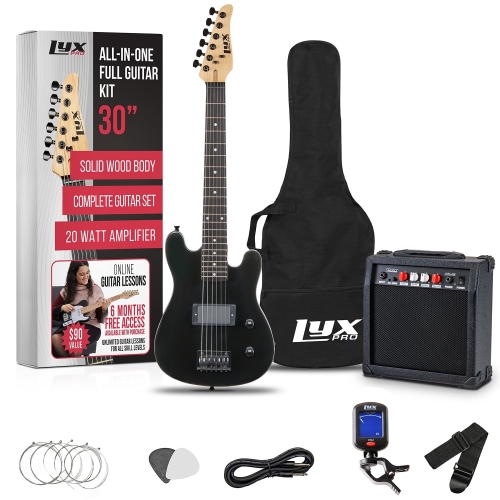
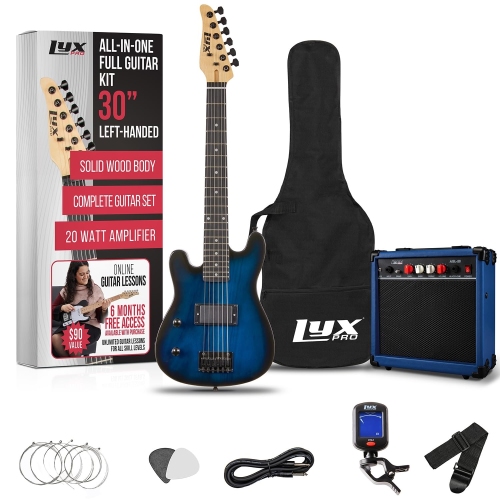
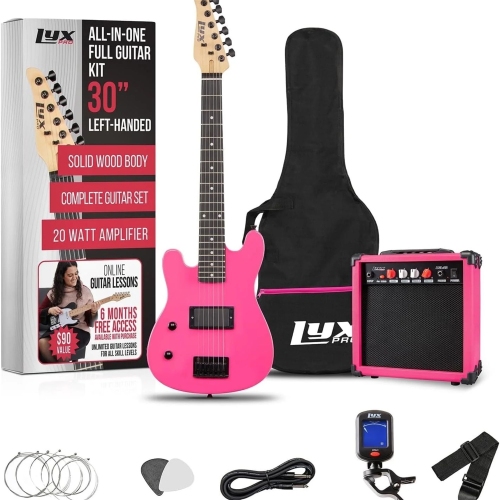
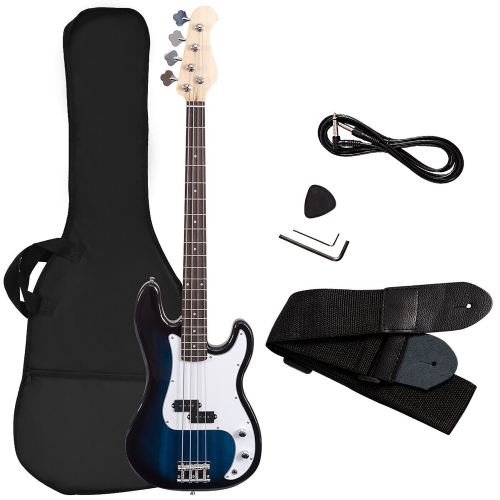
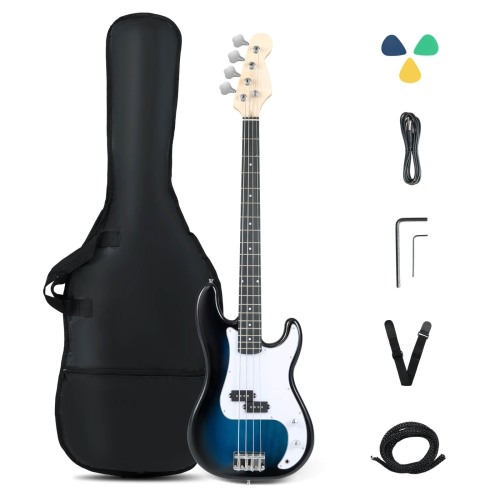
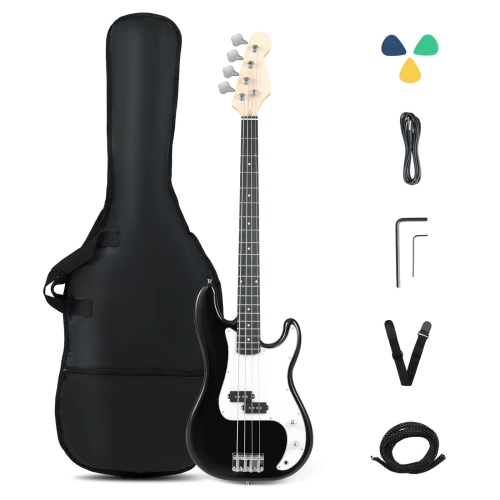
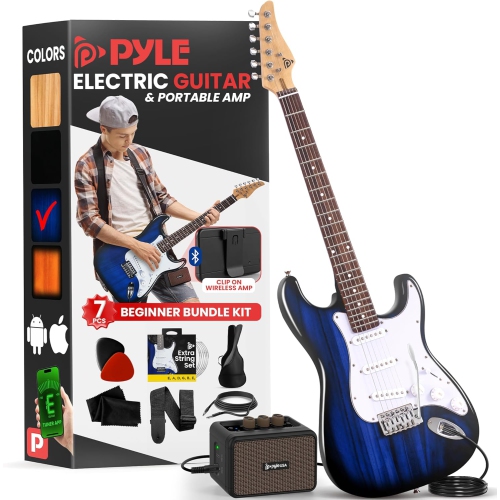
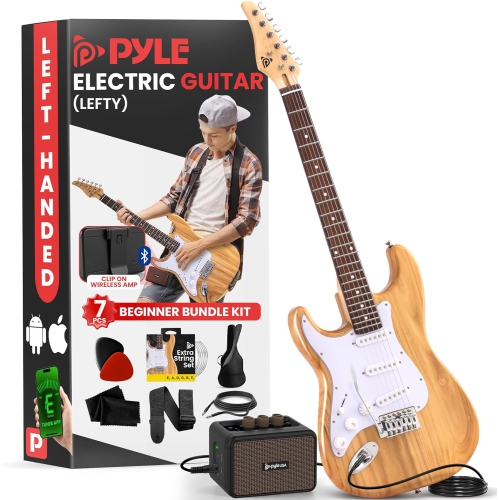
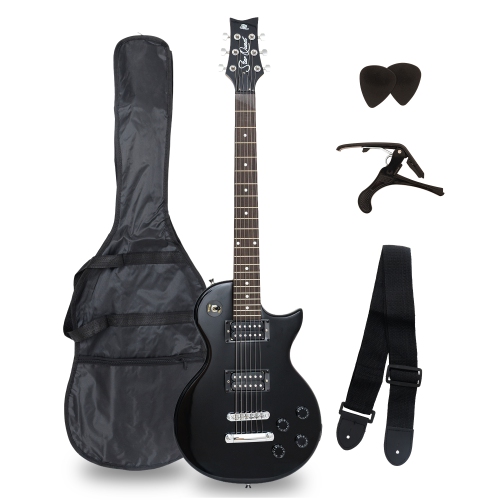
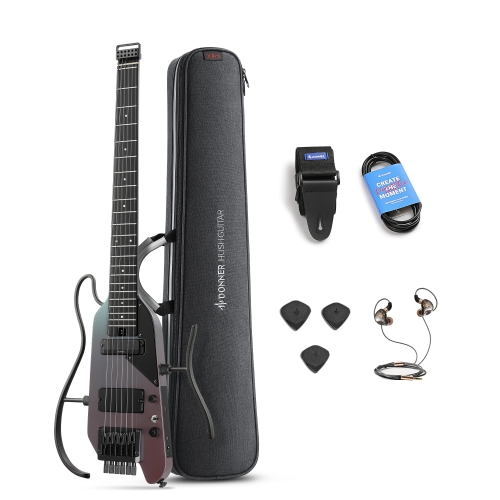
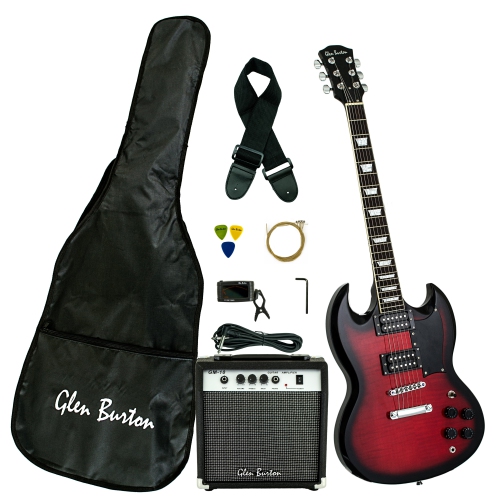
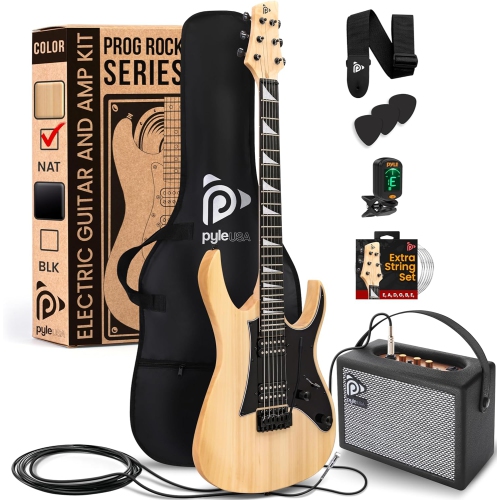
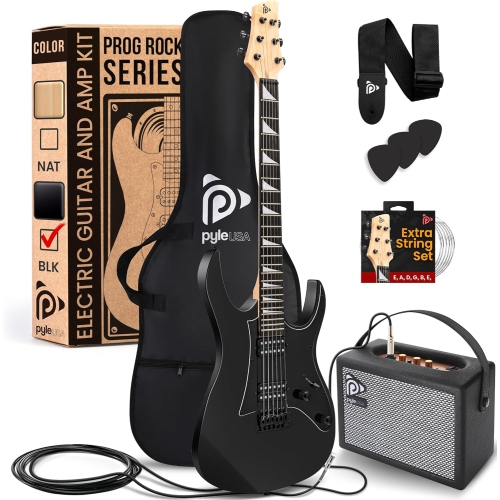
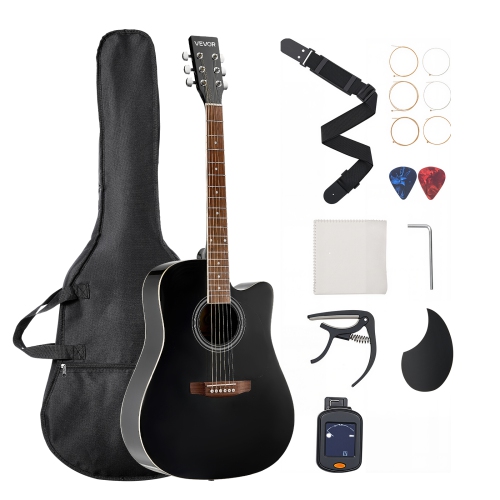
Common accessories include an instrument cable, tuner, picks, strap, and stand or case. An amplifier or compatible audio interface lets you hear the guitar’s amplified signal. Check what is included with a guitar or starter package, as accessories vary.
Top selling and popular products
Discover more categories related to Low-Price Electric Guitars
Some products may be subject to Environmental Handling Fees (EHF) depending on your province. Learn more about EHFs.