Aging Skin Creams
Discover the ultimate solutions to rejuvenate your skin and combat the signs of aging with our expertly curated selection of aging skin creams. Designed to target fine lines, wrinkles, and loss of elasticity, these advanced formulations harness the power of cutting-edge ingredients and time-tested botanicals. Whether you're looking to boost hydration, improve texture, or restore youthful radiance, our range offers something for every skin type and concern. Embrace a more vibrant, youthful complexion with products that deliver visible results and help you feel confident in your skin.
Sort
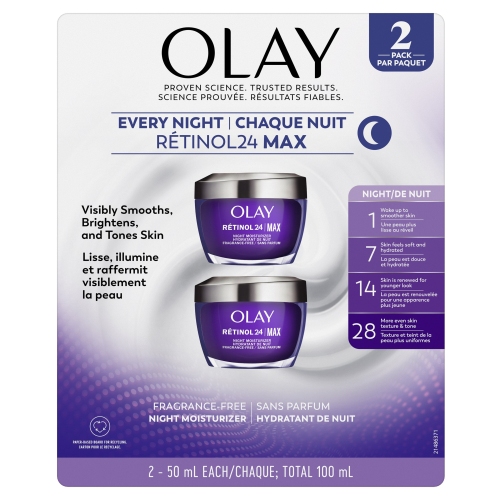
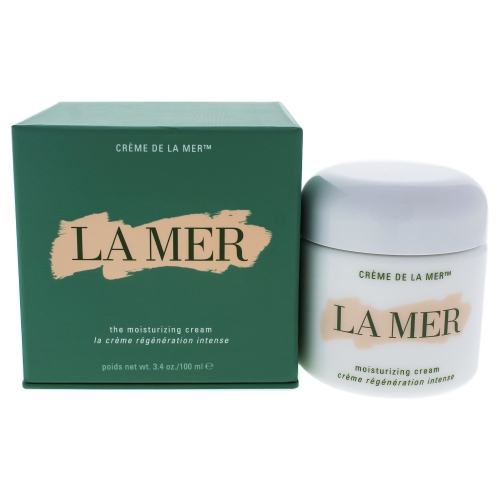
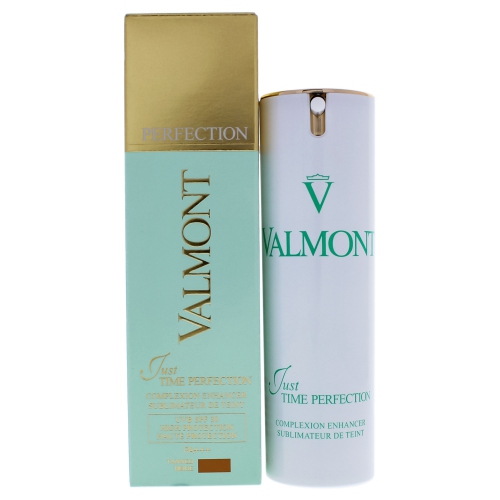
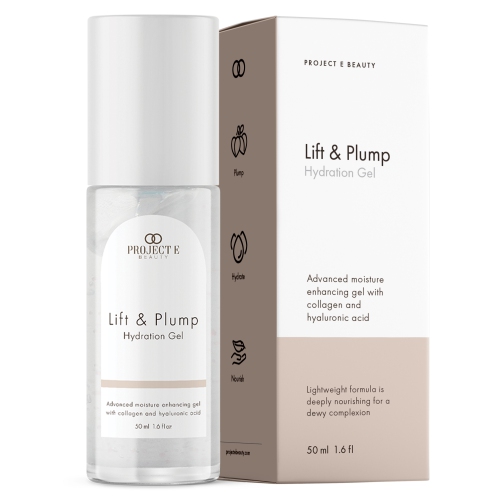
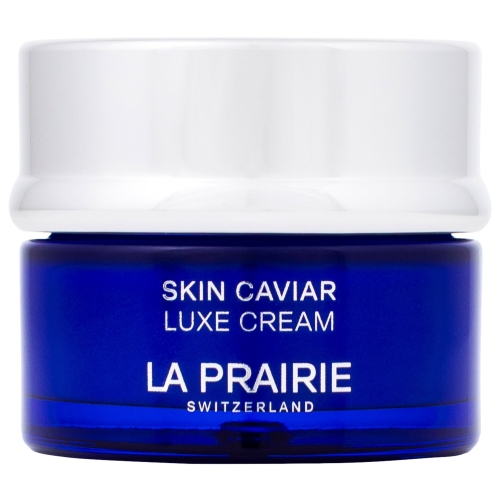
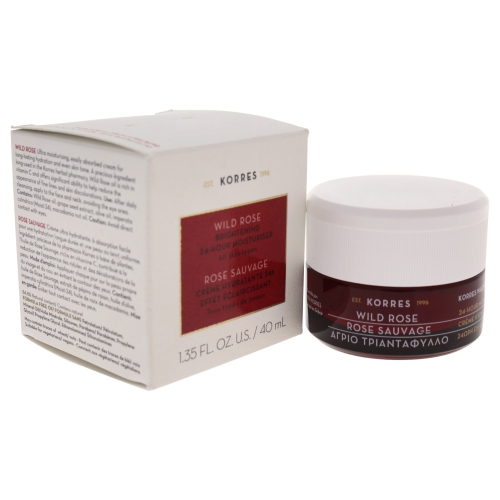
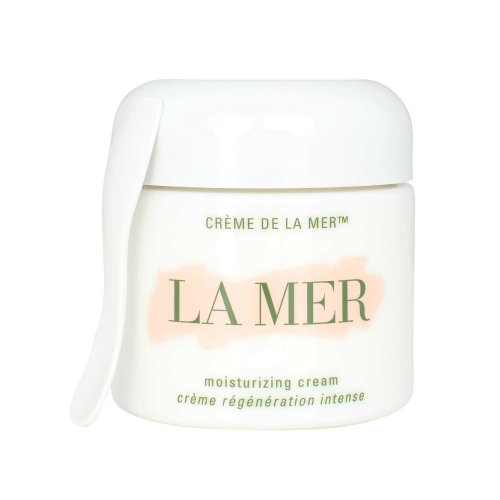

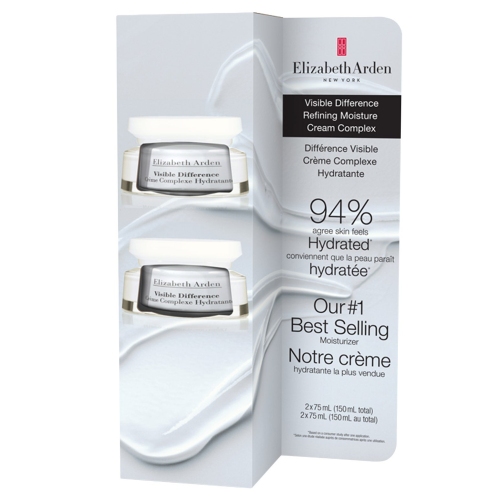


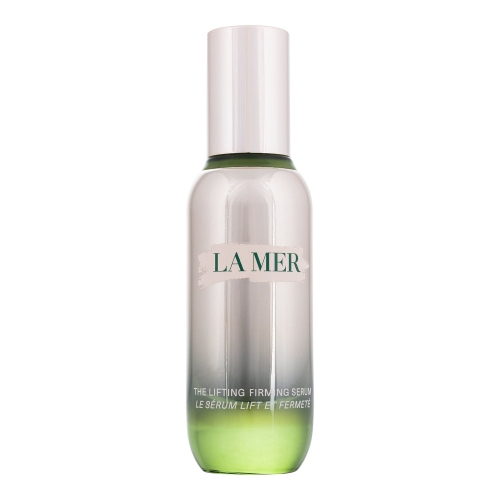
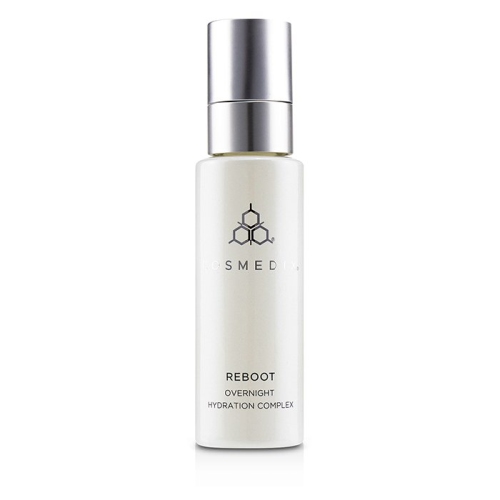
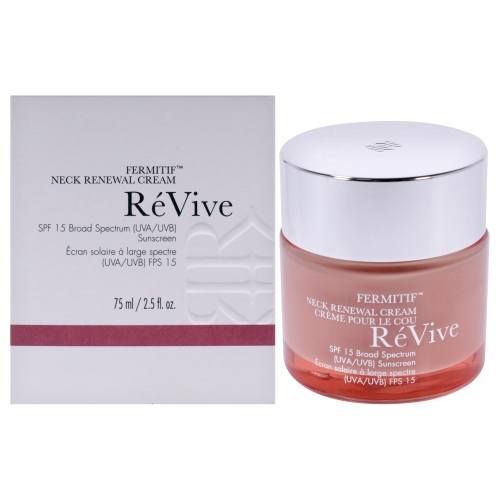
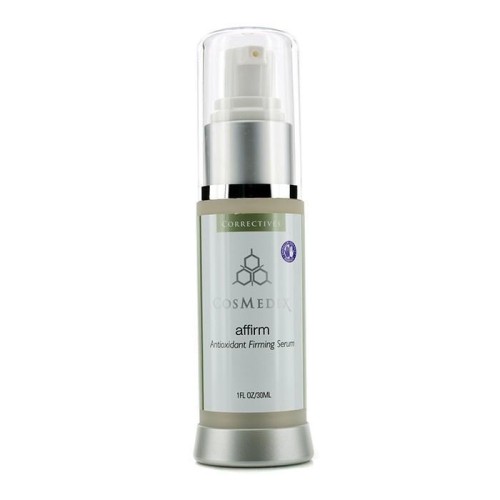
Why skin needs matter more than age alone
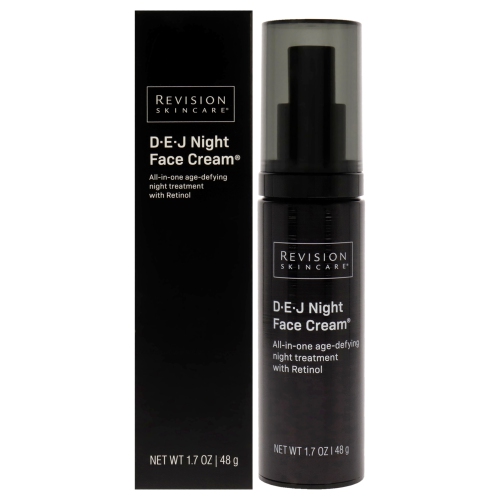
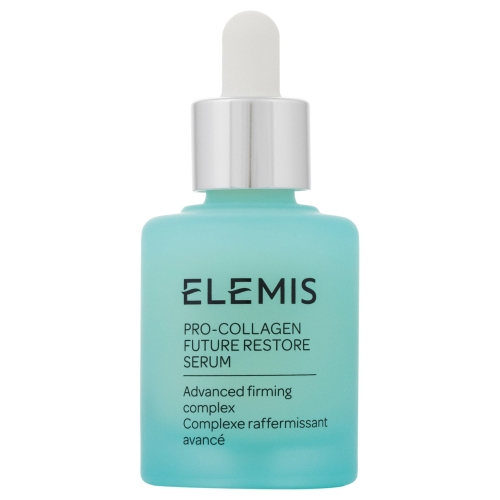
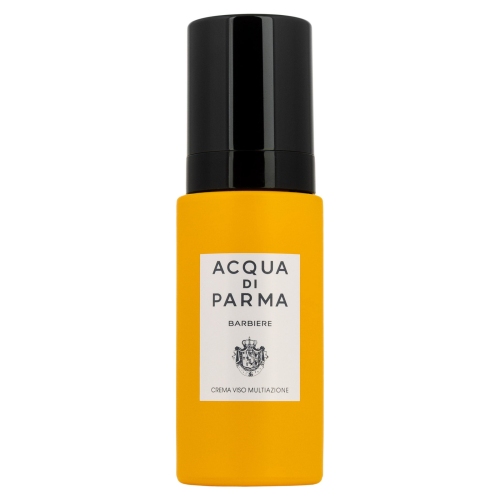
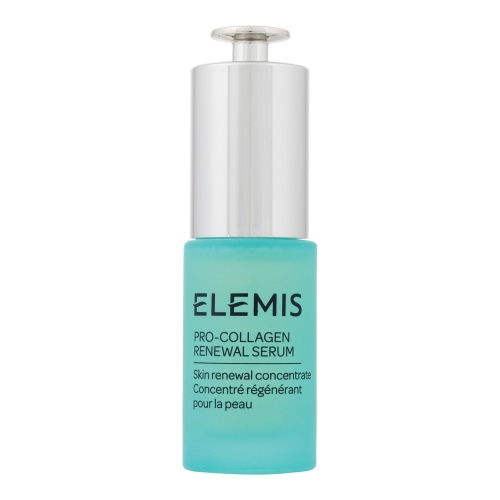
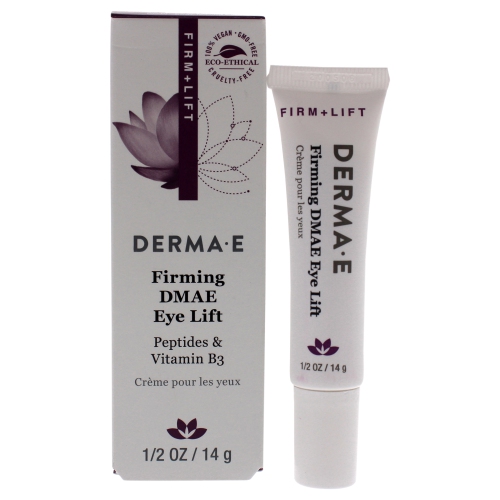
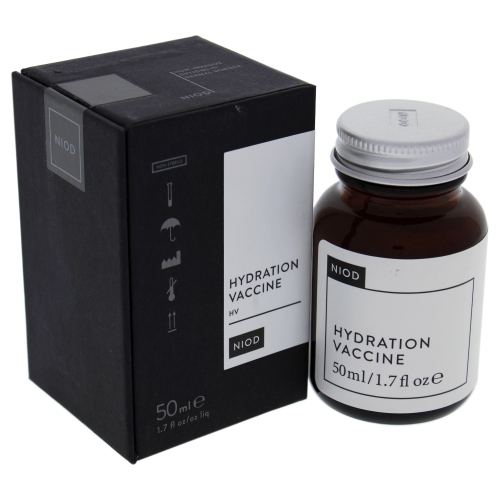
Aging skin creams are moisturizers formulated to address concerns such as dryness, fine lines, uneven texture, and a loss of suppleness. Common ingredients include hyaluronic acid for hydration, niacinamide for moisture-barrier support, retinol for improving the appearance of fine lines, and peptides used in formulas intended to support smoother-looking skin. The right choice depends less on a particular age than on how skin feels and which changes are most noticeable. Skin that feels tight after cleansing may need a richer moisturizer, while a complexion that looks shiny but feels uncomfortable can benefit from hydration in a lighter texture. Mature skin often produces less oil and may become drier, making a comfortable, well-formulated cream an important part of daily care. Humectants, including glycerin and hyaluronic acid, attract water to the skin’s surface. Emollients soften rough patches, while occlusive ingredients help reduce moisture loss. A formula that combines these functions can leave skin feeling more flexible and make dehydration-related lines look less prominent. This smoothing effect is different from changing deeper wrinkles or restoring lost facial volume, so realistic expectations matter. A cream should be judged by its suitability for the skin, its comfort during repeated use, and the type of improvement it is intended to provide. Someone concerned mainly about dry cheeks may prefer a cushioning texture, while someone noticing uneven tone may place more emphasis on targeted ingredients. Facial creams, neck creams, and eye-area formulas can also differ in texture and directions, rather than simply being interchangeable moisturizers. Creams for Firming Skin may be relevant when a more supple-looking complexion is the main goal, although topical care has limits when it comes to pronounced sagging. The aim is a routine that helps skin feel comfortable and look well cared for, without assuming that every visible sign of aging needs the same approach.
Ingredient choices help distinguish a basic moisturizer from a cream designed for more targeted concerns. Retinol, a form of vitamin A, can help improve the appearance of fine lines and uneven texture with consistent use, but it can also cause dryness, stinging, or flaking, particularly when first introduced. A stronger formula is not automatically a better fit. Following the label and beginning with less frequent application can make it easier to assess tolerance before increasing use. Hyaluronic acid primarily supports hydration rather than producing the same effects as retinol; its appeal is the plumper, smoother appearance that well-hydrated skin can have. Niacinamide can support the skin’s moisture barrier and help improve the appearance of uneven tone. Ceramides are another useful consideration for dry skin because they help replenish lipids found naturally in the barrier. Peptides are included in many creams marketed for firmness and fine lines, but their effects depend on the particular ingredient and overall formulation, and evidence varies. Vitamin C may be included to address dullness and uneven-looking tone, although its form, concentration, and packaging can influence stability and tolerance. An ingredient list is therefore more informative than a broad promise of younger-looking skin, but it still does not tell the whole story about how a cream will feel or perform. For skin that flushes easily or reacts to fragranced toiletries, a fragrance-free formula with a straightforward ingredient list may be a more comfortable starting point. Fragrance-free does not mean a reaction is impossible, so testing a small area before wider application remains sensible. Introducing one new formula at a time also makes it easier to identify the cause of irritation. Retinoids are generally avoided during pregnancy; anyone who is pregnant, planning a pregnancy, or breastfeeding should ask a healthcare professional about suitable ingredients. Persistent burning, swelling, or irritation is a reason to stop using a formula and seek advice rather than push through discomfort in pursuit of results.
Texture, application, and storage all affect how well an aging skin cream fits into everyday life. A lightweight lotion or gel-cream may sit comfortably beneath makeup, while a richer cream can suit dry skin that still feels tight after a lighter moisturizer. For blemish-prone skin, a formula labelled non-comedogenic may be worth considering, although that wording cannot guarantee it will not cause breakouts. Finish matters too: a cream that leaves a persistent greasy layer may be difficult to use consistently, even if its ingredients sound suitable. Applying moisturizer after gentle cleansing, while skin is slightly damp, can help with hydration, unless the formula’s directions specify otherwise. Retinol creams often have different application instructions, so the label should take priority over a general routine. There is no need to layer several targeted creams over the same area; overlapping active ingredients can increase irritation without necessarily improving results. Small amounts applied evenly are often easier to work into a routine than a thick coating that rolls into flakes beneath sunscreen or foundation. Daytime care should include broad-spectrum sunscreen with an SPF of $30 or higher, applied and reapplied as directed, because ultraviolet exposure contributes to visible skin aging. A cream containing sunscreen still needs to be used in the labelled amount to provide its stated protection. Keep facial formulas away from the eyelids unless they are intended for that area, and follow directions when extending use to the neck or chest. Packaging also deserves attention: pumps and tubes can limit direct finger contact, while opaque, well-sealed containers can help protect light-sensitive ingredients. Close containers promptly, use clean hands or a clean applicator, and follow expiry dates and any period-after-opening symbol. Changes in smell, colour, or texture can signal that a formula should no longer be used. A practical routine is one that remains comfortable and manageable, with hydration often noticeable sooner than changes in fine lines or uneven tone.
Top selling and popular products
-
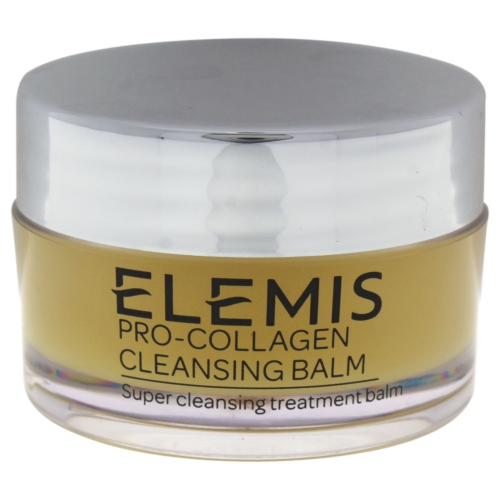 Your price for this item is $32.68
-
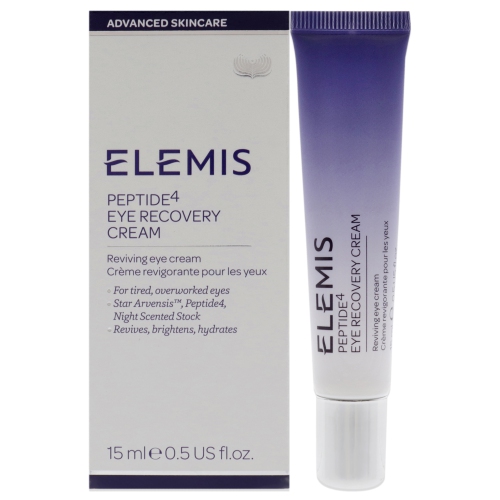 Your price for this item is $60.13
-
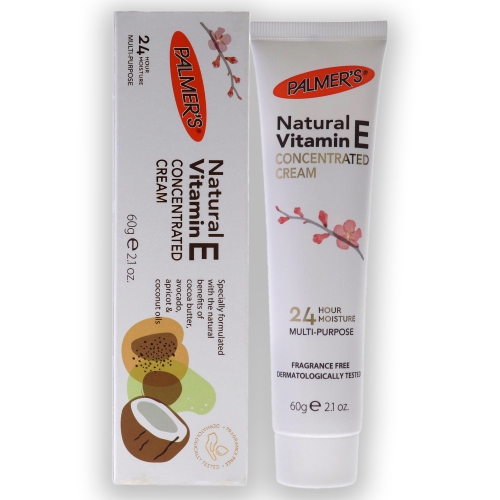 Your price for this item is $19.14
-
 Your price for this item is $39.97
-
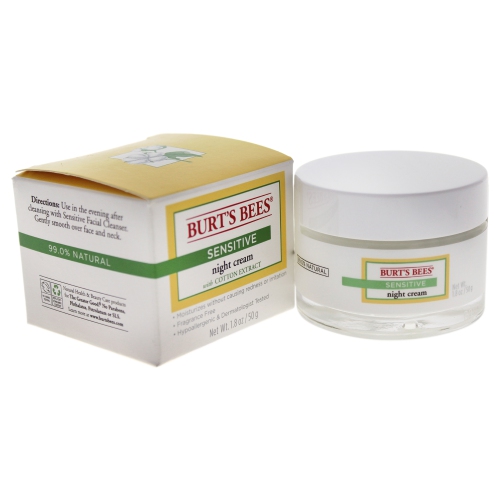 Your price for this item is $26.93
-
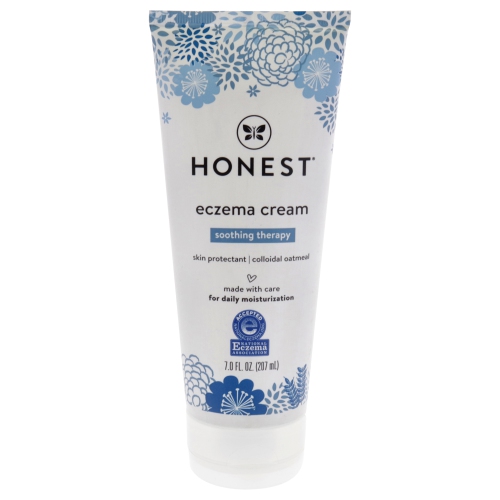 Your price for this item is $28.27
-
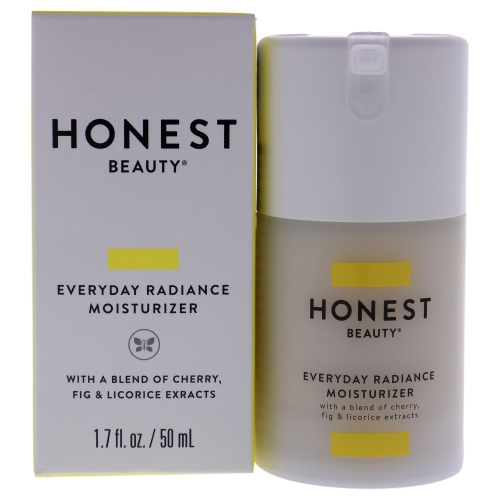 Your price for this item is $42.42
-
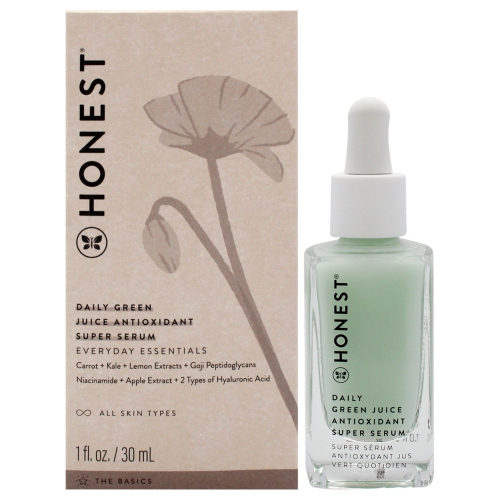 Your price for this item is $40.23
Discover more categories related to Aging Skin Creams
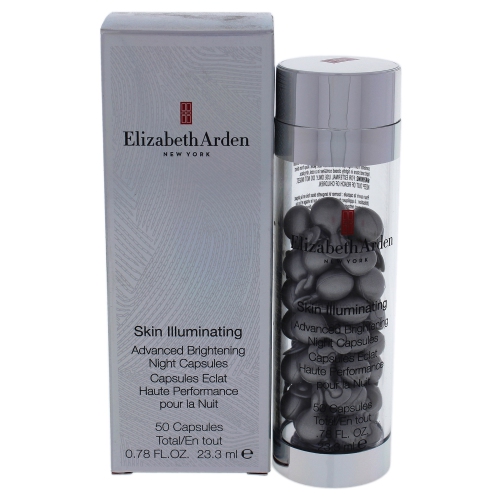
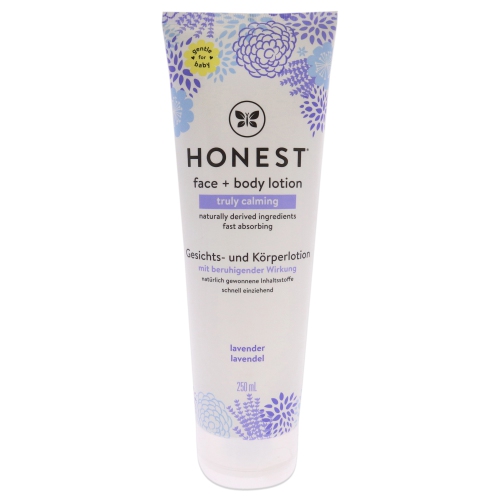
Top Collections:
Best Black Friday Deals This Year, Best Black Friday Deals On Electronics, Kindle Devices, Pokemon Centers, Best Black Friday Deals On Apple Products, Best Cameras for Sports Photography, Dyson Airwrap, Pokémon 30th Celebration Cards, Apple iPhone 17 Pro, Canon G7X Cameras
Some products may be subject to Environmental Handling Fees
(EHF) depending on your province.
Learn more about EHFs.