Makeup Eyeliners
Discover the perfect makeup eyeliner to elevate your beauty routine and define your eyes with precision. Whether you prefer a bold, dramatic look or a subtle, natural finish, our extensive collection offers an array of options to suit every style and occasion. From liquid liners that deliver sharp, clean lines to gel and pencil eyeliners for a softer touch, you'll find high-quality products designed for long-lasting wear and effortless application. Explore the latest trends and timeless classics in makeup eyeliners and enhance your eyes with ease and confidence.
Sort


How eyeliner formulas shape soft lines and sharp wings
Makeup eyeliners add definition along the lash line, from a soft trace of brown that makes lashes appear fuller to a crisp black wing with a sharply tapered edge. The main eyeliner formats are pencil, liquid, gel, and felt-tip pen, each offering a different balance of control, blending time, and precision. Pencil eyeliners commonly combine waxes, oils, and pigments in a solid core, creating a texture that can range from firm and precise to creamy and easily smudged. A sharpenable pencil allows the point to be reshaped, while a retractable pencil offers a twist-up format without routine sharpening. Both can suit everyday definition, especially when a perfectly straight edge is not the goal. Liquid eyeliners apply a fluid formula through a fine brush or another narrow applicator, making them well suited to clean lines, graphic shapes, and pointed wings. Brush tips can flex with changes in pressure, while firmer felt tips offer a pen-like feel that some people find easier to control. Felt-tip eyeliner is often a type of liquid liner rather than a separate formula category, so the applicator and the formula both matter. Gel eyeliners have a creamy consistency and may come in a pot for use with a separate brush or in pencil form for direct application. Some allow a brief window for blending before setting, which suits a softly diffused edge as well as a more defined line. For someone building confidence with eye makeup, a smooth pencil or a controllable pen tip can make small strokes easier to place than one continuous sweep. The Eyeliners for Beginners page offers a focused starting point for exploring those formats. The most useful distinction is not simply beginner versus experienced: a person who enjoys a smoky finish may prefer a blendable pencil, while someone who wears a narrow wing every day may favour a liquid formula with a fine tip.
Colour, finish, and line width give eyeliner much of its character. Black creates a pronounced outline and strong contrast, while brown can provide softer-looking definition without losing the shape of the lash line. Charcoal sits between those effects, and shades such as navy, plum, or bronze introduce colour that can feel subtle when applied close to the lashes. A coloured line does not have to become a full statement look; a small accent at the outer corner can add interest alongside otherwise minimal makeup. Matte finishes create an even, non-reflective edge, satin finishes have a gentle sheen, and shimmer formulas catch light for a more noticeable effect. The texture and size of any reflective particles matter around the eyes, and an eye-area formula should only be applied where its label permits. Applicator shape also affects the finished result. An ultra-fine point can reach close to the lash roots with less visible thickness, whereas a broader pencil or angled brush can build a fuller band of colour. For lids with limited visible space, a narrow line may leave more eyeshadow showing; a thicker line creates a bolder frame but occupies more of that space. Hooded lids and folds at the outer corner can influence where a wing remains visible when the eyes are open, making controlled placement and resistance to transfer useful considerations. A creamy liner that blends readily can suit someone who prefers a hazy edge over a geometric flick. Someone getting ready for a presentation may want understated definition, while a person dressing for a celebration may enjoy a longer wing or metallic accent. Eyeliner works across ages, genders, and levels of makeup experience, with the format guided more by personal style and handling preferences than by a fixed set of rules. As a gift, a familiar shade and applicator style are often more practical than an unfamiliar formula, particularly when the recipient has established preferences or eye sensitivities.
Wear, comfort, and care are just as important as the initial colour payoff. Long-wearing, smudge-resistant, and waterproof describe different performance goals and should not be treated as interchangeable. A waterproof eyeliner is formulated to resist water, but that does not necessarily mean it will resist rubbing, skin oils, or every type of makeup remover. Smudge resistance concerns how well a line stays in place after setting, while wear time varies with the formula, application, and other makeup underneath it. A creamy pencil may offer more time to soften an edge, whereas a quick-setting liquid may hold a crisp shape with less opportunity for adjustment. For someone whose liner leaves marks above the lash line, a transfer-resistant formula and enough drying time before the lid folds against it can be helpful. Comfort deserves equal attention: an eyeliner should deposit colour without repeated pulling, and persistent stinging or irritation is a reason to stop using it. People with sensitive eyes or contact lenses may wish to look for relevant labelling, while remembering that testing claims do not guarantee that every wearer will tolerate a formula. Liner intended for the outer lash line is not automatically suitable for the inner rim; waterline use should be explicitly permitted by the manufacturer. Packaging affects day-to-day durability, too. Caps that close securely help limit drying, especially with pens and gel pots, while retractable tips are less likely to break when only a small amount is extended. Sharpenable pencils benefit from a clean cosmetic sharpener of the appropriate size, and separate eyeliner brushes need regular cleaning and thorough drying. Eye makeup should not be shared, and adding water or saliva to revive a dry formula can introduce contamination. Following the labelled period after opening, replacing liner after an eye infection, and removing it gently with a suitable eye makeup remover support sensible care. These practical differences help distinguish an eyeliner that merely creates the desired look from one that fits comfortably into a regular makeup routine.
Colour, finish, and line width give eyeliner much of its character. Black creates a pronounced outline and strong contrast, while brown can provide softer-looking definition without losing the shape of the lash line. Charcoal sits between those effects, and shades such as navy, plum, or bronze introduce colour that can feel subtle when applied close to the lashes. A coloured line does not have to become a full statement look; a small accent at the outer corner can add interest alongside otherwise minimal makeup. Matte finishes create an even, non-reflective edge, satin finishes have a gentle sheen, and shimmer formulas catch light for a more noticeable effect. The texture and size of any reflective particles matter around the eyes, and an eye-area formula should only be applied where its label permits. Applicator shape also affects the finished result. An ultra-fine point can reach close to the lash roots with less visible thickness, whereas a broader pencil or angled brush can build a fuller band of colour. For lids with limited visible space, a narrow line may leave more eyeshadow showing; a thicker line creates a bolder frame but occupies more of that space. Hooded lids and folds at the outer corner can influence where a wing remains visible when the eyes are open, making controlled placement and resistance to transfer useful considerations. A creamy liner that blends readily can suit someone who prefers a hazy edge over a geometric flick. Someone getting ready for a presentation may want understated definition, while a person dressing for a celebration may enjoy a longer wing or metallic accent. Eyeliner works across ages, genders, and levels of makeup experience, with the format guided more by personal style and handling preferences than by a fixed set of rules. As a gift, a familiar shade and applicator style are often more practical than an unfamiliar formula, particularly when the recipient has established preferences or eye sensitivities.
Wear, comfort, and care are just as important as the initial colour payoff. Long-wearing, smudge-resistant, and waterproof describe different performance goals and should not be treated as interchangeable. A waterproof eyeliner is formulated to resist water, but that does not necessarily mean it will resist rubbing, skin oils, or every type of makeup remover. Smudge resistance concerns how well a line stays in place after setting, while wear time varies with the formula, application, and other makeup underneath it. A creamy pencil may offer more time to soften an edge, whereas a quick-setting liquid may hold a crisp shape with less opportunity for adjustment. For someone whose liner leaves marks above the lash line, a transfer-resistant formula and enough drying time before the lid folds against it can be helpful. Comfort deserves equal attention: an eyeliner should deposit colour without repeated pulling, and persistent stinging or irritation is a reason to stop using it. People with sensitive eyes or contact lenses may wish to look for relevant labelling, while remembering that testing claims do not guarantee that every wearer will tolerate a formula. Liner intended for the outer lash line is not automatically suitable for the inner rim; waterline use should be explicitly permitted by the manufacturer. Packaging affects day-to-day durability, too. Caps that close securely help limit drying, especially with pens and gel pots, while retractable tips are less likely to break when only a small amount is extended. Sharpenable pencils benefit from a clean cosmetic sharpener of the appropriate size, and separate eyeliner brushes need regular cleaning and thorough drying. Eye makeup should not be shared, and adding water or saliva to revive a dry formula can introduce contamination. Following the labelled period after opening, replacing liner after an eye infection, and removing it gently with a suitable eye makeup remover support sensible care. These practical differences help distinguish an eyeliner that merely creates the desired look from one that fits comfortably into a regular makeup routine.
Top selling and popular products
-
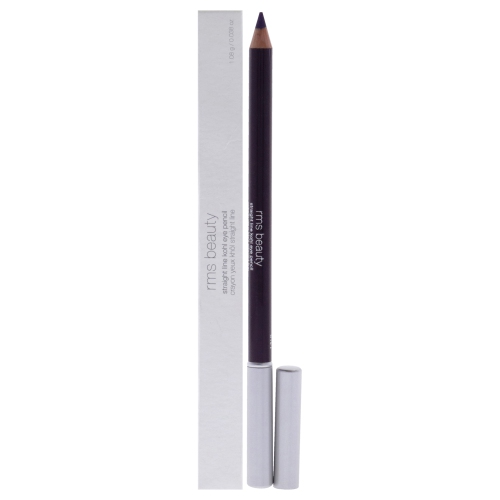 Your price for this item is $32.68
 -
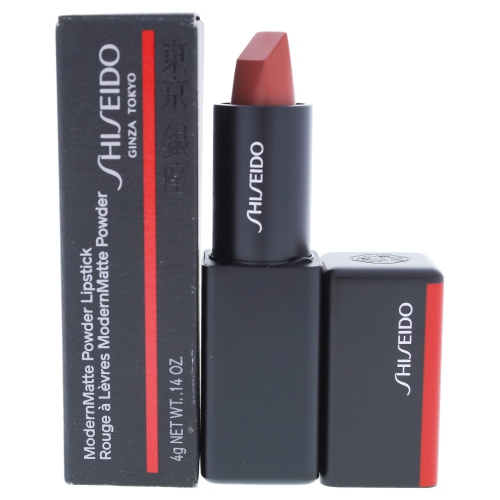 Your price for this item is $36.68
 -
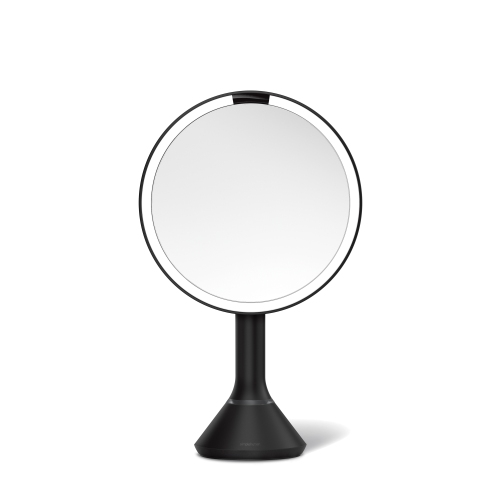 Your price for this item is $270
 -
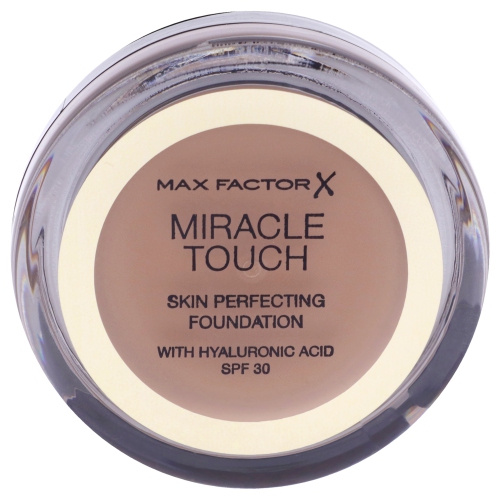 Your price for this item is $14.53
 -
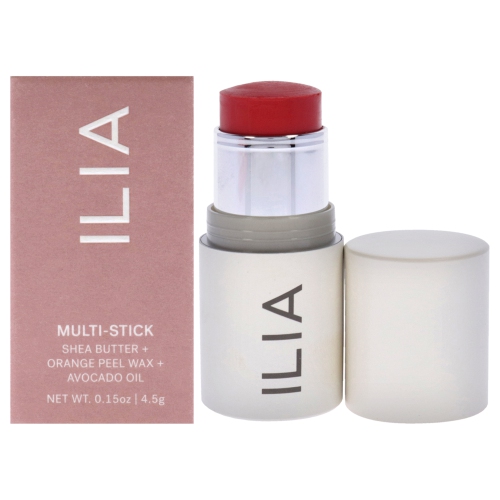 Your price for this item is $43.91
 -
![UNIVERSAL STUDIOS Justice League Dark: Apokolips War Mfv [Uhd]](https://multimedia.bbycastatic.ca/multimedia/products/500x500/182/18208/18208895.jpeg) Your price for this item is $41.48
Your price for this item is $41.48 -
 Your price for this item is $33.57
 -
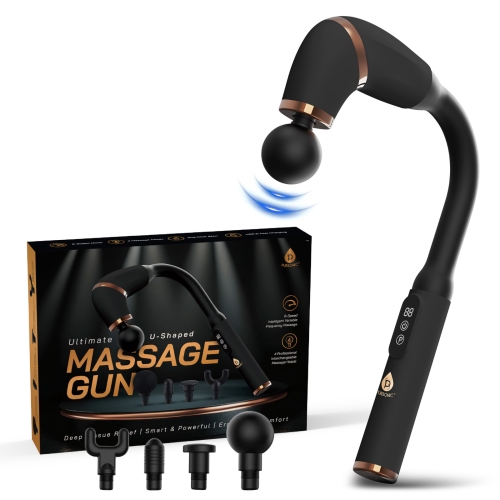 Your price for this item is $68.99
Discover more categories related to Makeup Eyeliners
Top Collections:
Pokemon Centers, Budget 4K TVs, Kindle Devices, Canon G7X Cameras, Apple iPhones 16, iPhone 15 Apple, Laptops for Business Work, Flip Phones, Xiaomi Phones, Refurbished Apple Laptops
Some products may be subject to Environmental Handling Fees
(EHF) depending on your province.
Learn more about EHFs.