Whirlpool Wall Microwaves
Upgrade your kitchen with the convenience and efficiency of a Whirlpool wall microwave. Perfect for saving counter space and adding a sleek, modern touch to any culinary space, these built-in microwaves offer a seamless integration into your cabinetry. Whether you're reheating leftovers, defrosting ingredients, or preparing quick meals, a Whirlpool wall microwave combines functionality with style to meet all your cooking needs. Explore our selection to find the ideal model that complements your kitchen's design and enhances your cooking experience.
Sort
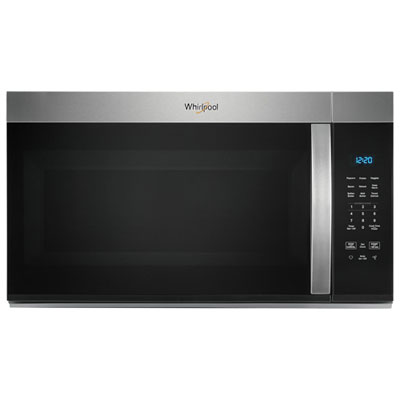
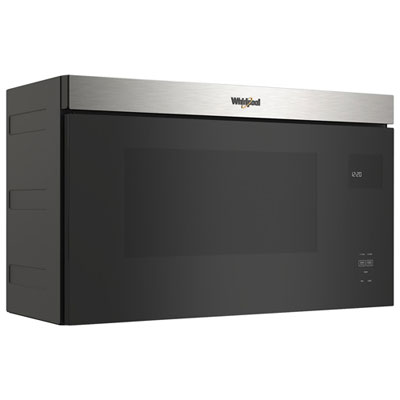
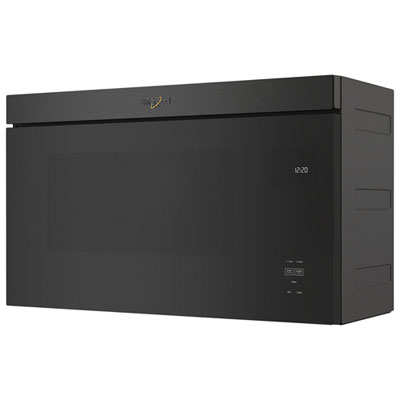
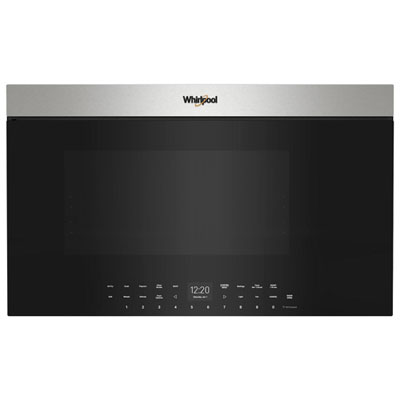
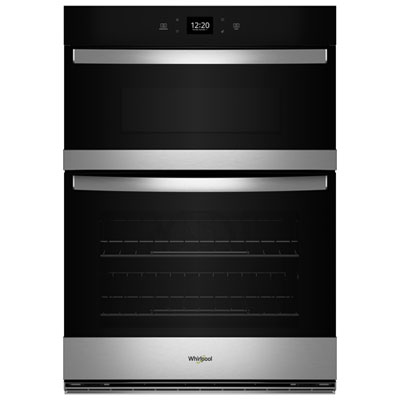
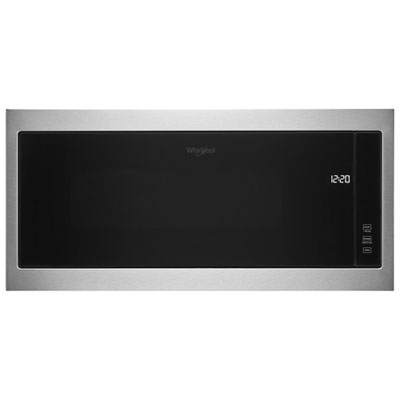
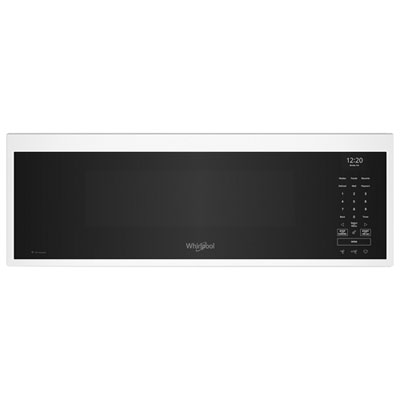
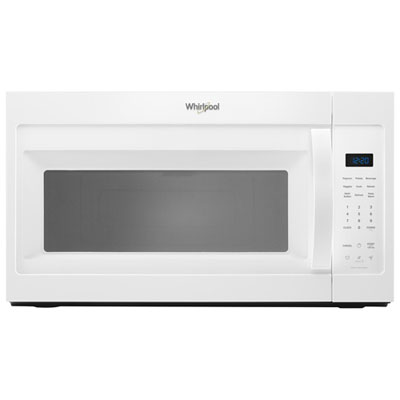
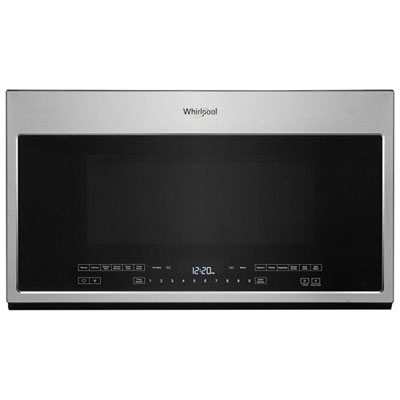
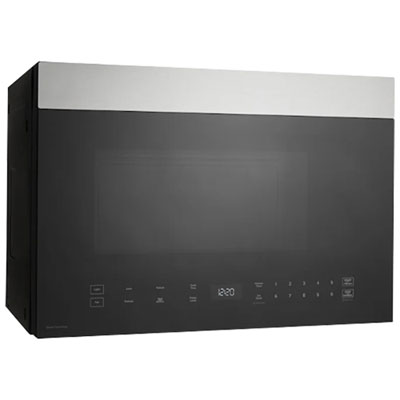
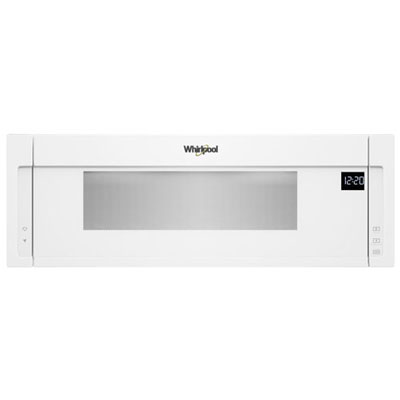
More counter space starts with the right built-in fit
Wall microwaves bring everyday reheating, defrosting, and cooking into the cabinetry, leaving more counter space for chopping vegetables, setting out ingredients, or packing lunches. The main distinction is between a standalone built-in microwave and a combination wall oven that pairs a microwave with a separate oven cavity. A standalone built-in suits a kitchen that already has a range or wall oven and simply needs a dedicated place for microwave cooking. A combination unit brings both appliances into one vertical installation, which can be useful when planning a kitchen around a separate cooktop. The microwave handles tasks such as softening butter or warming a bowl of soup, while the oven below takes care of baking and roasting. These configurations differ from an over-the-range microwave, which sits above a cooking surface and also provides ventilation for the cooktop. A microwave fitted into a wall cabinet does not automatically serve that ventilation role. The right arrangement depends on how the kitchen works day to day: a busy household may value having reheating within easy reach without interrupting someone at the stove, while a smaller kitchen may benefit most from a clear preparation surface. Built-in installation can also create a more continuous cabinet line, with the appliance face framed by surrounding cupboards rather than sitting loose on a worktop. Some microwaves are designed specifically for built-in use, while others permit it only with a manufacturer-approved trim kit. A countertop microwave should never be enclosed simply because it fits inside an opening; its installation instructions must expressly allow that placement. Where a trim kit is required, it provides the specified finished surround while accommodating the appliance’s ventilation needs. For a coordinated metallic finish, Whirlpool Stainless Microwaves offers a related selection to explore. Finish is only one part of the decision, though: installation type, usable cooking space, and access matter more than a matching front panel alone.
Fit starts with the cabinet opening, not just the width shown in an appliance name. Cabinet cutout height, width, and depth all need to match the installation specifications, along with required clearances and support. The finished face may extend beyond the cutout, and a trim kit can have different outside dimensions from the microwave itself. When replacing an existing appliance, measuring the old front panel is therefore not enough. The opening behind it, the location of the electrical connection, and the cabinet’s ability to support the replacement all deserve attention. Door movement is another practical detail that becomes obvious during daily use. A side-opening door needs room to swing without striking a neighbouring wall or cabinet handle, while a drop-down door changes how far someone must reach to lift out a dish. Placement should make it comfortable to see inside and remove hot food with both hands. A high installation may look tidy but prove awkward when lifting a full bowl of oatmeal or a wide casserole dish. Controls should also be readable and reachable for the people who will use them most often. Interior capacity, usually expressed in cubic feet, helps describe size, but the cavity’s actual dimensions determine whether a favourite dinner plate or microwave-safe dish will fit. Where a turntable is fitted, allow enough room for the dish to rotate freely rather than judging the space with an empty cavity. Electrical requirements vary by configuration and must be checked before installation. Combination wall ovens commonly need a dedicated 240-volt supply and a hardwired connection, whereas many standalone built-in microwaves use a grounded 120-volt receptacle, with circuit requirements specified by the manufacturer. An existing outlet is not proof that the installation is suitable. A qualified installer or electrician can confirm the connection, cabinet support, and clearances, especially when converting from one appliance format to another. In a combination unit, the microwave and lower oven share an installation but remain separate cooking cavities, so both sections should suit the household’s cooking habits.
Cooking features are most useful when they match the food prepared regularly. For straightforward reheating and defrosting, accessible power settings, a clear timer, and easy-to-understand controls may matter more than a long menu of programmes. Microwave wattage influences heating performance, but even a powerful appliance benefits from suitable cookware, sensible portions, and stirring or standing time where directed. Sensor cooking, when included, can adjust operation using information such as moisture released by food, although it does not remove the need to follow food-safety guidance. For reheated leftovers, a microwave-safe cover helps limit splashes, and stirring midway can reduce cold spots in dense foods such as rice or pasta. Defrost settings are helpful for meal preparation, but thawed food should be handled and cooked according to safe food-handling practices. Convection, grilling, or air-frying functions may broaden what a microwave can do when those features are specified. They should not be assumed from the built-in format alone, and any included racks, trays, or crisping accessories must be used only in the modes permitted by the manual. Cookware requirements can change between microwave and convection operation, making a familiar dish unsuitable for a different setting. Materials and care also influence everyday satisfaction. Stainless steel fronts offer a familiar match for many kitchen appliances, while glass doors and control panels provide surfaces that are generally straightforward to wipe clean. Fingerprint-resistant finishes, where specified, still need regular care with an approved cleaner and a soft cloth. Interior materials vary, so cleaning directions should take precedence over a one-method-fits-all approach. Wiping up splashes after the cavity has cooled helps prevent residue from building up, and removable turntables or supports should be cleaned as directed. Abrasive pads, excessive moisture around controls, and unapproved cleaners can damage surfaces. Keeping vents unobstructed and closing the door without force also supports proper operation. For households that use the microwave several times a day, a sturdy-feeling handle, legible display, accessible interior, and simple cleaning routine can make a lasting difference. A well-matched wall microwave earns its place through comfortable use and dependable everyday function, not just a neatly framed appearance.
Fit starts with the cabinet opening, not just the width shown in an appliance name. Cabinet cutout height, width, and depth all need to match the installation specifications, along with required clearances and support. The finished face may extend beyond the cutout, and a trim kit can have different outside dimensions from the microwave itself. When replacing an existing appliance, measuring the old front panel is therefore not enough. The opening behind it, the location of the electrical connection, and the cabinet’s ability to support the replacement all deserve attention. Door movement is another practical detail that becomes obvious during daily use. A side-opening door needs room to swing without striking a neighbouring wall or cabinet handle, while a drop-down door changes how far someone must reach to lift out a dish. Placement should make it comfortable to see inside and remove hot food with both hands. A high installation may look tidy but prove awkward when lifting a full bowl of oatmeal or a wide casserole dish. Controls should also be readable and reachable for the people who will use them most often. Interior capacity, usually expressed in cubic feet, helps describe size, but the cavity’s actual dimensions determine whether a favourite dinner plate or microwave-safe dish will fit. Where a turntable is fitted, allow enough room for the dish to rotate freely rather than judging the space with an empty cavity. Electrical requirements vary by configuration and must be checked before installation. Combination wall ovens commonly need a dedicated 240-volt supply and a hardwired connection, whereas many standalone built-in microwaves use a grounded 120-volt receptacle, with circuit requirements specified by the manufacturer. An existing outlet is not proof that the installation is suitable. A qualified installer or electrician can confirm the connection, cabinet support, and clearances, especially when converting from one appliance format to another. In a combination unit, the microwave and lower oven share an installation but remain separate cooking cavities, so both sections should suit the household’s cooking habits.
Cooking features are most useful when they match the food prepared regularly. For straightforward reheating and defrosting, accessible power settings, a clear timer, and easy-to-understand controls may matter more than a long menu of programmes. Microwave wattage influences heating performance, but even a powerful appliance benefits from suitable cookware, sensible portions, and stirring or standing time where directed. Sensor cooking, when included, can adjust operation using information such as moisture released by food, although it does not remove the need to follow food-safety guidance. For reheated leftovers, a microwave-safe cover helps limit splashes, and stirring midway can reduce cold spots in dense foods such as rice or pasta. Defrost settings are helpful for meal preparation, but thawed food should be handled and cooked according to safe food-handling practices. Convection, grilling, or air-frying functions may broaden what a microwave can do when those features are specified. They should not be assumed from the built-in format alone, and any included racks, trays, or crisping accessories must be used only in the modes permitted by the manual. Cookware requirements can change between microwave and convection operation, making a familiar dish unsuitable for a different setting. Materials and care also influence everyday satisfaction. Stainless steel fronts offer a familiar match for many kitchen appliances, while glass doors and control panels provide surfaces that are generally straightforward to wipe clean. Fingerprint-resistant finishes, where specified, still need regular care with an approved cleaner and a soft cloth. Interior materials vary, so cleaning directions should take precedence over a one-method-fits-all approach. Wiping up splashes after the cavity has cooled helps prevent residue from building up, and removable turntables or supports should be cleaned as directed. Abrasive pads, excessive moisture around controls, and unapproved cleaners can damage surfaces. Keeping vents unobstructed and closing the door without force also supports proper operation. For households that use the microwave several times a day, a sturdy-feeling handle, legible display, accessible interior, and simple cleaning routine can make a lasting difference. A well-matched wall microwave earns its place through comfortable use and dependable everyday function, not just a neatly framed appearance.
Top selling and popular products
-
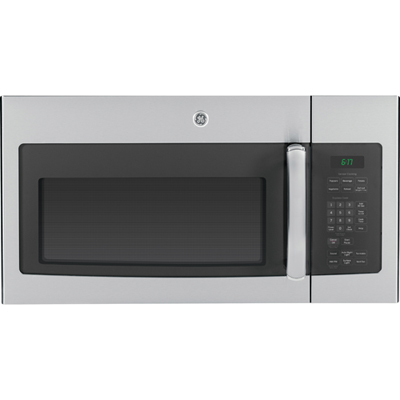 Your price for this item is $399.99
 -
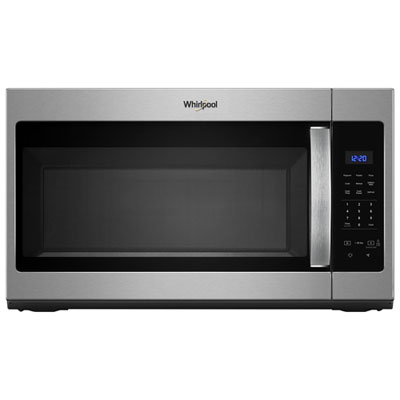 Your price for this item is $349.97
 -
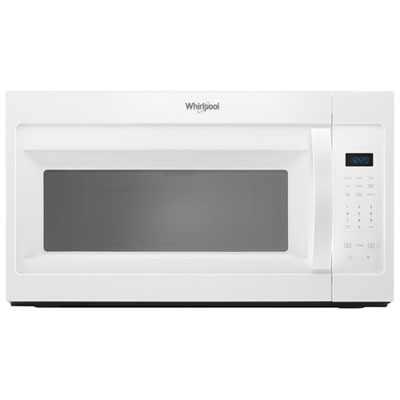 Your price for this item is $329.99
 -
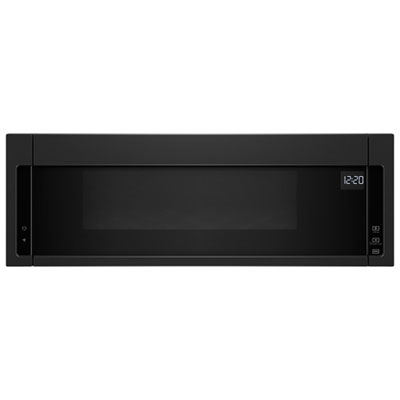 Your price for this item is $549.99
 -
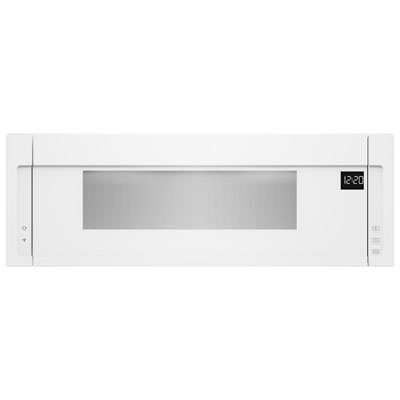 Your price for this item is $549.99
 -
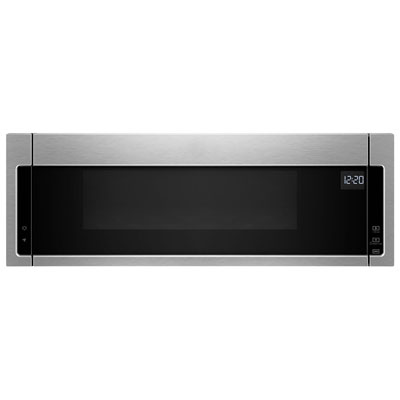 Your price for this item is $499.99
 -
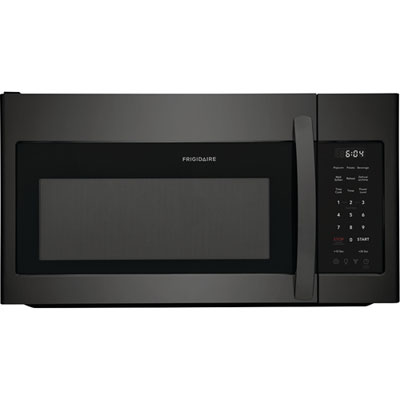 Your price for this item is $499.99
 -
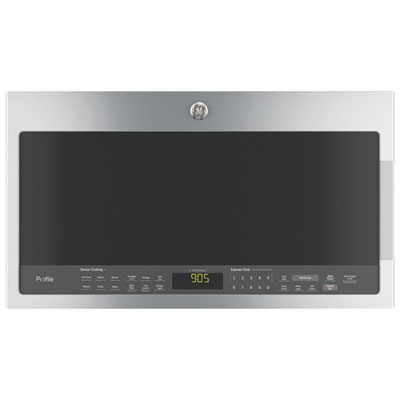 Your price for this item is $749.99
Discover more categories related to Whirlpool Wall Microwaves
Top Collections:
Pokemon Centers, Kindle Devices, Best Budget Office Chairs, Apple iPhones 16, Best Laptops for Writers, iPhone 15 Apple, Canon G7X Cameras, Refurbished Apple Laptops, Alarm Clock, Motorola Razr Phones
Some products may be subject to Environmental Handling Fees
(EHF) depending on your province.
Learn more about EHFs.